
Market Minds Advisory
Wood Foam Market Share Analysis

Wood Foam Market Size, Growth Drivers and Forecast 2026-2036

E-commerce brands and furniture makers are shifting packaging specification toward wood foam as single-use plastic bans tighten across Europe, pushing petrochemical foam producers to license cellulose formulations before converters lock in biomaterial supply.

Lead Analyst

Bilal Shaikh

Published

November 2026

Make Smarter Decisions with Customized Research Insights

Request a free sample report and evaluate market opportunities, growth trends, and competitive dynamics relevant to your business needs.

2025 MARKET VALUE$0.2BMarket Size 2025
2036 FORECAST VALUE$0.8BBase Case , 2026 to 2036
CAGR 2026 TO 203614.5 %Bull 15.8% / Bear 13.2%
INCREMENTAL OPPORTUNITY$0.6BNet 10- year value creation
EXPANSION MULTIPLE3.87x2036 value over 2026 base
Strategic Levers
M&A Pipeline
Regional Outlook
Country Rankings
Competitive Intelligence
Segmental Deep-dive
Call-Us : 91 93563 13602

Wood Foam Market Snapshot

E-commerce brands and furniture makers nationwide are both pulling specification toward cellulose-based wood foam as single-use plastic bans tighten across Europe, a shift regulators and large buyers are now writing directly into packaging procurement contracts across most major retail accounts and distribution channels across most packaging categories today.
Demand concentrates around protective packaging and automotive lightweight component grades as brands chase compostable alternatives to polystyrene and automakers seek weight reduction without sacrificing structural performance, with Western European regulatory pressure and East Asian manufacturing scale-up driving the largest absolute volume gains across the forecast window, while China's expanding biomaterial production capacity adds a fast-growing secondary supply source close behind established Nordic producers and well ahead of most other emerging markets tracked in this report.
Competition is splitting between large forestry conglomerates defending decades-old pulp mill capacity and focused biomaterial startups commanding premium pricing on engineered foam formulations, a divide sharpened by brands demanding documented compostability certification that commodity foam converters struggle to certify at comparable cost across every production batch, forcing even established producers to invest in biomaterial research they once considered a side project entirely.
Market Definition
The Wood Foam Market covers rigid cellulose-based foam produced from wood fiber used as a bio-based alternative to petrochemical foam in protective packaging, thermal insulation panels, construction core material, automotive lightweight components, furniture and acoustic foam, and food service disposables. It excludes petrochemical polystyrene and polyurethane foam, molded pulp packaging, and cardboard. The building thermal insulation market is a useful reference point here, growing from USD 38.4 billion in 2025 to USD 72.2 billion by 2036 at a 5.9% CAGR, according to MMA.
Base Year Value
$0.2B in 2025 (MMA Primary Research Dataset, October 2026)
Forecast Period
2026 to 2036, eleven discrete annual values
CAGR
14.5% base case. Bull 15.8%. Bear 13.2%.
Fastest Growth Segment
Protective Packaging Foam: 18.5% CAGR
Fastest Growth Country
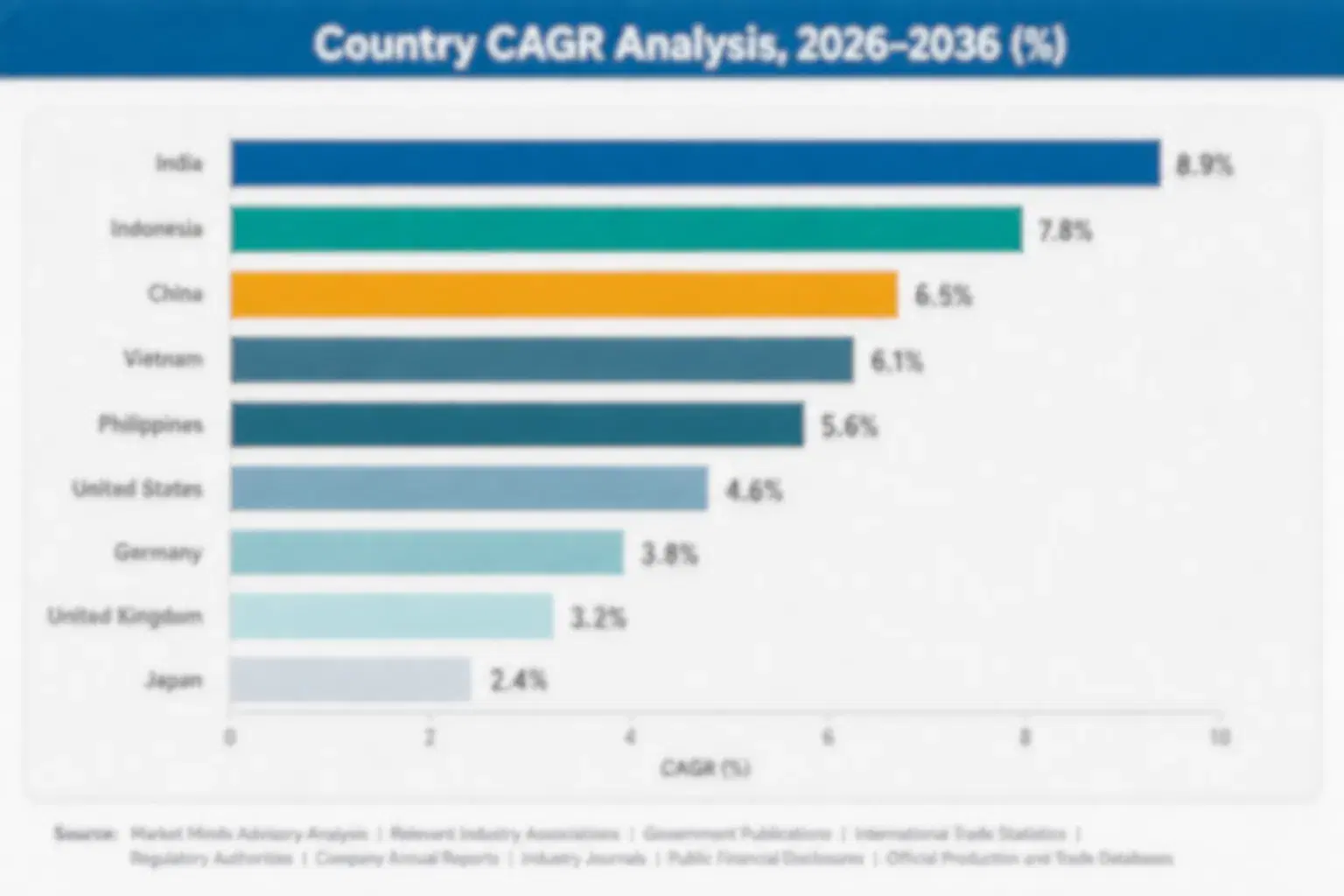
China: 16.8% CAGR
Fastest Growth Region
South Asia and Pacific: 16.5% CAGR
Largest Region
Western Europe: 26% of 2025 global value
Market Leaders
Stora Enso Oyj, UPM-Kymmene Corporation, Sulapac Oy, Woodly Oy, Kingspan Group plc. Source: MMA Primary Research, July 2026.
Primary Survey
n=3,800 procurement and R&D decision-makers, Q4 2025, six countries
Methodology
Demand-side build-up, cross-validated against public data, 47 expert interviews

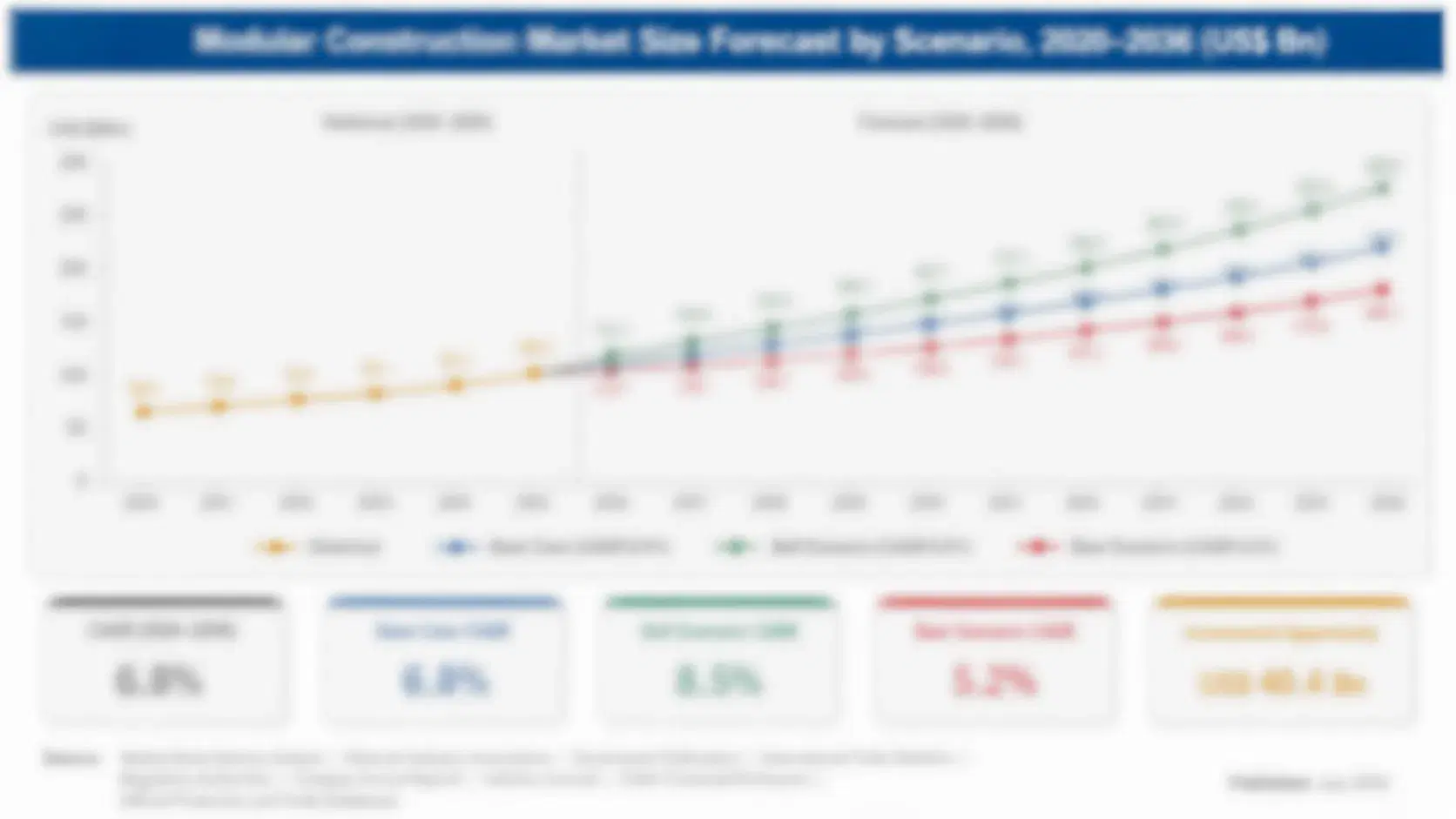
Wood Foam Market Forecast Scenarios

wood-foam-market-share-analysis-size-forecast-scenario-1791426468228
Wood foam demand grew rapidly between 2020 and 2025 as Nordic forestry companies commercialized early cellulose foam pilots and European plastic reduction directives created immediate demand pull, with protective packaging grades accelerating fastest, even as this remained a small base relative to petrochemical foam across most global packaging categories tracked here. Producers that invested early in biomaterial formulation captured most of this incremental share.
The base case assumes continued European regulatory pressure on single-use plastic packaging, broadening automotive lightweighting adoption as manufacturers seek compostable alternatives to foam interior components, and growing East Asian manufacturing scale-up as Chinese and Japanese converters license Nordic cellulose foam formulations, three mechanisms that together sustain rapid demand growth through 2036 even as petrochemical foam retains cost advantages in most price-sensitive commodity packaging categories. Retail buyers increasingly treat this as a durable shift.
A bull scenario assumes faster global adoption of plastic packaging bans beyond Europe, lifting unit demand well above base case projections. The bear risk is slower-than-expected cost parity between wood foam and petrochemical alternatives that delays mainstream adoption across most price-sensitive converter segments. A faster global plastic ban wave would lift wood foam demand meaningfully.

Plastic Bans Reshaping Protective Packaging Specification

Protective packaging specification is shifting away from petrochemical polystyrene toward compostable cellulose wood foam as European regulators tighten single-use plastic rules and brands demand documented biodegradability, reshaping investment priorities across both fiber sourcing and foam engineering. Large e-commerce brands are now writing compostability certification directly into their packaging procurement contracts. Linked demand sits in the wood vinegar market, projected by MMA to reach USD 2.78 billion by 2036 on a 6.8% CAGR.
MARKET CONCENTRATIONCR5 26%Top five producers hold roughly a quarter of revenue
AVERAGE SELLING PRICE$3.40/kilogramReflects biomaterial formulation cost premium charged very broadly
TOP PRODUCING COUNTRY SHAREFinland 18%Domestic forestry base anchors early formulation leadership today
CAPACITY UTILIZATION64%Pilot lines running below peak amid scale-up constraints
TRADE INTENSITY42% cross-borderFinished foam shipped globally to large converter clients
WOOD FIBER COST SHARE31%Specialty cellulose fiber remains largest single cost item
Producers increasingly compete on compostability certification and structural consistency rather than price alone, since major packaging and automotive clients now require documented biodegradability testing before awarding multi-year supply contracts, a shift favoring biomaterial specialists with formulation engineering capability over commodity petrochemical foam converters still selling undifferentiated polystyrene. The gap between certified and uncertified producers widens with each procurement cycle. Producers without certification increasingly lose bids on commodity accounts. The flexible colored PU foams market moves on similar drivers, with MMA projecting a 5.8% CAGR over 2026-2036.
Wood fiber cost volatility and the capital cost of adding foam formulation and testing capability are squeezing smaller regional producers, who increasingly license biomaterial chemistry from larger forestry specialists rather than build engineering capability independently, a pattern likely to accelerate consolidation across the producer base through the decade as plastic reduction mandates keep expanding further still. Analysts expect this consolidation to continue as more jurisdictions finalize their own plastic reduction standards. MMA tracks this demand in the cordless wood planer market, which it projects to grow at 8.8% a year through 2036.
"Compostability documentation has become the real product here, not foam density alone. Converters still competing on petrochemical foam price are losing premium brand contracts to producers who built their chemistry around what regulators will actually certify."
Director, Biomaterials Practice · MMA Chemicals and Materials Practice · October 2026

What Is Changing in Wood Foam

Protective Packaging Foam Spreading Beyond Premium Brand Pilots

Protective packaging wood foam, once confined mainly to premium European brand pilots, is spreading across mainstream e-commerce and electronics protective packaging as retailers chase compostable alternatives to polystyrene under tightening plastic reduction mandates. Brands are consolidating purchase orders toward producers who can certify consistent compostability performance across every production batch rather than treating wood foam as a niche sustainability gesture. This is shortening qualification cycles for new cellulose formulations and concentrating volume toward producers with established biomaterial engineering capability, while smaller converters without in-house compostability testing are increasingly sidelined from large brand contracts. For scale, MMA values the wood impregnation plants market at USD 0.58 billion in 2025 and expects it to reach USD 1.05 billion by 2036.
Market Impact: Adds 8 percent directive-driven foam demand
Automotive Lightweighting Driving Cellulose Foam Component Adoption

Automotive lightweighting initiatives are driving cellulose foam adoption for interior component applications as manufacturers seek weight reduction that meets fuel efficiency targets without sacrificing structural performance in door panels and trim components. Manufacturers increasingly favor suppliers who can document consistent mechanical performance across varied temperature and humidity conditions rather than qualifying each regional supplier separately against informal local standards. This is pulling biomaterial engineering specialists directly into procurement conversations that previously belonged to generic petrochemical foam suppliers, reshaping which vendors major automakers shortlist for multi-year contracts. Several automakers have already finalized minimum mechanical requirements for next year's programs.
Market Impact: Adds 5 percent consolidated supplier share

Where the Wood Foam Opportunity Lies

European Plastic Reduction Directives Tightening Packaging Material Rules

European regulators are tightening single-use plastic reduction directives that govern protective packaging material composition, directly sustaining demand for compostable wood foam that meets documented biodegradability thresholds without sacrificing protective performance. Packaging procurement teams now treat compostability certification as a compliance line item alongside structural strength specifications. This regulatory shift is proving durable rather than cyclical, since jurisdictions that adopt stricter plastic rules rarely roll them back once supply chain partners adjust to the new baseline requirement across a full procurement cycle. This pattern is becoming the default compliance posture across most regulated packaging categories in Europe.
Market Impact: Adds 5 percent input cost volatility

E-Commerce Brands Consolidating Packaging Supply Around Certified Producers

Large e-commerce brands are consolidating their protective packaging supply base around producers capable of guaranteeing consistent compostability certification across every production campaign they operate, reducing the number of regional supplier relationships procurement teams must manage. This consolidation is reinforced by brand reputational exposure tied to greenwashing accusations over uncertified sustainability claims, which makes brands willing to pay a meaningful premium for producers with proven multi-facility certification records. Several large e-commerce brands have already moved to single-supplier packaging contracts over the past two years. This pattern is squeezing out smaller regional converters lacking matching certification documentation.
Market Impact: Slows mainstream adoption by 4 percent

Wood Foam Market Restraints

Specialty Cellulose Fiber Price Volatility Squeezing Producer Margins

Specialty cellulose fiber price volatility remains the primary friction point facing wood foam producers, since the processed fiber represents the largest single input cost and supply is concentrated among a limited number of Nordic and North American pulp mills subject to their own cyclical capacity swings. The root cause traces to constrained specialty cellulose capacity additions relative to rising demand from competing biomaterial and specialty paper industries sharing the same feedstock base. Smaller producers without long-term fiber supply agreements face the sharpest margin compression. Some producers are mitigating exposure through multi-year fixed-price plantation agreements with forestry operators.
Market Impact: Adds 9 percent protective packaging volume

Cost Parity Gap With Petrochemical Foam Slowing Mainstream Adoption

Wood foam production cost remains meaningfully above petrochemical polystyrene and polyurethane foam, slowing adoption among price-sensitive commodity packaging buyers who have not yet faced regulatory pressure to switch materials. The root cause is the early-stage manufacturing scale of cellulose foam production relative to decades-old petrochemical foam infrastructure built at enormous volume. This limits wood foam penetration to regulation-driven or premium brand-driven categories for now. Some producers are mitigating this gap by scaling production capacity rapidly to capture manufacturing efficiencies already proven in early European facilities. that smaller converters have struggled to replicate given the capital investment scaling requires.
Market Impact: Adds 7 percent lightweighting adoption
4 additional market trends, 2 additional growth drivers, and 3 additional restraints and challenges are covered in the full report. Contact sales@marketmindsadvisory.com to access the complete intelligence.

Wood Foam Growth by Segment

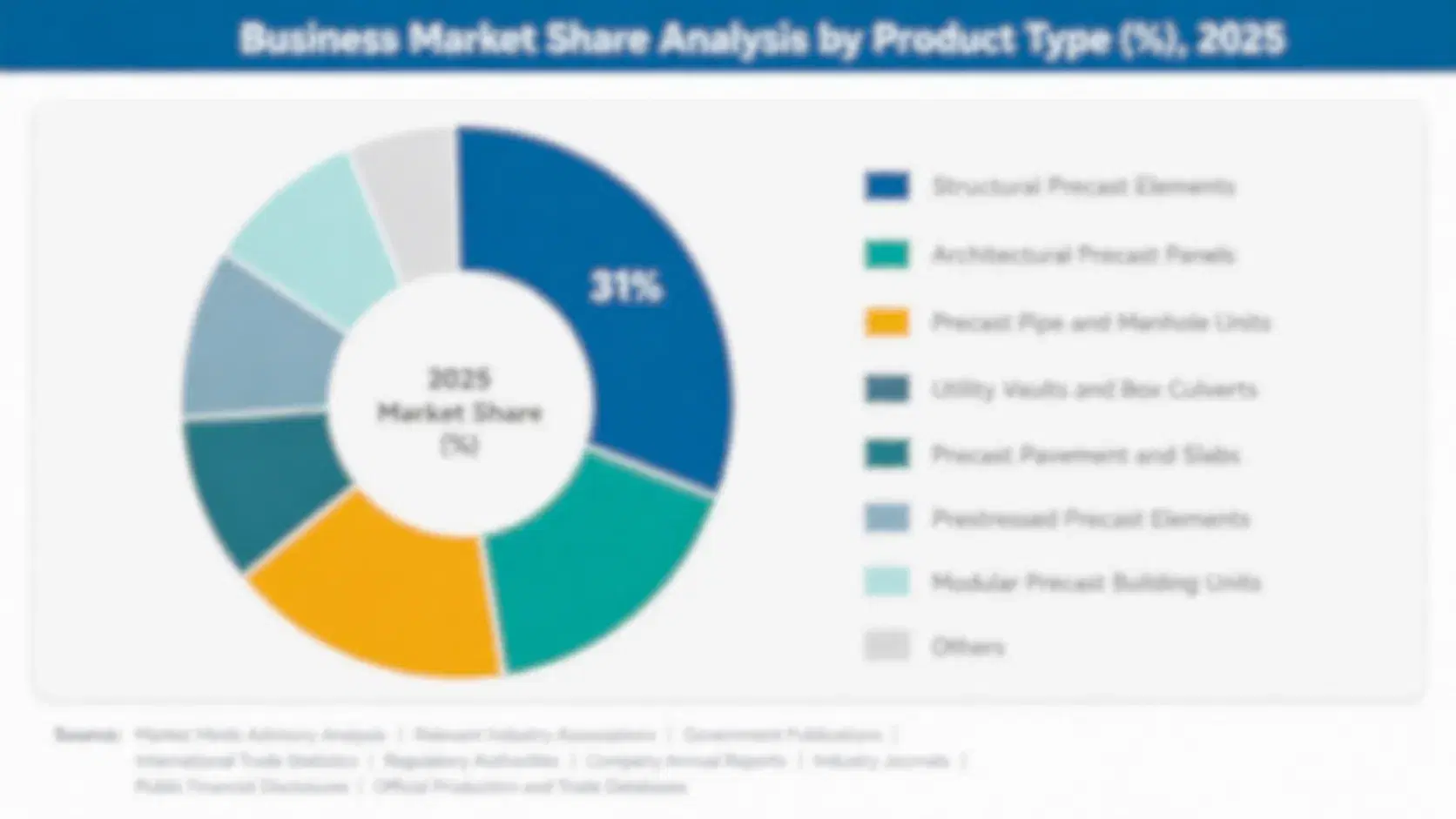
Wood foam splits across six MECE segments by end-use application, spanning protective packaging foam, thermal insulation panels, construction and building core material, automotive lightweight component foam, furniture and acoustic foam, and food service disposable foam, with protective packaging now gaining disproportionate share as plastic bans expand across most regulated retail markets. This dimension keeps categories cleanly separated across regulated markets. MMA tracks this demand in the thermal insulation material market, which it projects to grow at 5.8% a year through 2036.
wood-foam-market-share-analysis-market-share-analysis-1791426468543

Protective Packaging Foam

Protective packaging foam is the fastest growing segment in this market as e-commerce brands push toward compostable alternatives to polystyrene that survive shipping impact testing without sacrificing the cushioning performance customers expect. Producers are investing heavily in cell structure engineering and compostability certification to qualify foam against each major retailer's packaging waste reduction standard, and specification timelines are compressing as more brands adopt formats modeled on earlier European pilot launches. Brands are consolidating purchases toward producers already proven at scale across multiple distribution center programs, accelerating share gains for wood foam relative to standard petrochemical foam volume across the broader installed base. This dynamic is most visible among the largest European e-commerce fulfillment operations converting today.
CAGR 18.5%

Automotive Lightweight Component Foam

Automotive lightweight component foam is the second fastest growing segment, driven by manufacturer demand for interior trim and door panel materials that reduce vehicle weight without sacrificing the structural performance required for safety certification. Producers are adding specialized mechanical testing and formulation capability to meet these requirements, and this segment increasingly overlaps with protective packaging foam as manufacturers develop combined formulation platforms for cost efficiency. Smaller producers without automotive testing capability are losing qualification bids to larger suppliers who can offer both component and packaging compliance within one contract, while China is emerging as a notable secondary growth front as regional biomaterial manufacturing expands further. This cross-platform efficiency gain is becoming a key differentiator among the largest biomaterial producers today.
CAGR 16.2%
Full segment breakdown across 6 segments available in the complete report.

Wood Foam Market by Country

Western Europe leads global wood foam demand on regulatory pressure and Nordic forestry innovation leadership, while East Asia follows closely on manufacturing scale-up, and South Asia and Pacific posts the fastest regional growth as biomaterial adoption expands quickly. North America trails both regions but is closing the gap steadily.

North America

United States e-commerce fulfillment volume and growing corporate sustainability commitments anchor regional demand for wood foam at a scale approaching the established European market, with major retailers increasingly specifying compostable packaging for flagship and seasonal fulfillment programs alike. The country's automotive sector further sustains demand as manufacturers pursue lightweighting targets ahead of tightening fuel efficiency standards. Canada contributes smaller but stable demand concentrated in similar packaging and automotive categories, reinforcing the United States position as a critical national market tracked in this report, particularly among retailers running centralized sustainability procurement programs across multiple distribution networks. Several leading retailers are also piloting closed-loop packaging return programs to reduce virgin material dependence.
Share: 24% | CAGR: 14.0% (2026 to 2036)

Western Europe

Finland and Sweden's forestry conglomerates anchor regional demand for wood foam at a scale no other market approaches, having commercialized the earliest cellulose foam formulations and built the technical expertise that global converters now license. Germany and France add substantial additional volume as national plastic reduction directives push major retailers and automotive manufacturers toward certified compostable alternatives ahead of most other jurisdictions worldwide. The United Kingdom contributes further demand through its own emerging packaging waste regulation, reinforcing Western Europe's position as both the innovation origin and the largest consumption market tracked in this report. Several Nordic producers are also expanding pilot capacity to meet rising demand from converters outside the region entirely.
Share: 26% | CAGR: 13.0% (2026 to 2036)
Regional intelligence for 5 additional markets available in the complete report: East Asia, South Asia and Pacific, Latin America, Middle East and Africa, Eastern Europe. Contact sales@marketmindsadvisory.com.
wood-foam-market-share-analysis-country-cagr-analysis-1791426468858

Where Producers Can Build Margin

Producers selling plain commodity wood foam alone face thinning margins as basic compostability becomes table stakes across most European packaging contracts nationwide today. Two levers stand out for capturing disproportionate value as automotive-grade and electronics protective formats expand, rewarding producers positioned to serve the highest-value brand and manufacturer accounts first and earliest in the cycle.

Building Deep Multi-Brand Compliance Certification Capability

Producers that build multi-brand compostability certification into a single formulation platform can serve retailers expanding across several regional distribution programs at once rather than requalifying separately for each brand, cutting qualification cycle time meaningfully. This capability is becoming a prerequisite for winning multi-year supply contracts with the largest e-commerce retailers, who increasingly prefer to consolidate purchasing with fewer, more capable producers. Early movers in this space are already commanding premium pricing of roughly 16 to 21 percent over standard petrochemical foam formats across most major retail accounts tracked here. Several large accounts have already renewed on this basis.
Market Impact: Lifts realized pricing by 16 to 21 percent

Bundling Automotive and Electronics Protective Offerings

Combined automotive component and electronics protective packaging bundles let producers bid for diversified contracts that command a meaningful price premium over single-category offerings, without requiring clients to manage two separate vendor qualification processes. Producers who move first into this capability are capturing outsized share of new contract awards as more clients prioritize both sustainability credentials and vendor simplicity simultaneously. Industry data suggests bundled contracts are running roughly 11 to 16 percent above equivalent single-category volume, a gap expected to persist across most national accounts through the decade. Several large national accounts have already shifted toward this bundled approach.
Market Impact: Lifts realized pricing by 11 to 16 percent

Expanding Biomaterial Licensing and Technology Services

Producers offering biomaterial formulation licensing and technical support as a service alongside physical foam shipments capture recurring revenue beyond the one-time sale of material, since converters entering this market increasingly value proven chemistry over in-house development. This service layer deepens client relationships and raises switching costs meaningfully once a converter integrates its production line with a producer's licensed formulation platform. Early adopters report service attach rates climbing toward 17 percent of eligible accounts within two years of launch. A handful of large converters have already renewed these licensing contracts ahead of schedule for next year.
Market Impact: Adds service revenue on 17 percent of accounts

Developing Fast Rapid-Turnaround Custom Formulation Lines

Brands facing compressed product launch timelines create a growing opportunity for producers offering rapid-turnaround custom formulation lines that compress standard development lead times from several months to under six weeks. This capability demands significant capital investment in flexible, small-batch mixing and molding equipment, but it commands a premium over standard lead-time orders since clients face hard launch deadlines and limited vendor options. Early movers serving this niche are reporting order backlogs extending 11 weeks out during peak demand seasons. A few large producers are already fully booked through the next launch season nationwide.
Market Impact: Order backlogs extend 11 weeks during peak season

Wood Foam Pricing and Margins

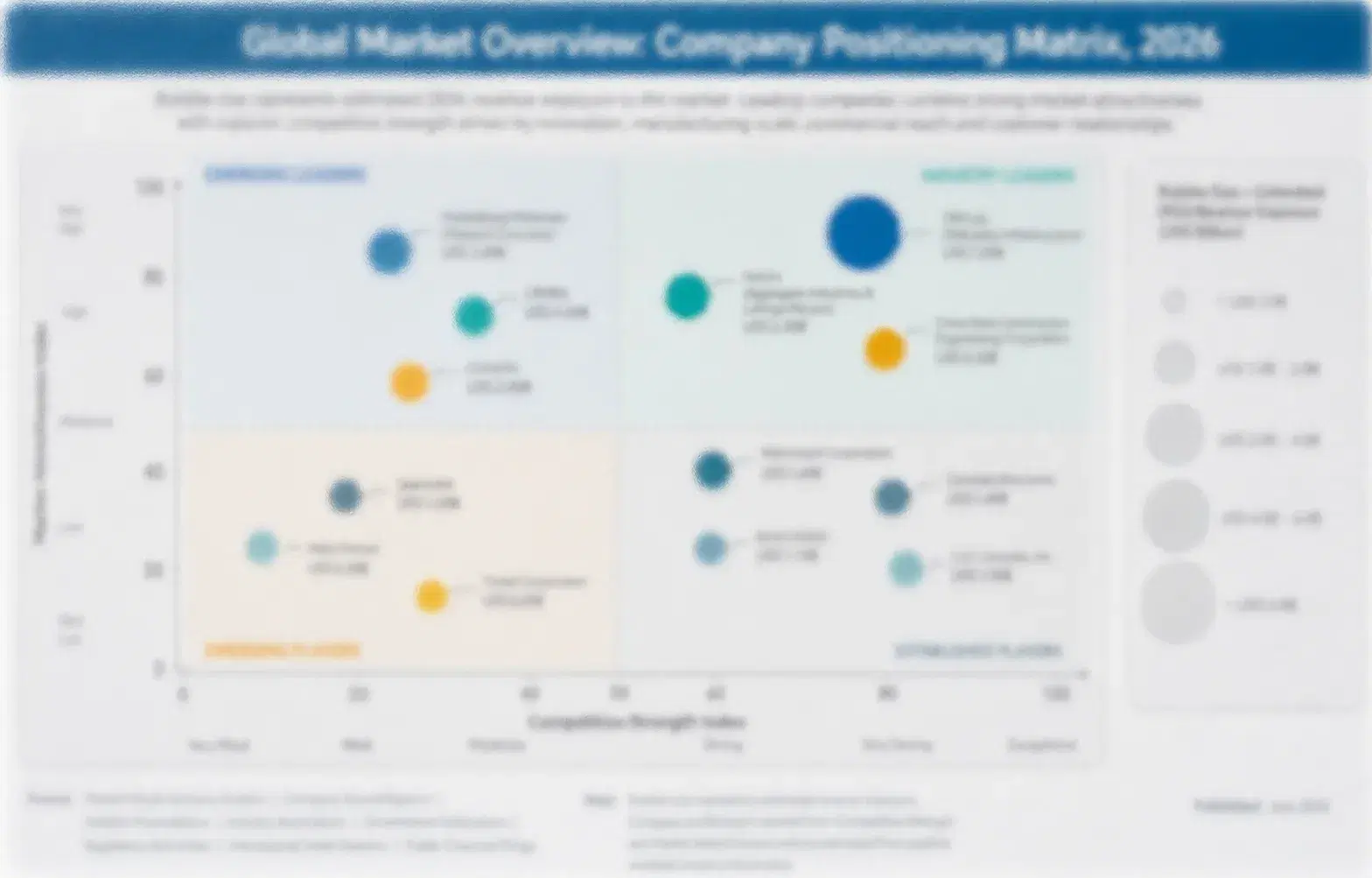
Wood foam supply is fragmented, with the top five producers holding roughly 26 percent of global revenue on a consolidated basis. The gap between leaders and mid-tier challengers is widening as compostability certification and formulation engineering become the primary basis of competition rather than unit price alone. That gap shows little sign of narrowing soon.
Current competitive activity centers on three dimensions: scaling formulation and manufacturing capacity, qualifying automotive-grade chemistry across multiple manufacturer facilities simultaneously, and securing long-term cellulose fiber supply agreements to insulate margins from input cost volatility. Producers without captive forestry sourcing are increasingly partnering with pulp mills directly to lock in multi-year volume commitments at fixed pricing terms. These agreements are becoming a standard feature of supplier negotiations across the industry broadly.

Emerging pressure comes from regional converters in China building formulation and manufacturing capability faster than expected, threatening to erode the premium historically commanded by established Nordic producers. Rankings are most likely to shift where a challenger secures a multi-year contract with a major e-commerce retailer or automaker, since such contracts tend to lock in volume and reference customer status for years.
wood-foam-market-share-analysis-company-positioning-matrix-1791426469128

Wood Foam Competition and Risks

STORA ENSO OYJ

Moat: Integrated Forestry Scale Advantage

The company's vast Nordic forestry holdings and pulp mill network let it produce cellulose feedstock at lower delivered cost than rivals dependent on third-party fiber supply, a scale advantage that funds biomaterial research smaller specialists struggle to match on comparable timelines. This scale advantage compounds further each harvest cycle.
STORA ENSO OYJ

Risk: Slower Niche Trend Response

The company's scale and diversified forestry portfolio occasionally slow its ability to chase fast-moving niche biomaterial formulation trends as quickly as smaller, specialty-focused startups who can pivot a single product line without affecting a much larger global business. This lag occasionally costs the company early mover advantage on emerging niche claims.
SULAPAC OY

Moat: Focused Biomaterial Engineering Depth

The company's singular focus on biomaterial chemistry gives it an edge in developing novel cellulose formulations that meet strict compostability certification faster than diversified forestry conglomerates juggling multiple product lines and legacy commodity businesses. This focus advantage compounds further with each new regulatory certification cycle completed.
SULAPAC OY

Risk: Limited Manufacturing Scale Exposure

Relative to the largest diversified forestry producers, the company's narrower manufacturing footprint limits its ability to serve the largest multinational retail contracts without partnering with larger converters, occasionally capping its share of the biggest new contract awards. Diversified rivals rarely face this degree of single-category revenue concentration risk.

Players Tracked

Prominent Players

Stora Enso Oyj
UPM-Kymmene Corporation
Sulapac Oy
Woodly Oy
Kingspan Group plc

Other Key Players

BASF SE
Metsa Group
Billerud AB
Sodra Skogsagarna
Smurfit WestRock
International Paper Company
Georgia-Pacific LLC
Nine Dragons Paper Holdings Limited
Tetra Pak International S.A.
Paptic Ltd.
Woodio Oy
Arctic Biomaterials Oy
FiberLean Technologies Ltd.
Sonae Arauco
Sappi Limited

Recent Developments

MARCH 2026

Stora Enso Expands Cellulose Foam Pilot Capacity in Finland

The company announced capacity expansion at its Finnish facility to add cellulose foam formulation lines for protective packaging and automotive component applications, aimed at meeting rising brand demand for compostable alternatives, a key step ahead of several large retailers finalizing next year's packaging procurement standards.
Signal: Signals leading producers are front-running brand demand rather than waiting for mandates to take effect. directly.
OCTOBER 2025

Sulapac Signs Multi-Year Licensing Agreement With Asian Converter

Sulapac signed a multi-year formulation licensing agreement with a major East Asian packaging converter, intended to accelerate regional manufacturing scale-up while generating recurring licensing revenue, a move following two years of rising inbound interest from Asian converters seeking proven biomaterial chemistry. across the industry broadly.
Signal: Signals focused biomaterial specialists are prioritizing licensing revenue over building out their own manufacturing scale. today.
JUNE 2026

Woodly Launches Rapid-Turnaround Custom Formulation Service

Woodly launched a rapid-turnaround custom formulation service aimed specifically at brands facing compressed product launch timelines, compressing standard lead times to under six weeks, following a successful pilot across three major European retail programs earlier this year. Brands have responded favorably to the faster turnaround.
Signal: Signals biomaterial specialists are moving directly into rapid-turnaround service territory once dominated by generalist converters. nationwide.

Cellulose Fiber Exposure Across Producers

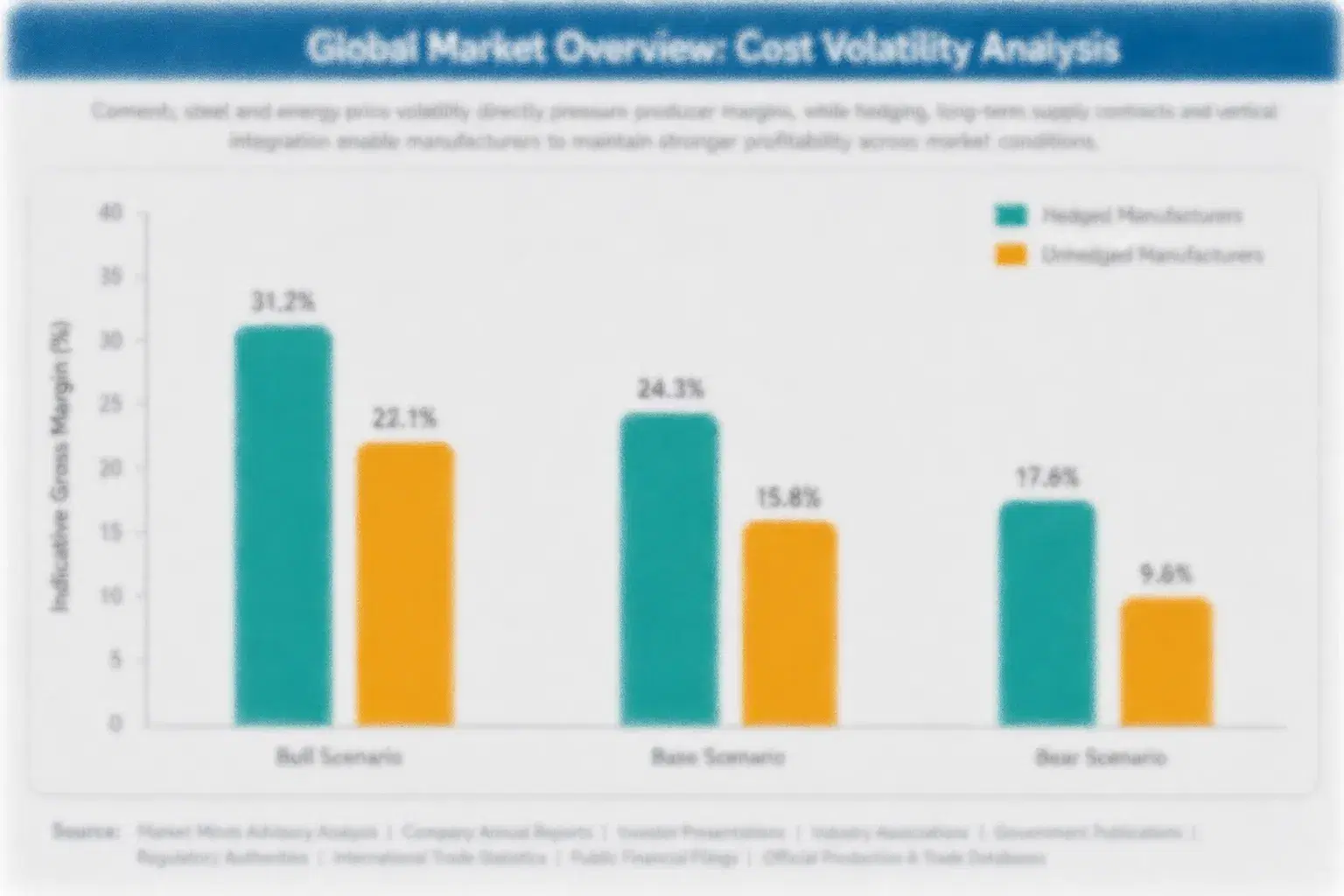
Specialty cellulose fiber represents roughly 31 percent of producer cost of goods sold for wood foam, sourced predominantly from Nordic and North American forestry operations. Formulation chemicals and processing energy add a further 27 percent, with the remainder split across labor, testing, and finishing costs across most producer operations today. Packaging adds a smaller residual share across most shipments.
Benchmark specialty cellulose pricing rose roughly 13 percent between late 2023 and mid-2025 according to International Energy Agency forestry and biomass supply chain tracking data, driven by constrained Nordic mill capacity and competing demand from specialty paper and textile fiber industries globally. Producers without long-term fiber supply contracts absorbed most of this increase directly into margin, a lag most pronounced among those on fixed-price annual contracts signed before the price run-up began.

Exposure varies significantly by producer type. Large integrated forestry producers with captive plantation holdings or long-term fixed-price contracts absorbed the recent increase with minimal margin disruption, while smaller biomaterial startups reliant on spot market purchasing saw margin compression of several percentage points, widening the gap between the largest and smallest industry participants over successive procurement cycles, a gap that keeps widening each buying season.
wood-foam-market-share-analysis-cost-volatility-analysis-1791426469488

Multi-Year Fixed-Price Forestry Supply Contracts

Producers are locking in multi-year fixed-price agreements directly with Nordic and North American forestry operators to insulate margin from spot market volatility, trading some pricing flexibility for predictable input cost planning across multi-year brand and automotive supply commitments, helping finance teams plan capital spending confidently even when spot prices swing sharply. This is now standard among top producers.

Shared Formulation Research and Development Pools

Mid-sized producers are forming shared formulation research pools to secure testing resources and technical expertise historically available only to the largest diversified forestry groups, narrowing a cost disadvantage that previously limited their ability to bid competitively on certified contracts against larger, better-capitalized rivals. A few pools already draw strong interest from outside their original founding members.

Recovered Fiber Blending for Standard Grades

Blending recovered cellulose fiber into standard, non-certified foam grades reduces virgin wood dependence for lower-tier volume, freeing up contracted specialty fiber allocation for premium automotive and electronics formats where consistency requirements remain strict across the largest manufacturer accounts. This approach also improves producers' own sustainability reporting metrics to large institutional clients each year. and regulators each year.

Portfolio Architecture for Margin Defence

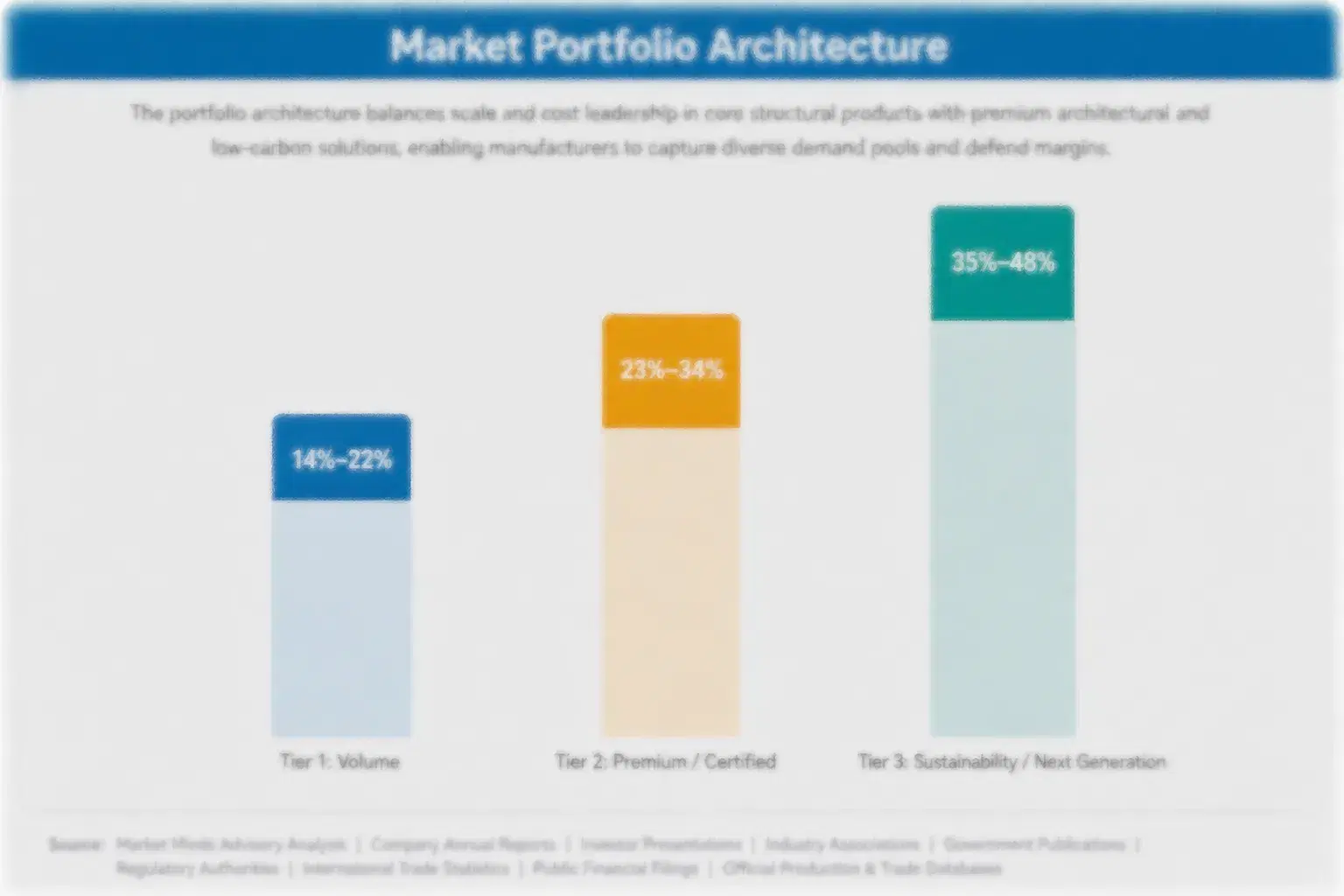
This market's portfolio architecture splits into three margin tiers: volume commodity-adjacent construction core material carrying the thinnest margins, premium certified protective packaging and automotive formats commanding a meaningful compostability premium, and a smaller sustainability and next-generation tier capturing the highest margins as advanced biomaterial formulations expand across more categories. Each tier serves a distinct buyer profile with different procurement expectations. MMA's view of the aramid honeycomb core material market offers a useful comparison, at USD 0.7 billion in 2025 rising to USD 1.4 billion by 2036, a 6.8% CAGR.
Producers face a persistent tension between chasing volume on standard construction core material, where competition is fiercest and margins thinnest, and investing capital into formulation and certification capability that serves a smaller but faster growing, higher margin tier instead, a choice that increasingly determines which producers brands and automakers consider for new multi-year contracts. Mid-sized producers without strong balance sheets often find themselves squeezed between the two paths entirely.

High-value margin pools concentrate overwhelmingly in protective packaging and automotive formats, where certification barriers limit competition and buyers pay a premium for guaranteed compostability performance that reduces their own brand or regulatory risk exposure, a concentration likely to deepen as more buyers consolidate purchasing toward fewer, fully certified strategic producers across the largest packaging economies tracked here.

Volume / Commodity-Adjacent

Standard construction core and furniture foam sold on early-stage relationships and price competitiveness, serving categories that have not yet adopted compostability or automotive mandates. Price competition in this tier stays intense and margins rarely expand without meaningful volume scale.
Gross Margin: 13-19%

Premium / Certified

Protective packaging and automotive-grade formats qualified against specific brand or manufacturer standards, commanding a durable pricing premium tied directly to formulation and certification complexity. Demand for this tier continues to broaden across new brand categories each year.
Gross Margin: 26-34%

Sustainability / Regulatory / Next-Generation

Emerging advanced biomaterial formulations and reduced-chemical processing aligned with tightening packaging waste regulation in Western Europe and parts of Asia, still a small but fast-expanding base. Demand remains small today but is expanding quickly.
Gross Margin: 29-38%
wood-foam-market-share-analysis-portfolio-architecture-1791426469779

High-value Sub-segments and Strategic Watch-out

Protective Packaging Foam

The fastest growing, highest margin segment in this market, driven by expanding plastic bans across Western Europe, East Asia, and South Asia. Producers with multi-brand certification already in place are capturing disproportionate share of new contract awards, and this lead should widen as more brands finalize sourcing standards.

Automotive Lightweight Component Foam

A high-value segment growing steadily as automakers tighten weight reduction requirements, commanding meaningful pricing premium though slightly more moderate growth than packaging foam given its earlier adoption curve, with manufacturers increasingly bundling both requirements into one supplier qualification process. Growth here remains durable and broad-based.

Thermal Insulation Panels

The volume core of this market, generating the bulk of producer revenue on thinner margins. Scale and distribution reach matter more here than certification capability, favoring the largest established producers with captive forestry sourcing across most major production regions. Price competition stays intense here nationwide.

Food Service Disposable Foam

A strategic watch-out segment facing a gradual shift toward molded pulp alternatives even in standard food service applications, offset partially by continued demand where wood foam remains the stronger insulation choice, especially among smaller regional food service operators facing tight equipment budgets each cycle. Conversion here is expected to accelerate.

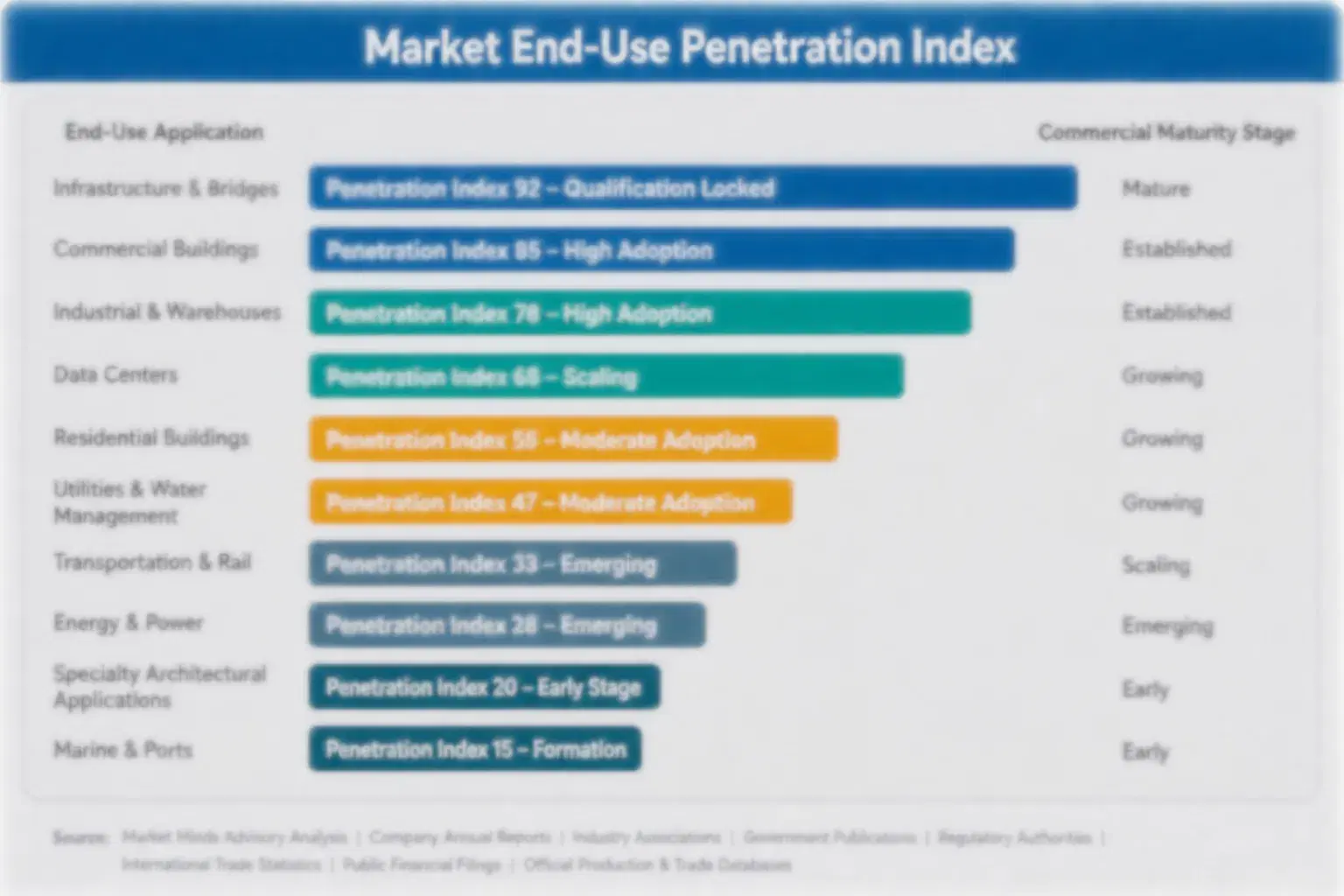
Recurring Volume Behind Rising Regulation

Wood foam demand behaves more like an annuity than a cyclical order book, since brands and automakers must repurchase compostable material for every production campaign regardless of broader economic conditions, giving producers with established brand relationships unusually predictable multi-year revenue visibility once a supply contract is secured and renewed. Few other emerging materials categories offer comparably durable revenue visibility. This stability stands out across the broader emerging materials sector.
Adoption depth varies by vertical within this market. Large multinational retailers and major automakers move fastest toward full compostability and certification compliance, qualifying premium formats well ahead of smaller independent brands and regional converters, who often delay investment until cost pressures force action, creating a persistent two-speed adoption pattern across the broader customer base. This gap is unlikely to close quickly without external pressure.

A generational shift in buyer profiles is underway as procurement teams increasingly include sustainability and compliance specialists alongside traditional packaging buyers, changing how supply contracts get evaluated. These newer buyers weight compostability certification and traceability depth more heavily than legacy price-only negotiation criteria did. Producer sales teams are adapting their pitch materials accordingly to match this generational shift.
wood-foam-market-share-analysis-end-use-penetration-index-1791426470117

Where MMA Sees the Decade Ahead

These are among the four positions where our research anticipates prominent divergence between winners and laggards over the coming forecast period. Each is grounded in the demand model, the regulatory perimeter, and the announced capacity pipeline.
01 / CERTIFICATION INVESTMENT PRIORITY

Compostability depth now outweighs price in brand contract awards

Retailers and automakers across Western Europe and East Asia are consolidating volume toward producers that can certify compostability performance across multiple categories from a single formulation platform. This shift rewards early movers who invested in biomaterial research well ahead of competitor moves rather than waiting passively for mandates to force action. Producers still competing primarily on price today risk losing premium contract awards entirely as compostability certification becomes the dominant qualification criterion across the entire industry over the coming years ahead.
02 / REGIONAL GROWTH CONCENTRATION

South Asia and Pacific offers the clearest volume growth runway

India's rapidly expanding e-commerce sector combines with growing regional interest in biomaterial manufacturing that increasingly mirrors international compostability standards to create the fastest regional growth trajectory tracked anywhere in this report. Producers with established regional relationships and formulation capability already built out are best positioned to capture this growth consistently over the coming decade across multiple product categories. Those without a regional foothold face a steep catch-up curve against entrenched Nordic producers who already maintain working relationships with major global retailers.
03 / INPUT COST MANAGEMENT

Fiber sourcing strategy will separate margin winners from laggards

Producers locking in multi-year fixed-price forestry supply agreements are successfully insulating margin from benchmark price swings that have hit smaller spot-market buyers hard across recent procurement cycles. This gap will widen further still as global cellulose fiber markets remain persistently tight relative to demand from several competing specialty paper and textile industries worldwide. Sourcing sophistication and sheer scale, not certification capability alone, increasingly separate durable margin performers from the smallest, most exposed regional producers still reliant entirely on spot purchasing today.
04 / PORTFOLIO TIER REBALANCING

Capital should rotate toward certified tiers ahead of plastic ban waves

Producers still weighted heavily toward standard commodity construction foam volume face a steadily narrowing margin runway as protective packaging and automotive tiers expand and capture disproportionate pricing power across most major consumer markets tracked here. Reallocating capital toward formulation research and multi-brand certification ahead of plastic ban waves, rather than reacting only after they take effect, positions producers to win premium contracts first across the broadest set of markets available. Competitors that wait too long will find the best long-term contracts already claimed by faster-moving rivals.

Engagement Snapshot From the Field

A live engagement with an industry participant carrying material or product regulatory and market exposure ahead of a defining policy shift, showing how our research translates into a defensible multi-year portfolio strategy.
MARKET MINDS ADVISORY · CLIENT ENGAGEMENT SUMMARY
Wood Foam Share Analysis Producer Strategic Portfolio Review and Transition Roadmap 2026·Investment Scenario on Wood Foam Share Analysis Exposure Evaluation 2025-26
CLIENT PROFILE
The client is a mid-size European e-commerce retailer shipping from three fulfillment centers across Western Europe, with annual package volume of approximately 12 million shipments (client-reported, unverified by MMA). The company had relied on standard polystyrene foam inserts but had not yet invested in wood foam capability ahead of a new national plastic packaging directive.
STRATEGIC CHALLENGE
The client's home market announced a stricter single-use plastic packaging directive taking effect within ten months, and the client lacked both the biomaterial sourcing expertise and capital allocation plan needed to convert its packaging line in time. Missing the deadline would mean facing compliance penalties and losing ground to competitors already piloting compostable packaging.
MMA APPROACH
MMA conducted a rapid competitive benchmarking exercise against three regional e-commerce retailers already operating wood foam packaging programs, assessed the client's existing fulfillment workflow against the new directive's technical specification, and modeled the capital investment required for conversion against the compliance risk of a delayed rollout. against the compliance risk of a delayed rollout across the client's full fulfillment network.
KEY FINDINGS
  1. Conversion cost for the wood foam packaging program was roughly 22 percent lower than the client's initial internal estimate (client-reported, unverified by MMA).
  2. The client's home regulator had already begun quietly flagging retailers without a disclosed conversion timeline for closer compliance review ahead of enforcement.
  3. Regional competitors with earlier wood foam conversion were already reporting fewer customer complaints about packaging waste across comparable shipment volumes nationwide this year.
  4. A phased conversion approach could meet the directive's compliance deadline without requiring a full fulfillment center shutdown at any location at once.
RECOMMENDED STRATEGY
Phase 1: Phase 1 (Months 1 to 2): Complete packaging gap assessment and select wood foam vendor based on fastest certification timeline available. Phase 2: Phase 2 (Months 3 to 7): Convert and qualify the primary fulfillment center's packaging line while maintaining polystyrene stock in every other center. Phase 3: Phase 3 (Months 8 to 10): Scale wood foam conversion to every remaining center and finalize all updated regulatory compliance documentation.
OUTCOME
The client completed conversion at its primary fulfillment center one month ahead of the directive's compliance deadline and avoided all penalty exposure through the transition (client-reported, unverified by MMA). Customer complaints related to packaging waste fell by roughly 29 percent within the first year of wood foam deployment.

Frequently Asked Questions

Foundational context covering the market sizes, CAGR, scope, country, region and competition that inform every finding below. This section is provided to cover basics and most often pre-purchase conversations, answered from the MMA Primary Research Dataset.

What is the current size of the Wood Foam Market?

The Wood Foam Market reached 0.18 billion dollars in 2025 on a global basis overall. Protective packaging foam remains the largest segment by volume today.

How large will the Wood Foam Market be by 2036?

The market is projected to reach approximately 0.80 billion dollars by 2036 on a global basis. Growth is concentrated disproportionately in protective packaging and automotive formats.

What is the CAGR for the Wood Foam Market 2026 to 2036?

The market is forecast to grow at a 14.5 percent compound annual growth rate through 2036 overall still. This reflects tightening European plastic reduction directives.

Which segment is growing fastest?

Protective packaging foam is the fastest growing segment, expanding at an 18.5 percent CAGR currently. That pace is roughly 1.3 times the overall market's growth rate.

Who are the major companies in the Wood Foam Market?

Leading producers today include Stora Enso, UPM-Kymmene, Sulapac, Woodly, and Kingspan Group overall still now. These five companies hold roughly 26 percent of global revenue.

Which country is growing fastest?

China is the fastest growing national market, expanding at a 16.8 percent CAGR currently overall. Biomaterial manufacturing scale-up and e-commerce growth both drive this pace.

Wood Foam Segmentation by Type and Use

The full report scope spans multiple orthogonal segmentation dimensions, with cross-tabulated demand data provided for each dimension pair. Coverage extends further to regional breakdowns, trend trajectories, and the competitive detail needed to support segment-level decision-making.

By Primary Market Dimension

  • Protective Packaging Foam
  • Thermal Insulation Panels
  • Construction and Building Core Material
  • Automotive Lightweight Component Foam
  • Furniture and Acoustic Foam
  • Food Service Disposable Foam

By End-Use Industry

  • E-Commerce and Retail Packaging
  • Automotive Manufacturing
  • Construction and Building Materials
  • Furniture Manufacturing
  • Food Service and Hospitality

By Commercial Dimension

  • Direct Brand Supply
  • Distributor and Trading Channel
  • Biomaterial Licensing Agreements
  • Automotive OEM Supply Contracts

By Region

  • North America
  • Western Europe
  • East Asia
  • South Asia and Pacific
  • Latin America
  • Middle East and Africa
  • Eastern Europe

Scope, Methodology, and Coverage

Every figure in this report is reproducible from documented input assumptions. The scope below maps the historical period, the forecast horizon, the segmentation dimensions, and the countries covered, alongside the underlying primary and qualitative methodology.
Historical Period
2020 to 2025
Forecast Period
2026 to 2036
Base Year
2025 (USD billions; MMA Primary Research Dataset, October 2026)
Market Definition
The Wood Foam Market covers rigid cellulose-based foam produced from wood fiber used as a bio-based alternative to petrochemical foam in protective packaging, thermal insulation panels, construction core material, automotive lightweight components, furniture and acoustic foam, and food service disposables. It excludes petrochemical polystyrene and polyurethane foam, molded pulp packaging, and cardboard.
Quantitative Units
USD billions (current prices); metric tons of foam produced
Segmentation Dimensions
By Primary Market Dimension; By End-Use Industry; By Commercial Dimension; By Region
Regions Covered
North America, Western Europe, East Asia, South Asia and Pacific, Latin America, Middle East and Africa, Eastern Europe
Countries Covered
USA, China, Germany, France, UK, Japan, South Korea, India, Australia, Canada, Brazil, Mexico, Indonesia, Vietnam, Thailand, Malaysia, UAE, Saudi Arabia, South Africa, Nigeria, Turkey, Poland, Netherlands, Italy, Spain, Sweden, Switzerland, Argentina, Colombia, Singapore, and additional markets relevant to this sector
Key Companies Profiled
Stora Enso Oyj, UPM-Kymmene Corporation, Sulapac Oy, Woodly Oy, Kingspan Group plc, BASF SE, Metsa Group, Billerud AB, Sodra Skogsagarna, Smurfit WestRock, International Paper Company, Georgia-Pacific LLC, Nine Dragons Paper Holdings Limited, Tetra Pak International S.A., Paptic Ltd., Woodio Oy, Arctic Biomaterials Oy, FiberLean Technologies Ltd., Sonae Arauco, Sappi Limited
Quantitative Methodology
Primary survey, n=3,800 respondents, Q4 2025, six countries; demand-side model with trade association cross-validation
Qualitative Methodology
47 expert interviews, Q4 2025; applied to validate demand model assumptions, identify emerging dynamics, and assess competitive positioning
Report Format
PDF and XLSX data workbook (Word format preview document)
Publisher
Market Minds Advisory
Report Code
MMA-2026-CHM-818
Published
October 2026
Contact
sales@marketmindsadvisory.com | www.marketmindsadvisory.com

Purchase the full Wood Foam Market Share Analysis Report (2026 to 2036).

The full report delivers a comprehensive sizing and forecast model for the Wood Foam Market across all seven tracked regions and six MECE segments through 2036. It includes detailed competitive profiles of the top five producers plus fifteen additional participants, assessed on a consolidated revenue basis. The report quantifies cellulose fiber cost exposure and margin economics across three portfolio tiers, and maps European plastic reduction directive timelines across major national markets. A dedicated case study illustrates practical packaging conversion decision-making for mid-size e-commerce retailers. Findings are grounded in primary survey data and expert interviews conducted in Q4 2025.
Seven-region sizing and ten-year forecast model
Competitive profiles of twenty market participants
Cellulose fiber cost and margin tier analysis
Plastic directive compliance timeline mapping by country
Segment-level growth rates across six categories
Anonymized packaging conversion decision-making case study

Built For The People Who Decide

From boardroom strategy to bench-side execution, this report is read cover-to-cover by leaders shaping the next decade of their industry, turning demand scenarios, market dynamics and valuation benchmarks into decisions.
CXOs/ Presidents/ VPs/ Managers
M&A and Corporate Development
Strategy Teams and R&D Heads
Procurement and Product Directors
Regulatory and Compliance Leaders
Investor Relations and Equity Analysts