Market Minds Advisory
Recycled Glass Market

Recycled Glass Market Forecast 2026-2036 by Segment and Region

Glass container manufacturers are scaling cullet-based production as recycled-content mandates and energy-cost pressure make virgin raw material batches a direct cost and compliance liability across bottle, jar, and fiberglass categories worldwide.

Lead Analyst

Bilal Shaikh

Published

November 2026

Make Smarter Decisions with Customized Research Insights

Request a free sample report and evaluate market opportunities, growth trends, and competitive dynamics relevant to your business needs.

2025 MARKET VALUE$6.8BMarket Size 2025
2036 FORECAST VALUE$10.7BBase Case , 2026 to 2036
CAGR 2026 TO 20364.2 %Bull 5.5% / Bear 2.9%
INCREMENTAL OPPORTUNITY$3.6BNet 10- year value creation
EXPANSION MULTIPLE1.51x2036 value over 2026 base
Strategic Levers
M&A Pipeline
Regional Outlook
Country Rankings
Competitive Intelligence
Segmental Deep-dive
Call-Us : 91 93563 13602

Recycled Glass Market Snapshot

Recycled glass is moving decisively from a cost-driven furnace input into a mandatory recycled-content specification nationwide, as recycled-content mandates and energy-cost pressure make virgin raw material batches a direct cost and compliance liability for glass manufacturers across most major global container and insulation categories today.
Three forces are converging: recycled-content mandates and energy-efficiency regulation that increasingly favor cullet-based furnace charges over virgin raw material batches across most jurisdictions worldwide today and each year, manufacturers standardizing cullet specification across entire production portfolios rather than flagship lines only, and processors closing the color-sorting gap confining recycled glass to mixed-color feedstock only. Recycled glass for fiberglass insulation is the fastest-growing format in this category today.
Competitively, diversified global glass manufacturers with decades of furnace-blending scale are defending position against specialty regional processors expanding from single-customer pilots into multi-brand cullet contracts nationwide and across most major global export markets served today, this year, and well beyond entirely and further still. Regulatory momentum across major container glass markets, combined with continued color-sortation innovation, keeps pulling furnace specification toward cullet formats faster than voluntary manufacturer preference alone would have truly achieved.
Market Definition
The recycled glass market covers color-sorted and mixed-stream cullet used as furnace feedstock for container glass, fiberglass insulation, construction aggregate, and specialty glass applications. It excludes virgin raw material batches with no recycled content and non-glass recycled materials tracked separately by MMA.
Base Year Value
$6.8B in 2025 (MMA Primary Research Dataset, October 2026)
Forecast Period
2026 to 2036, eleven discrete annual values
CAGR
4.2% base case. Bull 5.5%. Bear 2.9%.
Fastest Growth Segment
Recycled Glass for Fiberglass Insulation: 6.5% CAGR
Fastest Growth Country
France: 5.6% CAGR
Fastest Growth Region
South Asia and Pacific: 6.2% CAGR
Largest Region
Western Europe: 25% of 2025 global value
Market Leaders
O-I Glass Inc., Verallia SA, Ardagh Group S.A., Strategic Materials Inc., Vitro S.A.B. de C.V. Source: MMA Analysis based on company annual reports.
Primary Survey
n=3,800 procurement and R&D decision-makers, Q4 2025, six countries
Methodology
Demand-side build-up, cross-validated against public data, 47 expert interviews

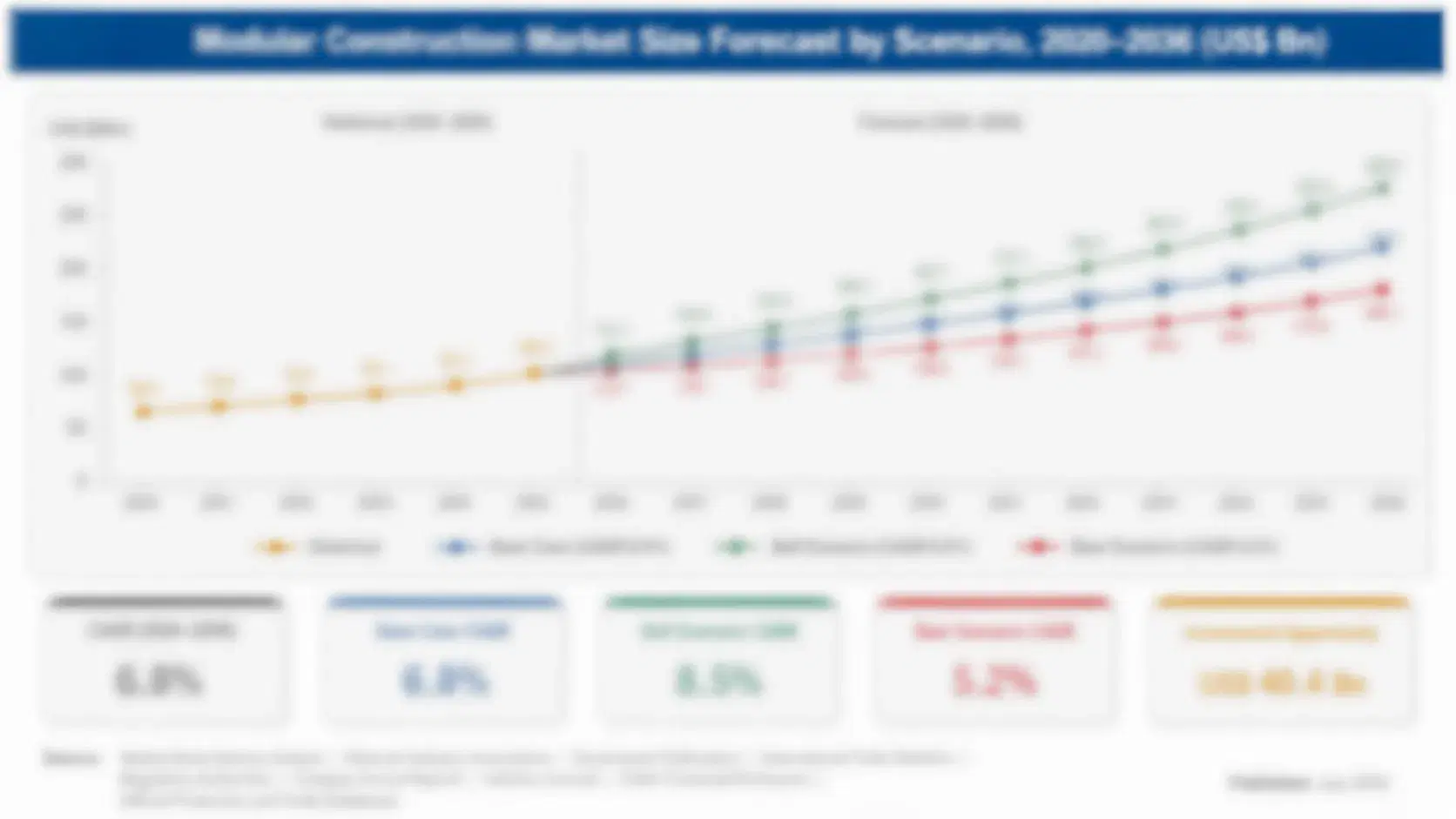
Recycled Glass Base, Bull and Bear Cases

recycled-glass-market-size-forecast-scenario-1791609974991
Between 2020 and 2025, recycled glass grew steadily and consistently as early adopter glass manufacturers converted flagship furnace charges to cullet-based batches, while most mid-tier manufacturers elsewhere continued relying on virgin raw material batches given unresolved color-sorting and total landed cost gaps across most production categories tracked worldwide throughout this entire gradual transition period overall today.
The base case assumes three mechanisms hold through 2036: recycled-content mandates and energy-efficiency regulation keep extending into additional production categories and jurisdictions, manufacturers keep consolidating cullet specification across entire production portfolios rather than flagship lines alone, and processors keep closing the remaining color-sorting gap with virgin raw material. Together these push recycled glass from a cost-driven furnace input into a default specification within the forecast window ahead across most major container markets worldwide.
The bull case assumes a major global glass manufacturer mandates cullet specification across its entire production portfolio within eighteen months, pulling conversion volume sharply higher across peer manufacturers simultaneously. The bear case assumes virgin raw material costs fall faster than expected, giving manufacturers a lower-cost compliance path that competes directly with cullet adoption on landed cost.

Why Virgin Raw Material Became a Compliance Risk

Recycled glass sits at the intersection of three converging forces: recycled-content mandates and energy-efficiency regulation that increasingly favor cullet-based furnace charges over virgin raw material batches, manufacturers standardizing cullet specification across entire production lines instead of flagship products, and processors closing the color-sorting gap that long confined recycled glass to mixed-color feedstock streams. Processors once limited to commodity-grade cullet are now qualifying premium color-sorted formulations. MMA expects the related glass additives market to be worth USD 2.9 billion by 2036.
TOP PRODUCING COUNTRY SHARE25%Anchors the largest share of cullet processing capacity
MARKET CONCENTRATION (CR5)35%Processors hold roughly a third of total market share
AVERAGE CULLET COST DISCOUNT9% below virgin raw materialCullet prices modestly below virgin raw material overall today
CULLET PURITY PASS RATE87% to 95%Typical purity pass rate for certified cullet feedstock batches
FEEDSTOCK SHARE OF COGS34% of totalRecovered glass inputs dominate overall furnace charge cost structures
QUALIFICATION CYCLE LENGTH6 to 9 weeksTypical duration of a cullet furnace qualification process overall
Commercially, this remains a moderately concentrated market, since credible cullet supply depends on a relatively small number of processors with both color-sortation scale and furnace-clearance capability simultaneously. Diversified global glass manufacturers compete for enterprise container contracts spanning multiple production categories, while specialty regional processors supply adjacent sorting and crushing chemistries those diversified manufacturers increasingly license or acquire. Average selling prices for cullet sit modestly below virgin raw material, though energy savings widen that advantage. A closely related view comes from the cosmetic vials market, which MMA projects to grow at a 6.8% CAGR to USD 4.2 billion by 2036.
Over the next decade, expect recycled glass to extend well beyond container applications into a mainstream specification across most fiberglass, construction, and specialty categories. Regulatory momentum across major container glass markets, alongside continued color-sortation innovation, will likely accelerate this shift faster than voluntary manufacturer preference alone would drive it. MMA's view of the feldspar market offers a useful comparison, at USD 2.6 billion in 2025 rising to USD 4.3 billion by 2036, a 4.6% CAGR.
"A furnace charge used to be whatever virgin sand and soda ash the batch house already had queued up. Now it is the thing a glass manufacturer redesigns from scratch, because the old virgin batch just became a recycled-content mandate liability."
Director, Sustainable Packaging and Bioplastic Films Practice · MMA Sustainable Packaging & Bioplastic Films Practice · October 2026

Recycled Glass Market Trends

Manufacturers Standardize Cullet Across Production Lines

Major glass manufacturers have begun standardizing on cullet specification across their entire production portfolio rather than converting flagship lines alone, since portfolio-wide standardization simplifies both regulatory labeling documentation and supplier sourcing across dozens of production categories simultaneously. This is pulling processors that previously supplied only isolated regional contracts into direct multi-manufacturer platform development, since container and fiberglass contracts increasingly specify one cullet purity standard across varied bottle, jar, and insulation applications. Manufacturers that completed this standardization are citing reduced energy cost directly in their sustainability disclosures, pushing peer manufacturers toward similar commitments nationwide. Much of this also feeds into the glass wool insulation market, which MMA expects to grow at 5.8% a year through 2036.
Market Impact: Covers cullet volume worth 2.8M tonnes
Color Sortation Innovation Closes the Purity Gap

Advanced optical color-sortation technology has reached cullet purity roughly equivalent to virgin raw material for most standard furnace applications nationwide, closing a gap that previously confined recycled glass to mixed-color feedstock streams only across most global production categories studied closely worldwide today. This is accelerating manufacturer conversion decisions for demanding categories that previously required virgin raw material specifically to meet strict color-consistency and clarity requirements and standards. Processors who closed this gap earliest are capturing the bulk of new enterprise manufacturer contracts as parity spreads across additional production categories nationwide and abroad.
Market Impact: Covers 8,000+ furnace batch line items

Recycled Glass Supplier Priorities

Recycled Content Rules Now Favor Cullet Batches

Several major container glass markets have extended recycled-content mandates to favor cullet-based furnace charges over virgin raw material batches previously treated identically under general production rules, pulling conversion volume well ahead of the pace voluntary manufacturer commitments alone would have driven across the broader cullet category nationwide. This is forcing manufacturers serving these markets to qualify cullet across dozens of production categories simultaneously rather than one batch at a time, compressing a transition that otherwise would have unfolded over many years. Manufacturers who completed qualification earliest are capturing favorable pricing as jurisdictions extend similar regulation.
Market Impact: Trails virgin material purity by 5%

Manufacturers Reach Portfolio-Wide Recycled Content Targets

Major glass manufacturers have extended corporate sustainability commitments that previously targeted only flagship furnace lines into specific, measurable recycled-content targets for their entire production portfolio, pulling conversion volume forward well ahead of the pace regulation alone would have achieved across most major container markets tracked closely. This is forcing processors serving these manufacturers to qualify cullet across their full production range rather than piloting a handful of flagship lines. Processors who completed qualification earliest are capturing the bulk of new multi-year supply agreements as additional manufacturers extend similar commitments broadly nationwide.
Market Impact: Costs 9% more in collection logistics

Recycled Glass Market Restraints

Color Purity Still Trails for Premium Clear Glass

Cullet, even with improved color-sortation technology, still shows reduced color-purity confidence relative to virgin raw material for the most demanding premium clear-glass categories, particularly flint-grade bottles where any color contamination directly risks shelf-appeal rejection by brand quality teams. The underlying cause is chemistry: trace color contaminants from mixed-stream feedstock fundamentally cannot always be fully removed in ways that no single sortation process can guarantee for every demanding application class. Processors are mitigating this with advanced optical sortation and batch testing that extend purity closer to virgin-equivalent levels for most production categories.
Market Impact: Covers 11,000+ furnace batch categories

Collection Infrastructure Still Limits Value Tier Adoption

Cullet collection and sortation costs remain meaningfully above virgin raw material procurement costs across most regional markets, since curbside and take-back collection networks and advanced sorting facility investment cost more than simply ordering virgin sand and soda ash through established distribution channels at current adoption levels. The underlying cause is scale: cullet collection volumes remain a smaller share of total furnace feedstock flow, so processors have not achieved the full economies of scale that make virgin raw material production so efficient. This limits adoption to premium manufacturers rather than value-tier categories. Processors are mitigating this by scaling collection toward parity. Adjacent demand is captured in the Europe silica sand for glass making market, which MMA expects to grow from USD 1.9 billion in 2025 to USD 3.05 billion by 2036.
Market Impact: Matches virgin material purity at 95%
3 additional market trends, 3 additional growth drivers, and 2 additional restraints and challenges are covered in the full report. Contact sales@marketmindsadvisory.com to access the complete intelligence.

Recycled Glass Segment Performance

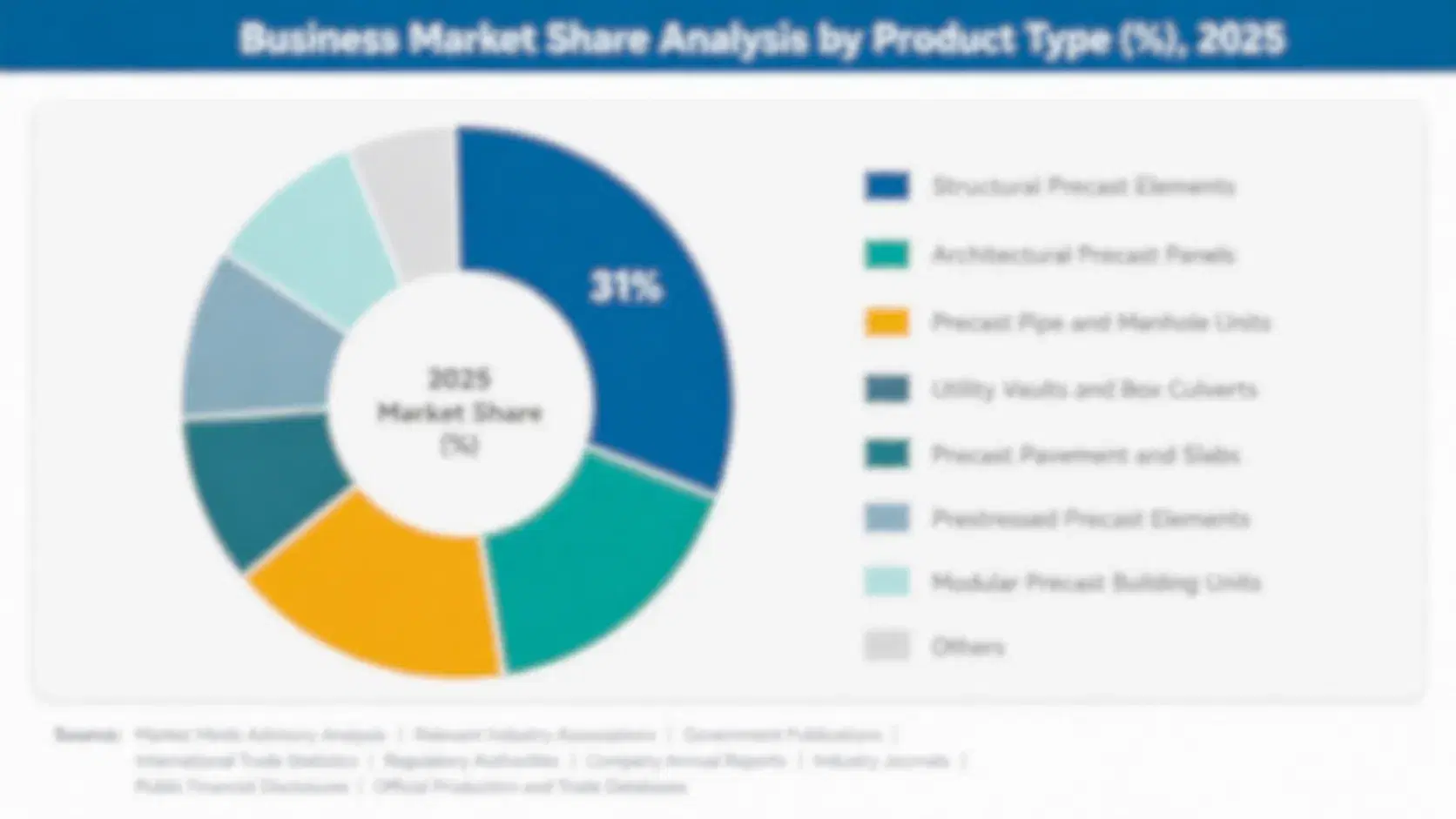
MMA segments recycled glass by cullet application and end-use category rather than by collection source, since the same underlying color-sortation and crushing platform increasingly serves multiple production categories once a processor secures manufacturer approval and purity certification across furnace lines and batch specifications nationwide and abroad. Five formats are tracked in total across this category.
recycled-glass-market-market-share-analysis-1791609975167

Recycled Glass for Fiberglass Insulation

Recycled glass for fiberglass insulation combines mechanically crushed and color-sorted cullet with validated purity processing to deliver furnace-ready feedstock that meets insulation-grade thresholds without the color-contamination compromise of earlier mixed-stream recycled generations overall today and across most markets. Demand concentrates among fiberglass insulation manufacturers seeking validated purity performance that meets both energy-efficiency requirements and cost-reduction targets simultaneously across most production categories tracked closely. Growth runs well ahead of every other tracked format as color-sortation technology reaches commercial viability across most major processor networks tracked closely. Processors with proven purity qualification are capturing the bulk of new enterprise manufacturer contracts nationwide and abroad as adoption accelerates steadily each year across most markets studied today.
CAGR 6.5%

Recycled Container Glass Cullet

Recycled container glass cullet combines mechanically crushed and color-sorted feedstock with validated clarity processing to deliver bottle-ready purity that meets brand-appeal thresholds across a broader production weight range than insulation formats typically serve today. Demand concentrates among mainstream beverage and food container manufacturers seeking validated purity performance that meets both shelf-appeal requirements and cost-reduction targets simultaneously across most production categories tracked closely nationwide. Growth trails fiberglass cullet only moderately, reflecting both strong manufacturer interest in validated container formats and continued sortation innovation that is lowering per-unit costs steadily across most participating processors. Processors with proven container qualification are winning the largest multi-year manufacturer agreements as adoption accelerates nationwide each year.
CAGR 5.2%
Full segment breakdown across 5 segments available in the complete report.

Where Recycled Glass Demand Is Growing

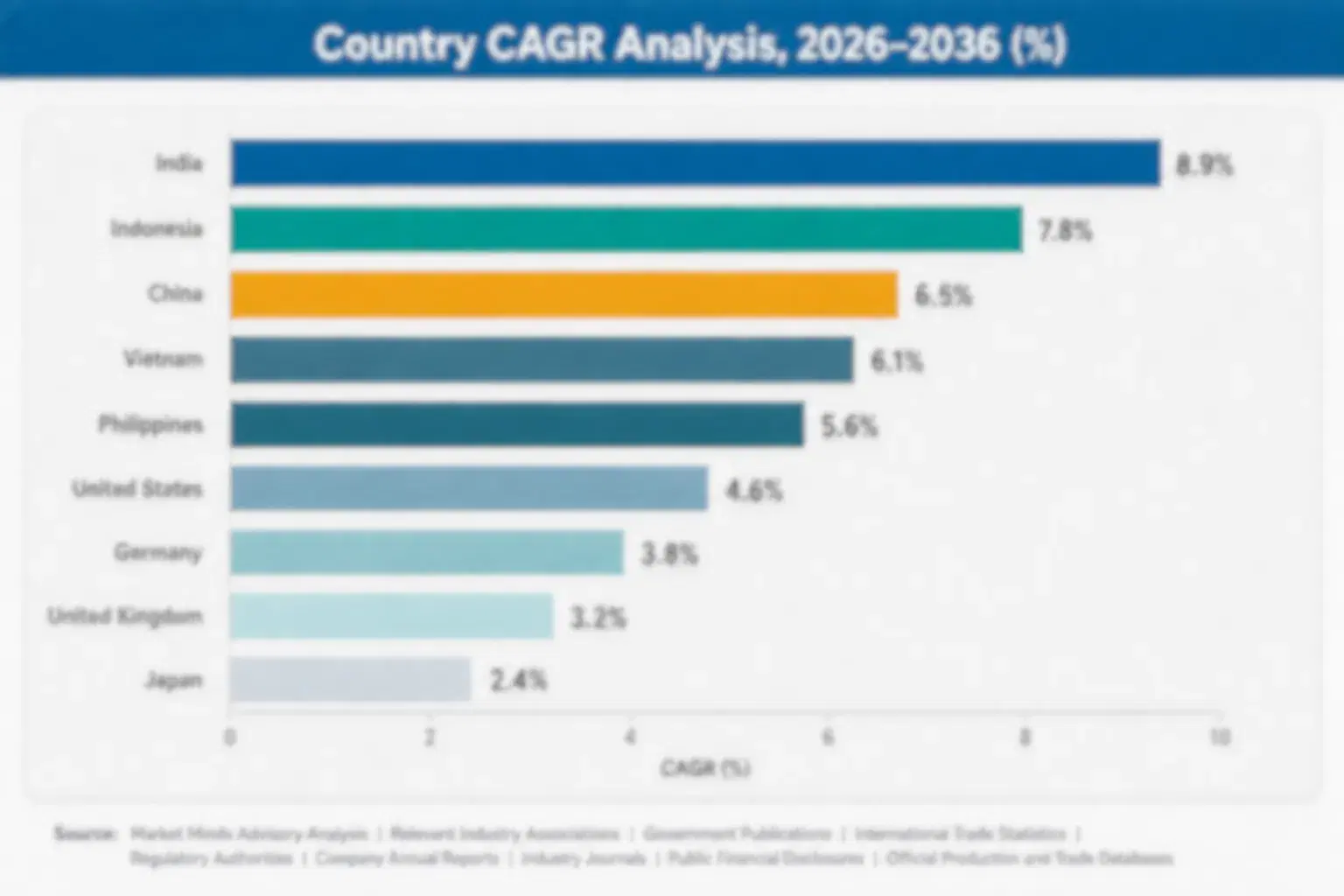
Western Europe leads this market on the highest glass collection rates and deposit-driven recycling infrastructure today, with North America and East Asia following closely behind each and every single calendar year without exception. South Asia and Pacific is growing fastest among all tracked regions studied.

North America

The United States drives the large majority of North American demand, reflecting both the largest container glass manufacturing base and the most extensive established cullet processor network covering most major production categories nationwide and across most container and insulation formats studied closely overall. Major US glass manufacturers are standardizing recycled-content specifications directly in supplier contracts, pulling processor qualification forward faster than voluntary preference alone would have achieved across most production categories tracked. Canada's contribution is smaller but growing through its own provincial recycling programmes, generally following specifications closely aligned with US requirements given integrated cross-border supply chains. Processors with proven purity capability are winning the bulk of new contracts across this market today. Readers tracking this shift may also follow the United States beer bottling kit market, which MMA sizes at USD 0.58 billion in 2025, growing at 5.8% a year.
Share: 24% | CAGR: 4.8% (2026 to 2036)

Western Europe

The highest glass collection rates in the world define Western Europe's position in this market more directly than pure container volume growth does elsewhere. Germany and France host the deepest deposit-driven and curbside collection infrastructure globally, giving the region a consistently high-purity cullet supply base that other regions have not yet matched at comparable collection cost. The European Union's packaging waste regulation increasingly mandates minimum recycled-content thresholds across member states, pushing manufacturers toward cullet specification ahead of a staged compliance timeline. Italy and Spain add further manufacturer demand through major container glass production operations. Growth here trails East Asia and South Asia and Pacific because the region's collection infrastructure is already largely mature.
Share: 25% | CAGR: 2.8% (2026 to 2036)
Regional intelligence for 5 additional markets available in the complete report: East Asia, South Asia and Pacific, Latin America, Middle East and Africa, Eastern Europe. Contact sales@marketmindsadvisory.com.
recycled-glass-market-country-cagr-analysis-1791609975345

Where Processors Can Capture Premium Margin

Cullet providers compete on color-sortation breadth and manufacturer co-development relationships more than on unit price alone, which opens several distinct routes to margin above the category average today. The clearest paths run through sortation technology licensing, portfolio-wide qualification programmes, manufacturer co-development, and feedstock supply integration, each commanding a premium customers pay to simplify sourcing nationwide.

License Proprietary Optical Color Sortation Technology Early

Processors that license proprietary optical color-sortation and purification technology directly to competing processors capture royalty revenue across a much broader customer base than a single exclusive operation would allow at comparable research investment and capital outlay each year without exception whatsoever across the entire category. This licensing-based positioning typically generates margin roughly 17% above direct processing alone, reflecting the capital efficiency of licensing proven sortation technology rather than building purification capacity for each individual manufacturer relationship separately. Licensors with proven platforms are winning the largest multi-manufacturer licensing agreements as this approach keeps spreading.
Market Impact: Generates licensing margin 17% above direct output today

Build Dedicated Portfolio Qualification Programmes Early

Processors that build dedicated qualification programmes for portfolio-wide manufacturer transitions capture multi-year supply agreements covering dozens of production categories simultaneously, rather than competing for individual batch contracts one at a time against fragmented regional operators across the market each cycle and every single season without fail or exception whatsoever. This programme-based positioning typically prices at a premium of roughly 11% over equivalent volume sold through fragmented channels, reflecting the value manufacturers place on a single processor managing consistent qualification and compliance documentation across their full production portfolio nationwide each year.
Market Impact: Prices programmes 11% above fragmented channel sales today

Co-Develop Cullet Formats With Glass Manufacturers

Processors that co-develop cullet specifications directly with glass manufacturers capture contracts seeking purity performance and energy-efficiency combinations that neither party can deliver alone at comparable cost or performance today across most demanding production categories and markets worldwide. This co-development approach typically prices at roughly 14% above standard cullet sold independently, reflecting the joint testing investment and qualification coordination required between two previously separate supplier relationships across the industry today. Processors and manufacturers who formalized this co-development earliest are winning the largest multi-year contracts as demand keeps spreading nationwide each year.
Market Impact: Prices co-developed formats 14% above standard output today

Integrate Backward Into Collection and Sortation Supply

Larger processors that integrate backward into dedicated collection and sortation supply contracts, rather than purchasing feedstock from third-party distributors, capture margin across both the feedstock and purification stages while insulating themselves from commodity price volatility that pure processors must pass through to customers directly each cycle without exception across the category. This vertically integrated positioning typically prices finished cullet at a premium of roughly 7% over equivalent volume made from distributor-sourced feedstock, reflecting the supply security and margin capture integrated processors achieve across their full value chain nationwide today and going forward.
Market Impact: Prices integrated output 7% above distributor-sourced feedstock today

Recycled Glass Pricing and Margins

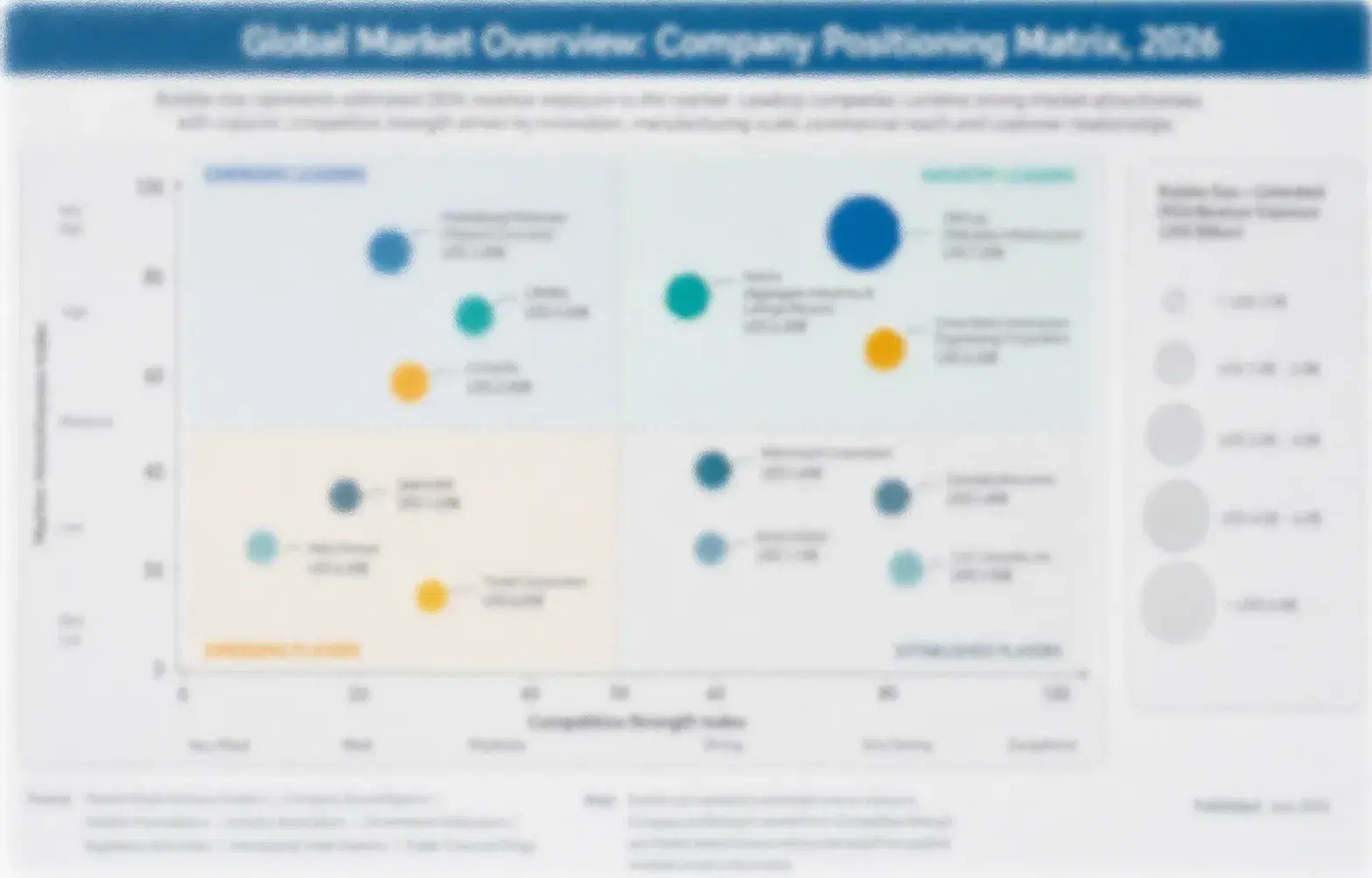
The competitive set spans diversified global glass manufacturers and specialty regional processors. CR5 sits at 35%, with O-I Glass Inc. and Strategic Materials Inc. holding leading positions as the largest cullet processing platform and the diversified color sortation technology platform respectively, while a long tail of regional processors compete for remaining volume. The gap between the leaders and the next tier is widening as licensing matters more.
Current competitive activity centers on three fronts: optical color-sortation technology licensing that lets processors extend purity performance without in-house equipment development, portfolio-wide qualification programmes that lock in multi-year manufacturer relationships, and backward integration into collection and sortation supply contracts that insulates processors from commodity volatility. Several mid-size processors have also begun offering dedicated co-development as a differentiator today.

Emerging pressure comes from specialty regional processors expanding into multi-manufacturer contracts from adjacent single-customer pilots, competing against diversified global manufacturers that built furnace-blending scale from legacy virgin-material production distribution. Expect consolidation over the next several years as these two previously separate competitive groups converge further, rather than either side building the core sortation competency from scratch on a timeline neither can afford given how quickly manufacturer standards continue reshaping the economics.
recycled-glass-market-company-positioning-matrix-1791609975524

Recycled Glass Competition and Risks

O-I GLASS INC.

Moat: Largest Cullet Processing Platform

O-I Glass operates one of the largest diversified global cullet processing and container manufacturing networks, giving it furnace-blending scale and manufacturer relationship depth that smaller specialty regional processors competing on color-sortation alone cannot easily replicate without comparable multi-decade glass manufacturing infrastructure, accumulated manufacturer relationships, and distribution networks spanning many continents worldwide.
O-I GLASS INC.

Risk: Exposure to Container Manufacturer Cycles

O-I Glass's cullet revenue depends heavily on overall container manufacturer capital-expenditure and furnace-capacity cycles, exposing the business directly to packaging demand swings and energy-cost timing in a way that diversified multi-category materials competitors simply do not experience to the same degree across their much broader operations.
STRATEGIC MATERIALS INC.

Moat: Diversified Color Sortation Technology Platform

Strategic Materials' combined optical sortation and crushing technology operations give it cross-category material science depth and distribution scale that pure collection specialists competing on volume alone cannot easily replicate without comparable multi-decade recycling research infrastructure, accumulated manufacturer relationships, and well-established global distribution networks spanning many continents worldwide.
STRATEGIC MATERIALS INC.

Risk: Dependence on Virgin Material Prices

Strategic Materials' cullet revenue concentrates heavily in container packaging capital-expenditure and procurement cycles, exposing the business directly to manufacturer investment timing and virgin material price swings that diversified multi-sector competitors simply do not depend on as narrowly across their much broader global operations and revenue streams overall.

Players Tracked

Prominent Players

O-I Glass Inc.
Verallia SA
Ardagh Group S.A.
Strategic Materials Inc.
Vitro S.A.B. de C.V.

Other Key Players

Anchor Glass Container Corporation
Consol Glass (Pty) Ltd.
BA Glass S.A.
Gerresheimer AG
Piramal Glass Private Limited
Nippon Sheet Glass Co. Ltd.
AGC Inc.
Saint-Gobain S.A.
Owens Corning
Nihon Yamamura Glass Co. Ltd.
Allied Glass Containers Ltd.
Beatson Clark Ltd.
Wiegand-Glas GmbH
Heinz-Glas GmbH
Zignago Vetro S.p.A.

Recent Developments

MARCH 2025

O-I Glass Expands Cullet Processing Capacity

O-I Glass Inc. announced a major expansion of its cullet processing and color-sortation capacity, extending its production footprint to serve growing manufacturer demand across multiple production categories and export markets worldwide today. The expansion followed several multi-year supply agreements signed with major container manufacturers recently.
Signal: Signals that cullet providers are scaling toward mainstream container procurement volume broadly across the entire industry.
JULY 2025

Strategic Materials Signs Multi-Year Manufacturer Agreement

Strategic Materials Inc. signed a multi-year feedstock supply agreement with a major global glass manufacturer, securing committed volume well ahead of expected demand growth as cullet adoption accelerates nationwide across multiple production categories and formats today. The agreement includes joint sortation development provisions nationwide and abroad.
Signal: Signals that diversified providers are prioritizing long-term manufacturer relationships over spot-market sales broadly across the industry.
NOVEMBER 2025

Major Glass Manufacturer Mandates Cullet Portfolio-Wide

A major global glass manufacturer announced a mandate requiring cullet specification across its entire production portfolio within a fixed multi-year timeline, extending requirements that previously applied only to select furnace lines nationwide today and going forward. Multiple processors are competing for qualification across the expanded mandate today.
Signal: Signals that manufacturer mandates are extending from select lines into full portfolio coverage broadly across the industry.

Cullet Feedstock Drives Furnace Conversion Margin

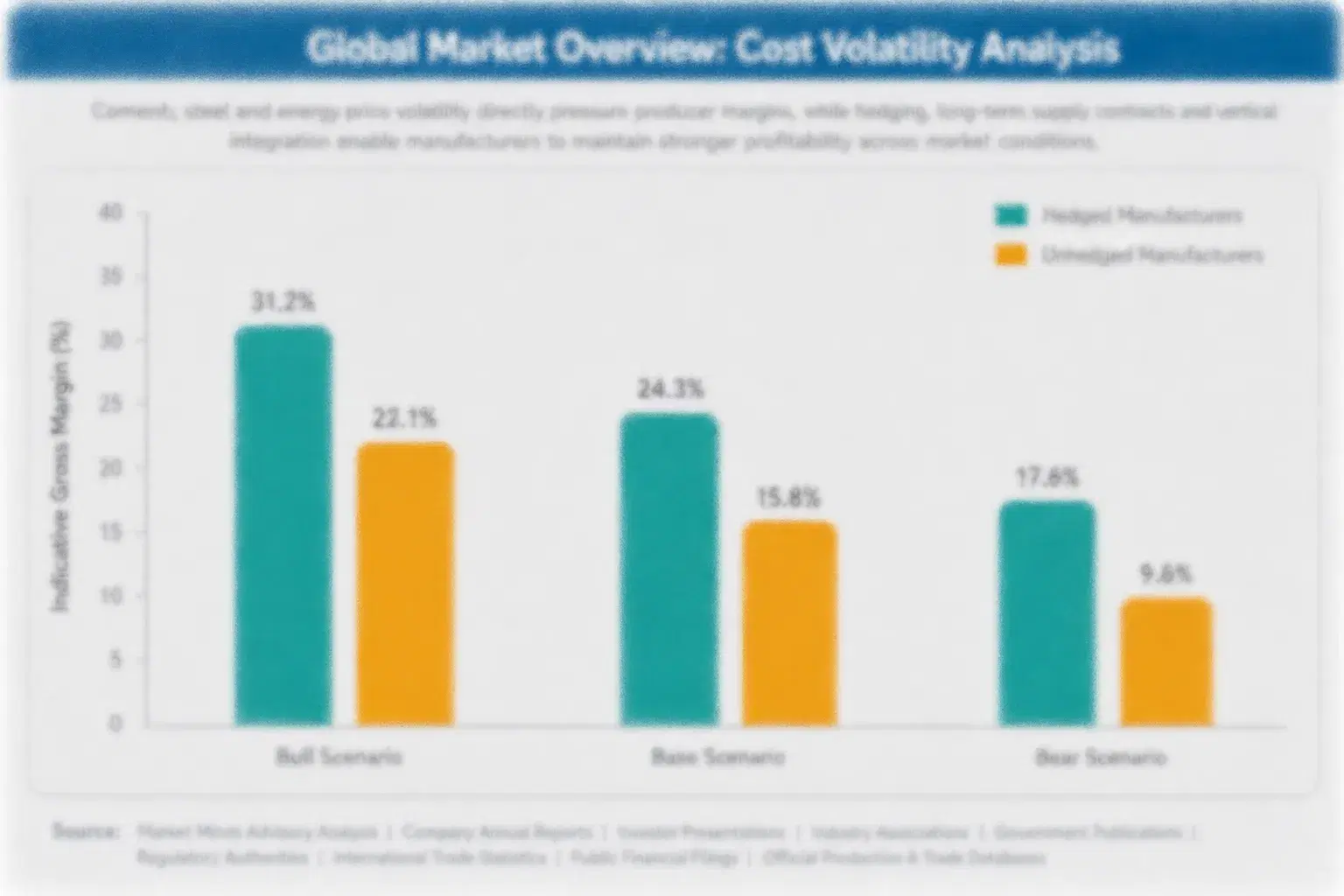
Cullet collection and color-sortation process inputs account for roughly 34% of furnace charge cost, with feedstock sourced from collection and sortation facilities across the United States, Germany, and China, where collection capacity continues expanding steadily year after year across most major global producing regions worldwide, supported by continued investment in dedicated sortation infrastructure built specifically to serve this growing category.
Cullet and transport fuel costs rose sharply in 2022 as global supply chain disruption and energy cost spikes compressed collection and sortation output simultaneously, a volatility event the US Energy Information Administration tracked through its transportation fuel price indices, compressing margins across processors without long-term feedstock contracts in place at the time and forcing several smaller operators to renegotiate manufacturer pricing mid-contract across multiple regions simultaneously and in several cases permanently.

Smaller regional processors without direct cullet feedstock supply relationships face a meaningful cost disadvantage, since they typically source cullet through distributors at a markup that larger vertically integrated competitors avoid entirely. This gap is most pronounced for processors serving value-tier production categories, where thinner margins leave less room to absorb distributor markups than premium manufacturer accounts can comfortably tolerate overall.
recycled-glass-market-cost-volatility-analysis-1791609975710

Secure Multi-Year Cullet Feedstock Supply Contracts Early

Larger processors increasingly negotiate multi-year cullet feedstock supply agreements directly with collection and sortation facilities, capturing predictable pricing well ahead of market volatility that spot-market buyers must absorb without any comparable contractual protection in place, insulating margins from short-term swings that smaller rivals cannot avoid without similar long-term agreements secured well in advance across the category.

Diversify Feedstock Sourcing Across Multiple Regions

Several processors are qualifying cullet feedstock sourcing from multiple geographic regions simultaneously, specifically to avoid single-region exposure to fuel price spikes, trade policy, or facility disruption affecting any one sourcing area at a time during each peak demand period each year across the category, while maintaining consistent quality standards across every qualified sourcing region nationwide.

Integrate Backward Into Collection and Sortation Operations

Larger processors are integrating backward into dedicated collection and sortation operations directly, capturing margin across both collection and purification stages while insulating themselves from feedstock cost volatility that pure processors must pass through to customers directly each cycle across their network, reinforcing supply security during periods of constrained global sortation capacity across most major producing regions nationwide.

Portfolio Architecture for Margin Defence

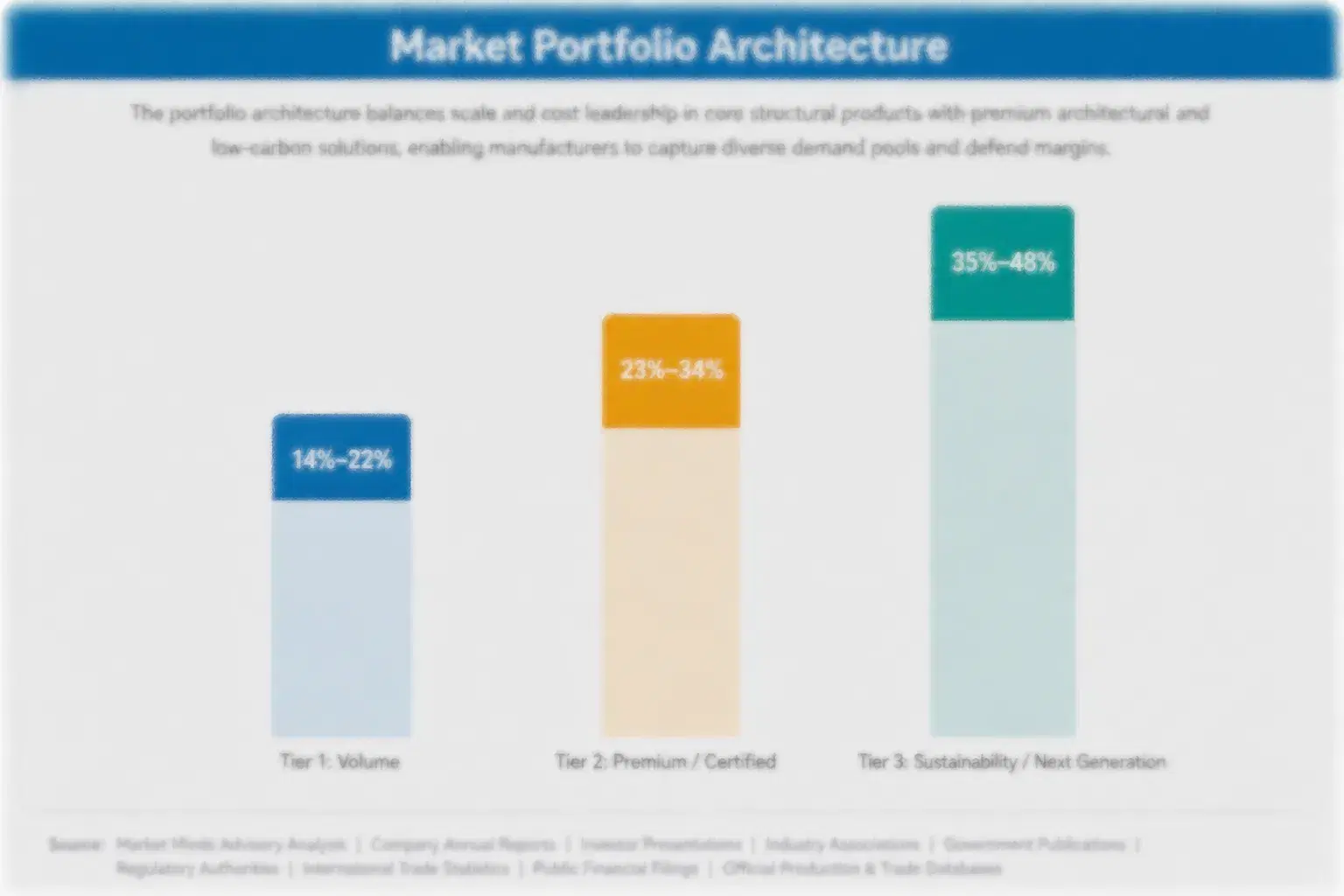
Recycled glass splits into three commercial tiers with sharply different margin profiles. Volume commodity-adjacent formats, standard mixed-color cullet sold largely on price, carry gross margins typical of mature processing operations. Premium certified formats, covering color-sorted and co-developed structures, command gross margins meaningfully above that. Sustainability and next-generation formats, including vertically integrated feedstock-to-cullet production, sit at the top of the margin range as manufacturers pay for purity performance and supply security.
The tension running through this architecture is capacity allocation. Processors that invested early in color-sortation technology licensing and manufacturer co-development can redirect operations toward premium portfolio-wide accounts paying meaningfully higher margin, while generalist processors remain confined to the lower-margin commodity tier competing primarily on price. Several mid-size processors are deliberately shrinking their standard cullet commodity book to free capacity for premium co-developed work as those categories scale faster than commodity volume.

High-value margin pools concentrate in color-sortation technology licensing and vertically integrated feedstock-to-cullet production, both growing faster than the category average. Processors positioned in both pools simultaneously, rather than just one, are capturing the largest share of new premium contract wins as manufacturers consolidate toward fewer, more capable supply partners overall.

Volume / Commodity-Adjacent Tier

Standard mixed-color cullet sold primarily on price with minimal differentiation, serving mainstream production accounts where buyers compete mainly on unit cost and supply reliability above almost every other consideration entirely.
Gross Margin

Premium / Certified Tier

Color-sorted and co-developed structures serving glass manufacturers seeking validated purity performance with certification documentation, where testing capability determines the winning processor more than price alone across most demanding categories tracked today.
Gross Margin

Sustainability / Regulatory / Next-Generation Tier

Vertically integrated feedstock-to-cullet production combining collection sourcing, color sortation, and purity testing under one supplier, commanding the highest margins in the category as manufacturers increasingly prefer one accountable supply chain over fragmented sourcing nationwide.
Gross Margin
recycled-glass-market-portfolio-architecture-1791609975900

High-value Sub-segments and Strategic Watch-out

Color Sortation Technology Licensing and Transfer Agreements

Color sortation technology licensing that lets processors extend purity performance without any in-house purification development is both the highest-margin and fastest-growing segment tracked today, as manufacturers seek genuine validated recycled-content across their most demanding global container, fiberglass, and construction categories tracked very closely nationwide and abroad.

Glass Manufacturer Co-Development Programmes

Cullet co-developed between processors and glass manufacturers carries strong margin from joint testing investment, but volume growth trails color-sortation licensing because co-development cycles require longer testing and qualification timelines between two separate parties involved in each new agreement signed nationwide and abroad each year overall.

Standard Mixed Color Commodity Formats

The largest unit-volume segment by far, serving mainstream production accounts on thin, price-competitive margins, remains the revenue base most processors still heavily depend on even as they reinvest proceeds into higher-margin co-developed categories each year across most formats, regions, and markets tracked very closely nationwide.

Processors Without Color Sortation Licensing Capability

Processors still offering only standard mixed-color cullet without any color-sortation technology licensing capability face a slow-motion competitive squeeze as manufacturers increasingly favor suppliers who can match validated purity performance across their full production portfolio nationwide and abroad, over time and across most markets tracked very closely.

Why Manufacturer Contracts Outlast Pricing Cycles

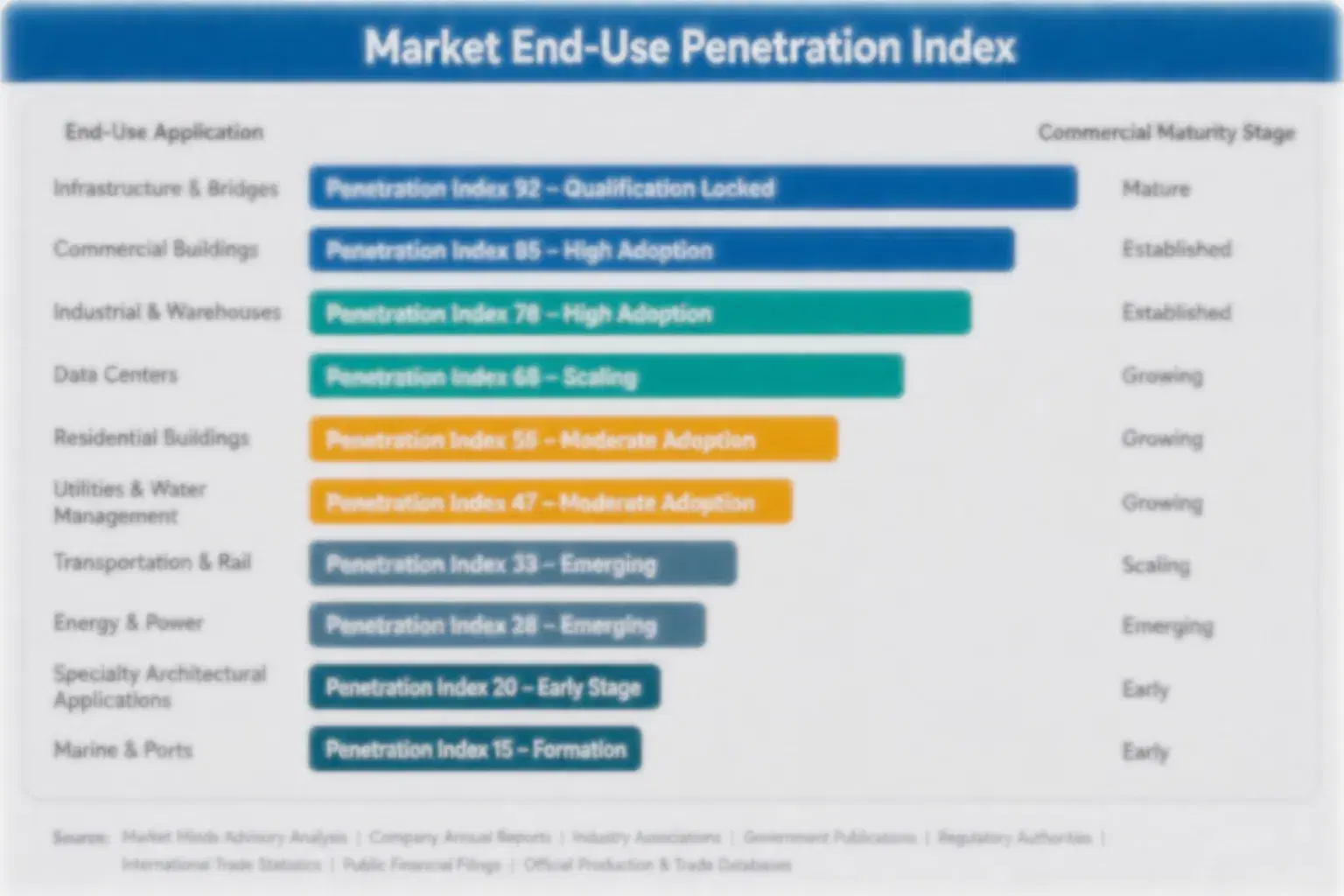
Once a processor wins a glass manufacturer portfolio-wide qualification agreement or a color-sortation technology licensing relationship, the arrangement behaves like an annuity rather than a one-time sale. Switching processors mid-contract carries requalification risk across purity certification and furnace labeling documentation that manufacturers rarely accept once a specification is running smoothly, so the incumbent processor captures recurring volume across the agreement's full term.
Depth of adoption varies sharply by production category. Flint-grade clear bottles facing the heaviest color-purity exposure lock in the deepest processor relationships because a color failure carries direct shelf-appeal and brand-reputation consequences that are hard to requalify quickly, while lighter-weight amber and green containers see more frequent price-driven switching on commodity formats where tolerances are looser. Mid-tier container programmes sit in between with tighter cost discipline.

Buyer profiles are shifting as furnace-feedstock decisions move earlier into product development planning rather than being finalized after batch-house build-out. A decade ago, feedstock sourcing was a routine procurement line item decided late in manufacturing planning; today, cullet versus virgin decisions increasingly factor into manufacturer cost and compliance positioning set well ahead of contracting, giving processors with proven purity capability a seat earlier than commodity suppliers traditionally occupied.
recycled-glass-market-end-use-penetration-index-1791609976083

Where to Place Bets Now

These are among the four positions where our research anticipates prominent divergence between winners and laggards over the coming forecast period. Each is grounded in the demand model, the regulatory perimeter, and the announced capacity pipeline.
01 / COLOR SORTATION LICENSING PRIORITY

License optical color sortation technology before rivals close gap

Manufacturers increasingly want cullet that matches virgin purity performance without losing cost advantages, and processors without color-sortation technology licensing access cannot bid on these performance-sensitive contracts at all today across most major categories and markets worldwide. Technology developers who have already licensed this capability widely are generating margin seventeen percent above direct processing alone, capturing value that unlicensed competitors cannot access. This advantage should widen as more processors pursue licensed sortation platforms nationwide over the coming years ahead of slower-moving rivals.
02 / PORTFOLIO QUALIFICATION PUSH

Build dedicated qualification programmes before mandates expand

Manufacturers are consolidating cullet volume toward fewer qualified processors, and suppliers without a dedicated qualification programme are losing access to entire production portfolios at once rather than competing batch by batch across fragmented regional accounts today across most major markets worldwide. The pricing premium for programme-based positioning is wide enough that leading processors have already priced it eleven percent above fragmented-channel sales nationwide. Processors who wait risk losing these accounts permanently as mandates continue expanding across more manufacturers nationwide each year.
03 / MANUFACTURER CO-DEVELOPMENT PUSH

Formalize manufacturer partnerships before competitors do

Manufacturers increasingly want cullet combining purity performance with energy-efficiency certification, and processors without a formalized co-development relationship cannot deliver this combination credibly at scale today across most demanding production categories and markets worldwide and well beyond every region tracked closely each year without fail. Processors who have already formalized co-development are pricing output fourteen percent above standard alternatives, capturing margin that unpartnered competitors cannot access at all. This advantage should widen as more manufacturers pursue combined-performance specifications across categories nationwide.
04 / BACKWARD FEEDSTOCK INTEGRATION

Integrate backward into feedstock supply before margins compress

Processors that integrate backward into dedicated collection and sortation supply contracts capture margin across both production stages while insulating themselves from commodity volatility that pure processors must pass through to customers directly each cycle without exception across the entire category worldwide today and beyond. Integrated processors are already pricing finished cullet seven percent above equivalent distributor-sourced feedstock output, capturing margin that non-integrated competitors cannot access. Waiting too long to integrate risks ceding this cost advantage to faster-moving rivals permanently across every region served worldwide.

Engagement Snapshot From the Field

A live engagement with an industry participant carrying material or product regulatory and market exposure ahead of a defining policy shift, showing how our research translates into a defensible multi-year portfolio strategy.
MARKET MINDS ADVISORY · CLIENT ENGAGEMENT SUMMARY
Recycled Glass Producer Strategic Portfolio Review and Transition Roadmap 2026·Investment Scenario on Recycled Glass Exposure Evaluation 2025-26
CLIENT PROFILE
The client is a global glass container manufacturer with annual revenue of approximately $7.2 billion (client-reported, unverified by MMA), operating multiple furnace facilities reliant on virgin raw material batches across its production portfolio. The client faced rising recycled-content mandate pressure across several key markets and sought an independent assessment of converting its furnace feedstock to cullet alternatives nationwide.
STRATEGIC CHALLENGE
The manufacturer needed to determine which production categories could convert to cullet without compromising color-purity requirements, and whether the transition could be phased gradually across its global supply chain without disrupting existing supplier relationships already established over many years of continuous operation and prior contract and audit history nationwide today.
MMA APPROACH
MMA conducted a structured category-by-category assessment benchmarking purity performance, cost premium, and processor qualification timelines across both cullet and virgin raw material alternatives, modeling the cost impact of continued virgin procurement against the full cost of a phased cullet conversion across the manufacturer's entire global production portfolio and full supplier network.
KEY FINDINGS
  1. Roughly 48% of the client's furnace portfolio could convert to cullet without any measurable color-purity-performance compromise across its major production categories studied closely.
  2. Rising recycled-content mandates made continued virgin procurement untenable within two years across three of the client's largest operating markets studied during the review.
  3. Color-sorted cullet formats outperformed virgin raw material formats on both cost-reduction and energy-efficiency metrics for most high-volume container categories assessed very closely overall today.
  4. The client's original conversion cost estimate overstated the color-sortation technology premium by roughly 6%, a gap the assessment corrected before supplier contracts were finalized.
RECOMMENDED STRATEGY
Phase 1: Phase 1 (Months 1 to 4): Convert the highest-volume, lowest-purity-risk production categories to cullet first across the manufacturer's largest markets. Phase 2: Phase 2 (Months 5 to 10): Expand conversion to demanding categories using validated optical sortation and purification formats across the full manufacturing network. Phase 3: Phase 3 (Month 11 onward): Finalize multi-year supply agreements covering the full converted portfolio globally across every regional market served.
OUTCOME
The manufacturer completed roughly 48% of its planned furnace conversion within the first year and avoided a material increase in energy compliance cost exposure across its three largest markets. The manufacturer reported no measurable change in purity-complaint rates following the conversion (client-reported, unverified by MMA).

Frequently Asked Questions

Foundational context covering the market sizes, CAGR, scope, country, region and competition that inform every finding below. This section is provided to cover basics and most often pre-purchase conversations, answered from the MMA Primary Research Dataset.

What is the current size of the Recycled Glass Market?

The global market was valued at approximately $6.8 billion in 2025. This reflects recycled glass cullet used across container, fiberglass, and construction categories worldwide today.

How large will the Recycled Glass Market be by 2036?

MMA projects the market will reach approximately $10.7 billion by 2036, more than one and a half times its 2025 starting base. Growth is driven by recycled-content regulation and manufacturer adoption.

What is the CAGR for the Recycled Glass Market 2026 to 2036?

The market is projected to grow at a compound annual growth rate of 4.2% between 2026 and 2036. Bull and bear scenarios range from roughly 2.9% to 5.5%.

Which segment is growing fastest?

Recycled glass for fiberglass insulation is the fastest-growing segment, expanding at approximately 6.5% annually, well above the category average. This reflects rapid adoption as color-sortation technology matures.

Who are the major companies in the Recycled Glass Market?

Leading companies include O-I Glass, Verallia, Ardagh Group, Strategic Materials, and Vitro. These five companies hold the leading qualified positions in the category today across most markets.

Which country is growing fastest?

France is the fastest-growing major country, expanding at approximately 5.6% annually as its collection infrastructure accelerates cullet conversion. Local processor capacity is also expanding alongside demand.

Recycled Glass Market Segmentation

The full report scope spans multiple orthogonal segmentation dimensions, with cross-tabulated demand data provided for each dimension pair. Coverage extends further to regional breakdowns, trend trajectories, and the competitive detail needed to support segment-level decision-making.

By Cullet Application and End-Use Category

  • Recycled Container Glass Cullet
  • Recycled Flat Glass Cullet
  • Recycled Glass for Fiberglass Insulation
  • Recycled Glass for Construction Aggregate
  • Recycled Glass for Abrasives and Specialty Applications

By End-Use Industry

  • Beverage and Food Container Glass
  • Fiberglass Insulation
  • Construction and Aggregate
  • Specialty and Abrasive Applications

By Commercial Dimension

  • Manufacturer Direct Supply
  • Licensed Technology Supply
  • Distributor and Wholesale Supply
  • Co-Development Partnership Contracts

By Region

  • North America
  • Western Europe
  • East Asia
  • South Asia and Pacific
  • Latin America
  • Middle East and Africa
  • Eastern Europe

Scope, Methodology, and Coverage

Every figure in this report is reproducible from documented input assumptions. The scope below maps the historical period, the forecast horizon, the segmentation dimensions, and the countries covered, alongside the underlying primary and qualitative methodology.
Historical Period
2020 to 2025
Forecast Period
2026 to 2036
Base Year
2025 (USD billions; MMA Primary Research Dataset, October 2026)
Market Definition
The recycled glass market covers color-sorted and mixed-stream cullet used as furnace feedstock for container glass, fiberglass insulation, construction aggregate, and specialty glass applications. It excludes virgin raw material batches with no recycled content and non-glass recycled materials tracked separately by MMA.
Quantitative Units
USD billions (current prices); unit volumes in million tonnes where cited
Segmentation Dimensions
By Cullet Application and End-Use Category; By End-Use Industry; By Commercial Dimension; By Region
Regions Covered
North America, Western Europe, East Asia, South Asia and Pacific, Latin America, Middle East and Africa, Eastern Europe
Countries Covered
USA, Canada, Germany, France, Netherlands, UK, Italy, Spain, China, Japan, South Korea, India, Australia, Indonesia, Brazil, Mexico, Argentina, UAE, Saudi Arabia, South Africa, Nigeria, Poland, Hungary, Czech Republic, Sweden, Switzerland, Colombia, Singapore, Vietnam, and additional markets relevant to this sector
Key Companies Profiled
O-I Glass Inc., Verallia SA, Ardagh Group S.A., Strategic Materials Inc., Vitro S.A.B. de C.V., Anchor Glass Container Corporation, Consol Glass (Pty) Ltd., BA Glass S.A., Gerresheimer AG, Piramal Glass Private Limited, Nippon Sheet Glass Co. Ltd., AGC Inc., Saint-Gobain S.A., Owens Corning, Nihon Yamamura Glass Co. Ltd., Allied Glass Containers Ltd., Beatson Clark Ltd., Wiegand-Glas GmbH, Heinz-Glas GmbH, Zignago Vetro S.p.A.
Quantitative Methodology
Primary survey, n=3,800 respondents, Q4 2025, six countries; demand-side model with trade association cross-validation
Qualitative Methodology
47 expert interviews, Q4 2025; applied to validate demand model assumptions, identify emerging dynamics, and assess competitive positioning
Report Format
PDF and XLSX data workbook (Word format preview document)
Publisher
Market Minds Advisory
Report Code
MMA-2026-CHM-101
Published
October 2026
Contact
sales@marketmindsadvisory.com | www.marketmindsadvisory.com

Purchase the full Recycled Glass Market Report (2026 to 2036).

The full report delivers a complete market model spanning 2020 to 2036, with segment-level and regional revenue breakdowns across all seven tracked geographies. It includes detailed profiles of twenty companies spanning diversified global glass manufacturers and specialty regional processors, competitive benchmarking on a revenue basis, and an independent assessment of moat durability and risk exposure for the two leading companies. Buyers receive the complete regional dataset beyond the two regions shown, along with extended commentary on feedstock cost exposure. A dedicated appendix covers color-sortation technology benchmarking and manufacturer co-development case examples. Custom segment cuts and data extensions are available on request.
Twenty-company competitive benchmarking on a consistent basis
Full seven-region revenue and CAGR dataset
Segment-level margin and growth analysis across five formats
Feedstock cost exposure and mitigation strategy appendix
Color-sortation technology and co-development case data
Custom segment and company-specific data extensions available

Built For The People Who Decide

From boardroom strategy to bench-side execution, this report is read cover-to-cover by leaders shaping the next decade of their industry, turning demand scenarios, market dynamics and valuation benchmarks into decisions.
CXOs/ Presidents/ VPs/ Managers
M&A and Corporate Development
Strategy Teams and R&D Heads
Procurement and Product Directors
Regulatory and Compliance Leaders
Investor Relations and Equity Analysts