Market Minds Advisory
Recycled Metal Market

Recycled Metal Market Size, Segments and Regional Outlook 2026-2036

Metal recyclers are scaling scrap processing capacity as EV battery manufacturing and grid infrastructure buildout make virgin ore smelting a direct carbon-compliance and cost liability across steel, aluminum, and copper categories worldwide today.

Lead Analyst

Bilal Shaikh

Published

November 2026

Make Smarter Decisions with Customized Research Insights

Request a free sample report and evaluate market opportunities, growth trends, and competitive dynamics relevant to your business needs.

2025 MARKET VALUE$72.0BMarket Size 2025
2036 FORECAST VALUE$120.6BBase Case , 2026 to 2036
CAGR 2026 TO 20364.8 %Bull 6.0% / Bear 3.3%
INCREMENTAL OPPORTUNITY$45.1BNet 10- year value creation
EXPANSION MULTIPLE1.60x2036 value over 2026 base
Strategic Levers
M&A Pipeline
Regional Outlook
Country Rankings
Competitive Intelligence
Segmental Deep-dive
Call-Us : 91 93563 13602

Recycled Metal Demand Outlook

Recycled metal is shifting quickly from a scrap-yard commodity trade into a mandatory feedstock specification nationwide today, as carbon-intensity regulation and EV battery and grid infrastructure buildout make virgin ore smelting a direct cost and compliance liability across steel, aluminum, and copper categories worldwide.
Three forces are converging: carbon border taxation and recycled-content rules that increasingly favor scrap-based furnace charges over virgin ore smelting across most major producing jurisdictions worldwide today, manufacturers standardizing scrap specification across entire production portfolios rather than flagship lines only, and processors closing the alloy-purity gap that long confined scrap to low-grade construction categories. Recycled aluminum for EV battery enclosures is the fastest-growing format in this category today.
Competitively, diversified global scrap processors with decades of shredding and sorting scale are defending position against specialty regional recyclers expanding from single-customer pilots into multi-mill supply contracts nationwide and across most major global export markets served today, this year, and well beyond entirely. Regulatory momentum across major steelmaking and aluminum markets, combined with continued alloy-sortation innovation, keeps pulling furnace specification toward scrap formats faster than voluntary mill preference alone would have truly achieved.
Market Definition
The recycled metal market covers ferrous and non-ferrous scrap used as furnace feedstock for steelmaking, aluminum smelting, copper refining, and specialty alloy production. It excludes virgin ore and primary metal production with no recycled content and non-metal recycled materials tracked separately by MMA.
Base Year Value
$72.0B in 2025 (MMA Primary Research Dataset, October 2026)
Forecast Period
2026 to 2036, eleven discrete annual values
CAGR
4.8% base case. Bull 6.0%. Bear 3.3%.
Fastest Growth Segment
Recycled Aluminum for EV Battery Enclosures: 8.6% CAGR
Fastest Growth Country
India: 7.2% CAGR
Fastest Growth Region
South Asia and Pacific: 6.8% CAGR
Largest Region
East Asia: 29% of 2025 global value
Market Leaders
Sims Limited, European Metal Recycling Ltd., Commercial Metals Company, Radius Recycling Inc., Novelis Inc. Source: MMA Analysis based on company annual reports.
Primary Survey
n=3,800 procurement and R&D decision-makers, Q4 2025, six countries
Methodology
Demand-side build-up, cross-validated against public data, 47 expert interviews

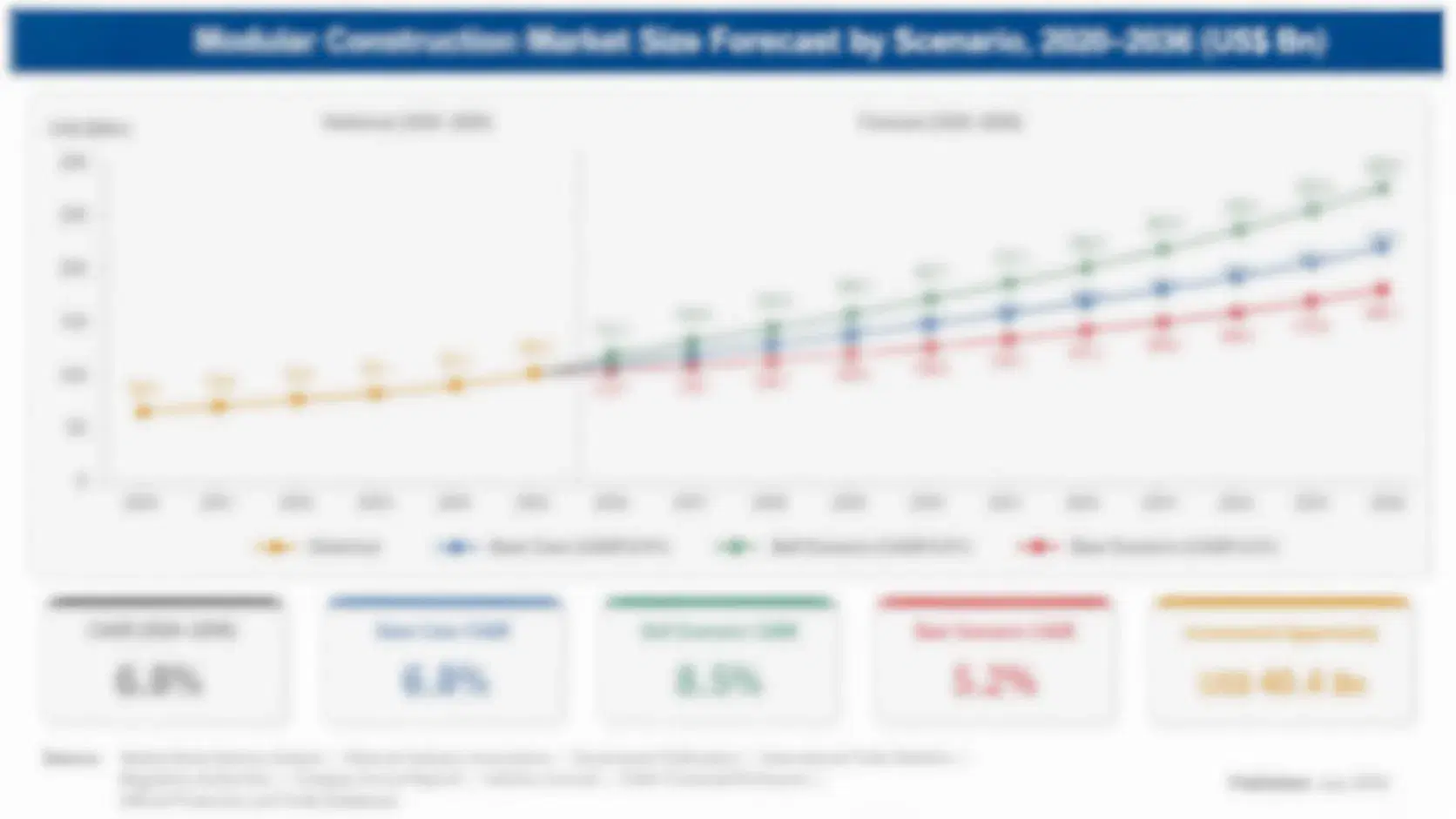
Recycled Metal Growth Scenarios to 2036

recycled-metal-market-size-forecast-scenario-1791609977694
Between 2020 and 2025, recycled metal grew steadily and consistently as early-adopter steelmakers and smelters converted flagship furnace charges to scrap-based batches, while most mid-tier mills elsewhere continued relying on virgin ore given unresolved alloy-purity and total landed cost gaps across most production categories tracked closely worldwide throughout this entire gradual transition period overall today.
The base case assumes three mechanisms hold through 2036: carbon border taxation and recycled-content regulation keep extending into additional production categories and jurisdictions, mills keep consolidating scrap specification across entire production portfolios rather than flagship lines alone, and processors keep closing the remaining alloy-purity gap with virgin ore. Together these push recycled metal from a cost-driven furnace input into a default specification within the forecast window ahead across most major steelmaking and smelting markets worldwide today.
The bull case assumes a major global steelmaker mandates scrap specification across its entire production portfolio within eighteen months, pulling conversion volume sharply higher across peer mills simultaneously. The bear case assumes virgin ore and iron prices fall faster than expected, giving mills a lower-cost compliance path that competes directly with scrap adoption on landed cost. This dynamic also shapes the printed aluminium foil packaging market, valued by MMA at USD 18.3 billion in 2025 and expected to reach USD 30.6 billion by 2036.

Why Virgin Ore Became a Compliance Risk

Recycled metal sits at the intersection of three converging forces: carbon border taxation and recycled-content regulation that increasingly favor scrap-based furnace charges over virgin ore smelting, mills standardizing scrap specification across entire production lines instead of flagship products, and processors closing the alloy-purity gap that long confined scrap to low-grade construction categories. Processors once limited to commodity-grade scrap are now qualifying premium alloy-sorted formulations. MMA's outlook for the recycled scrap metal market points to USD 552.4 billion by 2036, a 6.2% annual growth rate.
TOP PRODUCING COUNTRY SHARE29%Anchors the largest share of scrap processing capacity
MARKET CONCENTRATION (CR5)22%Processors hold roughly a fifth of total output
AVERAGE SCRAP COST DISCOUNT12% below virgin ore equivalentScrap prices consistently below virgin raw material overall today
FEEDSTOCK SHARE OF COGS41% of totalRecovered scrap inputs dominate overall furnace charge cost structures
ALLOY PURITY PASS RATE90% to 97%Typical purity pass rate for certified scrap feedstock batches
QUALIFICATION CYCLE LENGTH4 to 8 weeksTypical duration of a scrap furnace qualification process overall
Commercially, this remains a moderately fragmented market, since credible scrap supply depends on a relatively large number of processors with both shredding scale and furnace-clearance capability simultaneously. Diversified global scrap processors compete for enterprise mill contracts spanning multiple production categories, while specialty regional recyclers supply adjacent sorting and shredding chemistries those diversified processors increasingly license or acquire. Average selling prices for scrap sit modestly below virgin ore, though energy savings widen that advantage. Linked demand sits in the kitchen tools and accessories market, projected by MMA to reach USD 38.7 billion by 2036 on a 4.2% CAGR.
Over the next decade, expect recycled metal to extend well beyond construction-grade applications into a mainstream specification across most automotive, aerospace, and electronics categories. Regulatory momentum across major steelmaking and aluminum markets, alongside continued alloy-sortation innovation, will likely accelerate this shift faster than voluntary mill preference alone would drive it. MMA expects the related small caliber ammunition market to be worth USD 21.2 billion by 2036.
"A furnace charge used to be whatever virgin ore and pig iron the mill already had queued up. Now it is the thing a steelmaker redesigns from scratch, because the old virgin batch just became a carbon-compliance liability."
Director, Industrial Materials Recycling Practice · MMA Industrial Materials Recycling & Circular Metals Practice · October 2026

Recycled Metal Adoption Trends

Mills Standardize Scrap Across Production Lines

Major steelmakers have begun standardizing on scrap specification across their entire production portfolio rather than converting flagship lines alone, since portfolio-wide standardization simplifies both carbon-disclosure documentation and supplier sourcing across dozens of production categories simultaneously. This is pulling processors that previously supplied only isolated regional contracts into direct multi-mill platform development, since steelmaking and smelting contracts increasingly specify one scrap purity standard across varied structural, automotive, and appliance applications. Mills that completed this standardization are citing reduced emissions directly in their sustainability disclosures, pushing peer mills toward similar commitments nationwide. A closely related view comes from the edge protector market, which MMA projects to grow at a 5.8% CAGR to USD 2.6 billion by 2036.
Market Impact: Covers scrap volume worth 3.4M tonnes

Alloy Sortation Innovation Closes the Purity Gap

Advanced sensor-based alloy-sortation technology has reached scrap purity roughly equivalent to virgin ore for most standard furnace applications nationwide today, closing a gap that previously confined scrap to low-grade construction categories only across most global production categories studied closely worldwide today. This is accelerating mill conversion decisions for demanding categories that previously required virgin ore specifically to meet strict alloy-consistency and tensile-strength requirements and standards. Processors who closed this gap earliest are capturing the bulk of new enterprise mill contracts as parity spreads across additional production categories nationwide and abroad. Readers tracking this shift may also follow the hinged lid tins market, which MMA sizes at USD 0.9 billion in 2025, growing at 3.8% a year.
Market Impact: Covers 9,500+ furnace batch line items

Recycled Metal Supplier Priorities

Carbon Border Rules Now Favor Scrap Batches

Several major steelmaking and aluminum markets have extended carbon border taxation to favor scrap-based furnace charges over virgin ore batches previously treated identically under general production rules, pulling conversion volume well ahead of the pace voluntary mill commitments alone would have driven across the broader scrap category nationwide. This is forcing mills serving these markets to qualify scrap across dozens of production categories simultaneously rather than one batch at a time, compressing a transition that otherwise would have unfolded over many years. Mills who completed qualification earliest are capturing favorable pricing as jurisdictions extend similar regulation.
Market Impact: Trails virgin ore purity by 4%

Mills Reach Portfolio-Wide Recycled Content Targets

Major steelmakers and smelters have extended corporate sustainability commitments that previously targeted only flagship furnace lines into specific, measurable recycled-content targets for their entire production portfolio, pulling conversion volume forward well ahead of the pace regulation alone would have achieved across most major steelmaking markets tracked closely. This is forcing processors serving these mills to qualify scrap across their full production range rather than piloting a handful of flagship lines. Processors who completed qualification earliest are capturing the bulk of new multi-year supply agreements as additional mills extend similar commitments broadly nationwide.
Market Impact: Costs 8% more in collection logistics

Recycled Metal Cost and Adoption Hurdles

Alloy Purity Still Trails for Premium Aerospace Grade

Scrap, even with improved alloy-sortation technology, still shows reduced purity confidence relative to virgin ore for the most demanding premium aerospace and specialty alloy categories, particularly titanium-grade and high-nickel alloys where any trace contamination directly risks structural failure in critical load-bearing applications. The underlying cause is chemistry: trace element contaminants from mixed-stream feedstock fundamentally cannot always be fully removed in ways that no single sortation process can guarantee for every demanding application class. Processors are mitigating this with advanced sensor sortation and batch testing that extend purity closer to virgin-equivalent levels for most production categories.
Market Impact: Covers 14,000+ furnace batch categories

Collection Infrastructure Still Limits Value Tier Adoption

Scrap collection and sortation costs remain meaningfully above virgin ore procurement costs across most regional markets, since dismantling, shredding, and advanced sorting facility investment cost more than simply ordering virgin ore and pig iron through established distribution channels at current adoption levels. The underlying cause is scale: scrap collection volumes remain a smaller share of total furnace feedstock flow, so processors have not achieved the full economies of scale that make virgin ore production so efficient. This limits adoption to premium mills rather than value-tier categories. Processors are mitigating this by scaling collection toward parity nationwide.
Market Impact: Matches virgin ore purity at 96%
3 additional market trends, 4 additional growth drivers, and 2 additional restraints and challenges are covered in the full report. Contact sales@marketmindsadvisory.com to access the complete intelligence.

Recycled Metal Segment Growth Rates

MMA segments recycled metal by scrap alloy category and end-use application rather than by collection source, since the same underlying shredding and sorting platform increasingly serves multiple production categories once a processor secures mill approval and purity certification across furnace lines and batch specifications nationwide and abroad. Six formats are tracked in total across this category.
recycled-metal-market-market-share-analysis-1791609977866

Recycled Aluminum for EV Battery Enclosures

Recycled aluminum for EV battery enclosures combines mechanically shredded and alloy-sorted scrap with validated purity processing to deliver furnace-ready feedstock that meets automotive-grade thresholds without the alloy-contamination compromise of earlier mixed-stream recycled generations overall today and across most markets. Demand concentrates among EV and battery enclosure manufacturers seeking validated purity performance that meets both structural-safety requirements and cost-reduction targets simultaneously across most production categories tracked closely. Growth runs well ahead of every other tracked format as alloy-sortation technology reaches commercial viability across most major processor networks tracked closely. Processors with proven purity qualification are capturing the bulk of new enterprise mill contracts nationwide and abroad as adoption accelerates steadily each year across most markets studied today.
CAGR 8.6%

Recycled Copper for EV Motors and Grid Infrastructure

Recycled copper for EV motors and grid infrastructure combines mechanically stripped and purity-sorted scrap with validated conductivity processing to deliver furnace-ready feedstock that meets motor-winding and busbar thresholds across a broader production weight range than aerospace formats typically serve today. Demand concentrates among motor and grid-equipment manufacturers seeking validated conductivity performance that meets both efficiency requirements and cost-reduction targets simultaneously across most production categories tracked closely nationwide. Growth trails EV battery enclosure scrap only moderately, reflecting both strong manufacturer interest in validated copper formats and continued sortation innovation that is lowering per-unit costs steadily across most participating processors. Processors with proven conductivity qualification are winning the largest multi-year mill agreements as adoption accelerates nationwide each year.
CAGR 7.4%
Full segment breakdown across 6 segments available in the complete report.

Recycled Metal Market by Country

East Asia leads this market on the largest steelmaking and aluminum smelting base and deepest scrap collection infrastructure today, with North America and Western Europe following closely behind each and every single calendar year without exception whatsoever. South Asia and Pacific is growing fastest among all tracked regions studied.

North America

The United States drives the large majority of North American demand, reflecting both the largest steelmaking and aluminum smelting base and the most extensive established scrap processor network covering most major production categories nationwide and across most structural, automotive, and electronics formats studied closely overall. Major US mills are standardizing recycled-content specifications directly in supplier contracts, pulling processor qualification forward faster than voluntary preference alone would have achieved across most production categories tracked. Canada's contribution is smaller but growing through its own provincial recycling programmes, generally following specifications closely aligned with US requirements given integrated cross-border supply chains. Processors with proven purity capability are winning the bulk of new contracts across this market today.
Share: 24% | CAGR: 5.0% (2026 to 2036)

Western Europe

The highest scrap collection rates in the world define Western Europe's position in this market more directly than pure steelmaking volume growth does elsewhere. Germany and France host the deepest deposit-driven and curbside collection infrastructure globally, giving the region a consistently high-purity scrap supply base that other regions have not yet matched at comparable collection cost. The European Union's carbon border adjustment mechanism increasingly mandates minimum recycled-content thresholds across member states, pushing mills toward scrap specification ahead of a staged compliance timeline. Italy and Spain add further mill demand through major steel production operations. Growth here trails East Asia and South Asia and Pacific because the region's collection infrastructure is already largely mature.
Share: 19% | CAGR: 3.2% (2026 to 2036)
Regional intelligence for 5 additional markets available in the complete report: East Asia, South Asia and Pacific, Latin America, Middle East and Africa, Eastern Europe. Contact sales@marketmindsadvisory.com.
recycled-metal-market-country-cagr-analysis-1791609978046

Where Processors Can Capture Premium Margin

Scrap providers compete on alloy-sortation breadth and mill co-development relationships more than on unit price alone, which opens several distinct routes to margin above the category average today. The clearest paths run through sortation technology licensing, portfolio-wide qualification programmes, mill co-development, and feedstock supply integration, each commanding a premium customers pay to simplify sourcing nationwide.

License Proprietary Sensor Alloy Sortation Technology Early

Processors that license proprietary sensor-based alloy-sortation and purification technology directly to competing processors capture royalty revenue across a much broader customer base than a single exclusive operation would allow at comparable research investment and capital outlay each year without exception whatsoever across the entire category. This licensing-based positioning typically generates margin roughly 19% above direct processing alone, reflecting the capital efficiency of licensing proven sortation technology rather than building purification capacity for each individual mill relationship separately. Licensors with proven platforms are winning the largest multi-mill licensing agreements as this approach keeps spreading.
Market Impact: Generates licensing margin 19% above direct output today

Build Dedicated Portfolio Qualification Programmes Early

Processors that build dedicated qualification programmes for portfolio-wide mill transitions capture multi-year supply agreements covering dozens of production categories simultaneously, rather than competing for individual batch contracts one at a time against fragmented regional operators across the market each cycle and every single season without fail or exception whatsoever. This programme-based positioning typically prices at a premium of roughly 12% over equivalent volume sold through fragmented channels, reflecting the value mills place on a single processor managing consistent qualification and compliance documentation across their full production portfolio nationwide each year.
Market Impact: Prices programmes 12% above fragmented channel sales today

Co-Develop Scrap Formats With Mill Partners

Processors that co-develop scrap specifications directly with steelmakers and smelters capture contracts seeking purity performance and carbon-efficiency combinations that neither party can deliver alone at comparable cost or performance today across most demanding production categories and markets worldwide. This co-development approach typically prices at roughly 15% above standard scrap sold independently, reflecting the joint testing investment and qualification coordination required between two previously separate supplier relationships across the industry today. Processors and mills who formalized this co-development earliest are winning the largest multi-year contracts as demand keeps spreading nationwide each year.
Market Impact: Prices co-developed formats 15% above standard output today

Integrate Backward Into Collection and Shredding Supply

Larger processors that integrate backward into dedicated collection and shredding supply contracts, rather than purchasing feedstock from third-party dealers, capture margin across both the feedstock and purification stages while insulating themselves from commodity price volatility that pure processors must pass through to customers directly each cycle without exception across the category. This vertically integrated positioning typically prices finished scrap at a premium of roughly 8% over equivalent volume made from dealer-sourced feedstock, reflecting the supply security and margin capture integrated processors achieve across their full value chain nationwide today and going forward.
Market Impact: Prices integrated output 8% above dealer-sourced feedstock today

Recycled Metal Value Chain and Margins

The competitive set spans diversified global scrap processors and specialty regional recyclers. CR5 sits at 22%, with Sims Limited and European Metal Recycling Ltd. holding leading positions as the largest ferrous shredding platform and the diversified alloy sortation technology platform respectively, while a long tail of regional processors compete for remaining volume. The gap between the leaders and the next tier is widening as licensing matters more.
Current competitive activity centers on three fronts: sensor-based alloy-sortation technology licensing that lets processors extend purity performance without in-house equipment development, portfolio-wide qualification programmes that lock in multi-year mill relationships, and backward integration into collection and shredding supply contracts that insulates processors from commodity volatility. Several mid-size processors have also begun offering dedicated co-development as a differentiator today.

Emerging pressure comes from specialty regional recyclers expanding into multi-mill contracts from adjacent single-customer pilots, competing against diversified global processors that built shredding and sorting scale from legacy scrap-yard distribution. Expect consolidation over the next several years as these two previously separate competitive groups converge further, rather than either side building the core sortation competency from scratch on a timeline neither can afford given how quickly mill standards continue reshaping the economics.
recycled-metal-market-company-positioning-matrix-1791609978225

Recycled Metal Supplier Positioning

SIMS LIMITED

Moat: Largest Ferrous Shredding Platform

Sims Limited operates one of the largest diversified global ferrous and non-ferrous shredding and sorting networks, giving it processing scale and mill relationship depth that smaller specialty regional recyclers competing on alloy-sortation alone cannot easily replicate without comparable multi-decade scrap processing infrastructure, accumulated mill relationships, and distribution networks spanning many continents worldwide.
SIMS LIMITED

Risk: Exposure to Mill Procurement Cycles

Sims Limited's scrap revenue depends heavily on overall steelmaker and smelter capital-expenditure and furnace-capacity cycles, exposing the business directly to construction demand swings and commodity price timing in a way that diversified multi-category materials competitors simply do not experience to the same degree across their much broader operations.
EUROPEAN METAL RECYCLING LTD.

Moat: Diversified Alloy Sortation Technology Platform

European Metal Recycling's combined sensor sortation and shredding operations give it cross-category material science depth and distribution scale that pure collection specialists competing on volume alone cannot easily replicate without comparable multi-decade recycling research infrastructure, accumulated mill relationships, and well-established global distribution networks spanning many continents worldwide.
EUROPEAN METAL RECYCLING LTD.

Risk: Dependence on Virgin Ore Prices

European Metal Recycling's scrap revenue concentrates heavily in steelmaking and smelting capital-expenditure and procurement cycles, exposing the business directly to mill investment timing and virgin ore price swings that diversified multi-sector competitors simply do not depend on as narrowly across their much broader global operations and revenue streams overall.

Players Tracked

Prominent Players

Sims Limited
European Metal Recycling Ltd.
Commercial Metals Company
Radius Recycling Inc.
Novelis Inc.

Other Key Players

Aurubis AG
Kuusakoski Group Oy
Metal Management Inc.
OmniSource Corporation
David J. Joseph Company
Alter Trading Corporation
PSC Metals Inc.
Liberty Iron & Metal
Ferrous Processing and Trading Co.
Tube City IMS
Scholz Recycling GmbH
Befesa S.A.
Constantia Recycling Group
TOMRA Systems ASA
Shenzhen GEM Co., Ltd.

Recent Developments

MARCH 2025

Sims Limited Expands Shredding Capacity

Sims Limited announced a major expansion of its ferrous and non-ferrous shredding and alloy-sortation capacity, extending its production footprint to serve growing mill demand across multiple production categories and export markets worldwide today. The expansion followed several multi-year supply agreements signed with major steelmakers recently.
Signal: Signals that scrap providers are scaling toward mainstream steelmaking procurement volume broadly across the entire industry.
JULY 2025

European Metal Recycling Signs Multi-Year Supply Agreement

European Metal Recycling Ltd. signed a multi-year feedstock supply agreement with a major global steelmaker, securing committed volume well ahead of expected demand growth as scrap adoption accelerates nationwide across multiple production categories and formats today. The agreement includes joint sortation development provisions nationwide and abroad.
Signal: Signals that diversified providers are prioritizing long-term mill relationships over spot-market sales broadly across the industry.
NOVEMBER 2025

Major Steelmaker Mandates Scrap Portfolio-Wide

A major global steelmaker announced a mandate requiring scrap specification across its entire production portfolio within a fixed multi-year timeline, extending requirements that previously applied only to select furnace lines nationwide today and going forward. Multiple processors are competing for qualification across the expanded mandate today.
Signal: Signals that mill mandates are extending from select lines into full portfolio coverage broadly across the industry.

Scrap Feedstock Drives Furnace Conversion Margin

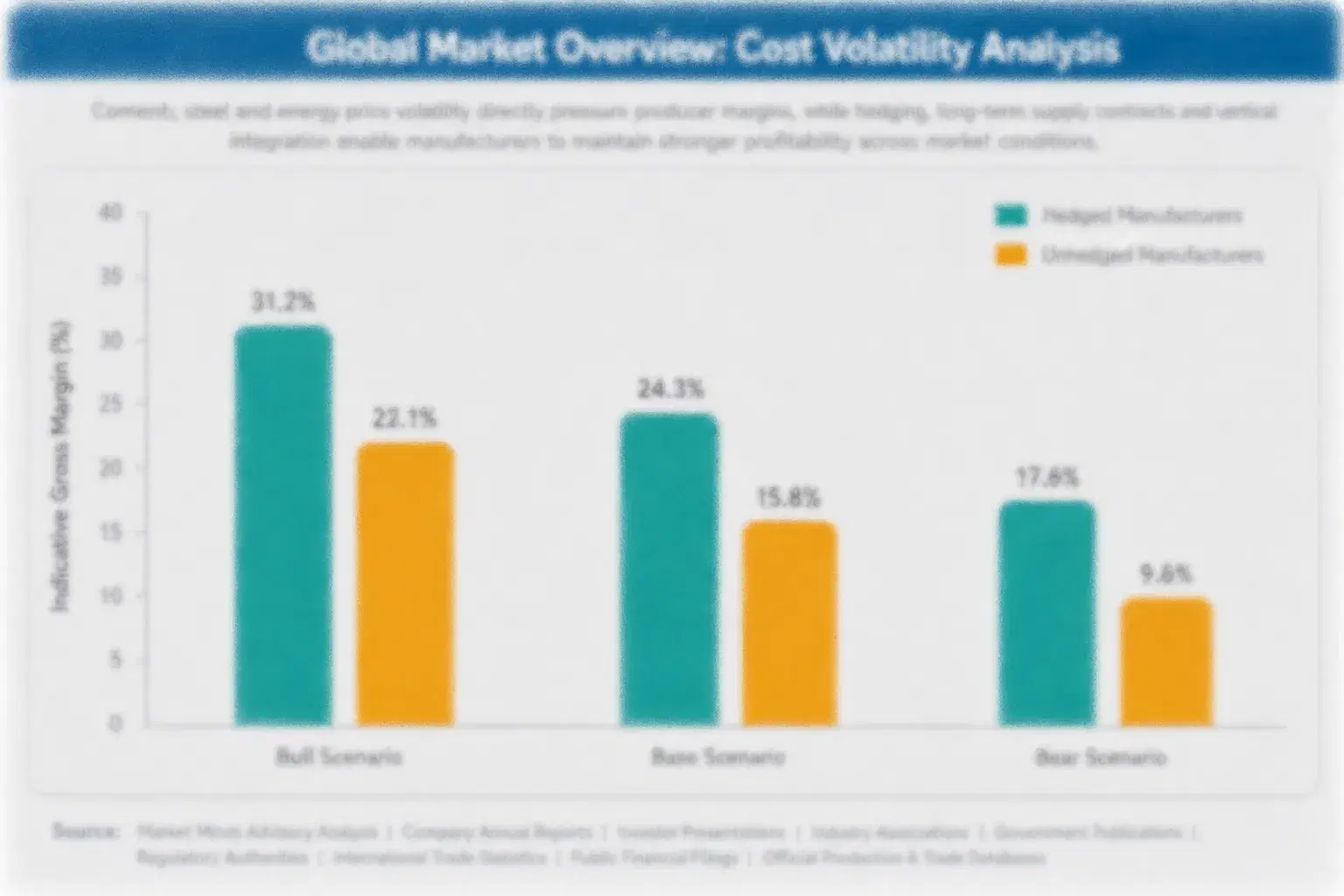
Scrap collection and alloy-sortation process inputs account for roughly 41% of furnace charge cost, with feedstock sourced from collection and sortation facilities across the United States, Germany, and China, where collection capacity continues expanding steadily year after year across most major global producing regions worldwide, supported by continued investment in dedicated sortation infrastructure built specifically to serve this growing category.
Scrap and transport fuel costs rose sharply in 2022 as global supply chain disruption and energy cost spikes compressed collection and sortation output simultaneously, a volatility event the US Energy Information Administration tracked through its transportation fuel price indices, compressing margins across processors without long-term feedstock contracts in place at the time and forcing several smaller operators to renegotiate mill pricing mid-contract across multiple regions simultaneously and in several cases permanently.

Smaller regional processors without direct scrap feedstock supply relationships face a meaningful cost disadvantage, since they typically source scrap through dealers at a markup that larger vertically integrated competitors avoid entirely. This gap is most pronounced for processors serving value-tier production categories, where thinner margins leave less room to absorb dealer markups than premium mill accounts can comfortably tolerate overall.
recycled-metal-market-cost-volatility-analysis-1791609978410

Secure Multi-Year Scrap Feedstock Supply Contracts Early

Larger processors increasingly negotiate multi-year scrap feedstock supply agreements directly with collection and sortation facilities, capturing predictable pricing well ahead of market volatility that spot-market buyers must absorb without any comparable contractual protection in place, insulating margins from short-term swings that smaller rivals cannot avoid without similar long-term agreements secured well in advance across the category.

Diversify Feedstock Sourcing Across Multiple Regions

Several processors are qualifying scrap feedstock sourcing from multiple geographic regions simultaneously, specifically to avoid single-region exposure to fuel price spikes, trade policy, or facility disruption affecting any one sourcing area at a time during each peak demand period each year across the category, while maintaining consistent quality standards across every qualified sourcing region nationwide.

Integrate Backward Into Collection and Shredding Operations

Larger processors are integrating backward into dedicated collection and shredding operations directly, capturing margin across both collection and purification stages while insulating themselves from feedstock cost volatility that pure processors must pass through to customers directly each cycle across their network, reinforcing supply security during periods of constrained global sortation capacity across most major producing regions nationwide.

Portfolio Architecture for Margin Defence

Recycled metal splits into three commercial tiers with sharply different margin profiles. Volume commodity-adjacent formats, standard mixed-alloy scrap sold largely on price, carry gross margins typical of mature processing operations. Premium certified formats, covering alloy-sorted and co-developed structures, command gross margins meaningfully above that. Sustainability and next-generation formats, including vertically integrated feedstock-to-furnace production, sit at the top of the margin range as mills pay for purity performance and supply security.
The tension running through this architecture is capacity allocation. Processors that invested early in alloy-sortation technology licensing and mill co-development can redirect operations toward premium portfolio-wide accounts paying meaningfully higher margin, while generalist processors remain confined to the lower-margin commodity tier competing primarily on price. Several mid-size processors are deliberately shrinking their standard scrap commodity book to free capacity for premium co-developed work as those categories scale faster than commodity volume.

High-value margin pools concentrate in alloy-sortation technology licensing and vertically integrated feedstock-to-furnace production, both growing faster than the category average. Processors positioned in both pools simultaneously, rather than just one, are capturing the largest share of new premium contract wins as mills consolidate toward fewer, more capable supply partners overall.

Volume / Commodity-Adjacent Tier

Standard mixed-alloy scrap sold primarily on price with minimal differentiation, serving mainstream production accounts where buyers compete mainly on unit cost and supply reliability above almost every other consideration entirely.
Gross Margin

Premium / Certified Tier

Alloy-sorted and co-developed structures serving steelmakers and smelters seeking validated purity performance with certification documentation, where testing capability determines the winning processor more than price alone across most demanding categories tracked today.
Gross Margin

Sustainability / Regulatory / Next-Generation Tier

Vertically integrated feedstock-to-furnace production combining collection sourcing, alloy sortation, and purity testing under one supplier, commanding the highest margins in the category as mills increasingly prefer one accountable supply chain over fragmented sourcing nationwide.
Gross Margin
recycled-metal-market-portfolio-architecture-1791609978602

High-value Sub-segments and Strategic Watch-out

Alloy Sortation Technology Licensing and Transfer Agreements

Alloy sortation technology licensing and transfer agreements that let processors extend purity performance without any in-house purification development is both the highest-margin and fastest-growing segment tracked today, as mills seek genuine validated recycled-content across their most demanding global automotive, aerospace, and electronics categories tracked very closely nationwide and abroad.

Mill Co-Development Programmes

Scrap co-developed between processors and steelmakers carries strong margin from joint testing investment, but volume growth trails alloy-sortation licensing because co-development cycles require much longer testing and qualification timelines between two separate parties involved in each new agreement signed nationwide and abroad each year overall.

Standard Mixed Alloy Commodity Formats

The largest unit-volume segment by far, serving mainstream production accounts on thin, price-competitive margins, remains the revenue base most processors still heavily depend on even as they reinvest proceeds into higher-margin co-developed categories each year across most formats, regions, and markets tracked very closely nationwide.

Processors Without Alloy Sortation Licensing Capability

Processors still offering only standard mixed-alloy scrap without any alloy-sortation technology licensing capability face a slow-motion competitive squeeze as mills increasingly favor suppliers who can match validated purity performance across their full production portfolio nationwide and abroad, over time and across most markets tracked very closely.

Why Mill Contracts Outlast Pricing Cycles

Once a processor wins a steelmaker portfolio-wide qualification agreement or an alloy-sortation technology licensing relationship, the arrangement behaves like an annuity rather than a one-time sale. Switching processors mid-contract carries requalification risk across purity certification and furnace labeling documentation that mills rarely accept once a specification is running smoothly, so the incumbent processor captures recurring volume across the agreement's full term.
Depth of adoption varies sharply by production category. Aerospace-grade titanium and high-nickel alloys facing the heaviest purity exposure lock in the deepest processor relationships because a contamination failure carries direct structural-safety and liability consequences that are hard to requalify quickly, while lighter-weight construction rebar and appliance-grade steel see more frequent price-driven switching on commodity formats where tolerances are looser. Mid-tier automotive programmes sit in between with tighter cost discipline.

Buyer profiles are shifting as furnace-feedstock decisions move earlier into product development planning rather than being finalized after batch-house build-out. A decade ago, feedstock sourcing was a routine procurement line item decided late in manufacturing planning; today, scrap versus virgin ore decisions increasingly factor into mill cost and compliance positioning set well ahead of contracting, giving processors with proven purity capability a seat earlier than commodity suppliers traditionally occupied.
recycled-metal-market-end-use-penetration-index-1791609978785

Where to Place Bets Now

These are among the four positions where our research anticipates prominent divergence between winners and laggards over the coming forecast period. Each is grounded in the demand model, the regulatory perimeter, and the announced capacity pipeline.
01 / ALLOY SORTATION LICENSING PRIORITY

License sensor alloy sortation technology before rivals close gap

Mills increasingly want scrap that matches virgin ore purity performance without losing cost advantages, and processors without alloy-sortation technology licensing access cannot bid on these performance-sensitive contracts at all today across most major categories and markets worldwide. Technology developers who have already licensed this capability widely are generating margin nineteen percent above direct processing alone, capturing value that unlicensed competitors cannot access. This advantage should widen as more processors pursue licensed sortation platforms nationwide over the coming years ahead of slower-moving rivals.
02 / PORTFOLIO QUALIFICATION PUSH

Build dedicated qualification programmes before mandates expand further

Mills are consolidating scrap volume toward fewer qualified processors, and suppliers without a dedicated qualification programme are losing access to entire production portfolios at once rather than competing batch by batch across fragmented regional accounts today across most major markets worldwide. The pricing premium for programme-based positioning is wide enough that leading processors have already priced it twelve percent above fragmented-channel sales nationwide. Processors who wait risk losing these accounts permanently as mandates continue expanding across more mills nationwide each year.
03 / MILL CO-DEVELOPMENT PUSH

Formalize mill partnerships before competitors do

Mills increasingly want scrap combining purity performance with carbon-efficiency certification, and processors without a formalized co-development relationship cannot deliver this combination credibly at scale today across most demanding production categories and markets worldwide and well beyond every region tracked closely each year without fail. Processors who have already formalized co-development are pricing output fifteen percent above standard alternatives, capturing margin that unpartnered competitors cannot access at all. This advantage should widen as more mills pursue combined-performance specifications across categories nationwide.
04 / BACKWARD FEEDSTOCK INTEGRATION

Integrate backward into feedstock supply before margins compress

Processors that integrate backward into dedicated collection and shredding supply contracts capture margin across both production stages while insulating themselves from commodity volatility that pure processors must pass through to customers directly each cycle without exception across the entire category worldwide today and beyond. Integrated processors are already pricing finished scrap eight percent above equivalent dealer-sourced feedstock output, capturing margin that non-integrated competitors cannot access. Waiting too long to integrate risks ceding this cost advantage to faster-moving rivals permanently across every region served worldwide.

Engagement Snapshot From the Field

A live engagement with an industry participant carrying material or product regulatory and market exposure ahead of a defining policy shift, showing how our research translates into a defensible multi-year portfolio strategy.
MARKET MINDS ADVISORY · CLIENT ENGAGEMENT SUMMARY
Recycled Metal Producer Strategic Portfolio Review and Transition Roadmap 2026·Investment Scenario on Recycled Metal Exposure Evaluation 2025-26
CLIENT PROFILE
The client is a global integrated steelmaker with annual revenue of approximately $9.4 billion (client-reported, unverified by MMA), operating multiple furnace facilities reliant on virgin ore batches across its production portfolio. The client faced rising carbon border taxation pressure across several key export markets and sought an independent assessment of converting its furnace feedstock to scrap alternatives nationwide.
STRATEGIC CHALLENGE
The steelmaker needed to determine which production categories could convert to scrap without compromising alloy-purity requirements, and whether the transition could be phased gradually across its global supply chain without disrupting existing supplier relationships already established over many years of continuous operation and prior contract and audit history nationwide today.
MMA APPROACH
MMA conducted a structured category-by-category assessment benchmarking purity performance, cost premium, and processor qualification timelines across both scrap and virgin ore alternatives, modeling the cost impact of continued virgin procurement against the full cost of a phased scrap conversion across the steelmaker's entire global production portfolio and full supplier network.
KEY FINDINGS
  1. Roughly 44% of the client's furnace portfolio could convert to scrap without any measurable alloy-purity-performance compromise across its major production categories studied closely.
  2. Rising carbon border taxation made continued virgin ore procurement untenable within two years across three of the client's largest export markets studied during the review.
  3. Alloy-sorted scrap formats outperformed virgin ore formats on both cost-reduction and carbon-efficiency metrics for most high-volume structural categories assessed very closely overall today.
  4. The client's original conversion cost estimate overstated the alloy-sortation technology premium by roughly 7%, a gap the assessment corrected before supplier contracts were finalized.
CLIENT PROFILE
The client is a global integrated steelmaker with annual revenue of approximately $9.4 billion (client-reported, unverified by MMA), operating multiple furnace facilities reliant on virgin ore batches across its production portfolio. The client faced rising carbon border taxation pressure across several key export markets and sought an independent assessment of converting its furnace feedstock to scrap alternatives nationwide.
STRATEGIC CHALLENGE
The steelmaker needed to determine which production categories could convert to scrap without compromising alloy-purity requirements, and whether the transition could be phased gradually across its global supply chain without disrupting existing supplier relationships already established over many years of continuous operation and prior contract and audit history nationwide today.
MMA APPROACH
MMA conducted a structured category-by-category assessment benchmarking purity performance, cost premium, and processor qualification timelines across both scrap and virgin ore alternatives, modeling the cost impact of continued virgin procurement against the full cost of a phased scrap conversion across the steelmaker's entire global production portfolio and full supplier network.
KEY FINDINGS
  1. Roughly 44% of the client's furnace portfolio could convert to scrap without any measurable alloy-purity-performance compromise across its major production categories studied closely.
  2. Rising carbon border taxation made continued virgin ore procurement untenable within two years across three of the client's largest export markets studied during the review.
  3. Alloy-sorted scrap formats outperformed virgin ore formats on both cost-reduction and carbon-efficiency metrics for most high-volume structural categories assessed very closely overall today.
  4. The client's original conversion cost estimate overstated the alloy-sortation technology premium by roughly 7%, a gap the assessment corrected before supplier contracts were finalized.
RECOMMENDED STRATEGY
Phase 1: Phase 1 (Months 1 to 4): Convert the highest-volume, lowest-purity-risk production categories to scrap first across the steelmaker's largest markets. Phase 2: Phase 2 (Months 5 to 10): Expand conversion to demanding categories using validated sensor sortation and purification formats across the full manufacturing network. Phase 3: Phase 3 (Month 11 onward): Finalize multi-year supply agreements covering the full converted portfolio globally across every regional market served.
OUTCOME
The steelmaker completed roughly 44% of its planned furnace conversion within the first year and avoided a material increase in carbon compliance cost exposure across its three largest export markets. The steelmaker reported no measurable change in purity-complaint rates following the conversion (client-reported, unverified by MMA).

Frequently Asked Questions

Foundational context covering the market sizes, CAGR, scope, country, region and competition that inform every finding below. This section is provided to cover basics and most often pre-purchase conversations, answered from the MMA Primary Research Dataset.

What is the current size of the Recycled Metal Market?

The global market was valued at approximately $72.0 billion in 2025. This reflects recycled ferrous and non-ferrous scrap used across steelmaking, aluminum, and copper categories worldwide today.

How large will the Recycled Metal Market be by 2036?

MMA projects the market will reach approximately $120.6 billion by 2036, more than one and a half times its 2025 starting base. Growth is driven by carbon regulation and mill adoption.

What is the CAGR for the Recycled Metal Market 2026 to 2036?

The market is projected to grow at a compound annual growth rate of 4.8% between 2026 and 2036. Bull and bear scenarios range from roughly 3.3% to 6.0%.

Which segment is growing fastest?

Recycled aluminum for EV battery enclosures is the fastest-growing segment, expanding at approximately 8.6% annually, well above the category average. This reflects rapid adoption as alloy-sortation technology matures.

Who are the major companies in the Recycled Metal Market?

Leading companies include Sims Limited, European Metal Recycling, Commercial Metals Company, Radius Recycling, and Novelis. These five companies hold the leading qualified positions in the category today across most markets.

Which country is growing fastest?

India is the fastest-growing major country, expanding at approximately 7.2% annually as its steelmaking and automotive sectors accelerate scrap conversion. Local processor capacity is also expanding alongside demand.

How the Recycled Metal Market Is Segmented

The full report scope spans multiple orthogonal segmentation dimensions, with cross-tabulated demand data provided for each dimension pair. Coverage extends further to regional breakdowns, trend trajectories, and the competitive detail needed to support segment-level decision-making.

By Scrap Alloy Category

  • Recycled Ferrous Steel Scrap
  • Recycled Aluminum Scrap
  • Recycled Copper Scrap
  • Recycled Zinc and Specialty Alloys
  • Recycled Lead and Battery Metals

By End-Use Industry

  • Automotive and EV Manufacturing
  • Construction and Structural Steel
  • Aerospace and Specialty Alloys
  • Electronics and Grid Infrastructure

By Commercial Dimension

  • Mill Direct Supply
  • Licensed Technology Supply
  • Dealer and Wholesale Supply
  • Co-Development Partnership Contracts

By Region

  • North America
  • Western Europe
  • East Asia
  • South Asia and Pacific
  • Latin America
  • Middle East and Africa
  • Eastern Europe

Scope, Methodology, and Coverage

Every figure in this report is reproducible from documented input assumptions. The scope below maps the historical period, the forecast horizon, the segmentation dimensions, and the countries covered, alongside the underlying primary and qualitative methodology.
Historical Period
2020 to 2025
Forecast Period
2026 to 2036
Base Year
2025 (USD billions; MMA Primary Research Dataset, October 2026)
Market Definition
The recycled metal market covers ferrous and non-ferrous scrap used as furnace feedstock for steelmaking, aluminum smelting, copper refining, and specialty alloy production. It excludes virgin ore and primary metal production with no recycled content and non-metal recycled materials tracked separately by MMA.
Quantitative Units
USD billions (current prices); unit volumes in million tonnes where cited
Segmentation Dimensions
By Scrap Alloy Category; By End-Use Industry; By Commercial Dimension; By Region
Regions Covered
North America, Western Europe, East Asia, South Asia and Pacific, Latin America, Middle East and Africa, Eastern Europe
Countries Covered
USA, Canada, Germany, France, Netherlands, UK, Italy, Spain, China, Japan, South Korea, India, Australia, Indonesia, Brazil, Mexico, Argentina, UAE, Saudi Arabia, South Africa, Nigeria, Poland, Hungary, Czech Republic, Sweden, Switzerland, Colombia, Singapore, Vietnam, and additional markets relevant to this sector
Key Companies Profiled
Sims Limited, European Metal Recycling Ltd., Commercial Metals Company, Radius Recycling Inc., Novelis Inc., Aurubis AG, Kuusakoski Group Oy, Metal Management Inc., OmniSource Corporation, David J. Joseph Company, Alter Trading Corporation, PSC Metals Inc., Liberty Iron & Metal, Ferrous Processing and Trading Co., Tube City IMS, Scholz Recycling GmbH, Befesa S.A., Constantia Recycling Group, TOMRA Systems ASA, Shenzhen GEM Co., Ltd.
Quantitative Methodology
Primary survey, n=3,800 respondents, Q4 2025, six countries; demand-side model with trade association cross-validation
Qualitative Methodology
47 expert interviews, Q4 2025; applied to validate demand model assumptions, identify emerging dynamics, and assess competitive positioning
Report Format
PDF and XLSX data workbook (Word format preview document)
Publisher
Market Minds Advisory
Report Code
MMA-2026-CHM-102
Published
October 2026
Contact
sales@marketmindsadvisory.com | www.marketmindsadvisory.com

Purchase the full Recycled Metal Market Report (2026 to 2036).

The full report delivers a complete market model spanning 2020 to 2036, with segment-level and regional revenue breakdowns across all seven tracked geographies. It includes detailed profiles of twenty companies spanning diversified global scrap processors and specialty regional recyclers, competitive benchmarking on a revenue basis, and an independent assessment of moat durability and risk exposure for the two leading companies. Buyers receive the complete regional dataset beyond the two regions shown, along with extended commentary on feedstock cost exposure. A dedicated appendix covers alloy-sortation technology benchmarking and mill co-development case examples. Custom segment cuts and data extensions are available on request.
Twenty-company competitive benchmarking on a consistent basis
Full seven-region revenue and CAGR dataset
Segment-level margin and growth analysis across six formats
Feedstock cost exposure and mitigation strategy appendix
Alloy-sortation technology and co-development case data
Custom segment and company-specific data extensions available

Built For The People Who Decide

From boardroom strategy to bench-side execution, this report is read cover-to-cover by leaders shaping the next decade of their industry, turning demand scenarios, market dynamics and valuation benchmarks into decisions.
CXOs/ Presidents/ VPs/ Managers
M&A and Corporate Development
Strategy Teams and R&D Heads
Procurement and Product Directors
Regulatory and Compliance Leaders
Investor Relations and Equity Analysts