Market Minds Advisory
Product Design Verification And Validation Solution Market

Product Design Verification And Validation Solution Market: Product Design Verification And Validation Solution Market. Simulation Replaces Physical Prototyping Cycles

Engineering teams are cutting physical prototype cycles in half by validating designs inside high-fidelity simulation environments, pushing budget away from test labs and toward software platforms that predict failure before parts exist.

Lead Analyst

Published

September 2026

Make Smarter Decisions with Customized Research Insights

Request a free sample report and evaluate market opportunities, growth trends, and competitive dynamics relevant to your business needs.

2025 MARKET VALUE$4.6BMarket Size 2025
2036 FORECAST VALUE$14.8BBase Case , 2026 to 2036
CAGR 2026 TO 203611.2 %Bull 12.5% / Bear 9.9%
INCREMENTAL OPPORTUNITY$9.7BNet 10- year value creation
EXPANSION MULTIPLE2.89x2036 value over 2026 base
Strategic Levers
M&A Pipeline
Regional Outlook
Country Rankings
Competitive Intelligence
Segmental Deep-dive
Call-Us : 91 93563 13602

Executive Snapshot and Market Trajectory.

Simulation-driven design validation is displacing physical prototype testing as engineering teams face compressed product development timelines that traditional build-test-fix cycles can no longer accommodate across nearly every manufacturing sector competing on speed to market this product development cycle and every cycle after it as competitive pressure intensifies further.
Cloud computing has made high-fidelity structural and thermal simulation accessible to mid-size engineering teams that once relied entirely on outsourced physical testing labs, reshaping who can compete on product development speed. Adoption is fastest among automotive and electronics manufacturers across East Asia and North America racing to compress design cycles. Digital twin validation is emerging as a distinct, fast-growing category tied to connected product development and lifecycle performance monitoring after launch.
Software vendors and physical testing laboratories are converging on the same engineering accounts, each building hybrid workflows that combine simulation with targeted physical validation rather than replacing testing entirely. Rising product liability exposure is accelerating adoption of documented verification trails that demonstrate design compliance before manufacturing begins, particularly across regulated medical device and automotive safety-critical component categories facing tightening regulatory scrutiny across most major producing markets globally.
Market Definition
This report defines the Product Design Verification and Validation Solution Market as software platforms and integrated services that simulate, test, and document product design performance against engineering requirements before manufacturing, including structural simulation, digital twin validation, and compliance documentation tools. It excludes computer-aided design software without dedicated validation capability, physical testing equipment sold independently, and general product lifecycle management platforms.
Base Year Value
$4.6B in 2025 (MMA Primary Research Dataset, September 2026)
Forecast Period
2026 to 2036, eleven discrete annual values
CAGR
11.2% base case. Bull 12.5%. Bear 9.9%.
Fastest Growth Segment
Cloud-Based Simulation and Digital Twin Platforms: 17.6% CAGR
Fastest Growth Country
China: 15.1% CAGR
Fastest Growth Region
South Asia and Pacific: 13.2% CAGR
Largest Region
North America: 32% of 2025 global value
Market Leaders
Ansys, Siemens Digital Industries Software, Dassault Systemes, Altair Engineering, and PTC lead the competitive field. Source: MMA Primary Research Dataset, July 2026.
Primary Survey
n=3,800 procurement and R&D decision-makers, Q4 2025, six countries
Methodology
Demand-side build-up, cross-validated against public data, 47 expert interviews

Product Design Verification And Validation Solution Market Forecast Scenarios

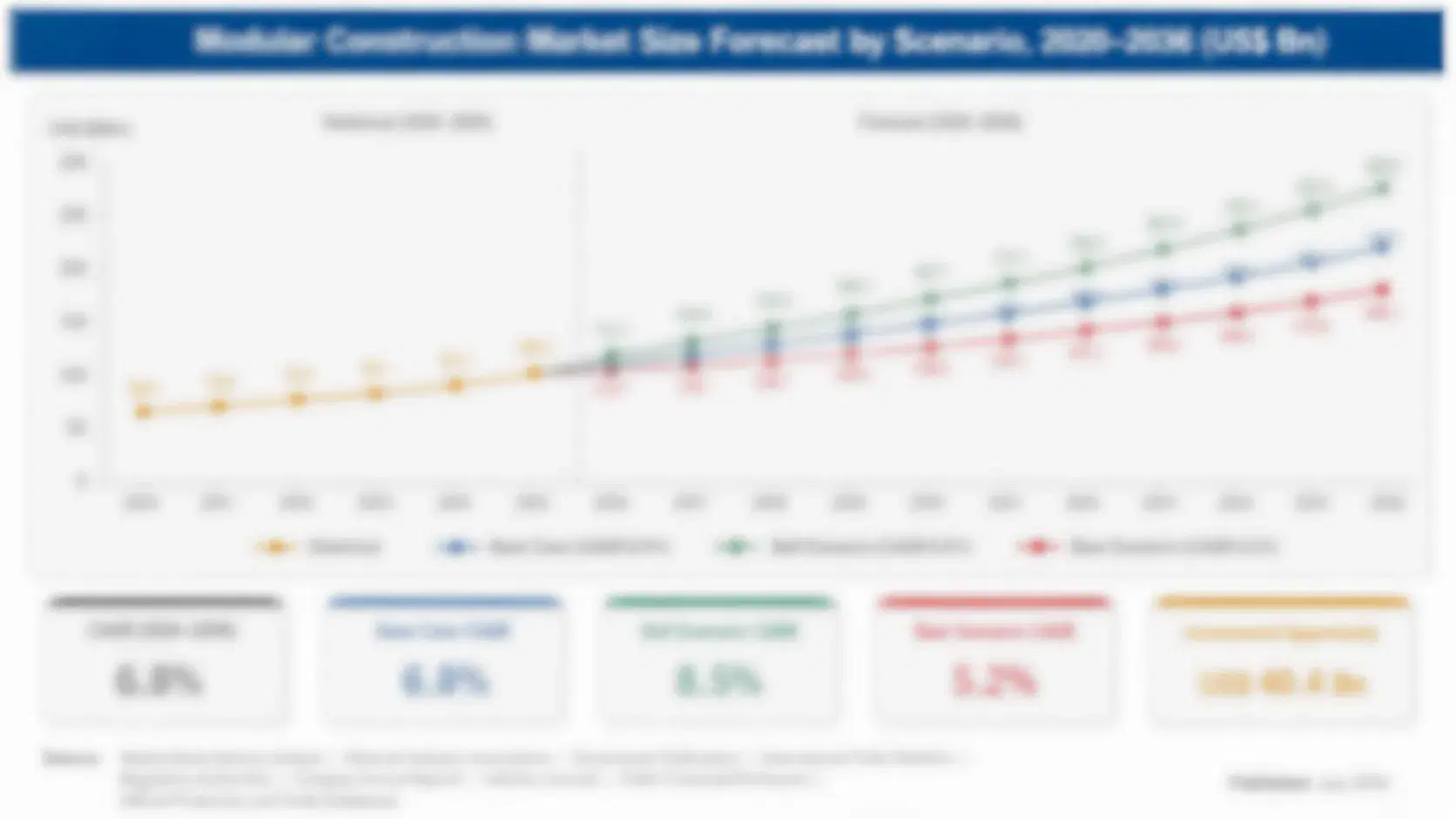
product-design-verification-and-validation-solutio-size-forecast-scenario-1788695509196
Between 2020 and 2025, product design verification and validation adoption grew steadily at a 10.2% historical CAGR as engineering teams proved out cloud-based simulation reliability for increasingly complex product designs. Growth was concentrated among large automotive and aerospace manufacturers, while smaller engineering firms relied on outsourced simulation services instead of building internal capability from scratch.
The base case assumes continued strong growth through 2036 as three mechanisms compound: cloud computing keeps making high-fidelity simulation accessible to mid-size engineering teams, product liability exposure keeps pulling budget toward documented verification trails, and connected product development keeps generating demand for digital twin validation tied to real-world performance data. Vendor consolidation around integrated simulation and testing platforms further supports sustained enterprise adoption across most manufacturing verticals through the middle years of the forecast window.
The bull case centers on accelerated regulatory documentation requirements across major manufacturing economies, which could push growth toward 12.5%. The bear case assumes engineering software budget compression during a macroeconomic downturn delays platform upgrades, pulling growth toward 9.9% as firms extend existing simulation licenses instead of upgrading to newer, higher-capability simulation platforms that could accelerate their design cycles further.

From Physical Prototypes to Predictive Simulation

Product design verification has moved from a physical testing-dominated discipline into a simulation-first workflow as cloud computing made high-fidelity structural and thermal analysis accessible to engineering teams of every size across nearly every manufacturing sector tracked in this analysis, from automotive to aerospace to consumer electronics and medical device manufacturing alike.
MARKET CONCENTRATIONCR5: 46%Top five vendors together hold under half of global share
AVERAGE CONTRACT VALUE$140K per enterprise seat licenseAnnual platform license cost for a typical enterprise engineering team
CLOUD DEPLOYMENT SHARE39% of new deploymentsShare of new deployments delivered as cloud-based simulation platforms
RENEWAL RATE89% annual renewalShare of enterprise customers renewing existing simulation platform contracts
PROTOTYPE REDUCTION35 to 50% reportedAverage physical prototype count reduction reported after platform adoption
VALIDATION CYCLE6 to 10 weeksTypical time from design submission through full validation sign-off
Vendors are racing to build platforms that combine structural, thermal, and electromagnetic simulation within a single environment rather than requiring separate specialized tools for each analysis type, a shift that favors integrated software providers over point-solution specialists competing on narrower capability. Digital twin validation is gaining share fastest among manufacturers building connected products that generate real-world performance data continuously across their entire deployed installed base.
Pricing is shifting from perpetual seat licenses toward consumption-based cloud compute models tied to simulation workload volume, which lowers entry cost for smaller engineering teams but compresses vendor margins on the largest enterprise accounts significantly. Consolidation pressure is building as simulation software vendors merge with physical testing laboratories seeking to offer integrated hybrid verification programs across multiple industry verticals and geographic regions simultaneously rather than remaining siloed by discipline.
"Engineers used to build a prototype to find out if a design would fail. Now the simulation tells them before the part exists. Vendors still selling standalone physical testing as the primary validation method are competing for a shrinking budget line."
Senior Analyst, Engineering Software Practice · MMA Technology Practice · September 2026

Market Trends

Cloud Simulation Democratizes High-Fidelity Analysis Access

Cloud-based simulation platforms are eliminating the multi-million-dollar on-premises computing infrastructure that once restricted high-fidelity structural and thermal analysis to the largest engineering organizations, opening the capability to mid-size manufacturers competing on faster product development timelines. This democratization is reshaping competitive dynamics across manufacturing sectors where smaller firms previously could not match the simulation depth of larger rivals. Several major vendors have announced expanded cloud compute partnerships within the past year specifically targeting mid-market engineering accounts that previously could not justify comparable infrastructure investment on their own internal budgets before cloud alternatives became available.
Market Impact: Simulation cuts cycles 45% typically
Digital Twin Validation Links Design to Field Performance

Digital twin platforms that continuously compare as-designed simulation predictions against real-world field performance data are emerging as a distinct verification category tied to connected product development strategies. This capability lets manufacturers validate design assumptions using actual usage data rather than relying solely on laboratory test conditions that may not reflect real operating environments. Several equipment vendors have launched dedicated digital twin validation modules this past year targeting manufacturers of connected industrial and consumer products generating continuous field telemetry across their entire deployed customer base and every product generation shipped to market so far.
Market Impact: Liability claims drop 22% with V&V

Market Opportunities and Growth Drivers

Compressed Product Development Cycles Reward Simulation Speed

Competitive pressure to launch new products faster is compressing development timelines across most manufacturing sectors, making the multi-week iteration cycles required for physical prototype testing increasingly incompatible with market launch schedules that competitors are compressing continuously. Simulation platforms that validate design changes within hours rather than weeks are becoming a competitive necessity rather than an efficiency nice-to-have for companies racing to market first. Engineering leaders report time-to-market pressure as the single most common justification cited for new simulation platform purchases across nearly every engineering budget cycle reviewed as part of this analysis.
Market Impact: Novel designs require 30% physical testing

Product Liability Exposure Demands Documented Verification

Rising product liability litigation costs are pushing manufacturers toward documented, auditable verification trails that demonstrate design compliance with engineering requirements before a product reaches market, creating legal as well as engineering incentive for platform adoption. Automotive and medical device manufacturers face the steepest liability exposure and show the strongest willingness to invest in comprehensive documentation capability. Insurance underwriters are increasingly requesting evidence of systematic design verification processes as part of product liability coverage underwriting decisions across most industrial and product liability policy categories reviewed for this analysis across multiple regulated industries.
Market Impact: Talent gap delays ROI 5 months

Market Restraints and Challenges

Simulation Model Accuracy Requires Physical Validation

Simulation models require correlation against physical test data before engineers can trust their predictions for novel materials or previously untested design configurations, meaning simulation cannot fully replace physical testing for genuinely new product categories. The root cause is that simulation algorithms are trained and validated against historical physical test datasets that do not yet exist for entirely novel designs. The commercial impact is continued spending on physical test infrastructure alongside simulation software rather than full replacement. Vendors are mitigating the gap by building expanded material property databases from accumulated customer test data.
Market Impact: Cloud adoption up 38% yearly

Specialized Simulation Talent Remains in Short Supply

Advanced simulation platforms require engineers with specialized expertise in numerical methods and material science that many manufacturing organizations struggle to recruit and retain given competing demand from technology and financial services employers offering higher compensation. The root cause is a persistent gap between engineering education programs and the specialized skills required for advanced simulation work. The commercial impact shows up as underutilized platform capability and slower realized return on investment. Vendors are responding by simplifying user interfaces and expanding training certification programs offered directly to customer engineering teams.
Market Impact: Digital twin deals up 33% yearly
4 additional market trends, 3 additional growth drivers, and 4 additional restraints and challenges are covered in the full report. Contact sales@marketmindsadvisory.com to access the complete intelligence.

Segment CAGR and Growth Architecture

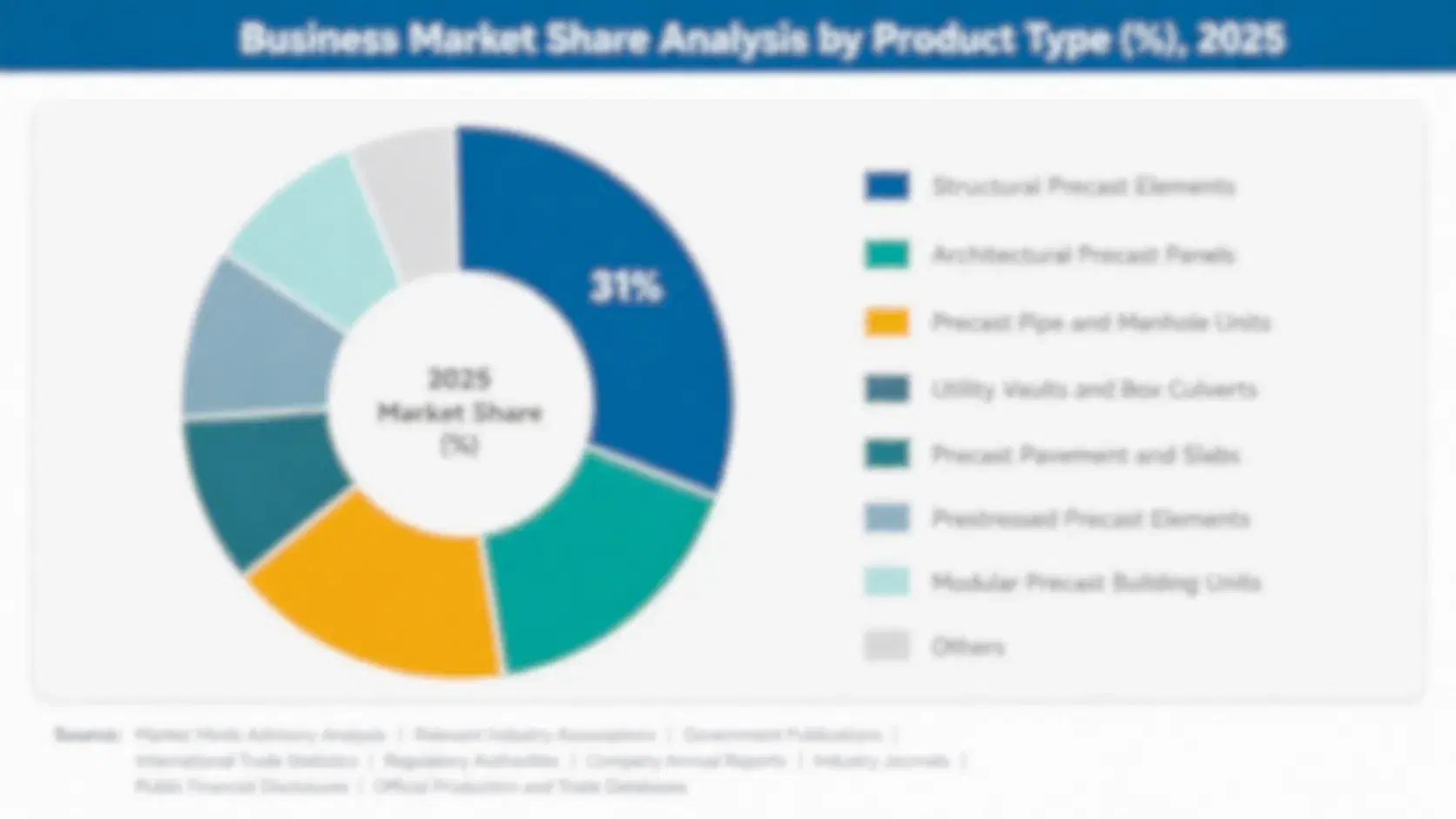
The market splits across six categories spanning simulation method, deployment model, and validation service delivery. Cloud-based simulation and digital twin platforms are growing fastest as engineering teams replace physical prototype-heavy workflows with predictive, software-driven verification built for compressed development cycles that competitors are shortening every single year without exception across nearly every product category tracked.
product-design-verification-and-validation-solutio-market-share-analysis-1788695509370

Cloud-Based Simulation and Digital Twin Platforms

Cloud-based simulation and digital twin platforms deliver high-fidelity structural, thermal, and electromagnetic analysis through scalable cloud compute infrastructure, eliminating the on-premises hardware investment that once restricted advanced simulation to the largest engineering organizations. Growth is concentrated among mid-size manufacturers and automotive suppliers previously priced out of high-fidelity analysis capability entirely. Vendors in this category compete primarily on simulation accuracy against physical test correlation data and on the breadth of analysis types supported within a single integrated cloud environment rather than several disconnected point tools requiring separate licensing, training, and integration investment across the engineering organization rather than a single consolidated cloud platform serving all analysis needs across structural, thermal, and electromagnetic domains at once.
CAGR 17.6%

Documented Compliance Verification Tools

Documented compliance verification tools generate auditable records demonstrating that product designs meet specified engineering requirements before manufacturing begins, addressing rising product liability exposure and regulatory documentation demands. Adoption is accelerating fastest inside automotive and medical device manufacturers facing the steepest liability exposure and regulatory scrutiny of any manufacturing sector covered here. Vendors differentiate on integration depth with existing simulation and testing workflows, documentation template breadth, and their track record surviving regulatory audit scrutiny across multiple jurisdictions, product categories, and evolving regulatory frameworks facing steadily rising compliance expectations that show no sign of easing across any major producing economy this analysis tracks in depth over the entire ten-year forecast decade this report covers.
CAGR 13.8%
Full segment breakdown across 7 segments available in the complete report.

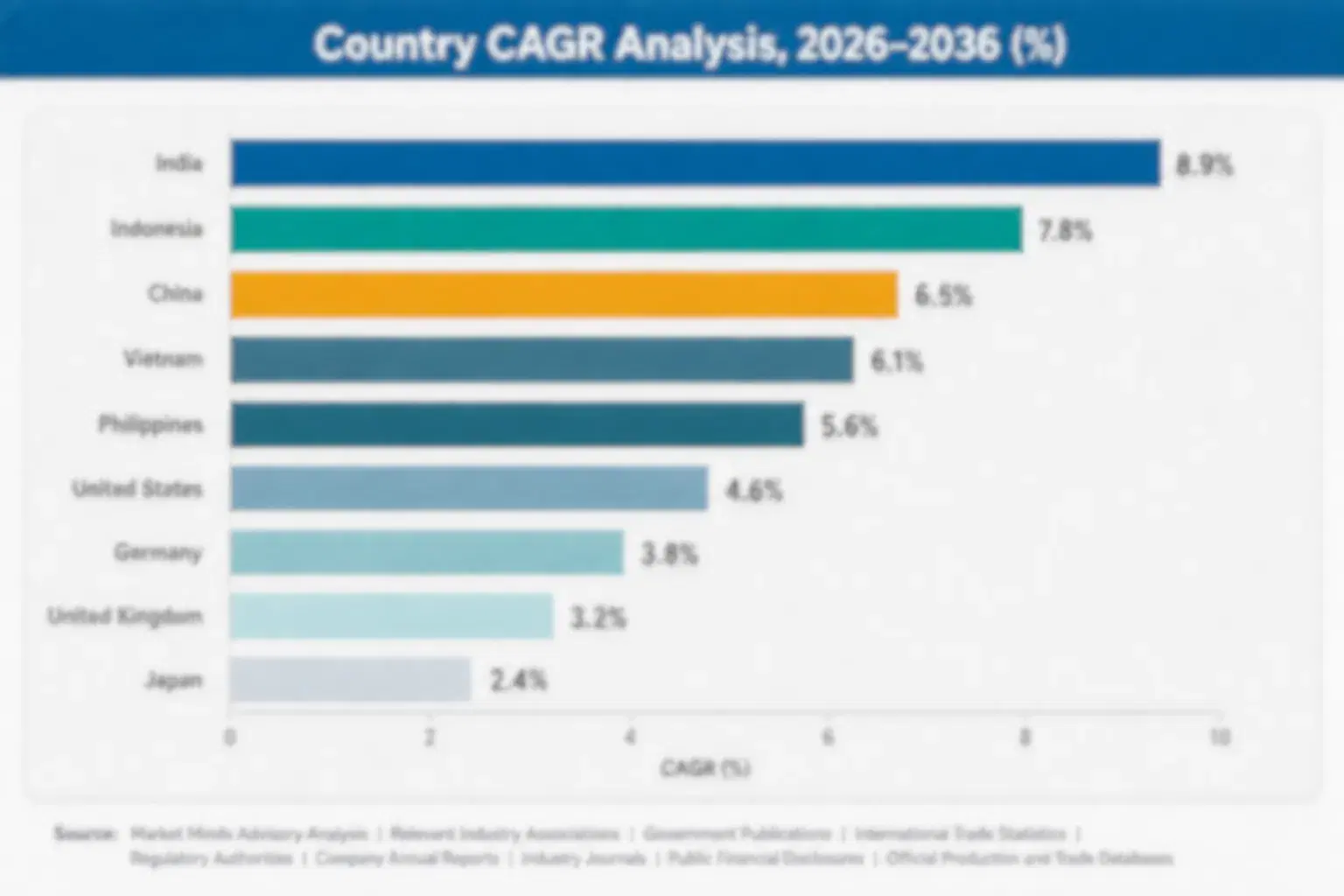
Regional Architecture and Country Demand Map

Regional intelligence for 7 additional markets available in the complete report: North America, East Asia, Western Europe, South Asia and Pacific, Latin America, Middle East and Africa, Eastern Europe. Contact sales@marketmindsadvisory.com.
product-design-verification-and-validation-solutio-country-cagr-analysis-1788695509547

Where revenue compounds.

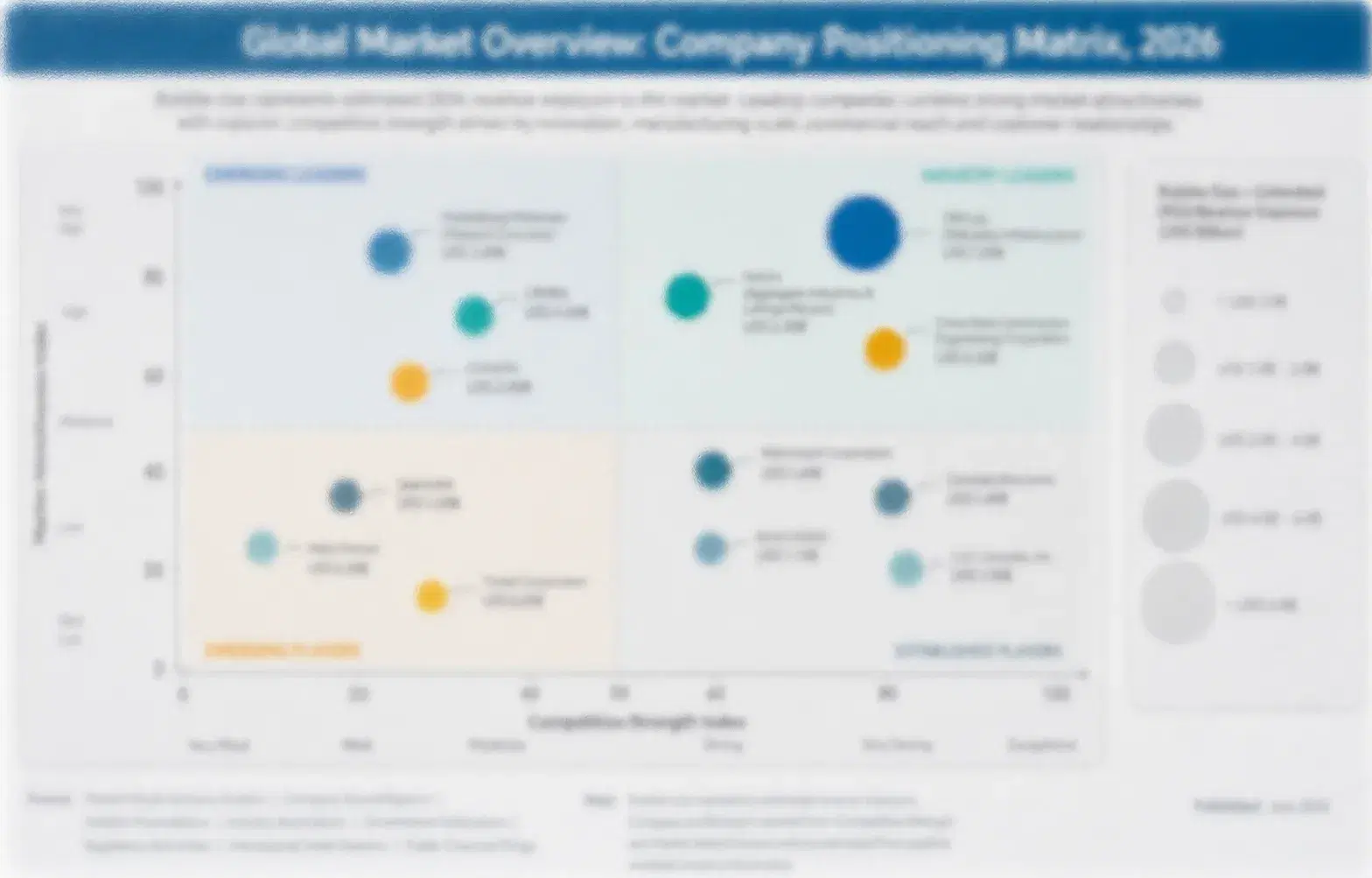
Who Controls the Margin Pool

product-design-verification-and-validation-solutio-company-positioning-matrix-1788695509727

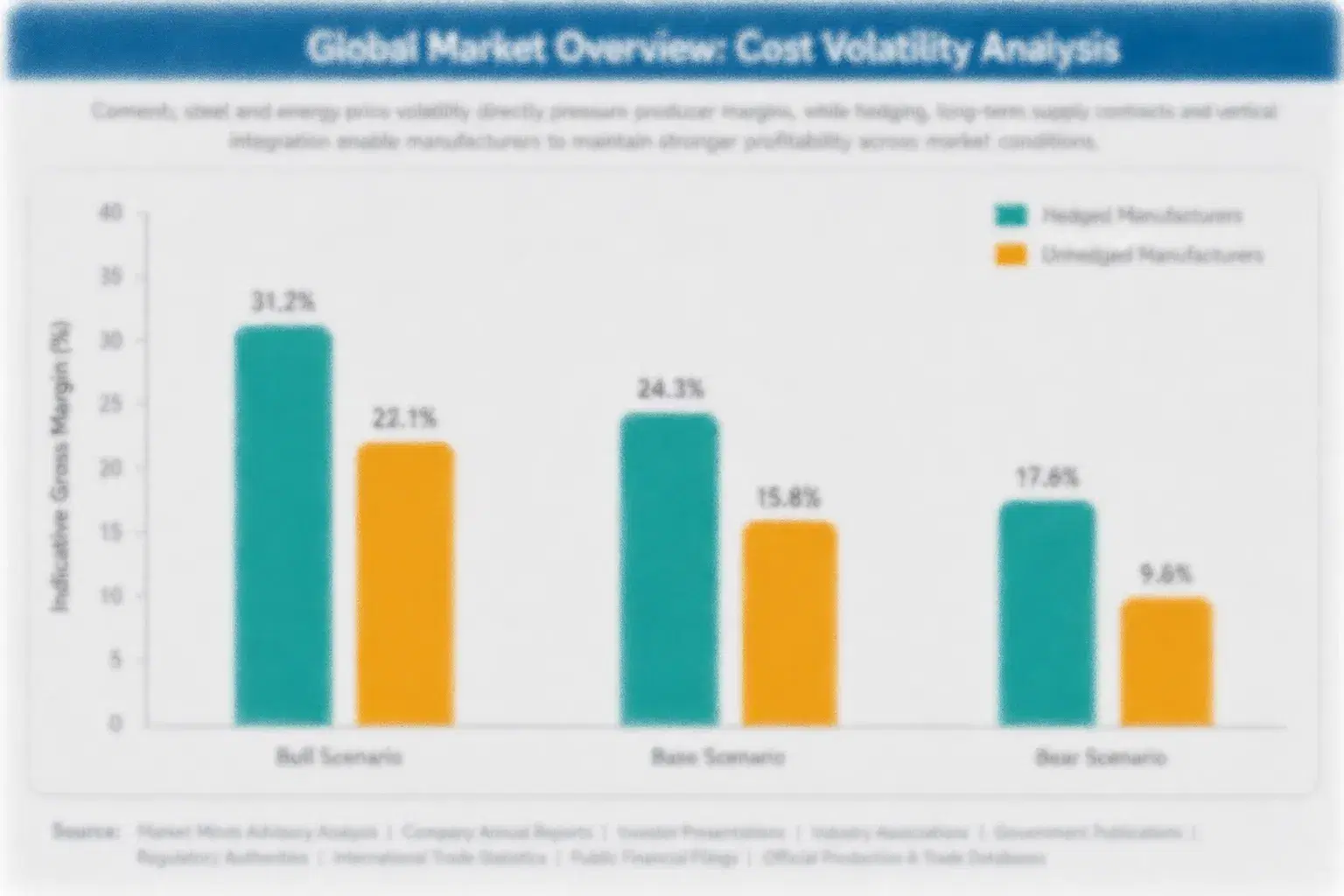
Input cost volatility and margin defence.

product-design-verification-and-validation-solutio-cost-volatility-analysis-1788695509913

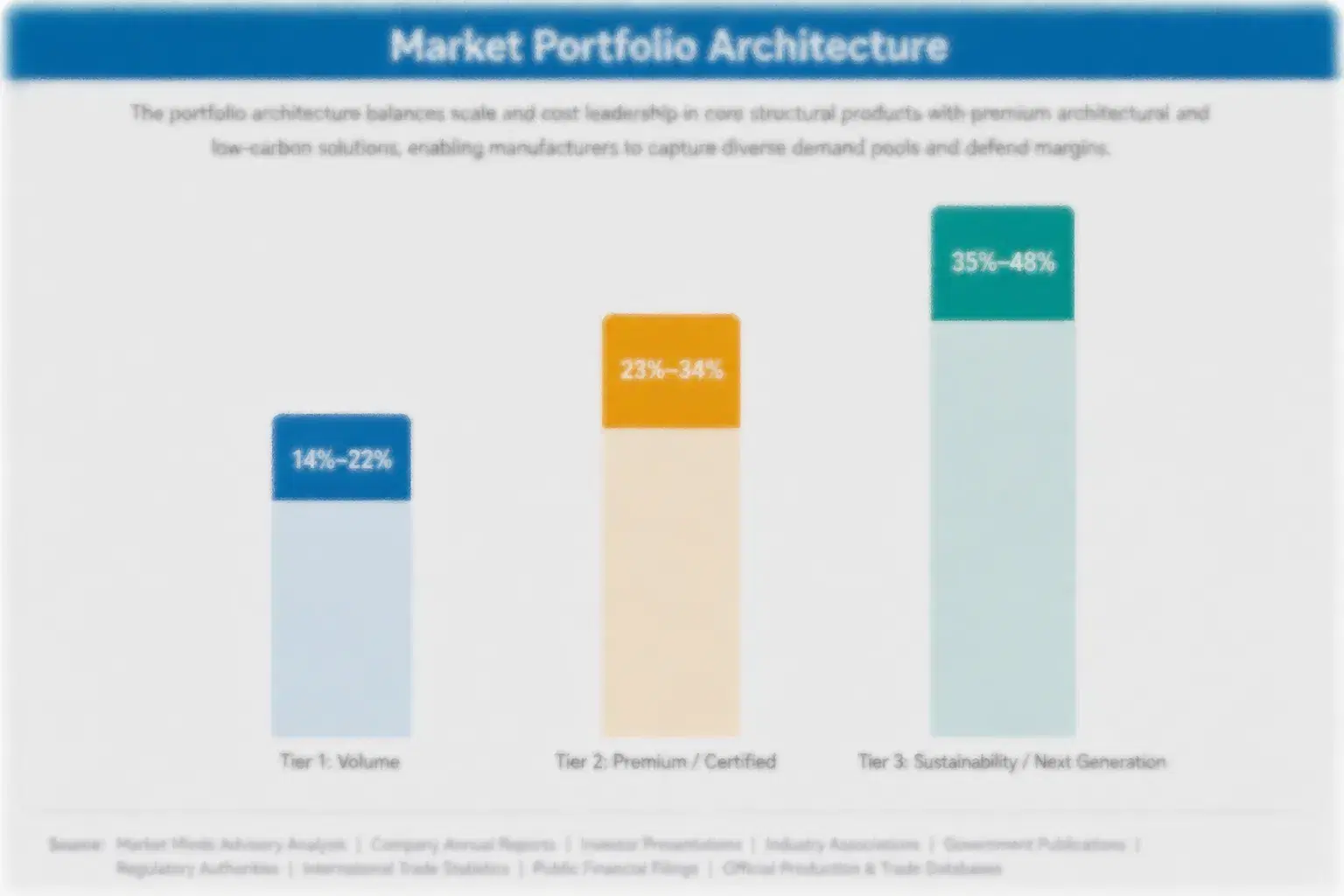
Portfolio Architecture for Margin Defence

product-design-verification-and-validation-solutio-portfolio-architecture-1788695510102

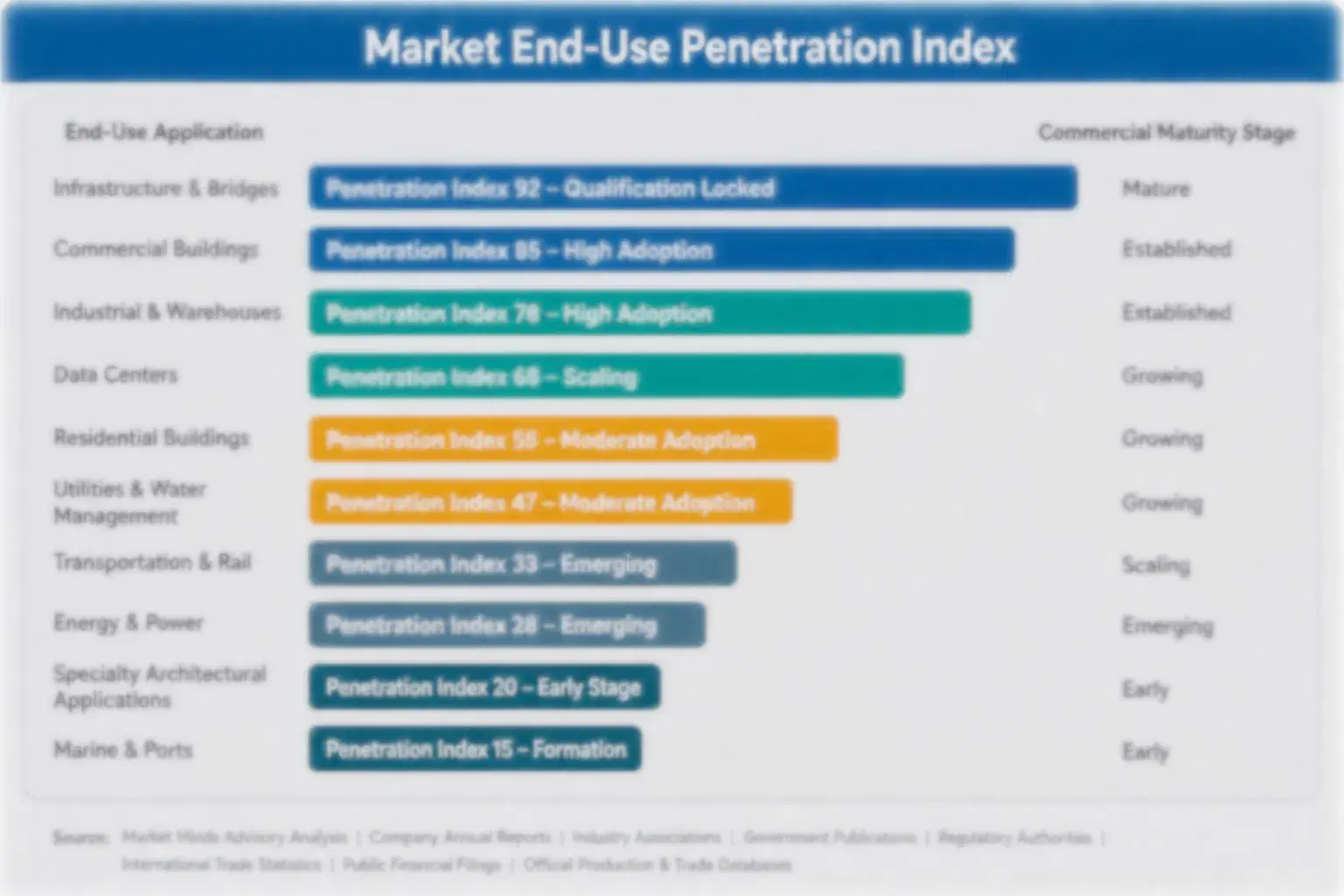
End-use penetration and the annuity logic.

product-design-verification-and-validation-solutio-end-use-penetration-index-1788695510287

Four calls that define the decade.

These are among the four positions where our research anticipates prominent divergence between winners and laggards over the coming forecast period. Each is grounded in the demand model, the regulatory perimeter, and the announced capacity pipeline.

Engagement Snapshot From the Field

A live engagement with an industry participant carrying material or product regulatory and market exposure ahead of a defining policy shift, showing how our research translates into a defensible multi-year portfolio strategy.
MARKET MINDS ADVISORY · CLIENT ENGAGEMENT SUMMARY
Product Design Verification And Validation Solution Producer Strategic Portfolio Review and Transition Roadmap 2026·Investment Scenario on Product Design Verification And Validation Solution Exposure Evaluation 2025-26
CLIENT PROFILE
STRATEGIC CHALLENGE
MMA APPROACH
KEY FINDINGS
    CLIENT PROFILE
    STRATEGIC CHALLENGE
    MMA APPROACH
    KEY FINDINGS
      RECOMMENDED STRATEGY
      OUTCOME

      Frequently Asked Questions

      Foundational context covering the market sizes, CAGR, scope, country, region and competition that inform every finding below. This section is provided to cover basics and most often pre-purchase conversations, answered from the MMA Primary Research Dataset.

      Report Segmentation Architecture

      The full report scope spans multiple orthogonal segmentation dimensions, with cross-tabulated demand data provided for each dimension pair. Coverage extends further to regional breakdowns, trend trajectories, and the competitive detail needed to support segment-level decision-making.

      By Region

      • North America
      • East Asia
      • Western Europe
      • South Asia and Pacific
      • Latin America
      • Middle East and Africa
      • Eastern Europe

      Scope, Methodology, and Coverage

      Every figure in this report is reproducible from documented input assumptions. The scope below maps the historical period, the forecast horizon, the segmentation dimensions, and the countries covered, alongside the underlying primary and qualitative methodology.
      Historical Period
      2020 to 2025
      Forecast Period
      2026 to 2036
      Base Year
      2025 (USD billions; MMA Primary Research Dataset, September 2026)
      Market Definition
      This report defines the Product Design Verification and Validation Solution Market as software platforms and integrated services that simulate, test, and document product design performance against engineering requirements before manufacturing, including structural simulation, digital twin validation, and compliance documentation tools. It excludes computer-aided design software without dedicated validation capability, physical testing equipment sold independently, and general product lifecycle management platforms.
      Quantitative Units
      USD billions
      Segmentation Dimensions
      Regions Covered
      North America, East Asia, Western Europe, South Asia and Pacific, Latin America, Middle East and Africa, Eastern Europe
      Countries Covered
      Key Companies Profiled
      Quantitative Methodology
      Primary survey, n=3,800 respondents, Q4 2025, six countries; demand-side model with trade association cross-validation
      Qualitative Methodology
      47 expert interviews, Q4 2025; applied to validate demand model assumptions, identify emerging dynamics, and assess competitive positioning
      Report Format
      PDF and XLSX data workbook (Word format preview document)
      Publisher
      Market Minds Advisory
      Report Code
      MMA-2026-TEC-189
      Published
      September 2026
      Contact
      sales@marketmindsadvisory.com | www.marketmindsadvisory.com

      Purchase the full Product Design Verification And Validation Solution Market Report (2026 to 2036).

      Built For The People Who Decide

      From boardroom strategy to bench-side execution, this report is read cover-to-cover by leaders shaping the next decade of their industry, turning demand scenarios, market dynamics and valuation benchmarks into decisions.
      CXOs/ Presidents/ VPs/ Managers
      M&A and Corporate Development
      Strategy Teams and R&D Heads
      Procurement and Product Directors
      Regulatory and Compliance Leaders
      Investor Relations and Equity Analysts