Market Minds Advisory
Packaging Sorting and Distribution Automation Market

Packaging Sorting and Distribution Automation Market 2026-2036

Rising e-commerce parcel volume, tightening warehouse labor availability, and growing same-day delivery commitments are pushing distribution centers toward robotic sortation and automated routing systems across major fulfillment networks worldwide now.

Lead Analyst

Bilal Shaikh

Published

November 2026

Make Smarter Decisions with Customized Research Insights

Request a free sample report and evaluate market opportunities, growth trends, and competitive dynamics relevant to your business needs.

2025 MARKET VALUE$3.4BMarket Size 2025
2036 FORECAST VALUE$10.5BBase Case , 2026 to 2036
CAGR 2026 TO 203610.8 %Bull 12.0% / Bear 9.6%
INCREMENTAL OPPORTUNITY$6.7BNet 10- year value creation
EXPANSION MULTIPLE2.79x2036 value over 2026 base
Strategic Levers
M&A Pipeline
Regional Outlook
Country Rankings
Competitive Intelligence
Segmental Deep-dive
Call-Us : 91 93563 13602

Packaging Sorting and Distribution Automation Market Snapshot

Packaging sorting and distribution automation, covering robotic piece sortation, automated storage and retrieval, and parcel-routing conveyor systems, is moving from large national fulfillment hubs into mid-sized regional distribution centers this year as labor costs climb nationwide across every major logistics market tracked in this report today nationwide.
E-commerce retailers and third-party logistics providers are the dominant commercial force behind adoption, driven by labor-availability constraints and same-day delivery commitments that make manual sortation increasingly uneconomical at scale. Robotic Piece Sortation Systems lead segment growth at a 14.3% CAGR, well above category average, as warehouses replace conveyor-only lines with flexible robotic cells. East Asian manufacturers, led by Chinese robotics producers, are capturing a growing share of global component supply nationwide.
Competitive intensity is rising, with established material-handling integrators extending existing conveyor platforms into robotic formats rather than ceding share to warehouse-robotics specialists. Labor-shortage pressure across major logistics hubs is accelerating adoption cycles for flexible automation, while integration complexity and capital cost continue to squeeze payback timelines for smaller regional distribution operators lacking scale, a gap now widening as integration requirements grow more technically demanding each cycle already.
Market Definition
The Packaging Sorting and Distribution Automation Market covers robotic and conveyor-based systems that sort, route, and consolidate packaged goods within distribution centers and fulfillment warehouses, including piece-sortation robots, automated storage and retrieval systems, and parcel-routing conveyor networks. It excludes last-mile delivery vehicles and drones, in-store point-of-sale systems, and primary packaging-line equipment used in manufacturing rather than distribution.
Base Year Value
$3.4B in 2025 (MMA Primary Research Dataset, October 2026)
Forecast Period
2026 to 2036, eleven discrete annual values
CAGR
10.8% base case. Bull 12.0%. Bear 9.6%.
Fastest Growth Segment
Robotic Piece Sortation Systems: 14.3% CAGR
Fastest Growth Country
China: 12.9% CAGR
Fastest Growth Region
South Asia and Pacific: 13.1% CAGR
Largest Region
East Asia: 29% of 2025 global value
Market Leaders
Daifuku Co Ltd, Honeywell Intelligrated, Dematic Corp, Vanderlande Industries, Fives Group. Source: MMA Analysis, based on company disclosures and primary survey data, Q4 2025.
Primary Survey
n=3,800 procurement and R&D decision-makers, Q4 2025, six countries
Methodology
Demand-side build-up, cross-validated against public data, 47 expert interviews

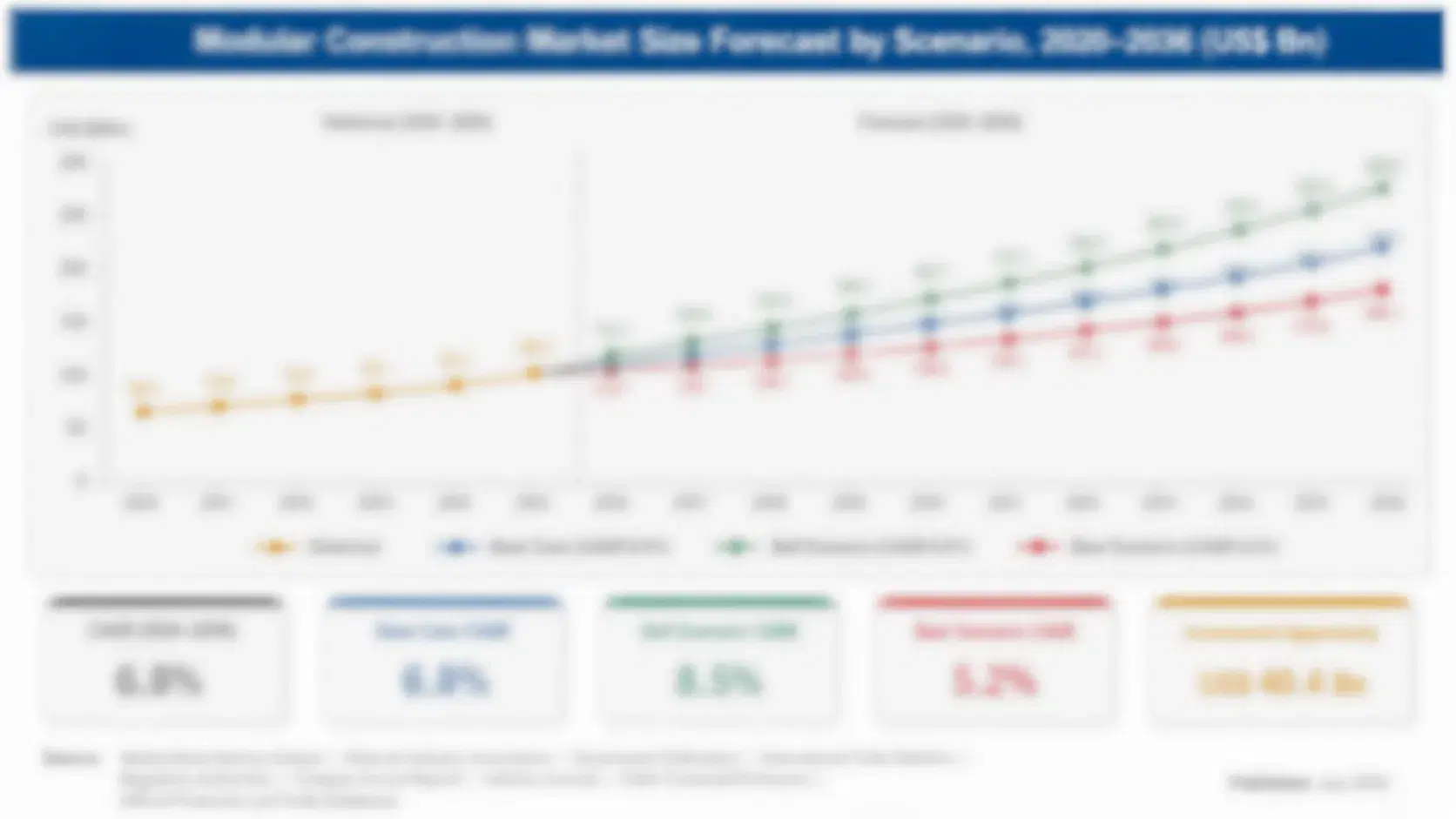
Packaging Sorting and Distribution Automation Revenue Scenarios

packaging-sorting-and-distribution-automation-mark-size-forecast-scenario-1791530560020
Between 2020 and 2025, packaging sorting and distribution automation adoption concentrated almost entirely among large national fulfillment operators, with conveyor-based systems dominating over robotic sortation. Capital cost and integration complexity kept mid-sized distribution centers largely on manual or semi-automated sortation throughout the period. The historical growth rate of 9.8% reflects this concentrated adoption base rather than broad distribution-center conversion across smaller operators during the period.
The base case assumes a 10.8% compound annual growth rate through 2036, anchored by three commercial mechanisms: warehouse labor availability tightening further across major logistics markets, robotic sortation costs falling enough to justify adoption among mid-sized operators beyond national fulfillment giants, and same-day delivery commitments forcing faster sortation throughput than manual systems can sustain during peak volume periods Third-party logistics providers managing multiple client fulfillment contracts are also driving standardized automation deployment across their facility networks.
The bull case centers on accelerated labor-cost inflation pulling automation deeper into mid-sized distribution operations faster than expected. The bear case centers on persistent integration-complexity costs deterring smaller operators from converting, leaving adoption concentrated among large national fulfillment networks only Integrator capacity investment announced through 2025 suggests the base case remains the more probable path forward overall.

Conveyors Give Way To Flexible Robotic Cells

Packaging sorting and distribution automation occupies an increasingly central role within broader warehouse automation spending, distinguished by its direct tie to throughput economics rather than general facility infrastructure. Operators increasingly budget sortation automation as a throughput investment with measurable payback rather than a general capital expenditure line item reviewed alongside unrelated facility upgrades nationwide This framing is spreading quickly among mid-sized operators evaluating their first automation investment. MMA expects the related distribution automation market to be worth USD 23.1 billion by 2036.
MARKET CONCENTRATIONCR5 33%Top five integrators hold a moderately concentrated share
AVERAGE SELLING PRICEUSD 240,000/systemRobotic cells command meaningfully higher pricing than conveyors
TOP PRODUCING COUNTRY SHAREChina 31%Robotics component manufacturing concentrates heavily within this country
CAPACITY UTILIZATION78%Integrators retain modest headroom for peak season demand
INPUT COST SHARE49%Motors, sensors, and steel framing dominate production cost
REPLACEMENT CYCLE8 to 10 yearsSystems stay installed for roughly a decade typically
Integrators compete on system flexibility, integration speed, and software sophistication, since the ability to reconfigure sortation logic without physical rework increasingly separates premium robotic offerings from legacy fixed conveyor installations. Supply reliability for robotics components has become a growing concern as deployment accelerates, since a meaningful share of global component production concentrates among a small number of Chinese and Japanese manufacturers serving multiple industries simultaneously today
Distribution operators increasingly treat sortation throughput as a measurable competitive differentiator rather than a fixed-cost utility, pushing integrators toward outcome-based contracts tied to parcels-per-hour performance guarantees. This shift is raising entry barriers for smaller integrators lacking software and performance-analytics infrastructure, pushing consolidation toward firms able to bundle hardware installation with ongoing throughput-optimization service contracts already Smaller integrators are forming software partnerships rather than building internally.
"A conveyor belt moves boxes. A robotic sortation cell decides where they go, and that decision-making capability is what warehouses are actually paying for now."
Senior Analyst, Logistics Automation Technology Practice · MMA Automated Sorting and Fulfillment Equipment Practice · October 2026

What Is Changing in Packaging Sorting and Distribution Automation

Robotic Piece Sortation Replaces Fixed Conveyors

Distribution centers are replacing fixed conveyor sortation lines with flexible robotic cells capable of handling variable package sizes and reconfiguring sortation logic without physical rework, a capability legacy conveyor systems cannot match without costly mechanical modification. This shift is pulling robotic sortation out of large national fulfillment hubs and into mid-sized regional distribution centers faster than integrators anticipated two years ago. Suppliers able to demonstrate fast integration timelines and software-driven flexibility are winning disproportionate new contract volume across multiple facility types simultaneously this cycle, a pattern now visible across most major logistics markets tracked in this report. The same pressures carry over to the packaging automation market, where MMA forecasts USD 61.0 billion by 2036 at an 8.6% CAGR.
Market Impact: Cuts labor dependency by 34%
Same Day Delivery Commitments Force Throughput Gains

Retailers expanding same-day and next-day delivery commitments are forcing distribution centers to process orders through sortation systems far faster than manual or legacy automated lines can sustain during peak volume periods without error-rate degradation. This throughput pressure is lifting demand for robotic sortation across e-commerce fulfillment networks, where sortation speed directly determines how late in the day an order can be accepted for same-day processing. Operators serving high-density urban delivery zones are investing most aggressively in this capability ahead of competitors still relying on manual sortation, a gap most smaller operators are still working to close. MMA's view of the port & container terminal automation market offers a useful comparison, at USD 3.8 billion in 2025 rising to USD 11.5 billion by 2036, a 10.6% CAGR.
Market Impact: Reduces peak error rates by 41%

Packaging Sorting and Distribution Automation Supplier Priorities

Warehouse Labor Shortages Keep Steadily Intensifying

Persistent labor shortages in warehouse and distribution roles are forcing operators to automate sortation functions that previously relied on manual labor scaled up or down with seasonal volume swings, a staffing model that has become increasingly unreliable in tight regional labor markets. Robotic sortation systems give operators throughput capacity that does not depend on seasonal hiring success, materially reducing exposure to the labor-availability risk that has disrupted peak-season operations across the industry in recent years. This driver is proving durable rather than cyclical, since demographic trends suggest warehouse labor availability will remain constrained for the foreseeable future.
Market Impact: Adds 18 months to payback period

Peak Season Volume Spikes Strain Manual Systems

Seasonal peak-volume periods, concentrated around major shopping events, push manual and legacy automated sortation systems well beyond their reliable operating capacity, generating error rates and processing delays that damage customer satisfaction during the highest-revenue periods of the year. Robotic sortation systems maintain consistent throughput and accuracy at peak volume levels that manual systems cannot sustain, giving operators a direct incentive to automate ahead of the next major seasonal surge regardless of baseline year-round volume. This driver is particularly acute for retailers whose brand reputation depends heavily on reliable delivery promises during peak shopping periods.
Market Impact: Extends deployment by 14 weeks

Packaging Sorting and Distribution Automation Growth Barriers

High Upfront Capital Cost Limits Adoption

Robotic sortation systems carry substantially higher upfront capital cost than conveyor-only installations, putting adoption out of reach for smaller distribution operators even when long-term payback economics favor automation over continued manual labor dependence. The root cause lies in the specialized robotics, sensors, and control software required for flexible piece-level sortation, components that have not yet reached the cost maturity seen in simpler fixed automation. Vendors are exploring equipment-as-a-service leasing models and modular deployment phasing as mitigation pathways, though neither has fully closed the adoption gap for the smallest regional operators.
Market Impact: Covers 19% of new sortation installs

Integration Complexity Keeps Delaying Deployment Timelines

Integrating robotic sortation into existing distribution center layouts often requires facility modification and extended commissioning periods that disrupt ongoing operations, creating real reluctance among operators unwilling to risk throughput disruption during integration. The root cause is the custom engineering each facility requires, since building layouts and existing conveyor infrastructure rarely match standardized robotic cell specifications without modification. Integrators are developing modular, pre-engineered cell designs as a mitigation pathway, though full standardization across diverse facility types remains incomplete, leaving timeline uncertainty as a genuine barrier for operators evaluating their first automation investment.
Market Impact: Adds 27% to peak sortation capacity
3 additional market trends, 4 additional growth drivers, and 3 additional restraints and challenges are covered in the full report. Contact sales@marketmindsadvisory.com to access the complete intelligence.

Packaging Sorting and Distribution Automation Segment Performance

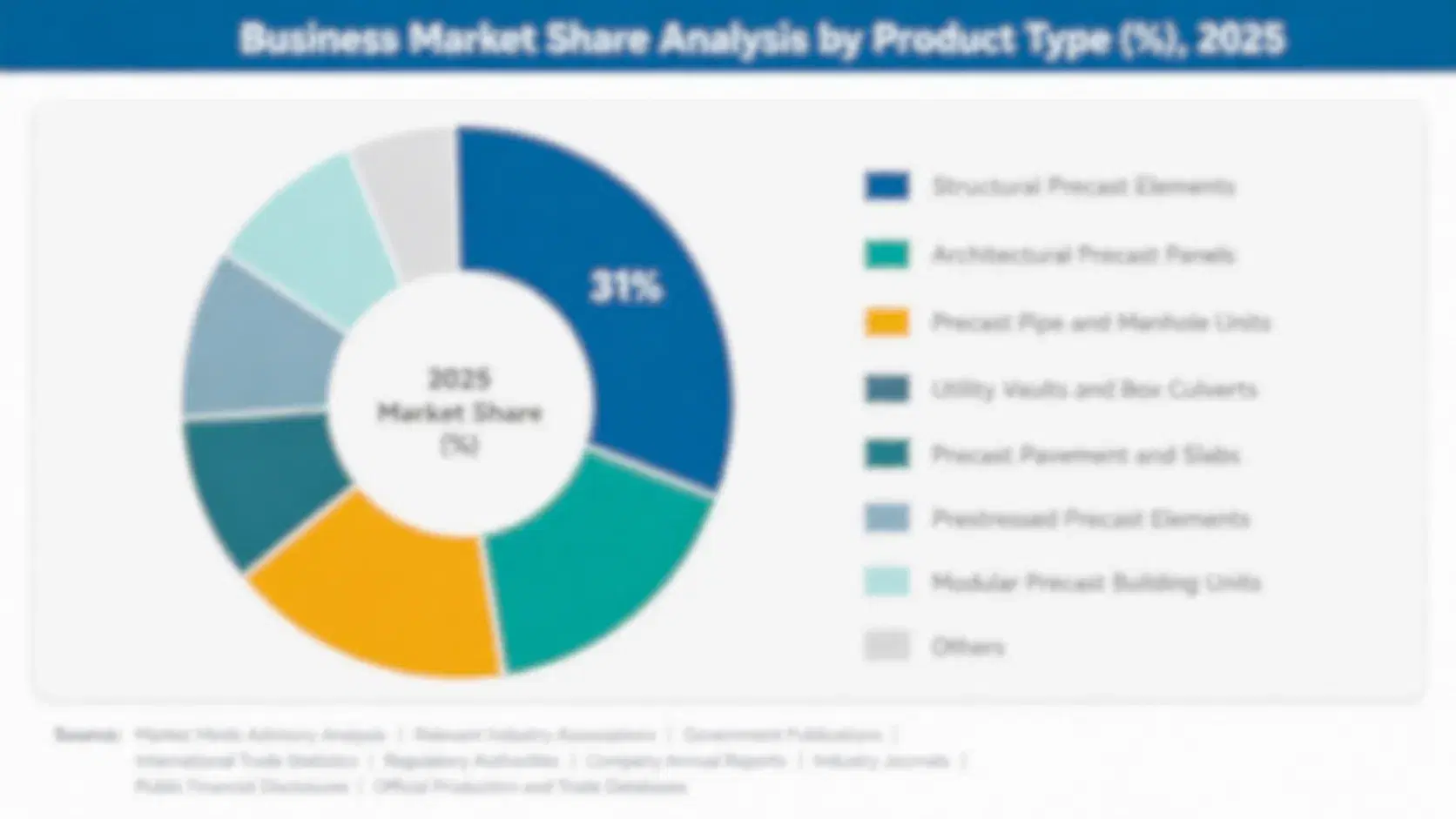
Packaging sorting and distribution automation segments primarily by system type, since this determines capital cost, integration complexity, and the facility category each format realistically serves across e-commerce and logistics applications, from robotic sortation carrying the fastest growth to storage and retrieval systems carrying the largest capital investment per facility, with three additional formats tracked in reserve.
packaging-sorting-and-distribution-automation-mark-market-share-analysis-1791530560194

Robotic Piece Sortation Systems

Robotic piece sortation systems, using mobile robots or robotic arms to sort individual packages into designated routing lanes, are capturing a growing share of new installation spending as operators prioritize flexibility and reconfigurability over the fixed throughput ceilings of conveyor-only lines. E-commerce fulfillment operators with highly variable package sizes and seasonal volume swings are the primary adoption driver, since robotic cells accommodate variability that fixed conveyor logic struggles to handle efficiently. This segment leads category growth by a wide margin as component costs continue falling, extending adoption down into mid-sized distribution centers that could not previously justify the investment. Integrators serving this segment increasingly treat software flexibility as the core differentiator that buyers value most.
CAGR 14.3%

Automated Storage and Retrieval Systems

Automated storage and retrieval systems, combining high-density storage racking with robotic shuttles or cranes, serve distribution centers prioritizing space efficiency alongside sortation throughput, particularly in dense urban markets where real estate cost per square foot runs high. Third-party logistics providers managing multiple client contracts within shared facilities are a significant adoption driver, since these systems maximize usable storage density within a fixed building footprint. This segment commands substantial capital investment relative to simpler sortation-only systems, and adoption cycles tend to favor operators with longer facility lease horizons able to justify the fixed infrastructure commitment. Maintenance contracts for this segment tend to run longer and carry higher value than sortation-only service agreements.
CAGR 11.6%
Full segment breakdown across 7 segments available in the complete report.

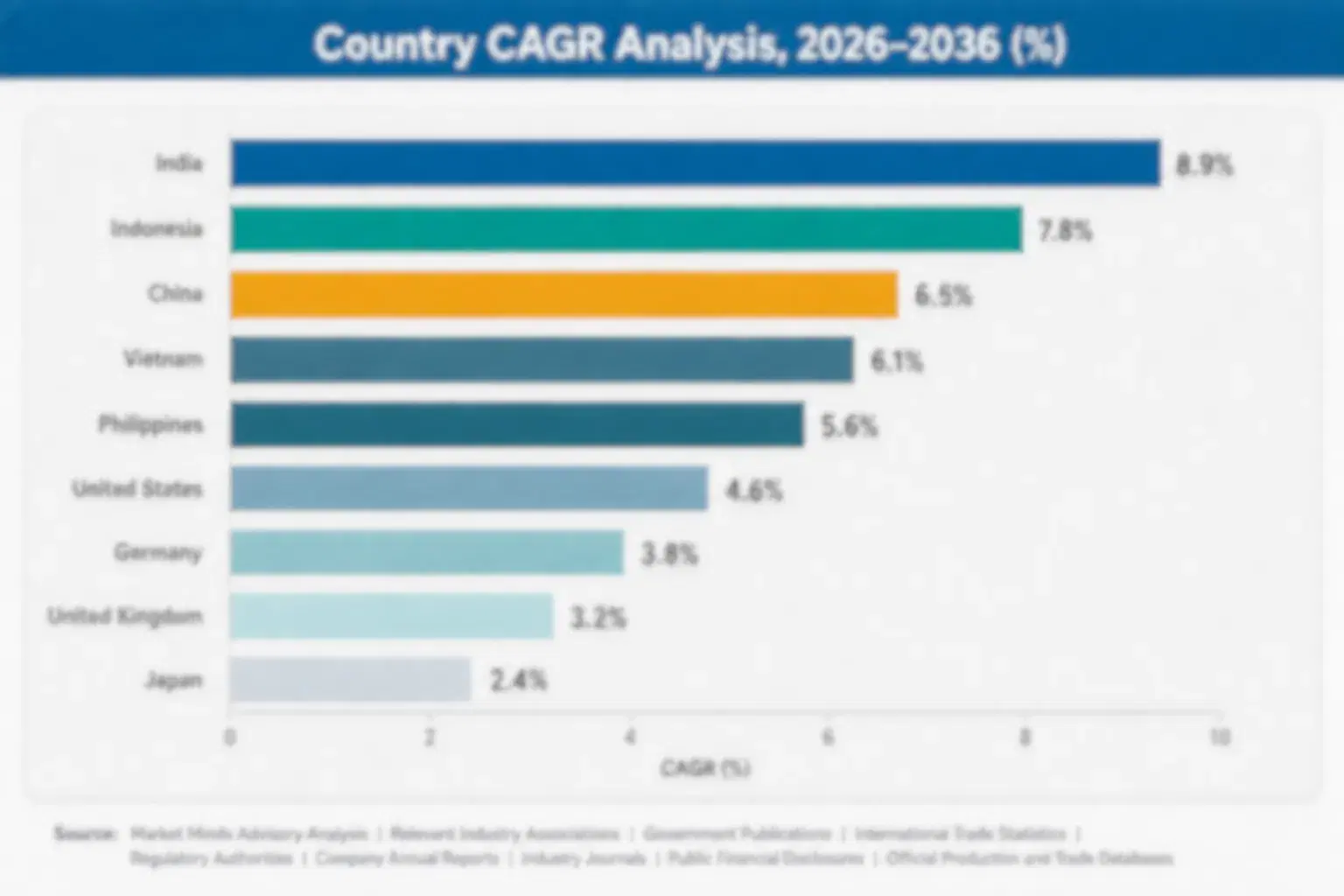
Packaging Sorting and Distribution Automation Market by Country

East Asia leads on robotics manufacturing scale and e-commerce logistics density, while North America drives demand through labor-cost pressure and same-day delivery commitments across major fulfillment networks, a divide that is expected to persist through most of the forecast period across most major logistics corridors worldwide.

North America

United States e-commerce fulfillment operators are converting to robotic sortation fastest among developed markets, driven by labor-availability constraints and same-day delivery commitments that make manual sortation increasingly uneconomical during peak volume periods. Third-party logistics providers managing multiple client contracts are standardizing robotic deployment across their facility networks to capture consistent throughput regardless of regional labor conditions. Integrators here compete heavily on integration speed and software sophistication rather than unit cost alone, since large operators increasingly specify outcome-based throughput guarantees in procurement contracts. Canadian fulfillment operators are following similar patterns with a modest lag, reinforcing the region's overall lead in automation conversion intensity relative to most other markets tracked in this report. MMA's view of the packaging machinery & converting automation market offers a useful comparison, at USD 52.0 billion in 2025 rising to USD 94.7 billion by 2036, a 5.6% CAGR.
Share: 25% | CAGR: 11.5% (2026 to 2036)

Western Europe

Germany, France, and the United Kingdom host a more measured adoption pace, reflecting stricter labor regulations that somewhat dampen the acute staffing pressure driving faster conversion in North America. Retail and grocery distribution operators across the region are the primary adoption driver, particularly chains expanding same-day grocery delivery commitments into dense urban markets. Integrators serving this region maintain deep regulatory-compliance expertise around workplace safety standards, since robotic sortation cells operating alongside human workers face stricter certification requirements than in several other markets. Nordic markets are moving somewhat faster than peers elsewhere in the region, reflecting generally more flexible labor regulations and stronger e-commerce penetration than most Southern European markets today.
Share: 20% | CAGR: 9.4% (2026 to 2036)
Regional intelligence for 5 additional markets available in the complete report: East Asia, South Asia and Pacific, Latin America, Middle East and Africa, Eastern Europe. Contact sales@marketmindsadvisory.com.
packaging-sorting-and-distribution-automation-mark-country-cagr-analysis-1791530560373

Selling Throughput, Not Just Hardware

Integrators are finding that throughput performance itself can become a billable service layered on top of the physical system sale, extending margin capture well past the point of installation and deepening operator dependence on proven vendors over time, and the integrators moving fastest to build these recurring revenue streams are positioning for margin profiles closer to software vendors than traditional.

Throughput Performance Guarantee Service Contract Programs

Integrators are beginning to offer operators contractual throughput guarantees tied to parcels-per-hour performance, backed by ongoing monitoring and software optimization services rather than a one-time hardware installation. Early programs suggest this performance-contract layer can add 8 to 11 percent incremental revenue per account annually, particularly for operators managing peak-season volume where throughput shortfalls carry real financial consequences. This model converts a one-time equipment sale into a recurring performance relationship that traditional conveyor vendors have rarely offered before, a shift that is reshaping how integrators value long-term operator account relationships now.
Market Impact: Adds 8 to 11% incremental annual converter revenue

Predictive Maintenance Analytics Subscription Service Programs

Integrators are bundling predictive maintenance analytics subscriptions alongside new robotic installations, using sensor data to flag component wear before failure disrupts sortation throughput during peak operating periods. This approach has already produced 6 to 9 percent margin uplift on accounts carrying active analytics agreements, since preventing unplanned downtime matters more to operators than routine scheduled maintenance savings alone during critical fulfillment windows. Operators increasingly view these subscriptions as insurance against costly peak-season downtime, making the analytics layer an easier sell than it might otherwise be given the revenue at stake during high-volume periods.
Market Impact: Generates 6 to 9% analytics margin uplift annually

Packaging Sorting and Distribution Automation Margin Pool

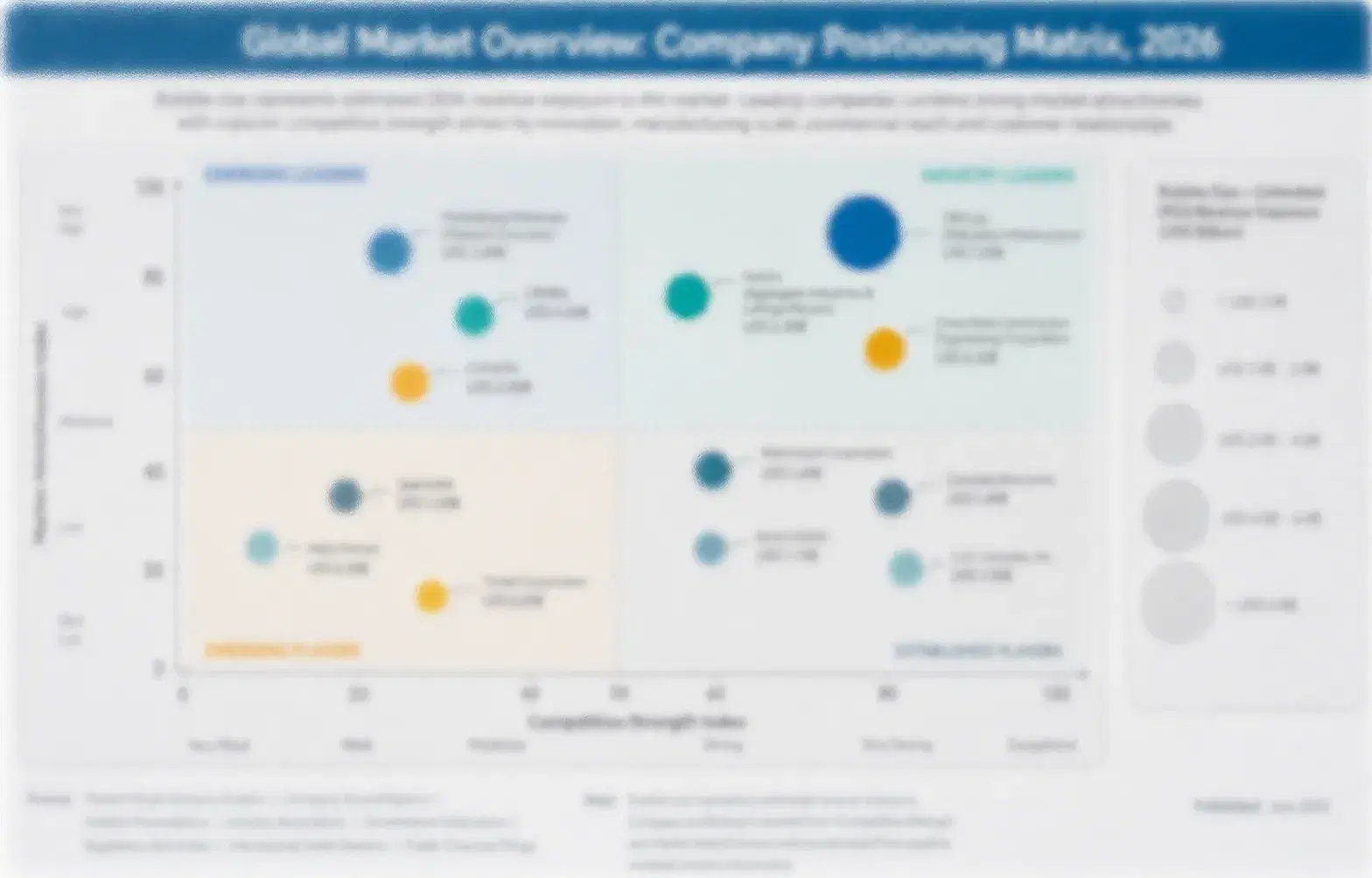
The top five integrators hold roughly 33% of global packaging sortation and distribution automation revenue, a moderately concentrated level reflecting the category's history of established material-handling firms extending into robotic formats. Daifuku leads on breadth across e-commerce and manufacturing-adjacent distribution accounts, with a gap over the next-ranked challenger reflecting genuine engineering scale advantage built over decades of conveyor and automation development. Smaller integrators struggle to close this technology gap.
Competitive activity currently centers on robotic sortation integration speed and software sophistication, since large operators increasingly require both proven hardware reliability and flexible reconfiguration capability from a single vendor relationship. Several mid-tier integrators are pursuing regional capacity expansion to compete for multi-facility operator contracts beyond their traditional local-market base Smaller local integrators still dominate single-facility contracts.

Emerging pressure comes from warehouse-robotics specialists attempting to enter adjacent to established material-handling integrators rather than challenging them head-on, a dynamic that could reshape rankings if a major robotics specialist secures a flagship national fulfillment account. Rankings are most likely to shift among mid-tier integrators still building robotic integration track records A major robotics specialist demonstrating comparable integration quality at lower combined cost would accelerate this shift.
packaging-sorting-and-distribution-automation-mark-company-positioning-matrix-1791530560554

Packaging Sorting and Distribution Automation Competitive Moats

DAIFUKU CO LTD

Moat: Engineering scale and breadth

Daifuku's decades of material-handling engineering experience across e-commerce and manufacturing distribution give it a technology depth that newer entrants cannot replicate quickly, particularly for large operators requiring proven reliability at scale across multiple facility types, a lead that continues widening as more operators standardize around proven vendors.
DAIFUKU CO LTD

Risk: Slower robotics specialist agility

Daifuku's scale can mean slower iteration on new robotic formats than smaller specialist competitors that focus exclusively on warehouse robotics, risking share loss in the fastest-growing robotic piece sortation segment specifically among mid-sized operators now, particularly as mid-sized operators push back hard on pricing now.
HONEYWELL INTELLIGRATED

Moat: Software integration platform depth

Honeywell's broader enterprise software and analytics platform gives it integration advantages that pure hardware vendors cannot match, letting it bundle sortation automation with existing warehouse management system relationships at large national accounts, a position smaller hardware-only competitors struggle to match at comparable scale too now.
HONEYWELL INTELLIGRATED

Risk: Higher relative system pricing

Honeywell's premium software-integrated positioning can price it out of contracts where operators prioritize lower upfront hardware cost over deep software integration, a gap smaller competitors are exploiting among price-sensitive mid-tier operators directly today, a gap competitors are watching closely for further opportunity indeed too soon.

Players Tracked

Prominent Players

Daifuku Co Ltd
Honeywell Intelligrated
Dematic Corp
Vanderlande Industries
Fives Group

Other Key Players

Beumer Group
SSI Schaefer AG
Knapp AG
Swisslog Holding
GreyOrange Pte Ltd
Fetch Robotics
Geek+ Inc
Exotec SAS
AutoStore AS
Murata Machinery
Interroll Holding
TGW Logistics Group
Material Handling Systems Inc
Bastian Solutions
Siemens Logistics

Recent Developments

DECEMBER 2025

Daifuku announced a manufacturing capacity expansion dedicated to robotic piece sortation systems, responding to rising demand from mid-sized e-commerce fulfillment operators converting legacy conveyor lines to flexible robotic cells, with new production capacity expected to come online within the following year nationwide, per company disclosures.
Signal: Signals established integrators are scaling to meet mid-market robotic conversion demand faster than new entrants can respond.
AUGUST 2025

Honeywell completed a supply agreement with a major North American third-party logistics provider to deploy robotic sortation across several regional fulfillment centers, extending its presence in the logistics-provider segment ahead of competitors still focused primarily on direct retail accounts, according to company disclosures made public.
Signal: Signals logistics-provider accounts are becoming a key battleground as direct retail growth moderates somewhat going forward overall.

Robotics and Motor Component Exposure

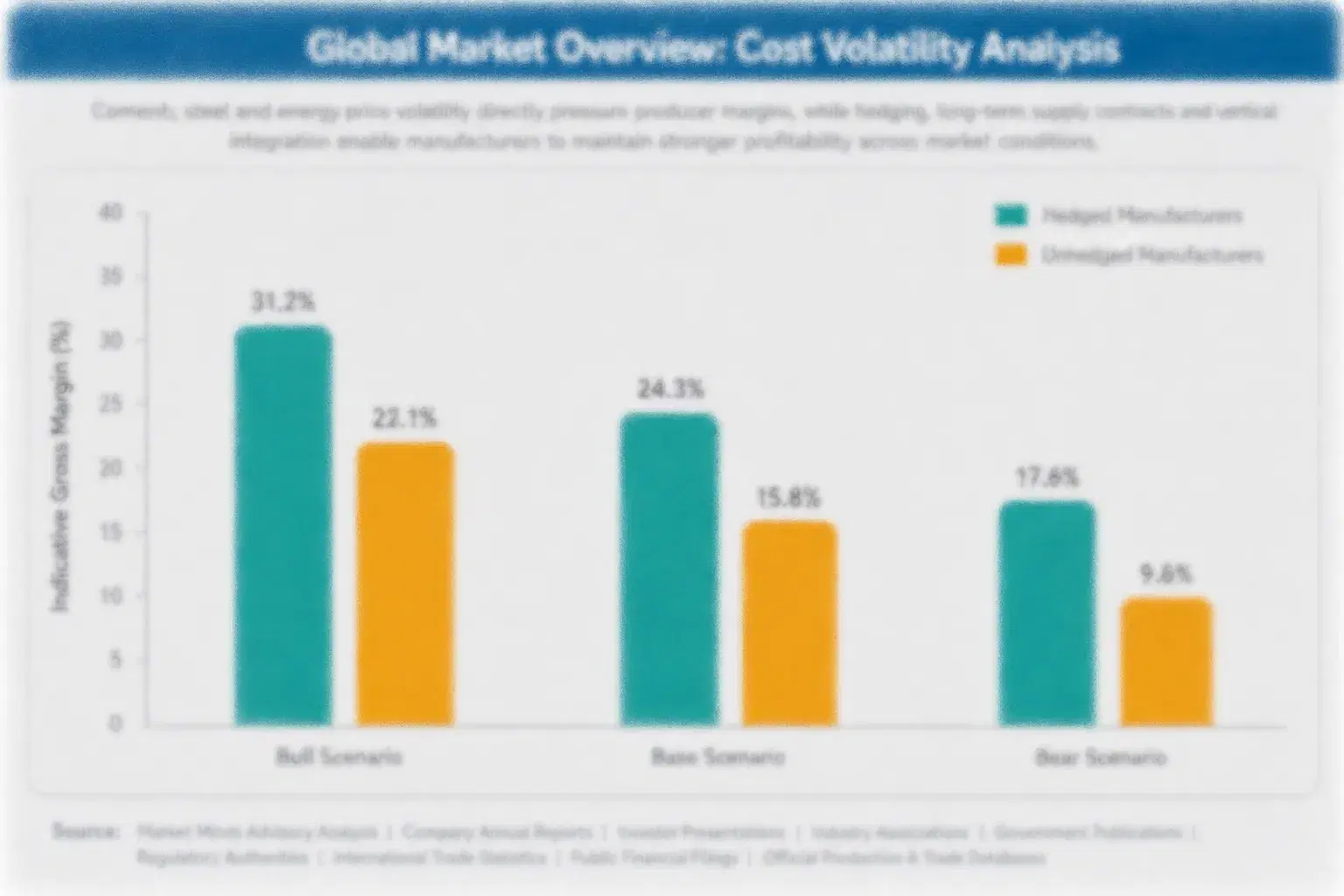
Motors, sensors, and steel framing together account for roughly 49% of unit production cost in packaging sortation and distribution automation systems, with robotics components sourced predominantly from a concentrated set of Chinese and Japanese electronics and precision-motor manufacturers, a concentration that gives those producers meaningful pricing power over integrators operating in competitive bid environments worldwide now too now.
A 2025 semiconductor and motor-component supply disruption, tied to tight global chip manufacturing capacity, pushed integrator input costs up meaningfully for several months before alternative sourcing stabilized the market, according to EIA commodity tracking and company annual report disclosures from affected integrators during the period, illustrating how exposed the category remains to global semiconductor supply conditions affecting robotics component availability broadly today indeed too now.

Integrators without direct robotics component sourcing relationships face a lasting cost disadvantage against integrated competitors, since spot-market purchasing carries a persistent premium over long-term supply contracts that only established players can secure. This exposure varies most by integrator scale, a dynamic that favors Daifuku, Honeywell, and other scale players with established multi-supplier relationships over regional shops lacking comparable negotiating position already too.
packaging-sorting-and-distribution-automation-mark-cost-volatility-analysis-1791530560740

Dual Sourcing Across Component Suppliers

Integrators are qualifying a second motor and sensor supplier alongside their primary source to reduce exposure to single-producer disruption, accepting modest cost premiums in exchange for supply continuity assurance across their largest multi-facility accounts. Several mid-tier integrators have adopted this approach over the past year specifically, and early results suggest the added cost is more than offset by avoided disruption.

Long-Term Robotics Component Supply Contracts

Larger integrators are negotiating multi-year robotics component supply contracts with built-in price collars that cap input-cost volatility in exchange for committed purchase volumes, a structure smaller regional shops typically cannot access given their limited scale. This structure is becoming increasingly common among the industry's largest integrators specifically, giving them a cost-stability advantage that smaller competitors cannot easily replicate.

Portfolio Architecture for Margin Defence

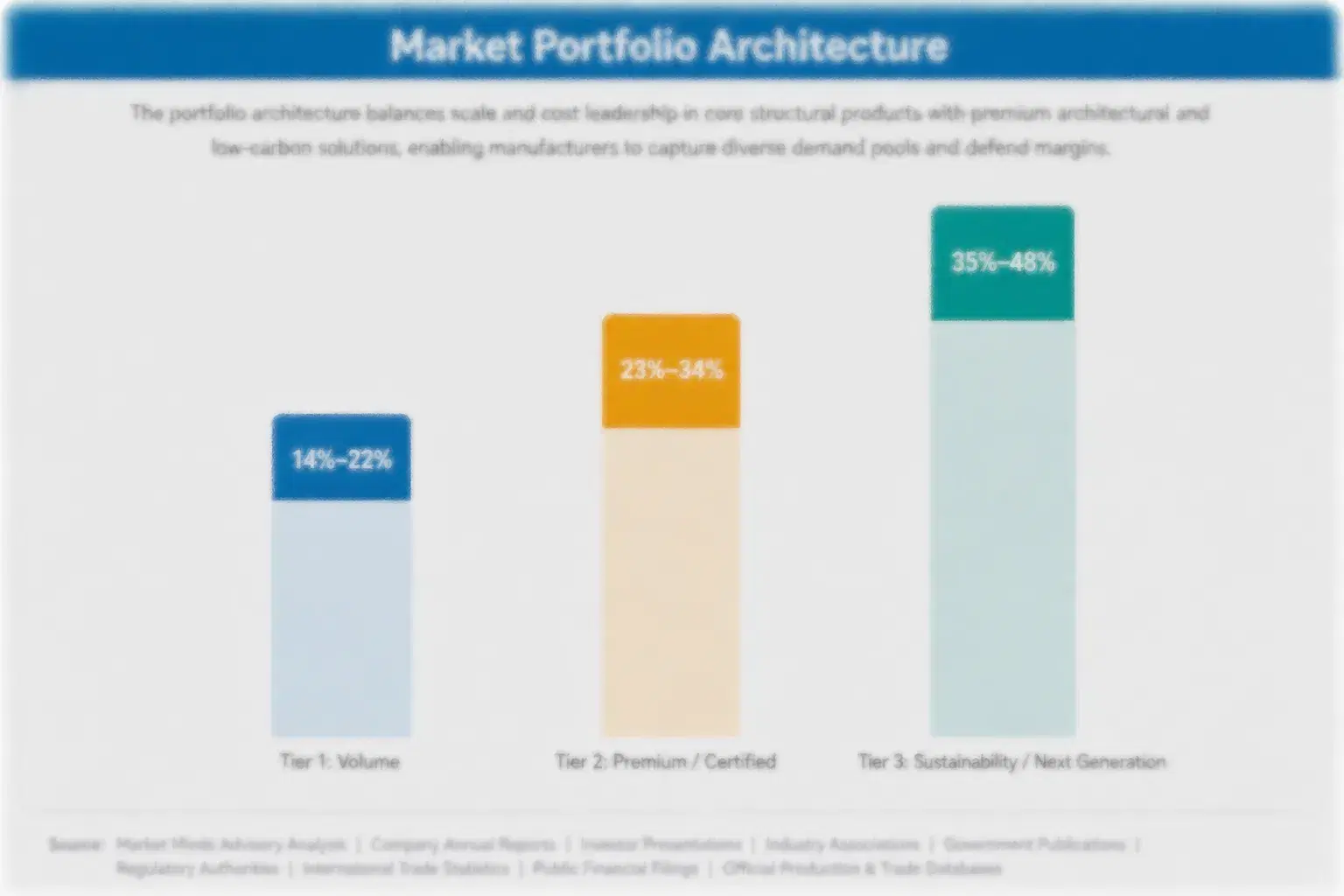
Packaging sortation and distribution automation splits into three distinct margin tiers, separated primarily by system flexibility and service-contract attachment rather than facility size alone, with robotic systems carrying performance-guarantee contracts commanding the richest margins across the category. Integrators that can operate profitably across all three tiers simultaneously hold an advantage over specialists confined to one system type.
Volume commodity-adjacent conveyor-only systems carry the thinnest margins but the largest absolute installation base, while premium robotic formats bundled with throughput-guarantee and analytics service command substantially richer margins justified by software integration and ongoing support obligations. The gap between these two tiers has widened over the past two years as robotic adoption accelerates, pushing commodity-tier conveyor margins even thinner relative to the premium segment.

High-value pools concentrate most heavily around robotic systems carrying active performance and maintenance contracts, which command pricing power that ordinary conveyor installations cannot match. Integrators positioning early in bundled service offerings are capturing disproportionate attention from large national fulfillment accounts. These integrators are also best positioned to capture the emerging AI-driven routing optimization wave, since service infrastructure built for robotic contracts extends naturally to software-based routing upgrades.

Fixed conveyor-only sortation systems sold on an installation-only basis, competing primarily on fabrication cost and footprint efficiency rather than flexibility or software sophistication, typically carrying the industry's lowest per-unit margin.
Gross Margin

Robotic piece sortation formats bundled with throughput-guarantee and predictive-maintenance service contracts, commanding richer margins justified by software integration and support obligations, typically carrying the industry's highest per-unit margin by a wide margin.
Gross Margin

Energy-efficient robotics retrofit programs and emerging AI-driven routing optimization formats addressing labor-cost pressure and warehouse automation modernization mandates, representing a smaller but fast-growing margin pool currently, still with limited commercial-scale deployment history to date.
Gross Margin
packaging-sorting-and-distribution-automation-mark-portfolio-architecture-1791530560930

High-value Sub-segments and Strategic Watch-out

Throughput Performance Guarantee Contract Programs

Highest-value, highest-growth category, bundling robotic installation with recurring throughput-guarantee and analytics revenue. Integrators with established software platforms are best positioned to capture this expanding, relatively price-insensitive demand pool over the next several years as software adoption practices spread into traditional hardware-focused integrator businesses today already.

Mid Sized Operator Conversion Programs

High-value, moderate-growth category where falling robotics costs are extending adoption beyond national fulfillment giants. Still early in broad rollout, but offering meaningful pricing power for integrators able to demonstrate fast integration timelines across diverse facility types as more mid-sized operators follow the lead of early-moving national chains nationwide.

Standard Conveyor Sortation System Programs

Volume core category carrying the largest absolute installation count but thinnest margins. Growth here tracks new distribution-center construction closely, and competitive intensity is rising as robotic alternatives pressure conveyor-only pricing across every major market at a pace faster than most other watch categories tracked in this report.

Warehouse Robotics Specialist Entry Programs

Strategic watch-out category where robotics specialists could reshape competitive dynamics across every other segment if any secures a flagship national fulfillment account. Integrators without comparable robotics capability risk losing share in the fastest-growing segment well before mainstream commercial validation is complete industry-wide, a risk integrators are now actively monitoring.

From Fixed Asset To Managed Throughput

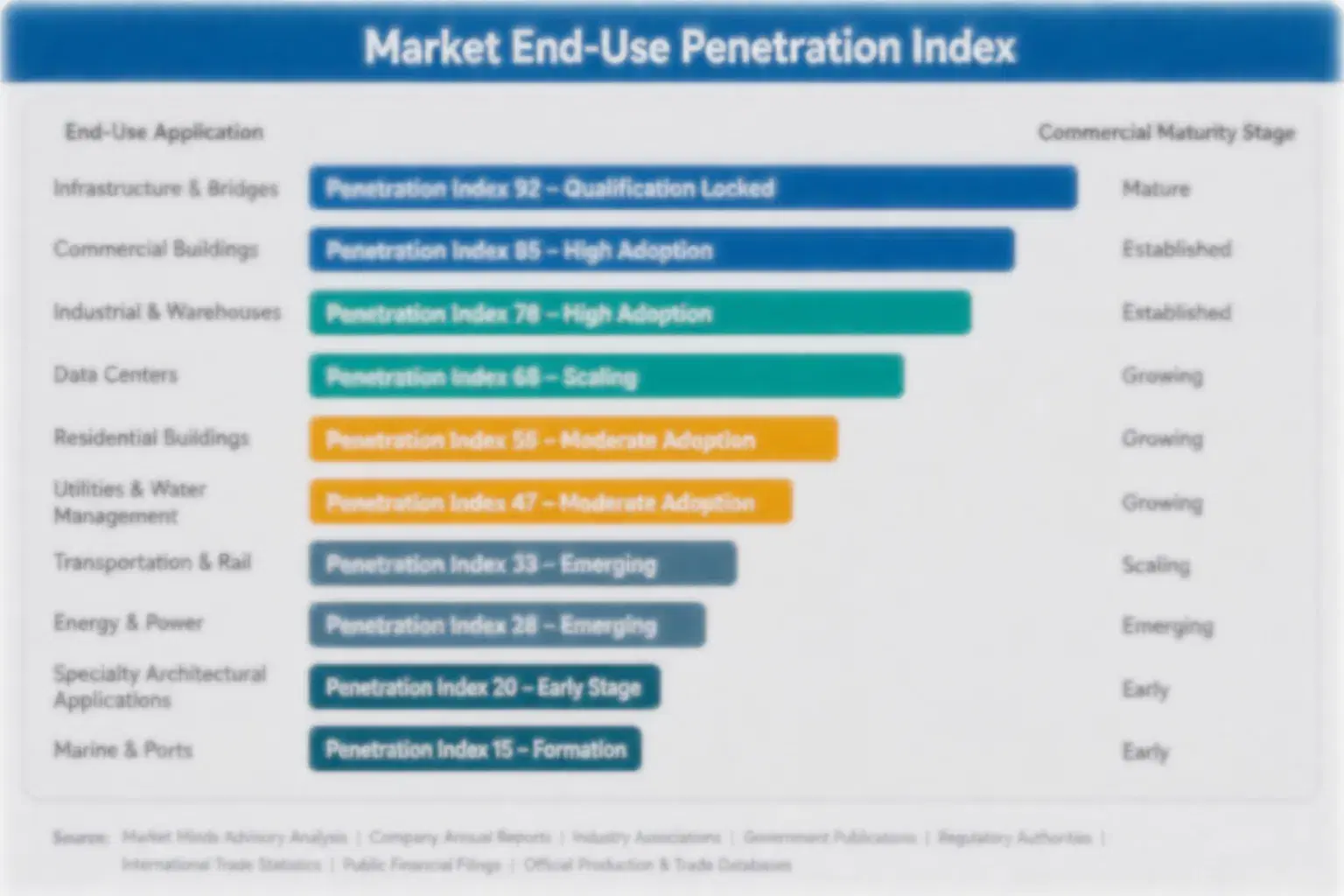
Packaging sortation and distribution automation is shifting from a fixed capital asset toward a managed throughput platform that integrators service continuously rather than install and walk away from. Operators increasingly renew integrator relationships based on documented throughput reliability and maintenance responsiveness rather than renegotiating hardware pricing from scratch each cycle, giving incumbent vendors with proven service records durable account depth that newer entrants struggle to displace.
Adoption depth varies sharply by end-use vertical. National e-commerce fulfillment operators adopt robotic systems with near-total conviction once satisfied with reliability, since centralized throughput control across hundreds of facilities justifies the investment, while independent and regional distribution operators adopt more cautiously, often retaining conveyor systems until replacement becomes unavoidable. This divergence means integrators serving both segments need fundamentally different account-management approaches.

A generational shift is underway among distribution buyers themselves, as operations and technology teams increasingly drive specification decisions that facilities teams once controlled exclusively. These newer buyer profiles weigh software flexibility and data-driven throughput optimization more heavily than fixed hardware durability alone, a shift that favors integrators able to articulate value in operational terms rather than purely mechanical terms.
packaging-sorting-and-distribution-automation-mark-end-use-penetration-index-1791530561115

Where Sortation Program Value Concentrates

These are among the four positions where our research anticipates prominent divergence between winners and laggards over the coming forecast period. Each is grounded in the demand model, the regulatory perimeter, and the announced capacity pipeline.
01 / MID MARKET CONVERSION SCALE

Mid Sized Operator Conversion Rewards Fast Capacity Scaling

Mid-sized operator conversion is the category's fastest-growing entry point, and operators are moving quickly from pilot facilities to full-network rollout once satisfied with reliability. Integrators that can demonstrate consistent performance at accessible price points are winning disproportionate new contract volume right now. Those still treating robotics as a national-giant-only investment risk losing share to faster-moving competitors across entire regional markets, a gap that is widening each quarter as more operators commit to network-wide conversion nationwide already too indeed now soon.
02 / SOFTWARE PLATFORM DEPTH

Analytics Integration Depth Decides Operator Retention

Software integration depth is becoming a genuine competitive differentiator as operators increasingly require both hardware reliability and flexible reconfiguration capability from a single vendor. Integrators with established analytics platforms complete integrations faster than competitors lacking comparable software depth, a gap that compounds at the largest multi-facility accounts. Integrators without existing software capability should prioritize partnership with analytics vendors before pursuing large accounts directly, building a track record before pursuing the largest and most complex multi-facility contracts, a sequencing that builds credibility before tackling harder accounts.
03 / COMPONENT SUPPLY ACCESS

Robotics Component Sourcing Determines Cost Competitiveness

Integrators without direct robotics component sourcing relationships face a lasting cost disadvantage that spot-market purchasing cannot fully offset. Dual sourcing and long-term supply contracts with price collars are becoming standard practice among the industry's largest players specifically, protecting them from single-producer disruption. Smaller integrators lacking negotiating scale should pursue consortium-based purchasing to access similar terms within their regional markets, pooling volume to secure terms none could negotiate independently on their own across their regional markets already too indeed now soon.
04 / SERVICE REVENUE EXPANSION

Throughput Guarantees Extend Integrator Margin Capture

Throughput-guarantee contracts and predictive maintenance subscriptions are opening recurring revenue paths beyond the physical system sale itself, a meaningful shift for a category historically priced on one-time installation cost alone. Integrators building these service capabilities now are positioning for margin profiles closer to software vendors than traditional equipment suppliers. This shift favors scale players with existing operator data relationships already in place, an advantage that will compound as more operators standardize throughput-reporting platform requirements today already too indeed now soon.

Engagement Snapshot From the Field

A live engagement with an industry participant carrying material or product regulatory and market exposure ahead of a defining policy shift, showing how our research translates into a defensible multi-year portfolio strategy.
MARKET MINDS ADVISORY · CLIENT ENGAGEMENT SUMMARY
Packaging Sorting and Distribution Automation Producer Strategic Portfolio Review and Transition Roadmap 2026·Investment Scenario on Packaging Sorting and Distribution Automation Exposure Evaluation 2025-26
CLIENT PROFILE
The client operates a regional e-commerce fulfillment network with several distribution centers across the midwestern United States, generating annual processing volume in the tens of millions of parcels (client-reported, unverified by MMA). Facing persistent labor shortages and rising peak-season volume, the client sought to evaluate robotic sortation conversion ahead of a broader network-wide automation initiative.
STRATEGIC CHALLENGE
Leadership needed to determine whether robotic sortation conversion could deliver sufficient throughput gains and labor-cost savings to justify the higher upfront capital cost relative to continued conveyor-only operation, while also confirming integration timelines across multiple distribution centers without disrupting ongoing peak-season fulfillment commitments, given that leadership had already committed meaningful capital budget toward the broader automation decision ahead of the pilot.
MMA APPROACH
MMA's team structured a five-month pilot assessment across two distribution centers, combining throughput-tracking data with structured labor-cost analysis across the client's peak and off-peak staffing periods. The engagement drew on MMA's primary survey dataset for comparable category benchmarks and incorporated direct interviews with the client's operations team overseeing the conversion rollout.
KEY FINDINGS
  1. Pilot centers recorded a measurable increase in peak-hour sortation throughput versus matched control centers over the assessment period (client-reported, unverified by MMA).
  2. Labor-cost savings varied by facility, with centers facing the tightest regional labor markets showing the largest relative improvement, confirming the operations team's core technical assumption held.
  3. Per-unit conversion cost rose notably, though within the range the client's finance team had budgeted for ahead of the pilot launch, in line with the pilot's original cost-containment target.
  4. Operations staff reported straightforward software integration, requiring minimal retraining across the pilot center workforce during the rollout, easing internal concerns about operational feasibility at scale.
RECOMMENDED STRATEGY
Phase 1: Sequence the network-wide rollout by regional labor-market tightness, starting with the most labor-constrained facilities first, validating performance across the client's full facility network and shift schedule. Phase 2: Negotiate a multi-year robotics component supply agreement with price protection ahead of broader rollout to secure favorable economics, protecting margin as conversion volume scales across the full network. Phase 3: Layer in throughput-performance reporting as a value-added service for operations leadership once conversion volume justifies the investment, creating a recurring revenue stream the client had not previously considered.
OUTCOME
The client approved a phased network-wide conversion sequenced by regional labor-market tightness and began supplier negotiations for a multi-year robotics component supply agreement (client-reported, unverified by MMA). Operations leadership reported improved confidence in forecasting conversion timelines, supporting a broader business case for accelerated rollout within the following fiscal year.

Frequently Asked Questions

Foundational context covering the market sizes, CAGR, scope, country, region and competition that inform every finding below. This section is provided to cover basics and most often pre-purchase conversations, answered from the MMA Primary Research Dataset.

What is the current size of the Packaging Sorting and Distribution Automation Market?

The market reached an estimated USD 3.77 billion in 2026, covering robotic sortation, automated storage and retrieval, and parcel-routing conveyor systems within distribution centers. Growth is concentrated in East Asian manufacturing scale.

How large will the Packaging Sorting and Distribution Automation Market be by 2036?

MMA projects the market will reach approximately USD 10.51 billion by 2036, roughly 2.79 times its 2026 value, driven by robotic conversion expanding beyond national fulfillment giants.

What is the CAGR for the Packaging Sorting and Distribution Automation Market 2026 to 2036?

The market is forecast to grow at a 10.8% compound annual rate through 2036, with bull and bear scenarios ranging from 9.6% to 12% depending on labor-cost trends.

Which segment is growing fastest?

Robotic Piece Sortation Systems are growing fastest at a 14.3% CAGR, roughly 1.32 times the overall market rate, led by labor-availability constraints and same-day delivery commitments.

Who are the major companies in the Packaging Sorting and Distribution Automation Market?

Leading suppliers include Daifuku Co Ltd, Honeywell Intelligrated, Dematic Corp, Vanderlande Industries, and Fives Group, together holding roughly 33% of global revenue, evaluated on a global revenue basis.

Which country is growing fastest?

China is growing fastest at a 12.9% CAGR, driven by its dominant robotics component manufacturing scale and massive e-commerce logistics volume across major metropolitan centers.

Packaging Sorting and Distribution Automation Segments Covered

The full report scope spans multiple orthogonal segmentation dimensions, with cross-tabulated demand data provided for each dimension pair. Coverage extends further to regional breakdowns, trend trajectories, and the competitive detail needed to support segment-level decision-making.
  • Robotic Piece Sortation Systems
  • Automated Storage and Retrieval Systems
  • Parcel Routing Conveyor Networks
  • Automated Guided Vehicle Systems
  • Hybrid Robotic Conveyor Combination Systems
  • E-Commerce Fulfillment
  • Third Party Logistics
  • Retail and Grocery Distribution
  • Parcel and Postal Services
  • Manufacturing Adjacent Distribution
  • New Facility Installation Programs
  • Retrofit and Conversion Programs
  • Performance Guarantee Service Contracts
  • Integrator Maintenance Agreements

By Region

  • North America
  • Western Europe
  • East Asia
  • South Asia and Pacific
  • Latin America
  • Middle East and Africa
  • Eastern Europe

Scope, Methodology, and Coverage

Every figure in this report is reproducible from documented input assumptions. The scope below maps the historical period, the forecast horizon, the segmentation dimensions, and the countries covered, alongside the underlying primary and qualitative methodology.
Historical Period
2020 to 2025
Forecast Period
2026 to 2036
Base Year
2025 (USD billions; MMA Primary Research Dataset, October 2026)
Market Definition
The Packaging Sorting and Distribution Automation Market covers robotic and conveyor-based systems that sort, route, and consolidate packaged goods within distribution centers and fulfillment warehouses, including piece-sortation robots, automated storage and retrieval systems, and parcel-routing conveyor networks. It excludes last-mile delivery vehicles and drones, in-store point-of-sale systems, and primary packaging-line equipment used in manufacturing rather than distribution.
Quantitative Units
USD billions
Segmentation Dimensions
Regions Covered
North America, Western Europe, East Asia, South Asia and Pacific, Latin America, Middle East and Africa, Eastern Europe
Countries Covered
Key Companies Profiled
Daifuku Co Ltd, Honeywell Intelligrated, Dematic Corp, Vanderlande Industries, Fives Group, Beumer Group, SSI Schaefer AG, Knapp AG, Swisslog Holding, GreyOrange Pte Ltd, Fetch Robotics, Geek+ Inc, Exotec SAS, AutoStore AS, Murata Machinery, Interroll Holding, TGW Logistics Group, Material Handling Systems Inc, Bastian Solutions, Siemens Logistics
Quantitative Methodology
Primary survey, n=3,800 respondents, Q4 2025, six countries; demand-side model with trade association cross-validation
Qualitative Methodology
47 expert interviews, Q4 2025; applied to validate demand model assumptions, identify emerging dynamics, and assess competitive positioning
Report Format
PDF and XLSX data workbook (Word format preview document)
Publisher
Market Minds Advisory
Report Code
MMA-2026-PAC-701
Published
October 2026
Contact
sales@marketmindsadvisory.com | www.marketmindsadvisory.com

Purchase the full Packaging Sorting and Distribution Automation Market Report (2026 to 2036).

This report provides a comprehensive assessment of the Packaging Sorting and Distribution Automation Market through 2036. It covers robotic piece sortation, automated storage and retrieval, and conveyor-based routing systems across e-commerce, logistics, and retail distribution categories. The analysis details regional demand patterns, competitive positioning among established material-handling integrators, and input-cost exposure tied to robotics component supply concentration. It draws on primary survey data, expert interviews, and company disclosures to quantify segment-level growth and margin architecture across the forecast period. Forecasts reflect both base-case and scenario-adjusted bull and bear trajectories through 2036.
Ten-year revenue and unit volume forecasts
Seven-region demand share and CAGR breakdown
Twenty-company competitive benchmarking and positioning profile
Segment-level CAGR and margin tier analysis
Input-cost exposure mapping and mitigation pathways
Anonymized client case study with full strategy roadmap

Built For The People Who Decide

From boardroom strategy to bench-side execution, this report is read cover-to-cover by leaders shaping the next decade of their industry, turning demand scenarios, market dynamics and valuation benchmarks into decisions.
CXOs/ Presidents/ VPs/ Managers
M&A and Corporate Development
Strategy Teams and R&D Heads
Procurement and Product Directors
Regulatory and Compliance Leaders
Investor Relations and Equity Analysts