Market Minds Advisory
Industrial Precision Oven Market

Industrial Precision Oven Market: Industrial Precision Oven Market. Controlled-Temperature Process Equipment for Electronics, Pharmaceutical and Aerospace Manufacturing

A battery cell manufacturer that once accepted standard convection drying as adequate for most electrode coatings now specifies vacuum ovens certified for moisture levels below single-digit parts per million, and that precision shift is reshaping.

Lead Analyst

Published

September 2026

Make Smarter Decisions with Customized Research Insights

Request a free sample report and evaluate market opportunities, growth trends, and competitive dynamics relevant to your business needs.

2025 MARKET VALUE$1.1BMarket Size 2025
2036 FORECAST VALUE$2.4BBase Case , 2026 to 2036
CAGR 2026 TO 20366.9 %Bull 8.2% / Bear 5.6%
INCREMENTAL OPPORTUNITY$1.2BNet 10- year value creation
EXPANSION MULTIPLE1.95x2036 value over 2026 base
Strategic Levers
M&A Pipeline
Regional Outlook
Country Rankings
Competitive Intelligence
Segmental Deep-dive
Call-Us : 91 93563 13602

Executive Snapshot and Market Trajectory.

A battery cell manufacturer that once accepted standard convection drying as adequate for most electrode coatings now specifies vacuum ovens certified for moisture levels below single-digit parts per million, and that precision shift is reshaping procurement across production lines this year, according to process engineers surveyed across major producing regions.
Vacuum precision ovens grow fastest as semiconductor and battery manufacturers pursue moisture-control capability standard convection ovens cannot match. Clean room compatible ovens follow closely as pharmaceutical and electronics assembly applications require additional contamination-control margin. East Asian and North American electronics and pharmaceutical manufacturing hubs record the fastest oven conversion growth given expanding semiconductor fab capacity and rising battery production investment across nearly every process segment reviewed.
Five suppliers hold roughly 38% of category value, led by Thermo Fisher Scientific Inc and Binder GmbH, both drawing on established precision manufacturing scale and deep electronics and pharmaceutical customer relationships built across multiple product generations worldwide. Memmert GmbH and Co KG's steadily expanding pharmaceutical validation reach adds a further meaningful competitive dimension worth watching, as temperature-uniformity certification increasingly matters as much to buyers as chamber volume alone today broadly.
Market Definition
The market covers controlled-temperature industrial and laboratory oven equipment used for curing, drying and process applications in electronics, pharmaceutical and aerospace manufacturing, including forced convection precision ovens, vacuum precision ovens, inert atmosphere and gas purge ovens, clean room compatible ovens, high-temperature industrial curing ovens, and oven calibration and validation service. It excludes high-temperature industrial furnaces used for metal melting, consumer kitchen ovens, and sterilization autoclaves, which fall under separate dedicated reports.
Base Year Value
$1.1B in 2025 (MMA Primary Research Dataset, September 2026)
Forecast Period
2026 to 2036, eleven discrete annual values
CAGR
6.9% base case. Bull 8.2%. Bear 5.6%.
Fastest Growth Segment
Vacuum Precision Ovens: 9.7% CAGR
Fastest Growth Country
South Asia and Pacific composite: 8.9% CAGR
Fastest Growth Region
South Asia and Pacific: 8.9% CAGR
Largest Region
East Asia: 31% of 2025 global value
Market Leaders
Thermo Fisher Scientific Inc, Binder GmbH, Memmert GmbH and Co KG, Despatch Industries, Yamato Scientific Co Ltd. Source: MMA Analysis, company annual reports.
Primary Survey
n=3,800 procurement and R&D decision-makers, Q4 2025, six countries
Methodology
Demand-side build-up, cross-validated against public data, 47 expert interviews

Industrial Precision Oven Market Forecast Scenarios

industrial-precision-oven-market-size-forecast-scenario-1790732916131
From 2020 to 2025 demand grew at about 5.9% a year as electronics and pharmaceutical manufacturers steadily expanded precision oven conversion across widening process control programmes, while distributors extended calibration service coverage across growing plant catalogues. Rising semiconductor fab capacity drove much of the recent volume increase, and expanding battery production investment accelerated conversion through the period, according to industry association data reviewed across major producing regions.
The base case of 6.9% rests on three mechanisms working together. Moisture-control demand keeps pushing vacuum oven economics further ahead of standard convection alternatives across semiconductor and battery applications. Contamination-control demand keeps growing as pharmaceutical manufacturers pursue measurable validation economics across widening deployment programmes. Oven engineering quality keeps improving steadily as suppliers extend temperature-uniformity and cycle-time performance without raising unit cost meaningfully. Buyers weigh these mechanisms alongside price too today.
The bull case reaches 8.2% if semiconductor fab capacity investment accelerates faster than expected across additional electronics and battery manufacturing budgets, particularly across Chinese and Indian production programmes. The bear case falls to 5.6% if standard convection oven retention persists longer than forecast against currently ambitious distributor investment timelines, particularly amid softer electronics capital budgets.

Semiconductor Fab Capacity Drives Oven Conversion

Electronics and pharmaceutical manufacturers specify precision ovens that reliably deliver temperature-uniformity performance, cycle-time consistency and durability under sustained continuous operation across a wide range of process loads and chamber configurations while integrating cleanly into existing process validation workflows, then validate performance through extensive temperature-uniformity and cycle-time testing before certifying a design for facility deployment. Rising semiconductor fab capacity increasingly pushes conversion demand, since manufacturers now treat moisture-control precision as a measurable yield factor.
MARKET CONCENTRATION38% CR5Top five suppliers hold roughly two fifths of value
VACUUM SEGMENT SHARE21%Portion of category revenue from vacuum oven sales
TOP PRODUCING COUNTRY SHARE27%Portion of global output supplied through the leading manufacturing base
HEATING ELEMENT COST SHARE36% of COGSHeating element, insulation and control electronics cost portion
AVERAGE UNIT PRICEUSD 2,500-95,000Typical price per unit by chamber and type
OVEN REPLACEMENT CYCLE LENGTH8 to 13 yearsTypical duration between initial purchase and confirmed oven replacement
Value concentrates around vacuum and clean room compatible oven segments, the two fastest-growing categories in the segmentation. Forced convection, inert atmosphere and curing ovens round out the remaining segments through steady, if comparatively slower, demand volume. Vacuum designs lead this mix, with basic curing ovens trailing behind on renewal cycles.
Supply combines established precision manufacturing primes and diversified regional specialists competing on temperature-uniformity certification and delivery scale. Thermo Fisher Scientific Inc and Binder GmbH lead through proprietary manufacturing scale and deep electronics and pharmaceutical customer relationships that smaller regional specialists cannot easily replicate. Smaller vendors compete mainly on niche application engineering and delivery responsiveness instead. Pricing power still concentrates among vendors with proven temperature-uniformity and durability records.
"An oven that holds temperature uniformity on a validation run tells a process engineer little about how it performs after years of continuous cycling across a demanding production schedule."
Senior Analyst, Global Electronics and Pharmaceutical Process Equipment Practice · MMA Forced Convection Ovens Practice · September 2026

Market Trends

Vacuum Moisture Control Extends Much Broader Coverage

Semiconductor and battery manufacturers increasingly specify vacuum precision ovens that deliver moisture-control capacity standard convection ovens alone cannot support reliably across expanding electrode and wafer-level applications, where sustained moisture-control reliability matters more than the added unit cost engineered vacuum architecture introduces, with providers such as Despatch expanding vacuum oven production capacity to meet rising specification demand across their growing electronics customer base worldwide. Vacuum segment demand grows to about 21% of category revenue, and gross margins run 28% to 36% across the category. This trend continues accelerating through coming years across the global electronics manufacturing base in particular.
Market Impact: semiconductor fab priorities add 2-4% growth
Battery Production Investment Sustains Much Broader Demand

Distributors keep extending clean room compatible oven specification to mainstream mid-tier pharmaceutical manufacturers beyond flagship large-scale battery programmes alone, sustaining strong oven demand across new production capacity entering service each year as contamination control becomes a broader manufacturer priority. Industry global electronics manufacturing data show sustained adoption across the market each year as manufacturers standardize precision-grade architecture across their oven fleets. This trend is expected to continue through the next several years as remaining convection-only laboratories reach expanded upgrade cycles across the mid-tier manufacturer base today overall broadly currently generally.
Market Impact: battery production demand adds 1-3% volume

Market Opportunities and Growth Drivers

Semiconductor Fab Priorities Sustain Broader Demand

Semiconductor fab capacity demand and moisture-control priorities keep growing across the global precision oven market as electronics manufacturers pursue every available oven-conversion opportunity, requiring designs engineered for materially better temperature uniformity than earlier generation convection programs ever delivered. Industry global semiconductor fab data show sustained pressure across production plants each year. The driver rewards suppliers with proven temperature-uniformity and durability engineering capability, and it supports continued demand growth, though the pace still varies by manufacturer budget timing. Few competing vendors currently match this pace consistently today today overall broadly currently.
Market Impact: convection oven retention limits volume 1-3%

Battery Production Priorities Sustain Volume Demand

Battery production demand and contamination-control priorities keep growing across the global precision oven market as electronics manufacturers pursue every available oven-conversion opportunity, sustaining strong oven demand across new production capacity entering service. Industry battery manufacturing data show sustained demand across the global manufacturer base each year. The driver rewards suppliers with proven temperature-uniformity and durability engineering capability, and it supports steady demand growth, though the pace still varies by product mix and manufacturer trust. Industry surveys over the past two cycles show this preference strengthening steadily among larger electronics manufacturers.
Market Impact: heating element volatility compresses margin 1-3%

Market Restraints and Challenges

Much Broader Convection Oven Retention Limits Volume

Standard convection oven retention relative to vacuum adoption continues limiting near-term demand across several budget-constrained manufacturing segments where existing equipment budgets run ahead of forecast, since moisture-control priority varies meaningfully across global electronics jurisdictions and even within individual distributor catalogue cycles, according to industry global electronics manufacturing procurement survey data. The root cause is the genuine capital cost advantage convection ovens retain relative to well-established vacuum infrastructure on smaller regional manufacturing programmes, which leaves manufacturers weighing near-term budget constraints against longer-term moisture-control economics. Vendors respond by developing lower-cost vacuum entry lines.
Market Impact: vacuum segment reaches 21% revenue

Rising Heating Element Cost Volatility Pressures Margins

Heating element, insulation and control electronics component cost makes up about 36% of manufacturing cost, and price volatility continues pressuring unit margins across suppliers without diversified sourcing or long-term supply contracts, according to industry commodity pricing data tracked across major producing regions. The root cause is the genuine cost structure dependence oven manufacturing holds on specialty heating element and control component pricing, which leaves smaller distributors exposed when material costs spike suddenly across a production cycle without warning. Vendors respond with hedging programmes and diversified component sourcing agreements to manage exposure.
Market Impact: battery production investment adds 2-4% yearly
3 additional market trends, 4 additional growth drivers, and 2 additional restraints and challenges are covered in the full report. Contact sales@marketmindsadvisory.com to access the complete intelligence.

Segment CAGR and Growth Architecture

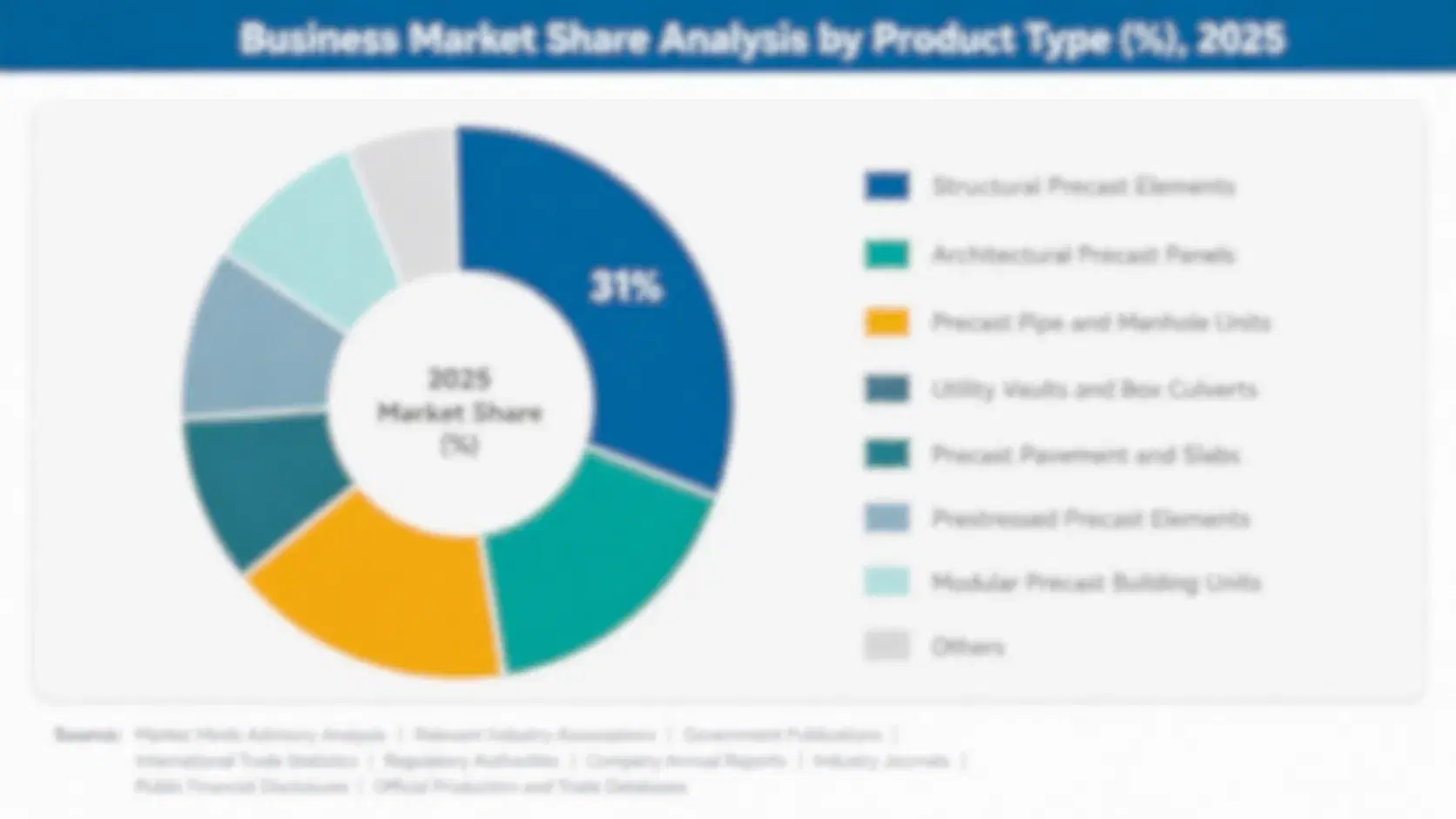
The market is segmented by chamber technology, which shows where temperature-uniformity engineering depth, margins and contamination-control requirements differ most across categories. Vacuum and clean room compatible ovens grow fastest globally, while forced convection, inert atmosphere and curing ovens round out the remaining segments through steadier renewal demand, and calibration revenue provides a stable base beneath all five.
industrial-precision-oven-market-market-share-analysis-1790732916394

Vacuum Precision Ovens

Vacuum Precision Ovens is the fastest-growing segment at 9.66% a year, about 1.40 times the overall market rate. Semiconductor and battery manufacturers increasingly specify vacuum precision ovens that deliver moisture-control capacity standard convection ovens alone cannot support reliably across expanding electrode and wafer-level applications, since sustained moisture-control reliability matters more than the added unit cost engineered vacuum architecture introduces, and prices run 60% to 105% above standard convection ovens given added vacuum and control engineering requirements. Gross margins of 28% to 36% reward suppliers with proven moisture-control and vacuum engineering capability. Growth depends on moisture reliability, buyer breadth and manufacturer trust, while production capacity still limits how fast supply can scale up worldwide.
CAGR 9.7%

Clean Room Compatible Ovens

Clean Room Compatible Ovens grows at 8.28% a year, about 1.20 times the overall market rate, because distributors continue extending clean room specification to mainstream mid-tier pharmaceutical manufacturers beyond flagship large-scale battery programmes alone. Manufacturers use contamination-control and temperature-uniformity reliability to differentiate offerings across product generations, particularly where sustained clean room exposure leaves little room for standard tolerances. Gross margins of 25% to 32% support suppliers with reliable contamination-control infrastructure and documented uniformity data, and buyers increasingly demand clean room ovens that still match vacuum moisture control despite their higher unit cost. Growth depends on contamination reliability, buyer breadth and manufacturer trust, and vendors with consistent reliability records hold the strongest positions across the category today.
CAGR 8.3%
Full segment breakdown across 6 segments available in the complete report.

Regional Architecture and Country Demand Map

East Asia leads on semiconductor and electronics manufacturing scale, with North America following closely on pharmaceutical and aerospace precision process demand, a pattern holding across most facility types surveyed, consistent with trends seen across comparable programmes, a dynamic playing out across most peer markets currently.

East Asia

East Asia holds 31% share, above the standard 22% to 30% band, because Taiwan, South Korea, Japan and China host the world's densest concentration of semiconductor and battery manufacturing capacity, spanning nearly every major process category. Yamato Scientific Co Ltd and other regional producers anchor supply and export capacity that smaller international manufacturers cannot easily replicate. Chinese battery cell manufacturers continue installing vacuum ovens rapidly to meet expanding production quality targets, driving proportionally larger equipment purchases than the region's broader industrial spending alone would suggest. Japanese and South Korean manufacturers concentrate on the premium precision segment, competing on temperature-uniformity rather than price, a pattern holding across most facility types surveyed.
Share: 31% | CAGR: 7.9% (2026 to 2036)

North America

North America holds 23% share, anchored by US and Canadian pharmaceutical and aerospace manufacturing demand that continues driving substantial oven procurement across precision process networks. Thermo Fisher Scientific Inc and Despatch Industries both maintain significant domestic manufacturing that anchors regional supply despite global component sourcing. US pharmaceutical manufacturers increasingly specify clean room compatible ovens for large-scale validation programmes tied to FDA compliance targets, since contamination gaps risk costly batch rejections. Canadian electronics manufacturing programmes add a further steady demand pool tied to fleet renewal targets, a pattern holding across most facility types surveyed, consistent with trends seen across comparable programmes, a dynamic playing out across most peer markets currently generally.
Share: 23% | CAGR: 8.1% (2026 to 2036)
Regional intelligence for 5 additional markets available in the complete report: Western Europe, South Asia and Pacific, Latin America, Middle East and Africa, Eastern Europe. Contact sales@marketmindsadvisory.com.
industrial-precision-oven-market-country-cagr-analysis-1790732916700

Four Margin Routes for Precision Oven Vendors

Margin in the industrial precision oven market comes from temperature-uniformity engineering depth, certification proof, distribution support and heating element sourcing efficiency rather than volume alone. Vendors that combine two or more of these routes tend to hold pricing power longest across renewal cycles worldwide, particularly as buyers increasingly demand documented proof before committing to multi-year manufacturer contracts.

Investing in Deep Temperature-Uniformity and Vacuum Engineering Capability

Semiconductor and pharmaceutical buyers want documented sustained temperature-uniformity reliability across every process load variant, so vendors that invest in temperature-uniformity and vacuum engineering and testing capacity win contracts worth 17% to 22% of revenue at gross margins of 28% to 36%. Programmes cost $700,000 to $1.9 million and typically take eight to fourteen months to reach full validation. Vendors should invest in heating element and control tooling, validate temperature-uniformity and durability data and secure manufacturer certification alignment early, since undocumented vendors lose shelf space to vendors offering proven certification-backed uniformity performance across every application class served today.
Market Impact: temperature-uniformity engineering capability wins contracts worth 17-22% of revenue

Building Much Wider Temperature-Uniformity and Cycle-Time Testing Capacity

Process engineers want documented performance repeatability across every contested process load scenario, so vendors that build temperature-uniformity and cycle-time-testing capability spanning multiple oven generations win contracts worth 7% to 10% of revenue at gross margins of 25% to 32%. Programmes cost $420,000 to $1.2 million and require sustained investment in uniformity and cycle-time cycling testing across representative process conditions. Vendors should document application-specific uniformity performance, publish validation success rates and secure manufacturer testimonials, since unproven vendors lose shelf space to vendors with documented performance history worldwide. Few competing vendors match this testing depth consistently today.
Market Impact: uniformity and cycle-time testing wins contracts worth 7-10% revenue

Expanding Much Wider Heating Element Sourcing Diversification

Heating element, insulation and control electronics component cost makes up about 36% of cost, so vendors that expand diversified heating element sourcing capacity across multiple producing regions cut cost and supply swings by 3% to 6% and protect margins worth 2% to 5% of profit against sudden price spikes. Programmes cost $190,000 to $580,000 and typically pay back within six to nine months once fully implemented. Vendors should qualify multiple heating element and control supply pools, test alternative sourcing configurations and monitor specialty commodity markets closely, since single-source dependence raises production risk substantially across the category.
Market Impact: diversified heating element sourcing cuts total cost by 3-6% yearly

Expanding Much Wider Manufacturer Distribution Support Reach

Distributors and manufacturer procurement departments want reliable oven supply, so vendors that expand application engineering and demonstration support across the global electronics and pharmaceutical base win contracts worth 4% to 8% of revenue at gross margins of 22% to 29%. Programmes cost $140,000 to $420,000 and typically require dedicated field representatives working directly with manufacturer procurement and quality compliance staff. Vendors should validate application and uniformity data, test cycle-time performance extensively and secure distributor agreements, since less-advanced vendors lose volume to more-advanced competitors across the oven channel over successive product generations. Few vendors match this reach today.
Market Impact: distribution support reach wins contracts worth 4-8% revenue

Who Controls the Margin Pool

The global industrial precision oven market is moderately concentrated, with a CR5 of 38%, because established precision manufacturing primes compete alongside diversified regional specialists across a broad worldwide electronics and pharmaceutical customer base. This assessment measures participants on estimated annual oven manufacturing and distribution revenue. Thermo Fisher Scientific Inc and Binder GmbH lead through manufacturing scale and electronics customer relationships, and the gap to the sixth player remains meaningful across the category.
Competition runs on four dimensions today: temperature-uniformity engineering depth, cycle-time-testing breadth, heating element sourcing scale, and manufacturer distribution support breadth. Established precision manufacturing primes win on manufacturing scale and electronics relationships, diversified regional specialists win on niche application engineering and delivery responsiveness, and smaller vendors win on regional price competitiveness. Pricing power still concentrates among vendors holding the deepest testing and certification track records worldwide today.

Emerging pressure comes from vacuum specification spreading further into mainstream manufacturer investment, from clean room compatible ovens continuing to gain share in expanding pharmaceutical programmes, and from convection oven retention that pressures well-capitalised, certification-scaled vendors to keep investing in vacuum product portfolios. Rankings shift where a vendor proves temperature-uniformity engineering progress or wins faster manufacturer adoption.
industrial-precision-oven-market-company-positioning-matrix-1790732916970

Competitive Moat and Risk Dimensions

THERMO FISHER SCIENTIFIC INC

Moat: National Precision Manufacturing Scale

Thermo Fisher Scientific Inc operates extensive precision oven manufacturing infrastructure spanning multiple product categories, giving it temperature-uniformity and reliability advantages that narrower distributors cannot match independently. Its engineering depth and electronics relationships give it strong access to global pharmaceutical and electronics producers seeking reliable certification-backed support across diverse application configurations worldwide.
THERMO FISHER SCIENTIFIC INC

Risk: Convection Oven Cost Risk

Thermo Fisher Scientific Inc depends on continued vacuum adoption to sustain its category growth, which creates execution risk as convection oven retention persists longer than expected across several manufacturer budget markets. Heating element costs squeeze margins across the category. Regional specialists keep narrowing this gap through targeted investment in their own dealer networks.
BINDER GMBH

Moat: Deep Electronics Relationships

Binder GmbH operates established oven technology backed by broad electronics relationships across multiple product categories, giving it market access that narrower specialists lack entirely. Its electronics depth and testing expertise give it strong access to global pharmaceutical and electronics producers, particularly in the vacuum and clean room extension channels.
BINDER GMBH

Risk: Concentration and Cost Pressure

Binder GmbH's oven revenue still carries meaningful concentration relative to more diversified precision manufacturing competitors, creating pricing pressure as regional specialists expand their own low-cost sourcing capability. Heating element costs squeeze margins and cost-competitive rivals compete on price aggressively across emerging manufacturer segments worldwide, particularly in price-sensitive Latin American and African markets.

Players Tracked

Prominent Players

Thermo Fisher Scientific Inc
Binder GmbH
Memmert GmbH and Co KG
Despatch Industries
Yamato Scientific Co Ltd

Other Key Players

Carbolite Gero Ltd
Heraeus Holding GmbH
Grieve Corporation
Thermal Product Solutions
Gruenberg
ESPEC Corp
Weiss Technik
Vötsch Industrietechnik GmbH
JEIO Tech Co Ltd
PHC Holdings Corporation
Across International
Thermcraft Incorporated
Lenton Furnaces and Ovens Ltd
Nabertherm GmbH
Yield Engineering Systems Inc

Recent Developments

JANUARY 2026

Precision Prime Expands Vacuum Manufacturing Support

An industrial precision oven prime vendor expanded its vacuum engineering support capacity to serve new electronics certification programmes across several upcoming product launches, according to company communications reviewed by MMA analysts. It is an organic capacity expansion, not an acquisition or joint venture. Terms were not disclosed.
Signal: Confirms vendors are scaling vacuum support because semiconductor fab demand keeps outpacing supply across renewal cycles.
FEBRUARY 2026

Major Battery Manufacturer Signs Multi-Year Oven Agreement

A major East Asian battery manufacturer signed a multi-year precision oven supply agreement with a vendor covering multiple regional operations spanning several deployment phases over the coming procurement cycle, according to company communications reviewed by MMA analysts. It is a supply agreement covering multiple regions.
Signal: Shows manufacturers are locking in oven supply because certified moisture-control reliability increasingly sustains sourcing decisions today.
MARCH 2026

Regional Distributor Announces New Heating Element Sourcing Partnership

A global precision oven distributor announced a new specialty heating element and control electronics sourcing partnership intended to diversify material supply away from single-region dependence ahead of upcoming distribution cycles affecting several product lines, according to public filings reviewed by MMA analysts. It is a supply partnership, not an acquisition.
Signal: Indicates distributors are prioritizing heating element resilience because material availability increasingly determines production continuity today overall.

Heating Element and Control Electronics Price Exposure

Heating element, insulation and control electronics component cost accounts for roughly 36% of delivered cost, assembly and precision calibration about 27%, labor and quality testing about 27%, packaging and logistics cost about 10%, with the remainder split across administrative overhead. Specialty heating element and control component supply concentrates among a handful of major producing regions worldwide overall.
The clearest recent shock came in 2021 and 2022. IEA and industry commodity pricing data show semiconductor and heating element prices extending sharply amid supply chain pressure across major producing regions, which lifted delivered costs across the category given the industry's reliance on imported control components. Vendors absorbed part of the increase, raised prices and diversified sourcing. Prices stabilised through 2024 and 2025 today overall today.

The disadvantage falls on smaller distributors without component purchasing scale, hedging capital or diversified sourcing, because they pay more per unit and cannot spread fixed testing cost across large import volumes. Exposure varies by player type: established precision manufacturing primes hold purchasing scale and testing breadth, mid-tier regional specialists depend on regional import relationships, and smaller vendors depend on limited hedging capacity and narrower testing capability overall.
industrial-precision-oven-market-cost-volatility-analysis-1790732917253

Multi-Year Heating Element Supply Contracts

Vendors sign multi-year heating element and control electronics supply contracts and diversify sourcing across multiple producing regions to cut cost and capacity swings of 3% to 6% per year. The main challenge is refining availability commitment and quality consistency across regions, so teams test alternatives early each quarter. Vendors that skip this step face higher volatility exposure.

Shared Temperature-Uniformity and Cycle-Time Testing Infrastructure

Vendors share temperature-uniformity and cycle-time validation testing infrastructure across multiple product categories and certification programmes to reduce fixed testing capital risk considerably across the broader business, planning capital allocation carefully each cycle so seasonal demand spikes do not strain shared facilities unexpectedly. Buyers increasingly expect this shared infrastructure as standard practice today across the category.

Price Architecture and Long-Term Manufacturer Supply Contracts

Vendors use price architecture and long-term supply contracts with major global electronics and pharmaceutical groups to recover 10% to 18% of cost increases without sudden price shocks disrupting customer relationships across renewal cycles each year. Vendors that secure these terms early hold steadier margins than rivals negotiating one cycle at a time, particularly during volatile pricing periods.

Portfolio Architecture for Margin Defence

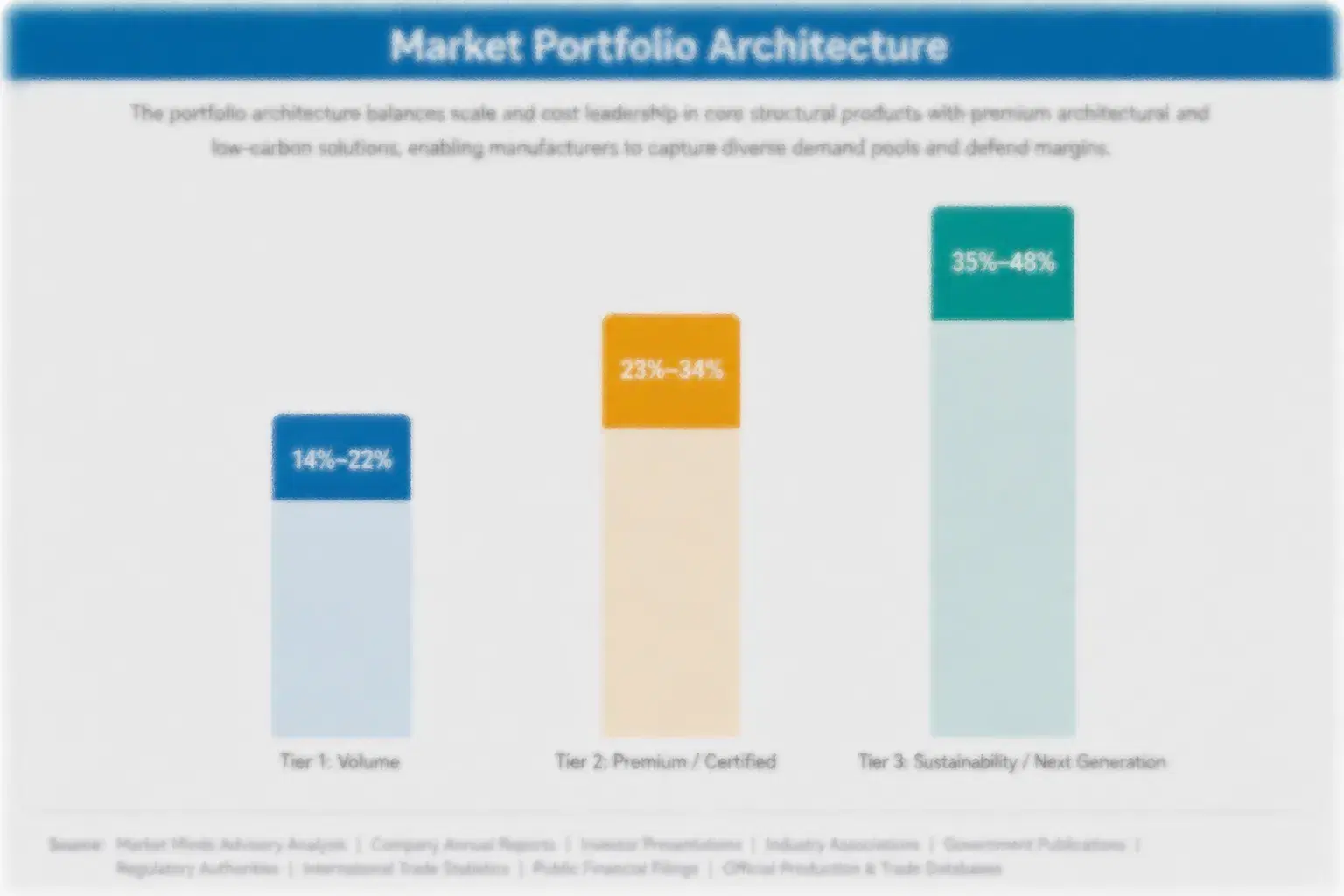
Margins run from moderate returns on standard curing and inert atmosphere ovens to strong returns on vacuum and clean room systems sold with documented certification depth. Three tiers separate volume products, premium certified products and next-generation solutions, and each draws on different testing capability and manufacturer trust in a moderately concentrated market. Margin gaps between tiers run to 17 points, with certified vacuum systems sitting at the top of that range.
The tension between volume and premium is sharp. Standard curing and inert atmosphere ovens fill fleet volume at moderate prices and face heating element cost swings, while vacuum and clean room systems earn higher margins on smaller volumes and depend on certification proof, testing investment and manufacturer trust. Vendors running only standard oven volume suffer when heating element costs rise together and cannot easily pass through increases.

High-value pools concentrate in vacuum precision ovens and in clean room compatible ovens sold through documented certification and testing programmes to manufacturers chasing temperature-uniformity performance beyond baseline standard capability. They gather where buyers pay for verified testing depth and certification status, not volume alone. Forced convection precision ovens add a further specialty pool worth watching closely.

Volume / Commodity-Adjacent

Standard forced convection ovens and basic inert atmosphere ovens sold on cost per unit through established distributor and direct vendor contracts. Buyers focus on cost and proven reliability, and differentiation is limited by shared manufacturing processes across suppliers today.
Gross Margin: 19%-23%

Premium / Certified

High-temperature industrial curing ovens with documented temperature-uniformity testing data sold through distributor tier-one relationships. Buyers value proof of quality consistency and reliable supply, and contracts run for multi-year manufacturer terms. Vendors compete mainly on proven testing depth.
Gross Margin: 23%-29%

Sustainability / Regulatory / Next-Generation

Vacuum precision ovens and clean room compatible ovens sold to manufacturers demanding documented temperature-uniformity performance and certification testing depth. Sales depend on trial proof and certification depth, and vendors must show reliable production consistency.
Gross Margin: 28%-36%
industrial-precision-oven-market-portfolio-architecture-1790732917556

High-value Sub-segments and Strategic Watch-out

Vacuum Precision Ovens

Vacuum precision ovens combine the fastest growth with the strongest pricing, since manufacturers accept gross margins of 28% to 36% for documented moisture control with proven certification consistency. Temperature-uniformity engineering depth forms the entry barrier for entrants, and testing cost keeps most smaller vendors out entirely.

Clean Room Compatible Ovens

Clean room compatible ovens deliver solid growth with premium pricing, since manufacturers support gross margins of 25% to 32% for documented contamination-control and reliability data. Testing scale and distributor access limit competition, though adoption varies by manufacturer tier across served markets overall today today overall.

Forced Convection Precision Ovens

Standard forced convection precision ovens form the volume core, with value growing at a modest pace as the category matures gradually across the global electronics base. Manufacturing cost, consistency and price competition decide profit across the mainstream segment overall, leaving thin margins for undifferentiated producers.

Inert Atmosphere/Gas Purge Ovens

Inert atmosphere and gas purge ovens form the strategic watch-out, since growth trails the leaders, vacuum segment consolidation pressure increasingly compresses baseline volume and generic vendor entry adds persistent margin risk over time. Vendors must differentiate on niche durability or accept shrinking share as buyers migrate to vacuum alternatives.

Why Certification Trust Locks Renewal

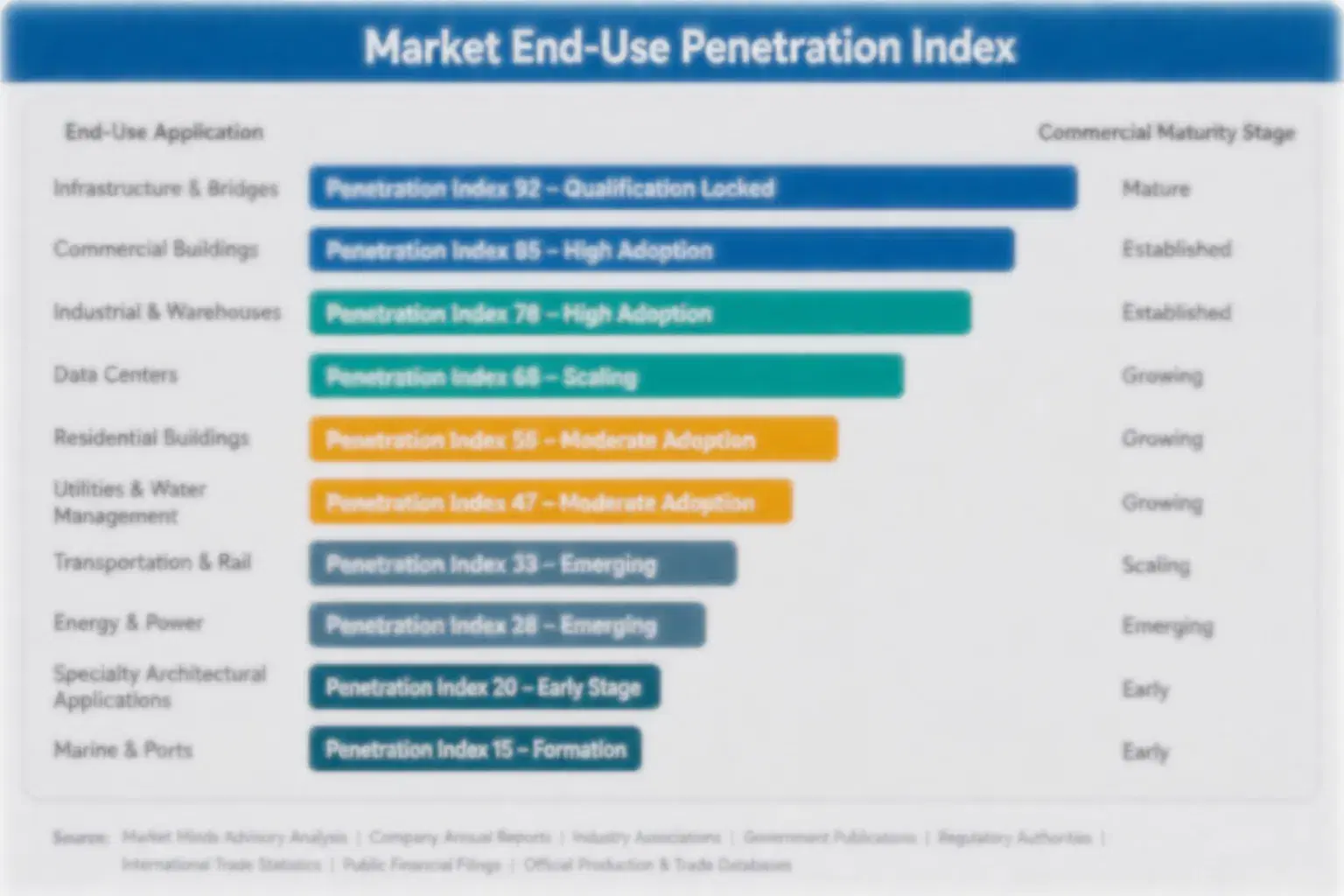
Oven demand behaves like an annuity attached to every manufacturer's full process validation qualification cycle, reinforced by the certification ceiling that temperature-uniformity testing imposes on switching vendors mid-programme regardless of cost pressure. Once a manufacturer certifies a vendor's temperature-uniformity reliability, purchases repeat across the entire process lifecycle.
Adoption stickiness differs by end-use vertical. Large-scale semiconductor and pharmaceutical programmes running documented certified vacuum or clean room systems are the deepest, since the purchase is grounded in both certification depth and yield economics. Mid-market industrial and research upgrades are moderately sticky, driven by cost competitiveness and periodic budget review. Legacy or convection-only manufacturer programmes without long-term commitment are more fluid, adopting the cheapest available option only as budgets allow. That pattern holds across most comparable manufacturer programmes reviewed this year.

Buyer profiles are shifting across generations of global electronics process decision-makers. Older process engineers relied on proven convection designs exclusively and simple cost comparison, while younger engineers increasingly research uniformity data, demand certification transparency and adopt vacuum-grade design preferences. Vendors that publish clear testing data win these newer buyers consistently across the oven procurement channel. Vendors that document this consistently win renewal decisions over less-prepared rivals.
industrial-precision-oven-market-end-use-penetration-index-1790732917882

MMA Verdict: Precision Oven Strategy

These are among the four positions where our research anticipates prominent divergence between winners and laggards over the coming forecast period. Each is grounded in the demand model, the regulatory perimeter, and the announced capacity pipeline.
01 / TEMPERATURE-UNIFORMITY ENGINEERING STRATEGY

Invest in Vacuum Before Rivals Capture Demand

Semiconductor and pharmaceutical buyers want documented sustained temperature-uniformity reliability across every process load variant, and vendors that invest in temperature-uniformity and vacuum engineering and testing capacity win contracts worth 17% to 22% of revenue at gross margins of 28% to 36%. Vendors should invest $700,000 to $1.9 million, validate temperature-uniformity and durability data and secure manufacturer certification alignment across every application class served. Those that delay will lose category momentum over the next two years, while early movers hold higher prices and durably stronger margins across every renewal.
02 / CYCLE-TIME TESTING STRATEGY

Build Testing Before Rivals Own Manufacturer Trust

Process engineers want documented performance repeatability across every contested process load scenario, and vendors that build temperature-uniformity and cycle-time-testing capability spanning multiple oven generations win contracts worth 7% to 10% of revenue at gross margins of 25% to 32%. Vendors should invest $420,000 to $1.2 million, document application-specific uniformity performance and publish validation success rates thoroughly across every cycle. Those that delay will lose shelf space and manufacturer trust over the next two years, while early movers hold much stronger relationships and durably better margins.
03 / HEATING ELEMENT SOURCING STRATEGY

Diversify Sourcing Before Supply Swings Erode Margins

Heating element, insulation and control electronics component cost makes up about 36% of cost, and vendors that expand diversified heating element sourcing capacity across multiple producing regions cut cost and supply swings by 3% to 6% and protect margins worth 2% to 5% of profit. Vendors should invest $190,000 to $580,000, qualify heating element supply pools and test alternative sourcing configurations across import lines. Those that delay will pay rising input bills and lose pricing power over the next two years, while early movers hold durably lower costs.
04 / DISTRIBUTION SUPPORT STRATEGY

Expand Reach Before Rivals Capture Manufacturer Volume

Distributors and manufacturer procurement departments want reliable oven supply, and vendors that expand application engineering and demonstration support across the global electronics and pharmaceutical base win contracts worth 4% to 8% of revenue at gross margins of 22% to 29%. Vendors should invest $140,000 to $420,000, validate application and uniformity data and test cycle-time performance extensively across every project. Those that delay will lose shelf space and distributor trust steadily over the next two years, while early movers hold stronger relationships and better margins across every renewal.

Engagement Snapshot From the Field

A live engagement with an industry participant carrying material or product regulatory and market exposure ahead of a defining policy shift, showing how our research translates into a defensible multi-year portfolio strategy.
MARKET MINDS ADVISORY · CLIENT ENGAGEMENT SUMMARY
Industrial Precision Oven Producer Strategic Portfolio Review and Transition Roadmap 2026·Investment Scenario on Industrial Precision Oven Exposure Evaluation 2025-26
CLIENT PROFILE
The client is a regional battery cell manufacturer operating across roughly six production plants within East Asia (client-reported, unverified by MMA), migrating its full drying fleet to certified vacuum standard ahead of a major moisture-control compliance audit planned for the next operating year and beyond, as production capacity keeps expanding across its portfolio today today.
STRATEGIC CHALLENGE
The manufacturer needed certified vacuum oven deployment across three production plants within a twelve-month window (client-reported, unverified by MMA), existing vendor capacity remained limited to pilot volume only, and manufacturer leadership had to decide whether to qualify a second vendor or delay conversion until additional units became widely and reliably available across every plant.
MMA APPROACH
MMA analysed oven economics and vendor qualification trade-offs across three distinct scenarios, interviewed five electronics process engineers and competing oven vendors, and modelled cost and timeline trade-offs between dual-sourcing and single-vendor scaling over a twelve-month planning horizon. Findings were benchmarked against two comparable conversion programmes completed within the prior two years.
KEY FINDINGS
  1. Dual-sourcing certified vacuum ovens from two qualified vendors would reach full plant readiness within the stated twelve-month timeline, per the detailed assessment conducted this quarter.
  2. Two competing vendors offered dedicated conversion support matched closely to the manufacturer's plant mix and deployment timeline, per the detailed engagement review.
  3. Achieving full deployment before the moisture-control compliance audit would require a phased approach spanning three separate production plants simultaneously (client-reported, unverified by MMA).
  4. The incumbent vendor expressed clear willingness to accelerate its own conversion capacity once dual-sourcing formally began, per the detailed documented engagement finding.
CLIENT PROFILE
The client is a regional battery cell manufacturer operating across roughly six production plants within East Asia (client-reported, unverified by MMA), migrating its full drying fleet to certified vacuum standard ahead of a major moisture-control compliance audit planned for the next operating year and beyond, as production capacity keeps expanding across its portfolio today today.
STRATEGIC CHALLENGE
The manufacturer needed certified vacuum oven deployment across three production plants within a twelve-month window (client-reported, unverified by MMA), existing vendor capacity remained limited to pilot volume only, and manufacturer leadership had to decide whether to qualify a second vendor or delay conversion until additional units became widely and reliably available across every plant.
MMA APPROACH
MMA analysed oven economics and vendor qualification trade-offs across three distinct scenarios, interviewed five electronics process engineers and competing oven vendors, and modelled cost and timeline trade-offs between dual-sourcing and single-vendor scaling over a twelve-month planning horizon. Findings were benchmarked against two comparable conversion programmes completed within the prior two years.
KEY FINDINGS
  1. Dual-sourcing certified vacuum ovens from two qualified vendors would reach full plant readiness within the stated twelve-month timeline, per the detailed assessment conducted this quarter.
  2. Two competing vendors offered dedicated conversion support matched closely to the manufacturer's plant mix and deployment timeline, per the detailed engagement review.
  3. Achieving full deployment before the moisture-control compliance audit would require a phased approach spanning three separate production plants simultaneously (client-reported, unverified by MMA).
  4. The incumbent vendor expressed clear willingness to accelerate its own conversion capacity once dual-sourcing formally began, per the detailed documented engagement finding.
RECOMMENDED STRATEGY
Phase 1: Phase 1 (Months 1-4): Secure second vendor commitment through a documented conversion investment plan and formal contract review, agreed within the first quarter. Phase 2: Phase 2 (Months 5-10): Complete parallel certified oven deployment testing across all three production plants, tracking performance metrics against baseline targets. Phase 3: Phase 3 (Months 11-12): Ramp plant coverage fully and document conversion performance results against original audit targets, finalizing a formal report for manufacturer sign-off.
OUTCOME
Within twelve months, the manufacturer secured full deployment and avoided moisture-control compliance audit delays entirely (client-reported, unverified by MMA). Leadership credited the dual-sourcing approach with managing supply risk while meeting the manufacturer's aggressive conversion timeline and budget, and plans to apply the same model to its next fleet renewal cycle.

Frequently Asked Questions

Foundational context covering the market sizes, CAGR, scope, country, region and competition that inform every finding below. This section is provided to cover basics and most often pre-purchase conversations, answered from the MMA Primary Research Dataset.

What is the current size of the industrial precision oven market?

The industrial precision oven market was valued at $1.15 billion in 2025 on a manufacturer and distribution revenue basis. Growth comes from semiconductor fab capacity demand, battery production priorities and temperature-uniformity engineering sophistication.

How large will the market be by 2036?

The market is projected to reach $2.40 billion by 2036, up from $1.23 billion in 2026. The increase of $1.17 billion reflects vacuum and clean room adoption.

What is the CAGR for the market 2026 to 2036?

The market is forecast to grow at a 6.9% CAGR from 2026 to 2036. The bull case reaches 8.2% and the bear case 5.6%, depending on semiconductor fab capacity investment pace and convection oven retention trends.

Which segment is growing fastest?

Vacuum Precision Ovens is the fastest-growing segment at 9.66% CAGR, roughly 1.40 times the overall market rate. Clean Room Compatible Ovens follows at 8.28% CAGR, about 1.20 times the overall rate.

Who are the major companies in the market?

Major companies include Thermo Fisher Scientific Inc, Binder GmbH, Memmert GmbH and Co KG, Despatch Industries and Yamato Scientific Co Ltd. Carbolite Gero Ltd, Heraeus Holding GmbH and Grieve Corporation round out the vendor group.

Which country is growing fastest?

Within the broader supplier base, South Asia and Pacific composite growth reaches about 8.9% CAGR, because expanding Indian pharmaceutical and electronics manufacturing investment keep driving demand higher.

Report Segmentation Architecture

The full report scope spans multiple orthogonal segmentation dimensions, with cross-tabulated demand data provided for each dimension pair. Coverage extends further to regional breakdowns, trend trajectories, and the competitive detail needed to support segment-level decision-making.

By Primary Market Dimension

  • Forced Convection Precision Ovens
  • Vacuum Precision Ovens
  • Inert Atmosphere/Gas Purge Ovens
  • Clean Room Compatible Ovens
  • High-Temperature Curing Ovens
  • Calibration and Validation Services

By End-Use Industry

  • Semiconductor and Electronics Manufacturing
  • Pharmaceutical and Biotechnology
  • Aerospace and Defense
  • Battery and Energy Storage Manufacturing

By Commercial Dimension

  • Direct Manufacturer Procurement
  • Distributor Channel Sales
  • Long-Term Service Contracts
  • Government Regulatory Compliance Contracts

By Region

  • North America
  • Western Europe
  • East Asia
  • South Asia and Pacific
  • Latin America
  • Middle East and Africa
  • Eastern Europe

Scope, Methodology, and Coverage

Every figure in this report is reproducible from documented input assumptions. The scope below maps the historical period, the forecast horizon, the segmentation dimensions, and the countries covered, alongside the underlying primary and qualitative methodology.
Historical Period
2020 to 2025
Forecast Period
2026 to 2036
Base Year
2025 (USD billions; MMA Primary Research Dataset, September 2026)
Market Definition
The market covers controlled-temperature industrial and laboratory oven equipment used for curing, drying and process applications in electronics, pharmaceutical and aerospace manufacturing, including forced convection precision ovens, vacuum precision ovens, inert atmosphere and gas purge ovens, clean room compatible ovens, high-temperature industrial curing ovens, and oven calibration and validation service. It excludes high-temperature industrial furnaces used for metal melting, consumer kitchen ovens, and sterilization autoclaves, which fall under separate dedicated reports.
Quantitative Units
USD billions (manufacturer and distribution revenue); unit shipment counts for volume references
Segmentation Dimensions
By Chamber Technology; By End-Use Industry; By Commercial Dimension; By Region
Regions Covered
North America, Western Europe, East Asia, South Asia and Pacific, Latin America, Middle East and Africa, Eastern Europe
Countries Covered
Global, with detailed coverage of Taiwan, United States, Germany, China, and 15 additional markets
Key Companies Profiled
Thermo Fisher Scientific Inc, Binder GmbH, Memmert GmbH and Co KG, Despatch Industries, Yamato Scientific Co Ltd, Carbolite Gero Ltd, Heraeus Holding GmbH, Grieve Corporation, Thermal Product Solutions, Gruenberg, ESPEC Corp, Weiss Technik, Vötsch Industrietechnik GmbH, JEIO Tech Co Ltd, PHC Holdings Corporation, Across International, Thermcraft Incorporated, Lenton Furnaces and Ovens Ltd, Nabertherm GmbH, Yield Engineering Systems Inc
Quantitative Methodology
Primary survey, n=3,800 respondents, Q4 2025, six countries; demand-side model with trade association cross-validation
Qualitative Methodology
47 expert interviews, Q4 2025; applied to validate demand model assumptions, identify emerging dynamics, and assess competitive positioning
Report Format
PDF and XLSX data workbook (Word format preview document)
Publisher
Market Minds Advisory
Report Code
MMA-2026-TEC-170
Published
September 2026
Contact
sales@marketmindsadvisory.com | www.marketmindsadvisory.com

Purchase the full Industrial Precision Oven Market Report (2026 to 2036).

The full report delivers a detailed assessment of the global industrial precision oven market through 2036, covering chamber technology, end-use industry, and manufacturer-level forecasts, competitive benchmarking of leading precision manufacturing primes and diversified regional specialists, and detailed input cost analysis. It combines MMA primary research, including a six-country survey of 3,800 respondents and 47 expert interviews, with public statistical and company data. A dedicated chapter benchmarks temperature-uniformity engineering investment against realistic payback timelines for both diversified and specialist vendors. Manufacturer appendices detail region-specific certification requirements for buyers.
Ten-year product and manufacturer-level demand forecasts
Heating Element Sourcing Cost Tracker today.
Competitive benchmarking of leading vendors today
Oven certification and temperature-uniformity testing tracker
Global regional comparative analysis across major electronics hubs
Quarterly primary survey data update access

Built For The People Who Decide

From boardroom strategy to bench-side execution, this report is read cover-to-cover by leaders shaping the next decade of their industry, turning demand scenarios, market dynamics and valuation benchmarks into decisions.
CXOs/ Presidents/ VPs/ Managers
M&A and Corporate Development
Strategy Teams and R&D Heads
Procurement and Product Directors
Regulatory and Compliance Leaders
Investor Relations and Equity Analysts