
Market Minds Advisory
Molded Fiber Pulp Packaging Industry Analysis in Australia and New Zealand

Australia and New Zealand Molded Fiber Pulp Packaging Market 2026-2036

Australian and New Zealand retailers are accelerating molded fiber pulp packaging adoption as national packaging targets push the region ahead of most global peers on compostable substitution and compliance readiness.

Lead Analyst

Bilal Shaikh

Published

November 2026

Make Smarter Decisions with Customized Research Insights

Request a free sample report and evaluate market opportunities, growth trends, and competitive dynamics relevant to your business needs.

2025 MARKET VALUE$7.2BMarket Size 2025
2036 FORECAST VALUE$13.4BBase Case , 2026 to 2036
CAGR 2026 TO 20365.8 %Bull 7.1% / Bear 4.5%
INCREMENTAL OPPORTUNITY$5.8BNet 10- year value creation
EXPANSION MULTIPLE1.76x2036 value over 2026 base
Strategic Levers
M&A Pipeline
Regional Outlook
Country Rankings
Competitive Intelligence
Segmental Deep-dive
Call-Us : 91 93563 13602

ANZ Molded Fiber Pulp Packaging Market Outlook

Molded fiber pulp packaging is consolidating from a small food-service specialty into a default retail packaging material, with Australia and New Zealand emerging as the clearest regulatory bellwether for where the rest of the global industry is heading next across most packaging categories and markets worldwide and beyond.
Three forces are converging: national packaging targets that now mandate recyclable or compostable packaging across most major retail categories, e-commerce brands standardizing on molded fiber protective formats across entire product lines, and converters closing the cost gap that long confined molded fiber to low-value, high-volume applications only. E-commerce and protective packaging is the fastest-growing of six tracked end-use segments in this category.
Competitively, diversified global fiber packaging producers with deep converter distribution networks are defending share against regional specialists, including several Australian and New Zealand producers that built early scale under some of the world's most advanced packaging regulation, often retailer by retailer and contract by contract. Regulatory convergence across major retail markets, combined with continued cost-reduction innovation, keeps pulling packaging specification toward molded fiber faster than voluntary brand preference alone would have achieved on its own.
Market Definition
The molded fiber pulp packaging market covers packaging products manufactured from wet- and dry-molded cellulose pulp across food service, retail, e-commerce, and industrial applications, with this edition applying a regulatory and competitive lens focused on the Australian and New Zealand industry. It excludes non-fiber molded materials such as expanded plastic foam and rigid plastic trays.
Base Year Value
$7.2B in 2025 (MMA Primary Research Dataset, October 2026)
Forecast Period
2026 to 2036, eleven discrete annual values
CAGR
5.8% base case. Bull 7.1%. Bear 4.5%.
Fastest Growth Segment
E-Commerce and Protective Packaging: 9.4% CAGR
Fastest Growth Country
Australia: 8.6% CAGR
Fastest Growth Region
South Asia and Pacific: 7.9% CAGR
Largest Region
East Asia: 27% of 2025 global value
Market Leaders
Huhtamaki Oyj, Brodrene Hartmann A/S, Orora Limited, Detmold Group, UFP Technologies Inc. Source: MMA Analysis based on company annual reports.
Primary Survey
n=3,800 procurement and R&D decision-makers, Q4 2025, six countries
Methodology
Demand-side build-up, cross-validated against public data, 47 expert interviews

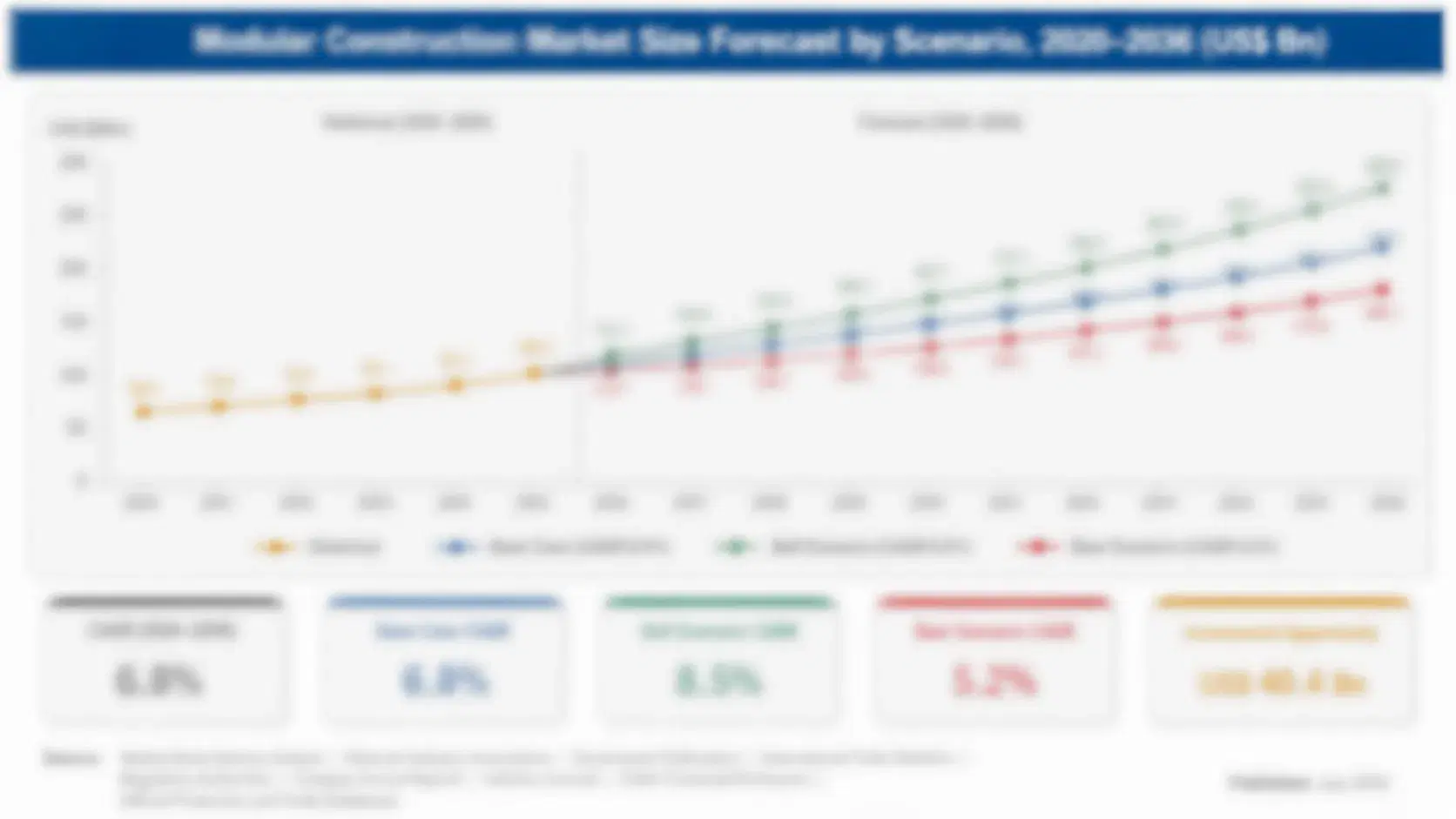
ANZ Molded Fiber Pulp Packaging Revenue Scenarios

australia-and-new-zealand-molded-fiber-pulp-packag-size-forecast-scenario-1791578421253
Between 2020 and 2025, molded fiber pulp packaging grew steadily as regulation-forward markets, led by Australia's national packaging targets, converted flagship retail and food service categories, while most markets elsewhere continued relying on conventional plastic trays given unresolved cost gaps across most packaging categories tracked worldwide throughout this entire five-year period of gradual, uneven transition.
The base case assumes three mechanisms hold through 2036: national packaging targets keep extending into additional retail categories across more jurisdictions, e-commerce brands keep broadening molded fiber specification beyond pilot categories into their full protective packaging portfolio, and converters keep closing the remaining cost gap with conventional plastic trays. Together these push molded fiber pulp packaging from a food-service specialty into the default retail packaging specification within the forecast window ahead across most major markets.
The bull case assumes a major Australian or New Zealand retail group mandates molded fiber packaging across its entire private-label portfolio within twelve months, pulling conversion volume sharply higher across peer retailers globally. The bear case assumes conventional plastic recycling infrastructure improves faster than expected, giving retailers a lower-cost compliance path that competes directly with molded fiber conversion on landed cost.

Why Australia and New Zealand Lead the Next Wave

Molded fiber pulp packaging sits at the intersection of three converging forces: national packaging targets that now mandate recyclable or compostable packaging across most major retail categories, e-commerce brands standardizing molded fiber protective formats across entire product lines, and converters closing the cost gap that long confined molded fiber to low-value applications only. Australia's national packaging targets are pushing retailers toward molded fiber specification ahead of most international peers. A closely related view comes from the Japan bagasse tableware products market, which MMA projects to grow at a 6.4% CAGR to USD 420 million by 2036.
TOP PRODUCING COUNTRY SHARE23%China anchors the largest share of qualified molded fiber production
MARKET CONCENTRATION (CR5)26%Leading five producers hold roughly a quarter of total share
AVERAGE SELLING PRICE PREMIUM14% above expanded foamMolded fiber pulp packaging prices modestly above foam equivalents
CAPACITY UTILIZATION75%Qualified molded fiber pulp production lines run near full capacity
FEEDSTOCK SHARE OF COGS43% of totalRecycled and virgin pulp inputs dominate molded fiber cost structures
TRADE INTENSITY41% cross-borderOver two-fifths of finished molded fiber crosses borders before sale
Commercially, this remains a fragmented market rather than a concentrated one, since molded fiber manufacturing spans both wet- and dry-forming processes that compete for the same retail specifications. Diversified global producers compete for converter contracts spanning multiple end-use tiers, while regional specialists supply formats tailored to local requirements. Average selling prices sit modestly above expanded foam equivalents, though national packaging targets are narrowing that landed-cost gap steadily nationwide.
Over the next decade, expect molded fiber pulp packaging to become the default specification across most retail and food service categories rather than a differentiated premium choice confined to regulation-forward markets. Regulatory convergence across major packaging markets will likely accelerate this shift faster than voluntary brand preference alone would drive it, with Australia and New Zealand continuing to set an early template.
"Most countries are still arguing about whether compostable packaging targets should be voluntary, while Australia already set hard national dates years ago, and that single difference explains most of what makes the ANZ market worth watching closely."
Director, Sustainable Packaging and Bioplastic Films Practice · MMA Sustainable Packaging & Bioplastic Films Practice · October 2026

ANZ Molded Fiber Pulp Packaging Market Trends

E-Commerce Brands Standardize Molded Fiber Protective Formats

Major e-commerce brands have begun standardizing on a single molded fiber protective packaging platform across their entire product catalog rather than converting category by category, since platform standardization simplifies both procurement and fulfillment-center packing line qualification across thousands of individual stock-keeping units. This is pulling converters that previously supplied only category-specific formats into direct multi-category platform development, since brand contracts increasingly specify one molded fiber structure across varied product dimensions. Brands that completed this standardization are citing simplified sustainability reporting directly in their disclosures, pushing peer brands toward similar platform-wide commitments nationwide.
Market Impact: Covers packaging SKUs worth $410M
Australian Packaging Targets Set Global Compliance Template

Australia's national packaging targets, covering recyclability, compostability, and problematic plastic phase-out across most packaging categories, have become a reference template that regulators in other markets increasingly study when drafting their own packaging frameworks. This is accelerating molded fiber conversion decisions across Australian and New Zealand retailers well ahead of the pace most international peers are moving at, since local retailers face binding compliance deadlines that most other markets have not yet legislated. Converters who completed qualification earliest under this framework are capturing the bulk of new retail supply contracts as other markets move toward similar frameworks.
Market Impact: Covers 8,400+ e-commerce packaging contracts

ANZ Molded Fiber Pulp Packaging Supplier Priorities

National Packaging Targets Extend Across Retail Categories

Australia's national packaging targets have extended binding recyclability and compostability requirements across most major retail packaging categories, pulling conversion volume forward well ahead of the pace voluntary brand sustainability commitments alone would have driven across the broader molded fiber category. This is forcing retailers and converters serving this market to qualify molded fiber formulations across dozens of product categories simultaneously rather than one category at a time, compressing a transition that otherwise would have unfolded over many additional years industry-wide. Converters who completed qualification earliest are capturing favorable supplier pricing as additional jurisdictions extend similar targets.
Market Impact: Costs 14% more than conventional plastic

E-Commerce Growth Pulls Protective Packaging Demand

Rapid e-commerce growth across Australia and New Zealand has pulled molded fiber protective packaging demand well ahead of the pace brick-and-mortar retail alone would have driven, as online retailers increasingly specify compostable protective formats to meet both regulatory requirements and consumer expectations simultaneously across most categories. This is forcing fulfillment-center packaging suppliers to qualify molded fiber formulations across their full product range rather than piloting a handful of flagship categories. Suppliers who completed qualification earliest are capturing the bulk of new multi-year supply agreements as e-commerce volume continues expanding broadly nationwide.
Market Impact: Imports supply 34% of pulp feedstock

ANZ Molded Fiber Pulp Packaging Growth Barriers

Production Costs Still Trail Conventional Plastic Trays

Molded fiber pulp packaging production costs remain moderately above conventional plastic tray costs across most formats, since pulp inputs and molding equipment cost more than commodity plastic production at current scale. The underlying cause is scale: molded fiber production volumes in Australia and New Zealand remain a small fraction of global plastic tray output, so local producers have not yet achieved the economies of scale that make conventional plastic so inexpensive to produce today. This limits molded fiber adoption to premium and mid-tier retailers rather than value-tier categories. Producers are mitigating this by scaling capacity to capture comparable economies. Measured on its own, the molded fiber trays market is valued by MMA at USD 3.8 billion in 2025, heading to USD 8.33 billion by 2036.
Market Impact: Covers 21,000+ product line SKUs

Local Pulp Supply Still Trails Domestic Demand Growth

Australian and New Zealand molded fiber producers still rely partly on imported pulp feedstock to meet rapidly growing domestic demand, particularly for higher-grade virgin pulp used in food-contact applications where recycled content faces stricter contamination limits. The underlying cause is domestic capacity: local pulp and paper mills have not scaled fast enough to match packaging demand growth, leaving converters exposed to import costs and shipping delays that domestic suppliers would not face. Producers are mitigating this by securing long-term import contracts and investing in expanded local recycling infrastructure to reduce import dependence over time.
Market Impact: Covers packaging categories worth $380M nationally
3 additional market trends, 3 additional growth drivers, and 2 additional restraints and challenges are covered in the full report. Contact sales@marketmindsadvisory.com to access the complete intelligence.

ANZ Molded Fiber Pulp Packaging Growth by Segment

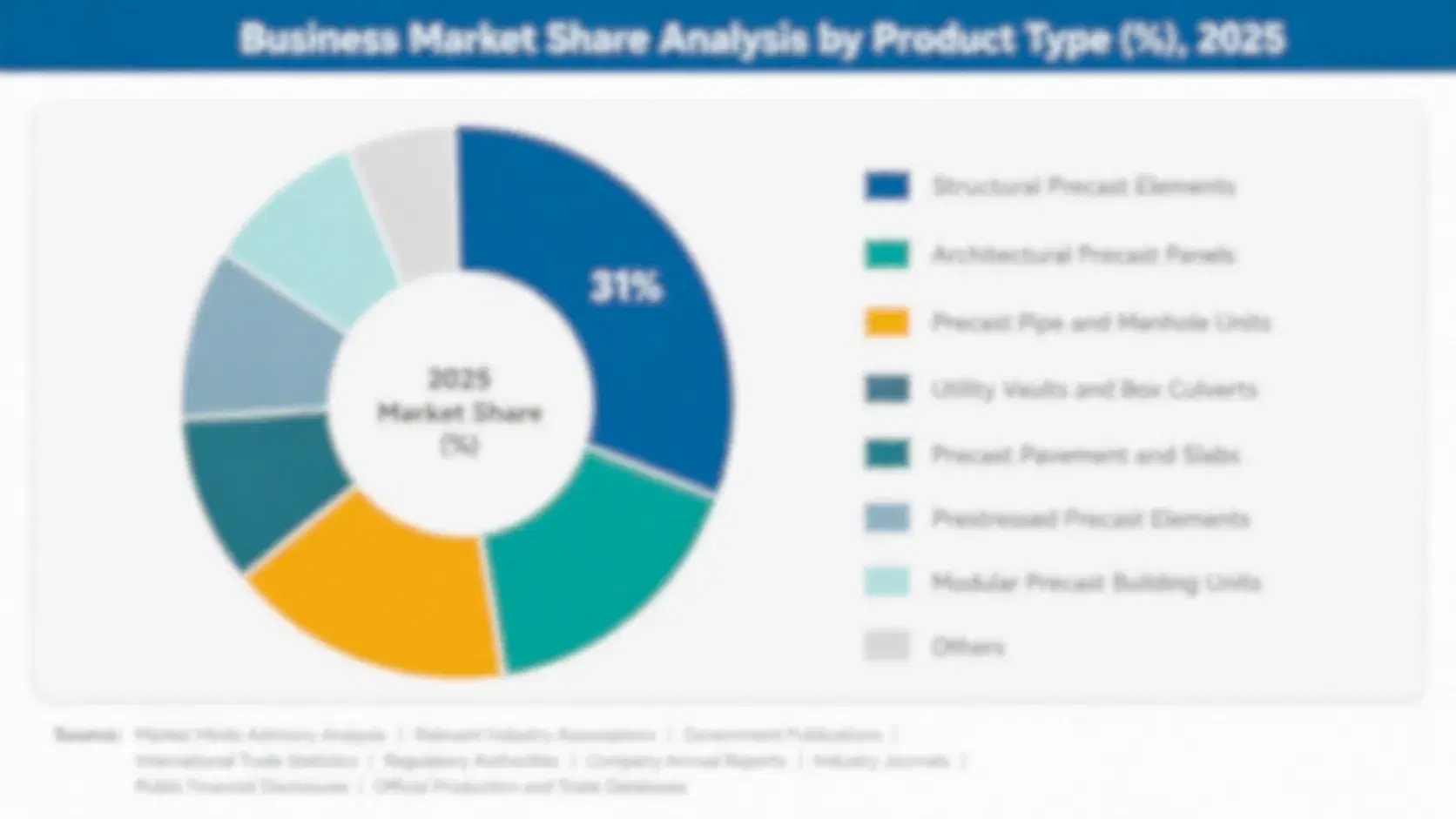
MMA segments the molded fiber pulp packaging market by end-use application rather than by manufacturing process, since both wet- and dry-molding methods increasingly serve the same retail and food service specifications once a converter qualifies the underlying format and secures retailer brand approval. Six end-use applications are tracked in total across this entire category.
australia-and-new-zealand-molded-fiber-pulp-packag-market-share-analysis-1791578421431

E-Commerce and Protective Packaging

E-commerce and protective packaging covers molded fiber structures engineered to cushion and protect products during shipping and fulfillment, replacing expanded plastic foam and air-pillow formats across most parcel categories tracked nationwide. Demand concentrates among online retailers seeking certified-compostable protective formats that meet both national packaging targets and consumer sustainability expectations simultaneously across most jurisdictions studied. Growth runs well ahead of every other tracked application as e-commerce volume continues expanding rapidly across Australia and New Zealand specifically, alongside most other major global retail markets tracked closely. Converters with proven fulfillment-center qualification are capturing the bulk of new multi-year supply agreements nationwide and abroad as adoption accelerates steadily each year across formats.
CAGR 9.4%

Food Service and Takeaway Packaging

Food service and takeaway packaging covers molded fiber trays, clamshells, and bowls used across quick-service restaurants, cafes, and food delivery platforms, replacing expanded plastic foam containers that face increasing restriction across most major retail markets tracked worldwide today and historically. Demand concentrates among food service operators seeking certified-compostable formats that meet both national packaging targets and delivery-platform sustainability requirements simultaneously across most jurisdictions tracked closely. Growth trails e-commerce and protective packaging only moderately, reflecting both strong regulatory pressure and continued capacity expansion that is lowering per-unit costs steadily across most participating producers nationwide. Converters with proven food-service qualification are winning the largest multi-year supply agreements as adoption accelerates nationwide and abroad. MMA tracks this demand in the molded fiber bowl market, which it projects to grow at 7.8% a year through 2036.
CAGR 7.8%
Full segment breakdown across 6 segments available in the complete report.

ANZ Molded Fiber Pulp Packaging Demand by Region

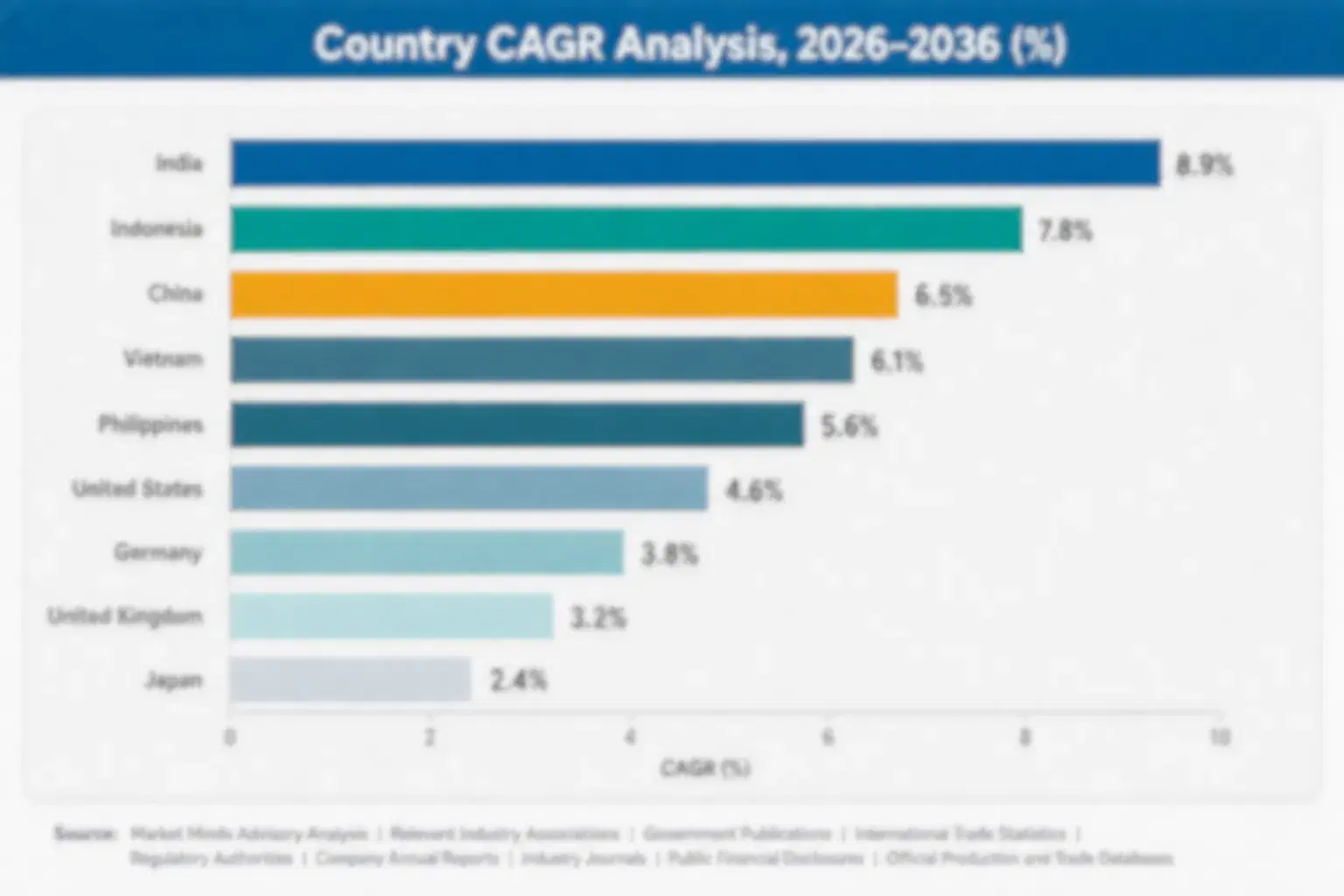
East Asia leads on combined manufacturing scale, while South Asia and Pacific, anchored overwhelmingly by Australia and New Zealand's advanced packaging regulation, is the fastest-growing region and this report's primary analytical focus throughout, reflecting both countries' binding national compliance targets and firm legislated timelines ahead.

North America

The United States drives the large majority of North American demand, reflecting both the largest retail and food service packaging market globally and an expanding patchwork of state-level plastic restrictions that increasingly extend specifically to molded fiber substitution nationwide. Major retail chains headquartered in the US are standardizing molded fiber specifications directly in supplier contracts, pulling converter qualification forward faster than voluntary brand preference alone would have achieved across most packaging categories tracked. Canada's contribution is smaller but growing through its own federal plastics regulations, generally following specifications closely aligned with US requirements given integrated cross-border packaging supply chains. Converters with proven molded fiber capability are winning the bulk of new contracts across this market today.
Share: 24% | CAGR: 6.2% (2026 to 2036)

Western Europe

Regulation defines Western Europe's position in this market more directly than pure packaging volume growth does elsewhere. The European Union's packaging and packaging waste regulation increasingly discourages expanded plastic foam and favors fiber-based alternatives across member states, giving the region a comprehensive compliance framework ahead of a 2030 deadline. Germany and France host the largest concentration of molded fiber converting capacity managing this transition, while the United Kingdom's separate post-Brexit framework adds a further specification layer for cross-channel suppliers and their domestic distributors across several categories. Growth here trails East Asia and South Asia and Pacific because much of the initial compliance-driven conversion wave has already passed across the region's largest categories. The Japan bagasse tableware market is a natural companion read, sized by MMA at USD 0.2 billion in 2025 with 8.5% annual growth ahead.
Share: 21% | CAGR: 4.3% (2026 to 2036)
Regional intelligence for 5 additional markets available in the complete report: East Asia, South Asia and Pacific, Latin America, Middle East and Africa, Eastern Europe. Contact sales@marketmindsadvisory.com.
australia-and-new-zealand-molded-fiber-pulp-packag-country-cagr-analysis-1791578421614

Where Producers Can Capture Premium Margin

Producers compete on regulatory compliance capability and retailer co-development relationships more than on unit price alone, which opens several routes to margin above the category average today across most segments. The clearest paths run through compliance certification services, chain-wide qualification programmes, retailer co-development, and feedstock supply integration, each commanding a premium customers pay to simplify sourcing.

Build Dedicated National Compliance Certification Services

Producers that build dedicated compliance certification services helping retailers document conformance with national packaging targets capture contracts that generic suppliers cannot match, since certification documentation increasingly determines which suppliers retailers can legally continue using under binding compliance deadlines nationwide and across most jurisdictions tracked. This certification-based positioning typically generates margin roughly 21% above direct manufacturing alone, reflecting the specialized regulatory expertise required to navigate Australia's and New Zealand's distinct but overlapping packaging frameworks. Producers with proven certification capability are winning the largest multi-year retailer contracts as this approach continues spreading nationwide.
Market Impact: Generates certification margin 21% above direct output today

Build Dedicated Chain-Wide Retailer Qualification Programmes

Producers that build dedicated qualification programmes for chain-wide molded fiber transitions capture multi-year supply agreements covering dozens of product categories simultaneously, rather than competing for individual store listings one at a time against fragmented regional suppliers across the market each cycle and every season without fail or exception whatsoever. This programme-based positioning typically prices at a premium of roughly 15% over equivalent volume sold through fragmented channels, reflecting the value retailers place on a single supplier managing consistent qualification and compliance documentation across their full packaging range nationwide each year.
Market Impact: Prices programmes 15% above fragmented channel sales today

Co-Develop Protective Formats With E-Commerce Brands

Producers that co-develop molded fiber protective packaging specifications directly with e-commerce brands capture contracts seeking cost and sustainability combinations that neither party can deliver alone at comparable cost or performance today across most demanding protective categories and markets worldwide. This co-development approach typically prices at roughly 18% above standard molded fiber sold independently, reflecting the joint formulation investment and testing coordination required between two previously separate supplier relationships across the industry. Producers and brands who formalized this co-development earliest are winning the largest multi-year contracts as demand continues spreading nationwide.
Market Impact: Prices co-developed formats 18% above standard output today

Integrate Backward Into Recycled Pulp Supply

Larger producers that integrate backward into recycled pulp production, rather than purchasing feedstock from third-party paper processors, capture margin across both the feedstock and conversion stages while insulating themselves from commodity price volatility and import exposure that pure converters must pass through to customers directly each cycle without exception or delay. This vertically integrated positioning typically prices finished molded fiber at a premium of roughly 10% over equivalent volume made from purchased feedstock, reflecting the supply security and margin capture integrated producers achieve across their full value chain nationwide today.
Market Impact: Prices integrated output 10% above purchased-feedstock fiber today

Australia and New Zealand Molded Fiber Pulp Packaging Margin Pool

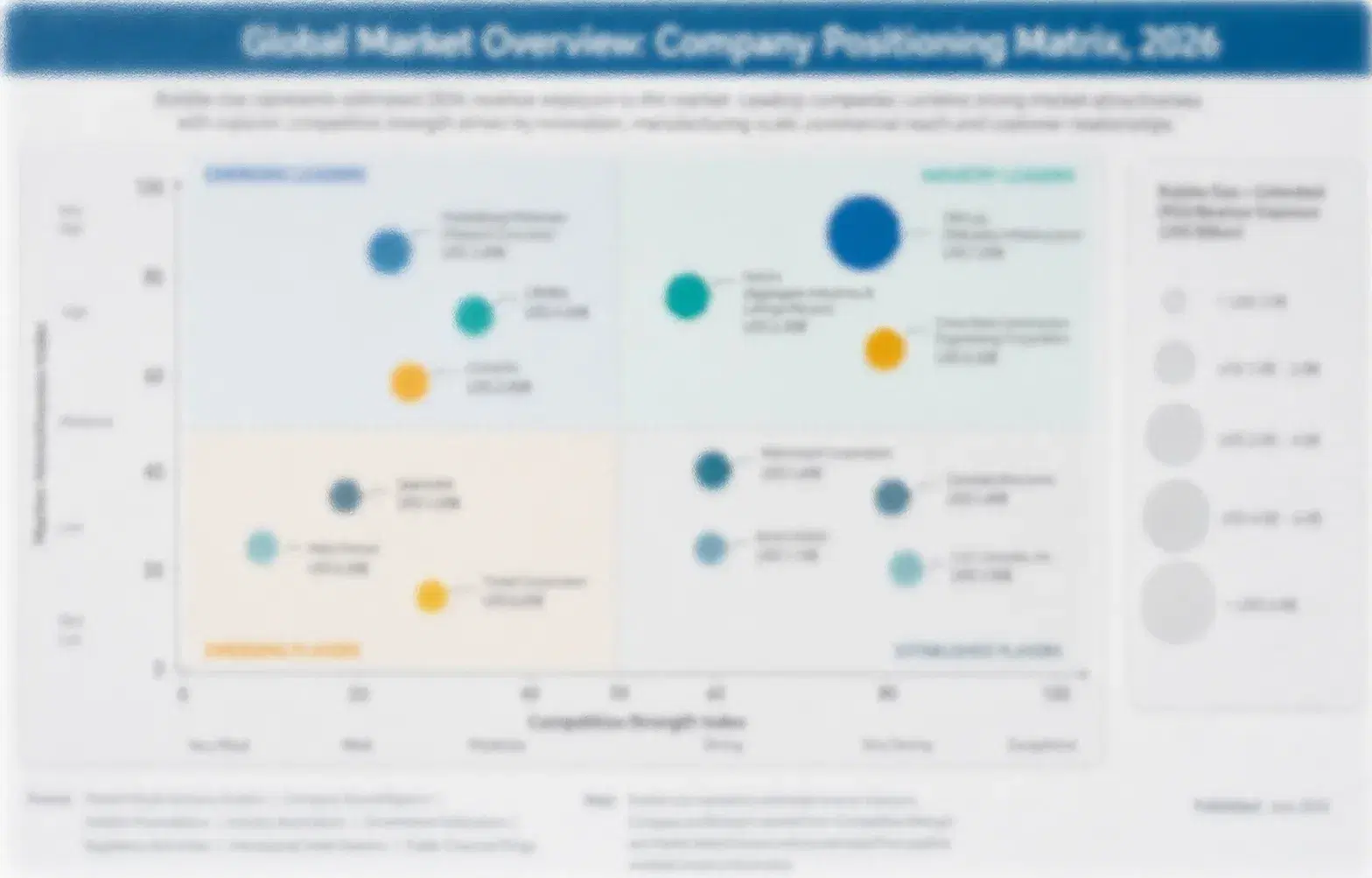
The competitive set spans global diversified producers and regional specialists. CR5 sits at 26%, with Huhtamaki Oyj and Brodrene Hartmann A/S holding leading positions as diversified global fiber packaging producers, while Orora Limited and Detmold Group anchor the Australian and New Zealand specialist tier. The gap between the leaders and the next tier is widening as compliance certification capability matters as much as manufacturing scale alone.
Current competitive activity centers on three fronts: compliance certification services that help retailers document conformance with national packaging targets, chain-wide qualification programmes that lock in multi-year retailer relationships, and backward integration into recycled pulp production that insulates producers from import exposure. Several regional specialists have also begun offering dedicated e-commerce brand co-development as a competitive differentiator rather than a generic commodity sale.

Emerging pressure comes from global diversified producers expanding into the Australian and New Zealand market directly, competing against regional specialists that built early scale under advanced local regulation. Expect consolidation over the next several years as these two competitive groups converge further, rather than either side building the core competency from scratch on a timeline neither can afford.
australia-and-new-zealand-molded-fiber-pulp-packag-company-positioning-matrix-1791578421795

ANZ Molded Fiber Pulp Packaging Competitive Moats

BRODRENE HARTMANN A/S

Moat: Dominant Global Egg Carton Scale

Hartmann operates one of the largest wet-molded fiber production platforms globally, concentrated heavily in egg carton and food tray manufacturing, giving it cost and supply scale advantages that smaller regional specialists competing on flexibility alone cannot easily replicate without comparable multi-decade production infrastructure and accumulated process expertise.
BRODRENE HARTMANN A/S

Risk: Narrow Category Concentration

Hartmann's business remains heavily concentrated in egg carton and food tray formats relative to diversified competitors expanding across e-commerce and industrial protective packaging simultaneously, exposing the business to category-specific demand shifts that more diversified rivals can absorb more easily across their broader portfolios and manufacturing footprints.
ORORA LIMITED

Moat: Vertically Integrated ANZ Network

Orora's vertically integrated Australian and New Zealand packaging network, spanning pulp sourcing, converting, and distribution, lets it supply standardized molded fiber packaging at scale to regional retailers from shared infrastructure that smaller specialists simply cannot match without comparable multi-site capital investment and years of accumulated expertise.
ORORA LIMITED

Risk: Geographic Concentration Risk

Orora's revenue remains heavily concentrated in Australia and New Zealand relative to globally diversified competitors operating across dozens of countries simultaneously, exposing the business to regional economic or regulatory disruption that more geographically diversified rivals would not face to the same degree or on the same timeline.

Players Tracked

Prominent Players

Huhtamaki Oyj
Brodrene Hartmann A/S
Orora Limited
Detmold Group
UFP Technologies Inc.

Other Key Players

Genpak LLC
Pactiv Evergreen Inc.
Vernacare Ltd.
Confoil Pty Ltd
Visy Industries
Opal Packaging Australia
CKF Inc.
Eco-Products Inc.
Fibrecycle Pty Ltd
World Centric
Sabert Corporation
Graphic Packaging International Inc.
International Paper Company
Georgia-Pacific LLC
EnviroPak Corporation

Recent Developments

MARCH 2025

Orora Expands Molded Fiber Capacity in Australia

Orora Limited announced an expansion of its molded fiber production capacity at an Australian facility, extending its manufacturing footprint to serve growing retailer demand ahead of upcoming national packaging target compliance deadlines. The expansion followed several multi-year supply agreements signed with major Australian retail chains.
Signal: Signals that regional specialists are scaling ahead of binding national compliance deadlines broadly across the industry today.
JULY 2025

Hartmann Signs Multi-Year Supply Agreement With ANZ Retailer

Brodrene Hartmann A/S signed a multi-year molded fiber supply agreement with a major Australian retail group, securing committed volume ahead of expected demand growth as fiber conversion accelerates nationwide across multiple packaging categories and formats. The agreement includes joint formulation development provisions for local requirements.
Signal: Signals that diversified global producers are prioritizing long-term ANZ relationships over spot-market sales broadly across the industry.
NOVEMBER 2024

Major Retailer Mandates Molded Fiber Across Private Label

A major Australian retailer announced a mandate requiring molded fiber packaging across its entire private-label portfolio within a fixed multi-year timeline, extending sustainability requirements that previously applied only to select categories nationwide. Multiple suppliers are now actively competing for qualification across the newly expanded mandate.
Signal: Signals that private-label mandates are extending from select categories into full portfolio coverage broadly across the industry.

Pulp Feedstock Drives Molded Fiber Margin

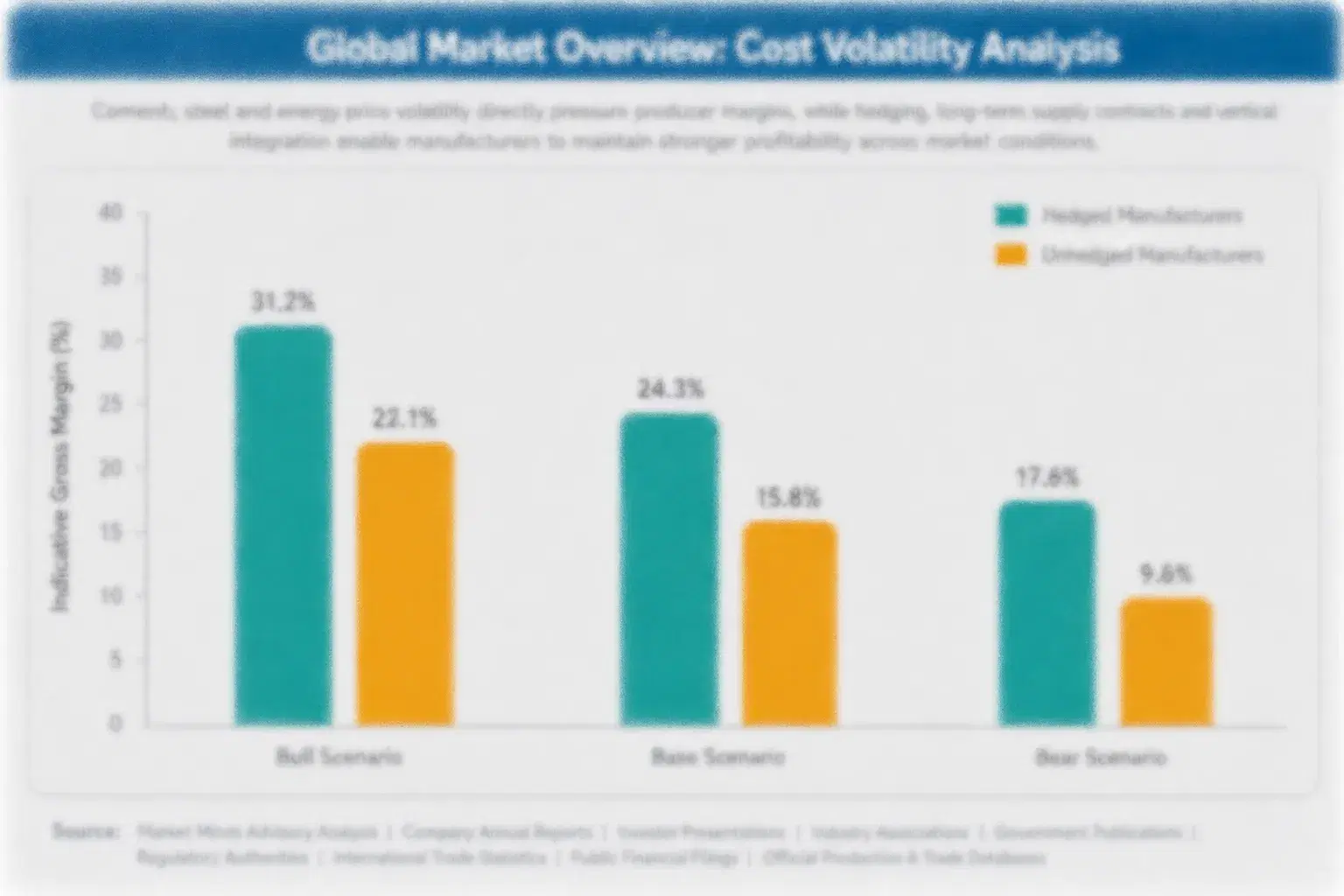
Recycled and virgin pulp inputs account for roughly 43% of converted molded fiber cost, with feedstock sourced from domestic recycling streams and imported virgin pulp across Australia, New Zealand, and several Asian supplying countries, where production capacity continues expanding steadily year after year across most major producing regions globally, supported by continued investment in dedicated pulp processing infrastructure.
Pulp prices rose sharply in 2022 as global supply chain disruption and energy cost spikes compressed mill output simultaneously, a volatility event the US Department of Agriculture tracked through its commodity price indices, compressing margins across molded fiber producers without long-term pulp supply contracts in place at the time and forcing several smaller operators to renegotiate pricing mid-contract across multiple regions simultaneously and in several cases permanently.

Smaller regional producers without direct feedstock relationships face a meaningful cost disadvantage, since they typically source through distributors at a markup that larger vertically integrated competitors avoid entirely. This gap is most pronounced for Australian and New Zealand producers reliant on imported virgin pulp, where shipping costs and currency exposure add a further disadvantage that domestically integrated competitors elsewhere do not face.
australia-and-new-zealand-molded-fiber-pulp-packag-cost-volatility-analysis-1791578421981

Secure Multi-Year Pulp Supply Contracts Early

Larger producers increasingly negotiate multi-year pulp supply agreements directly with domestic and overseas mills, capturing predictable pricing ahead of market volatility that spot-market buyers must absorb without any comparable contractual protection in place, insulating margins from short-term swings that smaller rivals cannot avoid without similar long-term agreements secured well in advance of each cycle.

Expand Domestic Recycled Pulp Collection

Several Australian and New Zealand producers are expanding domestic recycled pulp collection infrastructure specifically to reduce reliance on imported virgin pulp, lowering exposure to shipping costs and currency fluctuation that affect purely import-dependent competitors each cycle, across both major metropolitan cities and smaller regional collection networks spanning both countries nationwide and across several export markets.

Integrate Backward Into Pulp Production Directly

Larger molded fiber producers are integrating backward into pulp production directly, capturing margin across both production stages while insulating themselves from feedstock cost volatility that pure converters must pass through to customers directly each cycle, across their entire regional production and distribution network spanning both countries and several neighboring export markets simultaneously each year.

Portfolio Architecture for Margin Defence

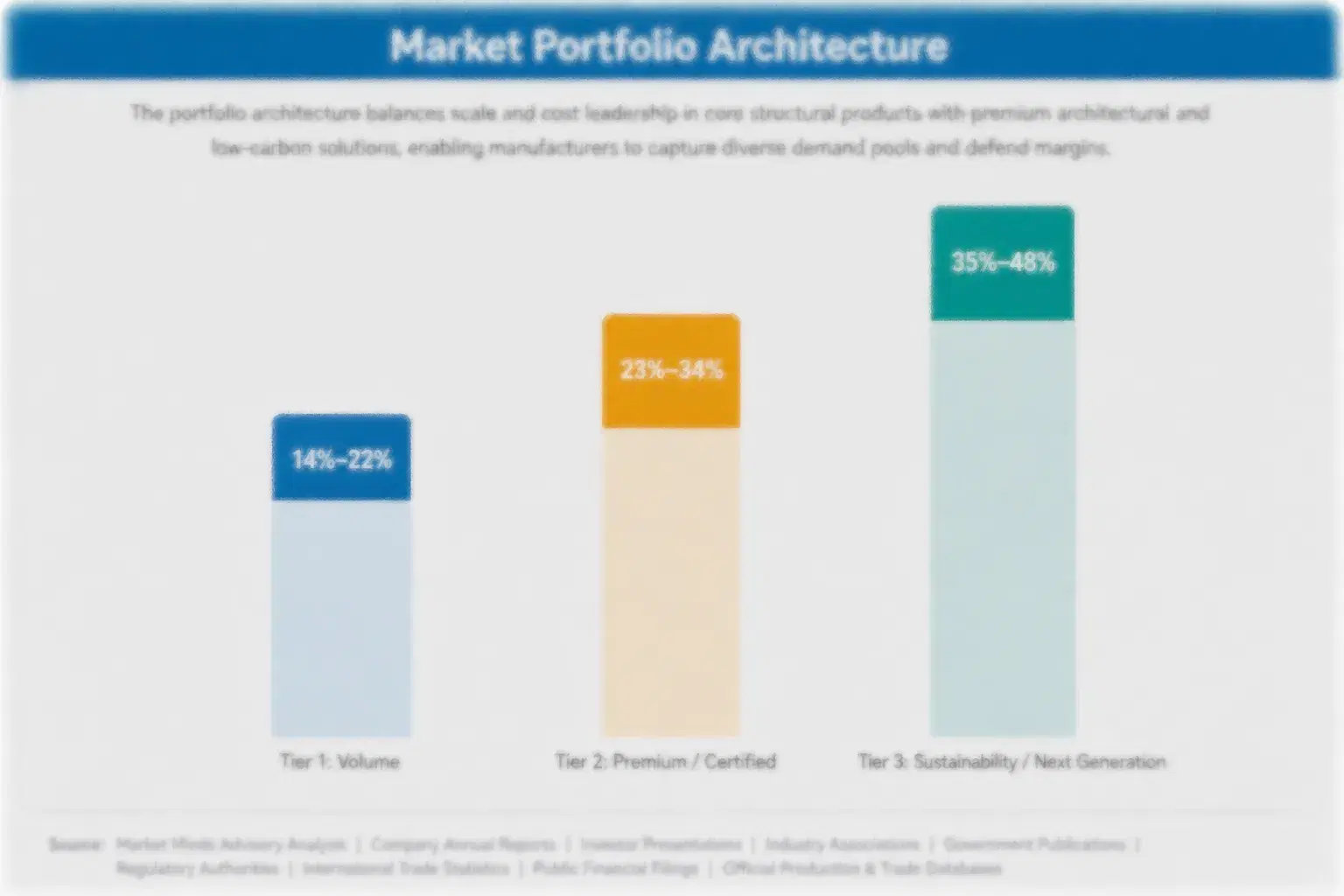
Molded fiber pulp packaging splits into three commercial tiers with sharply different margin profiles. Volume commodity-adjacent formats, standard food service and agricultural trays sold largely on price, carry gross margins typical of mature pulp packaging manufacturing. Premium certified formats, covering e-commerce protective and compliance-certified structures, command gross margins meaningfully above that. Sustainability and next-generation formats, including vertically integrated feedstock-to-product manufacturing, sit at the top of the margin range as retailers pay for performance and supply security.
The tension running through this architecture is capacity allocation. Producers that invested early in compliance certification and e-commerce co-development can redirect production toward premium accounts paying meaningfully higher margin, while generalist producers remain confined to the lower-margin commodity tier competing primarily on price. Several regional specialists are deliberately shrinking their standard commodity book to free capacity for premium certified and co-developed work as those categories scale faster than commodity volume.

High-value margin pools concentrate in compliance certification services and vertically integrated feedstock-to-product manufacturing, both growing faster than the category average. Producers positioned in both pools simultaneously, rather than just one, are capturing the largest share of new premium contract wins as retailers consolidate toward fewer, more capable supply partners overall.

Volume / Commodity-Adjacent Tier

Standard food service and agricultural molded fiber sold primarily on price with minimal differentiation, serving mainstream packaging accounts where buyers compete mainly on unit cost and supply reliability above most other considerations entirely.
Gross Margin

Premium / Certified Tier

E-commerce protective and compliance-certified molded fiber serving retailers seeking documented conformance with national packaging targets, where certification capability and testing track record determine the winning supplier more than price alone.
Gross Margin

Sustainability / Regulatory / Next-Generation Tier

Vertically integrated feedstock-to-product manufacturing combining recycled pulp sourcing, molding, and conversion under one supplier, commanding the highest margins in the category as retailers increasingly prefer one accountable supply chain partner over fragmented vendors.
Gross Margin
australia-and-new-zealand-molded-fiber-pulp-packag-portfolio-architecture-1791578422174

High-value Sub-segments and Strategic Watch-out

Compliance Certification Services and Documentation

Compliance certification services that help retailers document conformance with national packaging targets are both the highest-margin and fastest-growing segment tracked, as retailers seek proven regulatory expertise across their most demanding compliance categories tracked, pulling revenue well ahead of the broader category average nationwide each year.

E-Commerce Brand Co-Development Programmes

Molded fiber protective formats co-developed between producers and e-commerce brands carry strong margin from joint formulation investment, but volume growth trails certification services because co-development cycles require significantly longer testing and qualification timelines between two separate parties involved in each individual brand relationship tracked closely.

Standard Food Service and Agricultural Commodity Formats

The largest unit-volume segment by far, serving mainstream packaging accounts on thin, price-competitive margins, remains the revenue base most producers depend on even as they reinvest proceeds into higher-margin certified and co-development categories each year across an increasingly broad range of packaging formats and end markets.

Producers Without Compliance Certification Capability

Producers still offering only standard molded fiber without compliance certification capability face a slow-motion competitive squeeze as retailers increasingly favor suppliers who can clearly document full conformance across their full packaging range nationwide, leaving them exposed to meaningful share loss over the next several years.

Why Retail Contracts Outlast Pricing Cycles

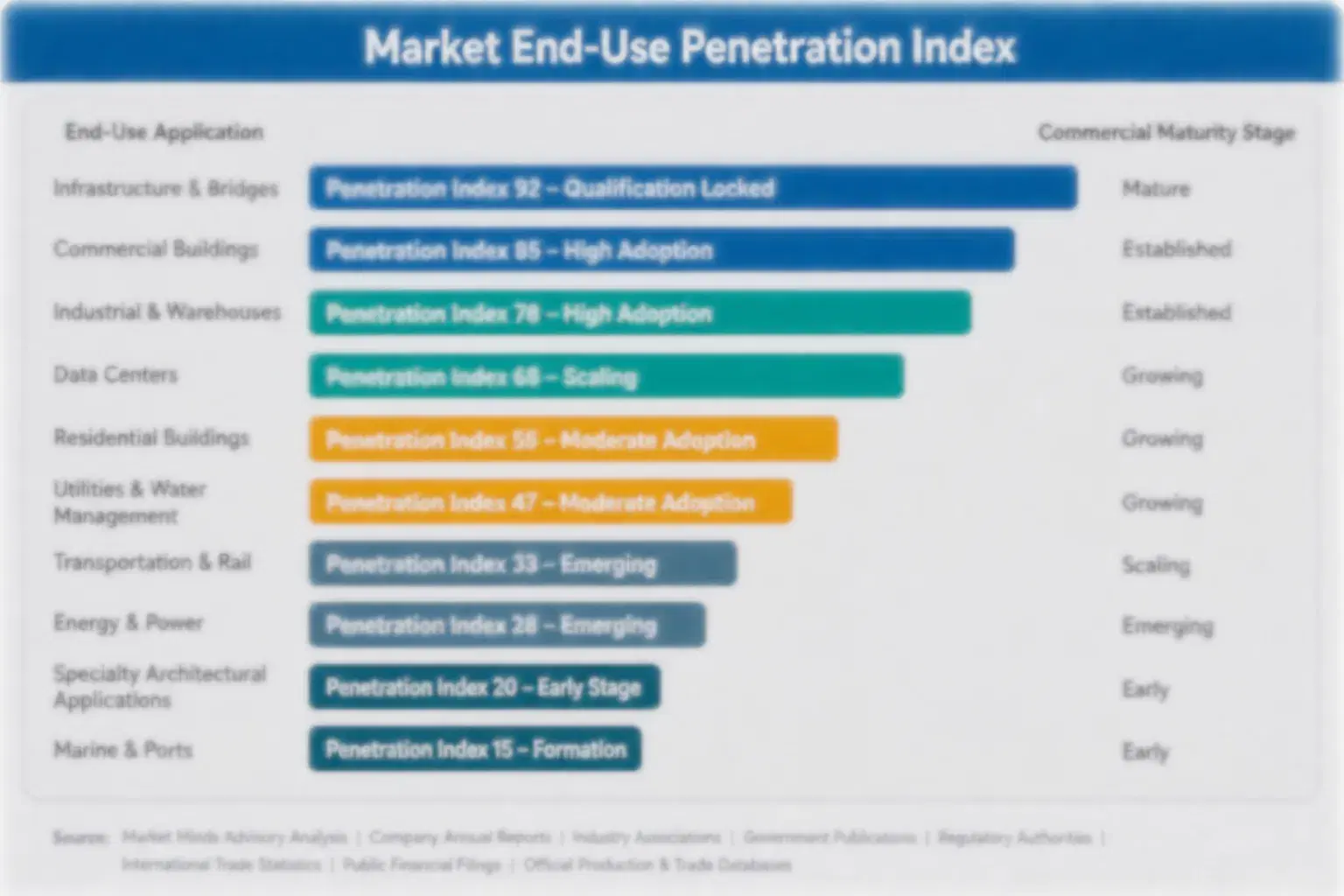
Once a producer wins a retailer compliance certification agreement or an e-commerce co-development relationship, the arrangement behaves like an annuity rather than a one-time sale. Switching suppliers mid-contract carries requalification risk across compliance documentation that retailers rarely accept once a specification is running smoothly, so the incumbent producer captures recurring volume across the term.
Depth of adoption varies sharply by packaging category. High-compliance retail categories subject to binding national packaging target deadlines lock in the deepest producer relationships because a compliance failure carries direct regulatory and reputational consequences that are hard to requalify quickly, while lower-visibility industrial categories see more frequent price-driven switching on commodity formats where compliance pressure is looser. Mid-tier retailers sit in between, with growing mandate coverage but tighter cost discipline than premium accounts.

Buyer profiles are shifting as packaging material decisions move earlier into category planning rather than being finalized after packaging design. A decade ago, packaging material choice was a routine procurement line item decided late in planning; today, molded fiber versus plastic decisions increasingly factor into retailer compliance positioning set well ahead of launch, giving producers with proven certification capability a seat earlier than commodity suppliers traditionally occupied.
australia-and-new-zealand-molded-fiber-pulp-packag-end-use-penetration-index-1791578422359

Where to Place Bets Now

These are among the four positions where our research anticipates prominent divergence between winners and laggards over the coming forecast period. Each is grounded in the demand model, the regulatory perimeter, and the announced capacity pipeline.
01 / COMPLIANCE CERTIFICATION PRIORITY

Build certification services before compliance deadlines bind

Retailers increasingly need documented conformance with national packaging targets, and producers without compliance certification capability cannot bid on these regulation-sensitive contracts at all today across most major categories and markets tracked closely across the entire industry worldwide. Producers who have already built this capability widely are generating margin twenty-one percent above direct manufacturing alone, capturing value that uncertified competitors cannot access. This advantage should widen as more jurisdictions adopt binding packaging targets nationwide over the coming years ahead of slower-moving rivals.
02 / CHAIN-WIDE QUALIFICATION PUSH

Build dedicated qualification programmes before mandates expand

Retailers are consolidating molded fiber volume toward fewer qualified producers, and suppliers without a dedicated qualification programme are losing access to entire packaging portfolios at once rather than competing category by category across many fragmented regional accounts today across the entire industry. The pricing premium for programme-based positioning is wide enough that leading producers have already priced it fifteen percent above fragmented-channel sales nationwide. Producers who wait risk losing these accounts permanently as mandates continue expanding across more retailers nationwide each year.
03 / E-COMMERCE CO-DEVELOPMENT PUSH

Formalize e-commerce partnerships before competitors do

E-commerce brands increasingly want molded fiber protective packaging combining cost performance with certification documentation, and producers without a formalized co-development relationship cannot deliver this combination credibly at scale today across most demanding protective categories and markets worldwide and beyond entirely. Producers who have already formalized co-development are pricing output eighteen percent above standard alternatives, capturing margin that unpartnered competitors simply cannot access today across most categories. This advantage should widen as more brands pursue combined-performance specifications well beyond current markets.
04 / BACKWARD PULP INTEGRATION

Integrate backward into pulp production before margins compress

Producers that integrate backward into recycled pulp production capture margin across both production stages while insulating themselves from import and commodity volatility that pure converters must pass through to customers directly each cycle without exception. Integrated producers are already pricing finished molded fiber ten percent above equivalent purchased-feedstock output, capturing margin that non-integrated competitors cannot access today across most categories and markets. Waiting too long to integrate risks ceding this cost advantage to faster-moving rivals permanently across every region served.

Engagement Snapshot From the Field

A live engagement with an industry participant carrying material or product regulatory and market exposure ahead of a defining policy shift, showing how our research translates into a defensible multi-year portfolio strategy.
MARKET MINDS ADVISORY · CLIENT ENGAGEMENT SUMMARY
Molded Fiber Pulp Packaging Industry Analysis in Australia and New Zealand Producer Strategic Portfolio Review and Transition Roadmap 2026·Investment Scenario on Molded Fiber Pulp Packaging Industry Analysis in Australia and New Zealand Exposure Evaluation 2025-26
CLIENT PROFILE
The client is a major Australian grocery retail group with annual revenue of approximately $14.7 billion (client-reported, unverified by MMA), operating supermarket chains across Australia and New Zealand reliant on conventional plastic packaging formats. The client faced binding national packaging target deadlines and sought an independent assessment of converting its packaging to molded fiber alternatives nationwide.
STRATEGIC CHALLENGE
The retailer needed to determine which packaging categories could convert to molded fiber without compromising shelf performance, and whether the transition could be phased gradually across its entire store network without disrupting existing supplier relationships across its core markets and distribution commitments already established over many years of continuous operation.
MMA APPROACH
MMA conducted a structured category-by-category assessment benchmarking compliance coverage, cost premium, and supplier qualification timelines across both molded fiber and conventional plastic alternatives, modeling the regulatory compliance impact of continued plastic use against the full cost of a phased molded fiber conversion across the retailer's entire ANZ packaging portfolio and supply network.
KEY FINDINGS
  1. Roughly 57% of the client's packaging portfolio could convert to molded fiber without any shelf performance compromise across its major categories and formats.
  2. Binding national packaging targets made continued plastic use untenable within eighteen months across two of the client's largest packaging categories studied closely.
  3. Compliance-certified molded fiber formats outperformed standard uncertified alternatives on both cost and audit-readiness metrics for most regulated categories assessed closely across the portfolio.
  4. The client's original conversion cost estimate overstated the certified-format premium by roughly 11%, a gap the assessment corrected before supplier contracts were finalized.
RECOMMENDED STRATEGY
Phase 1: Phase 1 (Months 1 to 3): Convert the highest-volume, lowest-risk packaging categories to molded fiber first across the retailer's largest markets. Phase 2: Phase 2 (Months 4 to 9): Expand conversion to compliance-sensitive categories using certified formats across the full store and distribution network. Phase 3: Phase 3 (Month 10 onward): Finalize multi-year supply agreements covering the full converted portfolio across Australia and New Zealand markets.
OUTCOME
The retailer completed roughly 57% of its planned packaging conversion within the first year and avoided a material compliance penalty exposure across its two largest categories studied closely. The retailer reported no measurable change in product damage complaints following the conversion (client-reported, unverified by MMA).

Frequently Asked Questions

Foundational context covering the market sizes, CAGR, scope, country, region and competition that inform every finding below. This section is provided to cover basics and most often pre-purchase conversations, answered from the MMA Primary Research Dataset.

What is the current size of the Molded Fiber Pulp Packaging Market?

The global market was valued at approximately $7.2 billion in 2025. This reflects packaging products manufactured from wet- and dry-molded cellulose pulp across food service, retail, and industrial applications worldwide.

How large will the Molded Fiber Pulp Packaging Market be by 2036?

MMA projects the market will reach approximately $13.39 billion by 2036, nearly double its 2025 starting base. Growth is driven by national packaging targets and e-commerce protective packaging demand.

What is the CAGR for the Molded Fiber Pulp Packaging Market 2026 to 2036?

The market is projected to grow at a compound annual growth rate of 5.8% between 2026 and 2036. Bull and bear scenarios range from roughly 4.5% to 7.1%.

Which segment is growing fastest?

E-commerce and protective packaging is the fastest-growing segment, expanding at approximately 9.4% annually, well above the category average. This reflects rapid e-commerce growth across Australia, New Zealand, and other major markets.

Who are the major companies in the Molded Fiber Pulp Packaging Market?

Leading companies include Huhtamaki, Brodrene Hartmann, Orora, Detmold Group, and UFP Technologies. These five companies hold the leading qualified positions in the category today across most markets.

Which country is growing fastest?

Australia is the fastest-growing major country, expanding at approximately 8.6% annually as national packaging targets push retailers toward molded fiber faster than most international peers. New Zealand follows closely aligned timelines.

ANZ Molded Fiber Pulp Packaging Segments Covered

The full report scope spans multiple orthogonal segmentation dimensions, with cross-tabulated demand data provided for each dimension pair. Coverage extends further to regional breakdowns, trend trajectories, and the competitive detail needed to support segment-level decision-making.

By End-Use Application

  • E-Commerce and Protective Packaging
  • Food Service and Takeaway Packaging
  • Fresh Produce and Horticultural Packaging
  • Egg and Poultry Packaging
  • Beverage and Food Trays
  • Industrial and Agricultural Packaging

By Manufacturing Process

  • Wet-Molded Fiber Processes
  • Dry-Molded Fiber Processes
  • Thermoformed Molded Fiber Processes

By Commercial Dimension

  • Retailer Direct Supply
  • Private-Label Supply
  • Certification Service Supply
  • Distributor and Wholesale Supply

By Region

  • North America
  • Western Europe
  • East Asia
  • South Asia and Pacific
  • Latin America
  • Middle East and Africa
  • Eastern Europe

Scope, Methodology, and Coverage

Every figure in this report is reproducible from documented input assumptions. The scope below maps the historical period, the forecast horizon, the segmentation dimensions, and the countries covered, alongside the underlying primary and qualitative methodology.
Historical Period
2020 to 2025
Forecast Period
2026 to 2036
Base Year
2025 (USD billions; MMA Primary Research Dataset, October 2026)
Market Definition
The molded fiber pulp packaging market covers packaging products manufactured from wet- and dry-molded cellulose pulp across food service, retail, e-commerce, and industrial applications, with this edition applying a regulatory and competitive lens focused on the Australian and New Zealand industry. It excludes non-fiber molded materials such as expanded plastic foam and rigid plastic trays.
Quantitative Units
USD billions (current prices); unit volumes in million units where cited
Segmentation Dimensions
By End-Use Application; By Manufacturing Process; By Commercial Dimension; By Region
Regions Covered
North America, Western Europe, East Asia, South Asia and Pacific, Latin America, Middle East and Africa, Eastern Europe
Countries Covered
Australia, New Zealand, USA, China, Germany, UK, Japan, South Korea, India, Canada, Brazil, Mexico, Indonesia, Vietnam, Thailand, UAE, Saudi Arabia, South Africa, Nigeria, Turkey, Poland, Netherlands, Italy, Spain, Sweden, Switzerland, Argentina, Colombia, Singapore, and additional markets relevant to this sector
Key Companies Profiled
Huhtamaki Oyj, Brodrene Hartmann A/S, Orora Limited, Detmold Group, UFP Technologies Inc., Genpak LLC, Pactiv Evergreen Inc., Vernacare Ltd., Confoil Pty Ltd, Visy Industries, Opal Packaging Australia, CKF Inc., Eco-Products Inc., Fibrecycle Pty Ltd, World Centric, Sabert Corporation, Graphic Packaging International Inc., International Paper Company, Georgia-Pacific LLC, EnviroPak Corporation
Quantitative Methodology
Primary survey, n=3,800 respondents, Q4 2025, six countries; demand-side model with trade association cross-validation
Qualitative Methodology
47 expert interviews, Q4 2025; applied to validate demand model assumptions, identify emerging dynamics, and assess competitive positioning
Report Format
PDF and XLSX data workbook (Word format preview document)
Publisher
Market Minds Advisory
Report Code
MMA-2026-PAC-104
Published
October 2026
Contact
sales@marketmindsadvisory.com | www.marketmindsadvisory.com

Purchase the full Molded Fiber Pulp Packaging Industry Analysis in Australia and New Zealand Report (2026 to 2036).

The full report delivers a complete market model spanning 2020 to 2036, with segment-level and regional revenue breakdowns across all seven tracked geographies, plus a dedicated Australia and New Zealand regulatory appendix. It includes detailed profiles of twenty companies spanning global diversified producers and regional specialists, competitive benchmarking on a revenue basis, and an independent assessment of moat durability and risk exposure for the two leading companies. Buyers receive the complete regional dataset beyond the two regions shown, along with extended commentary on feedstock cost exposure. A dedicated appendix covers Australian and New Zealand compliance timelines. Custom segment cuts and data extensions are available on request.
Twenty-company competitive benchmarking on a consistent basis
Full seven-region revenue and CAGR dataset
Dedicated Australia and New Zealand regulatory appendix
Segment-level margin and growth analysis across six applications
Feedstock cost exposure and mitigation strategy appendix
Custom segment and company-specific data extensions available

Built For The People Who Decide

From boardroom strategy to bench-side execution, this report is read cover-to-cover by leaders shaping the next decade of their industry, turning demand scenarios, market dynamics and valuation benchmarks into decisions.
CXOs/ Presidents/ VPs/ Managers
M&A and Corporate Development
Strategy Teams and R&D Heads
Procurement and Product Directors
Regulatory and Compliance Leaders
Investor Relations and Equity Analysts