
Market Minds Advisory
Japan Bagasse Tableware Products Market

Japan Bagasse Tableware Products Market Forecast 2026-2036

Japan's convenience stores and bento counters are switching bagasse trays in for polystyrene as the plastic resource circulation law tightens, turning imported sugarcane fiber into a standard specification for prepared food packaging nationwide.

Lead Analyst

Bilal Shaikh

Published

November 2026

Make Smarter Decisions with Customized Research Insights

Request a free sample report and evaluate market opportunities, growth trends, and competitive dynamics relevant to your business needs.

2025 MARKET VALUE$0.2BMarket Size 2025
2036 FORECAST VALUE$0.4BBase Case , 2026 to 2036
CAGR 2026 TO 20366.4 %Bull 7.5% / Bear 5.2%
INCREMENTAL OPPORTUNITY$0.2BNet 10- year value creation
EXPANSION MULTIPLE1.86x2036 value over 2026 base
Strategic Levers
M&A Pipeline
Regional Outlook
Country Rankings
Competitive Intelligence
Segmental Deep-dive
Call-Us : 91 93563 13602

Japan Bagasse Tableware Products Market at a Glance

Bagasse tableware is moving from a niche eco-label choice into a default specification for Japanese convenience store and bento counters, as sugarcane fiber imported mainly from Thailand and Vietnam replaces polystyrene trays under Japan's tightening plastic resource circulation law and retailer-level sustainability commitments, a shift retailers increasingly publicize.
Commercial pressure comes from three directions: convenience store chains standardizing compostable trays across thousands of outlets simultaneously, supermarket deli and produce counters following the same plastic-reduction timeline on a shorter lag, and export demand from Japanese restaurant chains abroad wanting the same tray format their domestic stores already use. Molded bowls and small dishes are the fastest-growing of six tracked product types, concentrated in prepared-food counters where washoku-style presentation requires multiple small compartments.
Competitively, Japanese paper and packaging conglomerates with decades of convenience-store supply relationships are defending share against Southeast Asian converters who sit closer to the raw bagasse feedstock itself. Regulatory tailwinds keep building on two fronts: Japan's plastic resource circulation law tightening further each revision cycle, and major convenience store chains publishing supplier scorecards that increasingly reward verified compostable packaging over conventional plastic alternatives now.
Market Definition
The Japan bagasse tableware products market covers molded-fiber trays, bowls, dishes, and cutlery accessories manufactured from sugarcane bagasse feedstock for Japanese convenience store, bento, and prepared-food foodservice applications, including export-grade formats sold abroad. It excludes conventional plastic, polystyrene, or wood tableware and bagasse packaging not intended for prepared-food contact.
Base Year Value
$0.2B in 2025 (MMA Primary Research Dataset, October 2026)
Forecast Period
2026 to 2036, eleven discrete annual values
CAGR
6.4% base case. Bull 7.5%. Bear 5.2%.
Fastest Growth Segment
Molded Bowls and Small Dishes: 8.8% CAGR
Fastest Growth Country
United States: 7.8% CAGR
Fastest Growth Region
South Asia and Pacific: 8.5% CAGR
Largest Region
East Asia: 30% of 2025 global value
Market Leaders
Oji Holdings Corporation, Nippon Paper Industries Co. Ltd., Chuo Kagaku Co. Ltd., Risu Pack Co. Ltd., Huhtamaki Oyj. Source: MMA Analysis based on company annual reports.
Primary Survey
n=3,800 procurement and R&D decision-makers, Q4 2025, six countries
Methodology
Demand-side build-up, cross-validated against public data, 47 expert interviews

Japan Bagasse Tableware Products Market Forecast to 2036

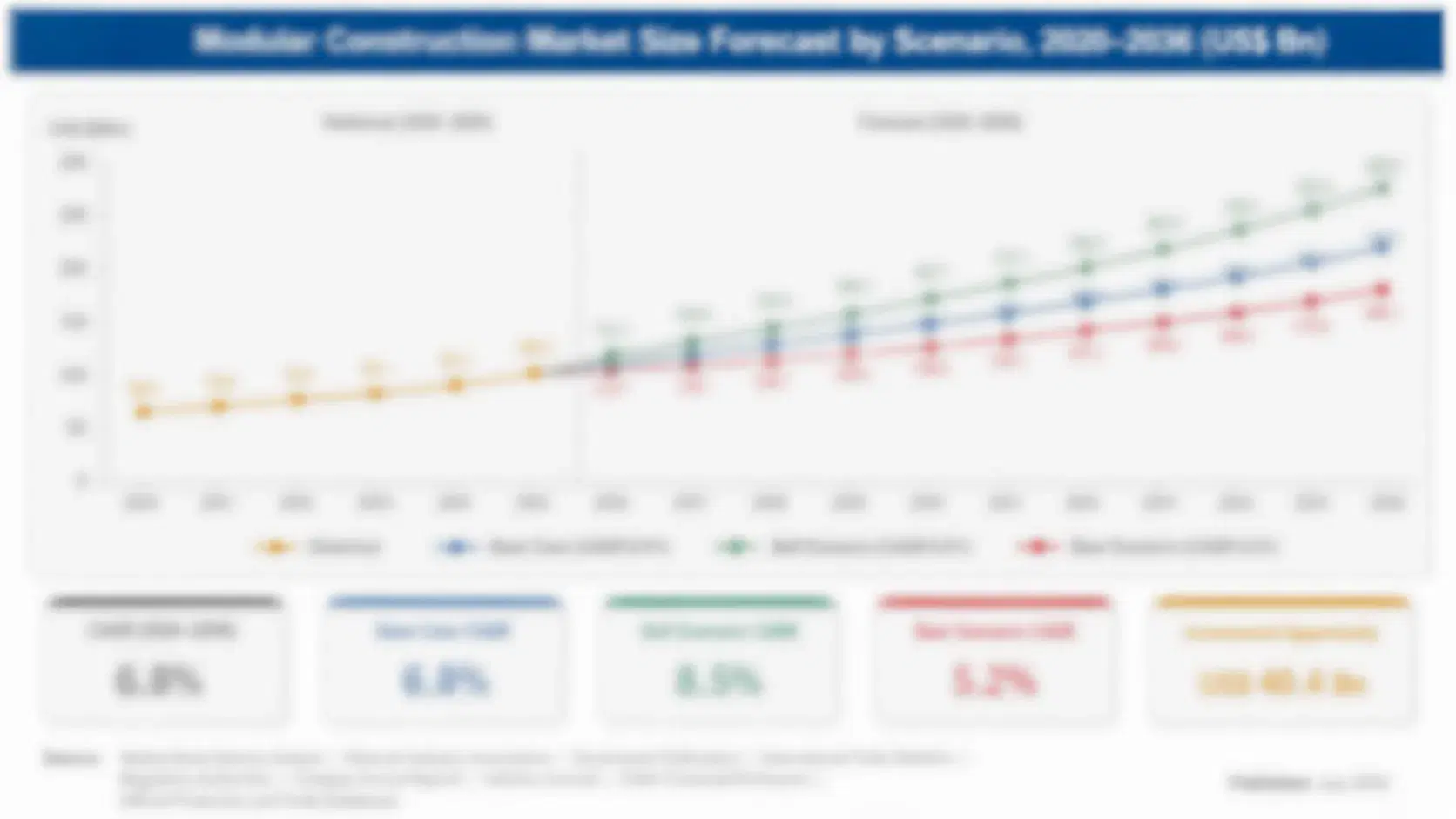
japan-bagasse-tableware-products-market-size-forecast-scenario-1791560352264
Between 2020 and 2025, bagasse tableware adoption grew steadily as a handful of major convenience store chains piloted compostable trays in flagship stores, while most independent retailers continued using polystyrene until Japan's plastic resource circulation law created a clearer compliance timeline nationwide, a gradual build that set the stage for the faster standardization now underway across the sector.
The base case assumes three mechanisms hold through 2036: Japan's plastic resource circulation law keeps tightening with each revision cycle, convenience store chains keep extending bagasse specifications from flagship stores into their full national networks, and export demand from Japanese restaurant chains abroad keeps pulling incremental volume for the same tray formats used domestically. Together these push bagasse tableware from a convenience-store specialty into a default specification across most major prepared-food retail channels within the forecast window.
The bull case assumes a major convenience store chain mandates bagasse trays across its entire national footprint within two years, pulling category volume sharply higher almost overnight. The bear case assumes cheaper plant-based plastic alternatives mature faster than expected, offering retailers a lower-cost compostable option that competes directly with bagasse on price and import logistics.

Why Convenience Stores Are Driving a Packaging Shift

Japan bagasse tableware sits downstream of three converging forces: the plastic resource circulation law pushing convenience stores away from polystyrene trays, prepared-food volume climbing steadily across an aging population eating more ready meals, and Southeast Asian converters investing in food-contact-grade processing to serve Japan's demanding standards. Japanese packaging groups that once printed static plastic trays are now qualifying bagasse-specific molding lines, a step requiring import-logistics capability legacy operations never needed.
TOP PRODUCING COUNTRY SHARE34%Thailand anchors the largest share of imported feedstock
MARKET CONCENTRATION (CR5)32%Leading five manufacturers hold well under half share
AVERAGE SELLING PRICE$0.08 per pieceBagasse pieces price modestly above polystyrene formats now
CAPACITY UTILIZATION72%Molding lines run below mature packaging industry levels
FEEDSTOCK SHARE OF COGS37%Imported bagasse pulp dominates the total conversion cost
TRADE INTENSITY64% cross-borderMost raw feedstock crosses borders before final molding
Commercially, this remains a specialist, import-dependent market rather than a domestically self-sufficient one. A handful of large Japanese paper and packaging conglomerates compete for convenience-store chain contracts, while smaller regional distributors import finished or semi-finished bagasse product from Southeast Asian converters. Average selling prices sit modestly above polystyrene equivalents, and import-logistics reliability, not unit price alone, increasingly determines which suppliers win chain-wide contracts.
Over the next decade, expect bagasse tableware to move from a convenience-store specialty into a broader prepared-food default, as supermarkets and smaller retail chains follow the compliance timeline convenience stores have already established. Regulatory tightening under the plastic resource circulation law will likely pull more prepared-food categories into bagasse specification than early convenience-store adoption alone ever could.
"Every major convenience store chain in Japan now has a bagasse pilot running somewhere; the question left isn't whether they switch, it's how fast the feedstock supply chain from Thailand and Vietnam can keep up."
Director, Sustainable Packaging and Foodservice Practice · MMA Sustainable Packaging & Foodservice Disposables Practice · October 2026

Key Trends in Japan Bagasse Tableware Products

Convenience Store Chains Standardize Bagasse Trays

Several major Japanese convenience store chains have begun standardizing bagasse tray specifications across their full national networks, extending pilots that started in flagship urban stores into suburban and rural locations that previously continued using polystyrene by default. This standardization is pulling converter selection toward suppliers who can guarantee consistent import volume and food-safety certification across thousands of stores simultaneously, since a supply interruption at chain scale would disrupt prepared-food merchandising broadly. Chains that completed standardization are now citing it directly in corporate sustainability reporting, reinforcing the commercial case for continued expansion into additional prepared-food categories beyond the initial pilot lines.
Market Impact: Lifts prepared-food tray volume by 14%
Plastic Resource Circulation Law Tightens Further

Japan's plastic resource circulation law has tightened with each revision cycle since its introduction, expanding the scope of packaging categories subject to reduction targets and extending reporting obligations to a broader range of retailers and manufacturers. This is pushing convenience stores and supermarkets to evaluate bagasse and other compostable alternatives across categories the law did not originally target directly, since compliance scorecards increasingly reward verified reduction across a retailer's full packaging portfolio rather than category by category. Retailers facing the most scrutiny under the law are moving fastest to adopt bagasse alternatives ahead of the next anticipated revision cycle. For scale, MMA values the compostable plastic packaging market at USD 7.2 billion in 2025 and expects it to reach USD 23.1 billion by 2036.
Market Impact: Adds export demand across 10+ countries

Japan Bagasse Tableware Products Strategic Opportunities

Prepared Food Volume Keeps Climbing Steadily

Japan's prepared-food and ready-meal volume has climbed steadily as its aging population and shrinking household size push more consumers toward convenience store and supermarket prepared meals rather than home cooking from raw ingredients. Each incremental prepared-meal unit sold requires a tray or dish, and bagasse is capturing a growing share of this expanding volume as convenience store chains standardize compostable specifications across their networks. This demographic driver is durable rather than cyclical, meaning tray volume tracks prepared-food consumption more closely than short-term retail spending, giving manufacturers a predictable baseline even during slower broader retail-spending periods.
Market Impact: Adds roughly 15% import logistics cost

Export Demand From Japanese Restaurants Abroad Grows

Japanese restaurant chains and izakaya concepts expanding into North America, Europe, and other Asian markets increasingly want the same bagasse tray formats their domestic Japanese stores already use, both for brand consistency and because the format itself has become a recognizable part of the dining presentation customers expect. This is pulling incremental export demand for Japan-spec bagasse tableware well beyond what domestic Japanese consumption alone would generate, into a growing international restaurant-supply channel. Converters who can supply Japan-spec mold geometry at export volume are capturing this additional demand ahead of competitors still focused only on the domestic market. The Australia and New Zealand molded fiber pulp packaging market moves on similar drivers, with MMA projecting a 5.8% CAGR over 2026-2036.
Market Impact: Adds roughly 28% cost versus plastic

Japan Bagasse Tableware Products Challenges and Constraints

Import Dependence Raises Feedstock Supply Risk

Japan has little domestic sugarcane cultivation, so nearly all bagasse feedstock for this market arrives imported from Thailand, Vietnam, and other Southeast Asian producers, exposing Japanese converters to shipping disruption and currency volatility that domestically self-sufficient markets do not face to the same degree. The root cause is geography: Japan's climate does not support sugarcane cultivation at meaningful scale, making feedstock import a permanent feature of this market rather than a temporary sourcing choice. This adds logistics cost and lead time competing materials sourced domestically do not carry. Larger converters mitigate this with multi-year contracts across several countries.
Market Impact: Adds trays across 3,000+ store locations

Cost Premium Slows Adoption Among Smaller Retailers

Bagasse trays still carry a cost premium over polystyrene that smaller independent retailers and family-run prepared-food shops find harder to absorb than large convenience store chains able to spread cost across enormous purchasing volume. The underlying cause is import logistics layered on top of the molding cost itself, a combination plastic tray production avoids by sourcing raw material domestically at much lower per-unit cost. This keeps bagasse adoption concentrated among large chains rather than becoming universal across the broader prepared-food retail sector. Converters are mitigating this with tiered pricing that narrows the gap for retailers committing to multi-year volume agreements.
Market Impact: Expands scope across 5+ packaging categories
3 additional market trends, 4 additional growth drivers, and 2 additional restraints and challenges are covered in the full report. Contact sales@marketmindsadvisory.com to access the complete intelligence.

Fastest-Growing Japan Bagasse Tableware Products Segments

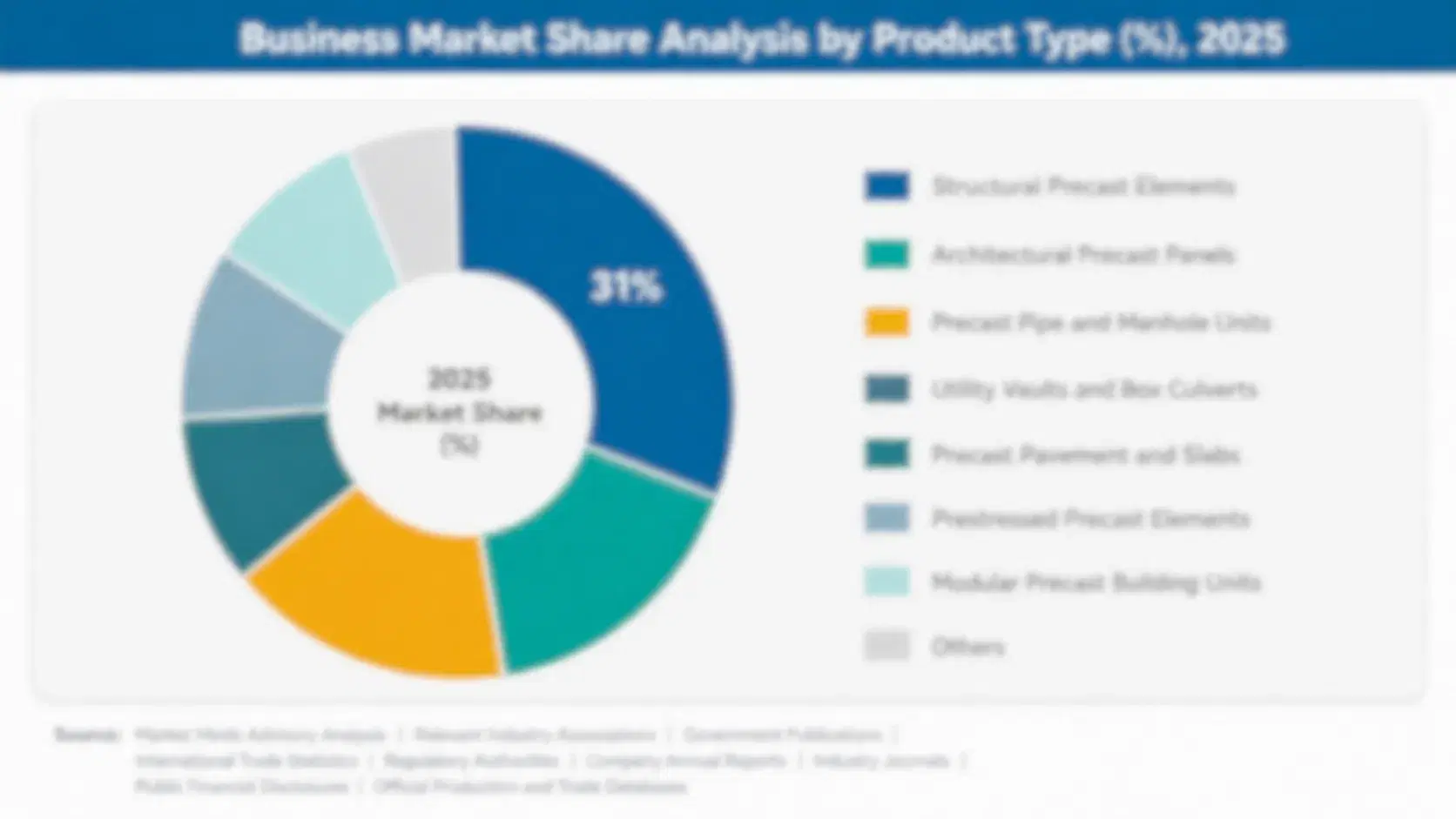
MMA segments the Japan bagasse tableware products market by product type rather than by retail channel, since the same imported feedstock and molding technology produces trays, bowls, and dishes once a converter commits to bagasse processing. Six types are tracked; molded bowls and export-grade tableware grow fastest as presentation and export demand scale across the full lineup.
japan-bagasse-tableware-products-market-market-share-analysis-1791560352530

Molded Bowls and Small Dishes

Molded bowls and small dishes serve the multi-compartment presentation washoku-style prepared meals require, where several small dishes of rice, pickles, and side items sit together on a single tray rather than one undivided container. Demand concentrates among convenience store and supermarket prepared-meal counters expanding their washoku-style offerings beyond basic bento boxes into more elaborate multi-dish presentations. Growth runs well ahead of every other tracked product type as prepared-meal sophistication increases alongside plastic-reduction pressure simultaneously, a combination pulling adoption from both culinary and regulatory directions at once. Converters who can supply precision-molded multi-compartment geometry are winning the largest contracts from chains differentiating their prepared-meal offerings on presentation quality on presentation quality across the chain's full prepared-meal lineup.
CAGR 8.8%

Export-Grade Custom Molded Tableware

Export-grade custom molded tableware replicates Japan-spec tray and bowl geometry for Japanese restaurant chains and izakaya concepts operating outside Japan, who want the same format their domestic stores use rather than adapting to local packaging conventions in each new market. Demand concentrates among restaurant groups expanding into North America, Europe, and other Asian markets where brand consistency matters for customer recognition and dining presentation. Growth trails molded bowls only slightly and remains well above the category average as Japanese restaurant brands continue international expansion at a steady pace. Converters with established Japan-spec mold libraries are winning export contracts competitors building molds from scratch cannot match on lead time on lead time across every new market entry.
CAGR 7.9%
Full segment breakdown across 6 segments available in the complete report.

Where Japan Bagasse Tableware Products Demand Is Growing

Demand concentrates where Japanese prepared-food retail and Japanese restaurant export markets both scale. East Asia leads on domestic Japanese consumption and regional feedstock logistics, North America and Western Europe follow on Japanese restaurant export demand, and South Asia and Pacific is expanding fastest as feedstock-origin countries scale processing capacity.

East Asia

Japan itself drives the overwhelming majority of regional demand, reflecting both the scale of its convenience store and prepared-food retail sector and the plastic resource circulation law's steadily tightening compliance requirements. South Korea and China contribute a smaller but growing share as their own convenience-store sectors begin piloting similar compostable tray formats, often referencing Japanese retailer specifications as a technical benchmark given Japan's early-mover position. Japan's near-total dependence on imported bagasse feedstock means regional logistics between Japan and Southeast Asian feedstock-origin countries effectively define the category's supply chain, a dynamic unique to this market relative to categories with domestic feedstock production. Growth here trails South Asia and Pacific only modestly as standardization scales toward full coverage.
Share: 30% | CAGR: 7.6% (2026 to 2036)

North America

Japanese restaurant chains and izakaya concepts expanding across the United States and Canada drive North American demand, wanting the same bagasse tray formats their domestic Japanese stores already use for both brand consistency and the dining-presentation experience customers expect at these concepts. US-based Japanese restaurant groups are increasingly specifying export-grade Japan-spec tableware directly from converters with established mold libraries rather than adapting to generic North American disposable packaging formats. Canada's contribution is smaller but follows a similar restaurant-expansion pattern concentrated in major metropolitan markets. Growth here is supported by continued international expansion of Japanese quick-service and casual-dining concepts across both countries' largest urban centers following their own international expansion plans.
Share: 23% | CAGR: 7.0% (2026 to 2036)
Regional intelligence for 5 additional markets available in the complete report: Western Europe, South Asia and Pacific, Latin America, Middle East and Africa, Eastern Europe. Contact sales@marketmindsadvisory.com.
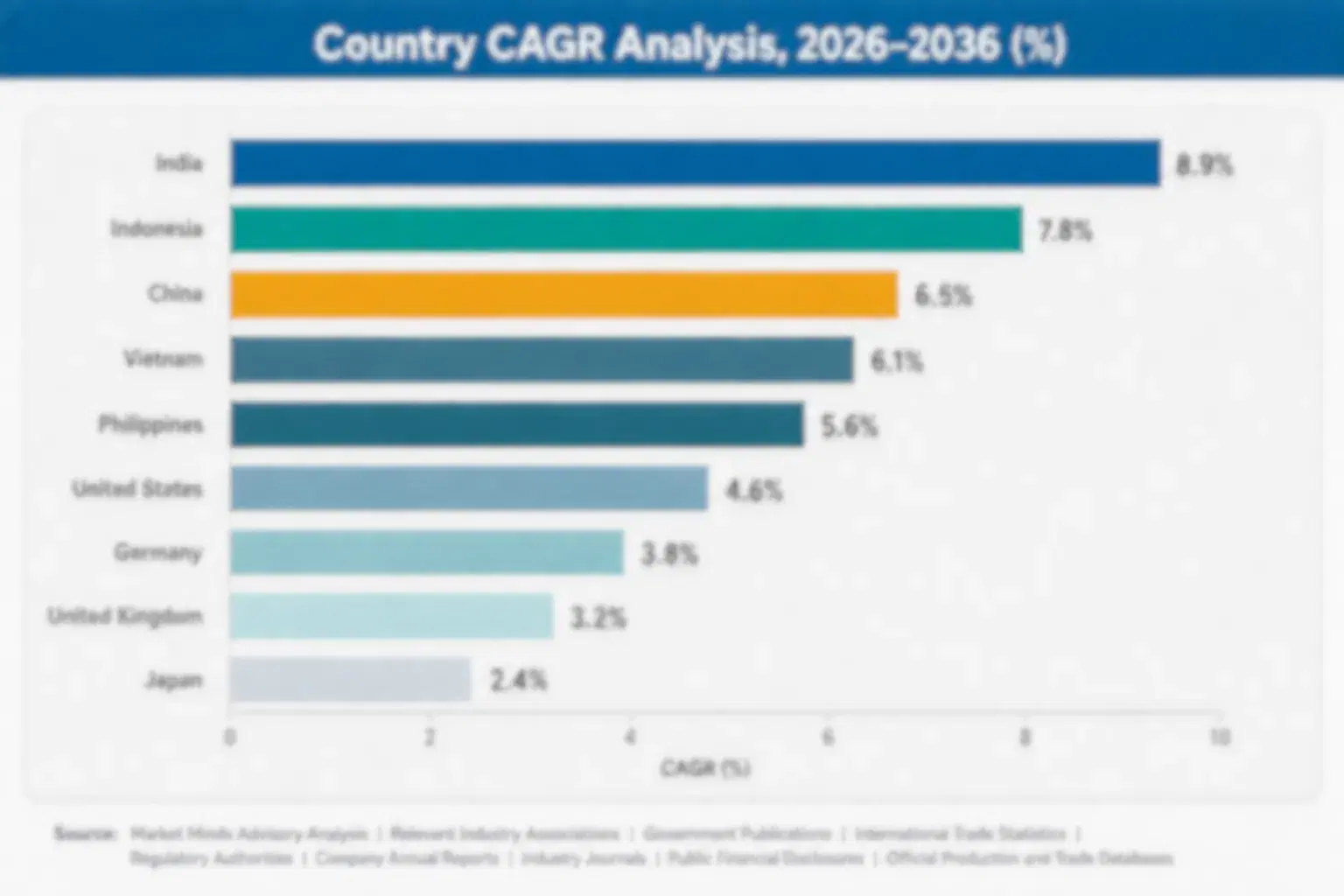
japan-bagasse-tableware-products-market-country-cagr-analysis-1791560352899

Where Converters Can Capture Premium Margin

Converters compete on feedstock-import reliability and chain-standardization relationships more than on unit price alone, which opens several routes to margin above the category average. The clearest paths run through convenience-store standardization contracts, export-grade mold libraries, multi-origin feedstock diversification, and custom presentation-format design, each commanding a premium customers pay to simplify sourcing across an increasingly competitive supplier landscape.

Secure Convenience Store Standardization Deals Now

Converters that negotiate standardization agreements directly with convenience store chains, rather than selling to individual stores, capture volume across the chain's entire network from a single contract, reducing sales cost per unit dramatically relative to fragmented store-by-store selling. This chain-level positioning typically prices at a premium of roughly 10 to 15% over equivalent volume sold through fragmented channels, reflecting the value chains place on a single reliable supplier managing consistent import quality across thousands of stores simultaneously. Converters who secured these contracts early are now the default supplier as chains expand standardization into new prepared-food categories.
Market Impact: Prices contracts 10 to 15% above fragmented sales

Build Export-Grade Mold Libraries for Restaurant Chains

Converters that build and maintain Japan-spec mold libraries for export to Japanese restaurant chains abroad capture accounts that competitors building molds from scratch cannot match on lead time or cost, since an established mold library can serve multiple restaurant clients wanting the same recognizable format. This export-grade capability commands pricing roughly 20 to 25% above domestic-only product, reflecting both the mold-library investment and the premium restaurant brands pay for authentic format consistency. Converters who built this library earliest are capturing the bulk of new international restaurant-expansion contracts as Japanese dining concepts continue global growth.
Market Impact: Prices export-grade product 20 to 25% higher now

Diversify Feedstock Sourcing Across Multiple Countries

Converters that secure bagasse supply contracts across mills in multiple Southeast Asian countries, rather than depending on a single origin country, reduce the import-disruption risk that smaller single-origin converters face and can guarantee more consistent year-round delivery to large convenience-store customers who require it. This supply-security capability commands a premium of roughly 12% over converters dependent on single-origin feedstock, since large buyers value guaranteed continuity enough to pay for it directly. Converters who diversified sourcing earliest are winning the largest, most demanding chain-wide supply contracts Several converters have expanded diversification into additional origin countries recently.
Market Impact: Commands roughly a 12% supply premium right now

Offer Custom Presentation Design for Premium Chains

Converters that offer custom multi-compartment mold design for washoku-style presentation, rather than only standard single-cavity trays, capture chains seeking differentiated prepared-meal packaging that reinforces premium positioning rather than generic commodity shapes. This custom-design service prices at a meaningful premium over standard catalog products, with tooling and design fees of roughly $45,000 to $70,000 per mold representing a separate, high-margin revenue line on top of ongoing unit sales once a mold enters production. Converters who built in-house design capability early are winning brand-specific contracts competitors offering only standard shapes cannot bid on.
Market Impact: Adds $45,000 to $70,000 per custom mold made

Japan Bagasse Tableware Products Profit Pools

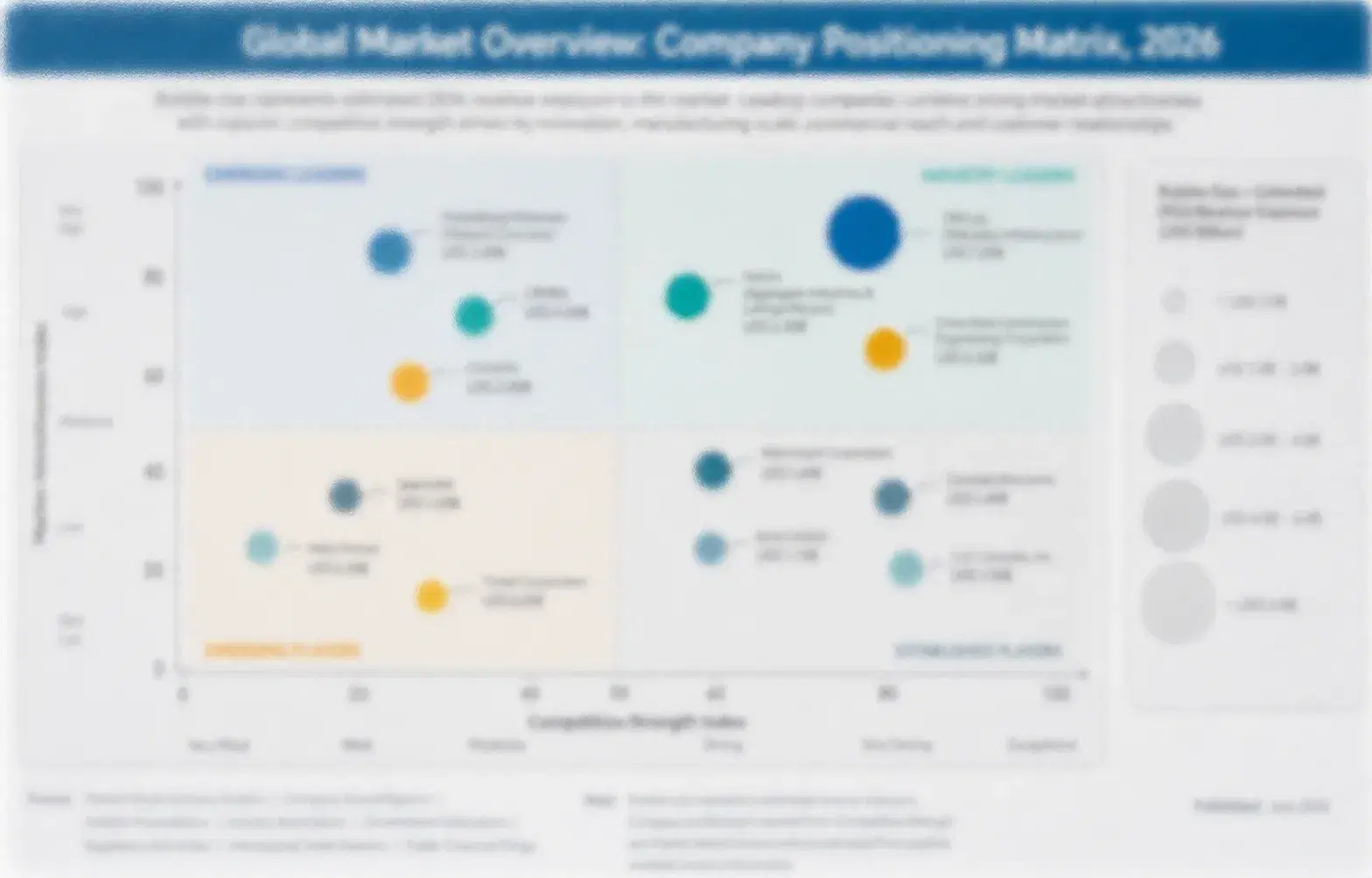
The competitive set is fragmented relative to many packaging categories. CR5 sits at 32%, with Oji Holdings and Nippon Paper Industries holding the leading positions among diversified Japanese paper and packaging groups, while a long tail of smaller distributors and Southeast Asian converters compete for remaining import and conversion volume. The gap between the leaders and the next tier is widening as chain-standardization relationships become as important as basic import-logistics capacity.
Current competitive activity centers on three fronts: convenience-store standardization contracts that convert suppliers into default infrastructure for national chains, export-grade mold libraries that open international restaurant-expansion demand, and feedstock-supply diversification across multiple Southeast Asian countries to guarantee year-round delivery. Several mid-size distributors have also begun offering custom multi-compartment design as a standalone service, treating differentiated presentation as a competitive differentiator rather than a one-off accommodation.

Emerging pressure comes from Southeast Asian converters sitting closest to the raw bagasse feedstock, competing against diversified Japanese packaging groups adding direct import relationships from the other direction. Expect consolidation over the next several years as these approaches converge, rather than either side building the other's core competency from scratch on a timeline neither can afford given how quickly standardization is expanding.
japan-bagasse-tableware-products-market-company-positioning-matrix-1791560353222

Japan Bagasse Tableware Products Supplier Positioning

OJI HOLDINGS CORPORATION

Moat: Convenience Store Supply Scale

Oji Holdings' decades-long supply relationships with Japan's major convenience store chains, built across its broader paper and packaging portfolio, give it default-vendor access to prepared-food packaging decisions that newer entrants must work much harder to earn account by account This advantage took decades to build and is difficult to replicate quickly.
OJI HOLDINGS CORPORATION

Risk: Thin Margins on Commodity Trays

A substantial share of Oji Holdings' bagasse tray volume remains priced close to commodity levels within broader convenience-store packaging contracts, leaving limited room to lift pricing even as import and feedstock costs rise, since chains expect continued price discipline as part of standard procurement, a gap it is working to narrow through premium export lines.
NIPPON PAPER INDUSTRIES CO. LTD.

Moat: Integrated Pulp Sourcing Base

Nippon Paper Industries' broader pulp and paper sourcing expertise, built across its core paper business, gives it supply-chain and quality-control knowledge in fiber-based materials that pure converters without this heritage must develop separately, letting it move into bagasse processing with existing institutional expertise This institutional knowledge is difficult for newer entrants to replicate quickly.
NIPPON PAPER INDUSTRIES CO. LTD.

Risk: Exposure to Pulp Price Swings

Nippon Paper Industries' bagasse operations carry indirect exposure to broader global pulp and fiber-material price swings that affect its wider paper business, a correlation that can compress margin across multiple product lines simultaneously during industry-wide cost spikes rather than being isolated to bagasse alone across its wider business.

Players Tracked

Prominent Players

Oji Holdings Corporation
Nippon Paper Industries Co. Ltd.
Chuo Kagaku Co. Ltd.
Risu Pack Co. Ltd.
Huhtamaki Oyj

Other Key Players

CFP Corporation
Mitsubishi Chemical Group Corporation
Nissha Co. Ltd.
Thantawan Industry Public Company Limited
Dragon International Clean-Tech Group Co. Ltd.
World Centric
BioPak Pty Ltd
Vegware Ltd
Towa Sangyo Co. Ltd.
Sanwa Paper Industries Co. Ltd.
Chukyo Pack Co. Ltd.
Fuji Shoji Co. Ltd.
Daiwa Can Company Ltd.
Tokan Kogyo Co. Ltd.
Sanko Co. Ltd.

Recent Developments

FEBRUARY 2025

Oji Holdings Expands Bagasse Tray Supply to Regional Chains

Oji Holdings extended its bagasse tray supply agreement to cover a major convenience store chain's regional and suburban locations, building on an earlier pilot limited to flagship urban stores. The expansion followed eighteen months of positive sustainability-reporting feedback from the initial rollout across the chain's full prefecture network.
Signal: Signals that convenience-store bagasse adoption is moving from flagship pilots toward full national coverage across the broader convenience retail sector.
OCTOBER 2024

Nippon Paper Industries Partners With Thai Feedstock Supplier

Nippon Paper Industries formalized a multi-year feedstock supply partnership with a Thai sugar mill, securing guaranteed bagasse volume ahead of anticipated demand growth tied to Japan's tightening packaging regulations. The partnership followed growing concern among Japanese converters about feedstock supply reliability across the broader converter base nationwide.
Signal: Signals that Japanese converters are moving to lock in feedstock supply ahead of broader demand growth.
JUNE 2025

Major Convenience Store Chain Publishes Supplier Sustainability Scorecard

A major Japanese convenience store chain published a supplier sustainability scorecard that explicitly rewards verified compostable packaging adoption, creating a formal mechanism tying packaging-material choice to broader vendor relationship terms. Several converters are adjusting their product offerings to improve scorecard performance ahead of the scorecard's next annual review cycle.
Signal: Signals that packaging-material choice is becoming a formal, scored part of broader vendor relationships across the broader supplier base currently.

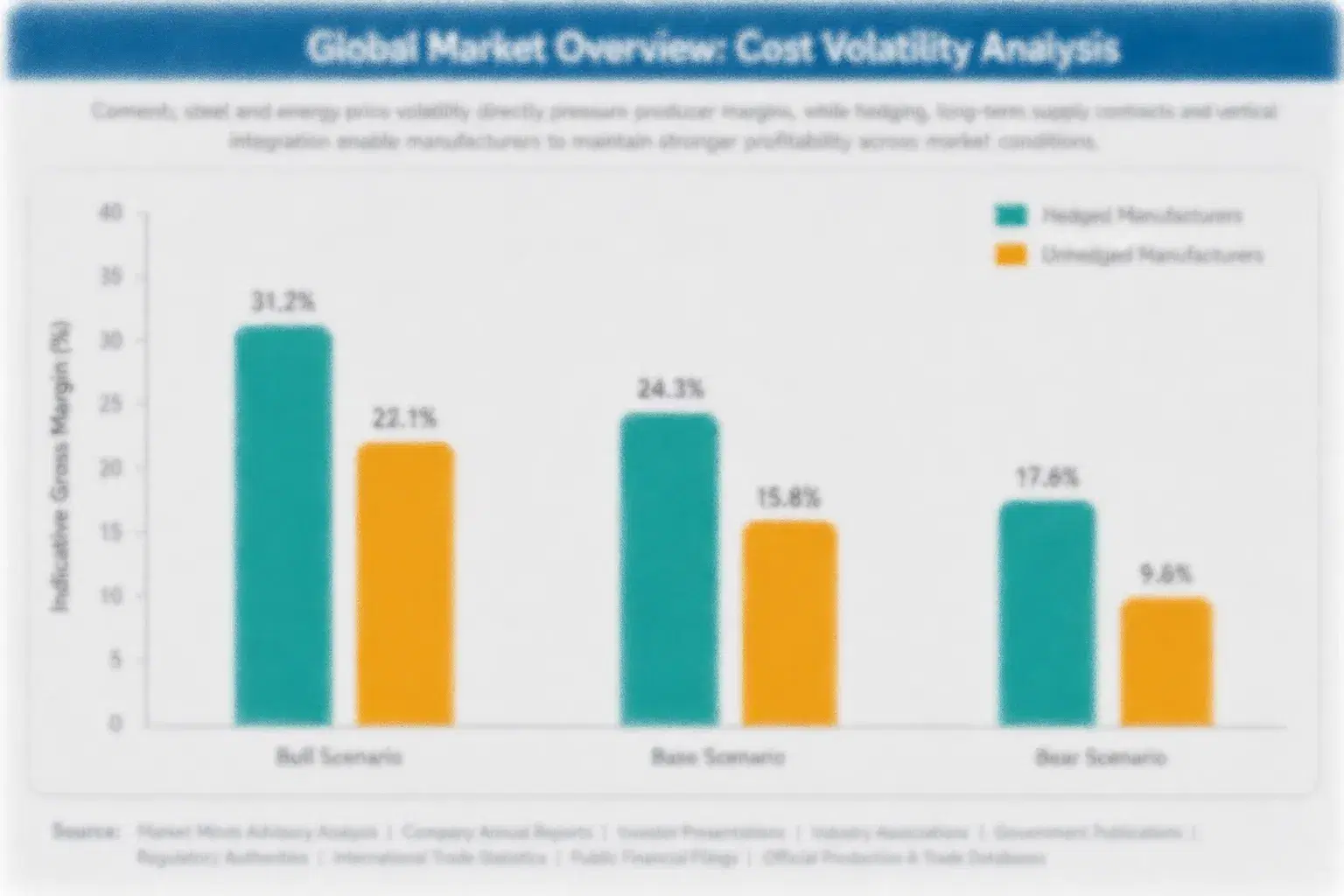
Import Logistics and Feedstock Costs Drive Margin

Imported bagasse pulp and the shipping and logistics cost of bringing it to Japan together account for roughly 37% of converted tableware cost, with feedstock sourced predominantly from sugar mills in Thailand, Vietnam, and India. Molding energy and domestic distribution costs remain a secondary input, meaning feedstock sourcing and import logistics are the dominant cost variables converters actively manage.
Shipping costs between Southeast Asia and Japan rose moderately following broader container-freight rate volatility over the past several years, a trend Japan's Ministry of Economy, Trade and Industry has tracked in its logistics cost indices. Converters who locked in multi-year freight and feedstock supply agreements early captured more predictable cost structures than converters still negotiating spot shipping rates during periods of elevated freight volatility through long-term index-linked agreements.

Smaller Japanese distributors without direct mill relationships in Southeast Asia face a meaningful cost disadvantage, since they typically source through import intermediaries at a markup larger converters avoid through direct supply agreements. This gap is most pronounced during periods of shipping disruption, when smaller distributors competing for limited available import capacity face sharper price spikes than larger converters with secured freight contracts can avoid.
japan-bagasse-tableware-products-market-cost-volatility-analysis-1791560353518

Lock in Multi-Year Feedstock and Freight Agreements

Larger converters increasingly negotiate multi-year feedstock supply and freight agreements directly with mills and shipping lines rather than relying on spot purchasing, capturing predictable pricing ahead of freight-rate volatility that spot-market buyers must navigate without contractual protection across their import volume This has preserved predictable margin for converters who committed to these terms before recent freight-rate increases.

Diversify Feedstock Sourcing Across Multiple Countries

Several converters are sourcing bagasse from mills across Thailand, Vietnam, and India simultaneously, specifically to avoid single-country exposure to any future harvest disruption or shipping bottleneck affecting feedstock availability from one origin country alone This diversification has already reduced exposure for converters who completed it before one recent regional shipping disruption across every covered sourcing country.

Build Domestic Buffer Inventory for Peak Demand

Converters are building larger domestic buffer inventories in Japan to smooth over temporary shipping disruptions, reducing the risk that a single freight delay disrupts supply to convenience-store customers who require consistent, uninterrupted delivery across their networks This buffer strategy has already proven valuable during at least one recent shipping-lane disruption affecting competitors across its full national store network.

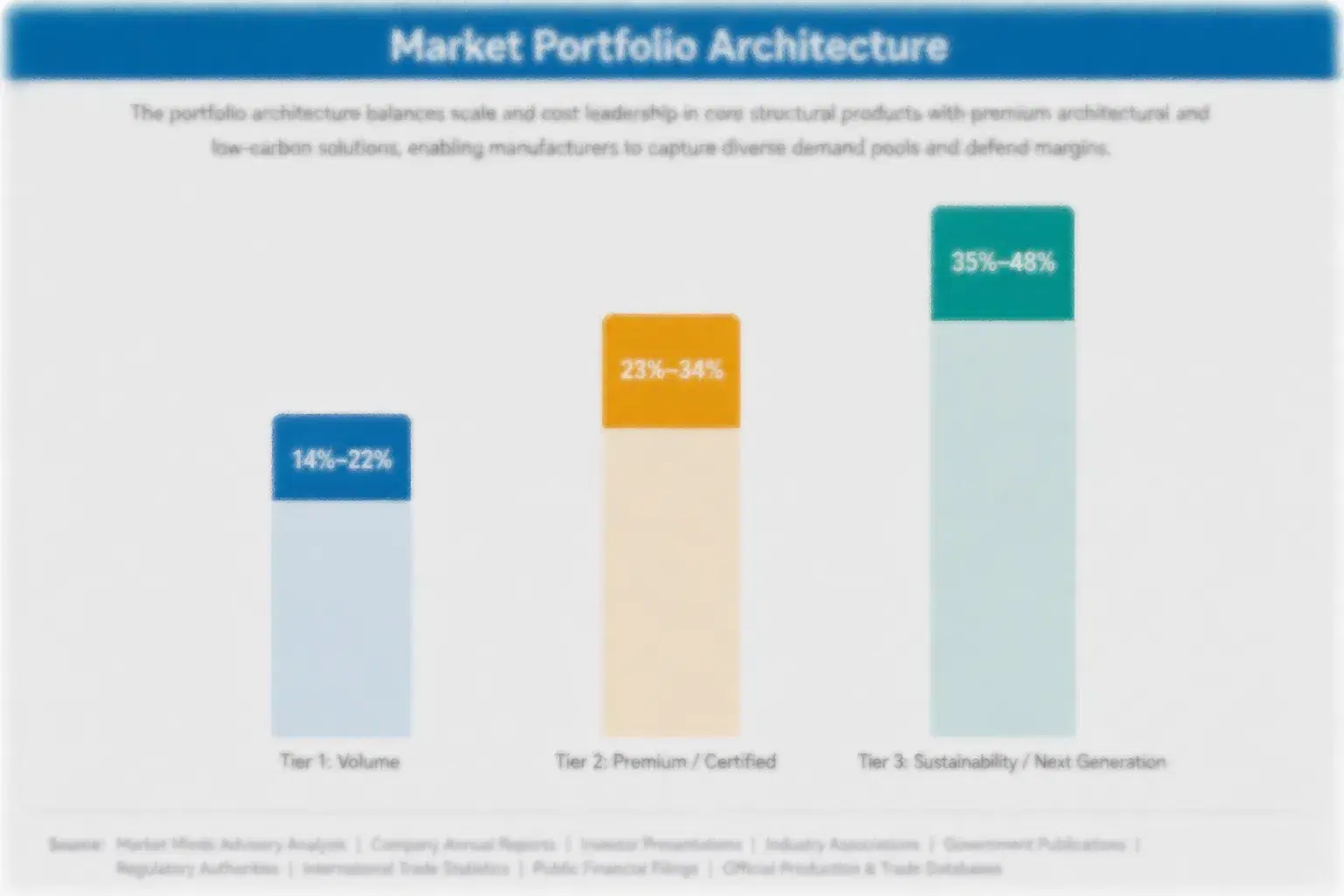
Portfolio Architecture for Margin Defence

Japan bagasse tableware splits into three commercial tiers with sharply different margin profiles. Volume commodity-adjacent trays, standard bento and convenience-store formats sold largely on price, carry gross margins typical of mature molded-fiber packaging. Premium certified formats, covering export-grade and multi-compartment presentation designs, command gross margins meaningfully above that. Next-generation formats, including custom-branded tableware, sit at the top of the margin range.
The tension running through this architecture is capacity allocation. Converters that invested early in export-grade mold libraries and custom-design capability can redirect production toward premium accounts paying meaningfully higher margin, while generalist distributors remain confined to the lower-margin domestic commodity tier competing primarily on price. Several mid-size distributors are deliberately shrinking their standard bento-tray commodity book to free capacity for premium export and custom-design work as international restaurant demand scales faster than domestic commodity volume.

High-value margin pools concentrate in export-grade restaurant-supply tableware and in custom multi-compartment presentation formats, both growing faster than the category average. Converters positioned in both pools simultaneously, rather than just one, are capturing the largest share of new premium contract wins as buyers consolidate toward fewer, more capable supply partners overall.

Volume / Commodity-Adjacent Tier

Standard bento and convenience-store trays sold primarily on price with minimal differentiation, serving domestic prepared-food retail where buyers compete mainly on unit cost and import reliability rather than added features.
Gross Margin: 16-20%

Premium / Certified Tier

Export-grade and multi-compartment presentation formats serving international restaurant chains and premium domestic prepared-meal counters, where format fidelity and supply reliability, not price, determine which converters win and retain the account.
Gross Margin: 28-34%

Sustainability / Regulatory / Next-Generation Tier

Custom-branded presentation tableware commanding the highest margins in the category as premium restaurant and retail brands pay for differentiated design rather than standard commodity shapes alone across their branded restaurant-supply lines.
Gross Margin: 34-40%
japan-bagasse-tableware-products-market-portfolio-architecture-1791560353828

High-value Sub-segments and Strategic Watch-out

Export-Grade Restaurant Supply Tableware

Japan-spec tableware exported to Japanese restaurant chains abroad is both the highest-margin and fastest-growing segment tracked, as international restaurant expansion and brand-consistency demand intensify simultaneously, pulling adoption from commercial directions across multiple export markets at once across most major restaurant groups currently expanding internationally today.
Gross Margin: 30-36%

Custom Multi-Compartment Presentation Formats

Custom-designed multi-compartment tableware for premium washoku-style presentation carries strong margin from design overhead, but unit-volume growth is moderate relative to export-grade product because adoption depends on chains first committing to premium prepared-meal positioning at this relatively early stage of broader premium-format adoption nationwide today across the sector.
Gross Margin: 27-33%

Standard Bento and Convenience Store Trays

The largest unit-volume segment by far, serving domestic convenience-store and bento retail on thin, price-competitive margins, remains the revenue base most converters depend on even as they reinvest proceeds into higher-margin export and custom-design categories as convenience-store standardization continues scaling toward full coverage nationwide each year.
Gross Margin: 16-20%

Distributors Without Direct Mill Relationships

Distributors still sourcing through import intermediaries rather than direct mill relationships face a slow-motion competitive squeeze as large convenience-store buyers increasingly favor suppliers who can guarantee consistent delivery without intermediary markup as large buyers increasingly require guaranteed consistent delivery terms before signing new multi-year agreements.
Gross Margin: 18-24%

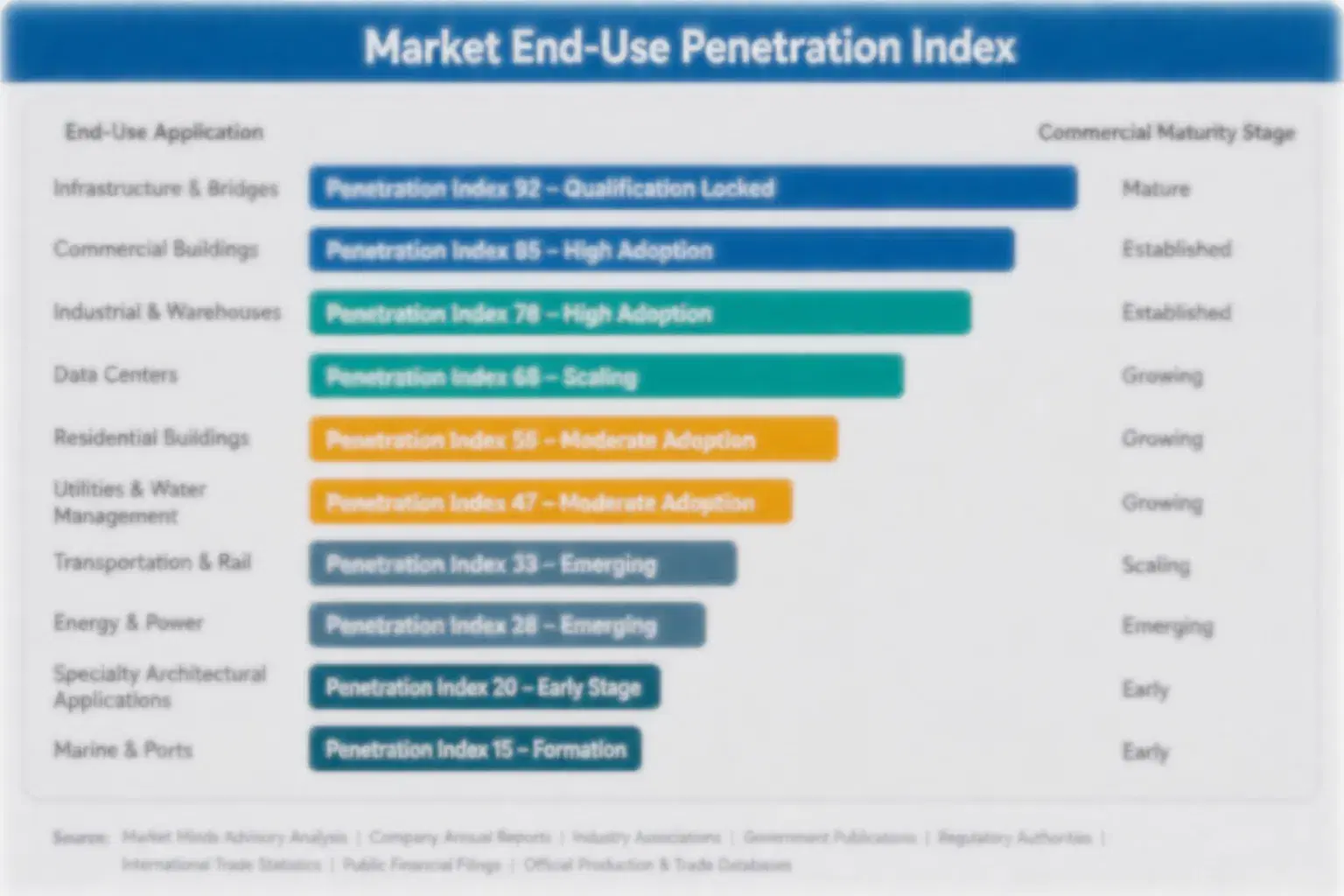
Why Chain Contracts Outlast Pricing Cycles

Once a converter wins a convenience-store standardization contract, the relationship behaves like an annuity rather than a one-time sale. Switching suppliers mid-contract carries import-reliability and brand-consistency risk chains rarely accept once a programme is running smoothly across thousands of stores, so the incumbent converter captures recurring volume across the contract's full term without needing to rebid the business.
Depth of adoption varies sharply by customer type. Large convenience store chains lock in the deepest converter relationships because consistent import quality across huge order volumes is hard to requalify quickly, while independent prepared-food shops outside chain standardization see more frequent price-driven switching on commodity tray products where loyalty is weaker. Mid-size regional chains sit in between, with growing sustainability interest but tighter budget constraints than major convenience-store networks.

Buyer profiles are shifting as packaging decisions move earlier into menu and brand planning. A decade ago, tray packaging was a routine procurement line item; today, tray-format choices increasingly factor into prepared-meal menu design and brand sustainability positioning decided well ahead of product launch, giving converters with export-grade and custom-design capability a seat earlier than commodity suppliers traditionally occupied in these conversations.
japan-bagasse-tableware-products-market-end-use-penetration-index-1791560354214

Where to Place Bets Now

These are among the four positions where our research anticipates prominent divergence between winners and laggards over the coming forecast period. Each is grounded in the demand model, the regulatory perimeter, and the announced capacity pipeline.
01 / CHAIN CONTRACT PRIORITY

Secure convenience store contracts before rivals lock them in

Convenience store chains are consolidating tray volume toward fewer qualified suppliers, and converters without a chain-level contract are losing access to entire store networks at once rather than competing store by store. The pricing premium for chain-level positioning is wide enough that leading converters have priced it ten to fifteen percent above fragmented-channel sales. Waiting until chains finish consolidating their supplier base risks ceding this position permanently to converters who already hold chain trust, a trust advantage that is proving difficult for later entrants to close quickly.
02 / EXPORT MOLD INVESTMENT

Build export-grade mold libraries before demand scales further

Japanese restaurant chains expanding internationally increasingly need export-grade tableware matching their domestic format, and converters without an established mold library cannot bid on these accounts at all regardless of price competitiveness. Converters who have already built this capability are pricing export product twenty to twenty-five percent above domestic-only equivalents, capturing margin that competitors building molds from scratch cannot access. This advantage should widen as more Japanese restaurant brands continue international expansion, and that advantage should widen further as more Japanese restaurant brands expand internationally over the next several years.
03 / FEEDSTOCK SUPPLY SECURITY

Diversify feedstock sourcing across multiple countries now

Japan's near-total import dependence makes feedstock-supply diversification an unavoidable necessity rather than an optional hedge, and converters dependent on a single origin country face sharper disruption risk than diversified competitors avoid through multi-country supply agreements. Converters who diversified sourcing early are winning the largest, most demanding chain-wide contracts specifically because they can guarantee year-round delivery reliability. Converters who wait risk losing these accounts to competitors who already offer that guarantee, a dynamic that should strengthen further as feedstock pricing keeps climbing across the category broadly.
04 / CUSTOM DESIGN CAPABILITY

Build custom multi-compartment design for premium positioning

Chains increasingly want multi-compartment presentation formats that reinforce premium washoku-style positioning rather than generic single-cavity trays, and converters without in-house mold design capability cannot bid on these higher-margin branded contracts at all. Converters who built this capability early are capturing tooling fees as a separate high-margin revenue line on top of ongoing unit sales once a custom mold enters production. This advantage should persist as more chains seek menu-specific differentiation, a gap that should widen further as more chains seek differentiation beyond standard catalog shapes.

Engagement Snapshot From the Field

A live engagement with an industry participant carrying material or product regulatory and market exposure ahead of a defining policy shift, showing how our research translates into a defensible multi-year portfolio strategy.
MARKET MINDS ADVISORY · CLIENT ENGAGEMENT SUMMARY
Japan Bagasse Tableware Products Producer Strategic Portfolio Review and Transition Roadmap 2026·Investment Scenario on Japan Bagasse Tableware Products Exposure Evaluation 2025-26
CLIENT PROFILE
The client is a regional Japanese convenience store chain operating several hundred stores across multiple prefectures, with annual revenue of approximately $1.4 billion (client-reported, unverified by MMA). The chain had piloted bagasse trays in a small number of flagship urban stores and sought an independent assessment of whether full chain-wide standardization could support its sustainability positioning without materially raising per-store packaging costs.
STRATEGIC CHALLENGE
The chain needed to determine whether bagasse tray supply could be guaranteed reliably across its full store network, including rural and suburban locations, and whether the resulting cost increase could be absorbed without raising prepared-meal prices in a competitive convenience-retail segment facing tight margin pressure already at this stage of its expansion plan.
MMA APPROACH
MMA conducted a structured supplier assessment benchmarking import-logistics reliability, feedstock-sourcing diversification, and volume pricing across four qualified converters, modeling the margin impact of full standardization against the chain's existing fragmented packaging spend to identify a cost-neutral path forward for leadership to approve within the available decision timeline set by its board.
KEY FINDINGS
  1. Only two of the four converters assessed could guarantee consistent supply across the chain's full geographic footprint, including its most remote rural locations, without seasonal shipping risk.
  2. Chain-wide standardization reduced the effective per-unit packaging cost by roughly 14% relative to the chain's existing fragmented, store-by-store purchasing approach across the chain's full network.
  3. Standardized volume pricing allowed the chain to absorb the bagasse cost premium without raising prepared-meal prices across its existing footprint at every store location.
  4. The chain's original cost assumptions understated import-logistics costs by roughly 11%, a gap the assessment surfaced before the supplier contract was finalized.
RECOMMENDED STRATEGY
Phase 1: Phase 1 (Months 1 to 2): Expand standardized bagasse trays from flagship stores to a representative sample covering the chain's full regional footprint. Phase 2: Phase 2 (Months 3 to 6): Roll out to remaining stores based on validated supply-reliability and cost data from the expanded pilot phase. Phase 3: Phase 3 (Month 7 onward): Finalize a multi-year chain-wide supply contract once full rollout is validated across all prefectures across every covered prefecture.
OUTCOME
The chain completed chain-wide standardization within the planned seven-month window, and the new bagasse tray specification maintained supply continuity across its full geographic footprint without raising menu prices. The chain reported positive customer feedback on its sustainability positioning following the rollout (client-reported, unverified by MMA).

Frequently Asked Questions

Foundational context covering the market sizes, CAGR, scope, country, region and competition that inform every finding below. This section is provided to cover basics and most often pre-purchase conversations, answered from the MMA Primary Research Dataset.

What is the current size of the Japan Bagasse Tableware Products Market?

The global market was valued at approximately $0.21 billion in 2025. This reflects molded-fiber trays, bowls, and dishes manufactured for Japanese convenience store and prepared-food applications, including export-grade formats.

How large will the Japan Bagasse Tableware Products Market be by 2036?

MMA projects the market will reach approximately $0.42 billion by 2036, roughly double its 2025 starting base. Growth is driven by convenience-store standardization and expanding export demand.

What is the CAGR for the Japan Bagasse Tableware Products Market 2026 to 2036?

The market is projected to grow at a compound annual growth rate of 6.4% between 2026 and 2036. Bull and bear scenarios range from roughly 5.2% to 7.5%.

Which segment is growing fastest?

Molded bowls and small dishes are the fastest-growing segment, expanding at approximately 8.8% annually, well above the category average. This reflects washoku-style multi-compartment presentation pulling demand into premium formats.

Who are the major companies in the Japan Bagasse Tableware Products Market?

Leading companies include Oji Holdings, Nippon Paper Industries, Chuo Kagaku, Risu Pack, and Huhtamaki. These five manufacturers hold the leading qualified positions in the category.

Which country is growing fastest?

The United States is the fastest-growing major country, expanding at approximately 7.8% annually as Japanese restaurant chains continue expanding and specifying export-grade tableware. Brand-consistency demand is accelerating this trend.

Japan Bagasse Tableware Products Segments Covered

The full report scope spans multiple orthogonal segmentation dimensions, with cross-tabulated demand data provided for each dimension pair. Coverage extends further to regional breakdowns, trend trajectories, and the competitive detail needed to support segment-level decision-making.

By Product Type

  • Bento and Convenience Store Trays
  • Sushi and Prepared Food Trays
  • Molded Bowls and Small Dishes
  • Disposable Chopstick Rests and Cutlery Accessories
  • Supermarket Produce and Deli Trays
  • Export-Grade Custom Molded Tableware

By End-Use Channel

  • Convenience Store Retail
  • Supermarket Prepared Food Counters
  • Independent Restaurants and Bento Shops
  • International Restaurant Export Supply
  • Institutional and Catering Foodservice

By Commercial Dimension

  • Chain-Level Standardization Supply
  • Independent Retailer Direct Supply
  • Distributor and Import Wholesale Supply
  • Custom-Molded Export Brand Supply

By Region

  • North America
  • Western Europe
  • East Asia
  • South Asia and Pacific
  • Latin America
  • Middle East and Africa
  • Eastern Europe

Scope, Methodology, and Coverage

Every figure in this report is reproducible from documented input assumptions. The scope below maps the historical period, the forecast horizon, the segmentation dimensions, and the countries covered, alongside the underlying primary and qualitative methodology.
Historical Period
2020 to 2025
Forecast Period
2026 to 2036
Base Year
2025 (USD billions; MMA Primary Research Dataset, October 2026)
Market Definition
The Japan bagasse tableware products market covers molded-fiber trays, bowls, dishes, and cutlery accessories manufactured from sugarcane bagasse feedstock for Japanese convenience store, bento, and prepared-food foodservice applications, including export-grade formats sold abroad. It excludes conventional plastic, polystyrene, or wood tableware and bagasse packaging not intended for prepared-food contact.
Quantitative Units
USD billions (current prices); unit volumes in million pieces where cited
Segmentation Dimensions
By Product Type; By End-Use Channel; By Commercial Dimension; By Region
Regions Covered
North America, Western Europe, East Asia, South Asia and Pacific, Latin America, Middle East and Africa, Eastern Europe
Countries Covered
USA, China, Germany, France, UK, Japan, South Korea, India, Australia, Canada, Brazil, Mexico, Indonesia, Vietnam, Thailand, Malaysia, UAE, Saudi Arabia, South Africa, Nigeria, Turkey, Poland, Netherlands, Italy, Spain, Sweden, Switzerland, Argentina, Colombia, Singapore, and additional markets relevant to this sector
Key Companies Profiled
Oji Holdings Corporation, Nippon Paper Industries Co. Ltd., Chuo Kagaku Co. Ltd., Risu Pack Co. Ltd., Huhtamaki Oyj, CFP Corporation, Mitsubishi Chemical Group Corporation, Nissha Co. Ltd., Thantawan Industry Public Company Limited, Dragon International Clean-Tech Group Co. Ltd., World Centric, BioPak Pty Ltd, Vegware Ltd, Towa Sangyo Co. Ltd., Sanwa Paper Industries Co. Ltd., Chukyo Pack Co. Ltd., Fuji Shoji Co. Ltd., Daiwa Can Company Ltd., Tokan Kogyo Co. Ltd., Sanko Co. Ltd.
Quantitative Methodology
Primary survey, n=3,800 respondents, Q4 2025, six countries; demand-side model with trade association cross-validation
Qualitative Methodology
47 expert interviews, Q4 2025; applied to validate demand model assumptions, identify emerging dynamics, and assess competitive positioning
Report Format
PDF and XLSX data workbook (Word format preview document)
Publisher
Market Minds Advisory
Report Code
MMA-2026-PAC-101
Published
October 2026
Contact
sales@marketmindsadvisory.com | www.marketmindsadvisory.com

Purchase the full Japan Bagasse Tableware Products Market Report (2026 to 2036).

The full report delivers a complete market model spanning 2020 to 2036, with segment-level and regional revenue breakdowns across all seven tracked geographies. It includes detailed profiles of twenty companies, competitive benchmarking on a revenue basis, and an independent assessment of moat durability and risk exposure for the two leading manufacturers. Buyers receive the complete regional dataset beyond the two regions shown in this summary, along with extended commentary on import-logistics and feedstock cost exposure. A dedicated appendix covers chain-standardization case examples, export-grade mold benchmarking, and feedstock-diversification strategies across the competitive set. Custom segment cuts and company-specific data extensions are available on request.
Twenty-company competitive benchmarking on a consistent basis
Full seven-region revenue and CAGR dataset
Segment-level margin and growth analysis across six product types
Import-logistics and feedstock cost exposure appendix
Chain-standardization and export-grade mold benchmarking data
Custom segment and company-specific data extensions available

Built For The People Who Decide

From boardroom strategy to bench-side execution, this report is read cover-to-cover by leaders shaping the next decade of their industry, turning demand scenarios, market dynamics and valuation benchmarks into decisions.
CXOs/ Presidents/ VPs/ Managers
M&A and Corporate Development
Strategy Teams and R&D Heads
Procurement and Product Directors
Regulatory and Compliance Leaders
Investor Relations and Equity Analysts