Antibiotics Active Pharmaceutical Ingredient (API) Market
Antibiotics Active Pharmaceutical Ingredient (API) Market Outlook from 2026 to 2033
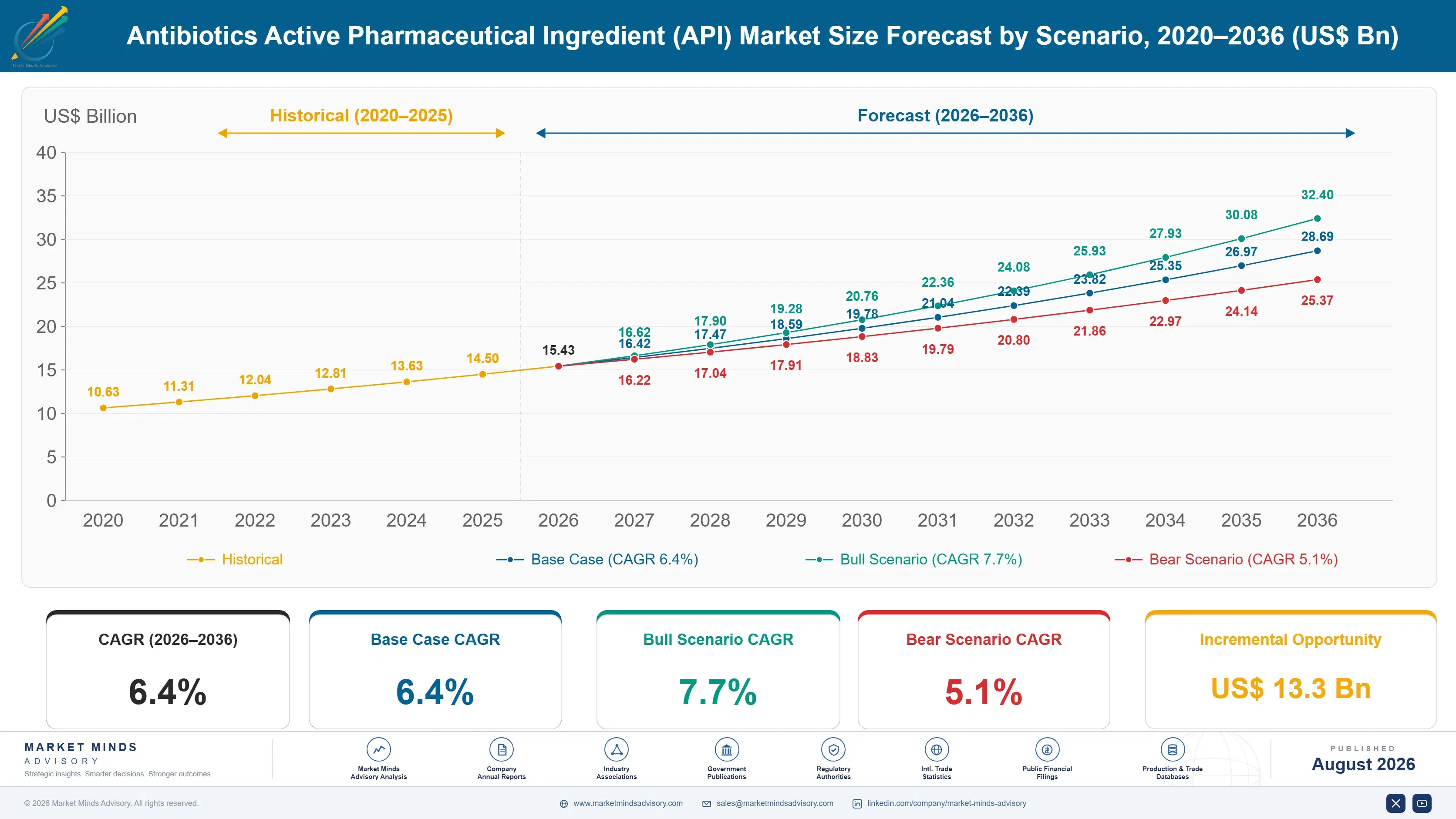
The global Antibiotics Active Pharmaceutical Ingredient (API) market is poised for robust expansion between 2026 and 2033, driven by increasing demand for effective antimicrobial therapies and the rising prevalence of infectious diseases worldwide. The market size is projected to reach USD 16.8 billion by 2033, up from USD 11.2 billion in 2026, reflecting a CAGR of 5.9% over the forecast period. This growth is underpinned by advancements in pharmaceutical manufacturing, heightened awareness of antimicrobial resistance, and the ongoing need for novel and generic antibiotic APIs to address evolving bacterial threats.
The market landscape is characterized by a dynamic interplay of regulatory frameworks, supply chain complexities, and technological innovations. Leading pharmaceutical companies are investing in R&D to develop next-generation antibiotic APIs, while governments and health organizations are implementing policies to ensure sustainable antibiotic production and stewardship. The competitive environment is further intensified by the entry of new players, strategic collaborations, and a focus on cost-effective manufacturing solutions to meet global healthcare demands.

Antibiotics Active Pharmaceutical Ingredient (API) Market Scenario & Strategic Insights
The Antibiotics Active Pharmaceutical Ingredient (API) market is experiencing a paradigm shift as pharmaceutical manufacturers adapt to evolving regulatory requirements and heightened scrutiny over quality standards. The increasing incidence of multidrug-resistant bacterial infections has prompted both public and private sectors to prioritize the development and supply of high-quality antibiotic APIs. This has led to a surge in investments in advanced manufacturing technologies, such as continuous processing and green chemistry, aimed at enhancing yield, reducing environmental impact, and ensuring compliance with stringent Good Manufacturing Practices (GMP).
Strategically, market participants are leveraging partnerships and mergers to expand their global footprint and diversify their product portfolios. The Asia-Pacific region, particularly India and China, continues to dominate API production due to cost advantages and established infrastructure. However, concerns over supply chain vulnerabilities and quality assurance are driving Western markets to explore nearshoring and local API manufacturing initiatives. The market is also witnessing increased focus on lifecycle management, patent expirations, and the introduction of generic APIs, which are reshaping competitive dynamics and pricing strategies.
| Attribute | 2026 (USD Billion) | 2033 (USD Billion) | CAGR (2026 – 2033) |
| Market Size | 11.2 | 16.8 | 5.9% |
Antibiotics Active Pharmaceutical Ingredient (API) Market Trends
- Rising Emphasis on Antimicrobial Stewardship and Regulatory Compliance
The global healthcare community is intensifying efforts to combat antimicrobial resistance (AMR), leading to stricter regulatory oversight and stewardship programs. Regulatory agencies such as the US FDA and EMA are enforcing rigorous quality standards for antibiotic APIs, including traceability, impurity profiling, and environmental controls. Manufacturers are investing in compliance infrastructure and adopting advanced analytical techniques to meet these evolving requirements, which is shaping procurement strategies and influencing supplier selection across the pharmaceutical value chain.
- Technological Advancements in API Manufacturing
The adoption of innovative manufacturing technologies, such as continuous flow synthesis, biocatalysis, and process automation, is transforming the antibiotics API landscape. These advancements enable higher process efficiency, reduced production costs, and improved product consistency. Additionally, the integration of digital tools and data analytics is facilitating real-time monitoring and optimization of manufacturing processes, supporting quality assurance and regulatory compliance. Such technological progress is expected to drive market competitiveness and support the development of novel antibiotic APIs.
- Shift Towards Sustainable and Green Chemistry Practices
Environmental sustainability is becoming a critical consideration in API manufacturing, particularly for antibiotics, which are associated with significant ecological impact due to waste generation and effluent discharge. Leading manufacturers are adopting green chemistry principles, such as solvent recycling, waste minimization, and energy-efficient processes, to reduce their environmental footprint. This trend is not only driven by regulatory mandates but also by growing stakeholder expectations and corporate social responsibility initiatives, positioning sustainability as a key differentiator in the antibiotics API market.
Segment & Category Analysis for Antibiotics Active Pharmaceutical Ingredient (API) Market
By Product Type
- Beta-lactam Antibiotics (Penicillins, Cephalosporins, Carbapenems)
- Macrolide Antibiotics
- Tetracycline Antibiotics
- Aminoglycoside Antibiotics
- Others (Glycopeptides, Lincosamides, etc.)
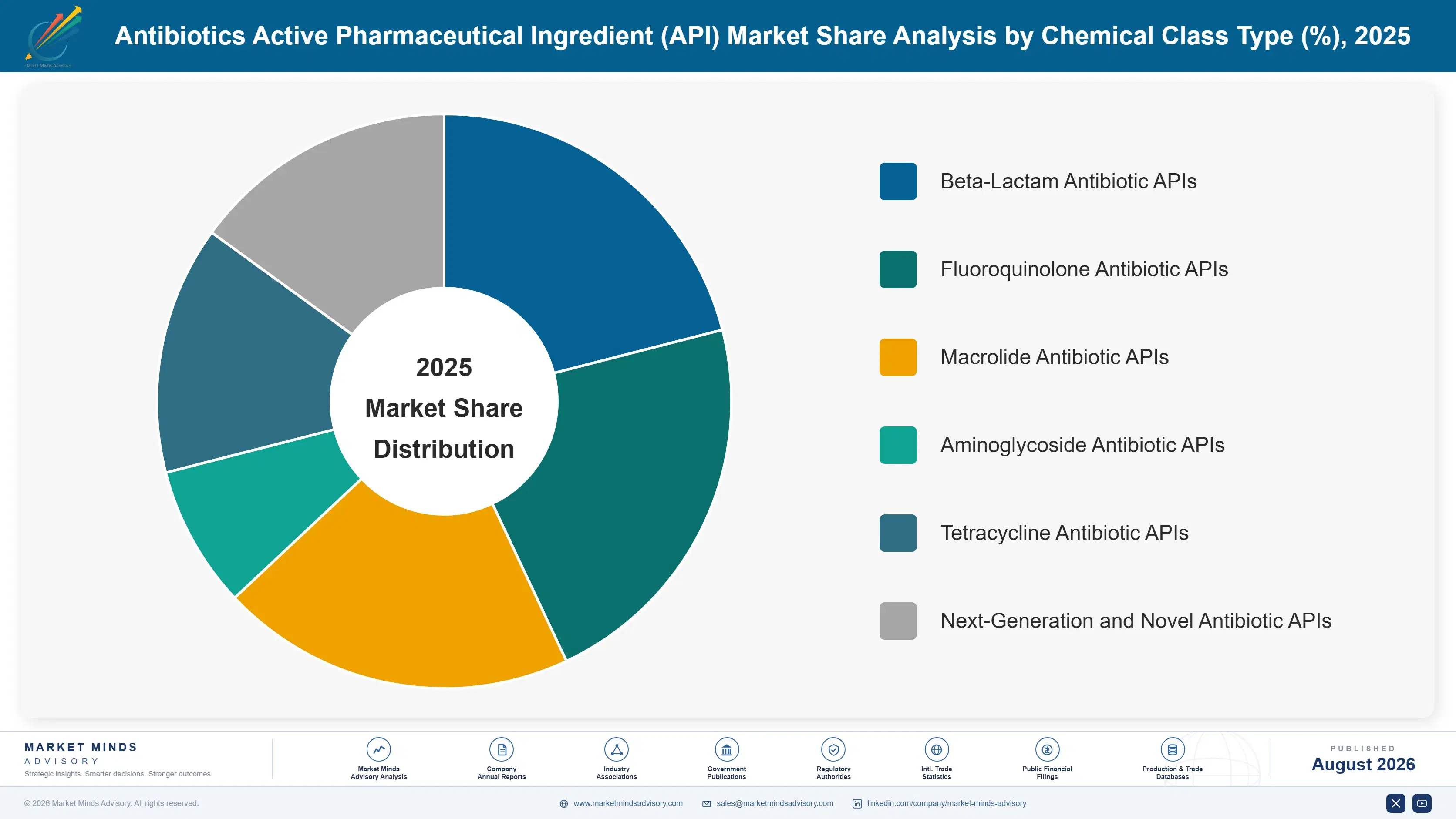
The product type segment is dominated by beta-lactam antibiotics, which include penicillins, cephalosporins, and carbapenems, owing to their broad-spectrum efficacy and widespread clinical use. Macrolides and tetracyclines also hold significant market shares, particularly in regions with high prevalence of respiratory and skin infections. The demand for aminoglycosides and other specialized antibiotics is driven by their application in treating severe and resistant infections. The diversification of product portfolios and the development of novel molecules are key strategies adopted by manufacturers to address emerging resistance patterns and unmet clinical needs.

By Synthesis Method
- Chemical Synthesis
- Fermentation
- Semi-synthetic Processes
Chemical synthesis remains the predominant method for producing many antibiotic APIs, offering scalability and cost-effectiveness. However, fermentation-based production is essential for certain classes, such as penicillins and tetracyclines, due to their complex molecular structures. Semi-synthetic processes, which combine fermentation and chemical modification, are gaining traction for their ability to enhance yield and purity. The choice of synthesis method is influenced by factors such as regulatory requirements, environmental considerations, and the nature of the antibiotic molecule.
By Application
- Human Pharmaceuticals
- Veterinary Pharmaceuticals
The primary application of antibiotic APIs is in human pharmaceuticals, driven by the global burden of infectious diseases and the need for effective treatment options. Veterinary applications are also significant, particularly in livestock and companion animal health, where antibiotics are used for disease prevention and growth promotion. Regulatory scrutiny over antibiotic use in animals is increasing, leading to a shift towards responsible usage and the development of alternatives. This dual application landscape presents both opportunities and challenges for API manufacturers in terms of compliance and market access.
By End User
- Pharmaceutical Companies
- Contract Manufacturing Organizations (CMOs)
- Research Institutes
Pharmaceutical companies constitute the largest end-user segment, leveraging in-house or outsourced API production to support branded and generic antibiotic formulations. Contract Manufacturing Organizations (CMOs) play a critical role in providing flexible manufacturing capacity and specialized expertise, particularly for small and mid-sized firms. Research institutes contribute to early-stage development and innovation, often collaborating with industry partners to advance new antibiotic candidates. The interplay between these end users shapes supply chain dynamics and influences market growth trajectories.
By Distribution Channel
- Direct Sales
- Distributors/Wholesalers
Direct sales channels are preferred by large pharmaceutical companies seeking greater control over quality and supply chain logistics. Distributors and wholesalers facilitate market access for smaller manufacturers and enable efficient distribution across diverse geographies. The choice of distribution channel is influenced by factors such as regulatory requirements, market reach, and customer preferences. The increasing complexity of global supply chains underscores the importance of robust distribution networks and strategic partnerships in ensuring timely and reliable API delivery.

Growth Drivers and Opportunities in Antibiotics Active Pharmaceutical Ingredient (API) Market
- Escalating Prevalence of Infectious Diseases
The global rise in infectious diseases, including hospital-acquired infections and community outbreaks, is a primary driver for the antibiotics API market. The increasing incidence of multidrug-resistant pathogens has heightened the demand for both existing and novel antibiotic APIs. This trend is further reinforced by demographic factors such as aging populations, urbanization, and increased international travel, which contribute to the spread of infectious agents. Pharmaceutical companies are responding by expanding production capacities and accelerating the development of new antibiotic classes to address these pressing healthcare challenges.
- Expansion of Generic Antibiotic Production
The expiration of patents on several blockbuster antibiotics has opened significant opportunities for generic API manufacturers. The growing emphasis on affordable healthcare, particularly in emerging markets, is driving demand for cost-effective generic antibiotics. Regulatory agencies are streamlining approval processes for generic APIs, enabling faster market entry and increased competition. This environment fosters innovation in manufacturing processes and supply chain management, allowing companies to capture market share and meet the needs of diverse patient populations.
Emerging Opportunities for Antibiotics Active Pharmaceutical Ingredient (API) Market
- Integration of Advanced Manufacturing Technologies
The adoption of advanced manufacturing technologies, such as continuous processing, automation, and artificial intelligence, presents significant opportunities for API producers. These technologies enhance process efficiency, reduce operational costs, and improve product quality, enabling manufacturers to meet stringent regulatory standards and respond swiftly to market demands. Companies investing in digital transformation and smart manufacturing are well-positioned to gain a competitive edge in the evolving antibiotics API landscape.
- Strategic Collaborations and Global Expansion
Strategic collaborations between pharmaceutical companies, research institutes, and contract manufacturers are creating new avenues for innovation and market expansion. Joint ventures and licensing agreements facilitate access to novel technologies, intellectual property, and distribution networks, enabling companies to diversify their product offerings and penetrate new markets. Global expansion initiatives, particularly in high-growth regions such as Asia-Pacific and Latin America, offer opportunities to tap into underserved markets and drive long-term growth.
Growth Restrain factors and Challanges in Antibiotics Active Pharmaceutical Ingredient (API) Market
- Stringent Regulatory and Quality Compliance Requirements
The antibiotics API market is subject to rigorous regulatory oversight, with agencies such as the US FDA, EMA, and WHO enforcing strict quality standards and manufacturing practices. Compliance with these requirements entails significant investment in infrastructure, documentation, and quality assurance systems. Manufacturers face challenges in maintaining consistent product quality, managing supply chain risks, and navigating complex approval processes. Non-compliance can result in product recalls, import bans, and reputational damage, posing substantial risks to market participants.
Additionally, the evolving regulatory landscape, including new guidelines on antimicrobial resistance and environmental impact, requires continuous adaptation and resource allocation. Smaller manufacturers may struggle to meet these demands, leading to market consolidation and increased barriers to entry. The need for ongoing investment in compliance and risk management is a critical consideration for companies seeking sustainable growth in the antibiotics API sector.
- Market Saturation and Price Erosion
The proliferation of generic antibiotic APIs has led to increased competition and downward pressure on prices, particularly for mature products. Market saturation in key segments, such as beta-lactam antibiotics, has intensified price wars and eroded profit margins for manufacturers. This environment challenges companies to differentiate their offerings through innovation, quality, and value-added services.
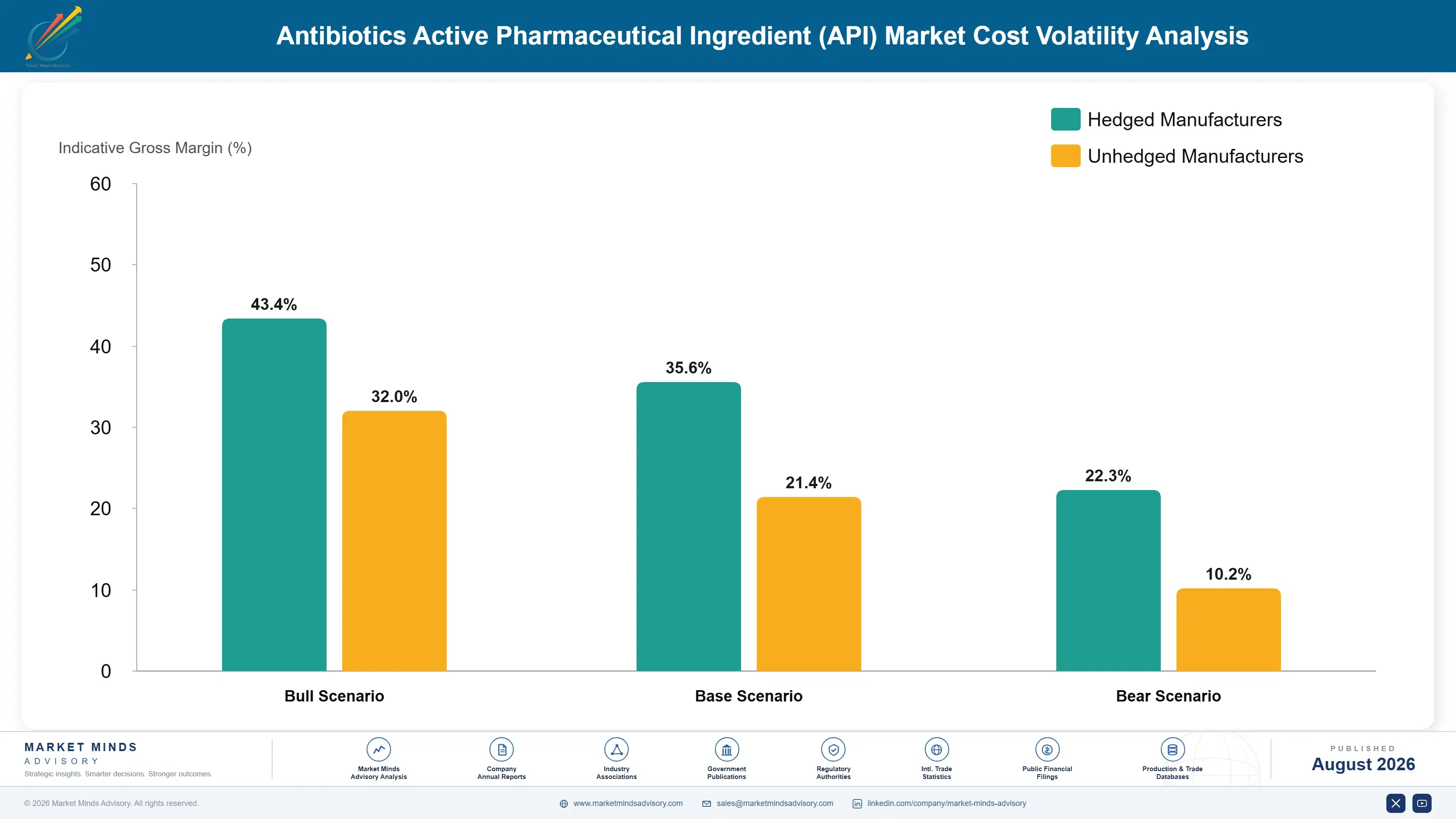
Furthermore, cost pressures are exacerbated by fluctuations in raw material prices, supply chain disruptions, and changing reimbursement policies. Manufacturers must balance the need for cost efficiency with investments in R&D and compliance, necessitating strategic decision-making and operational agility. The ability to navigate these challenges will determine long-term viability and competitiveness in the antibiotics API market.
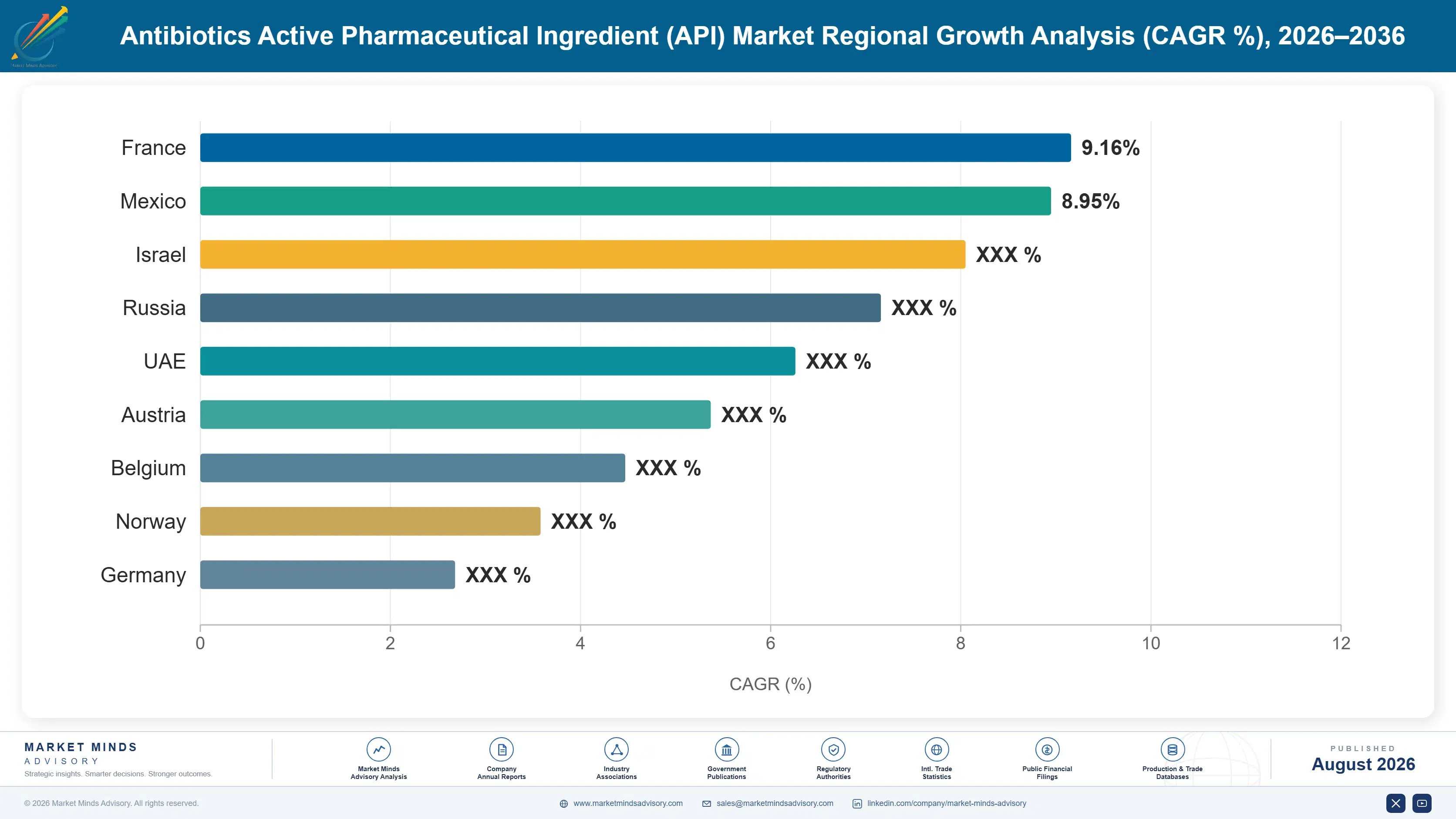
Antibiotics Active Pharmaceutical Ingredient (API) Market Regional Analysis
| Region | Market Share (2025) | Key Market Highlight |
| Asia-Pacific | 44% | Dominates global production; India and China are leading API exporters. |
| North America | 22% | High regulatory standards; focus on local manufacturing and supply chain resilience. |
| Europe | 18% | Stringent quality controls; emphasis on sustainability and antimicrobial stewardship. |
| South America | 9% | Growing demand for generics; increasing investments in local API manufacturing. |
| Middle East & Africa | 7% | Expanding healthcare infrastructure; rising focus on infectious disease management. |
Asia-Pacific:
Asia-Pacific leads the antibiotics API market, accounting for the largest share due to its established manufacturing infrastructure, cost advantages, and strong export capabilities. India and China are the primary hubs, supplying APIs to global pharmaceutical markets. The region benefits from a skilled workforce, favorable government policies, and increasing investments in technology upgrades. However, concerns over quality control and environmental impact are prompting regulatory reforms and investments in sustainable practices.
North America:
North America holds a significant share of the antibiotics API market, driven by high regulatory standards, advanced manufacturing technologies, and a focus on supply chain resilience. The region is witnessing a trend towards local API production to mitigate risks associated with global supply disruptions. Strategic partnerships and investments in R&D are supporting the development of novel antibiotics and compliance with evolving regulatory requirements.
Europe:
Europe is characterized by stringent quality controls, robust regulatory frameworks, and a strong emphasis on sustainability and antimicrobial stewardship. The region is investing in green chemistry initiatives and promoting responsible antibiotic use to combat resistance. European manufacturers are leveraging technological innovation and strategic collaborations to enhance competitiveness and ensure supply chain security.
South America:
South America is emerging as a growth market for antibiotics APIs, driven by increasing demand for generic pharmaceuticals and expanding healthcare access. Investments in local API manufacturing are rising, supported by government initiatives and international partnerships. The region faces challenges related to regulatory harmonization and infrastructure development but offers significant opportunities for market expansion.
Middle East & Africa:
The Middle East & Africa region is experiencing steady growth in the antibiotics API market, supported by expanding healthcare infrastructure and rising awareness of infectious disease management. Governments are investing in pharmaceutical manufacturing capabilities and regulatory frameworks to enhance local production and reduce dependence on imports. The region presents opportunities for market entry and growth, particularly in underserved areas.

Competition Landscape in Antibiotics Active Pharmaceutical Ingredient (API) Market
The Antibiotics Active Pharmaceutical Ingredient (API) market is highly competitive, with a mix of global pharmaceutical giants, specialized API manufacturers, and emerging players. The competitive landscape is shaped by factors such as product quality, regulatory compliance, manufacturing capacity, and cost efficiency. Companies are pursuing strategies such as mergers and acquisitions, strategic alliances, and investments in R&D to strengthen their market position and expand their product portfolios. The entry of new players, particularly from emerging markets, is intensifying competition and driving innovation in manufacturing processes and product development.
Major Players:
- Pfizer Inc.
- Novartis AG
- Teva Pharmaceutical Industries Ltd.
- Aurobindo Pharma Limited
- Sun Pharmaceutical Industries Ltd.
- Dr. Reddy’s Laboratories Ltd.
- Cipla Limited
- Lupin Limited
- Merck KGaA
- GlaxoSmithKline plc
- Sanofi S.A.
- Zhejiang Hisun Pharmaceutical Co., Ltd.
- Hetero Drugs Limited
- Sandoz International GmbH
- Mylan N.V. (Viatris Inc.)
- Shandong Lukang Pharmaceutical Co., Ltd.
- North China Pharmaceutical Group Corporation (NCPC)
- Qilu Pharmaceutical Co., Ltd.
- ACS Dobfar S.p.A.
- Orchid Pharma Ltd.
Recent Developments in Antibiotics Active Pharmaceutical Ingredient (API) Market
- In January 2024, Pfizer Inc. announced the expansion of its antibiotic API manufacturing facility in Ireland to increase production capacity and support global supply.
- In March 2024, Aurobindo Pharma Limited entered into a strategic partnership with a European CMO to enhance its API distribution network in the region.
- In November 2023, Dr. Reddy’s Laboratories launched a new line of generic antibiotic APIs targeting multidrug-resistant infections in emerging markets.
- In September 2023, Sun Pharmaceutical Industries Ltd. invested in green chemistry initiatives to reduce the environmental impact of its antibiotic API manufacturing processes.
- In June 2023, Teva Pharmaceutical Industries Ltd. received US FDA approval for its new cephalosporin API facility in the United States.
- In February 2023, Lupin Limited collaborated with a leading research institute to develop next-generation macrolide antibiotic APIs.
FAQ for Antibiotics Active Pharmaceutical Ingredient (API) Market
- What is the projected market size of the Antibiotics API market by 2033?
The global Antibiotics Active Pharmaceutical Ingredient (API) market is expected to reach USD 16.8 billion by 2033, growing at a CAGR of 5.9% from 2026 to 2033.
- Which regions are leading in antibiotics API production?
Asia-Pacific, particularly India and China, leads global antibiotics API production due to cost advantages, established infrastructure, and strong export capabilities. North America and Europe also hold significant shares, focusing on regulatory compliance and local manufacturing.
- What are the major trends shaping the antibiotics API market?
Key trends include increased regulatory scrutiny and antimicrobial stewardship, technological advancements in API manufacturing, and a shift towards sustainable and green chemistry practices to minimize environmental impact.
- What are the main challenges faced by antibiotics API manufacturers?
Manufacturers face challenges such as stringent regulatory and quality compliance requirements, market saturation, price erosion, and the need for continuous investment in innovation and risk management.
- How are companies responding to the threat of antimicrobial resistance?
Companies are investing in R&D to develop novel antibiotic APIs, adopting advanced manufacturing technologies, and collaborating with regulatory agencies and research institutes to ensure responsible antibiotic production and stewardship.
Contact us today to access the full report and propel your business forward with detailed insights into the antibiotics API market.