Market Minds Advisory
Absorbent Food Pads Market

Absorbent Food Pads Market Size, Share & Trends 2026-2036

Meat and poultry retailers across North America and East Asia are shifting absorbent pad specification toward super-absorbent polymer formats well ahead of legacy cellulose volume growth across most retail categories.

Lead Analyst

Bilal Shaikh

Published

November 2026

Make Smarter Decisions with Customized Research Insights

Request a free sample report and evaluate market opportunities, growth trends, and competitive dynamics relevant to your business needs.

2025 MARKET VALUE$1.2BMarket Size 2025
2036 FORECAST VALUE$2.6BBase Case , 2026 to 2036
CAGR 2026 TO 20366.8 %Bull 8.1% / Bear 5.5%
INCREMENTAL OPPORTUNITY$1.2BNet 10- year value creation
EXPANSION MULTIPLE1.93x2036 value over 2026 base
Strategic Levers
M&A Pipeline
Regional Outlook
Country Rankings
Competitive Intelligence
Segmental Deep-dive
Call-Us : 91 93563 13602

Absorbent Food Pads Market at a Glance

Super-absorbent polymer pads are gaining share from legacy cellulose fiber formats as meat and poultry retailers across North America and East Asia respond to rising shelf life extension demand this year, forcing converters to reassess decades old capacity plans built around legacy cellulose lines that dominated the category historically.
Converters are racing to add super-absorbent polymer integration and antimicrobial treatment capacity as meat and poultry retailers shift absorbent pad specification away from traditional cellulose formats, concentrating demand gains most heavily across United States and Chinese production hubs serving fast growing Southeast Asian and European retail markets simultaneously, a divergence MMA expects to persist through the medium term as retailer specification requirements continue tightening across both regions.
Competitive intensity centers on a fragmented base of specialty nonwoven converters now facing tightening food safety compliance standards and rising pulp input costs, pressures that favor larger converters able to absorb formulation cost across multiple product lines simultaneously while smaller regional players struggle to keep pace, a gap that is widening fastest in markets where food safety enforcement has tightened most recently across the North American regulatory landscape specifically overall today.
Market Definition
The Absorbent Food Pads Market covers absorbent pad inserts placed within food packaging trays to absorb moisture and liquid exudate from meat, poultry, seafood, and fresh produce, including cellulose, non-woven, and super-absorbent polymer formats. It excludes the packaging trays themselves, desiccant sachets, and absorbent pads for industrial or medical use. That demand is tracked in the packaging inserts market, which MMA expects to expand at 6.6% a year to USD 16.6 billion by 2036.
Base Year Value
$1.2B in 2025 (MMA Primary Research Dataset, October 2026)
Forecast Period
2026 to 2036, eleven discrete annual values
CAGR
6.8% base case. Bull 8.1%. Bear 5.5%.
Fastest Growth Segment
Super-Absorbent Polymer Pads: 9.5% CAGR
Fastest Growth Country
China: 8.5% CAGR
Fastest Growth Region
South Asia and Pacific: 8.8% CAGR
Largest Region
North America: 30% of 2025 global value
Market Leaders
Ahlstrom-Munksjo, Paper-Pak Industries, Dri-Loc Absorbent Pads, Novipax Holdings, Maxwell Chase Technologies. Source: MMA Primary Research, July 2026.
Primary Survey
n=3,800 procurement and R&D decision-makers, Q4 2025, six countries
Methodology
Demand-side build-up, cross-validated against public data, 47 expert interviews

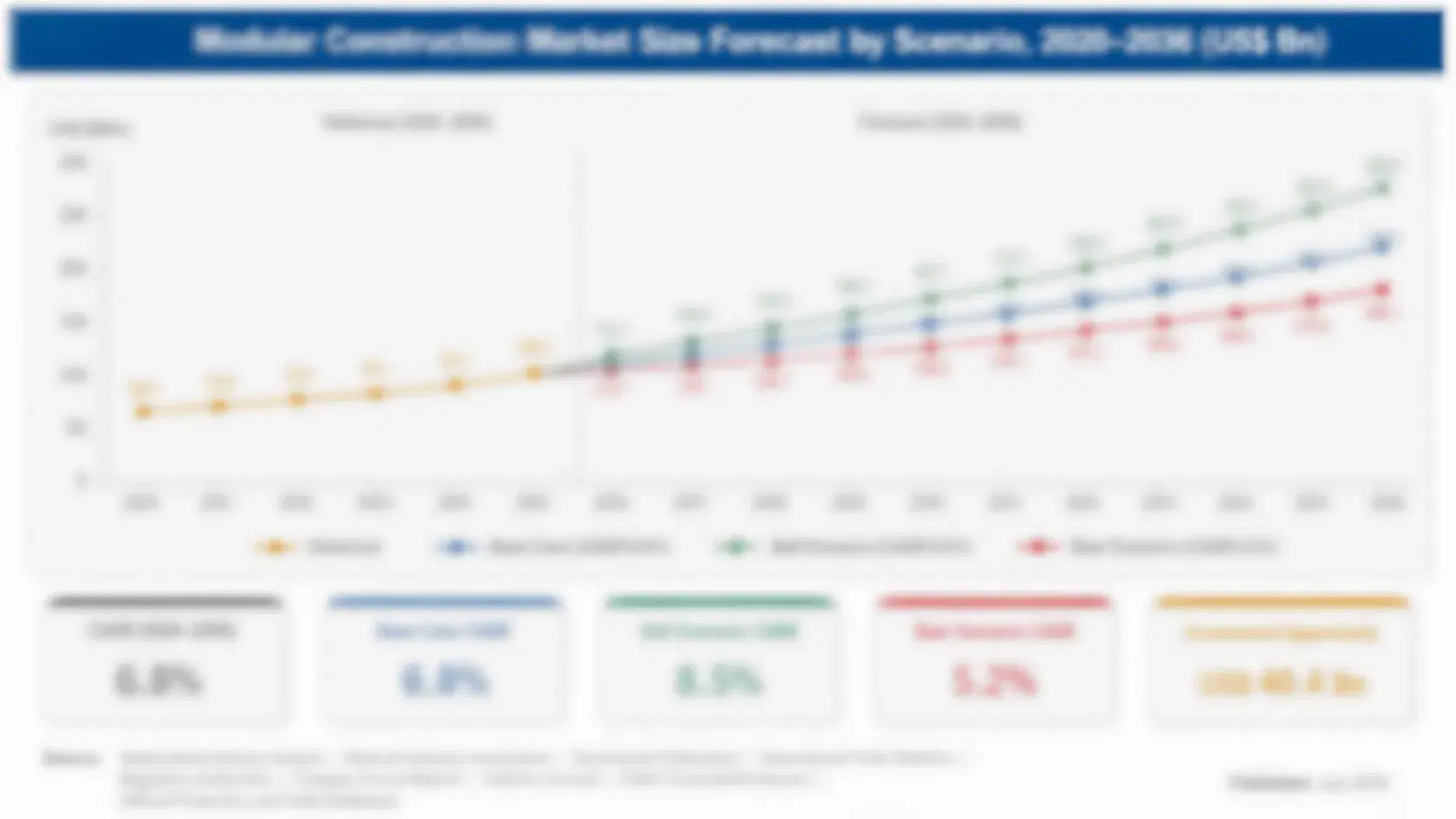
Absorbent Food Pads Growth Scenarios to 2036

absorbent-food-pads-market-size-forecast-scenario-1791344783544
Demand for absorbent food pads grew steadily between 2020 and 2025 as packaged meat and poultry retail expanded across North American and Chinese markets, with converters gradually adding super-absorbent polymer integration and antimicrobial treatment capacity alongside legacy cellulose lines to meet shifting retailer specification requirements across a widening set of regional markets, with converters investing capital accordingly throughout the historical period.
The base case assumes continued conversion toward super-absorbent polymer and antimicrobial formats from legacy cellulose pads, expanding packaged meat retail across urban China and India, and tightening food safety compliance standards that favor converters with certified polymer integration capability, three mechanisms that together sustain demand through the 2026 to 2036 forecast window at a steady pace across most regional markets tracked across most national markets tracked today broadly nationwide overall.
A bull scenario assumes faster East Asian packaged meat retail expansion lifting polymer pad volumes meaningfully above base case. The bear risk is prolonged pulp input cost inflation squeezing smaller regional converters out of competitive bidding on new retailer contracts across price sensitive emerging retail channels, a risk particularly acute for converters lacking long term pulp supply agreements with integrated producers.

Shelf Life Pressure Redraws Absorbent Pad Specification

Absorbent pad specification is shifting fastest where shelf life extension rewards higher absorption capacity, as meat and poultry retailers increasingly require certified polymer formulations that legacy cellulose pads cannot reliably deliver across fragmented wholesale distribution channels nationwide, a gap retailers are increasingly unwilling to accept as food safety enforcement expands its footprint each year today broadly. For a connected opportunity, MMA values the bio-based absorbent pads market at USD 1.8 billion in 2025.
TOP PRODUCING COUNTRY SHAREUnited States, 25%Reflects concentrated nonwoven forming and polymer integration capacity nationally
CAPACITY UTILIZATION70%Trails replacement cycle pace across most legacy cellulose pad facilities
FEEDSTOCK COST SHARE42%Pulp fiber and super-absorbent polymer dominate converter input spending
AVERAGE SELLING PRICE$0.03 per unitVaries meaningfully between standard cellulose and premium polymer formats
TRADE INTENSITY19% exportedNorth American converters supply meaningful volume into neighboring markets
MARKET CONCENTRATION (CR5)28%Fragmented base of regional converters competing across distinct absorbency tiers
Converters serving North American and Chinese meat and poultry retailers are investing in super-absorbent polymer integration lines even though cellulose pads remain the lower cost substrate, betting that shelf life extension and food safety messaging will justify the incremental conversion cost over the coming decade of retail expansion, a bet several converters are already validating through early retailer wins across premium packaged meat categories broadly. Measured on its own, the super absorbent polymer market is valued by MMA at USD 9.4 billion in 2025, heading to USD 15.1 billion by 2036.
Pulp fiber and super-absorbent polymer input costs have risen meaningfully across the historical period, squeezing smaller regional converters that lack the purchasing scale of integrated chemical producers, a dynamic that is accelerating industry consolidation among converters serving price sensitive emerging retail channels across Southeast Asia specifically, leaving only the better capitalized regional converters able to sustain margin through this prolonged transition period nationwide overall.
"Shelf life extension is the real story here, not cellulose pad volume alone. Converters betting purely on absorption upgrades without securing food safety certification first are making an expensive mistake."
Senior Analyst, Packaging and Materials Practice · MMA Packaging Practice · October 2026

What Is Changing in Absorbent Food Pads

Super-Absorbent Polymer Adoption Accelerates Across North America

Retailers across the United States and Canada are converting legacy cellulose pad lines into super-absorbent polymer formats as shelf life pressure pushes retailers toward verified moisture control capability. Converters report new retailer contract volume growing faster than overall pad demand, concentrated heavily among packaged meat and poultry brands repositioning tray packaging for compliance with rising consumer expectations around freshness and presentation across the broader North American retail landscape, a pattern converters expect to persist as other North American retailers follow leading chains' sourcing lead today nationwide overall across the industry.
Market Impact: Affects 49 percent of volume
Antimicrobial Treatment Gains Ground in Seafood Packaging

Seafood retailers are adopting antimicrobial treated absorbent pads at an accelerating pace, valuing the format's extended freshness window and its ability to reduce bacterial growth compared with conventional untreated predecessors. This premiumization push is drawing investment from converters previously focused solely on commodity cellulose pad production, as specialty retailers pay meaningfully more for differentiated shelf life against lower priced conventional competitors, a premium retailers increasingly view as justified given the category's shift toward food safety positioning, especially within premium frozen and fresh seafood categories targeting quality conscious buyers nationwide today.
Market Impact: Adds 10 points of retail penetration

Absorbent Food Pads Supplier Priorities

Food Safety Compliance Standards Tighten Across North America

Regulators across the United States and Canada are tightening food safety compliance thresholds for meat and poultry tray packaging, requiring converters to validate moisture absorption specifications against updated safety limits before new retailer contracts proceed. This regulatory tightening favors larger converters with dedicated compliance testing capability, while smaller regional manufacturers face mounting cost pressure qualifying legacy pad formulations against the newer limits, a dynamic reshaping competitive positioning across price sensitive food packaging markets broadly, a gap smaller converters are struggling to close without outside investment or consolidation today overall nationwide.
Market Impact: Compresses margins by 5 points

Packaged Meat Retail Expansion Drives Pad Demand

Packaged meat, poultry, and seafood retail is expanding rapidly across urban and semi urban China, India, and Vietnam as organized retail penetration deepens and branded consumption grows beyond traditional metropolitan markets. This retail format shift is pulling meaningful incremental volume toward both cellulose and polymer absorbent pad formats, with converters in the region racing to add capacity to serve retailers expanding distribution into tier two and tier three cities, a trend regional retail chains themselves are actively reinforcing through supplier packaging requirements, a dynamic strengthening further as more retail chains expand into smaller cities.
Market Impact: Delays conversion by 4 years

Absorbent Food Pads Cost and Adoption Hurdles

Pulp Input Cost Volatility Squeezes Smaller Converters

Pulp fiber prices have risen meaningfully across the historical period as global pulp input costs fluctuated, squeezing smaller regional converters lacking long term supply agreements with integrated pulp producers. The root cause traces to converters' historical reliance on spot market purchasing rather than hedged annual contracts, leaving margins exposed during price spikes. Several converters are now pursuing joint purchasing cooperatives and longer term supply agreements to mitigate this volatility going forward, though these cooperative arrangements remain nascent across most of the regional converter base today overall today across the industry.
Market Impact: Adds 13 percent polymer volume

Legacy Cellulose Pad Specification Persists in Commodity Categories

Mass market packaged meat categories remain deeply reliant on conventional cellulose absorbent pads, limiting how quickly polymer conversion can proceed despite shelf life pressure elsewhere. The root cause is the lower upfront cost and established supply chain depth of cellulose pads relative to polymer formats for these commodity categories. Retailers are mitigating this through selective premiumization in only their highest visibility retail facing product lines, a strategy that has shown early traction among the largest national retail chains so far, though scaling this approach profitably across commodity categories remains genuinely difficult.
Market Impact: Commands 24 percent price premium
3 additional market trends, 4 additional growth drivers, and 2 additional restraints and challenges are covered in the full report. Contact sales@marketmindsadvisory.com to access the complete intelligence.

Absorbent Food Pads Segment Growth Rates

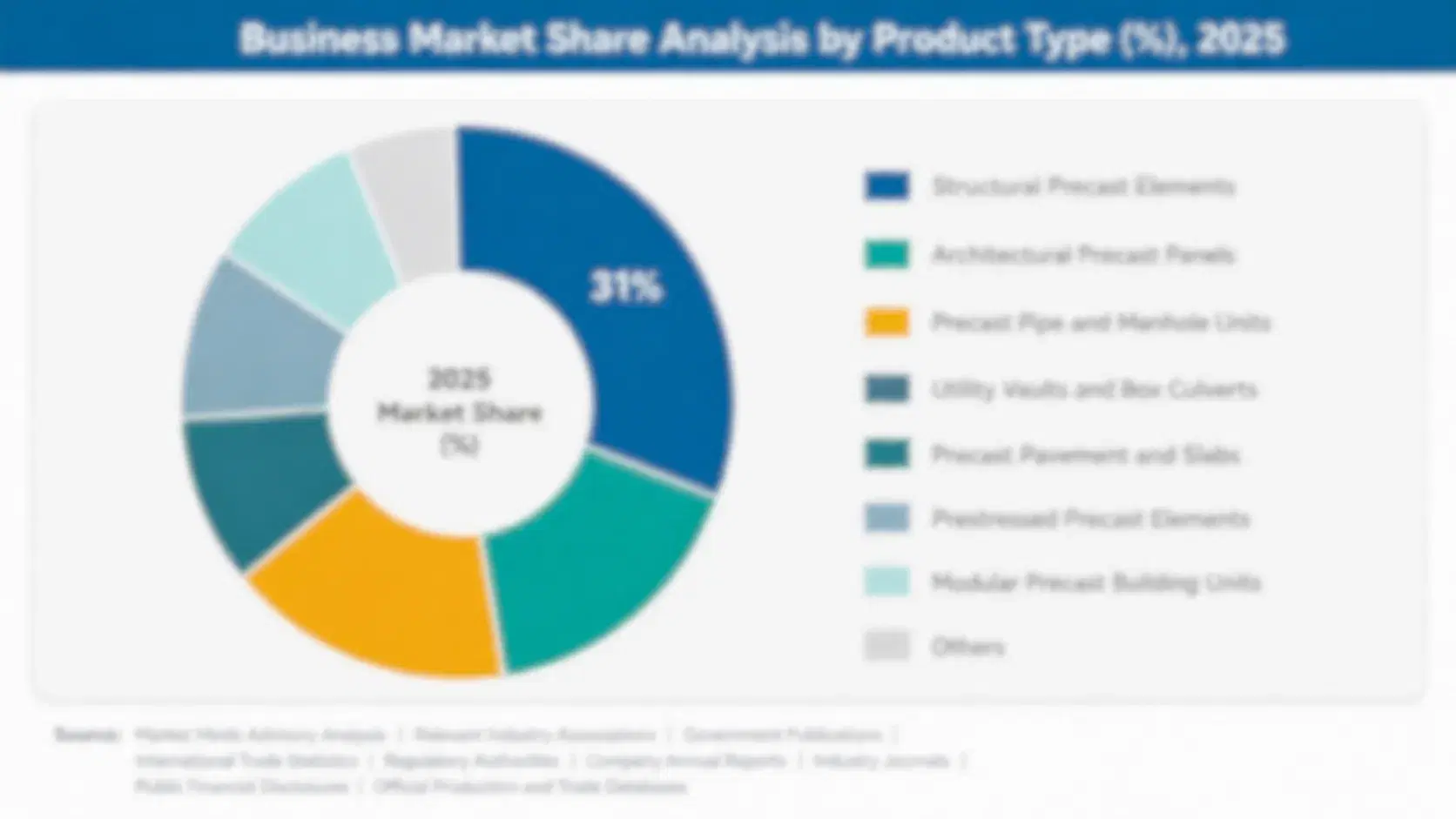
Absorbent food pad segmentation follows material technology and absorption performance, the classification retailers and converters actually use when specifying new pad contracts across regional markets. Super-absorbent polymer and antimicrobial treated formats are growing fastest as shelf life pressure accelerates ahead of legacy cellulose volume industry wide this decade across most regional markets tracked today.
absorbent-food-pads-market-market-share-analysis-1791344783718

Super-Absorbent Polymer Pads

Super-absorbent polymer pads are the fastest growing segment, pulling share from traditional cellulose formats as meat and poultry retailers prioritize moisture control precision and extended freshness capability. North American and Chinese premium retailers represent the core buyer base, valuing both the absorption consistency and the shelf appeal this format offers across varied product formulation types. Converters are investing heavily in polymer integration and coating technology to differentiate within this segment, since formulation specifications are converging quickly across competing suppliers. Order backlogs already extend well beyond three months at several leading converters. Retailers report the premium packaging investment pays back within roughly twelve months given the stronger shelf positioning achieved overall.
CAGR 9.5%

Antimicrobial Treated Pads

Antimicrobial treated pads are the second fastest growing segment, as seafood and premium meat retailers respond to demand for extended bacterial resistance previously associated mainly with specialty packaging coatings rather than absorbent pad formats specifically. Retail chains increasingly favor suppliers offering this feature given reduced customer complaints about traditional untreated pad spoilage. Converters retrofitting existing lines for antimicrobial treatment capability report meaningfully shorter payback periods than those building entirely new specialty forming capacity from scratch. Smaller regional converters lacking retrofit capital are increasingly losing new contract bids to better capitalized competitors already offering this feature across their full product range nationwide, a gap MMA expects to widen further as the feature becomes a baseline retail requirement.
CAGR 8.8%
Full segment breakdown across 7 segments available in the complete report.

Where Absorbent Food Pads Demand Is Growing

North America leads global absorbent food pad demand given its deep supermarket tray packaging culture and high per-capita packaged meat consumption. East Asia follows closely as China's retail scales, while South Asia and Pacific posts the fastest regional growth rate as packaged meat retail expands and food safety enforcement intensifies.

North America

United States packaged meat and poultry retailers anchor regional demand given the deep supermarket tray packaging culture and high per-capita consumption, reinforced by a dense converter base including Paper-Pak Industries and Novipax Holdings. Canada contributes a smaller but steady share tied to its own packaged meat processing sector. Mexico's converter base is expanding fastest within the region as nearshoring investment draws new pad production capacity south of the border, adding incremental orders. United States converters also export meaningfully into Latin America from their domestic manufacturing footprint, reinforcing the region's commercial weight beyond domestic consumption alone. Converters here increasingly focus on polymer and antimicrobial capability, a strategy that has preserved margins region wide.
Share: 30% | CAGR: 6.0% (2026 to 2036)

Western Europe

Germany and the United Kingdom anchor Western European demand given their concentration of established converters serving packaged meat brand owners across the continent. Belgium and the Netherlands contribute steady replacement demand tied to their meat processing heritage. Spain's retailer base, heavily weighted toward standard cellulose pads, is adopting polymer formats somewhat more slowly than Germany given a larger share of smaller family owned producer operations. Regional growth trails the global average as the installed converter base is already comparatively modern and well established. Regional converters increasingly specialize in premium polymer formats for specialty seafood buyers willing to pay for documented freshness compliance, a niche partially offsetting otherwise limited household retail penetration.
Share: 20% | CAGR: 5.2% (2026 to 2036)
Regional intelligence for 5 additional markets available in the complete report: East Asia, South Asia and Pacific, Latin America, Middle East and Africa, Eastern Europe. Contact sales@marketmindsadvisory.com.
absorbent-food-pads-market-country-cagr-analysis-1791344783897

Where Absorbent Pad Converters Build Margin

Converters are finding margin growth less in new cellulose volume and more in food safety certification and shelf life consulting services. Certification and formulation technology revenue is becoming an increasingly important complement to pad sales as retailers navigate tightening North American and Chinese regulation across both meat and seafood categories each year across most markets nationwide.

Food Safety Certification Testing Service Bundle

Converters are packaging food safety certification and moisture absorption testing services alongside pad sales, capturing retailers who need documented proof of compliance status without building in house testing capability. This generates meaningful incremental revenue from the large installed base of retailers navigating newly tightened regulatory thresholds across North America and China, while building a technical relationship that often leads to full volume conversion at the next contract renewal. Converters report certification service margins now exceeding comparable pad margins by roughly 6 points, a gap converters expect to widen as regulatory scrutiny increases further.
Market Impact: Adds roughly 8 to 12 percent margin uplift

Shelf Life Extension Consulting Support Program

Converters are bundling shelf life extension consulting with pad sales, addressing retailers' need to optimize freshness windows without maintaining in house food science capability. This recurring technical revenue stream partially offsets the cyclicality of new pad orders, smoothing converter revenue across capital spending cycles that otherwise concentrate heavily around premiumization driven expansion phases specifically. Converters with the strongest consulting capability now win roughly 14 percent more new retailer contracts on technical reputation alone, a trend accelerating as more retailers pursue differentiated freshness positioning across broader categories nationwide today overall nationwide.
Market Impact: Secures roughly 10 percent of total recurring revenue

Absorbent Food Pads Value Chain and Margins

Absorbent food pad manufacturing remains fragmented, with the top five converters holding roughly 28 percent of global unit volume on a combined basis. Ahlstrom-Munksjo's integrated pulp sourcing and manufacturing footprint give it a lead over the next closest challenger, Paper-Pak Industries, whose gap sits near 6 share points on the same volume basis, a gap that has persisted for several years despite repeated capacity investment by challengers.
Competitive activity currently centers on super-absorbent polymer capacity additions, food safety certification, and antimicrobial treatment development among converters targeting North American and Chinese retailers. Several challengers have announced new forming lines in Vietnam and Mexico to shorten delivery lead times, while established converters race to qualify compliant polymer formulations ahead of binding regulatory deadlines, a race that is reshaping converter investment priorities industry wide this year.

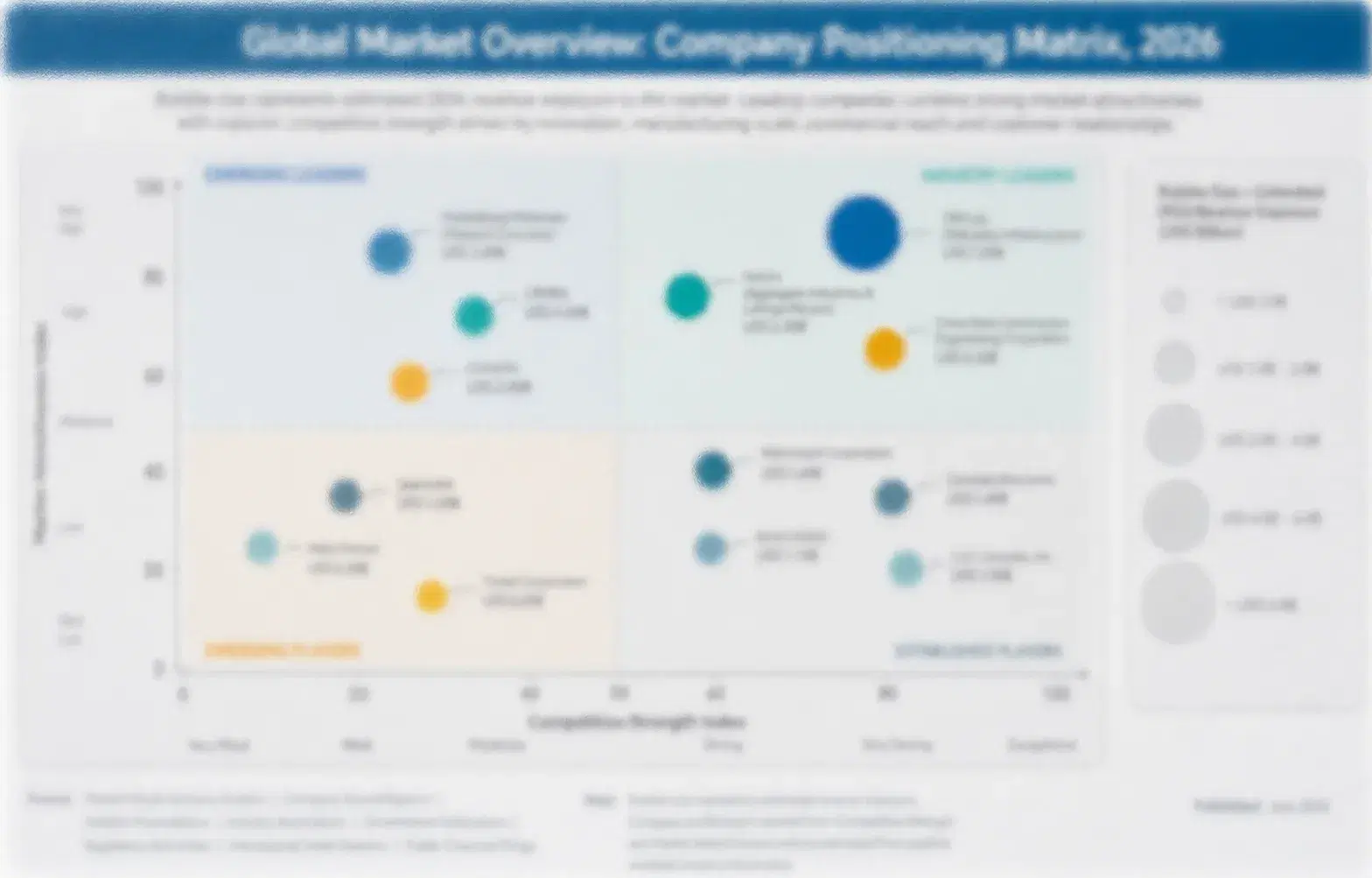
Emerging pressure comes from smaller regional converters investing selectively in polymer and antimicrobial capability to avoid losing share entirely to larger, better capitalized competitors. Rankings could shift meaningfully over the next five years as North American retailers increasingly favor converters offering the strongest certification documentation and fastest delivery over legacy relationship based purchasing habits that have long dominated this fragmented industry today.
absorbent-food-pads-market-company-positioning-matrix-1791344784079

How Absorbent Food Pads Suppliers Compete

AHLSTROM-MUNKSJO

Moat: Integrated Pulp Sourcing Scale

Ahlstrom-Munksjo's upstream integration into pulp fiber sourcing gives it cost and supply reliability advantages that independent converters cannot match, a supply chain depth advantage that keeps retailers loyal through multiple contract renewal cycles even when competitors offer comparable technical specifications at modestly lower prices across most North American retail segments.
AHLSTROM-MUNKSJO

Risk: Legacy Cellulose Revenue Exposure

Ahlstrom-Munksjo's revenue base still carries meaningful exposure to legacy cellulose pad sales, leaving it comparatively exposed should retailer demand shift faster than expected toward polymer formats where smaller challengers are gaining technical parity while undercutting significantly on price and delivery lead time today, a dynamic reshaping competitive positioning across most retail segments broadly.
PAPER-PAK INDUSTRIES

Moat: Retailer Relationship Depth

Paper-Pak Industries' technical teams routinely work directly with retailer packaging engineers on pad performance troubleshooting, a capability that smaller regional converters struggle to match and that keeps Paper-Pak Industries embedded in the qualification process for large multi year retailer supply agreements across several North American states and export markets.
PAPER-PAK INDUSTRIES

Risk: Limited Antimicrobial Capacity Today

Paper-Pak Industries' comparatively limited antimicrobial treatment forming capacity puts it at a durable disadvantage against converters investing earlier in premium shelf life formats for seafood retailers, a dynamic that is pushing the company toward catch up capital investment where returns remain less certain than established cellulose lines.

Players Tracked

Prominent Players

Ahlstrom-Munksjo
Paper-Pak Industries
Dri-Loc Absorbent Pads
Novipax Holdings
Maxwell Chase Technologies

Other Key Players

Sealed Air Corporation
Berry Global
Sirane Limited
Interak Inc
Fitter First Industries
Tray-Pak Corporation
CDF Corporation
Shandong Huapeng Packaging
Zhejiang Jinyuan Packaging
Toppan Printing Company
Stepac Ltd
Linpac Packaging
Americhem Industries
Technipaq Inc
Spuntech Industries

Recent Developments

FEBRUARY 2026

Ahlstrom-Munksjo commissioned a new super-absorbent polymer forming line at its United States facility, expanding dedicated capacity for premium shelf life compliance production for retailers seeking freshness differentiation without full supplier switching cost, with commissioning completing ahead of demand, positioning the company to capture incremental retailer volume.
Signal: Signals sustained polymer demand justifying continued dedicated capital investment in forming capacity overall nationwide across the industry.
SEPTEMBER 2025

Paper-Pak Industries completed an acquisition of a specialty antimicrobial treatment technology supplier, strengthening its capability to validate bacterial resistance performance at commercial forming speed for retailers facing tightening regulatory deadlines, adding roughly 8 million dollars of technology revenue yearly, strengthening its position ahead of upcoming compliance enforcement deadlines.
Signal: Signals technology consolidation accelerating steadily around antimicrobial treatment capability across the broader industry across the broader industry nationwide overall.

Pulp and Polymer Cost Exposure

Pulp fiber and super-absorbent polymer together make up roughly 42 percent of cost of goods sold for absorbent pad converters, with pulp fiber sourced predominantly from North American and Scandinavian producers and polymer sourced heavily from specialty chemical suppliers under annual volume agreements, agreements that typically lock in pricing for periods of twelve to twenty four months at a stretch.
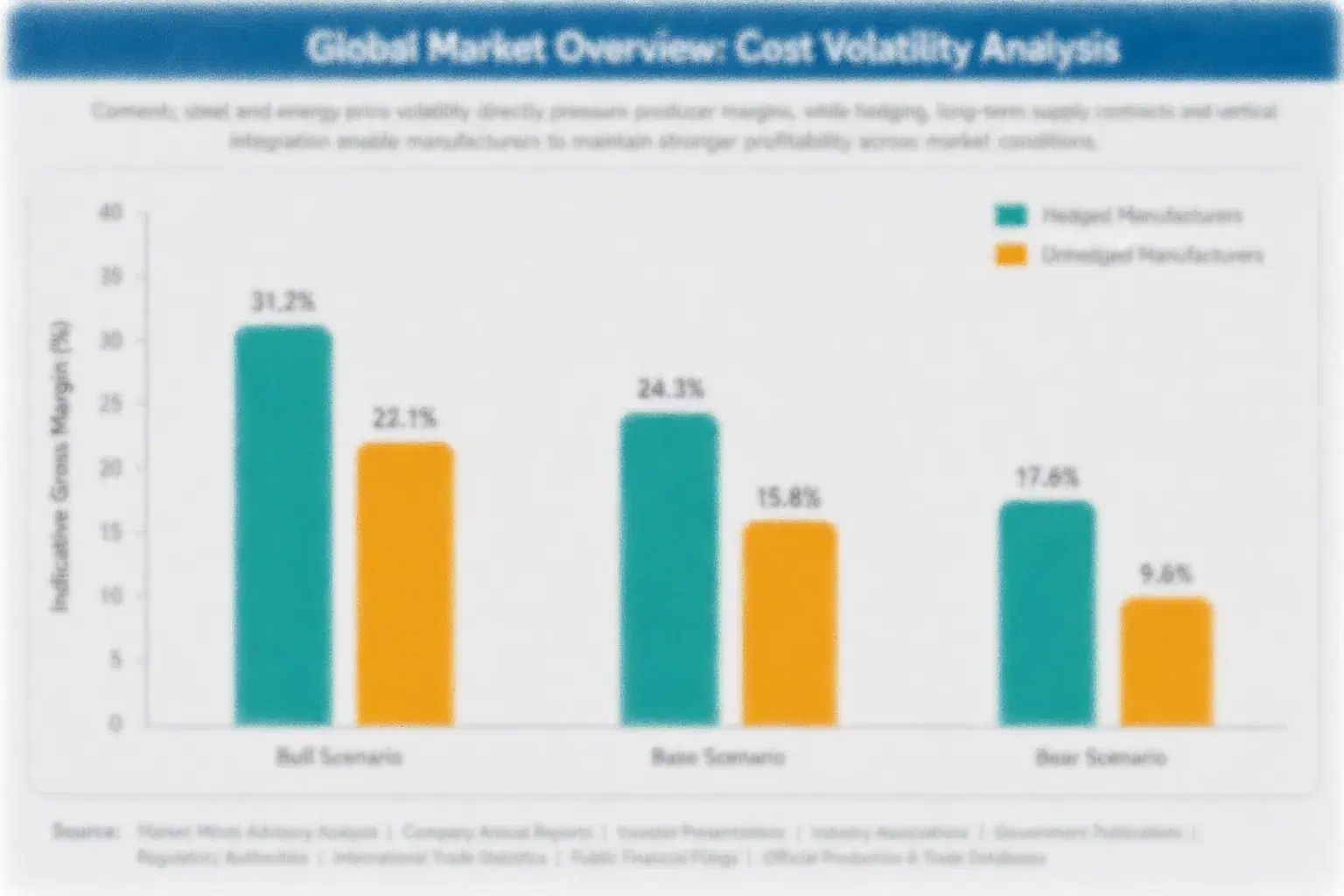
Pulp prices spiked sharply during the 2022 energy driven petrochemical disruption, when several converters faced multi month allocation delays on polymer grade resin, according to IEA and national statistical office reporting on energy and petrochemical supply disruption. Converters absorbed order delays and margin compression before supply normalized through 2023 as petrochemical capacity recovered, a disruption that forced several smaller converters to delay new retailer contract commitments by multiple quarters.

Smaller converters lacking long term pulp supply agreements carry greater exposure to price volatility than larger converters with established producer relationships and purchasing scale, creating a durable cost disadvantage that shows up most clearly during supply disruption windows. Asian converters face additional exposure given heavier reliance on imported pulp relative to North American converters sourcing domestically.
absorbent-food-pads-market-cost-volatility-analysis-1791344784265

Multi Year Pulp Supply Agreements

Larger converters are locking multi year pulp fiber supply agreements with volume commitments that secure priority allocation during shortage periods, trading some pricing flexibility for supply reliability across capital planning cycles that span several years at a time for major retailer customers, a strategy increasingly favored by the largest national and regional converters serving retailers.

Dual Sourcing Across Chemical Producers

Converters are qualifying secondary chemical producers across multiple regions to avoid single supplier dependency, reducing exposure to any one supply disruption while accepting modestly higher logistics costs in exchange for meaningfully improved supply continuity during volatile periods industry wide, an approach smaller converters are adopting more slowly given their comparatively limited purchasing scale today.

Portfolio Architecture for Margin Defence

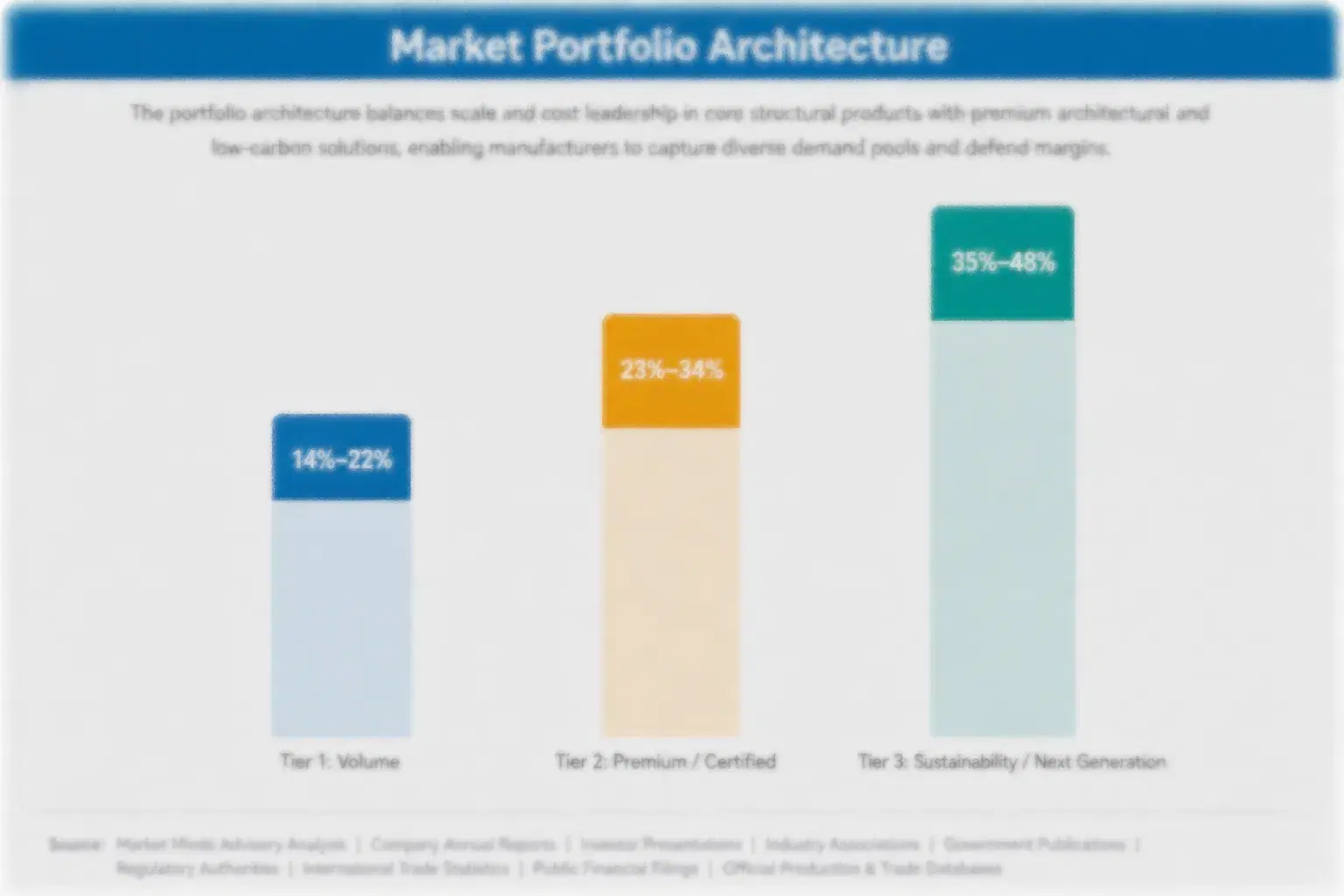
Absorbent food pad margin pools concentrate toward the certified and next generation tiers, where food safety certification, polymer forming precision, and antimicrobial treatment capability command premiums over conventional standard cellulose volume formats that have become comparatively commoditized across most established regional converters currently competing for price sensitive orders, a pattern that is becoming more pronounced as brand owners consolidate purchasing among fewer qualified converters.
Volume commodity adjacent standard grades compete primarily on upfront price and delivery speed, while premium polymer and antimicrobial formats serving North American and premium meat brand owners command gross margins roughly 6 to 11 points higher given the forming engineering and certification work bundled into each sale and ongoing technical relationship, and that premium gap has widened further as certification requirements become more demanding across major brand owner accounts.

This volume versus premium tension is reshaping capital allocation across the industry, as converters increasingly direct forming investment toward next generation polymer and antimicrobial capable platforms rather than incremental throughput gains on legacy cellulose lines, a shift that favors converters already positioned in certification and premium North American retailer work, leaving converters slow to shift capital allocation increasingly exposed to share loss over the coming decade.

Conventional cellulose absorbent pads competing primarily on upfront cost, serving smaller retailers and price sensitive emerging market buyers with stable but modest margin economics overall, with limited pricing power given the number of qualified converters competing for the same orders.
Gross Margin

Polymer and antimicrobial formats serving established North American and premium meat brand owner accounts, commanding durable premiums tied to certification and documented reliability track record, supported by multi year retailer contracts that reward documented quality history consistently.
Gross Margin

Specialty antimicrobial and next generation moisture control grades requiring the newest forming and formulation capability, where early mover converters capture the highest margins before broader competition intensifies, though volume remains limited until broader retailer adoption accelerates over the next several years.
Gross Margin
absorbent-food-pads-market-portfolio-architecture-1791344784455

High-value Sub-segments and Strategic Watch-out

Super-Absorbent Polymer Pads

The fastest growing and highest value segment, driven by retailer demand for moisture control precision and extended freshness capability, with converters investing heavily to secure share ahead of accelerating replacement demand across North American markets, and early movers are capturing disproportionate share of new retailer qualification volume.

Antimicrobial Treated Pads

A large and still growing high value pool anchored in seafood and premium meat retailer facilities seeking bacterial resistance across varied formulation types, carrying strong margins given forming complexity involved in multi format coordination, as retailers continue launching new formulation variants that require frequent format changes.

Cellulose Fiber Absorbent Pads

The volume core of the market, mature and price competitive, generating steady cash flow but facing margin pressure as polymer grades capture share among larger retailers across most developed markets over time, and converters are defending this base mainly through cost discipline rather than renewed capital.

Non-Woven Absorbent Pads

A strategic watch out segment given its low margin profile and potential to divert converter capital away from mainstream grade production, worth monitoring as a niche market for non-woven pads slowly matures and expands globally, since sustained underinvestment here could eventually strand converter capacity nationwide.

Buyer Stickiness in Absorbent Pads

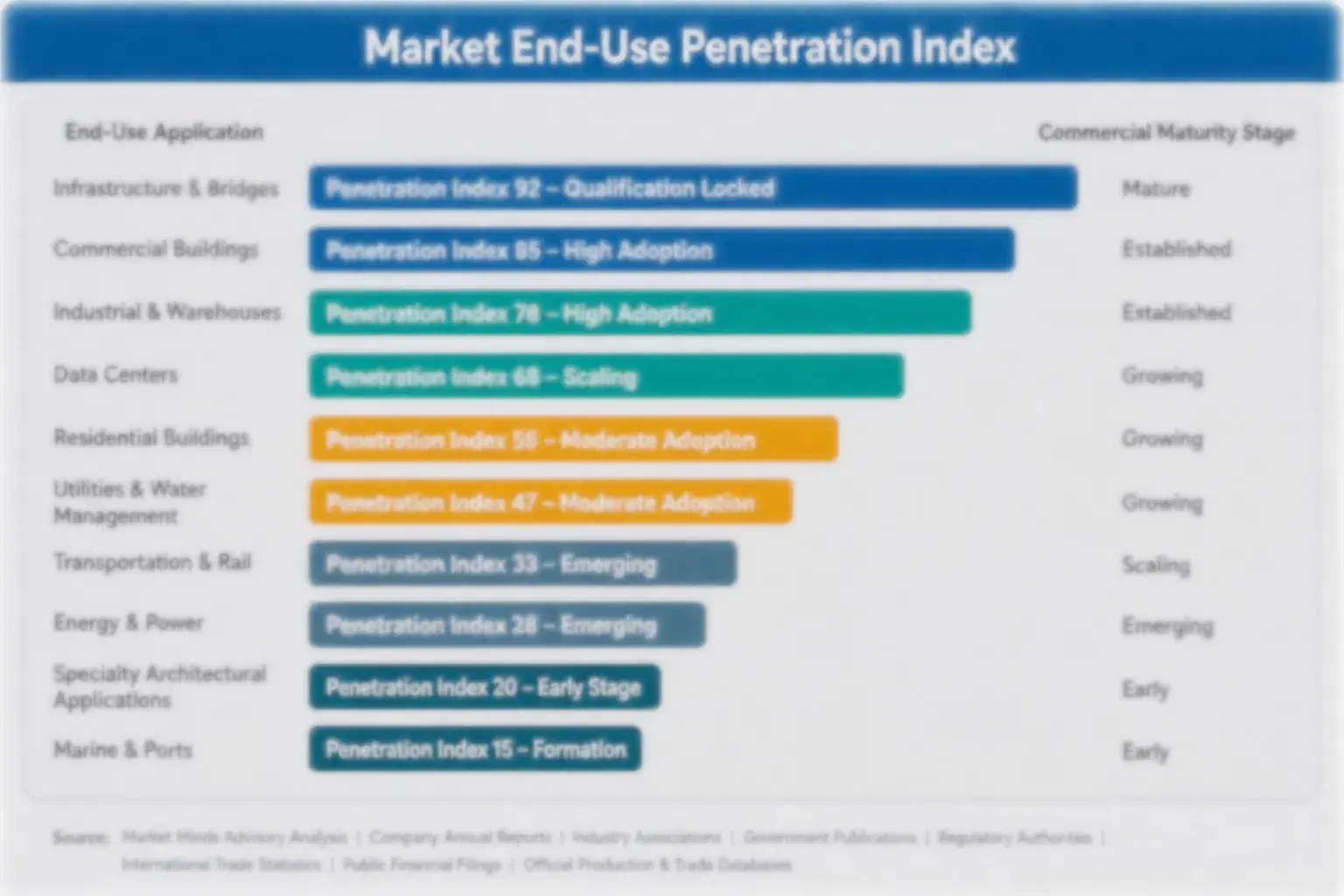
Absorbent food pad supply relationships behave like annuities once a retailer qualifies a converter's forming line and absorption validation, since switching converters means repeating costly compliance validation and risking production disruption during peak seasonal packaged meat demand windows, a cost most retailers avoid absorbing unless service quality deteriorates sharply, so converters that pass initial qualification tend to retain that account across several contract renewal cycles in succession. Adjacent demand is captured in the food oil absorbing sheet market, which MMA expects to grow from USD 0.68 billion in 2025 to USD 1.35 billion by 2036.
Adoption stickiness varies by end use vertical. National meat and poultry brands lock in multi year volume agreements and rarely switch given the scale of requalification cost involved, while smaller seafood retailers switch more readily when a competitor offers faster lead times or better absorption performance, meaning converter account retention strategy increasingly needs to differ by retailer size and category.

A generational shift is also underway in buyer profiles, as younger procurement and packaging staff increasingly favor converters offering digital order tracking and transparent compliance documentation over the informal, relationship driven purchasing habits of the past, a shift accelerating fastest among newer premium and export oriented retailers, and converters slow to modernize their ordering and reporting tools risk losing standing with this newer generation of retailer buyers.
absorbent-food-pads-market-end-use-penetration-index-1791344784638

MMA Strategic Recommendations

These are among the four positions where our research anticipates prominent divergence between winners and laggards over the coming forecast period. Each is grounded in the demand model, the regulatory perimeter, and the announced capacity pipeline.
01 / CAPACITY INVESTMENT PRIORITY

Prioritize polymer forming capacity over standard cellulose expansion

North American and Chinese retailers are driving demand toward super-absorbent polymer formats at a rate well above the market average, and converters still weighted toward cellulose capacity risk ceding share to competitors already qualified on faster growing accounts. Expansion dollars committed to polymer forming lines now carry materially better returns than incremental cellulose throughput. Converters that delay this shift face a widening technical gap against challengers already investing aggressively in polymer capability, and that gap tends to compound once a challenger wins the first major qualification.
02 / CERTIFICATION STRATEGY PRIORITY

Build food safety certification capability ahead of binding deadlines

Converters that proactively build documented food safety certification capability are winning qualification ahead of retailers facing tightening regulatory deadlines across North America and China simultaneously. This capability is becoming a baseline requirement for large multi year retailer contracts rather than a differentiator, which means converters without it risk exclusion from upcoming qualification cycles entirely. Early movers are already converting this capability into premium pricing on certified volume, well ahead of competitors still building out comparable documentation across their own forming and quality assurance operations.
03 / ANTIMICROBIAL EXPANSION STRATEGY

Expand antimicrobial treatment capacity ahead of seafood category growth

Seafood categories are growing faster than every other tracked segment as bacterial resistance requirements tighten across multiple retail channels, yet most established converters still serve this demand through retrofit rather than dedicated antimicrobial treatment production. Converters that establish dedicated forming capacity ahead of competitors stand to capture disproportionate share of this expansion. Waiting for demand to mature further will hand early mover advantage to specialty challengers already investing in dedicated capacity and technical support infrastructure across the fastest growing seafood categories today.
04 / SERVICE REVENUE DIVERSIFICATION

Expand recurring certification and consulting revenue beyond pad sales

Converters bundling recurring certification and shelf life consulting alongside pad sales are achieving materially higher account retention than those competing on price alone. This service revenue also smooths converter cash flow across the capital spending cycles that otherwise concentrate heavily around premiumization driven expansion phases. Converters slow to build this capability will keep competing on price in an increasingly commoditized cellulose segment with thinning margins across most geographies and little room left for further price based differentiation against better positioned peers.

Engagement Snapshot From the Field

A live engagement with an industry participant carrying material or product regulatory and market exposure ahead of a defining policy shift, showing how our research translates into a defensible multi-year portfolio strategy.
MARKET MINDS ADVISORY · CLIENT ENGAGEMENT SUMMARY
Absorbent Food Pads Producer Strategic Portfolio Review and Transition Roadmap 2026·Investment Scenario on Absorbent Food Pads Exposure Evaluation 2025-26
CLIENT PROFILE
The client is a multi state United States packaged meat and poultry retailer operating four distribution centers and supplying tray packaged products to organized retail chains across roughly fourteen states. The company was consolidating its absorbent pad supply base after several years of sourcing from multiple regional converters inconsistently, seeking a smaller set of qualified suppliers able to support its growing polymer pad lines at scale.
STRATEGIC CHALLENGE
The client needed to qualify two primary polymer pad suppliers capable of supporting rapid new product launches without repeating lengthy absorption validation on every new tray configuration. Existing suppliers were struggling to meet shortened lead time requirements tied to the client's accelerating distribution calendar, risking retail shelf placement commitments across its distribution network.
MMA APPROACH
MMA benchmarked seven candidate converters against lead time, certification documentation quality, and polymer forming consistency using a common commercially consistent basis. MMA then modeled total landed cost and qualification timeline under each candidate's capacity and location, recommending a two supplier structure that balanced geographic coverage against the client's volume commitments and distribution calendar requirements.
KEY FINDINGS
  1. The client's prior single supplier concentration created meaningful launch delay risk whenever that supplier faced capacity constraints during peak seasonal demand (client-reported, unverified by MMA).
  2. Candidate converters varied by roughly 3 weeks in typical qualification timeline for new polymer tray configurations, a gap MMA judged commercially material (client-reported, unverified by MMA).
  3. A two supplier structure reduced the client's effective lead time risk while adding negotiating leverage on unit pricing across the client's full annual pad volume (client-reported, unverified by MMA).
  4. Certification documentation quality varied meaningfully across candidates, with only three of seven able to provide audit ready compliance records on request (client-reported, unverified by MMA).
CLIENT PROFILE
The client is a multi state United States packaged meat and poultry retailer operating four distribution centers and supplying tray packaged products to organized retail chains across roughly fourteen states. The company was consolidating its absorbent pad supply base after several years of sourcing from multiple regional converters inconsistently, seeking a smaller set of qualified suppliers able to support its growing polymer pad lines at scale.
STRATEGIC CHALLENGE
The client needed to qualify two primary polymer pad suppliers capable of supporting rapid new product launches without repeating lengthy absorption validation on every new tray configuration. Existing suppliers were struggling to meet shortened lead time requirements tied to the client's accelerating distribution calendar, risking retail shelf placement commitments across its distribution network.
MMA APPROACH
MMA benchmarked seven candidate converters against lead time, certification documentation quality, and polymer forming consistency using a common commercially consistent basis. MMA then modeled total landed cost and qualification timeline under each candidate's capacity and location, recommending a two supplier structure that balanced geographic coverage against the client's volume commitments and distribution calendar requirements.
KEY FINDINGS
  1. The client's prior single supplier concentration created meaningful launch delay risk whenever that supplier faced capacity constraints during peak seasonal demand (client-reported, unverified by MMA).
  2. Candidate converters varied by roughly 3 weeks in typical qualification timeline for new polymer tray configurations, a gap MMA judged commercially material (client-reported, unverified by MMA).
  3. A two supplier structure reduced the client's effective lead time risk while adding negotiating leverage on unit pricing across the client's full annual pad volume (client-reported, unverified by MMA).
  4. Certification documentation quality varied meaningfully across candidates, with only three of seven able to provide audit ready compliance records on request (client-reported, unverified by MMA).
RECOMMENDED STRATEGY
Phase 1: Phase one: qualify two primary polymer pad suppliers chosen for complementary geographic coverage and documented certification capability across the client's distribution calendar. Phase 2: Phase two: migrate roughly 67 percent of volume to the two qualified suppliers over three quarters, retaining a legacy supplier for standard cellulose overflow capacity. Phase 3: Phase three: establish joint forecasting cadence with both suppliers tied to the client's quarterly distribution calendar and retail shelf reset windows.
OUTCOME
The client reported a reduction in average new product qualification timeline of roughly 32 percent within two launch cycles, alongside improved unit pricing from consolidated volume commitments across its two primary suppliers, and the company has since extended the same qualification framework to a second product category (client-reported, unverified by MMA).

Frequently Asked Questions

Foundational context covering the market sizes, CAGR, scope, country, region and competition that inform every finding below. This section is provided to cover basics and most often pre-purchase conversations, answered from the MMA Primary Research Dataset.

What is the current size of the Absorbent Food Pads Market?

The global Absorbent Food Pads Market reached 1.25 billion dollars in 2025. Growth is driven by continued conversion from cellulose pads to super-absorbent polymer formats across North American retail channels.

How large will the Absorbent Food Pads Market be by 2036?

MMA projects the market reaching roughly 2.58 billion dollars by 2036. This reflects an expansion multiple of 1.93 times its 2026 value over the ten year forecast window.

What is the CAGR for the Absorbent Food Pads Market 2026 to 2036?

The market is forecast to grow at a 6.8 percent CAGR between 2026 and 2036. The bull case reaches 8.1 percent while the bear case falls to 5.5 percent.

Which segment is growing fastest?

Super-Absorbent Polymer Pads is the fastest growing segment at a 9.5 percent CAGR. That is roughly 1.40 times the overall market growth rate through 2036.

Who are the major companies in the Absorbent Food Pads Market?

Ahlstrom-Munksjo and Paper-Pak Industries lead the market, followed by Dri-Loc Absorbent Pads, Novipax Holdings, and Maxwell Chase Technologies. The top five converters hold roughly 28 percent of global volume combined.

Which country is growing fastest?

China is the fastest growing country market at an 8.5 percent CAGR. Expansion is tied to organized retail penetration and rising packaged meat consumption across urban markets.

Absorbent Food Pads Segments Covered

The full report scope spans multiple orthogonal segmentation dimensions, with cross-tabulated demand data provided for each dimension pair. Coverage extends further to regional breakdowns, trend trajectories, and the competitive detail needed to support segment-level decision-making.
  • Cellulose Fiber Absorbent Pads
  • Non-Woven Absorbent Pads
  • Super-Absorbent Polymer Pads
  • Antimicrobial Treated Pads
  • Meat and Poultry
  • Seafood
  • Fresh Produce
  • Direct Retailer Contracts
  • Co-Packer Supply
  • Retail Private Label Programs

By Region

  • North America
  • Western Europe
  • East Asia
  • South Asia and Pacific
  • Latin America
  • Middle East and Africa
  • Eastern Europe

Scope, Methodology, and Coverage

Every figure in this report is reproducible from documented input assumptions. The scope below maps the historical period, the forecast horizon, the segmentation dimensions, and the countries covered, alongside the underlying primary and qualitative methodology.
Historical Period
2020 to 2025
Forecast Period
2026 to 2036
Base Year
2025 (USD billions; MMA Primary Research Dataset, October 2026)
Market Definition
The Absorbent Food Pads Market covers absorbent pad inserts placed within food packaging trays to absorb moisture and liquid exudate from meat, poultry, seafood, and fresh produce, including cellulose, non-woven, and super-absorbent polymer formats. It excludes the packaging trays themselves, desiccant sachets, and absorbent pads for industrial or medical use.
Quantitative Units
USD billions, unit volume in billions of pads
Segmentation Dimensions
Material technology and absorption performance, commercial distribution channel
Regions Covered
North America, Western Europe, East Asia, South Asia and Pacific, Latin America, Middle East and Africa, Eastern Europe
Countries Covered
United States, Canada, Mexico, Germany, United Kingdom, Belgium, Netherlands, Spain, China, Japan, South Korea, India, Vietnam, Indonesia, Australia, Brazil, Argentina, Chile, Saudi Arabia, United Arab Emirates, Egypt, Poland, Czech Republic, Hungary
Key Companies Profiled
Ahlstrom-Munksjo, Paper-Pak Industries, Dri-Loc Absorbent Pads, Novipax Holdings, Maxwell Chase Technologies
Quantitative Methodology
Primary survey, n=3,800 respondents, Q4 2025, six countries; demand-side model with trade association cross-validation
Qualitative Methodology
47 expert interviews, Q4 2025; applied to validate demand model assumptions, identify emerging dynamics, and assess competitive positioning
Report Format
PDF and XLSX data workbook (Word format preview document)
Publisher
Market Minds Advisory
Report Code
MMA-2026-PAC-378
Published
October 2026
Contact
sales@marketmindsadvisory.com | www.marketmindsadvisory.com

Purchase the full Absorbent Food Pads Market Report (2026 to 2036).

This report provides a comprehensive assessment of the global Absorbent Food Pads Market through 2036, covering sizing, segmentation, competitive dynamics, and regional demand architecture across all seven MMA tracked regions. It draws on primary survey data from 3,800 respondents across six countries alongside 47 expert interviews conducted in the fourth quarter of 2025. The analysis benchmarks the five leading converters against fifteen additional competitors on a consistent global volume basis. Buyers receive segment level forecasts, input cost exposure analysis, and strategic recommendations for capacity and certification investment decisions.
Ten year volume and value forecasts by segment
Seven region demand architecture with growth drivers
Competitive benchmarking across twenty leading global converters
Input cost exposure and mitigation pathway analysis
Revenue lever analysis for margin expansion
Anonymized client case study with measured outcomes

Built For The People Who Decide

From boardroom strategy to bench-side execution, this report is read cover-to-cover by leaders shaping the next decade of their industry, turning demand scenarios, market dynamics and valuation benchmarks into decisions.
CXOs/ Presidents/ VPs/ Managers
M&A and Corporate Development
Strategy Teams and R&D Heads
Procurement and Product Directors
Regulatory and Compliance Leaders
Investor Relations and Equity Analysts