Market Minds Advisory
UV-Resistant Industrial Stretch Film Market

UV-Resistant Industrial Stretch Film Market Forecast 2026-2036

Longer port dwell times and extended outdoor storage of construction materials are pushing buyers toward UV-stabilized stretch film that survives months of direct sun exposure without the embrittlement that commodity film suffers within weeks.

Lead Analyst

Bilal Shaikh

Published

November 2026

Make Smarter Decisions with Customized Research Insights

Request a free sample report and evaluate market opportunities, growth trends, and competitive dynamics relevant to your business needs.

2025 MARKET VALUE$0.7BMarket Size 2025
2036 FORECAST VALUE$1.4BBase Case , 2026 to 2036
CAGR 2026 TO 20366.6 %Bull 7.8% / Bear 5.4%
INCREMENTAL OPPORTUNITY$0.6BNet 10- year value creation
EXPANSION MULTIPLE1.89x2036 value over 2026 base
Strategic Levers
M&A Pipeline
Regional Outlook
Country Rankings
Competitive Intelligence
Segmental Deep-dive
Call-Us : 91 93563 13602

UV-Resistant Industrial Stretch Film Market Snapshot

Global shipping congestion has stretched average port dwell times meaningfully longer, and palletized cargo sitting exposed on a dock for weeks under direct sun now needs film engineered to survive that exposure without degrading before the cargo ever reaches its final destination. Buyers increasingly specify exposure duration as a requirement.
Export and port dwell protection wrap is growing fastest as shipping delays persist across major global trade lanes, while construction material protection wrap holds the second-fastest growth rate as building projects increasingly stage materials outdoors for longer periods amid ongoing supply chain buffering practices. North America carries the largest share anchored by its agricultural belt and major port congestion hubs, while South Asia and Pacific posts the fastest regional growth.
Competition splits between agricultural film specialists with decades of UV additive formulation experience and general industrial stretch film manufacturers adding UV stabilization to existing product lines to chase growing specialty demand. Additive cost and performance verification remain the central competitive battleground, since a film that fails prematurely under outdoor exposure damages a manufacturer's reputation far more severely. This verification gap increasingly separates category winners from laggards, and buyers now factor it directly into supplier scoring.
Market Definition
The UV-resistant industrial stretch film market covers specialty polyethylene stretch film formulated with ultraviolet stabilizing additives for prolonged outdoor exposure, used in agricultural bale wrapping, construction material protection, outdoor palletized storage, and export or port dwell cargo protection. It excludes standard indoor-use industrial stretch film without UV stabilization and small retail multi-pack hand-wrap film formats.
Base Year Value
$0.7B in 2025 (MMA Primary Research Dataset, October 2026)
Forecast Period
2026 to 2036, eleven discrete annual values
CAGR
6.6% base case. Bull 7.8%. Bear 5.4%.
Fastest Growth Segment
Export and Port Dwell Protection Wrap: 9.8% CAGR
Fastest Growth Country
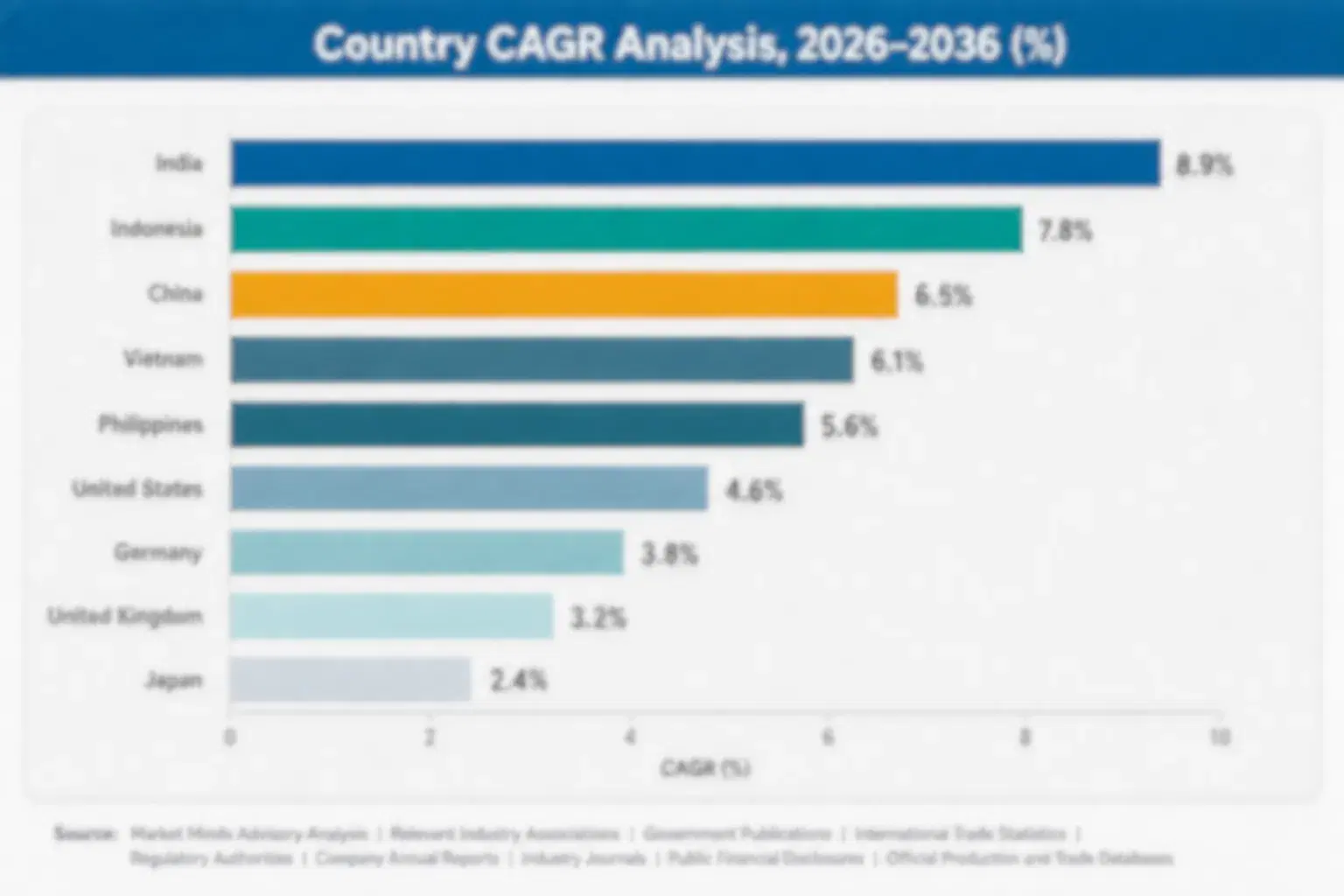
Australia: 9.2% CAGR
Fastest Growth Region
South Asia and Pacific: 8.6% CAGR
Largest Region
North America: 28% of 2025 global value
Market Leaders
Berry Global, Trioplast Industrier, RKW Group, Armando Alvarez Group, and Sigma Plastics Group lead by UV-stabilized film volume shipped. Source: MMA Analysis based on company annual reports.
Primary Survey
n=3,800 procurement and R&D decision-makers, Q4 2025, six countries
Methodology
Demand-side build-up, cross-validated against public data, 47 expert interviews

UV-Resistant Industrial Stretch Film Market Forecast to 2036

uv-resistant-industrial-stretch-film-market-size-forecast-scenario-1791462814312
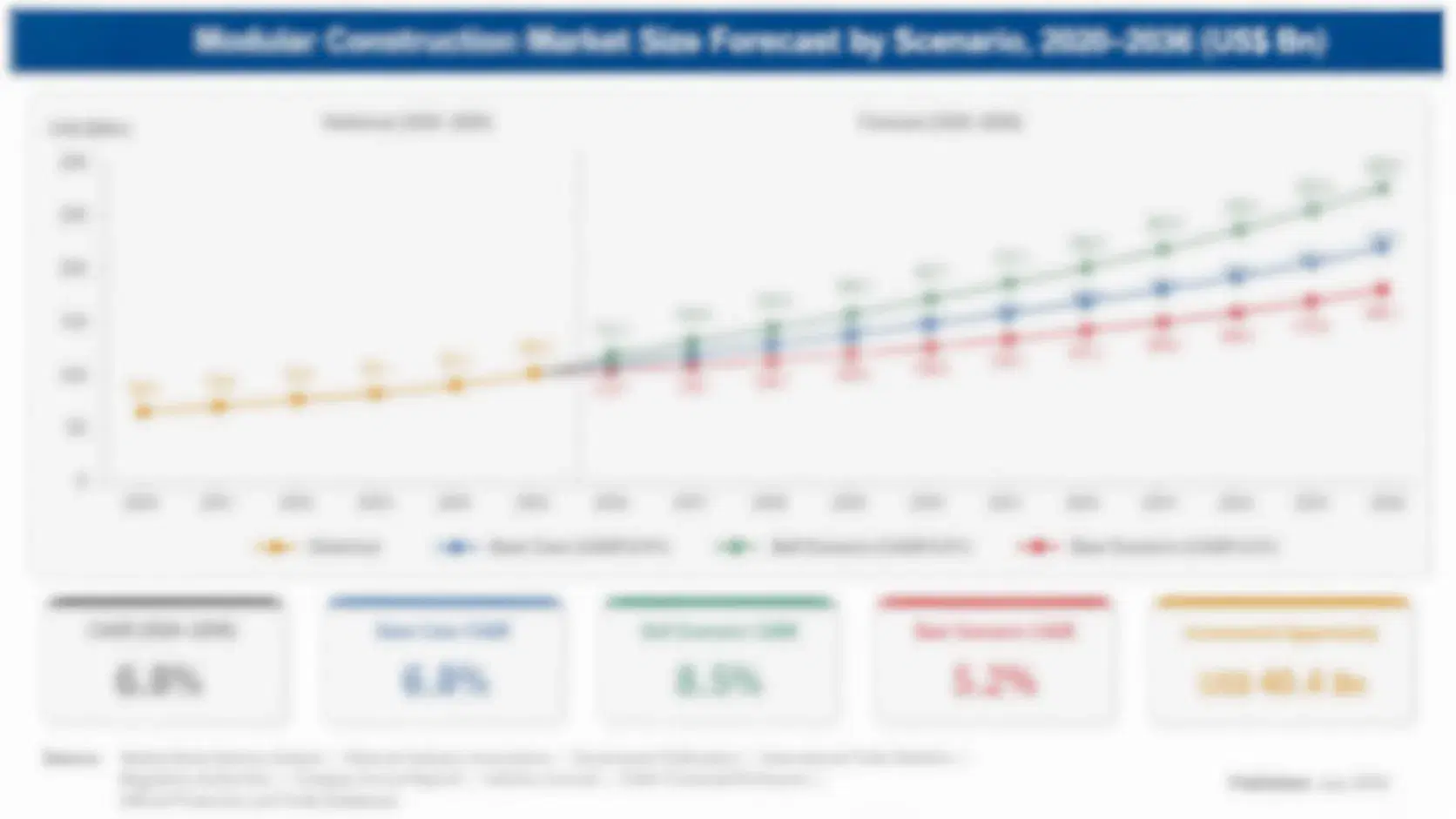
Between 2020 and 2025 the market grew at an estimated 5.8% annually, tracking steady agricultural demand closely, with export and port dwell protection demand beginning to accelerate meaningfully only in the final two years as global shipping congestion extended average container dwell times well beyond historical norms across major trade lanes. Early demand concentrated almost entirely in agricultural uses before export protection emerged meaningfully.
The base case assumes 6.6% compound growth through 2036, driven by three reinforcing mechanisms: first, persistent shipping and port congestion that keeps extending outdoor cargo exposure time across major global trade routes; second, construction supply chain buffering practices that stage materials outdoors longer than pre-pandemic norms as projects hedge against delivery uncertainty; and third, steady agricultural bale wrap demand that continues growing alongside livestock and dairy production volume worldwide. rewarding manufacturers serving both the agricultural base and faster-growing specialty segments.
The bull case rests on port congestion worsening further across major trade lanes, pulling export protection film demand up sharply as shippers extend exposure-rated specifications across more cargo categories. The bear case centers on global shipping networks normalizing faster than expected, reducing the urgency behind extended outdoor exposure protection Both outcomes depend on trade lane conditions.

Additive Economics for Extended Outdoor Exposure

Three forces are expanding what was once a narrow agricultural niche into a broader specialty category: persistent global shipping congestion that extends outdoor cargo exposure time, construction supply chain practices that stage materials outdoors longer than before, and steady agricultural demand that continues growing with livestock and dairy production worldwide. Manufacturers that once treated UV stabilization as a niche feature now dedicate entire formulation teams to it.
MARKET CONCENTRATION (CR5)46%Top five manufacturers hold under half of global specialty volume
AVERAGE PRICE PER KILOGRAM$2.85UV-stabilized film commands a clear premium over standard grades
TOP PRODUCING COUNTRY SHARE22%United States leads given its large agricultural and export base
CAPACITY UTILIZATION69%Manufacturers run specialty extrusion lines below full capacity
ADDITIVE SHARE OF COGS18%Stabilizer packages add meaningfully to base resin cost structure
RATED OUTDOOR EXPOSURE LIFE9-14 monthsTypical warranted performance window before film replacement needed
Commercially, the market rewards manufacturers who can verify and warrant actual outdoor performance under real exposure conditions, since a premature film failure exposes cargo or stored materials to damage that costs a customer far more than the modest price premium UV stabilization commands over standard film. Manufacturers without comparable verification investment increasingly find themselves relegated to smaller, price-sensitive accounts.
Over the next decade, expect continued growth in export and port dwell protection applications as shipping networks remain prone to periodic congestion, growing construction material protection demand as supply chain buffering becomes a permanent practice rather than a temporary pandemic-era response, and steady agricultural volume growth tracking livestock production trends worldwide. a dynamic that increasingly rewards manufacturers investing in dedicated exposure testing expertise over those competing purely on manufacturing scale and cost efficiency alone.
"Nobody used to ask how long film could survive sitting in the sun. Now it is the first question a port operator asks, because the answer determines whether cargo arrives intact or ruined."
Director, Packaging Materials Practice · MMA Packaging Materials / Specialty Protective Film Practice · October 2026

Key Trends in UV-Resistant Industrial Stretch Film

Port Congestion Extending Outdoor Cargo Exposure Windows

Global shipping congestion at major ports has extended average container and palletized cargo dwell times meaningfully beyond historical norms, leaving outdoor-staged shipments exposed to direct sun and weather for weeks rather than days before vessels or onward transport become available. Shippers increasingly specify UV-rated film with extended exposure warranties specifically to protect against this longer dwell window, since standard film begins showing embrittlement and reduced load containment force within a matter of weeks under direct sun exposure. Port operators and freight forwarders are beginning to require documented UV performance certification from shippers using their outdoor staging areas for extended periods. This dynamic also shapes the Japan stretch film market, valued by MMA at USD 4.2 billion in 2025 and expected to reach USD 7.18 billion by 2036.
Market Impact: Adds roughly 6% to specification rates
Construction Supply Chain Buffering Extends Outdoor Storage

Construction projects increasingly stage materials outdoors for extended periods as supply chain buffering practices adopted during recent disruption become permanent risk management policy rather than a temporary response, requiring protective film rated for considerably longer outdoor exposure than pre-disruption norms once demanded. General contractors report staging lumber, insulation, and other weather-sensitive materials outdoors for months rather than days before actual installation, a practice that standard industrial stretch film cannot support without premature failure and material damage. Manufacturers are responding with formulations specifically rated for construction site exposure conditions rather than purely agricultural bale wrap applications. Adjacent demand is captured in the Korea stretch film market, which MMA expects to grow from USD 9.5 billion in 2025 to USD 18.8 billion by 2036.
Market Impact: Tracks production growth near 3% yearly

UV-Resistant Industrial Stretch Film Strategic Opportunities

Global Shipping Congestion Keeps Extending Dwell Times

Major global ports continue experiencing periodic congestion that extends average container and palletized cargo dwell times well beyond pre-disruption norms, creating sustained demand for film rated to survive weeks or months of direct outdoor exposure rather than the few days standard film was historically designed to tolerate. Freight forwarders and shippers increasingly build extended UV exposure protection into their standard packaging specifications regardless of whether a given shipment ultimately experiences a congestion delay, since the cost of specifying UV-rated film proactively is modest compared with the cargo damage risk a delay would otherwise create.
Market Impact: Adds roughly 15% to film cost

Livestock and Dairy Production Sustains Agricultural Demand

Global livestock and dairy production volume continues growing steadily, and silage and hay bale wrapping remains one of the most reliable baseline demand sources for UV-stabilized film, since every bale produced for storage requires protective wrap rated to survive months of outdoor exposure through changing seasons before the stored feed gets used. This baseline agricultural demand provides a stable foundation beneath the faster-growing export and construction segments, giving manufacturers serving both markets a more diversified and resilient overall demand base than those serving construction or export customers exclusively. Manufacturers serving both segments benefit from this stability during specialty demand volatility.
Market Impact: Testing adds 2 to 4 months

UV-Resistant Industrial Stretch Film Growth Barriers

UV Additive Costs Compress Margin on Price-Sensitive Accounts

UV stabilizing additive packages add meaningfully to base resin cost, creating real margin pressure on price-sensitive agricultural accounts that weigh the additive premium against tight farm operating budgets, particularly during years when commodity crop or livestock prices compress farm income broadly. The root cause is that effective UV stabilization requires specialized additive chemistry that costs considerably more than basic antioxidant packages used in standard film, and this cost cannot be engineered away without compromising actual outdoor performance. Manufacturers are mitigating the pressure through tiered additive packages calibrated to exposure duration needs.
Market Impact: Extends exposure rating by 4 months

Performance Verification Remains Difficult to Standardize

Verifying actual UV performance requires lengthy real-world or accelerated weathering testing that varies meaningfully by climate and exposure angle, making it genuinely difficult for buyers to compare competing manufacturers' performance claims on a consistent basis across different geographic markets. The root cause is that no single industry-wide testing standard has achieved universal adoption, leaving manufacturers to report performance against varying internal testing protocols that are not always directly comparable. Manufacturers are mitigating the problem by increasingly adopting shared industry testing protocols and publishing third-party verified performance data rather than relying solely on internal claims.
Market Impact: Construction staging now runs 3x longer
3 additional market trends, 3 additional growth drivers, and 2 additional restraints and challenges are covered in the full report. Contact sales@marketmindsadvisory.com to access the complete intelligence.

UV-Resistant Industrial Stretch Film Growth by Segment

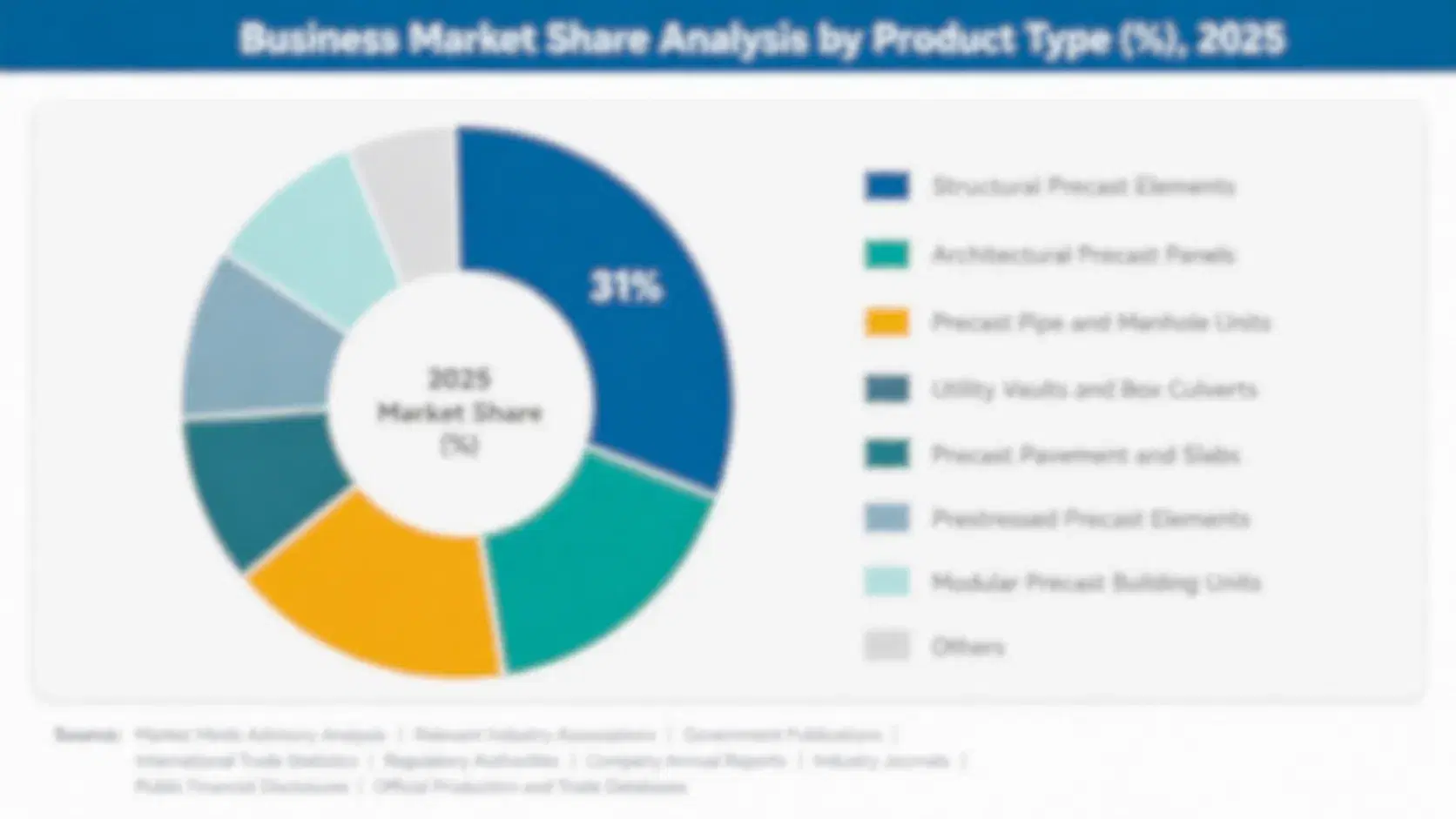
The market segments by end-use application rather than by film manufacturing process, since outdoor exposure duration and environmental conditions drive formulation requirements and price point more directly than how the film itself is produced. Five application segments span the market today. Each segment carries distinct exposure duration requirements and certification needs that buyers now evaluate explicitly rather than by habit.
uv-resistant-industrial-stretch-film-market-market-share-analysis-1791462814649

Export and Port Dwell Protection Wrap

Export and port dwell protection wrap is engineered to survive extended outdoor exposure at ports and intermodal yards during periods of shipping congestion, and it is growing fastest as global trade lane disruption keeps extending average cargo dwell times well beyond historical norms. Freight forwarders and large exporters are the primary buyers, increasingly building extended UV exposure specifications into standard outbound packaging requirements regardless of whether a specific shipment ultimately experiences a delay. Manufacturers serving this segment compete heavily on documented performance verification, since freight forwarders managing cargo liability exposure demand credible evidence that a film formulation will perform reliably across the full range of climates a global shipping route might pass through.
CAGR 9.8%

Construction Material Protection Wrap

Construction material protection wrap covers lumber, insulation, and other weather-sensitive building materials staged outdoors at job sites for extended periods, growing second-fastest as supply chain buffering practices adopted during recent disruption become permanent risk management policy across the construction industry broadly. General contractors and building material distributors are the primary buyers, increasingly specifying UV-rated film as standard practice rather than reserving it for unusually long storage situations only. Manufacturers are developing formulations specifically rated for construction site conditions, including resistance to abrasion from wind-blown debris that differs meaningfully from the steady outdoor exposure agricultural bale wrap applications typically experience. Early movers in this formulation category are capturing preferred-supplier status before general industrial converters can respond with comparable testing.
CAGR 8.6%
Full segment breakdown across 5 segments available in the complete report.

UV-Resistant Industrial Stretch Film Demand by Region

North America carries the largest share anchored by its agricultural belt and major port congestion hubs, while South Asia and Pacific posts the fastest regional growth as export manufacturing and agricultural production both expand across the region. Western Europe pairs steady demand with less severe port congestion. Much of this also feeds into the Western Europe stretch film market, which MMA expects to grow at 6.0% a year through 2036.

North America

The United States agricultural belt drives substantial baseline demand for UV-stabilized silage and hay bale wrap, while major port congestion hubs including Los Angeles and Long Beach have simultaneously made export and port dwell protection wrap one of the region's fastest-growing specialty applications in recent years. Construction material protection demand has grown meaningfully as general contractors across the country adopt longer outdoor material staging practices following recent supply chain disruption. Canada contributes a smaller but steady volume base tied to its own agricultural sector, while Mexico's growing manufacturing and export base increasingly specifies UV-rated film for outbound shipments routed through congestion-prone border crossing points. Agricultural cooperatives across the Midwest increasingly specify certified formulations following documented bale damage incidents. The USA stretch film packs market moves on similar drivers, with MMA projecting a 6.0% CAGR over 2026-2036.
Share: 28% | CAGR: 7.5% (2026 to 2036)

Western Europe

Germany and France anchor Western European demand through large agricultural sectors combined with major port infrastructure at Rotterdam, Hamburg, and Antwerp that occasionally experiences the same congestion-driven dwell time extensions affecting global trade lanes elsewhere. The region's growth trails North America and East Asia given its generally more efficient port operations and less frequent severe congestion events historically. Construction material protection demand is growing steadily here as well, though from a smaller base than North America given different regional construction supply chain practices and shorter typical outdoor staging periods at most European job sites. Construction material protection demand is growing steadily as European contractors gradually adopt longer outdoor staging practices similar to those common in North America.
Share: 20% | CAGR: 5.2% (2026 to 2036)
Regional intelligence for 5 additional markets available in the complete report: East Asia, South Asia and Pacific, Latin America, Middle East and Africa, Eastern Europe. Contact sales@marketmindsadvisory.com.
uv-resistant-industrial-stretch-film-market-country-cagr-analysis-1791462814991

Capturing Margin as Exposure Demands Grow

Standard agricultural film margin has compressed under additive cost pressure, so the real commercial opportunity sits in verified performance certification, extended-exposure formulation tiers, and capturing the fast-growing export and construction protection applications before competitors do. Manufacturers who treat certification and tiered formulation investment as core strategy rather than a cost center are capturing disproportionate share of new specialty account volume.

Securing Third-Party Performance Certification Ahead of Rivals

Manufacturers that complete third-party verified UV performance certification ahead of competitors capture preferred-supplier status with freight forwarders and large exporters who increasingly require documented evidence of exposure performance before specifying a film formulation for their own outbound cargo liability purposes. Berry Global and Trioplast Industrier have both invested in dedicated third-party testing programs specifically to accelerate this certification process, and manufacturers with secured certification report winning new export protection accounts at meaningfully higher rates than competitors still relying on internal testing claims alone. Manufacturers report winning certified accounts at rates roughly 35% higher than competitors relying on internal claims.
Market Impact: Wins export accounts at a 35% higher rate

Developing Tiered Exposure-Duration Formulation Packages for Every Account

Manufacturers offering tiered additive packages calibrated to different outdoor exposure duration requirements, rather than a single maximum-performance formulation sold at one price point, are capturing price-sensitive agricultural accounts that do not need the most expensive extended-exposure rating while still winning premium export accounts that genuinely do need it. This tiered approach commands roughly 10 to 15% more total category revenue per customer relationship than a single-formulation strategy, since it captures value across the full range of actual customer exposure requirements rather than losing price-sensitive accounts entirely to cheaper standard film.
Market Impact: Lifts revenue roughly 10 to 15% per account

Capturing Construction Accounts Through Site Condition Formulations

Manufacturers developing formulations specifically rated for construction site exposure conditions, including resistance to wind-blown debris abrasion that differs from steady agricultural exposure, are capturing a fast-growing segment before general industrial stretch film manufacturers without comparable formulation expertise can respond. Early movers report construction-specific formulations commanding roughly a 20% price premium over generic UV-stabilized film sold without construction-specific performance validation, a premium contractors accept given the material damage risk a failure would otherwise create on an active job site. Manufacturers report construction-specific formulations commanding roughly a 20% premium over generic UV-stabilized film sold without comparable validation.
Market Impact: Commands roughly a 20% premium on construction accounts

Bundling Exposure Warranties With Volume Supply Contracts

Manufacturers offering formal exposure duration warranties bundled with multi-year volume supply contracts are winning large agricultural and export accounts that value the risk transfer a warranty provides over a marginally lower per-kilogram price from a competitor offering no comparable guarantee. This warranty-backed structure commands a meaningful premium over unwarranted film, and it deepens the customer relationship since a buyer relying on a manufacturer's warranty for its own liability protection faces real switching costs if it considers moving to an unwarranted competitor later. Manufacturers report this structure extending contract terms by roughly 2 extra years versus unwarranted film sold alone.
Market Impact: Extends contract terms by roughly 2 extra years

Who Captures UV-Resistant Industrial Stretch Film Value

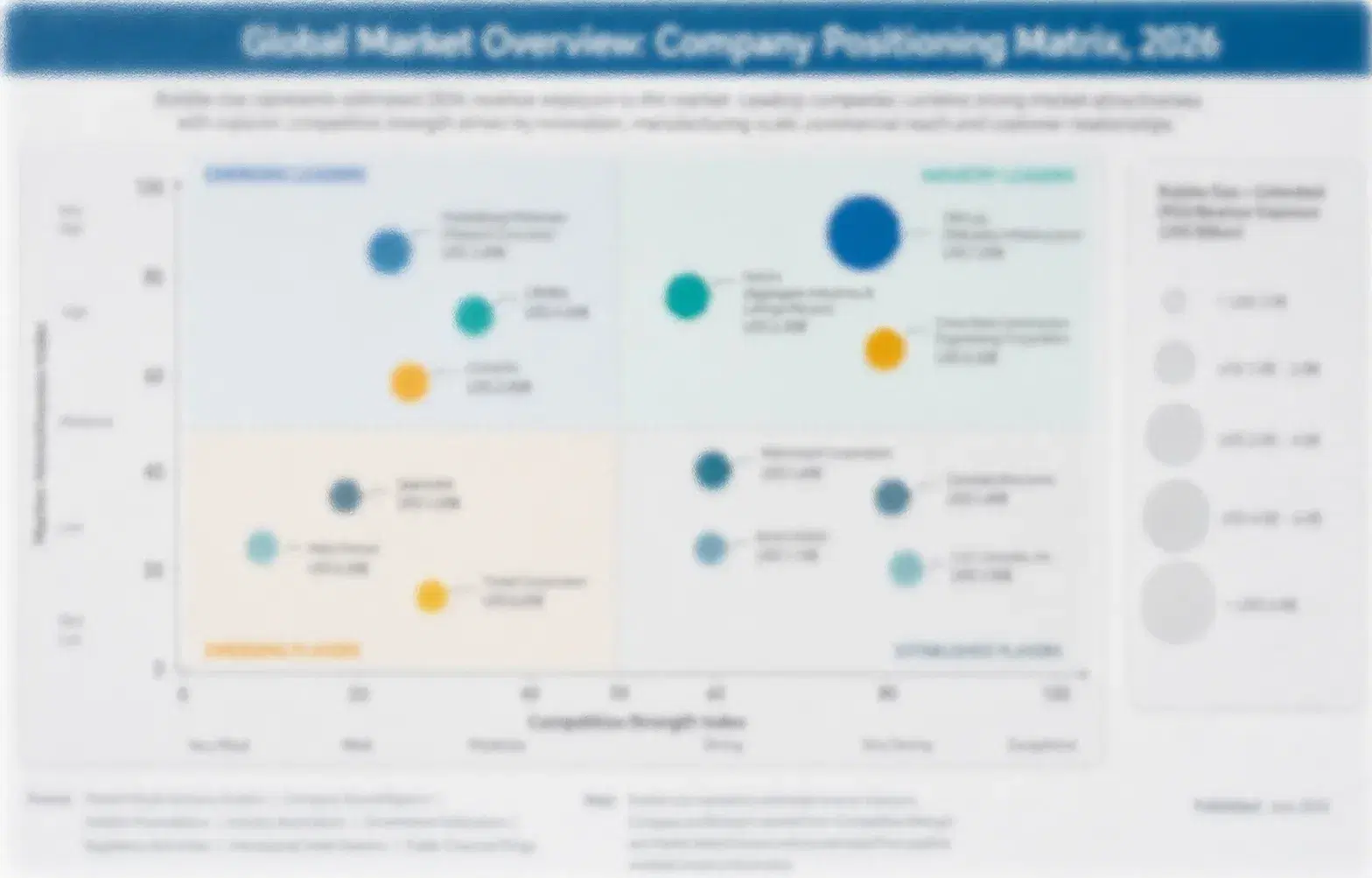
Market concentration sits at a modest CR5 of 46%, reflecting a fragmented manufacturer base spanning agricultural film specialists and general industrial converters adding UV stabilization capability, with Berry Global and Trioplast Industrier holding the broadest combined formulation and certification portfolios ahead of mid-tier challengers like RKW Group and Armando Alvarez Group. That gap reflects years of accumulated certification and formulation investment smaller specialists cannot replicate quickly.
Current competitive activity centers on three fronts: third-party performance certification programs racing to meet growing freight forwarder documentation requirements, tiered formulation development balancing cost against exposure duration needs, and construction-specific formulation work capturing a fast-growing adjacent segment. Manufacturers increasingly compete on verified exposure performance rather than per-kilogram film price alone. Manufacturers increasingly invest in dedicated testing and certification teams rather than relying purely on manufacturing scale to win accounts.

Emerging pressure comes from general industrial stretch film manufacturers adding basic UV stabilization to existing product lines without comparable certification or tiered formulation investment, appealing to price-sensitive accounts not yet demanding documented performance verification. Rankings could shift meaningfully if a challenger successfully certifies competitive performance at commodity pricing before incumbents fully capture the export and construction accounts they are currently pursuing across every region.
uv-resistant-industrial-stretch-film-market-company-positioning-matrix-1791462815272

UV-Resistant Industrial Stretch Film Supplier Positioning

BERRY GLOBAL

Moat: Broadest Verified Certification Portfolio

Berry Global has completed third-party verified UV performance certification across the widest range of exposure duration tiers, letting it serve agricultural, construction, and export accounts simultaneously with credible documentation that smaller specialists without comparable testing investment cannot match quickly. giving it a credibility advantage with freight forwarders and contractors alike that smaller specialists find difficult to replicate quickly.
BERRY GLOBAL

Risk: Scale Slows Formulation Response Speed

Berry Global's global manufacturing scale sometimes slows its ability to respond quickly to a single regional climate's updated performance requirement compared with smaller, specialized agricultural film converters focused exclusively on local conditions. This responsiveness gap could cost it share at accounts valuing rapid local formulation adjustments above global testing scale.
ARMANDO ALVAREZ GROUP

Moat: Deep Agricultural Film Formulation Heritage

Armando Alvarez Group's decades of agricultural film formulation experience give it a genuine credibility advantage with livestock and dairy producers that newer entrants into UV stabilization without comparable agricultural heritage struggle to match quickly, regardless of actual formulation performance. a trust advantage built over decades that newer entrants cannot replicate quickly regardless of actual formulation performance quality.
ARMANDO ALVAREZ GROUP

Risk: Narrower Export and Construction Presence

Armando Alvarez Group holds a smaller presence in the faster-growing export and construction protection segments than global diversified competitors like Berry Global, leaving more of its revenue mix concentrated in slower-growing agricultural demand. International expansion into export and construction protection remains a priority to reduce this revenue concentration risk over time.

Players Tracked

Prominent Players

Berry Global
Trioplast Industrier
RKW Group
Armando Alvarez Group
Sigma Plastics Group

Other Key Players

Inteplast Group
AEP Industries
Intertape Polymer Group
Paragon Films
Novolex Holdings
Coveris Holdings
Amcor plc
Innovia Films
Charter Next Generation
ProAmpac Holdings
Polyplex Corporation
BPI Group
Plastika Kritis
Barbier Group
Sotrafa

Recent Developments

MARCH 2025

Berry Global Launches Third-Party Certified Export Film Line

Berry Global launched a new UV-stabilized film line carrying third-party verified exposure performance certification specifically targeting freight forwarders and exporters managing cargo liability across major congested global shipping lanes. and aiming to shorten the documentation timeline freight forwarders increasingly require before accepting a given film formulation for cargo liability purposes.
Signal: Signals certified performance documentation becoming a standard requirement across the export protection segment. across the broader export protection segment industrywide.
AUGUST 2024

Trioplast Industrier Expands Construction-Grade Formulation Range

Trioplast Industrier expanded its formulation range to include construction-site-rated UV film with enhanced abrasion resistance, aiming to capture growing demand from general contractors adopting longer outdoor material staging practices industrywide. positioning Trioplast to capture share from contractors relying on standard agricultural-grade film. ahead of peak construction season.
Signal: Signals construction-specific formulation becoming a distinct competitive category separate from agricultural film. as construction buffering becomes permanent practice broadly.
DECEMBER 2025

Armando Alvarez Group Signs Multi-Year Export Supply Agreement

Armando Alvarez Group signed a multi-year supply agreement with a major Latin American export cooperative, bundling certified UV-stabilized film with a formal exposure duration warranty covering cargo transit through congested regional ports. and reflecting growing cooperative demand for a single vendor managing both film supply and documented exposure performance guarantees.
Signal: Signals warranty-backed supply agreements becoming the default structure for large export accounts. across large Latin American agricultural export accounts broadly.

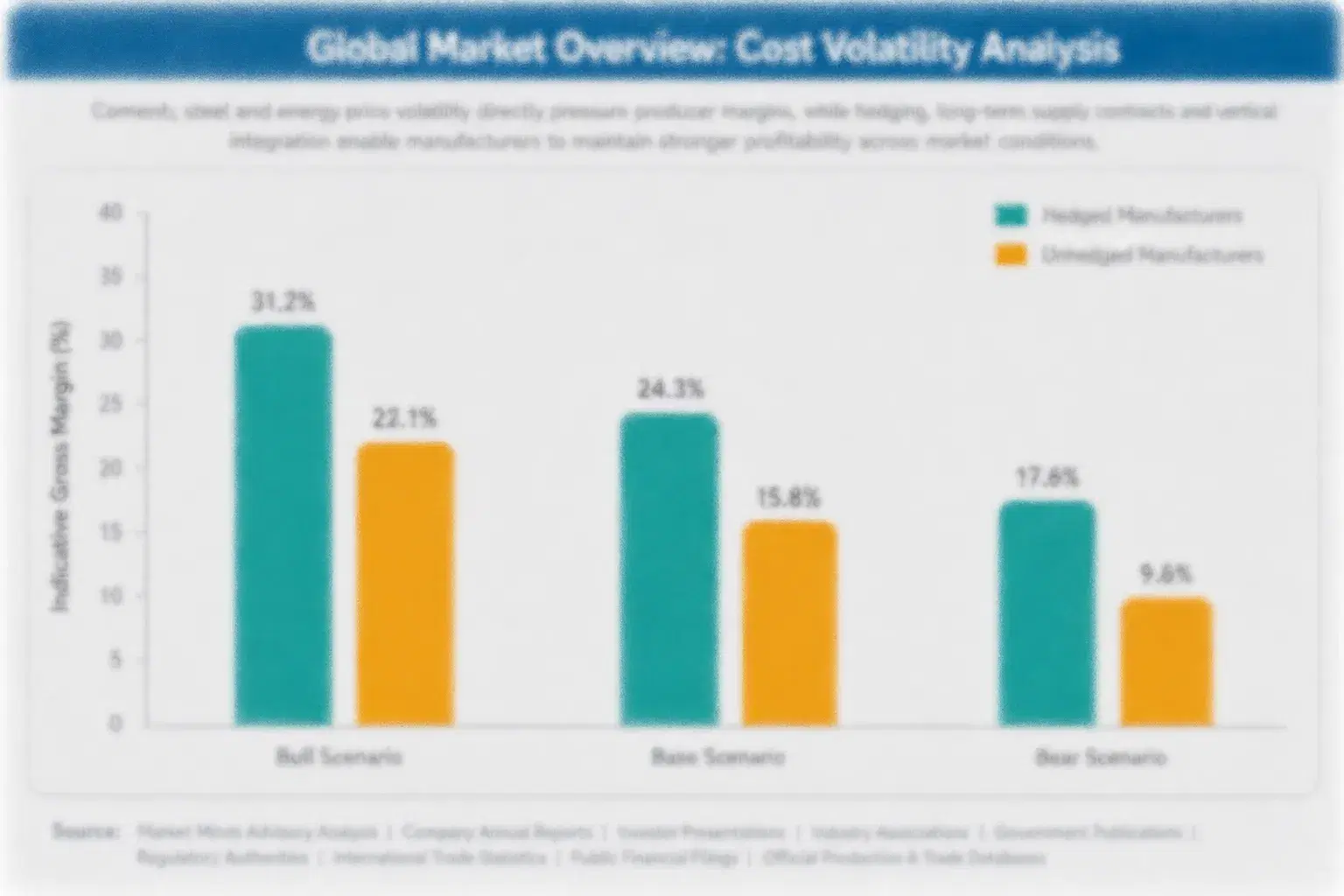
Additive Chemistry Drives Distinct Cost Structure

UV stabilizing additive packages account for roughly 15 to 20% of total film cost of goods sold, a meaningfully higher share than standard stretch film carries, sourced from specialty chemical producers whose additive pricing moves somewhat independently of the base polyethylene resin cycle that otherwise dominates standard film economics. Manufacturers sourcing additives from diversified global suppliers typically secure more stable pricing than those reliant on a single regional producer.
The 2022 global ethylene supply disruption following Gulf Coast hurricane damage pushed base polyethylene resin prices up more than 40% within months according to EIA data, but UV additive costs moved on a largely separate trajectory tied to specialty chemical feedstock availability, creating a period where manufacturers faced two distinct cost pressures simultaneously rather than one dominant swing driving the entire cost structure. Converters with multi-year agreements navigated this period with less disruption.

Manufacturers concentrated in a single exposure tier carry more exposure to that tier's specific additive cost cycle than diversified manufacturers selling across standard, construction-grade, and extended-exposure export formulations simultaneously, since a diversified manufacturer can shift sales emphasis toward whichever tier currently carries the more favorable input cost position without losing the underlying customer relationship. without losing the account.
uv-resistant-industrial-stretch-film-market-cost-volatility-analysis-1791462815459

Multi-Year Additive Supply Agreements

Larger manufacturers lock in UV additive pricing through multi-year supply agreements directly with specialty chemical producers, insulating formulation cost from short-term spot market volatility and letting them offer customers more predictable pricing across multi-year supply contracts negotiated directly. a hedge smaller converters without comparable purchasing scale typically cannot access on similarly favorable terms. at scale largest manufacturers already command.

Tiered Formulation Flexibility Across Exposure Levels

Maintaining flexible tiered formulations that can shift additive loading within a qualified performance range lets manufacturers respond to relative additive pricing without triggering a full performance recertification cycle each time input costs move meaningfully. a flexibility that larger manufacturers with broader formulation ranges can exploit more easily than smaller single-tier specialists. at an increasing number of large accounts.

Regional Additive Sourcing to Cut Import Exposure

Building additive blending and film production capacity closer to major agricultural and export manufacturing clusters reduces exposure to import tariffs and freight cost volatility on specialty chemical inputs, particularly valuable for manufacturers serving Latin America and Eastern Europe. several large manufacturers have already announced new regional blending investments specifically to capture this advantage. closer to where demand concentrates.

Portfolio Architecture for Margin Defence

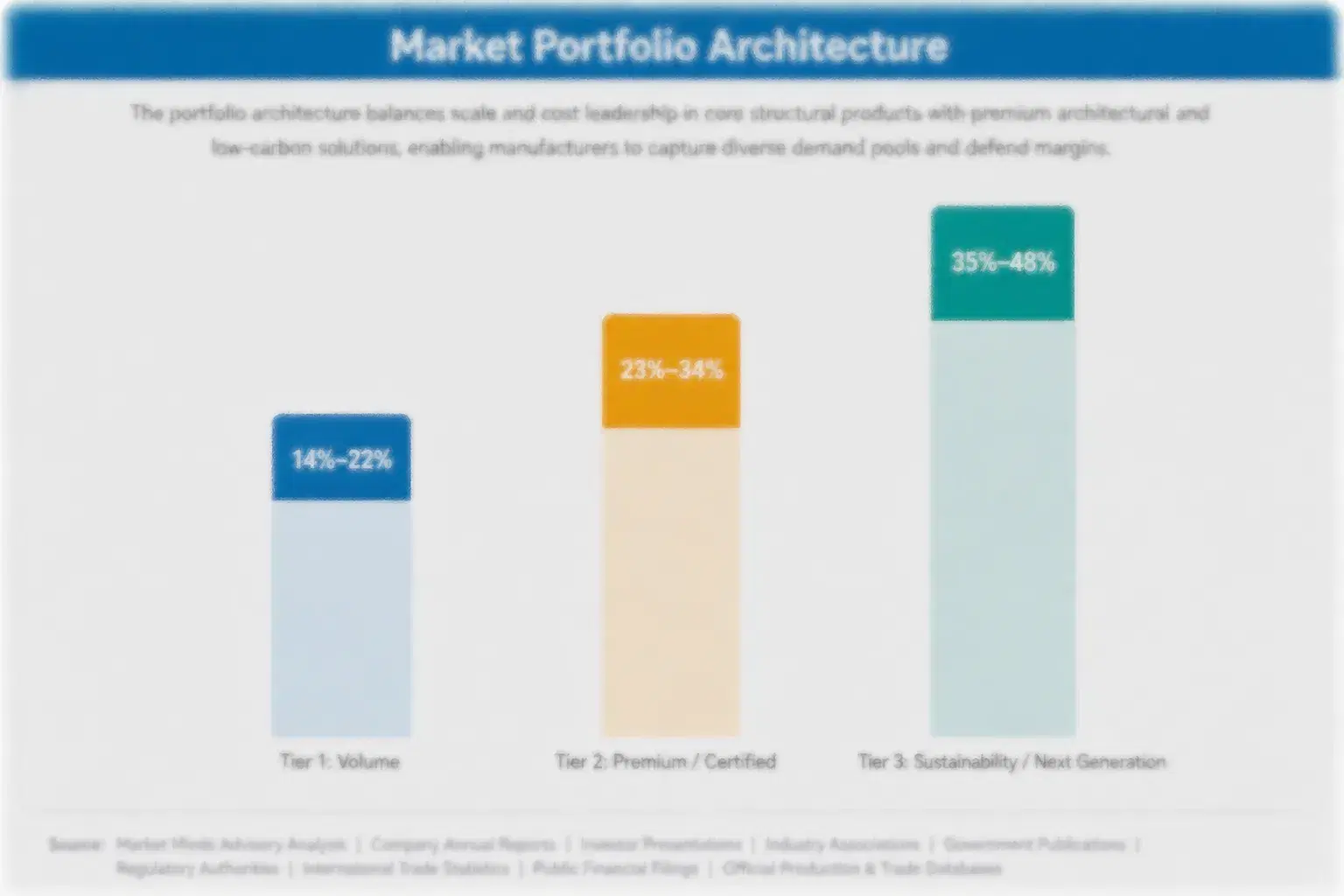
The market organizes into three tiers: a volume tier built on standard agricultural UV film sold on price and basic seasonal exposure performance, a premium tier built on certified export and construction-grade formulations that command a documented-performance price premium, and a next-generation tier built on extended-exposure and warranty-backed formulations still expanding beyond early-adopter export and construction accounts. Gross margin in the next-generation tier can run meaningfully above the volume tier's level.
Volume tier competition remains intensely price-driven, with manufacturers competing on cents per kilogram and little room for margin expansion absent a shift in customer exposure duration priorities. Premium tier demand is growing meaningfully faster as shipping congestion and construction buffering practices both push specification toward certified formulations, creating real tension for manufacturers deciding how quickly to shift production capacity away from reliable standard agricultural revenue.

High-value margin pools concentrate specifically around certified export and construction-grade film sold under warranty-backed multi-year supply agreements, a pool that rewards manufacturers with broad certification and tiered formulation capability and penalizes standard agricultural specialists regardless of how strong baseline livestock production volume still looks in isolation. That gap is unlikely to narrow soon.

Volume / Commodity-Adjacent Tier

Standard agricultural UV film sold largely on price and basic seasonal exposure performance to cost-sensitive farm accounts without extended exposure requirements. though even this tier increasingly faces pressure as exposure-related failures push some farm accounts toward certified alternatives.
Gross Margin: 15-21%

Premium / Certified Tier

Certified export and construction-grade formulations commanding a documented-performance price premium, serving accounts under active congestion or buffering exposure pressure. a tier capturing a growing share of total industry revenue as congestion and buffering pressure accelerate specification.
Gross Margin: 25-32%

Sustainability / Regulatory / Next-Generation Tier

Extended-exposure and warranty-backed formulations still expanding beyond early-adopter accounts, targeting the next wave of export and construction specification. with volumes still modest today but expected to scale meaningfully as more accounts demand documented warranty terms.
Gross Margin: 28-35%
uv-resistant-industrial-stretch-film-market-portfolio-architecture-1791462815649

High-value Sub-segments and Strategic Watch-out

Certified Export and Port Dwell Film

Combines the fastest unit growth with the strongest customer retention in the category, as shipping congestion keeps extending exposure requirements, a pool every major manufacturer is now actively pursuing through dedicated certification programs. and manufacturers who win this pool first tend to retain the relationship for many years afterward.
Gross Margin: 27-33%

Construction-Grade Exposure Film

Commands strong margin and growing volume together as supply chain buffering becomes permanent construction practice, though formulation investment requirements keep limiting how many manufacturers can compete credibly in this niche. making continuous formulation investment an ongoing cost of participation rather than a single certification manufacturers complete once.
Gross Margin: 26-31%

Standard Agricultural UV Film

Represents the bulk of unit volume shipped today but carries the thinnest margin in the category, facing continuous downward price pressure from regional converters competing purely on cost across every market. with little prospect of margin recovery absent a meaningful shift in underlying customer exposure priorities.
Gross Margin: 13-18%

Single-Tier Formulation Concentration

A genuine strategic watch-out: manufacturers offering only standard agricultural formulations face mounting pressure as export and construction accounts demand certified tiers, stranding those slow to diversify their own formulation range. manufacturers investing early in certification and tiered capability are best positioned to retain accounts before competitors close the gap.
Gross Margin: 14-19%

Warranty Relationships Anchor Long Accounts

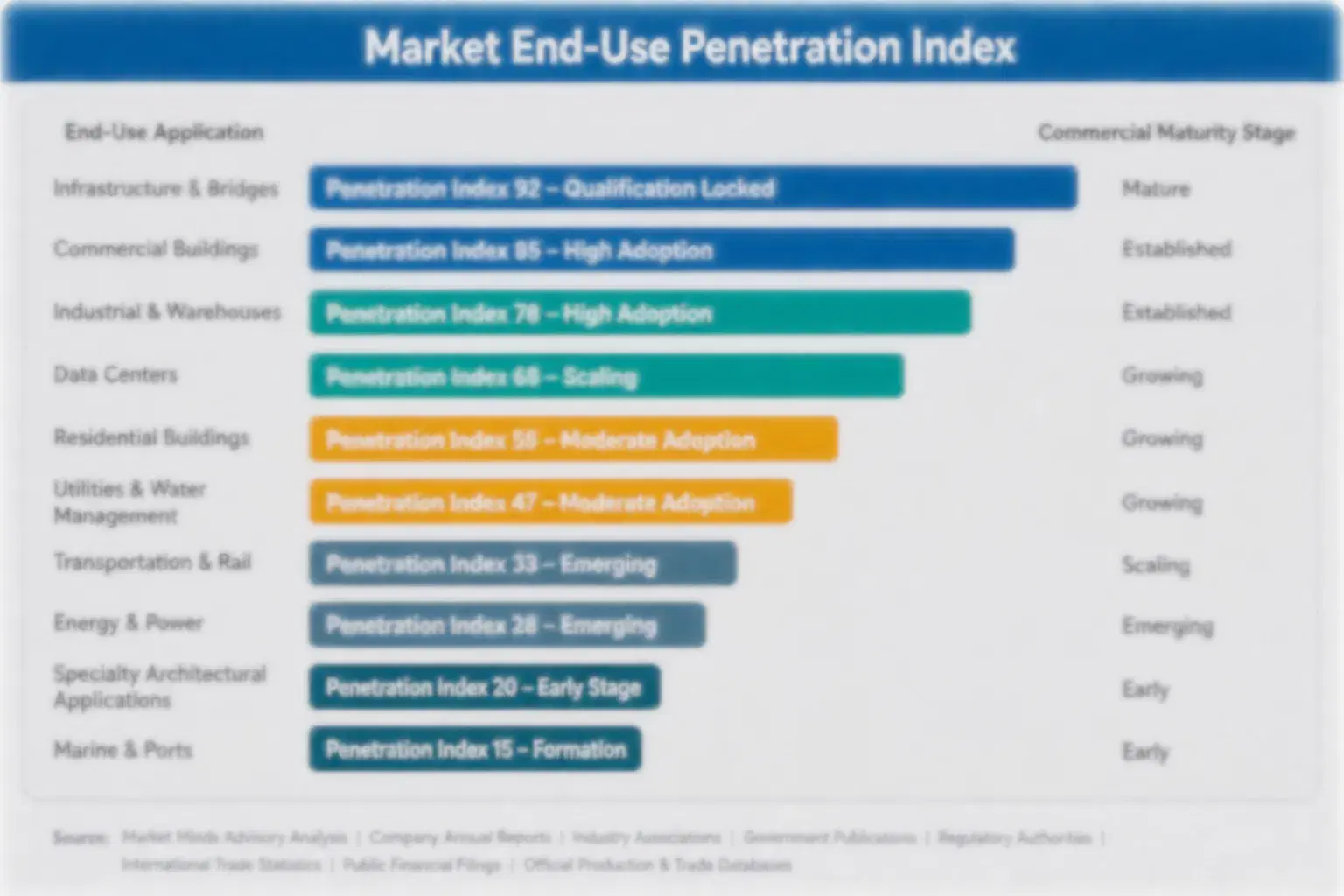
Once a manufacturer secures a warranty-backed supply agreement with a large export or construction account, the resulting relationship behaves like an annuity for years afterward, since switching suppliers again requires a buyer to requalify performance and renegotiate warranty terms, a costly and time-consuming process most procurement and risk management teams avoid absent a serious failure event prompting reconsideration. That annuity quality is why manufacturers invest heavily in winning the initial certification decision.
Adoption depth varies meaningfully by buyer type: large exporters and freight forwarders managing cargo liability adopt certified premium formulations comprehensively across their shipping operations, construction contractors adopt construction-grade film selectively for their longest-staged material categories, and smaller agricultural accounts remain price-driven and slower to upgrade absent a direct exposure-related failure of their own. Manufacturers misjudging buyer type over-invest in marketing smaller accounts never requested.

Buyer profiles are shifting as film specification decisions move from pure farm or site procurement authority toward risk management and logistics planning teams who weigh liability exposure and total cost of ownership alongside unit price, a change that rewards manufacturers able to speak credibly to both documented performance and cost in the same sales conversation. rewarding manufacturers who translate data into terms managers understand.
uv-resistant-industrial-stretch-film-market-end-use-penetration-index-1791462815832

Where MMA Sees the Opportunity

These are among the four positions where our research anticipates prominent divergence between winners and laggards over the coming forecast period. Each is grounded in the demand model, the regulatory perimeter, and the announced capacity pipeline.
01 / THIRD-PARTY CERTIFICATION INVESTMENT

Back manufacturers completing verified performance certification early

Third-party verified performance certification is becoming the clearest differentiator in a market where freight forwarders and large exporters increasingly require documented evidence before specifying a film formulation for their own cargo liability purposes. Manufacturers that complete this certification ahead of competitors capture preferred-supplier status at accounts unwilling to accept internal testing claims alone as sufficient evidence. We expect certification requirements to tighten further as shipping congestion persists, rewarding manufacturers who built this capability early with the largest remaining export and construction accounts.
02 / CONSTRUCTION-GRADE FORMULATION EXPANSION

Prioritize construction-specific formulations ahead of broader adoption

Construction-grade UV film formulation work is shifting from a niche specialty into an explicit specification requirement as general contractors treat supply chain buffering as permanent risk management policy rather than a temporary response. Manufacturers developing construction-specific formulations early are capturing this fast-growing segment before general industrial converters without comparable expertise can respond effectively. We expect this segment to keep outgrowing standard agricultural film meaningfully as buffering practices continue spreading across the broader construction industry, rewarding manufacturers who moved early with a durable share advantage.
03 / TIERED FORMULATION PORTFOLIO STRATEGY

Build tiered formulations to capture the full exposure spectrum

Manufacturers offering tiered additive packages calibrated to different exposure duration requirements are capturing more total category revenue than single-formulation competitors forced to either overprice price-sensitive agricultural accounts or underprice premium export accounts. This tiered approach increasingly separates share gainers from manufacturers still selling one formulation across every customer type regardless of actual exposure need. We expect tiered strategies to become standard practice industrywide as competitors recognize the revenue left uncaptured by a single-formulation approach, particularly across manufacturers currently serving only the agricultural segment.
04 / SINGLE-TIER CONCENTRATION RISK

Watch manufacturers overexposed to standard agricultural volume alone

Manufacturers concentrated in standard agricultural formulations without certified export or construction-grade capability face a steadily growing competitive gap as faster-growing premium segments pull industry attention and investment away from standard volume. A manufacturer slow to diversify risks losing meaningful growth opportunity entirely as the premium segments compound while standard agricultural demand grows only modestly by comparison. We consider this concentration risk the single most important strategic vulnerability facing mid-size agricultural-only specialists, since diversifying into certified tiers now requires catching up on testing investment competitors began years earlier.

Engagement Snapshot From the Field

A live engagement with an industry participant carrying material or product regulatory and market exposure ahead of a defining policy shift, showing how our research translates into a defensible multi-year portfolio strategy.
MARKET MINDS ADVISORY · CLIENT ENGAGEMENT SUMMARY
UV-Resistant Industrial Stretch Film Producer Strategic Portfolio Review and Transition Roadmap 2026·Investment Scenario on UV-Resistant Industrial Stretch Film Exposure Evaluation 2025-26
CLIENT PROFILE
The client is a regional agricultural export cooperative in Brazil representing several hundred member producers, shipping soy and processed grain products through major regional ports to overseas buyers across Asia and Europe (client-reported, unverified by MMA). The cooperative had experienced several cargo damage incidents tied to film failure during extended port dwell periods over the preceding two shipping seasons.
STRATEGIC CHALLENGE
Cooperative leadership needed to decide whether to mandate a specific certified film formulation across all member producers or allow individual producers to continue sourcing film independently, weighing the cost of a mandated upgrade against the cargo liability exposure continued film failures were creating for the cooperative's overall export reputation. Both options carried real cost and reputational risk leadership needed quantified before the next season.
MMA APPROACH
MMA benchmarked cargo damage incident rates against documented film exposure ratings across the cooperative's recent shipments, evaluated three certified suppliers' warranty terms and port-specific performance data, and modeled the cost of a cooperative-wide mandated formulation against the liability exposure continued independent sourcing created. MMA also reviewed historical port dwell time data for the cooperative's primary export destination to validate exposure rating requirements.
KEY FINDINGS
  1. Roughly 70% of documented cargo damage incidents traced to film rated for exposure windows shorter than the port's actual average dwell time (client-reported, unverified by MMA).
  2. A cooperative-wide mandated formulation would add a modest per-shipment cost increase well below the average cost of a single documented cargo damage incident.
  3. Only one of three evaluated suppliers offered warranty terms specifically calibrated to the cooperative's primary export port's documented average dwell time. a gap the cooperative had not previously evaluated systematically across its supplier base.
  4. Member producers using the eventually selected certified formulation during a pilot period reported zero exposure-related cargo damage incidents across the pilot shipping season.
CLIENT PROFILE
The client is a regional agricultural export cooperative in Brazil representing several hundred member producers, shipping soy and processed grain products through major regional ports to overseas buyers across Asia and Europe (client-reported, unverified by MMA). The cooperative had experienced several cargo damage incidents tied to film failure during extended port dwell periods over the preceding two shipping seasons.
STRATEGIC CHALLENGE
Cooperative leadership needed to decide whether to mandate a specific certified film formulation across all member producers or allow individual producers to continue sourcing film independently, weighing the cost of a mandated upgrade against the cargo liability exposure continued film failures were creating for the cooperative's overall export reputation. Both options carried real cost and reputational risk leadership needed quantified before the next season.
MMA APPROACH
MMA benchmarked cargo damage incident rates against documented film exposure ratings across the cooperative's recent shipments, evaluated three certified suppliers' warranty terms and port-specific performance data, and modeled the cost of a cooperative-wide mandated formulation against the liability exposure continued independent sourcing created. MMA also reviewed historical port dwell time data for the cooperative's primary export destination to validate exposure rating requirements.
KEY FINDINGS
  1. Roughly 70% of documented cargo damage incidents traced to film rated for exposure windows shorter than the port's actual average dwell time (client-reported, unverified by MMA).
  2. A cooperative-wide mandated formulation would add a modest per-shipment cost increase well below the average cost of a single documented cargo damage incident.
  3. Only one of three evaluated suppliers offered warranty terms specifically calibrated to the cooperative's primary export port's documented average dwell time. a gap the cooperative had not previously evaluated systematically across its supplier base.
  4. Member producers using the eventually selected certified formulation during a pilot period reported zero exposure-related cargo damage incidents across the pilot shipping season.
RECOMMENDED STRATEGY
Phase 1: Phase 1 (Months 1 to 3): Finalize a cooperative-wide supply agreement with the selected certified supplier covering the primary export port's documented exposure profile. Phase 2: Phase 2 (Months 4 to 9): Roll out mandated formulation requirements across all member producers ahead of the next primary shipping season. Phase 3: Phase 3 (Months 10 to 12): Document damage incident outcomes across the first full mandated season and renegotiate warranty terms based on actual performance data.
OUTCOME
Across the first full mandated shipping season the cooperative reported exposure-related cargo damage incidents down roughly 85% versus the prior two seasons, with the modest formulation cost increase fully offset by avoided damage claims (client-reported, unverified by MMA). Leadership credits the mandated formulation policy with meaningfully improving the cooperative's standing with overseas buyers.

Frequently Asked Questions

Foundational context covering the market sizes, CAGR, scope, country, region and competition that inform every finding below. This section is provided to cover basics and most often pre-purchase conversations, answered from the MMA Primary Research Dataset.

What is the current size of the UV-Resistant Industrial Stretch Film Market?

The UV-resistant industrial stretch film market reached an estimated $0.68 billion globally in 2025. This covers specialty film formulated for agricultural, construction, and export outdoor exposure applications.

How large will the UV-Resistant Industrial Stretch Film Market be by 2036?

MMA projects the market will reach approximately $1.36 billion by 2036, roughly 1.89 times its 2026 base of $0.72 billion as shipping congestion and construction buffering practices persist.

What is the CAGR for the UV-Resistant Industrial Stretch Film Market 2026 to 2036?

The market is projected to grow at a 6.6% compound annual growth rate between 2026 and 2036, with a bull case of 7.8% and a bear case of 5.4%.

Which segment is growing fastest?

Export and port dwell protection wrap is growing fastest at a 9.8% CAGR, roughly 1.48 times the overall market rate, as global shipping congestion extends outdoor cargo exposure windows.

Who are the major companies in the UV-Resistant Industrial Stretch Film Market?

Berry Global, Trioplast Industrier, RKW Group, Armando Alvarez Group, and Sigma Plastics Group lead the market, together holding an estimated 46% combined share of specialty film volume.

Which country is growing fastest?

Australia is growing fastest at an estimated 9.2% CAGR as its agricultural exporters specify film rated for the country's naturally intense UV exposure climate. India and Vietnam follow closely as their own agricultural and export sectors continue expanding.

UV-Resistant Industrial Stretch Film Segments Covered

The full report scope spans multiple orthogonal segmentation dimensions, with cross-tabulated demand data provided for each dimension pair. Coverage extends further to regional breakdowns, trend trajectories, and the competitive detail needed to support segment-level decision-making.

By End-Use Application

  • Agricultural Bale and Silage Wrap
  • Construction Material Protection Wrap
  • Outdoor Palletized Storage Wrap
  • Export and Port Dwell Protection Wrap
  • Marine and Offshore Cargo Wrap

By End-Use Industry

  • Agriculture and Livestock
  • Construction and Building Materials
  • Export Manufacturing and Logistics
  • Marine and Offshore
  • General Industrial Storage

By Commercial Dimension

  • Certified Warranty-Backed Supply Contracts
  • Standard Distributor Channel Sales
  • Direct Agricultural Cooperative Sales
  • Freight Forwarder Specification Contracts

By Region

  • North America
  • Western Europe
  • East Asia
  • South Asia and Pacific
  • Latin America
  • Middle East and Africa
  • Eastern Europe

Scope, Methodology, and Coverage

Every figure in this report is reproducible from documented input assumptions. The scope below maps the historical period, the forecast horizon, the segmentation dimensions, and the countries covered, alongside the underlying primary and qualitative methodology.
Historical Period
2020 to 2025
Forecast Period
2026 to 2036
Base Year
2025 (USD billions; MMA Primary Research Dataset, October 2026)
Market Definition
This report covers specialty polyethylene stretch film formulated with ultraviolet stabilizing additives for prolonged outdoor exposure, used in agricultural bale wrapping, construction material protection, outdoor palletized storage, and export or port dwell cargo protection. It excludes standard indoor-use industrial stretch film without UV stabilization and small retail multi-pack hand-wrap film formats.
Quantitative Units
USD billions (current prices); film volume in metric tons; rated exposure duration in months
Segmentation Dimensions
By End-Use Application; By End-Use Industry; By Commercial Dimension; By Region
Regions Covered
North America, Western Europe, East Asia, South Asia and Pacific, Latin America, Middle East and Africa, Eastern Europe
Countries Covered
USA, China, Germany, France, UK, Japan, South Korea, India, Australia, Canada, Brazil, Mexico, Argentina, Indonesia, Vietnam, Thailand, Malaysia, UAE, Saudi Arabia, South Africa, Nigeria, Turkey, Poland, Netherlands, Italy, Spain, Sweden, Switzerland, Colombia, Singapore, and additional markets relevant to this sector
Key Companies Profiled
Berry Global, Trioplast Industrier, RKW Group, Armando Alvarez Group, Sigma Plastics Group, Inteplast Group, AEP Industries, Intertape Polymer Group, Paragon Films, Novolex Holdings, Coveris Holdings, Amcor plc, Innovia Films, Charter Next Generation, ProAmpac Holdings, Polyplex Corporation, BPI Group, Plastika Kritis, Barbier Group, Sotrafa
Quantitative Methodology
Primary survey, n=3,800 respondents, Q4 2025, six countries; demand-side model with trade association cross-validation
Qualitative Methodology
47 expert interviews, Q4 2025; applied to validate demand model assumptions, identify emerging dynamics, and assess competitive positioning
Report Format
PDF and XLSX data workbook (Word format preview document)
Publisher
Market Minds Advisory
Report Code
MMA-2026-PAC-369
Published
October 2026
Contact
sales@marketmindsadvisory.com | www.marketmindsadvisory.com

Purchase the full UV-Resistant Industrial Stretch Film Market Report (2026 to 2036).

The full report delivers a complete market model for the UV-resistant industrial stretch film market, including segment-level and regional forecasts through 2036 alongside the five-year historical base across agricultural, construction, and export applications. It profiles twenty manufacturers, benchmarking competitive positioning on certification status, tiered formulation breadth, and film volume shipped. The report quantifies the port congestion and construction buffering opportunity and models warranty-backed contract economics against standard film sales. A dedicated input cost chapter tracks additive feedstock exposure by manufacturer profile. Buyers receive a downloadable data workbook alongside the narrative report.
Segment and regional forecasts through 2036
Twenty-manufacturer competitive benchmarking on certification status
Port congestion and construction buffering opportunity sizing
Warranty-backed contract economics versus standard sales modeling
UV additive cost exposure and mitigation strategy chapter
Downloadable data workbook with full regional detail

Built For The People Who Decide

From boardroom strategy to bench-side execution, this report is read cover-to-cover by leaders shaping the next decade of their industry, turning demand scenarios, market dynamics and valuation benchmarks into decisions.
CXOs/ Presidents/ VPs/ Managers
M&A and Corporate Development
Strategy Teams and R&D Heads
Procurement and Product Directors
Regulatory and Compliance Leaders
Investor Relations and Equity Analysts