Market Minds Advisory
Demand for Stretch Film Packs in USA

USA Stretch Film Packs Market Study 2026-2036: Size, Share and Trends

Moving companies, small e-commerce sellers, and home improvement retailers are driving unprecedented pack-format stretch film demand across the United States, as multi-roll retail kits displace bulk industrial rolls for light-duty wrapping jobs nationwide.

Lead Analyst

Bilal Shaikh

Published

November 2026

Make Smarter Decisions with Customized Research Insights

Request a free sample report and evaluate market opportunities, growth trends, and competitive dynamics relevant to your business needs.

2025 MARKET VALUE$0.9BMarket Size 2025
2036 FORECAST VALUE$1.8BBase Case , 2026 to 2036
CAGR 2026 TO 20366.0 %Bull 7.2% / Bear 4.8%
INCREMENTAL OPPORTUNITY$0.8BNet 10- year value creation
EXPANSION MULTIPLE1.79x2036 value over 2026 base
Strategic Levers
M&A Pipeline
Regional Outlook
Country Rankings
Competitive Intelligence
Segmental Deep-dive
Call-Us : 91 93563 13602

USA Stretch Film Packs Market Outlook

Multi-roll stretch film packs sold through home improvement retail and office supply channels are capturing demand that once went entirely to bulk industrial rolls, as small shippers and individual movers increasingly buy in pack formats designed for them specifically. This shift is reshaping shelf space at every major retailer.
Pre-stretched hand film packs are growing fastest as ergonomic and labor-cost concerns push buyers toward film that requires less physical force to apply, while multi-pack assortment kits bundling film with gloves and dispensers hold the second-fastest growth rate among e-commerce sellers wanting a complete kit rather than separate purchases. North America, anchored overwhelmingly by United States demand, carries by far the largest share of this category globally. Demand concentrates where both dynamics converge.
Competition splits between large stretch film manufacturers repackaging bulk production into retail-ready pack formats, and smaller converters specializing exclusively in the pack channel with tighter retail relationships. Retailer private-label programs are reshaping margin structure as big-box chains push branded converters toward white-label manufacturing agreements that compress unit economics even as category volume keeps growing. Smaller converters without comparable retail relationships increasingly struggle to compete on shelf placement.
Market Definition
The stretch film packs market covers multi-roll retail and trade packs of hand-wrap stretch film, typically sold in packs of four, six, twelve, or twenty-four rolls through home improvement, office supply, and distributor channels for light-duty wrapping by movers, small businesses, and individual consumers. It excludes bulk industrial machine-grade stretch film sold by the pallet or case to large-scale distribution centers and specialty UV-resistant or agricultural stretch film. The same pressures carry over to the UV-Resistant industrial stretch film market, where MMA forecasts USD 1.36 billion by 2036 at a 6.6% CAGR.
Base Year Value
$0.9B in 2025 (MMA Primary Research Dataset, October 2026)
Forecast Period
2026 to 2036, eleven discrete annual values
CAGR
6.0% base case. Bull 7.2%. Bear 4.8%.
Fastest Growth Segment
Pre-Stretched Hand Film Packs: 10.2% CAGR
Fastest Growth Country
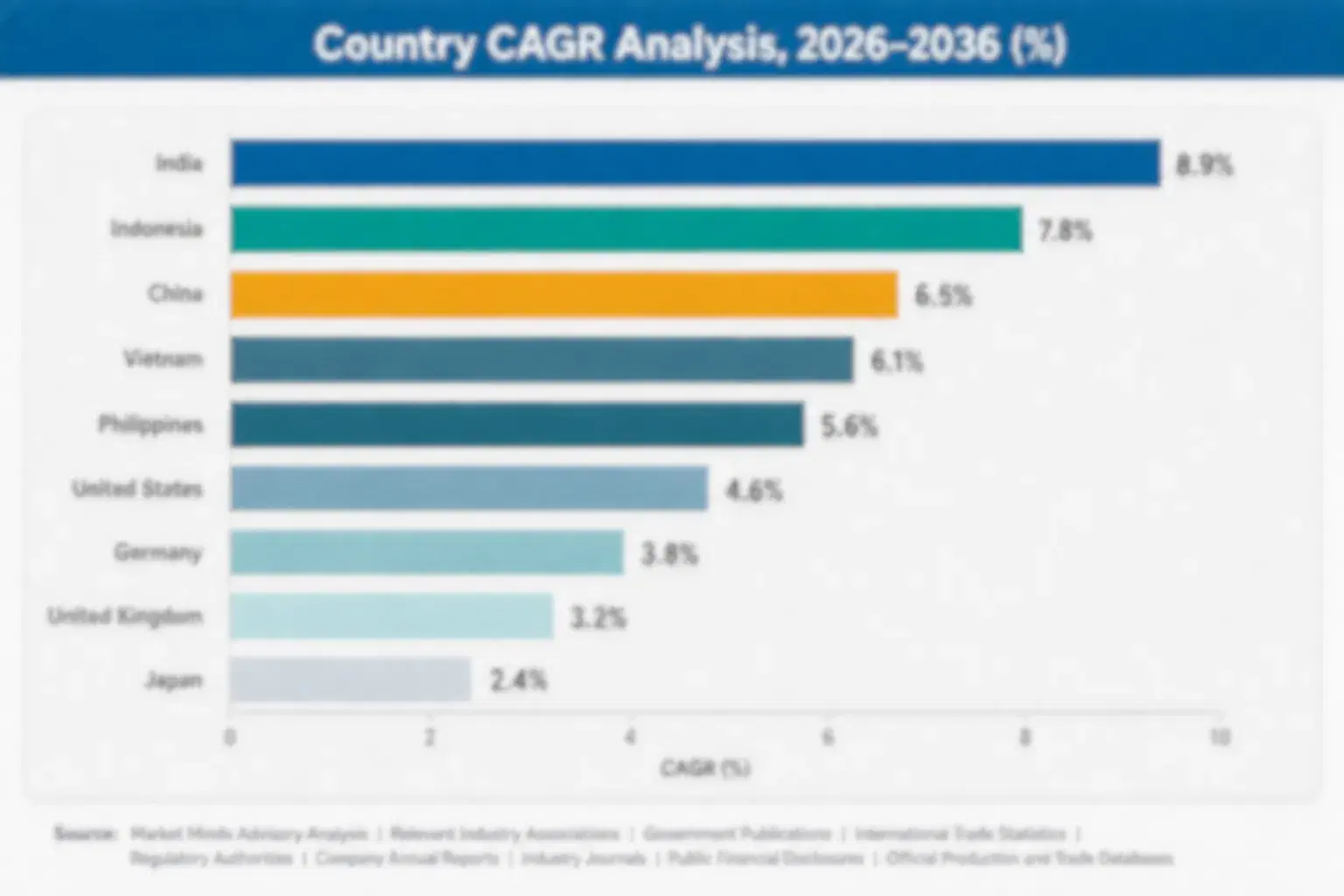
Philippines: 8.9% CAGR
Fastest Growth Region
South Asia and Pacific: 8.0% CAGR
Largest Region
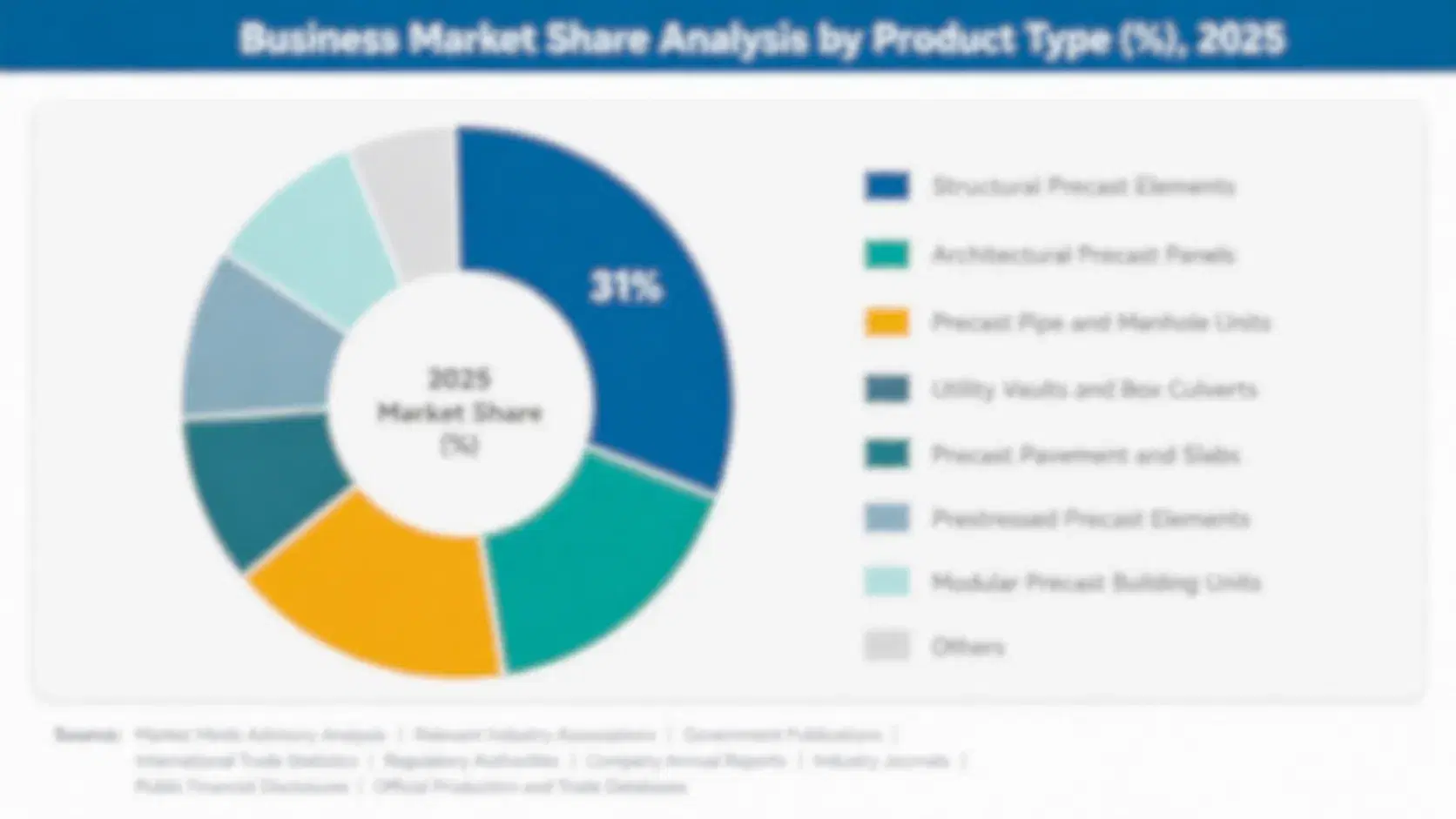
North America: 31% of 2025 global value
Market Leaders
Berry Global, Inteplast Group, Intertape Polymer Group, Paragon Films, and Polyplex Corporation lead by retail pack volume shipped. Source: MMA Analysis based on company annual reports.
Primary Survey
n=3,800 procurement and R&D decision-makers, Q4 2025, six countries
Methodology
Demand-side build-up, cross-validated against public data, 47 expert interviews

USA Stretch Film Packs Market Forecast Scenarios

united-states-stretch-film-packs-market-size-forecast-scenario-1791462800340
Between 2020 and 2025 the market grew at an estimated 5.2% annually, as pandemic-era home moving volume and e-commerce seller formation both lifted pack-format demand meaningfully faster than bulk industrial stretch film grew over the same period across the broader packaging materials category. Early private-label expansion at major retailers also began accelerating category-wide volume growth meaningfully during the latter half of this period.
The base case assumes 6.0% compound growth through 2036, driven by three reinforcing mechanisms: first, continued e-commerce seller formation that creates a steady stream of new small-shipper buyers needing pack-format film rather than bulk industrial rolls; second, pre-stretched film adoption accelerating as labor cost and ergonomic injury concerns push buyers away from standard tension-wrap formats; and third, home improvement retailers expanding private-label stretch film pack assortments that lower price points and widen the buyer base simultaneously.
The bull case rests on major retailers expanding private-label pack assortments faster than expected, pulling category volume up sharply as price-sensitive buyers trade up from loose rolls to convenient packs. The bear case centers on a prolonged housing market slowdown that reduces home moving volume, a meaningful demand driver for this specific pack-format category relative to bulk industrial stretch film.

Retail Channel Economics for a Trade Packaging Staple

Pack-format stretch film has moved from an afterthought shelf item into a genuine retail category in its own right, as home improvement chains and office supply retailers dedicate growing shelf space to multiple pack sizes, pre-stretched formats, and bundled assortment kits aimed at distinct buyer segments. Converters that once treated this as a minor product line now dedicate entire sales teams to managing these expanding retail relationships directly. The Japan stretch film market is a natural companion read, sized by MMA at USD 4.2 billion in 2025 with 5.0% annual growth ahead.
MARKET CONCENTRATION (CR5)39%Top five manufacturers hold under half of total pack volume
AVERAGE PACK PRICE$24Blended price across standard six-roll retail pack formats
TOP PRODUCING COUNTRY SHARE27%United States leads production given proximity to end demand
CAPACITY UTILIZATION73%Converters run pack-format lines below full nameplate capacity
RESIN SHARE OF COGS56%Linear low-density polyethylene resin dominates total pack cost
AVERAGE RETAIL SHELF CYCLE8-10 weeksTypical inventory turn at home improvement retail locations
Commercially, the market increasingly rewards converters who can win private-label manufacturing agreements with large retail chains, since these agreements guarantee volume at the cost of compressed per-unit margin compared with a converter's own branded pack line sold at full retail price. Branded converters without a private-label strategy increasingly find themselves squeezed between discount private-label pricing and premium pre-stretched positioning they have not yet entered. Linked demand sits in the super greens stick packs market, projected by MMA to reach USD 10.5 billion by 2036 on a 15.8% CAGR.
Over the next decade, expect continued private-label expansion, growing pre-stretched film penetration as labor cost awareness spreads among small business buyers, and persistent demand from e-commerce seller formation that keeps replenishing the buyer base even as individual sellers churn in and out of the category regularly. a dynamic that increasingly rewards converters investing in retail category management expertise over those competing purely on manufacturing cost efficiency alone.
"This category used to be an afterthought next to the paint aisle. Now it is where retailers test private-label packaging strategy because the margin math is simple enough to prove out fast."
Director, Packaging Materials Practice · MMA Packaging Materials / Trade and Retail Pack Consumables Practice · October 2026

Key Trends in USA Stretch Film Packs

Private-Label Pack Programs Expanding Across Major Retailers

Major home improvement and office supply retailers are expanding private-label stretch film pack programs, contracting directly with converters to manufacture store-branded packs at lower price points than established national brands occupy on the same shelf. The shift mirrors private-label expansion in adjacent packaging categories and reflects retailers' recognition that stretch film packs carry healthy margin potential once a retailer controls the brand rather than merely reselling a converter's own branded product line. Converters winning these private-label contracts gain guaranteed volume but typically accept thinner per-unit margin than their own branded pack sales would command, This dynamic also shapes the USA stretch hood films market, valued by MMA at USD 0.95 billion in 2025 and expected to reach USD 1.69 billion by 2036.
Market Impact: Adds over 300,000 new buyers yearly
Pre-Stretched Film Adoption Accelerating Among Small Business Buyers

Pre-stretched hand film, manufactured to already carry tension before the buyer applies it, is gaining adoption among small business and moving company buyers who previously used standard film requiring significant physical force to stretch during application by hand. The format commands a price premium over standard film but reduces the labor time and physical strain involved in wrapping each load, an increasingly important selling point as small businesses struggle to find and retain warehouse labor willing to perform repetitive manual wrapping tasks throughout a shift. Converters report pre-stretched sales growing meaningfully faster than standard film across every channel. Readers tracking this shift may also follow the stretch film industry analysis in DACH market, which MMA sizes at USD 0.85 billion in 2025, growing at 5.6% a year.
Market Impact: Tracks over 30 million moves yearly

Where the USA Stretch Film Packs Opportunity Lies

E-Commerce Seller Formation Keeps Replenishing the Buyer Base

New e-commerce sellers continue forming at a steady pace across online marketplaces, and nearly every new seller shipping physical products eventually needs stretch film to secure palletized or multi-box shipments, creating a continuously replenishing buyer base for pack-format film regardless of how quickly any individual seller later exits the category. Industry trade groups estimate hundreds of thousands of new small online sellers launch annually in the United States alone, and even a modest stretch film attach rate among this growing population represents meaningful incremental pack demand that offsets churn among sellers who graduate to bulk purchasing.
Market Impact: Cuts branded margin roughly 5 points

Home Moving Volume Remains a Persistent Demand Anchor

Residential moving volume, whether handled by professional moving companies or individual consumers moving themselves, remains one of the largest single demand drivers for pack-format stretch film specifically, since movers favor the convenient pack format over bulk industrial rolls sized for warehouse operations rather than household furniture wrapping. The United States Census Bureau tracks tens of millions of household moves annually, and professional moving companies alone represent a reliable institutional buyer base that restocks pack-format film regularly regardless of broader housing market cyclicality. Even a modest share of this institutional volume sustains meaningful baseline demand regardless of housing cyclicality.
Market Impact: Adds up to 9% cost exposure

USA Stretch Film Packs Growth Barriers

Private-Label Pressure Compresses Branded Converter Margin

Growing private-label pack programs are compressing margin for converters that built their business around nationally branded pack lines, since retailers increasingly use private-label pricing as leverage to negotiate lower wholesale pricing on branded products occupying the same shelf space. The root cause is that private-label manufacturing contracts shift bargaining power toward the retailer, who can threaten to expand private-label shelf space further if a branded converter will not accept thinner margin terms. Converters are mitigating the pressure by diversifying into direct-to-business distributor channels where private-label competition remains less developed than at major retail chains.
Market Impact: Private-label share up roughly 7 points

Resin Price Volatility Squeezes Pack Converter Economics

Polyethylene resin price volatility squeezes pack converter economics more acutely than bulk industrial stretch film converters, since retail pack pricing tends to stay fixed for longer contract periods while resin costs can move significantly within that same window, creating real exposure for converters unable to pass costs through quickly. The root cause is that retail shelf pricing changes require formal retailer approval processes that move slower than commodity resin markets, leaving converters absorbing short-term cost spikes. Converters are mitigating the exposure through resin hedging contracts and shorter retail pricing review cycles negotiated directly with major retail partners.
Market Impact: Pre-stretched packs up roughly 11% yearly
3 additional market trends, 3 additional growth drivers, and 2 additional restraints and challenges are covered in the full report. Contact sales@marketmindsadvisory.com to access the complete intelligence.

USA Stretch Film Packs Segment Growth Rates

The market segments by pack product format rather than by retail channel or buyer type, since format drives both manufacturing cost and retail price point more directly than which channel ultimately sells the pack to an end buyer. Five format segments span the market today. Buyers increasingly choose format based on labor savings and convenience rather than price point alone.
united-states-stretch-film-packs-market-market-share-analysis-1791462800594

Pre-Stretched Hand Film Packs

Pre-stretched hand film packs are manufactured to already carry tension before the buyer applies the film, reducing the physical force required during manual wrapping and growing fastest as labor cost and ergonomic injury concerns spread among small business and moving company buyers facing persistent warehouse labor shortages. Moving companies and small e-commerce sellers are the primary buyers, typically trading up from standard film once they experience the labor time savings firsthand on an actual job. The format commands a meaningful price premium over standard film, and converters report this premium holding steady even as overall category pricing faces private-label pressure elsewhere. Converters expanding this capacity early are capturing share before competitors can respond with comparable equipment investment.
CAGR 10.2%

Multi-Pack Assortment Kits

Multi-pack assortment kits bundle stretch film rolls together with application gloves, hand-held dispensers, or tape, targeting buyers who want a complete wrapping solution purchased in one transaction rather than assembling separate components themselves. Growth here trails only pre-stretched film packs, driven by e-commerce sellers and first-time movers who value convenience over the modest cost savings of buying components separately from different aisles or online listings. Retailers increasingly merchandise these kits prominently during peak moving season and holiday shipping periods specifically, since the bundled format commands a higher average transaction value than any single component sold alone. Retailers report these kits driving meaningfully higher basket size than stretch film sold as a standalone item alone. For scale, MMA values the tape dispenser market at USD 1.6 billion in 2025 and expects it to reach USD 2.92 billion by 2036.
CAGR 8.8%
Full segment breakdown across 5 segments available in the complete report.

USA Stretch Film Packs Regional and Country Demand

North America, anchored overwhelmingly by United States demand, carries by far the largest global share of this category, while South Asia and Pacific posts the fastest regional growth as e-commerce seller formation accelerates across emerging export manufacturing economies. Western Europe trails on growth given its slower-forming small business population.

North America

The United States alone accounts for the overwhelming majority of this region's volume, driven by a combination of residential moving activity, e-commerce seller formation, and home improvement retail infrastructure that together make pack-format stretch film a genuinely mainstream retail category rather than a niche trade product. Home Depot, Lowe's, Uline, and Staples all carry multiple pack sizes and formats, and private-label programs at these chains are expanding faster than branded converter sales across the category broadly. Canada contributes a smaller but steady volume base tied to its own moving and small business population, while Mexico's nearshoring-driven manufacturing base is lifting regional demand among smaller export businesses. Private-label penetration here already leads every other region tracked by a meaningful margin.
Share: 31% | CAGR: 7.0% (2026 to 2036)

Western Europe

Germany, France, and the UK anchor Western European demand through established home improvement retail chains and office supply distributors that stock pack-format stretch film alongside a broader range of trade packaging consumables sold to small businesses. The region's growth trails North America and East Asia given its more mature, slower-growing small business formation rate and generally lower residential moving frequency relative to the United States specifically. Private-label programs here remain less developed than in North America, since European retail packaging private-label strategy has historically focused more heavily on food and household goods categories than trade packaging consumables like stretch film specifically. Online distributor channels are growing faster than physical retail here, mirroring broader e-commerce trends across the continent.
Share: 19% | CAGR: 4.5% (2026 to 2036)
Regional intelligence for 5 additional markets available in the complete report: East Asia, South Asia and Pacific, Latin America, Middle East and Africa, Eastern Europe. Contact sales@marketmindsadvisory.com.
united-states-stretch-film-packs-market-country-cagr-analysis-1791462800868

Capturing Share in a Retail-Driven Category

Branded pack margin has compressed as private-label programs expand across major retailers, so the real commercial opportunity sits in winning private-label manufacturing contracts, expanding pre-stretched film capacity, and capturing the continuously replenishing e-commerce seller buyer base before competitors do. Converters treating retail relationships as core strategy rather than a side channel are capturing disproportionate new volume.

Winning Private-Label Manufacturing Contracts at Scale

Converters that win private-label manufacturing contracts with major home improvement and office supply retailers secure guaranteed volume commitments that offset the margin compression these contracts carry relative to branded pack sales sold at full retail price. Berry Global and Inteplast Group have both expanded private-label manufacturing capacity specifically to capture this growing contract volume, and converters with secured private-label relationships report total unit volume growing roughly 25% faster than those relying purely on branded pack sales competing for the same retail shelf space. This volume certainty increasingly justifies the margin trade-off private-label contracts require industrywide.
Market Impact: Grows unit volume at roughly 25% faster rate

Expanding Pre-Stretched Film Production Capacity Early

Converters investing early in pre-stretched film production capacity are capturing the fastest-growing segment in the category before competitors catch up, since pre-stretched manufacturing requires specialized equipment that smaller converters cannot easily add without meaningful capital investment. Early movers report pre-stretched pack sales commanding a price premium of roughly 20 to 25% over standard film packs, a premium buyers accept readily once they experience the labor time savings during actual wrapping jobs on real shipments. Competitors without comparable equipment typically take over a year to catch up once a converter secures this early lead.
Market Impact: Commands a roughly 20 to 25% price premium

Bundling Film Into Multi-Pack Assortment Kits

Converters bundling stretch film with gloves, dispensers, or tape into assortment kits are capturing a higher average transaction value than any single component sold alone, particularly during peak moving season and holiday shipping periods when retailers merchandise these kits most prominently on end-cap displays. This bundled format commands meaningfully higher per-unit revenue than a comparable standalone film pack, since buyers pay a convenience premium for not having to assemble separate components themselves across different store aisles. Converters report this bundled approach driving roughly 30% higher transaction value than any standalone film pack sold alone.
Market Impact: Lifts transaction value by roughly 30% per kit

Securing Distributor Relationships Outside Private-Label Pressure

Converters expanding into direct-to-business distributor channels serving small e-commerce sellers and local moving companies are capturing margin that private-label pressure has compressed at major retail chains, since distributor relationships typically carry less aggressive private-label competition than big-box retail shelf space does. Converters report distributor channel margin running roughly 8 to 12 percentage points above comparable major retail chain sales, a meaningful offset to margin pressure building elsewhere in the category. This distributor channel margin advantage is becoming a meaningful offset to pressure building elsewhere in the category. offsetting pressure industrywide.
Market Impact: Commands 8 to 12 points of higher margin

USA Stretch Film Packs Value Chain and Margins

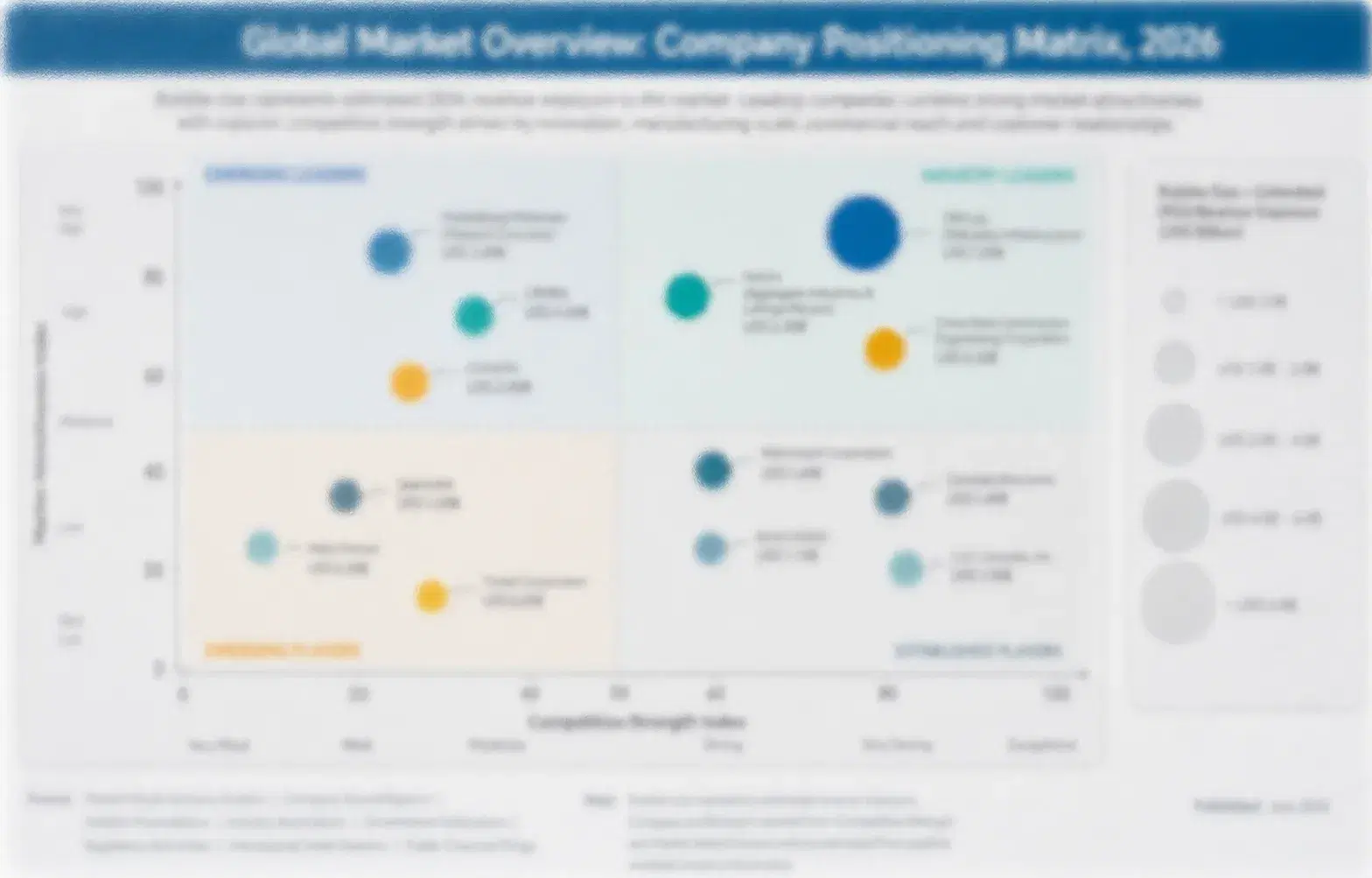
Market concentration sits at a modest CR5 of 39%, reflecting a fragmented converter base competing across both branded and private-label channels, with Berry Global and Inteplast Group holding the broadest combined branded and private-label manufacturing relationships ahead of mid-tier challengers like Intertape Polymer Group and Paragon Films. That gap reflects years of accumulated retail relationship investment smaller converters cannot replicate quickly.
Current competitive activity centers on three fronts: private-label manufacturing contract competition among converters serving major retail chains, pre-stretched film capacity expansion racing to capture the category's fastest-growing segment, and distributor channel expansion as converters seek margin outside retail private-label pressure. Converters increasingly compete on total retail shelf presence rather than branded pack price alone. Converters increasingly invest in dedicated retail category management teams rather than relying purely on manufacturing scale to win shelf space.

Emerging pressure comes from smaller regional converters offering commodity pack pricing without the private-label manufacturing relationships or pre-stretched capacity that incumbents rely on for growth, appealing to price-sensitive independent retailers and distributors outside major retail chains. Rankings could shift meaningfully if a challenger converter successfully wins a major private-label contract before incumbents fully capture the retail relationships they are currently pursuing across the largest chains.
united-states-stretch-film-packs-market-company-positioning-matrix-1791462801162

USA Stretch Film Packs Competitive Landscape

BERRY GLOBAL

Moat: Deepest Private-Label Manufacturing Relationships

Berry Global holds private-label manufacturing contracts with several of the largest home improvement and office supply retailers, giving it guaranteed volume that smaller converters cannot match without comparable retail relationships built over many years of reliable fulfillment and quality performance. built over many years of reliable fulfillment performance that smaller converters cannot replicate quickly.
BERRY GLOBAL

Risk: Private-Label Terms Compress Overall Margin

Berry Global's heavy private-label mix means its average margin across the pack category trails converters with a higher share of branded sales, and renegotiation of any single major retail contract could meaningfully affect overall segment profitability. A single contract renegotiation could meaningfully swing overall category profitability given this concentration.
INTEPLAST GROUP

Moat: Early Pre-Stretched Film Capacity Investment

Inteplast Group invested early in specialized pre-stretched film manufacturing equipment, letting it capture a disproportionate share of the category's fastest-growing segment before competitors added comparable capacity of their own. a head start that smaller competitors need significant capital investment and time to close. across the industry.
INTEPLAST GROUP

Risk: Narrower Retail Private-Label Footprint

Inteplast Group holds fewer major private-label manufacturing contracts than Berry Global, leaving more of its volume exposed to branded pack competition on retail shelves where private-label programs continue expanding each year. a gap it continues working to close through new retail account development each year.

Players Tracked

Prominent Players

Berry Global
Inteplast Group
Intertape Polymer Group
Paragon Films
Polyplex Corporation

Other Key Players

Signode Industrial Group
Novolex Holdings
Coveris Holdings
RKW Group
Sigma Plastics Group
Trioplast Industrier
Amcor plc
Innovia Films
Clifton Packaging Group
Sealed Air
Charter Next Generation
ProAmpac Holdings
Macro Plastics
Atlantic Packaging Products
Industrial Packaging Inc.

Recent Developments

MAY 2025

Berry Global Expands Private-Label Pack Manufacturing Capacity

Berry Global announced expanded private-label pack manufacturing capacity at an existing North American facility, responding to retail customer demand that has outpaced its prior production capability for private-label stretch film pack formats specifically. aiming to shorten lead times for retail partners whose shelf demand has consistently outpaced forecasts.
Signal: Signals private-label capacity becoming a genuine bottleneck across the converter industry as retail demand grows. as demand outpaces capacity.
OCTOBER 2024

Inteplast Group Launches New Pre-Stretched Film Line

Inteplast Group launched a new dedicated pre-stretched hand film production line at an existing facility, aiming to capture continued growth in the category's fastest-growing segment ahead of competitors still relying on standard film conversion equipment. aiming to defend its position as pre-stretched demand accelerates across every retail channel.
Signal: Signals pre-stretched capacity investment becoming a competitive necessity rather than an early-mover advantage only. across branded and private-label segments.
FEBRUARY 2026

Intertape Polymer Group Signs Multi-Year Distributor Agreement

Intertape Polymer Group signed a multi-year supply agreement with a major trade distributor network serving small businesses and moving companies, aiming to secure margin outside the private-label pressure building across major retail chains nationwide. aiming to diversify revenue away from retail chains where private-label pressure continues building each year.
Signal: Signals distributor channel expansion becoming a deliberate strategy to offset retail private-label margin compression. as converters seek margin outside retail.

Resin Pricing Still Anchors Pack Economics

Linear low-density polyethylene resin accounts for roughly 52 to 58% of total pack cost of goods sold, sourced primarily from ethylene crackers across the U.S. Gulf Coast given the category's strong concentration of both production and end demand within the United States specifically. Regional pack converters benefit meaningfully from this proximity advantage relative to import-dependent competitors elsewhere.
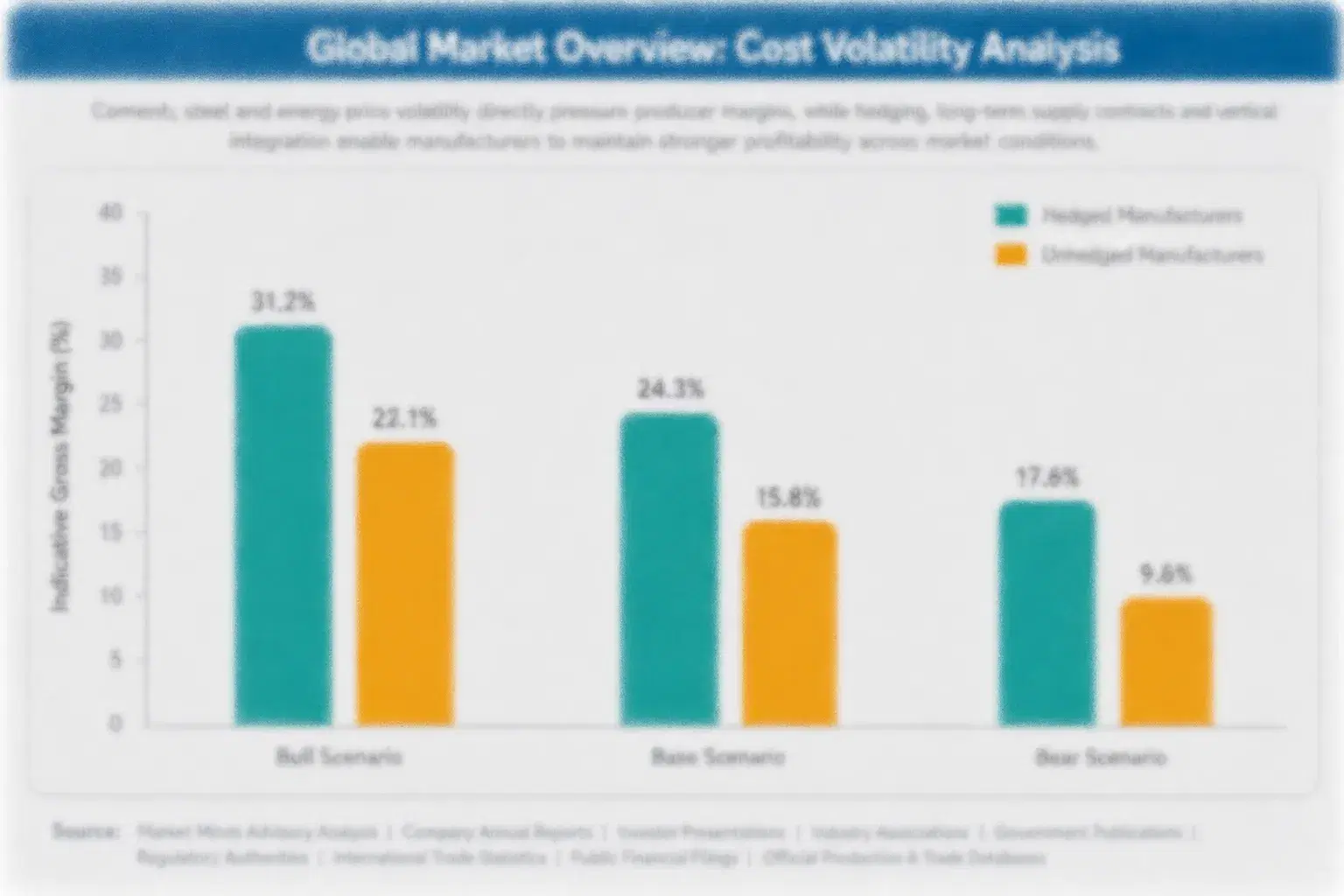
The 2022 global ethylene supply disruption following Gulf Coast hurricane damage pushed polyethylene spot prices up more than 40% within months according to EIA data, squeezing pack converter margin more acutely than bulk industrial stretch film converters since retail pack pricing could not adjust as quickly given formal retailer pricing approval processes. Converters with resin hedging contracts already in place navigated this period with notably less margin disruption than unhedged competitors.

Smaller pack converters carry disproportionate exposure to resin volatility because they lack the purchasing volume to negotiate hedged contracts that larger converters like Berry Global and Inteplast Group have already secured, often forcing them to absorb short-term cost spikes directly rather than passing them through to retail partners quickly. This exposure gap is widening as larger converters continue securing better hedging terms through growing purchase volume.
united-states-stretch-film-packs-market-cost-volatility-analysis-1791462801494

Multi-Year Resin Hedging Contracts

Larger converters lock in resin pricing through multi-year supply agreements directly with ethylene producers, insulating pack cost from short-term spot market volatility and letting them offer retail partners more predictable pricing across multi-year supply contracts negotiated directly. a hedge smaller converters without comparable purchasing scale typically cannot access on similar terms. at the scale largest converters already command.

Faster Retail Pricing Review Cycles

Negotiating shorter retail pricing review cycles directly with major retail partners lets converters pass through resin cost changes faster than the industry's historical annual or biannual pricing review schedule otherwise allows, a change several large retailers have already agreed to at an increasing number of accounts. Converters securing this change early report faster cost pass-through than others under older terms.

Regional Production to Cut Freight Exposure

Building pack production capacity closer to major retail distribution centers reduces freight cost volatility on finished pack shipments, particularly valuable given the category's bulky, low-value-density product profile relative to shipping cost. several large converters have already announced new regional production investments specifically to capture this advantage. closer to where retail demand actually concentrates most heavily.

Portfolio Architecture for Margin Defence

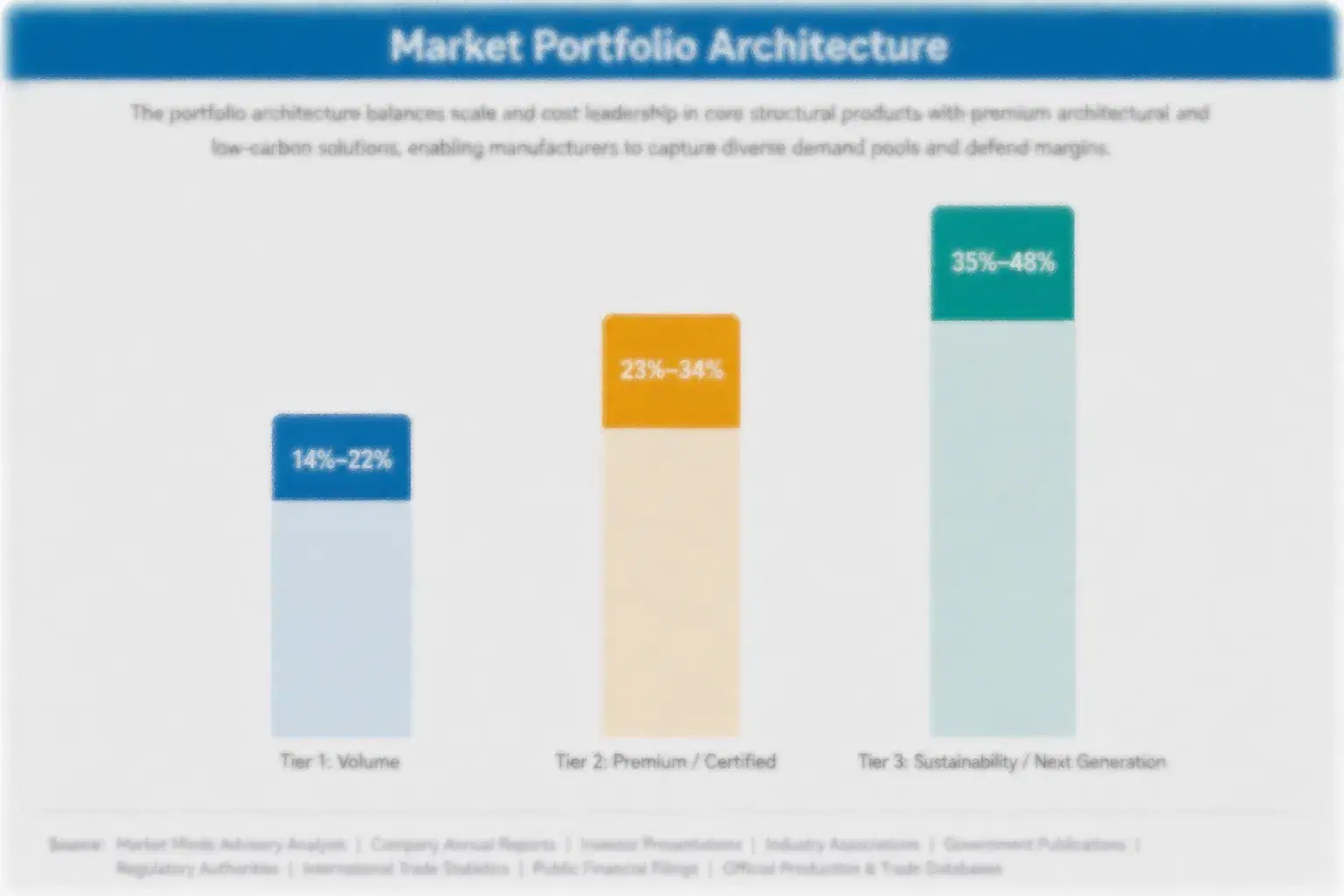
The market organizes into three tiers: a volume tier built on standard private-label pack formats sold on price and basic retail shelf presence, a premium tier built on pre-stretched and branded formats that command a performance and brand-driven price premium, and a sustainability tier built on recycled-content film formats still gaining broader retail shelf placement across most major chains.
Volume tier competition remains intensely price-driven, with converters competing for private-label contracts on cents per pack and little room for margin expansion absent a shift in retailer sourcing priorities. Premium tier demand is growing meaningfully faster as labor cost awareness and brand loyalty both support pricing power, creating real tension for converters deciding how quickly to shift production capacity away from reliable private-label volume toward premium formats.

High-value margin pools concentrate specifically around pre-stretched film and bundled assortment kits sold through both retail and distributor channels, a pool that rewards converters with early capacity investment and penalizes standard film specialists regardless of how strong private-label volume still looks in isolation. That gap is unlikely to narrow soon given how slowly standard film specialists are investing in their own capacity diversification.

Volume / Commodity-Adjacent Tier

Standard private-label pack formats sold largely on price and basic retail shelf presence to cost-sensitive buyers without strong brand or performance preferences yet. though even this tier faces mounting pressure as private-label programs expand into smaller regional retail chains.
Gross Margin: 13-19%

Premium / Certified Tier

Pre-stretched and branded pack formats commanding a performance and brand-driven price premium, serving buyers who value labor savings and recognized quality. a tier capturing a growing share of total category revenue as labor cost awareness spreads among buyers.
Gross Margin: 23-30%

Sustainability / Regulatory / Next-Generation Tier

Recycled-content film pack formats still gaining broader retail shelf placement, targeting sustainability-conscious buyers ahead of wider mainstream adoption. with volumes still modest today but expected to scale as recycled-content formulations reach broader price parity.
Gross Margin: 25-32%
united-states-stretch-film-packs-market-portfolio-architecture-1791462801757

High-value Sub-segments and Strategic Watch-out

Private-Label Manufacturing Contracts

Combines the fastest guaranteed volume growth with the strongest retailer relationship value in the category, as major chains expand private-label programs, a pool every large converter is now actively pursuing through dedicated retail account teams, with winners tending to retain the relationship for years. Converters chase this pool directly.
Gross Margin: 22-28%

Pre-Stretched Film Packs

Commands strong margin and growing volume together as labor cost awareness spreads among small business buyers, though capacity constraints keep limiting how fast converters can scale production to meet demand. though production capacity constraints keep limiting how fast converters can fully capture this opportunity today.
Gross Margin: 26-32%

Standard Branded Film Packs

Represents meaningful unit volume today but faces continuous margin pressure from private-label competition on the same retail shelf, with little prospect of recovery absent a shift in retailer sourcing strategy. with little prospect of recovery absent a meaningful shift in retailer sourcing strategy going forward.
Gross Margin: 12-17%

Single-Format Converter Concentration

A genuine strategic watch-out: converters relying on standard film alone face mounting pressure from both private-label pricing and pre-stretched format competition, stranding those slow to diversify their own pack portfolio. converters diversifying early into pre-stretched or private-label capability are best positioned to avoid this exposure.
Gross Margin: 14-19%

A Continuously Replenishing Buyer Base

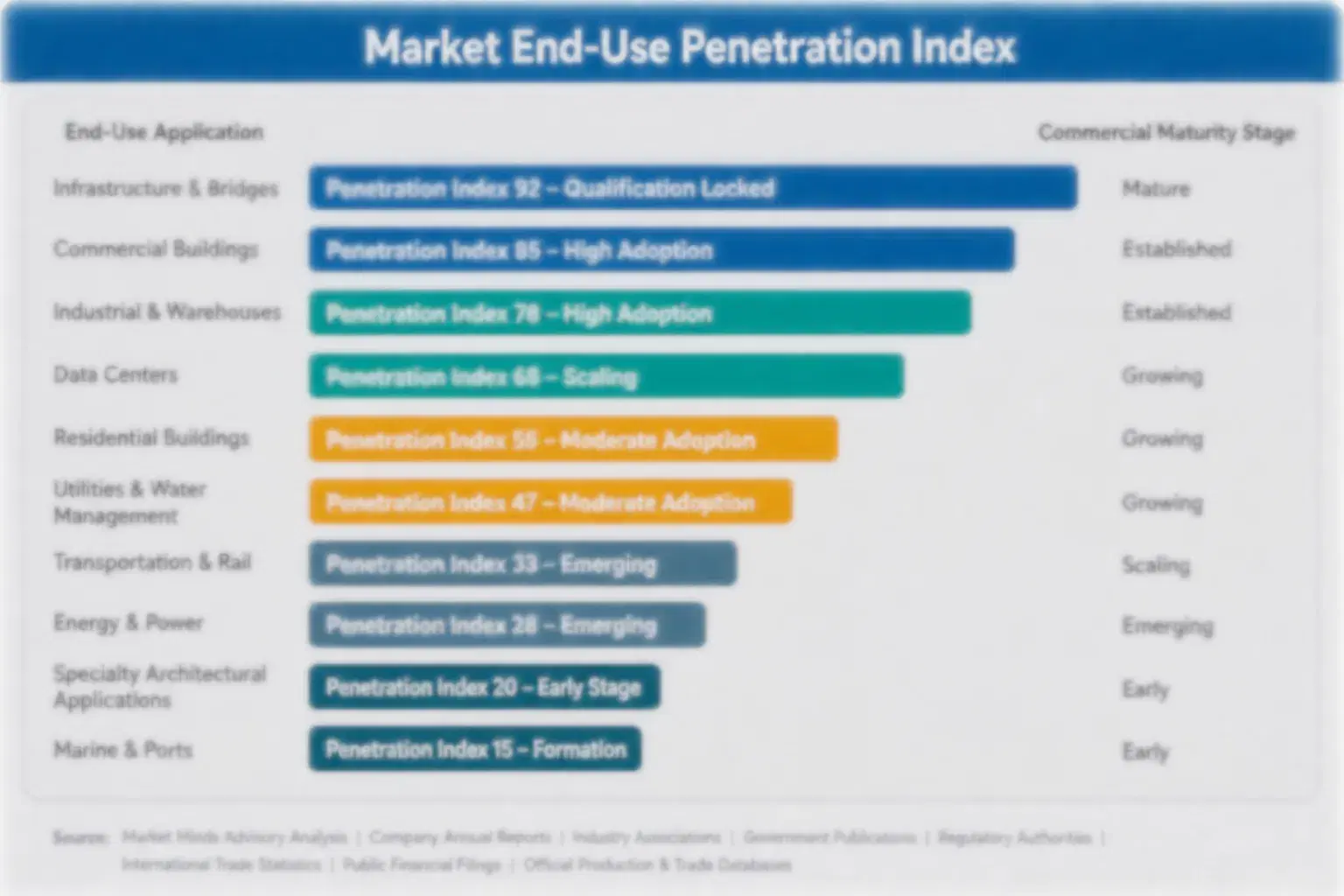
Unlike many packaging categories built on long-term account relationships, this market depends heavily on a continuously replenishing buyer base of new e-commerce sellers and movers entering the category each year, which means converters must win new buyers repeatedly rather than relying primarily on existing account retention the way bulk industrial stretch film suppliers typically do. Converters that understand this dynamic prioritize acquisition marketing over long-term account retention programs.
Adoption depth varies meaningfully by buyer type: professional moving companies and established e-commerce sellers become repeat institutional buyers restocking regularly, while individual consumers moving house or testing e-commerce selling often make a single purchase and never return to the category again regardless of their initial experience. Converters misjudging buyer type often over-invest in loyalty programs one-time buyers never use.

Buyer profiles are shifting as e-commerce seller formation increasingly skews toward younger, digitally native sellers who research and purchase pack-format film online rather than walking into a physical retail location, a channel shift that rewards converters and retailers able to win the online search and marketplace listing competition as much as the physical shelf. rewarding converters who win visibility in online search as much as physical shelf placement.
united-states-stretch-film-packs-market-end-use-penetration-index-1791462802036

Where MMA Sees the Opportunity

These are among the four positions where our research anticipates prominent divergence between winners and laggards over the coming forecast period. Each is grounded in the demand model, the regulatory perimeter, and the announced capacity pipeline.
01 / PRIVATE-LABEL CONTRACT COMPETITION

Back converters winning guaranteed-volume private-label contracts

Private-label manufacturing contracts are becoming the clearest path to guaranteed volume growth in a category where branded pack competition faces constant margin pressure from retailer-controlled shelf space. Converters that win these contracts secure predictable volume even as unit margin compresses, a trade-off increasingly worth making given category growth. We expect the largest retail chains to keep expanding private-label programs, rewarding converters who built dedicated retail account capability early, before competitors recognized the opportunity, with the biggest remaining contract opportunities across the largest chains.
02 / PRE-STRETCHED CAPACITY INVESTMENT

Prioritize pre-stretched capacity ahead of demand catching up fully

Pre-stretched film capacity remains constrained relative to the segment's growth rate, creating a genuine window for converters willing to invest ahead of confirmed demand rather than waiting for capacity utilization data to justify the decision. Early movers are capturing disproportionate share of this premium segment before competitors can add comparable equipment. We expect this capacity gap to persist for several more years given the specialized equipment and lead time required, rewarding first movers with sustained pricing power since competitors will likely need more than a year to close the gap.
03 / E-COMMERCE SELLER ACQUISITION

Expand online and marketplace presence to reach new sellers

The continuously replenishing e-commerce seller buyer base increasingly discovers and purchases pack-format film online rather than through physical retail browsing alone. Converters and retailers investing in online search and marketplace listing visibility are capturing new sellers faster than those relying purely on physical shelf presence. We expect this channel shift to accelerate further as younger, digitally native sellers, who discover products through search and marketplace listings rather than browsing retail locations, continue entering the category in growing numbers each year.
04 / BRANDED CONVERTER MARGIN RISK

Watch branded-only converters losing ground to private-label growth

Converters relying heavily on branded pack sales without a private-label or distributor diversification strategy face mounting margin pressure as retail private-label programs continue expanding across every major chain tracked. A converter slow to diversify risks losing meaningful shelf space entirely as retailers reallocate space toward higher-margin private-label offerings permanently. We consider this concentration risk the single most important strategic vulnerability facing mid-size branded specialists, since neither private-label contracts nor pre-stretched capacity investment offer an easy, low-capital path toward meaningful diversification today.

Engagement Snapshot From the Field

A live engagement with an industry participant carrying material or product regulatory and market exposure ahead of a defining policy shift, showing how our research translates into a defensible multi-year portfolio strategy.
MARKET MINDS ADVISORY · CLIENT ENGAGEMENT SUMMARY
Demand for Stretch Film Packs in USA Producer Strategic Portfolio Review and Transition Roadmap 2026·Investment Scenario on Demand for Stretch Film Packs in USA Exposure Evaluation 2025-26
CLIENT PROFILE
The client is a mid-size stretch film converter generating the large majority of its revenue from branded pack sales through independent hardware stores and regional distributors across the southeastern United States (client-reported, unverified by MMA). The client had no private-label manufacturing relationships and had not yet invested in pre-stretched film production capacity despite growing category demand for both.
STRATEGIC CHALLENGE
Leadership needed to decide whether to pursue private-label manufacturing contracts with major retail chains, invest in pre-stretched film capacity to defend its branded position, or pursue both simultaneously given limited available capital for the next investment cycle and uncertain demand for either path specifically. Each path carried distinct capital and timing risk that leadership needed quantified before committing scarce resources.
MMA APPROACH
MMA benchmarked the client's current margin structure and growth trajectory against converters already pursuing private-label contracts, pre-stretched capacity, or both, modeled capital requirements and expected payback for each path, and assessed the client's existing retail relationships for private-label contract readiness specifically. MMA also interviewed two regional retail buyers to gauge actual private-label contract readiness given the client's existing track record.
KEY FINDINGS
  1. Converters pursuing pre-stretched capacity alone reported unit volume growth roughly 15% below those also pursuing private-label contracts over the same period (client-reported, unverified by MMA).
  2. The client's existing distributor relationships gave it a credible private-label pitch to two regional retail chains not yet served by a dedicated private-label manufacturer.
  3. Pre-stretched capacity investment required roughly 18 months to reach full production efficiency, longer than the client's original capital planning assumed. a delay that pushed back the originally planned full-scale production ramp.
  4. Pursuing both paths simultaneously strained working capital more than either investment alone, requiring a staged approach rather than parallel execution. requiring leadership to sequence investments rather than pursue them in parallel.
CLIENT PROFILE
The client is a mid-size stretch film converter generating the large majority of its revenue from branded pack sales through independent hardware stores and regional distributors across the southeastern United States (client-reported, unverified by MMA). The client had no private-label manufacturing relationships and had not yet invested in pre-stretched film production capacity despite growing category demand for both.
STRATEGIC CHALLENGE
Leadership needed to decide whether to pursue private-label manufacturing contracts with major retail chains, invest in pre-stretched film capacity to defend its branded position, or pursue both simultaneously given limited available capital for the next investment cycle and uncertain demand for either path specifically. Each path carried distinct capital and timing risk that leadership needed quantified before committing scarce resources.
MMA APPROACH
MMA benchmarked the client's current margin structure and growth trajectory against converters already pursuing private-label contracts, pre-stretched capacity, or both, modeled capital requirements and expected payback for each path, and assessed the client's existing retail relationships for private-label contract readiness specifically. MMA also interviewed two regional retail buyers to gauge actual private-label contract readiness given the client's existing track record.
KEY FINDINGS
  1. Converters pursuing pre-stretched capacity alone reported unit volume growth roughly 15% below those also pursuing private-label contracts over the same period (client-reported, unverified by MMA).
  2. The client's existing distributor relationships gave it a credible private-label pitch to two regional retail chains not yet served by a dedicated private-label manufacturer.
  3. Pre-stretched capacity investment required roughly 18 months to reach full production efficiency, longer than the client's original capital planning assumed. a delay that pushed back the originally planned full-scale production ramp.
  4. Pursuing both paths simultaneously strained working capital more than either investment alone, requiring a staged approach rather than parallel execution. requiring leadership to sequence investments rather than pursue them in parallel.
RECOMMENDED STRATEGY
Phase 1: Phase 1 (Months 1 to 6): Pursue private-label contract negotiations with the two identified regional retail chains using existing production capacity. Phase 2: Phase 2 (Months 7 to 18): Begin phased pre-stretched film capacity investment funded partly by new private-label contract revenue secured in Phase 1. Phase 3: Phase 3 (Months 19 to 24): Scale pre-stretched production to full efficiency and pursue additional private-label contracts with the expanded capability.
OUTCOME
The client secured one private-label contract within eight months and a second within fourteen months, funding roughly 60% of its pre-stretched capacity investment from new contract revenue rather than external capital (client-reported, unverified by MMA). Leadership considers the staged sequencing approach directly responsible for preserving working capital during the transition.

Frequently Asked Questions

Foundational context covering the market sizes, CAGR, scope, country, region and competition that inform every finding below. This section is provided to cover basics and most often pre-purchase conversations, answered from the MMA Primary Research Dataset.

What is the current size of the Stretch Film Packs Market in the USA?

The global stretch film packs market reached an estimated $0.95 billion in 2025, with United States demand anchoring the North American region's dominant share of global volume.

How large will the Stretch Film Packs Market be by 2036?

MMA projects the market will reach approximately $1.81 billion by 2036, roughly 1.79 times its 2026 base of $1.01 billion as e-commerce seller formation continues.

What is the CAGR for the Stretch Film Packs Market 2026 to 2036?

The market is projected to grow at a 6.0% compound annual growth rate between 2026 and 2036, with a bull case of 7.2% and a bear case of 4.8%.

Which segment is growing fastest?

Pre-stretched hand film packs are growing fastest at a 10.2% CAGR, roughly 1.70 times the overall market rate, as labor cost and ergonomic concerns drive adoption.

Who are the major companies in the Stretch Film Packs Market?

Berry Global, Inteplast Group, Intertape Polymer Group, Paragon Films, and Polyplex Corporation lead the market, together holding an estimated 39% combined share of pack volume.

Which country is growing fastest?

The Philippines is growing fastest at an estimated 8.9% CAGR as e-commerce platform adoption accelerates among a large population of first-time online sellers. Vietnam and Indonesia follow closely as their own e-commerce platforms continue onboarding new sellers rapidly.

USA Stretch Film Packs Segmentation by Type and Use

The full report scope spans multiple orthogonal segmentation dimensions, with cross-tabulated demand data provided for each dimension pair. Coverage extends further to regional breakdowns, trend trajectories, and the competitive detail needed to support segment-level decision-making.

By Pack Product Format

  • Standard Hand-Wrap Film Packs
  • Pre-Stretched Hand Film Packs
  • Multi-Pack Assortment Kits
  • Colored and Printed Film Packs
  • Recycled-Content Film Packs

By End-Use Buyer

  • Residential and Professional Movers
  • E-Commerce Sellers
  • Small Business Shippers
  • Office and Light Industrial Users

By Commercial Dimension

  • Retail Private-Label Channel
  • Branded Retail Channel
  • Distributor and Wholesale Channel
  • Direct Online Marketplace Sales

By Region

  • North America
  • Western Europe
  • East Asia
  • South Asia and Pacific
  • Latin America
  • Middle East and Africa
  • Eastern Europe

Scope, Methodology, and Coverage

Every figure in this report is reproducible from documented input assumptions. The scope below maps the historical period, the forecast horizon, the segmentation dimensions, and the countries covered, alongside the underlying primary and qualitative methodology.
Historical Period
2020 to 2025
Forecast Period
2026 to 2036
Base Year
2025 (USD billions; MMA Primary Research Dataset, October 2026)
Market Definition
This report covers multi-roll retail and trade packs of hand-wrap stretch film, typically sold in packs of four, six, twelve, or twenty-four rolls through home improvement, office supply, and distributor channels for light-duty wrapping by movers, small businesses, and individual consumers. It excludes bulk industrial machine-grade stretch film sold by the pallet or case to large-scale distribution centers and specialty UV-resistant or agricultural stretch film.
Quantitative Units
USD billions (current prices); pack units shipped; resin volume in metric tons
Segmentation Dimensions
By Pack Product Format; By End-Use Buyer; By Commercial Dimension; By Region
Regions Covered
North America, Western Europe, East Asia, South Asia and Pacific, Latin America, Middle East and Africa, Eastern Europe
Countries Covered
USA, China, Germany, France, UK, Japan, South Korea, India, Australia, Canada, Brazil, Mexico, Indonesia, Vietnam, Thailand, Philippines, Malaysia, UAE, Saudi Arabia, South Africa, Nigeria, Turkey, Poland, Netherlands, Italy, Spain, Sweden, Switzerland, Argentina, Colombia, and additional markets relevant to this sector
Key Companies Profiled
Berry Global, Inteplast Group, Intertape Polymer Group, Paragon Films, Polyplex Corporation, Signode Industrial Group, Novolex Holdings, Coveris Holdings, RKW Group, Sigma Plastics Group, Trioplast Industrier, Amcor plc, Innovia Films, Clifton Packaging Group, Sealed Air, Charter Next Generation, ProAmpac Holdings, Macro Plastics, Atlantic Packaging Products, Industrial Packaging Inc.
Quantitative Methodology
Primary survey, n=3,800 respondents, Q4 2025, six countries; demand-side model with trade association cross-validation
Qualitative Methodology
47 expert interviews, Q4 2025; applied to validate demand model assumptions, identify emerging dynamics, and assess competitive positioning
Report Format
PDF and XLSX data workbook (Word format preview document)
Publisher
Market Minds Advisory
Report Code
MMA-2026-PAC-156
Published
October 2026
Contact
sales@marketmindsadvisory.com | www.marketmindsadvisory.com

Purchase the full Demand for Stretch Film Packs in USA Report (2026 to 2036).

The full report delivers a complete market model for the stretch film packs market, including segment-level and regional forecasts through 2036 alongside the five-year historical base, with particular depth on United States demand dynamics. It profiles twenty converters, benchmarking competitive positioning on private-label contract wins, pre-stretched capacity, and pack volume shipped. The report quantifies the e-commerce seller formation opportunity and models private-label contract economics against branded pack sales. A dedicated input cost chapter tracks resin feedstock exposure by converter profile. Buyers receive a downloadable data workbook alongside the narrative report.
Segment and regional forecasts through 2036
Twenty-converter competitive benchmarking on retail positioning
E-commerce seller formation opportunity sizing by region
Private-label versus branded contract economics modeling
Resin feedstock cost exposure and mitigation strategy chapter
Downloadable data workbook with full regional detail

Built For The People Who Decide

From boardroom strategy to bench-side execution, this report is read cover-to-cover by leaders shaping the next decade of their industry, turning demand scenarios, market dynamics and valuation benchmarks into decisions.
CXOs/ Presidents/ VPs/ Managers
M&A and Corporate Development
Strategy Teams and R&D Heads
Procurement and Product Directors
Regulatory and Compliance Leaders
Investor Relations and Equity Analysts