Market Minds Advisory
USA Digital Pregnancy Test Kit Market

USA Digital Pregnancy Test Kit Market: Selling A Display Not A Test

The chemistry inside a digital test is identical to the strip beside it on the shelf, and the premium buys a screen that removes the interpretation step where about a quarter of users go wrong.

Lead Analyst

Published

September 2026

Make Smarter Decisions with Customized Research Insights

Request a free sample report and evaluate market opportunities, growth trends, and competitive dynamics relevant to your business needs.

2025 MARKET VALUE$1.6BMarket Size 2025
2036 FORECAST VALUE$4.1BBase Case , 2026 to 2036
CAGR 2026 TO 20369.0 %Bull 10.2% / Bear 7.8%
INCREMENTAL OPPORTUNITY$2.4BNet 10- year value creation
EXPANSION MULTIPLE2.37x2036 value over 2026 base
Strategic Levers
M&A Pipeline
Regional Outlook
Country Rankings
Competitive Intelligence
Segmental Deep-dive
Call-Us : 91 93563 13602

Executive Snapshot and Market Trajectory

The detection chemistry is the same in both products. What a digital test sells is the removal of a judgement call, since roughly 24% of users misread a faint line on a strip format. The premium runs to about six times the strip price and it buys a screen.
North America takes 35% of value, above the standard band, because the digital premium is realised chiefly in American and Western European retail while strip formats dominate almost everywhere else. Connected and app-linked tests grow at 13.5%, half again the market rate of 9.0%, and they matter commercially because a positive result otherwise ends the relationship with that customer permanently. Nothing else repeats.
Concentration reaches 68% and shelf position decides more than specification does. Nobody standing in a pharmacy aisle at that particular moment is comparing sensitivity thresholds. Brand trust and placement carry the purchase, which is why this behaves like a consumer category with a diagnostic inside rather than the reverse. Retail consolidation has concentrated those placement decisions among a small number of category buyers, which makes them the more consequential audience by some distance.
Market Definition
The market covers consumer and professional digital pregnancy and fertility test kits, including digital line-readout test kits, weeks-estimator digital tests, connected and app-linked tests, digital ovulation and fertility test kits, multi-pack and value digital formats, and clinic and professional digital test devices. Conventional strip and cassette tests without digital readout, laboratory serum testing, ultrasound dating, prenatal screening, and contraceptive products are excluded from scope.
Base Year Value
$1.6B in 2025 (MMA Primary Research Dataset, August 2026)
Forecast Period
2026 to 2036, eleven discrete annual values
CAGR
9.0% base case. Bull 10.2%. Bear 7.8%.
Fastest Growth Segment
Connected and App-Linked Tests: 13.5% CAGR
Fastest Growth Country
India: 11.1% CAGR
Fastest Growth Region
South Asia and Pacific: 11.2% CAGR
Largest Region
North America: 35% of 2025 global value
Market Leaders
Church & Dwight, SPD Swiss Precision Diagnostics, Procter & Gamble, Abbott, Prestige Consumer Healthcare. Source: MMA Analysis based on disclosed consumer diagnostics and women's health product revenue, company annual reports 2025.
Primary Survey
n=3,800 procurement and R&D decision-makers, Q4 2025, six countries
Methodology
Demand-side build-up, cross-validated against public data, 47 expert interviews

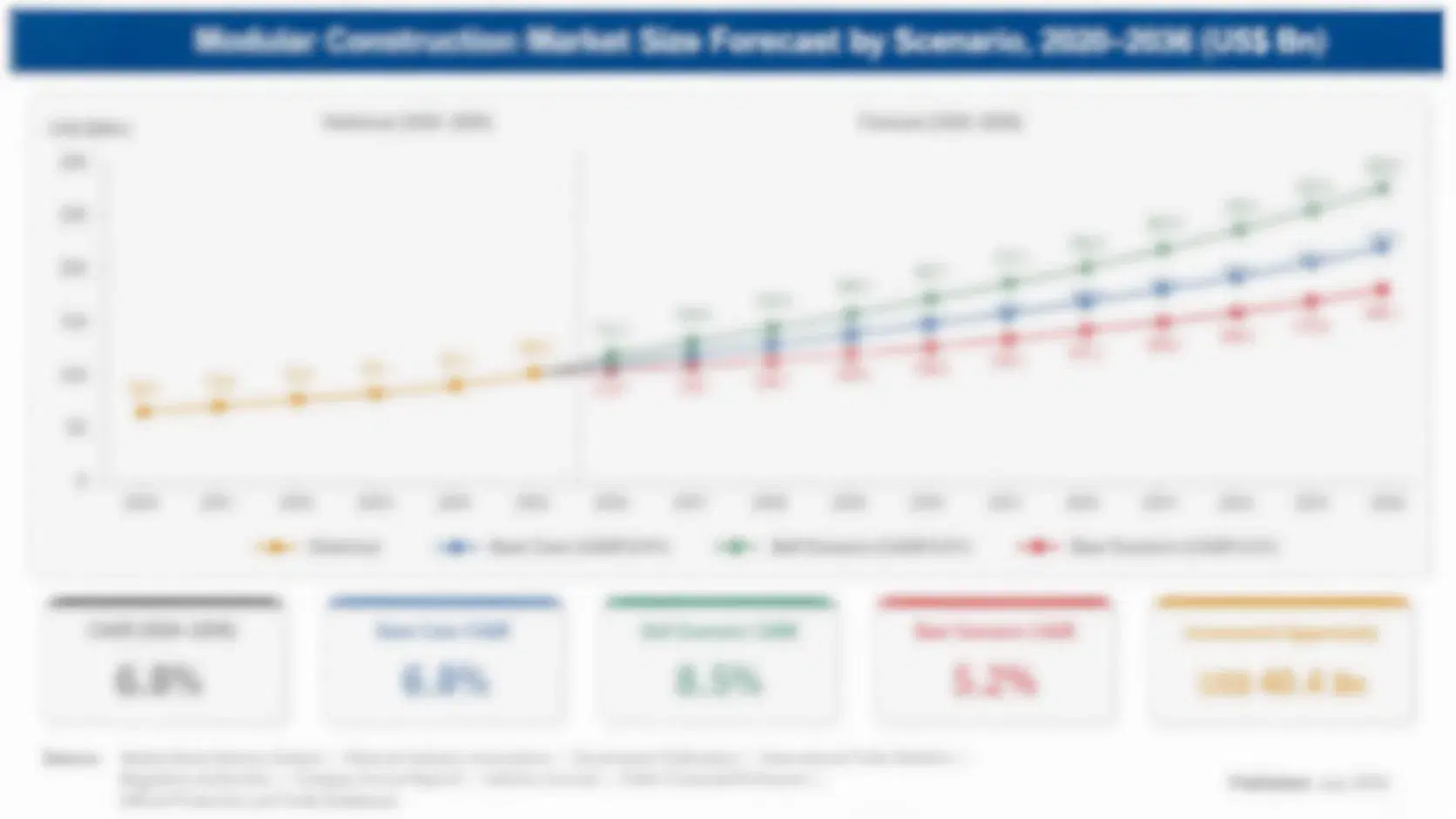
USA Digital Pregnancy Test Kit Market Forecast Scenarios

usa-digital-pregnancy-test-kit-market-size-forecast-scenario-1787702381923
Growth from 2020 to 2025 ran at 7.8% and the mix moved toward digital formats steadily across the period. Weeks-estimator features gained shelf space and commanded further premium. Connected products linking results to cycle-tracking applications emerged as a genuine category rather than a novelty. Retail consolidation across pharmacy and grocery channels concentrated shelf allocation decisions among fewer buyers, which raised the value of established brand relationships considerably.
The 9.0% base case rests on three mechanisms. Connected and app-linked formats keep growing because they convert a single purchase into a continuing relationship that a pregnancy test alone never produces. Digital ovulation and fertility testing keeps expanding with delayed first pregnancies across developed markets. And Asian retail modernisation keeps bringing branded digital formats into pharmacy channels that previously carried only inexpensive strip products. None of the three depends on the assay changing in any way.
The bull case at 10.2% assumes connected formats gain adoption fast enough to build genuine repeat purchase behaviour across fertility and cycle tracking. The bear case at 7.8% is electronic waste regulation and sustainability commitments constraining single-use electronic devices, which would raise cost or restrict formats in precisely the markets where the digital premium is actually realised.

Paying Six Times For Certainty

Both products detect the same hormone at broadly the same threshold, and one of them costs about six times the other. What the premium buys is the removal of an interpretation step, because roughly 24% of users misread a faint line on a strip test and a faint line is exactly what an early result looks like. The digital product is a display with a familiar assay behind it.
FIVE-FIRM CONCENTRATION68%Share of category revenue held by leading consumer companies
DIGITAL TEST RETAIL PRICE$9.40Typical shelf price for a single digital test kit
TOP PRODUCING COUNTRYChina 42%Chinese share of global rapid test cassette and strip manufacturing
LINE MISREADING RATE24%Users who misinterpret a faint line on strip formats
DIGITAL PRICE MULTIPLE6Times the retail price of a comparable strip format
WEEKS ESTIMATE ACCURACY46%Estimates matching gestational age confirmed by ultrasound dating
This purchase happens under emotional pressure, which shapes the commercial reality more than any diagnostic characteristic does. Nobody standing in a pharmacy aisle in that moment is comparing detection thresholds in milli-international units. Brand recognition and shelf position carry the decision, which makes retail relationships more valuable than specification. Placement is the commercial variable that actually decides outcomes here.
Two problems sit underneath the category and neither gets much airtime. A digital test contains a battery, an optical sensor and a display that are discarded after a single use, which is increasingly awkward under electronic waste rules and keeps the cost base well above strip levels permanently. And weeks-estimator readings derive from hormone concentration, which matches ultrasound dating in only about 46% of cases.
"We are selling a very good screen attached to a fifty-year-old assay, at six times the price of the same assay without the screen. That is a real value proposition, and it is not the one the packaging implies."
Director, Consumer Diagnostics Practice · MMA Medical Devices Practice · August 2026

Market Trends

Connected Formats Convert A Single Purchase Into Relationship

A pregnancy test result ends the category's relationship with that customer, whichever way it reads, which makes this one of the few consumer health products with no natural repeat purchase at all. Connected and app-linked formats change that by linking results into cycle and fertility tracking that continues afterwards. Growth at 13.5% follows. The commercial value lies in the continuing relationship rather than in anything the test itself does differently, and brands treating connectivity as a product feature miss that entirely. Brands treating connectivity as a feature rather than as a relationship consistently underinvest in it.
Market Impact: Extends testing across 6 cycles
Single-Use Electronics Meet Tightening Waste Regulation

A digital test discards a battery, optical sensor and display after one use, which sits increasingly awkwardly against electronic waste rules and retailer sustainability commitments in exactly the markets where the digital premium is realised. That constraint also keeps the cost base permanently above strip formats regardless of manufacturing scale. Reusable readers with disposable strips address it directly and require consumers to keep a device between uses, which very few of them do reliably in practice. Brands developing an answer before retailers demand one will shape the category standard rather than react to somebody else's version of it.
Market Impact: Supplies 42% of global manufacturing

Market Opportunities and Growth Drivers

Delayed First Pregnancy Expands Fertility Testing Demand

Median age at first pregnancy has risen across developed markets, which lengthens the period during which people actively track ovulation and increases the number of tests used per eventual pregnancy substantially. Digital ovulation testing growing at 10.2% follows that demographic shift rather than any product change. It also produces repeat purchase behaviour across months rather than a single test, which is commercially quite different from the pregnancy test that generated the category in the first place. The brand relationship therefore has time to form before any result arrives at all.
Market Impact: Charges 6 times strip pricing

Asian Retail Modernisation Brings Branded Digital Formats

Organised pharmacy and grocery retail has expanded rapidly across India, China and Southeast Asia, creating shelf space for branded digital formats in channels that previously carried only inexpensive strip products sold without any brand at all. India grows fastest of any country at 11.1% as retail modernises and disposable income rises together. Chinese manufacturing supplies roughly 42% of global cassette and strip output, which increasingly serves domestic branded demand as well as export. Domestic brands compete effectively on price in digital formats, which international companies find hard to answer. Shelf space follows retail modernisation.
Market Impact: Matches dating in 46% only

Market Restraints and Challenges

The Premium Rests On Interpretation Not Detection

Digital and strip formats detect the same hormone at broadly similar thresholds, and the roughly six times price difference buys removal of a judgement call that around 24% of users get wrong. Root cause is that the assay itself has been mature for decades and offers little room for differentiation. The commercial impact is a premium vulnerable to any competitor making line reading easier more cheaply. Mitigation runs through connected features and continuing relationships rather than through assay claims. Continuity rather than assay claims is the durable answer. Competitors can attack it cheaply.
Market Impact: Extends beyond 1 terminal purchase

Weeks Estimation Promises More Than Hormone Levels Deliver

Weeks-estimator readings derive from hormone concentration, which varies enormously between individual pregnancies at the same gestational age, so estimates match ultrasound dating in only around 46% of cases. Root cause is biological variation rather than any measurement fault in the device. The commercial impact is a premium feature whose clinical value is considerably weaker than its packaging implies, which invites regulatory and consumer scrutiny. Mitigation involves clearer communication of what the estimate actually represents. Regulatory attention to consumer diagnostic claims keeps increasing. Clearer communication is the practical answer available. Packaging overstates it.
Market Impact: Discards 3 components per use
3 additional market trends, 4 additional growth drivers, and 2 additional restraints and challenges are covered in the full report. Contact sales@marketmindsadvisory.com to access the complete intelligence.

Segment CAGR and Growth Architecture

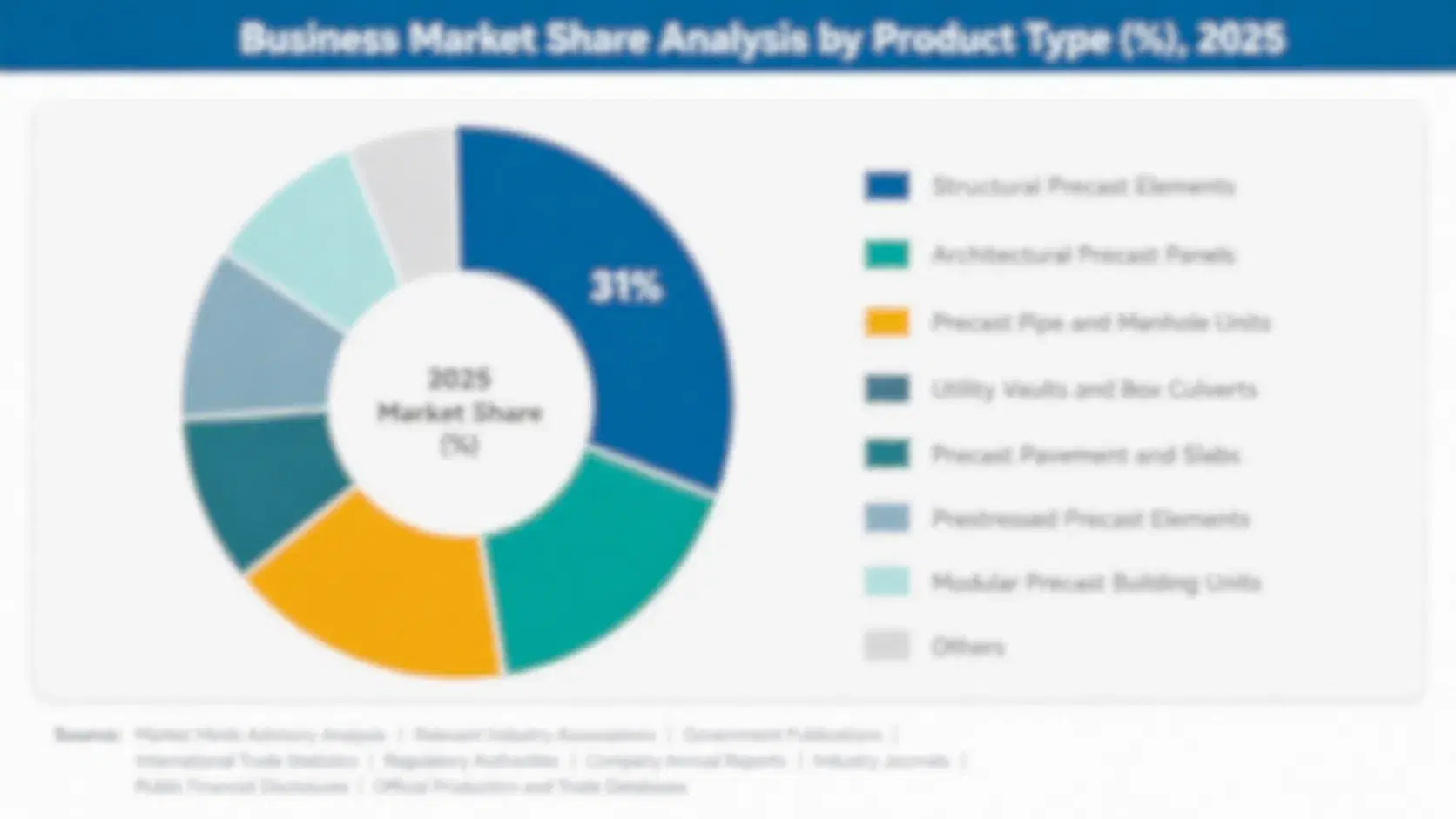
Segmentation follows product format: what the device does and how the result is delivered, rather than who buys it or where it is sold. Six formats cover the market without overlap, spanning consumer and professional presentations. Purchaser type and retail channel are treated as separate commercial dimensions throughout this report. Detection chemistry is common to every format here.
usa-digital-pregnancy-test-kit-market-market-share-analysis-1787702382214

Connected and App-Linked Tests

Growth at 13.5%, half again the market rate of 9.0%, matters because a pregnancy test result otherwise ends the category's relationship with that customer entirely, whichever way it reads. Linking results into cycle and fertility tracking continues the relationship past a purchase that is otherwise terminal. The commercial value sits in that continuity rather than in anything the test measures differently, and brands treating connectivity as a product feature rather than as a relationship mechanism consistently underinvest in what actually matters here. Engagement attrition after the first cycle is substantial and is where most of the design work now needs to go. Reliable smartphone access is also required, which limits reach.
CAGR 13.5%

Digital Ovulation and Fertility Test Kits

Rising median age at first pregnancy lengthens the period during which people actively track ovulation, which raises the number of tests used per eventual pregnancy considerably and produces genuine repeat purchase across months. Growth at 10.2% follows that demographic change rather than any product improvement. Commercially this behaves quite differently from the pregnancy test that created the category, since the customer buys repeatedly over an extended period and the brand relationship has time to form properly before any result arrives. Testing frequency across an extended period changes customer acquisition economics fundamentally, which is a quite different commercial problem from selling one test. Repeat purchase changes everything about acquisition cost. Demographics drive it.
CAGR 10.2%
Full segment breakdown across 6 segments available in the complete report.

Regional Architecture and Country Demand Map

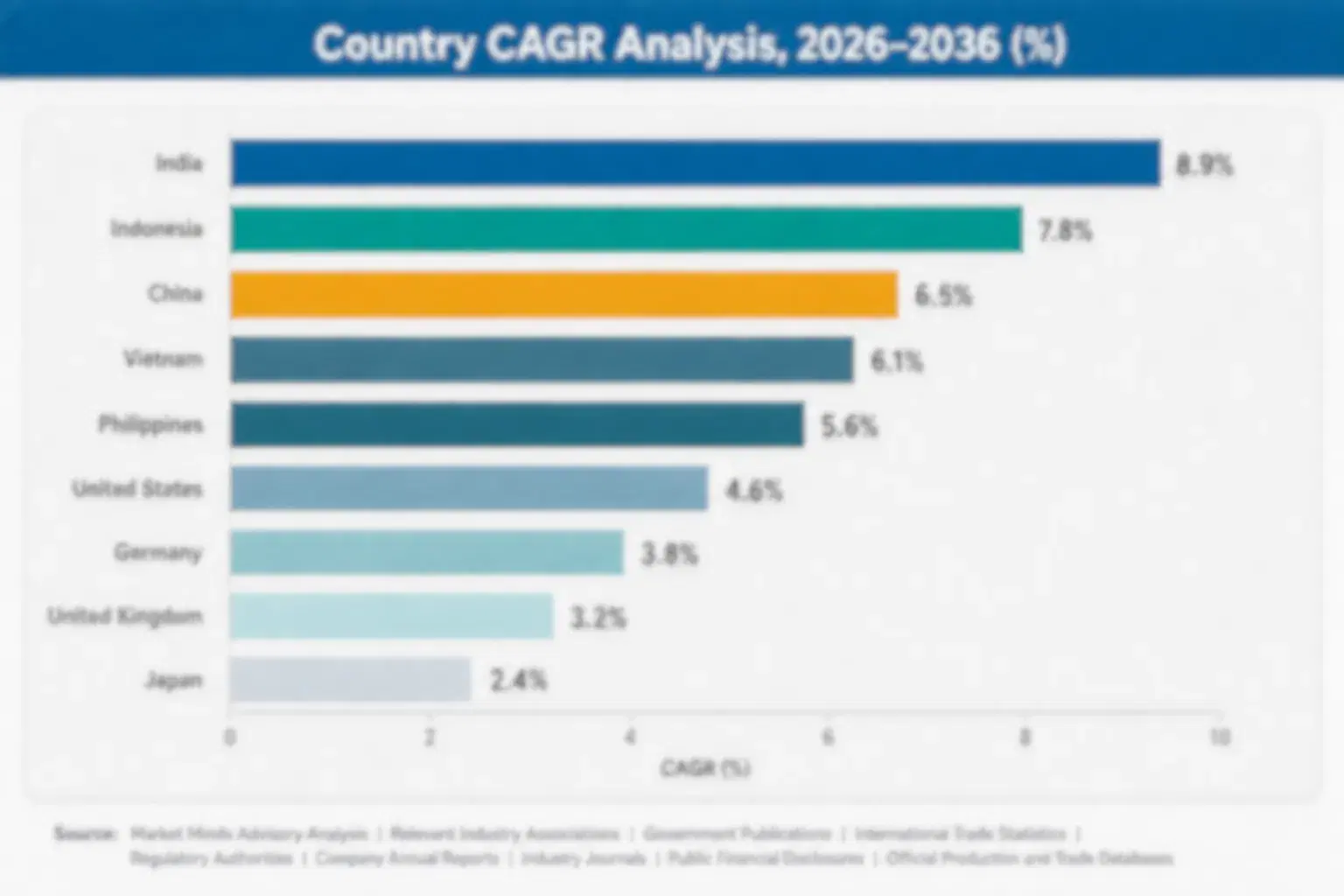
Geography follows willingness to pay a digital premium rather than testing volume, since strip formats dominate almost everywhere outside developed retail markets. North America leads on premium realisation and India grows fastest. One region sits outside the standard share band on premium realisation, and it is flagged accordingly here.

North America

The 35% share sits above the standard band because the digital premium of roughly six times strip pricing is realised chiefly here and in Western Europe, while strip formats carry most testing volume elsewhere. Retail consolidation across pharmacy and grocery has concentrated shelf allocation among a small number of category buyers, which makes placement relationships more commercially valuable than product specification. Connected formats have gained adoption faster here than anywhere, supported by cycle-tracking application usage that was already widespread before the tests linked to it. Waste regulation and retailer sustainability policy will reach single-use electronic devices here before any supplier has a reusable format ready to offer. Preparation time is short.
Share: 35% | CAGR: 8.2% (2026 to 2036)

Western Europe

Willingness to pay for digital formats is comparable to North America across the larger markets, though pharmacy channel structure differs considerably between countries and affects how brands reach shelves. Electronic waste regulation is more developed here and applies directly to single-use devices containing batteries and displays, which is a constraint the category has not yet had to answer properly. Cycle-tracking application usage is widespread. Retailer sustainability commitments are increasingly explicit and will reach this category before regulation formally requires it. Domestic and international brands compete on shelf placement more than on specification, exactly as they do across American retail channels. Sustainability commitments are becoming explicit and will reach this category ahead of any formal regulation.
Share: 22% | CAGR: 7.4% (2026 to 2036)
Regional intelligence for 5 additional markets available in the complete report: East Asia, South Asia and Pacific, Latin America, Middle East and Africa, Eastern Europe. Contact sales@marketmindsadvisory.com.
usa-digital-pregnancy-test-kit-market-country-cagr-analysis-1787702382545

Building Past The Single Purchase

A digital test costs about six times a strip and buys removal of an interpretation error affecting roughly 24% of users, weeks estimates match dating in about 46% of cases, and a result ends the relationship. Four levers work on continuity, honesty, shelf position and waste rather than on assay claims. The assay itself settles nothing.

Design For Continuity Beyond The Terminal Result

A pregnancy result ends the category's relationship with that customer whichever way it reads, which makes this one of very few consumer health products with no natural repeat purchase at all. Connected formats growing at 13.5% change that by linking into cycle and fertility tracking that continues afterwards. Brands treating connectivity as a product feature rather than as a relationship mechanism consistently underinvest in the part that actually generates value beyond a single transaction. Attrition after the first cycle is where the design problem sits. Continuity is the whole point.
Market Impact: Extends past the 1 otherwise terminal purchase event

State Plainly What The Premium Actually Buys

The assay is the same and the roughly 6 times premium buys removal of a judgement call that about a quarter of users get wrong on a faint line. Brands implying superior detection invite scrutiny they will eventually receive, while brands stating the interpretation benefit plainly own an argument that is both true and genuinely valuable. Regulatory attention to consumer diagnostic claims is increasing, and the honest position happens to be the commercially durable one here. Honesty happens to be the commercially durable position here. Scrutiny is arriving regardless. Truth is durable here.
Market Impact: Explains the whole 6 times price premium plainly

Invest In Shelf Placement Over Product Specification

Nobody buying under emotional pressure compares detection thresholds, and retail consolidation has concentrated shelf allocation among a small number of category buyers who decide what a shopper actually sees. Brand relationships with those buyers determine visibility more reliably than any specification improvement does. Roughly 24% of strip users misread results, and the digital argument only reaches somebody who finds the product on the shelf in the first place at that moment. Placement relationships outlast any specification advantage. Roughly 24% of strip users misread a faint line, and that argument only reaches somebody who finds the product.
Market Impact: Reaches the 24% who misread strip formats today

Answer The Single-Use Electronics Problem Early

Each digital test discards a battery, an optical sensor and a display after one use, which sits badly against electronic waste rules and retailer sustainability commitments in exactly the markets where the premium is realised. Reusable readers with disposable strips address it and require consumers to retain a device between uses. Brands developing an answer before retailers demand one will shape the category standard rather than react to somebody else's version of it. Each test discards 3 electronic components after a single use, and reusable readers move that content out of the disposable entirely. Consumers must then retain a device.
Market Impact: Addresses 3 discarded components in every single test

Who Controls the Margin Pool

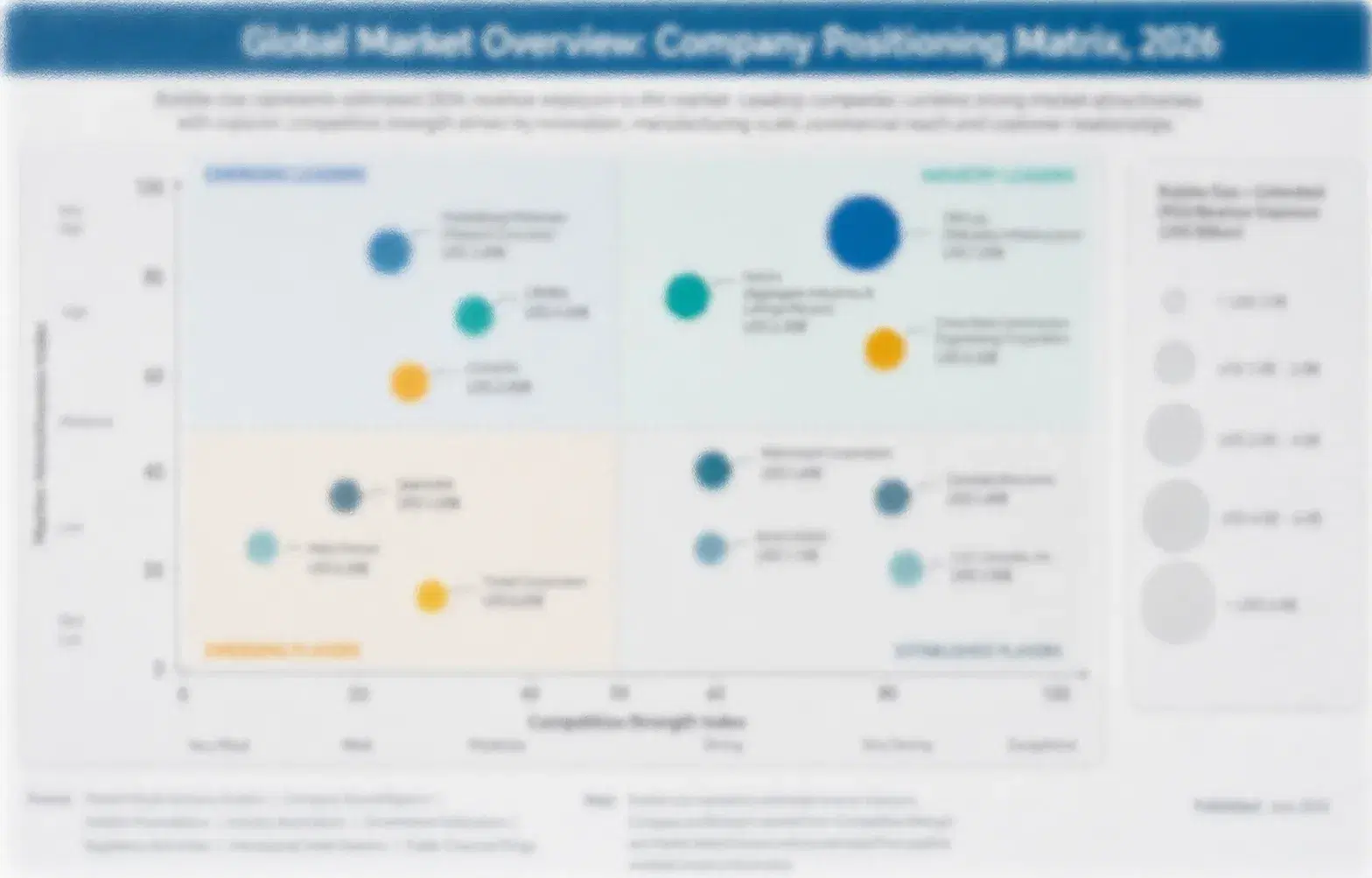
Measured on disclosed consumer diagnostics and women's health product revenue, the five largest companies hold a CR5 of 68%, which reflects a category where brand trust and retail relationships both take decades to build. Church & Dwight and SPD hold the leading consumer brand positions, Procter & Gamble participates through its diagnostics venture, Abbott brings rapid testing depth, and Prestige holds established secondary brand positions across American retail. Specification decides remarkably little in this aisle.
Three contests define activity. Premium consumer formats compete on brand recognition and shelf placement rather than on any diagnostic characteristic. Connected and fertility formats compete on application quality and continuing engagement, which is a software contest inside a diagnostics category. And value digital formats compete on price against strip products, principally in markets where the premium is not realised. A brand organised for one contest is rarely equipped for the others.

Pressure builds as domestic Chinese brands enter digital formats at prices international companies cannot match without eroding their own premium. Rankings shift toward whoever converts the terminal purchase into a continuing relationship. Waste regulation will reach single-use electronics before most brands have an answer prepared. Nobody is ready for that.
usa-digital-pregnancy-test-kit-market-company-positioning-matrix-1787702382886

Competitive Moat and Risk Dimensions

CHURCH & DWIGHT

Moat: Brand Trust And Retail Placement

Church & Dwight holds brand recognition built over decades in a category where the purchase happens under emotional pressure and nobody compares specifications at the shelf. Retail consolidation has concentrated placement decisions among few buyers, and those relationships are difficult for any entrant to replicate. A better product a shopper never sees has no commercial existence.
CHURCH & DWIGHT

Risk: Terminal Purchase Relationship Limit

A pregnancy result ends the relationship with that customer regardless of brand strength, which caps what any consumer franchise here can compound over time. Brand trust wins the single purchase without producing any repeat behaviour afterwards. Competitors building continuing fertility and cycle relationships accumulate something a pregnancy brand alone cannot.
SPD SWISS PRECISION DIAGNOSTICS

Moat: Digital Format Technical Depth

SPD developed and holds the strongest positions in digital readout and weeks-estimator formats, supported by optical reading technology and regulatory clearances built over many product generations. That depth is genuinely difficult to replicate quickly and it underpins premium pricing across several markets. Retailers stock the format leader because shoppers look for the recognised digital presentation specifically.
SPD SWISS PRECISION DIAGNOSTICS

Risk: Weeks Estimate Claim Exposure

Weeks-estimator readings match ultrasound dating in only around 46% of cases because hormone concentration varies enormously between pregnancies, which is a biological limit rather than a device fault. Regulatory and consumer attention to consumer diagnostic claims is increasing steadily. A premium feature resting on a weak clinical foundation is exposed whenever that attention arrives.

Players Tracked

Prominent Players

Church & Dwight
SPD Swiss Precision Diagnostics
Procter & Gamble
Abbott
Prestige Consumer Healthcare

Other Key Players

Quidel
bioMérieux
Piramal Healthcare
Mankind Pharma
Cipla
Wondfo Biotech
Hangzhou AllTest Biotech
Artron Laboratories
Germaine Laboratories
Natalist
Easy@Home
Mira Fertility
Clinical Guard
Babystart
Healgen Scientific

Recent Developments

MARCH 2025

Retailer sustainability policy questions single-use electronic diagnostics

A major retailer extended its packaging and electronics sustainability policy to cover single-use diagnostic devices containing batteries and displays, a retail policy development rather than any corporate transaction. Digital pregnancy tests fell within scope, and no supplier had a reusable format ready to offer at that point.
Signal: Retail sustainability policy will reach this category before regulation formally requires any change. Suppliers are unprepared.
JUNE 2025

Connected fertility platform links testing to continuing subscription

A consumer brand launched a connected testing format linking results into an ongoing fertility and cycle tracking subscription, an organic product development rather than any acquisition. The pregnancy test itself generates no repeat purchase, and the subscription converts a terminal transaction into a continuing customer relationship instead.
Signal: Continuity rather than the test itself is where value accumulates in a category with terminal purchases.
OCTOBER 2025

Consumer guidance addresses weeks estimation feature accuracy

Consumer guidance addressed how weeks-estimator readings should be interpreted relative to clinical dating, a guidance development rather than any commercial event. Hormone concentration varies substantially between pregnancies at identical gestational age, which limits how closely any concentration-derived estimate can match ultrasound dating. Packaging implied rather more precision.
Signal: Claim scrutiny reaches premium features whose clinical foundation is weaker than packaging suggests. Scrutiny is increasing steadily.

What A Digital Test Costs

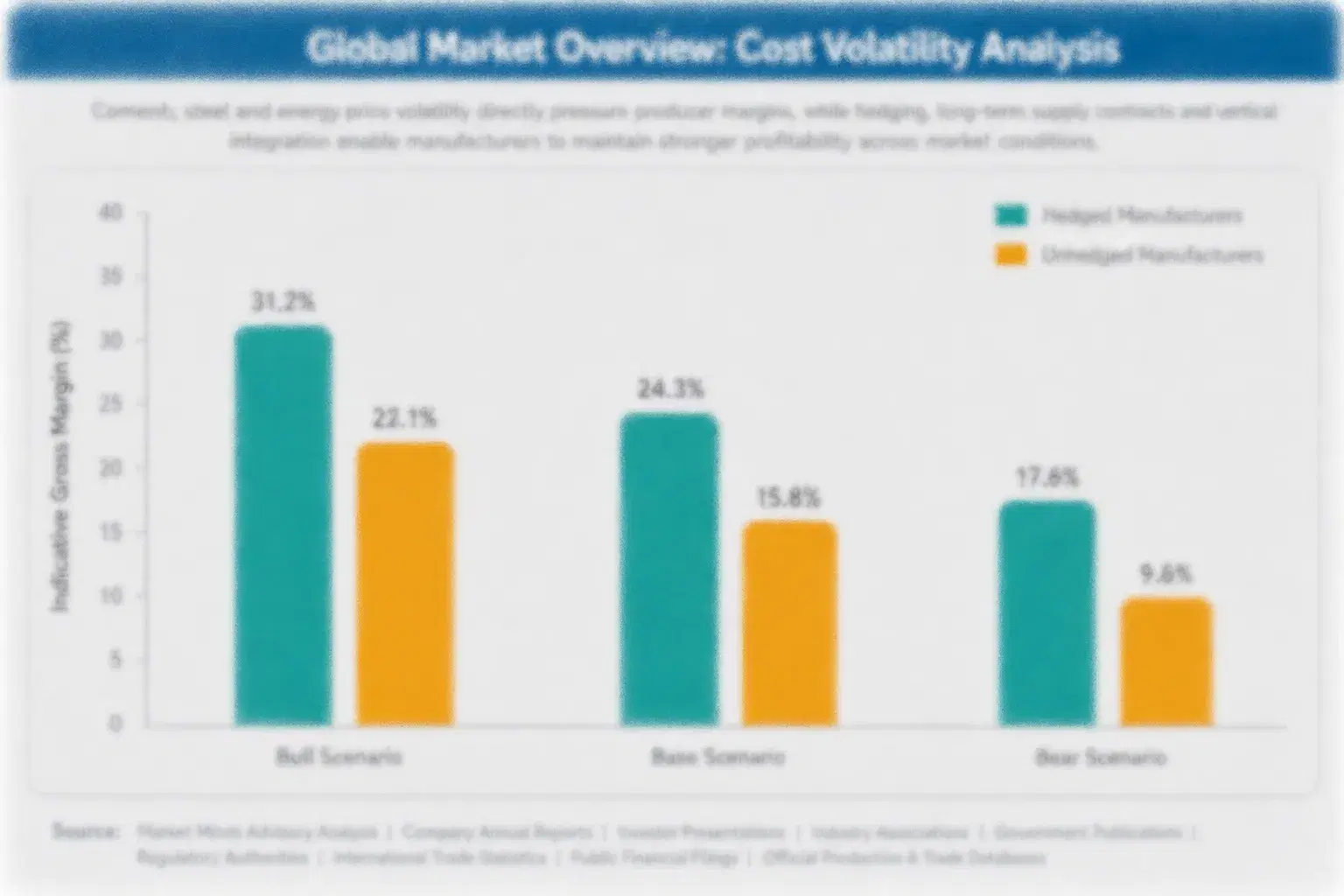
Electronics rather than chemistry dominate, which is the whole reason the premium exists and also why it cannot narrow. The battery, optical sensor, display and control electronics account for 41 to 52% of manufactured cost, while the antibody-coated test strip inside is a mature commodity produced at very large scale. Assembly, packaging and regulatory compliance add the remainder. A strip product carries none of the electronic content at all.
The volatility that mattered was electronic component supply through 2021 and 2022, which affected consumer diagnostics alongside every other electronics-containing product. Display and microcontroller availability constrained production for several manufacturers during that window. Chinese manufacturing supplies roughly 42% of global output, and freight and energy costs raised landed cost, which IEA data records. Shelf absence during that window sent shoppers to competing brands they then kept buying afterwards.

Exposure divides by format mix rather than by scale. Brands weighted toward digital formats carry electronic component cost and waste regulation exposure together on products where the premium justifies both for now. Those weighted toward strip formats carry commodity economics with no premium at all. Chinese manufacturers benefit from component proximity and assembly cost throughout.
usa-digital-pregnancy-test-kit-market-cost-volatility-analysis-1787702383244

Develop reusable readers with disposable strips

Each digital test discards a battery, optical sensor and display after one use, which carries both the electronic cost base and growing waste regulation exposure in the markets where the premium is realised. A reusable reader moves the electronics out of the disposable entirely. It reduces per-test cost and asks something many consumers will not reliably do.

Commit component supply for digital formats

Display and microcontroller shortages constrained production for several manufacturers through the 2021 and 2022 period, at a point when shelf availability determines whether a brand is bought at all. Committed component supply costs inventory and flexibility and protects presence on shelves where absence means a competitor's product is purchased instead. Nobody returns to buy the brand that was missing.

Build fertility formats for repeat purchase economics

A pregnancy test generates one purchase and then ends the relationship, which spreads brand-building and regulatory cost across a single transaction per customer. Fertility and ovulation formats generate repeat purchase across months, which changes the economics of acquiring that customer entirely. The chemistry is closely related and the commercial pattern is completely different from the category's original product.

Portfolio Architecture for Margin Defence

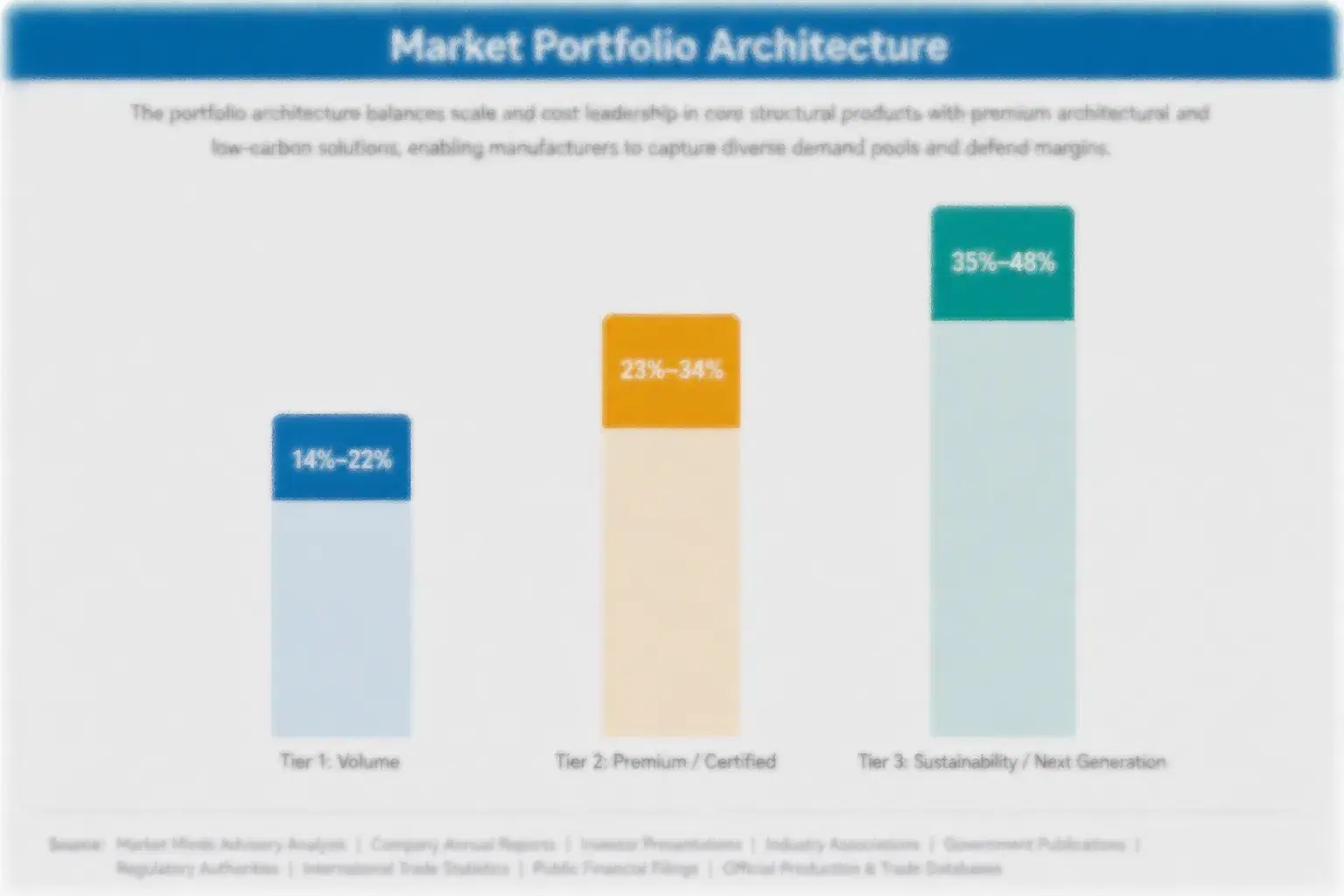
Margin follows format premium and repeat purchase together rather than either alone. Value digital multi-packs earn modestly against strip competition. Standard digital readout formats earn well on the interpretation premium. Weeks-estimator products earn more on a feature premium whose clinical foundation is weaker than its pricing implies. Digital ovulation formats earn well and repeat across months. Connected formats earn most because the relationship continues beyond a single transaction entirely.
The tension is that the category's founding product is commercially terminal. A pregnancy test is bought once per outcome and the relationship ends whichever way the result reads, which means brand investment recovers across a single transaction per customer. Fertility and connected formats spread that investment across repeated purchases and continuing engagement. Brands organised entirely around the pregnancy test are building equity they can only monetise once per person.

High-value pools sit in three places. Connected formats linking testing into continuing cycle and fertility relationships. Digital ovulation products where repeat purchase across months changes customer acquisition economics fundamentally. And shelf placement relationships with consolidated retail buyers, which determine whether any of the rest is ever seen by a shopper at all.

Volume / Commodity-Adjacent

Value digital multi-packs and entry formats competing directly against strip products on price. The 9-point range is wide because own-label supply and branded value formats carry entirely different marketing cost structures despite similar manufacturing economics.
Gross Margin: 26-35%

Premium / Certified

Standard digital readout formats and clinic or professional presentations sold on interpretation certainty and brand recognition. The 10-point spread separates brands holding prime shelf placement from those depending on secondary positions or online channels alone.
Gross Margin: 48-58%

Sustainability / Regulatory / Next-Generation

Weeks-estimator products, connected and app-linked formats, and digital ovulation and fertility ranges. The 22-point range is wide because connected subscription economics and single-purchase premium features generate very different lifetime revenue per customer.
Gross Margin: 54-76%
usa-digital-pregnancy-test-kit-market-portfolio-architecture-1787702383517

High-value Sub-segments and Strategic Watch-out

Connected And Subscription Formats

Highest value and fastest growth at 13.5%, because the relationship continues past a purchase that is otherwise entirely terminal for the brand. The risk is that these formats require reliable smartphone access and sustained engagement, which limits reach and produces meaningful attrition after the first cycle.
Gross Margin: 68-76%

Digital Ovulation And Fertility

Strong growth at 10.2% with genuine repeat purchase across months, which changes customer acquisition economics fundamentally against a single-use pregnancy test. The risk is that demand tracks delayed first pregnancy demographics, which are a slow trend that could plateau in developed markets. The trend is genuinely slow.
Gross Margin: 56-64%

Standard Digital Readout Formats

The volume core, carrying the interpretation premium that built the category and holding most branded shelf space today. Brands hold it because it anchors retail relationships and shelf allocation, and because losing that placement removes visibility for everything else. Nobody surrenders that shelf position willingly at all.
Gross Margin: 48-54%

Single-Use Electronic Waste

The strategic watch-out. Each test discards a battery, sensor and display, which sits badly against retailer sustainability policy and electronic waste rules in the premium markets. The risk is that a retailer acts before any supplier has a reusable format prepared to offer. Preparation time is short.
Gross Margin: 30-36%

One Purchase Then Nothing

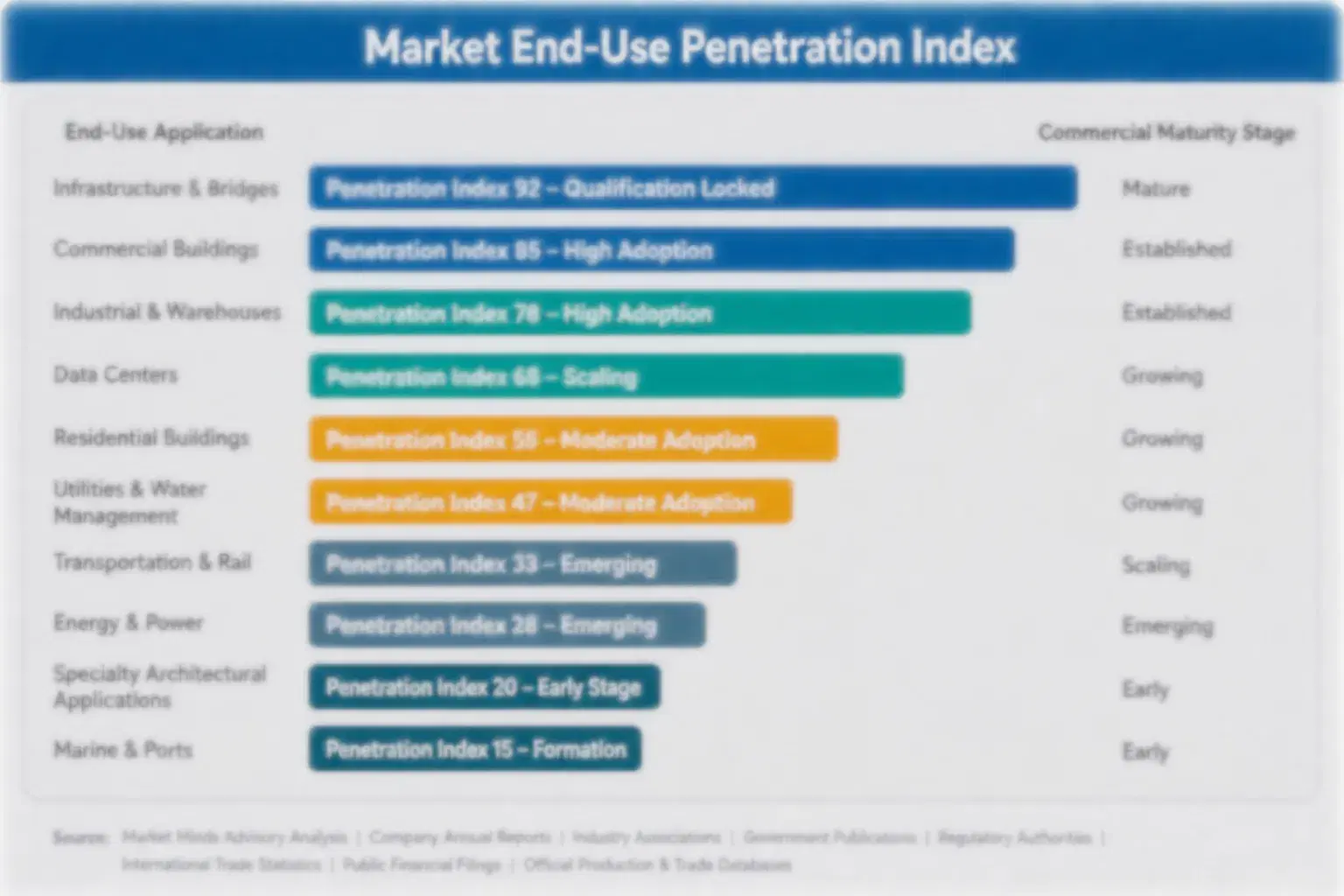
The founding product of this category is commercially terminal, which is unusual and shapes everything about how brands behave. A pregnancy test is bought once for a given outcome and the relationship ends whichever way the result reads, so brand investment must recover across a single transaction per person. Very few consumer categories work this way, which explains the shift toward repeat purchase products.
Stickiness therefore has to be manufactured rather than assumed. Fertility and ovulation formats generate repeat purchase across months, giving a brand relationship time to form before any result arrives. Connected formats extend engagement past the result through cycle and fertility tracking. The pregnancy test itself is sticky only through brand memory, which is real but recovers nothing further from that same customer afterwards.

The buyer is a consumer under emotional pressure, and the gatekeeper is a retail category buyer who decides what that consumer sees. Nobody compares detection thresholds in the aisle. Retail consolidation has concentrated shelf allocation among few decision makers, which makes them the more commercially consequential audience. Brands organised entirely around consumer marketing and not around retail relationships reach shoppers who never find the product.
usa-digital-pregnancy-test-kit-market-end-use-penetration-index-1787702383807

Past The Terminal Purchase

These are among the four positions where our research anticipates prominent divergence between winners and laggards over the coming forecast period. Each is grounded in the demand model, the regulatory perimeter, and the announced capacity pipeline.
01 / RELATIONSHIP CONTINUITY DESIGN

The result ends the customer relationship entirely

A pregnancy test is bought once for a given outcome and the relationship with that customer ends whichever way the result happens to read, which makes this one of very few consumer health categories with no natural repeat purchase whatsoever. Connected and app-linked formats growing at 13.5% change that by linking results into cycle and fertility tracking that continues afterwards. Brands treating connectivity as a product feature rather than as a relationship mechanism underinvest in the only part of this that actually compounds.
02 / CLAIM HONESTY DISCIPLINE

Say that you are selling a screen

Digital and strip formats both detect the same hormone at broadly similar thresholds, and the roughly sixfold premium buys removal of a judgement call that around 24% of all users get wrong on a faint early line. Brands implying superior detection are inviting exactly the regulatory scrutiny that consumer diagnostics is already receiving in steadily increasing measure. Stating the interpretation benefit plainly owns an argument that is both entirely true and genuinely valuable to somebody buying it under real pressure.
03 / SHELF ACCESS PRIORITY

A product nobody sees does not exist

Nobody buying under that kind of emotional pressure compares detection thresholds standing in the aisle, and retail consolidation has concentrated shelf allocation among a very small number of category buyers who decide entirely what any shopper ever sees. Brand relationships with those particular category buyers therefore determine shelf visibility far more reliably than any specification improvement ever will. A better product that never reaches prime shelf placement has no commercial existence at all at the moment somebody actually needs it.
04 / DISPOSABLE ELECTRONICS RESPONSE

A battery and a screen thrown away once

Every digital test discards a battery, an optical sensor and a display after just a single use, which sits increasingly badly against electronic waste rules and against retailer sustainability commitments in exactly the markets where that premium is realised. Reusable readers with disposable strips address that directly, and ask consumers to retain a device between uses. Brands that develop an answer before retailers demand one will shape the category standard themselves, rather than reacting to somebody else's version of it.

Engagement Snapshot From the Field

A live engagement with an industry participant carrying material or product regulatory and market exposure ahead of a defining policy shift, showing how our research translates into a defensible multi-year portfolio strategy.
MARKET MINDS ADVISORY · CLIENT ENGAGEMENT SUMMARY
USA Digital Pregnancy Test Kit Producer Strategic Portfolio Review and Transition Roadmap 2026·Investment Scenario on USA Digital Pregnancy Test Kit Exposure Evaluation 2025-26
CLIENT PROFILE
A consumer health company with established digital pregnancy test brands across North American and European retail, reporting category revenue of 240 million dollars (client-reported, unverified by MMA). Roughly 82% of revenue came from single-use pregnancy formats. A connected product existed and had been positioned as a premium feature rather than as a relationship mechanism, and no reusable format was in development.
STRATEGIC CHALLENGE
Category growth had slowed and a major retailer had raised questions about single-use electronic devices under its sustainability policy. Management was preparing a next-generation weeks-estimator product and an advertising investment increase. Neither addressed the terminal nature of the core purchase nor the waste question that had just been raised directly with them.
MMA APPROACH
MMA modelled lifetime revenue per customer across pregnancy, ovulation and connected formats using purchase data the company held but had never combined. Nineteen expert interviews with retail category buyers, consumers and regulatory advisors established how placement, purchase and claim scrutiny actually work. The analysis treated purchase terminality and retailer sustainability policy, rather than product features, as the central issues.
KEY FINDINGS
  1. Lifetime revenue per customer from ovulation and connected formats exceeded the pregnancy test several times over, and the company had never measured the comparison at all.
  2. The connected product had been marketed on features rather than continuity, and post-result engagement dropped away almost entirely within the first cycle after purchase.
  3. Retail category buyers interviewed expected sustainability requirements for single-use electronic devices within two review cycles, and no supplier had a reusable format ready.
  4. Weeks-estimator claims were identified by regulatory advisers as the most exposed element of the portfolio, given how variable hormone concentration is between pregnancies.
CLIENT PROFILE
A consumer health company with established digital pregnancy test brands across North American and European retail, reporting category revenue of 240 million dollars (client-reported, unverified by MMA). Roughly 82% of revenue came from single-use pregnancy formats. A connected product existed and had been positioned as a premium feature rather than as a relationship mechanism, and no reusable format was in development.
STRATEGIC CHALLENGE
Category growth had slowed and a major retailer had raised questions about single-use electronic devices under its sustainability policy. Management was preparing a next-generation weeks-estimator product and an advertising investment increase. Neither addressed the terminal nature of the core purchase nor the waste question that had just been raised directly with them.
MMA APPROACH
MMA modelled lifetime revenue per customer across pregnancy, ovulation and connected formats using purchase data the company held but had never combined. Nineteen expert interviews with retail category buyers, consumers and regulatory advisors established how placement, purchase and claim scrutiny actually work. The analysis treated purchase terminality and retailer sustainability policy, rather than product features, as the central issues.
KEY FINDINGS
  1. Lifetime revenue per customer from ovulation and connected formats exceeded the pregnancy test several times over, and the company had never measured the comparison at all.
  2. The connected product had been marketed on features rather than continuity, and post-result engagement dropped away almost entirely within the first cycle after purchase.
  3. Retail category buyers interviewed expected sustainability requirements for single-use electronic devices within two review cycles, and no supplier had a reusable format ready.
  4. Weeks-estimator claims were identified by regulatory advisers as the most exposed element of the portfolio, given how variable hormone concentration is between pregnancies.
RECOMMENDED STRATEGY
Phase 1: Phase one: reposition the connected product around continuing cycle and fertility relationships rather than around any feature, and measure engagement past the result. Phase 2: Phase two: begin reusable reader development ahead of retailer sustainability requirements, rather than reacting once a policy is formally applied. Phase 3: Phase three: revise weeks-estimator communication to state plainly what a concentration-derived estimate represents against clinical dating. Claim exposure is the issue.
OUTCOME
The connected product was repositioned around continuity and measured post-result engagement improved substantially within two quarters (client-reported, unverified by MMA). Reusable reader development was funded ahead of any formal retailer requirement. Weeks-estimator communication was revised, which regulatory advisers assessed as materially reducing the portfolio's most exposed claim.

Frequently Asked Questions

Foundational context covering the market sizes, CAGR, scope, country, region and competition that inform every finding below. This section is provided to cover basics and most often pre-purchase conversations, answered from the MMA Primary Research Dataset.

What is the current size of the USA Digital Pregnancy Test Kit Market?

The market was worth 1.6 billion dollars in 2025, covering digital readout, weeks-estimator, connected, ovulation, value and professional digital formats. It reaches 1.74 billion dollars in 2026.

How large will the USA Digital Pregnancy Test Kit Market be by 2036?

MMA forecasts 4.13 billion dollars by 2036, an increase of 2.39 billion dollars over the 2026 base. That represents an expansion multiple of 2.37 times across the forecast period.

What is the CAGR for the USA Digital Pregnancy Test Kit Market 2026 to 2036?

The base case compounds at 9.0% annually. The bull case reaches 10.2% if connected formats build genuine repeat purchase, while the bear case sits at 7.8% on electronic waste regulation constraining single-use devices.

Which segment is growing fastest?

Connected and app-linked tests, at 13.5%, half again the market rate of 9.0%. They matter because a pregnancy result otherwise ends the brand relationship with that customer entirely.

Who are the major companies in the USA Digital Pregnancy Test Kit Market?

Church & Dwight, SPD Swiss Precision Diagnostics, Procter & Gamble, Abbott and Prestige Consumer Healthcare lead on disclosed consumer diagnostics revenue. Wondfo, AllTest and Mira Fertility hold notable positions.

Which country is growing fastest?

India at 11.1%, as organised pharmacy retail expands and creates shelf space for branded digital formats. China supplies roughly 42% of global cassette and strip manufacturing output.

Report Segmentation Architecture

The full report scope spans multiple orthogonal segmentation dimensions, with cross-tabulated demand data provided for each dimension pair. Coverage extends further to regional breakdowns, trend trajectories, and the competitive detail needed to support segment-level decision-making.

By Product Format

  • Digital Line-Readout Test Kits
  • Weeks-Estimator Digital Tests
  • Connected and App-Linked Tests
  • Digital Ovulation and Fertility Test Kits
  • Multi-Pack and Value Digital Formats
  • Clinic and Professional Digital Test Devices

By End-Use Setting

  • Retail Pharmacy Chains
  • Grocery and Mass Merchandise
  • Online and Direct-To-Consumer
  • Obstetric and Gynaecology Clinics
  • Fertility and Reproductive Health Clinics
  • Community and Public Health Services

By Commercial Dimension

  • Branded Premium Retail Supply
  • Own-Label Retail Manufacturing
  • Connected Subscription Supply
  • Multi-Pack Value Retail Supply
  • Clinic and Professional Supply
  • Export and Contract Manufacturing

By Region

  • North America
  • Western Europe
  • East Asia
  • South Asia and Pacific
  • Latin America
  • Middle East and Africa
  • Eastern Europe

Scope, Methodology, and Coverage

Every figure in this report is reproducible from documented input assumptions. The scope below maps the historical period, the forecast horizon, the segmentation dimensions, and the countries covered, alongside the underlying primary and qualitative methodology.
Historical Period
2020 to 2025
Forecast Period
2026 to 2036
Base Year
2025 (USD billions; MMA Primary Research Dataset, August 2026)
Market Definition
Scope covers consumer and professional digital pregnancy and fertility test kits, spanning digital line-readout test kits, weeks-estimator digital tests, connected and application-linked tests, digital ovulation and fertility test kits, multi-pack and value digital formats, and clinic and professional digital test devices. Conventional strip, midstream and cassette tests without any digital readout, laboratory serum human chorionic gonadotropin testing, ultrasound dating and imaging, prenatal and genetic screening products, and contraceptive products of every kind are excluded from the market size and all derived figures. United States dynamics are examined as the analytical focus within the global category.
Quantitative Units
USD billions (current prices); test kits sold; retail price per kit; digital price multiple against strip formats; repeat purchase rate
Segmentation Dimensions
By Product Format; By End-Use Setting; By Commercial Dimension; By Region
Regions Covered
North America, Western Europe, East Asia, South Asia and Pacific, Latin America, Middle East and Africa, Eastern Europe
Countries Covered
USA, China, UK, Germany, India, Japan, France, Brazil, Canada, Italy, South Korea, Australia, Mexico, Turkey, Poland
Key Companies Profiled
Church & Dwight, SPD Swiss Precision Diagnostics, Procter & Gamble, Abbott, Prestige Consumer Healthcare, Quidel, bioMérieux, Piramal Healthcare, Mankind Pharma, Cipla, Wondfo Biotech, Hangzhou AllTest Biotech, Artron Laboratories, Germaine Laboratories, Natalist, Easy@Home, Mira Fertility, Clinical Guard, Babystart, Healgen Scientific
Quantitative Methodology
Primary survey, n=3,800 respondents, Q4 2025, six countries; demand-side model with trade association cross-validation
Qualitative Methodology
47 expert interviews, Q4 2025; applied to validate demand model assumptions, identify emerging dynamics, and assess competitive positioning
Report Format
PDF and XLSX data workbook (Word format preview document)
Publisher
Market Minds Advisory
Report Code
MMA-2026-MED-125
Published
August 2026
Contact
sales@marketmindsadvisory.com | www.marketmindsadvisory.com

Purchase the full USA Digital Pregnancy Test Kit Market Report (2026 to 2036).

The full report runs to 164 pages and covers all six product format segments, seven regions and 20 profiled companies in detail. It includes the complete segment CAGR set, regional premium realisation comparison, and lifetime revenue per customer modelling across pregnancy, ovulation and connected formats. Company profiles carry evaluation on disclosed consumer diagnostics and women's health revenue, with moat and risk assessment for the top five companies. The competitive section extends to 15 tracked retail, regulatory and product developments across 2024 and 2025. Primary research inputs include a quantitative survey of 3,800 respondents and 47 expert interviews conducted in Q4 2025.
Six product format segments with individual CAGR forecasts
Seven regional markets with digital premium realisation comparison
Twenty company profiles on consistent revenue evaluation basis
Fifteen tracked retail and regulatory developments with commercial interpretation
Lifetime revenue per customer modelled across pregnancy and fertility formats
Single-use electronics exposure mapped against retailer sustainability policy

Built For The People Who Decide

From boardroom strategy to bench-side execution, this report is read cover-to-cover by leaders shaping the next decade of their industry, turning demand scenarios, market dynamics and valuation benchmarks into decisions.
CXOs/ Presidents/ VPs/ Managers
M&A and Corporate Development
Strategy Teams and R&D Heads
Procurement and Product Directors
Regulatory and Compliance Leaders
Investor Relations and Equity Analysts