Market Minds Advisory
Unbleached Twill Tapes Market

Unbleached Twill Tapes Market Insights 2026-2036: Demand and Share

Unbleached twill tape manufacturers chase medical backing and industrial packaging tie demand as garment trim volume flattens in mature apparel-producing regions while Bangladesh's manufacturing base expands rapidly across multiple product categories.

Lead Analyst

Bilal Shaikh

Published

November 2026

Make Smarter Decisions with Customized Research Insights

Request a free sample report and evaluate market opportunities, growth trends, and competitive dynamics relevant to your business needs.

2025 MARKET VALUE$0.2BMarket Size 2025
2036 FORECAST VALUE$0.3BBase Case , 2026 to 2036
CAGR 2026 TO 20363.8 %Bull 5.0% / Bear 2.6%
INCREMENTAL OPPORTUNITY$0.1BNet 10- year value creation
EXPANSION MULTIPLE1.45x2036 value over 2026 base
Strategic Levers
M&A Pipeline
Regional Outlook
Country Rankings
Competitive Intelligence
Segmental Deep-dive
Call-Us : 91 93563 13602

Unbleached Twill Tapes Demand Outlook

Unbleached twill tape is quietly bifurcating: garment trim demand keeps flattening as apparel manufacturing shifts toward synthetic alternatives, while medical backing and industrial tie applications expand fast enough to offset most of that decline across the broader narrow fabric industry. Few see that balance shifting back soon.
Medical and surgical tape backing applications lead growth as healthcare manufacturers specify documented cotton-blend substrates for adhesive tape production, while industrial packaging tie applications follow closely as logistics operators adopt twill tape for reusable bundling over single-use plastic strapping, a demand mix reshaping where manufacturers choose to invest their limited weaving capacity each year. Capital investment increasingly follows these two categories. Few other demand mixes have reshuffled this visibly in such a short span. MMA estimates the industrial adhesives market will be worth USD 93.0 billion by 2036.
Berisfords Ribbons Ltd. and YKK Corporation anchor a fragmented field that has held relatively stable for decades, but Bangladesh and Indian manufacturers are winning share in commodity garment trim faster than either established leader anticipated when planning current production capacity several years ago, a shift reshaping where margin concentrates across the industry. That gap keeps widening each year as lower-cost regional weaving capacity expands further.
Market Definition
This report covers unbleached, undyed woven cotton and cotton-blend twill tape used across garment trim, bookbinding, industrial tie, and medical tape backing applications worldwide. It excludes bleached or dyed twill tape, woven ribbon products, and synthetic webbing without a cotton-blend construction.
Base Year Value
$0.2B in 2025 (MMA Primary Research Dataset, October 2026)
Forecast Period
2026 to 2036, eleven discrete annual values
CAGR
3.8% base case. Bull 5.0%. Bear 2.6%.
Fastest Growth Segment
Medical and Surgical Tape Backing Twill Tapes: 6.5% CAGR
Fastest Growth Country
Bangladesh: 6.0% CAGR
Fastest Growth Region
South Asia and Pacific: 6.0% CAGR
Largest Region
East Asia: 30% of 2025 global value
Market Leaders
Berisfords Ribbons Ltd., YKK Corporation, Samuel Lamont & Sons Ltd., Offray Ribbon, Conrad Jarvis Group Ltd. Source: MMA Primary Research Dataset, July 2026.
Primary Survey
n=3,800 procurement and R&D decision-makers, Q4 2025, six countries
Methodology
Demand-side build-up, cross-validated against public data, 47 expert interviews

Unbleached Twill Tapes Market Forecast to 2036

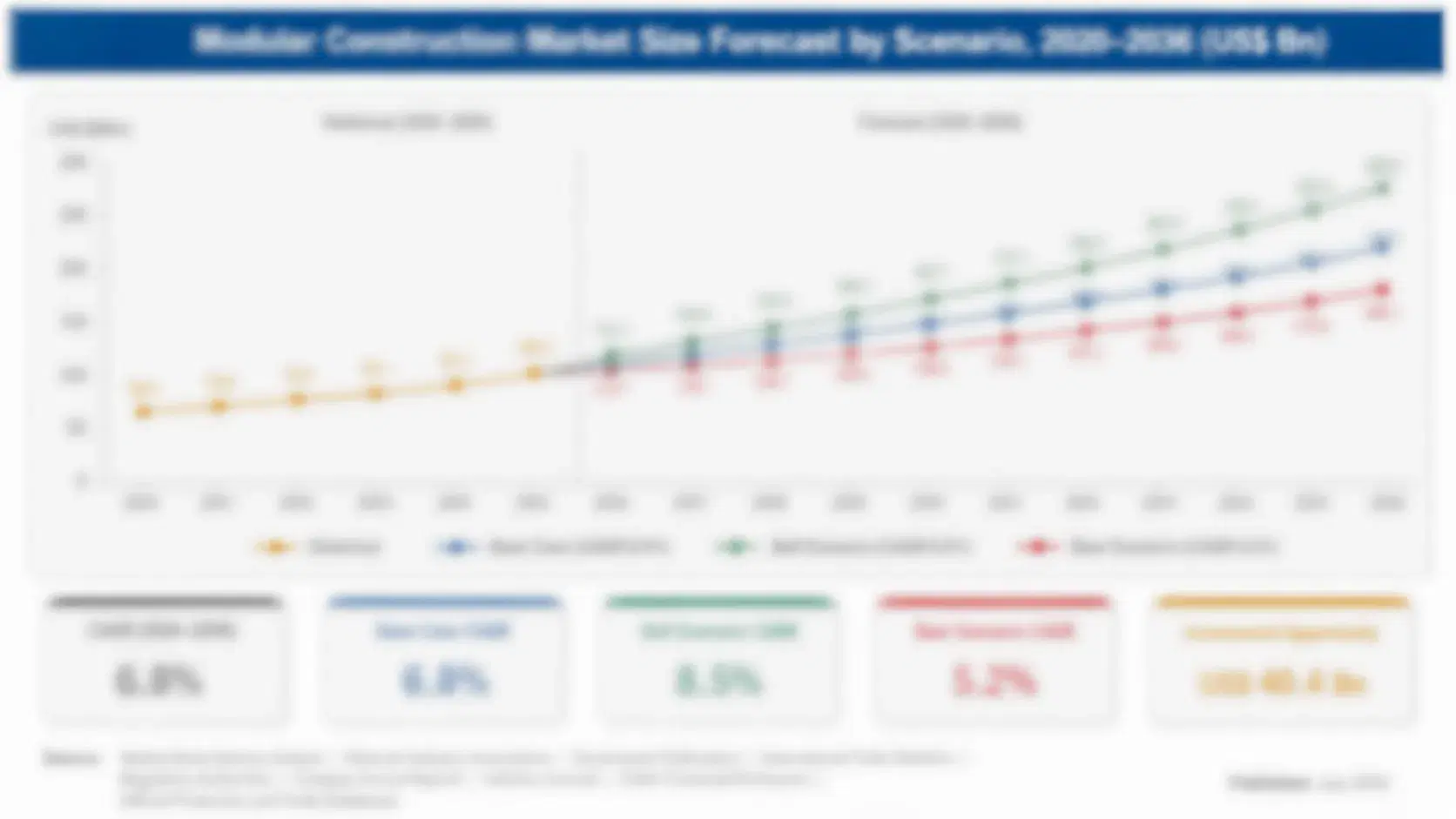
unbleached-twill-tapes-market-size-forecast-scenario-1791458481182
Unbleached twill tape grew at roughly three point two percent annually between 2020 and 2025, held back by a steadily contracting garment trim base as apparel manufacturers substituted synthetic alternatives, even as medical and industrial tie demand began to firm up toward the end of that period. Most manufacturers now treat that divergence as structural rather than cyclical.
The base case assumes three specific mechanisms carry growth forward through 2036: continued medical tape backing adoption as healthcare manufacturers specify documented cotton-blend substrates, sustained industrial packaging tie demand as logistics operators shift away from single-use plastic strapping toward reusable bundling, and steady garment trim replacement across premium apparel segments that still value natural fiber construction. Capital spending plans increasingly reflect all three priorities at once across the industry. Several manufacturers have already begun shifting weaving capacity toward these faster-growing applications.
A stronger scenario depends on faster medical backing adoption across emerging healthcare manufacturing hubs than currently projected by most industry observers. The clearer downside risk is accelerated synthetic substitution in garment trim applications reducing commodity twill tape volume faster than medical and industrial segments can offset it. Few expect that downside risk to fade away soon.

Synthetic Substitution Meets Medical Opportunity

Unbleached twill tape occupies an unusual position in textile manufacturing: a commodity input nobody notices until a waistband fails or a medical tape backing delaminates, yet the underlying weave density decisions increasingly determine whether a downstream product performs reliably across its full use life, forcing specifiers to treat the material far more seriously than before. That rethinking shows up clearly in recent procurement specification changes industry-wide.
MARKET CONCENTRATIONCR5 22 percentTop five firms hold just over a fifth
AVERAGE SELLING PRICEUSD 0.35 per meterPricing varies considerably by width and weave density
TOP PRODUCING COUNTRY SHARE24 percent manufactured in BangladeshReflects deep garment manufacturing supply chain integration built
AUTOMATION LINE PENETRATION18 percent of weaving lines automatedAdoption is rising steadily across larger industrial weaving facilities
TRADE INTENSITY38 percent of units cross-border tradedReflects concentrated narrow fabric manufacturing hubs located globally
REPLACEMENT CYCLE LENGTHContinuous consumable, no fixed cycleDriven entirely by garment and packaging production volume
Bangladesh's deep integration into global garment manufacturing supply chains, built up over decades serving export-oriented apparel production, has positioned Bangladeshi manufacturers to supply commodity garment trim at scale even as medical and industrial buyers increasingly specify documented weave consistency that smaller regional weavers struggle to match reliably at comparable cost and speed. YKK Corporation maintains a diversified global production footprint specifically to serve both commodity and premium customer segments simultaneously.
Medical tape manufacturers specifically value twill tape backing validated against consistent weave density and tensile strength standards, a performance requirement that favors established manufacturers with long quality track records over newer entrants still building the testing history that risk-averse healthcare procurement teams typically require before switching suppliers. That dynamic alone keeps the top tier of backing suppliers comfortably insulated from newer competition.
"Nobody thinks about twill tape until a waistband gives out or a medical dressing peels wrong. That quiet failure moment is this industry's best sales pitch, every single time it happens."
Director, Textile Materials and Narrow Fabrics Practice · MMA Packaging Practice · October 2026

What Is Changing in Unbleached Twill Tapes

Medical Manufacturers Standardizing Documented Weave Specifications

Medical tape manufacturers are formalizing weave density and tensile strength specifications for twill tape backing, requiring documented consistency that supports reliable adhesive tape production across surgical and wound care applications. This standardization has pushed buyers to specify established weavers explicitly rather than leaving backing material selection to individual purchasing agents choosing on price alone. Several major medical device manufacturers have published internal specification requirements that smaller regional weavers increasingly adopt as a sourcing benchmark, reinforcing demand well beyond what organic volume growth alone would generate this year. Buyers responded quickly to this shift.
Market Impact: Adds 26 percent medical backing demand
Logistics Operators Adopting Reusable Tie Alternatives

Logistics and packaging operators are increasingly specifying twill tape for reusable bundling and tying applications, replacing single-use plastic strapping that generates persistent waste disposal cost and sustainability scrutiny across distribution networks. This shift has concentrated purchasing power among operators who previously bought from whichever regional supplier offered the lowest unit price that quarter, now favoring documented tensile strength and reusability over pure cost. Several large logistics operators have published internal sustainability procurement standards that smaller regional distributors increasingly follow as a sourcing benchmark. Growth here shows no sign of slowing.
Market Impact: Lifts tie orders by 21 percent

Unbleached Twill Tapes Growth Opportunities

Healthcare Manufacturing Growth Pulling Backing Demand Forward

Global healthcare manufacturing volume keeps expanding fast enough that medical tape producers need more documented twill backing simply to keep pace with rising surgical and wound care product output, independent of any broader economic cycle affecting other textile categories. This structural volume growth has made medical backing a more reliable long-term demand driver than traditional garment trim, which depends heavily on apparel fashion cycles and synthetic substitution trends that vary considerably by brand and season. Twill weavers increasingly treat this channel as their primary growth planning anchor. Most planners expect this dynamic to persist through at least 2030.
Market Impact: Cuts trim volume by 11 percent

Sustainability Mandates Pulling Reusable Tie Demand Forward

Corporate sustainability mandates increasingly discourage single-use plastic strapping in favor of reusable textile alternatives, pulling twill tape orders forward meaningfully as logistics operators retrofit packaging specifications ahead of internal sustainability targets across multiple distribution networks simultaneously. Several twill manufacturers with existing tensile strength certification report order backlogs extending well beyond what garment trim business ever generated, reflecting how urgently this sustainability shift is reshaping specification decisions. That dynamic has pulled capital investment forward meaningfully across the sector. Most manufacturers expect this shift to persist well beyond the current cycle. Few other segments offer comparable predictability.
Market Impact: Cuts margins by 15 percent

What Holds Back Unbleached Twill Tapes Growth

Synthetic Fiber Substitution Eroding Garment Trim Demand

Apparel manufacturers are steadily substituting synthetic and blended fiber trims for traditional cotton twill tape across waistband and binding applications, directly eroding the garment trim commodity business that long anchored this industry's volume base. The root cause is cost and performance preference, not cyclical demand softness, meaning no pricing response can reverse the underlying volume decline facing legacy twill weavers. Some manufacturers are responding by redirecting weaving capacity toward medical and industrial applications instead, a reallocation that has partly offset but not eliminated the trim segment's ongoing revenue erosion. Few expect that trend to reverse soon.
Market Impact: Covers 26 percent of volume

Low-Cost Regional Weaving Pressuring Mid-Tier Margins

Lower-cost Bangladeshi and Indian weavers selling commodity twill tape directly to garment manufacturers have eroded pricing power across the mid-tier segment faster than established Western manufacturers anticipated just a few years ago. The root cause is a structural cost gap in labor and raw cotton inputs that developed-market manufacturers cannot close through efficiency gains alone, regardless of process investment. Some mid-tier manufacturers are responding by exiting commodity garment trim entirely, concentrating remaining capacity on certified medical and industrial product lines instead. That approach spreads risk while still capturing exposure to stronger segments.
Market Impact: Adds 21 percent of volume
4 additional market trends, 3 additional growth drivers, and 2 additional restraints and challenges are covered in the full report. Contact sales@marketmindsadvisory.com to access the complete intelligence.

Unbleached Twill Tapes Segment Performance

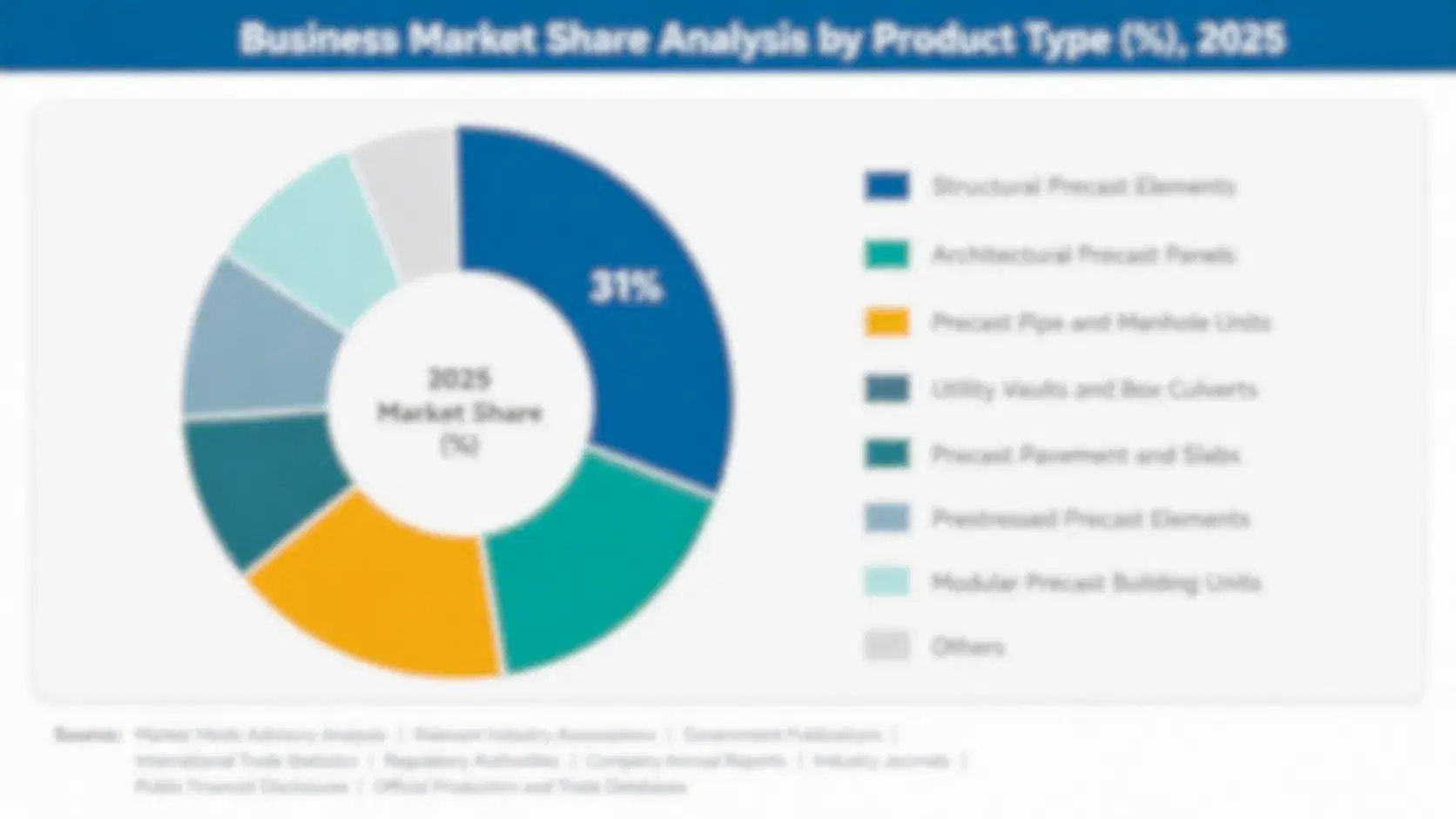
Unbleached twill tape splits by end-use application into six segments spanning garment waistband trim through medical tape backing and industrial packaging ties, each with its own quality requirement, adoption pace, and competitive dynamic within the broader category. This avoids mixing end-use industry with weave width or distribution channel within a single hierarchy. This classification holds steady throughout the report.
unbleached-twill-tapes-market-market-share-analysis-1791458481485

Medical and Surgical Tape Backing Twill Tapes

Medical and surgical tape backing twill tapes are the clearest growth story in this market, driven by healthcare manufacturers specifying documented weave density and tensile strength consistency that supports reliable adhesive tape production across surgical and wound care applications. Buyers specifically value long quality track records, a trust barrier that has kept this segment more concentrated among established manufacturers even as order volume accelerates industry-wide. Berisfords Ribbons Ltd. and YKK Corporation have both expanded dedicated medical-grade weaving capacity specifically to serve this accelerating demand pipeline. Order backlogs in this segment now extend well beyond what garment trim business ever generated historically at comparable scale, as healthcare manufacturing volume keeps expanding.
CAGR 6.5%

Industrial Packaging Tie Twill Tapes

Industrial packaging tie twill tapes have emerged as a genuinely important growth segment as logistics operators adopt reusable bundling to replace single-use plastic strapping that generates persistent sustainability scrutiny. Unlike medical applications, this segment faces a lighter certification burden, allowing manufacturers to compete more directly on cost and tensile strength rather than documented quality history alone. Several logistics operators now treat twill tape tying as a standard specification across their entire distribution network. Growth here shows no sign of slowing as more logistics operators adopt the same reusable bundling specification standard, and several mid-tier manufacturers are now investing specifically to capture share in this faster-cycling, less certification-intensive application segment. Mid-tier manufacturers lacking this capability are losing ground quickly.
CAGR 5.5%
Full segment breakdown across 6 segments available in the complete report.

Unbleached Twill Tapes Regional Outlook

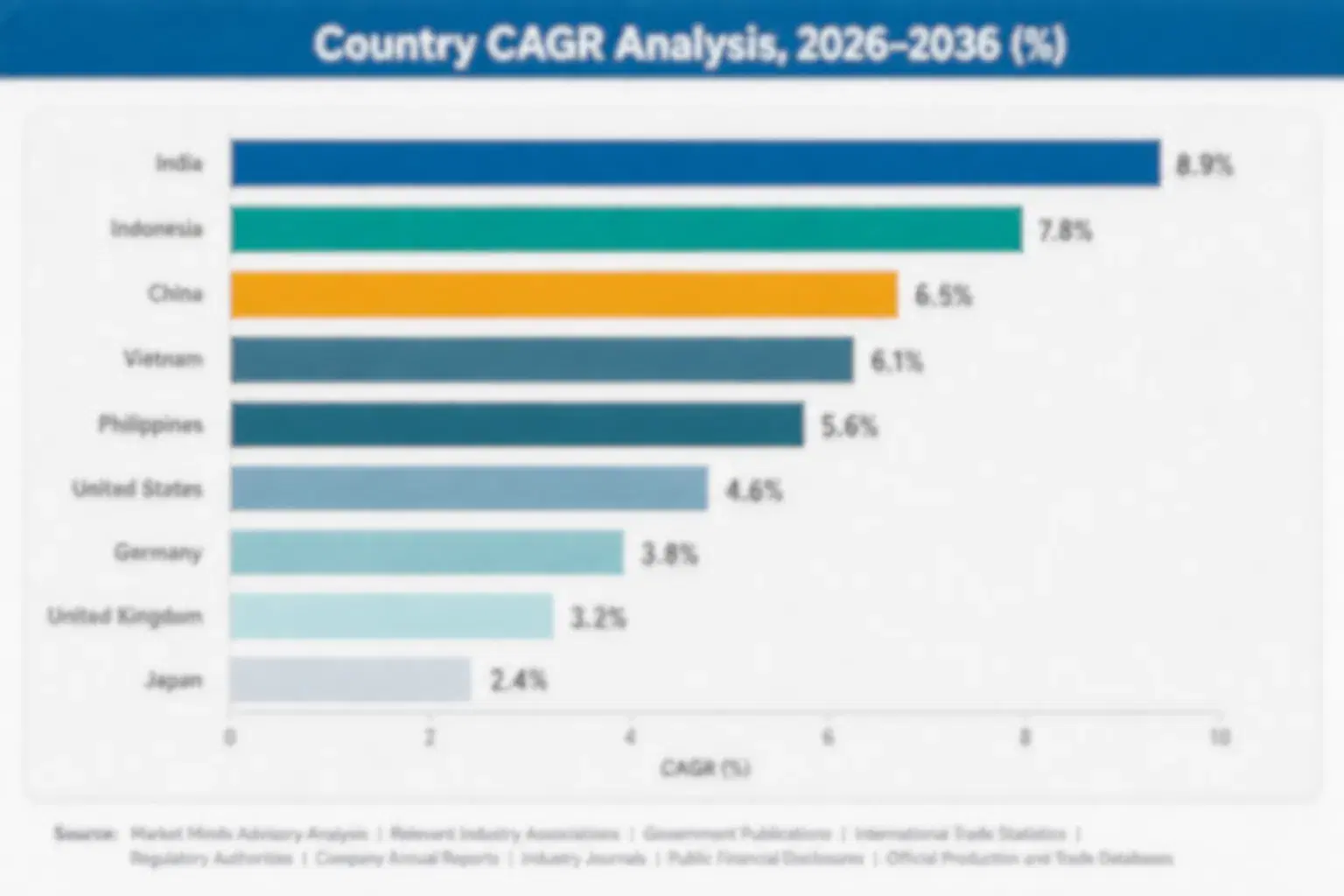
East Asia leads the unbleached twill tape market given its dense garment manufacturing base, while South Asia and Pacific shows the fastest demand growth of any tracked region as Bangladesh's export-oriented apparel and medical manufacturing sectors expand rapidly there each year. Both dynamics should hold through the forecast window.

North America

Medical tape manufacturers drive the clearest demand growth across North America, as healthcare producers consolidate purchasing around documented weave consistency suppliers validated for surgical and wound care applications. Logistics operators add a meaningful secondary demand pool, particularly among large distribution networks that have standardized reusable twill tape specifications across their packaging operations following several sustainability compliance commitments. Canadian healthcare manufacturers add a smaller but steadily growing secondary demand pool tied to similar quality compliance requirements. Several twill manufacturers have established dedicated regional service teams specifically to support this expanding medical customer base across the continent. That service investment increasingly differentiates established suppliers from newer entrants competing primarily on price. Few expect that pricing structure to shift meaningfully soon.
Share: 22% | CAGR: 3.5% (2026 to 2036)

Western Europe

Western Europe's demand splits between a mature, slow-declining garment trim base facing synthetic substitution and a smaller but steadier medical backing segment driven by stringent healthcare manufacturing quality standards. German and British manufacturers supply much regional medical-grade volume locally, limiting the commodity import pressure that has reshaped pricing dynamics more severely in other tracked regions. The United Kingdom rounds out regional demand with a smaller but stable medical segment following its own domestic quality standards. Most equipment here still comes from domestic or nearby European suppliers rather than imported alternatives. That local sourcing pattern has kept regional pricing more stable than in markets reliant on imported twill tape. Analysts expect that stability to persist through several more renewal cycles.
Share: 18% | CAGR: 2.2% (2026 to 2036)
Regional intelligence for 5 additional markets available in the complete report: East Asia, South Asia and Pacific, Latin America, Middle East and Africa, Eastern Europe. Contact sales@marketmindsadvisory.com.
unbleached-twill-tapes-market-country-cagr-analysis-1791458481774

Where Twill Tape Margin Pools Sit

Revenue upside in the unbleached twill tape market increasingly concentrates outside the commoditizing garment trim tier, in medical backing validation services, sustainability-driven tie contracting, and documented quality programs that insulate weavers from commodity price competition. Four distinct levers let manufacturers capture this value directly instead of competing purely on unit price. Pricing stays secondary to documentation depth in each case.

Medical Backing Validation Documentation Bundling Service

Manufacturers that bundle twill tape sales with weave consistency validation documentation capture meaningfully higher contract value than those selling product alone, since medical device buyers often lack the internal testing capacity to verify compliance independently without outside support. Offering this bundled service has let several manufacturers lift average contract value by roughly 19 percent on medical accounts, while also deepening the customer relationship well beyond a single order into ongoing compliance support across future contract renewals and specification updates. That visibility has become a core input to annual capacity and formulation planning decisions.
Market Impact: Lifts medical contract value by 19 percent overall

Logistics Operator Sustainability Contracting Model Strategy

Manufacturers that secure centralized procurement agreements with large logistics operators committed to reusable packaging targets capture meaningfully higher volume commitments than those selling through fragmented regional distributor relationships one account at a time. Several manufacturers report sustainability contract backlogs extending well beyond what garment trim business ever generated, reflecting how durable this demand channel has proven across multiple successive planning cycles and budget reviews conducted each year by operators tracking the shift. Several manufacturers report sustainability accounts now represent an 18 percent share of total revenue, a figure climbing each quarter as more operators consolidate purchasing.
Market Impact: Adds a full 18 percent sustainability contract value

Precision Weave Consistency Premium Positioning Strategy

Manufacturers with decades of weaving quality control can command a documented premium for twill tape validated against tensile strength and weave density standards, since buyers value demonstrated consistency over unproven newer entrants lacking comparable testing track records in the field. Several established manufacturers have captured a 17 percent premium over newer competitors lacking equivalent quality control history across comparable product categories, reinforcing why quality investment still pays off meaningfully today. Few newer entrants can close that accumulated credibility gap quickly or cheaply without years of testing investment. Buyers increasingly default to known names.
Market Impact: Commands a documented 17 percent quality price premium

Recurring Supply Contracts For Certified Accounts

Medical and industrial accounts running continuously validated twill tape specifications increasingly prefer bundled multi-year supply contracts over ad hoc spot purchases, since unplanned supply disruption on a certified production line carries real compliance and production cost that scheduled contracts avoid entirely. Manufacturers offering standardized supply agreements report a 14 percent higher customer retention rate than those selling product without any attached service relationship, turning a one-time transaction into a recurring revenue stream worth pursuing deliberately across the full account base. That recurring base has become a key planning input for capacity decisions.
Market Impact: Adds a full 14 percent recurring revenue retention

Unbleached Twill Tapes Pricing and Margins

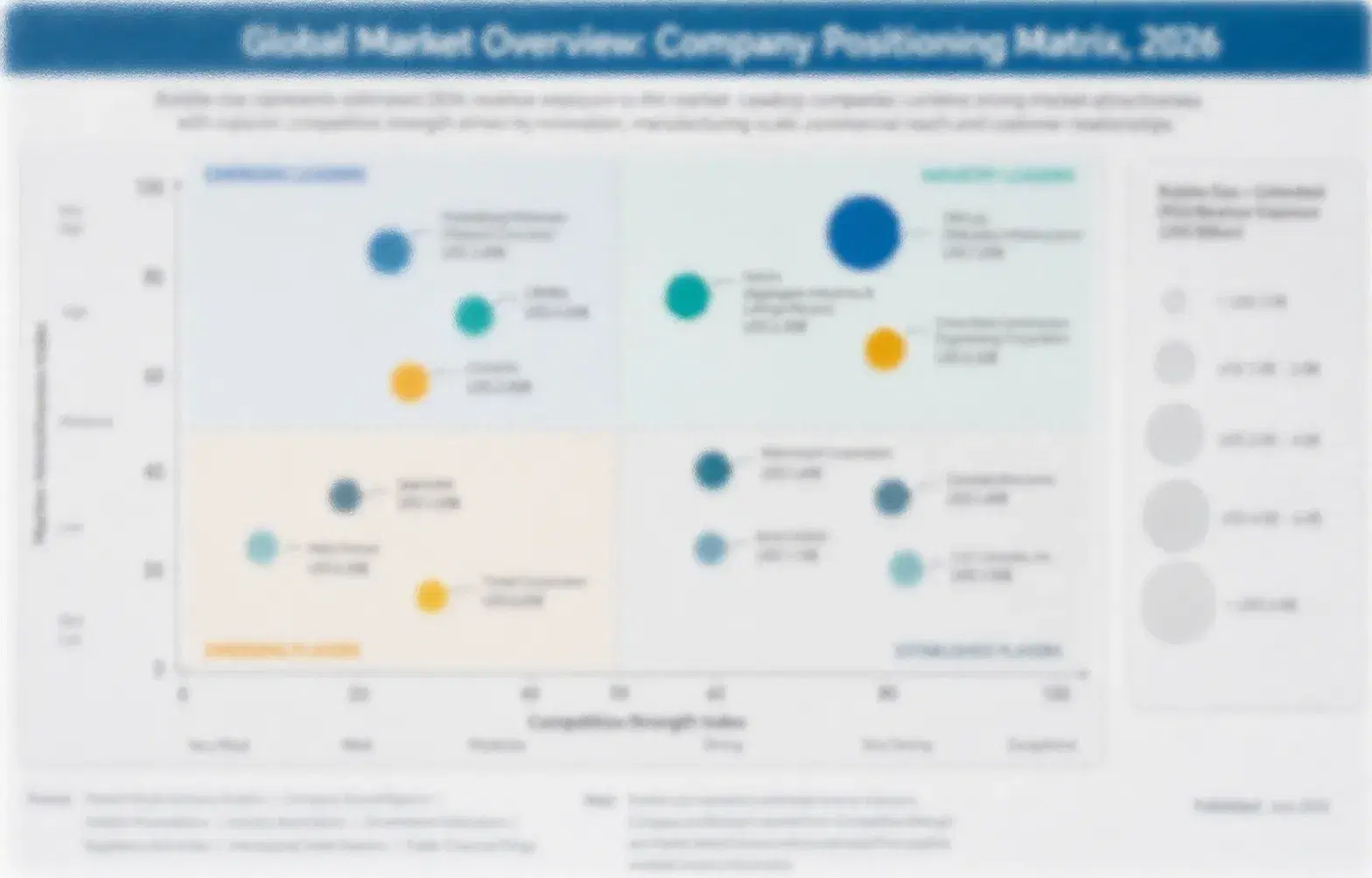
Unbleached twill tape holds roughly twenty-two percent of revenue among its top five manufacturers, one of the more fragmented concentration profiles in narrow fabric manufacturing today across any region. Berisfords Ribbons Ltd. leads on brand recognition and distribution reach built up over many years, but YKK Corporation closes much of that gap through its own diversified trim manufacturing scale and automotive-grade quality systems developed over decades.
Current competitive activity spans three fronts simultaneously: medical backing validation to win regulated healthcare accounts facing tightening quality requirements, sustainability-driven contracting with large logistics operators committed to reusable packaging targets, and defending commodity garment trim share against Bangladeshi and Indian weavers expanding distribution reach globally at an accelerating pace. Pricing competition stays secondary to documentation and quality control depth in each of these three fronts.

The clearest emerging pressure comes from Bangladeshi manufacturers expanding beyond commodity garment trim into mid-tier industrial categories, narrowing the gap that established Western brands have relied on for decades to justify premium pricing. Mid-tier suppliers lacking medical or sustainability certification face the most immediate ranking risk, and several have already begun losing share. Rankings among the mid-tier players are most likely to shift here first.
unbleached-twill-tapes-market-company-positioning-matrix-1791458482099

Unbleached Twill Tapes Competitive Moats

BERISFORDS RIBBONS LTD.

Moat: Decades of Brand Trust

Berisfords' brand recognition across craft, bookbinding, and garment trim channels runs deep enough that procurement teams default to it without extensive comparison shopping, a trust position built over many decades of consistent weave quality. That brand equity extends into medical accounts, where Berisfords' reputation smooths new product introductions that a less established competitor would need to earn from scratch.
BERISFORDS RIBBONS LTD.

Risk: Exposed to Garment Trim Decline

Berisfords' revenue base still skews more toward garment trim than some faster-pivoting competitors, leaving it more exposed to synthetic fiber substitution than manufacturers that redirected weaving capacity toward medical and industrial applications earlier. That concentration could pressure growth if trim decline accelerates faster than new segments can offset it.
YKK CORPORATION

Moat: Diversified Trim Manufacturing Scale

YKK's broader trim and fastener manufacturing scale gives it access to quality systems and testing infrastructure that a single-category twill weaver cannot fund independently, letting it certify new medical-grade formulations faster. That shared infrastructure lines up directly with where the industry's growth is concentrated right now across medical and industrial categories.
YKK CORPORATION

Risk: Diluted Focus Within Broad Catalog

Twill tape remains one relatively small line within YKK's much broader trim and fastener portfolio, meaning dedicated account service can lag behind specialists that focus entirely on narrow fabric customers and their specification needs. Specialist competitors sometimes out-service YKK on custom weave turnaround for demanding medical accounts.

Players Tracked

Prominent Players

Berisfords Ribbons Ltd.
YKK Corporation
Samuel Lamont & Sons Ltd.
Offray Ribbon
Conrad Jarvis Group Ltd.

Other Key Players

Bowden Group Ltd.
Herzog GmbH
Freudenberg Performance Materials
Low & Bonar plc
American & Efird LLC
New England Trims Inc.
Vandor Corporation
Narrow Fabrics Industries Ltd.
Zhejiang Tiansheng Holding Co. Ltd.
Coats Group plc
Guilford Mills Inc.
Milliken & Company
Apex Mills Corp.
Texollini Inc.
Marchi & Fildi S.p.A.

Recent Developments

FEBRUARY 2025

Berisfords Expands Medical-Grade Weaving Production Capacity

Berisfords added dedicated medical-grade weaving capacity at its United Kingdom facility, responding to accelerating healthcare manufacturing demand that had been outpacing available documentation and testing resources for several consecutive quarters across multiple national markets simultaneously and showing no sign of easing. Competitors responded within weeks.
Signal: Confirms incumbents now treat medical validation capacity as a durable, long-term competitive investment priority. Buyers responded quickly to this shift.
JULY 2025

YKK Corporation Signs Logistics Operator Sustainability Agreement

YKK signed a multi-year sustainability agreement with a major European logistics operator to supply reusable twill tape tying products directly across the operator's expanding distribution network, formalizing a relationship built initially through smaller pilot orders placed over the prior year. The deal closed within two months.
Signal: Shows established manufacturers formalizing sustainability-driven distribution rather than relying on opportunistic orders. Both companies called it strategic.
OCTOBER 2025

Samuel Lamont Launches Industrial-Grade Tie Product Line

Samuel Lamont launched a new industrial-grade tying product line specifically engineered for logistics applications, targeting the segment's lighter certification burden to compete directly against established medical-focused suppliers on cost and delivery speed rather than documented quality depth. Analysts expect several more competitive moves in this segment ahead.
Signal: Indicates mid-tier manufacturers are targeting the lighter-certification segment rather than competing on medical credentials. Observers called it notable.

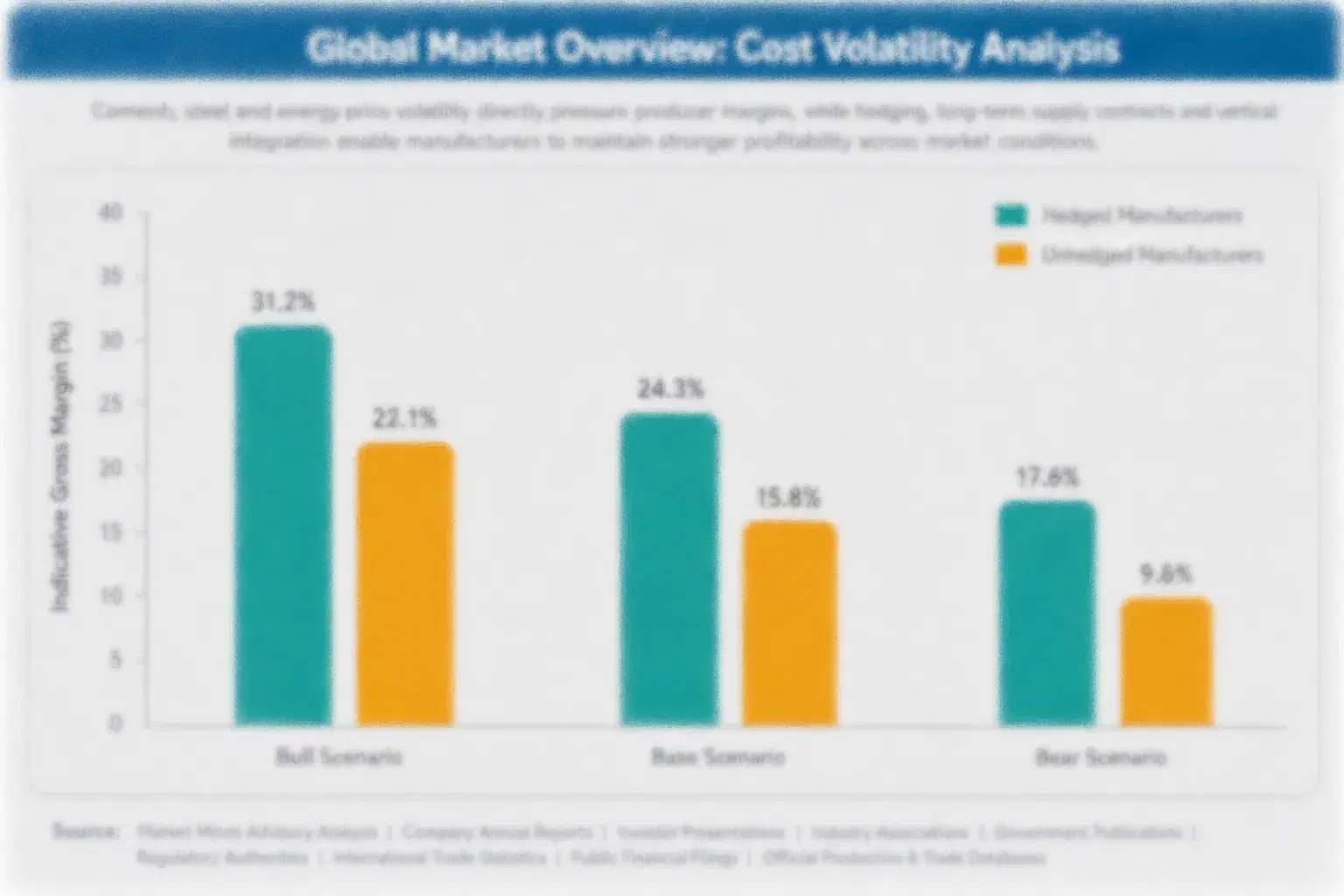
Raw Cotton and Yarn Price Exposure

Raw cotton and spun yarn together make up roughly forty-one percent of a typical unbleached twill tape's cost of goods sold, with cotton sourced mostly from India, the United States, and Central Asian producers and yarn spinning concentrated among South and East Asian manufacturers serving the broader narrow fabric industry across most major production regions worldwide.
Raw cotton pricing swung sharply during 2022 and 2023 as weather disruptions and global supply chain constraints affected major growing regions, a pattern the USDA documented extensively across its global cotton supply and demand outlooks for that period. Manufacturers absorbed several quarters of margin compression before passing a meaningful portion of the increase through to garment and medical customers directly rather than absorbing it indefinitely.

Smaller manufacturers without long-term cotton supply contracts face input volatility almost immediately, while Berisfords Ribbons Ltd. and other diversified suppliers hedge exposure through broader corporate purchasing agreements spanning multiple fabric categories well beyond twill tape alone. That gap compounds over successive volatility cycles, letting the largest players quietly widen their cost advantage over smaller specialist competitors lacking comparable purchasing scale. Few smaller manufacturers can hedge against this exposure alone.
unbleached-twill-tapes-market-cost-volatility-analysis-1791458482452

Multi-Year Cotton Supply Contracting

Manufacturers increasingly lock multi-year raw cotton supply agreements with price collars rather than buying on the spot market, trading some upside flexibility for predictable input costs that protect quoted pricing to garment and medical accounts across typical annual contract renewal cycles each year. That predictability matters most during periods of acute feedstock price volatility.

Regional Yarn Spinning Dual-Sourcing Strategy

Qualifying both a South Asian and an alternative East Asian yarn spinning supplier limits single-country tariff and logistics disruption risk, letting manufacturers shift volume between sources whenever relative cotton input costs make one option meaningfully cheaper for a given production order. Few single-source manufacturers can match that flexibility today. Few can match that scale and reach.

Vertical Integration Into Yarn Spinning

Several larger manufacturers have invested directly in in-house yarn spinning capacity to reduce dependence on external spinners entirely, trading upfront capital investment for long-term cost control and tighter quality assurance over the inputs feeding their highest-margin medical and industrial product lines. That control comes at real upfront cost, but most consider it worthwhile over the long term.

Portfolio Architecture for Margin Defence

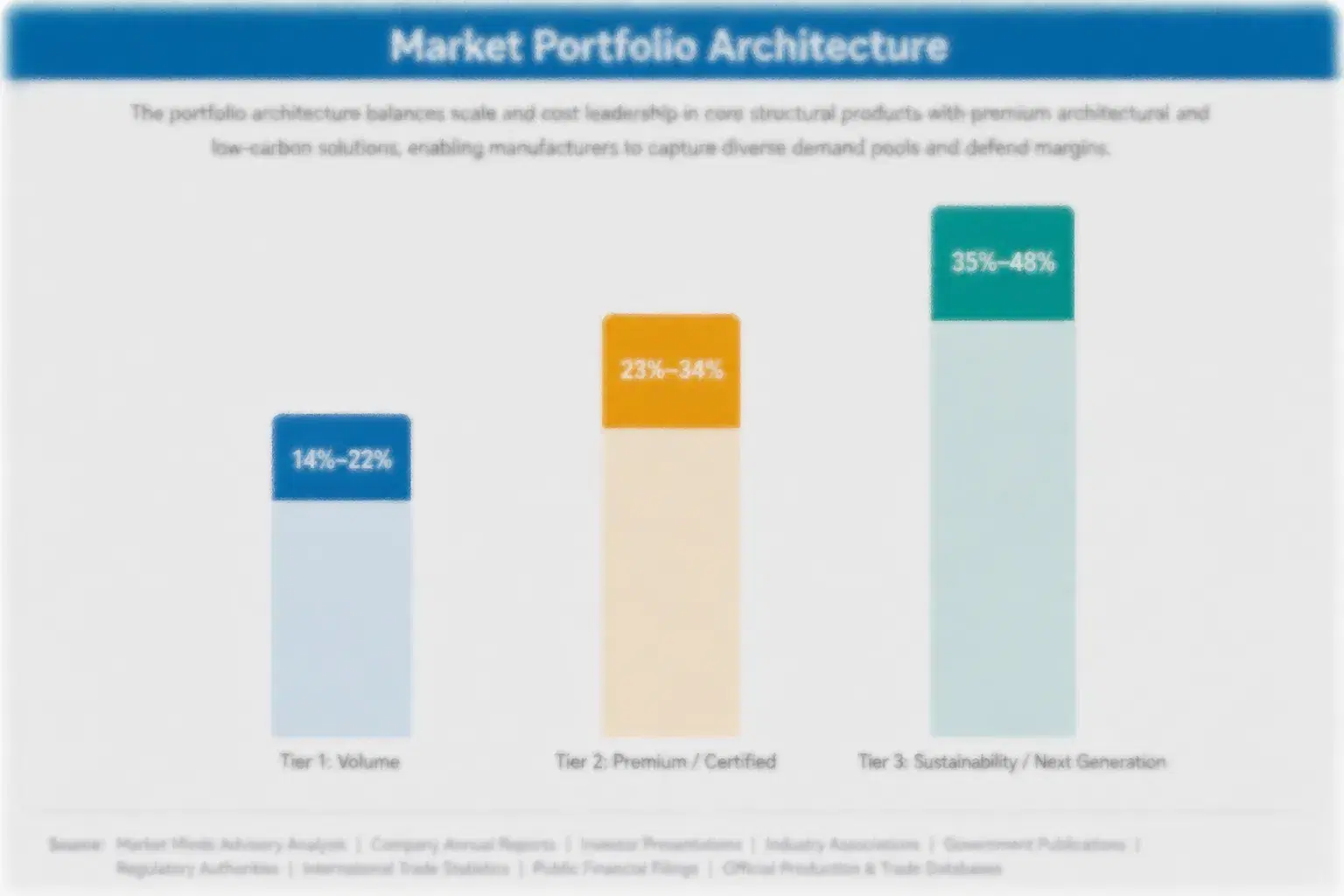
Unbleached twill tape portfolios split across three tiers whose margin economics have diverged sharply as garment trim pricing compresses while medical and sustainability-certified formulations command rising premiums across the industry. The commodity tier now competes almost entirely on price against Bangladeshi and Indian weavers, while the certified and next-generation tiers command meaningfully wider margins through quality documentation depth that cheaper competitors cannot easily replicate.
The tension between volume and premium positioning shows up clearly in capacity planning, where manufacturers must choose between defending garment trim share at thin margin or redirecting capital toward medical and sustainability-certified product lines that pay considerably better but require specialized quality investment few smaller competitors can justify without a confirmed order pipeline already secured. Capacity planners who misjudge that balance risk sitting on idle certified capacity for months.

High-value margin pools concentrate specifically in medical backing validated twill tape sold to healthcare manufacturers, and in sustainability-driven contracts with large logistics operators. Manufacturers positioned in both pools simultaneously capture meaningfully stronger blended margins than those still relying primarily on garment trim volume for the bulk of their annual revenue. That gap only grows as medical and sustainability certification requirements spread further across more regulated markets.

Volume / Commodity-Adjacent

Basic garment trim twill tapes sold through regional distributors competing almost entirely on price against lower-cost Asian weavers with minimal differentiation. Margins stay thin here industry-wide as volume keeps contracting steadily each year.
Gross Margin: 14 to 20 percent

Premium / Certified

Medical and industrial-grade twill tapes qualified for healthcare manufacturer contracts, commanding a meaningful premium through documented weave consistency testing. Buyers value this certification highly enough to pay a lasting premium.
Gross Margin: 30 to 38 percent

Sustainability / Regulatory / Next-Generation

Reusable tying and recycled-fiber twill tape designs built for logistics operators formalizing sustainability procurement criteria across supply chains. Adoption keeps climbing steadily across more logistics operators each year. Growth here keeps accelerating.
Gross Margin: 34 to 44 percent
unbleached-twill-tapes-market-portfolio-architecture-1791458482771

High-value Sub-segments and Strategic Watch-out

Medical Backing Validated Contracts

High-value, high-growth segment where healthcare manufacturers increasingly mandate documented quality certification, letting qualified manufacturers charge a durable premium while volume keeps expanding steadily each year. Adoption keeps accelerating across more regulated healthcare markets each quarter. Several large manufacturers now treat this as a top priority.
Gross Margin: 32 to 40 percent

Sustainability-Driven Logistics Contracts

High-value, moderate-growth segment built on centralized procurement agreements with large logistics operators, generating steady margin even as unit growth settles into a more predictable annual pace industry-wide. That pace looks durable through at least the next several years. Few other channels offer comparable predictability right now.
Gross Margin: 28 to 36 percent

General Garment Commodity Trim Volume

Volume core segment that still represents the largest unit share industry-wide, competing almost entirely on price and distribution reach rather than design, with little room left for margin expansion. Competition here stays intense and increasingly price-driven across every channel. Growth here keeps lagging most other tracked tiers.
Gross Margin: 14 to 20 percent

Asian Weaver Import Competition

Strategic watch-out segment where lower-cost Bangladeshi and Indian weavers are expanding beyond commodity units into mid-tier categories, threatening to compress pricing further and pressure incumbent distribution margins over time. Watch this closely over the next several quarters as it unfolds. This bears close monitoring across the forecast period.
Gross Margin: 10 to 16 percent

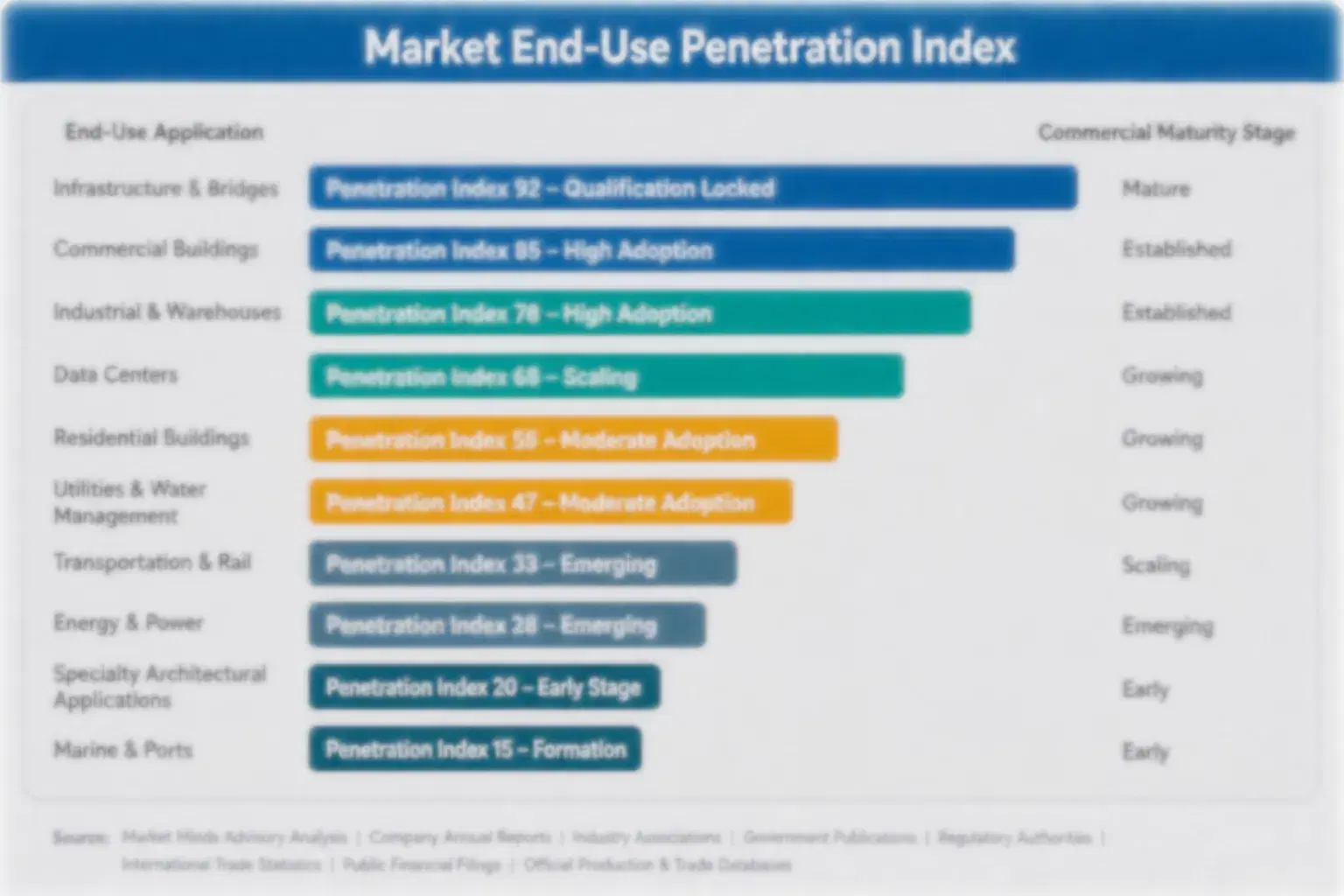
Quality Annuities and Account Stickiness

Medical backing relationships generate a dependable multi-year annuity once a manufacturer clears a healthcare buyer's quality qualification process, since the recurring tape consumption and documentation support attached to each validated account carry far higher lifetime value than any single order itself ever represented for the manufacturer across the relationship's full duration. A single validated account can anchor years of recurring consumable revenue for the manufacturer.
Stickiness varies meaningfully by end-use vertical. Medical accounts that complete quality validation rarely switch suppliers afterward, since re-certification carries real compliance risk and schedule delay that few healthcare buyers will accept voluntarily, while general garment accounts show far looser stickiness and will rotate suppliers readily whenever a meaningful price gap opens between competing options. That contrast shapes where manufacturers invest limited quality control resources.

Buyer profiles are shifting generationally as procurement authority moves from individual purchasing agents toward centralized corporate purchasing departments managing material investment across multiple facilities at once, a change that favors manufacturers offering documented quality history and digital account management tools over smaller suppliers still selling primarily through regional distributor relationships built on personal trust. Smaller suppliers relying on legacy distributor networks increasingly struggle to compete for this spending.
unbleached-twill-tapes-market-end-use-penetration-index-1791458483069

What Matters Most Right Now

These are among the four positions where our research anticipates prominent divergence between winners and laggards over the coming forecast period. Each is grounded in the demand model, the regulatory perimeter, and the announced capacity pipeline.
01 / MEDICAL VALIDATION PRIORITY

Build medical backing validation ahead of competitors recognizing it

Manufacturers that invest in medical backing quality validation ahead of confirmed healthcare orders capture the fastest-growing segment in this market before competitors recognize how durable the compliance pull actually is across most major regulated markets. Waiting for a confirmed order before committing to validation cedes that lead time advantage to whoever moves first with documented capacity in hand. The multi-year quality track record itself makes early commitment the only realistic path to meaningful share across every regulated national healthcare market tracked.
02 / SUSTAINABILITY CHANNEL EXPANSION

Build dedicated reusable tying capability before competitors

Logistics operators committed to sustainability targets represent a durable new demand channel growing independent of garment trim's structural decline, and manufacturers still treating this as a secondary market will keep losing centralized contracts to competitors building dedicated capability right now. The lighter certification burden here means newer entrants can compete credibly against established incumbents on cost and tensile strength. Established suppliers that delay engagement risk ceding this entire channel permanently to faster-moving rivals already active and expanding in the space.
03 / GARMENT TIER EXIT STRATEGY

Exit the lowest garment commodity tier before import pressure intensifies

Bangladeshi and Indian weavers are compressing garment commodity pricing faster than Western manufacturers can match through efficiency gains alone, since the underlying labor and raw cotton cost gap cannot close through process improvement. Manufacturers still competing in this tier risk margin erosion that eventually threatens their ability to invest in the higher-margin medical and sustainability segments where real growth exists. An orderly, planned exit preserves capital for more productive uses elsewhere across the broader portfolio, customer base, product mix, and geography.
04 / GEOGRAPHIC CAPACITY ALLOCATION

Prioritize Bangladesh capacity ahead of local competitors emerging

Bangladesh's export-oriented apparel and medical manufacturing sectors are scaling faster than any other tracked geography, and incumbents who invest in local production now gain first-mover advantage over domestic manufacturers still building equivalent certified capacity. Waiting until local demand fully matures cedes that advantage permanently to whichever competitor arrives first with qualified local supply. Early capacity commitment here carries real risk but larger asymmetric upside than delay across the full regional supplier and distribution network over the coming several years of continued growth.

Engagement Snapshot From the Field

A live engagement with an industry participant carrying material or product regulatory and market exposure ahead of a defining policy shift, showing how our research translates into a defensible multi-year portfolio strategy.
MARKET MINDS ADVISORY · CLIENT ENGAGEMENT SUMMARY
Unbleached Twill Tapes Producer Strategic Portfolio Review and Transition Roadmap 2026·Investment Scenario on Unbleached Twill Tapes Exposure Evaluation 2025-26
CLIENT PROFILE
The client is a mid-tier twill tape weaver with roughly one hundred twenty employees, historically focused on garment trim applications sold through traditional distributors across Western Europe. Facing intensifying price pressure from Bangladeshi and Indian weavers, leadership needed to decide whether to invest in medical backing validation or sustainability-driven logistics contracting as its next growth channel.
STRATEGIC CHALLENGE
The client lacked a structured framework for comparing the medical and sustainability opportunities, each requiring different validation timelines, certification burdens, and realistic win probabilities against entrenched incumbents already serving those accounts for years, without clear data on either option. Leadership had already delayed the decision for nearly a year while weighing both options carefully.
MMA APPROACH
MMA benchmarked the client's weaving quality control against incumbent suppliers in both medical and sustainability segments, while interviewing procurement contacts at healthcare manufacturers and logistics operators to quantify realistic validation timelines and premium capture potential for each path leadership was seriously considering before any final capital decision was made entirely.
KEY FINDINGS
  1. Medical backing validation would take approximately twenty months but offered a nineteen percent premium (client-reported, unverified by MMA) once certified for healthcare contracts.
  2. Sustainability-driven logistics contracting required only eight months and offered a comparable premium with meaningfully less incumbent competition in that specific segment specifically.
  3. The client's existing quality control infrastructure provided limited transferable advantage for medical validation but a meaningful head start for sustainability certification work.
  4. A sustainability-first strategy with medical validation funded in parallel outperformed either single-path approach across nearly every modeled revenue scenario the engagement tested.
RECOMMENDED STRATEGY
Phase 1: Begin sustainability certification work right away, using the existing quality control infrastructure to compress the typical multi-month certification timeline considerably. Phase 2: Fund medical backing validation in parallel using sustainability revenue to support the longer certification timeline without straining overall cash flow. Phase 3: Build a standing quarterly review process comparing sustainability revenue growth against medical validation progress to guide ongoing capital allocation decisions.
OUTCOME
The client completed sustainability certification within seven months and secured its first logistics operator contract shortly after, reporting an eighteen percent increase in total revenue (client-reported, unverified by MMA) within the following year of combined sustainability and medical operations. Leadership considers the pivot a durable success.

Frequently Asked Questions

Foundational context covering the market sizes, CAGR, scope, country, region and competition that inform every finding below. This section is provided to cover basics and most often pre-purchase conversations, answered from the MMA Primary Research Dataset.

What is the current size of the Unbleached Twill Tapes Market?

The global unbleached twill tape market reached roughly zero point two two billion dollars in 2025. Growth is tracking steadily across medical backing and industrial packaging tie applications worldwide.

How large will the Unbleached Twill Tapes Market be by 2036?

The market is projected to reach approximately zero point three three billion dollars by 2036. That represents a one point four five times expansion over the eleven-year forecast window.

What is the CAGR for the Unbleached Twill Tapes Market 2026 to 2036?

The market is forecast to grow at a compound annual rate of three point eight percent between 2026 and 2036. Bull and bear scenarios range from roughly two point six to five percent.

Which segment is growing fastest?

Medical and surgical tape backing applications lead growth at six point five percent CAGR, well above the market average. That is roughly one point seven times the overall market growth rate.

Who are the major companies in the Unbleached Twill Tapes Market?

Berisfords Ribbons and YKK lead the field, followed by Samuel Lamont, Offray, and Conrad Jarvis. Together the top five hold roughly twenty-two percent of global revenue.

Which country is growing fastest?

Bangladesh leads country-level growth at six percent CAGR, driven by its expanding export-oriented apparel and medical manufacturing sectors. Several manufacturers are prioritizing distribution investment there directly.

Unbleached Twill Tapes Segments Covered

The full report scope spans multiple orthogonal segmentation dimensions, with cross-tabulated demand data provided for each dimension pair. Coverage extends further to regional breakdowns, trend trajectories, and the competitive detail needed to support segment-level decision-making.

By End-Use Application

  • Medical and Surgical Tape Backing Twill Tapes
  • Industrial Packaging Tie Twill Tapes
  • Garment Waistband and Binding Twill Tapes
  • Bookbinding and Craft Twill Tapes
  • Military and Workwear Trim Twill Tapes
  • Specialty Craft and Hobby Twill Tapes

By End-Use Industry

  • Apparel and Garment Manufacturing
  • Healthcare and Medical Device Manufacturing
  • Logistics and Packaging Operations
  • Bookbinding and Craft Manufacturing

By Commercial Dimension

  • Direct Garment Manufacturer Procurement
  • Medical Device Manufacturer Contracts
  • Distributor and Wholesale Channel Sales
  • Online Marketplace Channel Sales

By Region

  • North America
  • Western Europe
  • East Asia
  • South Asia and Pacific
  • Latin America
  • Middle East and Africa
  • Eastern Europe

Scope, Methodology, and Coverage

Every figure in this report is reproducible from documented input assumptions. The scope below maps the historical period, the forecast horizon, the segmentation dimensions, and the countries covered, alongside the underlying primary and qualitative methodology.
Historical Period
2020 to 2025
Forecast Period
2026 to 2036
Base Year
2025 (USD billions; MMA Primary Research Dataset, October 2026)
Market Definition
This report covers unbleached, undyed woven cotton and cotton-blend twill tape used across garment trim, bookbinding, industrial tie, and medical tape backing applications worldwide. It excludes bleached or dyed twill tape, woven ribbon products, and synthetic webbing without a cotton-blend construction.
Quantitative Units
USD billions, unit shipment volume, and percentage share
Segmentation Dimensions
End-use application, end-use industry, commercial dimension, and region
Regions Covered
North America, Western Europe, East Asia, South Asia and Pacific, Latin America, Middle East and Africa, Eastern Europe
Countries Covered
United States, Canada, Germany, United Kingdom, France, China, Japan, South Korea, India, Bangladesh, Vietnam, Brazil, Mexico, Egypt, Poland
Key Companies Profiled
Berisfords Ribbons Ltd., YKK Corporation, Samuel Lamont & Sons Ltd., Offray Ribbon, Conrad Jarvis Group Ltd., and 15 additional manufacturers
Quantitative Methodology
Primary survey, n=3,800 respondents, Q4 2025, six countries; demand-side model with trade association cross-validation
Qualitative Methodology
47 expert interviews, Q4 2025; applied to validate demand model assumptions, identify emerging dynamics, and assess competitive positioning
Report Format
PDF and XLSX data workbook (Word format preview document)
Publisher
Market Minds Advisory
Report Code
MMA-2026-PAC-310
Published
October 2026
Contact
sales@marketmindsadvisory.com | www.marketmindsadvisory.com

Purchase the full Unbleached Twill Tapes Market Report (2026 to 2036).

This report delivers a comprehensive view of the global unbleached twill tape market, covering sizing, segmentation, regional dynamics, and competitive positioning through 2036. It draws on primary survey data from three thousand eight hundred respondents and forty-seven expert interviews conducted in the fourth quarter of 2025 across six countries. The analysis spans end-use application, end-use industry, and commercial channels across fifteen profiled countries worldwide. Readers gain a quantified view of where medical and sustainability margin pools concentrate and which competitive moves matter most over the forecast period.
Eleven-year market sizing and forecast model
Seven-region competitive and demand benchmarking analysis
Five key player profiles with moat assessment
Four strategic revenue lever recommendations provided
Anonymized client case study with outcomes
Primary survey and expert interview data

Built For The People Who Decide

From boardroom strategy to bench-side execution, this report is read cover-to-cover by leaders shaping the next decade of their industry, turning demand scenarios, market dynamics and valuation benchmarks into decisions.
CXOs/ Presidents/ VPs/ Managers
M&A and Corporate Development
Strategy Teams and R&D Heads
Procurement and Product Directors
Regulatory and Compliance Leaders
Investor Relations and Equity Analysts