Market Minds Advisory
Thermoform Cups Market

Thermoform Cups Market Forecast 2026-2036 by Segment and Region

Expanding yogurt and dessert consumption volumes, tightening recyclability labeling mandates, and growing resealable packaging adoption are reshaping thermoform cup specifications across dairy and beverage supply chains worldwide each year nationwide.

Lead Analyst

Bilal Shaikh

Published

November 2026

Make Smarter Decisions with Customized Research Insights

Request a free sample report and evaluate market opportunities, growth trends, and competitive dynamics relevant to your business needs.

2025 MARKET VALUE$3.8BMarket Size 2025
2036 FORECAST VALUE$6.1BBase Case , 2026 to 2036
CAGR 2026 TO 20364.4 %Bull 5.6% / Bear 3.1%
INCREMENTAL OPPORTUNITY$2.1BNet 10- year value creation
EXPANSION MULTIPLE1.54x2036 value over 2026 base
Strategic Levers
M&A Pipeline
Regional Outlook
Country Rankings
Competitive Intelligence
Segmental Deep-dive
Call-Us : 91 93563 13602

Thermoform Cups Market Outlook

Thermoform cup demand is accelerating as dairy processors and beverage brands pursue documented recyclability, replacing mixed-material constructions across yogurt, dessert, and single-serve beverage packaging nationwide, as processors prioritize resealable, curbside-recyclable formats suited to multi-serve household consumption patterns nationwide, a shift accelerating fastest in the largest dairy processing regions.
Demand concentrates in yogurt, dairy dessert, and single-serve beverage applications, with the United States posting the fastest national growth as expanding resealable packaging adoption and tightening recyclability labeling mandates both lift cup specification demand. European demand remains steady on established yogurt consumption culture and dairy packaging distribution scale, while Asian dairy processors increasingly specify mono-material formats meeting regional packaging regulation as well too.
Competition splits between large diversified rigid plastics manufacturers serving multiple dairy categories and smaller specialists winning on custom cup-profile configuration and lidding compatibility. Recyclability labeling mandates from packaging regulators are pushing processors toward certified mono-material constructions, while resealable closure requirements are becoming standard across multi-serve yogurt packaging programs. Regional manufacturers increasingly compete on cup-profile flexibility and lidding compatibility, since brands demand formats spanning everything from single-serve four-ounce cups to multi-serve family-size containers each cycle.
Market Definition
The Thermoform Cups Market covers rigid thermoformed cup-shaped containers used for yogurt, dairy desserts, and single-serve beverage packaging. It excludes thermoformed tubs, trays, and flexible pouch packaging formats, which fall under separate market definitions. For scale, MMA values the thermoformed tray market at USD 6.2 billion in 2025 and expects it to reach USD 9.44 billion by 2036.
Base Year Value
$3.8B in 2025 (MMA Primary Research Dataset, October 2026)
Forecast Period
2026 to 2036, eleven discrete annual values
CAGR
4.4% base case. Bull 5.6%. Bear 3.1%.
Fastest Growth Segment
Resealable Multi Serve Yogurt Cups: 5.9% CAGR
Fastest Growth Country
United States: 5.4% CAGR
Fastest Growth Region
South Asia and Pacific: 6.3% CAGR
Largest Region
North America: 29% of 2025 global value
Market Leaders
Berry Global Inc, Dart Container Corporation, Sonoco Products Company, Genpak LLC, Huhtamaki Oyj. Source: MMA Analysis, based on company disclosures and primary survey data, Q4 2025.
Primary Survey
n=3,800 procurement and R&D decision-makers, Q4 2025, six countries
Methodology
Demand-side build-up, cross-validated against public data, 47 expert interviews

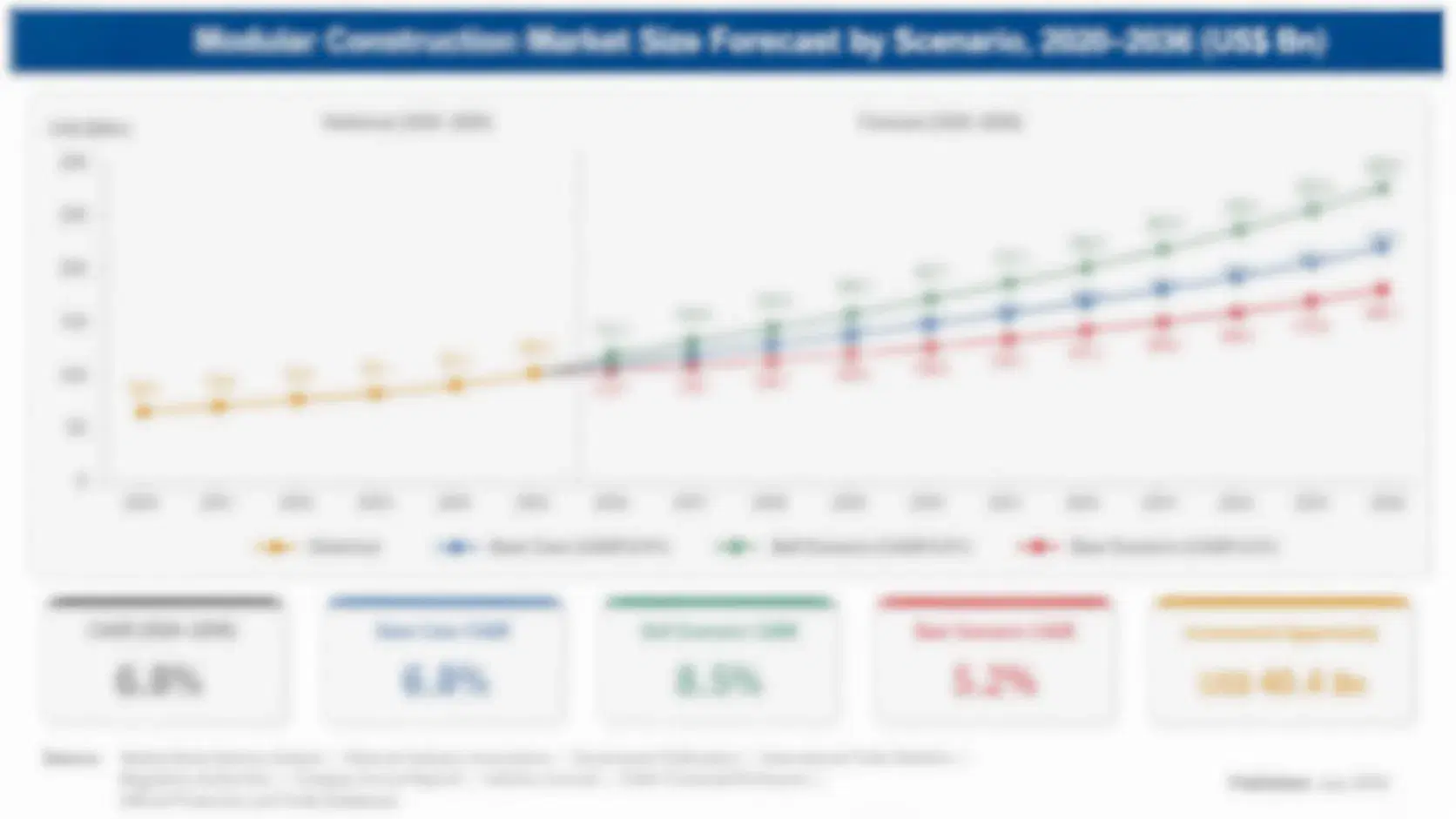
Thermoform Cups Base, Bull and Bear Cases

thermoform-cups-market-size-forecast-scenario-1791502310524
Thermoform cup demand grew steadily between 2020 and 2025 as yogurt consumption held firm and dessert packaging categories expanded across major dairy processing regions, with the United States and several European markets both contributing meaningfully to volume growth through the back half of the historical window, as several major retailers accelerated recyclability labeling rollout ahead of regulatory deadlines in key export markets.
The base case assumes continued dairy processor conversion to recyclable mono-material formats responding to tightening recyclability labeling mandates, sustained resealable multi-serve packaging demand tied to expanding household consumption patterns, and steady single-serve beverage cup specification growth across both developed and emerging dairy markets this decade, reinforced by rising brand sustainability procurement commitments, most of which now carry explicit recycled-content and resealability targets tied to retailer private-label packaging redesign programs nationwide.
A bull scenario centers on accelerated recyclability labeling mandate rollout pulling mono-material conversion forward faster than modeled across more dairy processor accounts. A bear scenario centers on prolonged resin price inflation, which would compress converter margins and slow premium resealable adoption among cost-sensitive dairy processors, a risk that has materialized periodically across the historical period during feedstock disruption.

Recyclability Mandates Redraw Cup Specification

Thermoform cup specifications are shifting toward mono-material recycled polypropylene as dairy processors pursue documented recyclability credentials ahead of tightening state-level packaging mandates. Standard polystyrene formats remain common among budget dairy dessert applications where cost still carries more purchasing weight than recyclability alone, keeping a meaningful volume base intact, particularly among smaller regional dairy processors serving diversified price-sensitive customer bases. For a connected opportunity, MMA values the thermoformed tubs market at USD 4.9 billion in 2025.
MARKET CONCENTRATIONCR5 32%Top five manufacturers hold roughly one-third total participation share
AVERAGE SELLING PRICEUSD 0.08/unitResealable multi-serve formats command modest sustained price premiums
TOP PRODUCING COUNTRY SHAREUnited States 22%Domestic dairy packaging manufacturing scale drives concentrated capacity
CAPACITY UTILIZATION77%Converters run steady lines matching year-round dairy demand patterns
MATERIAL COST SHARE56% of COGSPolypropylene and polystyrene resin inputs dominate total production expense
REPLACEMENT CYCLE LENGTHSingle useCups are discarded or recycled after one consumption occasion
Resealable closure engineering is becoming a meaningful differentiator as processors demand multi-serve cup formats with secure lidding compatibility rather than generic single-serve sizing alone. This capability shift favors converters with advanced closure-tooling expertise over those relying on only standard foil-seal formats, concentrating premium specification wins among fewer scaled manufacturers able to document both resealability and barrier performance simultaneously, especially as household consumption patterns increasingly favor multi-serve formats over single-serve alternatives, raising the bar for capability across most regional manufacturer accounts. Much of this also feeds into the vacuum formed tray market, which MMA expects to grow at 4.3% a year through 2036.
Recyclability labeling requirements are tightening as more states and countries phase in packaging transparency mandates affecting dairy and beverage applications. Single-serve beverage cup requirements are also becoming more standardized, with brands increasingly specifying mono-material designs over legacy mixed-resin alternatives across most tracked retail accounts, closing gaps that had let older formats persist in some segments.
"The thermoform cup has quietly become a bellwether for dairy packaging's recyclability push, not just a yogurt container. Converters who master resealable closure engineering will set pricing across the entire dairy packaging supply chain."
Senior Analyst, Dairy Packaging Practice · MMA Rigid Dairy and Beverage Packaging Practice · October 2026

Thermoform Cups Technology Trends

Mono Material Conversion Accelerates Dairy Category

Dairy processors are steadily converting yogurt and dessert cup lines from multi-material constructions to mono-material recycled polypropylene, driven by documented recyclability requirements now appearing in major retailer private-label packaging specifications. The shift reflects genuine regulatory pressure from state-level extended producer responsibility programs, not supplier marketing positioning alone. Converters investing in mono-material barrier technology are capturing share faster than those relying solely on legacy multi-layer constructions, since matching oxygen barrier performance without foil layers requires specialized resin-formulation expertise most smaller competitors still lack, a gap that is widening further as more retailers formalize recyclability scorecards into supplier contracts. MMA sizes the yogurt packaging market at USD 11.2 billion in 2025, with growth of 6.4% a year expected through 2036.
Market Impact: Adds 6% resealable format volume yearly
Resealable Closure Engineering Gains New Priority

Major grocery retailers are increasingly demanding resealable multi-serve cup constructions to cut household food waste and increase basket size without sacrificing barrier performance. This demand shift favors converters with advanced closure-tooling and simulation capability over those offering only standard foil-seal catalog options. Compliance costs are non-trivial, requiring new mold validation investment, but converters that move early are securing preferred-supplier status on multi-year private-label packaging agreements ahead of smaller regional competitors still running legacy tooling. Several converters are now investing in simulation software specifically to accelerate mold redesign cycles for new resealable formats, cutting development timelines meaningfully versus traditional prototyping approaches. Measured on its own, the food basket market is valued by MMA at USD 2.8 billion in 2025, heading to USD 5.66 billion by 2036.
Market Impact: Adds 8% recycled content requirement coverage

Thermoform Cups Market Opportunities

Expanding Multi Serve Household Consumption Patterns

Expanding multi-serve household consumption patterns across major dairy markets is driving sustained demand for resealable thermoform cups as grocery chains pursue documented food-waste reduction targets. Retailers increasingly specify resealable formats for new private-label packaging programs targeting convenience-focused shoppers. This growth is concentrated in yogurt and dairy dessert categories, where resealable closure quality directly affects repeat purchase rates. Specification volume is accelerating as more chains expand multi-serve program footprints nationwide, with several national chains now committing to expand multi-serve program footprints by double digits over the next several years each season.
Market Impact: Adds 11% resin cost premium

Recyclability Labeling Mandates Tighten Specification Nationally

Growing state-level and national recyclability labeling mandates, led by California and expanding to additional states, are driving dairy processor conversion toward certified mono-material cup formats. Processors increasingly specify cups validated against documented recycled-content percentage requirements before qualifying new packaging suppliers. This certification intensification favors converters with established recycling-stream partnerships over general-purpose thermoformers entering the category opportunistically. Major retailers overseeing private-label dairy programs are standardizing specifications further, creating a genuine volume growth channel that is drawing new entrants despite the certification barriers and recycling-partnership investment required to compete credibly for these contracts.
Market Impact: Adds 9% conversion pace delay currently

Thermoform Cups Challenges and Constraints

Recycled Resin Supply Remains Constrained Nationally

Food-grade recycled polypropylene resin supply remains constrained relative to rising converter demand, creating allocation bottlenecks that slow broader mono-material conversion timelines across the dairy packaging category. The root cause traces to limited domestic food-grade recycling infrastructure capacity, which has not scaled as quickly as retailer recyclability commitments have tightened. Smaller converters without long-term recycled-resin supply agreements face the steepest allocation risk, often losing out to larger competitors with established recycler relationships. Several converters are now co-investing directly in recycling infrastructure to secure dedicated supply, easing adoption pressure gradually over time.
Market Impact: Adds 6% mono material conversion rate

Standard Foil Seal Formats Retain Cost Advantage

Standard foil-seal single-serve cups remain meaningfully cheaper than resealable multi-serve alternatives, slowing processor conversion pace despite documented food-waste-reduction advantages available to household consumers. The root cause lies in foil-seal's lower initial tooling cost compared with resealable closure construction, even though multi-serve formats ultimately reduce per-ounce packaging waste. This cost perception gap disproportionately affects budget-focused processors, limiting conversion primarily to premium dairy brands able to absorb higher tooling costs. Leading manufacturers are investing in cost-reduction tooling specifically to address this perception, pairing them with pilot programs that demonstrate savings directly to skeptical procurement teams.
Market Impact: Adds 5% resealable format adoption yearly
3 additional market trends, 4 additional growth drivers, and 3 additional restraints and challenges are covered in the full report. Contact sales@marketmindsadvisory.com to access the complete intelligence.

Thermoform Cups Segment Performance

Thermoform cups segment by material construction and application, spanning yogurt, dairy dessert, and single-serve beverage formats serving dairy packaging supply chains worldwide, with resealable depth increasingly separating premium from standard offerings, a split that is reshaping where manufacturers prioritize new capital investment each fiscal year across the industry nationwide going forward each cycle broadly.
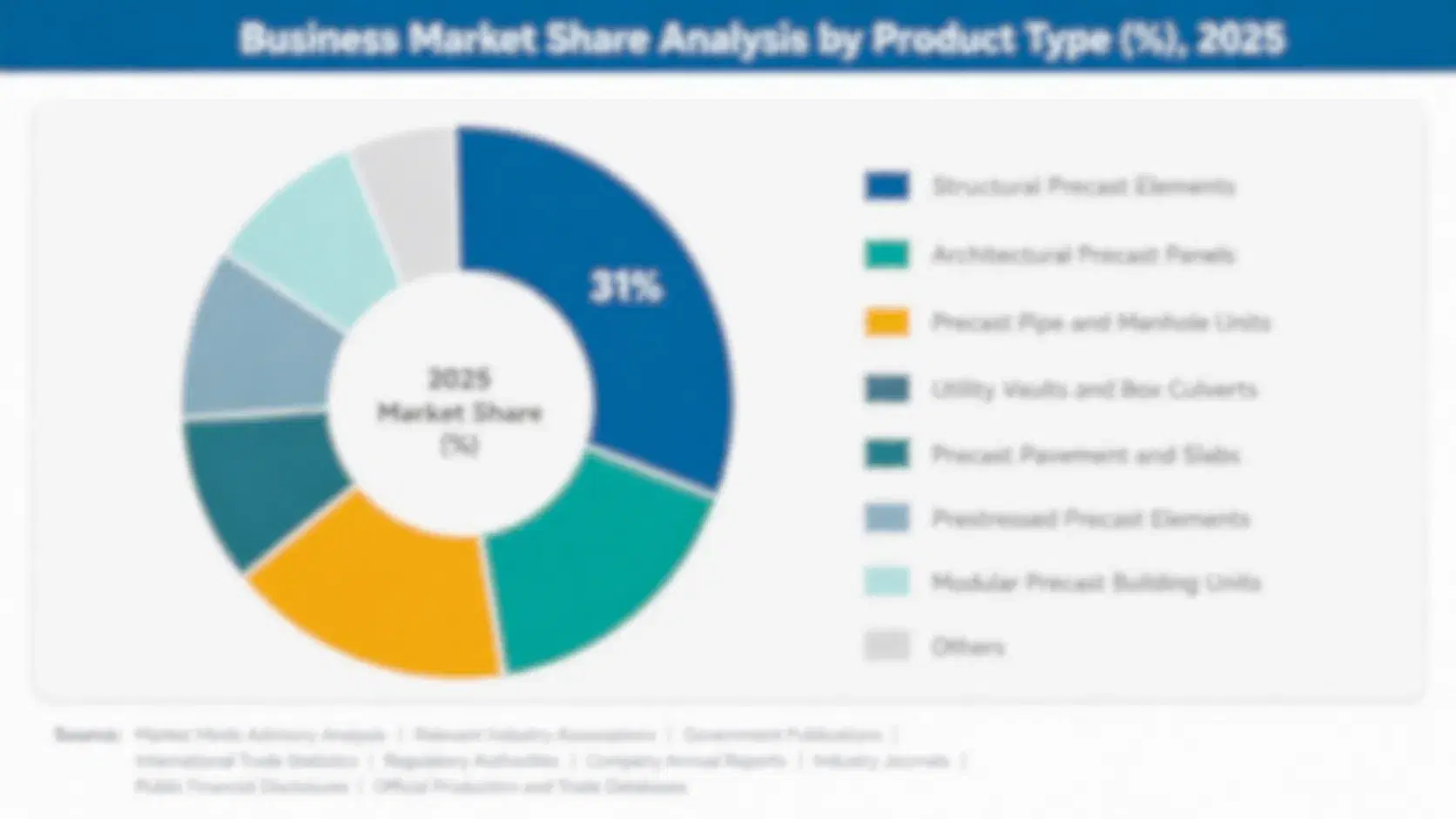
thermoform-cups-market-market-share-analysis-1791502310800

Resealable Multi Serve Yogurt Cups

Resealable multi-serve yogurt cups serve dairy processors pursuing documented food-waste reduction ahead of tightening retailer private-label requirements. Growth here outpaces the broader market as processors increasingly convert single-serve lines to certified resealable constructions meeting household consumption preferences. Manufacturers are investing heavily in closure-tooling flexibility to meet rising specification volume from expanding multi-serve program accounts. This segment commands meaningfully higher average selling prices than standard formats, reflecting genuine tooling-engineering and material cost differences rather than premium branding alone, with several retailers now requiring documented recycled-content percentages as a precondition for new supplier qualification, a bar that keeps rising with each successive private-label packaging redesign cycle across the broader retail network from major accounts.
CAGR 5.9%

Single Serve Beverage Thermoform Cups

Single-serve beverage thermoform cups serve beverage brands requiring documented barrier performance and dimensional consistency across global dairy and beverage supply chain operations. Demand is accelerating as beverage brands expand convenience-channel distribution well beyond traditional grocery-only applications alone. Barrier performance requirements around extended shelf life are becoming a genuine competitive differentiator favoring established beverage-packaging specialists. This segment's growth closely tracks broader convenience retail expansion trends across both developed and emerging consumer markets, with sustainability mandates steadily raising the bar on recyclability requirements. Several major beverage brands are now requiring documented barrier-performance certification before qualifying new cup suppliers for multi-year packaging contracts, reshaping manufacturer product roadmaps and tooling investment priorities accordingly across the industry.
CAGR 5.3%
Full segment breakdown across 7 segments available in the complete report.

Where Thermoform Cups Demand Is Growing

United States yogurt and dessert consumption scale anchors North America as the dominant region, with Western Europe following on established dairy packaging distribution and yogurt consumption traditions, and East Asia posting strong secondary growth, while East Asia follows closely behind on expanding dairy processing scale and rising middle-income consumption nationwide.

North America

United States yogurt and dairy dessert consumption scale, concentrated across major national dairy processor accounts, gives North America the largest thermoform cup share worldwide, reflecting the region hosting the bulk of global multi-serve dairy packaging manufacturing infrastructure. Canadian dairy processors add further demand tied to similar provincial packaging guideline programs. Regional converters increasingly export finished cups to serve Latin American dairy processing operations, reinforcing North America's manufacturing lead. Several major retailers have also begun requiring suppliers to disclose recycled-content sourcing data directly within quarterly business reviews, adding a reporting dimension smaller regional converters are still building capability to meet, a trend expected to continue through the back half of the forecast window.
Share: 29% | CAGR: 5.1% (2026 to 2036)

Western Europe

German and French yogurt consumption traditions anchor Western European thermoform cup demand, with established dairy processor networks driving steady mono-material specification volume. Recyclability labeling mandates under European Union packaging regulation are tightening further, pushing processors toward certified mono-material formats. Growth trails North America as dairy consumption volume growth remains comparatively modest across most Western European manufacturing markets. Dutch and Scandinavian dairy processors are also piloting chemically recycled polypropylene formats, a technology still several years from broad commercial availability but closely watched by major retailers across the wider region, a dynamic that is gradually reshaping converter investment priorities across the wider region this decade across the industry today as well too.
Share: 25% | CAGR: 3.0% (2026 to 2036)
Regional intelligence for 5 additional markets available in the complete report: East Asia, South Asia and Pacific, Latin America, Middle East and Africa, Eastern Europe. Contact sales@marketmindsadvisory.com.
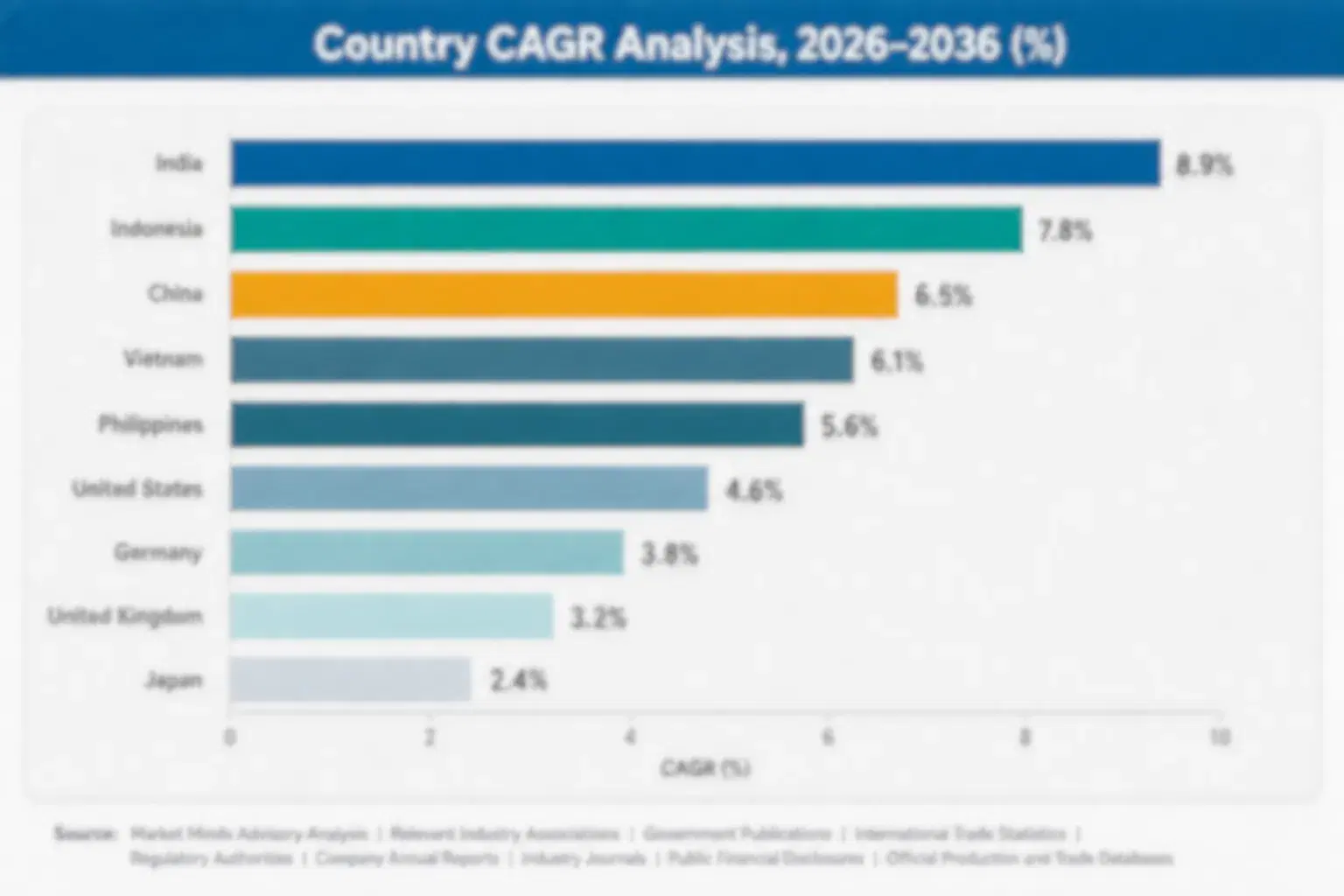
thermoform-cups-market-country-cagr-analysis-1791502311182

Where Thermoform Cup Margins Concentrate

Thermoform cup margins increasingly hinge on resealable closure engineering and recycled-content capability rather than raw thermoforming scale alone, as retailers reward documented recyclability and resealability data over catalog pricing across the industry this decade, reshuffling supplier rankings among national dairy processor accounts well ahead of competitors relying on legacy catalog offerings each cycle nationwide.

Resealable Closure Engineering Investment Priority Now

Converters investing in advanced resealable closure technology capture premium multi-serve contracts carrying average selling prices roughly 14% above standard foil-seal configurations, since matching secure resealability without compromising barrier performance requires specialized tooling expertise most competitors lack. This capability gap is widening as retailers tighten specification requirements around household convenience and food-waste reduction. Converters without dedicated engineering teams increasingly lose bids to specialists able to document resealability performance data directly to retailer packaging teams, a gap that keeps widening as more retailers formalize these requirements into binding supplier scorecards each renewal cycle.
Market Impact: Adds 14% average selling price premium right now

Building Recycled Content Certification Program Early

Converters participating in formal recycled-content certification programs are capturing retailer private-label contracts carrying roughly 9% volume premiums over standard virgin-resin formats, as sustainability procurement mandates tighten steadily nationwide. Certification technical capability remains concentrated among larger converters with dedicated materials-science teams, creating genuine competitive separation from smaller rivals. Smaller converters risk losing preferred-supplier status unless they invest in certification capability soon, given procurement teams increasingly requiring documented certification credentials before contract award, a requirement spreading from yogurt accounts into beverage packaging programs as well across most markets too as well in most markets.
Market Impact: Adds 9% sustainability linked volume premium right now

Thermoform Cups Profit Pools

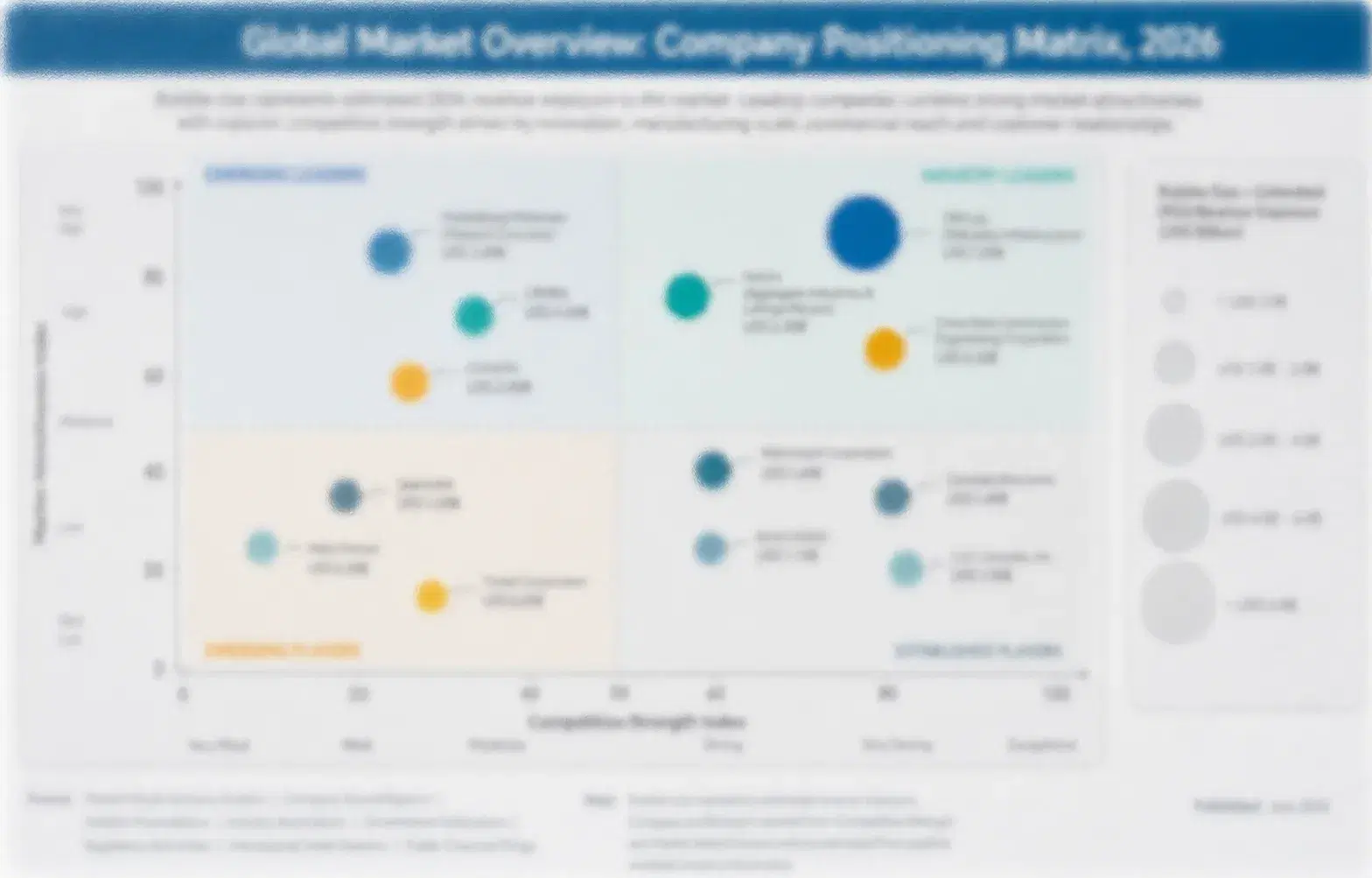
Thermoform cup competition is moderately fragmented, with a cr5 of 32% reflecting a market evaluated here on production capacity that still absorbs regional converters alongside five national leaders. Berry Global Inc leads on scale, but the gap to second-ranked Dart Container Corporation remains narrow, with capacity differences under 11% across the top four players.
Current competitive activity centers on resealable closure technology investment and recycled-content certification, as leading converters race to secure multi-year private-label dairy agreements ahead of smaller regional competitors. Capacity expansion announcements have accelerated across North American and European production sites over the past two years, with several converters adding dedicated resealable-closure molding lines. Pricing remains disciplined given resin cost volatility, though premium resealable formats are commanding durable margin separation from standard configurations across most contract renewal cycles.

Emerging pressure comes from regional converters scaling recycled-resin processing capacity faster than established leaders, threatening to compress the gap on capacity-based rankings within the next several years. Rankings could shift meaningfully if a mid-tier player secures a large multi-year private-label agreement with a major national grocery chain, since contract concentration remains a genuine vulnerability for converters without diversified end-use exposure across yogurt and beverage accounts.
thermoform-cups-market-company-positioning-matrix-1791502311496

Thermoform Cups Competitive Moats

BERRY GLOBAL INC

Moat: Scale And Resin Integration

Berry Global's vertically integrated resin production and extensive North American thermoforming footprint give it unmatched cost control and distribution reach into major dairy accounts simultaneously, letting it serve national retailers through a single consolidated supply relationship that smaller converters cannot replicate without years of capacity investment.
BERRY GLOBAL INC

Risk: Recycled Resin Supply Exposure

Berry Global's scale means food-grade recycled resin allocation constraints hit absolute volume commitments harder than smaller competitors, and its diversified customer base limits how quickly it can reallocate supply without risking relationship strain with major dairy accounts expecting priority access on shorter supply contracts tailored to regional fiber market conditions.
DART CONTAINER CORPORATION

Moat: Dairy Processor Relationships

Dart Container's decades of dedicated dairy-processor relationship building give it a qualification depth that newer entrants struggle to match, letting it win premium contracts requiring documented barrier-performance data ahead of competitors still building equivalent testing infrastructure and recycling-stream partnerships from scratch, a durable qualification advantage reinforced further with each successive contract renewal cycle nationwide.
DART CONTAINER CORPORATION

Risk: Limited Resealable Capability

Dart Container's resealable closure engineering trails several competitors investing more aggressively in tooling automation, leaving it more exposed to losing bids on contracts where retailers prioritize multi-serve convenience over established barrier-performance credentials alone, a gap that could widen further as retailer weight-reduction scorecards become more prominent in supplier evaluation criteria.

Players Tracked

Prominent Players

Berry Global Inc
Dart Container Corporation
Sonoco Products Company
Genpak LLC
Huhtamaki Oyj

Other Key Players

Pactiv Evergreen Inc
Anchor Packaging LLC
Fabri-Kal Corporation
WestRock Company
Sabert Corporation
CKF Inc
Inline Plastics Corporation
Reynolds Consumer Products Inc
Winpak Ltd
Amcor plc
Dordan Manufacturing Company
D&W Fine Pack LLC
Solo Cup Operating Corporation
Clear Lam Packaging Inc
Placon Corporation

Recent Developments

JUNE 2026

Berry Global Adds Resealable Closure Line

Berry Global Inc announced a capacity expansion at its Ohio production facility, adding a dedicated resealable-closure molding line to serve expanding dairy processor demand across the Midwest thermoforming manufacturing corridor over the coming eighteen months, with output expected to meet roughly a quarter of current Midwest resealable-closure demand once fully.
Signal: Signals growing converter confidence in sustained multi-serve conversion demand across United States dairy accounts over the coming several years.
DECEMBER 2025

Dart Container Secures Multi Year Dairy Contract

Dart Container Corporation entered a multi-year supply agreement with a major national dairy processor, committing dedicated production capacity to mono-material cups for private-label yogurt lines across several regional production facilities, reinforcing its position against smaller regional specialists bidding for the same national dairy accounts through 2028.
Signal: Signals intensifying competition for long-term private-label dairy agreements among leading national converters this contract cycle on favorable terms.

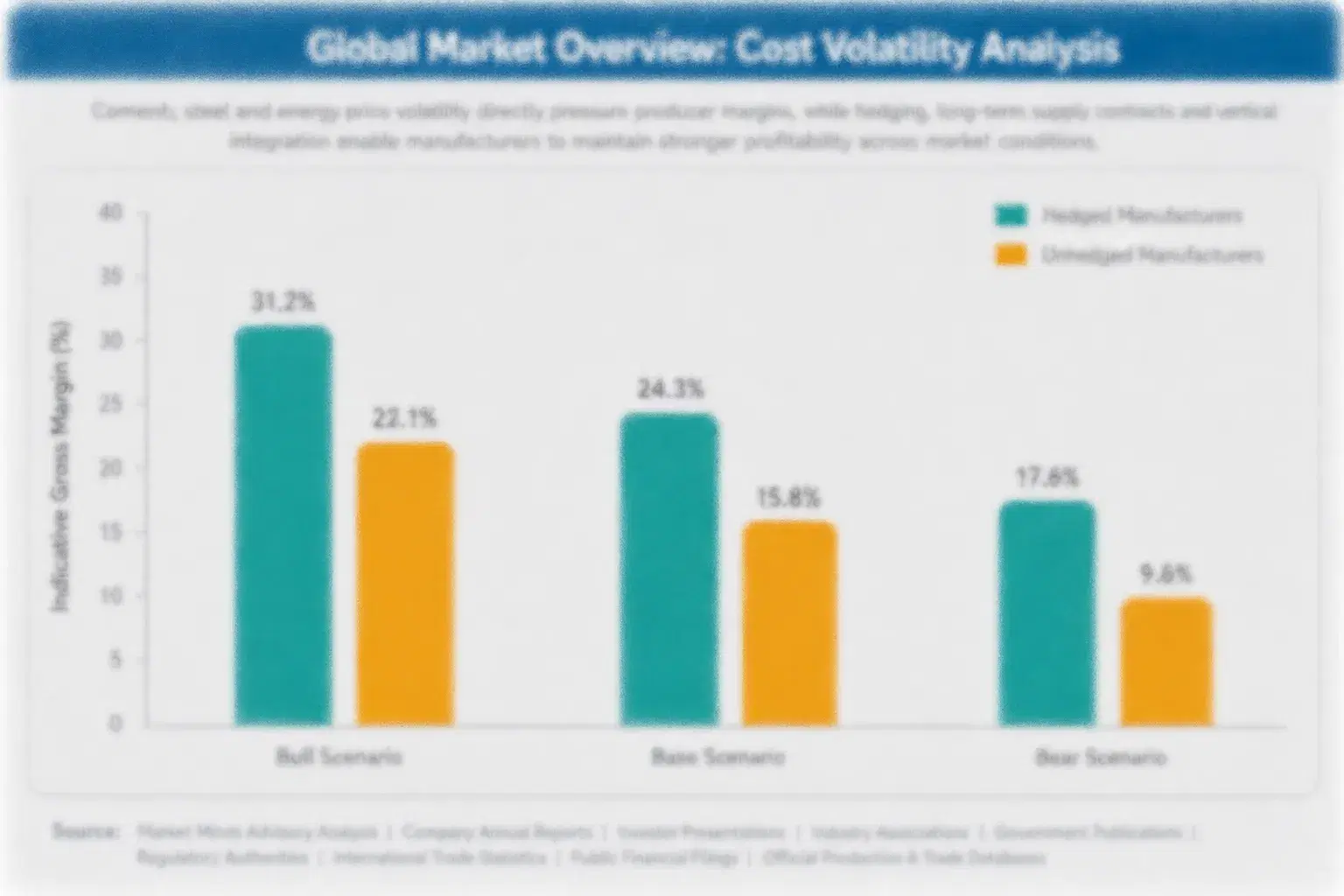
Resin And Recycling Costs Squeeze Converters

Polypropylene and polystyrene resin inputs account for roughly 56% of thermoform cup cost of goods sold, sourced primarily from domestic petrochemical crackers and a growing share of mechanically recycled feedstock. Energy and tooling costs tied to thermoforming processing add a further 15%, with the remainder spread across labor and quality-testing overhead, with quality-testing overhead at certified compliance production facilities adding a smaller remaining share nationwide.
Food-grade recycled polypropylene prices spiked sharply during 2023 as retailer recyclability commitments outpaced domestic recycling infrastructure capacity, according to the EPA. Several converters reported margin compression exceeding 340 basis points during the peak allocation shortage, forcing temporary recycled-content percentage waivers on existing dairy supply contracts before recycled resin supply gradually expanded through 2024 and 2025, though several Midwest and Southeast facilities continued reporting tighter allocation than the national average well into the following year.

Smaller regional converters without long-term recycled-resin supply agreements absorb the steepest margin pressure during allocation shortages, lacking the purchasing scale larger converters use to negotiate favorable recycling-partnership arrangements. This disadvantage compounds in markets where retailers demand firm recycled-content percentage commitments, forcing smaller players to either absorb margin risk directly or cede share to scaled competitors with diversified recycled-resin sourcing.
thermoform-cups-market-cost-volatility-analysis-1791502311798

Direct Recycling Infrastructure Investment

Leading converters are co-investing directly in food-grade recycling infrastructure alongside waste-management partners, securing dedicated recycled-resin supply and reducing exposure to spot-market allocation shortages that have disrupted smaller regional rivals in recent years, a strategy that is also helping converters document recycled-content provenance more credibly to retailer sustainability audit teams, unlike converters still fully dependent on third-party recycling supply chains.

Long Term Dairy Supply Contracts

Several manufacturers are locking multi-year supply agreements directly with major dairy processors, enabling more predictable recycled-content percentage commitments and reducing pricing volatility exposure tied to short-term resin market allocation swings nationwide, while giving dairy processors greater supply certainty during periods of broader recycled-resin market disruption across the country, strengthening relationships that pay off during the next allocation squeeze.

Portfolio Architecture for Margin Defence

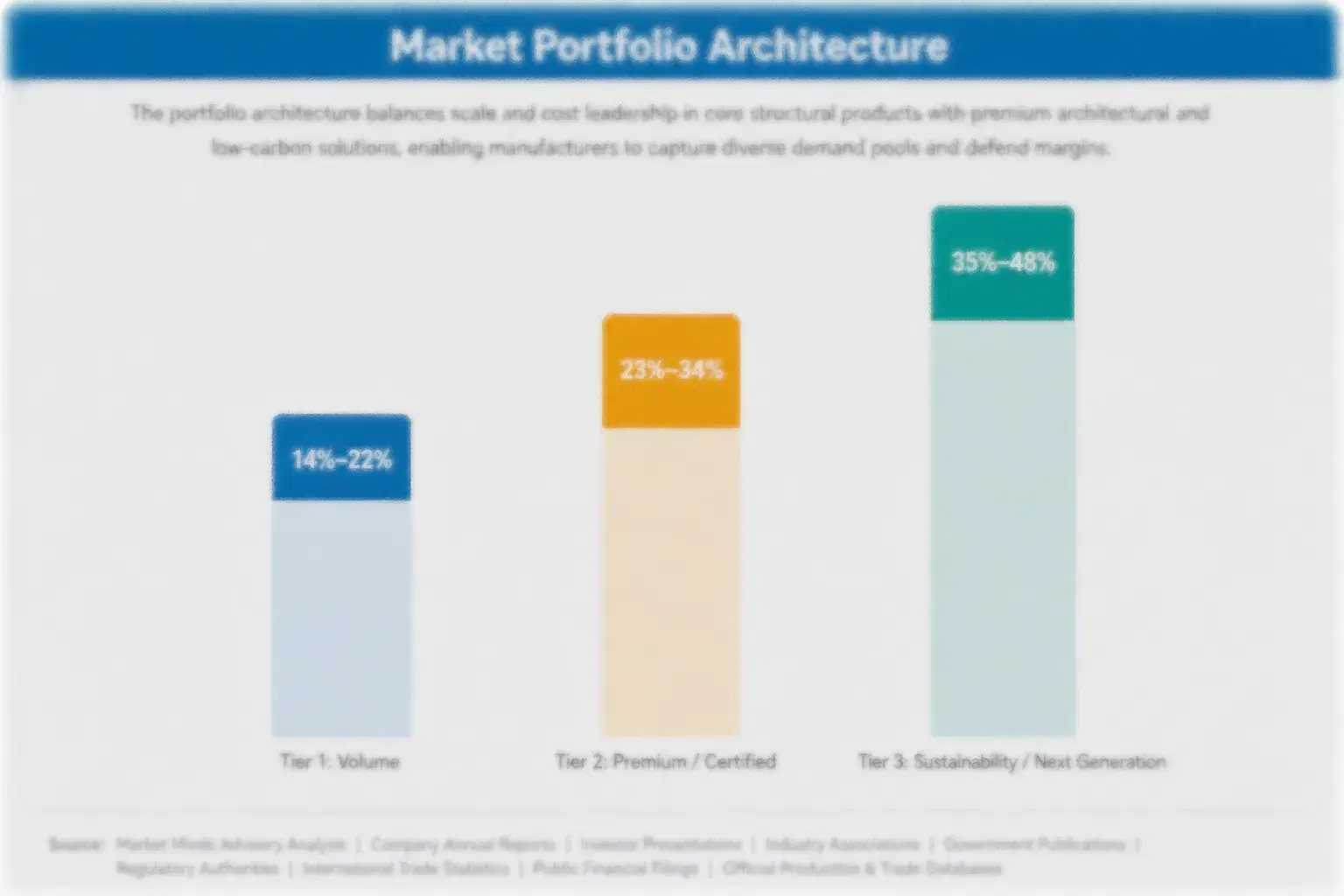
Thermoform cup portfolios split across three tiers by recycled-content depth and closure engineering sophistication, with margin economics diverging sharply between commodity single-serve formats and premium resealable multi-serve constructions. Volume concentrates in standard yogurt formats, but value increasingly concentrates in certified resealable and beverage-grade cups commanding meaningfully higher average selling prices, a gap that widens further with each successive recyclability mandate rollout across additional states.
The tension between volume and premium positioning is intensifying as retailers push for both lower unit pricing and higher recyclability specifications simultaneously, forcing converters to choose between broad volume plays and focused closure-engineering investment. High-value pools concentrate heavily in yogurt and single-serve beverage applications, where documented certification data increasingly determines which converters win long-term retailer agreements, a dynamic reshaping where manufacturers choose to allocate new capital investment.

Sustainability-linked and regulatory-driven formats remain a modest tier today but are growing fastest as state-level recyclability mandates tighten, creating a genuine strategic watch-out for converters slow to build recycling-partnership capability ahead of broader retailer requirements across the industry nationwide. Converters that move early on certification investment stand to capture disproportionate share as this tier expands nationally over the coming several years.

Standard single-serve cups priced competitively on established barrier performance, with gross margins in the 10% to 16% range reflecting intense price competition among regional converters nationwide, leaving little room for differentiation beyond delivery reliability and cost.
Gross Margin

Resealable multi-serve recycled-content cups with documented barrier performance, commanding gross margins in the 19% to 27% range reflecting closure investment and certification depth favoring converters with dedicated engineering teams nationwide.
Gross Margin

Advanced chemically recycled and next-generation bio-based cup formats meeting emerging state mandates, commanding gross margins in the 17% to 25% range as certification scarcity supports early pricing power across the industry.
Gross Margin
thermoform-cups-market-portfolio-architecture-1791502312114

High-value Sub-segments and Strategic Watch-out

Resealable Multi Serve Yogurt Cups

High-value, high-growth segment anchored by food-waste reduction mandates, commanding premium pricing through documented resealability validation and closure-engineering depth that smaller converters cannot easily replicate without years of investment, positioning well-capitalized specialists to keep capturing a growing share of premium contract awards nationwide today each cycle.

Single Serve Beverage Thermoform Cups

High-value, moderate-growth segment serving expanding convenience retail channels, commanding solid margins though growth trails the yogurt segment given shorter contract cycles and less certification lock-in across most tracked accounts today, though sustainability mandates are gradually raising the bar on recyclability requirements industry-wide broadly each cycle.

Standard Yogurt Cup Formats

Volume core segment serving broad yogurt packaging needs at competitive pricing against resealable alternatives, generating the bulk of unit volume though margins remain comparatively thin across most regional converter accounts nationwide, leaving little room for price increases beyond what resin cost pass-through justifies each contract cycle.

Chemically Recycled Content Cups

Strategic watch-out segment growing fastest as sustainability procurement mandates tighten, requiring converters to build recycling-partnership capability soon or risk losing preferred-supplier status on multi-year agreements ahead of competitors, a dynamic that is reshaping competitive rankings faster than most participants currently anticipate nationwide this cycle too.

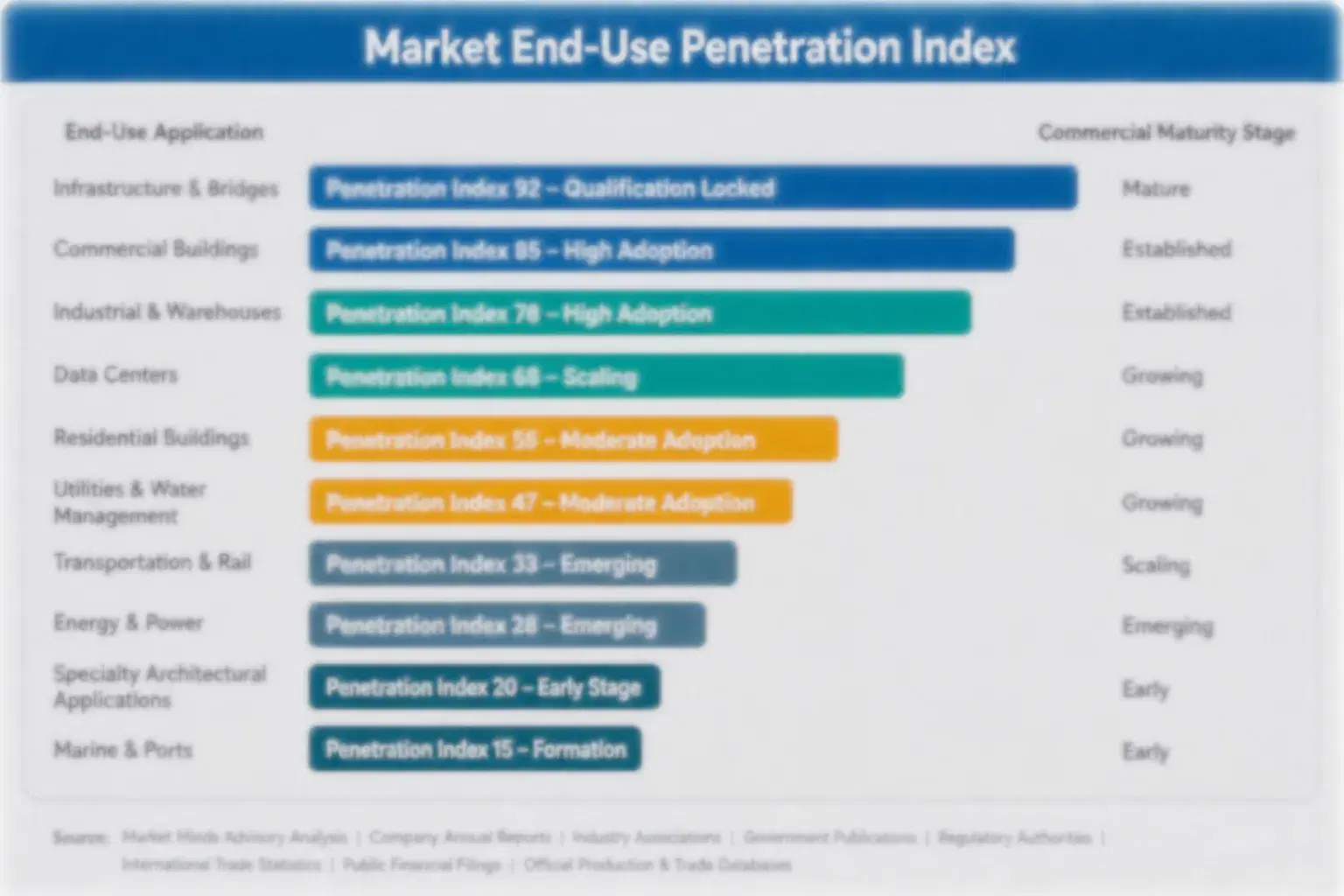
Annuity Economics Of Dairy Repurchase

Thermoform cup demand behaves as a genuine annuity once dairy processors qualify a converter, since single-use retail packaging requires continuous replenishment tied directly to consumer repurchase cycles rather than one-time capital purchases. Suppliers that win initial private-label qualification tend to retain the account across multiple contract renewal cycles, since re-qualifying a new converter carries real validation cost and shelf-disruption risk for retailers.
Adoption stickiness runs deepest in yogurt applications, where private-label packaging specifications and barrier-performance certification requirements create genuine switching costs once a converter is qualified. Beverage adoption remains shallower, with shorter contract cycles and less certification lock-in than established dairy accounts, giving retailers more room to switch converters opportunistically on price, particularly during promotional periods when private-label pricing pressure intensifies across the industry nationwide.

Buyer profiles are shifting generationally as retailer packaging and sustainability teams increasingly favor converters offering documented recycled-content data over converters competing purely on unit pricing, a shift that favors manufacturers with established formulation and certification capability over newer entrants. Younger packaging engineers entering retailer procurement roles are also more comfortable evaluating sustainability credentials formally, accelerating the move away from pure lowest-bid purchasing decisions.
thermoform-cups-market-end-use-penetration-index-1791502312409

Where Thermoform Cup Value Concentrates

These are among the four positions where our research anticipates prominent divergence between winners and laggards over the coming forecast period. Each is grounded in the demand model, the regulatory perimeter, and the announced capacity pipeline.
01 / CLOSURE ENGINEERING INVESTMENT

Resealable closure technology determines premium contract access

Converters without dedicated resealable closure engineering teams are steadily losing premium multi-serve bids to specialists able to document resealability performance data directly to retailer packaging teams evaluating convenience scorecards. This capability gap will widen further as more state-level recyclability mandates phase in reporting obligations over the coming several years of the forecast period. Converters should prioritize closure investment now, since certification lock-in makes switching suppliers mid-contract commercially painful once a converter is formally qualified, particularly as retailer configuration renewal cycles keep tightening resealability requirements each successive year.
02 / RECYCLING PARTNERSHIP BUILDING

Direct recycling infrastructure investment becomes a near-term requirement

Retailer packaging teams are increasingly requiring documented recycled-content percentages and supply provenance data before awarding multi-year private-label agreements to converters competing for preferred status nationwide. Converters without dedicated recycling-partnership capability risk losing that preferred-supplier status to competitors who invested earlier in waste-management relationships and recycled-resin processing infrastructure across their broader customer base. Building this capability now, rather than reactively, positions converters favorably as recyclability mandates intensify steadily across the remainder of the forecast period, particularly as fiber allocation shortages keep recurring during periods of tight national recycled-pulp supply nationwide.
03 / BEVERAGE SEGMENT EXPANSION PRIORITY

Single serve beverage growth deserves prioritized capacity investment

Expanding convenience-channel beverage distribution across major grocery chains makes single-serve beverage cups the fastest-growing secondary opportunity for converters currently concentrated primarily on dairy accounts. Converters focused solely on traditional yogurt formats risk ceding meaningful share to competitors building dedicated beverage-packaging engineering capability for extended shelf-life, barrier-optimized formats. Capacity allocation decisions made over the next two years will shape competitive positioning for the remainder of the entire forecast period, especially given the scale of convenience-retail expansion across most tracked metropolitan markets nationwide.
04 / CONTRACT DIVERSIFICATION STRATEGY

Diversifying beyond concentrated dairy accounts reduces vulnerability

Several mid-tier converters remain heavily dependent on one or two large dairy processor framework agreements for the bulk of their revenue, creating genuine vulnerability if a customer relationship sours or a major contract comes up for competitive rebid unexpectedly. Diversifying into beverage and dessert accounts provides a meaningful buffer against dairy-specific demand cyclicality, which tracks broader consumer spending patterns closely across most regional markets. Converters that balance dairy concentration with secondary end-use exposure across beverage and deli accounts will likely prove more resilient through the full forecast period ahead.

Engagement Snapshot From the Field

A live engagement with an industry participant carrying material or product regulatory and market exposure ahead of a defining policy shift, showing how our research translates into a defensible multi-year portfolio strategy.
MARKET MINDS ADVISORY · CLIENT ENGAGEMENT SUMMARY
Thermoform Cups Producer Strategic Portfolio Review and Transition Roadmap 2026·Investment Scenario on Thermoform Cups Exposure Evaluation 2025-26
CLIENT PROFILE
The client is a regional dairy processor operating multiple production facilities across the Midwest, supplying private-label yogurt and dairy dessert products to two major national grocery chains. Annual unit volume exceeds several hundred million cups across its primary product lines, with packaging representing a meaningful share of total product cost each year, with packaging decisions historically made independently at each production facility.
STRATEGIC CHALLENGE
The client's single-serve foil-seal cup no longer met a key retailer's tightening food-waste reduction scorecard requirements, risking removal from upcoming private-label packaging programs ahead of the next annual supplier review, while internal engineering teams lacked resealable-closure expertise, and the client's existing converter relationships had not yet developed comparable resealable-closure capability internally.
MMA APPROACH
MMA benchmarked resealability performance across four converter candidates, modeled a twelve-month conversion timeline against the client's existing production equipment, and evaluated recycled-content sourcing options against the retailer's documented scorecard requirements and renewal calendar, then presented findings alongside a phased implementation roadmap tailored to the client's existing production footprint and equipment constraints.
KEY FINDINGS
  1. Resealable multi-serve cups showed a cost increase of roughly 13% versus single-serve formats for standard yogurt applications (client-reported, unverified by MMA), a tradeoff the client ultimately accepted given retailer pressure
  2. Closure performance varied meaningfully across the four converters evaluated, with top performers rated at over 20 reseal cycles versus 6 for budget suppliers
  3. The retailer confirmed documented recycled-content percentages would meaningfully strengthen the client's position in the upcoming annual supplier review process, directly influencing the final go-ahead decision
  4. Conversion required retooling two production lines simultaneously, adding meaningful implementation complexity beyond pure converter selection decisions, requiring careful production scheduling coordination across both facilities
CLIENT PROFILE
The client is a regional dairy processor operating multiple production facilities across the Midwest, supplying private-label yogurt and dairy dessert products to two major national grocery chains. Annual unit volume exceeds several hundred million cups across its primary product lines, with packaging representing a meaningful share of total product cost each year, with packaging decisions historically made independently at each production facility.
STRATEGIC CHALLENGE
The client's single-serve foil-seal cup no longer met a key retailer's tightening food-waste reduction scorecard requirements, risking removal from upcoming private-label packaging programs ahead of the next annual supplier review, while internal engineering teams lacked resealable-closure expertise, and the client's existing converter relationships had not yet developed comparable resealable-closure capability internally.
MMA APPROACH
MMA benchmarked resealability performance across four converter candidates, modeled a twelve-month conversion timeline against the client's existing production equipment, and evaluated recycled-content sourcing options against the retailer's documented scorecard requirements and renewal calendar, then presented findings alongside a phased implementation roadmap tailored to the client's existing production footprint and equipment constraints.
KEY FINDINGS
  1. Resealable multi-serve cups showed a cost increase of roughly 13% versus single-serve formats for standard yogurt applications (client-reported, unverified by MMA), a tradeoff the client ultimately accepted given retailer pressure
  2. Closure performance varied meaningfully across the four converters evaluated, with top performers rated at over 20 reseal cycles versus 6 for budget suppliers
  3. The retailer confirmed documented recycled-content percentages would meaningfully strengthen the client's position in the upcoming annual supplier review process, directly influencing the final go-ahead decision
  4. Conversion required retooling two production lines simultaneously, adding meaningful implementation complexity beyond pure converter selection decisions, requiring careful production scheduling coordination across both facilities
RECOMMENDED STRATEGY
Phase 1: Phase one: qualify two resealable converter candidates and pilot a single product line conversion over four months, tracking closure durability and cost data closely throughout Phase 2: Phase two: retool the remaining production line and expand resealable conversion across the full yogurt product range, coordinating closely with the retailer's packaging engineering team Phase 3: Phase three: document recyclability and resealability outcomes formally ahead of the retailer's annual supplier review, packaging results for executive presentation to retailer leadership
OUTCOME
The client completed its resealable conversion across both production lines within eleven months, reporting meaningful improvement in its recyclability scorecard standing ahead of the annual supplier review (client-reported, unverified by MMA). The retailer retained the client's private-label contract on improved terms, and the client is now evaluating a similar conversion for its remaining non-yogurt dairy product lines.

Frequently Asked Questions

Foundational context covering the market sizes, CAGR, scope, country, region and competition that inform every finding below. This section is provided to cover basics and most often pre-purchase conversations, answered from the MMA Primary Research Dataset.

What is the current size of the Thermoform Cups Market?

The Thermoform Cups market is valued at $3.8 billion in 2025, reaching $3.97 billion in 2026 as resealable and mono-material conversion accelerates nationwide this year.

How large will the Thermoform Cups Market be by 2036?

The market is projected to reach $6.1 billion by 2036, an incremental $2.14 billion above the 2026 base value over the ten-year forecast period ahead.

What is the CAGR for the Thermoform Cups Market 2026 to 2036?

The base case CAGR is 4.4% through 2036, with bull and bear scenarios at 5.6% and 3.1% respectively depending on recyclability mandate rollout pace nationwide through the ten-year forecast window.

Which segment is growing fastest?

Resealable Multi Serve Yogurt Cups lead at 5.9% CAGR, outpacing the overall market as dairy processors accelerate resealable conversion across private-label programs across most major dairy markets worldwide.

Who are the major companies in the Thermoform Cups market?

Berry Global Inc, Dart Container Corporation, Sonoco Products Company, Genpak LLC, and Huhtamaki Oyj lead, evaluated consistently on production capacity nationwide across private-label and branded accounts.

Which country is growing fastest?

United States leads at 5.4% CAGR, driven by accelerating recyclability mandates and resealable packaging adoption nationwide ahead of most other tracked national markets globally today.

Thermoform Cups Segments Covered

The full report scope spans multiple orthogonal segmentation dimensions, with cross-tabulated demand data provided for each dimension pair. Coverage extends further to regional breakdowns, trend trajectories, and the competitive detail needed to support segment-level decision-making.

By Primary Market Dimension

  • Standard Single Serve Cups
  • Resealable Multi Serve Cups
  • Beverage Grade Barrier Cups
  • Recycled Content Certified Cups
  • Chemically Recycled Next Generation Cups

By End-Use Industry

  • Dairy Processing
  • Beverage and Convenience Retail
  • Dessert and Confectionery Manufacturing
  • Grocery and Mass Retail

By Commercial Dimension

  • Private Label Procurement
  • Branded Dairy Procurement
  • Retailer Direct Specification
  • Spot Market Supply

By Region

  • North America
  • Western Europe
  • East Asia
  • South Asia and Pacific
  • Latin America
  • Middle East and Africa
  • Eastern Europe

Scope, Methodology, and Coverage

Every figure in this report is reproducible from documented input assumptions. The scope below maps the historical period, the forecast horizon, the segmentation dimensions, and the countries covered, alongside the underlying primary and qualitative methodology.
Historical Period
2020 to 2025
Forecast Period
2026 to 2036
Base Year
2025 (USD billions; MMA Primary Research Dataset, October 2026)
Market Definition
The Thermoform Cups Market covers rigid thermoformed cup-shaped containers used for yogurt, dairy desserts, and single-serve beverage packaging. It excludes thermoformed tubs, trays, and flexible pouch packaging formats, which fall under separate market definitions.
Quantitative Units
USD billions
Segmentation Dimensions
Regions Covered
North America, Western Europe, East Asia, South Asia and Pacific, Latin America, Middle East and Africa, Eastern Europe
Countries Covered
Key Companies Profiled
Berry Global Inc, Dart Container Corporation, Sonoco Products Company, Genpak LLC, Huhtamaki Oyj, Pactiv Evergreen Inc, Anchor Packaging LLC, Fabri-Kal Corporation, WestRock Company, Sabert Corporation, CKF Inc, Inline Plastics Corporation, Reynolds Consumer Products Inc, Winpak Ltd, Amcor plc, Dordan Manufacturing Company, D&W Fine Pack LLC, Solo Cup Operating Corporation, Clear Lam Packaging Inc, Placon Corporation
Quantitative Methodology
Primary survey, n=3,800 respondents, Q4 2025, six countries; demand-side model with trade association cross-validation
Qualitative Methodology
47 expert interviews, Q4 2025; applied to validate demand model assumptions, identify emerging dynamics, and assess competitive positioning
Report Format
PDF and XLSX data workbook (Word format preview document)
Publisher
Market Minds Advisory
Report Code
MMA-2026-PAC-704
Published
October 2026
Contact
sales@marketmindsadvisory.com | www.marketmindsadvisory.com

Purchase the full Thermoform Cups Market Report (2026 to 2036).

This report provides comprehensive coverage of the global thermoform cup market, spanning market sizing, segmentation, regional analysis, and competitive benchmarking through 2036. It examines resealable closure engineering trends, recycled-content adoption, and input cost dynamics shaping converter strategy across the full forecast period. Regional sections cover demand mechanisms across all seven major geographies, with particular attention to United States yogurt consumption scale and India's accelerating organized dairy retail expansion. The competitive landscape section profiles leading manufacturers across production capacity and moats, with a dedicated appendix on state-level recyclability regulation timelines.
Ten year market sizing and forecast scenarios
Seven region demand and competitive analysis
Five company competitive benchmarking profiles today
Segment level growth and margin analysis
Input cost and mitigation strategy review
Strategic verdict and revenue lever guidance

Built For The People Who Decide

From boardroom strategy to bench-side execution, this report is read cover-to-cover by leaders shaping the next decade of their industry, turning demand scenarios, market dynamics and valuation benchmarks into decisions.
CXOs/ Presidents/ VPs/ Managers
M&A and Corporate Development
Strategy Teams and R&D Heads
Procurement and Product Directors
Regulatory and Compliance Leaders
Investor Relations and Equity Analysts