Market Minds Advisory
Stick Packaging Market

Stick Packaging Market Report 2026-2036: Size, Segments and Leaders

Nutraceutical powder-stick adoption, instant coffee sachet growth, and recyclable mono-material film demand are reshaping stick packaging specifications across beverage, seasoning, and supplement categories across most major retail markets worldwide today

Lead Analyst

Bilal Shaikh

Published

November 2026

Make Smarter Decisions with Customized Research Insights

Request a free sample report and evaluate market opportunities, growth trends, and competitive dynamics relevant to your business needs.

2025 MARKET VALUE$2.4BMarket Size 2025
2036 FORECAST VALUE$5.1BBase Case , 2026 to 2036
CAGR 2026 TO 20367.1 %Bull 8.4% / Bear 5.8%
INCREMENTAL OPPORTUNITY$2.5BNet 10- year value creation
EXPANSION MULTIPLE1.98x2036 value over 2026 base
Strategic Levers
M&A Pipeline
Regional Outlook
Country Rankings
Competitive Intelligence
Segmental Deep-dive
Call-Us : 91 93563 13602

Stick Packaging Market at a Glance

Nutraceutical powder sticks are displacing bottled supplement formats as brands chase single-dose convenience and travel-friendly presentation over traditional jar and capsule packaging across most tracked brand accounts throughout the current forecast cycle across major stick packaging markets worldwide among most tracked converter relationships today across most tracked brand accounts.
Demand is expanding fastest across nutraceutical and instant coffee stick formats in Indonesia and Southeast Asia, where deep stick-pack coffee culture and rising supplement adoption sustain outsized unit growth. Japanese and Korean brands continue scaling premium seasoning and beverage stick formats for on-the-go occasions, lifting demand for precision-filled packaging beyond traditional coffee sachets into broader grocery and supplement channels across most tracked brand accounts across most tracked brand accounts throughout the current forecast cycle.
Competition concentrates around five major flexible packaging converters serving global beverage and supplement brands on a shared production-capacity basis, though regional specialists in ultra-high-speed stick filling continue winning share on fill-accuracy performance alone. Extended producer responsibility regulation across the European Union is accelerating recyclable mono-material film adoption, forcing converters to redesign multi-layer laminates that previously resisted recycling across every major market across most tracked brand accounts.
Market Definition
The Stick Packaging Market covers elongated single-serve sachet formats, including coffee sticks, sugar sticks, and nutraceutical powder sticks, used for beverage, seasoning, and supplement products. It excludes stand-up pouches and gusseted sachets, which fall under separate market definitions.
Base Year Value
$2.4B in 2025 (MMA Primary Research Dataset, October 2026)
Forecast Period
2026 to 2036, eleven discrete annual values
CAGR
7.1% base case. Bull 8.4%. Bear 5.8%.
Fastest Growth Segment
Nutraceutical Powder Sticks: 9.2% CAGR
Fastest Growth Country
Indonesia: 9.6% CAGR
Fastest Growth Region
South Asia and Pacific: 9.3% CAGR
Largest Region
East Asia: 28% of 2025 global value
Market Leaders
Huhtamaki Oyj, IMA Group, Uhlmann Group, Romaco Group, Totani Corporation. Source: MMA Analysis, based on company disclosures and primary survey data, Q4 2025.
Primary Survey
n=3,800 procurement and R&D decision-makers, Q4 2025, six countries
Methodology
Demand-side build-up, cross-validated against public data, 47 expert interviews

Stick Packaging Market Forecast to 2036

stick-packaging-market-size-forecast-scenario-1791471793018
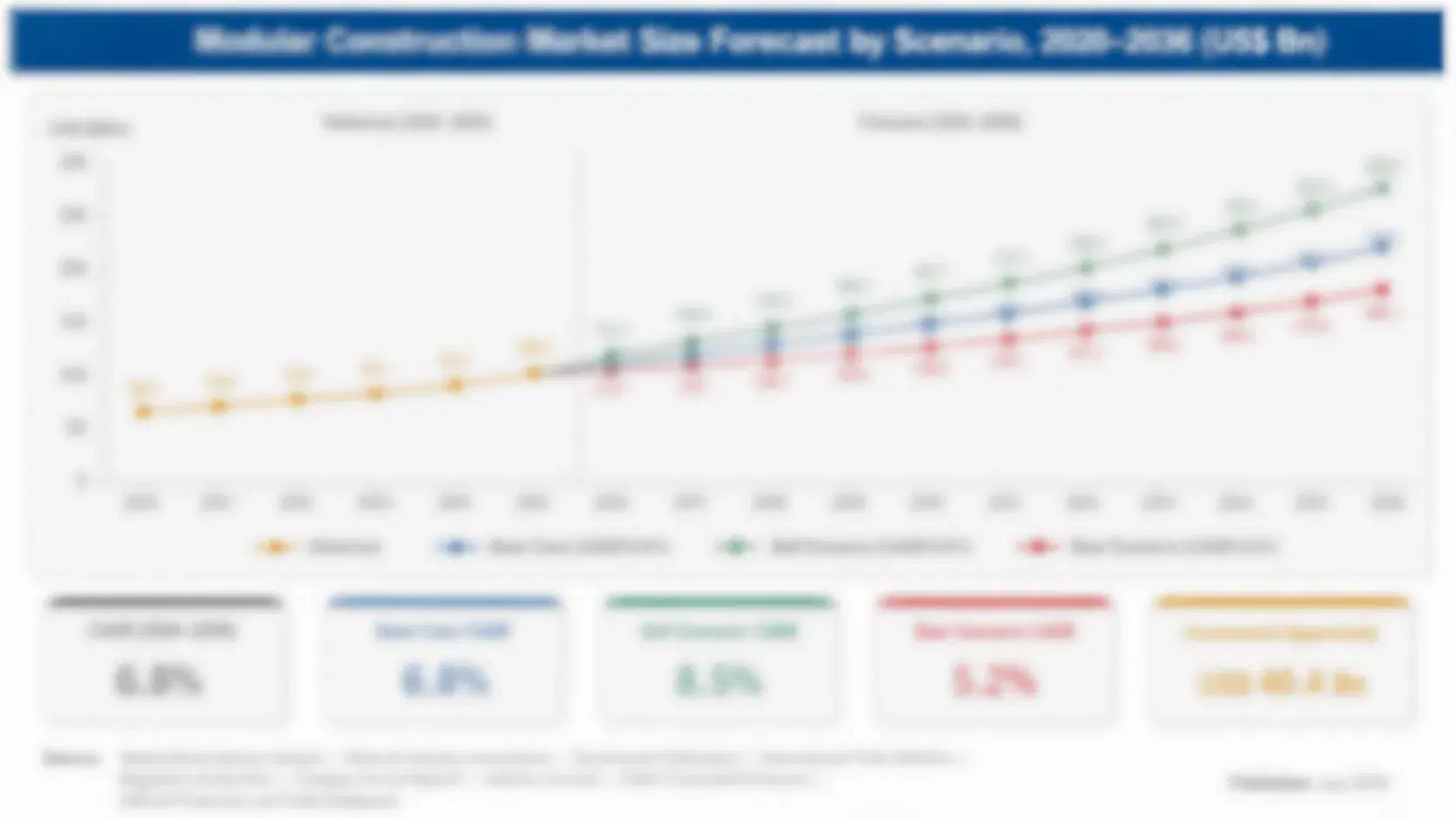
Stick packaging demand grew steadily between 2020 and 2025 as rising instant coffee consumption and expanding nutraceutical supplement adoption lifted unit counts per consumer, with pandemic-era immunity-supplement purchasing reinforcing category growth across most major retail markets globally across most tracked brand accounts throughout the current forecast cycle across major stick packaging markets worldwide among most tracked converter relationships today.
The base case assumes continued nutraceutical powder-stick adoption across mid-tier supplement brands, steady instant coffee stick expansion across Southeast Asian and Japanese retail channels, and sustained ultra-high-speed filling capacity investment lowering unit production costs for converters. These three commercial mechanisms together sustain demand through the decade even as unit-level price competition intensifies across private-label seasoning segments across most tracked brand accounts throughout the current forecast cycle across major stick packaging markets worldwide.
A bull scenario centers on accelerated recyclable mono-material mandates across the European Union pulling premium film upgrades forward faster than modeled. A bear scenario centers on prolonged input cost inflation forcing brands to consolidate stick counts per carton, which would compress average packaging specification and slow premium film demand growth across most tracked brand accounts.

Fill Accuracy Redefines Stick Pack Standards

Stick packaging specifications are shifting decisively toward ultra-high-speed precision filling as brands seek fill-accuracy and seal integrity that older rotary machines cannot deliver consistently. Premium supplement and coffee brands increasingly specify tear-notch sticks with foil-backed barrier film, while value-tier brands favor simpler paper-laminate sticks that balance protection against unit cost across most tracked brand accounts throughout the current forecast cycle. The powder packing machine market moves on similar drivers, with MMA projecting a 6.0% CAGR over 2026-2036.
MARKET CONCENTRATIONCR5 27%Top five converters hold roughly one-quarter total participation share
AVERAGE SELLING PRICEUSD 0.03/unitStick pack formats command modest but consistent unit price premiums
TOP PRODUCING COUNTRY SHAREChina 23%Domestic flexible film manufacturing scale drives concentrated regional capacity
CAPACITY UTILIZATION81%Converters run near-full lines during peak seasonal promotional ordering
MATERIAL COST SHARE40% of COGSResin and film inputs dominate total flexible packaging production expense
REPLACEMENT CYCLE LENGTH13 monthsBrands refresh pack graphics and formats roughly every thirteen months
Nutraceutical powder-stick expansion is reshaping converter economics, as supplement brands engineer sticks for precise single-dose active ingredient delivery across vitamins, collagen, and protein categories. This architecture shift favors converters with pharmaceutical-grade filling capability over pure beverage specialists lacking that precision, concentrating premium-tier volume among fewer scaled suppliers across most tracked brand accounts throughout the current forecast cycle across major stick packaging markets worldwide.
Material sourcing increasingly separates mono-material recyclable film lines from legacy multi-layer laminate designs still serving brands that have not yet redesigned for extended producer responsibility compliance. Converters investing early in mono-material barrier film engineering are capturing premium specification wins ahead of mandatory compliance deadlines across European markets across most tracked brand accounts throughout the current forecast cycle across major stick packaging markets worldwide.
"The stick pack has become the default dosing format for anything consumers want to carry in a pocket. Converters who master ultra-high-speed fill accuracy will set pricing across supplements and coffee alike."
Senior Analyst, Flexible And Nutraceutical Packaging Practice · MMA Packaging Practice · October 2026

Key Trends in Stick Packaging

Nutraceutical Sticks Displace Bottled Supplement Formats

Supplement brands across vitamin, collagen, and protein categories are specifying single-dose powder sticks in place of bottled capsule and powder-tub formats, driven by travel convenience and precise single-serve dosing that consumers increasingly expect from daily supplement routines. Converters report nutraceutical stick orders rising faster than any other category over the past two years, as brands add active-ingredient-specific formulations that benefit from individually sealed single-dose portions. Converters lacking pharmaceutical-grade filling precision are losing specification contracts to competitors who invested earlier in high-accuracy dosing equipment across most tracked brand accounts throughout the current forecast cycle.
Market Impact: Adds 9% coffee-linked stick demand yearly

Ultra-High-Speed Filling Reshapes Converter Economics Entirely

Flexible packaging converters across China and Southeast Asia are scaling ultra-high-speed stick filling lines capable of filling and sealing more than six hundred sticks per minute, a capital investment shift driven by rising instant coffee and seasoning stick demand converging across major beverage markets. This equipment investment requires converters to commit significant capital ahead of demand certainty, raising barriers to entry and favoring converters with established scale over smaller regional specialists. High-speed filling adoption remains concentrated among the largest converters for now but is expanding gradually into mid-tier regional suppliers too. Linked demand sits in the multilayer flexible packaging market, projected by MMA to reach USD 190.9 billion by 2036 on a 6.4% CAGR.
Market Impact: Raises average stick price 6% annually

Stick Packaging Supplier Priorities

Instant Coffee Culture Lifts Stick Pack Demand

Instant coffee consumption remains deeply embedded in Indonesian and broader Southeast Asian daily routines, with stick-pack formats dominating retail coffee shelf space far more than jars or cans do in Western markets. Domestic Indonesian converters have scaled capacity rapidly to serve this entrenched demand, and several are now winning direct specification contracts from multinational coffee brands seeking cost-efficient high-volume stick production. This deep-rooted consumption culture is lifting demand for standardized stick pack components well beyond Indonesia's own domestic market across most tracked brand accounts throughout the current forecast cycle across major stick packaging markets worldwide.
Market Impact: Adds 8 months redesign qualification delay

Preventive Health Trends Raise Specification Standards

Rising preventive health and daily supplementation habits, with consumers increasingly incorporating vitamin and collagen sticks into morning routines according to primary survey data, are lifting average packaging specification across the category as brands differentiate through precise active-ingredient dosing rather than price alone. Foil-backed barrier film, tear-notch closures, and matte finishes increasingly replace basic paper laminate even in mid-tier supplement brand portfolios competing for shelf differentiation. This premiumization trend is adding meaningful average selling price growth across the broader stick packaging supply chain across most tracked brand accounts throughout the current forecast cycle.
Market Impact: Cuts compliance rejection rate 3 points

What Holds Back Stick Packaging Growth

Multi-Layer Laminates Resist Recycling Infrastructure Fully

Most stick packs combine polyethylene, aluminum foil, and paper layers that current recycling infrastructure cannot easily separate, creating friction as extended producer responsibility regulation across the European Union tightens recyclability requirements for packaging placed on the market. The root cause traces to barrier film engineering that historically prioritized moisture and oxygen protection over material simplicity, since early stick pack designs predated meaningful recyclability pressure entirely. Converters are now redesigning films around mono-material polyethylene structures that sacrifice some barrier performance for recyclability, though qualification testing against brand shelf-life standards takes considerable time. The multi-layer film recycling market is already worth USD 0.42 billion in 2025, and MMA expects a 14.8% CAGR from here to 2036.
Market Impact: Adds 7% nutraceutical stick share annually

Fill-Weight Variability Raises Compliance Risk Sharply

Ultra-high-speed filling lines running at maximum throughput occasionally produce fill-weight variability that falls outside nutraceutical labeling tolerance, creating regulatory compliance risk for supplement brands required to guarantee precise active-ingredient dosing on every stick. The root cause traces to the physical limits of high-speed volumetric filling technology at extreme line speeds, a tradeoff between throughput and precision that equipment manufacturers continue working to narrow. Converters are mitigating this through in-line check-weighing systems that reject out-of-tolerance sticks automatically before packaging completion across most tracked brand accounts throughout the current forecast cycle across major stick packaging markets worldwide.
Market Impact: Lifts high-speed filling share 5% annually
3 additional market trends, 4 additional growth drivers, and 3 additional restraints and challenges are covered in the full report. Contact sales@marketmindsadvisory.com to access the complete intelligence.

Stick Packaging Segment CAGR Comparison

Stick packaging segments by content type, spanning nutraceutical powder sticks, instant coffee sticks, sugar and sweetener sticks, and seasoning sticks, each carrying distinct fill-precision requirements and cost structures tied to dosing accuracy and brand tier across markets across most tracked brand accounts throughout the current forecast cycle across major stick packaging markets worldwide among most tracked converter relationships today.
stick-packaging-market-market-share-analysis-1791471793192

Nutraceutical Powder Sticks

Nutraceutical powder sticks are the fastest-growing format as supplement brands seek travel-friendly single-dose presentation that bottled capsule and tub formats cannot provide. Premium vitamin and collagen brands increasingly specify pharmaceutical-grade fill precision with foil-backed barrier film, while value-tier brands favor simpler paper-laminate sticks balancing protection against unit cost. Mono-material recyclable architectures are expanding fastest within this segment as European and North American retailers tighten sustainability requirements, requiring converters to engineer barrier performance into single-resin structures that meet recyclability standards without sacrificing dosing accuracy across most tracked brand accounts throughout the current forecast cycle across major stick packaging markets worldwide among most tracked converter relationships today across most tracked brand accounts.
CAGR 9.2%

Instant Coffee Sticks

Instant coffee sticks are scaling fastest across Southeast Asian and Japanese retail categories, where deep stick-pack coffee culture sustains shelf space that dwarfs jar and can formats common in Western markets. Indonesian and Thai coffee brands are driving meaningful demand for this architecture as they compete on convenience and portion consistency beyond basic jar formats alone. Converters investing in ultra-high-speed filling lines capable of handling fine coffee powder are capturing disproportionate share of this segment's growth ahead of competitors still offering slower-speed production only across most tracked brand accounts throughout the current forecast cycle across major stick packaging markets worldwide among most tracked converter relationships today across most tracked brand accounts.
CAGR 7.8%
Full segment breakdown across 6 segments available in the complete report.

Stick Packaging Market by Country

East Asia leads stick packaging demand on deep instant coffee and seasoning stick culture across Japan and Southeast Asia, while South Asia and Pacific posts the fastest regional growth rate across most tracked brand accounts throughout the current forecast cycle across major stick packaging markets worldwide. For a connected opportunity, MMA values the Western Europe bubble wrap packaging market at USD 3.6 billion in 2025.

North America

North American demand centers on nutraceutical powder sticks, with vitamin, collagen, and protein supplement brands scaling single-dose travel-friendly formats faster than any other packaging category in the region. United States specialty retailers continue expanding supplement stick shelf space as preventive health habits spread beyond core wellness consumers into mainstream grocery shoppers. Canadian supplement brands mirror this trend at smaller scale, sourcing comparable precision-filled sticks from the same supplier base serving American accounts across most tracked brand accounts throughout the current forecast cycle across major stick packaging markets worldwide among most tracked converter relationships today based on current survey evidence according to available disclosure patterns across most tracked brand accounts throughout the current forecast cycle. The same pressures carry over to the bubble wrap packaging market, where MMA forecasts USD 4.59 billion by 2036 at a 5.3% CAGR.
Share: 23% | CAGR: 6.8% (2026 to 2036)

Western Europe

Western European demand reflects steady instant coffee and seasoning stick consumption across Germany, France, and the United Kingdom alongside strong premiumization in artisanal supplement categories. Extended producer responsibility regulation across the European Union is accelerating mono-material film redesign faster than in most other regions, a genuine regulatory-driven demand mechanism rather than a reflexive regional assumption. Italian and Spanish supplement brands contribute meaningful premium stick packaging demand alongside German and French volume across most tracked brand accounts throughout the current forecast cycle across major stick packaging markets worldwide among most tracked converter relationships today based on current survey evidence according to available disclosure patterns across most tracked brand accounts throughout the current forecast cycle. MMA expects the related South Korea bubble wrap packaging market to be worth USD 3.96 billion by 2036.
Share: 19% | CAGR: 5.5% (2026 to 2036)
Regional intelligence for 5 additional markets available in the complete report: East Asia, South Asia and Pacific, Latin America, Middle East and Africa, Eastern Europe. Contact sales@marketmindsadvisory.com.
stick-packaging-market-country-cagr-analysis-1791471793371

Where Stick Pack Margins Concentrate

Margin expansion in stick packaging concentrates around precision-filling capability and compliance-adjacent services rather than basic coffee stick production, where price competition keeps margins thin across most commodity-tier accounts across most tracked brand accounts throughout the current forecast cycle across major stick packaging markets worldwide among most tracked converter relationships today across most tracked brand accounts.

Pharmaceutical-Grade Fill Precision Service Program Offering

Converters offering pharmaceutical-grade fill precision, guaranteeing tight dosing tolerance for active-ingredient nutraceutical sticks, are capturing premium filling fees averaging roughly 16% above standard coffee stick contracts. This service requires tighter calibration engineering and in-line check-weighing expertise that most commodity-tier converters lack, creating a defensible specialty position. Supplement brands scaling precise-dosing programs are actively seeking converters with proven precision filling track records, rewarding early movers with multi-year contracts across most tracked brand accounts throughout the current forecast cycle across major stick packaging markets worldwide among most tracked converter relationships today across most tracked brand accounts.
Market Impact: Adds roughly 16% to average contract value overall

Mono-Material Compliance Consulting Service Program Offering

Converters bundling mono-material compliance consulting, validating recyclable film designs against extended producer responsibility requirements, are winning specification contracts carrying consulting fees averaging roughly 12% above product cost alone. Brands facing tightening European Union packaging regulation increasingly prefer suppliers who can document compliance pathways rather than simply manufacturing to a specification. This bundled consulting relationship also improves contract retention versus pure component suppliers across most tracked brand accounts throughout the current forecast cycle across major stick packaging markets worldwide among most tracked converter relationships today across most tracked brand accounts throughout the current forecast cycle.
Market Impact: Adds roughly 12% to average contract value overall

Ultra-High-Speed Line Engineering Service Program Offering

Converters offering ultra-high-speed filling line engineering, designing and installing systems exceeding six hundred sticks per minute, are capturing capital-equipment-linked service fees averaging roughly 11% above standard filling pricing. Large beverage and seasoning brands expanding stick pack volume increasingly prefer converters who can engineer and install high-throughput lines directly rather than sourcing equipment separately from third parties. This bundled equipment relationship also improves contract retention versus pure film supply arrangements across most tracked brand accounts throughout the current forecast cycle across major stick packaging markets worldwide among most tracked converter relationships today.
Market Impact: Adds roughly 11% to average contract value overall

Graphics And Branding Design Service Offering

Converters bundling in-house graphics and branding design services alongside stick pack production are capturing design fees averaging roughly 8% above standard print-only pricing, as brands increasingly outsource pack design work directly to their packaging suppliers. Smaller supplement and coffee brands lacking dedicated design teams increasingly prefer converters who can manage concept through production in a single relationship. This bundled design service also improves speed to shelf versus coordinating separate design agencies across most tracked brand accounts throughout the current forecast cycle across major stick packaging markets worldwide among most tracked converter relationships today.
Market Impact: Adds roughly 8% to average contract value overall

Stick Packaging Pricing and Margins

Stick packaging competition is moderately concentrated, with the top five converters evaluated on a shared production-capacity basis holding an estimated 27% combined participation. Huhtamaki Oyj leads as the broadest-scale diversified flexible packaging supplier, while IMA Group follows closely as an equipment and filling-line specialist with deep precision engineering focus. The gap between the top two and the remaining field reflects differences in filling-technology investment rather than scale alone.
Current competitive activity centers on pharmaceutical-grade fill precision and ultra-high-speed line engineering, as brands push converters to deliver both dosing accuracy and production throughput simultaneously. Converters are investing in filling equipment teams embedded directly within key beverage and supplement brand accounts, shortening development cycles for new stick formats and deepening specification relationships that are difficult for smaller competitors to replicate quickly.

Emerging pressure comes from Chinese and Southeast Asian specialist converters scaling high-speed filling capability at cost-competitive pricing, threatening to erode Western and Japanese suppliers' hold on export-oriented supplement and coffee accounts. Rankings could shift meaningfully over the next five years if these regional specialists successfully expand beyond cost-driven commodity contracts into premium precision-led accounts currently served by incumbent suppliers across most tracked brand accounts.
stick-packaging-market-company-positioning-matrix-1791471793549

Stick Packaging Competitive Landscape

HUHTAMAKI OYJ

Moat: Global Scale Diversification

Huhtamaki's scale across multiple flexible packaging categories gives it purchasing leverage on resin and film inputs that smaller specialists cannot match, supporting competitive pricing on high-volume standard stick contracts while still funding meaningful engineering investment across most tracked brand accounts throughout the current forecast cycle.
HUHTAMAKI OYJ

Risk: Slower Design Agility

Huhtamaki's broad diversified portfolio can slow responsiveness to fast-moving stick-specific precision trends compared with focused filling equipment specialists who dedicate engineering resources exclusively to this single category across most tracked brand accounts throughout the current forecast cycle across major stick packaging markets worldwide among most tracked converter relationships today.
IMA GROUP

Moat: Filling Equipment Engineering Depth

IMA Group's focused filling and packaging equipment expertise gives it deeper precision-dosing and high-speed line engineering capability than diversified competitors, winning specification contracts with brands who value category-specific depth over broad-portfolio scale across most tracked brand accounts throughout the current forecast cycle across major stick packaging markets worldwide.
IMA GROUP

Risk: Narrower Category Exposure

IMA Group's concentration in filling equipment alone leaves it more exposed to category-specific demand swings than diversified competitors who can offset stick packaging softness with volume from other equipment categories entirely across most tracked brand accounts throughout the current forecast cycle across major stick packaging markets worldwide.

Players Tracked

Prominent Players

Huhtamaki Oyj
IMA Group
Uhlmann Group
Romaco Group
Totani Corporation

Other Key Players

Amcor plc
Sonoco Products Company
Constantia Flexibles
ProAmpac Holdings
Bosch Packaging Technology
Multivac Group
Syntegon Technology
GEA Group
Marchesini Group
Fuji Machinery Co Ltd
Toyo Jidoki Co Ltd
Shanghai Zijiang Enterprise Group
Uflex Limited
Jindal Poly Films Limited
Clondalkin Group Holdings

Recent Developments

FEBRUARY 2026

Huhtamaki Expands Mono-Material Film Manufacturing

Huhtamaki Oyj announced an expansion of its mono-material recyclable film manufacturing capacity in Germany, adding dedicated production lines to serve growing supplement and beverage brand demand for recyclable stick pack architecture across its core European client base across most tracked brand accounts throughout the current forecast cycle.
Signal: Signals converters are committing capital directly toward recyclable-specific manufacturing rather than retrofitting existing standard laminate lines.
SEPTEMBER 2025

IMA Group Signs Supply Agreement With Chinese Converter

IMA Group entered a supply agreement with a major Chinese flexible packaging converter to co-develop ultra-high-speed stick filling lines meeting both European recyclability standards and Chinese export packaging specifications simultaneously across multiple supplement brand accounts across most tracked brand accounts throughout the current forecast cycle.
Signal: Signals cross-regional equipment collaboration is becoming necessary as throughput requirements diverge between major export markets across most tracked brand accounts.
APRIL 2026

Uhlmann Group Opens Precision Filling Consulting Unit

Uhlmann Group launched a dedicated precision filling consulting unit offering dosing-accuracy validation services to nutraceutical brand clients, bundling calibration expertise alongside standard filling equipment manufacturing to capture higher-margin specification contracts across active-ingredient supplement programs across most tracked brand accounts throughout the current forecast cycle across major stick packaging markets worldwide.
Signal: Signals equipment suppliers are formalizing consulting services to capture margin previously left to independent quality consultants.

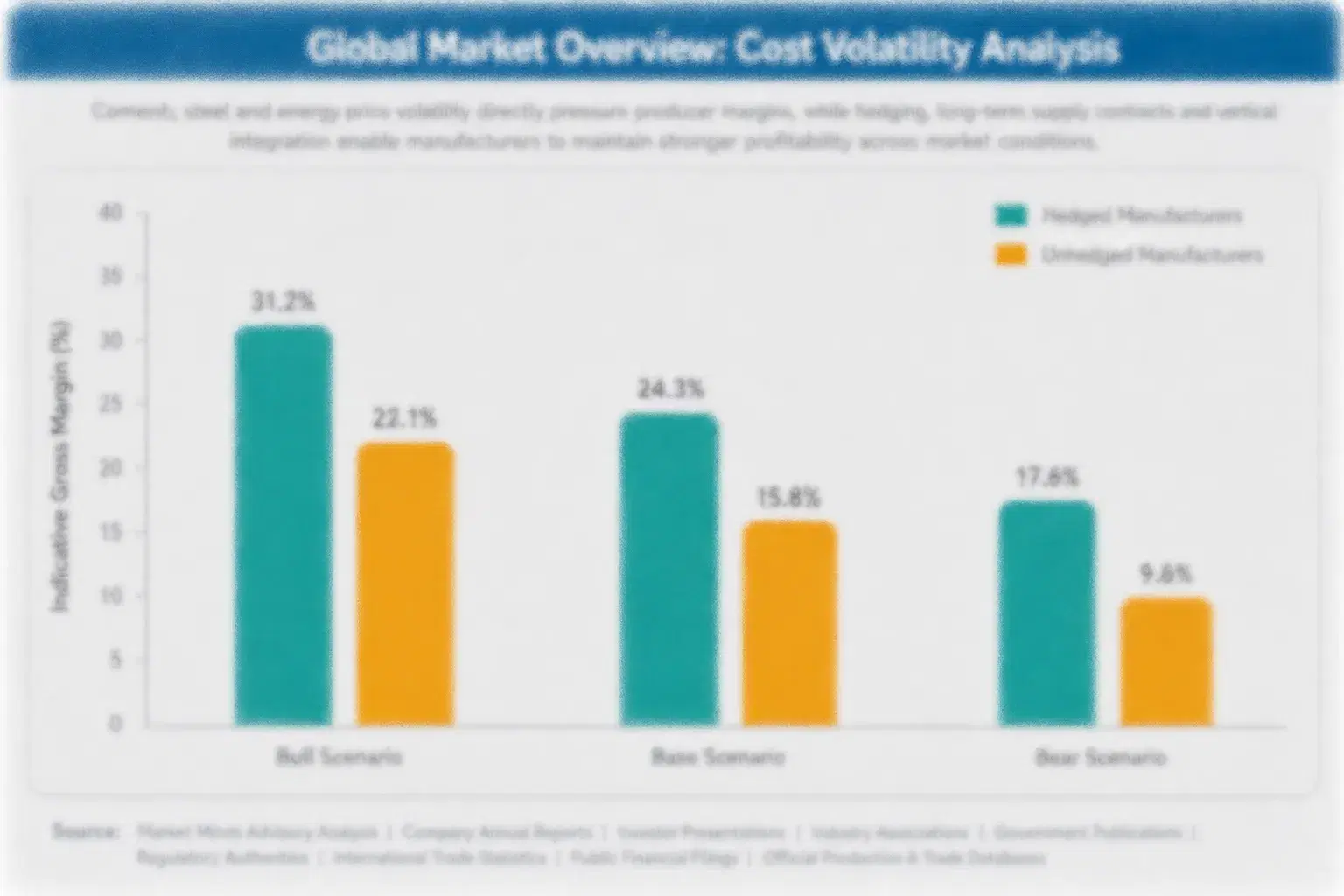
Resin And Foil Pricing Drive Costs

Polyethylene resin and aluminum foil together account for roughly 40% of stick packaging COGS, sourced predominantly from petrochemical producers in China, the United States Gulf Coast, and Germany alongside specialty foil suppliers concentrated in China and Russia across most tracked converter accounts throughout this entire forecast cycle across major stick packaging markets worldwide among most tracked manufacturer relationships today.
Aluminum foil prices spiked sharply during 2022 as energy costs for smelting rose following global energy market disruptions, according to IEA commodity market commentary. Converters without long-term foil supply contracts faced input cost increases exceeding 20% within two quarters, compressing margins on fixed-price beverage and supplement contracts signed before the disruption occurred across most tracked converter accounts throughout this entire forecast cycle across major stick packaging markets worldwide.

Smaller converters lacking long-term foil supply contracts or vertical integration into metals operations face a persistent cost disadvantage against larger competitors who negotiate volume-based pricing directly with producers. This exposure varies meaningfully by geography, with Indian and Southeast Asian converters generally carrying less contract protection than their Western and Japanese counterparts across most tracked converter accounts across most tracked converter accounts.
stick-packaging-market-cost-volatility-analysis-1791471793735

Long-Term Foil Supply Contracts

Larger converters increasingly lock multi-year volume-based pricing agreements directly with metals producers, insulating a meaningful share of foil input costs from spot market volatility during supply disruptions and seasonal demand swings across most tracked converter accounts throughout this entire forecast cycle across major stick packaging markets worldwide among most tracked manufacturer relationships today across most tracked converter accounts.

Mono-Material Film Substitution Where Feasible

Converters are substituting mono-material polyethylene film for foil-laminate structures where barrier requirements allow, reducing metals input exposure while meeting recyclability compliance targets simultaneously across brand accounts across most tracked converter accounts throughout this entire forecast cycle across major stick packaging markets worldwide among most tracked manufacturer relationships today across most tracked converter accounts throughout this entire forecast cycle.

Vertical Integration Into Foil Rolling

Larger converters are acquiring or partnering with foil rolling mills directly, securing captive aluminum supply that insulates production economics from open-market pricing swings during periods of global metals market volatility across most tracked converter accounts throughout this entire forecast cycle across major stick packaging markets worldwide among most tracked manufacturer relationships today across most tracked converter accounts.

Portfolio Architecture for Margin Defence

Stick packaging portfolios split across three tiers with meaningfully different margin economics. Volume commodity-adjacent standard coffee and sugar sticks carry gross margins around 10 to 16%, competing mainly on price and delivery lead time for mass-market beverage accounts. Premium certified nutraceutical sticks, qualified against specific dosing-accuracy protocols, carry materially better economics across most tracked converter accounts throughout this entire forecast cycle.
Premium certified formats carry gross margins around 22 to 30%, reflecting precision-filling complexity and the engineering support converters provide alongside the physical stick. Sustainability and next-generation mono-material formats command the highest margins, around 28 to 36%, as converters bundle compliance consulting and fill-precision engineering into the contract across most tracked converter accounts throughout this entire forecast cycle across major stick packaging markets worldwide.

High-value pools concentrate heavily in pharmaceutical-grade fill precision and recyclability compliance programs serving major supplement brands, where engineering and consulting revenue compounds across multiple product launches rather than resetting with each stick sale. Volume core standard coffee and sugar sticks remain the largest unit volume pool but carry persistently thinner margins than the premium and sustainability tiers combined across most tracked accounts.

Volume / Commodity-Adjacent Tier

Standard coffee and sugar sticks for mass-market beverage accounts, competing primarily on unit price and delivery lead time across broad distribution channels across most tracked converter accounts throughout this entire forecast cycle
Gross Margin: 10-16%

Premium / Certified Tier

Nutraceutical sticks qualified against specific dosing-accuracy and active-ingredient protocols, carrying engineering documentation that commands meaningfully better pricing across supplement accounts across most tracked converter accounts throughout this entire forecast cycle
Gross Margin: 22-30%

Sustainability / Regulatory / Next-Generation Tier

Mono-material recyclable stick formats bundled with compliance consulting and fill-precision engineering services, serving brands prioritizing sustainability credentials and regulatory readiness across most tracked converter accounts throughout this entire forecast cycle
Gross Margin: 28-36%
stick-packaging-market-portfolio-architecture-1791471793926

High-value Sub-segments and Strategic Watch-out

Pharmaceutical-Grade Fill Precision Programs

The highest-value, fastest-growing pool, combining premium stick margins with recurring engineering revenue as supplement brands expand precise-dosing formats across multiple product lines across most tracked converter accounts throughout this entire forecast cycle across major stick packaging markets worldwide among most tracked manufacturer relationships today across most tracked converter accounts.
Gross Margin: 29-37%

Recyclability Compliance Consulting Services

High-value, moderately growing as converters bundle recyclability validation into stick sales, capturing consulting margin that previously accrued to third-party sustainability consultants exclusively across most tracked converter accounts throughout this entire forecast cycle across major stick packaging markets worldwide among most tracked manufacturer relationships today across most tracked converter accounts.
Gross Margin: 26-33%

Standard Coffee And Sugar Sticks

The volume core, carrying the thinnest margins but the largest unit volume, serving broad mass-market beverage demand that does not require premium fill-precision engineering across most tracked converter accounts throughout this entire forecast cycle across major stick packaging markets worldwide among most tracked manufacturer relationships today.
Gross Margin: 10-16%

Regional Converter Capacity In China And Southeast Asia

A strategic watch-out as domestic manufacturers build filling-precision parity with Western and Japanese suppliers, potentially displacing imported sticks across fast-growing domestic distribution volume over the coming years across most tracked converter accounts throughout this entire forecast cycle across major stick packaging markets worldwide among most tracked manufacturer relationships today.
Gross Margin: 8-13%

Fill Precision Qualification Locks Demand

Once a supplement or beverage brand qualifies a converter's fill-precision and barrier film design against its specific dosing and shelf-life protocols, switching to a different converter requires re-qualifying the entire validation workflow. This repeat revenue stream distinguishes converters with established multinational supplement and beverage brand relationships from newer entrants selling standard coffee sticks alone across most tracked converter accounts throughout this entire forecast cycle.
Adoption depth varies sharply by end-use vertical. Premium nutraceutical and supplement brands show the deepest stickiness, often locking in multi-year precision-filling and supply agreements that survive price pressure from competing converters. Value-tier coffee and sugar stick brands show shallower stickiness, switching converters more readily when price differentials exceed roughly 8%, since pharmaceutical-grade dosing requirements there are not applicable across most tracked converter accounts throughout this entire forecast cycle.

Buyer profiles are shifting generationally as stick packaging teams increasingly staff sustainability compliance specialists alongside traditional procurement buyers. These newer buyers weigh mono-material compliance and fill-precision data alongside unit cost specifications, a shift that favors converters already investing in engineering and compliance capability over those still focused narrowly on standard component volume across most tracked converter accounts throughout this entire forecast cycle.
stick-packaging-market-end-use-penetration-index-1791471794115

Where Stick Pack Strategy Wins

These are among the four positions where our research anticipates prominent divergence between winners and laggards over the coming forecast period. Each is grounded in the demand model, the regulatory perimeter, and the announced capacity pipeline.
01 / FILL PRECISION DEPTH

Build Pharmaceutical-Grade Precision Before Demand Peaks

Converters should invest in pharmaceutical-grade fill precision capability ahead of continued nutraceutical stick growth, since precision-filling contracts already command meaningfully better margins than basic coffee stick formats. The qualification process for new precision systems takes considerable time, so early movers lock in multi-year supplement brand partnerships that competitors cannot easily displace. This advantage compounds as more brands scale precise-dosing programs across most tracked converter accounts throughout this entire forecast cycle across major stick packaging markets worldwide among most tracked manufacturer relationships today.
02 / RECYCLABILITY COMPLIANCE READINESS

Qualify Mono-Material Film Ahead Of Regulation

Converters that qualify mono-material film designs ahead of mandatory European recyclability deadlines will capture premium sustainability-tier margins while slower competitors scramble to retrofit designs under regulatory pressure. Early certification also opens compliance consulting revenue alongside the physical stick sale. This dual revenue stream becomes increasingly difficult for late entrants to replicate once brand design relationships solidify across most tracked converter accounts throughout this entire forecast cycle across major stick packaging markets worldwide among most tracked manufacturer relationships today across most tracked converter accounts.
03 / REGIONAL CAPACITY ALLOCATION

Prioritize Southeast Asia And China Capacity

Capacity investment should prioritize Southeast Asia and China, where instant coffee and nutraceutical consumption are expanding fastest while Western and Japanese converter presence remains comparatively thin outside export contracts. North American and European markets remain large absolute revenue pools but offer slower incremental growth than Asian consumption-linked demand. Securing early manufacturing relationships in these faster-growing markets reduces exposure as regional stick pack volume accelerates across most tracked converter accounts throughout this entire forecast cycle across major stick packaging markets worldwide.
04 / INPUT COST HEDGING

Lock Multi-Year Foil Supply Contracts

Converters without long-term foil supply contracts remain exposed to margin compression whenever energy-driven cost spikes recur, as occurred during the 2022 global energy and metals price shock. Locking multi-year volume-based pricing agreements directly with producers protects contract economics regardless of spot market volatility. This hedge matters most for converters serving fixed-price multi-year beverage and supplement contracts across most tracked converter accounts throughout this entire forecast cycle across major stick packaging markets worldwide among most tracked manufacturer relationships today across most tracked converter accounts.

Engagement Snapshot From the Field

A live engagement with an industry participant carrying material or product regulatory and market exposure ahead of a defining policy shift, showing how our research translates into a defensible multi-year portfolio strategy.
MARKET MINDS ADVISORY · CLIENT ENGAGEMENT SUMMARY
Stick Packaging Producer Strategic Portfolio Review and Transition Roadmap 2026·Investment Scenario on Stick Packaging Exposure Evaluation 2025-26
CLIENT PROFILE
A multinational nutraceutical brand operating supplement product lines across more than twenty-five countries engaged MMA to assess its stick packaging supplier base ahead of a global precision-dosing standardization program. The client's portfolio spanned vitamin, collagen, and protein sticks sourced from a fragmented group of regional converters with inconsistent fill-accuracy performance across most tracked converter accounts.
STRATEGIC CHALLENGE
The client faced inconsistent dosing accuracy across its global converter network, with some suppliers unable to guarantee tight fill-weight tolerance for active-ingredient sticks, but its existing relationships lacked the precision engineering capability needed for coordinated global standardization without disrupting supply across most tracked converter accounts throughout this entire forecast cycle.
MMA APPROACH
MMA benchmarked twenty-three converters globally against fill-precision capability, in-line check-weighing technology, and regional supply resilience, drawing on primary interviews with quality managers and converter technical teams to identify which suppliers could credibly standardize dosing accuracy within the client's global network across most tracked converter accounts throughout this entire forecast cycle.
KEY FINDINGS
  1. Only eight of twenty-three benchmarked converters had commercial-scale pharmaceutical-grade fill precision capability available across most tracked converter accounts throughout this entire forecast cycle.
  2. Precision filling fees varied by more than threefold across qualified converters, reflecting uneven calibration investment across most tracked converter accounts throughout this entire forecast cycle.
  3. Chinese and Southeast Asian converters offered faster precision qualification timelines than incumbent Western suppliers overall across most tracked converter accounts throughout this entire forecast cycle.
  4. Consolidating volume with fewer, more capable converters could cut per-unit packaging cost by roughly 8% (client-reported, unverified by MMA) across most tracked converter accounts.
CLIENT PROFILE
A multinational nutraceutical brand operating supplement product lines across more than twenty-five countries engaged MMA to assess its stick packaging supplier base ahead of a global precision-dosing standardization program. The client's portfolio spanned vitamin, collagen, and protein sticks sourced from a fragmented group of regional converters with inconsistent fill-accuracy performance across most tracked converter accounts.
STRATEGIC CHALLENGE
The client faced inconsistent dosing accuracy across its global converter network, with some suppliers unable to guarantee tight fill-weight tolerance for active-ingredient sticks, but its existing relationships lacked the precision engineering capability needed for coordinated global standardization without disrupting supply across most tracked converter accounts throughout this entire forecast cycle.
MMA APPROACH
MMA benchmarked twenty-three converters globally against fill-precision capability, in-line check-weighing technology, and regional supply resilience, drawing on primary interviews with quality managers and converter technical teams to identify which suppliers could credibly standardize dosing accuracy within the client's global network across most tracked converter accounts throughout this entire forecast cycle.
KEY FINDINGS
  1. Only eight of twenty-three benchmarked converters had commercial-scale pharmaceutical-grade fill precision capability available across most tracked converter accounts throughout this entire forecast cycle.
  2. Precision filling fees varied by more than threefold across qualified converters, reflecting uneven calibration investment across most tracked converter accounts throughout this entire forecast cycle.
  3. Chinese and Southeast Asian converters offered faster precision qualification timelines than incumbent Western suppliers overall across most tracked converter accounts throughout this entire forecast cycle.
  4. Consolidating volume with fewer, more capable converters could cut per-unit packaging cost by roughly 8% (client-reported, unverified by MMA) across most tracked converter accounts.
RECOMMENDED STRATEGY
Phase 1: Phase one: consolidate stick volume with the eight certified precision-capable converters identified in the benchmark across most tracked converter accounts. Phase 2: Phase two: renegotiate precision filling fees using comparative benchmarks across qualified converters globally across most tracked converter accounts throughout this entire forecast cycle. Phase 3: Phase three: build dual-sourcing relationships in China and Southeast Asia to reduce single-region dependency across most tracked converter accounts throughout this entire forecast cycle.
OUTCOME
The client standardized fill-precision documentation across its global converter network within eight months and reported an estimated 6% reduction in blended packaging procurement cost during the program's first year (client-reported, unverified by MMA) across most tracked converter accounts throughout this entire forecast cycle across major stick packaging markets worldwide.

Frequently Asked Questions

Foundational context covering the market sizes, CAGR, scope, country, region and competition that inform every finding below. This section is provided to cover basics and most often pre-purchase conversations, answered from the MMA Primary Research Dataset.

What is the current size of the Stick Packaging Market?

The Stick Packaging Market reached an estimated USD 2.4 billion in 2025, covering coffee sticks, sugar sticks, and nutraceutical powder sticks used for beverage and supplement products globally.

How large will the Stick Packaging Market be by 2036?

MMA projects the market will reach approximately USD 5.1 billion by 2036, driven by continued nutraceutical powder stick adoption and expanding instant coffee demand across major retail markets.

What is the CAGR for the Stick Packaging Market 2026 to 2036?

The market is forecast to grow at a 7.1% compound annual growth rate between 2026 and 2036, supported by preventive health trends and fill-precision revenue streams.

Which segment is growing fastest?

Nutraceutical Powder Sticks lead growth at a 9.2% CAGR, roughly 1.30 times the overall market rate, as supplement brands increasingly require travel-friendly single-dose presentation formats.

Who are the major companies in the Stick Packaging Market?

Huhtamaki Oyj, IMA Group, Uhlmann Group, Romaco Group, and Totani Corporation lead the market, together holding an estimated 27% combined participation share across major accounts.

Which country is growing fastest?

Indonesia leads country-level growth at a 9.6% CAGR, reflecting deep stick-pack coffee culture and rapidly rising nutraceutical adoption across the broader Southeast Asian and Pacific region.

Stick Packaging Market Breakdown

The full report scope spans multiple orthogonal segmentation dimensions, with cross-tabulated demand data provided for each dimension pair. Coverage extends further to regional breakdowns, trend trajectories, and the competitive detail needed to support segment-level decision-making.

By Primary Market Dimension

  • Nutraceutical Powder Sticks
  • Instant Coffee Sticks
  • Sugar And Sweetener Sticks
  • Seasoning Sticks
  • Creamer Sticks
  • Effervescent Sticks

By End-Use Industry

  • Beverage And Coffee
  • Nutraceutical And Supplements
  • Seasoning And Condiments
  • Pharmaceutical Powder Dosing
  • Confectionery

By Commercial Dimension

  • Private Label Supply
  • Direct Brand Licensing
  • Retail Point-Of-Sale Distribution
  • Foodservice Contract Supply

By Region

  • North America
  • Western Europe
  • East Asia
  • South Asia and Pacific
  • Latin America
  • Middle East and Africa
  • Eastern Europe

Scope, Methodology, and Coverage

Every figure in this report is reproducible from documented input assumptions. The scope below maps the historical period, the forecast horizon, the segmentation dimensions, and the countries covered, alongside the underlying primary and qualitative methodology.
Historical Period
2020 to 2025
Forecast Period
2026 to 2036
Base Year
2025 (USD billions; MMA Primary Research Dataset, October 2026)
Market Definition
The Stick Packaging Market covers elongated single-serve sachet formats, including coffee sticks, sugar sticks, and nutraceutical powder sticks, used for beverage, seasoning, and supplement products. It excludes stand-up pouches and gusseted sachets, which fall under separate market definitions.
Quantitative Units
USD billion, 2025 to 2036, CAGR percentage
Segmentation Dimensions
Content type; end-use industry; commercial distribution model; By Region
Regions Covered
North America, Western Europe, East Asia, South Asia and Pacific, Latin America, Middle East and Africa, Eastern Europe
Countries Covered
USA, China, Germany, France, UK, Japan, South Korea, India, Indonesia, Australia, Canada, Brazil, Mexico, Vietnam, Thailand, Malaysia, UAE, Saudi Arabia, South Africa, Nigeria, Turkey, Poland, Netherlands, Italy, Spain, Sweden, Switzerland, Argentina, Colombia, Singapore, and additional markets relevant to this sector
Key Companies Profiled
Huhtamaki Oyj, IMA Group, Uhlmann Group, Romaco Group, Totani Corporation, Amcor plc, Sonoco Products Company, Constantia Flexibles, ProAmpac Holdings, Bosch Packaging Technology, Multivac Group, Syntegon Technology, GEA Group, Marchesini Group, Fuji Machinery Co Ltd, Toyo Jidoki Co Ltd, Shanghai Zijiang Enterprise Group, Uflex Limited, Jindal Poly Films Limited, Clondalkin Group Holdings
Quantitative Methodology
Primary survey, n=3,800 respondents, Q4 2025, six countries; demand-side model with trade association cross-validation
Qualitative Methodology
47 expert interviews, Q4 2025; applied to validate demand model assumptions, identify emerging dynamics, and assess competitive positioning
Report Format
PDF and XLSX data workbook (Word format preview document)
Publisher
Market Minds Advisory
Report Code
MMA-2026-PAC-653
Published
October 2026
Contact
sales@marketmindsadvisory.com | www.marketmindsadvisory.com

Purchase the full Stick Packaging Market Report (2026 to 2036).

This report provides a comprehensive assessment of the global Stick Packaging Market across the 2026 to 2036 forecast period. It covers market sizing, segmentation, regional dynamics, and competitive positioning across coffee sticks, sugar sticks, and nutraceutical powder sticks. The analysis draws on primary survey data spanning 3,800 respondents and 47 expert interviews conducted in the fourth quarter of 2025, supplemented by converter and brand disclosure review. Readers gain insight into fill-precision economics, recyclability compliance trajectories, and capacity allocation priorities across seven global regions, alongside tier-level margin benchmarks.
Ten-year market sizing and CAGR forecast
Regional breakdown across seven defined geographies
Competitive benchmarking of twenty qualified converters
Pharmaceutical-grade fill precision revenue breakdown analysis
Mono-material recyclable format growth comparison overview
Portfolio margin tiering and watch segment guidance

Built For The People Who Decide

From boardroom strategy to bench-side execution, this report is read cover-to-cover by leaders shaping the next decade of their industry, turning demand scenarios, market dynamics and valuation benchmarks into decisions.
CXOs/ Presidents/ VPs/ Managers
M&A and Corporate Development
Strategy Teams and R&D Heads
Procurement and Product Directors
Regulatory and Compliance Leaders
Investor Relations and Equity Analysts