Market Minds Advisory
Smart Packaging Market

Smart Packaging Market Forecast 2026-2036 by Segment and Region

Rising counterfeit-product liability, expanding consumer brand-engagement expectations, and growing supply-chain traceability mandates are pushing packaging toward embedded RFID, NFC, and QR connectivity across major consumer goods categories worldwide now each year.

Lead Analyst

Bilal Shaikh

Published

November 2026

Make Smarter Decisions with Customized Research Insights

Request a free sample report and evaluate market opportunities, growth trends, and competitive dynamics relevant to your business needs.

2025 MARKET VALUE$1.1BMarket Size 2025
2036 FORECAST VALUE$4.4BBase Case , 2026 to 2036
CAGR 2026 TO 203613.4 %Bull 14.6% / Bear 12.2%
INCREMENTAL OPPORTUNITY$3.1BNet 10- year value creation
EXPANSION MULTIPLE3.52x2036 value over 2026 base
Strategic Levers
M&A Pipeline
Regional Outlook
Country Rankings
Competitive Intelligence
Segmental Deep-dive
Call-Us : 91 93563 13602

Smart Packaging Market Outlook

Smart packaging, covering RFID, NFC, and QR-enabled finished packaging for authentication and consumer engagement, is moving from luxury-goods niches into mainstream pharmaceutical and premium consumer packaged goods this year as counterfeit-liability pressure accelerates nationwide, reshaping procurement specifications across major brand owners already now too.
Pharmaceutical manufacturers and luxury brand owners are the dominant commercial force behind adoption, driven by counterfeit-liability reduction and consumer-engagement marketing that make connectivity a brand differentiator as much as a security feature. NFC Enabled Authentication Packaging leads segment growth at a 17.1% CAGR, well above category average, as brand owners replace printed-only authentication with tap-to-verify functionality. East Asian manufacturers, led by Chinese chip producers, are capturing a growing share of global component supply. For scale, MMA values the serialized closure and seal components for traceable packaging market at USD 0.78 billion in 2025 and expects it to reach USD 2.32 billion by 2036.
Competitive intensity is rising, with established label and packaging converters extending printed-authentication lines into connected formats rather than ceding share to electronics-focused entrants. Supply-chain traceability mandates across multiple jurisdictions are accelerating qualification cycles for compliant connected formats, while chip-cost volatility and data-platform integration complexity continue to squeeze margins for smaller converters lacking scale, a gap now widening as data-integration requirements grow more technically demanding each cycle too indeed.
Market Definition
The Smart Packaging Market covers finished packaging products with embedded RFID tags, NFC chips, or printed QR codes designed for brand authentication, consumer engagement, or supply-chain traceability functions. It excludes freshness, temperature, or tamper sensing packaging formats, standalone RFID inlay production equipment, and general-purpose inventory-management software unrelated to the physical packaged product.
Base Year Value
$1.1B in 2025 (MMA Primary Research Dataset, October 2026)
Forecast Period
2026 to 2036, eleven discrete annual values
CAGR
13.4% base case. Bull 14.6%. Bear 12.2%.
Fastest Growth Segment
NFC Enabled Authentication Packaging: 17.1% CAGR
Fastest Growth Country
China: 15.3% CAGR
Fastest Growth Region
South Asia and Pacific: 15.7% CAGR
Largest Region
East Asia: 30% of 2025 global value
Market Leaders
Avery Dennison Corporation, CCL Industries Inc, Thin Film Electronics ASA, SATO Holdings Corporation, Zebra Technologies Corporation. Source: MMA Analysis, based on company disclosures and primary survey data, Q4 2025.
Primary Survey
n=3,800 procurement and R&D decision-makers, Q4 2025, six countries
Methodology
Demand-side build-up, cross-validated against public data, 47 expert interviews

Smart Packaging Market Forecast Scenarios

smart-packaging-market-size-forecast-scenario-1791530576747
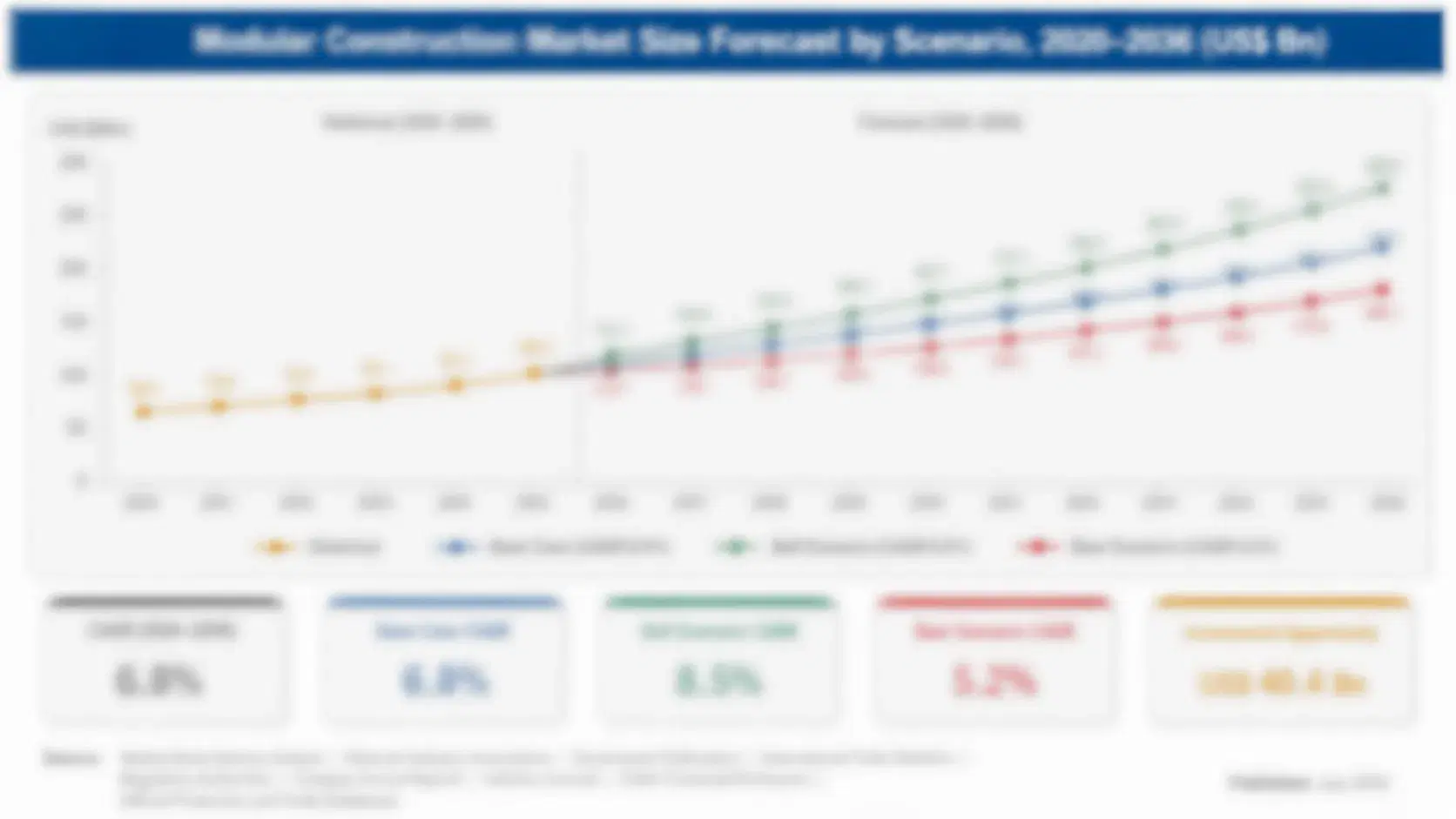
Between 2020 and 2025, smart packaging adoption concentrated almost entirely among luxury goods and high-value pharmaceutical categories, with limited penetration into mainstream consumer packaged goods. Chip cost and data-platform complexity kept broader conversion slow during the period. The historical growth rate of 12.4% reflects this luxury-concentrated adoption base rather than broad consumer packaged goods conversion during the historical period.
The base case assumes a 13.4% compound annual growth rate through 2036, anchored by three commercial mechanisms: counterfeit-liability pressure expanding across additional pharmaceutical and consumer goods categories, consumer-engagement marketing driving adoption beyond pure authentication necessity, and NFC chip costs falling enough to support mainstream consumer packaged goods conversion beyond luxury-only applications Pharmaceutical manufacturers are also expanding connected-packaging usage into generic drug lines, reinforcing demand beyond premium branded products alone nationwide.
The bull case centers on accelerated counterfeit-liability enforcement pulling adoption deeper into commodity-tier consumer categories faster than expected. The bear case centers on persistent chip-cost premiums deterring price-sensitive categories from converting, leaving adoption concentrated in luxury and pharmaceutical niches only Converter capacity investment announced through 2025 suggests the base case remains the more probable path forward overall.

Packaging Becomes A Data Access Point

Smart packaging occupies a narrow but fast-expanding niche within the broader connected-products category, distinguished by embedded chip or printed-code connectivity laminated directly into the package structure rather than applied as a separate accessory, a distinction that is becoming commercially meaningful as counterfeit liability costs and brand-engagement expectations draw more brand-owner attention to package-level data. MMA tracks this demand in the connected packaging market, which it projects to grow at 13.5% a year through 2036.
MARKET CONCENTRATIONCR5 29%Top five converters hold a moderately concentrated share
AVERAGE SELLING PRICEUSD 0.09/unitConnected formats command meaningfully higher per-unit pricing today
TOP PRODUCING COUNTRY SHAREChina 34%Chip and inlay manufacturing concentrates heavily within this country
CAPACITY UTILIZATION73%Converters retain meaningful headroom for category expansion growth
INPUT COST SHARE53%NFC chips and antenna inlays dominate production cost
REPLACEMENT CYCLESingle-usePackages are consumed once, sustaining continuous repeat demand
Converters compete on chip-integration quality, data-platform partnership breadth, and unit-cost discipline rather than headline authentication performance alone, since baseline anti-counterfeiting properties have become increasingly commoditized across established suppliers. Supply reliability for NFC chips has become a growing concern as demand accelerates, since most production concentrates among a small number of established semiconductor suppliers serving multiple industries simultaneously. Qualification cycles for pharmaceutical applications routinely run twelve to eighteen months. MMA expects the related nanotechnology packaging market to be worth USD 8.31 billion by 2036.
Brand owners increasingly specify connected-packaging formats directly in procurement contracts, shifting negotiating leverage toward converters with proven data-platform integration track records and established chip-supply relationships. This shift is raising entry barriers for smaller converters lacking data-platform infrastructure, pushing consolidation toward suppliers able to document engagement performance consistently across large brand-owner accounts. Several mid-sized converters have already announced partnership or acquisition activity with chip and data-platform specialists. Adjacent demand is captured in the artificial intelligence in packaging market, which MMA expects to grow from USD 2.4 billion in 2025 to USD 14.0 billion by 2036.
"A package used to end its job at the shelf. Now it is the first touchpoint in a digital relationship, and brands are paying for that touchpoint directly."
Senior Analyst, Connected Packaging Technology Practice · MMA Connected Packaging Authentication and Engagement Practice · October 2026

Smart Packaging Adoption Trends

NFC Authentication Adoption Keeps Steadily Expanding

Pharmaceutical manufacturers and luxury brand owners are expanding NFC-enabled authentication beyond flagship products into broader product lines, driven by rising counterfeit-liability exposure and consumer expectation for tap-to-verify functionality at the point of purchase. This shift is pulling connected packaging out of premium-only niches and into mainstream consumer packaged goods lines faster than converters anticipated two years ago. Suppliers able to demonstrate reliable chip integration at commodity price points are winning disproportionate new contract volume across multiple product categories simultaneously this cycle, a pattern now visible across most major pharmaceutical markets. Much of this also feeds into the smart tag packaging market, which MMA expects to grow at 8.4% a year through 2036.
Market Impact: Avoids up to 16% counterfeit loss
Retailer Consumer Engagement Investment Keeps Growing

Retailers and consumer brands are increasingly treating packaging connectivity as a direct marketing channel, using QR and NFC touchpoints to drive consumers toward loyalty programs, product information, and personalized promotional content immediately after purchase. This engagement emphasis is lifting demand for connected packaging across categories previously unconvinced of the hardware investment case, since marketing budgets now help offset a meaningful share of deployment cost. Brand owners with large product portfolios are investing aggressively in connectivity rollout to capture this emerging engagement data stream, a gap most smaller brands lacking comparable marketing budgets are still working to close. MMA's view of the artificial intelligent packaging market offers a useful comparison, at USD 0.6 billion in 2025 rising to USD 3.13 billion by 2036, a 16.2% CAGR.
Market Impact: Cuts falsification risk by 28%

Where the Smart Packaging Opportunity Lies

Counterfeit Liability Costs Keep Steadily Climbing

Counterfeit products entering legitimate supply chains carry escalating liability costs for brand owners, including direct revenue loss, legal exposure, and reputational damage that can persist for years after a single high-profile incident involving a trusted consumer brand. NFC and RFID authentication lets brand owners and consumers verify product legitimacy instantly at the point of sale, materially reducing both direct counterfeit losses and the regulatory scrutiny that typically follows a major authenticity failure across an entire product category and distribution network simultaneously this cycle today, a dynamic reinforced by growing retailer scrutiny of supplier authentication records.
Market Impact: Adds 11% to unit packaging cost

Pharmaceutical Traceability Rules Keep Steadily Tightening

National and regional regulators are steadily expanding serialization and track-and-trace requirements for pharmaceutical products, forcing manufacturers to adopt packaging that supports individual-unit authentication rather than depending on batch-level documentation alone. This regulatory momentum is a direct and durable driver of connected-packaging adoption across prescription and over-the-counter drug categories, where a single falsified unit can trigger mandatory recall and regulatory reporting obligations within days of discovery across multiple distribution channels, a cost consequence severe enough that most large pharmaceutical manufacturers now treat connected authentication as a standard specification rather than an optional upgrade.
Market Impact: Delays 14% of planned rollouts

Smart Packaging Cost and Adoption Hurdles

NFC Chip Cost Premiums Delay Adoption

NFC chips and antenna inlays add material and process cost that commodity-tier consumer categories struggle to absorb without passing price increases through to consumers already sensitive to packaging inflation across grocery and household categories. The root cause lies in semiconductor supply chains that remain concentrated among a limited number of qualified chip suppliers, limiting competitive price pressure. Converters are exploring lower-cost printed antenna formats and shared qualification programs as mitigation pathways, though neither has yet closed the cost gap enough to enable mainstream commodity-tier adoption at scale, leaving commodity-tier conversion dependent on continued chip-cost declines over the coming years. The smart-tag inlay inserters market is a natural companion read, sized by MMA at USD 0.7 billion in 2025 with 11.6% annual growth ahead.
Market Impact: Covers 17% of new pharma packaging

Data Platform Fragmentation Keeps Slowing Integration

Brand owners face a fragmented landscape of competing data-platform providers, each with proprietary engagement and authentication software that does not interoperate easily, complicating multi-brand portfolio rollouts for large consumer goods companies operating across many product lines. The root cause is the absence of a dominant industry data standard, leaving brand owners to choose between competing platforms with real switching costs attached. Industry groups are developing interoperability standards as a mitigation pathway, though adoption across major platform providers remains incomplete, leaving timeline uncertainty as a genuine barrier for brands evaluating multi-platform rollout.
Market Impact: Adds 21% to engagement campaign reach
3 additional market trends, 4 additional growth drivers, and 3 additional restraints and challenges are covered in the full report. Contact sales@marketmindsadvisory.com to access the complete intelligence.

Smart Packaging Segment Growth Rates

Smart packaging segments primarily by connectivity technology, since this determines data-capability, qualification pathway, and the buyer category each format realistically serves across authentication and engagement applications, from NFC formats carrying the fastest growth to QR formats carrying the broadest existing unit volume, with three additional formats tracked in reserve today across the industry now.
smart-packaging-market-market-share-analysis-1791530577017

NFC Enabled Authentication Packaging

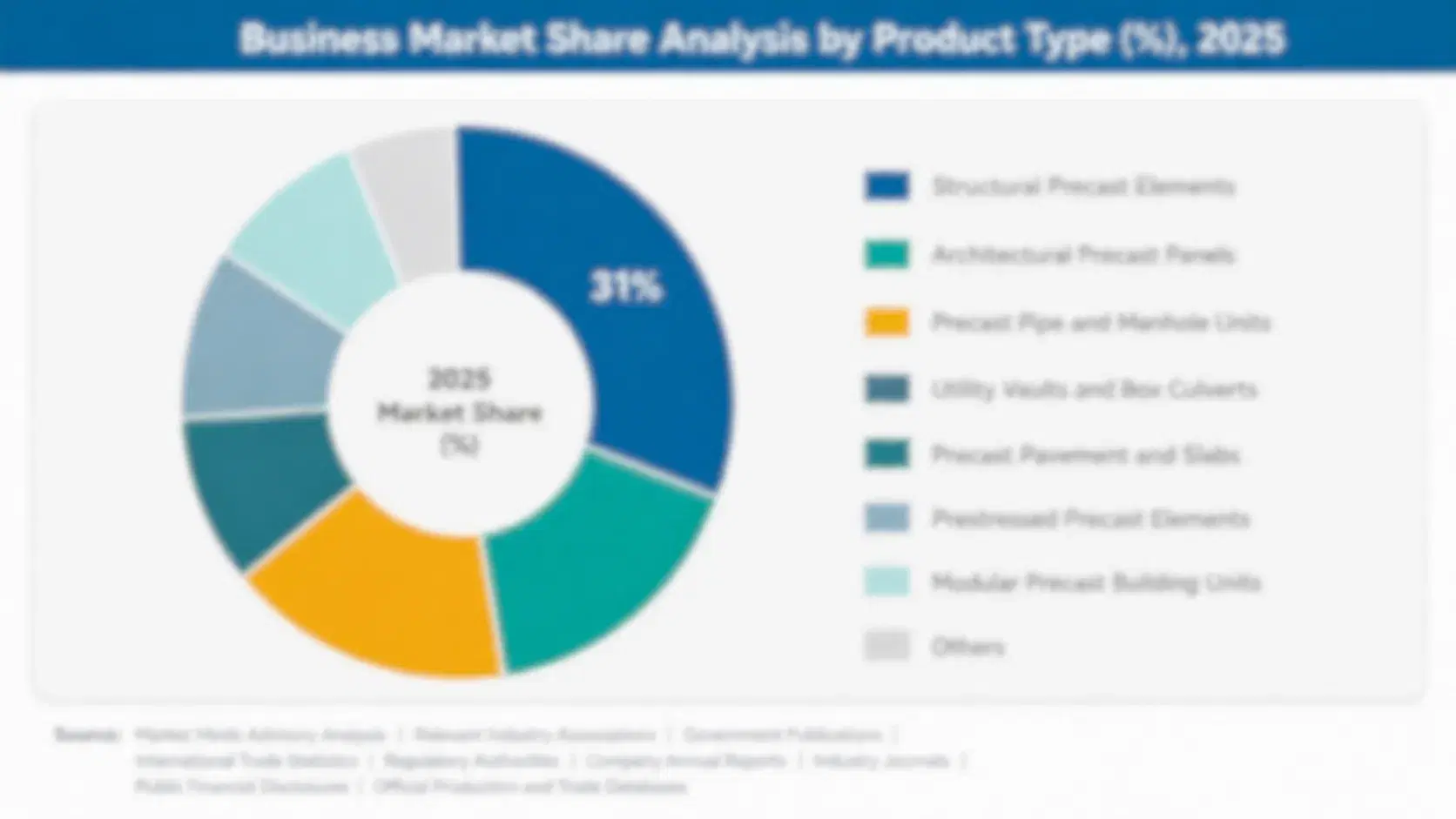
NFC-enabled authentication packaging, embedding tap-to-verify chips directly into primary packaging, is capturing a growing share of new connected-packaging spending as brand owners prioritize instant consumer verification over printed-only authentication methods. Pharmaceutical manufacturers and luxury brand owners facing counterfeit-liability pressure are the primary adoption driver, since NFC formats deliver both security and consumer-engagement value simultaneously. This segment leads category growth by a wide margin as chip costs continue falling, extending adoption down into mid-tier consumer packaged goods that could not previously justify the investment. Converters serving this segment increasingly treat chip-supply reliability as a core operational priority, since any disruption can halt production across multiple brand-owner accounts simultaneously now too indeed.
CAGR 17.1%

QR Code Enabled Engagement Packaging

QR code enabled packaging, using printed codes rather than embedded chips, serves applications prioritizing cost-effective consumer engagement over the strongest anti-counterfeiting protection, particularly in mainstream grocery and household categories where unit economics matter more than security sophistication. Retailers running loyalty and promotional campaigns are a significant adoption driver, since QR formats require no specialized hardware investment beyond existing smartphone cameras. This segment commands the broadest unit volume given its low per-unit cost, and competitive intensity centers on data-platform integration quality rather than chip sophistication. Supply for this segment stays far simpler than NFC formats, since printing infrastructure already exists across most converters, giving smaller suppliers meaningful entry opportunity already today.
CAGR 11.4%
Full segment breakdown across 7 segments available in the complete report.

Smart Packaging Demand by Region

East Asia leads on chip manufacturing scale and export-packaging volume, while North America and Western Europe drive adoption through pharmaceutical and luxury brand procurement mandates, a divide that is expected to persist through most of the forecast period across most major consumer markets worldwide today.

North America

United States pharmaceutical manufacturers are the most active adopters of connected authentication packaging worldwide, driven by tightening serialization and track-and-trace regulatory requirements that extend into individual-unit verification. Luxury and premium consumer brands across the region are expanding NFC adoption beyond flagship products into broader portfolios, reflecting growing counterfeit-liability awareness among brand-protection teams. Converters here compete heavily on data-platform integration and qualification speed rather than unit cost alone, since large pharmaceutical and luxury accounts increasingly require validated authentication performance. Canadian pharmaceutical manufacturers are following similar patterns with a modest lag, reinforcing the region's overall lead in adoption intensity relative to most other markets tracked in this report already now too now. Readers tracking this shift may also follow the active smart and intelligent packaging market, which MMA sizes at USD 24.5 billion in 2025, growing at 9.2% a year.
Share: 23% | CAGR: 12.8% (2026 to 2036)

Western Europe

Germany, France, and Switzerland host a concentrated base of pharmaceutical and luxury goods manufacturers driving connected-packaging demand, reflecting the region's deep pharmaceutical serialization regulation and luxury brand heritage. Regulatory enforcement of pharmaceutical track-and-trace rules runs stronger here than in most other regions, accelerating qualification timelines for compliant packaging formats. Converters serving this region maintain deep regulatory-compliance expertise around data-privacy requirements tied to consumer-engagement analytics, since European jurisdictions already regulate personal-data collection closely. Nordic markets are moving somewhat faster than peers elsewhere in the region, reflecting generally stronger digital-privacy enforcement and deeper consumer-brand engagement than most Southern European markets This leadership position is expected to hold through most of the decade given regulatory maturity.
Share: 20% | CAGR: 11.9% (2026 to 2036)
Regional intelligence for 5 additional markets available in the complete report: East Asia, South Asia and Pacific, Latin America, Middle East and Africa, Eastern Europe. Contact sales@marketmindsadvisory.com.
smart-packaging-market-country-cagr-analysis-1791530577195

Monetizing The Data, Not Just The Chip

Converters are finding that engagement data and authentication analytics themselves can become a billable service layered on top of the physical packaging sale, extending margin capture well past the point of shipment to brand owners, and the converters moving fastest to build these channels are positioning for margin profiles that look more like technology vendors than traditional packaging suppliers.

Consumer Engagement Analytics Subscription Service Programs

Converters with established data platforms are beginning to offer brand owners aggregated consumer-engagement analytics as a paid subscription layered on top of the physical packaging sale, drawing on scan and tap data collected across thousands of individual packages moving through retail channels. Early pilot programs with consumer brands suggest this data layer can add 7 to 10 percent incremental revenue per converter account, particularly where brands use the analytics to refine marketing campaigns or adjust product positioning. This model converts a one-time packaging sale into a recurring commercial relationship, something few traditional packaging suppliers have managed previously.
Market Impact: Adds 7 to 10% incremental annual converter revenue

Authentication Data Licensing Revenue Service Programs

A handful of converters have developed proprietary authentication data platforms that integrate faster with retailer and brand-owner systems than generic alternatives, and several are now licensing that platform access to smaller regional converters rather than competing directly for every contract. This licensing approach lets the originating converter capture value from markets it would otherwise struggle to serve directly, while smaller licensees gain platform capability worth 4 to 7 percent margin uplift that they could not develop independently, particularly in pharmaceutical categories where platform integration cost is the single largest barrier to entry today already.
Market Impact: Generates 4 to 7% licensing margin uplift annually

Smart Packaging Value Chain and Margins

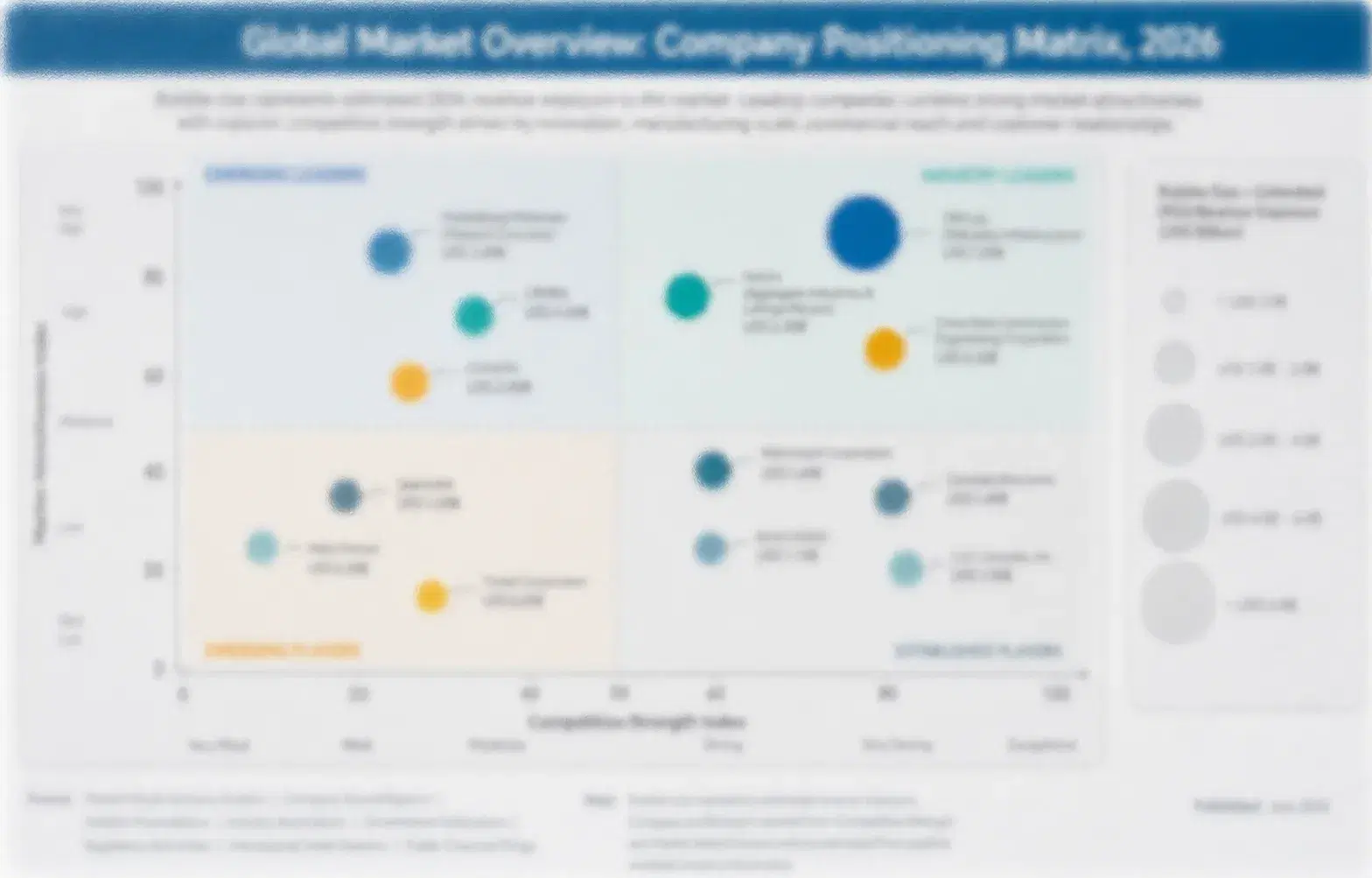
The top five converters hold roughly 29% of global smart packaging revenue, a moderately concentrated level reflecting the category's dual-origin history across both label converters and RFID technology specialists. Avery Dennison leads on breadth across label-adjacent and authentication accounts, with a gap over the next-ranked challenger reflecting genuine converting scale advantage built over decades of label and packaging development. Smaller specialist entrants struggle to close this lead.
Competitive activity currently centers on data-platform integration and chip-supply reliability, since large brand owners increasingly require both proven authentication performance and reliable retailer-system compatibility from a single vendor relationship. Several mid-tier converters are pursuing capacity expansion to serve pharmaceutical categories beyond their traditional luxury-goods base, a pattern most pronounced among converters serving pharmaceutical accounts where supply reliability matters more than headline unit pricing.

Emerging pressure comes from semiconductor and RFID technology specialists attempting to enter adjacent to established label converters rather than challenging them head-on, a dynamic that could reshape rankings if a major technology specialist secures a flagship pharmaceutical account. Rankings are most likely to shift among mid-tier converters still building data-platform validation track records, particularly where a technology specialist has already demonstrated comparable authentication performance at a lower price point.
smart-packaging-market-company-positioning-matrix-1791530577375

Smart Packaging Competitive Moats

AVERY DENNISON CORPORATION

Moat: Converting scale and breadth

Avery Dennison's decades of label and packaging converting experience across pharmaceutical and luxury accounts give it a manufacturing depth that newer entrants cannot replicate quickly, particularly for large brand owners requiring proven quality control at scale, a lead that continues widening as more brand owners standardize around proven converters.
AVERY DENNISON CORPORATION

Risk: Slower chip technology agility

Avery Dennison's converting-centric scale can mean slower iteration on new chip technologies than smaller semiconductor-focused competitors that develop authentication hardware exclusively, risking share loss in the fastest-growing NFC segment specifically now, particularly as mid-sized brand owners push back hard on pricing terms already too now.
THIN FILM ELECTRONICS ASA

Moat: Printed electronics specialization

Thin Film's specialized printed-electronics manufacturing gives it cost and flexibility advantages in high-volume commodity applications that larger converters cannot match, supporting competitive pricing across mainstream consumer categories, a cost position larger converters struggle to replicate at comparable scale, a lead few newer entrants can replicate without years of prior formulation investment.
THIN FILM ELECTRONICS ASA

Risk: Limited pharmaceutical account depth

Thin Film's comparatively limited presence in pharmaceutical accounts leaves it exposed as regulated authentication, a substantial share of overall category revenue, remains dominated by competitors with deeper regulatory relationships today, a gap competitors are watching closely for further opportunity to exploit already too now indeed.

Players Tracked

Prominent Players

Avery Dennison Corporation
CCL Industries Inc
Thin Film Electronics ASA
SATO Holdings Corporation
Zebra Technologies Corporation

Other Key Players

Smartrac Technology Group
Invengo Information Technology
Impinj Inc
NXP Semiconductors
Identiv Inc
HID Global Corporation
Checkpoint Systems
Muehlbauer Group
Schreiner Group
Toppan Printing Co
Dai Nippon Printing Co
Multi-Color Corporation
Huhtamaki Oyj
Constantia Flexibles
WS Packaging Group

Recent Developments

FEBRUARY 2026

Avery Dennison announced an expanded supply agreement with a South Korean chip specialist to secure preferential access to NFC antenna components, positioning the company to scale authentication packaging production across its pharmaceutical and luxury accounts over the coming two years without new capital investment in chip fabrication.
Signal: Signals converters are locking in chip supply ahead of expected industry-wide capacity tightening next year nationwide.
SEPTEMBER 2025

Thin Film completed a supply agreement with a major European consumer goods brand to co-develop printed NFC labels meeting updated anti-counterfeiting standards across multiple European Union member states, extending its presence in the mainstream consumer segment ahead of competitors still pursuing similar qualification work nationwide.
Signal: Signals printed-electronics cost advantages are becoming the primary competitive differentiator in commodity-tier categories going forward overall.

NFC Chip Supply Concentration Risk

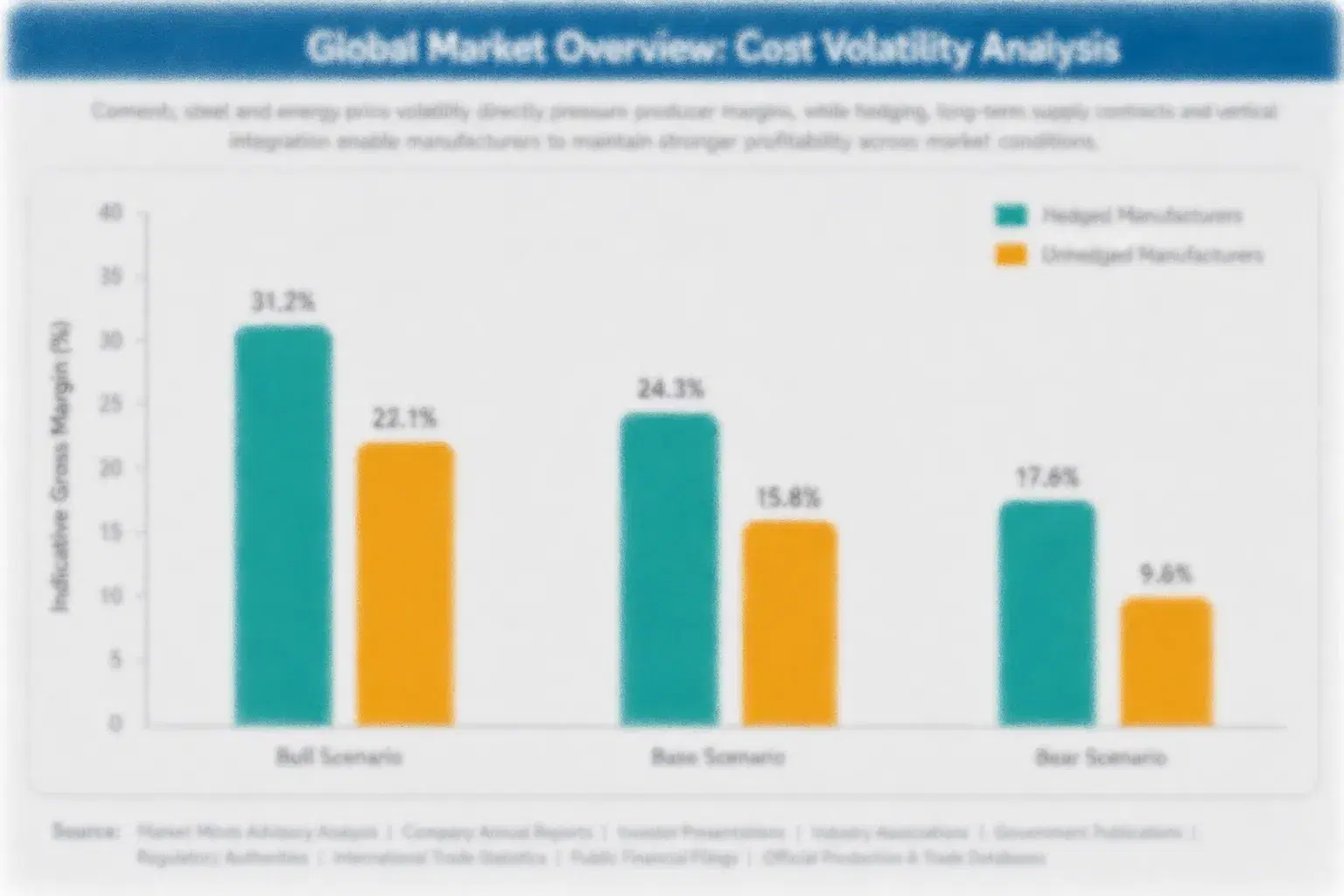
NFC chips and antenna inlays account for roughly 53% of unit production cost in smart packaging, well above the typical component share in conventional packaging, with the bulk of this supply originating from a small number of East Asian semiconductor producers concentrated primarily in China, South Korea, and Taiwan, a concentration that gives those producers meaningful pricing leverage over converters worldwide.
A 2025 price spike in NFC chip components, driven by a temporary supply disruption at a major East Asian semiconductor producer, pushed converter input costs up meaningfully for several months before alternative sourcing stabilized the market, according to IEA commodity tracking and company annual report disclosures from affected converters during the period, illustrating how dependent the category remains on a handful of upstream chip producers.

Converters without direct East Asian chip sourcing relationships face a lasting cost disadvantage against integrated competitors, since spot-market purchasing carries a persistent premium over long-term supply contracts that only established players can secure. This exposure varies most by converter scale, with smaller regional players bearing the largest relative cost burden, a dynamic that favors Avery Dennison, CCL, and other scale players with established East Asian relationships over regional specialists.
smart-packaging-market-cost-volatility-analysis-1791530577560

Dual Sourcing Across East Asian Suppliers

Converters are qualifying a second East Asian chip supplier alongside their primary source to reduce exposure to single-producer disruption, accepting modest cost premiums in exchange for supply continuity assurance across their largest accounts. Several mid-tier converters have adopted this approach over the past year specifically, and early results suggest the added cost is more than offset by avoided disruption risk.

Long-Term Supply Contracts With Price Collars

Larger converters are negotiating multi-year supply contracts with built-in price collars that cap input-cost volatility in exchange for committed purchase volumes, a structure smaller converters typically cannot access given their limited negotiating scale. This structure is becoming increasingly common among the industry's top five players specifically, giving them a cost-stability advantage that smaller competitors cannot easily replicate.

Portfolio Architecture for Margin Defence

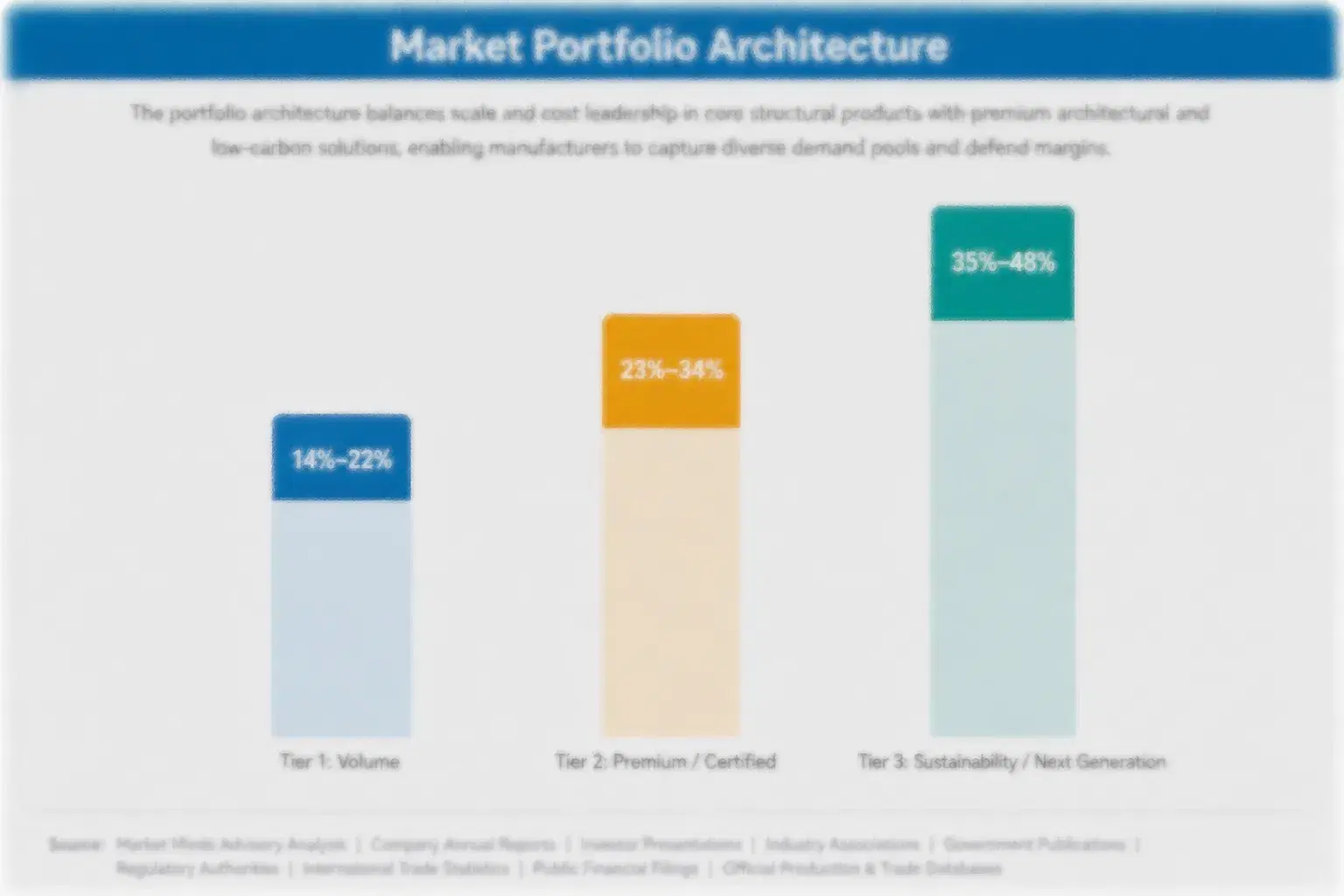
Smart packaging splits into three distinct margin tiers, separated primarily by connectivity sophistication and the regulatory rigor of the end-use category rather than production volume alone, with pharmaceutical-grade NFC formats commanding the richest margins across the category. Converters that can operate profitably across all three tiers simultaneously hold a durable advantage over specialists confined to a single category Account relationships often span multiple tiers within the same brand-owner customer.
Volume commodity-adjacent QR code packaging, mostly single-function engagement codes sold into mainstream grocery and household categories, carries the thinnest margins but the largest absolute unit volume, while premium certified NFC formats serving pharmaceutical accounts command substantially richer margins justified by chip cost and regulatory stakes. The gap between these two tiers has widened as pharmaceutical qualification requirements grow more demanding each cycle.

High-value pools concentrate most heavily around pharmaceutical authentication formats and emerging multi-function packs that bundle authentication and engagement capability within a single chip, both of which command pricing power that ordinary QR codes cannot match. Converters positioning early in these emerging categories are capturing disproportionate attention from premium buyers They are willing to pay for demonstrated reliability ahead of broader market validation elsewhere.

Printed QR code packaging sold into mainstream grocery and household categories, competing primarily on print cost and distribution speed rather than connectivity sophistication, typically carrying the industry's lowest per-unit margin.
Gross Margin

NFC-enabled pharmaceutical authentication packs carrying regulatory certification, commanding substantially richer margins justified by qualification cost and audit-driven requirements, typically carrying the industry's highest per-unit margin by a wide margin today.
Gross Margin

Recyclable chip substrate formats and emerging multi-function authentication-engagement packs addressing both sustainability mandates and expanding regulatory documentation requirements, representing a smaller but fast-growing margin pool currently, still with limited deployment history to date.
Gross Margin
smart-packaging-market-portfolio-architecture-1791530577750

High-value Sub-segments and Strategic Watch-out

Pharmaceutical Authentication Compliance Programs

Highest-value, highest-growth category, combining regulatory-driven demand with premium pricing power. Converters with established pharmaceutical qualification track records are best positioned to capture this expanding and relatively price-insensitive pool of demand over the next several years as pharmaceutical cold-chain regulation continues tightening worldwide, a trend already visible across major markets.

Multi Function Authentication Engagement Packs

High-value, moderate-growth category bundling authentication and engagement capability within a single chip. Still early in commercial deployment, but offering meaningful pricing power for converters able to demonstrate reliable dual-function performance across demanding brand-owner accounts as buyer familiarity with combination formats continues to build industry-wide today.

Standard QR Code Engagement Programs

Volume core category carrying the largest absolute unit count but thinnest margins. Growth here tracks retailer mandate expansion closely, and competitive intensity is rising as qualification costs fall and more converters enter this commodity-adjacent segment at a pace faster than most other watch categories tracked in this report.

Recyclable Chip Substrate Format Programs

Strategic watch-out category where sustainability mandates could reshape qualification requirements across every other segment if regulators move faster than expected. Converters without recyclable substrate research underway risk losing qualification in regulated markets well before mainstream commercial validation is complete, a risk converters are now actively monitoring closely.

From Single Package To Data Channel

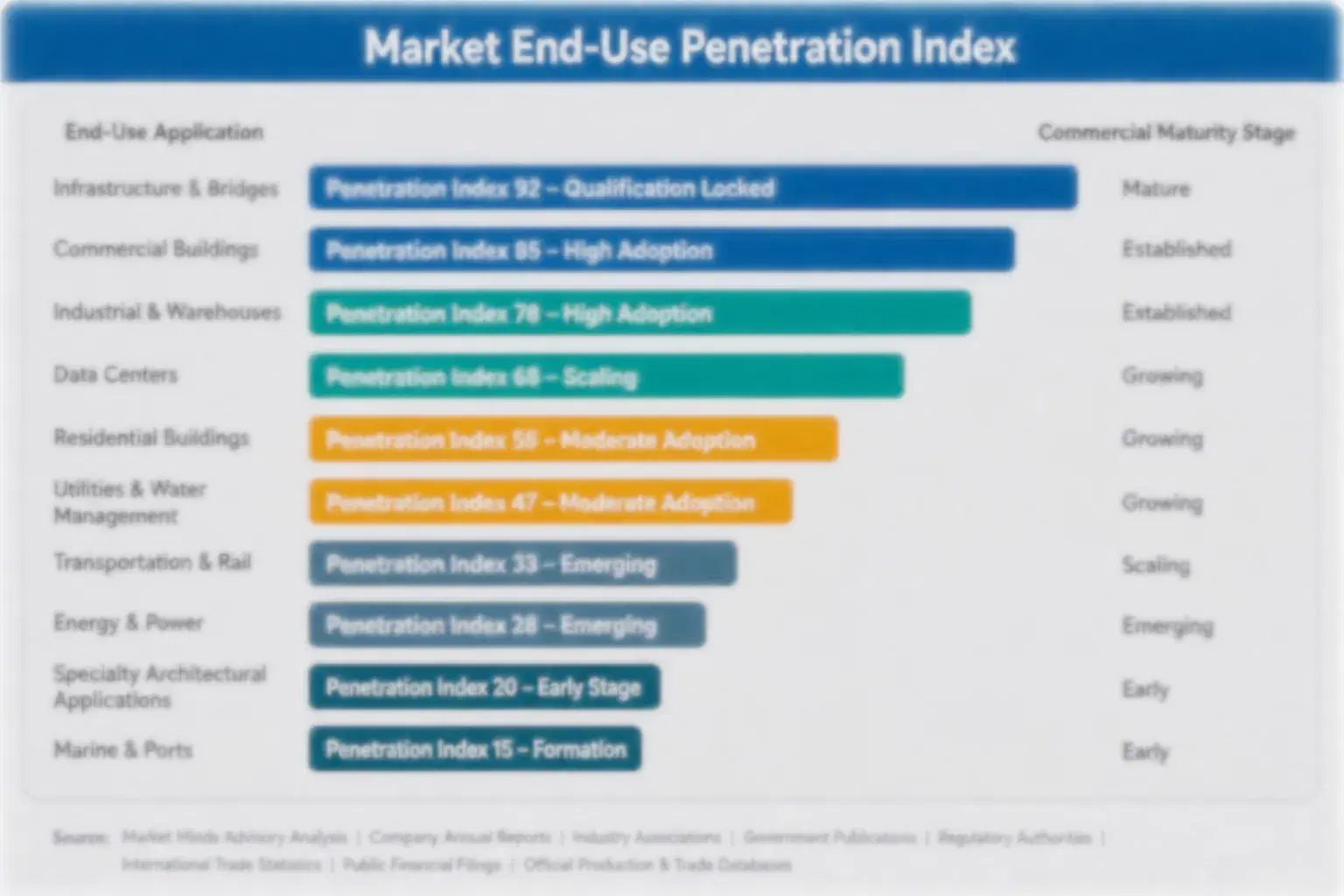
Smart packaging is shifting from a single per-unit transaction toward a recurring data relationship, as converters bundle engagement analytics and authentication support alongside the physical package itself. Brand owners increasingly renew supplier relationships based on ongoing engagement data rather than renegotiating price from scratch each cycle, giving incumbent suppliers durable account depth that newer entrants struggle to displace today.
Adoption depth varies sharply by end-use vertical. Pharmaceutical buyers adopt with near-total conviction once qualified, since regulatory requirements leave little room for reversal, while consumer packaged goods buyers adopt more cautiously and often test connected formats on a single product line before expanding across the broader portfolio. This divergence means suppliers serving both channels need fundamentally different account-management approaches rather than a single unified sales motion.

A generational shift is underway among packaging buyers themselves, as procurement teams increasingly include digital-marketing and brand-protection specialists alongside traditional cost-focused buyers. These newer buyer profiles weigh engagement data and authentication reliability more heavily than unit price alone, a shift that favors converters able to articulate value beyond the physical package and toward the broader data relationship it enables now.
smart-packaging-market-end-use-penetration-index-1791530577934

Where Connected Packaging Value Concentrates

These are among the four positions where our research anticipates prominent divergence between winners and laggards over the coming forecast period. Each is grounded in the demand model, the regulatory perimeter, and the announced capacity pipeline.
01 / PHARMACEUTICAL ACCOUNT DEPTH

Qualification Track Record Decides Pharmaceutical Share

Pharmaceutical accounts reward converters with established qualification history over price-competitive new entrants, since regulatory approval cycles routinely exceed a year and carry real switching risk. Avery Dennison and other incumbents with deep pharmaceutical relationships hold durable advantage here that specialist chip companies cannot easily replicate. Converters without existing pharmaceutical accounts should prioritize smaller generic drug manufacturers first, where qualification cycles move faster than at major global drug companies, where decision-makers move faster and carry less entrenched incumbent loyalty today already.
02 / NFC CONVERSION SCALE

NFC Format Scale Rewards Fast Capacity Investment

NFC-enabled authentication packaging is the category's fastest-growing segment, and brand owners are moving quickly from pilot programs to full-portfolio scale once satisfied with reliability. Converters that can demonstrate consistent chip performance at commodity price points are winning disproportionate new contract volume right now. Those still treating NFC as a premium niche risk losing share to faster-moving competitors across entire consumer categories, especially once a single large brand commits to a portfolio-wide rollout across its product lines nationwide within a single budget cycle.
03 / CHIP MATERIAL SOURCING

East Asian Supply Access Determines Cost Competitiveness

Converters without direct East Asian chip sourcing relationships face a lasting cost disadvantage that spot-market purchasing cannot fully offset. Dual sourcing and long-term supply contracts with price collars are becoming standard practice among the industry's largest players specifically. Smaller converters lacking negotiating scale should pursue consortium-based purchasing arrangements to access similar terms, pooling purchase volume across several mid-sized converters to secure terms none could negotiate independently on their own, rather than each negotiating alone a practical path for smaller regional players.
04 / DATA SERVICE EXPANSION

Analytics Subscriptions Extend Converter Margin Capture

Engagement analytics and authentication licensing are opening recurring revenue paths beyond the physical packaging sale itself, a meaningful shift for a category historically priced on unit cost alone. Converters building these data-service capabilities now are positioning for margin profiles closer to technology vendors than traditional packaging suppliers. This shift favors scale players with existing brand-owner data relationships already in place, an advantage that will compound further as more brands standardize analytics requirements across supplier contracts already well ahead of most mid-tier competitors.

Engagement Snapshot From the Field

A live engagement with an industry participant carrying material or product regulatory and market exposure ahead of a defining policy shift, showing how our research translates into a defensible multi-year portfolio strategy.
MARKET MINDS ADVISORY · CLIENT ENGAGEMENT SUMMARY
Smart Packaging Producer Strategic Portfolio Review and Transition Roadmap 2026·Investment Scenario on Smart Packaging Exposure Evaluation 2025-26
CLIENT PROFILE
The client operates a mid-sized generic pharmaceutical manufacturing operation serving several national markets, with annual prescription drug revenue in the mid hundreds of millions (client-reported, unverified by MMA). Facing rising counterfeit-related recall costs and tightening serialization mandates, the client sought to pilot NFC-enabled authentication packaging across its highest-volume product lines ahead of a planned portfolio-wide rollout.
STRATEGIC CHALLENGE
Leadership needed to validate whether NFC authentication could meaningfully reduce counterfeit-related losses without materially raising per-unit packaging cost across price-sensitive generic categories, while also confirming consumer and pharmacist comprehension of the tap-to-verify signal before committing to a portfolio-wide conversion affecting several hundred products, given that leadership had already committed significant capital budget toward the broader conversion decision.
MMA APPROACH
MMA's team structured a six-month pilot assessment across forty pharmacy chains, combining counterfeit-incident tracking with structured pharmacist and consumer-comprehension surveys administered at dispensing. The engagement drew on MMA's primary survey dataset for comparable category benchmarks and incorporated direct interviews with the client's regulatory-affairs team overseeing the serialization conversion, supplemented by a review of comparable rollout data from other regional pharmaceutical manufacturers tracked in MMA's broader.
KEY FINDINGS
  1. Pilot products recorded a measurable reduction in recorded counterfeit-related incidents versus matched control products over the period (client-reported, unverified by MMA), a meaningful improvement for the category.
  2. Consumer comprehension surveys showed most pharmacists correctly interpreted the authentication signal without prior training or additional signage support, exceeding the client's prior expectations going into the pilot.
  3. Per-unit packaging cost rose modestly, within the range the client's regulatory-affairs team had budgeted for ahead of the pilot launch, confirming the regulatory team's cost assumptions held.
  4. Pharmacy staff reported fewer customer inquiries tied to perceived authenticity concerns, a secondary benefit not anticipated in the original pilot design, strengthening the broader business case internally.
CLIENT PROFILE
The client operates a mid-sized generic pharmaceutical manufacturing operation serving several national markets, with annual prescription drug revenue in the mid hundreds of millions (client-reported, unverified by MMA). Facing rising counterfeit-related recall costs and tightening serialization mandates, the client sought to pilot NFC-enabled authentication packaging across its highest-volume product lines ahead of a planned portfolio-wide rollout.
STRATEGIC CHALLENGE
Leadership needed to validate whether NFC authentication could meaningfully reduce counterfeit-related losses without materially raising per-unit packaging cost across price-sensitive generic categories, while also confirming consumer and pharmacist comprehension of the tap-to-verify signal before committing to a portfolio-wide conversion affecting several hundred products, given that leadership had already committed significant capital budget toward the broader conversion decision.
MMA APPROACH
MMA's team structured a six-month pilot assessment across forty pharmacy chains, combining counterfeit-incident tracking with structured pharmacist and consumer-comprehension surveys administered at dispensing. The engagement drew on MMA's primary survey dataset for comparable category benchmarks and incorporated direct interviews with the client's regulatory-affairs team overseeing the serialization conversion, supplemented by a review of comparable rollout data from other regional pharmaceutical manufacturers tracked in MMA's broader.
KEY FINDINGS
  1. Pilot products recorded a measurable reduction in recorded counterfeit-related incidents versus matched control products over the period (client-reported, unverified by MMA), a meaningful improvement for the category.
  2. Consumer comprehension surveys showed most pharmacists correctly interpreted the authentication signal without prior training or additional signage support, exceeding the client's prior expectations going into the pilot.
  3. Per-unit packaging cost rose modestly, within the range the client's regulatory-affairs team had budgeted for ahead of the pilot launch, confirming the regulatory team's cost assumptions held.
  4. Pharmacy staff reported fewer customer inquiries tied to perceived authenticity concerns, a secondary benefit not anticipated in the original pilot design, strengthening the broader business case internally.
RECOMMENDED STRATEGY
Phase 1: Expand the pilot to an additional eighty products across two new therapeutic categories before committing to full portfolio conversion, validating performance across a broader demographic and pharmacy-format mix. Phase 2: Negotiate a multi-year chip supply agreement with price protection ahead of broader rollout to lock in favorable per-unit economics, protecting margin as portfolio volume scales nationwide. Phase 3: Layer in authentication data reporting for regulatory-affairs teams as a value-added service once volume justifies the investment, creating a recurring revenue stream beyond the packaging sale itself.
OUTCOME
The client approved an expanded 120-product pilot phase and began supplier negotiations for a multi-year NFC chip supply agreement (client-reported, unverified by MMA). Regulatory-affairs leadership reported improved confidence in forecasting counterfeit-related losses, supporting a broader business case for portfolio-wide conversion within the following fiscal year.

Frequently Asked Questions

Foundational context covering the market sizes, CAGR, scope, country, region and competition that inform every finding below. This section is provided to cover basics and most often pre-purchase conversations, answered from the MMA Primary Research Dataset.

What is the current size of the Smart Packaging Market?

The market reached an estimated USD 1.25 billion in 2026, covering RFID, NFC, and QR-enabled finished packaging for authentication and consumer engagement. Growth is concentrated in East Asian chip manufacturing and pharmaceutical adoption.

How large will the Smart Packaging Market be by 2036?

MMA projects the market will reach approximately USD 4.4 billion by 2036, nearly 3.52 times its 2026 value, driven by counterfeit-liability pressure and consumer-engagement marketing expanding together.

What is the CAGR for the Smart Packaging Market 2026 to 2036?

The market is forecast to grow at a 13.4% compound annual rate through 2036, with bull and bear scenarios ranging from 12.2% to 14.6% depending on chip-integration cost trends.

Which segment is growing fastest?

NFC Enabled Authentication Packaging is growing fastest at a 17.1% CAGR, roughly 1.28 times the overall market rate, led by pharmaceutical and luxury brand counterfeit-liability concerns.

Who are the major companies in the Smart Packaging Market?

Leading suppliers include Avery Dennison Corporation, CCL Industries Inc, Thin Film Electronics ASA, SATO Holdings Corporation, and Zebra Technologies Corporation, together holding roughly 29% of global revenue.

Which country is growing fastest?

China is growing fastest at a 15.3% CAGR, driven by its electronics-adjacent chip manufacturing base converting semiconductor expertise into packaging-grade authentication elements, ahead of every other national market tracked in this report.

Smart Packaging Market Breakdown

The full report scope spans multiple orthogonal segmentation dimensions, with cross-tabulated demand data provided for each dimension pair. Coverage extends further to regional breakdowns, trend trajectories, and the competitive detail needed to support segment-level decision-making.
  • NFC Enabled Authentication Packaging
  • QR Code Enabled Engagement Packaging
  • RFID Enabled Supply Chain Packaging
  • Hybrid Multi Function Connected Packaging
  • Printed Electronic Sensor Tag Packaging
  • Pharmaceuticals and Biologics
  • Luxury Goods and Apparel
  • Food and Beverage
  • Cosmetics and Personal Care
  • Electronics and Industrial Goods
  • Brand Authentication Programs
  • Consumer Engagement Marketing Programs
  • Data Analytics Subscription Services
  • Converter Licensing Programs

By Region

  • North America
  • Western Europe
  • East Asia
  • South Asia and Pacific
  • Latin America
  • Middle East and Africa
  • Eastern Europe

Scope, Methodology, and Coverage

Every figure in this report is reproducible from documented input assumptions. The scope below maps the historical period, the forecast horizon, the segmentation dimensions, and the countries covered, alongside the underlying primary and qualitative methodology.
Historical Period
2020 to 2025
Forecast Period
2026 to 2036
Base Year
2025 (USD billions; MMA Primary Research Dataset, October 2026)
Market Definition
The Smart Packaging Market covers finished packaging products with embedded RFID tags, NFC chips, or printed QR codes designed for brand authentication, consumer engagement, or supply-chain traceability functions. It excludes freshness, temperature, or tamper sensing packaging formats, standalone RFID inlay production equipment, and general-purpose inventory-management software unrelated to the physical packaged product.
Quantitative Units
USD billions
Segmentation Dimensions
Regions Covered
North America, Western Europe, East Asia, South Asia and Pacific, Latin America, Middle East and Africa, Eastern Europe
Countries Covered
Key Companies Profiled
Avery Dennison Corporation, CCL Industries Inc, Thin Film Electronics ASA, SATO Holdings Corporation, Zebra Technologies Corporation, Smartrac Technology Group, Invengo Information Technology, Impinj Inc, NXP Semiconductors, Identiv Inc, HID Global Corporation, Checkpoint Systems, Muehlbauer Group, Schreiner Group, Toppan Printing Co, Dai Nippon Printing Co, Multi-Color Corporation, Huhtamaki Oyj, Constantia Flexibles, WS Packaging Group
Quantitative Methodology
Primary survey, n=3,800 respondents, Q4 2025, six countries; demand-side model with trade association cross-validation
Qualitative Methodology
47 expert interviews, Q4 2025; applied to validate demand model assumptions, identify emerging dynamics, and assess competitive positioning
Report Format
PDF and XLSX data workbook (Word format preview document)
Publisher
Market Minds Advisory
Report Code
MMA-2026-PAC-706
Published
October 2026
Contact
sales@marketmindsadvisory.com | www.marketmindsadvisory.com

Purchase the full Smart Packaging Market Report (2026 to 2036).

This report provides a comprehensive assessment of the Smart Packaging Market through 2036. It covers NFC, QR, and RFID enabled packaging formats across pharmaceutical, luxury goods, and mainstream consumer packaged goods categories. The analysis details regional demand patterns, competitive positioning among established label and packaging converters, and input-cost exposure tied to chip supply concentration. It draws on primary survey data, expert interviews, and company disclosures to quantify segment-level growth and margin architecture across the forecast period. Forecasts reflect both base-case and scenario-adjusted bull and bear trajectories through 2036.
Ten-year revenue and unit volume forecasts
Seven-region demand share and CAGR breakdown
Twenty-company competitive benchmarking and positioning profile
Segment-level CAGR and margin tier analysis
Input-cost exposure mapping and mitigation pathways
Anonymized client case study with full strategy roadmap

Built For The People Who Decide

From boardroom strategy to bench-side execution, this report is read cover-to-cover by leaders shaping the next decade of their industry, turning demand scenarios, market dynamics and valuation benchmarks into decisions.
CXOs/ Presidents/ VPs/ Managers
M&A and Corporate Development
Strategy Teams and R&D Heads
Procurement and Product Directors
Regulatory and Compliance Leaders
Investor Relations and Equity Analysts