Market Minds Advisory
Refill-at-Home Concentrated Cleaning Pouches Market

Refill-at-Home Concentrated Cleaning Pouches Market Trends 2026-2036

Direct-to-consumer refill brands proved concentrated cleaning pouches could work, and now Unilever and Procter & Gamble are racing to copy the model at retail scale, even though many consumers still struggle with dilution bottles.

Lead Analyst

Bilal Shaikh

Published

November 2026

Make Smarter Decisions with Customized Research Insights

Request a free sample report and evaluate market opportunities, growth trends, and competitive dynamics relevant to your business needs.

2025 MARKET VALUE$1.1BMarket Size 2025
2036 FORECAST VALUE$5.9BBase Case , 2026 to 2036
CAGR 2026 TO 203616.5 %Bull 17.8% / Bear 15.2%
INCREMENTAL OPPORTUNITY$4.6BNet 10- year value creation
EXPANSION MULTIPLE4.60x2036 value over 2026 base
Strategic Levers
M&A Pipeline
Regional Outlook
Country Rankings
Competitive Intelligence
Segmental Deep-dive
Call-Us : 91 93563 13602

Refill-at-Home Concentrated Cleaning Pouches Demand Outlook

Direct-to-consumer refill brands demonstrated genuine consumer willingness to dilute concentrate pouches at home, and major household care companies are now racing to bring the model into mainstream retail before independent brands lock up the category's early customer loyalty. This race is reshaping category economics faster than anyone predicted.
Japan's decades-old refill culture gives East Asia an unusually large head start on this format relative to other regions, while North American direct-to-consumer brands like Blueland proved the concept could work in markets without that cultural foundation. Laundry detergent concentrate pouches are growing fastest as the category's largest household spend pool finally gets a credible refill alternative, while all-purpose cleaner pouches remain the most established and highest-volume segment overall.
Five companies hold just over a third of global volume, reflecting a genuinely open competitive field where venture-backed startups and century-old incumbents compete on surprisingly even footing for shelf space and consumer trust. Plastic reduction regulation and retailer sustainability commitments are the dominant forces pulling major brands into the category faster than organic consumer demand alone would justify. This openness will likely narrow considerably as major brands scale their distribution advantages further. overall.
Market Definition
The refill-at-home concentrated cleaning pouches market covers small-format flexible pouches containing concentrated cleaning formulations that consumers dilute with water in a reusable spray bottle or container at home, spanning all-purpose, glass, laundry detergent, dish soap, bathroom, and multi-surface specialty concentrate categories. It excludes ready-to-use diluted cleaning products sold in disposable bottles, bulk refill stations located in retail stores, and laundry or dish detergent pods and tablets that are not water-diluted concentrate pouches. For scale, MMA values the in-store refill stations market at USD 0.6 billion in 2025 and expects it to reach USD 2.91 billion by 2036.
Base Year Value
$1.1B in 2025 (MMA Primary Research Dataset, October 2026)
Forecast Period
2026 to 2036, eleven discrete annual values
CAGR
16.5% base case. Bull 17.8%. Bear 15.2%.
Fastest Growth Segment
Laundry Detergent Concentrate Pouches: 20.5% CAGR
Fastest Growth Country
Indonesia: 19.5% CAGR
Fastest Growth Region
South Asia and Pacific: 18.6% CAGR
Largest Region
East Asia: 32% of 2025 global value
Market Leaders
Blueland, Dirty Labs, Grove Collaborative, Unilever, and Procter & Gamble lead the market. Source: MMA Analysis based on company annual reports and investor filings.
Primary Survey
n=3,800 procurement and R&D decision-makers, Q4 2025, six countries
Methodology
Demand-side build-up, cross-validated against public data, 47 expert interviews

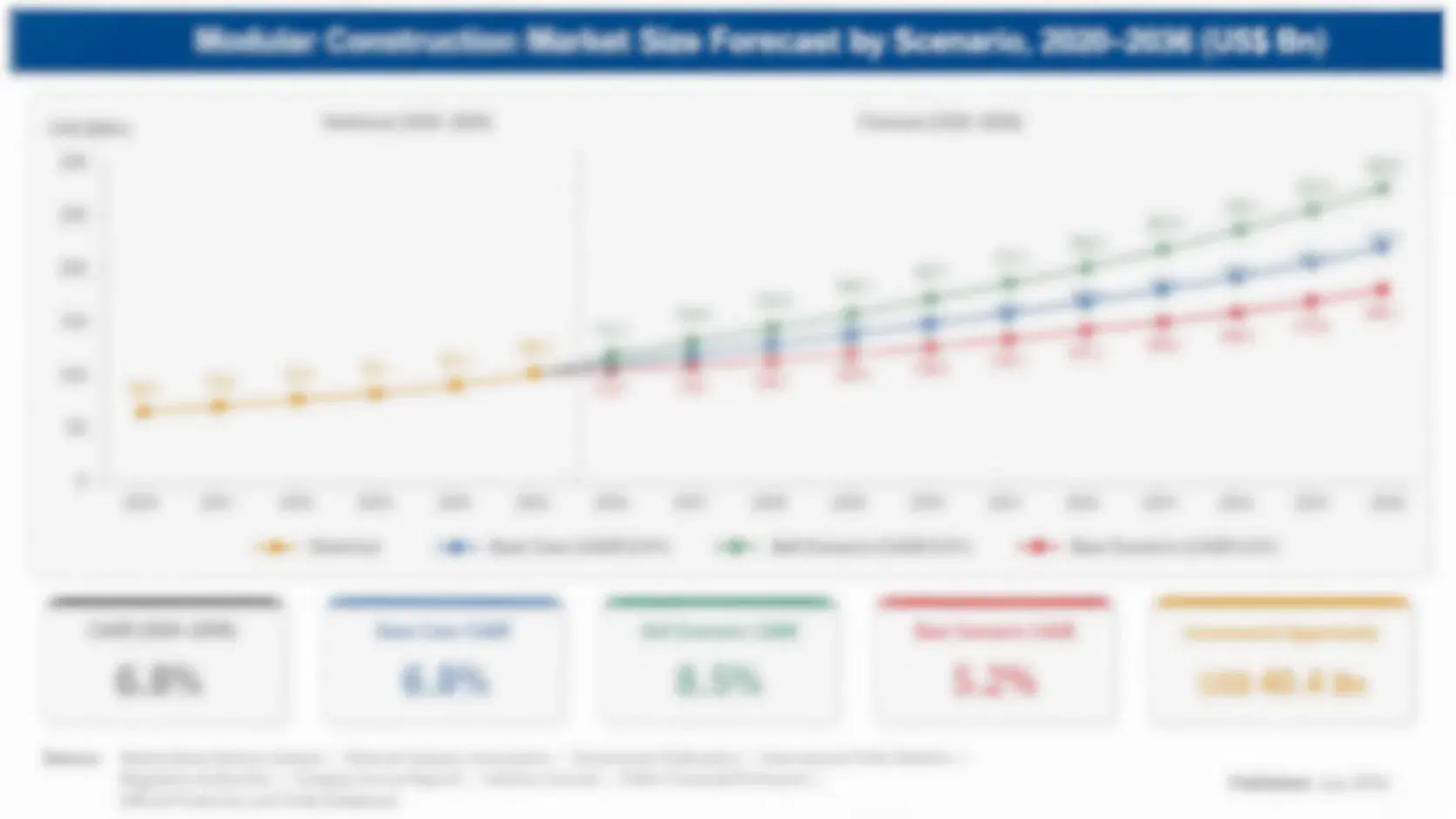
Refill-at-Home Concentrated Cleaning Pouches Revenue Scenarios

refill-at-home-concentrated-cleaning-pouches-marke-size-forecast-scenario-1791410002536
Concentrate pouch volume grew from a small direct-to-consumer base between 2020 and 2025 as early brands proved consumer willingness to dilute cleaning products at home, gradually expanding into mainstream retail distribution. Growth concentrated in North America initially. The market grew at a historical compound annual growth rate of 15.2%, trailing the faster pace now expected as major brands enter at retail scale.
The base case assumes continued retail distribution expansion as major household care companies launch competing concentrate lines, accelerating laundry detergent category entry, and gradual international expansion beyond the format's North American and Japanese strongholds. Retailer sustainability commitments push shelf space toward reduced-plastic formats, and major brand entry brings marketing scale independent brands cannot match. Together these mechanisms sustain exceptional growth even as the category matures. This keeps growth well above category averages.
The bull case centers on faster laundry detergent category conversion as major brands successfully simplify the dilution experience, lifting both volume and average household spend meaningfully. The bear case is persistent confusion over dilution ratios limiting repeat purchase rates, slowing the category's transition from novelty trial to genuine habit formation. Both scenarios depend heavily on how quickly major brands can simplify the dilution experience.

Why Habit Formation Matters More Than Formulation

Concentrated cleaning pouches solve a genuine packaging waste problem, since conventional diluted cleaners ship mostly water, but the format's commercial success depends entirely on whether consumers form a durable habit around dilution rather than treating their first pouch as a one-time curiosity purchase that never gets repeated. This tension defines nearly every strategic decision facing brands in the category today.
MARKET CONCENTRATION (CR5)35%Five companies hold just over a third of volume
AVERAGE SELLING PRICE$6.50/pouchBlended global average retail price per concentrate pouch
TOP PRODUCING COUNTRY SHARE26%The United States supplies roughly a quarter of output
CAPACITY UTILIZATION68%Manufacturers run dedicated lines below three quarters capacity
INGREDIENT SHARE OF COGS38%Concentrated surfactants dominate manufacturer input cost overall today
REPEAT PURCHASE RATE54%Roughly half of trial customers purchase a second refill
Commercially, the market splits between venture-backed direct-to-consumer brands that built the category through subscription models and brand storytelling, and major household care companies now entering through existing retail relationships and manufacturing scale. Independent brands retain an advantage on brand authenticity and early-adopter loyalty, while major brands compete on price, distribution breadth, and formulation performance parity with conventional cleaners. Major brands increasingly view this entry as essential to defending their broader household care portfolios.
Over the next decade, the forces reshaping the category are mostly about habit formation at scale rather than product innovation. Whichever companies solve the dilution bottle compatibility and instruction-clarity problems most effectively will capture disproportionate repeat purchase volume as the category moves from early-adopter trial into mainstream household habit. Brands that solve this first will likely define category leadership for years.
"The chemistry was never the hard part. The hard part is getting someone to actually refill the bottle correctly a second time without giving up and buying a regular spray bottle instead."
Director, Household and Fabric Care Products Practice · MMA Household and Fabric Care Products Practice · October 2026

Refill-at-Home Concentrated Cleaning Pouches Technology Trends

Major Household Care Brands Launch Competing Concentrate Lines

Unilever, Procter & Gamble, and other major household care companies are launching their own concentrated refill pouch lines, bringing marketing budgets and retail distribution relationships that independent direct-to-consumer brands cannot match. These major brand entries are validating the category to mainstream retailers who previously treated refill pouches as a niche sustainability product, accelerating shelf space allocation across grocery and mass retail channels. Independent brands that built early customer loyalty through subscription relationships are racing to deepen that loyalty before major brand marketing budgets shift broader consumer purchase habits. Major brands are also investing in retail media advertising.
Market Impact: Adds 3 to 5 share points
Laundry Detergent Enters the Refill Category at Scale

Laundry detergent, the largest household cleaning spend category by a wide margin, is finally getting credible concentrate refill alternatives as formulation challenges around cleaning performance and fabric safety get resolved at commercial scale. This category entry matters disproportionately to overall market size given how much larger laundry detergent spend is than glass or all-purpose cleaner spend combined, creating a meaningfully larger addressable market than the category's earlier all-purpose cleaner foundation alone suggested. Brands that successfully crack laundry detergent concentrate formulation and dilution convenience are positioned to capture the single largest incremental volume pool in the category's history.
Market Impact: Lifts lifetime value 30 to 40%

Refill-at-Home Concentrated Cleaning Pouches Supplier Priorities

Retailer Sustainability Commitments Drive Shelf Space Allocation

Major retailers including Target and Walmart have made public packaging waste reduction commitments that directly favor concentrate refill formats over conventional diluted cleaners shipped mostly as water, translating corporate sustainability pledges into concrete shelf space and merchandising decisions favoring the category. Category buyers at these retailers increasingly treat refill concentrate availability as a positive factor in vendor scorecards, giving brands with strong refill offerings a meaningful advantage in broader retail negotiations beyond the refill category itself. This dynamic is accelerating shelf space allocation faster than organic consumer demand signals alone would justify. The refill-at-home and refill-in-store packaging collection and reuse market is a natural companion read, sized by MMA at USD 2.1 billion in 2025 with 13.5% annual growth ahead.
Market Impact: Loses nearly 50% of trial customers

Subscription Models Build Durable Direct-to-Consumer Revenue

Direct-to-consumer refill brands built much of their early growth on subscription models that deliver concentrate pouches on a recurring schedule, generating durable, predictable revenue that smooths the lumpiness typical of one-time retail purchases while also building the habitual usage pattern the category's long-term success depends on. Subscription customers show meaningfully higher lifetime value and repeat purchase rates than one-time retail buyers, since the subscription relationship itself reinforces the habit formation that converts trial customers into durable long-term users of the format. Brands increasingly design subscription cadence around actual consumption data rather than arbitrary fixed intervals.
Market Impact: Compresses independent brand margins 15%

Refill-at-Home Concentrated Cleaning Pouches Market Restraints

Consumer Confusion Over Dilution Limits Repeat Purchase

Many first-time consumers find dilution ratios and bottle compatibility confusing enough that a meaningful share never complete a successful second refill, treating their first pouch purchase as a failed experiment rather than the start of a habit. The root cause is that the format asks consumers to perform a small manufacturing step themselves that conventional ready-to-use cleaners never required, and instructions and bottle design have not yet been standardized enough across brands to make the process reliably intuitive. Brands are mitigating this by simplifying instructions, standardizing fill-line markings, and bundling branded reusable bottles specifically designed for their concentrate dilution ratios.
Market Impact: Adds 8 to 12 share points

Major Brand Entry Intensifies Price Competition

Major household care companies entering the category with manufacturing scale and distribution breadth independent brands cannot match are intensifying price competition faster than the category's still-maturing cost structure can comfortably absorb for smaller players. The underlying cause is a genuine scale disadvantage facing independent brands against companies that can subsidize refill pricing using profit from adjacent conventional product lines. Independent brands are mitigating this by emphasizing brand authenticity and community-driven marketing that major brands struggle to replicate credibly, rather than competing purely on price against better-capitalized competitors. This dynamic is most severe for brands without adjacent profitable product lines.
Market Impact: Expands addressable spend over 40%
3 additional market trends, 3 additional growth drivers, and 3 additional restraints and challenges are covered in the full report. Contact sales@marketmindsadvisory.com to access the complete intelligence.

Refill-at-Home Concentrated Cleaning Pouches Growth by Segment

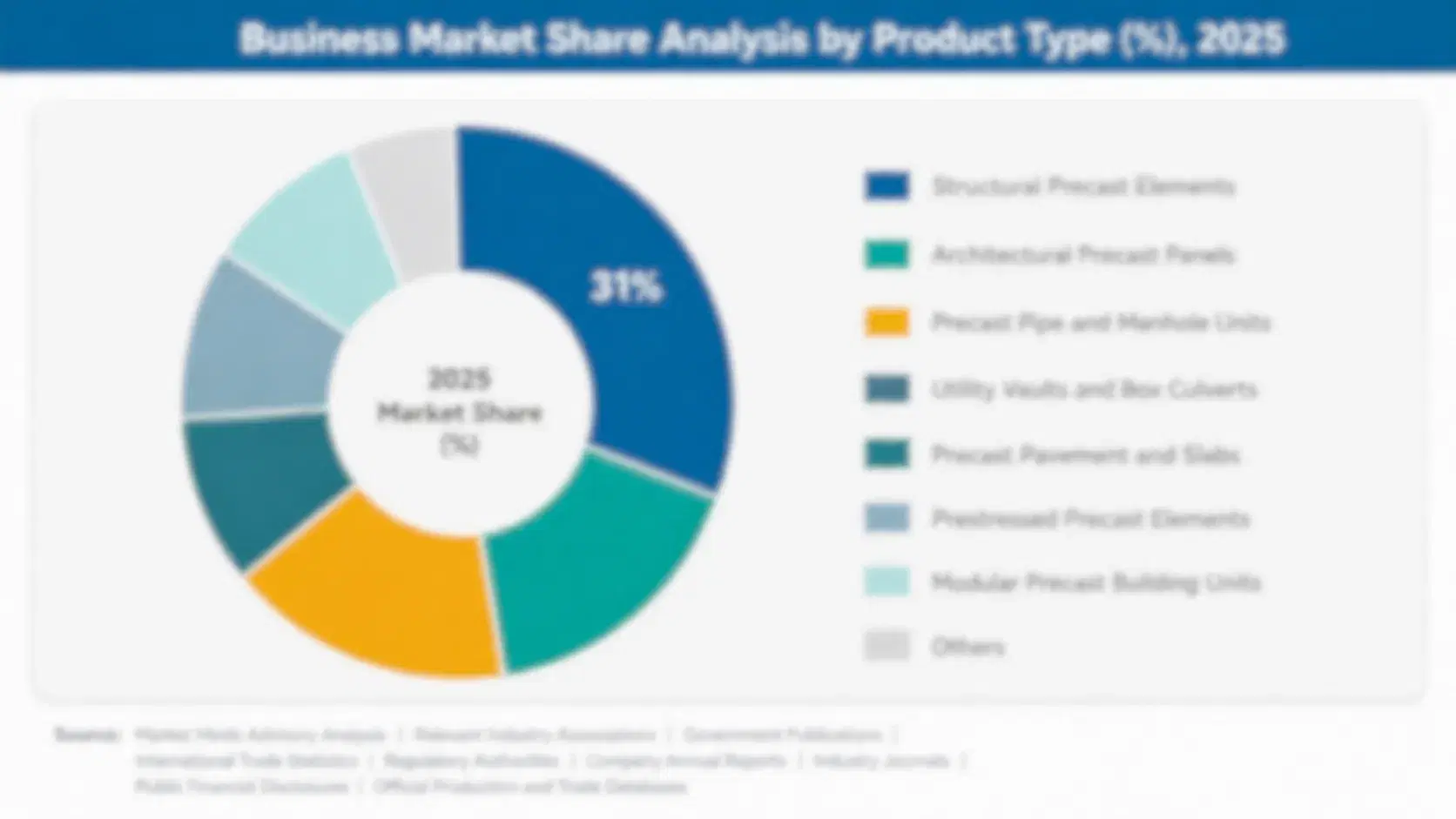
Product category, not formulation chemistry or brand positioning alone, is the clearest segmentation lens, since household spend allocation, formulation complexity, and growth rate all vary primarily by which cleaning task the concentrate addresses. Six categories cover global volume: all-purpose, glass, laundry detergent, dish soap, bathroom, and multi-surface specialty concentrate pouches. each category carrying distinct consumer trust requirements.
refill-at-home-concentrated-cleaning-pouches-marke-market-share-analysis-1791410002829

Laundry Detergent Concentrate Pouches

Laundry detergent concentrate pouches are the fastest-growing category because laundry represents the largest household cleaning spend pool by a wide margin, and credible concentrate alternatives only recently became commercially viable as formulation challenges around cleaning performance and fabric safety were resolved at scale. Brands that successfully crack laundry detergent concentrate formulation are capturing disproportionate attention and retail shelf space relative to their current share of total category volume,. Premium positioning around cleaning performance parity supports pricing above other concentrate categories, and several major brands have announced dedicated laundry concentrate lines launching soon. Consumer trust in cleaning performance for a category this important to household satisfaction remains the main adoption constraint still limiting faster growth.
CAGR 20.5%

All-Purpose Cleaner Concentrate Pouches

All-purpose cleaner concentrate pouches are the second-fastest category, benefiting from being the format's original and most established product, with the deepest brand loyalty and consumer habit formation of any concentrate category currently available. Retailers favor stocking multiple all-purpose cleaner concentrate brands since the category now has proven sell-through data that newer concentrate categories still lack, reducing merchandising risk relative to laundry detergent and other categories still establishing a retail sales track record. Subscription renewal rates for all-purpose cleaner concentrate run meaningfully higher than for newer categories, reflecting the deeper habit formation this segment has had more time to build among early-adopter customers. Capacity additions are concentrated among brands with the longest operating history in the category specifically.
CAGR 18.0%
Full segment breakdown across 6 segments available in the complete report.

Refill-at-Home Concentrated Cleaning Pouches Demand by Region

East Asia leads on the strength of Japan's decades-old refill culture, giving the region an unusual head start relative to its standard share of comparable household categories. North America follows closely, driven by direct-to-consumer brand innovation and retail expansion. North America follows closely on direct-to-consumer brand strength.

North America

North America's concentrate pouch demand is anchored by direct-to-consumer brands including Blueland and Dirty Labs that pioneered the category's subscription-driven growth model before expanding into mainstream retail distribution. Major retailers including Target and Walmart have significantly expanded shelf space for the category following strong early sell-through data and public packaging waste reduction commitments. Canada is adopting the format at a meaningfully slower pace than the United States, tied to smaller direct-to-consumer brand presence and less developed retail distribution relative to its southern neighbor. Mexico contributes modest cross-border demand tied to proximity with the United States, though domestic direct-to-consumer brand presence there remains considerably less developed, limiting the format's regional penetration beyond its core American base.
Share: 27% | CAGR: 17.2% (2026 to 2036)

Western Europe

Western Europe's demand is anchored by strong consumer sustainability awareness and packaging waste regulation that favor concentrate formats over conventional diluted cleaners shipped mostly as water. Germany and France anchor regional demand through both established household brands entering the category and newer independent entrants like Everdrop building dedicated concentrate-only product lines. The United Kingdom is adopting the format somewhat faster than continental Europe, aided by strong direct-to-consumer e-commerce infrastructure already proven across other consumer categories. Nordic countries show somewhat stronger per-capita adoption than Southern Europe, tied to higher disposable income and longer-established consumer sustainability awareness, while Southern European markets including Italy and Spain remain earlier in category development given less mature direct-to-consumer retail infrastructure relative to Northern Europe specifically.
Share: 22% | CAGR: 15.0% (2026 to 2036)
Regional intelligence for 5 additional markets available in the complete report: East Asia, South Asia and Pacific, Latin America, Middle East and Africa, Eastern Europe. Contact sales@marketmindsadvisory.com.
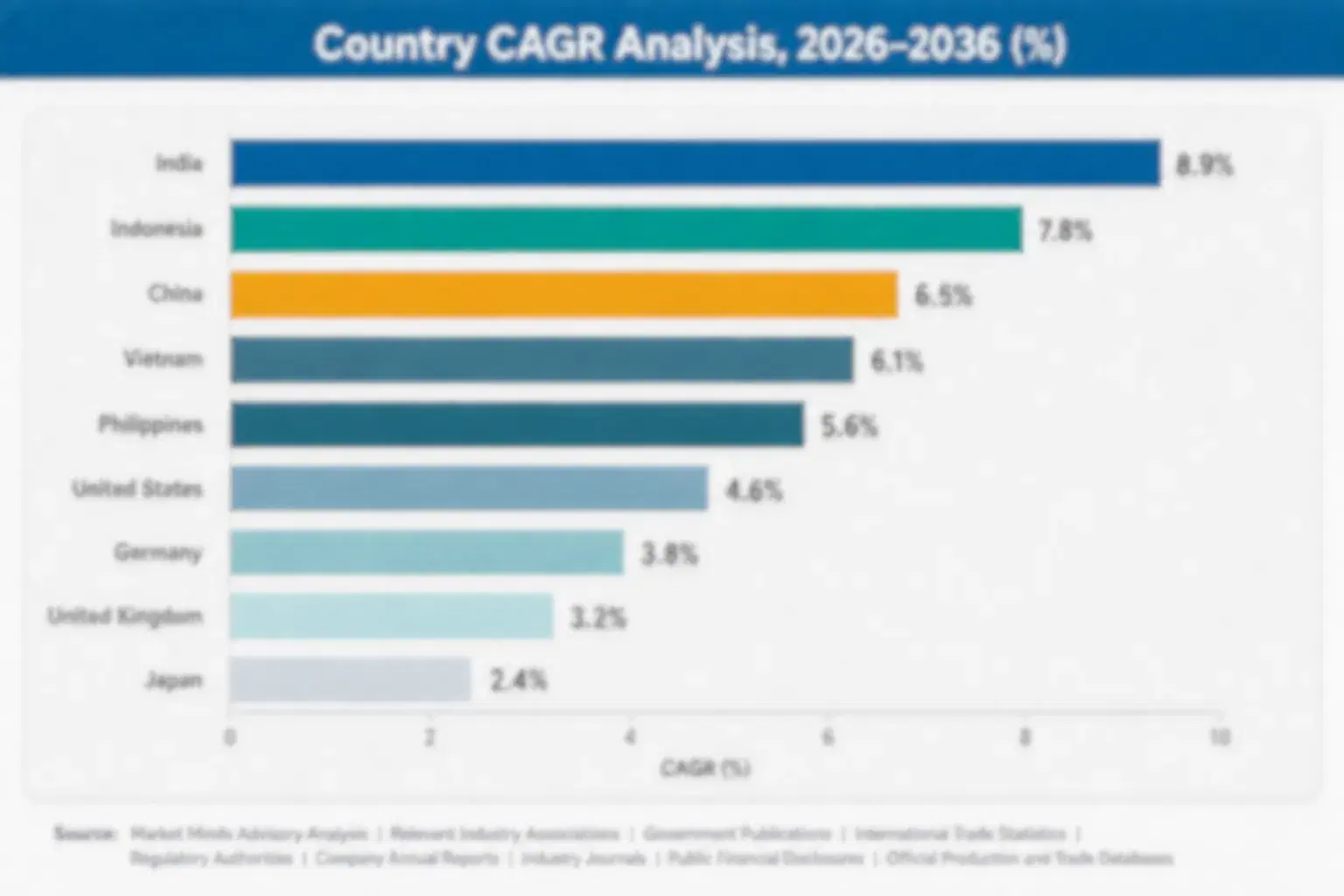
refill-at-home-concentrated-cleaning-pouches-marke-country-cagr-analysis-1791410003117

Where Concentrate Brands Can Build Durable Margin

Brands competing purely on first-pouch trial face a natural ceiling once initial curiosity purchases plateau, so the clearest paths to margin expansion run through subscription retention, category expansion, and retail partnerships that independent brands can build faster than major incumbents. Four approaches stand out as genuinely available to most mid-sized brands within a normal planning cycle.

Building Branded Reusable Dilution Bottle Systems

Brands that design and sell their own branded reusable bottles specifically calibrated to their concentrate dilution ratios can reduce the compatibility confusion that drives first-time customer dropout, while also creating an additional revenue stream and a visible brand presence in the customer's home that reinforces repeat purchase behavior. Customers invested in a dedicated bottle system show meaningfully stronger habit formation than those using generic or mismatched containers, since the bottle itself becomes a visible daily reminder of the brand relationship. Brands report this approach lifts repeat purchase rates by roughly 15 to 20% within the first two refill cycles specifically.
Market Impact: Lifts repeat purchase rates by 15 to 20%

Expanding Into Laundry Detergent Concentrate Formulation

Brands that successfully develop laundry detergent concentrate formulations can access the single largest incremental spend pool in the category, since laundry represents meaningfully larger household cleaning spend than all-purpose or glass cleaner categories combined. This path requires significant formulation investment to match conventional detergent cleaning performance and fabric safety, This addressable market runs 3 to 4 times larger than the original base. Early movers in laundry concentrate are securing retail shelf commitments ahead of competitors still developing comparable formulations. Brands pursuing this path are securing retail shelf commitments well ahead of competitors still developing comparable formulations.
Market Impact: Accesses a market 3 to 4 times larger

Securing Exclusive or Preferred Retail Placement Agreements

Brands that secure exclusive or preferred placement agreements with major retailers benefiting from strong early category sell-through data can lock in shelf space advantages before competitors, particularly major incumbent brands, negotiate comparable retail relationships of their own. This approach requires demonstrating strong unit economics and sell-through data to retailers directly, but rewards early movers with multi-year merchandising commitments that later entrants find considerably harder to displace once established. Brands with exclusive placement report revenue growing 25 to 35% faster. These agreements typically run multiple years, giving early movers a durable advantage over later entrants.
Market Impact: Grows retail revenue by 25 to 35% faster

Building Subscription Programs With Habit-Forming Cadence

Brands that design subscription programs with delivery cadence matched to actual household consumption patterns, rather than arbitrary fixed schedules, can meaningfully improve subscription retention relative to generic subscription models that create either stockpiling frustration or premature cancellation when timing mismatches consumption. This approach requires analyzing actual usage data rather than assuming a one-size-fits-all cadence, but rewards brands with subscription retention rates considerably higher than competitors using generic scheduling, typically 20 to 30% better over a twelve-month period. Brands applying this approach report subscription cancellation rates meaningfully lower than industry-standard fixed-schedule programs across comparable customer cohorts.
Market Impact: Improves subscriber retention by roughly 20 to 30%

Who Captures Refill-at-Home Concentrated Cleaning Pouches Value

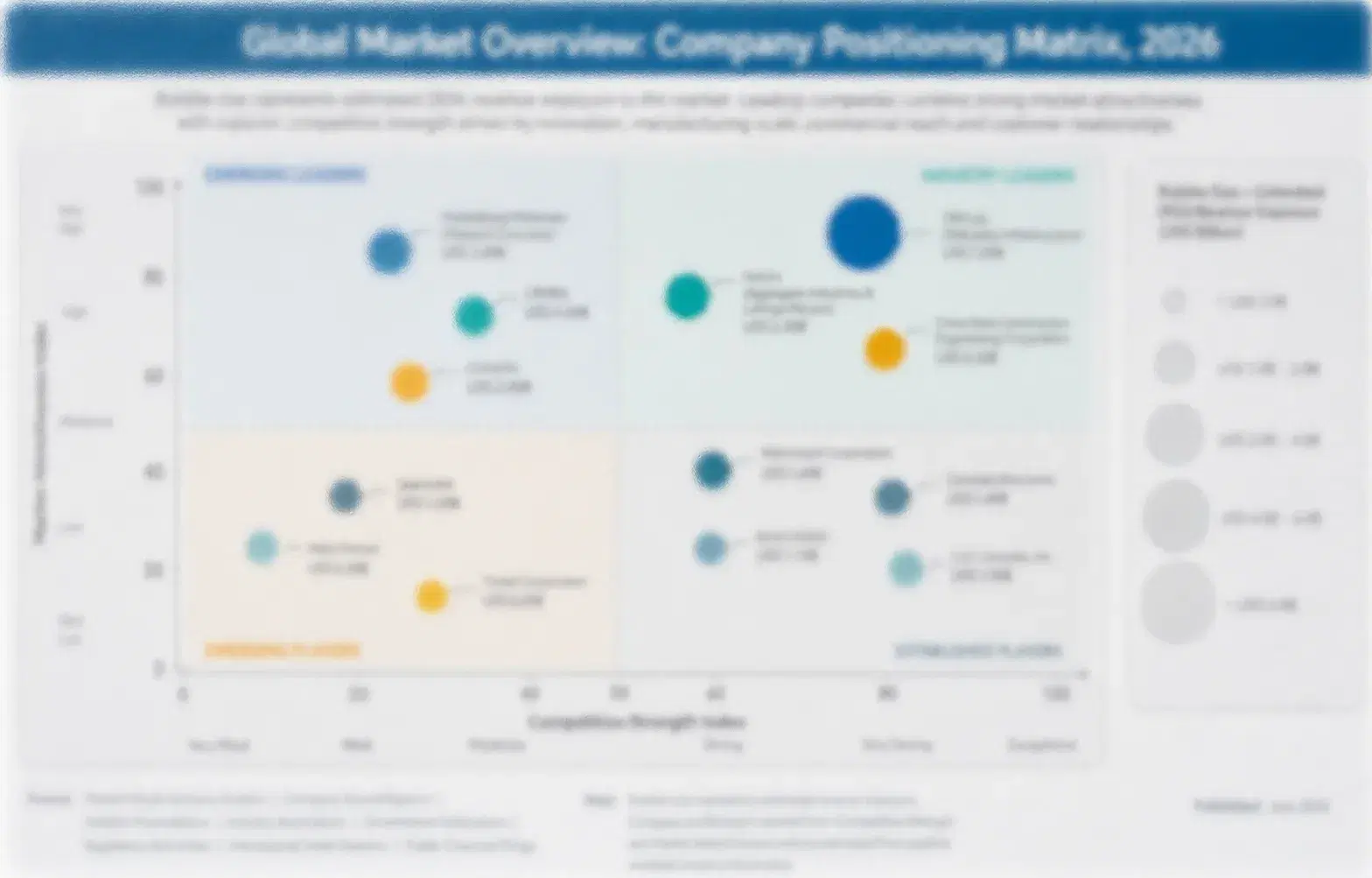
Five companies hold 35% of global volume on a comparable revenue basis, reflecting a genuinely open field where venture-backed independent brands and major household care incumbents compete on surprisingly even footing. Blueland and Unilever sit at the front of their respective competitive tiers, while mid-sized players compete mainly on formulation performance and retail relationships.
Competition plays out across three dimensions: subscription retention and habit-formation design that converts trial customers into durable repeat purchasers, retail distribution breadth that major incumbents can deploy faster than independent brands, and category expansion into laundry detergent and other high-spend segments still being contested. Companies that can credibly deliver on retention and category expansion are winning the fastest-growing, highest-value customer relationships, while those competing purely on initial trial pricing face continuous churn pressure.

Emerging pressure is coming from major household care incumbents entering with manufacturing scale and distribution relationships independent brands spent years building, creating a competitive layer that can potentially outpace independent brands on pure retail reach despite starting later. Formulation technology providers are also becoming unexpected competitive factors, since brands that license proven concentrate chemistry can enter faster than competitors developing formulations internally, shifting bargaining power toward whoever controls the most proven dilution technology.
refill-at-home-concentrated-cleaning-pouches-marke-company-positioning-matrix-1791410003383

Refill-at-Home Concentrated Cleaning Pouches Supplier Positioning

BLUELAND INC

Moat: Early Brand Authenticity and Loyalty

Blueland's early-mover position and brand storytelling built genuine consumer trust and subscription loyalty that major incumbents entering later struggle to replicate credibly, reinforcing a durable customer relationship advantage that compounds with every successful repeat refill cycle its subscribers complete. This advantage strengthens with every successful refill cycle a subscriber completes.
BLUELAND INC

Risk: Limited Scale Against Major Entrants

Blueland's comparatively limited manufacturing and marketing scale leaves it exposed to major household care incumbents that can subsidize competing refill pricing using profit from adjacent conventional product lines, a financial advantage Blueland cannot match on a standalone basis. This gap could widen further as incumbents commit larger marketing budgets to the category.
UNILEVER PLC

Moat: Global Distribution and Manufacturing Scale

Unilever's existing global retail relationships and manufacturing scale let it launch concentrate refill lines into mainstream distribution far faster than independent brands building retail relationships from scratch, giving it a meaningful speed and reach advantage once it commits resources to the category. This reach advantage compounds as more retailers allocate shelf space to the category.
UNILEVER PLC

Risk: Later Entry Than Pioneer Brands

Unilever entered the category after independent brands had already built early customer loyalty and brand authenticity specifically associated with the sustainability mission driving much of the category's earliest adoption, a positioning advantage that is considerably harder for a large incumbent to replicate convincingly. Closing this gap requires sustained investment in brand storytelling over time.

Players Tracked

Prominent Players

Blueland Inc
Dirty Labs Inc
Grove Collaborative Holdings Inc
Unilever PLC
The Procter & Gamble Company

Other Key Players

Tru Earth Canada Corp
Cleancult Inc
Everdrop GmbH
Earth Breeze LLC
Myro Inc
Dropps Inc
The Simply Co LLC
Common Good Shop LLC
SC Johnson & Son Inc
Henkel AG & Co KGaA
Church & Dwight Co Inc
Reckitt Benckiser Group PLC
Seventh Generation Inc
Ecover NV
Branch Basics LLC

Recent Developments

MARCH 2025

Unilever Acquires Direct-to-Consumer Refill Startup

Unilever acquired a direct-to-consumer concentrate refill startup, integrating its formulation technology and subscription customer base into Unilever's broader household care portfolio while accelerating its own concentrate refill product development timeline across multiple major retail markets. The acquisition also brought an experienced direct-to-consumer marketing team with proven subscription retention expertise.
Signal: Signals major incumbents are acquiring proven formulation technology rather than developing it entirely in-house. across the broader category.
JULY 2024

Blueland Opens New Concentrate Manufacturing Facility

Blueland opened a new dedicated concentrate manufacturing facility to meet surging retail demand following expanded distribution agreements with several major national retailers, reducing reliance on third-party contract manufacturing that had constrained its growth previously. The facility also reduces per-unit manufacturing cost meaningfully relative to prior contract manufacturing arrangements.
Signal: Signals independent brands are investing in owned manufacturing to support retail scale growth. ahead of further confirmed retail expansion.
JANUARY 2025

Grove Collaborative and Everdrop Form Film Technology Joint Venture

Grove Collaborative and Everdrop formed a joint venture to co-develop next-generation biodegradable pouch film technology for concentrate refills, pooling research investment across two markets to accelerate development of a packaging format that matches the sustainability positioning of the concentrate itself. Both companies expect commercial launch within roughly a year.
Signal: Signals brands are addressing packaging sustainability gaps that could otherwise undercut their core value proposition. specifically.

Surfactant Pricing and Formulation Complexity Risk

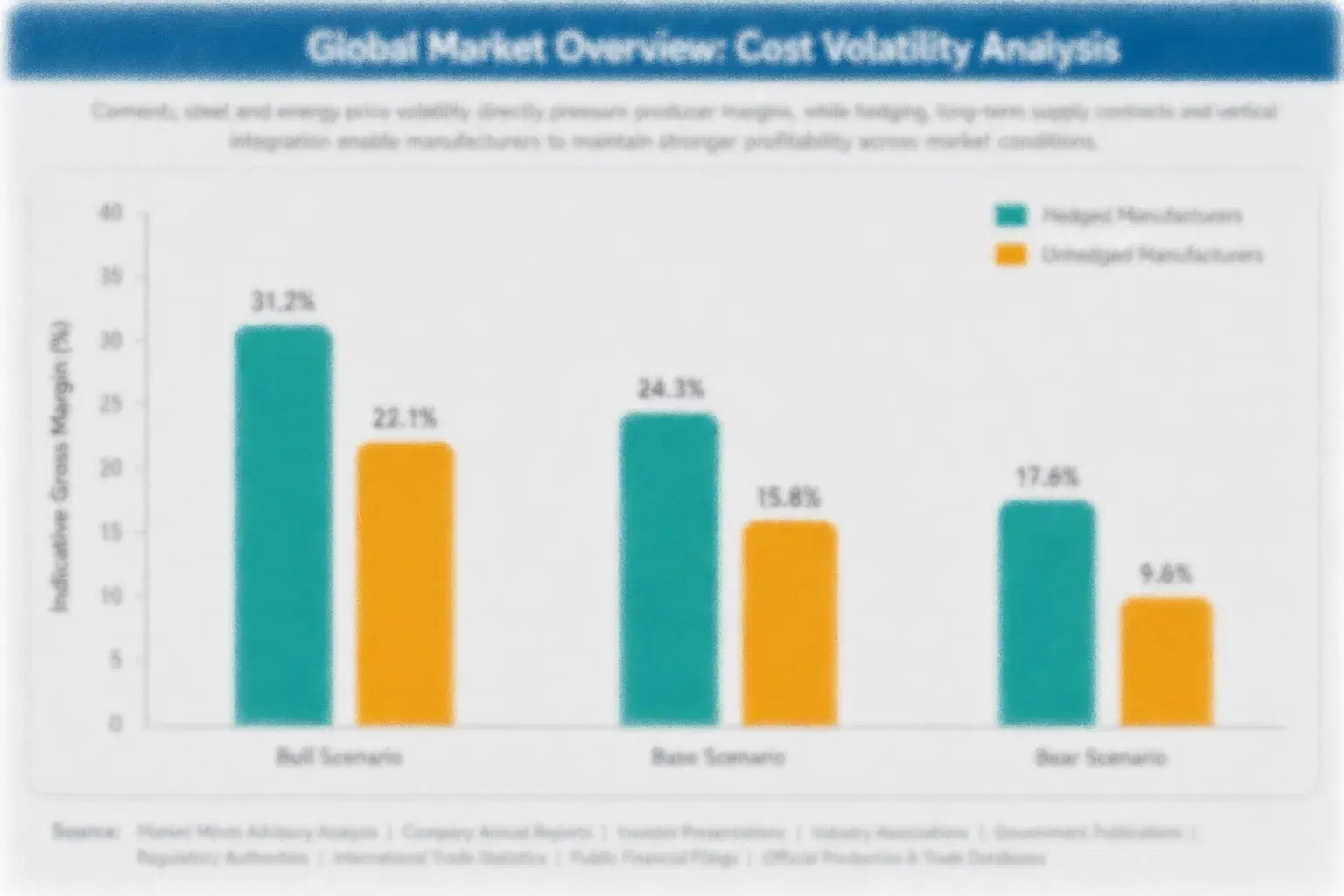
Concentrated surfactants and active cleaning ingredients together account for roughly 35 to 40% of manufacturer cost of goods sold, with pouch film and packaging contributing a smaller but meaningful additional share relative to conventional diluted cleaner packaging costs. Surfactant pricing traces back to petrochemical and oleochemical feedstock markets, exposing manufacturer input costs indirectly to the same commodity price movements that affect broader household chemical manufacturing.
Surfactant and specialty chemical prices rose meaningfully during 2022 as petrochemical feedstock costs surged following broader energy market disruptions documented in IEA reporting, compressing margins for smaller brands without long-term chemical supply contracts. Major household care incumbents with existing large-scale surfactant purchasing agreements absorbed the volatility considerably better than independent brands buying on shorter-term terms from contract manufacturers. Several smaller brands reported extended lead times for key specialty ingredients during the worst months.

Independent brands typically carry greater exposure to surfactant and formulation cost swings than major incumbents with existing large-scale purchasing agreements, since they lack the volume to negotiate favorable long-term chemical supply contracts directly. This disadvantage compounds during volatility spikes, pushing some smaller brands toward contract manufacturing arrangements or acquisition by larger companies seeking their brand rather than their production capability.
refill-at-home-concentrated-cleaning-pouches-marke-cost-volatility-analysis-1791410003699

Long-Term Surfactant Supply Agreements

Brands increasingly negotiate multi-year surfactant and active ingredient supply agreements that cap price increases within a defined band, trading spot-market flexibility for the budget predictability that supports stable consumer pricing commitments. This works best for brands with forecastable volume and sufficient scale to interest chemical suppliers in dedicated arrangements. Several brands have already secured such agreements proactively.

Partnering With Contract Manufacturers on Shared Purchasing

Smaller brands are partnering with contract manufacturers that pool surfactant purchasing volume across multiple brand customers, accessing pricing more favorable than any single small brand could negotiate independently while avoiding the capital investment required to build owned manufacturing capacity. This collaborative purchasing model has become increasingly common among smaller, venture-backed concentrate brands specifically today.

Simplifying Formulations to Reduce Ingredient Complexity

Brands are simplifying formulations to reduce the number of distinct specialty ingredients required per product line, lowering exposure to any single ingredient's supply disruption while also reducing formulation and regulatory compliance complexity across an expanding product portfolio. This approach also simplifies regulatory compliance across multiple jurisdictions with differing ingredient disclosure requirements considerably over time.

Portfolio Architecture for Margin Defence

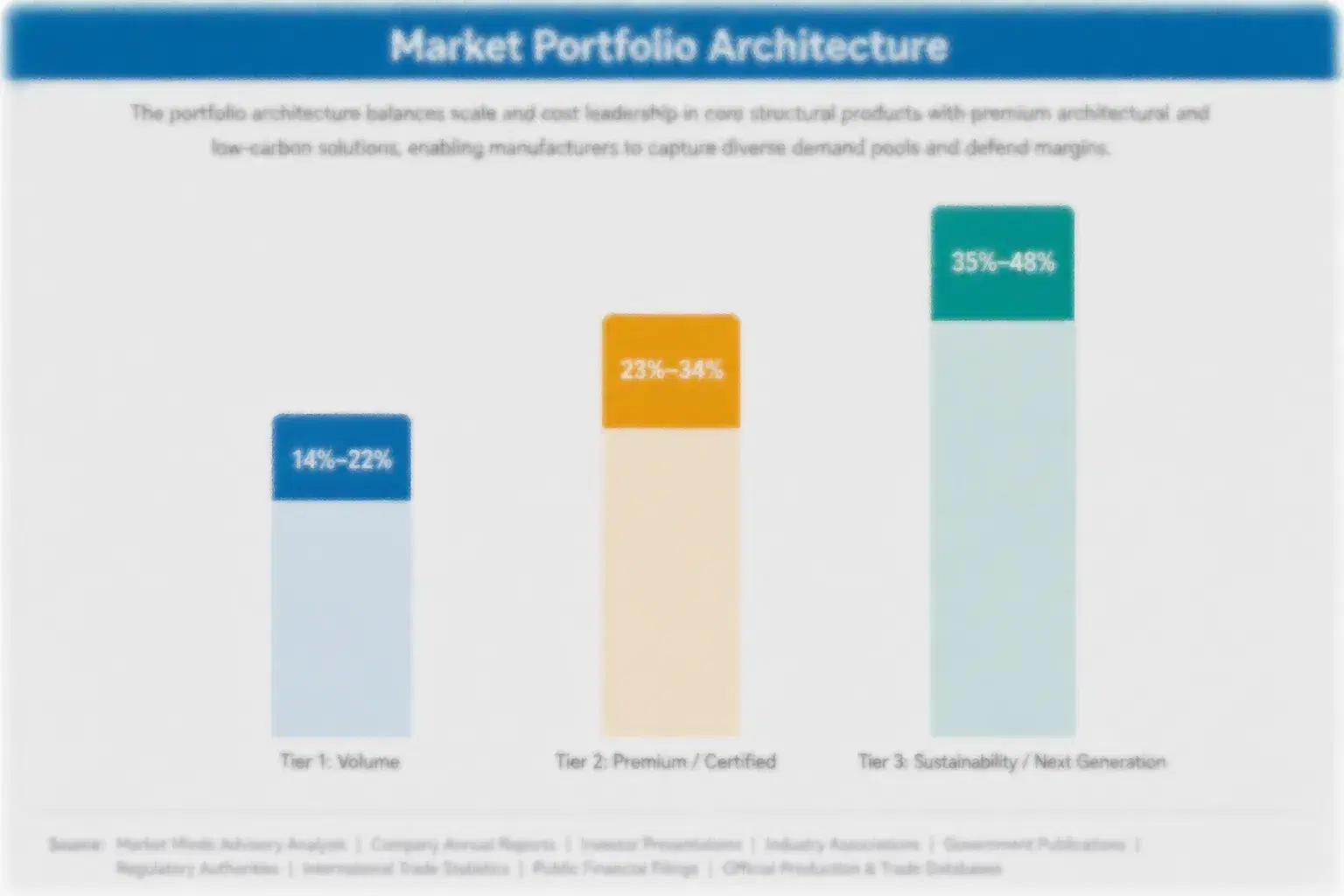
Brands generally run a three-tier portfolio spanning established all-purpose and glass cleaner concentrates with proven sell-through, newer laundry detergent and dish soap concentrates still building consumer trust, and next-generation specialty formulations targeting niche cleaning applications. Gross margin varies substantially across these tiers, with established categories benefiting from efficient manufacturing scale while newer categories carry higher formulation and marketing investment costs relative to current revenue. This spread is unusually wide for a category still this early in its development.
The tension between established category volume and newer category growth investment shapes brand capital allocation directly, since established categories generate steady, predictable revenue while newer categories like laundry detergent require sustained formulation and marketing investment before generating comparable returns. Brands without a clear portfolio strategy risk underinvesting in the category expansion that represents the market's largest growth opportunity.

High-value margin pools are concentrating in laundry detergent and dish soap concentrates that successfully match conventional product cleaning performance, categories where consumers are willing to pay sustained premium pricing once trust is established. Brands positioned early in these categories are capturing a disproportionate share of total industry growth relative to their current volume share today.

Volume / Commodity-Adjacent Tier

Established all-purpose and glass cleaner concentrates with proven sell-through and deep early-adopter brand loyalty, competing on subscription retention and formulation quality. These products anchor the category's deepest subscription loyalty among its earliest adopting customers.
Gross Margin: 32-40%

Premium / Certified Tier

Laundry detergent and dish soap concentrates matching conventional product cleaning performance, sold to consumers willing to pay for proven effectiveness alongside sustainability. These categories anchor margin growth as consumers gain confidence in cleaning performance parity.
Gross Margin: 38-46%

Sustainability / Regulatory / Next-Generation Tier

Specialty and next-generation formulations including biodegradable film packaging, commanding premium pricing tied to verified environmental credentials beyond the concentrate itself. Brands investing early here are positioned for disproportionate margin capture as credentials become more valuable. That demand is tracked in the biodegradable packaging market, which MMA expects to expand at 10.7% a year to USD 24.2 billion by 2036.
Gross Margin: 40-50%
refill-at-home-concentrated-cleaning-pouches-marke-portfolio-architecture-1791410004009

High-value Sub-segments and Strategic Watch-out

Laundry Detergent Concentrate Pouches

Laundry detergent concentrates combine the fastest growth and largest addressable spend in the category, making this the segment brands are prioritizing most heavily for formulation investment over the next several years as consumer trust builds. Capital and marketing spending here is outpacing every other category currently.
Gross Margin: 40-48%

Dish Soap Concentrate Pouches

Dish soap concentrates command pricing above standard all-purpose cleaners despite moderate relative volume today, since formulation barriers around grease-cutting performance keep some competitors out, and brands expect demand to accelerate as formulations improve further. Demand is expected to accelerate further as formulation performance continues improving steadily.
Gross Margin: 36-44%

All-Purpose Cleaner Concentrate Pouches

All-purpose cleaner concentrates remain the volume backbone of the category, generating steady revenue across the deepest existing customer base even as growth moderates relative to newer categories, anchoring brand subscription revenue. This segment remains the most predictable source of subscription revenue across the category's customer base.
Gross Margin: 32-38%

Glass Cleaner Concentrate Pouches

Glass cleaner concentrates face the most direct competitive pressure as a smaller, mature niche within the category, making this segment the clearest candidate for consolidation if brand focus shifts toward higher-spend categories. Brands should monitor this segment closely for signs of accelerating competitive consolidation pressure.
Gross Margin: 28-34%

Why Habit Formation Determines Everything Here

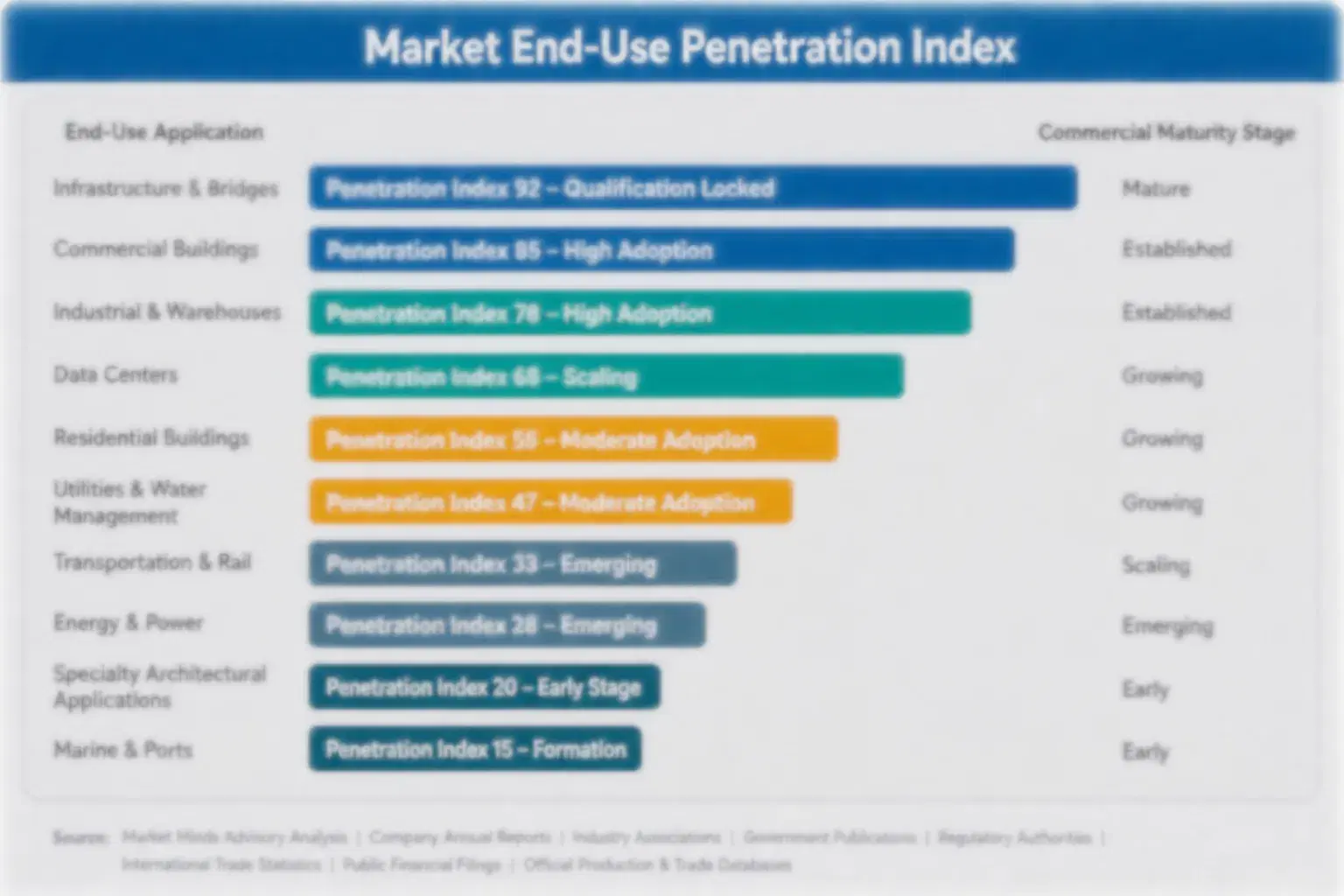
Concentrate pouch subscriptions function as genuine annuities once a customer successfully completes several refill cycles, since the habit itself becomes the primary retention mechanism rather than ongoing marketing or pricing incentives, and customers who abandon the format after a failed first attempt almost never return to try again. This bimodal outcome makes the first ninety days of customer relationship disproportionately important relative to almost any other consumer category, concentrating nearly all churn risk into a brief early window.
Adoption depth varies sharply by product category. All-purpose and glass cleaner categories are most mature, with established habit formation among a loyal early-adopter base. Dish soap and bathroom cleaner categories are mid-adoption, with meaningful trial activity still converting into durable habits. Laundry detergent remains earliest in adoption, with most consumers still using conventional products while early adopters test newly available concentrate alternatives.

Younger consumers entering the category show meaningfully different brand discovery patterns than earlier adopters, relying heavily on social media and influencer content rather than traditional retail browsing or advertising, reflecting a generational shift in how household product purchasing decisions get made. This shift favors brands with strong digital community engagement over competitors relying primarily on traditional retail marketing.
refill-at-home-concentrated-cleaning-pouches-marke-end-use-penetration-index-1791410004294

What Concentrate Brands Should Prioritize Next

These are among the four positions where our research anticipates prominent divergence between winners and laggards over the coming forecast period. Each is grounded in the demand model, the regulatory perimeter, and the announced capacity pipeline.
01 / HABIT FORMATION INVESTMENT

Solve dilution confusion before scaling customer acquisition

Brands that invest in simplifying dilution instructions and bottle compatibility now are capturing meaningfully better repeat purchase rates than those still spending primarily on customer acquisition, and that gap matters more than almost any other variable in the category. Acquisition spending that drives trial without solving the habit formation problem simply funds customer churn rather than building durable revenue. Brands that delay this investment risk watching acquisition-driven growth evaporate into one-time trial purchases that never repeat, wasting marketing spend that could have funded habit-formation investment instead.
02 / LAUNDRY CATEGORY EXPANSION

Invest in laundry detergent formulation ahead of major brand entry

Major household care incumbents are already investing heavily in laundry detergent concentrate formulation, racing to capture the category's single largest addressable spend pool before independent brands can establish comparable market position. Brands that wait for laundry formulation challenges to fully resolve before investing risk ceding this valuable category almost entirely to better-capitalized incumbents. Early credible entry is becoming a precondition for capturing meaningful laundry detergent concentrate share at all, since retail buyers are already allocating shelf space based on formulation readiness rather than brand history alone.
03 / RETAIL PARTNERSHIP TIMING

Secure preferred retail placement before incumbent brands arrive

Retailers are already allocating expanded shelf space based on early category sell-through data, not waiting for the category to fully mature before making merchandising commitments that will be difficult to reallocate once established. Brands without strong retail relationships risk losing shelf space entirely to major incumbents entering with superior distribution scale and retailer negotiating leverage. Early positioning is becoming a precondition for securing durable retail presence at meaningful scale, a pattern already visible in how quickly early category leaders locked in multi-year merchandising commitments.
04 / SUBSCRIPTION DESIGN OPTIMIZATION

Match subscription cadence to actual household consumption patterns

Brands using generic, fixed subscription schedules are losing customers to stockpiling frustration or premature cancellation at a higher rate than brands that analyze actual consumption data to calibrate delivery timing correctly. This optimization requires meaningful data analysis investment but delivers retention improvements that compound significantly over a subscriber's full lifetime value. Brands that treat subscription design as an afterthought are leaving substantial retention value unrealized, value that compounds meaningfully across a subscriber base over several years of recurring revenue annually.

Engagement Snapshot From the Field

A live engagement with an industry participant carrying material or product regulatory and market exposure ahead of a defining policy shift, showing how our research translates into a defensible multi-year portfolio strategy.
MARKET MINDS ADVISORY · CLIENT ENGAGEMENT SUMMARY
Refill-at-Home Concentrated Cleaning Pouches Producer Strategic Portfolio Review and Transition Roadmap 2026·Investment Scenario on Refill-at-Home Concentrated Cleaning Pouches Exposure Evaluation 2025-26
CLIENT PROFILE
The client is an independent concentrate cleaning brand with annual revenue in the $40 million range (client-reported, unverified by MMA), built primarily through direct-to-consumer subscription sales of all-purpose and glass cleaner concentrates. The company had recently signed its first major national retail distribution agreement and faced the challenge of translating subscription-honed habit formation messaging into a retail shelf environment entirely unlike its direct-to-consumer channel.
STRATEGIC CHALLENGE
The client needed to determine how to replicate its subscription channel's strong repeat purchase rates among first-time retail customers who would not receive the same onboarding and educational content that direct-to-consumer subscribers experienced automatically. and lacked data on whether retail customers without that automatic education would behave similarly to its subscription base.
MMA APPROACH
MMA's team benchmarked the client's direct-to-consumer onboarding content against retail packaging and point-of-sale constraints, modeled repeat purchase scenarios under different in-store education approaches, and facilitated limited retail testing of three packaging and signage variants before recommending a final retail launch configuration. The team also surveyed retail customers directly to understand their dilution experience firsthand.
KEY FINDINGS
  1. Retail customers without direct-to-consumer onboarding content showed a meaningfully lower initial successful dilution completion rate than the client's subscription customers in early testing.
  2. Packaging variants including a simplified visual dilution guide directly on the pouch improved successful first-use completion rates considerably relative to the client's original retail packaging design.
  3. Retail customers who successfully completed their first dilution showed repeat purchase rates approaching those of the client's direct-to-consumer subscribers, validating the habit-formation hypothesis beyond the subscription channel specifically.
  4. Retailers expressed willingness to expand shelf space allocation once the client demonstrated improved sell-through data from the redesigned packaging, a benefit not originally quantified in the retail launch business case.
CLIENT PROFILE
The client is an independent concentrate cleaning brand with annual revenue in the $40 million range (client-reported, unverified by MMA), built primarily through direct-to-consumer subscription sales of all-purpose and glass cleaner concentrates. The company had recently signed its first major national retail distribution agreement and faced the challenge of translating subscription-honed habit formation messaging into a retail shelf environment entirely unlike its direct-to-consumer channel.
STRATEGIC CHALLENGE
The client needed to determine how to replicate its subscription channel's strong repeat purchase rates among first-time retail customers who would not receive the same onboarding and educational content that direct-to-consumer subscribers experienced automatically. and lacked data on whether retail customers without that automatic education would behave similarly to its subscription base.
MMA APPROACH
MMA's team benchmarked the client's direct-to-consumer onboarding content against retail packaging and point-of-sale constraints, modeled repeat purchase scenarios under different in-store education approaches, and facilitated limited retail testing of three packaging and signage variants before recommending a final retail launch configuration. The team also surveyed retail customers directly to understand their dilution experience firsthand.
KEY FINDINGS
  1. Retail customers without direct-to-consumer onboarding content showed a meaningfully lower initial successful dilution completion rate than the client's subscription customers in early testing.
  2. Packaging variants including a simplified visual dilution guide directly on the pouch improved successful first-use completion rates considerably relative to the client's original retail packaging design.
  3. Retail customers who successfully completed their first dilution showed repeat purchase rates approaching those of the client's direct-to-consumer subscribers, validating the habit-formation hypothesis beyond the subscription channel specifically.
  4. Retailers expressed willingness to expand shelf space allocation once the client demonstrated improved sell-through data from the redesigned packaging, a benefit not originally quantified in the retail launch business case.
RECOMMENDED STRATEGY
Phase 1: Phase 1 (Months 1-2): Benchmark direct-to-consumer onboarding content against retail packaging and point-of-sale constraints to identify the education gap, mapping the specific education gap precisely. Phase 2: Phase 2 (Months 3-5): Test three packaging and signage variants in limited retail locations to measure first-use completion and repeat purchase rates. Phase 3: Phase 3 (Months 6-10): Roll out the winning packaging configuration nationally across all retail partner locations with coordinated point-of-sale support.
OUTCOME
The client adopted the redesigned packaging nationally and reported retail repeat purchase rates approaching its direct-to-consumer subscription benchmark (client-reported, unverified by MMA) within two quarters, though the national rollout took roughly one month longer than planned due to retailer packaging approval processes. Retailers also expanded shelf space meaningfully following the improved results.

Frequently Asked Questions

Foundational context covering the market sizes, CAGR, scope, country, region and competition that inform every finding below. This section is provided to cover basics and most often pre-purchase conversations, answered from the MMA Primary Research Dataset.

What is the current size of the Refill-at-Home Concentrated Cleaning Pouches Market?

The global refill-at-home concentrated cleaning pouches market reached $1.1 billion in base year 2025. Growth is driven primarily by direct-to-consumer brand innovation and major household care company entry.

How large will the Refill-at-Home Concentrated Cleaning Pouches Market be by 2036?

MMA projects the market will reach approximately $5.9 billion by 2036, roughly 4.6 times the 2026 figure. This reflects accelerating major brand entry and category expansion.

What is the CAGR for the Refill-at-Home Concentrated Cleaning Pouches Market 2026 to 2036?

The market is forecast to grow at a compound annual growth rate of 16.5% between 2026 and 2036. That pace reflects the category's still-early retail mainstreaming stage.

Which segment is growing fastest?

Laundry detergent concentrate pouches are the fastest-growing segment, expanding at roughly 1.24 times the overall market CAGR. The category's largest household spend pool finally getting a credible refill alternative is driving this growth.

Who are the major companies in the Refill-at-Home Concentrated Cleaning Pouches Market?

Blueland, Dirty Labs, Grove Collaborative, Unilever, and Procter & Gamble lead the global market. Together they hold an estimated 35% of global volume on a comparable revenue basis.

Which country is growing fastest?

Indonesia is the fastest-growing country market, expanding at roughly 19.5% annually. Strong direct-to-consumer e-commerce infrastructure and sustainability-conscious urban consumers are driving this growth across Southeast Asia broadly.

Refill-at-Home Concentrated Cleaning Pouches Segments Covered

The full report scope spans multiple orthogonal segmentation dimensions, with cross-tabulated demand data provided for each dimension pair. Coverage extends further to regional breakdowns, trend trajectories, and the competitive detail needed to support segment-level decision-making.

By Product Category

  • All-Purpose Cleaner Concentrates
  • Glass Cleaner Concentrates
  • Laundry Detergent Concentrates
  • Dish Soap Concentrates
  • Bathroom Cleaner Concentrates
  • Multi-Surface Specialty Concentrates

By End-Use Industry

  • Residential Household
  • Hospitality and Institutional
  • Office and Commercial Facilities

By Commercial Dimension

  • Direct-to-Consumer Subscription
  • Mass Retail
  • Specialty and Natural Products Retail
  • E-Commerce Marketplace

By Region

  • North America
  • Western Europe
  • East Asia
  • South Asia and Pacific
  • Latin America
  • Middle East and Africa
  • Eastern Europe

Scope, Methodology, and Coverage

Every figure in this report is reproducible from documented input assumptions. The scope below maps the historical period, the forecast horizon, the segmentation dimensions, and the countries covered, alongside the underlying primary and qualitative methodology.
Historical Period
2020 to 2025
Forecast Period
2026 to 2036
Base Year
2025 (USD billions; MMA Primary Research Dataset, October 2026)
Market Definition
The refill-at-home concentrated cleaning pouches market covers small-format flexible pouches containing concentrated cleaning formulations that consumers dilute with water in a reusable spray bottle or container at home, spanning all-purpose, glass, laundry detergent, dish soap, bathroom, and multi-surface specialty concentrate categories. It excludes ready-to-use diluted cleaning products sold in disposable bottles, bulk refill stations located in retail stores, and laundry or dish detergent pods and tablets that are not water-diluted concentrate pouches.
Quantitative Units
USD billions (current prices); million concentrate pouches where applicable
Segmentation Dimensions
By Product Category; By End-Use Industry; By Commercial Dimension; By Region
Regions Covered
North America, Western Europe, East Asia, South Asia and Pacific, Latin America, Middle East and Africa, Eastern Europe
Countries Covered
USA, China, Germany, France, UK, Japan, South Korea, India, Australia, Canada, Brazil, Mexico, Indonesia, Vietnam, Thailand, Malaysia, UAE, Saudi Arabia, South Africa, Nigeria, Turkey, Poland, Netherlands, Italy, Spain, Sweden, Switzerland, Argentina, Colombia, Singapore, and additional markets relevant to this sector
Key Companies Profiled
Blueland Inc, Dirty Labs Inc, Grove Collaborative Holdings Inc, Unilever PLC, The Procter & Gamble Company, Tru Earth Canada Corp, Cleancult Inc, Everdrop GmbH, Earth Breeze LLC, Myro Inc, Dropps Inc, The Simply Co LLC, Common Good Shop LLC, SC Johnson & Son Inc, Henkel AG & Co KGaA, Church & Dwight Co Inc, Reckitt Benckiser Group PLC, Seventh Generation Inc, Ecover NV, Branch Basics LLC
Quantitative Methodology
Primary survey, n=3,800 respondents, Q4 2025, six countries; demand-side model with trade association cross-validation
Qualitative Methodology
47 expert interviews, Q4 2025; applied to validate demand model assumptions, identify emerging dynamics, and assess competitive positioning
Report Format
PDF and XLSX data workbook (Word format preview document)
Publisher
Market Minds Advisory
Report Code
MMA-2026-CHM-208
Published
October 2026
Contact
sales@marketmindsadvisory.com | www.marketmindsadvisory.com

Purchase the full Refill-at-Home Concentrated Cleaning Pouches Market Report (2026 to 2036).

The full report provides detailed market sizing and ten-year forecasts across all six product category segments and all seven world regions, supported by brand-level revenue benchmarking and primary interview findings. It includes in-depth competitive profiles of the top five companies alongside second-tier player coverage, surfactant cost exposure analysis, and consumer habit-formation research across major retail markets. Category-specific margin and pricing data is broken out separately from headline market figures to support both strategic planning and tactical brand positioning decisions. Buyers receive the full data set in editable format alongside the formatted report document itself.
Ten-year market sizing across six product categories
Brand-level revenue benchmarking on a consistent basis
Consumer habit-formation and retention research findings
Surfactant cost exposure and mitigation pathway analysis
Editable data tables alongside the formatted report
Primary interview findings from 47 industry experts

Built For The People Who Decide

From boardroom strategy to bench-side execution, this report is read cover-to-cover by leaders shaping the next decade of their industry, turning demand scenarios, market dynamics and valuation benchmarks into decisions.
CXOs/ Presidents/ VPs/ Managers
M&A and Corporate Development
Strategy Teams and R&D Heads
Procurement and Product Directors
Regulatory and Compliance Leaders
Investor Relations and Equity Analysts