Market Minds Advisory
Pucker Free Tapes Market

Pucker Free Tapes Market by Type, Application and Region, 2026-2036

Home healthcare expansion and pediatric securement needs are pulling pucker-free tape demand toward ultra-conformable, sensitive-skin formulations, pushing suppliers to compete on wrinkle-free application evidence rather than general medical tape volume alone.

Lead Analyst

Bilal Shaikh

Published

November 2026

Make Smarter Decisions with Customized Research Insights

Request a free sample report and evaluate market opportunities, growth trends, and competitive dynamics relevant to your business needs.

2025 MARKET VALUE$0.4BMarket Size 2025
2036 FORECAST VALUE$1.0BBase Case , 2026 to 2036
CAGR 2026 TO 20367.8 %Bull 9.1% / Bear 6.5%
INCREMENTAL OPPORTUNITY$0.5BNet 10- year value creation
EXPANSION MULTIPLE2.12x2036 value over 2026 base
Strategic Levers
M&A Pipeline
Regional Outlook
Country Rankings
Competitive Intelligence
Segmental Deep-dive
Call-Us : 91 93563 13602

Pucker Free Tapes Market Outlook

Pucker-free tape demand is shifting from general IV securement toward pediatric and home healthcare grades, where caregivers now specify ultra-conformable formulations that past generations of securement tape simply were not designed to apply without wrinkling on fragile or mobile skin.
Home healthcare and pediatric applications are driving the fastest incremental growth, concentrated heavily in Western Europe and East Asia, where ambulatory care expansion and aging-adjacent pediatric specialty units are expanding certified pucker-free consumption faster than traditional hospital securement use ever did across either of these two large healthcare systems, pulling sensitive-skin grades into mainstream prescribing. Price alone no longer wins the largest home healthcare accounts. Converters treat certification as routine now.
Competition centers on a handful of diversified medical device manufacturers with deep clinical evidence portfolios, while regulatory pressure around skin-safety and wrinkle-free application testing is pushing smaller suppliers toward costly reformulation rather than relying on legacy formulations grandfathered decades ago. Payers are increasingly scrutinizing premium-grade prescriptions, adding a cost dimension that clinical evidence alone cannot fully resolve for every account. Suppliers unable to fund clinical programs are increasingly exiting premium categories altogether, widening this gap.
Market Definition
This report covers adhesive securement tape engineered with low-stretch, conformable backing and controlled adhesive flow to apply without wrinkling or bunching, used for IV and catheter securement, ostomy pouch sealing, wound dressing borders, and home healthcare applications. It excludes general wound dressing tape not specifically formulated for wrinkle-free application, and excludes flexographic printing plate mounting tape sold outside clinical and home-care channels. MMA sizes the flexographic printing plate market at USD 1.3 billion in 2025, with growth of 6.8% a year expected through 2036.
Base Year Value
$0.4B in 2025 (MMA Primary Research Dataset, October 2026)
Forecast Period
2026 to 2036, eleven discrete annual values
CAGR
7.8% base case. Bull 9.1%. Bear 6.5%.
Fastest Growth Segment
Pediatric and Neonatal Securement Tape: 10.5% CAGR
Fastest Growth Country
Australia: 10.0% CAGR
Fastest Growth Region
South Asia and Pacific: 9.8% CAGR
Largest Region
Western Europe: 26% of 2025 global value
Market Leaders
3M Company, Smith & Nephew plc, Molnlycke Health Care AB, Medline Industries LP, DermaRite Industries LLC. Source: MMA Analysis based on company annual reports.
Primary Survey
n=3,800 procurement and R&D decision-makers, Q4 2025, six countries
Methodology
Demand-side build-up, cross-validated against public data, 47 expert interviews

Pucker Free Tapes Base, Bull and Bear Cases

pucker-free-tapes-market-size-forecast-scenario-1791446187780
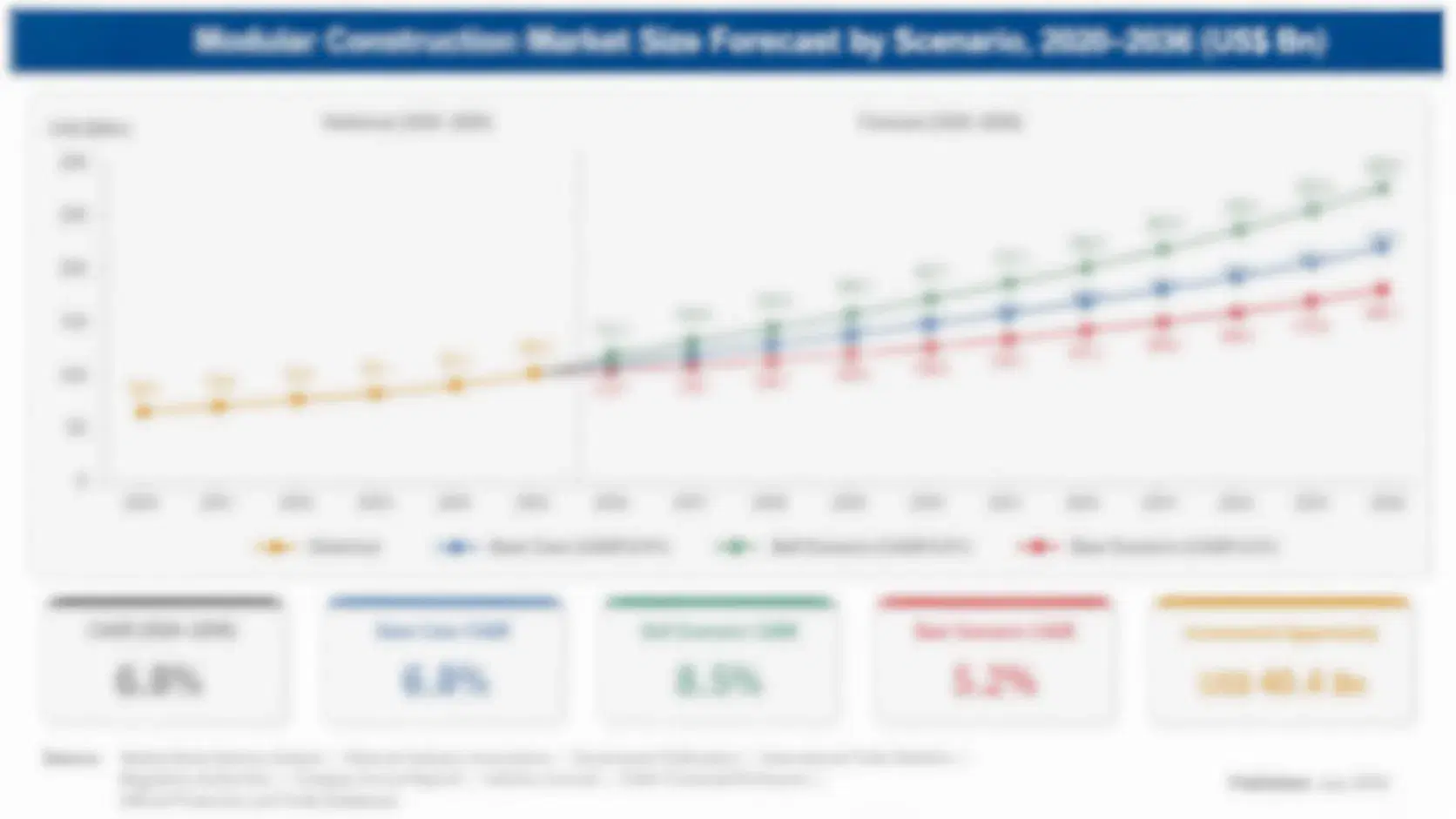
Pucker-free tape grew at an estimated 6.9 percent historical rate between 2020 and 2025, a period when hospital procedure volume dipped during pandemic-era disruption before home healthcare and ambulatory securement demand rebounded sharply as deferred care caught up across most major healthcare systems. This recovery pattern is distinct from the steadier demand curve typical of general hospital securement product.
The base case assumes 7.8 percent annual growth through 2036, carried by three mechanisms: expanding home healthcare and ambulatory care securement volume, rising pediatric and neonatal intensive care adoption of gentler wrinkle-free formulations, and growing ostomy and catheter care prevalence tied to aging populations. Each mechanism reinforces the other as clinical evidence accumulates across adjacent use cases. Certified home healthcare agencies increasingly specify wrinkle-free formulations in care protocols ahead of each contract renewal.
The bull case centers on faster-than-expected pediatric and neonatal grade adoption across specialty care units worldwide. The bear risk is reimbursement tightening by major healthcare payers that caps prescription volume for premium pucker-free grades, pushing clinicians back toward cheaper standard securement tape for lower-acuity cases specifically. Independent clinics on tight margins frequently default to these cheaper alternatives despite narrower skin-safety coverage.

Wrinkle-Free Application and Home Care Demand

Three forces are converging on pucker-free tape at once: home healthcare securement growth, pediatric and neonatal intensive care adoption, and ostomy care prevalence tied to aging populations. Their overlap is pulling certified, clinically documented product out of general consumable budgets and into formal evidence-based procurement for the first time. Their convergence distinguishes this cycle from the category's prior, steadier decades. MMA tracks this demand in the pediatric home healthcare market, which it projects to grow at 8.4% a year through 2036.
MARKET CONCENTRATIONCR5 52%Diversified device makers dominate behind clear scale advantages
AVERAGE SELLING PRICE$7.20/unitPremium pediatric grade commands a sizable price gap
TOP PRODUCING COUNTRYUSA 22% shareLargest single national manufacturing base across the globe
CAPACITY UTILIZATION70%Meaningful headroom remains before major capacity expansion becomes needed
TRADE INTENSITY43% cross-borderFinished product moves across borders fairly often now
INPUT COST SHARE40%Conformable backing film and adhesive dominate production cost
Commercially, the category behaves less like a general medical consumable and more like a specified clinical product: home healthcare nurses and wound care specialists usually drive the brand choice, and that preference sticks once a care pathway has standardized on a supplier. Switching mid-treatment risks visible skin irritation issues no care team wants to explain afterward. Hospital procurement increasingly defers to clinical staff recommendations rather than price.
Looking ahead, wrinkle-free application evidence and biocompatibility documentation will matter more than unit price, as payers formalize purchasing decisions clinicians once made informally. Suppliers that can produce a published clinical trial alongside their product, rather than relying on informal trust, are best positioned to win the next generation of home healthcare formulary contracts. This shift favors suppliers running active trial programs over smaller manufacturers competing on relationship and price.
"A home healthcare nurse who finds a tape that applies flat every single time stops shopping around, which is exactly why wrinkle-free evidence matters more here than price ever will."
Director, Medical Devices and Home Healthcare Practice · MMA Medical Devices Practice · October 2026

Pucker Free Tapes Adoption Trends

Pediatric-Specific Wrinkle-Free Formulations Entering Mainstream NICU Use

Major pediatric hospital networks across Western Europe and East Asia are increasingly specifying pucker-free tape formulated specifically for neonatal and infant skin, a reformulation effort that only became commercially viable once manufacturers completed dedicated pediatric biocompatibility and application trials rather than extrapolating adult safety data downward. Suppliers that cannot produce pediatric-specific clinical evidence are being excluded from neonatal intensive care unit formularies outright, regardless of how long their adult-grade product has been trusted clinically. This is converting a historically one-size-fits-all securement category into an age-segmented one, and it favors the largest diversified manufacturers that can fund pediatric trial programs. A closely related view comes from the hydrocolloid tapes market, which MMA projects to grow at an 8.4% CAGR to USD 2.31 billion by 2036.
Market Impact: Adds 10 percent annual home-care volume
Home Healthcare Agencies Standardizing Securement Tape Formularies

Large home healthcare agency networks operating across multiple regions are consolidating pucker-free tape purchasing into centralized formulary contracts rather than leaving selection to individual care coordinators, a shift that favors suppliers able to guarantee consistent application evidence and supply continuity across every care team an agency operates. This consolidation is compressing the number of approved vendors per agency from a dozen or more informal unit-level choices down to two or three centrally negotiated contracts, concentrating volume and squeezing out suppliers that cannot service multiple care teams at matched specification and consistent availability nationwide.
Market Impact: Lifts ostomy demand 8 percent annually

Pucker Free Tapes Market Opportunities

Home Healthcare Expansion Driving Securement Volume Growth

Home healthcare and ambulatory care volume has expanded meaningfully through 2025 as healthcare systems shift lower-acuity care away from hospital settings, and each additional patient managed at home translates directly into incremental pucker-free tape consumption since home caregivers rely on wrinkle-free application to maintain securement without clinical supervision. Industry trade estimates put home healthcare visit volume up notably year over year across major markets, and that growth pace is the single clearest volume driver behind category growth, more so than any pricing or reimbursement dynamic within the category itself. That pace shows no sign of slowing. MMA expects the related single-coated medical tape market to be worth USD 2.42 billion by 2036.
Market Impact: Cuts penetration by 15 percent

Ostomy and Catheter Care Prevalence Rising With Aging Populations

Aging populations across major markets are driving rising ostomy and long-term catheter care prevalence, and each additional patient requiring ongoing securement creates recurring pucker-free tape demand over a care course that can run years rather than days. Ostomy and catheter care nurses increasingly specify wrinkle-free grades in care plans sent to converters ahead of each supply cycle, formalizing a purchase that general practitioners once handled informally through whatever supplier a pharmacy happened to stock. Several national ostomy and catheter care associations now publish guidelines naming specific wrinkle-free grades by name.
Market Impact: Displaces 9 percent of volume

Pucker Free Tapes Challenges and Constraints

Premium Clinical Grades Carry a Persistent Reimbursement Gap

Premium, clinically validated pucker-free tape costs meaningfully more per unit than standard adhesive securement tape, and several national health insurers have not yet updated reimbursement schedules to match, leaving home healthcare agencies and patients to absorb the price gap for the highest-evidence formulations despite their demonstrated application advantage. The root cause is reimbursement policy lag behind clinical evidence publication timelines, which smaller suppliers cannot offset the way the largest manufacturers can through broader portfolio pricing. Several suppliers are now lobbying national payers directly for updated reimbursement codes that reflect current clinical evidence.
Market Impact: Expands NICU-approved formulary count 18 percent

Generic and Unbranded Imports Undercutting Clinical-Grade Pricing

A steady flow of unbranded pucker-free tape imported at prices well below clinically validated branded product continues to undercut established suppliers in price-sensitive regional markets, particularly across smaller clinics and home-care settings that do not face strict formulary enforcement. The root cause is inconsistent customs verification of clinical claims in several importing countries, which lets inadequately tested product reach buyers who believe they are purchasing clinically validated tape. Several of the largest suppliers are now funding independent comparative testing to help clinicians distinguish validated product from unverified imports. This testing push remains early relative to the import problem's scale.
Market Impact: Shifts 16 percent to centralized formularies
3 additional market trends, 4 additional growth drivers, and 2 additional restraints and challenges are covered in the full report. Contact sales@marketmindsadvisory.com to access the complete intelligence.

Pucker Free Tapes Segment Growth Rates

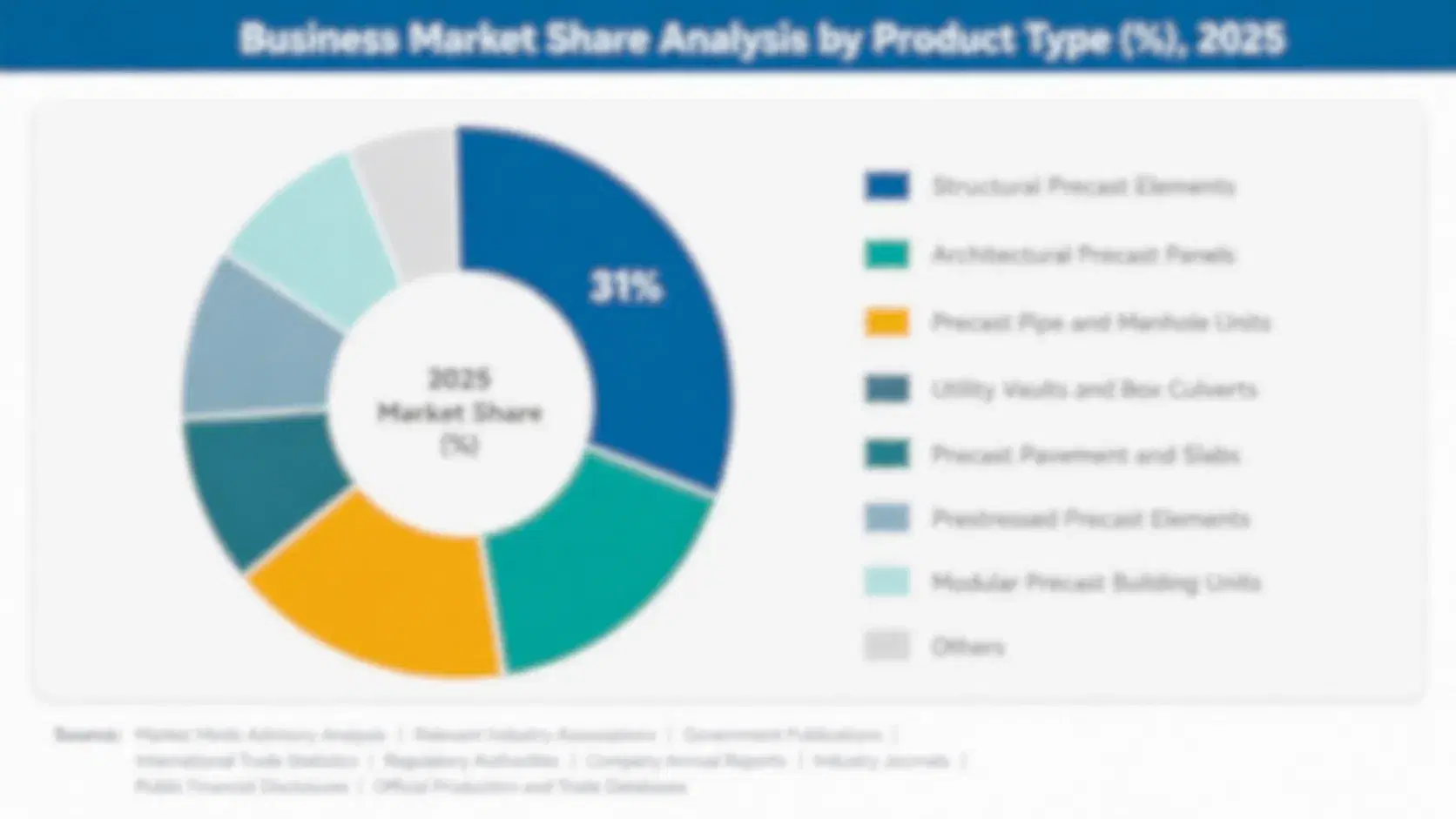
Pucker-free tape segments by clinical application rather than by channel, since the same wrinkle-resistant backing technology serves IV securement, ostomy care, and home healthcare across very different patient populations. Six distinct application segments capture where conformability and clinical evidence actually drive prescribing decisions across these varied care settings. This avoids mixing application with channel or material grade in one hierarchy.
pucker-free-tapes-market-market-share-analysis-1791446188104

Pediatric and Neonatal Securement Tape

This segment covers pucker-free tape formulated specifically for neonatal intensive care and pediatric securement use, a clinical category that barely existed as a distinct commercial line five years ago before dedicated pediatric biocompatibility and application trials became standard practice. Demand is scaling fastest here because neonatal intensive care units are replacing adult-grade securement tape with age-specific wrinkle-free formulations as clinical evidence accumulates, and each additional unit that adopts the practice creates a durable, long-term formulary relationship rather than a one-time purchase decision. Buyers in this segment weigh published pediatric application data more heavily than price, favoring suppliers with dedicated pediatric clinical programs over suppliers built primarily around general adult securement portfolios and bulk contract pricing.
CAGR 10.5%

Home Healthcare Ambulatory Securement Tape

Pucker-free tape used by home healthcare caregivers and ambulatory care patients has grown from a hospital-only specialty product into a mainstream home-care category as care systems shift lower-acuity treatment away from hospital settings toward patient homes. Growth here tracks rising home healthcare visit volume closely, since every patient managed at home requires caregivers capable of applying securement reliably without clinical supervision, a use case that standard adhesive tape handles poorly compared to wrinkle-resistant formulations. The segment increasingly sells through home medical equipment distributors alongside traditional hospital channels, a dual-channel dynamic that distinguishes it from the category's more purely clinical hospital segments. Home healthcare agencies increasingly treat tape selection as part of their broader caregiver training protocol.
CAGR 9.0%
Full segment breakdown across 6 segments available in the complete report.

Pucker Free Tapes Demand by Region

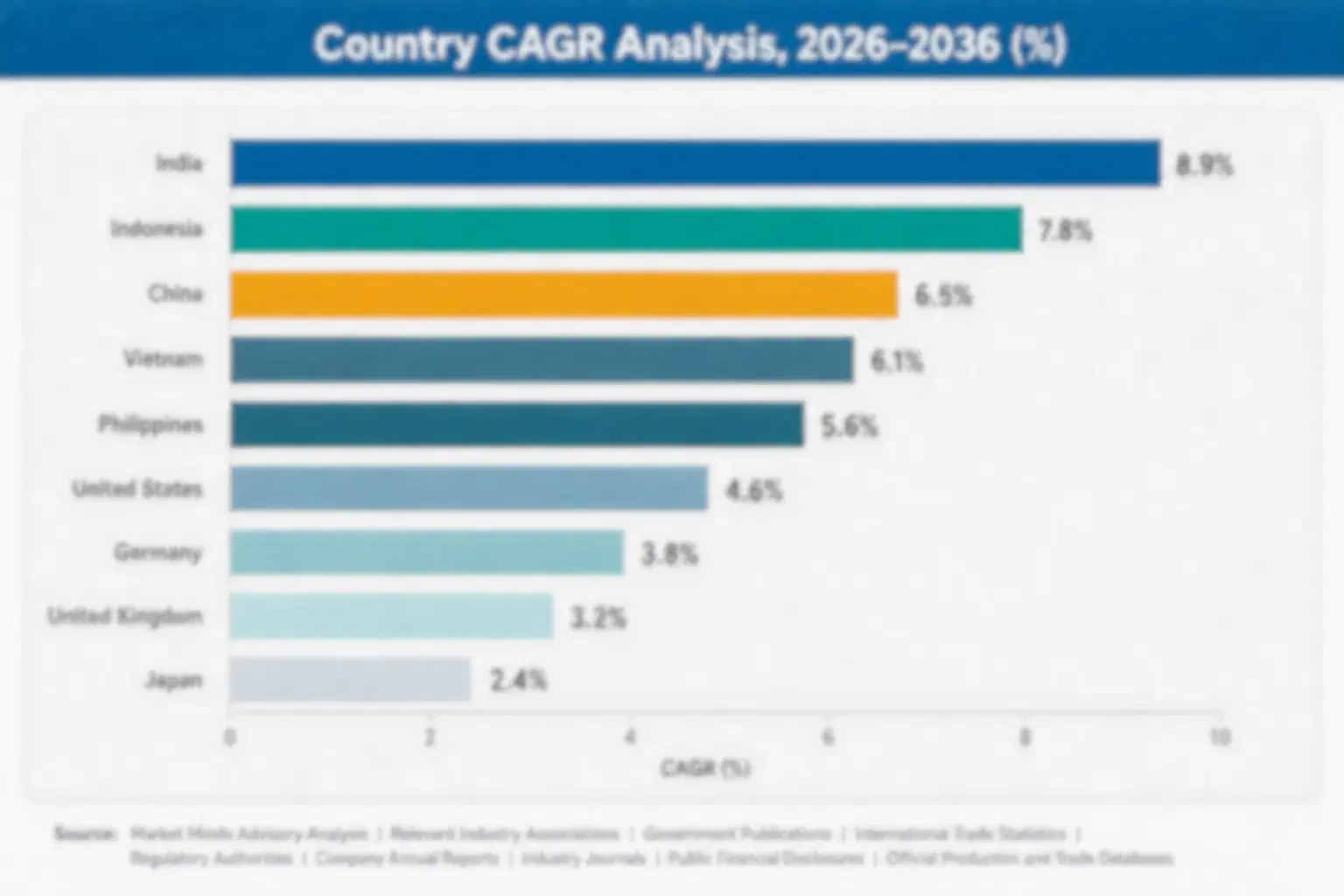
Western Europe leads on share given its strong home healthcare infrastructure and public reimbursement for ambulatory securement, with North America and East Asia close behind on large healthcare spending. South Asia and the Pacific post the fastest growth as new regional healthcare investment accelerates sharply there.

North America

The United States anchors this region on the strength of its large home healthcare industry and extensive hospital network, with care agencies and hospitals consuming pucker-free tape as a routine securement line item across chronic wound, ostomy, and catheter care pathways. Major pediatric hospital networks headquartered domestically are driving fastest adoption of pediatric-specific formulations as neonatal intensive care units update formularies. Canada contributes a meaningful secondary base through its own public healthcare system, which has begun extending similar reimbursement coverage for wrinkle-free securement grades across several provinces. Clinical evidence requirements are also strictest in this region, reinforcing demand for documented, trial-backed product over unverified alternatives. Home healthcare adoption is also scaling quickly across major care networks based here.
Share: 25% | CAGR: 7.5% (2026 to 2036)

Western Europe

Germany and the Netherlands anchor this region, both running deep home healthcare infrastructure and strong public reimbursement for ambulatory securement that has pushed certified pucker-free tape adoption ahead of most other regional healthcare systems globally. The United Kingdom contributes substantial scale through its National Health Service home-care programs, which increasingly specify wrinkle-free formulations in care protocols. France and Scandinavia round out regional demand through their own established home healthcare systems. Growth trails the global average modestly, since the region's home healthcare infrastructure and prescribing patterns are already mature rather than still scaling rapidly. Reimbursement coding here is among the most formally structured globally, reinforcing demand for clinically documented product. Sustainability and recyclability scoring is also beginning to influence procurement decisions.
Share: 26% | CAGR: 6.3% (2026 to 2036)
Regional intelligence for 5 additional markets available in the complete report: East Asia, South Asia and Pacific, Latin America, Middle East and Africa, Eastern Europe. Contact sales@marketmindsadvisory.com.
pucker-free-tapes-market-country-cagr-analysis-1791446188385

Where Pucker-Free Tape Margin Pools Concentrate

Revenue upside concentrates where suppliers move beyond general securement volume into pediatric-specific formulations, centralized home healthcare contracts, and ostomy care accounts with lifelong consumption. Four levers let suppliers capture more value per account instead of competing on price. Each ties to a different stage of the treatment pathway, from initial diagnosis through lifelong ongoing care.

Pediatric-Grade Clinical Evidence Pricing Premium Capture

Suppliers that complete dedicated pediatric biocompatibility and application trials can price neonatal-specific pucker-free tape 18 to 28 percent above adult-grade equivalents, since NICU buyers treat published pediatric evidence as the purchase requirement rather than negotiating the product on price. Once a supplier's pediatric grade clears a hospital's formulary, that qualification carries across every neonatal unit in the network, creating a durable, multi-year account relationship that a lower-priced competitor cannot dislodge without completing its own trial program first. Smaller suppliers cannot replicate this pricing power without first absorbing the equivalent trial cost themselves.
Market Impact: Lifts gross margin 7 to 10 points per account

Centralized Home Healthcare Agency Procurement Contracting

Selling directly into a home healthcare agency network's centralized formulary contract, rather than through dozens of individual care coordinator budgets, lets a supplier lock in guaranteed volume across every care team that network operates. These contracts typically run 2 to 3 years and specify consistent application evidence and supply continuity across every site, giving the winning supplier forward demand visibility that coordinator-level selling never provides at this scale. Operators increasingly favor suppliers already running certification programs when renewing these multi-year contracts each cycle. Suppliers without the scale to guarantee matched-specification supply across every team are excluded from bidding.
Market Impact: Secures 2 to 3 years of fixed volume

Direct Ostomy Care Nurse Account Contracting

Selling directly to ostomy care specialist nurses and clinics, rather than through general hospital pharmacy procurement, lets suppliers capture full margin on a consumption pattern that begins at surgery and continues for a patient's lifetime in most cases. These accounts consume pucker-free tape in predictable volume tied to each patient's ongoing stoma care needs, giving suppliers multi-year demand visibility that general securement channel selling never provides at the same patient-level specificity. National ostomy nurse associations increasingly publish guidelines naming 2 or 3 preferred wrinkle-free grades directly by name. Smaller specialists cannot easily match this scale of multi-year demand visibility.
Market Impact: Cuts account churn by roughly 12 percent annually

Geographic Expansion Into Emerging Healthcare Markets

New home healthcare capacity and expanding ambulatory care infrastructure across Australia, India, and Eastern Europe represents account relationships not yet captured by an incumbent certified supplier, unlike North America and Western Europe where major healthcare formulary relationships are largely already settled. Entering these markets early, before local reimbursement standards harden and before a competitor establishes the first reference account, lets a supplier anchor a distribution position that is costly for a later entrant to dislodge once healthcare spending there scales further. Australia alone is expected to add substantial new home healthcare capacity by 2030.
Market Impact: Opens access to 140 million dollars of new demand

Pucker Free Tapes Value Chain and Margins

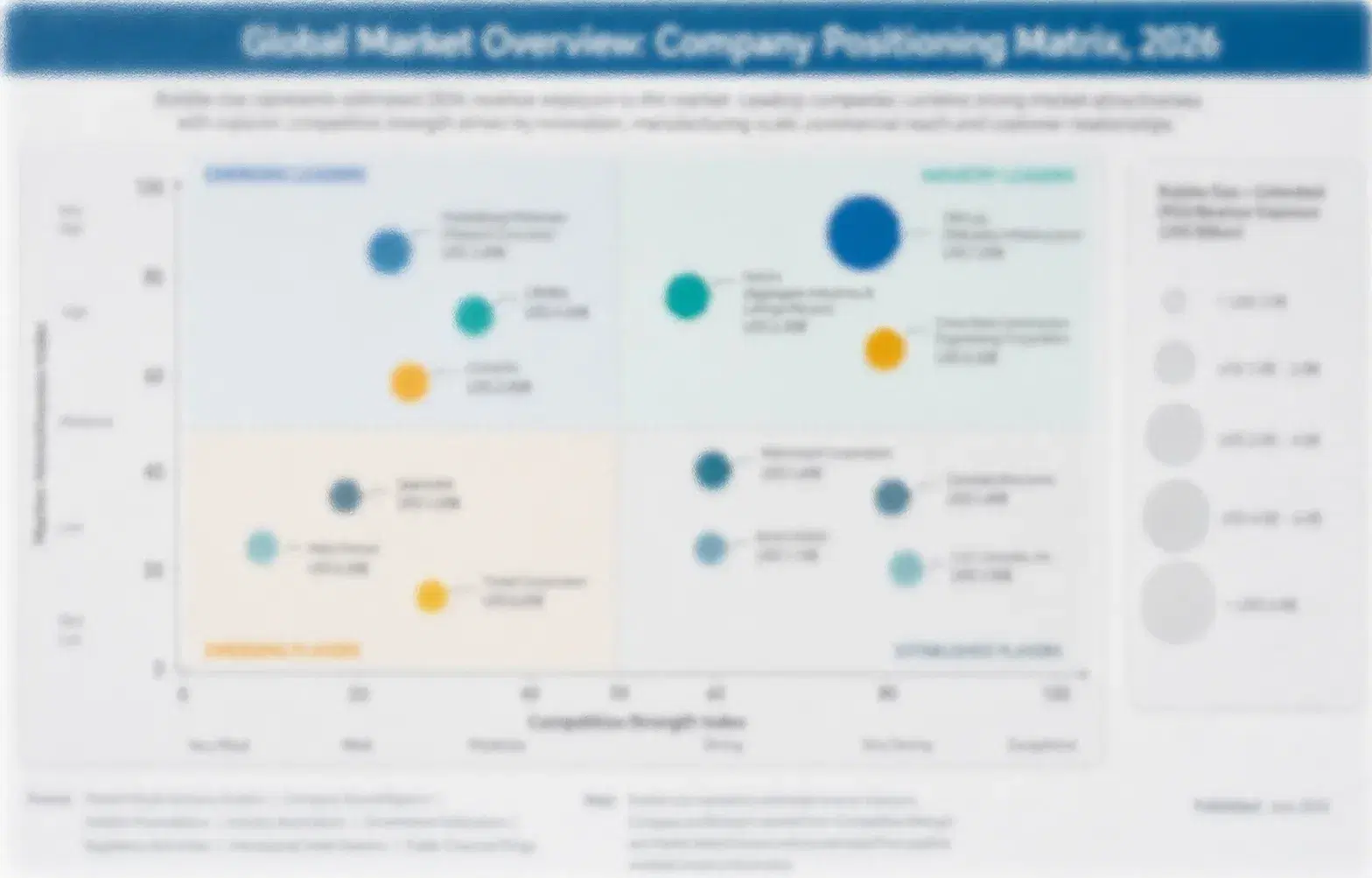
Pucker-free tape's top five suppliers hold fifty-two percent of global revenue, a concentration that reflects clinical trial barriers more than manufacturing scale alone. 3M Company leads on portfolio breadth, but the gap to Smith & Nephew and the specialist securement makers behind it is narrower than that headline figure suggests, since hospital formulary committees qualify suppliers individually rather than defaulting to the largest name on the shelf.
Current competitive activity runs along three tracks: pediatric biocompatibility trial races to clear neonatal intensive care formularies, direct contracting with home healthcare agencies' centralized procurement teams, and ostomy care nurse association partnerships that shape national prescribing guidelines well ahead of any single purchasing decision. Pricing competition stays secondary to certification and account access in each case. A home healthcare network rarely reopens a settled supplier relationship once a multi-year contract is signed and implemented.

The clearest emerging pressure comes from lower-cost Asian manufacturers entering through online pharmacy and home-care channels aimed directly at the self-pay patient segment, bypassing the hospital formulary relationships incumbent suppliers built their businesses on. Rankings among the mid-tier players are most likely to shift here first, as this channel keeps expanding faster than traditional hospital procurement.
pucker-free-tapes-market-company-positioning-matrix-1791446188679

Pucker Free Tapes Competitive Moats

3M COMPANY

Moat: Broad Clinical Research Infrastructure

3M's medical solutions division spans wound care, surgical, and skin health categories, giving its securement tape division access to clinical trial infrastructure and biocompatibility research that a single-category specialist cannot fund independently. That shared research base lets it move pediatric and specialty formulations through trials faster than most competitors.
3M COMPANY

Risk: Diluted Focus Within Broad Portfolio

Pucker-free tape is one line within 3M's much broader medical and industrial portfolio, which means dedicated securement-account service can lag behind specialists that focus entirely on home healthcare and ostomy customers. Specialist competitors sometimes out-service 3M on clinical education support and ostomy nurse relationship depth specifically.
SMITH & NEPHEW PLC

Moat: Deep Advanced Wound Care Specialization

Smith & Nephew built its brand specifically around advanced wound care and securement solutions, so its clinical education and nurse-support teams speak the specialist language home healthcare customers expect directly. That specialization earns prescribing trust that a diversified industrial supplier works harder to establish with the same specialist nursing community.
SMITH & NEPHEW PLC

Risk: Narrower Portfolio Than Diversified Rivals

Smith & Nephew's narrower focus leaves it more exposed to category-specific demand swings than diversified competitors that can offset a slowdown in one segment with growth elsewhere in their broader medical portfolio. A reimbursement policy change affecting securement specifically would hit the company harder than a diversified rival.

Players Tracked

Prominent Players

3M Company
Smith & Nephew plc
Molnlycke Health Care AB
Medline Industries LP
DermaRite Industries LLC

Other Key Players

Coloplast A/S
ConvaTec Group plc
Hollister Incorporated
PAUL HARTMANN AG
Essity AB
Cardinal Health Inc.
Integra LifeSciences Holdings Corporation
Urgo Medical
Lohmann & Rauscher GmbH & Co. KG
B. Braun Melsungen AG
Nitto Denko Corporation
Advanced Medical Solutions Group plc
Derma Sciences Inc.
McKesson Corporation
Vancive Medical Technologies

Recent Developments

JANUARY 2025

3M Completes Pediatric Pucker-Free Application Trial

3M completed a dedicated pediatric biocompatibility and application trial for its pucker-free tape line, formally validating the product for neonatal intensive care use and clearing the path for formulary inclusion at major pediatric hospital networks that previously required adult-grade substitution for infant patients. The trial took 16 months.
Signal: Confirms incumbents now see pediatric-specific clinical evidence as essential for ongoing formulary access decisions going forward.
JUNE 2025

Smith & Nephew Signs Home Healthcare Agency Agreement

Smith & Nephew signed a multi-year centralized procurement agreement with a major home healthcare agency network covering pucker-free tape supply across the network's full ambulatory care service line, consolidating a purchase previously handled separately by each individual care coordinator under one negotiated contract. The agreement covers a three-year term.
Signal: Centralized home healthcare contracting is now a visible commercial battleground, not simply an informal relationship at all.
OCTOBER 2025

Molnlycke Expands Australia Distribution Capacity

Molnlycke Health Care expanded distribution capacity in Australia specifically to serve the country's rapidly scaling home healthcare and aged-care sector, entering through local capacity investment rather than relying solely on imported product as it had done for years. Full volume is expected within two years.
Signal: Incumbents are investing directly in Australia capacity well ahead of local competitors building equivalent certified production.

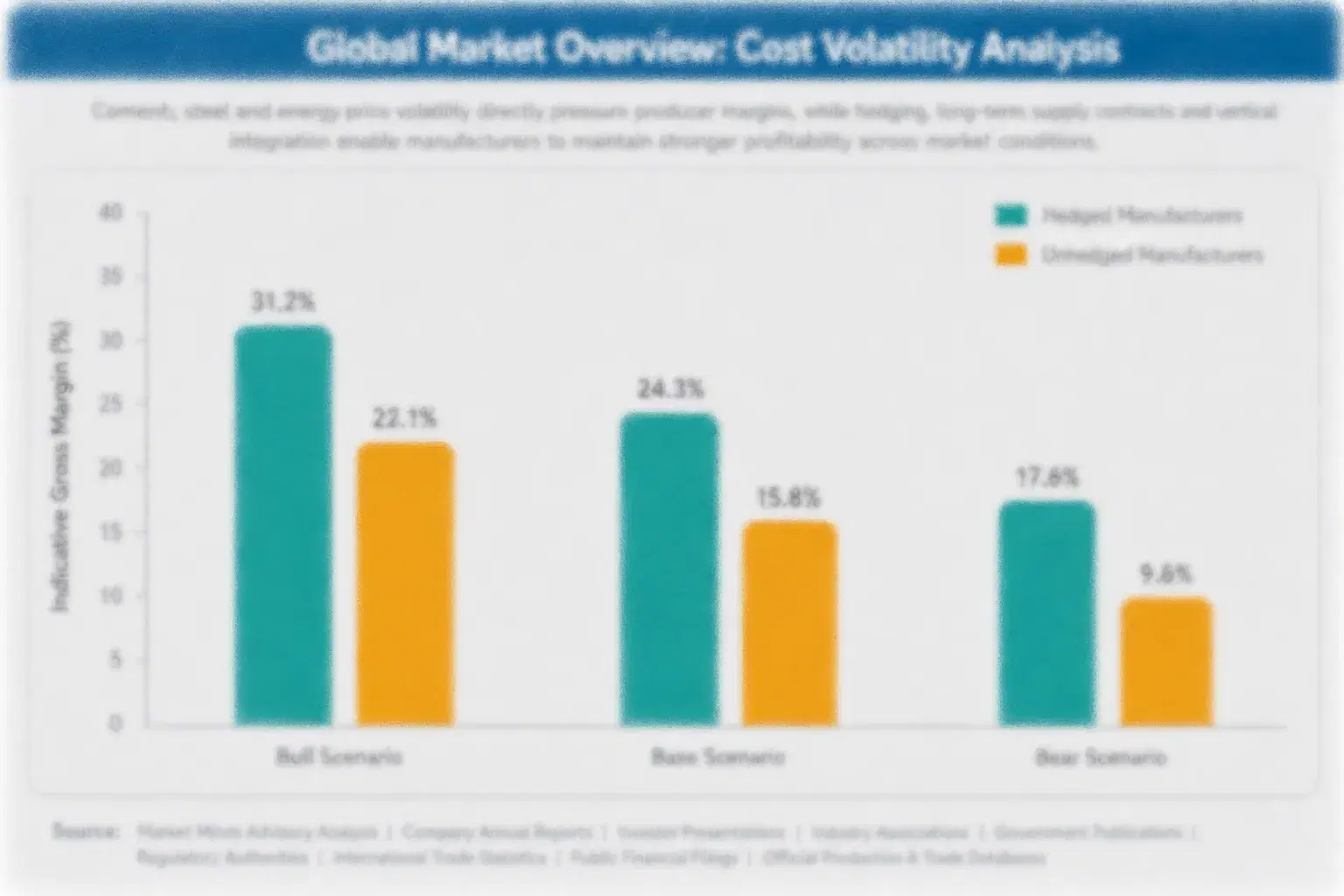
Conformable Backing Film Cost Exposure

Conformable backing film and skin-safe adhesive compound together account for roughly thirty-six to forty-two percent of pucker-free tape cost of goods sold, with release liner and packaging making up most of the remainder. These specialty materials are sourced from a concentrated group of global chemical producers, limiting the number of qualified alternate suppliers any converter can turn to quickly.
The clearest recent volatility event traces to the 2023 specialty polymer price swings that the European Commission's chemical industry monitoring documented, driven by energy cost pass-through at several European production facilities, which pushed backing film costs up noticeably within a single year and forced several converters to pass through price increases on premium pediatric grades specifically, since those grades already carried thinner margin cushions. Several smaller converters delayed certification projects until pricing stabilized.

Large diversified manufacturers such as 3M and Smith & Nephew buy conformable backing film at consolidated group volumes spanning multiple medical device categories, which smooths out price spikes that smaller specialist converters absorb directly against thinner margins. Specialist suppliers without that buying scale, and converters based in import-dependent regions such as Eastern Europe and Latin America, face the sharpest competitive disadvantage whenever input costs move quickly.
pucker-free-tapes-market-cost-volatility-analysis-1791446189014

Forward Contracting With Film Suppliers

Locking conformable backing film volume into twelve to eighteen month forward contracts at fixed or collared pricing lets converters avoid passing spot-market spikes through to hospital and clinic customers mid-contract. The largest suppliers negotiate these terms directly with chemical producers rather than through distributor intermediaries, giving them earlier visibility into any sudden tightening in available supply.

Vertical Integration Into Film Formulation

Formulating conformable backing film compounds in-house rather than purchasing finished film from a third party removes a margin layer and gives a converter direct control over substitution when one feedstock input becomes constrained. 3M and Smith & Nephew both maintain dedicated polymer chemistry research teams pursuing this integration, which smaller specialists cannot justify against their narrower revenue base.

Qualified Backup Film Sourcing Across Regions

Qualifying an alternate backing film source from a second global production region reduces exposure to any single facility's disruption, since energy or supply shocks rarely hit multiple continents simultaneously. The largest suppliers maintain qualified backup sourcing relationships specifically for this reason, tested periodically, unlike smaller converters relying on one source that remain exposed to this risk.

Portfolio Architecture for Margin Defence

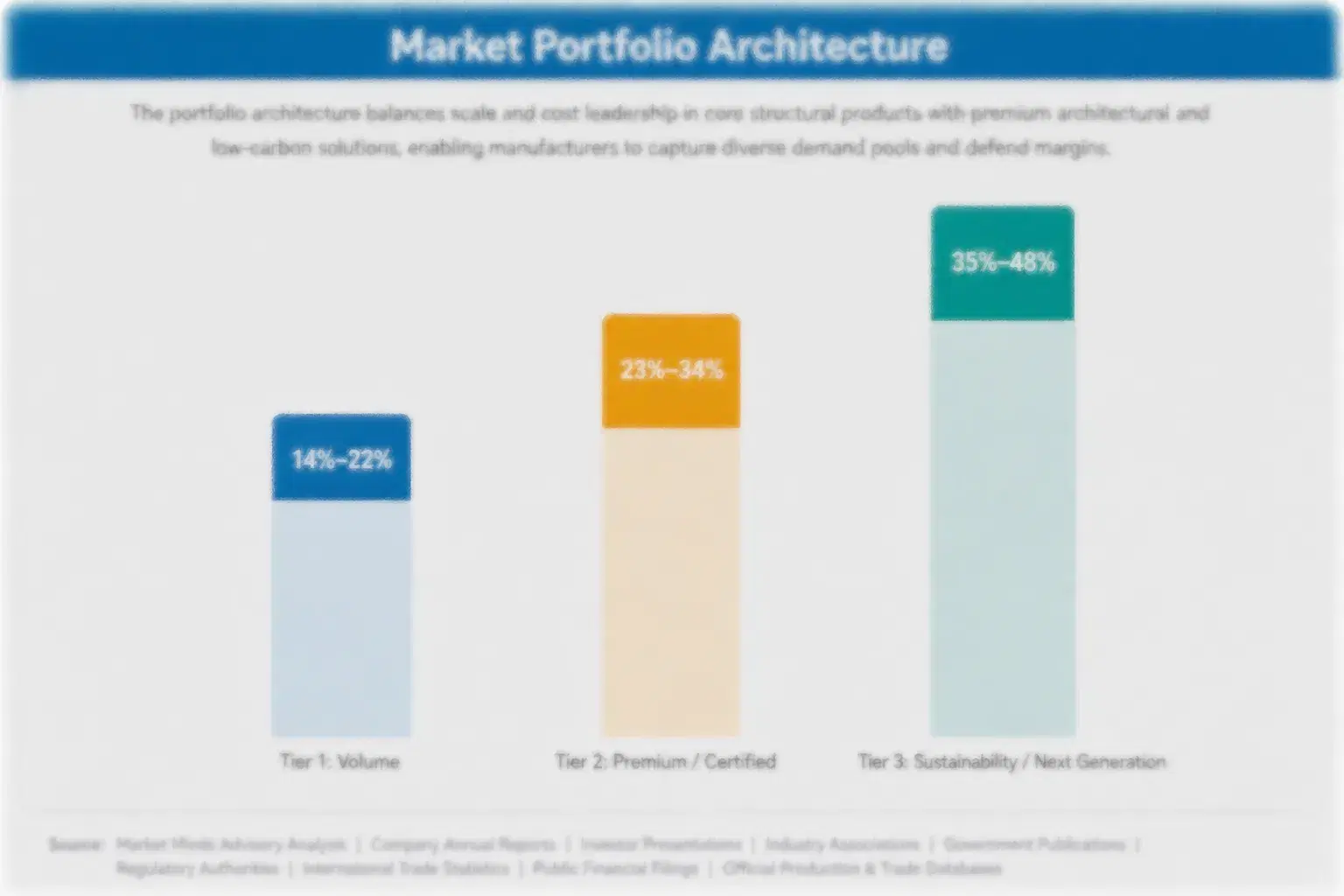
Pucker-free tape splits across three margin tiers that track clinical evidence depth rather than raw volume. Standard adult-grade product sold through general hospital procurement carries the thinnest margin, treated as an interchangeable consumable by cost-conscious buyers. Pediatric-specific and sustainability-oriented grades carry markedly fatter margins because NICU and payer-conscious buyers price in clinical risk and biocompatibility evidence well above the tape itself.
The volume versus premium tension runs through the category's entire cost base: general hospital procurement pushes hard on unit price, while NICU and ostomy specialist accounts buying smaller volumes per order accept meaningfully higher pricing for pediatric-specific and home healthcare formulations. Suppliers chasing both segments with one undifferentiated catalog line tend to lose share at both ends simultaneously.

High-value margin pools concentrate specifically in pediatric NICU and home healthcare specialist accounts, where clinical evidence and patient safety carry value far beyond the tape itself. General adult securement volume remains the revenue base, but it is no longer where incremental margin growth is being won across the category. Suppliers positioning for the next decade are allocating trial investment toward these accounts well ahead of demand.

Volume / Commodity-Adjacent Tier

General-purpose adult-grade securement tape sold in bulk through hospital group purchasing contracts and general pharmacy channels, priced competitively with limited supplier differentiation and thin room for margin improvement. Supplier switching happens readily here whenever group purchasing contracts renegotiate terms.
Gross Margin: 18-20%

Premium / Certified Tier

Pediatric-specific and home healthcare securement tape sold directly into NICU and agency accounts under published clinical trial evidence and formulary qualification agreements that reward documentation over list price. Account relationships persist for multiple contract cycles once a supplier clears a hospital's formulary committee.
Gross Margin: 31-34%

Sustainability / Regulatory / Next-Generation Tier

Biodegradable-backing and reduced-solvent securement lines developed to meet hospital sustainability procurement scoring and emerging medical waste reporting requirements across Western Europe specifically. It remains smaller than the other two tiers but commands the category's highest margin by a clear margin currently.
Gross Margin: 35-38%
pucker-free-tapes-market-portfolio-architecture-1791446189298

High-value Sub-segments and Strategic Watch-out

Pediatric and Neonatal Securement Tape

The fastest-growing and highest-margin segment, driven by expanding NICU adoption and the premium buyers place on published pediatric trial evidence for fragile newborn skin that cannot tolerate general adult-grade adhesive safely. Suppliers that win these NICU accounts early tend to keep them across a hospital's subsequent formulary cycles.
Gross Margin: 33-36%

Home Healthcare Ambulatory Securement Tape

A fast-growing segment tied to ambulatory care expansion, commanding a solid premium though sold through channels different than the category's purely clinical hospital-facing segments. Growth tracks home healthcare visit volume closely and shows little sign of slowing in most major markets. Retail distribution adds a channel most segments rarely reach.
Gross Margin: 27-30%

IV and Catheter Securement Tape

The largest volume base by far, supplying general hospital and home-care securement, but priced competitively with limited room for margin expansion given its maturity. It remains the category's revenue anchor even as incremental margin growth shifts toward certified grades. Pricing pressure here is the most intense in the category.
Gross Margin: 18-20%

Reimbursement Policy Shifts in Major Markets

An ongoing watch item as national payers reassess coverage for premium pucker-free grades, worth monitoring since a tightening decision could compress margin on the highest-value accounts. Suppliers are lobbying payers directly to update coverage ahead of any formal policy decision. The scale of risk varies by payer policy.
Gross Margin: n/a

Why Pucker-Free Tape Demand Repeats

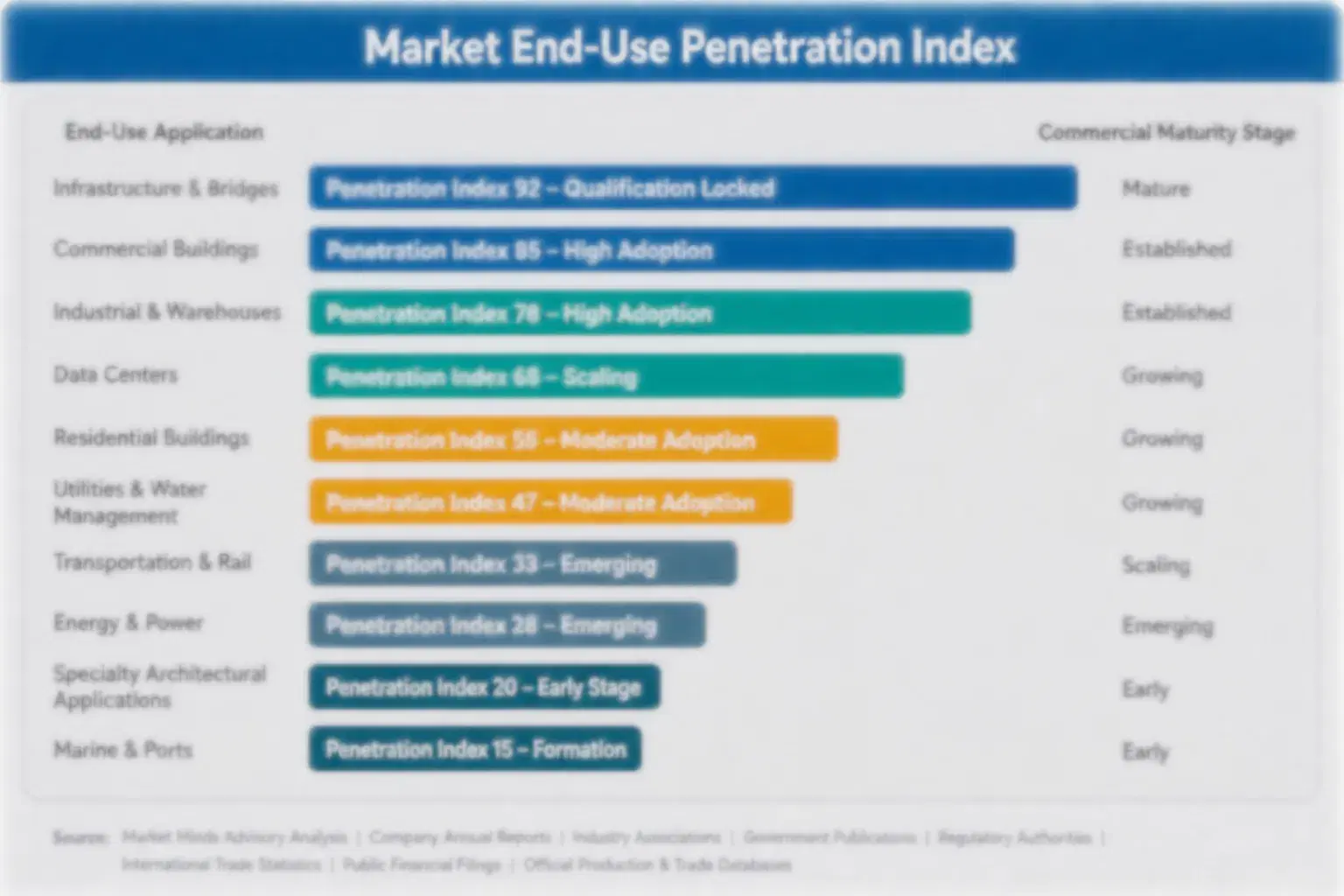
Pucker-free tape behaves like an annuity product rather than a one-time purchase: every IV dressing change, every ostomy care routine, and every home healthcare visit consumes a fixed quantity of tape, so volume tracks directly with patient population and treatment duration rather than with any single procurement decision. That makes consumption highly predictable once a supplier wins a formulary position, and difficult for a new entrant to disrupt without first winning that position.
Adoption runs deepest in ostomy and NICU accounts, where a wrinkled application or skin reaction carries consequences a care team cannot accept, and shallowest in general adult securement, where buyers tolerate standard-grade substitutes and treat tape as a lower-stakes consumable purchase. Home healthcare sits between the two, valuing conformability but still negotiating hard on unit price across large standing order volumes each season.

A generational shift is underway among hospital procurement buyers: younger clinical staff increasingly demand published trial evidence and digital formulary documentation before prescribing, a requirement earlier buyer generations rarely specified. Suppliers slow to support this evidence-based shift risk losing newly built care programs to competitors offering comparable documentation from the outset.
pucker-free-tapes-market-end-use-penetration-index-1791446189651

Where Participants Should Place Bets

These are among the four positions where our research anticipates prominent divergence between winners and laggards over the coming forecast period. Each is grounded in the demand model, the regulatory perimeter, and the announced capacity pipeline.
01 / EVIDENCE AS MOAT

Prioritize Pediatric Clinical Trials Over Price Competition in NICU Accounts

Published pediatric application evidence is what actually locks a NICU formulary position in place, not list price. Suppliers that under-invest in trial programs to compete on price alone tend to win low-margin general securement volume while ceding higher-margin pediatric and home healthcare accounts to competitors with stronger clinical documentation. The right play is to fund trials ahead of demand, not in reaction to a lost formulary bid, since trial timelines run long enough that reactive investment usually arrives too late to save the account.
02 / FORMULARY LOCK-IN ECONOMICS

Build Direct Home Healthcare Relationships Before Distributors Intermediate

Home healthcare agency networks are consolidating pucker-free tape purchasing into centralized formulary contracts, and every care team that moves through such a contract becomes harder for a competitor to recapture later. Suppliers still relying mainly on individual coordinator-level selling should pursue direct network contracting now, while relationships remain open to renegotiation. Waiting until a competitor secures the centralized contract will cost considerably more to reverse, since a network holding that relationship has little reason to reopen it to a rival supplier.
03 / GEOGRAPHIC EXPANSION TIMING

Enter Australia's Healthcare Market Early, Ahead of Local Reimbursement Cycles

Australia is forecast to post the fastest country growth rate in this category, led by its aging population and well-funded healthcare system, yet formulary relationships there remain less settled than in North America. Suppliers establishing reference accounts in Australia now, before local reimbursement standards harden, will anchor a distribution position that is costly for a later entrant to dislodge. Delay carries a real opportunity cost here, since every quarter spent on mature accounts elsewhere is a quarter a rival can use to win the region's first reference relationships.
04 / INPUT COST DEFENSE

Lock Backing Film Supply Contracts Before the Next Feedstock Price Cycle

Conformable backing film pricing has already demonstrated how quickly an energy-driven supply shock can compress margin on certified pediatric grades specifically, since those grades carry the thinnest cushion to absorb a sudden cost increase. Suppliers without forward contracting in place are most exposed the next time feedstock pricing moves sharply. Locking twelve to eighteen month input contracts now protects margin through the next plausible volatility cycle, and it is considerably cheaper to negotiate that protection before a shortage than during one.

Engagement Snapshot From the Field

A live engagement with an industry participant carrying material or product regulatory and market exposure ahead of a defining policy shift, showing how our research translates into a defensible multi-year portfolio strategy.
MARKET MINDS ADVISORY · CLIENT ENGAGEMENT SUMMARY
Pucker Free Tapes Producer Strategic Portfolio Review and Transition Roadmap 2026·Investment Scenario on Pucker Free Tapes Exposure Evaluation 2025-26
CLIENT PROFILE
The client operates a home healthcare agency network comprising twelve care teams across three states, serving roughly 2,400 ambulatory patients. The network reported annual revenue of approximately 85 million dollars (client-reported, unverified by MMA) and had been sourcing pucker-free tape through a mix of five regional distributors with inconsistent application documentation across teams. The network had grown its patient roster steadily over the preceding two years through regional expansion.
STRATEGIC CHALLENGE
The network's clinical director had recently updated internal policy to require wrinkle-free application evidence for all securement tape, but the existing distributor mix could not reliably guarantee compliant product across every care team. Leadership needed an independent assessment of consolidating suppliers without disrupting established wound care and catheter care protocols already in use network-wide.
MMA APPROACH
MMA benchmarked five certified suppliers against the network's full care team list, cross-referencing each team's specific clinical requirement against each supplier's documented application evidence, and modeled a consolidation path that could guarantee compliant supply network-wide while reducing the client's supplier count from five down to two primary accounts. The assessment also weighed contract pricing terms across all five suppliers evaluated.
KEY FINDINGS
  1. Only two of the client's five existing distributors could actually document wrinkle-free application evidence meeting the network's complete updated policy without exception.
  2. Roughly 23 percent of the network's prior tape purchases had used product that did not meet the team's actual updated certification standard.
  3. Consolidating down to two primary suppliers cut the client's annual procurement administrative overhead meaningfully versus managing five entirely separate vendor relationships each year.
  4. A single certified supplier could guarantee matched clinical evidence and specification across all twelve care teams, improving consistency in wound and catheter care protocols.
CLIENT PROFILE
The client operates a home healthcare agency network comprising twelve care teams across three states, serving roughly 2,400 ambulatory patients. The network reported annual revenue of approximately 85 million dollars (client-reported, unverified by MMA) and had been sourcing pucker-free tape through a mix of five regional distributors with inconsistent application documentation across teams. The network had grown its patient roster steadily over the preceding two years through regional expansion.
STRATEGIC CHALLENGE
The network's clinical director had recently updated internal policy to require wrinkle-free application evidence for all securement tape, but the existing distributor mix could not reliably guarantee compliant product across every care team. Leadership needed an independent assessment of consolidating suppliers without disrupting established wound care and catheter care protocols already in use network-wide.
MMA APPROACH
MMA benchmarked five certified suppliers against the network's full care team list, cross-referencing each team's specific clinical requirement against each supplier's documented application evidence, and modeled a consolidation path that could guarantee compliant supply network-wide while reducing the client's supplier count from five down to two primary accounts. The assessment also weighed contract pricing terms across all five suppliers evaluated.
KEY FINDINGS
  1. Only two of the client's five existing distributors could actually document wrinkle-free application evidence meeting the network's complete updated policy without exception.
  2. Roughly 23 percent of the network's prior tape purchases had used product that did not meet the team's actual updated certification standard.
  3. Consolidating down to two primary suppliers cut the client's annual procurement administrative overhead meaningfully versus managing five entirely separate vendor relationships each year.
  4. A single certified supplier could guarantee matched clinical evidence and specification across all twelve care teams, improving consistency in wound and catheter care protocols.
RECOMMENDED STRATEGY
Phase 1: Phase 1 (Months 1 to 2): Qualify two certified suppliers against the network's policy and confirm documented application compliance coverage fully. Phase 2: Phase 2 (Months 3 to 5): Transition supply across the remaining ten care teams in sequence, prioritizing the highest-acuity teams first. Phase 3: Phase 3 (Months 6 to 8): Formalize a dual-supplier contract covering the full twelve-team network to lock in consistent pricing and terms.
OUTCOME
Within eight months the client eliminated application-evidence gaps entirely and reduced annual tape procurement cost by approximately 9 percent (client-reported, unverified by MMA), driven mainly by consolidated purchasing volume rather than by switching to a cheaper uncertified product across the network. Leadership credited the consolidated relationship with simplifying care team audits considerably.

Frequently Asked Questions

Foundational context covering the market sizes, CAGR, scope, country, region and competition that inform every finding below. This section is provided to cover basics and most often pre-purchase conversations, answered from the MMA Primary Research Dataset.

What is the current size of the Pucker Free Tapes Market?

The global pucker-free tape market was valued at approximately 0.42 billion dollars in 2025. Growth is concentrated in pediatric-specific grades sold into NICU and home healthcare accounts specifically.

How large will the Pucker Free Tapes Market be by 2036?

The market is projected to reach approximately 0.96 billion dollars by 2036. That represents roughly 2.12 times its 2026 value over the full forecast decade ahead.

What is the CAGR for the Pucker Free Tapes Market 2026 to 2036?

The market is forecast to grow at a 7.8 percent compound annual rate between 2026 and 2036. Pediatric and home healthcare segments are growing meaningfully faster than this overall average.

Which segment is growing fastest?

Pediatric and Neonatal Securement Tape is the fastest-growing segment, expanding at 10.5 percent annually. That is 1.35 times the overall market's compound growth rate across the forecast period.

Who are the major companies in the Pucker Free Tapes Market?

Leading suppliers include 3M Company, Smith & Nephew plc, Molnlycke Health Care AB, Medline Industries LP, and DermaRite Industries LLC. Together these five hold roughly 52 percent of global revenue.

Which country is growing fastest?

Australia is the fastest-growing country market, expanding at approximately 10.0 percent annually. Growth there is tied directly to the country's aging population and well-funded healthcare system.

How the Pucker Free Tapes Market Is Segmented

The full report scope spans multiple orthogonal segmentation dimensions, with cross-tabulated demand data provided for each dimension pair. Coverage extends further to regional breakdowns, trend trajectories, and the competitive detail needed to support segment-level decision-making.

By Primary Market Dimension

  • IV and Catheter Securement Tape
  • Ostomy and Stoma Pouch Securement Tape
  • Wound Dressing Border Pucker-Free Tape
  • Pediatric and Neonatal Securement Tape
  • Home Healthcare Ambulatory Securement Tape
  • Flexographic Printing Plate Mounting Tape

By End-Use Industry

  • Hospitals and Acute Care Facilities
  • Neonatal and Pediatric Intensive Care
  • Home Healthcare and Ambulatory Care
  • Ostomy and Catheter Care Clinics
  • Long-Term and Elderly Care Facilities

By Commercial Dimension

  • Hospital Formulary and Group Purchasing
  • Specialty Medical Distributor Channel
  • Home Medical Equipment Channel
  • Retail Pharmacy and E-Commerce

By Region

  • North America
  • Western Europe
  • East Asia
  • South Asia and Pacific
  • Latin America
  • Middle East and Africa
  • Eastern Europe

Scope, Methodology, and Coverage

Every figure in this report is reproducible from documented input assumptions. The scope below maps the historical period, the forecast horizon, the segmentation dimensions, and the countries covered, alongside the underlying primary and qualitative methodology.
Historical Period
2020 to 2025
Forecast Period
2026 to 2036
Base Year
2025 (USD billions; MMA Primary Research Dataset, October 2026)
Market Definition
This report defines the pucker-free tape market as adhesive securement tape engineered with low-stretch, conformable backing and controlled adhesive flow to apply without wrinkling or bunching, used for IV and catheter securement, ostomy pouch sealing, wound dressing borders, and home healthcare applications. It excludes general wound dressing tape not specifically formulated for wrinkle-free application, and excludes flexographic printing plate mounting tape sold outside clinical and home-care channels.
Quantitative Units
USD billions (current prices); million units shipped where disclosed
Segmentation Dimensions
By Primary Market Dimension; By End-Use Industry; By Commercial Dimension; By Region
Regions Covered
North America, Western Europe, East Asia, South Asia and Pacific, Latin America, Middle East and Africa, Eastern Europe
Countries Covered
USA, China, Germany, France, UK, Japan, South Korea, India, Australia, Canada, Brazil, Mexico, Indonesia, Vietnam, Thailand, Malaysia, UAE, Saudi Arabia, South Africa, Nigeria, Turkey, Poland, Netherlands, Italy, Spain, Sweden, Switzerland, Argentina, Colombia, Singapore, and additional markets relevant to this sector
Key Companies Profiled
3M Company, Smith & Nephew plc, Molnlycke Health Care AB, Medline Industries LP, DermaRite Industries LLC, Coloplast A/S, ConvaTec Group plc, Hollister Incorporated, PAUL HARTMANN AG, Essity AB, Cardinal Health Inc., Integra LifeSciences Holdings Corporation, Urgo Medical, Lohmann & Rauscher GmbH & Co. KG, B. Braun Melsungen AG, Nitto Denko Corporation, Advanced Medical Solutions Group plc, Derma Sciences Inc., McKesson Corporation, Vancive Medical Technologies
Quantitative Methodology
Primary survey, n=3,800 respondents, Q4 2025, six countries; demand-side model with trade association cross-validation
Qualitative Methodology
47 expert interviews, Q4 2025; applied to validate demand model assumptions, identify emerging dynamics, and assess competitive positioning
Report Format
PDF and XLSX data workbook (Word format preview document)
Publisher
Market Minds Advisory
Report Code
MMA-2026-MED-391
Published
October 2026
Contact
sales@marketmindsadvisory.com | www.marketmindsadvisory.com

Purchase the full Pucker Free Tapes Market Report (2026 to 2036).

The full report delivers a complete commercial assessment of the global pucker-free tape market across all seven regions and six application segments. It is built on primary survey data from 3,800 respondents and 47 expert interviews conducted in the fourth quarter of 2025. The deliverable includes detailed competitive profiling of 20 suppliers, ten-year revenue forecasts through 2036, and input cost sensitivity analysis. A strategic verdict section translates these findings into account-level recommendations built specifically for procurement and corporate development decision-making. Regional data covers all seven markets regardless of which two the summary view highlights.
Ten-year revenue and volume forecasts through 2036
Seven-region demand share and growth breakdown
Twenty-company competitive benchmarking and positioning profiles
Segment-level CAGR and gross margin analysis
Input cost and feedstock supply exposure assessment
Strategic verdict with detailed account-level recommendations

Built For The People Who Decide

From boardroom strategy to bench-side execution, this report is read cover-to-cover by leaders shaping the next decade of their industry, turning demand scenarios, market dynamics and valuation benchmarks into decisions.
CXOs/ Presidents/ VPs/ Managers
M&A and Corporate Development
Strategy Teams and R&D Heads
Procurement and Product Directors
Regulatory and Compliance Leaders
Investor Relations and Equity Analysts