Market Minds Advisory
Pre-zippered Pouches Market

Pre-zippered Pouches Market Demand Analysis 2026-2036

Pre-installed zip track closures are becoming standard across snack and frozen food pouches as brands chase resealability without the cost premium of slider mechanisms worldwide today industry wide now, pushing adoption well beyond the largest.

Lead Analyst

Bilal Shaikh

Published

November 2026

Make Smarter Decisions with Customized Research Insights

Request a free sample report and evaluate market opportunities, growth trends, and competitive dynamics relevant to your business needs.

2025 MARKET VALUE$3.8BMarket Size 2025
2036 FORECAST VALUE$7.9BBase Case , 2026 to 2036
CAGR 2026 TO 20366.9 %Bull 8.2% / Bear 5.6%
INCREMENTAL OPPORTUNITY$3.9BNet 10- year value creation
EXPANSION MULTIPLE1.95x2036 value over 2026 base
Strategic Levers
M&A Pipeline
Regional Outlook
Country Rankings
Competitive Intelligence
Segmental Deep-dive
Call-Us : 91 93563 13602

Pre-zippered Pouches Market Outlook

Pre-zippered pouches are becoming the default resealable format for snack and frozen food brands seeking closure functionality without the cost premium of mechanical slider devices, a shift accelerating fastest in private-label snack categories now, reshaping how brands think about closure functionality as a cost-conscious design decision rather than a.
Commercial momentum concentrates around high-speed pre-zippered snack pouches and frozen food formats, where converters able to run inline zipper application at full packaging speed capture the largest private-label and branded contracts. North America leads production given its established zip-track closure origin and dense snack food converting infrastructure across major regional markets broadly this cycle overall today, a dynamic reinforced by rising brand demand for cost-efficient resealable packaging nationwide broadly today overall now.
Competitive intensity centers on inline application speed and seal integrity rather than price alone, since pre-zippered converting lines represent a meaningfully higher tooling hurdle than standard heat-seal pouch converting. Regulatory pressure around recyclable mono-material zipper structures is reshaping which converters can bid on the largest brand contracts going forward broadly today overall, leaving slower converters exposed to losing qualification bids across major snack brand categories nationwide broadly.
Market Definition
The Pre-zippered Pouches Market covers flexible pouches with a pre-installed interlocking zip track closure sealed into the pouch during converting, opened and closed by finger pressure along the track. It excludes pouches using mechanical slider closures covered under a separate report, and excludes pouches without any resealable closure mechanism.
Base Year Value
$3.8B in 2025 (MMA Primary Research Dataset, October 2026)
Forecast Period
2026 to 2036, eleven discrete annual values
CAGR
6.9% base case. Bull 8.2%. Bear 5.6%.
Fastest Growth Segment
High-Speed Pre-Zippered Snack Pouches: 9.6% CAGR
Fastest Growth Country
United States: 8.4% CAGR
Fastest Growth Region
South Asia and Pacific: 8.8% CAGR
Largest Region
North America: 30% of 2025 global value
Market Leaders
Led by Amcor, ProAmpac, Berry Global, Winpak, and Coveris. Source: MMA Analysis.
Primary Survey
n=3,800 procurement and R&D decision-makers, Q4 2025, six countries
Methodology
Demand-side build-up, cross-validated against public data, 47 expert interviews

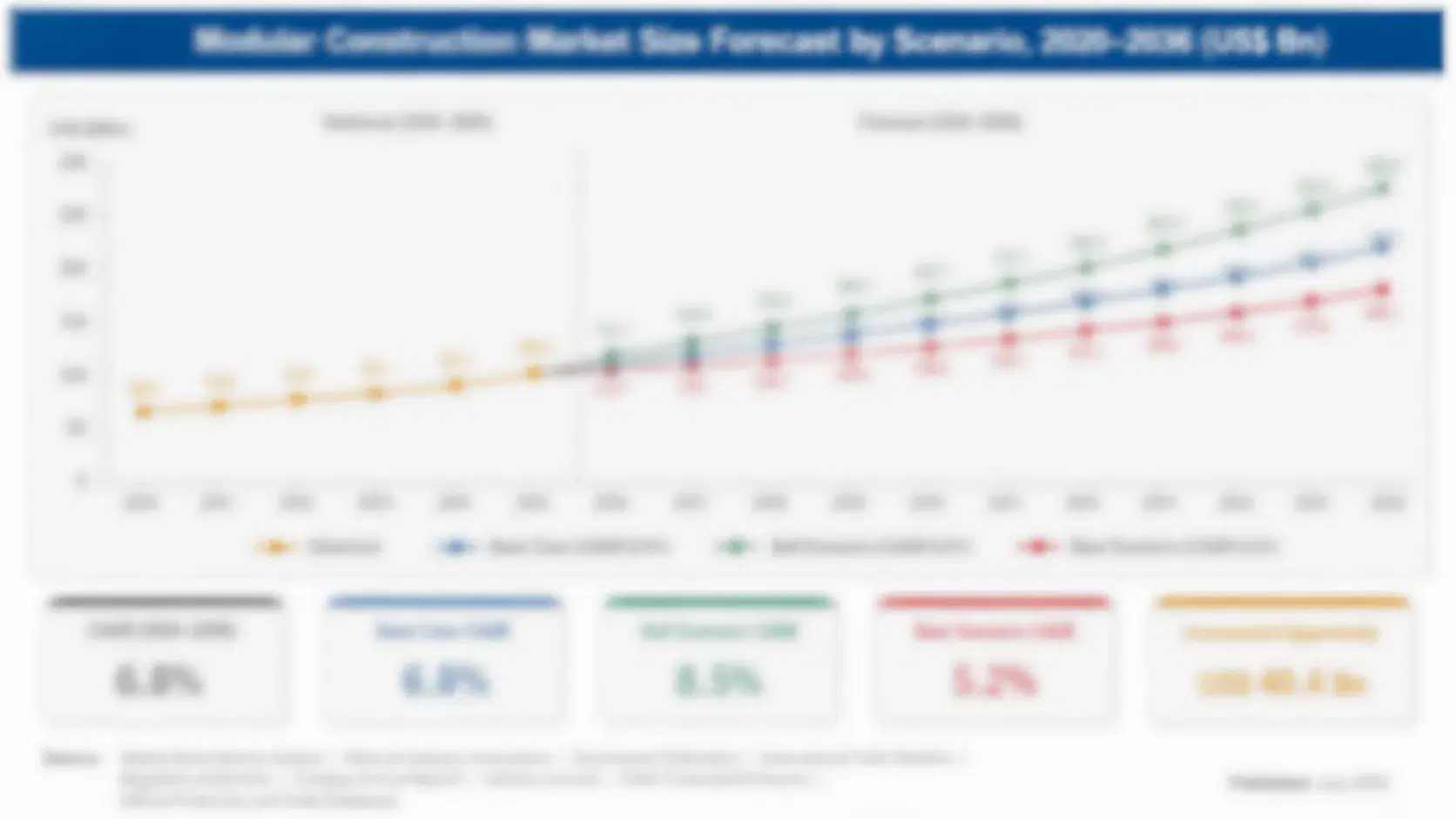
Pre-zippered Pouches Growth Scenarios to 2036

pre-zippered-pouches-market-size-forecast-scenario-1791237361089
Between 2020 and 2025 the category grew steadily as snack and frozen food brands migrated from heat-seal-only pouches to pre-zippered formats in limited premium product launches, with adoption concentrated in North American and Western European private-label categories before expanding into branded snack applications more broadly across developed markets overall industry wide this decade already now broadly today now.
The base case rests on three commercial mechanisms: continued private-label retailer adoption of resealable formats to match national brand functionality, expanding frozen food brand specification of zip-track closures for freezer-to-table convenience, and growing snack brand demand for inline zipper application at full packaging line speed. Converters investing in high-speed zip-track application tooling capacity are positioned to capture this demand ahead of slower-moving rivals across most regional markets broadly this cycle overall now.
The bull case centers on accelerated private-label resealable format conversion pulling demand higher than currently modeled. The bear risk is slider mechanism cost deflation eroding pre-zippered's cost advantage, concentrating demand among the largest cost-efficient producers and slowing overall category growth broadly today overall now across most major snack packaging categories nationwide this cycle now already.

Inline Application Economics and Capacity Dynamics

Pre-zippered pouch economics differ meaningfully from standard heat-seal pouches because inline zip-track application at full packaging line speed requires specialized tooling that standard converting lines cannot replicate without significant capital investment and a durably higher margin profile nationwide this cycle, a gap that keeps premium-format margins durably higher than standard heat-seal converting nationwide broadly today overall. MMA estimates the heat seal pouch market will be worth USD 38.4 billion by 2036.
MARKET CONCENTRATIONCR5 31%Top five producers hold a moderate combined share nationwide.
AVERAGE SELLING PRICE PREMIUM22%Premium over standard heat-seal-only pouches for comparable volume.
TOP PRODUCING COUNTRY SHAREUnited States 23%Largest single-country share of global pre-zippered pouch output.
CAPACITY UTILIZATION82%Average utilization across qualified inline zip-track application lines currently.
TRADE INTENSITY18%Share of output moving across borders to brand customers directly.
RESIN COST SHARE44%Laminate and zip-track resin feedstock share of production cost.
Capacity utilization across qualified inline application lines runs higher than the broader flexible packaging industry average, reflecting limited supply of converters capable of applying zip tracks at full line speed without slowing production and the resulting pricing power those converters hold over brand customers broadly this cycle overall now, a dynamic likely to persist until more converters invest in comparable application speed nationwide broadly this cycle overall today.
Trade intensity remains moderate since pre-zippered pouch shipping costs are comparable to standard laminates, favoring regional production close to snack and frozen food brand filling facilities over long-distance import, a dynamic that continues to support localized converting investment across major consumer markets broadly today overall now, particularly for smaller regional converters lacking the scale to negotiate direct relationships with zip-track equipment makers domestically overall today.
"The zipper isn't the hard part anymore. Getting it into the pouch without slowing the line down is where converters actually earn their margin."
Senior Analyst, Flexible Packaging Practice · MMA Flexible Packaging Practice · October 2026

Pre-zippered Pouches Adoption Trends

Private Label Resealable Format Parity Push

Private-label retailers across North America and Western Europe are specifying pre-zippered closures on store-brand snack products to match the resealable functionality that national brands already offer, closing a perceived quality gap at lower cost than mechanical slider mechanisms. Industry surveys indicate private-label pre-zippered adoption rose meaningfully over the past two years across these markets, with several major retailers now requiring resealable closures as a baseline specification for new snack product launches nationwide broadly today. United States retail consolidation is adding further momentum behind this adoption curve already this cycle already. For a connected opportunity, MMA values the slider pouches market at USD 2.9 billion in 2025.
Market Impact: Cuts 20 percent freezer burn complaints
Recyclable Mono-Material Zipper Structure Transition Push

Converters are racing to qualify mono-material polyethylene zipper structures that meet both recyclability standards and the mechanical interlocking performance required for reliable resealability, a technically difficult combination since zipper tracks traditionally relied on different polymer formulations than the surrounding film. The European Union's Packaging and Packaging Waste Regulation requires recyclable-by-design packaging across member states by 2030, pushing major snack and frozen food brands to specify mono-material zipper pouches well ahead of the deadline, creating meaningful qualified demand across the bloc already nationwide broadly this cycle overall, with similar mandates emerging across several other jurisdictions already.
Market Impact: Adds 14 percent margin retention

Pre-zippered Pouches Supplier Priorities

Frozen Food Freezer-to-Table Convenience Investment Push

Frozen food brands are increasingly specifying pre-zippered closures over standard heat-seal bags to support multi-use consumption occasions where consumers reseal partially used packages for freezer storage between meals. Major frozen food producers have disclosed capital investment in dedicated zip-track application tooling to support new product launches, with several brands reporting that pre-zippered formats reduce consumer-reported freezer burn complaints meaningfully compared to heat-seal-only bags in direct testing, supporting continued category investment across most developed frozen food retail markets broadly this cycle overall already today now overall already broadly today overall now.
Market Impact: Adds 28 percent tooling capital cost

Snack Brand Cost Efficient Resealability Shift

Snack brands increasingly treat pre-zippered closures as a cost-efficient alternative to mechanical slider mechanisms, pushing brands toward zip-track formats that deliver comparable resealability at a lower per-unit cost than slider-equipped competitors. Several major snack producers have announced pre-zippered product line extensions over the past eighteen months specifically targeting value-tier retail price points, citing improved margin retention compared to slider-equipped equivalents across most grocery and mass retail channels nationwide broadly today overall Several retail chains have expanded shelf space for pre-zippered value-tier formats specifically to capture this growing cost-conscious consumer segment nationwide broadly.
Market Impact: Cuts 9 percent historical cost advantage

What Holds Back Pre-zippered Pouches Growth

Inline Application Tooling Capital Limits Entry

High-speed inline zip-track application equipment capable of maintaining full packaging line speed without seal failure carries a substantially higher capital cost than standard heat-seal-only forming lines, a barrier rooted in the precision alignment and sealing technology required to apply zipper tracks without slowing production. This limits the pool of converters able to bid competitively on the largest brand contracts, concentrating supply among a smaller group of well-capitalized producers. Several mid-sized converters are exploring shared tooling arrangements and contract application partnerships to spread this capital burden across multiple smaller brand customers simultaneously nationwide broadly.
Market Impact: Adds 420 million units annual demand

Slider Mechanism Competition Erodes Pricing Power

Continued cost reduction in mechanical slider mechanisms is narrowing the price advantage pre-zippered closures historically held, a root cause tied directly to slider manufacturers' scale economies improving faster than zip-track application costs have declined. This narrowing gap pressures converters to compete increasingly on application speed and reliability rather than pure cost advantage over slider-equipped competitors. Producers are responding by investing in faster, more reliable application lines to maintain their cost position relative to slider formats, though the historical cost gap continues narrowing gradually nationwide broadly today overall already today now.
Market Impact: Adds 23 percent mono-material conversion rate
3 additional market trends, 4 additional growth drivers, and 2 additional restraints and challenges are covered in the full report. Contact sales@marketmindsadvisory.com to access the complete intelligence.

Pre-zippered Pouches Segment CAGR Comparison

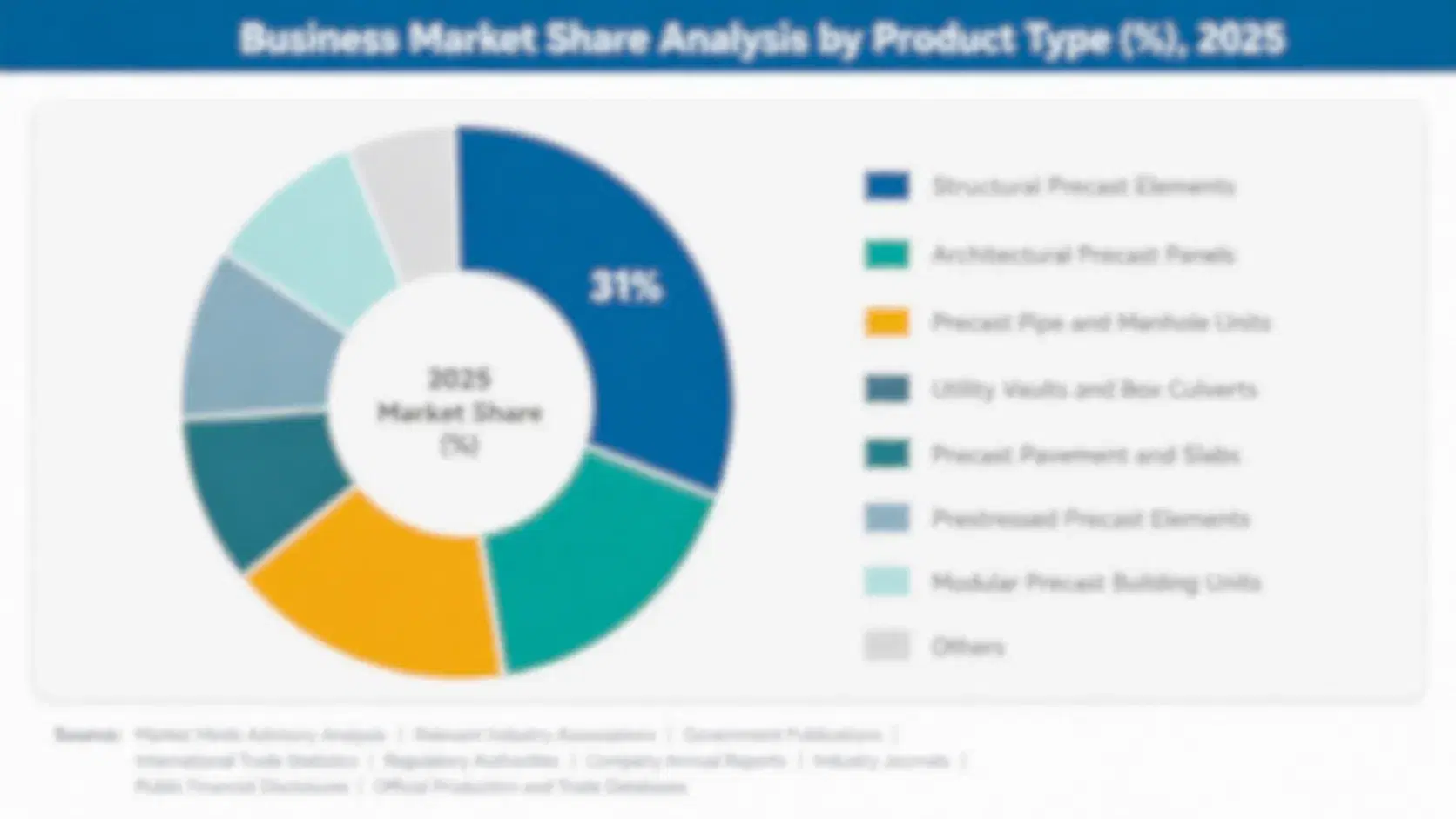
Pre-zippered pouches segment primarily by end-use application, since closure durability, seal requirements, and brand specification standards differ meaningfully between snack, frozen food, and specialty food categories within this resealable format market broadly today overall now Converters capable of serving multiple application segments simultaneously hold a meaningful advantage over single-category specialists nationwide broadly today now.
pre-zippered-pouches-market-market-share-analysis-1791237361263

High-Speed Pre-Zippered Snack Pouches

This segment covers pre-zippered pouches for chips, crackers, and snack mix products, engineered for high-speed inline zip-track application at full packaging line speed without seal compromise. Growth here outpaces the broader market as private-label and branded snack producers expand resealable formats to match consumer expectations set by premium competitors. Converters serving this segment increasingly specialize in high-throughput application equipment and seal integrity testing since snack brands run higher production volumes than frozen food brands, rewarding converters with scaled, reliable application capability over those offering only standard-speed converting lines nationwide broadly today overall now Several leading converters have added dedicated high-throughput application lines specifically to capture this volume-driven demand pattern broadly.
CAGR 9.6%

Frozen Food Multi-Use Pre-Zippered Pouches

This segment covers pre-zippered pouches for frozen vegetables, fruit, and prepared meal products, engineered to withstand repeated freezer-to-counter temperature cycling without closure degradation. Growth concentrates heavily in markets with expanding frozen food retail categories where multi-use resealability reduces consumer-reported waste and freezer burn complaints, giving converters serving major frozen food brands a head start as smaller brands begin adopting similar formats. Frozen food brands value the format's durability under repeated use relative to standard heat-seal bags and its compatibility with high-speed frozen filling lines, both of which support continued category expansion across most major frozen retail channels nationwide broadly this cycle overall today Several leading converters now dedicate specific production lines to this frozen food category. MMA expects the frozen fruits and vegetables market to grow at a 4.5% CAGR over the 2026-2036 forecast period.
CAGR 6.1%
Full segment breakdown across 7 segments available in the complete report.

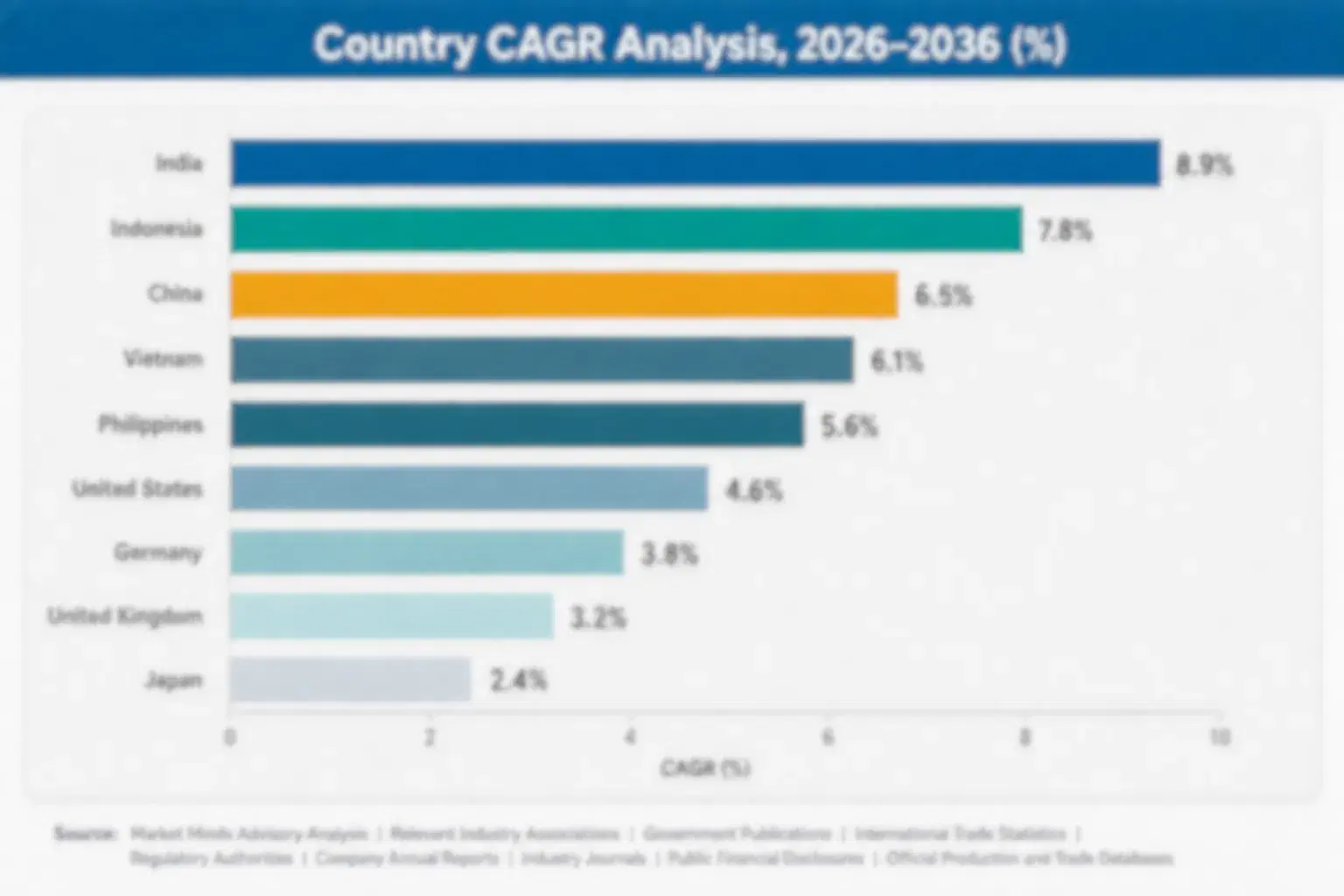
Pre-zippered Pouches Market by Country

Regional demand concentrates most heavily in North America, where the zip-track closure's commercial origin and dense snack and frozen food converting infrastructure give the region a durable production and demand advantage over other geographies broadly today across the forecast period now across most major snack categories nationwide.

North America

North America leads global demand on the strength of the zip-track closure's commercial origin here, where decades of consumer familiarity with resealable snack and frozen food formats give converters a head start other regions lack. United States private-label retailers built pre-zippered adoption into a baseline category standard, while dense snack food converting infrastructure across major metropolitan markets supports rapid order fulfillment. Canadian snack and frozen food brands are following similar adoption patterns at a smaller absolute scale broadly today. Retail chains across the region increasingly favor pre-zippered suppliers for new private-label placements nationwide broadly this cycle overall. Several American converters have announced capacity expansions specifically to serve rising private-label retail demand following recent retailer sustainability scorecard updates targeting resealable.
Share: 30% | CAGR: 7.2% (2026 to 2036)

Western Europe

Western Europe's demand is shaped directly by the European Union's Packaging and Packaging Waste Regulation, which is pushing snack and frozen food brands toward recyclable mono-material zipper pouches ahead of the 2030 compliance deadline. German and French private-label retailers are among the earliest adopters of compliant pre-zippered formats across the region's retail channels. Retailers across Germany, France, and the Netherlands are tightening private-label packaging sustainability requirements, pushing even smaller regional brands to evaluate mono-material formats nationwide broadly this cycle overall today. Italian and Spanish snack brands are separately adopting mono-material pre-zippered formats for premium snack lines, adding a second meaningful regional demand driver beyond regulation nationwide broadly today across most retail distribution channels overall.
Share: 22% | CAGR: 5.6% (2026 to 2036)
Regional intelligence for 5 additional markets available in the complete report: East Asia, South Asia and Pacific, Latin America, Middle East and Africa, Eastern Europe. Contact sales@marketmindsadvisory.com.
pre-zippered-pouches-market-country-cagr-analysis-1791237361443

Application Speed Monetization Opportunity Pathways

Producers are pursuing two distinct revenue levers tied directly to inline application speed: high-throughput tooling qualification and mono-material zipper recyclability certification, each rewarding converters who invest ahead of brand specification shifts broadly today across most regional snack and frozen food markets now industry wide across most regional snack and frozen food markets broadly today.

Build High-Throughput Zip Track Application Capacity

Converters investing in high-speed inline application equipment that maintains full packaging line speed without seal compromise are capturing volume contracts that slower-application competitors cannot match, a dynamic adding roughly 18 percent average selling price premium over standard-speed pre-zippered formats. This requires meaningful capital investment in servo-driven application machinery and real-time seal integrity monitoring, a different operating model than standard heat-seal converting. Early movers have already locked multi-year contracts with major snack brands running the highest production volumes, excluding slower-moving competitors from the largest near-term opportunities nationwide broadly this cycle overall now.
Market Impact: Adds 18 percent average selling price premium yearly

Qualify Mono-Material Recyclable Zipper Tooling Now

Converters investing in mono-material zipper structures ahead of the European Union's 2030 recyclability deadline are capturing early qualification contracts that standard multi-polymer zipper producers cannot bid on. This requires meaningful capital investment in new resin formulations and interlocking mechanism redesign, a genuinely different process than standard zip-track production. Early movers have already locked multi-year contracts with major European snack and frozen food brands, excluding slower-moving competitors from the largest near-term volume opportunities, adding roughly 21 percent pricing power over non-compliant rivals nationwide broadly this cycle overall now already today now.
Market Impact: Captures 21 percent mono-material pricing premium each year

Pre-zippered Pouches Profit Pools

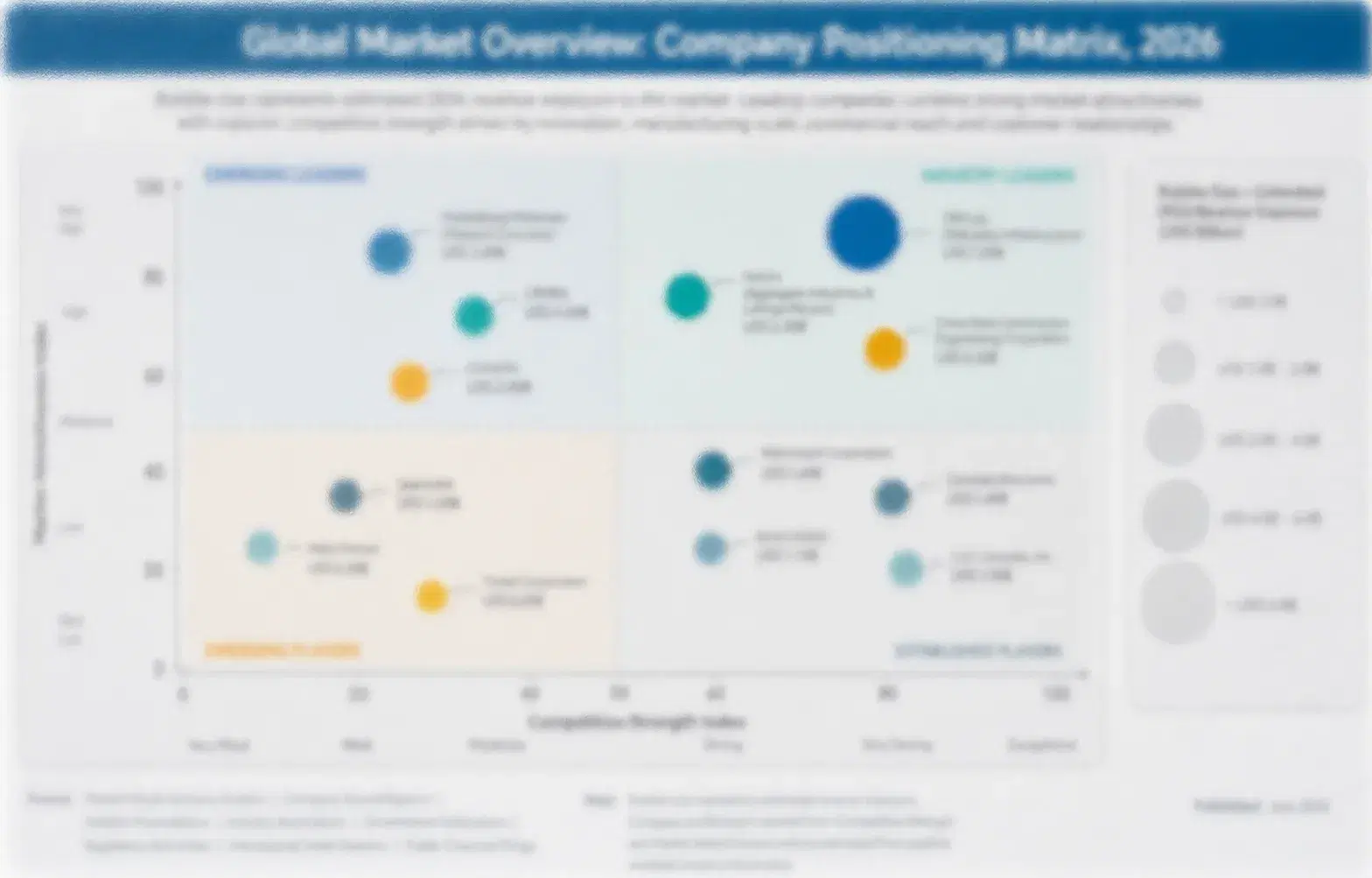
Market concentration sits moderate at CR5 31 percent, with Amcor and ProAmpac holding the clearest leadership positions through application speed depth and private-label retailer relationships respectively, while a long tail of regional converters compete on cost for smaller independent brand accounts. The gap between leaders and mid-tier challengers is widening as high-throughput tooling and mono-material qualification raise the capability bar for winning the largest brand.
Current competitive activity centers on high-throughput application announcements and mono-material tooling qualification investment rather than price competition alone, with most major producers disclosing new application capability to signal readiness to brand buyers ahead of regulatory deadlines. Several producers have announced new lines over the past year specifically to serve European recyclability demand ahead of competitors, while others expand application capacity to lock.

Emerging pressure is coming from mid-sized converters racing to achieve high-throughput qualification before the largest brand contract renewal cycles begin, a window that could reshuffle rankings meaningfully if several challengers qualify simultaneously. Smaller regional producers lacking capital for tooling investment face acquisition pressure from larger players seeking to add capability quickly rather than build it organically nationwide across.
pre-zippered-pouches-market-company-positioning-matrix-1791237361622

Pre-zippered Pouches Competitive Landscape

AMCOR PLC

Moat: Application Speed Depth

Amcor holds the broadest high-throughput application tooling portfolio in the category, built over years of packaging engineering investment across multiple global facilities, giving it first access to the largest multinational snack brand qualification contracts well ahead of most rivals currently racing to catch up nationwide across most consumer goods markets.
AMCOR PLC

Risk: Scale Pricing Vulnerability

Amcor's broad scale and diversified product portfolio leave it potentially less nimble on mono-material licensing partnerships with smaller regional converters than specialists who focus exclusively on recyclability compliance flexibility, a gap competitors are moving quickly to exploit nationwide across most price-sensitive snack markets today broadly now.
PROAMPAC LLC

Moat: Private Label Retailer Relationships

ProAmpac's deep, long-standing relationships with major private-label retailers give it preferential access to pre-zippered qualification contracts that newer entrants struggle to win regardless of their technical capability, positioning it well for continued category leadership nationwide across most developed snack markets broadly today now overall today.
PROAMPAC LLC

Risk: Frozen Food Scale Gap

ProAmpac's comparatively smaller presence in frozen food pre-zippered pouches relative to diversified rivals like Amcor leaves it potentially less competitive for the largest multinational frozen food brand contracts, a gap that could matter more as frozen brands consolidate purchasing across fewer global suppliers nationwide broadly today overall now.

Players Tracked

Prominent Players

Amcor plc
ProAmpac LLC
Berry Global Inc.
Winpak Ltd.
Coveris Holdings S.A.

Other Key Players

Sealed Air Corporation
Mondi plc
Constantia Flexibles Group GmbH
Huhtamaki Oyj
Transcontinental Inc.
WestRock Company
Uflex Limited
ePac Flexible Packaging LLC
Printpack Inc.
Sonoco Products Company
Toppan Inc.
Glenroy Inc.
Clondalkin Group Holdings B.V.
Flair Flexible Packaging Corporation
TC Transcontinental Packaging

Recent Developments

FEBRUARY 2025

Amcor announced an expansion of its high-throughput zip-track application production capacity at its Wisconsin facility, adding dedicated capability specifically targeted at meeting rising private-label snack brand demand following several major retailer qualification wins earlier this year across the region nationwide broadly now already now today.
Signal: Signals confidence in near-term pre-zippered pouch demand across major private-label qualification contracts nationwide broadly today now.
AUGUST 2025

ProAmpac signed a multi-year supply partnership with a major European frozen food producer to expand mono-material pre-zippered pouch availability across its distribution network, positioning the company to meet rising demand among European frozen food customers this year nationwide broadly today overall now already now today.
Signal: Signals frozen food category expansion strategy against rising European mono-material demand across major snack markets nationwide today broadly.

Film and Zip Track Resin Cost

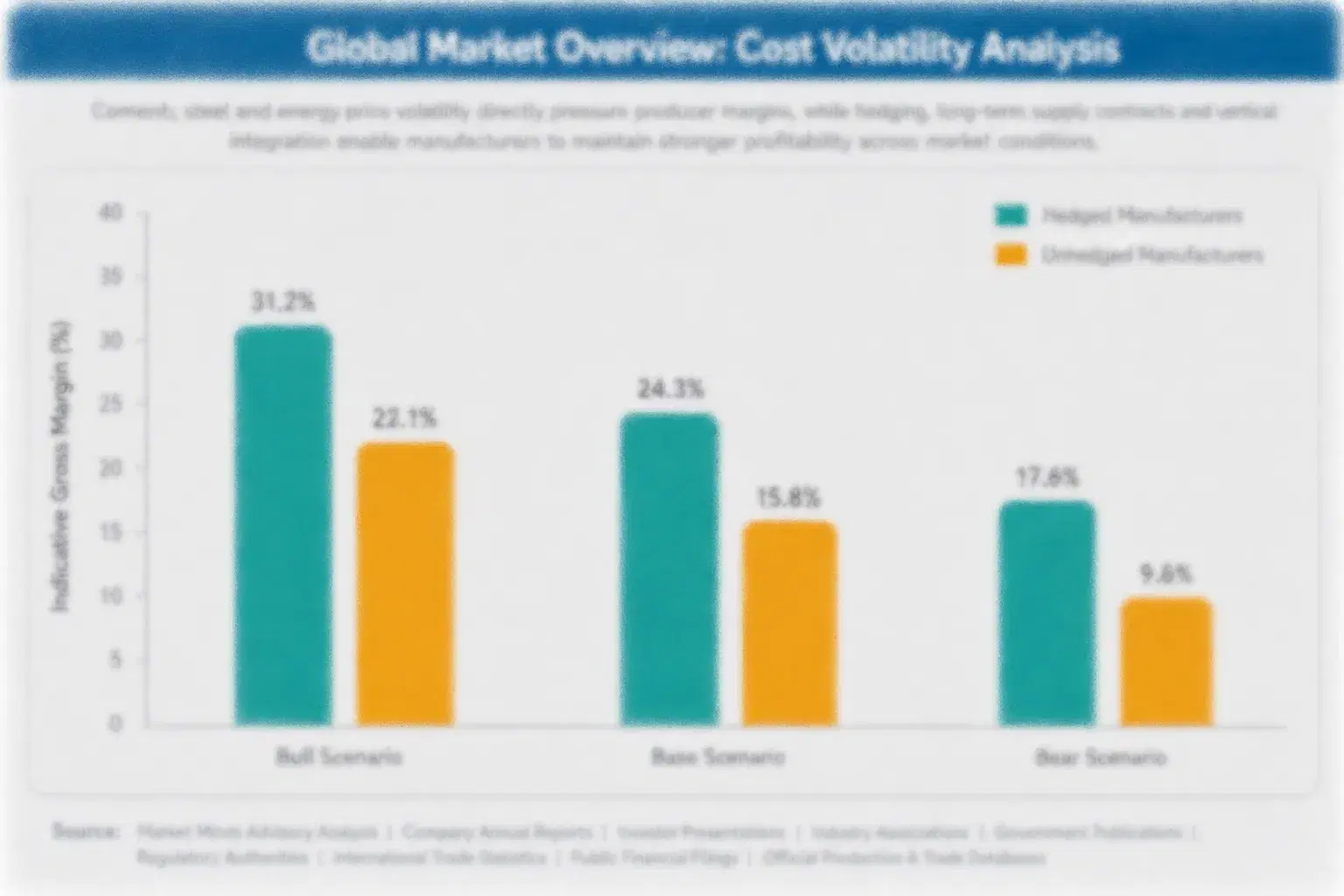
Primary cost inputs are laminate film resin and specialty zip-track polymer, together representing roughly 44 percent of cost of goods sold for a typical pre-zippered converter. Resin feedstock originates mainly from Gulf Coast and Middle East petrochemical crackers, while specialty zip-track extrusion capacity concentrates among a handful of qualified suppliers in the United States, Germany, and China serving this category nationwide broadly.
Resin pricing volatility tracks closely with crude oil and naphtha benchmarks. The IEA's Oil 2025 market report documented a sustained price swing across 2024 that lifted polyethylene feedstock costs by roughly 18 percent within a single quarter, squeezing converter margins industry wide until pricing passed through to snack and frozen food brand customers roughly two quarters later, a typical lag for this category nationwide across most regional markets broadly this cycle overall.

Smaller independent converters without long-term resin supply contracts absorb volatility directly, while larger diversified players like Amcor hedge exposure through integrated procurement and multi-region sourcing flexibility that smaller rivals cannot replicate. This creates a persistent cost disadvantage for regional specialists competing against vertically integrated multinational suppliers nationwide across most pre-zippered pouch markets broadly this cycle today.
pre-zippered-pouches-market-cost-volatility-analysis-1791237361809

Diversify Resin Procurement Across Regions

Converters are qualifying resin suppliers across multiple geographies, reducing single-source exposure to any one cracker outage or regional price spike and smoothing input cost volatility across quarters for stronger margin predictability while preserving continuity of supply across multiple brand customer accounts simultaneously nationwide broadly today overall now while still retaining the flexibility to renegotiate terms when market conditions shift.

Lock Multi-Year Fixed Price Zip Track Contracts

Several converters are negotiating multi-year fixed-price contracts with zip-track extrusion suppliers, trading some pricing upside for predictable input costs that support consistent quoting to snack and frozen food brand customers nationwide broadly today while still retaining flexibility to renegotiate terms when conditions shift favorably overall now, preserving enough design flexibility to avoid commoditizing the zip-track supply relationship entirely nationwide broadly.

Portfolio Architecture for Margin Defence

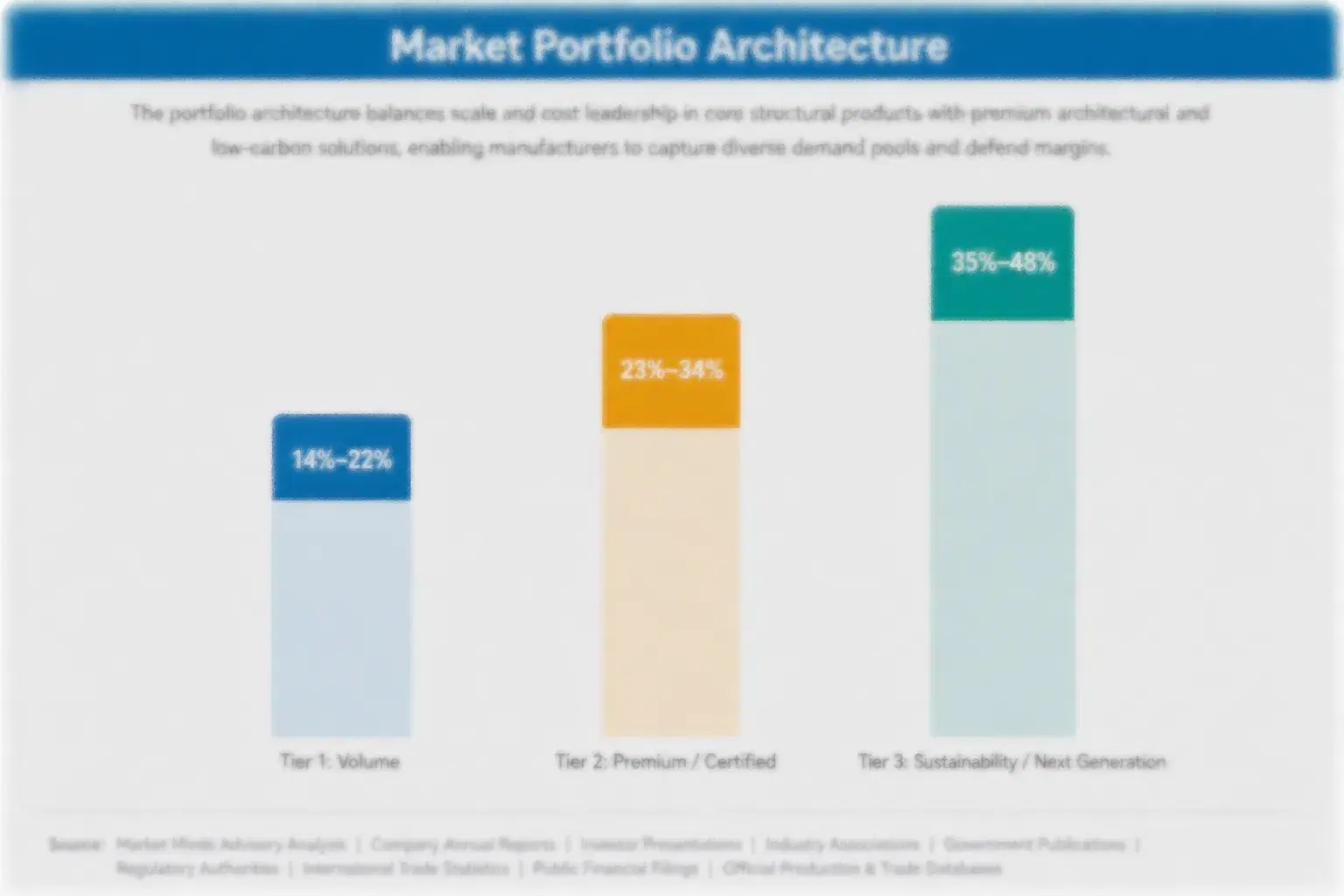
Portfolio economics split sharply by tier. Standard-speed pre-zippered pouches compete on cost and carry thinner gross margins, while high-throughput certified formats command materially higher margins tied to application speed value rather than material cost alone nationwide broadly today across most snack categories overall Certification cost and tooling lead times create a meaningful barrier that keeps commodity-tier margins compressed while protecting the premium tier from.
The volume versus premium tension is sharpening as brands increasingly specify high-throughput, mono-material formats rather than accepting standard-speed structures, pushing more purchasing volume toward certified application-capable converters able to prove compliance credibly and consistently nationwide across most regional markets broadly this cycle overall Converters without certified high-throughput capacity increasingly find themselves excluded from the fastest-growing purchasing categories entirely, a durable shift in how brands allocate.

High-value pools concentrate most heavily around high-volume snack and frozen food applications demanding the fastest application speed, where brands pay a durable premium for throughput differentiation and reliability rather than treating packaging as a pure commodity cost line nationwide across most developed consumer goods markets broadly this cycle today overall This dynamic is reinforced by reliability value, since a consistent, trusted application partner carries weight for brands that.

Standard-speed pre-zippered pouches sold mainly on price into lower-differentiation applications with thinner margins and intense regional competition nationwide broadly today overall with converters relying on volume throughput and operational efficiency rather than tooling depth to sustain profitability nationwide broadly this cycle.
Gross Margin

Certified high-throughput mono-material formats sold into regulated European and brand sustainability programs commanding meaningfully higher margins nationwide broadly today overall where documented recyclability credentials justify meaningfully higher unit pricing across most qualified supplier relationships nationwide broadly today.
Gross Margin

Next-generation bio-based zip-track pouch formats aimed at sustainability-focused brands anticipating tightening packaging waste regulation across major consumer markets nationwide broadly today as brands begin specifying bio-based laminate structures ahead of anticipated packaging waste rules nationwide broadly today overall.
Gross Margin
pre-zippered-pouches-market-portfolio-architecture-1791237362000

High-value Sub-segments and Strategic Watch-out

High-Speed Pre-Zippered Snack Pouches

High-speed pre-zippered snack pouches represent the clearest high-value high-growth pool, combining strong brand willingness to pay with accelerating private-label resealable adoption across most major snack markets nationwide broadly this cycle overall today as private-label retailers continue matching resealable functionality across most major grocery distribution channels nationwide broadly.

Frozen Food Multi-Use Pre-Zippered Pouches

Frozen food multi-use pre-zippered pouches represent a high-value moderate-growth pool, with freezer-to-table convenience trends supporting durable pricing even as category volume growth moderates slightly from its earlier peak nationwide broadly this cycle today even as unit volume growth in developed markets slows from the rapid pace seen earlier this.

Standard Dried Fruit and Nut Pre-Zippered Pouches

Standard dried fruit and nut pre-zippered pouches represent the stable core of category demand, generating reliable cash flow for converters even as margins stay thinner relative to certified premium snack alternatives nationwide broadly this cycle today overall generating the volume base that keeps converter plants running at efficient utilization.

Pet Food Pre-Zippered Pouches

Pet food pre-zippered pouches are the strategic watch-out, since premiumization pressure in the pet category could either accelerate demand sharply through mandated resealable formats or stall it through cost constraints across most regional markets nationwide broadly this cycle overall today a genuine swing factor for category growth over the.

Format Loyalty and Switching Economics

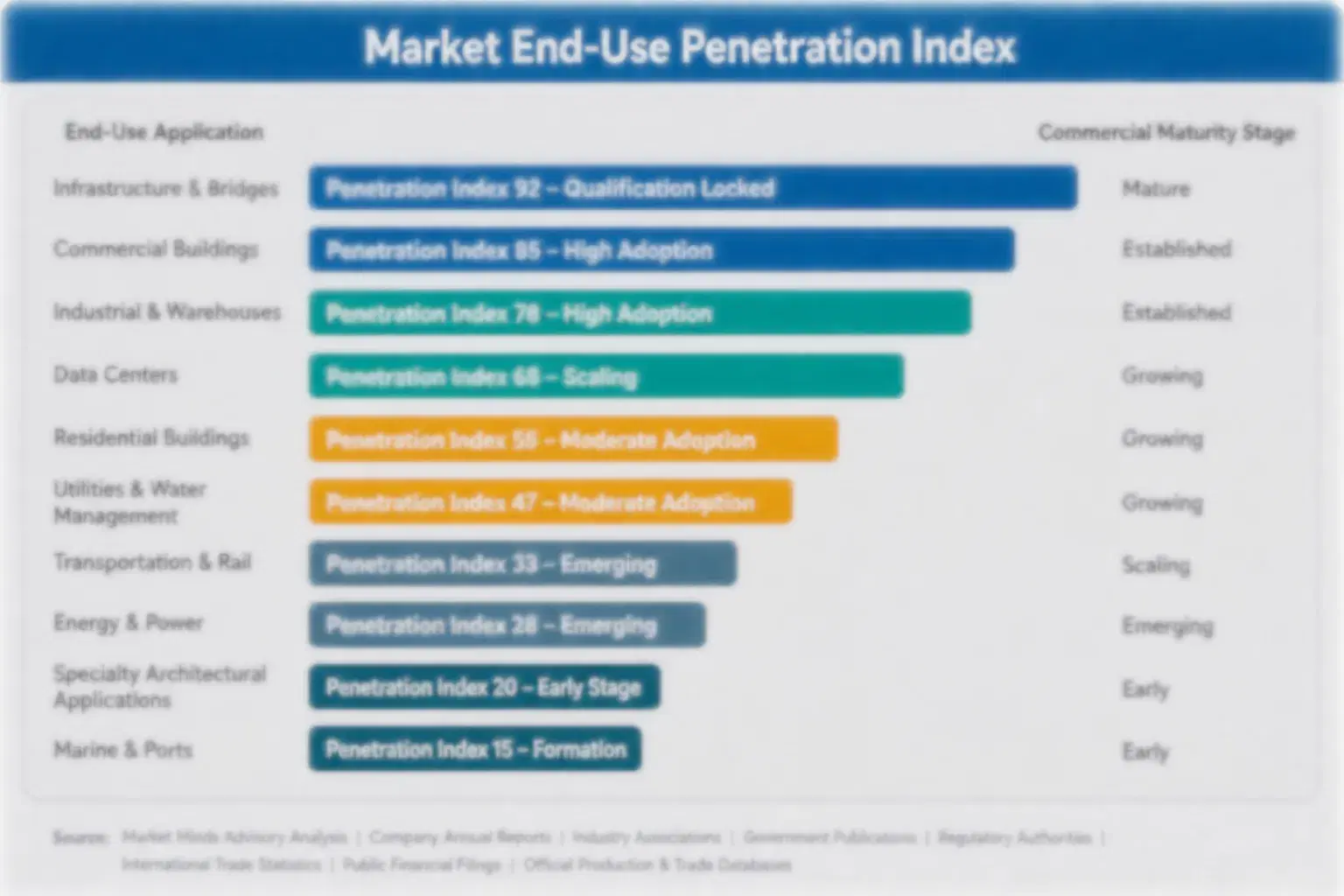
Pre-zippered pouch supply behaves like an annuity once a converter wins a brand's application qualification, since switching to an alternative supplier requires months of new line validation and seal testing that most brands avoid absent a serious cost or quality failure nationwide broadly this cycle overall today Switching costs compound further when qualification spans multiple product SKUs simultaneously across a brand's full packaging portfolio nationwide broadly today.
Adoption stickiness varies sharply by end-use vertical. Snack buyers rotate suppliers more readily given the lower technical complexity relative to frozen food applications, while frozen food buyers commit to longer production runs and switch suppliers less often, and pet food buyers remain the most sticky given stringent quality requirements for pet product packaging overall nationwide broadly this cycle today.

Buyer profiles are shifting generationally as procurement teams increasingly prioritize documented sustainability credentials alongside application speed, pushing even conservative frozen food buyers to begin evaluating mono-material zipper alternatives for future qualification cycles nationwide broadly this cycle overall Younger procurement professionals entering the category are also more willing to switch suppliers for demonstrated environmental performance than their predecessors were historically nationwide broadly today overall.
pre-zippered-pouches-market-end-use-penetration-index-1791237362184

Strategic Priorities for Converters

These are among the four positions where our research anticipates prominent divergence between winners and laggards over the coming forecast period. Each is grounded in the demand model, the regulatory perimeter, and the announced capacity pipeline.
01 / APPLICATION INVESTMENT PRIORITY

Fund High-Throughput Tooling Before Renewal Cycles

Converters lacking verified high-throughput application capability should prioritize investment now, before the next wave of private-label retailer contract renewal cycles begins. Qualification lead times run six to ten months, meaning converters starting today still risk missing the earliest renewal windows across major accounts. Those who qualify late will find the largest contracts already allocated to competitors who moved first, leaving only smaller accounts available, a meaningful loss given how long qualification cycles run across the category overall across the category overall today.
02 / REGIONAL EXPANSION SEQUENCING

Prioritize North America Before Secondary Markets

North America offers the clearest near-term opportunity given the zip-track closure's commercial origin and the largest base of brands actively seeking application-capable suppliers across snack and frozen food categories simultaneously. Converters should establish qualified capacity there first before pursuing secondary opportunities in Western Europe or East Asia, where demand signals remain comparatively less developed today. Spreading investment too thin across regions simultaneously risks under-resourcing the market where near-term contract volume is most heavily concentrated right now, a gap competitors are moving quickly to close.
03 / MONO-MATERIAL DESIGN DISCIPLINE

Build Recyclable Tooling Rather Than Standard Zippers

Converters relying on standard multi-polymer zipper tooling should invest in mono-material-compatible engineering, since European snack and frozen food brands increasingly require zippers matching their pouch body resin and reward compatibility with premium contracts. This capability gap compounds across quarters, steadily eroding the competitiveness of converters who delay investment. Converters who build mono-material capability early will capture a disproportionate share of European contract wins relative to standard-tooling competitors who remain locked into lower-margin designs, a pattern already visible among compatible-design leaders today.
04 / PET FOOD POSITIONING

Build Optionality Rather Than Commit Capital Now

Given uncertain premiumization durability for pet food pre-zippered pouch formats, converters should build flexible, reconfigurable capacity rather than committing dedicated capital immediately to a single format or geography. Premium pet category growth could drive rapid volume expansion within a short window, but uncertainty remains too high today for large committed investment to be prudent across most regional markets. Maintaining optionality lets converters scale quickly once premiumization durability clarifies without bearing stranded asset risk in the meantime, preserving capital for whichever growth path ultimately prevails.

Engagement Snapshot From the Field

A live engagement with an industry participant carrying material or product regulatory and market exposure ahead of a defining policy shift, showing how our research translates into a defensible multi-year portfolio strategy.
MARKET MINDS ADVISORY · CLIENT ENGAGEMENT SUMMARY
Pre-zippered Pouches Producer Strategic Portfolio Review and Transition Roadmap 2026·Investment Scenario on Pre-zippered Pouches Exposure Evaluation 2025-26
CLIENT PROFILE
The client is a mid-sized North American manufacturer of private-label snack mixes expanding its resealable product line, selling primarily through grocery and club store channels across the United States and Canada. The company had relied on a single regional converter for several years but faced growing pressure from retail partners to demonstrate high-throughput, recyclable pre-zippered compliance across its full snack portfolio before the next major retail sustainability audit.
STRATEGIC CHALLENGE
The client's existing converter lacked verified high-throughput mono-material zip-track capability, creating exposure to retailer delisting risk ahead of a compliance deadline. Management needed to evaluate whether to invest in certifying the incumbent supplier, qualify a new certified supplier, or pursue dual-sourcing, all within a compressed timeline that left little room for a prolonged evaluation process overall.
MMA APPROACH
MMA conducted a structured supplier capability assessment benchmarking the incumbent against five certified alternative converters on application speed, mono-material chemistry, lead time, and pricing, drawing on primary interviews with procurement and sustainability affairs staff. The assessment combined client-reported cost data with MMA's proprietary competitive benchmarking framework developed for this category overall.
KEY FINDINGS
  1. The incumbent supplier's standard multi-polymer zipper carried a material delisting risk, estimated by the client at 12 percent of affected retail revenue (client-reported, unverified by MMA).
  2. Dual-sourcing across two certified converters reduced single-supplier dependency risk while adding only an estimated 4 percent to blended unit cost (client-reported, unverified by MMA).
  3. Certified converters quoted lead times averaging eight weeks for initial qualification, shorter than the client's internal compliance deadline by roughly three weeks overall.
  4. Switching entirely to a single new certified supplier would have concentrated 100 percent of volume with one partner, reintroducing the dependency risk the client sought to avoid.
CLIENT PROFILE
The client is a mid-sized North American manufacturer of private-label snack mixes expanding its resealable product line, selling primarily through grocery and club store channels across the United States and Canada. The company had relied on a single regional converter for several years but faced growing pressure from retail partners to demonstrate high-throughput, recyclable pre-zippered compliance across its full snack portfolio before the next major retail sustainability audit.
STRATEGIC CHALLENGE
The client's existing converter lacked verified high-throughput mono-material zip-track capability, creating exposure to retailer delisting risk ahead of a compliance deadline. Management needed to evaluate whether to invest in certifying the incumbent supplier, qualify a new certified supplier, or pursue dual-sourcing, all within a compressed timeline that left little room for a prolonged evaluation process overall.
MMA APPROACH
MMA conducted a structured supplier capability assessment benchmarking the incumbent against five certified alternative converters on application speed, mono-material chemistry, lead time, and pricing, drawing on primary interviews with procurement and sustainability affairs staff. The assessment combined client-reported cost data with MMA's proprietary competitive benchmarking framework developed for this category overall.
KEY FINDINGS
  1. The incumbent supplier's standard multi-polymer zipper carried a material delisting risk, estimated by the client at 12 percent of affected retail revenue (client-reported, unverified by MMA).
  2. Dual-sourcing across two certified converters reduced single-supplier dependency risk while adding only an estimated 4 percent to blended unit cost (client-reported, unverified by MMA).
  3. Certified converters quoted lead times averaging eight weeks for initial qualification, shorter than the client's internal compliance deadline by roughly three weeks overall.
  4. Switching entirely to a single new certified supplier would have concentrated 100 percent of volume with one partner, reintroducing the dependency risk the client sought to avoid.
RECOMMENDED STRATEGY
Phase 1: Phase one: qualify two certified converters in parallel over eight weeks, running recyclability and line-speed testing simultaneously to avoid delay risk. Phase 2: Phase two: allocate 60 percent of volume to the primary certified converter and 40 percent to the secondary, preserving supply redundancy overall. Phase 3: Phase three: renegotiate incumbent contract terms downward or exit entirely once certified volume ramps to full retail audit compliance levels overall.
OUTCOME
The client completed dual-sourced certified qualification within its compliance deadline, avoiding an estimated 12 percent retail delisting exposure (client-reported, unverified by MMA). Blended unit cost rose by roughly 4 percent, within the client's acceptable range, while supply resilience improved meaningfully against future single-supplier disruption risk going forward.

Frequently Asked Questions

Foundational context covering the market sizes, CAGR, scope, country, region and competition that inform every finding below. This section is provided to cover basics and most often pre-purchase conversations, answered from the MMA Primary Research Dataset.

What is the current size of the Pre-zippered Pouches Market?

The global Pre-zippered Pouches Market is valued at approximately 3.8 billion dollars in 2025, according to MMA Analysis, reflecting steady demand from snack and frozen food applications nationwide.

How large will the Pre-zippered Pouches Market be by 2036?

MMA projects the market reaching approximately 7.91 billion dollars by 2036, as private-label resealable adoption continues expanding across major consumer markets globally, as mono-material conversion accelerates across major converting regions worldwide.

What is the CAGR for the Pre-zippered Pouches Market 2026 to 2036?

MMA forecasts a compound annual growth rate of 6.9 percent between 2026 and 2036, supported by rising adoption across major regional snack markets, with North America and Western Europe contributing the largest absolute volume gains.

Which segment is growing fastest?

High-speed pre-zippered snack pouches are the fastest-growing segment, supported by expanding private-label resealable adoption across developed markets, as retailers continue matching national brand resealability at lower cost.

Who are the major companies in the Pre-zippered Pouches Market?

Amcor, ProAmpac, Berry Global, Winpak, and Coveris lead the competitive landscape, together holding a meaningful share of certified capacity, per MMA Analysis of certified high-throughput application capacity.

Which country is growing fastest?

The United States is the fastest-growing country, reflecting the zip-track closure's commercial origin and expanding private-label retail demand nationwide, supported by continued consolidation among major private-label grocery chains.

How the Pre-zippered Pouches Market Is Segmented

The full report scope spans multiple orthogonal segmentation dimensions, with cross-tabulated demand data provided for each dimension pair. Coverage extends further to regional breakdowns, trend trajectories, and the competitive detail needed to support segment-level decision-making.
  • Standard Multi-Polymer Zipper Pouches
  • Mono-Material Recyclable Zipper Pouches
  • High-Throughput Pre-Zippered Pouches
  • Snack Foods
  • Frozen Food
  • Pet Food
  • Coffee and Tea
  • Private Label Programs
  • Branded Retail Contracts
  • Direct Brand Supply Contracts

By Region

  • North America
  • Western Europe
  • East Asia
  • South Asia and Pacific
  • Latin America
  • Middle East and Africa
  • Eastern Europe

Scope, Methodology, and Coverage

Every figure in this report is reproducible from documented input assumptions. The scope below maps the historical period, the forecast horizon, the segmentation dimensions, and the countries covered, alongside the underlying primary and qualitative methodology.
Historical Period
2020 to 2025
Forecast Period
2026 to 2036
Base Year
2025 (USD billions; MMA Primary Research Dataset, October 2026)
Market Definition
The Pre-zippered Pouches Market covers flexible pouches with a pre-installed interlocking zip track closure sealed into the pouch during converting, opened and closed by finger pressure along the track. It excludes pouches using mechanical slider closures covered under a separate report, and excludes pouches without any resealable closure mechanism.
Quantitative Units
USD billions
Segmentation Dimensions
Regions Covered
North America, Western Europe, East Asia, South Asia and Pacific, Latin America, Middle East and Africa, Eastern Europe
Countries Covered
Key Companies Profiled
Amcor plc, ProAmpac LLC, Berry Global Inc., Winpak Ltd., Coveris Holdings S.A., Sealed Air Corporation, Mondi plc, Constantia Flexibles Group GmbH, Huhtamaki Oyj, Transcontinental Inc., WestRock Company, Uflex Limited, ePac Flexible Packaging LLC, Printpack Inc., Sonoco Products Company, Toppan Inc., Glenroy Inc., Clondalkin Group Holdings B.V., Flair Flexible Packaging Corporation, TC Transcontinental Packaging
Quantitative Methodology
Primary survey, n=3,800 respondents, Q4 2025, six countries; demand-side model with trade association cross-validation
Qualitative Methodology
47 expert interviews, Q4 2025; applied to validate demand model assumptions, identify emerging dynamics, and assess competitive positioning
Report Format
PDF and XLSX data workbook (Word format preview document)
Publisher
Market Minds Advisory
Report Code
MMA-2026-PAC-217
Published
October 2026
Contact
sales@marketmindsadvisory.com | www.marketmindsadvisory.com

Purchase the full Pre-zippered Pouches Market Report (2026 to 2036).

This report delivers a comprehensive assessment of the global Pre-zippered Pouches Market, covering market sizing, segmentation, competitive dynamics, and regional demand through 2036. It combines MMA's proprietary primary survey of 3,800 respondents across six countries with 47 expert interviews conducted in the fourth quarter of 2025. The analysis equips packaging converters, snack and frozen food brands, and investors with the data needed to prioritize tooling investment decisions. It also benchmarks the twenty largest named suppliers on a consistent commercial basis. Readers gain a clear view of where recyclability requirements are reshaping supplier rankings across this.
Segment-level sizing and growth forecasts across all product tiers.
Seven-region demand and market share analysis.
Competitive benchmarking of 20 named suppliers.
Regulatory and compliance trend assessment and outlook.
Input cost exposure and mitigation pathway and trend analysis.
Strategic verdict and converter investment priorities.

Built For The People Who Decide

From boardroom strategy to bench-side execution, this report is read cover-to-cover by leaders shaping the next decade of their industry, turning demand scenarios, market dynamics and valuation benchmarks into decisions.
CXOs/ Presidents/ VPs/ Managers
M&A and Corporate Development
Strategy Teams and R&D Heads
Procurement and Product Directors
Regulatory and Compliance Leaders
Investor Relations and Equity Analysts