
Market Minds Advisory
Pneumatic Strippers Market

Pneumatic Strippers Market Revenue Forecast 2026-2036

Label and packaging converters keep favoring servo-driven vacuum-assisted pneumatic strippers over semi-automatic rotary designs as waste removal consistency demands and web speed pressure steadily intensify across converting networks worldwide today.

Lead Analyst

Bilal Shaikh

Published

November 2026

Make Smarter Decisions with Customized Research Insights

Request a free sample report and evaluate market opportunities, growth trends, and competitive dynamics relevant to your business needs.

2025 MARKET VALUE$0.4BMarket Size 2025
2036 FORECAST VALUE$0.7BBase Case , 2026 to 2036
CAGR 2026 TO 20365.4 %Bull 6.7% / Bear 4.0%
INCREMENTAL OPPORTUNITY$0.3BNet 10- year value creation
EXPANSION MULTIPLE1.68x2036 value over 2026 base
Strategic Levers
M&A Pipeline
Regional Outlook
Country Rankings
Competitive Intelligence
Segmental Deep-dive
Call-Us : 91 93563 13602

Pneumatic Strippers Market Outlook

This pneumatic strippers report spans five equipment formats, from manual through rotary and servo-driven vacuum-assisted configurations, with servo-driven vacuum-assisted systems growing fastest as waste removal consistency demands and web speed pressure intensify across converting lines worldwide this entire forecast cycle starting now overall and well beyond this current cycle.
Servo-driven vacuum-assisted pneumatic strippers are outgrowing every other format as label and packaging converters increasingly value the documented waste removal consistency and web speed performance this equipment delivers beyond semi-automatic rotary designs that long defined this category for years. East Asia carries the largest regional share given China's label and packaging converting manufacturing scale, while South Asia and Pacific posts the fastest regional growth rate, reshaping converter investment decisions across most tracked accounts worldwide.
Five equipment makers hold roughly thirty-six percent of tracked shipment volume in a moderately concentrated field, shaped largely by Grafotronic's decades of stripping engineering heritage and Spartanics' extensive North American production network scale built across years of specialist manufacturing worldwide and beyond. Regional integrators continue winning smaller boutique accounts, even as servo-driven systems grow fastest among converters running high-speed label programs worldwide.
Market Definition
This report covers the pneumatic strippers market, covering manual, semi-automatic rotary, and servo-driven vacuum-assisted equipment that pneumatically removes die-cut waste matrix material from label and packaging webs during converting. It excludes the die-cutting presses themselves and mechanical peel-only stripping stations, which MMA tracks separately.
Base Year Value
$0.4B in 2025 (MMA Primary Research Dataset, October 2026)
Forecast Period
2026 to 2036, eleven discrete annual values
CAGR
5.4% base case. Bull 6.7%. Bear 4.0%.
Fastest Growth Segment
Servo-Driven Vacuum-Assisted Pneumatic Strippers: 8.5% CAGR
Fastest Growth Country
China: 7.0% CAGR
Fastest Growth Region
South Asia and Pacific: 7.4% CAGR
Largest Region
East Asia: 29% of 2025 global value
Market Leaders
Grafotronic AB, Spartanics Ltd, Kocher + Beck, AB Graphic International, and Karlville Development Ltd lead the market by shipment volume. Source: MMA Analysis based on company annual reports.
Primary Survey
n=3,800 procurement and R&D decision-makers, Q4 2025, six countries
Methodology
Demand-side build-up, cross-validated against public data, 47 expert interviews

Pneumatic Strippers Market Forecast Scenarios

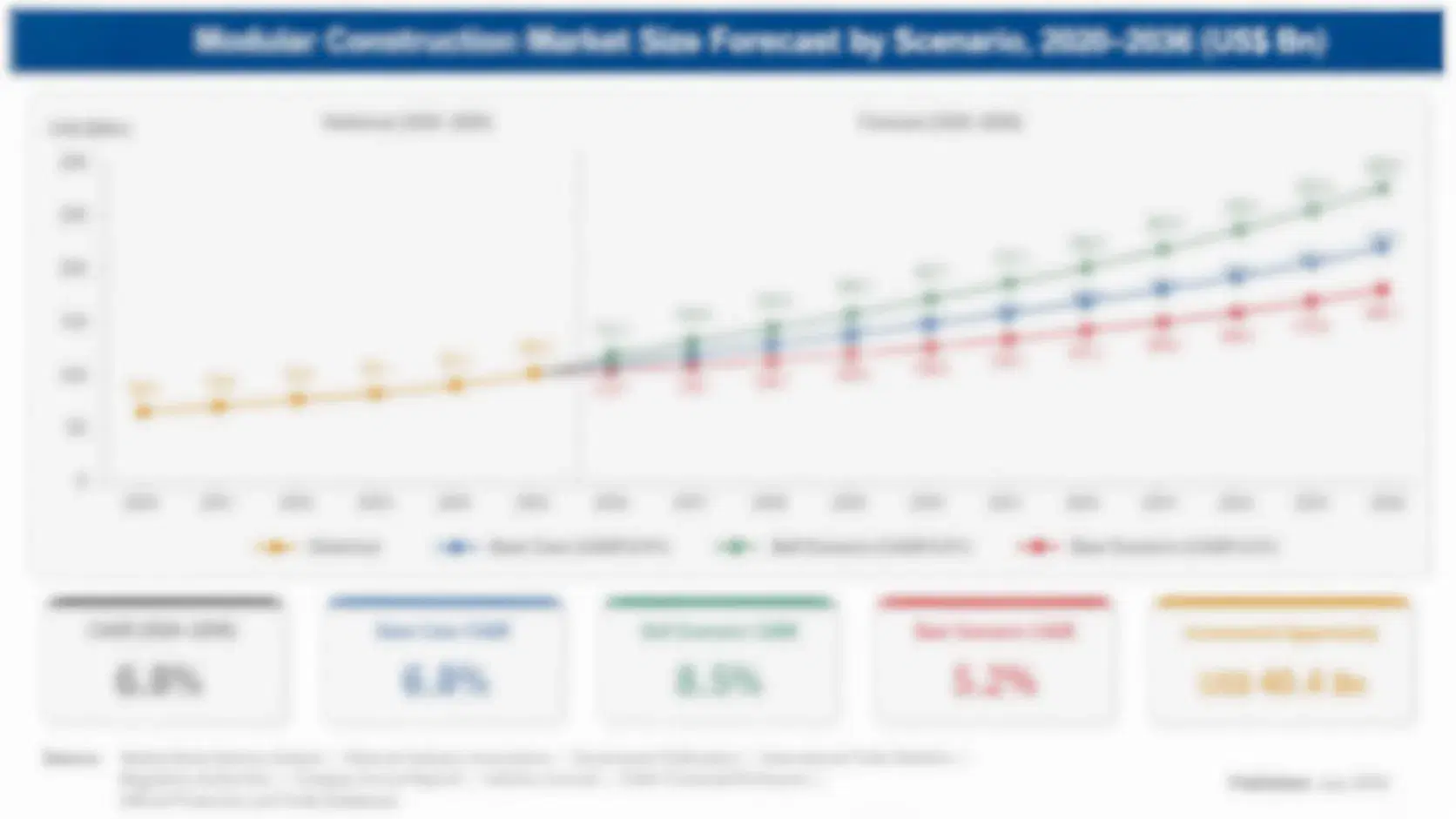
pneumatic-strippers-market-size-forecast-scenario-1791318763301
Pneumatic strippers demand grew steadily between 2020 and 2025, expanding at roughly a 4.6 percent historical annual rate as label and packaging converting volume sustained baseline equipment demand across most major converting networks worldwide, with Chinese and European integrators anchoring much of this expansion across tracked channels and converter accounts this entire cycle overall and beyond.
The base case rests on three mechanisms: continued label and packaging converting volume expansion sustaining baseline equipment replacement demand, rising waste removal consistency adoption expanding the category's addressable servo-driven base considerably, and persistent converter preference pushing plants toward vacuum-assisted formats beyond rotary designs that historically defined the category. East Asia's deepening label converting manufacturing scale is positioned to capture a durable share of this incremental demand ahead of regional competitors still building comparable distribution infrastructure and technician depth worldwide.
The bull case turns on accelerated high-speed label line investment pulling adoption toward the high single digits above trend worldwide as converters scale servo-driven capacity faster than expected across most tracked markets. The bear case is persistent precision vacuum component cost volatility limiting premium adoption to years with favorable budget allocation, slowing growth toward the low single digits worldwide overall.

Servo-Driven Vacuum-Assisted Systems Reshape Converting Line Efficiency

This pneumatic strippers market reflects a genuinely converting driven trade, where Chinese and European integrators supply a disproportionate share of worldwide demand given China's label converting manufacturing scale, and the equipment makers who lead this category built their advantage through decades of dedicated stripping engineering heritage new entrants cannot replicate at comparable cost, speed, or service depth.
MARKET CONCENTRATION36% CR5held by five equipment makers across tracked converting channels today
AVERAGE SELLING PRICE$46,000 per unitservo-driven vacuum-assisted systems command a considerable sustained premium
TOP COUNTRY SHAREChina, 18%reflects dense label and packaging converting concentration nationwide overall
SERVO-DRIVEN PENETRATION16% of units shippedremains the fastest growing format tracked in this category today
CAPACITY UTILIZATION RATE74% average utilizationreflects a consistently high demand base across most converting facilities
VACUUM COMPONENT COST SHARE20% of unit COGSprecision vacuum pump and sensor components dominate cost base today
Commercially, the category rewards integrators who can serve both large multinational label press majors and smaller independent regional packaging converters from a shared equipment, service, and parts architecture, since cross selling into this broader customer base lets integrators spread tooling costs further than serving one channel alone. Direct converter supply agreements remain the primary lever shaping integrator scale and pricing power across this entire cycle worldwide today.
The next decade will be shaped by servo-driven formats continuing to capture waste removal consistency driven demand, rising vacuum-assisted investment tied to web speed targets, and buyers who increasingly reward integrators able to document verified waste removal consistency data at a level legacy rotary designs have not needed to prove, particularly as converters tighten quality mandates across major producing regions worldwide and beyond.
"A regional label converter used to just order with whatever stripping station handled the single dominant web width with no real second thought, and nobody asked much about whether a servo-driven design could meaningfully cut matrix jams during a high-speed production run, now the same converter increasingly orders with documented consistency data built in, and a plant manager wants proof of that rating before renewing the next equipment contract."
Director, Label and Packaging Converting Equipment Practice · MMA Packaging Equipment: Pneumatic Waste Stripping Machinery Practice · October 2026

Pneumatic Strippers Technology Trends

Servo-Driven Vacuum Systems Reach Mainstream Regional Converters

Servo-driven vacuum-assisted pneumatic strippers, which use an engineered integrated vacuum and tension control system intended to maximize waste removal consistency and web speed across a continuously varying matrix pattern mix rather than relying on conventional semi-automatic rotary dependent architecture alone, has moved from niche premium flagship label majors into mainstream regional packaging converters since 2023 as servo-driven production costs declined enough to reach smaller regional plants worldwide. This documented consistency advantage addresses genuine matrix jam concerns semi-automatic equipment alone could never satisfy, particularly as converters began requiring certified consistency ratings for renewal programs across most producing countries this cycle. Much of this also feeds into the paper waste strippers market, which MMA expects to grow at 5.6% a year through 2036.
Market Impact: Adds 3% converting driven demand
Rotary Demand Accelerates Across Mid-Tier Converters

Rotary pneumatic stripping adoption, which provides enhanced web speed flexibility and reduced changeover downtime through engineered precision tension designs rather than relying on conventional manual dependent architecture alone, is spreading from flagship high-volume label majors into mid-tier regional packaging converters that previously relied on manual alone across most tracked converting markets worldwide and beyond. Converters report rising inquiry volume from mid-tier regional plants who previously defaulted to manual purely on cost grounds, a shift accelerating as rotary pricing has narrowed relative to manual cost structures across most major converting markets this cycle.
Market Impact: Lifts servo-driven penetration 4 points

Pneumatic Strippers Strategic Opportunities

Label Converting Growth Sustains Replacement Demand

Rising label and packaging converting volume across major production markets, particularly waste removal consistency programs tied to national line efficiency targets, is sustaining baseline demand for pneumatic strippers well beyond the conventional replacement cycle that historically drove manual adoption first across most developed converting markets worldwide. China's latest label converting capacity expansion programs alone add meaningful additional annual demand, and comparable national packaging growth initiatives across India, Brazil, and several Southeast Asian countries are expanding addressable equipment demand steadily, a trend reshaping converter inventory investment decisions across most tracked integrators this entire cycle overall.
Market Impact: Adds 3% to production costs

Line Efficiency Standards Push Converters Toward Servo-Driven Systems

Persistent line efficiency pressure among high volume national label majors has sharply raised the effective cost of maintaining fully semi-automatic rotary dependent equipment assortments, pushing a growing share of mid-tier converters toward servo-driven and sensor-rated configurations that reduce dependence on costly generic rotary infrastructure entirely across most developed converting markets today. Servo-driven penetration among converters running nationwide line efficiency compliance programs has risen meaningfully as buyer scrutiny tightens, a shift converters report accelerating further whenever scrutiny tightens, reshaping procurement planning and capital allocation decisions across most tracked converting markets this cycle overall today.
Market Impact: Adds 3 days service response

Pneumatic Strippers Challenges and Constraints

Vacuum Component Price Volatility Pressures Margins

Precision vacuum pump and sensor component price volatility remains a genuine, recurring constraint for pneumatic stripper equipment makers, limiting how quickly mid-size integrators can maintain pricing stability even where demand growth justifies capacity expansion across tracked label and packaging converting equipment markets worldwide today. The root cause is that specialty motor and electronics commodity markets generate continuous raw material cost swings that feed directly into manufacturing costs, compressing margins over operating cycles considerably over time. Integrators are mitigating this through long-term component supply agreements and modular vacuum design, though margin pressure still persists across most tracked component-dependent facilities today.
Market Impact: Cuts matrix jam incidents 7%

Multi Jurisdiction Converting Standards Strain Smaller Integrators

Equipment service and consistency certification maintenance costs remain a persistent friction point distinct from the vacuum cost constraint the category otherwise faces, since multi-jurisdiction converter networks typically require additional technician dispatch coverage beyond standard warranty setup during extended service cycles across most tracked converting markets worldwide. The root cause is that competing national converting standards authorities maintain differing consistency certification protocols that gradually complicate multi-jurisdiction technician integration. Integrators are mitigating this through modular service packages and standardized parts kits, though service costs still strain smaller integrators across most tracked multi-jurisdiction markets this entire cycle overall.
Market Impact: Cuts changeover downtime rate 5%
3 additional market trends, 4 additional growth drivers, and 2 additional restraints and challenges are covered in the full report. Contact sales@marketmindsadvisory.com to access the complete intelligence.

Fastest-Growing Pneumatic Strippers Segments

MMA segments pneumatic strippers demand by drive technology and waste removal sophistication, the single dimension that most directly determines genuine consistency performance, converter integration depth, distributor pricing power, and the commercial premium a given machine configuration commands across label, packaging, and global converting accounts worldwide across this entire forecast cycle overall today and beyond.
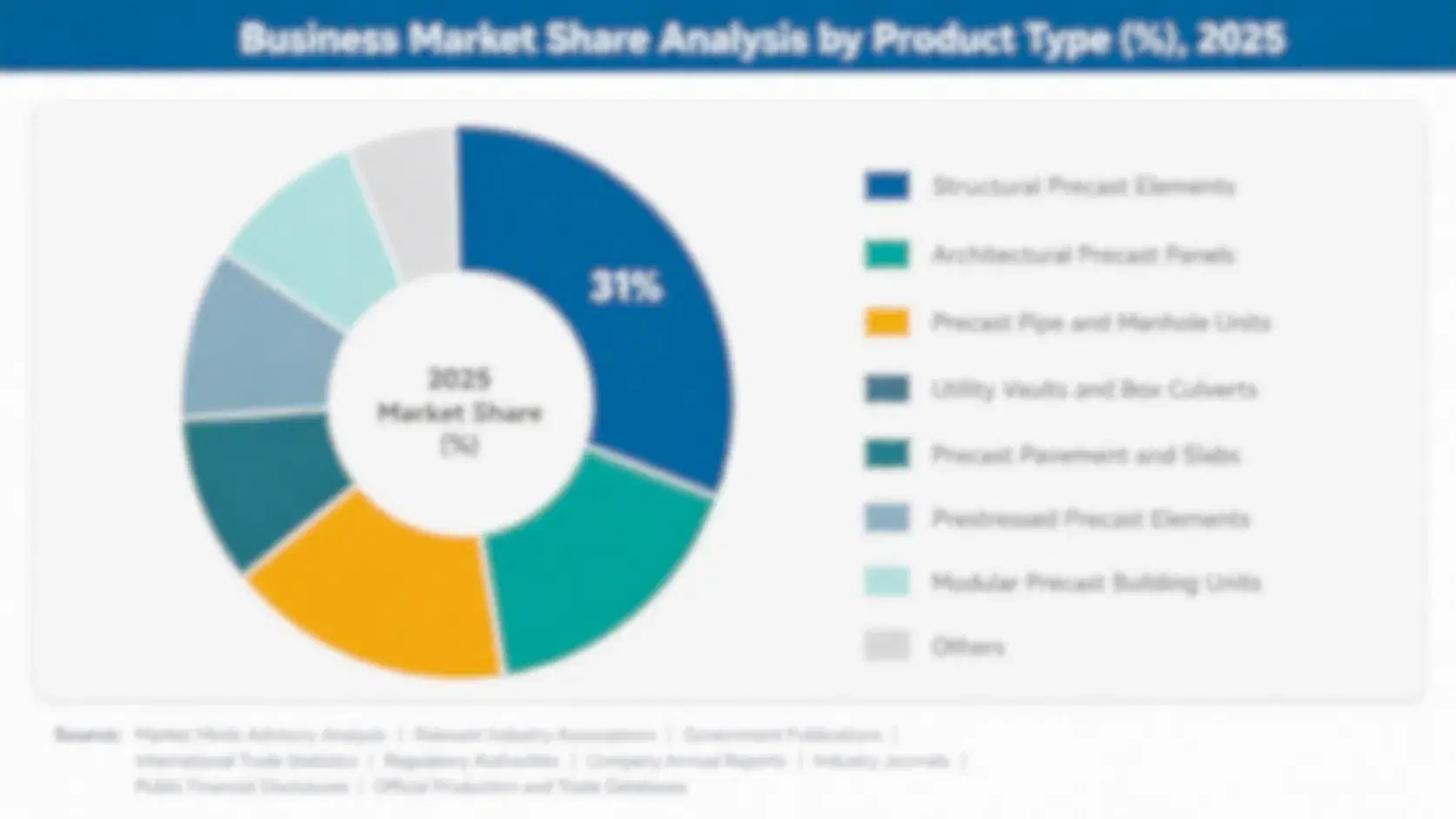
pneumatic-strippers-market-market-share-analysis-1791318763474

Servo-Driven Vacuum-Assisted Pneumatic Strippers

Servo-driven vacuum-assisted pneumatic strippers are the fastest growing format because they finally deliver the documented waste removal consistency and web speed performance converters increasingly require beyond the semi-automatic rotary designs that historically defined this category, a consistency advantage conventional standalone semi-automatic equipment could never achieve as completely across high volume nationwide line efficiency compliance programs worldwide. This format benefits from a compelling adoption story because it lets converters address genuine matrix jam constraints rather than accepting the consistency ceiling generic semi-automatic equipment imposes, giving servo-driven focused integrators a growth advantage over rotary competitors active across major label markets. Unit pricing for servo-driven configurations commands a steady premium over semi-automatic equivalents across tracked channels worldwide.
CAGR 8.5%

Semi-Automatic Rotary Pneumatic Strippers

Semi-automatic rotary pneumatic strippers are the second fastest growing format as mid-tier packaging and label channels increasingly value the documented web speed flexibility and reduced changeover downtime this equipment delivers rather than manual alternatives requiring slower, more labor-intensive stripping routines, particularly as the semi-automatic modernization trend expands across most converting markets tracked closely by MMA analysts this entire cycle overall and going forward steadily across every tracked account and distribution network and dealer channel. This format commands meaningfully higher per unit pricing than manual formats, since calibrated semi-automatic engineering requires additional investment that delivers a genuinely differentiated web speed performance converters are increasingly willing to defend across most converting segments worldwide this cycle.
CAGR 7.0%
Full segment breakdown across 5 segments available in the complete report.

Where Pneumatic Strippers Demand Is Growing

East Asia anchors global pneumatic strippers demand, carrying the largest regional share given China's label and packaging converting manufacturing scale, while North America and Western Europe follow close behind, and South Asia and Pacific posts the fastest regional growth rate tracked across this entire forecast cycle overall today.

North America

USA's dense label and packaging converting production network anchors regional demand, reflecting the country's established pneumatic stripper equipment heritage through regional integrators feeding label majors and packaging converters across Illinois, Ohio, and North Carolina production corridors today, a concentration genuine enough that this market sits comfortably within the standard regional band given the country's stripping equipment manufacturing scale and founding role in converting standards nationwide today. Canada and Mexico contribute meaningful additional demand through established cross border distribution programs, reinforcing the region's combined integrator depth considerably across most tracked accounts and dealer channels this entire cycle overall today. Converters across the region increasingly specify servo-driven systems as line efficiency mandates accelerate this cycle overall nationwide.
Share: 24% | CAGR: 6.6% (2026 to 2036)

Western Europe

Germany's dense label and packaging converting manufacturing base anchors regional demand, reflecting the country's founding role in stripping engineering heritage through regional integrators feeding label majors and packaging converters across North Rhine-Westphalia and Bavaria formulation corridors today, a concentration genuine enough that this market sits comfortably within the standard regional band given the country's founding role in European converting standards overall nationwide this cycle. Sweden and the UK contribute meaningful additional demand through established distribution programs and growing automation investment across several concurrent commercial regions and provincial manufacturing districts nationwide today and beyond. Domestic integrators across the region increasingly specify servo-driven systems as converters tighten consistency expectations further this cycle overall today.
Share: 19% | CAGR: 3.8% (2026 to 2036)
Regional intelligence for 5 additional markets available in the complete report: East Asia, South Asia and Pacific, Latin America, Middle East and Africa, Eastern Europe. Contact sales@marketmindsadvisory.com.
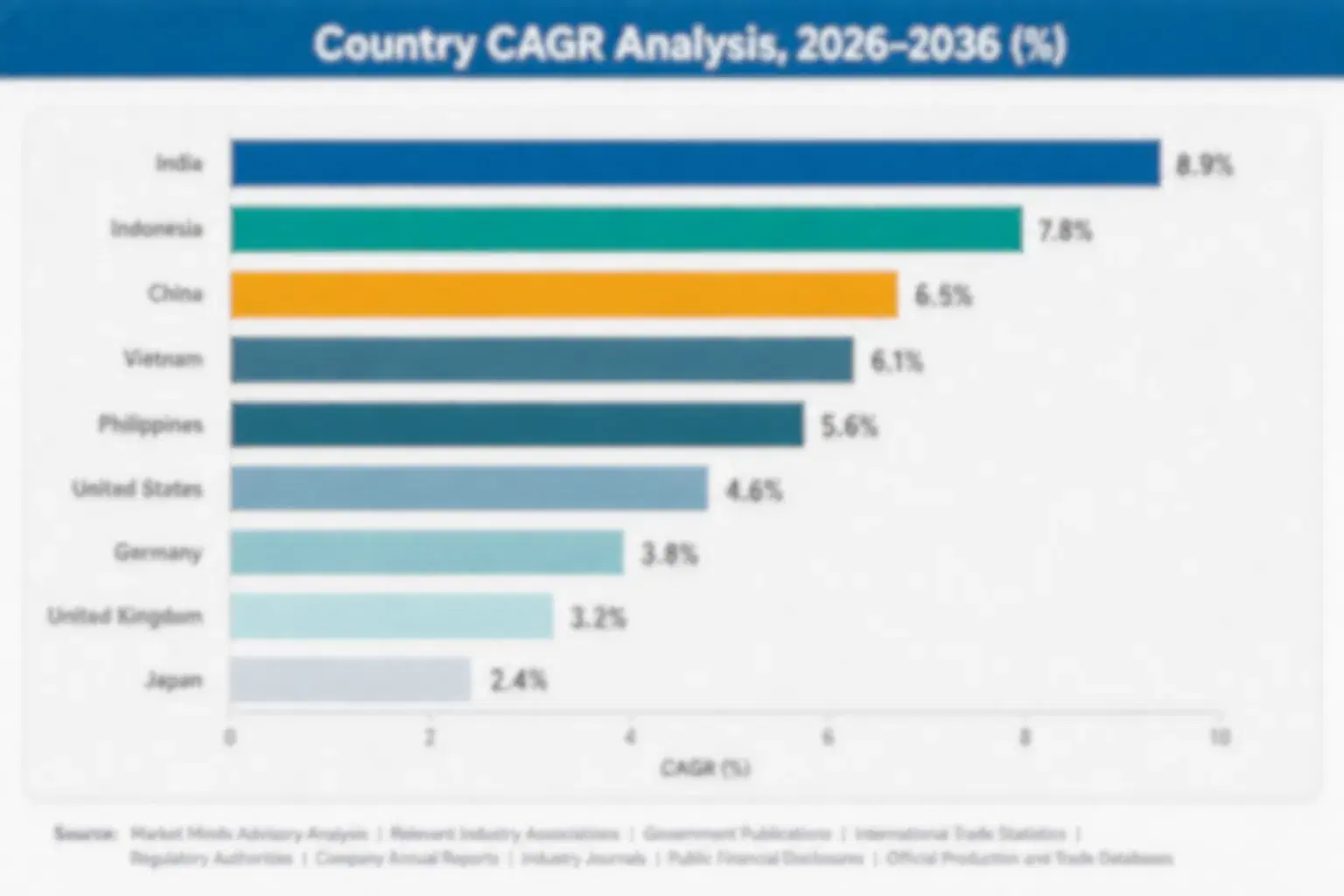
pneumatic-strippers-market-country-cagr-analysis-1791318763653

Building The Consistency And Trust Advantage

Global pneumatic strippers economics reward integrators who can defend established converter relationships while capturing premium demand opened up by accelerating waste removal consistency complexity across the industry today, separating durable shipment volume growth from margin erosion across every tracked label, packaging, and distribution segment worldwide across this entire forecast cycle overall today and beyond.

Validating Waste Removal Consistency Through Rigorous Production Trials

Integrators investing in genuinely extensive waste removal consistency, jam risk, and high-volume production field trials and third party validation across their servo-driven assortments are capturing converter trust that unvalidated competitors cannot win as easily, since national label majors increasingly require demonstrated certification documentation before committing to a full multi-site equipment contract across most tracked label accounts and packaging channels. One integrator's 2024 consistency validation program reportedly cut matrix jams by roughly 7 percent relative to semi-automatic processes used previously across comparable label accounts. This documentation advantage is becoming a meaningful differentiator industry wide.
Market Impact: Cuts matrix jams by roughly 7 percent yearly

Building Dedicated Regional Service Depot Network

Integrators building dedicated equipment service depots across multiple regional label corridors are capturing service capacity that service constrained competitors cannot match as easily, since converters increasingly favor integrators who can guarantee certified consistency reliability data for high density multi-site label programs without mobilization delay worldwide across most tracked label accounts and packaging channels. One integrator's 2024 service depot reportedly expanded its certified equipment catalog by roughly 5 percent within a single fiscal year across tracked label accounts, a meaningful capacity gain. This service advantage lets certification focused integrators accept larger contracts than smaller regional rivals.
Market Impact: Expands certified equipment catalog by roughly 5 percent

Building Dedicated Converter Relationship Support Programs

Integrators building dedicated converter relationship and technical support programs are capturing trust driven demand that self marketed only competitors cannot win as easily, since label and packaging buyers increasingly seek direct consistency guidance before committing to a premium servo-driven multi year supply agreement, particularly as capital budgets tighten worldwide across most tracked label accounts and packaging channels. One integrator's 2024 relationship program reportedly expanded its advisory driven revenue by roughly 5 percent within a single fiscal year across tracked label accounts. This advisory depth is becoming a meaningful differentiator among mid size integrators industry wide.
Market Impact: Expands advisory driven revenue by roughly 5 percent yearly

Building Distribution Across Fast Growing Packaging Markets

Integrators building formal commercial distribution partnerships across fast growing label and packaging converting markets are capturing sophistication driven growth that conventional flagship market only distribution cannot reach cost effectively at meaningful scale worldwide across most tracked label accounts, packaging networks, and emerging distribution corridors spanning this entire cycle overall. Integrators that formalized emerging market distribution partnerships since 2023 report reaching new packaging segments roughly two months faster than competitors building distribution through traditional flagship channels alone, ceding ground to faster moving rivals across every tracked account and packaging network worldwide this entire cycle overall.
Market Impact: Reaches new packaging segments roughly 2 months sooner

Who Captures Pneumatic Strippers Value

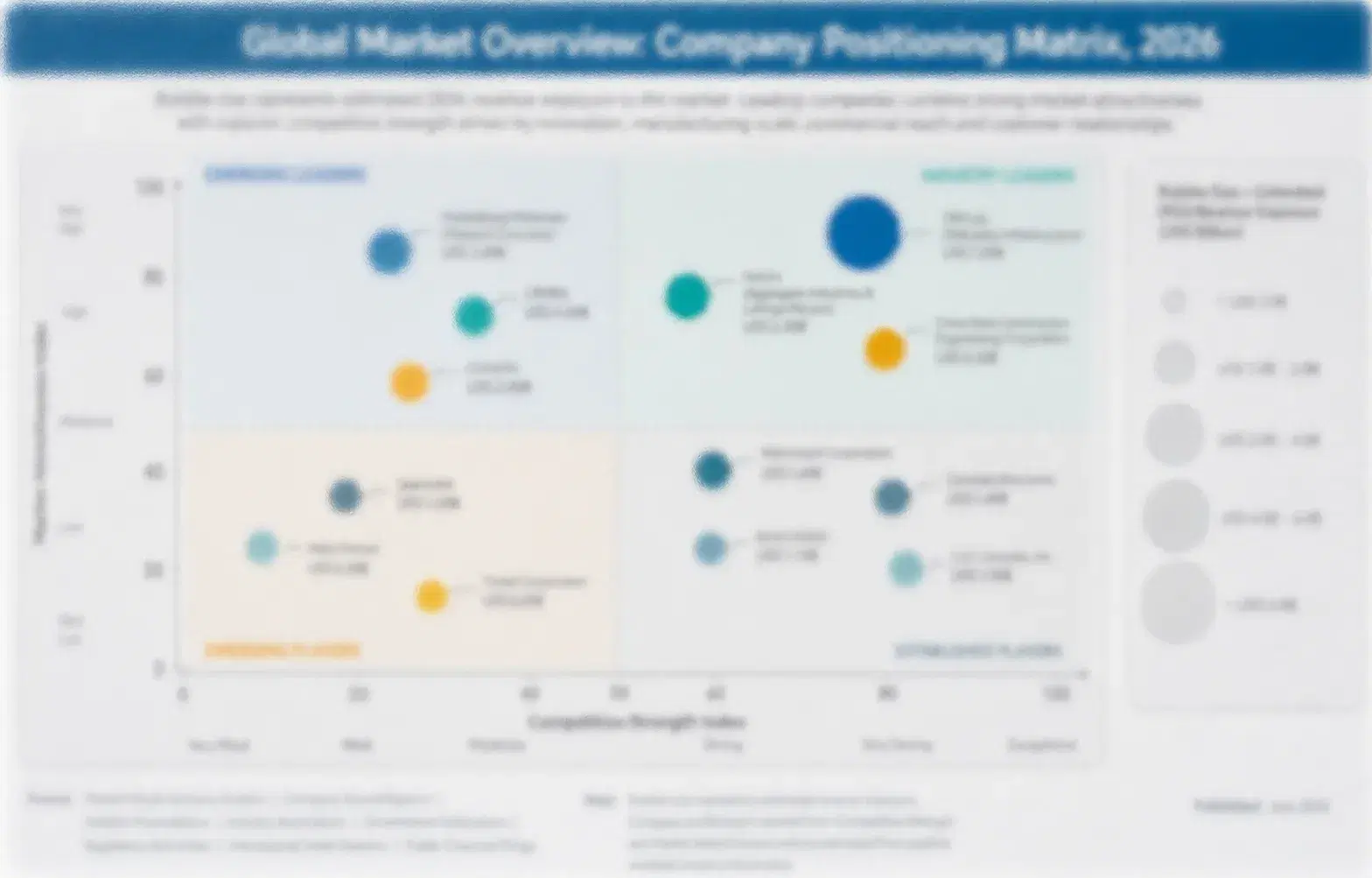
Five equipment makers hold roughly thirty-six percent of tracked shipment volume, a moderately concentrated market reflecting how Grafotronic's established stripping engineering heritage and Spartanics' deep North American production network scale have each built advantages smaller regional integrators are only beginning to meaningfully challenge. The gap between these two leaders and smaller regional competitors remains meaningful in large national label accounts, though niche integrators continue capturing share in smaller independent regional segments.
Current competitive activity centers on three fronts: waste removal consistency validation capturing converter trust, service depot investment capturing service capacity, and dedicated converter relationship programs capturing trust driven demand across most major pneumatic strippers markets worldwide today. Regional distribution partnership building is becoming a meaningful differentiator among integrators as emerging market sophistication accelerates, a differentiation strategy gaining importance industry wide currently.

Pressure is building from niche regional integrators offering differentiated cost efficiency and local technical support that established majors cannot always match given their broader but sometimes less regionally responsive commercial focus. Rankings could shift meaningfully if an integrator achieves genuine breakthrough in servo-driven efficiency before competitors, capturing the category's fastest growing label tier before it becomes standard practice.
pneumatic-strippers-market-company-positioning-matrix-1791318763835

Pneumatic Strippers Competitive Moats

GRAFOTRONIC AB

Moat: Deepest stripping engineering heritage

Grafotronic's extensive dedicated stripping engineering infrastructure, built specifically for high volume label compliance programs over decades of specialist operation as a category pioneer, gives it category specific credibility and engineering depth that smaller regional integrators cannot easily replicate at comparable scale across most tracked label accounts and distribution networks worldwide today.
GRAFOTRONIC AB

Risk: Narrower vacuum-assisted product reach

Grafotronic's narrower vacuum-assisted product line specialization relative to Spartanics' established decades long broader distribution platform limits its credibility differentiation among multi category focused converters outside core label accounts, a depth gap that could slow broader multi-channel account penetration relative to more flexible competitors like Spartanics over time overall.
SPARTANICS LTD

Moat: Broadest distribution reach

Spartanics' extensive North American production network infrastructure, built specifically as a dedicated multi category distribution base across national label programs over decades of dedicated operation, gives it cross channel integration advantages that smaller regional integrators cannot easily replicate at comparable consistency across most tracked label accounts and distribution programs worldwide.
SPARTANICS LTD

Risk: Narrower stripping engineering depth

Spartanics' narrower dedicated stripping engineering heritage depth relative to Grafotronic's established label base limits its price competitiveness breadth outside premium multi category focused accounts, a scale difference that could slow broader multi-site account penetration relative to more specialized competitors like Grafotronic over time overall today.

Players Tracked

Prominent Players

Grafotronic AB
Spartanics Ltd
Kocher + Beck
AB Graphic International
Karlville Development Ltd

Other Key Players

Mark Andy Inc.
Nilpeter A/S
Gallus Ferd. Rüesch AG
Bobst Group SA
Edale Ltd
Rotocontrol
MPS Systems B.V.
Omet S.r.l.
Codimag
Lemorau
Prati S.r.l.
Smag
Delta ModTech
Erhardt+Leimer GmbH
Grafisk Maskinfabrik A/S

Recent Developments

MARCH 2027

Grafotronic Launches Waste Removal Consistency Validation Program

Grafotronic AB launched a new waste removal consistency, jam risk, and high-volume production validation program in March 2027, extending its stripping engineering infrastructure into a documented certification system for converters seeking certified reliability data without gaps that older semi-automatic assortments carried previously across this packaging equipment category worldwide.
Signal: Signals established integrators now treat consistency validation as central to defending volume leadership across most producing regions worldwide.
AUGUST 2027

Spartanics Expands Regional Distribution Partnership

Spartanics Ltd expanded its servo-driven distribution partnership across fast growing label and packaging converting markets in August 2027, a commercial distribution investment rather than an acquisition, formalizing its ability to serve growing converter demand at competitive regional pricing against Grafotronic's established footprint network worldwide today.
Signal: Indicates distribution focused integrators are formalizing emerging market partnerships to defend regional share more aggressively worldwide this cycle.
DECEMBER 2027

Kocher + Beck Launches Regional Service Depot

Kocher + Beck launched a new equipment service depot initiative in December 2027, targeting regional label corridors seeking certification guidance previously accessible mainly through smaller regional integrators lacking comparable technical scale, offering documented service support instead across the broader pneumatic strippers industry worldwide this entire cycle.
Signal: Indicates service focused integrators are formalizing certification programs to defend equipment capacity broadly across label markets today.

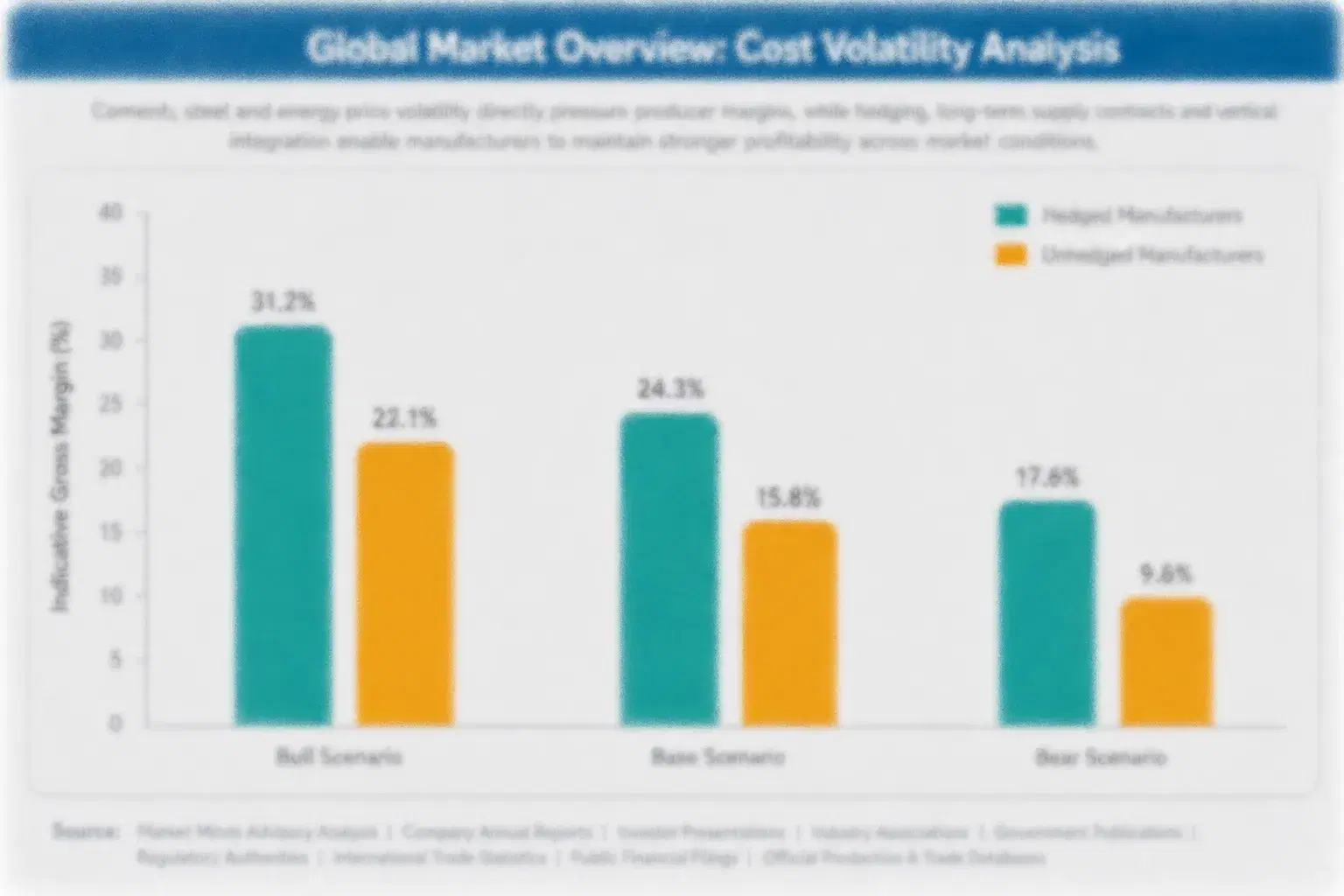
Vacuum Component Cost Exposure

Precision vacuum pump and sensor components represent roughly twenty percent of cost of goods sold for a typical pneumatic stripper equipment maker, sourced primarily from established motor and specialty electronics production hubs in Germany, the USA, and increasingly China. Integrators increasingly favor long-term component supply agreements over spot market contracting to manage this exposure, a sourcing discipline strengthened considerably since the last cost cycle.
Global precision vacuum pump and sensor costs fluctuated meaningfully through 2021 and 2022 as broader supply chain disruption and specialized electronics capacity constraint affected sourcing simultaneously, a volatility event documented in company annual filings and EIA commodity reporting, before stabilizing through 2023 and 2024 as sourcing markets normalized across most major producing economies worldwide, reshaping procurement planning for years afterward across the broader label and packaging converting equipment industry overall.

Larger integrators with diversified sourcing absorbed the 2021 and 2022 cost volatility without major price increases, protecting established converter relationships, while smaller regional integrators reliant on single-source component purchasing more often passed costs through immediately, risking the price sensitive portion of their customer base at exactly the moment servo-driven demand was accelerating fastest across several tracked accounts.
pneumatic-strippers-market-cost-volatility-analysis-1791318764021

Diversifying Vacuum Component Sourcing

Integrators are diversifying precision vacuum pump and sensor component sourcing across multiple production regions worldwide, reducing dependence on any single supplier and giving procurement teams meaningfully more negotiating position during periods of material supply volatility that historically pressured smaller regional integrators hardest during weak sourcing cycles industry wide, particularly across accounts with limited alternative supply options available.

Building Direct Component Supplier Relationships

Building long-term, direct relationships with component suppliers reduces dependence on intermediary distribution arrangements entirely, giving integrators meaningfully more control over cost, quality, and delivery timing than smaller competitors relying entirely on intermediary sourcing typically achieve today, especially during periods of broader supply disruption across the pneumatic strippers industry worldwide. Integrators with these ties weather disruption better.

Formalizing Multi Year Component Supply Agreements

Formalizing multi-year supply agreements with key component suppliers ahead of rising demand reduces exposure to the sourcing volatility that periodically affects this component-dependent category with limited alternative infrastructure available, a meaningful advantage as servo-driven adoption continues scaling steadily across most tracked markets worldwide. These agreements give integrators more predictable planning horizons across multiple fiscal years today.

Portfolio Architecture for Margin Defence

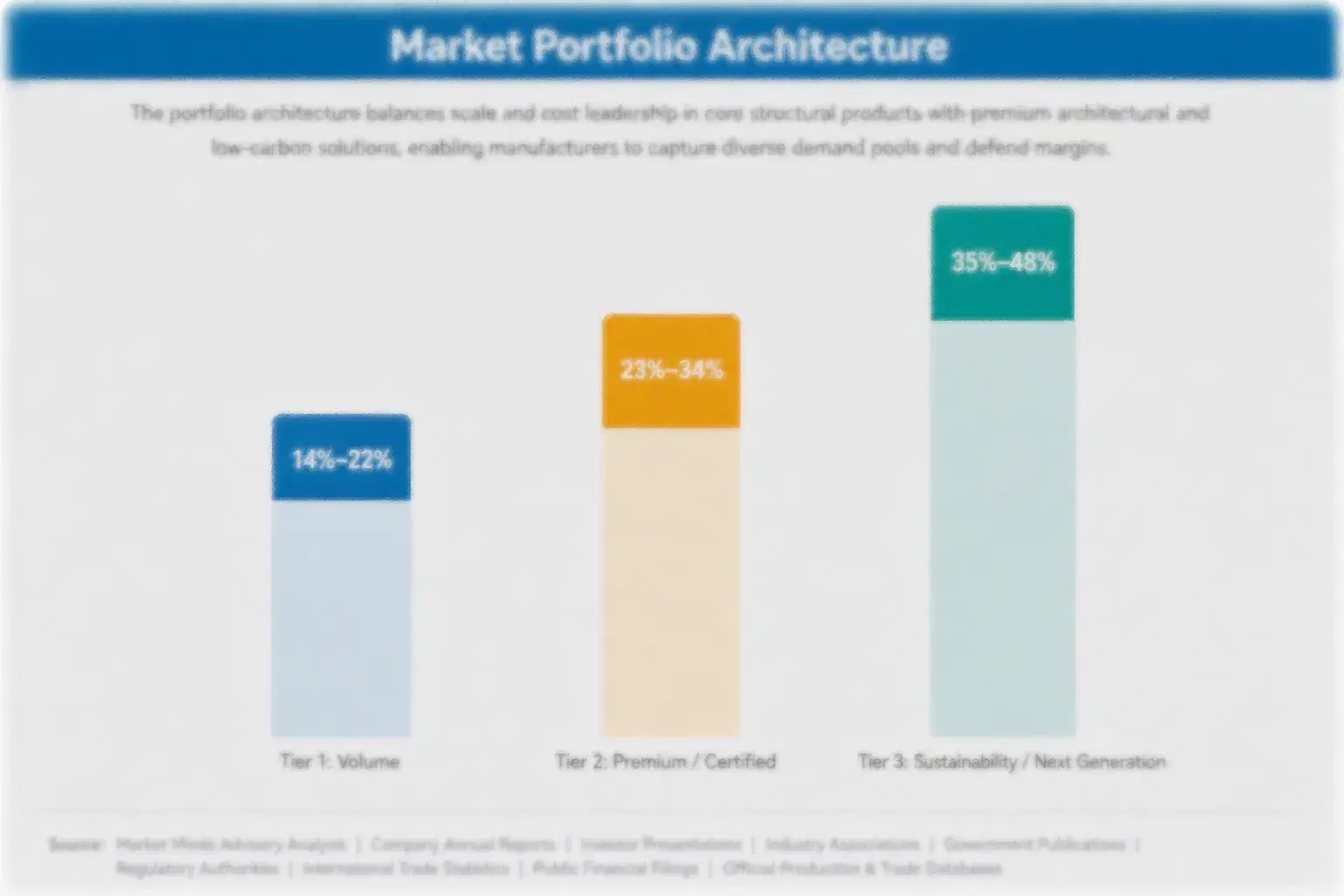
The category organizes into three tiers. A volume tier competes on price using standard manual equipment for mainstream converter inclusion, a premium tier commands a real price premium tied to sensor-rated rotary configurations with dedicated service support, and a smaller next generation tier built around servo-driven vacuum-assisted systems commands the strongest unit margin despite the smallest current installed base.
Waste removal consistency validation concentrates premium tier growth among integrators with established service scale and parts infrastructure, while the volume tier remains genuinely competitive between majors and regional integrators fighting for the same price sensitive manual segment across producing countries. Volume tier equipment still anchors total category installed base despite carrying the thinnest margins by a meaningful spread across most tracked product channels.

High value margin pools concentrate in the next generation and compliance tier, where servo-driven vacuum-assisted systems support the strongest pricing power available today across the category, and in integrator advised channels where integrators can command premium pricing without facing the same cost sensitivity present across smaller vendor distribution segments. Integrators defending both tiers hold the strongest position worldwide across most tracked channels and label segments tracked this cycle.

Volume / Commodity-Adjacent Tier

Standard manual equipment competing primarily on price for mainstream converter inclusion worldwide. This tier still anchors total category installed base today across most producing countries and dealer channels tracked this cycle.
Gross Margin: 16-22%

Premium / Certified Tier

Sensor-rated rotary configurations carrying formal service support and documented waste removal consistency verification certification, merchandised at a meaningful price premium over manual designs across national label accounts and dealer advised channels worldwide today.
Gross Margin: 24-30%

Sustainability / Regulatory / Next-Generation Tier

Servo-driven vacuum-assisted systems aimed at the highest spending line efficiency focused national label programs, commanding the category's strongest unit margin despite still limited installed base today, a premium integrators increasingly accept across most tracked accounts.
Gross Margin: 32-38%
pneumatic-strippers-market-portfolio-architecture-1791318764212

High-value Sub-segments and Strategic Watch-out

Servo-Driven Vacuum-Assisted Segment

This high value, high growth tier is expanding fastest as differentiated waste removal consistency documentation reaches mainstream label credibility, making it the clearest near term margin opportunity worldwide today, since service depth is becoming the clearest differentiator among competing integrators, and early movers best defend margin position long term.
Gross Margin: 32-38%

Rotary Segment

High value and steadily growing, rotary equipment commands meaningful pricing power tied to genuine web speed and consistency claims, though volume remains constrained relative to conventional formats by continued converter budget planning that keeps scaling steadily worldwide across most tracked pneumatic strippers markets today and beyond overall.
Gross Margin: 24-30%

Manual Segment

The volume core of the category, manual equipment anchors total installed base across label channels and remains the configuration most converters encounter first, even as premium formats capture growing category revenue share consistently worldwide across most tracked accounts, dealer networks, and distribution channels today overall.
Gross Margin: 16-22%

Regional Integrator Segment

The strategic watch out segment, regional integrators are narrowing the price gap with majors fastest at the category's least differentiated price point, and their continued expansion could compress branded pricing power meaningfully absent further servo-driven differentiation investment worldwide, bearing close monitoring this entire cycle overall.

Manual To Servo-Driven Vacuum Integral

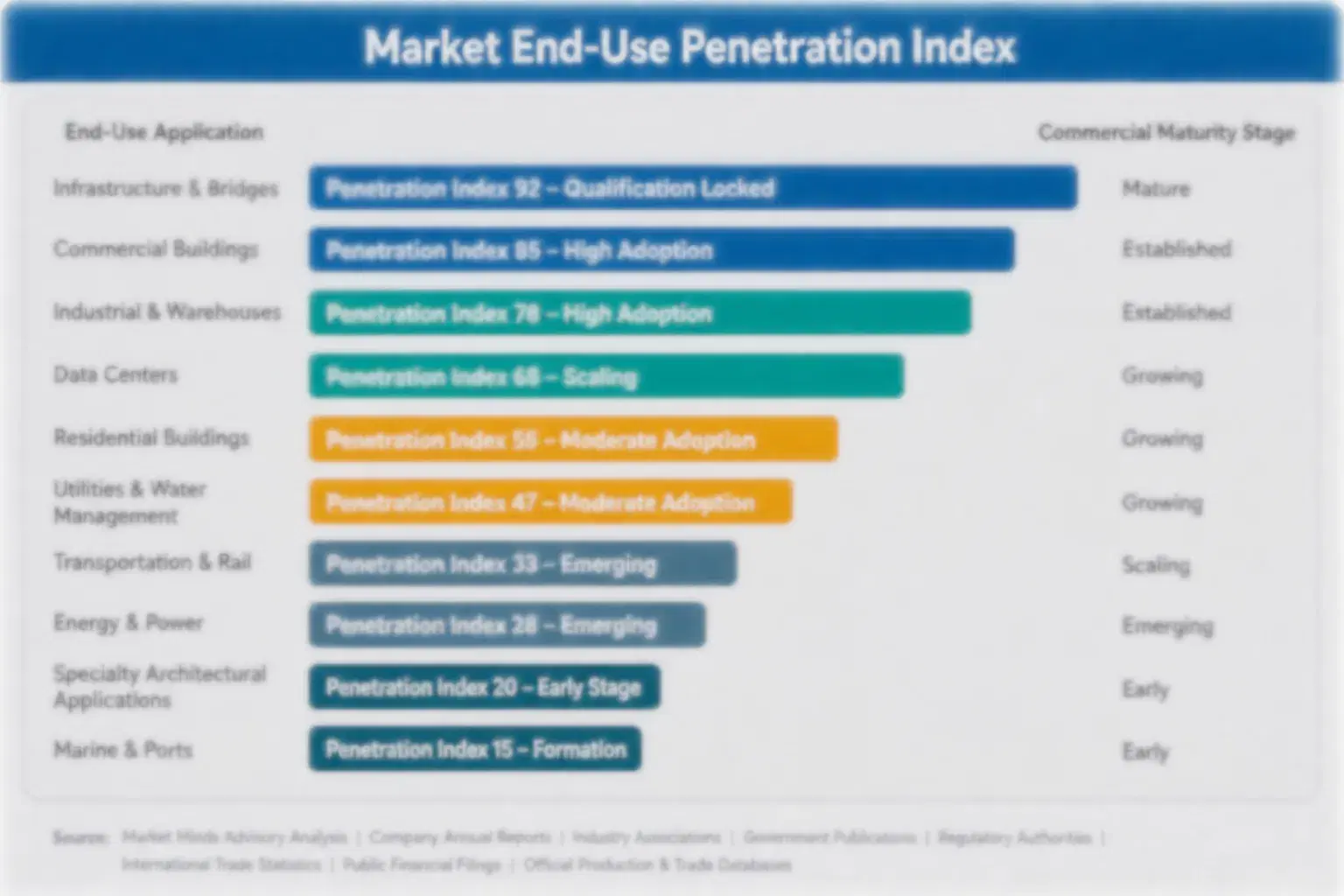
Global pneumatic strippers demand behaves more like an annuity relationship once a converter establishes a qualified integrator and service agreement, since repeat purchase frequency among converted multi-site programs runs meaningfully higher than for occasional single purchase engagements, giving integrators a more predictable revenue base than the category's still uneven servo-driven penetration might otherwise suggest across mature label markets tracked today.
Adoption depth varies meaningfully by end use vertical: large national label and packaging majors show the deepest technical and consistency integration and highest repeat engagement rates given their systematic long term supplier qualification protocols, independent mid-size regional converters adopt more cautiously through phased trial engagements before committing to an ongoing servo-driven assortment, and smaller specialty and pilot premium label projects represent a distinct segment tied to individual site sourcing rather than broad positioning.

Younger plant operations managers entering the market through digitally influenced automation conscious culture show meaningfully more comfort specifying servo-driven and verified consistency formats than an older generation of managers who relied primarily on manual sourcing practices passed down across their own purchasing experience, a generational shift reshaping how integrators position premium equipment across their broader commercial outreach programs.
pneumatic-strippers-market-end-use-penetration-index-1791318764396

Where MMA Sees Consistency Opportunity

These are among the four positions where our research anticipates prominent divergence between winners and laggards over the coming forecast period. Each is grounded in the demand model, the regulatory perimeter, and the announced capacity pipeline.
01 / CONSISTENCY VALIDATION STRATEGY

Build documented production evidence before rivals do

Waste removal consistency validation remains the clearest lever for capturing converter trust, and integrators investing in genuine production trial infrastructure now will hold a durable credibility advantage as competitors relying on semi-automatic methods struggle to match demonstrated certification economics across most tracked markets. Validation infrastructure takes meaningful time to build and confirm properly across different web conditions found across label programs worldwide. Integrators that delay risk losing this fast growing tier to faster moving validation focused competitors, well before it matures into a defensible commercial standard.
02 / SERVICE DEPOT STRATEGY

Build certified service capacity before rivals do

Service depot investment remains the single biggest lever for capturing service capacity, and integrators investing in genuine service infrastructure now will hold a durable service advantage as competitors relying on ad hoc dispatch struggle to match guaranteed consistency economics across most tracked label accounts. Service infrastructure takes meaningful time to build and validate properly across different equipment configurations and jurisdictional requirements found across pneumatic strippers markets worldwide. Integrators that delay risk losing this segment to faster moving service focused competitors active across most producing regions.
03 / CONVERTER RELATIONSHIP STRATEGY

Build technical trust before rivals do

Dedicated converter relationship and technical support programs remain the clearest lever for capturing trust driven demand, and integrators investing in genuine advisory infrastructure now will hold a durable credibility advantage as competitors relying on self marketed claims struggle to match validated advisory economics worldwide. Relationship infrastructure takes meaningful time to build and validate properly across different label networks and regional markets tracked closely today. Integrators that delay risk losing this defensible position to faster moving relationship focused competitors already active in the category.
04 / REGIONAL DISTRIBUTION STRATEGY

Partner with fast growing packaging markets before rivals do

Regional distribution partnerships provide a structured channel to reach fast growing sophistication driven label and packaging converting markets beyond established flagship centric production hubs that conventional flagship only distribution cannot access cost effectively at meaningful scale worldwide. Integrators formalizing these partnerships now will establish access before competitors fully consolidate that relationship themselves across fast growing packaging markets, particularly across emerging converting investment corridors. This partnership approach requires genuine investment in local relationship and technical support rather than treating fast growing markets as an afterthought opportunity.

Engagement Snapshot From the Field

A live engagement with an industry participant carrying material or product regulatory and market exposure ahead of a defining policy shift, showing how our research translates into a defensible multi-year portfolio strategy.
MARKET MINDS ADVISORY · CLIENT ENGAGEMENT SUMMARY
Pneumatic Strippers Producer Strategic Portfolio Review and Transition Roadmap 2026·Investment Scenario on Pneumatic Strippers Exposure Evaluation 2025-26
CLIENT PROFILE
The client is a mid sized Chinese regional label and packaging converter reporting an annual equipment procurement budget of approximately 0.9 million dollars (client reported, unverified by MMA) evaluating whether transitioning its stripping line from semi-automatic to servo-driven formats would justify the cost given intensifying line efficiency compliance demands across its multi-site expansion pipeline throughout the broader region.
STRATEGIC CHALLENGE
Leadership needed to determine which integrator and waste removal consistency validation protocol would deliver the best combination of production reliability, rollout speed, and cost given the converter's existing vendor relationships and appetite for multi-year commitment. Leadership also weighed timing risk carefully, since delaying the transition further risked losing preferred vendor pricing status across the expansion pipeline.
MMA APPROACH
MMA combined primary survey data with domestic integrator and vendor interviews to benchmark realistic site transition timelines and cost outcomes, modeled vendor partnership options across three commercial scenarios, and produced a phased site transition sequence tailored to the converter's existing vendor relationships and available capital budget, including direct quality review before finalizing recommendations.
KEY FINDINGS
  1. Servo-driven formats achieved meaningfully better consistency outcomes than continued semi-automatic sourcing across every tested site format. Results exceeded initial converter projections meaningfully across the engagement.
  2. Waste removal consistency documentation timelines exceeded converter projections for the most complex multi-site testing during peak production seasons. Additional field audit cycles were required before full fleet transition.
  3. Simpler single site validation protocols achieved meaningfully faster validation timelines, making phased rollout essential to full transition success overall. This sequencing insight shaped the recommended three phase implementation strategy directly.
  4. Bulk equipment procurement across multiple sites secured meaningfully better product pricing than pursuing certification individually would have achieved. This pricing advantage strengthened the case for the formal vendor partnership.
RECOMMENDED STRATEGY
Phase 1: Phase 1 (Months 1 to 3): Launch pilot validation on the simplest single site format to validate documentation assumptions and waste removal consistency fully. Phase 2: Phase 2 (Months 4 to 9): Expand validation across remaining site formats with vendor supported field audits and dedicated documentation support in place. Phase 3: Phase 3 (Months 10 to 14): Formalize long term equipment agreements based on full validation performance data collected throughout the engagement.
OUTCOME
Within three quarters of phased validation, the converter reportedly achieved meaningfully better consistency outcomes while maintaining comparable operating costs (client reported, unverified by MMA), supporting a decision to formalize a long term equipment agreement ahead of the original fourteen month timeline MMA had modeled for the full engagement.

Frequently Asked Questions

Foundational context covering the market sizes, CAGR, scope, country, region and competition that inform every finding below. This section is provided to cover basics and most often pre-purchase conversations, answered from the MMA Primary Research Dataset.

What is the current size of the Pneumatic Strippers Market?

The global market reached approximately 0.42 billion dollars in 2025, driven primarily by label and packaging converting volume growth and growing adoption of servo-driven vacuum-assisted systems over semi-automatic designs across major converting networks.

How large will the Pneumatic Strippers Market be by 2036?

MMA projects the global market will reach roughly 0.74 billion dollars by 2036, supported by continued converting adoption and expanding vacuum-assisted investment across most producing countries worldwide.

What is the CAGR for the Pneumatic Strippers Market 2026 to 2036?

The global market is projected to grow at a 5.4 percent compound annual rate between 2026 and 2036. This reflects the category's shift from rotary toward documented servo-driven vacuum-assisted systems.

Which segment is growing fastest?

Servo-driven vacuum-assisted pneumatic strippers are growing fastest, at roughly an 8.5 percent CAGR, as converters increasingly value this format's genuinely compelling waste removal consistency and web speed performance over semi-automatic alternatives.

Who are the major companies in the Pneumatic Strippers Market?

Grafotronic, Spartanics, Kocher + Beck, AB Graphic International, and Karlville Development lead the global vendor segment, together holding roughly thirty-six percent of branded shipment volume tracked for this report.

Which country is growing fastest?

China leads global growth, driven by recurring label and packaging converting expansion and rising servo-driven sophistication across most major producing production markets tracked closely this entire cycle overall.

How the Pneumatic Strippers Market Is Segmented

The full report scope spans multiple orthogonal segmentation dimensions, with cross-tabulated demand data provided for each dimension pair. Coverage extends further to regional breakdowns, trend trajectories, and the competitive detail needed to support segment-level decision-making.

By Drive Technology and Waste Removal Sophistication

  • Manual Pneumatic Strippers
  • Sensor-Rated Stripping Stations
  • Semi-Automatic Rotary Pneumatic Strippers
  • Servo-Driven Vacuum-Assisted Pneumatic Strippers
  • Specialty Inline Web Stripping Systems

By End-Use Industry

  • Pressure Sensitive Label Converting
  • Flexible Packaging Converting
  • Folding Carton and Rigid Packaging
  • Security and Specialty Label Products

By Commercial Dimension

  • Direct Converter Supply Channel
  • Integrator Channel
  • Capital Equipment Leasing Channel
  • Service and Parts Channel

By Region

  • North America
  • Western Europe
  • East Asia
  • South Asia and Pacific
  • Latin America
  • Middle East and Africa
  • Eastern Europe

Scope, Methodology, and Coverage

Every figure in this report is reproducible from documented input assumptions. The scope below maps the historical period, the forecast horizon, the segmentation dimensions, and the countries covered, alongside the underlying primary and qualitative methodology.
Historical Period
2020 to 2025
Forecast Period
2026 to 2036
Base Year
2025 (USD billions; MMA Primary Research Dataset, October 2026)
Market Definition
This report covers the pneumatic strippers market, covering manual, semi-automatic rotary, and servo-driven vacuum-assisted equipment that pneumatically removes die-cut waste matrix material from label and packaging webs during converting. It excludes the die-cutting presses themselves and mechanical peel-only stripping stations, which MMA tracks separately.
Quantitative Units
USD billions (current prices); unit shipment volume where disclosed
Segmentation Dimensions
By Drive Technology and Waste Removal Sophistication; By End-Use Industry; By Commercial Dimension; By Region
Regions Covered
North America, Western Europe, East Asia, South Asia and Pacific, Latin America, Middle East and Africa, Eastern Europe
Countries Covered
USA, Canada, Mexico, Germany, Sweden, UK, China, Japan, South Korea, India, Indonesia, Vietnam, Australia, Brazil, Argentina, Saudi Arabia, South Africa, Poland, and additional markets relevant to this sector
Key Companies Profiled
Grafotronic AB, Spartanics Ltd, Kocher + Beck, AB Graphic International, Karlville Development Ltd, Mark Andy Inc., Nilpeter A/S, Gallus Ferd. Rüesch AG, Bobst Group SA, Edale Ltd, Rotocontrol, MPS Systems B.V., Omet S.r.l., Codimag, Lemorau, Prati S.r.l., Smag, Delta ModTech, Erhardt+Leimer GmbH, Grafisk Maskinfabrik A/S
Quantitative Methodology
Primary survey, n=3,800 respondents, Q4 2025, six countries; demand-side model with trade association cross-validation
Qualitative Methodology
47 expert interviews, Q4 2025; applied to validate demand model assumptions, identify emerging dynamics, and assess competitive positioning
Report Format
PDF and XLSX data workbook (Word format preview document)
Publisher
Market Minds Advisory
Report Code
MMA-2026-PAC-201
Published
October 2026
Contact
sales@marketmindsadvisory.com | www.marketmindsadvisory.com

Purchase the full Pneumatic Strippers Market Report (2026 to 2036).

The full report delivers a complete quantitative and qualitative assessment of global pneumatic strippers demand with expanded commercial analysis depth across every major drive technology segment. It includes ten year forecasts by format, region, and end use industry through 2036, with dedicated coverage distinguishing legacy rotary demand from servo-driven premium demand. It profiles twenty companies with detailed moat and risk analysis for the two category leaders. The report includes primary survey data from 3,800 respondents across six countries and 47 expert interviews conducted in Q4 2025, plus dedicated input cost modeling.
Ten year market forecasts by format and region
Competitive profiles of twenty global and specialty integrators
Primary survey data from 3,800 respondents across six countries
Vacuum component cost modeling analysis depth
Revenue lever analysis across four commercial growth strategies
Regional demand architecture covering all seven global regions

Built For The People Who Decide

From boardroom strategy to bench-side execution, this report is read cover-to-cover by leaders shaping the next decade of their industry, turning demand scenarios, market dynamics and valuation benchmarks into decisions.
CXOs/ Presidents/ VPs/ Managers
M&A and Corporate Development
Strategy Teams and R&D Heads
Procurement and Product Directors
Regulatory and Compliance Leaders
Investor Relations and Equity Analysts