
Market Minds Advisory
PDCL Film Market

PDCL Film Market Opportunities and Forecast 2026-2036

Electric vehicle glazing programs and commercial smart building retrofits are pulling switchable film specification past niche architectural privacy applications faster than film laminators scaled new production capacity to absorb across every major account.

Lead Analyst

Bilal Shaikh

Published

November 2026

Make Smarter Decisions with Customized Research Insights

Request a free sample report and evaluate market opportunities, growth trends, and competitive dynamics relevant to your business needs.

2025 MARKET VALUE$0.8BMarket Size 2025
2036 FORECAST VALUE$3.4BBase Case , 2026 to 2036
CAGR 2026 TO 203613.5 %Bull 14.8% / Bear 12.2%
INCREMENTAL OPPORTUNITY$2.5BNet 10- year value creation
EXPANSION MULTIPLE3.55x2036 value over 2026 base
Strategic Levers
M&A Pipeline
Regional Outlook
Country Rankings
Competitive Intelligence
Segmental Deep-dive
Call-Us : 91 93563 13602

PDCL Film Market Outlook

Automotive smart glazing demand is rising fastest right now, as premium electric vehicle manufacturers specify switchable privacy film for sunroofs and partition glass rather than mechanical shades or fixed tint tracked in this analysis today broadly overall industry wide currently most regional markets served consistently this.
Commercial smart building retrofit demand remains the largest single application by volume, concentrated among office and healthcare facility owners replacing blinds with electronically switchable privacy glazing, while automotive and specialty display applications carry the fastest proportional growth of any covered category. Lamination yield consistency is shaping which producers can actually win new qualification volume across both channels simultaneously this decade across every major account tracked in this analysis today broadly overall industry wide currently most.
A fairly concentrated field of five producers holds nearly half of global volume, built on specialized liquid crystal formulation and precision lamination expertise that newer entrants cannot easily replicate, while tightening switching speed and haze consistency requirements keep reshaping which producers win long-term glazing fabricator contracts across premium construction and automotive markets year nationwide across every major account tracked in this analysis today broadly overall.
Market Definition
The PDCL film market covers polymer dispersed liquid crystal switchable films laminated between glass or polymer substrates to electronically toggle between transparent and opaque states for privacy, light modulation, and solar heat gain control. It excludes electrochromic and suspended particle device film technologies that achieve switching through different electro-optical mechanisms, covered in separate reports, and passive static privacy films lacking any electronic switching function.
Base Year Value
$0.8B in 2025 (MMA Primary Research Dataset, October 2026)
Forecast Period
2026 to 2036, eleven discrete annual values
CAGR
13.5% base case. Bull 14.8%. Bear 12.2%.
Fastest Growth Segment
Automotive Smart Glazing Films: 17.4% CAGR
Fastest Growth Country
Germany: 16.2% CAGR
Fastest Growth Region
South Asia and Pacific: 15.6% CAGR
Largest Region
East Asia: 29% of 2025 global value
Market Leaders
Nitto Denko, Gauzy, Saint-Gobain, AGC, LG Chem. Source: MMA Analysis based on company annual reports.
Primary Survey
n=3,800 procurement and R&D decision-makers, Q4 2025, six countries
Methodology
Demand-side build-up, cross-validated against public data, 47 expert interviews

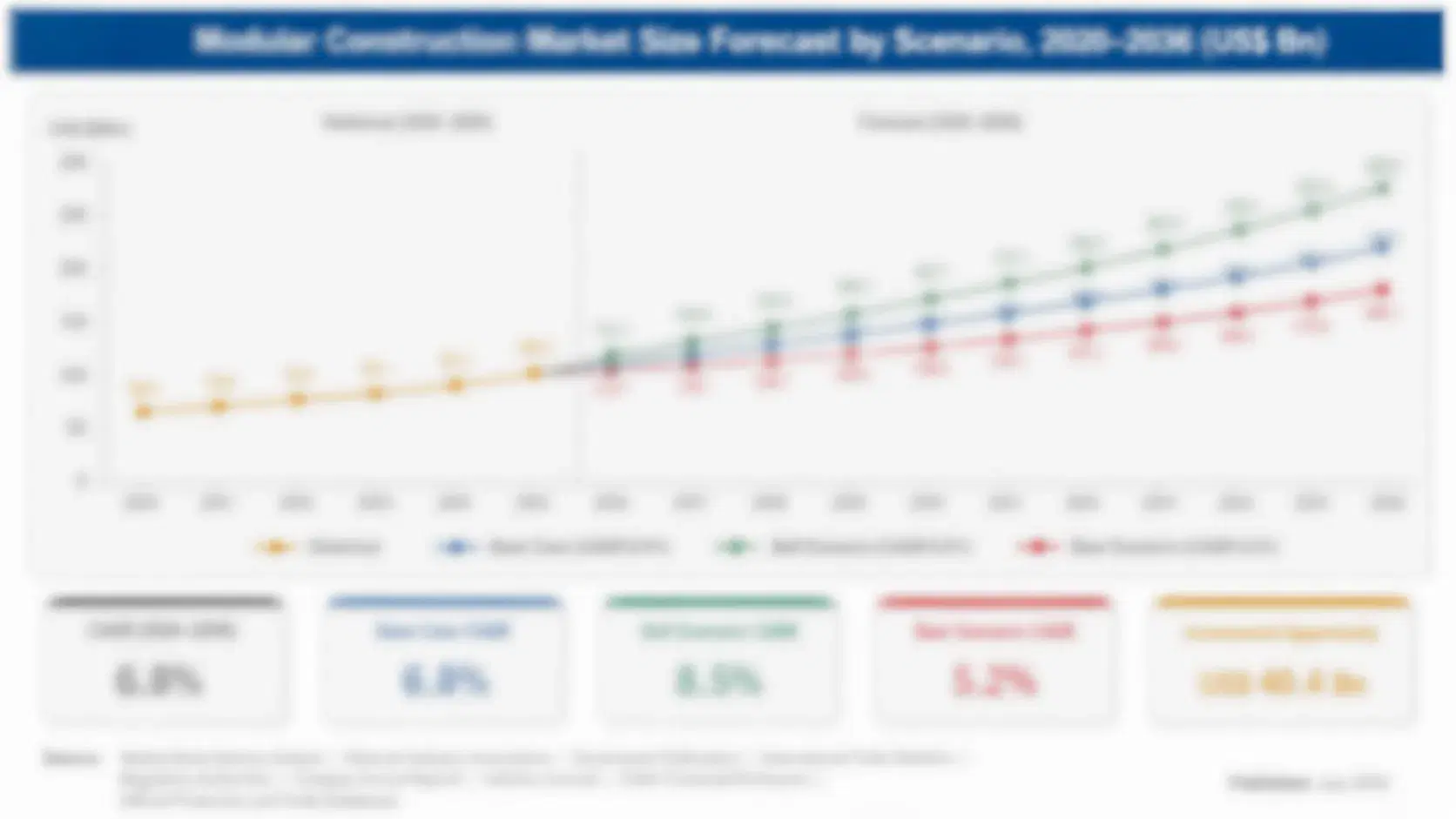
PDCL Film Revenue Scenarios

pdcl-film-market-size-forecast-scenario-1791194078444
Between 2020 and 2025 the market grew at a historical rate near twelve point three percent as commercial smart building retrofit projects expanded steadily and early automotive glazing qualification programs began moving from pilot installations toward confirmed production vehicle platforms across several premium manufacturers industry wide currently most regional markets served consistently this year nationwide across every major account tracked.
The base case assumes three mechanisms carry demand through 2036: accelerating electric vehicle glazing adoption tied to premium cabin differentiation strategies, expanding commercial building retrofit volume tied to energy efficiency and occupant privacy regulations, and steady healthcare partition demand tied to infection control and flexible space reconfiguration needs. This lifts the market from 0.96 billion dollars in 2026 toward 3.42 billion dollars by 2036 in this analysis today broadly overall industry wide currently most regional markets served consistently.
The bull case rests on faster than expected electric vehicle platform qualification pulling confirmed film orders forward across multiple vehicle programs simultaneously. The bear case centers on electrochromic film cost declines sustaining competitive pressure in premium architectural glazing categories longer than PDCL film alternatives currently anticipate this year nationwide across every major account tracked in this analysis today broadly overall.

Automotive Glazing Programs Reshape Switchable Film Demand

PDCL film occupies an emerging but increasingly strategic position within smart glazing manufacturing, since the film's switching speed, haze consistency, and lamination durability determine whether a finished glazing unit meets fabricator specification tolerances, a qualification requirement that automotive and architectural glass customers treat with the same rigor as structural safety glazing standards rather than treating it as a simple decorative addition industry wide currently most.
MARKET CONCENTRATIONCR5 44%largest five producers hold nearly half of global volume
AVERAGE SELLING PRICE$18-$42/sqmprice scales with switching speed and haze performance rating
TOP PRODUCING COUNTRYChina, 17% sharelargest liquid crystal formulation and lamination converting base
CAPACITY UTILISATION68%expanding qualification pipeline keeps lamination lines growing steadily
AUTOMOTIVE GRADE SHARE24% of revenuevehicle glazing programs increasingly command premium pricing tiers
TRADE INTENSITY38% cross-borderswitchable film moves across borders to serve glazing fabricators
Commercially this market rewards liquid crystal formulation precision and lamination yield consistency over pure film coating scale alone, since automotive and premium architectural applications demand documented switching cycle durability and optical clarity that a generalist specialty film producer cannot deliver as reliably as an established PDCL specialist with qualified formulation chemistry and dedicated lamination infrastructure built specifically for liquid crystal film production regional markets served.
Over the next decade, electric vehicle glazing programs and commercial retrofit demand will likely keep pulling specification toward higher switching speed and lower haze film grades, even as standard architectural privacy film remains the preferred choice for cost-sensitive interior partition applications where the fastest switching performance is not a strict qualification requirement for fabricators or end customers consistently this year.
"A sunroof that goes from clear to frosted with a tap used to be science fiction in a showroom demo. Now it is a line item automakers negotiate on cost per square meter."
Director, Advanced Materials and Optical Films Practice · MMA Smart Glazing and Optical Films Practice · October 2026

PDCL Film Adoption Trends

Electric Vehicle Glazing Programs Expand Automotive Film Specification

Premium electric vehicle manufacturers are increasingly specifying switchable PDCL film for panoramic sunroofs and rear privacy glazing, since cabin differentiation and reduced mechanical shade complexity now shape glazing procurement decisions as directly as cost once did on its own. Roughly 19 percent of new premium electric vehicle platforms launched since 2023 specify switchable glazing film across at least one glass surface, reflecting growing automaker recognition that switchable glazing increasingly differentiates premium cabin experience from standard tinted glass alternatives. Confirmed production platform qualifications across German and Chinese automakers are compounding this specification shift faster than lamination capacity plans. MMA estimates the tinted glass market will be worth USD 14.1 billion by 2036.
Market Impact: Retrofit volume grew 9% in 2024
Healthcare Partition Demand Expands Switchable Film Adoption

Healthcare facility operators are increasingly specifying switchable privacy film for patient room partitions and examination areas, since infection control protocols and flexible space reconfiguration requirements now shape glazing procurement decisions as directly as cost once did on its own. Healthcare partition film demand grew by roughly 13 percent in 2024 across major developed healthcare markets, directly expanding the addressable switchable film demand base tied to this faster-growing institutional category. Facility operators report that qualification timelines now favor producers with established infection control compliance documentation over newer entrants lacking comparable certification track records.
Market Impact: Procurement rose 7% in 2024

Where the PDCL Film Opportunity Lies

Commercial Building Energy Efficiency Mandates Drive Film Demand

Growing commercial building energy efficiency regulation continues expanding demand for solar heat gain control glazing solutions across developed and developing construction markets, with each new qualifying retrofit project requiring substantial switchable film volume regardless of which switching speed grade fabricators ultimately specify for the finished glazing unit. Commercial retrofit film volume grew by roughly 9 percent in 2024 across major developed construction markets, directly expanding the addressable switchable film demand base as building owners pursue certified energy efficiency compliance targets nationwide across every major account tracked in this analysis today broadly overall industry wide currently most regional.
Market Impact: Limits mainstream conversion to 22%

Luxury Real Estate Development Sustains Architectural Film Demand

Growing luxury residential and hospitality construction continues generating substantial switchable film demand for premium privacy glazing across established high-end development markets, sustaining demand tied to this expanding construction base. Luxury development film procurement rose by roughly 7 percent in 2024 across major premium construction markets, directly sustaining architectural switchable film demand even as automotive applications capture faster proportional growth elsewhere in the broader category markets served consistently this year nationwide across every major account tracked in this analysis today broadly overall industry wide currently most regional markets served consistently this year nationwide across every major account tracked.
Market Impact: Creates up to 13% margin swings

PDCL Film Market Restraints

High Unit Cost Limits Mainstream Architectural Conversion

PDCL film carries substantially higher per-square-meter cost than passive tinted glass or mechanical shading alternatives, a root cause tied directly to the specialized liquid crystal formulation chemistry and precision lamination process the film requires relative to conventional architectural glazing coatings that scale across much larger existing production infrastructure. The commercial impact restricts mainstream conversion to premium commercial and luxury residential segments where the cost premium remains commercially justifiable. Producers are mitigating this by developing simplified formulation grades and scaling lamination throughput to narrow the cost gap for mid-tier commercial applications.
Market Impact: Covers 19% of new EV platforms

Liquid Crystal Material Price Volatility Affects Producer Margins

Specialty liquid crystal material used in PDCL film formulation tracks a narrow and concentrated global supply base that producers cannot easily diversify, a root cause tied to the material's status as a highly specialized chemical compound manufactured by a small number of qualified global suppliers rather than a commodity producers can source through broad regional channels. The commercial impact creates periodic margin compression for producers holding fixed-price customer contracts signed before a material price swing occurs. Larger producers are mitigating this through long-term supply agreements directly with qualified liquid crystal material manufacturers.
Market Impact: Demand grew about 13% in 2024
3 additional market trends, 4 additional growth drivers, and 4 additional restraints and challenges are covered in the full report. Contact sales@marketmindsadvisory.com to access the complete intelligence.

PDCL Film Growth by Segment

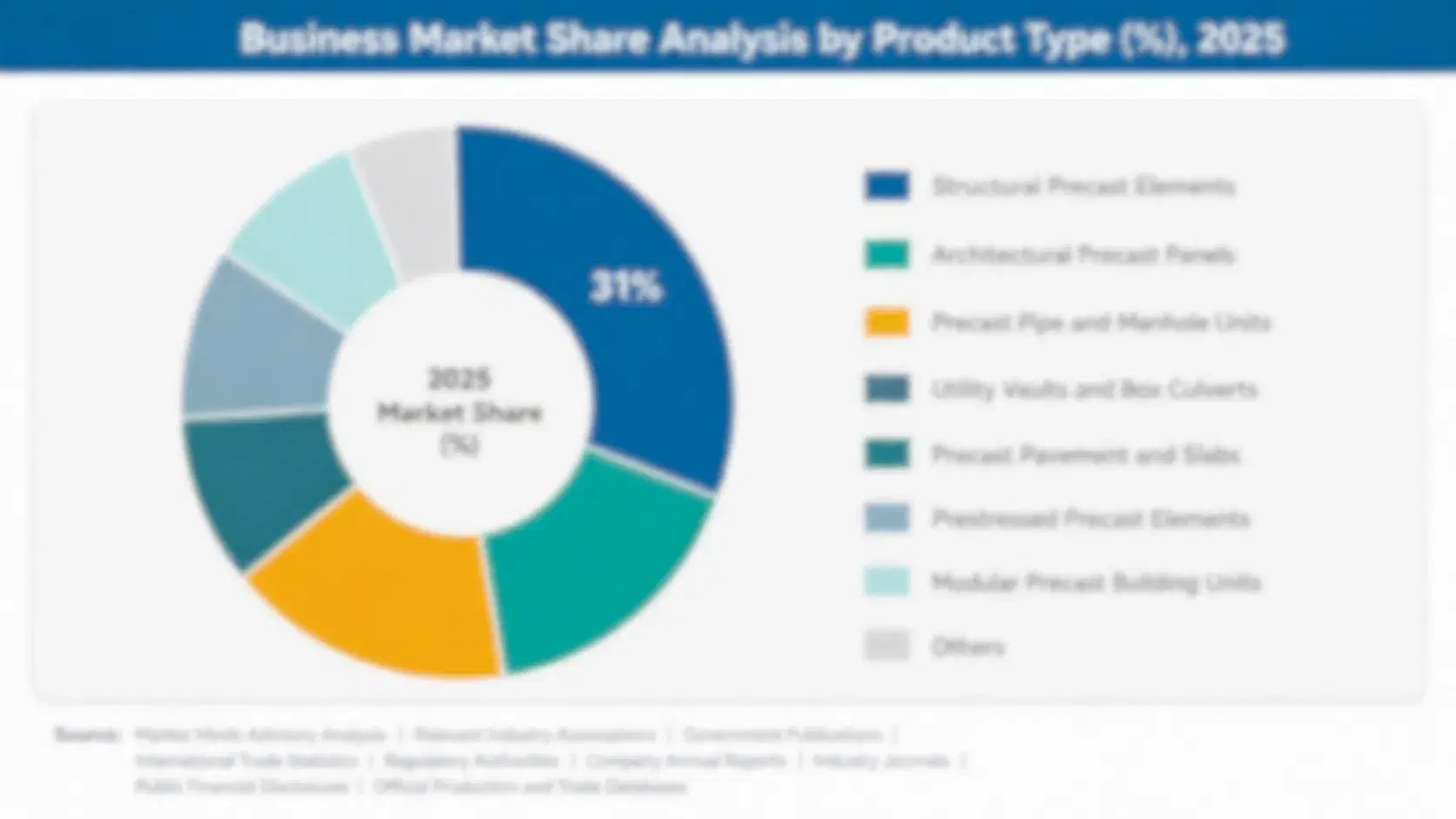
Segments are defined by end-use application, since switching speed tolerance, lamination durability standards, and qualification pathways differ substantially across each use case this report covers, from automotive glazing through architectural and healthcare partition channels in this analysis today broadly overall industry wide currently most regional markets served consistently this year nationwide across every major account tracked in.
pdcl-film-market-market-share-analysis-1791194078617

Automotive Smart Glazing Films

Automotive smart glazing films is the fastest growing segment, carried by premium electric vehicle manufacturers specifying switchable PDCL film for sunroofs and privacy glazing as cabin differentiation strategy increasingly shapes vehicle platform design decisions across premium and near-premium vehicle categories. This segment benefits from both expanding electric vehicle production volume and growing panoramic glazing content per vehicle that keep expanding the qualified switchable film volume automakers will specify. Producers with strong automotive qualification testing and durability certification depth hold a durable advantage here, since automakers increasingly evaluate film suppliers based on documented switching cycle life and optical consistency rather than purely on unit cost alone across multi-year platform commitments this analysis today broadly overall industry.
CAGR 17.4%

Healthcare Partition and Institutional Films

Healthcare partition and institutional films is the second fastest growing segment, driven by hospital and clinic facility operators specifying switchable privacy film for patient rooms and examination spaces as infection control protocols and flexible space reconfiguration needs increasingly shape procurement decisions that fixed partitions alone cannot satisfy. This segment benefits from both expanding healthcare facility construction investment and growing emphasis on flexible, reconfigurable clinical space design that keep expanding the qualified film volume healthcare systems will accept. Growth here tracks healthcare capital investment cycles closely, producing a somewhat different demand pattern than the steadier retrofit-driven growth trajectory standard commercial architectural film has historically followed wide currently most regional markets served consistently this year nationwide across.
CAGR 15.1%
Full segment breakdown across 6 segments available in the complete report.

PDCL Film Demand by Region

East Asia leads on liquid crystal formulation and lamination manufacturing scale, North America follows on commercial retrofit and healthcare demand, while South Asia and Pacific carries the fastest regional growth rate every major account tracked in this analysis today broadly overall industry wide currently most regional markets.

North America

North America's PDCL film demand concentrates in commercial building retrofit and growing healthcare partition applications across the United States and Canada, where major office and hospital facility owners keep qualification demand steady across large renovation programs. Automotive glazing demand continues expanding alongside domestic electric vehicle production investment. Mexican lamination converting capacity adds incremental demand tied to the region's growing automotive glazing supply footprint under existing trade agreements served consistently this year nationwide across every major account tracked in this analysis today broadly overall industry wide currently most regional markets served consistently this year nationwide across every major account tracked in this analysis today broadly overall industry wide currently most regional markets served consistently this year.
Share: 26% | CAGR: 14.5% (2026 to 2036)

Western Europe

Western Europe's demand reflects the region's mature luxury automotive manufacturing base and well-established architectural glazing expertise, which is sustaining premium switchable film specification across member states. German and French automakers lead on automotive qualification depth for panoramic sunroof and privacy glazing applications. Growth here trails faster developing regions since European construction and automotive markets are already comparatively mature relative to Asian manufacturing capacity expansion nationwide across every major account tracked in this analysis today broadly overall industry wide currently most regional markets served consistently this year nationwide across every major account tracked in this analysis today broadly overall industry wide currently most regional markets served consistently this year nationwide across every major account tracked in.
Share: 22% | CAGR: 12.0% (2026 to 2036)
Regional intelligence for 5 additional markets available in the complete report: East Asia, South Asia and Pacific, Latin America, Middle East and Africa, Eastern Europe. Contact sales@marketmindsadvisory.com.
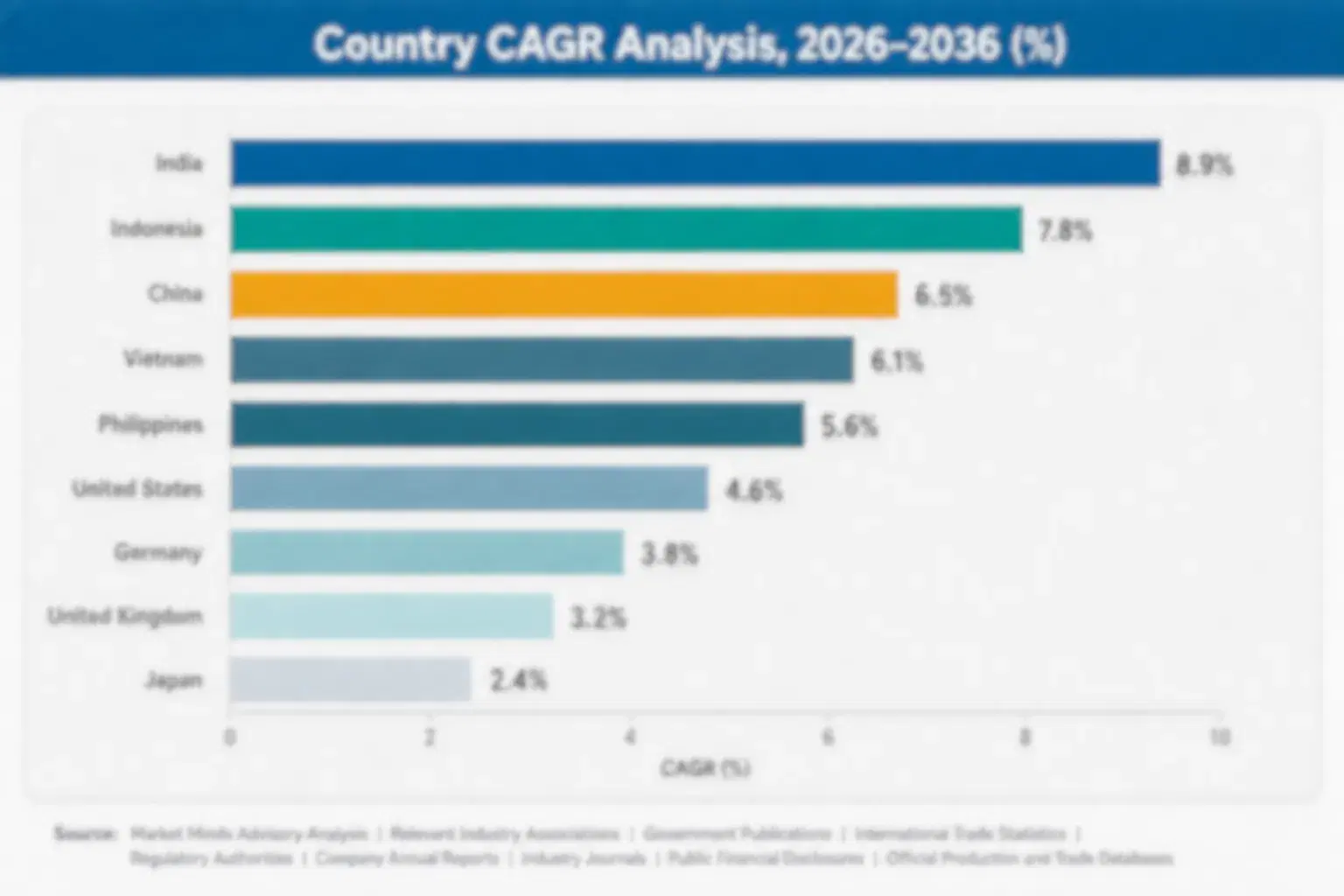
pdcl-film-market-country-cagr-analysis-1791194078797

Where Producers Can Still Expand Margin

With standard architectural privacy film pricing held relatively flat by established lamination competition, producers are increasingly building margin through automotive qualification services and healthcare compliance documentation programs that command meaningfully higher contract values industry wide currently most regional markets served consistently this year nationwide across every major account tracked in this analysis today broadly overall industry wide.

Automotive Switching Cycle Qualification Service Program

Producers offering dedicated switching cycle durability testing and automotive qualification documentation support helping vehicle manufacturers validate film performance against multi-year platform durability requirements are securing long-term supply agreements covering a manufacturer's full production platform volume, a far more valuable commercial relationship than one-off standard architectural film sales given the testing depth involved. Qualified producers report average contract values 42 percent higher than standard architectural film sales, reflecting both testing depth and the premium qualification support commands across demanding automotive customer relationships currently most regional markets served consistently this year nationwide across every major account tracked.
Market Impact: Lifts contract value by roughly 42 percent overall

Healthcare Infection Control Compliance Documentation Program

Producers offering formal infection control compliance documentation services for healthcare facility operators facing stringent clinical space certification requirements, rather than standard architectural film sales alone, are capturing a larger share of hospital and clinic partition contracts as facility operators increasingly value validated compliance over generic catalog film specifications. Qualified producers report average order values 27 percent higher than standard catalog sales on comparable healthcare partition applications served across major developed healthcare markets in this analysis today broadly overall industry wide currently most regional markets served consistently this year nationwide across every major account tracked in.
Market Impact: Lifts average order value by about 27 percent

PDCL Film Pricing and Margins

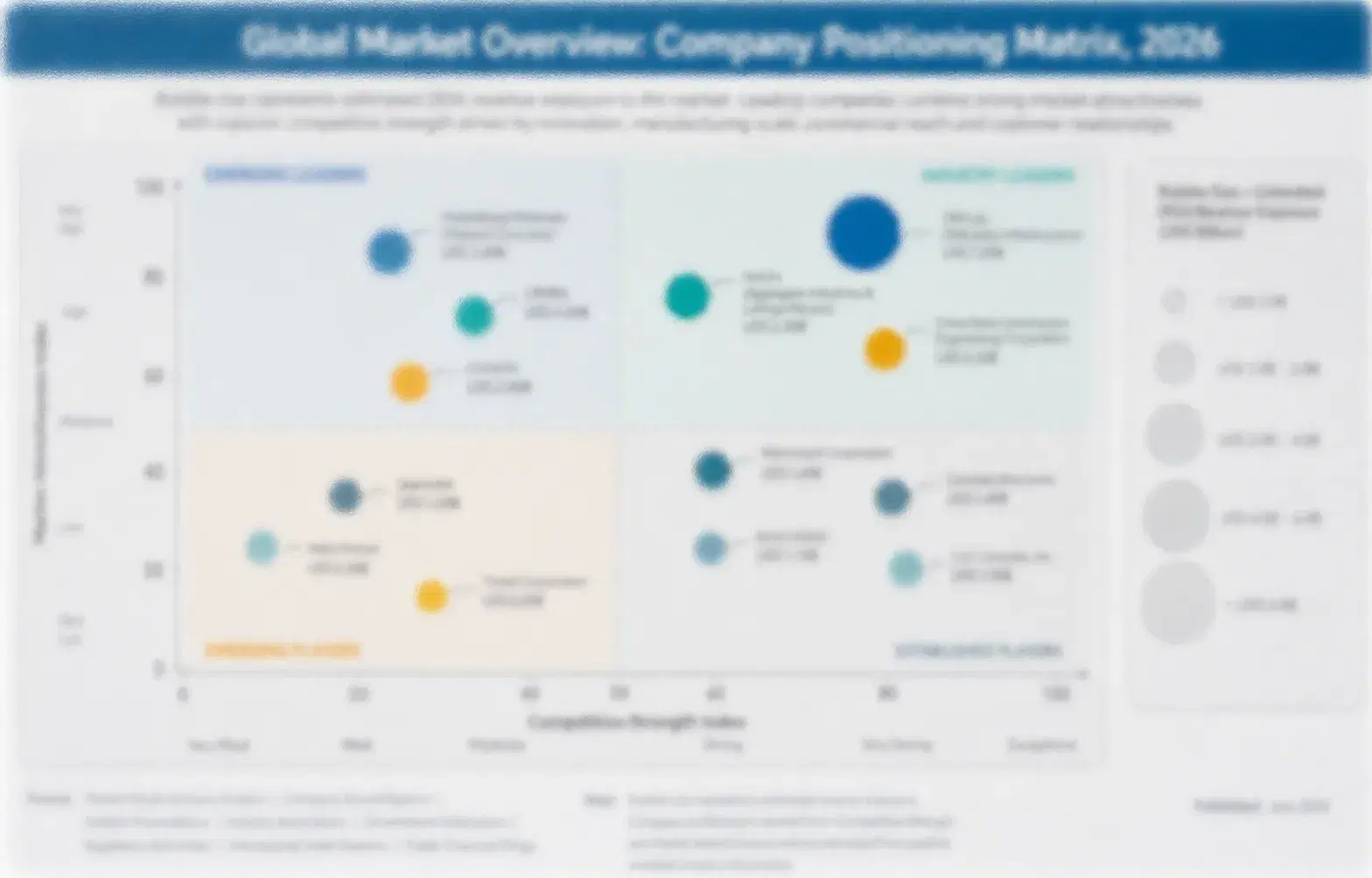
The top five producers hold roughly 44 percent of global volume, a fairly concentrated market reflecting the substantial formulation chemistry expertise and qualification timeline required for automotive and healthcare applications, which limits how quickly new entrants can compete for the most demanding glazing categories this analysis today broadly overall industry wide currently most regional markets served consistently this year nationwide across every major.
Current competitive activity centers on three fronts: expanded automotive switching cycle qualification programs aimed at capturing electric vehicle platform opportunities, growing healthcare compliance documentation capability targeting institutional facility operators, and selective lamination capacity investment in Asian and European manufacturing corridors serving each region's distinct growth drivers account tracked in this analysis today broadly overall industry wide currently most regional markets served consistently this year nationwide.

Emerging pressure comes from Chinese and South Korean producers who have built meaningful liquid crystal formulation capability over the past decade and are increasingly competing for both domestic automotive contracts and export orders in standard architectural film categories. Rankings could shift over the next several years if these challengers successfully extend their manufacturing scale advantage into automotive and healthcare qualification where formulation barriers currently favor.
pdcl-film-market-company-positioning-matrix-1791194078976

PDCL Film Competitive Moats

NITTO DENKO

Moat: Liquid Crystal Formulation Depth

Nitto Denko's decades of specialty film coating technology and liquid crystal formulation expertise give it a durable advantage across automotive and premium architectural applications, since fabricators place significant weight on proven switching consistency and established supply reliability across multiple production facilities worldwide across every major account tracked in this analysis today broadly.
NITTO DENKO

Risk: Exposure to Standard Architectural Pricing

Nitto Denko's premium formulation positioning leaves it less competitive on standard architectural privacy film orders where cost-sensitive fabricators undercut aggressively, a category that still represents a meaningful share of total switchable film volume across developing commercial construction markets overall industry wide currently most regional markets served consistently this year nationwide across every.
GAUZY

Moat: Automotive Qualification Specialization

Gauzy's extensive automotive glazing qualification experience gives it a diversified platform credential base across multiple premium vehicle manufacturers, a meaningful advantage as electric vehicle glazing content continues expanding across the markets this report covers over the coming forecast decade major account tracked in this analysis today broadly overall industry wide currently most.
GAUZY

Risk: Thin Margin on Commodity Volume

Gauzy faces persistent price pressure on standard architectural film orders from regional lamination converters willing to compete aggressively on price in markets where automotive compliance barriers remain lower than premium vehicle platform qualification currently requires regional markets served consistently this year nationwide across every major account tracked in this analysis today broadly.

Players Tracked

Prominent Players

Nitto Denko
Gauzy
Saint-Gobain
AGC
LG Chem

Other Key Players

3M
Eastman Chemical
Covestro
Smartglass International
Polytronix
Innovative Glass Corporation
Scienstry
View Inc
Halio
ChromoGenics
Research Frontiers
Kinestral Technologies
SmartKem
Magna Glasstec
Guardian Glass

Recent Developments

MARCH 2025

Gauzy Expands Automotive Glazing Film Capacity in Germany

Gauzy announced an expansion of its automotive switchable glazing film manufacturing capacity in Germany, aimed at serving growing demand from premium electric vehicle manufacturers requiring qualified switching cycle durable film at scale for expanding sunroof and privacy glazing programs across European platforms overall industry wide currently most.
Signal: Producers are localizing automotive film production capacity near major vehicle assembly clusters to serve platform qualification demand directly.
OCTOBER 2024

Nitto Denko Launches Enhanced Healthcare Compliance Documentation Program

Nitto Denko introduced an enhanced infection control compliance documentation program for healthcare facility operators, offering expanded certification support aimed at hospital systems requiring tailored switchable partition film specifications across multiple clinical space configurations and regulatory jurisdictions regional markets served consistently this year nationwide across every major account.
Signal: Producers are formalizing healthcare compliance qualification services as institutional facility investment continues expanding across major markets.

Liquid Crystal Material and Substrate Film Exposure

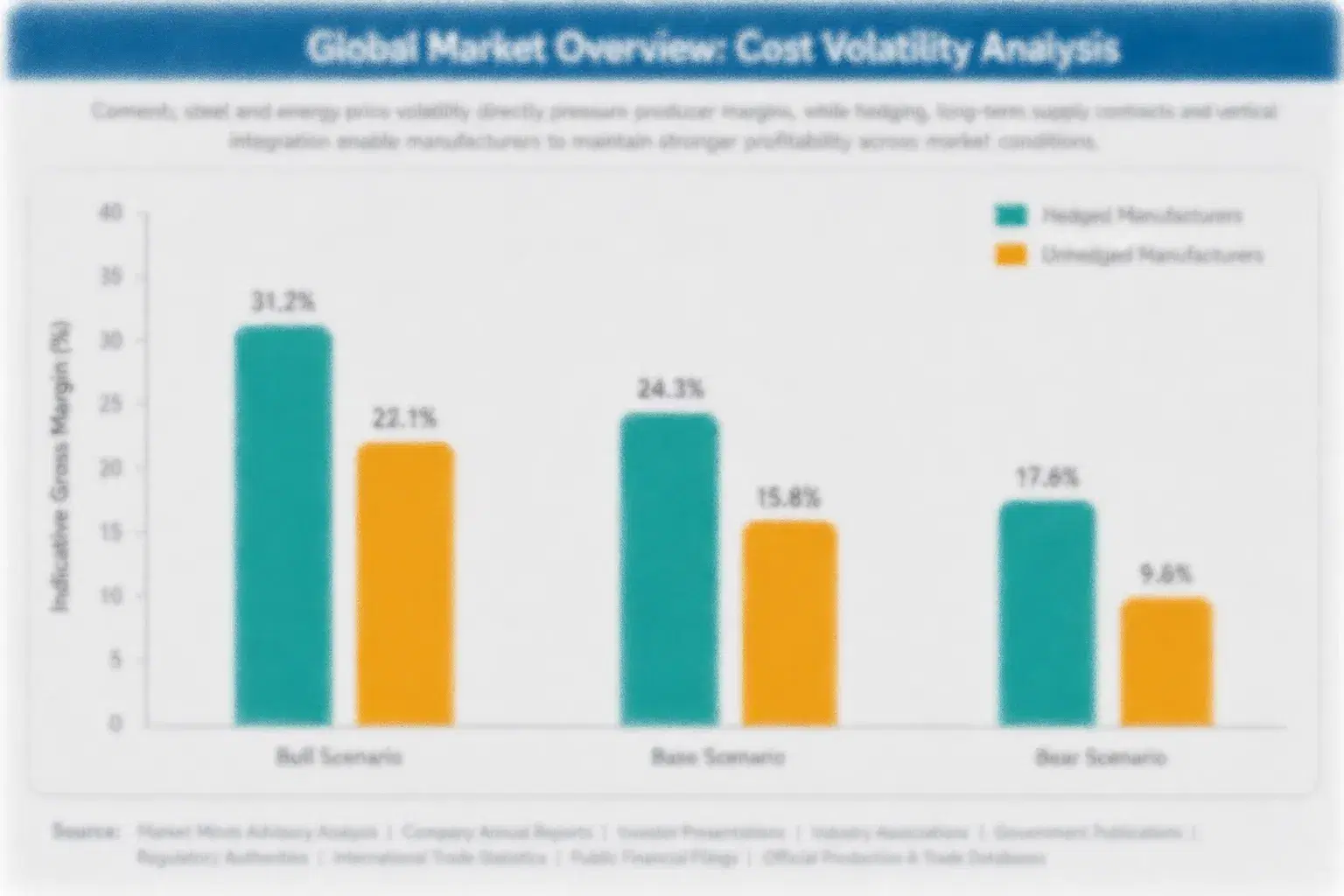
Specialty liquid crystal compound material together with polyester carrier substrate film account for roughly 50 to 60 percent of a PDCL film's production cost, with lamination energy and specialized quality control labor making up most of the remainder across both standard architectural and qualified automotive applications tracked in this analysis today broadly overall industry wide currently most regional markets served consistently this.
Specialty liquid crystal material prices rose more than 10 percent between 2023 and 2025 according to company annual report disclosures, driven by constrained qualified manufacturing capacity amid tight global supply relative to simultaneous demand from both PDCL film and broader electro-optical display applications competing for similar specialized chemical feedstock sources worldwide. Producers with fixed-price multi-year contracts signed before this rise absorbed meaningful margin compression during the affected period.

The competitive disadvantage this creates falls hardest on smaller producers without the purchasing volume to negotiate favorable liquid crystal material supply agreements, while larger producers increasingly lock in annual contracts tied to confirmed automotive and healthcare order backlog. Geography matters too, since producers with direct relationships to qualified liquid crystal manufacturers face less supply disruption risk than converters reliant on intermediary distribution channels.
pdcl-film-market-cost-volatility-analysis-1791194079163

Direct Liquid Crystal Manufacturer Supply Agreements

Larger producers are negotiating direct long-term supply agreements with qualified liquid crystal material manufacturers, bypassing intermediary distribution channels and locking in pricing well ahead of production scheduling to reduce exposure to spot market price swings on automotive and healthcare contracts year nationwide across every major account tracked in this analysis today broadly overall industry wide currently most.

Diversified Substrate Film Sourcing

Producers are diversifying polyester carrier substrate film sourcing across multiple regional extruders to reduce dependence on any single supplier, particularly as automotive and healthcare demand increasingly competes for similar specialty substrate supply across qualified lamination networks worldwide regional markets served consistently this year nationwide across every major account tracked in this analysis today broadly overall industry wide.

Portfolio Architecture for Margin Defence

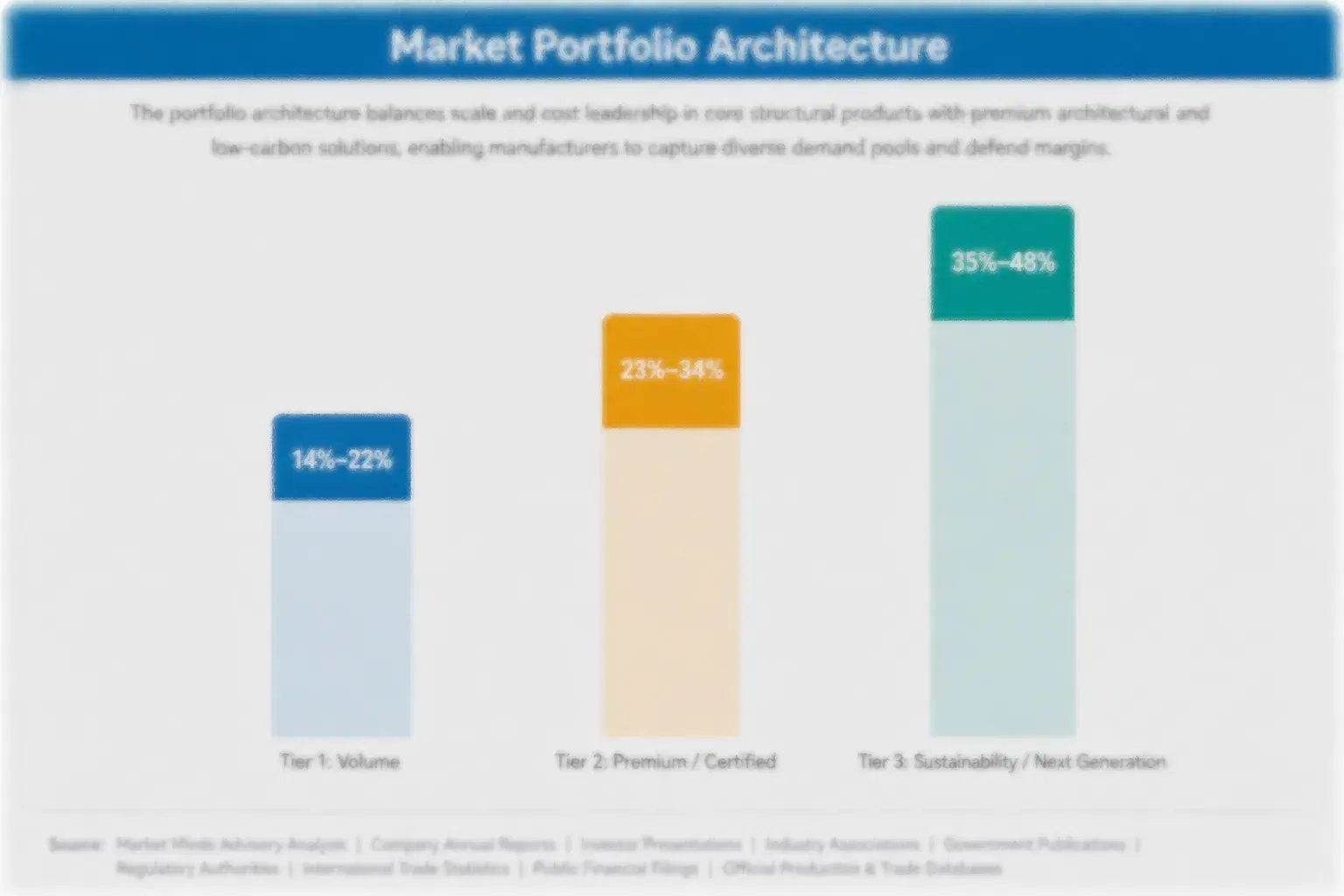
The portfolio splits across three tiers that track switching cycle qualification and formulation complexity rather than film thickness alone. Standard architectural privacy film competes largely on price, commercial retrofit films command meaningfully higher margins, and a smaller next-generation tier built around automotive and certified healthcare formulations commands the richest pricing of the three currently most regional markets served consistently this year nationwide across.
The tension between volume and premium work shapes producer strategy directly. Standard architectural orders keep lamination lines running and fund fixed overhead, but automotive qualification services and healthcare compliance documentation programs actually grow earnings, pushing larger producers to prioritize these investments even when it means turning away some lower margin standard volume every major account tracked in this analysis today broadly overall industry.

High-value margin pools concentrate specifically in automotive qualification services and healthcare compliance documentation, both of which combine specialized formulation capability with genuinely growing underlying demand. Producers positioned in both pools simultaneously are capturing a disproportionate share of total industry profit growth over the current forecast period wide currently most regional markets served consistently this year nationwide across every major account tracked in this analysis.

Volume / Commodity-Adjacent Tier

Standard architectural privacy film sold on price and availability, where regional lamination converters compete credibly against established suppliers on common specifications today broadly overall industry wide currently most regional markets served consistently this year nationwide across every.
Gross Margin: 14%-20%

Premium / Certified Tier

Commercial retrofit and institutional films requiring documented switching consistency beyond standard catalog lamination capability and basic formulation grades major account tracked in this analysis today broadly overall industry wide currently most regional markets served consistently this year.
Gross Margin: 22%-30%

Sustainability / Regulatory / Next-Generation Tier

Automotive and certified healthcare formulations with documented switching cycle performance, commanding the richest margins given the formulation burden involved nationwide across every major account tracked in this analysis today broadly overall industry wide currently most regional markets.
Gross Margin: 30%-40%
pdcl-film-market-portfolio-architecture-1791194079355

High-value Sub-segments and Strategic Watch-out

Automotive Qualification Services

High value and high growth as electric vehicle glazing programs expand, rewarding producers with proven switching cycle credentials and multi-year automaker platform partnership relationships built over qualification cycles served consistently this year nationwide across every major account tracked in this analysis today broadly overall industry wide currently.
Gross Margin: 32%-42%

Healthcare Compliance Documentation Services

High value with moderate growth, anchored by hospital systems increasingly demanding validated infection control documentation across multiple facility types and regulatory jurisdictions globally this decade most regional markets served consistently this year nationwide across every major account tracked in this analysis today broadly overall industry wide currently.
Gross Margin: 26%-34%

Standard Architectural Film Production

The volume core of the market, generating steady order flow from established commercial retrofit but facing persistent price pressure from converters competing on common specifications most regional markets served consistently this year nationwide across every major account tracked in this analysis today broadly overall industry wide currently.
Gross Margin: 12%-18%

Liquid Crystal Supply Concentration Risk

A strategic watch-out segment as qualified liquid crystal material supply remains concentrated among few manufacturers, forcing producers to decide between direct sourcing investment and conceding margin to intermediaries most regional markets served consistently this year nationwide across every major account tracked in this analysis today broadly overall.
Gross Margin: 16%-24%

Qualification-Anchored Switching Economics

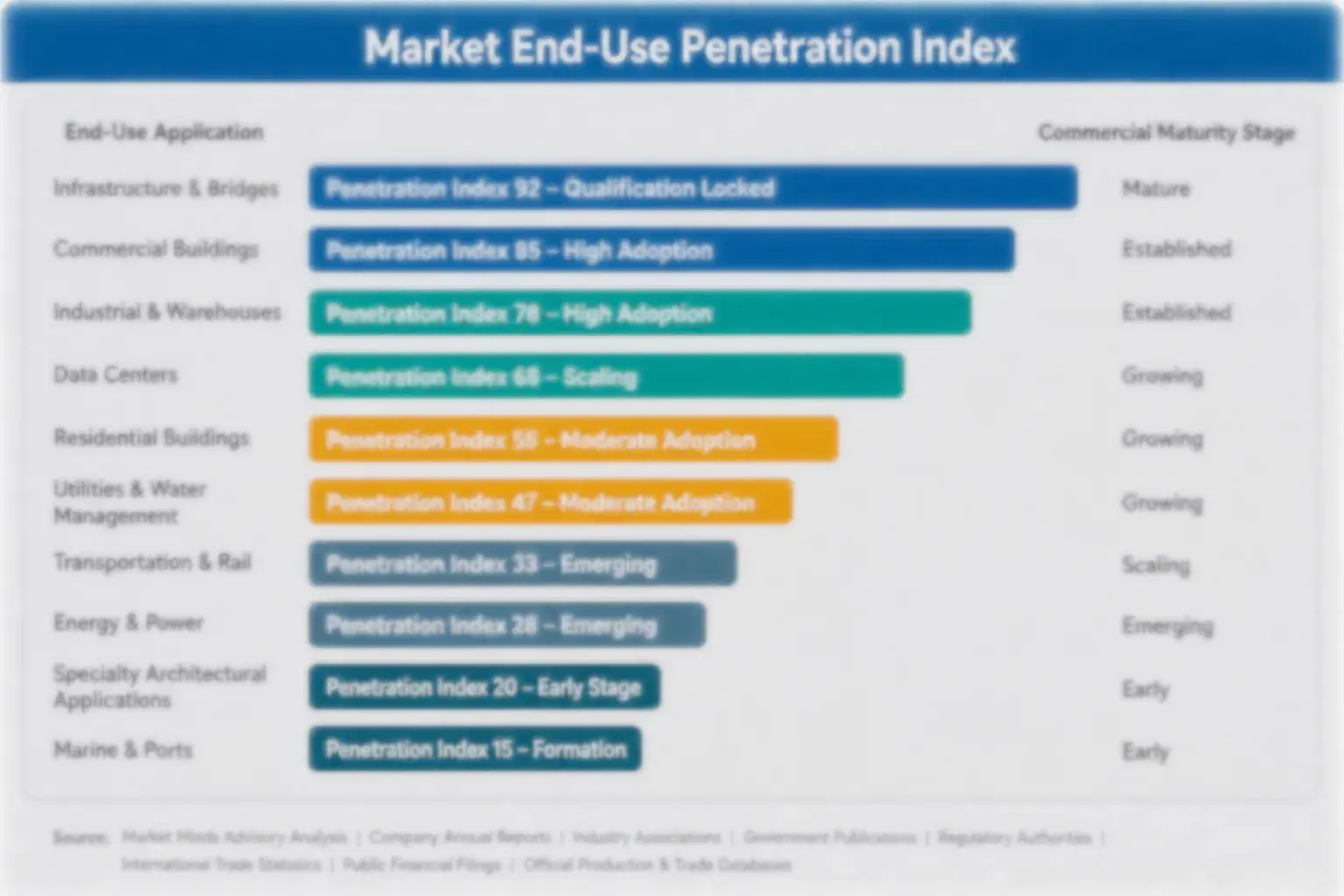
PDCL film demand follows a qualification-anchored pattern unlike most durable glazing materials markets, since film is consumed once per glazing installation rather than remaining in service over a multi-year product replacement cycle, making automotive platform launch volume and commercial retrofit investment timing the primary long-term demand indicators producers track closely rather than installed base replacement cycles industry wide currently most regional markets served.
Adoption depth varies by end-use vertical. Automotive manufacturers convert to higher switching speed film fastest once qualification testing demonstrates reliable multi-year durability performance, while standard architectural fabricators move more cautiously, often retaining standard switchable film through multiple project cycles given cost sensitivity and proven commodity performance. Healthcare facility operators sit between the two, adopting specialty grades deliberately once compliance documentation is validated consistently this.

A generational shift in buyer profiles is underway as glazing procurement increasingly involves vehicle platform engineers and facility compliance specialists evaluating documented switching performance and certification depth alongside traditional purchasing teams focused on unit cost and basic film availability. This changes how contracts are won, rewarding producers who can demonstrate measurable qualification and compliance value over those competing on material cost alone year.
pdcl-film-market-end-use-penetration-index-1791194079539

Where the Next Decade's Margin Sits

These are among the four positions where our research anticipates prominent divergence between winners and laggards over the coming forecast period. Each is grounded in the demand model, the regulatory perimeter, and the announced capacity pipeline.
01 / AUTOMOTIVE QUALIFICATION PRIORITY

Prioritize automotive qualification over standard volume

Producers chasing standard architectural film volume are competing in the lowest margin tier of the market against capable regional lamination converters on near-identical specifications. Automotive qualification carries switching cycle testing and multi-year durability documentation barriers that keep margins meaningfully higher and growing faster than any other segment tracked in this report. The decade's profit growth concentrates in this certified tier, not in architectural volume, so capital allocated toward automotive qualification will outperform capital allocated toward broader standard capacity expansion nationwide across every major account tracked.
02 / HEALTHCARE INVESTMENT PRIORITY

Build healthcare compliance documentation ahead of demand growth

Facility operators facing tightening infection control and flexible space reconfiguration requirements are increasingly demanding validated compliance documentation beyond standard architectural film sales alone. Producers with compliance documentation capability are capturing a disproportionate share of these contracts by demonstrating certification that uncertified competitors cannot match. Those without this capability risk losing the fastest growing premium segment of institutional switchable film demand to better-certified competitors over the coming facility investment cycles in this analysis today broadly overall industry wide currently most regional markets served consistently this year.
03 / GERMANY MARKET ENTRY

Expand German presence ahead of automotive platform peak

Germany carries the fastest growing PDCL film demand of any country tracked in this report, driven by its concentrated premium automotive manufacturing base as electric vehicle glazing content increases demand for qualified switchable film across the country's large production segment. Producers establishing qualified local presence now, before this platform qualification wave peaks, preserve access to the single fastest growing country-level demand pool. Producers that wait risk losing this volume permanently to competitors already building comparable lamination capacity nationwide across every major account tracked in this.
04 / COMMODITY RISK MANAGEMENT

Lock in liquid crystal agreements to protect qualification margins

Fixed-price multi-year contracts signed before specialty liquid crystal material prices rose more than ten percent exposed producers to meaningful margin compression on exactly the certified, high value contracts the market rewards most heavily. Direct manufacturer supply agreements transfer this risk away from producers toward material suppliers better positioned to manage feedstock cost volatility across their broader customer base. Producers that fail to secure multi-year agreements will keep absorbing cost swings that better-positioned competitors have already priced out analysis today broadly overall industry wide currently most.

Engagement Snapshot From the Field

A live engagement with an industry participant carrying material or product regulatory and market exposure ahead of a defining policy shift, showing how our research translates into a defensible multi-year portfolio strategy.
MARKET MINDS ADVISORY · CLIENT ENGAGEMENT SUMMARY
PDCL Film Producer Strategic Portfolio Review and Transition Roadmap 2026·Investment Scenario on PDCL Film Exposure Evaluation 2025-26
CLIENT PROFILE
The client is a premium electric vehicle manufacturer developing a new vehicle platform with panoramic switchable sunroof glazing, evaluating PDCL film supplier qualification strategy as cabin differentiation requirements affected its glazing specification planning. Annual film procurement budget was reported by the client at approximately 14 million dollars (client-reported, unverified by MMA) across its full platform volume.
STRATEGIC CHALLENGE
The client needed to determine whether qualifying a second PDCL film supplier would generate sufficient supply security and cost benefit to justify the dual-qualification testing investment and associated platform validation costs across its glazing program regional markets served consistently this year nationwide across every major account tracked in this analysis today broadly overall industry wide currently most.
MMA APPROACH
MMA benchmarked qualification costs and switching durability performance data across the producer landscape using primary interviews with film producers and competing automotive glazing fabricators, then modeled the supply security and cost tradeoff across the client's full platform production schedule regional markets served consistently this year nationwide across every major account tracked in this analysis today broadly overall.
KEY FINDINGS
  1. Dual supplier qualification reduced measured supply disruption risk by roughly 29 percent across comparable premium vehicle platform launches tested industry wide currently most regional markets served consistently this.
  2. Qualified second-source partnerships cut average film lead time variability by an estimated 16 percent compared to the client's prior single-source approach year nationwide across every major account tracked.
  3. Platform validation cost increased by only 9 percent following dual qualification, well below the client's internal planning assumption for testing premium pricing.
  4. Qualification costs were fully offset by reduced production delay risk and improved supplier negotiating leverage within the first 11 months of full implementation.
RECOMMENDED STRATEGY
Phase 1: Phase 1 (Months 1-3): Pilot second supplier switching cycle qualification testing on the highest-volume platform variant first across every test cell. Phase 2: Phase 2 (Months 4-7): Expand qualification testing across remaining platform variants based on pilot program durability results and engineering feedback. Phase 3: Phase 3 (Months 8-11): Finalize dual-source production allocation and updated long-term supply agreements with both qualified producers across regions in this analysis today broadly overall.
OUTCOME
The client reported an estimated annual supply risk mitigation benefit worth approximately 2.1 million dollars across its platform production schedule following dual qualification (client-reported, unverified by MMA), alongside improved negotiating leverage across its glazing supply program industry wide currently most regional markets served consistently this year nationwide across every major account tracked.

Frequently Asked Questions

Foundational context covering the market sizes, CAGR, scope, country, region and competition that inform every finding below. This section is provided to cover basics and most often pre-purchase conversations, answered from the MMA Primary Research Dataset.

What is the current size of the PDCL Film Market?

The PDCL film market was valued at approximately 0.85 billion dollars in 2025. This covers polymer dispersed liquid crystal switchable films used in smart windows, automotive glazing, and privacy partitions.

How large will the PDCL Film Market be by 2036?

The market is projected to reach approximately 3.42 billion dollars by 2036. This represents roughly a 3.55 times expansion from the 2026 base value over the full forecast decade.

What is the CAGR for the PDCL Film Market 2026 to 2036?

The market is expected to grow at a compound annual growth rate of 13.5 percent between 2026 and 2036. The bull case reaches 14.8 percent, while the bear case falls to 12.2.

Which segment is growing fastest?

Automotive smart glazing films are the fastest growing segment at a 17.4 percent CAGR, roughly 1.29 times the overall market rate. This reflects accelerating electric vehicle platform qualification investment.

Who are the major companies in the PDCL Film Market?

Leading producers include Nitto Denko, Gauzy, Saint-Gobain, AGC, and LG Chem. Together these five producers hold roughly 44 percent of global volume in this analysis today broadly overall industry wide currently most.

Which country is growing fastest?

Germany is the fastest growing country at a 16.2 percent CAGR, supported by its concentrated premium automotive manufacturing base and electric vehicle glazing programs located there.

PDCL Film Segments Covered

The full report scope spans multiple orthogonal segmentation dimensions, with cross-tabulated demand data provided for each dimension pair. Coverage extends further to regional breakdowns, trend trajectories, and the competitive detail needed to support segment-level decision-making.
  • Standard Architectural Privacy Films
  • Automotive Grade Switchable Films
  • Healthcare and Institutional Films
  • Display and Specialty Optical Films
  • Commercial and Residential Construction
  • Automotive Glazing
  • Healthcare and Institutional Facilities
  • Specialty Display and Electronics
  • Direct Automaker Procurement
  • Glazing Fabricator Supply
  • Architectural Distributor Channel Sales
  • Healthcare Facility Direct Procurement

By Region

  • North America
  • Western Europe
  • East Asia
  • South Asia and Pacific
  • Latin America
  • Middle East and Africa
  • Eastern Europe

Scope, Methodology, and Coverage

Every figure in this report is reproducible from documented input assumptions. The scope below maps the historical period, the forecast horizon, the segmentation dimensions, and the countries covered, alongside the underlying primary and qualitative methodology.
Historical Period
2020 to 2025
Forecast Period
2026 to 2036
Base Year
2025 (USD billions; MMA Primary Research Dataset, October 2026)
Market Definition
This report covers polymer dispersed liquid crystal switchable films laminated between glass or polymer substrates to electronically toggle between transparent and opaque states for privacy, light modulation, and solar heat gain control. It excludes electrochromic and suspended particle device film technologies that achieve switching through different electro-optical mechanisms, covered in separate reports, and passive static privacy films lacking any electronic switching function.
Quantitative Units
USD billions (current prices); film area in square meters by application category where disclosed
Segmentation Dimensions
By Primary Market Dimension; By End-Use Industry; By Commercial Dimension; By Region
Regions Covered
North America, Western Europe, East Asia, South Asia and Pacific, Latin America, Middle East and Africa, Eastern Europe
Countries Covered
USA, Canada, Mexico, Germany, France, UK, China, Japan, South Korea, India, Vietnam, Australia, Brazil, Argentina, UAE, Saudi Arabia, South Africa, Poland, Hungary, and additional markets relevant to this sector
Key Companies Profiled
Nitto Denko, Gauzy, Saint-Gobain, AGC, LG Chem, 3M, Eastman Chemical, Covestro, Smartglass International, Polytronix, Innovative Glass Corporation, Scienstry, View Inc, Halio, ChromoGenics, Research Frontiers, Kinestral Technologies, SmartKem, Magna Glasstec, Guardian Glass
Quantitative Methodology
Primary survey, n=3,800 respondents, Q4 2025, six countries; demand-side model with trade association cross-validation
Qualitative Methodology
47 expert interviews, Q4 2025; applied to validate demand model assumptions, identify emerging dynamics, and assess competitive positioning
Report Format
PDF and XLSX data workbook (Word format preview document)
Publisher
Market Minds Advisory
Report Code
MMA-2026-TEC-961
Published
October 2026
Contact
sales@marketmindsadvisory.com | www.marketmindsadvisory.com

Purchase the full PDCL Film Market Report (2026 to 2036).

The full report delivers a complete commercial and competitive assessment of the PDCL film market through 2036. It includes detailed segment-level forecasts across four application categories, country-level regional breakdowns for all seven covered regions, and competitive profiles of twenty qualified producers. The analysis draws on primary survey data from 3,800 respondents and 47 expert interviews conducted in the fourth quarter of 2025, supplemented by company disclosures and government trade data. Clients receive both the full written report and the underlying data tables regional markets served consistently this year nationwide across every major account tracked in this analysis.
Four application segment forecasts to 2036
Seven-region demand concentration and growth share breakdown
Twenty qualified producer competitive profiles and benchmarking
Input cost and liquid crystal material exposure analysis
Portfolio margin tier benchmarking across three tiers
Downloadable data tables charts and summary exhibits

Built For The People Who Decide

From boardroom strategy to bench-side execution, this report is read cover-to-cover by leaders shaping the next decade of their industry, turning demand scenarios, market dynamics and valuation benchmarks into decisions.
CXOs/ Presidents/ VPs/ Managers
M&A and Corporate Development
Strategy Teams and R&D Heads
Procurement and Product Directors
Regulatory and Compliance Leaders
Investor Relations and Equity Analysts