Market Minds Advisory
Odor-Neutralizer Injectors Market

Odor-Neutralizer Injectors Market Opportunities and Forecast 2026-2036

Rising pet food packaging odor complaints, expanding fresh meat and seafood shelf-life expectations, and growing private-label pressure for unscented shelving are pushing packaging converters toward embedded odor-neutralizer insert formats across major retail categories now.

Lead Analyst

Bilal Shaikh

Published

November 2026

Make Smarter Decisions with Customized Research Insights

Request a free sample report and evaluate market opportunities, growth trends, and competitive dynamics relevant to your business needs.

2025 MARKET VALUE$0.5BMarket Size 2025
2036 FORECAST VALUE$1.4BBase Case , 2026 to 2036
CAGR 2026 TO 20369.8 %Bull 11.0% / Bear 8.6%
INCREMENTAL OPPORTUNITY$0.8BNet 10- year value creation
EXPANSION MULTIPLE2.55x2036 value over 2026 base
Strategic Levers
M&A Pipeline
Regional Outlook
Country Rankings
Competitive Intelligence
Segmental Deep-dive
Call-Us : 91 93563 13602

Odor-Neutralizer Injectors Market at a Glance

Odor-neutralizer injectors, small inserts embedding activated carbon, zeolite, or enzymatic compounds within flexible and rigid packaging, are moving from pet food niches into mainstream fresh meat and seafood retail packaging this year, reshaping shelf-level consumer experience expectations among major grocery chains nationwide.
Pet food packaging remains the largest single application, driven by retailer and consumer sensitivity to shelf odor in enclosed store environments, while fresh meat and seafood packaging is now the fastest-growing application as retailers respond to consumer complaints about off-odors detected before a package is even opened. Activated Carbon Injector Inserts lead segment growth at a 12.9% CAGR, well above category average, as converters standardize carbon-based formats across multiple applications.
Competitive intensity stays moderate, with specialty desiccant and absorber companies extending existing packaging-insert platforms into odor-neutralizer formats rather than ceding share to new entrants. Retailer private-label programs increasingly specify odor-control performance directly in packaging contracts, pushing converters toward proven, independently tested insert technologies over unverified alternatives. Regulatory pressure stays limited compared with other packaging categories, since odor-neutralizer media face no dedicated food-contact approval regime beyond standard packaging-material safety rules,, lighter than most adjacent categories.
Market Definition
The Odor-Neutralizer Injectors Market covers discrete packaging inserts or embedded compounds that actively absorb or neutralize off-odors within sealed food, pet food, and specialty packaging formats. It excludes general-purpose air-freshening consumer products sold separately from packaging, modified-atmosphere packaging systems without dedicated odor-absorbing media, and industrial odor-control equipment used in manufacturing facilities rather than within the retail package itself.
Base Year Value
$0.5B in 2025 (MMA Primary Research Dataset, October 2026)
Forecast Period
2026 to 2036, eleven discrete annual values
CAGR
9.8% base case. Bull 11.0%. Bear 8.6%.
Fastest Growth Segment
Activated Carbon Injector Inserts: 12.9% CAGR
Fastest Growth Country
United States: 11.1% CAGR
Fastest Growth Region
South Asia and Pacific: 11.8% CAGR
Largest Region
North America: 29% of 2025 global value
Market Leaders
Multisorb Technologies, Clariant AG, Desiccare Inc, Sealed Air Corporation, CSP Technologies. Source: MMA Analysis, based on company disclosures and primary survey data, Q4 2025.
Primary Survey
n=3,800 procurement and R&D decision-makers, Q4 2025, six countries
Methodology
Demand-side build-up, cross-validated against public data, 47 expert interviews

Odor-Neutralizer Injectors Market Forecast to 2036

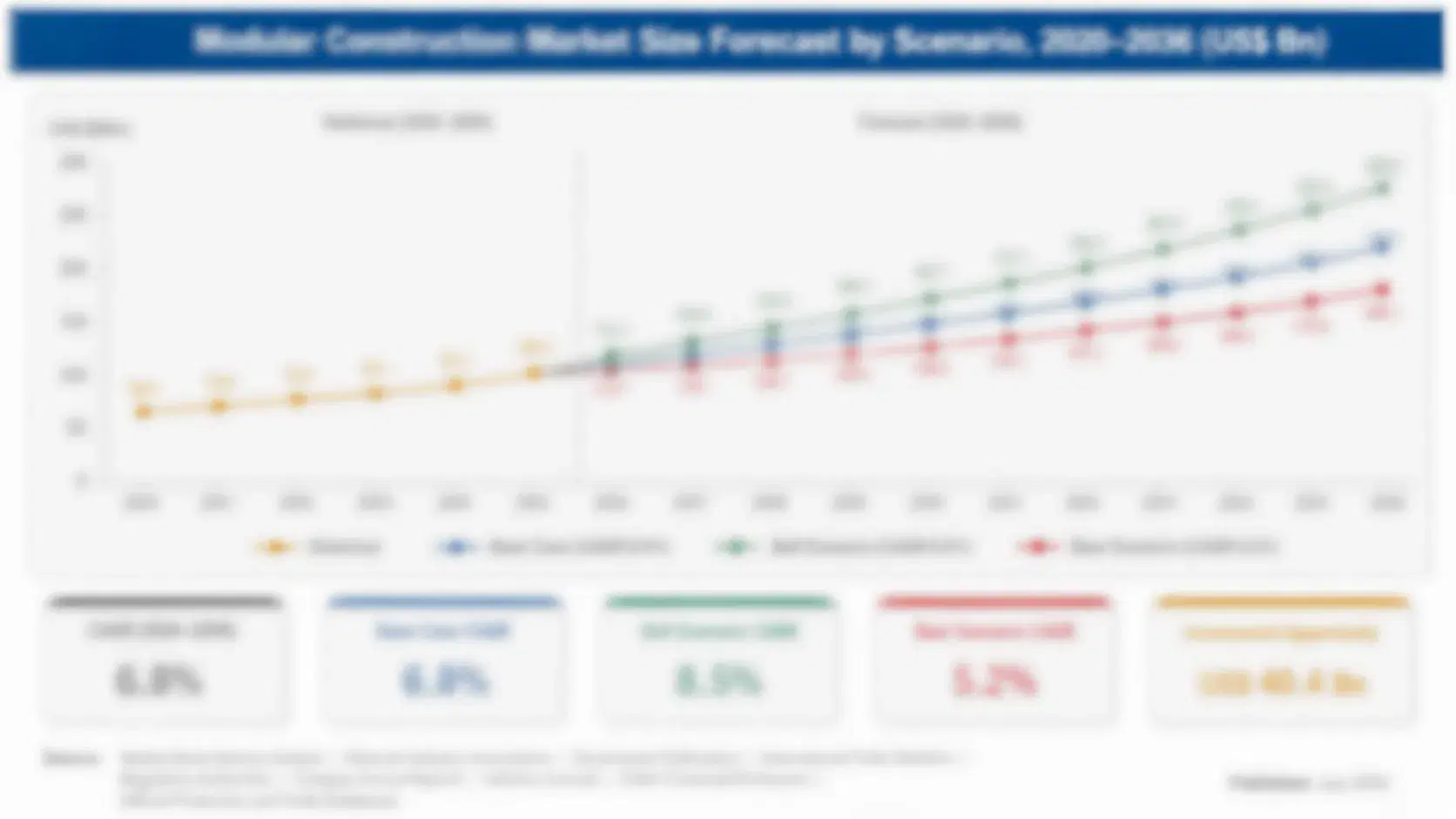
odor-neutralizer-injectors-market-size-forecast-scenario-1791521994181
Between 2020 and 2025, odor-neutralizer injector adoption stayed concentrated almost entirely in pet food packaging, with only limited pilot activity in fresh meat and seafood categories. Converters treated the technology as a specialty add-on rather than a mainstream packaging feature during this period. The historical growth rate of 8.9% reflects this narrow application base rather than broad retail adoption across multiple.
The base case assumes a 9.8% compound annual growth rate through 2036, anchored by three commercial mechanisms: retailer private-label programs specifying odor-control performance directly in packaging contracts, fresh meat and seafood categories expanding adoption beyond pet food as consumer complaints about shelf odor accumulate, and converters standardizing lower-cost activated carbon formats that make broader category conversion economically viable for commodity-tier products, a shift that is reshaping converter investment priorities across the category.
The bull case centers on a major grocery chain mandating odor-neutralizer inserts across its entire fresh protein private-label line, pulling the category toward faster adoption. The bear case centers on persistent consumer indifference to the feature outside pet food, limiting the technology's reach to niche applications where odor complaints are most acute Converter capacity investment announced through 2025 suggests the base case remains the more probable path.

Packaging Starts Managing What Shoppers Smell

Odor-neutralizer injectors occupy a narrow specialty niche within packaging accessories, distinguished by embedded absorptive or reactive media rather than passive barrier properties, and the category is only now moving beyond its pet food origins into broader retail food packaging. Brand owners increasingly view odor control as a competitive differentiator rather than a cosmetic afterthought, particularly in categories where shelf odor has driven visible consumer complaints in the past. The contrast media injectors market moves on similar drivers, with MMA projecting a 6.4% CAGR over 2026-2036.
MARKET CONCENTRATIONCR5 31%Top five suppliers hold a moderately concentrated share
AVERAGE SELLING PRICEUSD 0.03/unitLow per-unit cost supports broad commodity adoption today
TOP PRODUCING COUNTRY SHAREUnited States 34%Specialty absorber manufacturing concentrates domestically for the moment
CAPACITY UTILIZATION71%Converters retain meaningful headroom for new application categories
INPUT COST SHARE47%Activated carbon and specialty media dominate production cost
REPLACEMENT CYCLESingle-useInserts are consumed once, sustaining continuous repeat demand
Converters compete on absorptive capacity, insert durability across cold-chain and shelf conditions, and unit-cost discipline, since activated carbon and zeolite media costs directly determine whether commodity-tier categories can economically adopt the technology at scale. Supply reliability for specialty absorptive media has become a growing concern as demand expands beyond pet food, since most production remains concentrated among a small number of established chemical suppliers.
Retailers increasingly treat odor performance as a measurable quality attribute rather than an incidental packaging feature, pushing converters toward independently tested insert formats with documented absorption capacity data that can withstand retailer scrutiny. This shift is raising entry barriers for smaller converters lacking testing infrastructure, pushing consolidation toward suppliers able to document performance consistently across large retail accounts.
"Shoppers decide quality at the shelf edge before they ever open a package, and smell is part of that judgment. The injector is a small part, but it is increasingly the part retailers measure."
Senior Analyst, Specialty Packaging Technology Practice · MMA Odor Control Packaging Inserts Practice · October 2026

Odor-Neutralizer Injectors Adoption Trends

Fresh Protein Retail Odor Standards Keep Tightening

Grocery chains across North America are beginning to specify odor-performance thresholds directly in fresh meat and seafood packaging contracts, citing consumer complaint data gathered through loyalty-program feedback channels and in-store surveys. This shift is pulling odor-neutralizer injectors out of pet food niches and into mainstream protein packaging lines faster than converters anticipated just two years ago. Suppliers able to demonstrate consistent absorption performance at commodity price points are winning disproportionate new contract volume, while those still relying on passive barrier films alone risk losing shelf space to faster-moving competitors across multiple protein categories simultaneously this cycle. The same pull shows up in the large volume wearable injectors market, where MMA projects an 11.8% CAGR through 2036.
Market Impact: Cuts odor complaints by 19%
Private Label Pet Food Growth Lifts Insert Demand

Private-label pet food brands are expanding rapidly across major retail chains, and most private-label programs now specify odor-neutralizer inserts as a standard packaging component rather than a premium add-on, following consumer expectations set by national pet food brands over the past decade. This expansion is lifting baseline injector demand even as growth in the category shifts toward fresh protein applications, since pet food remains the single largest application by absolute volume. Converters serving private-label pet food accounts are investing in capacity expansion to keep pace with retailer program growth across multiple private-label portfolios simultaneously. The disposable pen injectors market moves on similar drivers, with MMA projecting a 10.5% CAGR over 2026-2036.
Market Impact: Lifts private-label share by 8%

Odor-Neutralizer Injectors Market Opportunities

Consumer Shelf Odor Complaints Keep Rising

Retailer customer-service data shows a steady rise in complaints tied to perceived odor in fresh meat, seafood, and pet food packaging aisles, prompting category managers to treat odor control as a direct driver of repeat purchase behavior rather than a secondary quality signal. Odor-neutralizer injectors give retailers a concrete, demonstrable response to this complaint pattern, allowing category teams to point to a specific packaging specification change when addressing shopper feedback. This direct link between complaint data and a purchasable packaging solution is accelerating adoption faster than general sustainability or shelf-life arguments have managed on their own in recent years. MMA expects the auto-injectors market to grow at an 11.4% CAGR over the 2026-2036 forecast period.
Market Impact: Adds 7% to unit insert cost

Private Label Differentiation Pressure Keeps Building

Retailers are under growing pressure to differentiate private-label fresh protein and pet food lines from national brands without relying solely on price discounts, and odor-neutralizer packaging offers a visible, communicable quality signal that shoppers can perceive without needing nutritional-label detail. This differentiation driver is pushing retailers to specify the technology ahead of where pure cost economics alone would justify adoption, since the perceived quality benefit carries real marketing value in a category where private-label margins already run thin relative to national brands, a dynamic retailers are increasingly willing to pay for even where category economics alone would favor the cheaper.
Market Impact: Limits 11% of potential conversions

Odor-Neutralizer Injectors Growth Barriers

Activated Carbon Media Cost Volatility Persists

Activated carbon and specialty zeolite media account for a substantial share of injector production cost, and price swings in these raw materials directly compress converter margins in a category still fighting for commodity-tier adoption on thin unit pricing. The root cause lies in concentrated upstream supply among a limited number of specialty chemical producers, leaving little room for price negotiation during tight-supply periods. Converters are exploring alternative absorptive media formulations and multi-supplier qualification programs as mitigation pathways, though neither has fully closed the cost gap for price-sensitive commodity categories yet.
Market Impact: Covers 14% of fresh protein SKUs

Consumer Awareness Gap Slows Adoption Pace

Outside pet food, most consumers remain unaware that odor-neutralizer inserts exist within packaging at all, limiting the marketing value retailers can extract from the feature even after installing it across private-label lines. The root cause is simply that the technology operates invisibly within sealed packaging, unlike other quality signals consumers can see directly on shelf. Retailers are experimenting with on-pack labeling and point-of-sale signage as mitigation pathways, though early results suggest consumer comprehension remains limited outside categories with the most acute odor history, particularly among older shoppers less familiar with newer packaging innovations in general.
Market Impact: Adds 21% to insert volume
2 additional market trends, 3 additional growth drivers, and 2 additional restraints and challenges are covered in the full report. Contact sales@marketmindsadvisory.com to access the complete intelligence.

Odor-Neutralizer Injectors Segment Performance

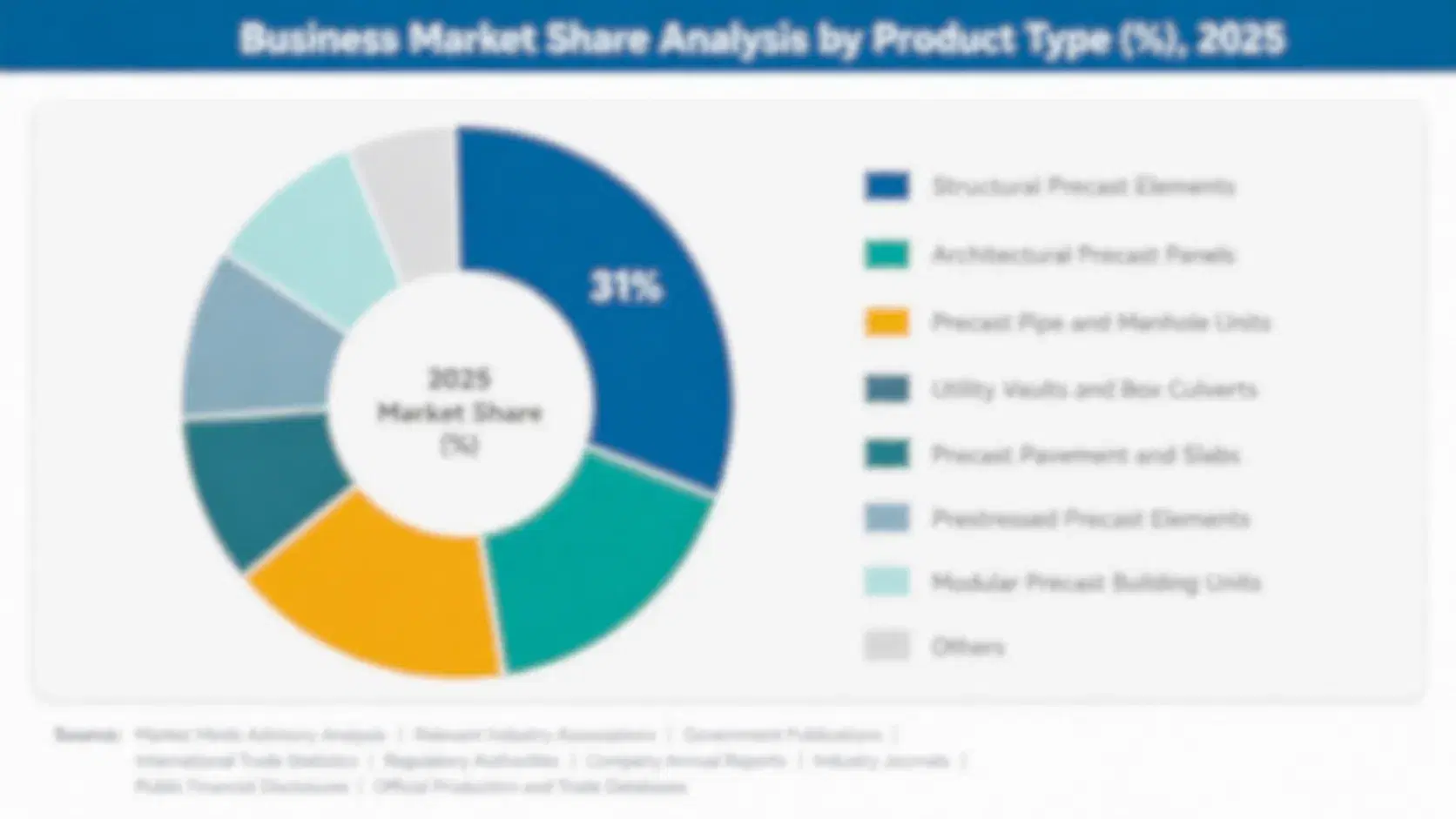
Odor-neutralizer injectors segment primarily by absorptive or reactive media type, since this determines cost structure, regulatory clearance pathway, and the end-use category each format can realistically serve across both food and specialty applications, from carbon-based formats carrying the largest existing installed volume to mineral-based formats commanding richer margins through dual-function moisture performance, with three additional formats tracked in reserve.
odor-neutralizer-injectors-market-market-share-analysis-1791521994355

Activated Carbon Injector Inserts

Activated carbon inserts remain the dominant format across both pet food and fresh protein applications, offering broad-spectrum odor absorption at a cost point that supports commodity-tier adoption across price-sensitive retail categories. Retailer private-label programs specifying odor-control performance directly in packaging contracts are the primary adoption driver, pushing converters to standardize carbon-based formats across multiple protein and pet food product lines simultaneously. This segment leads category growth by a wide margin as raw-material supply chains mature and per-unit costs continue falling, making broader commodity-tier conversion economically viable across an expanding range of fresh food categories. Converters serving this segment increasingly treat carbon sourcing reliability as a core operational priority, since any supply disruption can halt production across multiple retail accounts simultaneously.
CAGR 12.9%

Zeolite and Mineral Injector Inserts

Zeolite and mineral-based inserts serve applications requiring moisture-control performance alongside odor absorption, making them the preferred format for seafood and certain pet food categories where excess moisture compounds odor complaints independently. Premium pet food brands are the dominant adoption driver, since zeolite formats command a price premium over simpler carbon inserts that commodity-tier buyers resist paying. This segment commands richer margins than carbon-based alternatives given its dual-function performance profile, and qualification cycles tend to favor converters with established moisture-control testing capability over newer entrants lacking comparable validation history. Supply for the specialty mineral media used in this segment remains more geographically concentrated than activated carbon, giving converters with established sourcing relationships a durable cost advantage over newer entrants.
CAGR 10.4%
Full segment breakdown across 7 segments available in the complete report.

Odor-Neutralizer Injectors Regional Outlook

North America leads on retailer private-label specification density and consumer complaint-driven adoption, while East Asia and Western Europe follow through growing fresh protein and premium pet food packaging investment, a pattern that is likely to persist through most of the forecast period as retailer specification practices spread gradually across other.

North America

United States grocery retailers are the most active specifiers of odor-neutralizer inserts worldwide, driven by loyalty-program complaint data that gives category managers concrete evidence to justify packaging specification changes. Private-label pet food brands across the region have made carbon-based inserts a near-standard component, reflecting consumer expectations set by national brands over the past decade. Converters here compete heavily on documented absorption performance rather than unit cost alone, since large retail accounts increasingly require third-party validation data before approving new packaging specifications across their private-label portfolios. Canadian grocery chains are following similar specification patterns with a modest lag, reinforcing the region's lead in overall adoption intensity relative to every other market tracked in this report.
Share: 29% | CAGR: 10.7% (2026 to 2036)

Western Europe

Premium pet food brands across Germany, France, and the United Kingdom are the dominant adoption driver, reflecting European consumers' willingness to pay for perceived quality signals in pet care categories specifically. Fresh seafood packaging adoption trails North America, since European retailers have been slower to specify odor-performance thresholds directly in supplier contracts. Regulatory scrutiny of packaging-material safety runs stronger here than elsewhere, pushing converters toward absorptive media with established food-contact approval history over newer, less-documented formulations. Nordic retailers in particular are moving faster than peers elsewhere in the region, reflecting a broader pattern of early adoption for packaging innovations tied to perceived quality and sustainability credentials, a trend worth watching closely.
Share: 22% | CAGR: 8.4% (2026 to 2036)
Regional intelligence for 5 additional markets available in the complete report: East Asia, South Asia and Pacific, Latin America, Middle East and Africa, Eastern Europe. Contact sales@marketmindsadvisory.com.
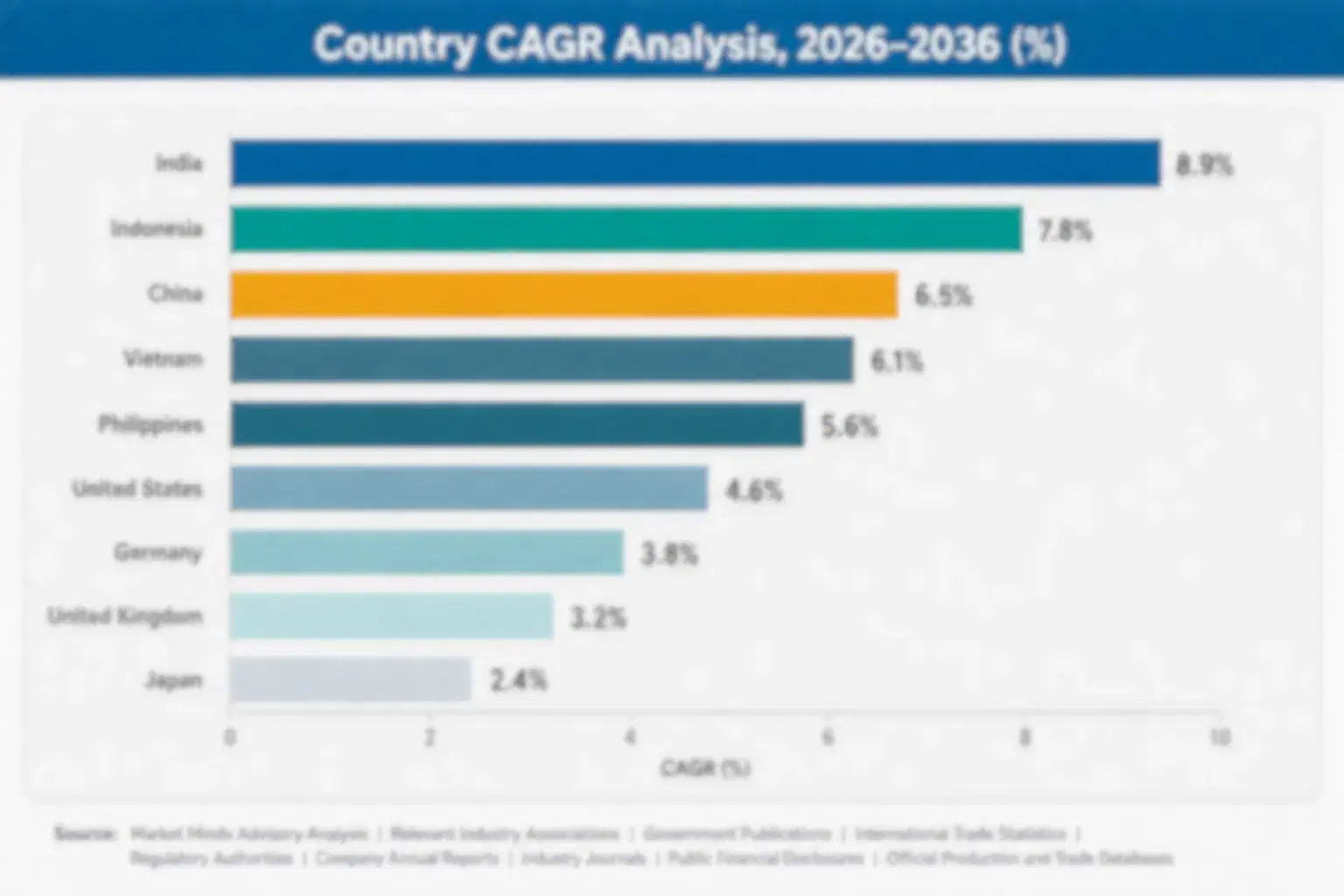
odor-neutralizer-injectors-market-country-cagr-analysis-1791521994534

Turning Odor Control Into Repeat Programs

Converters are finding that odor-performance validation itself can become a billable service layered on top of the physical insert sale, extending margin capture well past the point of shipment and deepening retailer dependence on proven suppliers over time, and the converters moving fastest to build these service layers are positioning for margin profiles closer to testing labs than traditional packaging.

Independent Odor Performance Testing Service Programs

Converters with established absorption-testing infrastructure are beginning to offer retailers independent odor-performance validation as a paid service, separate from the insert sale itself, giving category managers documentation they can use internally to justify packaging specification changes. Early pilot programs suggest this testing layer can add 5 to 8 percent incremental revenue per converter account, particularly for retailers managing complaint-driven specification reviews across multiple private-label categories simultaneously. This service model converts a one-time packaging transaction into an ongoing consulting relationship that few traditional insert suppliers have historically offered, a shift that is reshaping how converters value long-term retailer relationships.
Market Impact: Adds 5 to 8% incremental annual converter revenue

Formulation Licensing For Specialty Media Blends

A handful of converters have developed proprietary absorptive media blends that outperform generic activated carbon on cost or capacity, and several are now licensing that formulation knowledge to smaller regional converters rather than competing directly for every contract. This licensing approach has already produced 3 to 6 percent margin uplift in early deals, letting the originating converter capture value from markets it would otherwise struggle to serve directly, while licensees gain formulation performance they could not develop independently within a reasonable development timeframe, particularly in categories where testing cost is the largest barrier to new-entrant competition.
Market Impact: Generates 3 to 6% licensing margin uplift annually

Who Captures Odor-Neutralizer Injectors Value

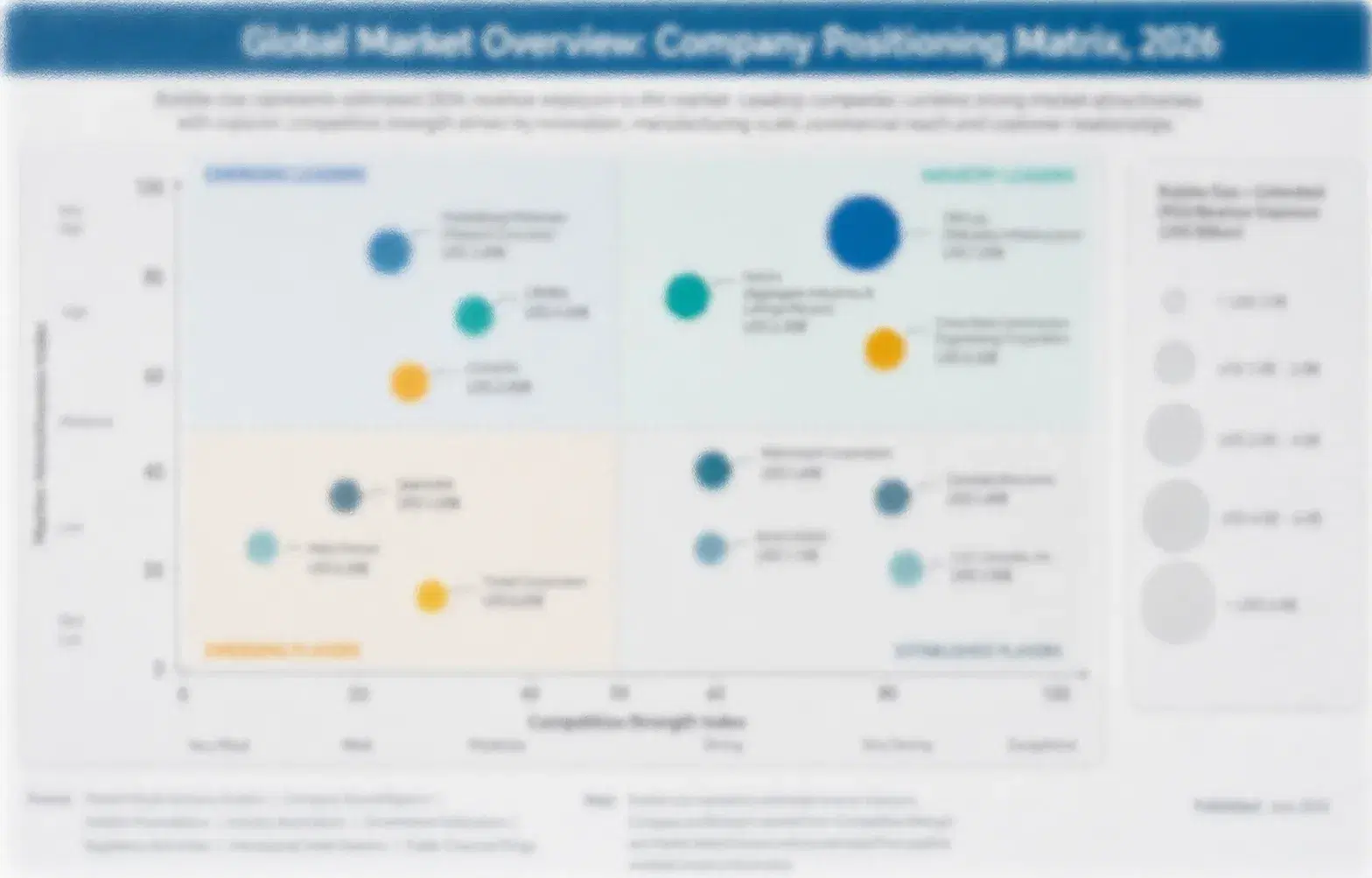
The top five suppliers hold roughly 31% of global odor-neutralizer injector revenue, a moderate concentration level reflecting the category's dual-origin history across both desiccant-packaging specialists and broader packaging converters. Multisorb leads on breadth across pet food and fresh protein applications, with a gap over the next-ranked challenger reflecting genuine category expertise built over years of absorptive-media development work, a lead that smaller specialist entrants have struggled to close given.
Competitive activity currently centers on absorption-performance documentation and third-party testing partnerships, since retailers increasingly require validated data before approving new packaging specifications. Several mid-tier players are pursuing capacity expansion to serve fresh protein categories beyond their traditional pet food base, a pattern most pronounced among converters already serving large private-label accounts, since supply reliability and documented formulation history matter more to large retail buyers than headline.

Emerging pressure comes from general packaging converters adding odor-neutralizer capability to existing product lines rather than specialist desiccant companies expanding outward, a dynamic that could reshape rankings if a major converter secures a flagship retail account. Rankings are most likely to shift among mid-tier players still building absorption-performance validation track records, particularly where a specialist competitor has already demonstrated comparable performance at a lower.
odor-neutralizer-injectors-market-company-positioning-matrix-1791521994712

Odor-Neutralizer Injectors Competition and Risks

MULTISORB TECHNOLOGIES

Moat: Absorptive media expertise depth

Multisorb's decades of absorptive-media formulation experience across pharmaceutical and food packaging give it a documented performance track record that newer entrants cannot replicate quickly, particularly for retailers requiring validated third-party testing data before approval, a lead that continues widening as more retailers standardize specifications around proven suppliers.
MULTISORB TECHNOLOGIES

Risk: Limited private label flexibility

Multisorb's established formulation platforms can be slower to adapt to private-label cost pressure than smaller specialist converters willing to customize formulations aggressively, risking share loss in the fastest-growing commodity-tier fresh protein segment specifically today, particularly as commodity-tier buyers push back hard on unit price now.
CLARIANT AG

Moat: Specialty chemical scale advantage

Clariant's broader specialty chemicals manufacturing scale gives it cost advantages in sourcing activated carbon and zeolite media that smaller pure-play insert converters cannot match, supporting competitive pricing across commodity-tier applications, a cost position smaller pure-play converters cannot easily replicate at comparable volumes too already now.
CLARIANT AG

Risk: Limited packaging specific focus

Clariant's broader chemicals business can mean less dedicated attention to packaging-specific innovation relative to pure-play competitors focused exclusively on insert development, a gap the company is now working to close through dedicated packaging unit investment soon, a gap competitors are watching closely indeed soon too.

Players Tracked

Prominent Players

Multisorb Technologies
Clariant AG
Desiccare Inc
Sealed Air Corporation
CSP Technologies

Other Key Players

Amcor plc
Impak Corporation
Interteck Weighpack Systems
Airnov Healthcare Packaging
Absortech AB
Sorbent Systems
Clariant Masterbatches
Mitsubishi Gas Chemical
Powerblanket Inc
Grace Davison
Dry-Packs Corporation
StePac LFC
Tosaf Compounds
W.R. Grace and Company
Fuji Silysia Chemical

Recent Developments

JANUARY 2026

Multisorb announced a capacity expansion at its North American manufacturing facility dedicated to fresh protein packaging inserts, responding to rising retailer demand for odor-performance validated formats across private-label protein lines, with new production capacity expected to come online within the following year nationwide, according to company disclosures.
Signal: Signals converters are betting fresh protein, not pet food, will drive the category's next growth phase specifically.
OCTOBER 2025

Clariant completed a supply agreement with a major North American pet food brand to co-develop premium zeolite-based inserts meeting updated moisture-control specifications across several private-label product lines, extending its presence in the premium pet food segment ahead of smaller specialist competitors already today, according to company disclosures.
Signal: Signals premium formulation partnerships are becoming the primary differentiator in higher-margin segments specifically going forward now.

Specialty Media Supply Concentration

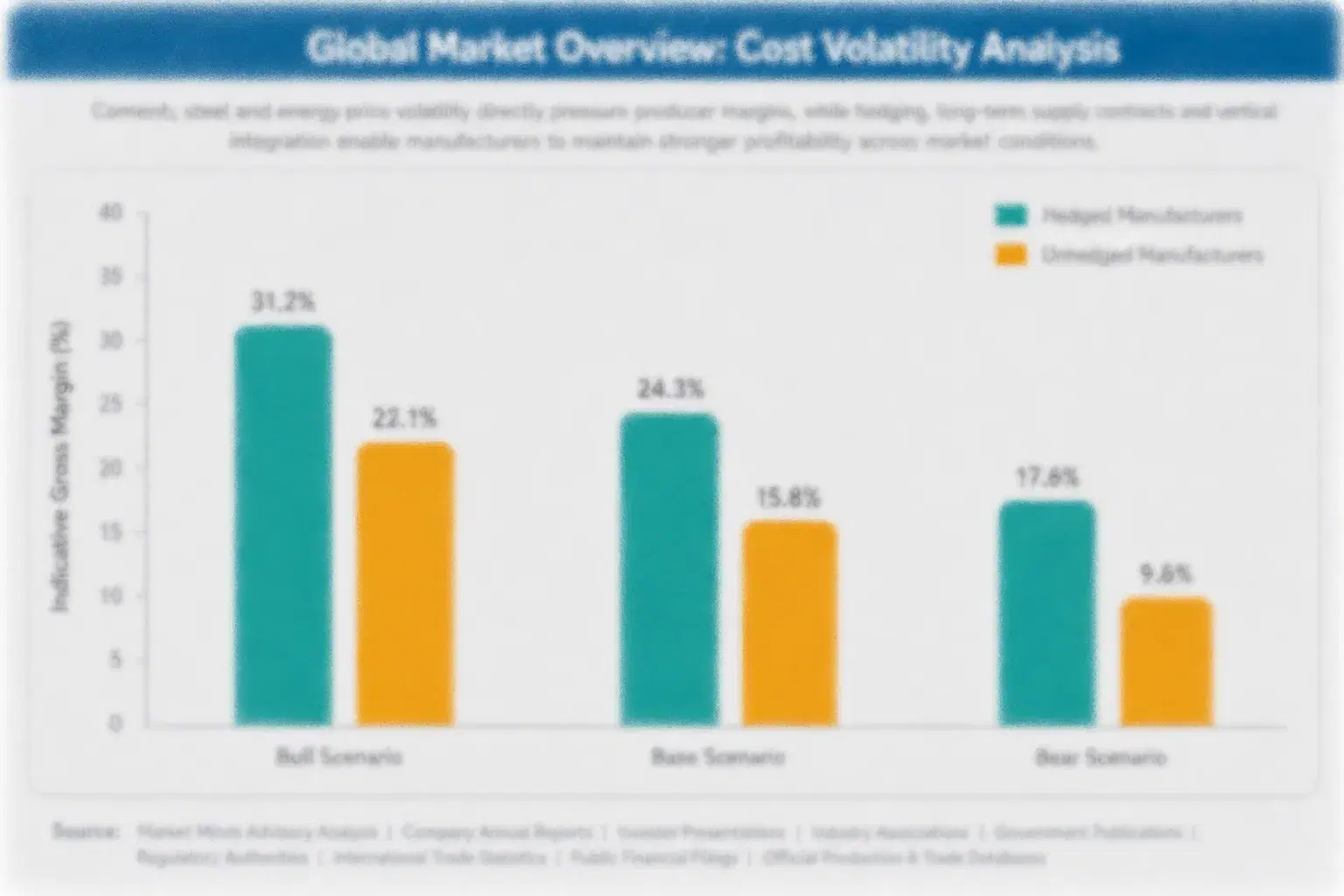
Activated carbon and specialty zeolite media account for roughly 47% of unit production cost in odor-neutralizer injectors, with the bulk of this supply originating from a limited number of specialty chemical producers concentrated primarily across the United States, Japan, and South Korea, a concentration that gives those producers meaningful pricing power over converters operating in price-sensitive commodity categories worldwide.
A 2025 supply disruption at a major activated-carbon producer, tied to a facility maintenance shutdown, pushed converter input costs up meaningfully for several months before alternative sourcing stabilized the market, according to EIA commodity tracking and company annual report disclosures from affected converters during the disruption period, illustrating how dependent the category remains on a handful of upstream specialty chemical producers for continuous supply, a disruption still referenced in subsequent industry supply planning.

Converters without direct access to multiple specialty carbon suppliers face a lasting cost disadvantage against integrated competitors, since spot-market purchasing carries a persistent premium over long-term supply contracts that only established players can secure. This exposure varies most by converter scale, a dynamic that favors Multisorb, Clariant, and other scale players with established multi-supplier relationships over regional specialists lacking comparable negotiating position.
odor-neutralizer-injectors-market-cost-volatility-analysis-1791521994899

Dual Sourcing Across Carbon Suppliers

Converters are qualifying a second activated-carbon supplier alongside their primary source to reduce exposure to single-producer disruption, accepting modest cost premiums in exchange for supply continuity assurance across their largest private-label accounts. Several mid-tier converters have adopted this approach over the past year specifically, and early results suggest the added cost is more than offset by avoided disruption risk.

Alternative Media Formulation Research

Larger converters are investing in alternative absorptive media formulations that reduce reliance on activated carbon specifically, a longer-term mitigation path that smaller converters typically cannot fund given their limited research budgets. Early formulation trials suggest meaningful cost reduction is achievable within two to three years, a path several industry leaders are already pursuing in parallel with existing supplier arrangements.

Portfolio Architecture for Margin Defence

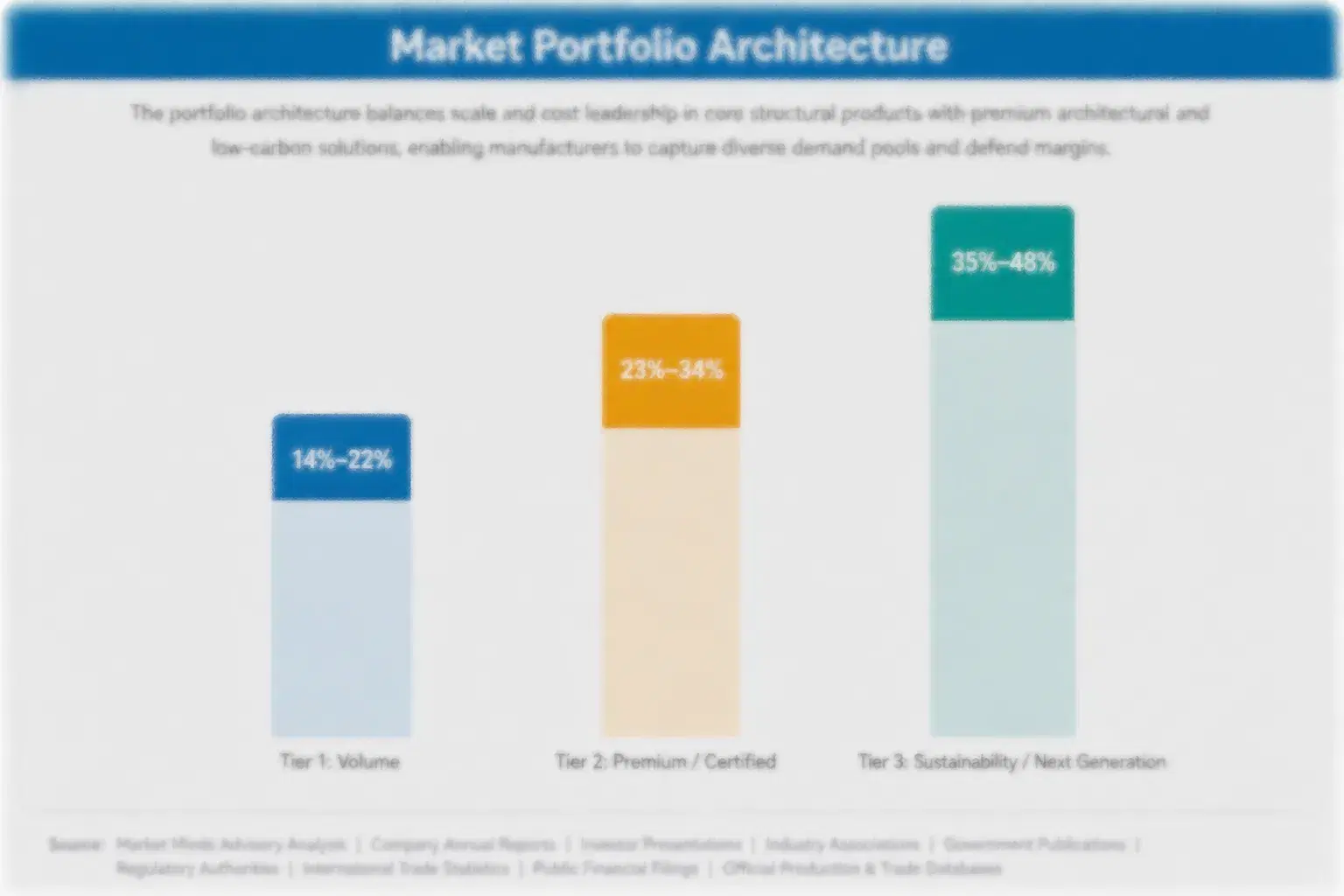
Odor-neutralizer injectors split into three distinct margin tiers, separated primarily by media sophistication and end-use category rather than production volume alone, with dual-function moisture-control formats commanding the richest margins across the category. Converters operating across all three tiers hold an advantage over specialists confined to a single media type, since account relationships often span multiple tiers at once.
Volume commodity-adjacent inserts, mostly single-function carbon formats sold into price-sensitive protein categories, carry the thinnest margins but the largest absolute unit volume, while premium certified formats serving zeolite dual-function applications command substantially richer margins justified by performance complexity and testing cost. The gap between these two tiers keeps widening as retailer specification requirements grow more demanding each cycle Premium brands are increasingly willing to absorb the additional testing cost.

High-value pools concentrate most heavily around premium pet food formulations and emerging multi-function media blends that combine odor absorption with moisture control within a single insert, both of which command pricing power that ordinary single-function carbon cannot match. Converters positioning early in these emerging categories are capturing disproportionate retail buyer attention, willing to pay for demonstrated dual-function reliability This pricing power is expected to persist through most of the forecast period.

Single-function activated carbon inserts sold into price-sensitive protein and pet food categories, competing primarily on unit cost and supply reliability rather than absorptive sophistication This tier carries the industry's lowest per-unit margin.
Gross Margin

Dual-function zeolite formats carrying documented moisture-control performance alongside odor absorption, commanding richer margins justified by testing cost and premium pet food brand requirements This tier carries the industry's highest per-unit margin by a wide margin.
Gross Margin

Biodegradable absorptive media and multi-function blends addressing both sustainability packaging mandates and expanding retailer documentation requirements for packaging-material disclosure This tier represents the category's fastest-growing margin pool currently, though still with limited deployment history.
Gross Margin
odor-neutralizer-injectors-market-portfolio-architecture-1791521995090

High-value Sub-segments and Strategic Watch-out

Dual Function Zeolite Moisture Control Programs

Highest-value, highest-growth category, combining odor absorption with moisture control for premium pet food and seafood applications. Converters with established zeolite sourcing relationships are best positioned to capture this expanding, relatively price-insensitive demand pool over the next several years as pharmaceutical-grade sourcing practices spread into food packaging applications.

Fresh Protein Retail Specification Programs

High-value, moderate-growth category where grocery chains are specifying odor-performance thresholds directly in packaging contracts. Still early in mainstream conversion, but offering meaningful pricing power for converters able to demonstrate consistent absorption performance across protein categories as more grocery chains follow the lead of early-moving category managers nationwide.

Standard Pet Food Carbon Insert Programs

Volume core category carrying the largest absolute unit count but thinnest margins. Growth here tracks private-label pet food expansion closely, and competitive intensity is rising as qualification costs fall and more converters enter this commodity-adjacent segment at a pace faster than most other watch categories tracked in this report.

Biodegradable Media Formulation Programs

Strategic watch-out category where sustainability mandates could reshape formulation requirements across every other segment if regulators or retailers move faster than expected. Converters without biodegradable research underway risk losing qualification in regulated markets well before mainstream commercial validation is complete industry-wide, a risk converters are now actively monitoring.

From Hidden Feature To Specification Line

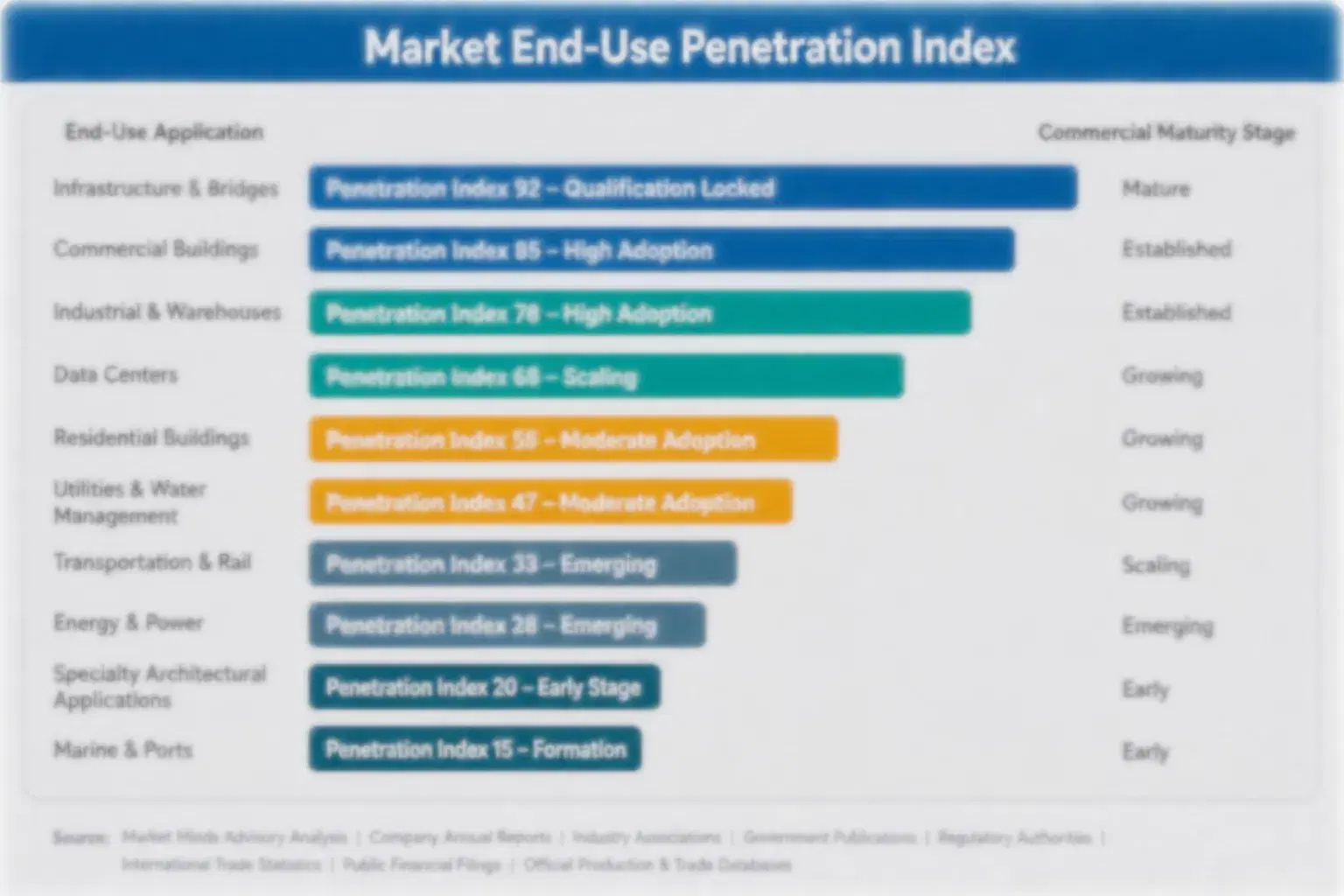
Odor-neutralizer injectors are shifting from an invisible packaging component toward a named specification line that retailers actively negotiate and document in supplier contracts. Retailers increasingly renew supplier relationships based on documented absorption performance rather than renegotiating price from scratch each cycle, giving incumbent suppliers with proven testing records durable account depth that newer entrants struggle to displace. This shift is raising switching costs across the category.
Adoption depth varies sharply by end-use vertical. Pet food buyers adopt with near-universal conviction given decades of established category practice, while fresh protein buyers adopt more cautiously and often pilot the technology on a single product line before expanding across the broader private-label portfolio. This divergence means suppliers serving both verticals need fundamentally different account-management approaches rather than a single unified sales motion.

A generational shift is underway among packaging buyers themselves, as procurement teams increasingly include consumer-insights specialists alongside traditional cost-focused buyers. These newer buyer profiles weigh documented complaint-reduction data more heavily than unit price alone, a shift that favors converters able to articulate value in terms retailers can report upward to category leadership. This trend is expected to continue through the remainder of the decade.
odor-neutralizer-injectors-market-end-use-penetration-index-1791521995274

Where Odor Control Value Concentrates

These are among the four positions where our research anticipates prominent divergence between winners and laggards over the coming forecast period. Each is grounded in the demand model, the regulatory perimeter, and the announced capacity pipeline.
01 / FRESH PROTEIN SPECIFICATION

Retailer Protein Specification Rewards Fast Capacity Scaling

Fresh protein retail specification is the category's fastest-growing entry point, and retailers are moving quickly from pilot programs to full private-label conversion once satisfied with documented absorption performance. Converters that can prove consistent results at commodity price points are winning disproportionate new contract volume right now. Those still treating fresh protein as secondary to pet food risk losing shelf space to faster-moving competitors across entire retail categories nationwide, a gap that is widening each quarter as retailer mandates spread nationwide.
02 / TESTING INFRASTRUCTURE INVESTMENT

Documented Performance Data Decides Retailer Trust

Retailers increasingly require third-party absorption-performance validation before approving new packaging specifications, rewarding converters with established testing infrastructure over price-competitive new entrants lacking comparable documentation. Multisorb and other incumbents with deep testing history hold durable advantage here that smaller converters cannot easily replicate. Converters without existing testing capability should prioritize partnership with independent labs before pursuing large retail accounts directly, where qualification cycles move faster than at major retail chains, within a single budget cycle rather than waiting for the next.
03 / SPECIALTY MEDIA SOURCING

Carbon Supplier Access Determines Cost Competitiveness

Converters without direct access to multiple specialty carbon suppliers face a lasting cost disadvantage that spot-market purchasing cannot fully offset. Dual sourcing arrangements are becoming standard practice among the industry's largest players specifically, protecting them from single-producer disruption risk. Smaller converters lacking negotiating scale should pursue consortium-based purchasing to access similar terms within their regional markets, pooling volume to secure terms none could negotiate independently alone, a practical path for smaller regional converters lacking scale across their regional markets today.
04 / SERVICE REVENUE EXPANSION

Testing Subscriptions Extend Converter Margin Capture

Independent odor-performance testing and formulation licensing are opening recurring revenue paths beyond the physical insert sale itself, a meaningful shift for a category historically priced on unit cost alone. Converters building these service capabilities now are positioning for margin profiles closer to testing labs than traditional packaging suppliers. This shift favors scale players with existing retailer data relationships already established, an advantage that will compound as more retailers standardize testing requirements today, well ahead of most mid-tier competitors still relying on unit pricing.

Engagement Snapshot From the Field

A live engagement with an industry participant carrying material or product regulatory and market exposure ahead of a defining policy shift, showing how our research translates into a defensible multi-year portfolio strategy.
MARKET MINDS ADVISORY · CLIENT ENGAGEMENT SUMMARY
Odor-Neutralizer Injectors Producer Strategic Portfolio Review and Transition Roadmap 2026·Investment Scenario on Odor-Neutralizer Injectors Exposure Evaluation 2025-26
CLIENT PROFILE
The client operates a mid-sized fresh protein processing and packaging operation serving grocery chains across the midwestern United States, with annual revenue in the low hundreds of millions (client-reported, unverified by MMA). Facing mounting customer complaints about perceived odor in its vacuum-sealed packaging formats, the client sought to evaluate odor-neutralizer injector technology ahead of a broader private-label packaging conversion decision.
STRATEGIC CHALLENGE
Leadership needed to determine whether embedded odor-neutralizer inserts could measurably reduce retailer complaint volume without materially raising per-unit packaging cost in an already thin-margin protein category, while also confirming the inserts would not interfere with existing vacuum-seal integrity across the client's current packaging line equipment, given that leadership had already committed meaningful capital budget toward the broader conversion decision ahead of the pilot.
MMA APPROACH
MMA's team structured a four-month pilot assessment across three processing lines, combining retailer complaint-tracking data with controlled shelf-life testing under varied storage conditions. The engagement drew on MMA's primary survey dataset for comparable category benchmarks and incorporated direct interviews with the client's quality-assurance team overseeing seal-integrity validation, supplemented by a review of comparable rollout data from other regional protein processors tracked in MMA's broader research.
KEY FINDINGS
  1. Pilot lines recorded a measurable reduction in retailer-reported odor complaints versus matched control lines over the assessment period (client-reported, unverified by MMA).
  2. Vacuum-seal integrity testing showed no measurable degradation from insert integration across any of the three pilot processing lines, confirming the engineering team's core technical assumption held.
  3. Per-unit packaging cost rose modestly, within the range the client's finance team had budgeted for ahead of the pilot launch, in line with the pilot's original cost-containment target.
  4. Processing line staff reported straightforward integration with existing equipment, requiring no meaningful retraining or workflow disruption during the pilot, easing internal concerns about operational feasibility.
RECOMMENDED STRATEGY
Phase 1: Expand the pilot to all remaining processing lines before committing to full private-label packaging conversion nationwide, validating performance across the client's full production volume and shift schedule. Phase 2: Negotiate a multi-year supply agreement with price protection ahead of broader rollout to secure favorable per-unit economics, protecting margin as conversion volume scales across the full operation. Phase 3: Layer in retailer-facing complaint-reduction reporting as a value-added service once volume justifies the investment internally, creating a recurring revenue stream the client had not previously considered.
OUTCOME
The client approved a full-line conversion to odor-neutralizer packaging and began supplier negotiations for a multi-year insert supply agreement (client-reported, unverified by MMA). Quality-assurance leadership reported improved confidence in addressing retailer complaints proactively, supporting a broader business case for expansion into additional product categories within the following fiscal year.

Frequently Asked Questions

Foundational context covering the market sizes, CAGR, scope, country, region and competition that inform every finding below. This section is provided to cover basics and most often pre-purchase conversations, answered from the MMA Primary Research Dataset.

What is the current size of the Odor-Neutralizer Injectors Market?

The market reached an estimated USD 0.55 billion in 2026, covering packaging inserts that absorb or neutralize off-odors within food, pet food, and specialty packaging. Growth is concentrated in North American retail adoption.

How large will the Odor-Neutralizer Injectors Market be by 2036?

MMA projects the market will reach approximately USD 1.4 billion by 2036, roughly 2.55 times its 2026 value, driven by fresh protein retail specification expanding beyond pet food's traditional dominance.

What is the CAGR for the Odor-Neutralizer Injectors Market 2026 to 2036?

The market is forecast to grow at a 9.8% compound annual rate through 2036, with bull and bear scenarios ranging from 8.6% to 11% depending on retailer mandate timing.

Which segment is growing fastest?

Activated Carbon Injector Inserts are growing fastest at a 12.9% CAGR, roughly 1.32 times the overall market rate, led by retailer odor-performance specification requirements, well ahead of every other segment tracked.

Who are the major companies in the Odor-Neutralizer Injectors Market?

Leading suppliers include Multisorb Technologies, Clariant AG, Desiccare Inc, Sealed Air Corporation, and CSP Technologies, together holding roughly 31% of global revenue, evaluated on a global revenue basis.

Which country is growing fastest?

The United States is growing fastest at an 11.1% CAGR, driven by retailer complaint-data specification practices that have no close parallel in other national markets tracked in this report.

How the Odor-Neutralizer Injectors Market Is Segmented

The full report scope spans multiple orthogonal segmentation dimensions, with cross-tabulated demand data provided for each dimension pair. Coverage extends further to regional breakdowns, trend trajectories, and the competitive detail needed to support segment-level decision-making.
  • Activated Carbon Injector Inserts
  • Zeolite and Mineral Injector Inserts
  • Enzymatic Odor Neutralizer Inserts
  • Biodegradable Media Inserts
  • Multi Function Combination Inserts
  • Pet Food and Pet Treats
  • Fresh Meat and Poultry
  • Seafood Packaging
  • Specialty and Industrial Packaging
  • Pharmaceutical Adjacent Packaging
  • Retail Private Label Programs
  • Branded National Product Lines
  • Performance Testing Service Contracts
  • Converter Licensing Programs

By Region

  • North America
  • Western Europe
  • East Asia
  • South Asia and Pacific
  • Latin America
  • Middle East and Africa
  • Eastern Europe

Scope, Methodology, and Coverage

Every figure in this report is reproducible from documented input assumptions. The scope below maps the historical period, the forecast horizon, the segmentation dimensions, and the countries covered, alongside the underlying primary and qualitative methodology.
Historical Period
2020 to 2025
Forecast Period
2026 to 2036
Base Year
2025 (USD billions; MMA Primary Research Dataset, October 2026)
Market Definition
The Odor-Neutralizer Injectors Market covers discrete packaging inserts or embedded compounds that actively absorb or neutralize off-odors within sealed food, pet food, and specialty packaging formats. It excludes general-purpose air-freshening consumer products sold separately from packaging, modified-atmosphere packaging systems without dedicated odor-absorbing media, and industrial odor-control equipment used in manufacturing facilities rather than within the retail package itself.
Quantitative Units
USD billions
Segmentation Dimensions
Regions Covered
North America, Western Europe, East Asia, South Asia and Pacific, Latin America, Middle East and Africa, Eastern Europe
Countries Covered
Key Companies Profiled
Multisorb Technologies, Clariant AG, Desiccare Inc, Sealed Air Corporation, CSP Technologies, Amcor plc, Impak Corporation, Interteck Weighpack Systems, Airnov Healthcare Packaging, Absortech AB, Sorbent Systems, Clariant Masterbatches, Mitsubishi Gas Chemical, Powerblanket Inc, Grace Davison, Dry-Packs Corporation, StePac LFC, Tosaf Compounds, W.R. Grace and Company, Fuji Silysia Chemical
Quantitative Methodology
Primary survey, n=3,800 respondents, Q4 2025, six countries; demand-side model with trade association cross-validation
Qualitative Methodology
47 expert interviews, Q4 2025; applied to validate demand model assumptions, identify emerging dynamics, and assess competitive positioning
Report Format
PDF and XLSX data workbook (Word format preview document)
Publisher
Market Minds Advisory
Report Code
MMA-2026-PAC-707
Published
October 2026
Contact
sales@marketmindsadvisory.com | www.marketmindsadvisory.com

Purchase the full Odor-Neutralizer Injectors Market Report (2026 to 2036).

This report provides a comprehensive assessment of the Odor-Neutralizer Injectors Market through 2036. It covers activated carbon, zeolite, and emerging multi-function insert formats across pet food, fresh protein, and specialty packaging applications. The analysis details regional demand patterns, competitive positioning among established desiccant and packaging converters, and input-cost exposure tied to specialty media supply concentration. It draws on primary survey data, expert interviews, and company disclosures to quantify segment-level growth and margin architecture across the forecast period. Forecasts reflect both base-case and scenario-adjusted bull and bear trajectories through 2036.
Ten-year revenue and unit volume forecasts
Seven-region demand share and CAGR breakdown
Twenty-company competitive benchmarking and positioning profile
Segment-level CAGR and margin tier analysis
Input-cost exposure mapping and mitigation pathways
Anonymized client case study with full strategy roadmap

Built For The People Who Decide

From boardroom strategy to bench-side execution, this report is read cover-to-cover by leaders shaping the next decade of their industry, turning demand scenarios, market dynamics and valuation benchmarks into decisions.
CXOs/ Presidents/ VPs/ Managers
M&A and Corporate Development
Strategy Teams and R&D Heads
Procurement and Product Directors
Regulatory and Compliance Leaders
Investor Relations and Equity Analysts