Market Minds Advisory
Metal Paint Can Market

Metal Paint Can Market Study 2026-2036: Size, Share and Trends

China's massive construction and coatings manufacturing scale is pulling metal paint can demand ahead of mature Western renovation replacement cycles as emerging market construction expands, across most tracked converter accounts.

Lead Analyst

Bilal Shaikh

Published

November 2026

Make Smarter Decisions with Customized Research Insights

Request a free sample report and evaluate market opportunities, growth trends, and competitive dynamics relevant to your business needs.

2025 MARKET VALUE$4.2BMarket Size 2025
2036 FORECAST VALUE$6.3BBase Case , 2026 to 2036
CAGR 2026 TO 20363.8 %Bull 5.0% / Bear 2.5%
INCREMENTAL OPPORTUNITY$2.0BNet 10- year value creation
EXPANSION MULTIPLE1.45x2036 value over 2026 base
Strategic Levers
M&A Pipeline
Regional Outlook
Country Rankings
Competitive Intelligence
Segmental Deep-dive
Call-Us : 91 93563 13602

Metal Paint Can Demand Outlook

Metal paint can demand is shifting toward resealable easy-open formats as DIY and professional contractor buyers prioritize reclosable convenience ahead of mature standard can replacement cycles, across most tracked converter accounts, throughout this entire forecast cycle, across major construction markets worldwide, among most tracked manufacturer relationships today, across.
China's massive construction and coatings manufacturing base is sustaining the largest paint can demand globally, while India's expanding construction sector is driving the fastest volume growth. Resealable easy-open cans are capturing share fastest as retailers chase reduced spill risk and improved shelf presentation across both developed and emerging construction markets, across most tracked converter accounts, throughout this entire forecast cycle, across major construction markets worldwide, among most tracked manufacturer relationships today, across most tracked converter.
Competition remains highly concentrated among a handful of global metal packaging specialists, with Crown Holdings and Ardagh Group holding substantial combined share. Recyclability positioning and lightweighting innovation are reshaping converter investment priorities across both developed and emerging coatings manufacturing markets this cycle, across most tracked converter accounts, throughout this entire forecast cycle, across major construction markets worldwide, among most tracked manufacturer relationships today, across most tracked converter accounts.
Market Definition
The Metal Paint Can Market covers steel and aluminum cans used for paint, coatings, and related construction chemical products across retail and professional contractor channels. It excludes food cans and industrial chemical drums, which MMA tracks separately under its dedicated packaging reports.
Base Year Value
$4.2B in 2025 (MMA Primary Research Dataset, October 2026)
Forecast Period
2026 to 2036, eleven discrete annual values
CAGR
3.8% base case. Bull 5.0%. Bear 2.5%.
Fastest Growth Segment
Resealable Easy-Open Paint Cans: 5.6% CAGR
Fastest Growth Country
India: 6.0% CAGR
Fastest Growth Region
South Asia and Pacific: 5.6% CAGR
Largest Region
East Asia: 29% of 2025 global value
Market Leaders
Crown Holdings Inc., Ardagh Group S.A., Mauser Packaging Solutions, Greif Inc., CurTec International BV. Source: MMA Analysis, based on company disclosures and primary survey data, Q4 2025.
Primary Survey
n=3,800 procurement and R&D decision-makers, Q4 2025, six countries
Methodology
Demand-side build-up, cross-validated against public data, 47 expert interviews

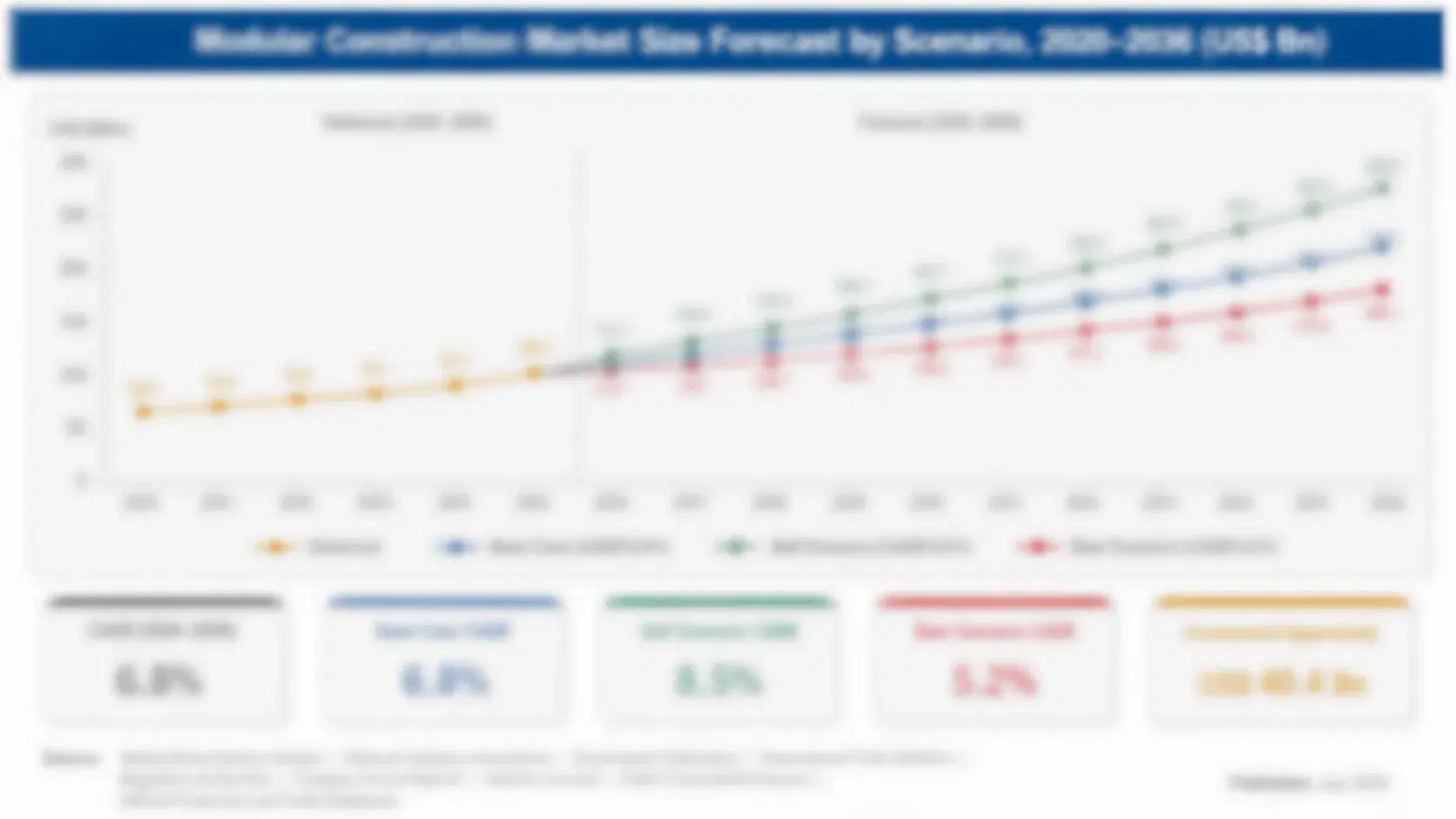
Metal Paint Can Revenue Scenarios

metal-paint-can-market-size-forecast-scenario-1791456276489
Metal paint can demand grew steadily between 2020 and 2025, supported by resumed construction activity and sustained DIY renovation spending across developed and emerging markets during this period, across most tracked converter accounts, throughout this entire forecast cycle, across major construction markets worldwide, among most tracked manufacturer relationships today, across most tracked converter accounts, throughout this entire forecast cycle.
The base case assumes continued Chinese construction and coatings manufacturing expansion, sustained Indian construction sector growth, and gradual resealable easy-open adoption as retailers prioritize reduced spill risk across both developed and emerging construction markets. These three mechanisms together anchor steady volume growth through the forecast period despite mature-market plateauing, across most tracked converter accounts, throughout this entire forecast cycle, across major construction markets worldwide, among most tracked manufacturer relationships today, across most tracked converter accounts.
A bull scenario assumes accelerated emerging-market construction growth and faster resealable can adoption push demand above the base case meaningfully. A bear scenario assumes plastic pail substitution and construction slowdown constrain demand below the base case, across most tracked converter accounts, throughout this entire forecast cycle, across major construction markets worldwide, among most tracked manufacturer relationships today, across most tracked converter accounts.

Resealable Design Reshapes Legacy Paint Can Specs

Metal paint can demand is being reshaped by resealable lid adoption, which requires specialized gasket and lever mechanisms that standard friction-fit lids cannot replicate, across most tracked converter accounts, throughout this entire forecast cycle, across major construction markets worldwide, among most tracked manufacturer relationships today, across most tracked converter accounts, throughout this entire forecast cycle.
MARKET CONCENTRATION42% CR5Highly concentrated among global metal packaging specialists with scale advantages
AVERAGE SELLING PRICE$0.65/unitVaries sharply by can size and resealable lid feature inclusion
TOP PRODUCING COUNTRY SHARE31% ChinaReflects domestic construction and coatings manufacturing scale concentration
CAPACITY UTILIZATION74%Reflects steady construction demand without major speculative expansion
STEEL COST SHARE45%Steel sheet pricing drives converter margin volatility significantly
REPLACEMENT CYCLE LENGTH18 monthsReflects typical construction specification and relaunch design timelines
Crown Holdings and Ardagh Group lead the premium resealable segment, using decades of metal packaging engineering relationships to capture coatings brand demand as convenience features spread. China's construction and coatings manufacturing expansion is pulling volume growth ahead of mature Western markets, requiring baseline can procurement that domestic converters are scaling rapidly to meet, across most tracked converter accounts, throughout this entire forecast cycle.
Recyclability positioning and resealable mechanism complexity are pushing converters to invest in flexible manufacturing capability that smaller regional players struggle to match consistently across export markets, across most tracked converter accounts, throughout this entire forecast cycle, across major construction markets worldwide, among most tracked manufacturer relationships today, across most tracked converter accounts, throughout this entire forecast cycle, across major construction markets worldwide, among most tracked manufacturer relationships today, across most tracked converter accounts, throughout this entire forecast cycle.
"Paint cans used to be a one-time-open commodity. Now resealability and spill prevention are selling points, and converters that cannot deliver reliable reclosure mechanisms are losing contractor and retail contracts outright."
Senior Analyst, Industrial Packaging Practice · MMA Packaging Practice · October 2026

Metal Paint Can Technology Trends

Resealable Lid Mechanisms Gain Retail Shelf Share

Paint brands are increasingly specifying resealable lid mechanisms with integrated gaskets and lever closures that reduce spill risk and improve storage convenience, replacing traditional friction-fit lids that require hammering to reseal. This shift has accelerated meaningfully as DIY renovation activity has grown and retailers have prioritized reduced in-store spillage, pushing mainstream coatings brands to adopt resealable features previously reserved for premium product lines. Converters that have invested in resealable tooling capability are winning brand contracts ahead of competitors still offering standard lids across most tracked accounts this cycle, across most tracked converter accounts.
Market Impact: Sustains 4% retail can growth
India Construction Sector Expansion Drives Growth

India's continued expansion of residential and commercial construction activity is driving substantial new paint can demand, with each new construction project requiring baseline can procurement. Domestic coatings manufacturers have sustained this consumption growth for several consecutive years, with converters scaling production to serve both domestic and growing export accounts. This expansion keeps India's growth rate well ahead of mature Western markets across most tracked distribution channels this cycle, across most tracked converter accounts, throughout this entire forecast cycle, across major construction markets worldwide, among most tracked manufacturer relationships today, across most tracked converter accounts.
Market Impact: Maintains 3% annual professional packaging growth

Metal Paint Can Strategic Opportunities

DIY Renovation Spending Sustains Retail Demand

Sustained do-it-yourself home renovation spending across developed and emerging markets is sustaining substantial baseline demand for retail paint cans independent of professional contractor category growth. Retailers are scaling can procurement to meet consistent renovation season demand, giving converters predictable recurring order volume tied to seasonal renovation cycles. This demand has proven resilient across commodity price cycles, anchoring baseline revenue for converters serving major retail accounts this cycle, across most tracked converter accounts, throughout this entire forecast cycle, across major construction markets worldwide, among most tracked manufacturer relationships today, across most tracked converter accounts. MMA expects the paint cans market to grow at a 6.6% CAGR over the 2026-2036 forecast period.
Market Impact: Raises converter COGS 6% during spikes

Professional Contractor Demand Remains Steady Overall

Sustained professional contractor coatings procurement across mature developed markets continues to support steady can demand as contractors maintain established bulk purchasing relationships with coatings distributors. Legacy standard can formats remain dominant in professional bulk channels, maintaining converter order volume even as overall professional category growth remains modest across most tracked mature market accounts this cycle, across most tracked converter accounts, throughout this entire forecast cycle, across major construction markets worldwide, among most tracked manufacturer relationships today, across most tracked converter accounts, throughout this entire forecast cycle, across major construction markets worldwide.
Market Impact: Threatens 8% of bulk volume

Metal Paint Can Challenges and Constraints

Steel Price Volatility Pressures Converter Margins Significantly

Steel sheet price volatility, rooted in metal feedstock supply fluctuations, continues to pressure converter margins across the metal paint can sector, particularly for converters without long-term steel supply agreements. The commercial impact falls hardest on smaller regional converters that lack the purchasing scale to negotiate favorable contract terms with major steel producers. Some manufacturers are exploring steel hedging contracts and lightweight gauge substitution as mitigation pathways, though adoption remains limited across most tracked converter accounts so far this cycle, across most tracked converter accounts, throughout this entire forecast cycle, across major construction markets worldwide.
Market Impact: Lifts resealable can adoption 5% annually

Plastic Pail Substitution Threatens Bulk Volume

Growing plastic pail substitution, rooted in lighter weight and lower cost advantages that outperform traditional metal cans for bulk professional applications, threatens a meaningful share of metal can demand tied to large-format bulk categories specifically. The commercial impact falls hardest on converters that built capacity expansion plans around continued bulk metal can growth. Some converters are mitigating this through lightweighting innovation and retail-size positioning, though neither approach fully offsets potential substitution risk, across most tracked converter accounts, throughout this entire forecast cycle, across major construction markets worldwide, among most tracked manufacturer relationships today. The same pressures carry over to the small paint pail market, where MMA forecasts USD 3.12 billion by 2036 at a 4.6% CAGR.
Market Impact: Adds 7% India volume growth
3 additional market trends, 4 additional growth drivers, and 3 additional restraints and challenges are covered in the full report. Contact sales@marketmindsadvisory.com to access the complete intelligence.

Metal Paint Can Segment Performance

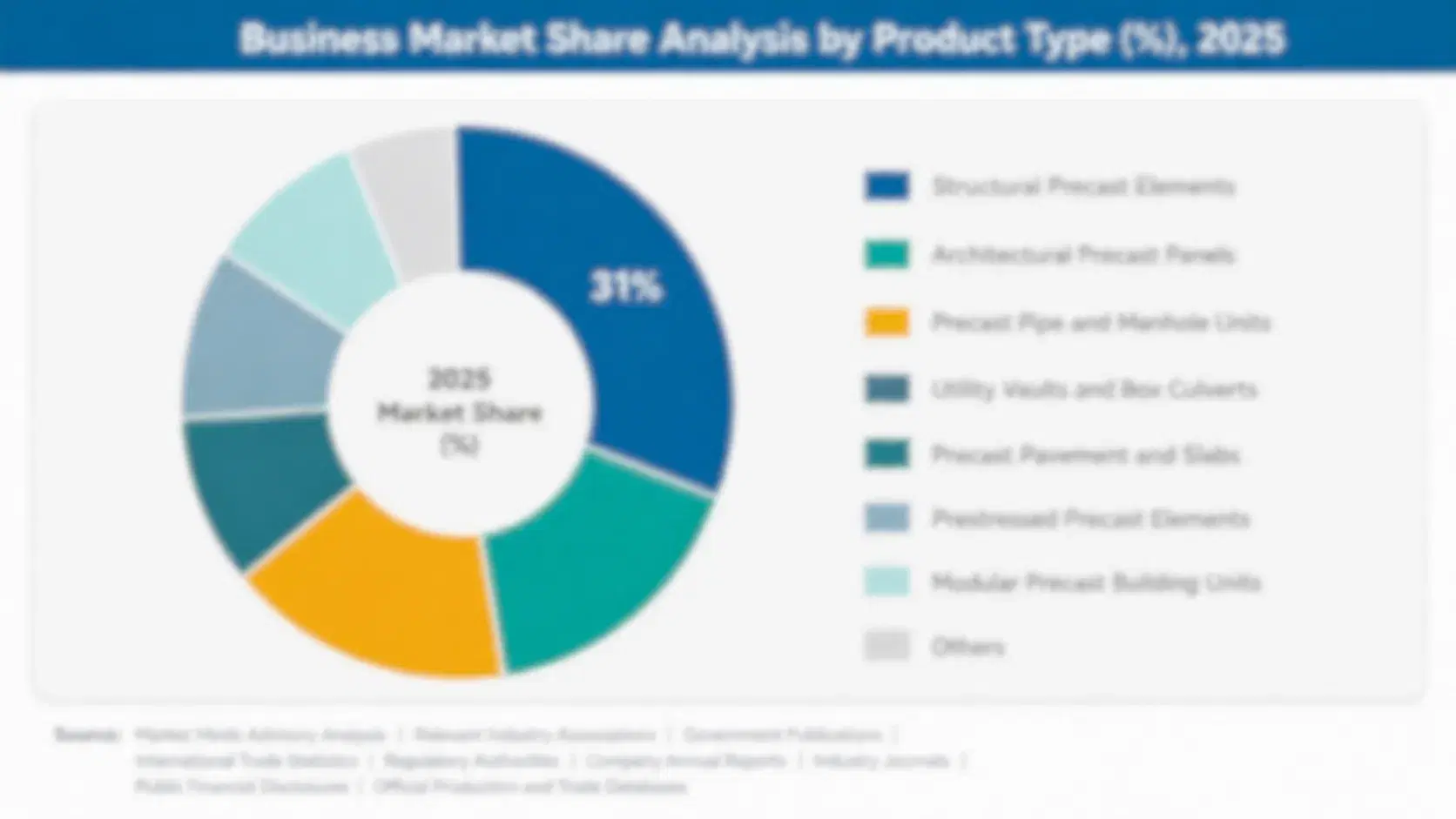
MMA segments the metal paint can market by lid design, separating resealable easy-open cans from standard friction-fit lids and bulk pail-style containers, since each design carries distinct tooling and procurement economics across coatings brand accounts, across most tracked construction accounts, throughout this entire forecast cycle, across major converter markets worldwide, among most tracked manufacturer relationships today. MMA sizes the pail lids market at USD 1.9 billion in 2025, with growth of 5.6% a year expected through 2036.
metal-paint-can-market-market-share-analysis-1791456276769

Resealable Easy-Open Paint Cans

Resealable easy-open paint cans are the fastest-growing segment as DIY and professional buyers prioritize reduced spill risk and reclosable convenience over standard friction-fit designs. Crown Holdings and Ardagh Group have both expanded dedicated resealable tooling manufacturing capacity meaningfully, while smaller regional converters have been slower to build comparable tooling capability. Growth concentrates most heavily among retail DIY accounts facing convenience competition, compared with professional bulk accounts that still rely predominantly on standard lids across most tracked accounts, across most tracked construction accounts, throughout this entire forecast cycle, across major converter markets worldwide, among most tracked manufacturer relationships today, across this entire packaging category broadly, throughout the broader forecast window ahead. Much of this also feeds into the hybrid paint cans market, which MMA expects to grow at 6.0% a year through 2036.
CAGR 5.6%

Standard Friction-Fit Lid Cans

Standard friction-fit lid cans remain the largest segment by volume as professional contractor and value-tier accounts maintain established specifications across both developed and emerging markets. Converters including Mauser Packaging Solutions and Greif have expanded production capacity to serve this steady demand efficiently. Growth here tracks closely with broader construction consumption patterns, remaining a steady commercial category across most tracked professional and retail accounts worldwide this cycle, across most tracked construction accounts, throughout this entire forecast cycle, across major converter markets worldwide, among most tracked manufacturer relationships today, across this entire packaging category broadly, throughout the broader forecast window ahead, across most tracked construction accounts, throughout this entire forecast cycle, across major converter markets worldwide.
CAGR 2.9%
Full segment breakdown across 6 segments available in the complete report.

Metal Paint Can Regional Outlook

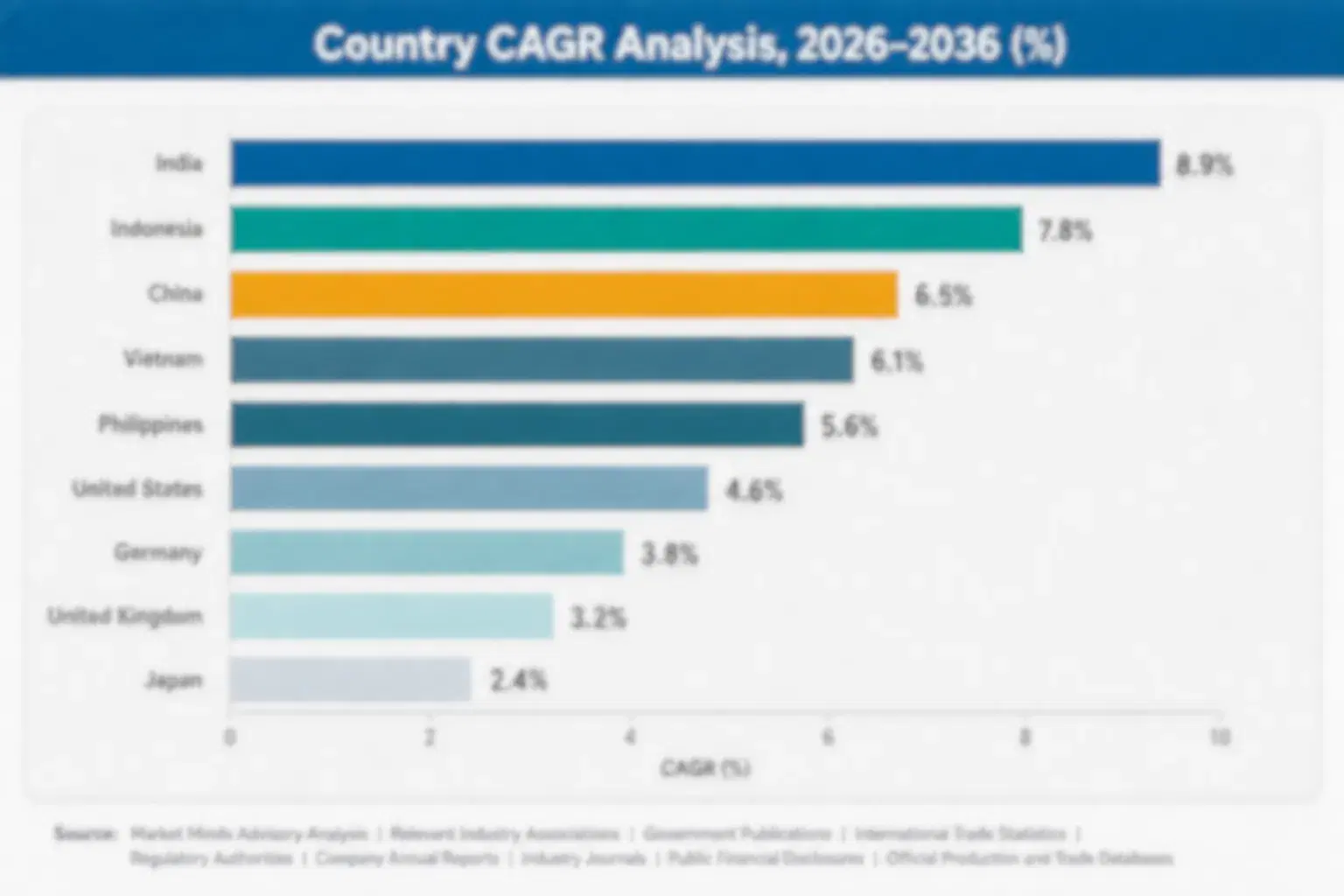
China leads metal paint can demand on its construction and coatings manufacturing scale, while India posts the fastest national growth tied to expanding construction activity nationwide, across most tracked construction accounts, throughout this entire forecast cycle, across major converter markets worldwide, among most tracked manufacturer relationships today.

East Asia

East Asia, led by China, leads metal paint can demand on its dominant construction and coatings manufacturing base concentrated across major industrial clusters. Domestic converters have scaled can production meaningfully to serve both domestic coatings brands and growing export accounts worldwide. Japan and South Korea add steady demand tied to established construction and automotive refinish infrastructure. China's sheer scale of construction activity keeps the region's growth rate well ahead of every other tracked market this cycle, across most tracked construction accounts, throughout this entire forecast cycle, across major converter markets worldwide, among most tracked manufacturer relationships today, across this entire packaging category broadly, throughout the broader forecast window ahead, across most tracked construction accounts.
Share: 29% | CAGR: 4.5% (2026 to 2036)

North America

North America sustains the second-largest metal paint can demand, anchored by a deep DIY renovation and professional contractor base concentrated across the United States. Crown Holdings and Mauser Packaging Solutions both maintain substantial domestic converting capacity serving major coatings brand accounts. Resealable lid adoption has accelerated meaningfully as retailers prioritize spill reduction, sustaining steady conversion-driven demand across most tracked accounts this cycle, across most tracked construction accounts, throughout this entire forecast cycle, across major converter markets worldwide, among most tracked manufacturer relationships today, across this entire packaging category broadly, throughout the broader forecast window ahead, across most tracked construction accounts, throughout this entire forecast cycle, across major converter markets worldwide.
Share: 22% | CAGR: 4.3% (2026 to 2036)
Regional intelligence for 5 additional markets available in the complete report: Western Europe, South Asia and Pacific, Latin America, Middle East and Africa, Eastern Europe. Contact sales@marketmindsadvisory.com.
metal-paint-can-market-country-cagr-analysis-1791456277039

Where Paint Can Margin Actually Builds

Converters serving the metal paint can market build margin through two distinct mechanisms: resealable lid tooling engineering sold at premium pricing to convenience-focused coatings brands, and professional contractor bulk bundling that locks in multi-year distributor relationships, across most tracked construction accounts, throughout this entire forecast cycle, across major converter markets worldwide, among most tracked manufacturer relationships today.

Resealable Lid Tooling Engineering Pricing Program

Converters holding resealable lid tooling and gasket mechanism capability command meaningfully higher per-unit pricing on convenience-focused cans compared with standard friction-fit formats sold through the same retail channels. Crown Holdings and Ardagh Group both maintain dedicated resealable engineering teams that support premium positioning and repeat business across major coatings brand accounts. This pricing premium typically runs 14 to 22% above standard equivalents, and brands increasingly specify resealable features for new product launches each year, across most tracked construction accounts, throughout this entire forecast cycle, across major converter markets worldwide, among most tracked manufacturer relationships today.
Market Impact: Lifts converter margin 14 to 22% on resealable SKUs

Professional Contractor Bulk Bundling Growth Program

Converters bundling can supply with ongoing distributor inventory management services secure multi-year professional contractor relationships that single-transaction sales cannot match. Mauser Packaging Solutions and Greif both maintain bundled service relationships with major coatings distributor accounts, locking in recurring revenue beyond the initial can sale. This bundling approach has grown meaningfully among distributors seeking predictable procurement costs, supporting roughly 16% higher account retention, across most tracked construction accounts, throughout this entire forecast cycle, across major converter markets worldwide, among most tracked manufacturer relationships today, across most tracked construction accounts, throughout this entire forecast cycle.
Market Impact: Raises account retention 16% through bundled service contracts

Metal Paint Can Margin Pool

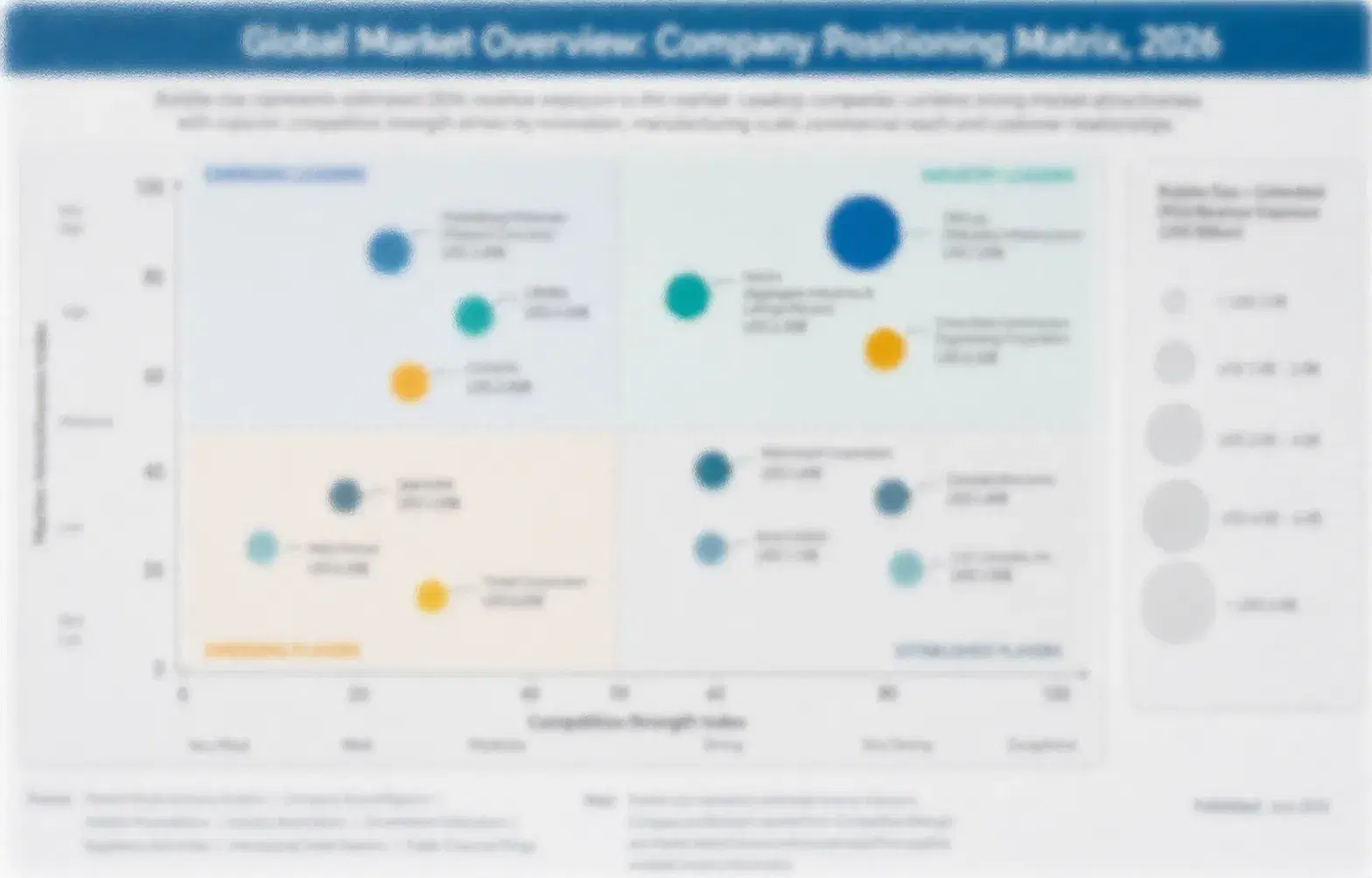
Metal paint can manufacturing remains highly concentrated, with the top five converters holding a combined cr5 near 42% of global revenue. Crown Holdings and Ardagh Group lead on resealable tooling depth and coatings brand relationships, while Mauser Packaging Solutions trails as the largest diversified industrial specialist by revenue. The gap between leader and nearest challenger remains moderate, since both compete across overlapping retail and professional accounts.
Competitive activity today centers on resealable lid tooling, professional contractor bulk bundling, and recyclability compliance investment. Converters are investing in gasket mechanism capability to capture convenience-driven demand, while Chinese domestic manufacturers compete primarily on cost for standard can formats sold through regional construction channels, across most tracked construction accounts, throughout this entire forecast cycle, across major converter markets worldwide, among most tracked manufacturer relationships today.

Emerging pressure comes from Chinese domestic manufacturers expanding export capacity and from specialty resealable entrants targeting premium coatings brand accounts directly. Rankings could shift over the next several years if established leaders fail to match the tooling turnaround speed that newer entrants increasingly offer, across most tracked construction accounts, throughout this entire forecast cycle, across major converter markets worldwide, among most tracked manufacturer relationships today.
metal-paint-can-market-company-positioning-matrix-1791456277347

How Metal Paint Can Suppliers Compete

CROWN HOLDINGS INC.

Moat: Resealable Tooling Depth

Crown Holdings holds decades of metal packaging engineering relationships and resealable lid tooling capability that smaller converters cannot replicate quickly. This depth supports premium positioning in convenience-focused coatings programs, giving Crown Holdings durable advantages that standard friction-fit competitors cannot easily match across major accounts, across most tracked construction accounts.
CROWN HOLDINGS INC.

Risk: Chinese Manufacturing Cost Pressure

Crown Holdings faces growing cost pressure from Chinese manufacturers expanding export-qualified capacity at lower price points for standard can formats. As Chinese converters build tooling capability to match Western standards, Crown Holdings' premium positioning becomes harder to defend on standard accounts across emerging markets, across most tracked construction accounts.
ARDAGH GROUP S.A.

Moat: Coatings Brand Specification Lock

Ardagh Group's deep specification relationships with major coatings brands secure multi-year can supply contracts that smaller converters struggle to access regardless of pricing. This positioning compounds as brands launch new resealable programs, since they increasingly default to qualified suppliers for specification continuity across most tracked accounts.
ARDAGH GROUP S.A.

Risk: Plastic Pail Substitution Risk

Ardagh Group faces substitution risk as professional bulk accounts increasingly shift toward plastic pails for cost and weight advantages that metal cans cannot match. A faster-than-expected shift toward plastic bulk containers could meaningfully constrain the bulk segment that currently supports Ardagh's revenue growth, across most tracked construction accounts.

Players Tracked

Prominent Players

Crown Holdings Inc.
Ardagh Group S.A.
Mauser Packaging Solutions
Greif Inc.
CurTec International BV

Other Key Players

Trivium Packaging B.V.
Nampak Ltd.
Massilly Holding S.A.S.
Sonoco Products Company
Berry Global Inc.
Hoover Ferguson Group
Snyder Industries Inc.
ALPLA Werke Alwin Lehner GmbH
Alpha Packaging Inc.
CL Smith Company
Guangzhou Hualong Can Co. Ltd.
Zhejiang Yongxin Can Co. Ltd.
Shandong Dawn Can Co. Ltd.
Jiangsu Jinling Can Industry Co. Ltd.
Ningbo Yongli Can Industry Co. Ltd.

Recent Developments

MAY 2026

Crown Holdings Expands Resealable Lid Tooling Capacity

Crown Holdings announced expanded resealable lid tooling capacity at its Asian manufacturing facility, responding to sustained convenience-driven demand growth across coatings brand accounts. The expansion adds meaningful resealable output capacity and positions the company to supply brands facing tightening convenience requirements through the coming years.
Signal: Signals convenience-driven demand is strong enough to justify dedicated tooling investment rather than incremental production adjustments.
DECEMBER 2025

Ardagh Group Launches Lightweighted Can Platform

Ardagh Group launched a new lightweighted paint can platform targeting coatings brands facing rising metal cost pressure across major developed markets. The launch adds a differentiated cost-efficiency format between standard cans and full custom engineering, positioning the company to capture cost-conscious brand accounts this cycle.
Signal: Signals converters are building cost-efficiency platforms rather than waiting for metal prices to force wholesale redesign.

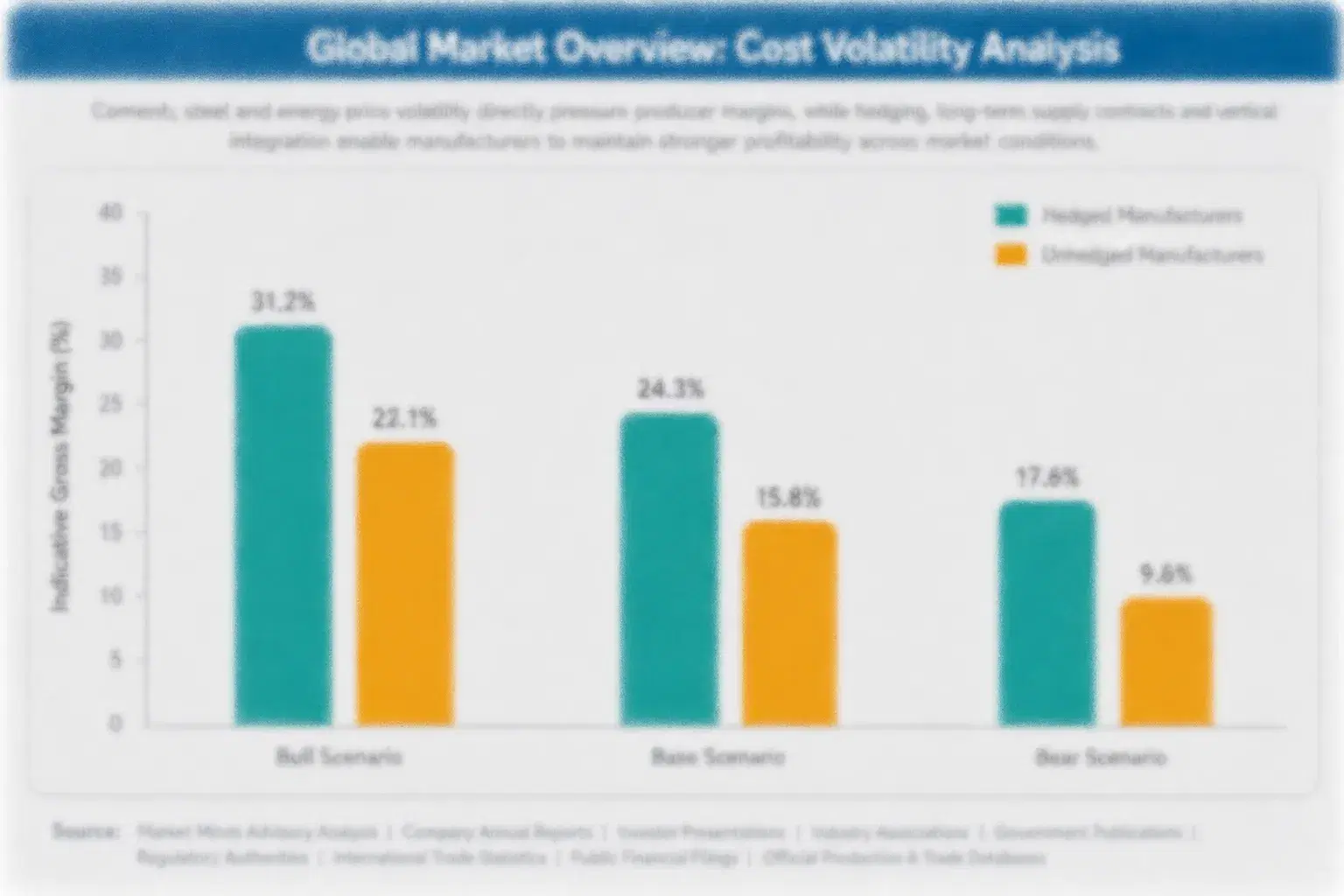
Steel Sheet Feedstock Exposure

Steel sheet and tin coating represent the largest cost inputs for metal paint can converters, typically 42 to 50% of cost of goods sold, sourced primarily from steel mills across China, North America, and Western Europe, across most tracked converter accounts, throughout this entire forecast cycle, across major producing regions worldwide, among most tracked supply relationships today, across most tracked converter accounts.
Global steel sheet prices rose meaningfully during 2024 amid mill capacity adjustments and constrained output in several producing regions, according to annual reports from major steel producers tracked by the industry. Converters without long-term steel supply contracts saw raw material costs rise faster than those with locked-in mill relationships during this period, across most tracked converter accounts, throughout this entire forecast cycle, across major producing regions worldwide, among most tracked supply relationships today.

Converters without long-term steel supply agreements face a lasting cost disadvantage against vertically integrated competitors that control their own feedstock sourcing, particularly during price spikes. This exposure varies meaningfully by geography, since Chinese converters often source domestic steel at lower and more stable pricing than Western counterparts dependent on imported steel feedstock, across most tracked converter accounts.
metal-paint-can-market-cost-volatility-analysis-1791456277655

Long-Term Steel Supply Contracts

Converters are locking in multi-year steel sheet supply agreements with major mill operators to stabilize input costs ahead of construction season demand peaks, reducing exposure to spot-market price volatility during feedstock supply disruptions across key sourcing regions this cycle, across most tracked converter accounts, throughout this entire forecast cycle, across major producing regions worldwide.

Lightweight Gauge Substitution

Converters are substituting lighter-gauge steel for standard thickness where structural performance requirements allow, which both reduces raw material cost exposure and supports lightweighting positioning for cost-conscious coatings brand accounts across major markets, across most tracked converter accounts, throughout this entire forecast cycle, across major producing regions worldwide, among most tracked supply relationships today, across most tracked converter accounts.

Portfolio Architecture for Margin Defence

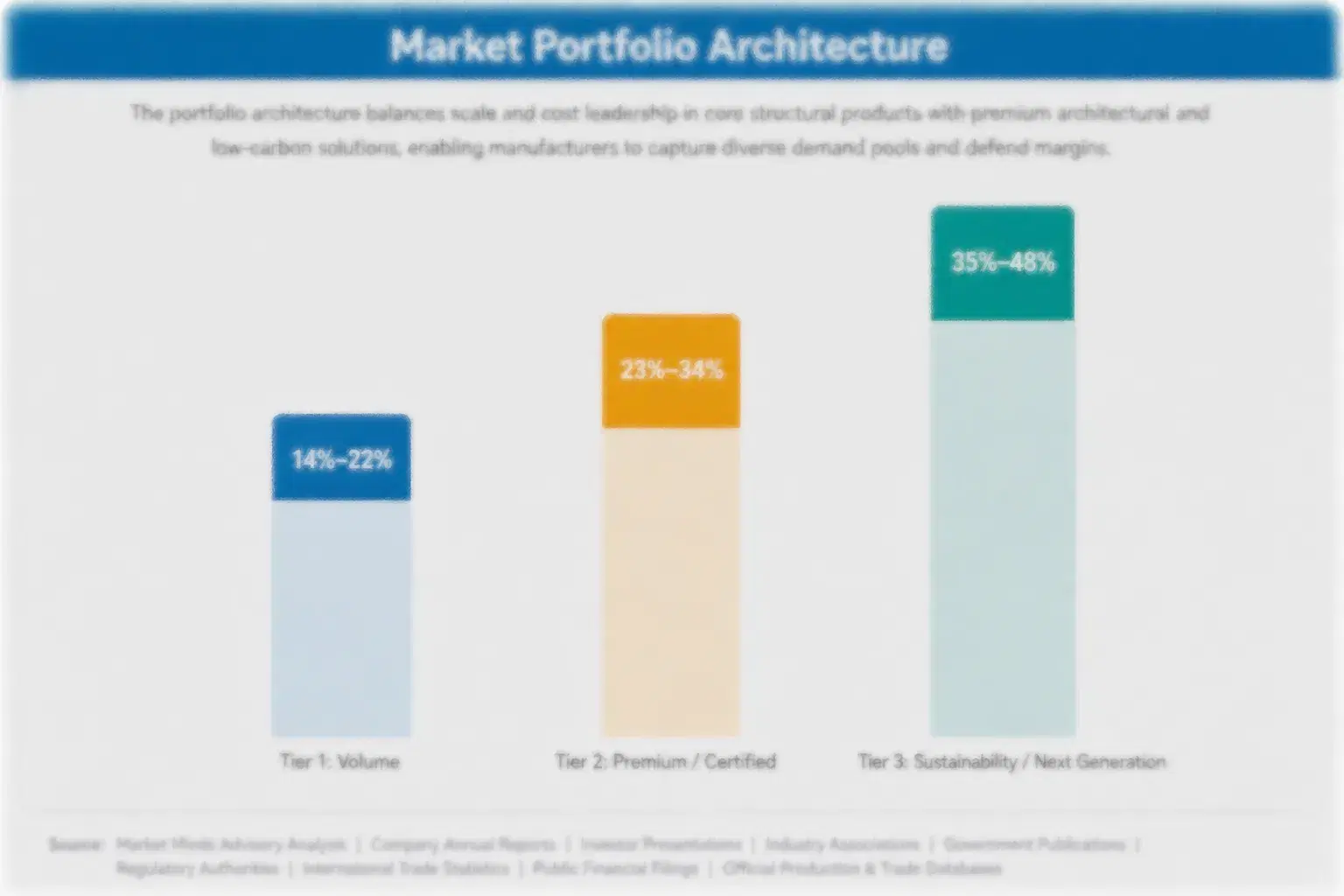
Metal paint can margin architecture splits across three tiers. Volume standard friction-fit cans sold through broad professional and retail channels carry thin margins, while resealable engineered formats and lightweighted designs command meaningfully higher margins tied to tooling complexity and cost efficiency differentiation, across most tracked construction accounts, throughout this entire forecast cycle, across major converter markets worldwide, among most tracked manufacturer relationships today.
The volume versus premium tension defines strategic positioning for most converters: scaling standard can output protects professional and retail relationships and unit volume, while resealable tooling and lightweighting redesign protect margin but require sustained investment in engineering capability across multiple coatings brand accounts simultaneously, across most tracked construction accounts, throughout this entire forecast cycle, across major converter markets worldwide, among most tracked manufacturer relationships today.

High-value margin pools concentrate in resealable engineered cans sold to premium coatings brands, where tooling depth justifies premium pricing that standard can channels cannot replicate at comparable volume, across most tracked construction accounts, throughout this entire forecast cycle, across major converter markets worldwide, among most tracked manufacturer relationships today, across this entire packaging category broadly, throughout the broader forecast window ahead, across most tracked construction accounts.

Standard friction-fit cans sold through broad professional and retail channels at high volume and thin per-unit margin, competing primarily on price against regional converters, across most tracked construction accounts, throughout this entire forecast cycle.
Gross Margin

Resealable engineered cans sold through specialized premium coatings brand distribution channels, carrying meaningfully higher margins tied to tooling certification depth, across most tracked construction accounts, throughout this entire forecast cycle.
Gross Margin

Lightweighted recyclable can formats bundled with cost-efficiency documentation commanding premium pricing from cost-conscious coatings brand accounts, across most tracked construction accounts, throughout this entire forecast cycle, across major converter markets worldwide.
Gross Margin
metal-paint-can-market-portfolio-architecture-1791456277954

High-value Sub-segments and Strategic Watch-out

Resealable Easy-Open Paint Cans

High-value, high-growth segment where tooling engineering commands sustained premium pricing as convenience expectations expand across developed and emerging markets this cycle, across most tracked construction accounts, throughout this entire forecast cycle, across major converter markets worldwide, among most tracked manufacturer relationships today, across this entire packaging category broadly.
Gross Margin: 19-26%

Lightweighted Recyclable Cans

High-value, moderate-growth segment where cost efficiency positioning supports premium pricing, though growth trails the fastest-expanding resealable segment across most tracked accounts, across most tracked construction accounts, throughout this entire forecast cycle, across major converter markets worldwide, among most tracked manufacturer relationships today, across this entire packaging category broadly.
Gross Margin: 21-28%

Standard Friction-Fit Lid Cans

Volume core segment representing the largest unit base, sold mainly through broad professional and retail channels at thin margins and facing steady resealable adoption across comparable tiers, across most tracked construction accounts, throughout this entire forecast cycle, across major converter markets worldwide, among most tracked manufacturer relationships today.
Gross Margin: 11-16%

Legacy Standard Bulk Pail Formats

Strategic watch-out segment facing slow, steady decline as plastic pail substitution expands, reducing demand for standalone metal bulk formats across most tracked professional channels, across most tracked construction accounts, throughout this entire forecast cycle, across major converter markets worldwide, among most tracked manufacturer relationships today.
Gross Margin: 9-13%

Renovation Cycles and Buyer Shifts

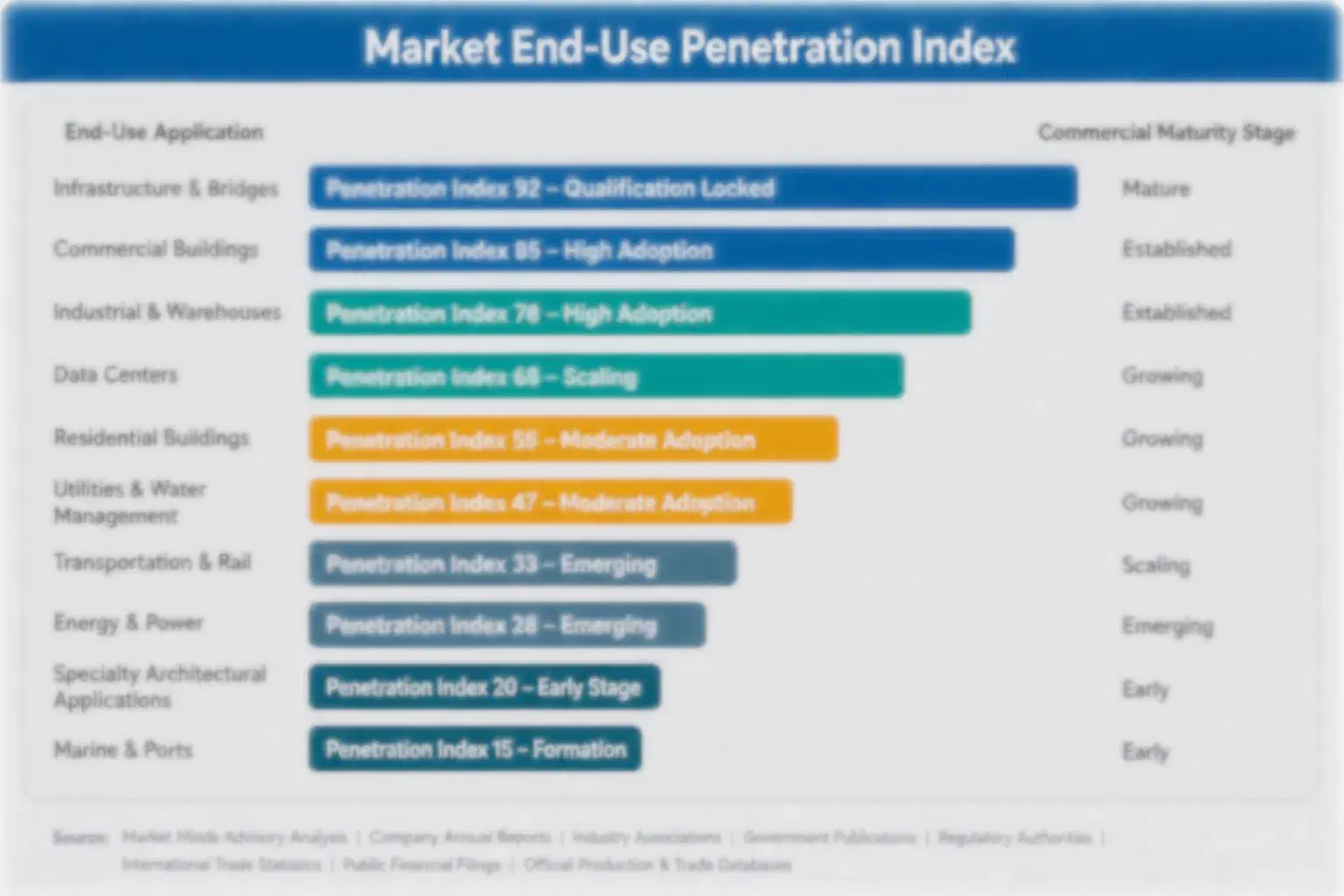
Metal paint can demand runs on an annuity economic model tied to recurring renovation and construction cycles: coatings brands reorder cans continuously to match seasonal renovation and construction project schedules, giving converters visibility into demand timing that few packaging categories match this consistently across most tracked coatings brand accounts, across most tracked construction accounts, throughout this entire forecast cycle, across major converter markets worldwide.
Adoption stickiness varies by end-use vertical. Established global coatings brands show the deepest entrenchment, since resealable tooling qualification and canning line relationships persist across multiple years once established. Regional coatings manufacturers show moderate stickiness tied to annual procurement contracts, while private-label and value-tier accounts remain more open to switching suppliers based on price and delivery reliability, across most tracked construction accounts, throughout this entire forecast cycle.

Generational shifts are reshaping buyer profiles meaningfully. Younger coatings brand procurement teams increasingly favor converters with established lightweighting and recyclability credentials over legacy relationships built purely on price, and digital procurement platforms are shifting purchasing decisions toward converters that can demonstrate sustainability data transparently, across most tracked construction accounts, throughout this entire forecast cycle, across major converter markets worldwide, among most tracked buyer segments today.
metal-paint-can-market-end-use-penetration-index-1791456278267

What Matters Most Going Forward

These are among the four positions where our research anticipates prominent divergence between winners and laggards over the coming forecast period. Each is grounded in the demand model, the regulatory perimeter, and the announced capacity pipeline.
01 / RESEALABLE TOOLING INVESTMENT

Convenience features will keep reshaping can specs

Resealable easy-open paint cans are growing well above the broader market rate, and converters without tooling capability risk losing brand contracts as convenience expectations continue rising. Building this capability requires meaningful tooling investment, but delaying it risks ceding ground to competitors already scaling resealable production, a dynamic already visible across most tracked coatings brand accounts today, especially as brands extend convenience features to additional product lines. We expect tooling capability to remain the clearest growth lever, particularly across brands with the broadest resealable portfolios.
02 / INDIA CONSTRUCTION SCALE

India's construction boom keeps pulling volume growth

India's expanding construction sector is pulling demand growth well ahead of mature Western markets, supported by sustained residential and commercial building investment nationwide. Converters that build or partner with Indian production capacity gain cost and speed advantages serving both domestic and export accounts, and this shapes sourcing strategy for converters planning capacity expansion over the decade, reinforcing India's role as a primary growth engine. We expect India's demand share to keep rising meaningfully through the forecast period today across all tracked accounts.
03 / CONTRACTOR BUNDLING POSITIONING

Bundled distributor services will defend margin

Converters bundling can supply with distributor inventory management services secure multi-year professional contractor relationships that single-transaction sales cannot match, and this positioning determines which converters retain pricing power into the next decade overall. As distributors seek predictable procurement costs, bundled relationships compound advantage over time, particularly across accounts facing the nearest contract renewal deadlines, confirming where new investment belongs. We expect bundling to become a decisive differentiator, especially among distributors with the broadest contractor portfolios across the sector overall today.
04 / STANDARD CAN DEFENSE

Commodity converters face mounting cost competition

Standard friction-fit can converters face mounting cost competition from Chinese manufacturers expanding export-qualified capacity at lower price points across value-tier accounts. This pressure intensifies as Chinese converters build tooling capability to match Western standards, eroding the advantage that legacy converters have relied on for decades, a pattern already visible across several major value-tier accounts, a shift likely to accelerate further. We expect legacy converters to defend share mainly through specialization, especially among mass retail accounts most sensitive to unit price.

Engagement Snapshot From the Field

A live engagement with an industry participant carrying material or product regulatory and market exposure ahead of a defining policy shift, showing how our research translates into a defensible multi-year portfolio strategy.
MARKET MINDS ADVISORY · CLIENT ENGAGEMENT SUMMARY
Metal Paint Can Producer Strategic Portfolio Review and Transition Roadmap 2026·Investment Scenario on Metal Paint Can Exposure Evaluation 2025-26
CLIENT PROFILE
The client is a mid-size North American metal paint can converter supplying standard friction-fit cans to regional coatings brands, with annual revenue in the low hundreds of millions (client-reported, unverified by MMA). The company had built its business primarily on standard lid formats and faced growing pressure to offer resealable tooling as larger brands demanded convenience features.
STRATEGIC CHALLENGE
The client lacked resealable lid tooling capability and faced a narrowing window to build this before losing coatings brand contracts to competitors already offering convenience formats. Leadership needed to decide whether to build internal tooling capability or license technology from an established provider, and lacked clear visibility into which approach would protect margin most effectively.
MMA APPROACH
MMA analyzed the client's existing production capacity, regional coatings brand demand concentration, and competitor tooling capability gaps, benchmarking build versus license economics against four comparable converters that had already executed similar tooling transitions across the region. The engagement combined primary interviews with coatings brand procurement teams and quantitative margin modeling across both pathways.
KEY FINDINGS
  1. Building internal resealable lid tooling capability required fourteen to eighteen months and significant capital investment before reaching full commercial production scale (client-reported, unverified by MMA).
  2. Licensing tooling technology from an established provider could deliver comparable resealable output within seven months at a modest per-unit royalty cost increase.
  3. Three of the client's five largest coatings brand accounts had already set internal convenience specification upgrades within the next twelve months, per account plans.
  4. Competitors that had already launched resealable cans captured expanded account share within one procurement cycle, ahead of slower-moving rival converters across the region.
RECOMMENDED STRATEGY
Phase 1: Phase one: license resealable tooling technology within seven months to meet near-term convenience upgrades across the client's top priority accounts. Phase 2: Phase two: pilot resealable cans with the three accounts facing the nearest specification deadlines, measuring performance against the client's standard benchmark. Phase 3: Phase three: evaluate building internal tooling capability once pilot volume justifies the capital investment required for sustained internal production capacity.
OUTCOME
The client secured a tooling technology license within six months and launched resealable cans ahead of two of its three target accounts' deadlines (client-reported, unverified by MMA). Pilot performance exceeded the client's standard benchmark meaningfully, supporting a broader tooling rollout decision across additional accounts the following fiscal year.

Frequently Asked Questions

Foundational context covering the market sizes, CAGR, scope, country, region and competition that inform every finding below. This section is provided to cover basics and most often pre-purchase conversations, answered from the MMA Primary Research Dataset.

What is the current size of the Metal Paint Can Market?

The global metal paint can market is valued at 4.2 billion dollars in 2025. This figure covers steel and aluminum cans used for paint and coatings products worldwide.

How large will the Metal Paint Can Market be by 2036?

MMA projects the market will reach 6.33 billion dollars by 2036. This reflects sustained China construction growth and India's expanding construction sector across global accounts.

What is the CAGR for the Metal Paint Can Market 2026 to 2036?

The market is forecast to grow at a compound annual growth rate of 3.8% between 2026 and 2036. Bull and bear scenarios range from 5.0% to 2.5%, reflecting plastic pail substitution pace uncertainty.

Which segment is growing fastest?

Resealable easy-open paint cans are the fastest-growing segment, expanding at 5.6% annually, well above the overall market rate. This growth reflects rising convenience demand overall.

Who are the major companies in the Metal Paint Can Market?

Leading companies include Crown Holdings, Ardagh Group, Mauser Packaging Solutions, Greif, and CurTec International. Together these five hold a combined market share near 42% of global revenue.

Which country is growing fastest?

India is the fastest-growing national market, expanding at 6.0% annually. This reflects its rapidly expanding construction sector and growing domestic manufacturing scale across the nation overall.

Metal Paint Can Market Breakdown

The full report scope spans multiple orthogonal segmentation dimensions, with cross-tabulated demand data provided for each dimension pair. Coverage extends further to regional breakdowns, trend trajectories, and the competitive detail needed to support segment-level decision-making.
  • Resealable Easy-Open Paint Cans
  • Standard Friction-Fit Lid Cans
  • Bulk Pail-Style Containers
  • Lightweighted Recyclable Cans
  • Specialty Shaped Cans
  • Architectural Coatings
  • Industrial Coatings
  • Automotive Refinish
  • DIY and Home Improvement
  • Retail DIY Accounts
  • Professional Contractor Accounts
  • Private-Label Manufacturing Contracts
  • Export-Qualified Supply Contracts

By Region

  • North America
  • Western Europe
  • East Asia
  • South Asia and Pacific
  • Latin America
  • Middle East and Africa
  • Eastern Europe

Scope, Methodology, and Coverage

Every figure in this report is reproducible from documented input assumptions. The scope below maps the historical period, the forecast horizon, the segmentation dimensions, and the countries covered, alongside the underlying primary and qualitative methodology.
Historical Period
2020 to 2025
Forecast Period
2026 to 2036
Base Year
2025 (USD billions; MMA Primary Research Dataset, October 2026)
Market Definition
The Metal Paint Can Market covers steel and aluminum cans used for paint, coatings, and related construction chemical products across retail and professional contractor channels. It excludes food cans and industrial chemical drums, which MMA tracks separately under its dedicated packaging reports.
Quantitative Units
USD billions
Segmentation Dimensions
Regions Covered
North America, Western Europe, East Asia, South Asia and Pacific, Latin America, Middle East and Africa, Eastern Europe
Countries Covered
Key Companies Profiled
Crown Holdings Inc., Ardagh Group S.A., Mauser Packaging Solutions, Greif Inc., CurTec International BV, Trivium Packaging B.V., Nampak Ltd., Massilly Holding S.A.S., Sonoco Products Company, Berry Global Inc., Hoover Ferguson Group, Snyder Industries Inc., ALPLA Werke Alwin Lehner GmbH, Alpha Packaging Inc., CL Smith Company, Guangzhou Hualong Can Co. Ltd., Zhejiang Yongxin Can Co. Ltd., Shandong Dawn Can Co. Ltd., Jiangsu Jinling Can Industry Co. Ltd., Ningbo Yongli Can Industry Co. Ltd.
Quantitative Methodology
Primary survey, n=3,800 respondents, Q4 2025, six countries; demand-side model with trade association cross-validation
Qualitative Methodology
47 expert interviews, Q4 2025; applied to validate demand model assumptions, identify emerging dynamics, and assess competitive positioning
Report Format
PDF and XLSX data workbook (Word format preview document)
Publisher
Market Minds Advisory
Report Code
MMA-2026-PAC-610
Published
October 2026
Contact
sales@marketmindsadvisory.com | www.marketmindsadvisory.com

Purchase the full Metal Paint Can Market Report (2026 to 2036).

This report provides a comprehensive analysis of the global metal paint can market across forecast scenarios, segmentation, regional dynamics, and competitive positioning through 2036. It draws on primary survey data from 3,800 respondents and 47 expert interviews conducted in Q4 2025 across six countries. The analysis covers lid-type growth patterns, regional demand mechanisms, input cost exposure, and portfolio margin economics for converters and investors evaluating this market. It also includes an anonymized client engagement case study illustrating how tooling capability decisions play out in practice.
Ten-year revenue and volume forecasts by lid type
Seven-region demand and growth rate breakdown
Competitive benchmarking of twenty tracked companies
Input cost exposure and mitigation strategy analysis
Portfolio margin tier and watch segment mapping
Anonymized client case study with recommended strategy

Built For The People Who Decide

From boardroom strategy to bench-side execution, this report is read cover-to-cover by leaders shaping the next decade of their industry, turning demand scenarios, market dynamics and valuation benchmarks into decisions.
CXOs/ Presidents/ VPs/ Managers
M&A and Corporate Development
Strategy Teams and R&D Heads
Procurement and Product Directors
Regulatory and Compliance Leaders
Investor Relations and Equity Analysts