Market Minds Advisory
Inflatable Void Fill System Market

Inflatable Void Fill System Market Growth Analysis 2026-2036

Parcel carriers' dimensional weight pricing and fragile e-commerce categories are pushing fulfillment operators toward inline air cushion systems that cut void volume, trim shipping cost per parcel, and reduce damage claims across distribution centers.

Lead Analyst

Bilal Shaikh

Published

November 2026

Make Smarter Decisions with Customized Research Insights

Request a free sample report and evaluate market opportunities, growth trends, and competitive dynamics relevant to your business needs.

2025 MARKET VALUE$0.5BMarket Size 2025
2036 FORECAST VALUE$1.1BBase Case , 2026 to 2036
CAGR 2026 TO 20367.8 %Bull 9.1% / Bear 6.5%
INCREMENTAL OPPORTUNITY$0.6BNet 10- year value creation
EXPANSION MULTIPLE2.12x2036 value over 2026 base
Strategic Levers
M&A Pipeline
Regional Outlook
Country Rankings
Competitive Intelligence
Segmental Deep-dive
Call-Us : 91 93563 13602

Inflatable Void Fill System Market Snapshot

Dimensional weight pricing from UPS, FedEx, and DHL has turned void-fill efficiency into a line-item cost decision, not a packaging afterthought, and fulfillment operators are swapping paper and loose-fill for inflatable air cushion systems that compress box volume and cut per-parcel freight spend directly.
High-speed automated inline systems integrated directly onto conveyor-fed packing stations are growing fastest, as large distribution centers retrofit pack stations to inflate film on demand rather than stock pre-made cushions, cutting storage footprint and labor touches per carton. North America carries the largest share today, anchored by dense e-commerce fulfillment networks and carrier dimensional pricing that rewards every cubic inch removed from a shipped parcel, while East Asia scales fastest on raw parcel volume growth.
Competition concentrates around a small group of equipment makers that bundle machines with proprietary film cartridges, a razor-and-blade model that locks customers into recurring consumable purchases long after the initial system sale. Regulatory pressure over single-use plastic film is accelerating a shift toward recycled-content and mono-material polyethylene stock, forcing manufacturers to requalify film formulations without sacrificing seal integrity or inflation speed, and buyers weigh sustainability compliance when selecting a supplier.
Market Definition
The inflatable void fill system market covers machines, control electronics, and film consumables that convert flat plastic film into inflated air pillows, air tubes, or air cushions for protective packaging inside shipped parcels. It excludes paper-based crumple systems, loose-fill packing peanuts, foam-in-place dispensers, and general stretch or shrink film used for unitized load wrapping.
Base Year Value
$0.5B in 2025 (MMA Primary Research Dataset, October 2026)
Forecast Period
2026 to 2036, eleven discrete annual values
CAGR
7.8% base case. Bull 9.1%. Bear 6.5%.
Fastest Growth Segment
High-Speed Automated Inline Systems: 10.5% CAGR
Fastest Growth Country
India: 10.2% CAGR
Fastest Growth Region
South Asia and Pacific: 9.8% CAGR
Largest Region
North America: 29% of 2025 global value
Market Leaders
Sealed Air, Pregis, Storopack, Free-Flow Packaging International, and Automated Packaging Systems lead by installed base and film volume. Source: MMA Analysis based on company annual reports.
Primary Survey
n=3,800 procurement and R&D decision-makers, Q4 2025, six countries
Methodology
Demand-side build-up, cross-validated against public data, 47 expert interviews

Inflatable Void Fill System Base, Bull and Bear Cases

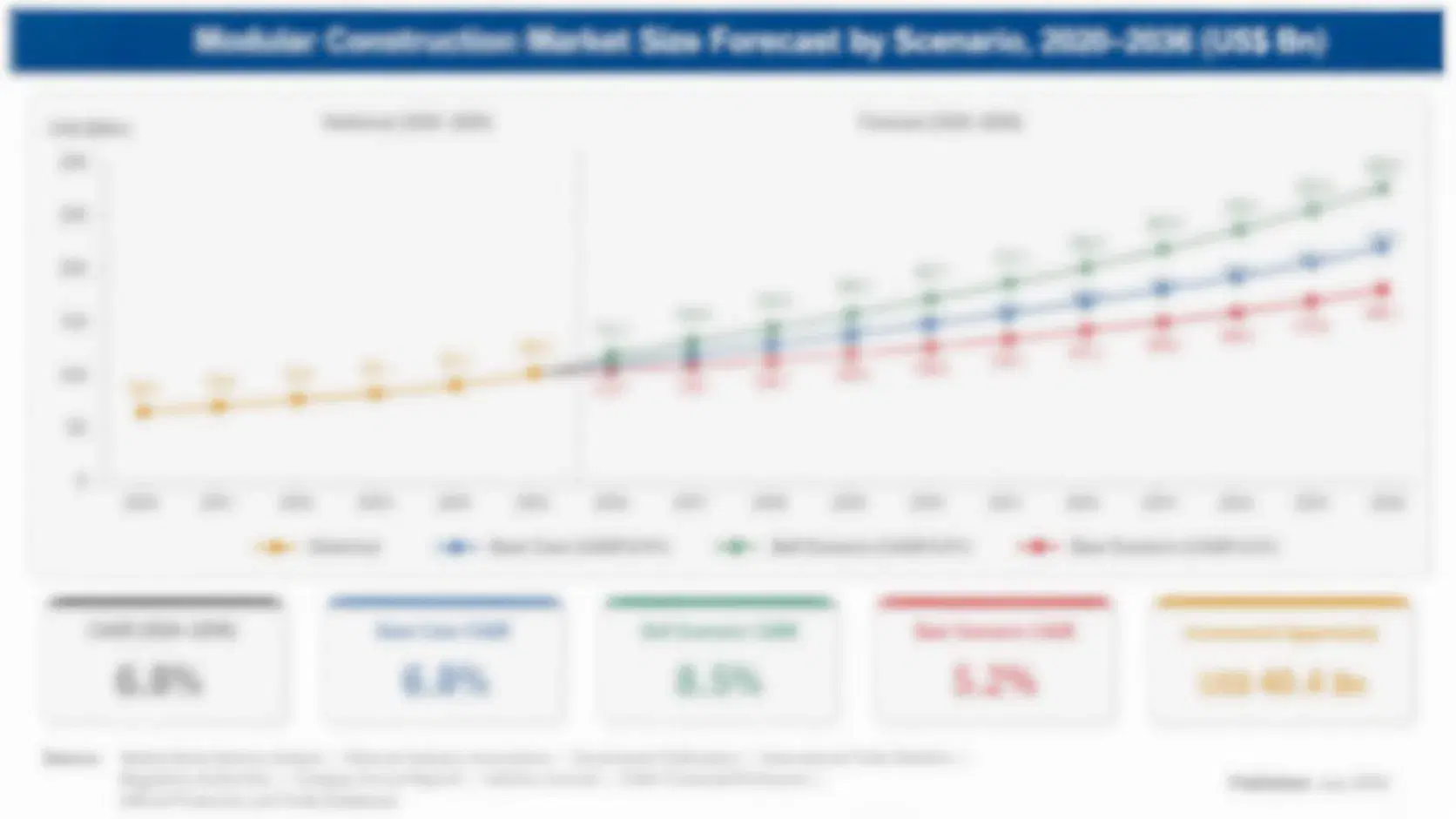
inflatable-void-fill-system-market-size-forecast-scenario-1791462803767
Between 2020 and 2025 the market grew at an estimated 6.8% annually, propelled first by pandemic-era parcel volume spikes and then sustained by e-commerce penetration that carriers' dimensional weight pricing made permanent. Early adoption concentrated among large third-party logistics providers piloting automated pack stations, while smaller shippers stayed with cheaper paper and loose-fill alternatives until film costs fell.
The base case assumes continued 7.8% compound growth through 2036, driven by three reinforcing mechanisms: first, carrier dimensional weight surcharges that keep rewarding every cubic inch of void removed from a parcel; second, automated pack-station retrofits that let distribution centers inflate film on demand instead of warehousing pre-made cushions; and third, private-label e-commerce brands adopting branded inflatable mailers as a differentiated unboxing touchpoint that barely existed in 2020, a use case now anchoring meaningful film demand.
The bull case centers on USPS and regional carriers extending dimensional pricing to lightweight parcels currently exempt, pulling adoption down-market to small shippers almost overnight. The bear case rests on compostable paper mailer substitutes gaining retailer favor faster than expected, as brand owners under extended producer responsibility rules in the European Union and several U.S. states trade inflation speed for perceived recyclability.

Automation Economics and the Dimensional Pricing Flywheel

Three converging forces are reshaping how distribution centers budget for protective packaging: parcel carriers charging by dimensional volume rather than physical weight, e-commerce categories prone to breakage that demand reliable cushioning, and automation vendors packaging machines as operating leases rather than capital purchases. Together they have turned a packaging-supplies line item into a boardroom automation decision with a measurable payback period. The packaging supplies market is already worth USD 62.0 billion in 2025, and MMA expects a 5.2% CAGR from here to 2036.
MARKET CONCENTRATION (CR5)58%Top five equipment makers hold majority installed base share
AVERAGE SYSTEM PRICE$18,500Mid-tier automated inflation units typically cost this much installed
TOP PRODUCING COUNTRY SHARE34%China dominates global film and machine component manufacturing output
CAPACITY UTILIZATION71%Equipment makers run plants below full nameplate production capacity
FILM SHARE OF COGS42%Polyethylene resin dominates total consumable production cost structure heavily
REPLACEMENT CYCLE LENGTH6-8 yearsMachines run long before distribution centers justify full replacement
Commercially, the market behaves like a razor-and-blade business: equipment makers often sell or lease inflation machines near cost to lock in multi-year film consumable contracts, which is where most margin actually sits. Film itself is increasingly specified by sustainability teams as much as by packaging engineers, pushing suppliers to requalify recycled-content resin blends without losing seal strength or inflation throughput on existing hardware.
Over the next decade, expect machine intelligence to matter more than raw film volume: sensor-driven sizing that varies cushion dimensions per carton, predictive film-usage analytics tied to warehouse management systems, and modular units that retrofit onto existing conveyor lines without a full pack-station rebuild will separate share gainers from suppliers selling commodity inflators on price alone, especially as private label e-commerce brands demand custom branding on the film itself. For scale, MMA values the pack conveyors market at USD 3.2 billion in 2025 and expects it to reach USD 5.95 billion by 2036.
"Most buyers still think they are purchasing a machine. They are actually signing a multi-year film supply contract with a hardware down payment attached, and the vendors who understand that pricing structure are the ones compounding share."
Director, Packaging Automation Practice · MMA Packaging Automation / Protective Packaging Practice · October 2026

Inflatable Void Fill System Market Trends

Carrier Dimensional Pricing Expansion Beyond Core Zones

FedEx and UPS have steadily lowered the parcel size threshold at which dimensional weight pricing applies, a policy shift that now captures small and mid-size parcels that previously shipped by actual weight. USPS has signaled similar changes under its Ground Advantage service restructuring. Each threshold reduction raises the financial penalty for excess void space inside a shipped carton, which pushes fulfillment operators to adopt inline air cushion systems that inflate film to the exact dimensions needed rather than stocking oversized pre-made cushions. Smaller shippers who previously tolerated loose-fill peanuts are now the fastest-growing buyer segment as the threshold keeps dropping. MMA estimates the loose-fill peanuts market will be worth USD 0.82 billion by 2036.
Market Impact: Payback within 18 to 24 months
Recycled-Content Film Mandates Reshape Consumable Specifications

The European Union's Packaging and Packaging Waste Regulation sets rising recycled-content thresholds for plastic film used in e-commerce protective packaging, with several member states already requiring documented post-consumer resin content above 30% by 2030. Several large U.S. retailers have adopted parallel voluntary targets ahead of any federal mandate, pressuring film converters to requalify polyethylene blends that still meet inflation speed and seal integrity specifications on existing machines. Converters that cannot certify recycled content risk losing shelf position with retailers publishing sustainability scorecards, while those that requalify early capture preferred-supplier status and longer contract terms. The same pressures carry over to the packaging void-fill reduction software market, where MMA forecasts USD 840 million by 2036 at a 10.5% CAGR.
Market Impact: Over 190 billion parcels shipped annually

Inflatable Void Fill System Supplier Priorities

Automated Pack-Station Retrofits Cut Labor Touches

Large third-party logistics providers are retrofitting existing conveyor-fed pack stations with inline inflation units rather than building new facilities, since the machines bolt onto standard workstation footprints and typically pay back their installed cost within eighteen to twenty-four months through reduced void-fill material spend and fewer labor touches per carton. Warehouse operators cite labor availability as the primary reason for adopting automation broadly, and inflation systems rank among the lower-capital automation investments available, which has pulled procurement decisions out of packaging departments and into facilities and operations budgets where capital approval moves faster and threshold amounts are higher.
Market Impact: Adds up to 8% landed cost

E-Commerce Parcel Volume Keeps Compounding Globally

Global parcel volume handled by the top carriers has grown past 190 billion shipments annually and continues to compound as cross-border e-commerce platforms route more fulfillment through regional distribution centers rather than centralized warehouses. Each additional regional node needs its own protective packaging line, and operators increasingly specify inflatable void-fill systems from the outset rather than retrofitting paper-based stations later, since the equipment footprint is smaller and film inventory is easier to manage across multiple sites than bulky loose-fill or pre-formed foam alternatives that consume valuable warehouse floor space, a growing constraint as return volume climbs too.
Market Impact: Keeps per-roll film pricing 10% higher

Inflatable Void Fill System Market Restraints

Paper Mailer Substitution Under Extended Producer Rules

Extended producer responsibility fees on plastic packaging, now active in several European Union member states and a growing number of U.S. states including Oregon, Colorado, and California, raise the landed cost of polyethylene void-fill film relative to recycled paper alternatives. The root cause is that compliance fee schedules weight plastic film more heavily than fiber-based substitutes regardless of actual recyclability performance, which erodes the cost advantage inflatable systems have long held over paper crumple machines. Equipment makers are mitigating the pressure by qualifying mono-material and post-consumer recycled film grades that qualify for lower compliance fee tiers under state program rules.
Market Impact: Cuts billable parcel volume nearly 15%

Film Cartridge Lock-In Slows Multi-Vendor Procurement

Most inflation machines run proprietary film cartridge widths and perforation patterns that are not interchangeable across manufacturers, a deliberate design choice rooted in the razor-and-blade commercial model that funds discounted or leased hardware. The friction shows up at renewal: large shippers running multiple machine brands across different sites cannot consolidate film purchasing into a single contract, which keeps per-roll pricing higher than warehouse procurement teams expect given their total volume. Some large retailers are now mitigating the problem by standardizing on a single equipment vendor across all distribution centers, trading machine choice for purchasing leverage on consumable film.
Market Impact: Mandates 30% recycled content by 2030
3 additional market trends, 3 additional growth drivers, and 2 additional restraints and challenges are covered in the full report. Contact sales@marketmindsadvisory.com to access the complete intelligence.

Inflatable Void Fill System Segment Performance

The market segments by system architecture and automation tier rather than by film material, since throughput and integration depth drive both machine pricing and consumable attach rates more than resin choice does. Five segments span fully manual tabletop units through conveyor-integrated high-speed inflators, with automation depth tracking closely to the size of the distribution center deploying the equipment.
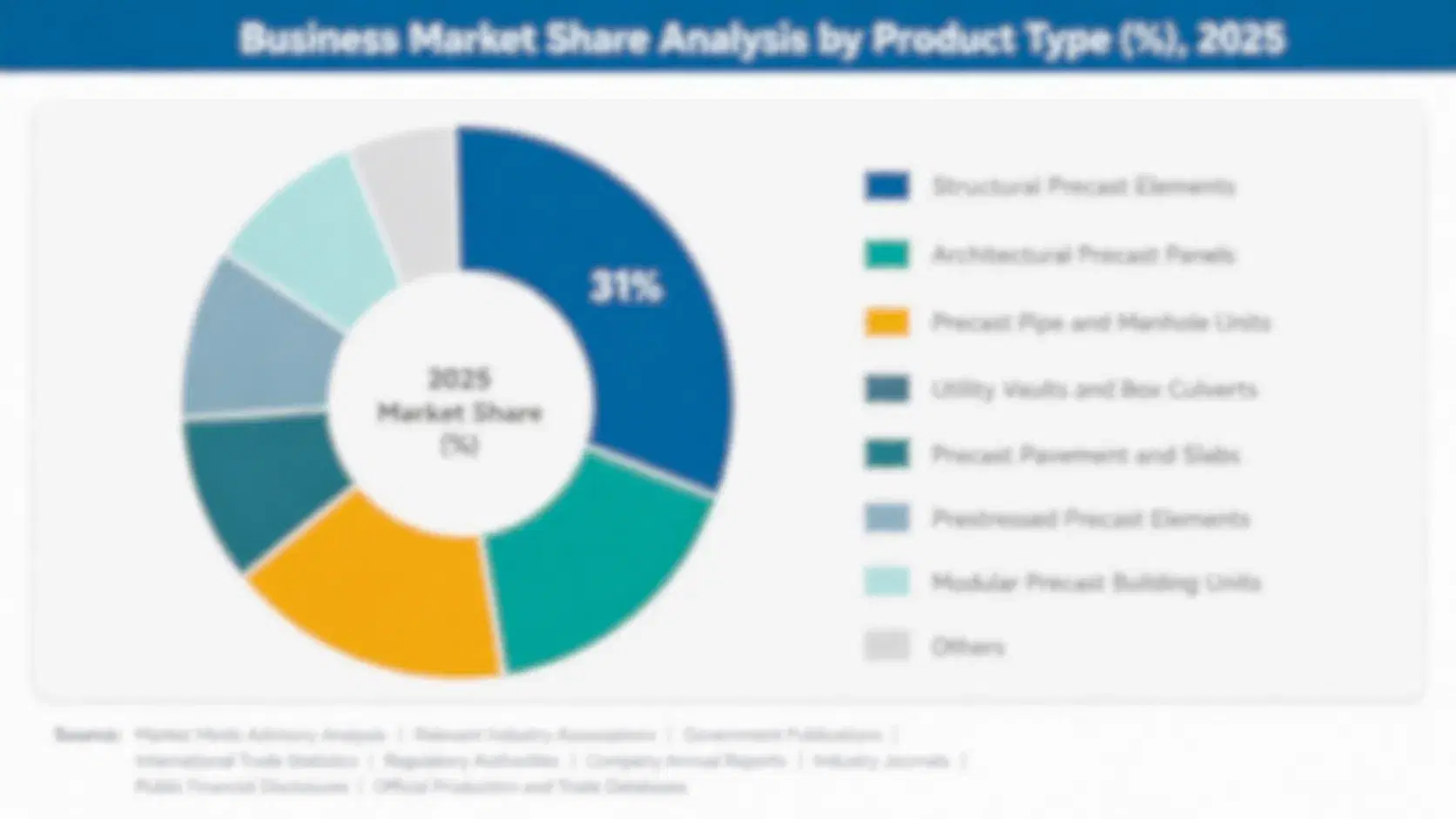
inflatable-void-fill-system-market-market-share-analysis-1791462804054

High-Speed Automated Inline Systems

High-speed automated inline systems bolt directly onto conveyor-fed pack stations and inflate film on demand at rates exceeding several hundred cushions per minute, eliminating the need to warehouse pre-made air pillows. Large third-party logistics providers and major retail fulfillment networks are the primary buyers, typically financing installations through operating leases tied to multi-year film supply contracts rather than outright capital purchase. Growth here outpaces every other segment because dimensional weight pricing rewards precise, on-demand inflation far more than bulk pre-made cushion stocking, and because labor shortages make any automation that removes manual packing touches an easy budget approval. Vendors are now adding sensor-driven sizing that adjusts cushion dimensions per carton automatically, pushing throughput and differentiation further ahead of semi-automated competitors.
CAGR 10.5%

Multi-Format Combination Systems

Multi-format combination systems produce more than one void-fill output from a single machine, typically switching between air pillows, air tubes, and bubble-style cushioning wrap depending on the parcel geometry loaded onto the pack station. Mid-size fulfillment operators favor these units because a single machine footprint can serve varied product catalogs without staging multiple dedicated inflators across a crowded pack line. The segment is growing faster than every category except fully automated inline systems because retailers selling both fragile electronics and soft goods through the same distribution center need flexible protective formats without doubling floor space or capital spend. Film suppliers increasingly bundle multi-format cartridges as a single SKU, simplifying inventory management for operators running mixed product lines. MMA's outlook for the bubble tubes market points to USD 1.37 billion by 2036, a 6.1% annual growth rate.
CAGR 9.6%
Full segment breakdown across 5 segments available in the complete report.

Inflatable Void Fill System Demand by Region

Protective packaging automation concentrates where e-commerce parcel density and carrier dimensional pricing intersect most directly. North America leads on installed base, East Asia scales fastest on raw volume, and Western Europe pairs strong adoption with the toughest plastic film compliance regime among all seven regions tracked.

North America

United States parcel carriers UPS, FedEx, and the Postal Service have each lowered dimensional weight thresholds over the past three years, and that alone explains much of why North America holds the largest installed base of inflation systems worldwide. Large third-party logistics operators running multi-client fulfillment centers across Ohio, Texas, and California drove the earliest automated pack-station retrofits, since they absorb carrier surcharges directly and pass savings through to brand clients under volume contracts. Returns processing adds a second demand layer unique to this region: reverse logistics centers increasingly repackage returned goods on-site rather than shipping them to centralized facilities, requiring protective packaging capability at far more nodes than a decade ago.
Share: 29% | CAGR: 9.0% (2026 to 2036)

Western Europe

Regulatory pressure, more than raw parcel volume, defines adoption across Western Europe, where the EU Packaging and Packaging Waste Regulation is pushing e-commerce retailers toward recycled-content and mono-material film well ahead of similar rules anywhere else in the world. Germany and France lead volume, driven by dense fulfillment networks serving both domestic and cross-border EU shipments, while the Netherlands functions as a logistics gateway for pan-European distribution given its port infrastructure and highway access. Retailers here face dual pressure: carrier dimensional pricing structures similar to North America's, layered on top of extended producer responsibility fees that penalize non-recyclable plastic film specifically. That combination has made Western Europe the fastest region globally for recycled-content film qualification.
Share: 21% | CAGR: 6.2% (2026 to 2036)
Regional intelligence for 5 additional markets available in the complete report: East Asia, South Asia and Pacific, Latin America, Middle East and Africa, Eastern Europe. Contact sales@marketmindsadvisory.com.
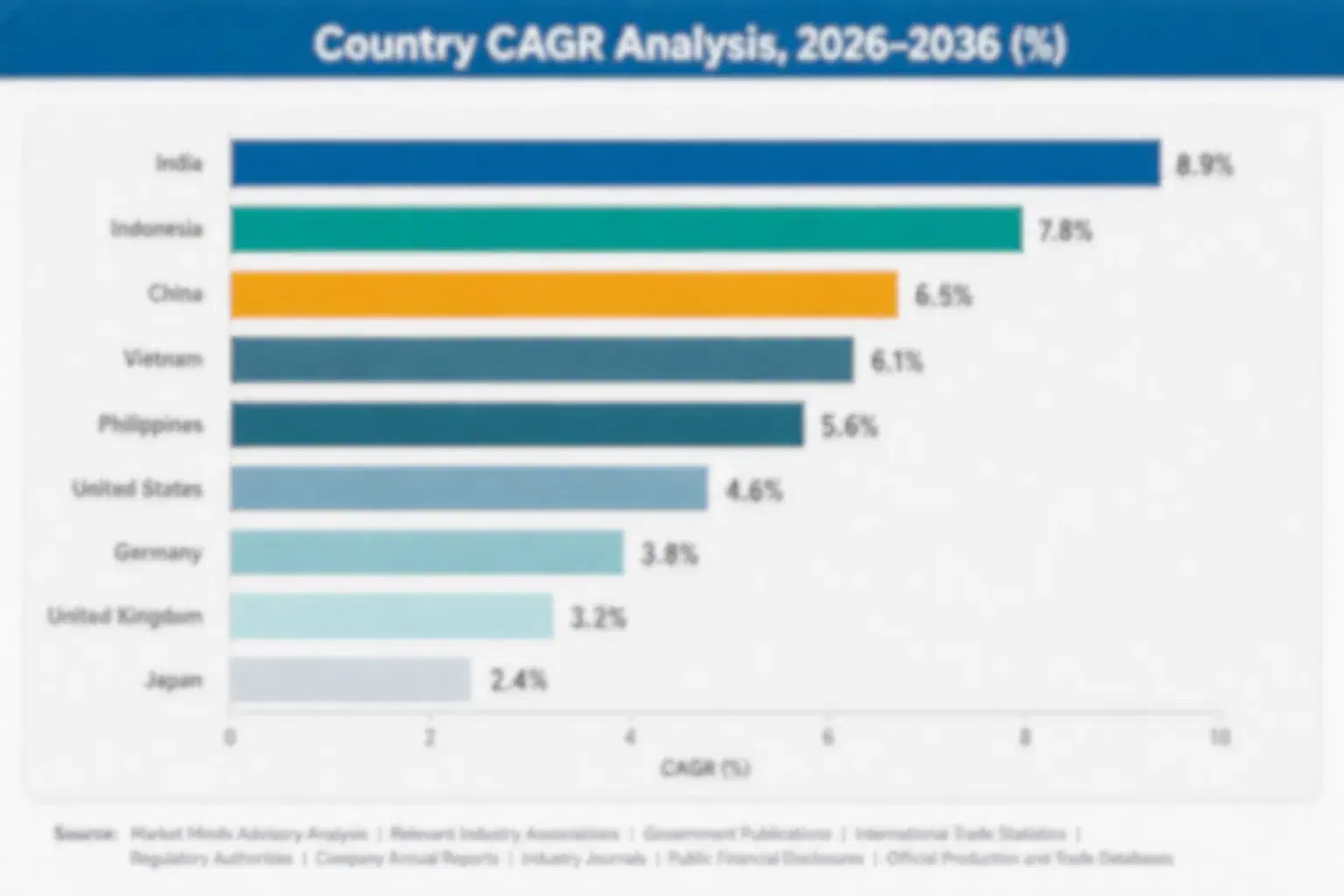
inflatable-void-fill-system-market-country-cagr-analysis-1791462804351

Where Margin Actually Concentrates in This Market

Hardware margin has compressed as machine makers compete on lease terms to win multi-year film contracts, so the real commercial opportunity sits downstream of the initial sale: consumable attach rates, service contracts, and premium film formulations that command a price above commodity polyethylene without losing the inflation speed and seal integrity large distribution centers require.

Bundling Film Supply Into Multi-Year Service Contracts

Equipment makers that bundle film consumable supply into three to five year service contracts capture far more lifetime revenue per installed machine than those selling hardware and film separately, since the contract structure locks in predictable volume and insulates suppliers from one-off competitive bidding on film alone. Pregis and Sealed Air both now report that bundled contracts carry gross margins roughly 8 to 10 percentage points above comparable unbundled film sales, because the bundled relationship includes preventive maintenance visits and guaranteed film availability that justify a price premium customers pay rather than risk a line stoppage during peak shipping periods.
Market Impact: Lifts gross margin approximately 8 to 10 points

Qualifying Recycled-Content Film for Premium Pricing

Film converters that complete recycled-content qualification ahead of regulatory deadlines are capturing preferred-supplier status with large retailers publishing sustainability scorecards, and preferred suppliers win multi-year volume commitments without the annual competitive rebid that commodity film grades face every contract cycle. Early movers report recycled-content film commanding a price premium of roughly 12 to 15% over virgin resin equivalents, a premium retailers accept because it shields them from their own extended producer responsibility compliance fees, which in several jurisdictions now exceed the film price premium. Suppliers slow to requalify risk losing shelf position as procurement teams consolidate toward fewer, compliant vendors.
Market Impact: Commands 12 to 15% premium over virgin resin

Expanding Leased Hardware to Capture Smaller Shippers

Leasing rather than selling inflation machines outright removes the capital approval bottleneck that keeps smaller shippers using manual paper and loose-fill packing, and vendors offering twelve to twenty-four month operating leases are converting a larger share of mid-size e-commerce sellers than those selling hardware outright. The lease structure also guarantees the film consumable relationship for the full contract term, since consumable margin typically exceeds hardware margin once the lease period ends. Storopack and Free-Flow Packaging International have both expanded lease-first sales motions to reach this underserved segment, generating roughly 20% more lifetime film revenue per machine than owned installations.
Market Impact: Generates roughly 20% more lifetime film revenue per unit

Selling Predictive Film Usage Analytics as a Service

Vendors that instrument machines with usage sensors can sell predictive film-reorder analytics as a subscription layered on the hardware and film relationship, flagging low film inventory before a distribution center risks a line stoppage during peak shipping periods. Early deployments among large logistics customers show this data layer commanding a subscription fee of roughly $150 to $300 per machine annually, a line item that deepens switching costs since warehouse management systems become integrated with a vendor's reorder platform. Sealed Air and Pregis have both piloted this model across key accounts, functioning mainly as a retention tool.
Market Impact: Adds roughly $150 to $300 per machine yearly

Who Captures Inflatable Void Fill System Value

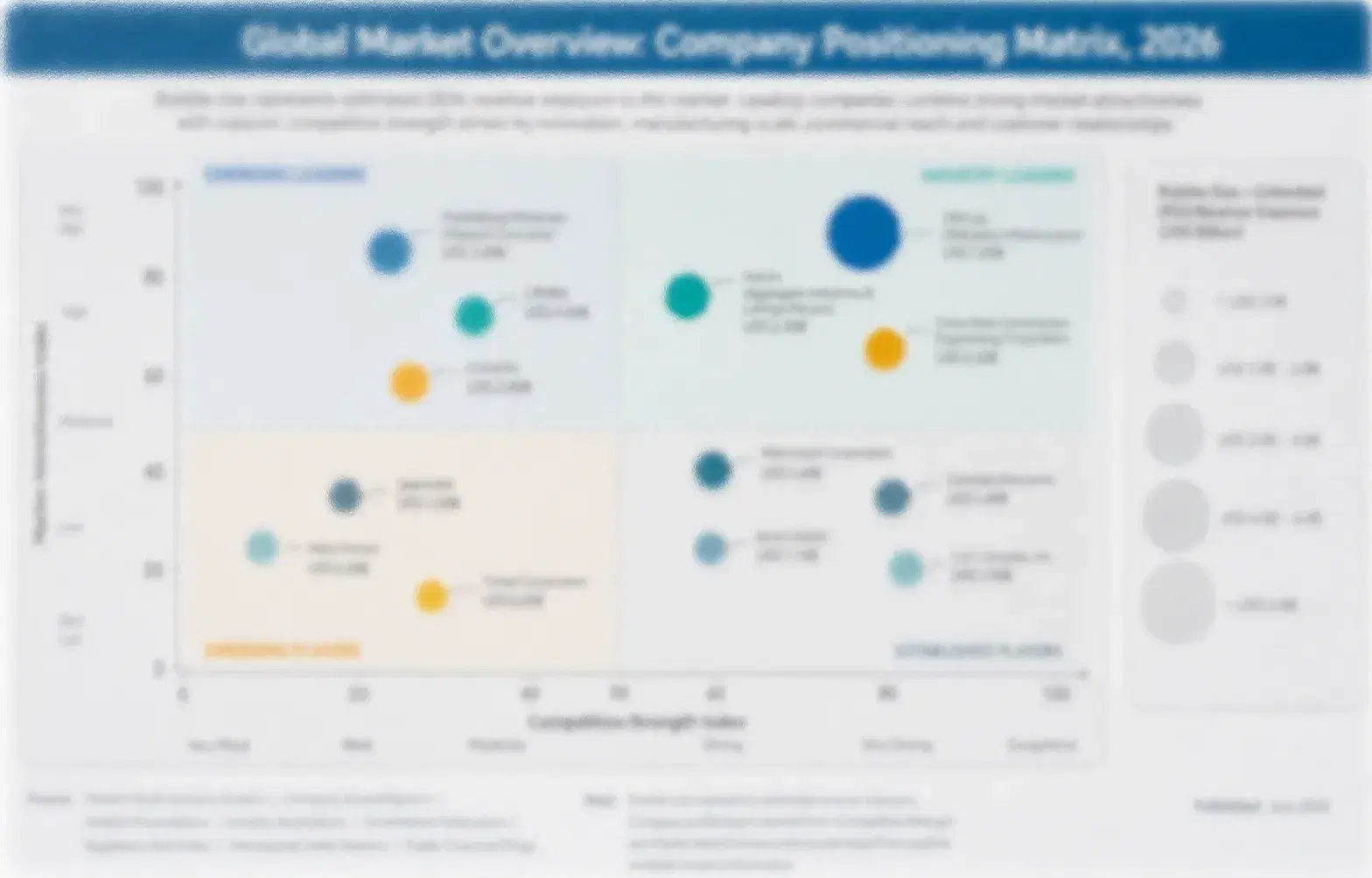
Market concentration sits at a CR5 of 58%, with Sealed Air and Pregis holding a clear lead in installed base and film volume over mid-tier challengers like Storopack and Free-Flow Packaging International. The gap between the top two and the next tier has widened as recycled-content film qualification costs favor scale players able to absorb requalification expense across larger production runs.
Current competitive activity centers on three fronts: sensor-driven inflation hardware that reduces film consumption per carton, recycled-content film qualification racing ahead of regulatory deadlines, and bundled multi-year service contracts that lock in consumable revenue. Vendors increasingly compete on total cost per shipped parcel rather than machine price alone, a framing that favors incumbents with data showing measurable film savings across large customer deployments.

Emerging pressure comes from Automated Packaging Systems and regional Asian manufacturers offering lower-cost machines without the sensor and service layer, appealing to mid-size e-commerce sellers price-sensitive enough to trade some efficiency for upfront savings. Rankings could shift meaningfully if a challenger cracks recycled-content film qualification at commodity pricing before the incumbents fully depreciate their own qualification investment, a scenario several mid-tier players are actively pursuing.
inflatable-void-fill-system-market-company-positioning-matrix-1791462804625

Inflatable Void Fill System Competitive Landscape

SEALED AIR

Moat: Sensor-Driven Inflation Technology

Sealed Air's investment in sensor-driven inflation hardware lets it sell film efficiency as a measurable feature rather than compete purely on cartridge price, a technical edge that smaller equipment makers lack the engineering scale to replicate quickly, and it reinforces renewal conversations around data rather than cost alone.
SEALED AIR

Risk: Exposure to Resin Price Swings

Sealed Air's scale means polyethylene resin cost swings move its margin more visibly than smaller rivals with lower fixed manufacturing overhead, and its diversified packaging portfolio means void-fill specific investment sometimes competes internally against other business lines for capital allocation priority. even when void-fill demand itself is accelerating faster than other divisions.
PREGIS

Moat: Recycled-Content Film Supply Chain

Pregis moved early to secure recycled-content resin supply through its own converting acquisitions, letting it meet retailer sustainability scorecards ahead of competitors still qualifying third-party film, which has translated into preferred-supplier status with several large e-commerce accounts facing extended producer responsibility compliance deadlines. a position competitors will need years of capital investment to match.
PREGIS

Risk: Narrower Geographic Installed Base

Pregis holds a smaller installed machine base outside North America than Sealed Air or Storopack, leaving it more exposed to a single region's carrier pricing and regulatory cycle rather than a globally diversified revenue mix across multiple regulatory jurisdictions. a concentration risk that leaves full-year results more sensitive to any single carrier policy change.

Players Tracked

Prominent Players

Sealed Air
Pregis
Storopack
Free-Flow Packaging International
Automated Packaging Systems

Other Key Players

Ranpak Holdings Corp
Smurfit WestRock
Sonoco Products Company
Signode Industrial Group
Novolex Holdings
Berry Global Group
Coveris Holdings
Macfarlane Group
RAJA Industries
ProAmpac Holdings
Polyair Inter Pack Inc.
Intertape Polymer Group
Nefab Group
DS Smith
Veritiv Corporation

Recent Developments

MARCH 2025

Pregis Acquires Regional Air Pillow Film Converter

Pregis acquired a regional air pillow film converter in the U.S. Midwest to secure recycled-content resin supply and expand its own film manufacturing capacity, reducing reliance on third-party converters as recycled-content qualification deadlines approach across several retail customer sustainability programs ahead of 2026 reporting cycles.
Signal: Signals vertical integration into film supply as recycled-content qualification becomes a competitive requirement rather than a differentiator.
SEPTEMBER 2024

Sealed Air Launches Sensor-Driven Inflation Platform

Sealed Air launched a sensor-driven inflation platform that automatically adjusts cushion dimensions per carton using onboard scanning, cutting film consumption per parcel by roughly 12% in initial customer pilots across large distribution center deployments nationwide. with full commercial rollout planned across its North American distribution network throughout the following year.
Signal: Signals a shift toward intelligence-driven film efficiency as the primary competitive battleground beyond raw machine throughput.
JANUARY 2026

Storopack Signs Multi-Year Supply Agreement With European Retailer

Storopack signed a multi-year film and machine service agreement with a major European apparel retailer, bundling recycled-content film supply with preventive maintenance across the retailer's continental distribution network through 2029 under one contract. a structure Storopack expects to replicate with additional large accounts across the region.
Signal: Signals bundled multi-year contracts becoming the default structure for large retail accounts rather than one-off equipment sales.

Resin Markets Drive Film Cost Swings

Polyethylene resin accounts for roughly 60 to 65% of total film consumable cost of goods sold, sourced primarily from ethylene crackers across the U.S. Gulf Coast, Saudi Arabia, and increasingly China's coastal petrochemical complexes. Machine components including seal bars, blowers, and control electronics make up most of the remaining hardware cost base, sourced largely from component manufacturers across East Asia.
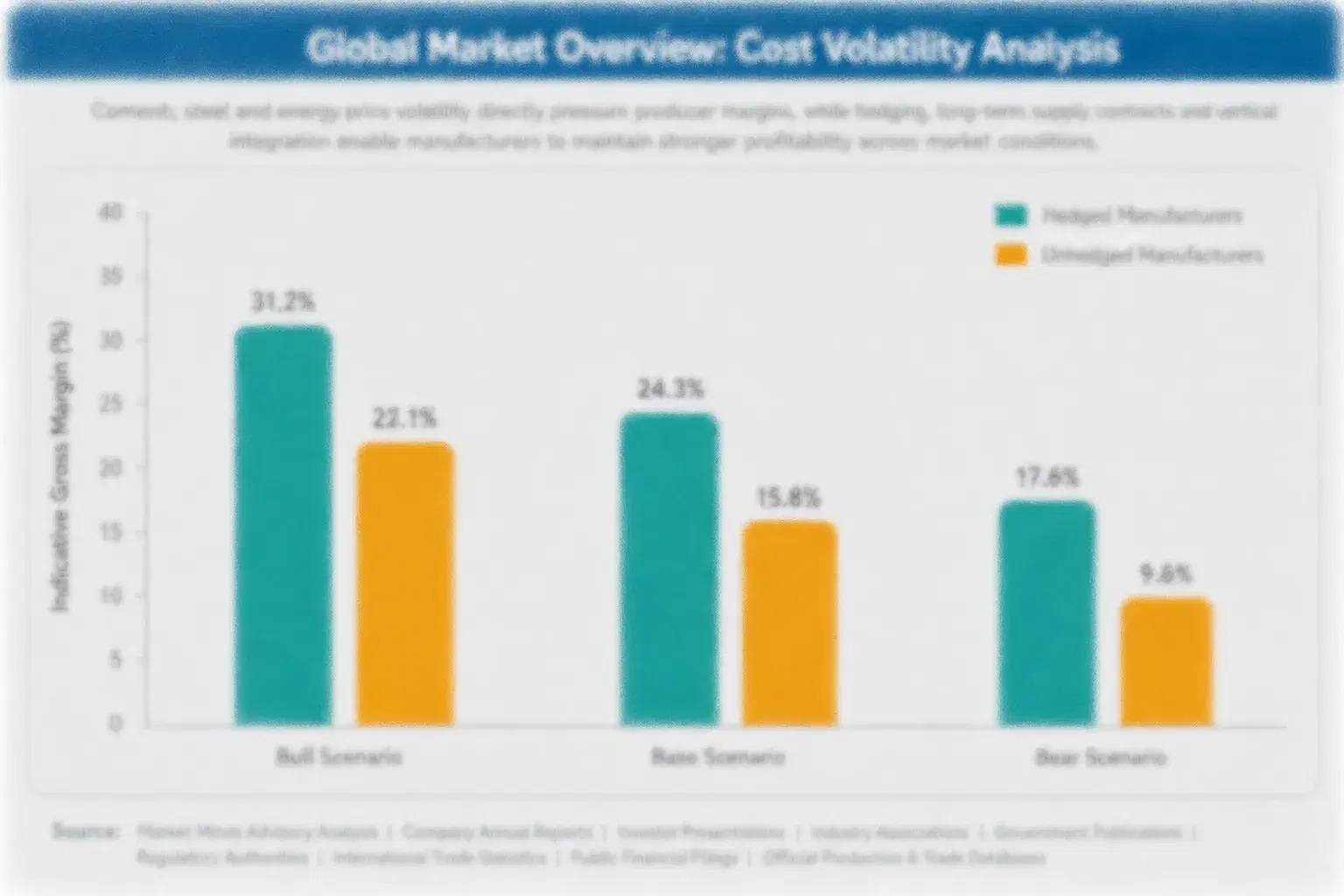
Resin prices spiked sharply during the 2022 global ethylene supply disruption following Gulf Coast hurricane damage and plant outages, which the EIA documented as pushing polyethylene spot prices up more than 40% within several months. Film converters without hedged resin contracts passed costs through to equipment makers and ultimately to distribution center customers, compressing margin across the value chain until spot prices normalized roughly a year later as new cracker capacity came online.

Smaller equipment and film makers carry disproportionate exposure to these swings because they lack the resin purchasing volume to negotiate hedged contracts that larger converters secure. Players concentrated in Western Europe face additional exposure given the region's heavier reliance on imported ethylene feedstock relative to the U.S. Gulf Coast's shale-based supply advantage, a cost gap tied to feedstock access that has persisted for over a decade.
inflatable-void-fill-system-market-cost-volatility-analysis-1791462804948

Multi-Year Resin Hedging Contracts

Larger converters lock in resin pricing through multi-year supply agreements directly with ethylene producers, insulating film cost from short-term spot market volatility and letting them offer distribution center customers more predictable film pricing across multi-year equipment service contracts. a hedge smaller converters without comparable purchasing volume typically cannot negotiate with any single feedstock supplier.

Recycled-Content Blending to Reduce Virgin Resin Exposure

Blending post-consumer recycled resin into film formulations reduces dependence on virgin polyethylene pricing cycles while meeting retailer sustainability requirements, though converters must requalify seal strength and inflation performance each time a blend ratio changes meaningfully. a cost in engineering time that smaller converters often cannot absorb as frequently as larger competitors with dedicated qualification laboratories.

Regional Film Manufacturing to Cut Import Exposure

Building film manufacturing capacity closer to major distribution center clusters reduces exposure to import tariffs and freight cost volatility on finished film rolls, particularly valuable for European and Latin American operators facing import duties on machine components and consumable film alike. a strategy several converters are now pursuing through joint ventures with regional resin producers rather than building standalone plants.

Portfolio Architecture for Margin Defence

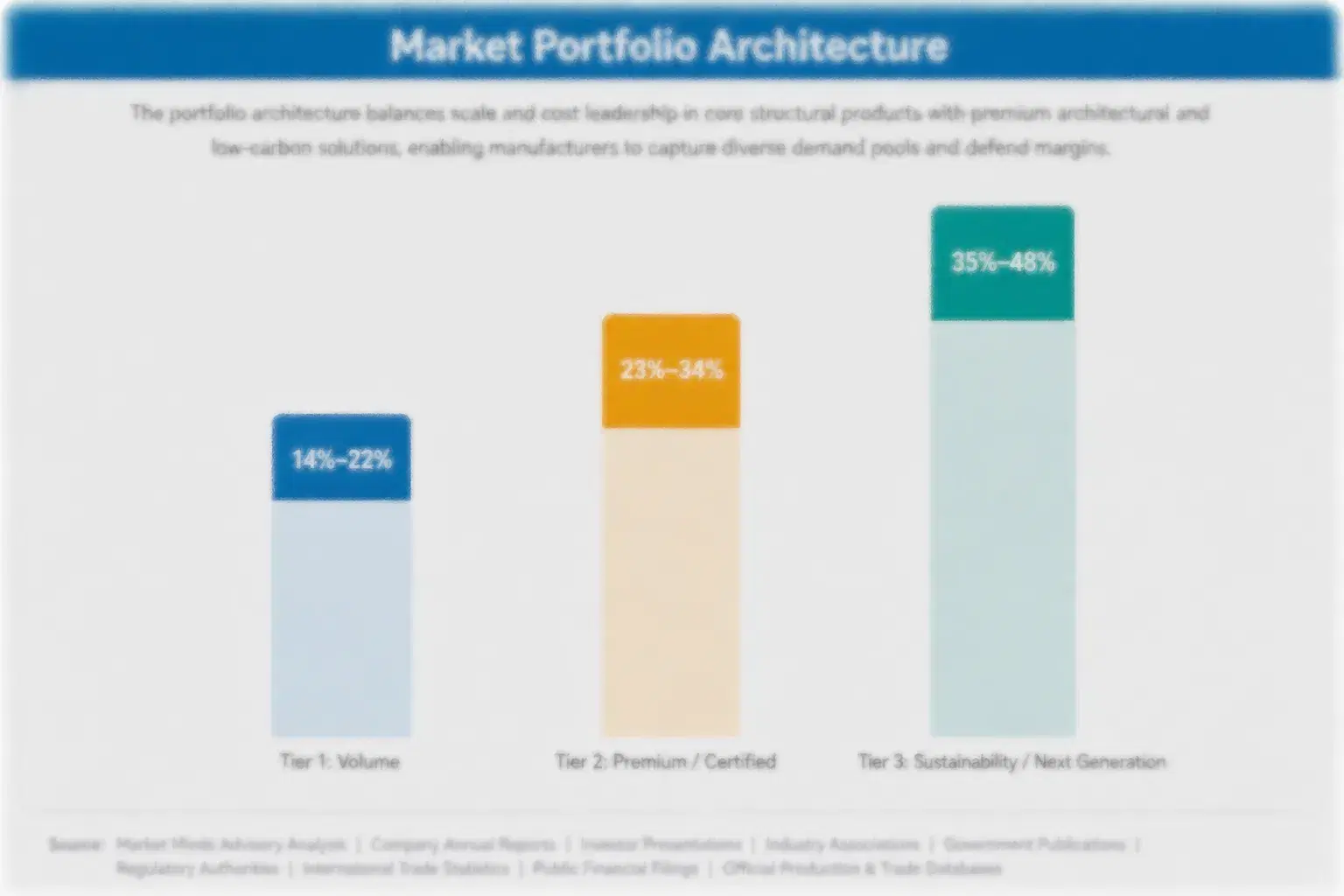
The market organizes into three tiers: a volume tier built on commodity virgin polyethylene film sold on price and basic reliability, a premium tier built on recycled-content and mono-material film that commands a qualification-driven price premium, and a sustainability tier built on compostable or fully recyclable film formats still working through performance certification. Gross margins widen meaningfully moving up this ladder, reflecting both qualification cost recovery and genuine differentiation.
Volume tier competition remains intensely price-driven, with film converters competing on cents per roll and equipment makers competing on lease terms, leaving little room for margin expansion absent a shift in customer priorities. Premium tier demand is growing faster as retailer sustainability scorecards increasingly gate supplier selection, creating real tension for converters deciding how much capacity to shift away from reliable volume-tier revenue toward premium formulations still working through qualification cycles.

High-value margin pools concentrate specifically around recycled-content film sold under multi-year bundled service contracts to large e-commerce retailers facing extended producer responsibility compliance deadlines, a narrow but growing pool that rewards converters who qualified early rather than those still testing formulations. That gap is unlikely to close soon given how slowly commodity converters are requalifying formulations.

Volume / Commodity-Adjacent Tier

Virgin polyethylene film sold largely on price and reliable inflation performance to cost-sensitive shippers and smaller e-commerce sellers without sustainability mandates driving procurement decisions yet. though even here buyers increasingly expect basic recyclability claims before committing to multi-year volume contracts.
Gross Margin: 18-24%

Premium / Certified Tier

Recycled-content and mono-material film qualified against major retailer sustainability scorecards, commanding a measurable price premium over commodity grades while meeting equivalent seal and inflation performance specifications. a tier growing faster than volume commodity film as retailer scorecards gate more purchasing decisions.
Gross Margin: 26-33%

Sustainability / Regulatory / Next-Generation Tier

Compostable and fully recyclable film formats still completing performance certification, targeting regulatory-driven demand in the European Union and California ahead of broader market readiness. with commercial volume still small today but expected to scale quickly once certification gaps close.
Gross Margin: 30-38%
inflatable-void-fill-system-market-portfolio-architecture-1791462805271

High-value Sub-segments and Strategic Watch-out

Sensor-Integrated High-Speed Systems

Combines the fastest unit growth with the highest average selling price in the category, as large fulfillment operators pay a premium for machines that cut film consumption automatically per carton, a segment equipment makers are racing to expand before mid-tier rivals close the technology gap.
Gross Margin: 28-34%

Recycled-Content Film Cartridges

Commands strong margin and growing volume together as retailer sustainability scorecards push procurement toward qualified recycled-content grades, though converters must continuously requalify formulations as resin blend ratios and regulatory thresholds keep shifting across jurisdictions worldwide. making this one of the harder segments to defend share in without a regulatory function.
Gross Margin: 26-32%

Commodity Virgin Film Rolls

Represents the bulk of unit volume shipped today but carries the thinnest margin in the category, facing continuous downward price pressure from regional converters entering on pure cost competition alone across every geography. a segment where scale and manufacturing efficiency matter more than any brand or sustainability positioning for now.
Gross Margin: 16-20%

Proprietary Cartridge Lock-In Exposure

A genuine strategic watch-out: large retailers standardizing on a single equipment vendor to regain film purchasing leverage could compress consumable margin industrywide if the practice spreads beyond today's early adopters among major accounts. equipment makers with the broadest film portfolio stand to lose the least if this standardization trend accelerates.
Gross Margin: 20-26%

Annuity Economics of Film Replenishment

Every installed inflation machine generates a recurring film replenishment stream that typically exceeds the original hardware sale within eighteen to thirty months, making the installed base itself the real long-term revenue asset rather than any single machine sale, a dynamic closer to a subscription business than traditional packaging equipment manufacturing. That annuity quality is why equipment makers increasingly price hardware near cost, treating the machine sale as the entry point into a larger consumable relationship.
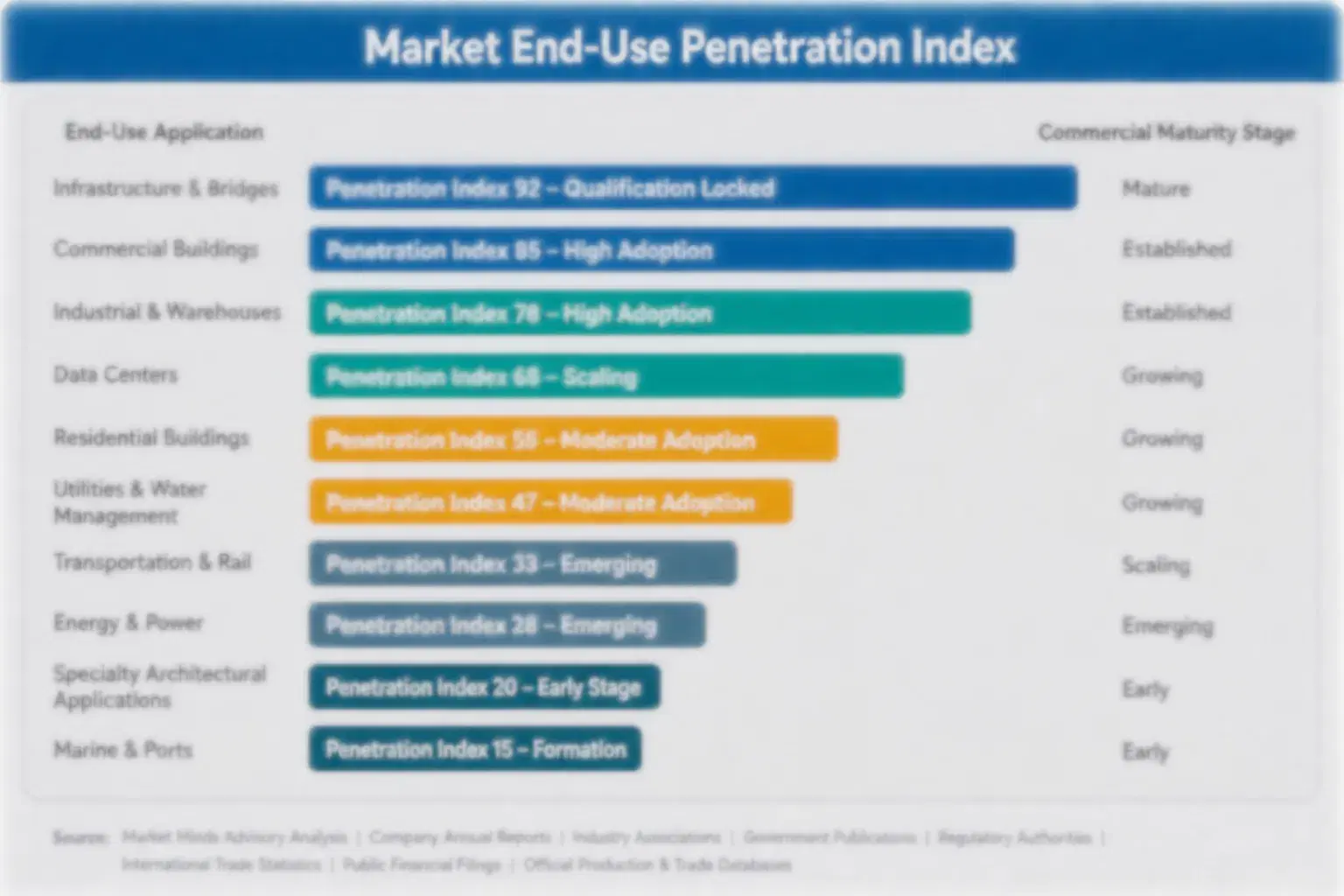
Adoption depth varies meaningfully by end-use vertical: electronics and cosmetics e-commerce sellers run machines near continuous utilization given high breakage sensitivity, apparel sellers use lighter cushioning formats at lower film consumption per parcel, and industrial parts distributors adopt more slowly given lower shipment frequency and bulkier packaging formats that sometimes favor other protective methods. Grocery and perishable goods sellers remain the clear laggards, since temperature-sensitive logistics and reusable container systems reduce their reliance on inflatable film.

Buyer profiles are shifting generationally as packaging engineering decisions move from dedicated packaging departments toward operations and sustainability teams who weigh total cost of ownership and compliance exposure alongside throughput, a change that rewards vendors able to speak to both operational and regulatory concerns in the sales conversation.
inflatable-void-fill-system-market-end-use-penetration-index-1791462805548

Where MMA Sees the Opportunity

These are among the four positions where our research anticipates prominent divergence between winners and laggards over the coming forecast period. Each is grounded in the demand model, the regulatory perimeter, and the announced capacity pipeline.
01 / SENSOR-DRIVEN HARDWARE INVESTMENT

Back vendors building measurable film-efficiency data into machines

Sensor-driven inflation hardware is becoming the clearest differentiator in a market where film consumable margin matters more than hardware price. Vendors that can prove reduced film consumption per carton win renewal conversations on data rather than cost alone, a defensible position competitors cannot easily replicate without comparable engineering investment. We expect this capability gap to widen further as large fulfillment operators standardize procurement criteria around measurable efficiency rather than base machine throughput alone, leaving machine makers without this capability increasingly unable to justify price parity with their better-instrumented rivals.
02 / RECYCLED-CONTENT FILM QUALIFICATION

Move early on recycled-content qualification before mandates tighten further

Recycled-content film qualification is shifting from a voluntary sustainability initiative to a hard procurement gate as extended producer responsibility fee schedules expand across new jurisdictions. Converters that complete qualification now capture preferred-supplier status and avoid the annual competitive rebid that commodity film grades face every contract cycle. Those still testing formulations risk losing shelf position entirely as major retailers consolidate toward fewer, already-compliant vendors over the next several renewal cycles, a shift already visible among several large European and North American retail accounts.
03 / LEASE-FIRST COMMERCIAL MODEL

Expand lease financing to capture price-sensitive mid-size shippers

Leasing rather than selling hardware outright removes the capital approval bottleneck that keeps smaller and mid-size shippers using manual paper and loose-fill packing well after automation would pay for itself. Vendors expanding lease-first sales motions are converting this underserved segment faster than those still selling only through outright capital purchase. The segment is large enough that whoever captures it first secures a durable film consumable relationship competitors will find difficult to dislodge once warehouse management systems integrate directly with a specific vendor's reorder platform.
04 / PROPRIETARY FILM CARTRIDGE RISK

Watch for retailer-led standardization eroding cartridge lock-in margin

Large retailers are beginning to standardize on a single equipment vendor across all distribution centers specifically to regain film purchasing leverage lost to proprietary cartridge lock-in. If this practice spreads beyond today's early movers, it could compress consumable margin industrywide and force vendors to compete more openly on film price rather than bundled convenience. We see this as the single clearest threat to the razor-and-blade economics that have defined profitability across this market for the past decade, and the vendors least diversified beyond hardware sales are the most exposed.

Engagement Snapshot From the Field

A live engagement with an industry participant carrying material or product regulatory and market exposure ahead of a defining policy shift, showing how our research translates into a defensible multi-year portfolio strategy.
MARKET MINDS ADVISORY · CLIENT ENGAGEMENT SUMMARY
Inflatable Void Fill System Producer Strategic Portfolio Review and Transition Roadmap 2026·Investment Scenario on Inflatable Void Fill System Exposure Evaluation 2025-26
CLIENT PROFILE
The client operates a multi-client third-party logistics fulfillment network across six U.S. distribution centers, processing roughly 40,000 parcels daily for apparel and consumer electronics brands (client-reported, unverified by MMA). The operator still relied primarily on manual paper crumple stations across four of its six facilities, with only its newest site running automated inline inflation equipment, creating inconsistent protective packaging quality and cost across its network.
STRATEGIC CHALLENGE
Leadership needed to decide whether to standardize all six facilities on automated inline inflation systems in a single capital cycle or phase the rollout over three years, weighing upfront capital against labor savings and carrier dimensional pricing penalties accumulating at the manual facilities in the meantime. Both paths carried real execution risk that leadership wanted quantified.
MMA APPROACH
MMA benchmarked the client's per-parcel void-fill cost and labor touches across all six facilities against automated peer sites of comparable volume, modeled carrier dimensional pricing exposure under current and anticipated threshold changes, and built a facility-by-facility payback model comparing single-cycle conversion against a phased three-year rollout under three financing scenarios.
KEY FINDINGS
  1. Manual facilities carried per-parcel protective packaging cost roughly 35% higher than the client's one automated site, driven by labor touches and oversized void-fill material waste (client-reported, unverified by MMA).
  2. Carrier dimensional pricing penalties at manual facilities were projected to grow as thresholds continued dropping, adding an estimated $1.8 million in annual surcharge exposure within three years without conversion (client-reported, unverified by MMA).
  3. Leased equipment financing produced a faster blended payback than outright capital purchase across all six facilities given the client's existing debt covenants and capital allocation priorities.
  4. A phased eighteen-month rollout prioritizing the two highest-volume facilities first captured roughly 70% of total available savings well before the final facility converted.
CLIENT PROFILE
The client operates a multi-client third-party logistics fulfillment network across six U.S. distribution centers, processing roughly 40,000 parcels daily for apparel and consumer electronics brands (client-reported, unverified by MMA). The operator still relied primarily on manual paper crumple stations across four of its six facilities, with only its newest site running automated inline inflation equipment, creating inconsistent protective packaging quality and cost across its network.
STRATEGIC CHALLENGE
Leadership needed to decide whether to standardize all six facilities on automated inline inflation systems in a single capital cycle or phase the rollout over three years, weighing upfront capital against labor savings and carrier dimensional pricing penalties accumulating at the manual facilities in the meantime. Both paths carried real execution risk that leadership wanted quantified.
MMA APPROACH
MMA benchmarked the client's per-parcel void-fill cost and labor touches across all six facilities against automated peer sites of comparable volume, modeled carrier dimensional pricing exposure under current and anticipated threshold changes, and built a facility-by-facility payback model comparing single-cycle conversion against a phased three-year rollout under three financing scenarios.
KEY FINDINGS
  1. Manual facilities carried per-parcel protective packaging cost roughly 35% higher than the client's one automated site, driven by labor touches and oversized void-fill material waste (client-reported, unverified by MMA).
  2. Carrier dimensional pricing penalties at manual facilities were projected to grow as thresholds continued dropping, adding an estimated $1.8 million in annual surcharge exposure within three years without conversion (client-reported, unverified by MMA).
  3. Leased equipment financing produced a faster blended payback than outright capital purchase across all six facilities given the client's existing debt covenants and capital allocation priorities.
  4. A phased eighteen-month rollout prioritizing the two highest-volume facilities first captured roughly 70% of total available savings well before the final facility converted.
RECOMMENDED STRATEGY
Phase 1: Phase 1 (Months 1 to 6): Convert the two highest-volume distribution centers to leased automated inline inflation systems, prioritizing facilities with the steepest dimensional pricing exposure. Phase 2: Phase 2 (Months 7 to 14): Convert the remaining mid-volume facilities while renegotiating film supply into a single bundled multi-year contract across all converted sites. Phase 3: Phase 3 (Months 15 to 18): Complete the rollout at the two lowest-volume facilities and consolidate film procurement entirely under one vendor relationship.
OUTCOME
Within eighteen months the client reported blended protective packaging cost down roughly 28% network-wide and dimensional pricing surcharge exposure reduced by an estimated $1.4 million annually, with payback on the leased equipment achieved within fourteen months across the first two converted facilities (client-reported, unverified by MMA).

Frequently Asked Questions

Foundational context covering the market sizes, CAGR, scope, country, region and competition that inform every finding below. This section is provided to cover basics and most often pre-purchase conversations, answered from the MMA Primary Research Dataset.

What is the current size of the Inflatable Void Fill System Market?

The inflatable void fill system market reached an estimated $0.48 billion globally in 2025. This covers inflation machines, control electronics, and film consumables used to produce air pillows, air tubes, and air cushions for protective packaging.

How large will the Inflatable Void Fill System Market be by 2036?

MMA projects the market will reach approximately $1.10 billion by 2036, more than doubling from its 2026 base of $0.52 billion as e-commerce fulfillment automation continues expanding globally.

What is the CAGR for the Inflatable Void Fill System Market 2026 to 2036?

The market is projected to grow at a 7.8% compound annual growth rate between 2026 and 2036, with a bull case of 9.1% and a bear case of 6.5%.

Which segment is growing fastest?

High-speed automated inline systems are growing fastest at a 10.5% CAGR, roughly 1.35 times the overall market rate, as fulfillment operators retrofit conveyor-fed pack stations for on-demand film inflation.

Who are the major companies in the Inflatable Void Fill System Market?

Sealed Air, Pregis, Storopack, Free-Flow Packaging International, and Automated Packaging Systems lead the market, together holding an estimated 58% combined share based on installed machine base and film volume.

Which country is growing fastest?

India is growing fastest at an estimated 10.2% CAGR as Flipkart and Amazon India expand automated fulfillment centers, though China retains the largest absolute parcel volume across East Asia.

Inflatable Void Fill System Market Segmentation

The full report scope spans multiple orthogonal segmentation dimensions, with cross-tabulated demand data provided for each dimension pair. Coverage extends further to regional breakdowns, trend trajectories, and the competitive detail needed to support segment-level decision-making.

By System Type

  • High-Speed Automated Inline Systems
  • Semi-Automated Floor-Standing Systems
  • Compact Tabletop and Portable Systems
  • Multi-Format Combination Systems
  • Retrofit and Modular Add-On Units

By End-Use Industry

  • E-Commerce and Retail Fulfillment
  • Electronics and Technology
  • Apparel and Soft Goods
  • Industrial and Automotive Parts
  • Food and Beverage

By Commercial Dimension

  • Equipment Lease Model
  • Equipment Capital Purchase
  • Bundled Film Service Contracts
  • Third-Party Logistics Providers

By Region

  • North America
  • Western Europe
  • East Asia
  • South Asia and Pacific
  • Latin America
  • Middle East and Africa
  • Eastern Europe

Scope, Methodology, and Coverage

Every figure in this report is reproducible from documented input assumptions. The scope below maps the historical period, the forecast horizon, the segmentation dimensions, and the countries covered, alongside the underlying primary and qualitative methodology.
Historical Period
2020 to 2025
Forecast Period
2026 to 2036
Base Year
2025 (USD billions; MMA Primary Research Dataset, October 2026)
Market Definition
This report covers machines, control electronics, and film consumables that convert flat plastic film into inflated air pillows, air tubes, or air cushions for void-fill protective packaging inside shipped parcels. It excludes paper-based crumple systems, loose-fill packing peanuts, foam-in-place dispensers, and general stretch or shrink film used for unitized load wrapping.
Quantitative Units
USD billions (current prices); installed machine units; film consumable volume in metric tons
Segmentation Dimensions
By System Type; By End-Use Industry; By Commercial Dimension; By Region
Regions Covered
North America, Western Europe, East Asia, South Asia and Pacific, Latin America, Middle East and Africa, Eastern Europe
Countries Covered
USA, China, Germany, France, UK, Japan, South Korea, India, Australia, Canada, Brazil, Mexico, Indonesia, Vietnam, Thailand, Malaysia, UAE, Saudi Arabia, South Africa, Nigeria, Turkey, Poland, Netherlands, Italy, Spain, Sweden, Switzerland, Argentina, Colombia, Singapore, and additional markets relevant to this sector
Key Companies Profiled
Sealed Air, Pregis, Storopack, Free-Flow Packaging International, Automated Packaging Systems, Ranpak Holdings Corp, Smurfit WestRock, Sonoco Products Company, Signode Industrial Group, Novolex Holdings, Berry Global Group, Coveris Holdings, Macfarlane Group, RAJA Industries, ProAmpac Holdings, Polyair Inter Pack Inc., Intertape Polymer Group, Nefab Group, DS Smith, Veritiv Corporation
Quantitative Methodology
Primary survey, n=3,800 respondents, Q4 2025, six countries; demand-side model with trade association cross-validation
Qualitative Methodology
47 expert interviews, Q4 2025; applied to validate demand model assumptions, identify emerging dynamics, and assess competitive positioning
Report Format
PDF and XLSX data workbook (Word format preview document)
Publisher
Market Minds Advisory
Report Code
MMA-2026-PAC-618
Published
October 2026
Contact
sales@marketmindsadvisory.com | www.marketmindsadvisory.com

Purchase the full Inflatable Void Fill System Market Report (2026 to 2036).

The full report delivers a complete market model for the inflatable void fill system market, including segment-level and regional forecasts through 2036 alongside the five-year historical base. It profiles twenty companies across machine manufacturing and film consumable supply, benchmarking competitive positioning on installed base and film volume. The report quantifies carrier dimensional pricing exposure by region and models recycled-content film qualification timelines against extended producer responsibility compliance deadlines across the European Union and United States. A dedicated input cost chapter tracks polyethylene resin exposure and mitigation strategies by player type. Buyers receive a downloadable data workbook alongside the narrative report.
Segment and regional forecasts through 2036
Twenty-company competitive benchmarking on installed base
Carrier dimensional pricing exposure modeled by region
Recycled-content film qualification timeline and compliance analysis
Resin cost exposure and mitigation strategy chapter
Downloadable data workbook with full regional detail

Built For The People Who Decide

From boardroom strategy to bench-side execution, this report is read cover-to-cover by leaders shaping the next decade of their industry, turning demand scenarios, market dynamics and valuation benchmarks into decisions.
CXOs/ Presidents/ VPs/ Managers
M&A and Corporate Development
Strategy Teams and R&D Heads
Procurement and Product Directors
Regulatory and Compliance Leaders
Investor Relations and Equity Analysts