Market Minds Advisory
In-mold Labels Market

In-mold Labels Market Opportunities and Forecast 2026-2036

Dairy and personal care brands are pulling in-mold labeling toward recyclable mono-material film faster than multi-layer converters can retool, splitting packaging capital investment along film composition lines across most retail categories today.

Lead Analyst

Bilal Shaikh

Published

November 2026

Make Smarter Decisions with Customized Research Insights

Request a free sample report and evaluate market opportunities, growth trends, and competitive dynamics relevant to your business needs.

2025 MARKET VALUE$1.9BMarket Size 2025
2036 FORECAST VALUE$3.7BBase Case , 2026 to 2036
CAGR 2026 TO 20366.0 %Bull 7.2% / Bear 4.8%
INCREMENTAL OPPORTUNITY$1.6BNet 10- year value creation
EXPANSION MULTIPLE1.79x2036 value over 2026 base
Strategic Levers
M&A Pipeline
Regional Outlook
Country Rankings
Competitive Intelligence
Segmental Deep-dive
Call-Us : 91 93563 13602

In-mold Labels Market at a Glance

In-mold labels for rigid packaging are shifting from a shelf-appeal differentiator into a recyclability specification requirement, as dairy, personal care, and household chemical brands face mounting pressure to prove circular economy credentials without sacrificing the vivid decoration quality that made IML a packaging standard decades ago across most retail categories.
Dairy tub and personal care bottle applications concentrate the largest volume in East Asia's dense rigid container manufacturing base, while recyclability-driven mono-material adoption is growing fastest across North America and parts of Europe as brand owners respond to tightening packaging waste regulation and consumer sustainability expectations, extending demand well beyond simple shelf differentiation into comprehensive recyclability compliance programs across most major packaging markets, a shift already visible.
Competitive intensity is rising as specialty IML film converters compete against diversified packaging decoration providers, while mono-material film formulation precision increasingly separates leading converters from followers across dairy and personal care accounts, a pattern reshaping consolidation across the mid-tier converter segment as recyclability credentials become a deciding factor for securing the largest consumer packaged goods brand contracts broadly this year, leaving converters without mono-material expertise increasingly dependent on partnerships to stay relevant.
Market Definition
This report covers in-mold labels for rigid packaging applications: pre-printed plastic labels fused directly into a container during injection or blow molding, spanning dairy tubs, personal care bottles, and household chemical containers. It excludes automotive, appliance, and other non-packaging component IML applications, which are covered separately, and post-mold applied pressure-sensitive labels.
Base Year Value
$1.9B in 2025 (MMA Primary Research Dataset, October 2026)
Forecast Period
2026 to 2036, eleven discrete annual values
CAGR
6.0% base case. Bull 7.2%. Bear 4.8%.
Fastest Growth Segment
Recyclable Mono-Material Dairy and Personal Care Labels: 8.0% CAGR
Fastest Growth Country
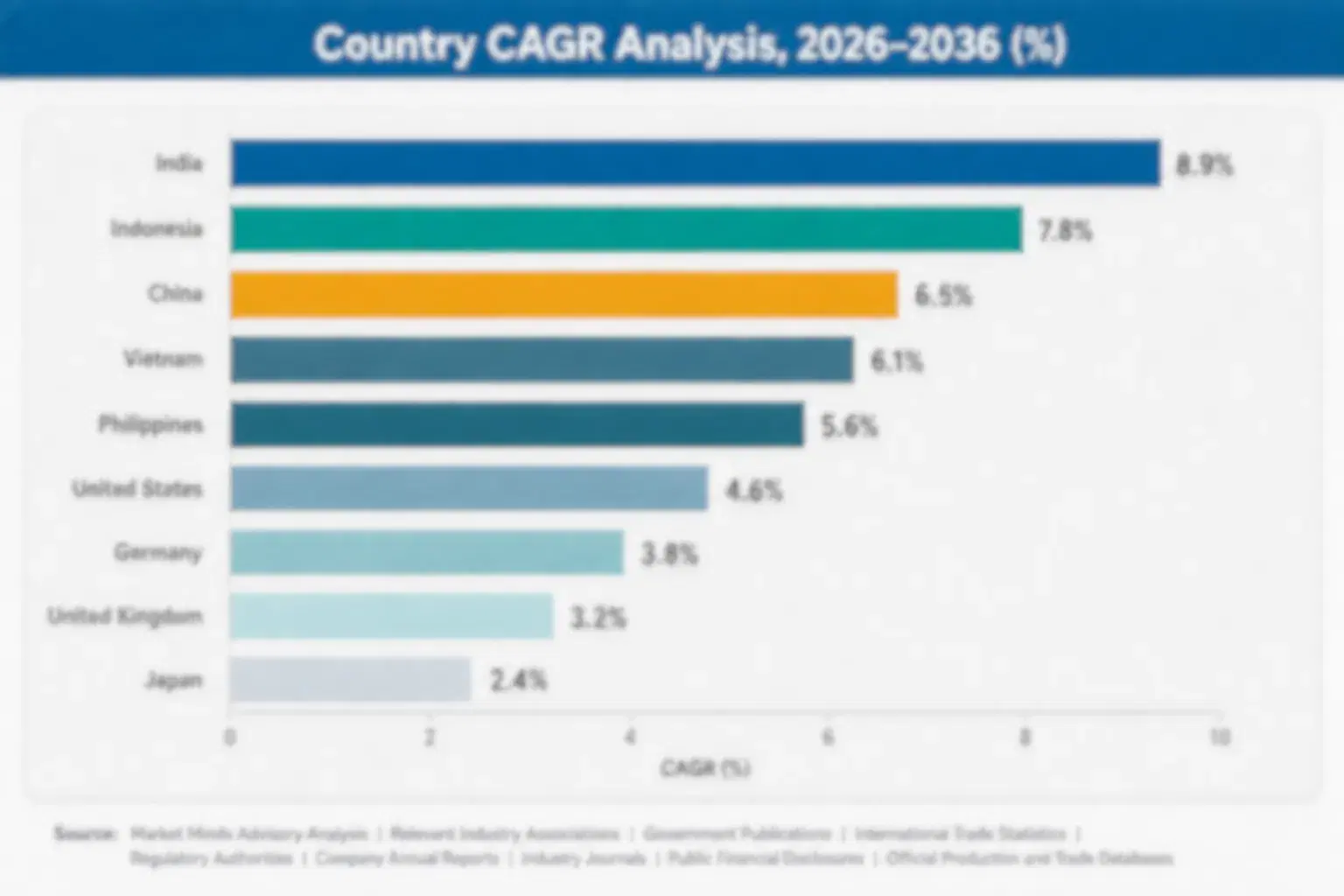
India: 7.4% CAGR
Fastest Growth Region
South Asia and Pacific: 8.0% CAGR
Largest Region
East Asia: 28% of 2025 global value
Market Leaders
CCL Industries, Multi-Color Corporation, Verstraete IML, Taghleef Industries, and Fuji Seal International lead by shipment volume. Source: MMA Analysis based on company annual reports.
Primary Survey
n=3,800 procurement and R&D decision-makers, Q4 2025, six countries
Methodology
Demand-side build-up, cross-validated against public data, 47 expert interviews

In-mold Labels Market Forecast Scenarios

in-mold-label-market-size-forecast-scenario-1791298491863
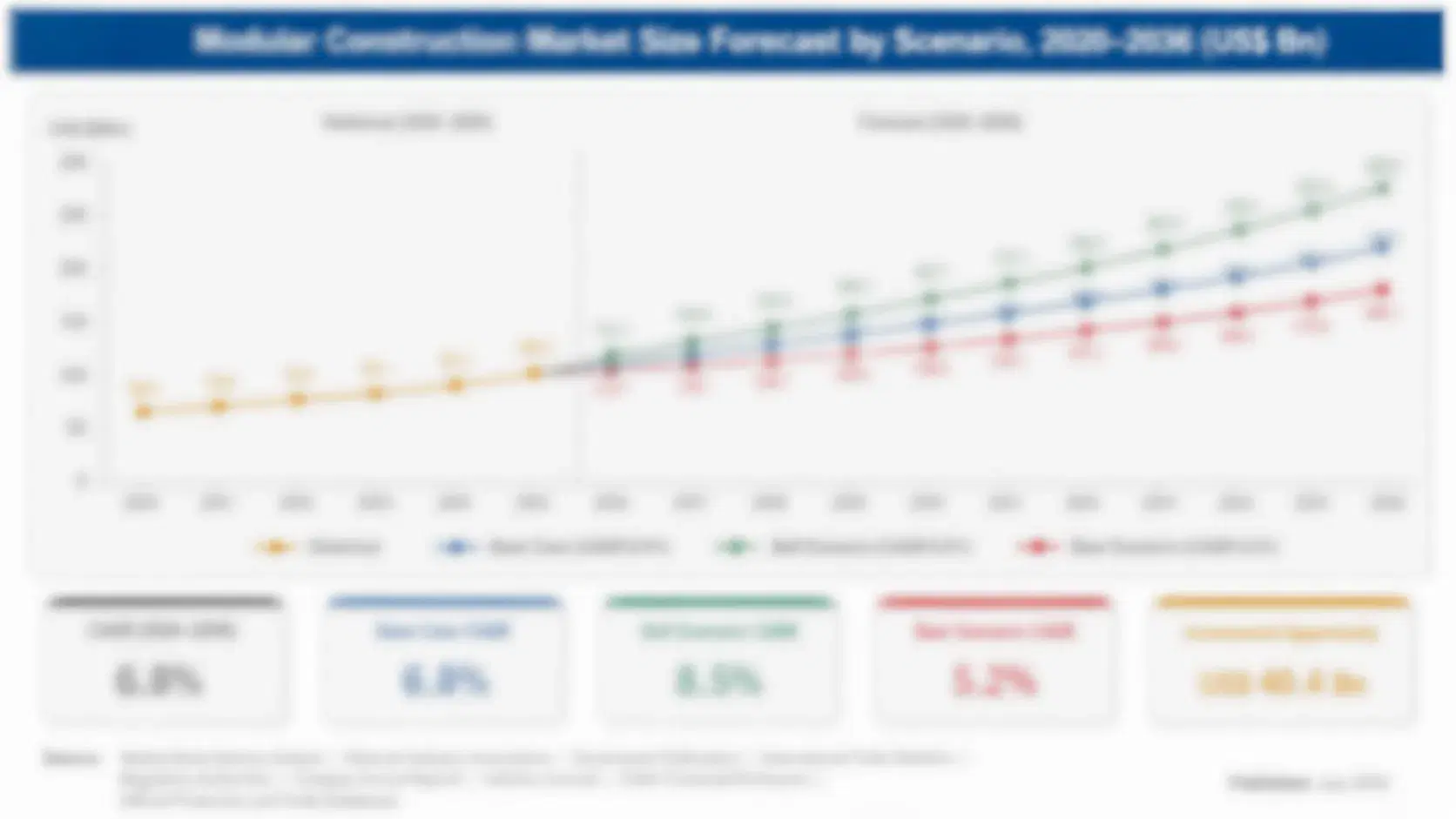
In-mold label demand for packaging grew steadily between 2020 and 2025 as dairy and personal care brands expanded IML adoption for shelf differentiation, with growth picking up noticeably once recyclable mono-material film formulations matured enough to meet brand sustainability commitments without sacrificing established decoration quality standards across most packaging categories, setting a firm historical baseline that MMA extrapolates forward for the.
MMA's base case assumes continued expansion driven by three commercial mechanisms: dairy and personal care brands maintaining IML adoption for shelf appeal and recyclability advantages, household chemical brands expanding into IML formats to match category sustainability expectations, and converters replacing conventional multi-layer film with mono-material formulations during normal production line upgrades across most major packaging markets through the coming decade of continued circular economy emphasis across most major converting regions worldwide.
The bull case centers on accelerating packaging waste regulation pulling converters toward mono-material capacity faster than currently planned, while the bear case reflects slower-than-expected mono-material film cost reduction that keeps conventional multi-layer formats competitive for price-sensitive accounts, delaying some converters' planned capital equipment upgrades by several budget cycles, a dynamic MMA weights more heavily toward the base case given observed cost trends through 2025.

Mono-Material Recyclability Is Becoming the Deciding Factor

Converters with proven mono-material recyclable film formulations already serving dairy and personal care accounts are capturing a growing share of new contract awards, since brand owners increasingly treat recyclability certification as a baseline requirement rather than a premium add-on across most retail packaging categories, pushing multi-layer-only competitors toward partnership or exit decisions. Brand owners are now writing mono-material recyclability certification directly into supplier qualification scorecards industry wide.
MARKET CONCENTRATION39%Combined share held by top five converters globally
AVERAGE SELLING PRICE$0.04/unitBlended unit price across standard and mono-material formats
TOP PRODUCING COUNTRY31%Share of global production capacity sited domestically today
CAPACITY UTILIZATION72%Average across installed rigid packaging production lines worldwide
RECYCLABILITY ADOPTION SHARE41%Portion of output printed on certified mono-material film now
FILM INPUT COST SHARE28%Share of production cost tied to specialty polymer film sourcing
Capacity investment is concentrating among converters already serving dairy and personal care accounts, where recyclability specification requirements are tightening fastest. Standard multi-layer packaging accounts remain comparatively price-driven. Converters without mono-material access are increasingly relegated to lower-margin commodity packaging accounts, where competitive intensity runs highest across the broader category overall. This split is becoming more pronounced each procurement cycle as consumer packaged goods buyers consolidate purchasing toward a smaller mono-material supplier pool.
Average selling prices are rising gradually as mono-material formats displace conventional multi-layer film across dairy and personal care applications, even as converters serving mass-market household chemical accounts continue competing primarily on price and delivery reliability within a comparatively thin-margin segment of the broader category overall. This bifurcation is expected to widen further as packaging waste regulation continues tightening. Converters positioned early capture.
"Shelf appeal used to be the whole pitch for IML packaging. Now a label that cannot carry a recyclability claim is a liability, not a feature, and that reversal happened fast."
Senior Analyst, Rigid Packaging Decoration Practice · MMA Rigid Packaging In-Mold Decoration Practice · October 2026

In-mold Labels Technology Trends

Mono-Material Film Formulations Matching Base Resin Chemistry

Mono-material IML film formulations engineered to match the exact base resin of the container being labeled are gaining rapid specification among dairy and personal care brands, since matched chemistry allows the entire labeled container to pass through standard recycling streams without manual label separation. This matching chemistry approach is concentrated among the largest consumer packaged goods brands first, with smaller regional brands still relying on conventional multi-layer film formulations. Converters investing in mono-material matched chemistry production are winning premium brand accounts that previously required separate recycling stream handling, capturing share from competitors unable to match current recyclability specification requirements. The labels market is already worth USD 52.0 billion in 2025, and MMA expects a 6.2% CAGR from here to 2036.
Market Impact: Adds 6.8 billion recyclable units yearly
Digital Printing Enabling Shorter IML Production Run Lengths

Digital printing technology adapted for IML film substrates is enabling converters to produce shorter production runs economically, letting brand owners launch limited edition and regional variant packaging without the plate setup costs that conventional analog IML printing requires at comparable volumes. Adoption is concentrated among the largest dairy and personal care brands first, where seasonal and regional packaging variation is most frequent and plate costs matter most to overall profitability. Converters investing in digital IML printing capacity are winning promotional packaging contracts from brands seeking faster turnaround than conventional analog production can economically support. Measured on its own, the digital label printing market is valued by MMA at USD 2.85 billion in 2025, heading to USD 7.28 billion by 2036.
Market Impact: Adds 1.4 billion household chemical units

In-mold Labels Market Opportunities

Dairy and Personal Care Brands Pursuing Recyclability Mandates

Dairy and personal care brands are standardizing mono-material IML construction across their product lines as packaging waste regulation tightens and consumers increasingly favor products with credible recyclability claims, directly pulling converter investment toward matched-chemistry film formulations across most major retail categories. This standardization push is forcing converters serving these accounts to add mono-material capability or risk losing contracts to competitors already qualified under the recyclability certification standards major consumer brands now demand. Converters with established dairy relationships are extending those contracts into personal care categories fastest, capturing early mover advantage across this expanding specification scope. MMA expects the related Japan wrap-around label market to be worth USD 2.42 billion by 2036.
Market Impact: Adds $1.4 million average retooling cost

Household Chemical Brands Expanding Into IML Decoration Formats

Household chemical brands are expanding adoption of IML decoration formats to match the shelf appeal and sustainability credentials already standard across dairy and personal care categories, extending IML specification into a product category that historically relied on conventional pressure-sensitive labeling for cost reasons. This expansion is concentrated among the largest household chemical brands first, since smaller independent brands often lack the volume to justify dedicated IML tooling investment at comparable unit economics. Converters serving multiple consumer goods categories simultaneously are capturing scale advantages that smaller single-category competitors increasingly struggle to match today. MMA's view of the Japan structured product label management market offers a useful comparison, at USD 0.6 billion in 2025 rising to USD 1.2 billion by 2036, a 6.5% CAGR.
Market Impact: Limits mono-material use on 20 percent

What Holds Back In-mold Labels Growth

Mono-Material Film Retooling Costs Deterring Smaller Converters

Converting conventional multi-layer IML production to mono-material matched chemistry formulations requires substantial capital investment in new film extrusion equipment and extended recyclability validation testing, a cost burden that disproportionately deters smaller regional converters from entering the category even as demand accelerates across their existing customer base broadly. The root cause is the specialized polymer chemistry engineering involved, since matched-chemistry film performance must be validated precisely rather than achieved through simple material substitution, requiring dedicated technical expertise most smaller converters lack internally. Some smaller players are mitigating this through licensing arrangements with specialty film suppliers rather than building internal capability,.
Market Impact: Cuts recycling contamination by 32 percent

Film Durability Tradeoffs Limiting Mono-Material Applications

Mono-material IML film formulations sometimes trade off barrier and durability performance compared to conventional multi-layer film, limiting applicability for certain household chemical formulations requiring stronger moisture or chemical resistance than single-polymer construction can reliably provide across extended shelf life periods. The root cause traces to the inherent performance tradeoffs of single-polymer film construction, which cannot match the layered barrier properties multi-layer film achieves through combining different polymer characteristics in sequence. Leading converters are mitigating this through advanced mono-material additive formulations, though smaller players often lack the research capital to match comparable formulation sophistication.
Market Impact: Cuts setup cost by 60 percent
3 additional market trends, 2 additional growth drivers, and 4 additional restraints and challenges are covered in the full report. Contact sales@marketmindsadvisory.com to access the complete intelligence.

Fastest-Growing In-mold Labels Segments

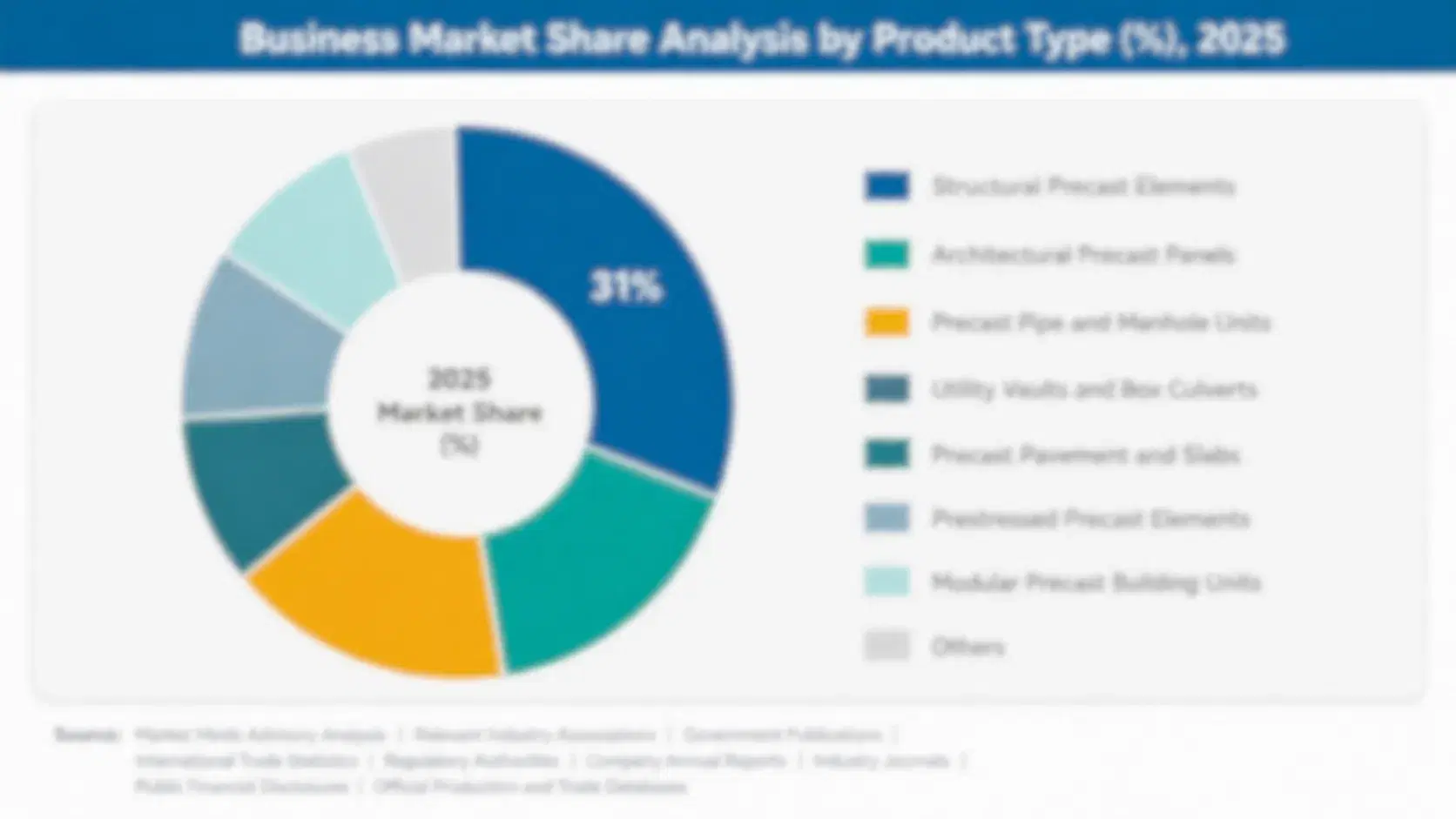
In-mold label demand for packaging splits across end-use application segments shaped by recyclability requirements and shelf differentiation economics. Dairy and personal care formats are pulling capacity investment fastest, while household chemical and other packaging segments add differentiated but steadier volume. Converters are prioritizing capacity expansion toward these two growth paths, while monitoring emerging digital IML printing economics closely. MMA's outlook for the packaging labels market points to USD 31.3 billion by 2036, a 4.9% annual growth rate.
in-mold-label-market-market-share-analysis-1791298492037

Recyclable Mono-Material Dairy and Personal Care Labels

Recyclable mono-material dairy and personal care labels are the fastest-growing segment, used across yogurt tubs, margarine containers, and personal care bottles where matched-chemistry film construction allows the entire labeled container to pass through standard recycling streams intact. Demand is concentrated among the largest consumer packaged goods brands first, who face the steepest sustainability reporting pressure and recyclability certification requirements across their product portfolios. Converters serving this segment increasingly pair mono-material film production with digital printing capability, since brands now specify both capabilities jointly rather than treating them as separable purchasing decisions. Growth here is expected to stay well ahead of the broader category average through the full forecast window as adoption spreads from dairy leaders toward mid-tier personal care brands.
CAGR 8.0%

Household Chemical Container Labels

Household chemical container labels form the second-fastest segment, driven by brand expansion into IML decoration formats to match the shelf appeal and sustainability credentials already standard across dairy and personal care categories facing similar competitive pressure. Converters with established dairy and personal care relationships are best positioned to extend into this expanding scope, since brand qualification processes favor suppliers with existing recyclability certification track records over new entrants lacking comparable documentation history. This segment's growth trajectory depends heavily on continued mono-material film cost reduction, which varies somewhat by converter but is broadly moving in the same favorable direction across most major household chemical markets served by the industry currently today specifically.
CAGR 7.2%
Full segment breakdown across 7 segments available in the complete report.

Where In-mold Labels Demand Is Growing

East Asia leads global in-mold packaging label demand on the strength of its dense dairy and personal care container manufacturing base, with North America close behind. The remaining five regions show meaningfully different adoption paces tied to recyclability regulation, shaped largely by container manufacturing scale and brand sustainability commitment pace.

East Asia

China anchors East Asian demand through its concentrated rigid packaging manufacturing base, where IML specification is standard across dairy, personal care, and household chemical container production serving both domestic and export markets. Japan and South Korea contribute substantial incremental demand tied to their premium personal care and dairy brand categories, both increasingly adopting mono-material recyclable formats. Taiwan's converter base is scaling mono-material tooling rapidly, serving both domestic packaging brands and export-oriented contract manufacturing simultaneously. Converters across the region are increasingly exporting IML-decorated containers to serve smaller Southeast Asian markets lacking comparable domestic tooling capacity, reinforcing a scale advantage competitors elsewhere find difficult to replicate given the capital intensity of tooling at this volume.
Share: 28% | CAGR: 7.0% (2026 to 2036)

North America

The United States anchors North American demand through its concentrated dairy and personal care container manufacturing base, where brand owners are specifying mono-material recyclable IML as a baseline procurement requirement across most new supplier qualification processes. Household chemical brands expanding into IML decoration are driving additional demand for formats matching the sustainability credentials already standard across dairy categories. Canada follows a broadly similar adoption trajectory with a modest lag tied to smaller domestic converter capital investment relative to the United States. Mexico's growing personal care packaging sector is adding incremental demand as nearshoring investment accelerates across the broader region, though both markets continue converging toward comparable recyclability specification standards across most major packaging categories served. Adjacent demand is captured in the soft pack label market, which MMA expects to grow from USD 4.6 billion in 2025 to USD 9.88 billion by 2036.
Share: 26% | CAGR: 5.7% (2026 to 2036)
Regional intelligence for 5 additional markets available in the complete report: Western Europe, South Asia and Pacific, Latin America, Middle East and Africa, Eastern Europe. Contact sales@marketmindsadvisory.com.
in-mold-label-market-country-cagr-analysis-1791298492216

Where Converters Can Capture More Margin

Converters hold several commercial levers to capture value beyond standard unit pricing in packaging in-mold labels. Recyclability certification bundling, digital printing services, and multi-year consumer goods supply contracts each offer distinct paths to margin expansion as sustainability requirements tighten across dairy and personal care accounts, with the most successful converters pursuing more than one lever simultaneously rather than choosing a.

Recyclability Certification Bundling Services Program Model

Converters bundling third-party recyclability certification alongside mono-material film supply are capturing service revenue beyond standard unit pricing, since brand owners increasingly prefer a single accountable supplier for both label production and sustainability documentation rather than managing separate vendor relationships for each function. This bundled approach adds roughly 11 to 16 percent to per-unit contract value compared to standalone film supply, reflecting the testing, documentation, and ongoing certification tracking brand owners now expect as part of a complete sustainability compliance solution. This approach also strengthens contract renewal rates since switching certification partners mid-cycle disrupts documentation continuity.
Market Impact: Adds 11 to 16 percent to value today

Digital IML Printing and Short-Run Services Program

Converters offering digital IML printing for short-run and regional variant packaging are securing premium contract pricing that generic analog production alone cannot command, since brand owners value the fast turnaround and plate-free flexibility for seasonal and promotional campaigns across their portfolio. These digital printing services typically lock in multi-year contract commitments at premium pricing roughly 17 percent above standard analog printing rates, reflecting the specialized equipment and workflow capability most generic converters lack entirely. Converters without such digital printing capability increasingly struggle to compete for flagship seasonal accounts where turnaround speed has become a specification requirement.
Market Impact: Secures pricing 17 percent above standard rates today

In-mold Labels Profit Pools

The top five converters hold a combined 39 percent share on a global production volume basis, leaving a meaningfully fragmented field below them where regional specialists compete on mono-material formulation depth rather than scale. The gap between the leading converter and the nearest challenger reflects roughly four years of accumulated recyclability certification experience that smaller competitors are still working to close, a gap that.
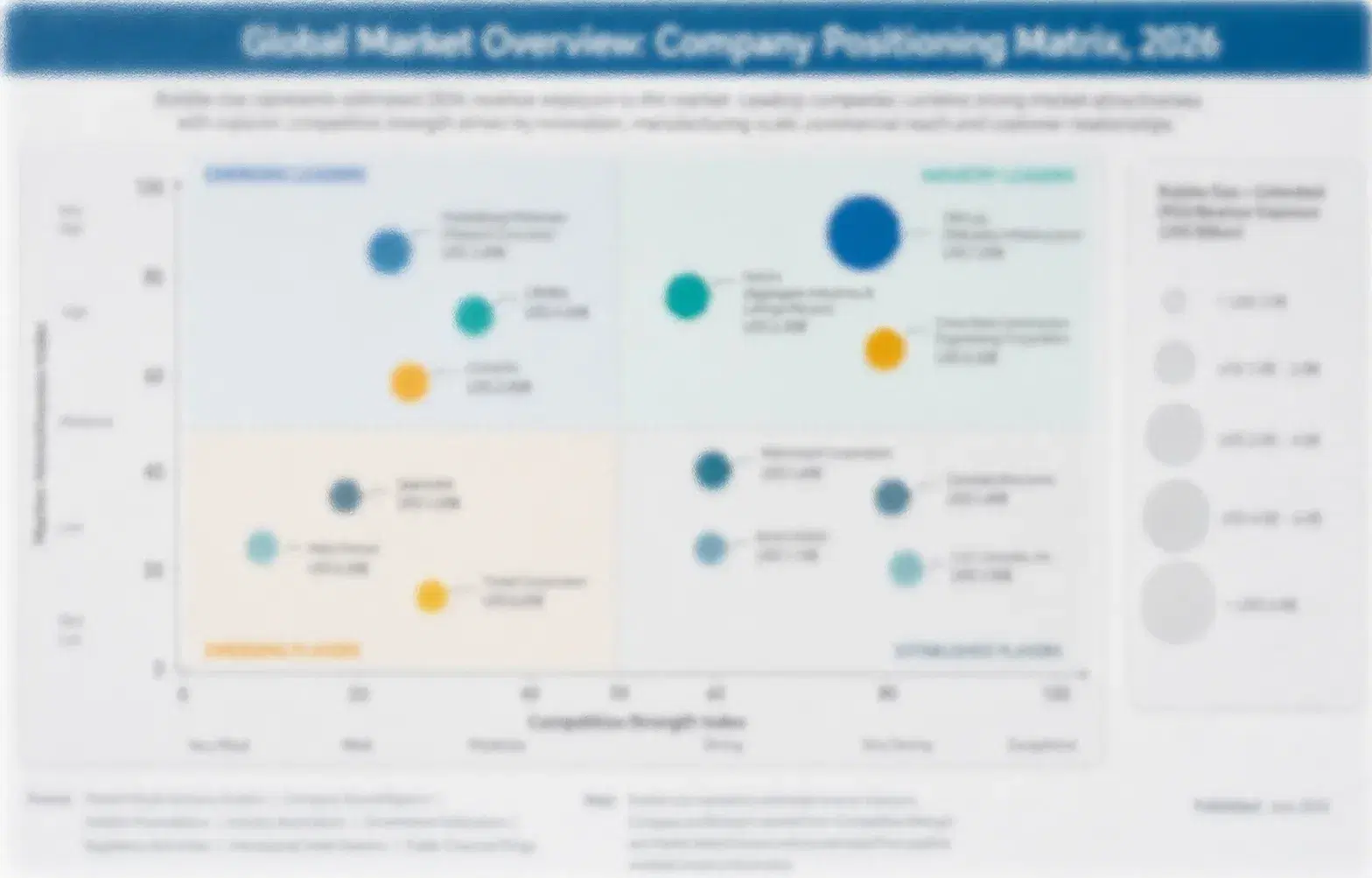
Current competitive activity centers on mono-material formulation licensing deals, digital printing technology acquisitions, and consumer goods supply partnerships, as diversified packaging decoration providers race to add recyclable IML capability without building internal polymer chemistry expertise from scratch. Several mid-tier players have announced capacity expansions specifically targeting dairy and personal care demand ahead of expanding sustainability specification requirements, signaling that film supply alone is no longer sufficient.

Emerging pressure is coming from specialty polymer chemistry startups entering through licensing partnerships with established converters rather than direct competition, a path that could reshuffle rankings over the next several years as these partnerships mature into broader commercial relationships. Rankings among the top five are likely to shift as mono-material formulation capability increasingly separates leaders from followers. Converters watching from the sidelines risk losing ground permanently once these partnerships mature.
in-mold-label-market-company-positioning-matrix-1791298492397

In-mold Labels Competitive Landscape

CCL INDUSTRIES

Moat: Global Converting Scale Network

CCL Industries operates one of the broadest converter networks globally, letting it serve multinational dairy and personal care accounts with consistent mono-material film quality across every manufacturing region, a capability smaller regional converters cannot easily match given the capital intensity of comparable formulation research investment at global scale.
CCL INDUSTRIES

Risk: Integration Complexity Risk

CCL Industries' growth-through-acquisition strategy has assembled mono-material capability across multiple acquired business units with varying formulation platforms, creating integration complexity that could slow its ability to offer a single standardized recyclability specification across all customer-facing regions compared to more centrally organized competitors across every major procurement cycle going forward.
MULTI-COLOR CORPORATION

Moat: Premium Brand Relationship Depth

Multi-Color Corporation's decades of dairy and personal care account relationships let it serve brand owners with deep institutional knowledge of recyclability certification requirements and seasonal campaign cycles, an operational advantage that reduces onboarding friction for customers launching new packaging formats requiring fast sustainability validation broadly.
MULTI-COLOR CORPORATION

Risk: Mono-Material Capability Gap

Multi-Color Corporation's traditional multi-layer film strength has left it comparatively underrepresented in mono-material matched-chemistry production, where competitors with stronger polymer formulation partnerships are capturing disproportionate new contract awards across the fastest-growing segment of the category, most directly in sustainability-focused supplier reviews conducted by major consumer goods brands.

Players Tracked

Prominent Players

CCL Industries
Multi-Color Corporation
Verstraete IML
Taghleef Industries
Fuji Seal International

Other Key Players

Autajon Group
Constantia Flexibles
UPM Raflatac
Innovia Films
Yupo Corporation
Treofan Group
Polyart Group
Cosmo Films
Jindal Poly Films
Sumitomo Chemical
Kurz Group
Billerud
Huhtamaki
Sonoco Products
WS Packaging Group

Recent Developments

MARCH 2026

CCL Industries acquired a specialty mono-material film formulator to bring matched-chemistry film production in house, reducing dependency on third-party film suppliers for its premium dairy and personal care label lines. The acquisition expands CCL Industries' formulation research capacity and secures exclusive access to several proprietary mono-material chemistries previously licensed only.
Signal: Vertical integration into mono-material film signals deeper sustainability commitment ahead and competitors are taking notice quickly
JULY 2025

Multi-Color Corporation entered a joint venture with a digital IML printing technology provider to offer bundled short-run and sustainability solutions to dairy and personal care accounts across North America and Europe. The joint venture combines Multi-Color's film production with the technology partner's digital printing infrastructure, creating a combined offering neither.
Signal: Joint venture signals converters are racing to bundle digital printing and film production across the industry broadly

Specialty Film Resin Cost Exposure and Volatility

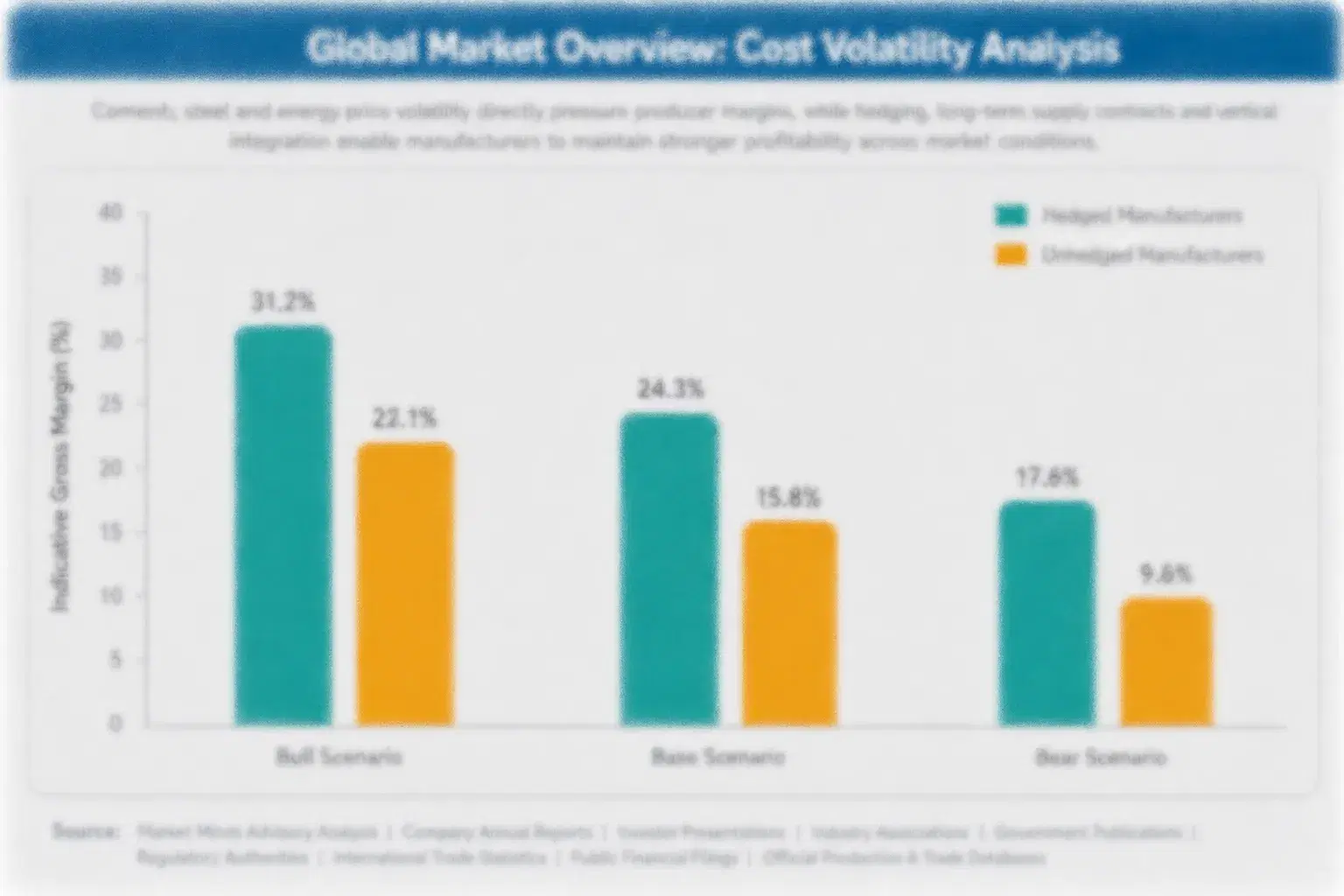
Specialty polypropylene and polyethylene film substrate together account for roughly 36 percent of total cost of goods sold for a typical packaging IML unit, sourced primarily from specialty resin producers concentrated in the United States, Germany, and increasingly China's expanding film processing capacity serving export-oriented converter operations globally. Precision mono-material formulation and extended recyclability testing overhead add a further meaningful share, leaving smaller converters with comparatively.
Polypropylene resin prices spiked sharply during 2021 and 2022 as petrochemical feedstock disruptions tied to pandemic-era supply constraints rippled through specialty resin production costs globally, according to IEA and EIA commentary covering related petrochemical manufacturing supply chains during that period in detail. Converters without hedged resin supply contracts absorbed significant margin compression during this window, forcing several smaller players to pass costs through to dairy and personal.

Converters without long-term resin supply agreements face a lasting cost disadvantage against larger competitors able to negotiate multi-year fixed pricing directly with petrochemical producers, leaving smaller players exposed to spot market volatility during price spikes recurring periodically across broader commodity cycles. This exposure varies meaningfully by geography too, since converters in regions with domestic resin production face less currency and shipping risk than those dependent entirely on.
in-mold-label-market-cost-volatility-analysis-1791298492583

Multi-Year Resin Supply Contracts

Converters are increasingly locking in multi-year polypropylene resin supply contracts with fixed or collared pricing to reduce exposure to spot market volatility during feedstock price spikes. This approach requires sufficient scale to interest producers in long-term commitments, favoring larger converters over smaller independents lacking comparable purchasing volume currently today, though pooled purchasing arrangements can help smaller players access comparable terms.

Regional Resin Sourcing Diversification

Some converters are diversifying resin sourcing across multiple regional producers rather than depending on a single supplier, reducing shipping risk and currency exposure tied to any one geography specifically across their operations. This strategy adds supplier qualification overhead but meaningfully improves resilience against regional supply disruptions over time, particularly for converters serving multiple geographic markets simultaneously across their customer base.

Portfolio Architecture for Margin Defence

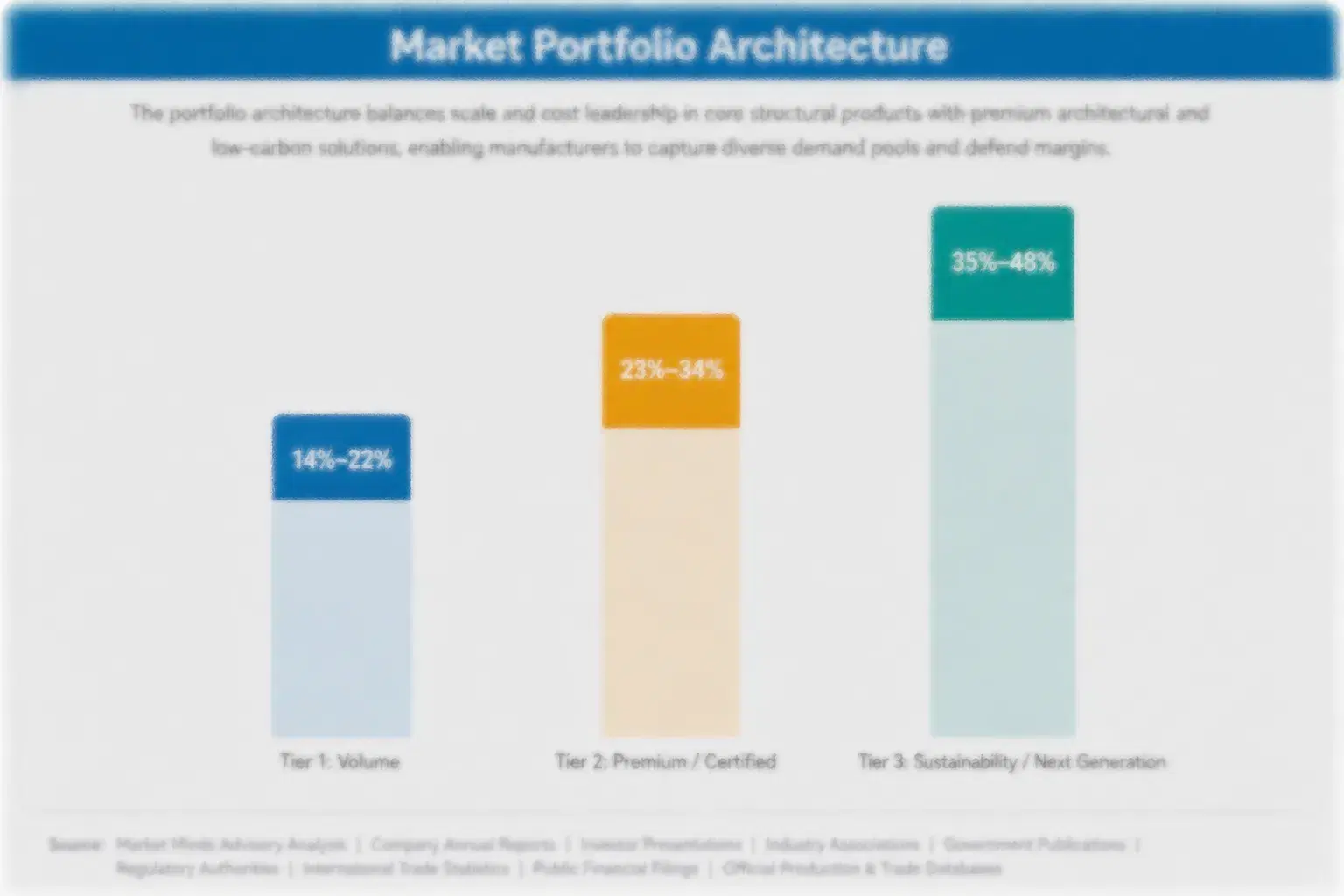
Packaging IML portfolios split across three tiers with meaningfully different margin economics, from commodity standard multi-layer formats through certified mono-material recyclable products to next-generation digital-printed and additive-enhanced designs still gaining commercial traction across most markets served today. Volume tiers compete primarily on price and delivery reliability, while premium mono-material formats command sustained pricing power through recyclability certification and formulation barriers that limit new entrant competition meaningfully across the category overall.
The tension between volume and premium positioning is sharpening as dairy and personal care brands increasingly demand certified recyclability across their full supply base, pushing converters to shift production mix toward higher-specification formats even when near-term margin benefits remain uncertain across different accounts served broadly. Converters slow to make this transition risk losing contract renewals to competitors already positioned in the premium tier ahead of them.

High-value margin pools concentrate heavily in dairy and personal care mono-material applications, both commanding premiums well above commodity standard multi-layer formats across most markets currently served by the industry worldwide. Converters that invest early in these pools are positioning themselves ahead of where premium brand specification requirements are clearly heading across the coming decade of continued sustainability emphasis.

Standard multi-layer formats competing primarily on price and delivery reliability across cost-sensitive accounts, representing the largest volume base but thinnest margins in the category overall, with limited pricing power against larger competitors holding better input cost positions overall.
Gross Margin

Mono-material recyclable formats meeting stringent dairy and personal care brand sustainability specifications, commanding sustained pricing power through certification barriers that limit competitive entry meaningfully across this tier, a position converters work hard to defend once achieved given the formulation investment required to reach it.
Gross Margin

Emerging digital-printed and additive-enhanced mono-material formats still gaining commercial traction, positioned to capture outsized margin as sustainability specification gradually increases across most major markets, though adoption timelines vary considerably depending on each brand's sustainability investment pace specifically.
Gross Margin
in-mold-label-market-portfolio-architecture-1791298492775

High-value Sub-segments and Strategic Watch-out

Recyclable Mono-Material Dairy and Personal Care Labels

This fastest-growing segment combines high volume with premium certified pricing, making it the clearest high-value high-growth pool in the category. Converters with early formulation expertise are capturing disproportionate share as brands consolidate purchasing toward validated suppliers only, a pattern expected to persist, reinforcing its position as the category's clearest growth.

Household Chemical Container Labels

A large, high-value segment growing at a moderate but steady pace, anchored by expanding brand sustainability commitments. Margins here remain comparable to the fastest-growing segment given similarly specialized production requirements across most major household chemical markets served by converters globally, particularly as sustainability pressure extends progressively across additional packaging categories.

Conventional Multi-Layer Packaging Labels

A stable segment serving price-sensitive packaging applications with lower recyclability requirements, currently trailing the category average as adoption remains concentrated among smaller regional brands facing less stringent sustainability pressure today, with adoption expected to broaden as mid-sized brands face growing shelf standout pressure too today.

Multi-Layer-Dependent Legacy Converter Capacity

A strategic watch-out segment where converters lacking mono-material capability face mounting competitive exposure. Continued packaging waste regulation tightening could force consolidation among smaller multi-layer-only players unable to secure capital for upgrades going forward across most categories, especially where converters hold no near-term formulation investment plan currently.

Annuity Demand and Buyer Stickiness

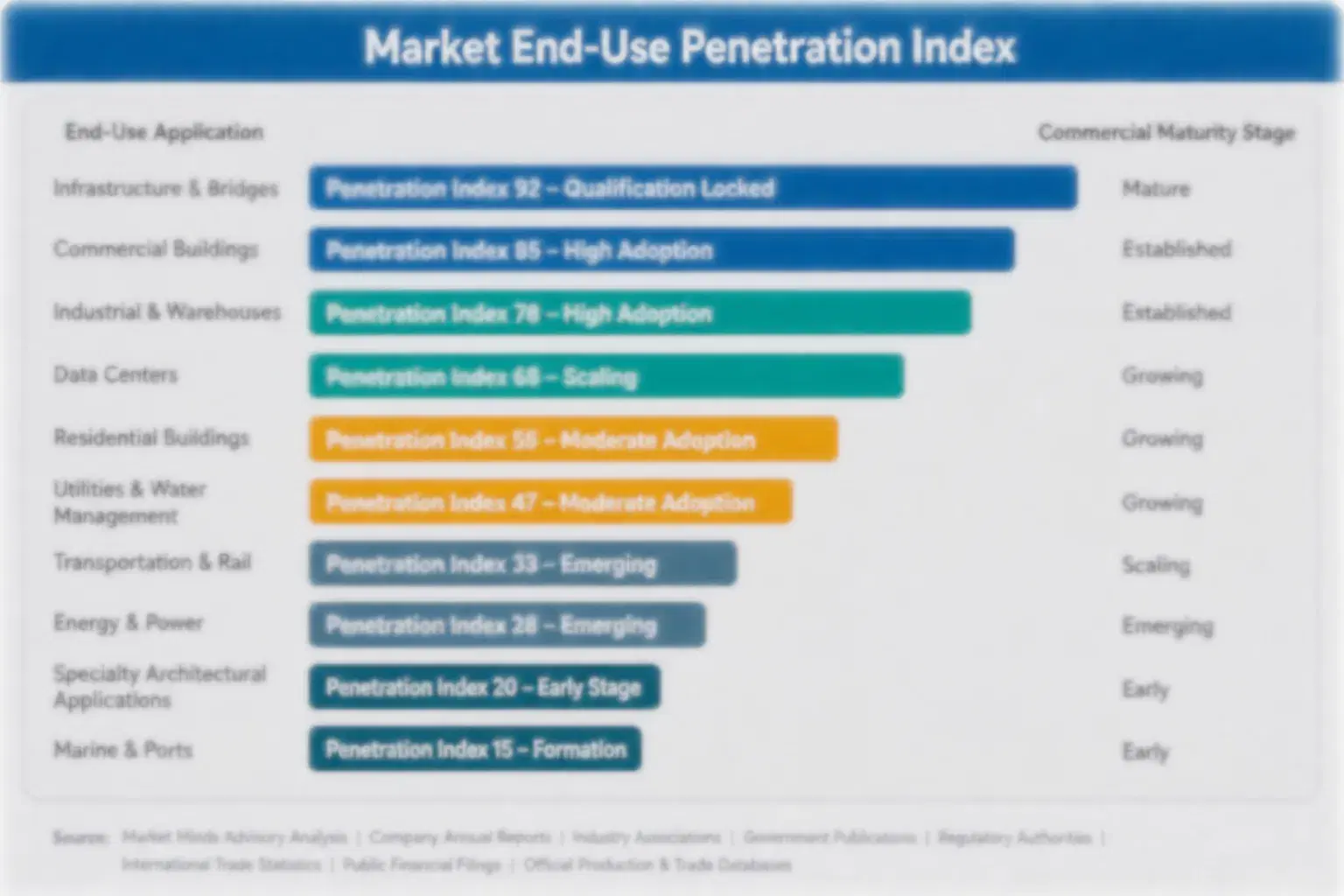
Packaging IML supply runs on annuity economics once a converter clears dairy or personal care brand certification, since switching qualified film suppliers requires re-validating recyclability compliance across an entire product line, a costly process most brands avoid repeating often across their global portfolio across most certified accounts served today, reinforcing the annuity character of this demand base.
Adoption stickiness varies meaningfully by end-use vertical, with dairy showing the deepest lock-in given multi-generational brand relationships and recyclability consistency requirements, while personal care brands show somewhat shallower stickiness as they occasionally dual-source across certified converters to manage supply risk during periods of elevated resin price volatility. Household chemical applications sit between these two extremes currently, with adoption still consolidating as sustainability requirements tighten gradually across major retail regions worldwide.

A generational shift in buyer profiles is underway as brand sustainability officers increasingly co-own packaging specification decisions alongside traditional procurement teams, pushing IML adoption beyond pure cost calculus toward recyclability scorecards that factor into brand positioning reporting obligations. Younger procurement professionals entering packaging roles show markedly less resistance to premium mono-material formats than their predecessors did. This shift is most visible among major dairy and personal care brand customers currently reviewing supplier scorecards.
in-mold-label-market-end-use-penetration-index-1791298492958

Strategic Priorities for Converters

These are among the four positions where our research anticipates prominent divergence between winners and laggards over the coming forecast period. Each is grounded in the demand model, the regulatory perimeter, and the announced capacity pipeline.
01 / MONO-MATERIAL CAPITAL INVESTMENT

Prioritize mono-material film capacity across core production lines

Converters without sufficient mono-material capacity are losing dairy and personal care contract renewals to competitors already equipped across comparable production lines across their full manufacturing footprint. Capacity expansion requires upfront capital and multi-quarter installation cycles, but it secures premium tier pricing, multi-year contract commitments, closer technical collaboration with brand customers, and priority access to constrained resin producer allocation. Players that delay this investment risk permanent exclusion from the fastest-growing segment as brands consolidate purchasing toward validated suppliers, while early movers capture outsized share of new contract awards.
02 / RESIN SUPPLY SECURITY

Secure multi-year polypropylene resin contracts before next price cycle

Resin price volatility tied to petrochemical feedstock cycles has repeatedly compressed converter margins during supply disruptions over the past several years across most regions served by the industry today. Locking in multi-year fixed or collared pricing with established producers protects margin during the next inevitable volatility event and secures priority allocation when supply tightens unexpectedly during the next cyclical downturn. Smaller converters lacking scale to negotiate favorable terms should consider pooled purchasing arrangements with regional peers facing similar exposure today.
03 / REGIONAL CAPACITY EXPANSION

Expand converting capacity in East Asia ahead of demand acceleration

East Asia's rigid packaging manufacturing concentration and expanding dairy and personal care brand investment are driving the fastest regional demand growth across the entire forecast window through 2036 and beyond. Converters without meaningful regional presence risk ceding share to domestic competitors positioned closer to both resin supply and brand customers across the region's major manufacturing hubs, particularly China and South Korea. Capacity expansion decisions made over the next several years will likely determine competitive positioning for the following decade today.
04 / SUSTAINABILITY BRAND POSITIONING

Align product roadmaps with tightening packaging sustainability requirements

Brand sustainability officers are increasingly co-owning packaging specification decisions, pushing brand customers toward suppliers with credible mono-material recyclability certification capability across their full global supply base. Converters that proactively build this capability into their commercial offering gain an edge during brand supplier reviews that increasingly weight recyclability heavily alongside price, reliability, and prior relationship history across multiple contract cycles. This positioning matters most for dairy and personal care accounts facing the strictest near-term sustainability disclosure timelines, where compliant suppliers are already winning disproportionate new volume across most major accounts reviewed.

Engagement Snapshot From the Field

A live engagement with an industry participant carrying material or product regulatory and market exposure ahead of a defining policy shift, showing how our research translates into a defensible multi-year portfolio strategy.
MARKET MINDS ADVISORY · CLIENT ENGAGEMENT SUMMARY
In-mold Labels Producer Strategic Portfolio Review and Transition Roadmap 2026·Investment Scenario on In-mold Labels Exposure Evaluation 2025-26
CLIENT PROFILE
The client was a mid-sized dairy processor operating across four countries, exploring a transition toward mono-material recyclable IML for its yogurt and margarine container lines following mounting retailer pressure on packaging recyclability disclosure and sustainability scorecards. The engagement took place in the first quarter of 2026, commissioned directly by the processor's packaging procurement and sustainability leadership jointly.
STRATEGIC CHALLENGE
The client faced a decision between three competing mono-material film suppliers with meaningfully different formulation chemistry, recyclability certification status, and pricing structures, none of which had been independently benchmarked against each other on a consistent commercial basis previously. The processor needed an independent, commercially consistent comparison framework before committing to a multi-year supply award covering its full four-country container footprint.
MMA APPROACH
MMA conducted supplier benchmarking across formulation chemistry, recyclability certification status, and contract pricing structure, supplemented by primary interviews with converter technical leads and a review of each supplier's recycling stream validation documentation submitted to the client directly. The assessment weighted formulation performance, certification status, and pricing structure consistently across all three candidates to produce a single comparable scorecard.
KEY FINDINGS
  1. Supplier A offered the fastest certification timeline but relied on single-region resin sourcing, creating meaningful supply concentration risk during volatility events specifically.
  2. Supplier B held the strongest multi-year resin pricing contracts but lagged roughly two quarters behind on formulation chemistry for the client's specific container format.
  3. Supplier C's pricing was most competitive but its recycling stream documentation showed gaps against the client's retailer disclosure requirements, requiring additional validation work before any award.
  4. None of the three suppliers had previously served a client with the processor's four-country container footprint, requiring custom logistics modeling for each candidate evaluated.
CLIENT PROFILE
The client was a mid-sized dairy processor operating across four countries, exploring a transition toward mono-material recyclable IML for its yogurt and margarine container lines following mounting retailer pressure on packaging recyclability disclosure and sustainability scorecards. The engagement took place in the first quarter of 2026, commissioned directly by the processor's packaging procurement and sustainability leadership jointly.
STRATEGIC CHALLENGE
The client faced a decision between three competing mono-material film suppliers with meaningfully different formulation chemistry, recyclability certification status, and pricing structures, none of which had been independently benchmarked against each other on a consistent commercial basis previously. The processor needed an independent, commercially consistent comparison framework before committing to a multi-year supply award covering its full four-country container footprint.
MMA APPROACH
MMA conducted supplier benchmarking across formulation chemistry, recyclability certification status, and contract pricing structure, supplemented by primary interviews with converter technical leads and a review of each supplier's recycling stream validation documentation submitted to the client directly. The assessment weighted formulation performance, certification status, and pricing structure consistently across all three candidates to produce a single comparable scorecard.
KEY FINDINGS
  1. Supplier A offered the fastest certification timeline but relied on single-region resin sourcing, creating meaningful supply concentration risk during volatility events specifically.
  2. Supplier B held the strongest multi-year resin pricing contracts but lagged roughly two quarters behind on formulation chemistry for the client's specific container format.
  3. Supplier C's pricing was most competitive but its recycling stream documentation showed gaps against the client's retailer disclosure requirements, requiring additional validation work before any award.
  4. None of the three suppliers had previously served a client with the processor's four-country container footprint, requiring custom logistics modeling for each candidate evaluated.
RECOMMENDED STRATEGY
Phase 1: Phase one: commission independent recycling stream validation testing for Supplier C to close documentation gaps before any award decision directly. Phase 2: Phase two: negotiate a dual-sourcing arrangement combining Supplier A's speed with Supplier B's pricing security across different container lines directly. Phase 3: Phase three: build a shared retailer disclosure reporting template usable across both awarded suppliers to simplify future compliance audits directly.
OUTCOME
The client awarded a dual-sourcing contract six months after engagement completion, reporting a meaningful reduction in single-supplier dependency risk and improved retailer disclosure audit scores across its four-country container footprint (client-reported, unverified by MMA). Projected five-year resin cost savings versus the original single-supplier path were estimated in the low seven figures (client-reported, unverified by MMA).

Frequently Asked Questions

Foundational context covering the market sizes, CAGR, scope, country, region and competition that inform every finding below. This section is provided to cover basics and most often pre-purchase conversations, answered from the MMA Primary Research Dataset.

What is the current size of the In-mold Labels Market?

The global in-mold labels market for packaging reached 1.95 billion dollars in 2025. This figure reflects validated converter shipment data across certified dairy and personal care applications worldwide.

How large will the In-mold Labels Market be by 2036?

MMA projects the market will reach 3.70 billion dollars by 2036. This represents nearly double the 2026 forecast base, driven by recyclability mandates and brand sustainability commitments.

What is the CAGR for the In-mold Labels Market 2026 to 2036?

The market is forecast to grow at a 6.0 percent compound annual rate between 2026 and 2036. This pace reflects accelerating brand adoption of certified mono-material formats.

Which segment is growing fastest?

Recyclable Mono-Material Dairy and Personal Care Labels is the fastest-growing segment, expanding at an 8.0 percent CAGR, roughly 1.33 times the overall market rate. Sustainability mandates are the primary driver.

Who are the major companies in the In-mold Labels Market?

Leading participants include CCL Industries, Multi-Color Corporation, Verstraete IML, Taghleef Industries, and Fuji Seal International. These five companies collectively hold roughly 39 percent of global shipment volume.

Which country is growing fastest?

India is the fastest-growing country market, expanding at a 7.4 percent CAGR as its dairy and personal care packaging sector scales mono-material adoption. Domestic brand demand is accelerating.

In-mold Labels Segmentation by Type and Use

The full report scope spans multiple orthogonal segmentation dimensions, with cross-tabulated demand data provided for each dimension pair. Coverage extends further to regional breakdowns, trend trajectories, and the competitive detail needed to support segment-level decision-making.
  • Recyclable Mono-Material Labels
  • Conventional Multi-Layer Labels
  • Digital-Printed IML Labels
  • Dairy Packaging
  • Personal Care Packaging
  • Household Chemical Packaging
  • Direct Brand Procurement
  • Converter Distribution Channel
  • Certification Bundled Services

By Region

  • North America
  • Western Europe
  • East Asia
  • South Asia and Pacific
  • Latin America
  • Middle East and Africa
  • Eastern Europe

Scope, Methodology, and Coverage

Every figure in this report is reproducible from documented input assumptions. The scope below maps the historical period, the forecast horizon, the segmentation dimensions, and the countries covered, alongside the underlying primary and qualitative methodology.
Historical Period
2020 to 2025
Forecast Period
2026 to 2036
Base Year
2025 (USD billions; MMA Primary Research Dataset, October 2026)
Market Definition
This report covers in-mold labels for rigid packaging applications: pre-printed plastic labels fused directly into a container during injection or blow molding, spanning dairy tubs, personal care bottles, and household chemical containers. It excludes automotive, appliance, and other non-packaging component IML applications, which are covered separately, and post-mold applied pressure-sensitive labels.
Quantitative Units
USD billions, 2025 to 2036
Segmentation Dimensions
Application category, end-use industry, commercial channel, region
Regions Covered
North America, Western Europe, East Asia, South Asia and Pacific, Latin America, Middle East and Africa, Eastern Europe
Countries Covered
40+ countries across seven global regions
Key Companies Profiled
20 companies spanning film suppliers and packaging converters
Quantitative Methodology
Primary survey, n=3,800 respondents, Q4 2025, six countries; demand-side model with trade association cross-validation
Qualitative Methodology
47 expert interviews, Q4 2025; applied to validate demand model assumptions, identify emerging dynamics, and assess competitive positioning
Report Format
PDF and XLSX data workbook (Word format preview document)
Publisher
Market Minds Advisory
Report Code
MMA-2026-PAC-334
Published
October 2026
Contact
sales@marketmindsadvisory.com | www.marketmindsadvisory.com

Purchase the full In-mold Labels Market Report (2026 to 2036).

This report gives packaging strategy and sustainability teams a validated view of the in-mold labels market for rigid packaging, combining primary survey data with converter and film supplier interviews conducted during the fourth quarter of 2025. It covers sizing, segmentation, regional dynamics, competitive positioning, and input cost exposure across the full forecast period extending through 2036. The analysis is designed to support sourcing decisions, capacity investment planning, and recyclability roadmapping for brand owners and converters alike operating across this sustainability-driven category. It also benchmarks converter sourcing resilience against resin supply volatility risk.
Validated 2025 to 2036 market sizing and forecast scenarios
Seven-region share and growth rate breakdown
Five-segment MECE market structure with growth rates
Twenty-company competitive benchmarking and moat analysis
Input cost exposure and mitigation pathway assessment
Anonymized client case study with recommended strategy

Built For The People Who Decide

From boardroom strategy to bench-side execution, this report is read cover-to-cover by leaders shaping the next decade of their industry, turning demand scenarios, market dynamics and valuation benchmarks into decisions.
CXOs/ Presidents/ VPs/ Managers
M&A and Corporate Development
Strategy Teams and R&D Heads
Procurement and Product Directors
Regulatory and Compliance Leaders
Investor Relations and Equity Analysts