Market Minds Advisory
Ice Cream Packaging Market

Ice Cream Packaging Market Opportunities and Forecast 2026-2036

Premium pint and single-serve novelty formats are pulling North American ice cream packaging demand ahead of mature Western European tub replacement cycles as brands chase indulgence-driven category growth, across most tracked converter accounts.

Lead Analyst

Bilal Shaikh

Published

November 2026

Make Smarter Decisions with Customized Research Insights

Request a free sample report and evaluate market opportunities, growth trends, and competitive dynamics relevant to your business needs.

2025 MARKET VALUE$9.8BMarket Size 2025
2036 FORECAST VALUE$16.4BBase Case , 2026 to 2036
CAGR 2026 TO 20364.8 %Bull 6.0% / Bear 3.5%
INCREMENTAL OPPORTUNITY$6.1BNet 10- year value creation
EXPANSION MULTIPLE1.60x2036 value over 2026 base
Strategic Levers
M&A Pipeline
Regional Outlook
Country Rankings
Competitive Intelligence
Segmental Deep-dive
Call-Us : 91 93563 13602

Ice Cream Packaging Market at a Glance

Ice cream packaging demand is accelerating as premium pint and single-serve novelty formats capture growing indulgence-driven consumption ahead of mature bulk tub replacement cycles across developed markets, across most tracked converter accounts, throughout this entire forecast cycle, across major dairy markets worldwide.
North America's premium and novelty innovation leadership is sustaining the deepest per-capita packaging demand globally, while China's urbanizing retail freezer infrastructure is driving the fastest volume growth. Single-serve novelty wrappers are capturing share fastest as brands chase on-the-go consumption occasions across both developed and emerging frozen dessert markets, across most tracked converter accounts, throughout this entire forecast cycle, across major dairy markets worldwide, among most tracked manufacturer relationships today.
Competition remains moderately concentrated among established paperboard and flexible film converters, with no single player holding commanding global share. Recyclability regulation and premiumization trends are reshaping converter investment priorities across both developed and emerging dairy manufacturing markets this cycle, across most tracked converter accounts, throughout this entire forecast cycle, across major dairy markets worldwide, among most tracked manufacturer relationships today, across most tracked converter accounts, throughout this entire forecast cycle, across major dairy markets worldwide.
Market Definition
The Ice Cream Packaging Market covers paperboard tubs, flexible film wrappers, and rigid cups used for retail and foodservice ice cream and frozen dessert products. It excludes bulk industrial dairy packaging and commercial freezer equipment, which MMA tracks separately under its dedicated packaging and equipment reports. MMA's outlook for the dairy product packaging market points to USD 49.1 billion by 2036, a 5.1% annual growth rate.
Base Year Value
$9.8B in 2025 (MMA Primary Research Dataset, October 2026)
Forecast Period
2026 to 2036, eleven discrete annual values
CAGR
4.8% base case. Bull 6.0%. Bear 3.5%.
Fastest Growth Segment
Single-Serve Novelty Wrappers: 6.8% CAGR
Fastest Growth Country
China: 6.4% CAGR
Fastest Growth Region
South Asia and Pacific: 6.7% CAGR
Largest Region
North America: 29% of 2025 global value
Market Leaders
Huhtamaki Oyj, Sonoco Products Company, Greif Inc., International Paper Company, Berry Global Inc. Source: MMA Analysis, based on company disclosures and primary survey data, Q4 2025.
Primary Survey
n=3,800 procurement and R&D decision-makers, Q4 2025, six countries
Methodology
Demand-side build-up, cross-validated against public data, 47 expert interviews

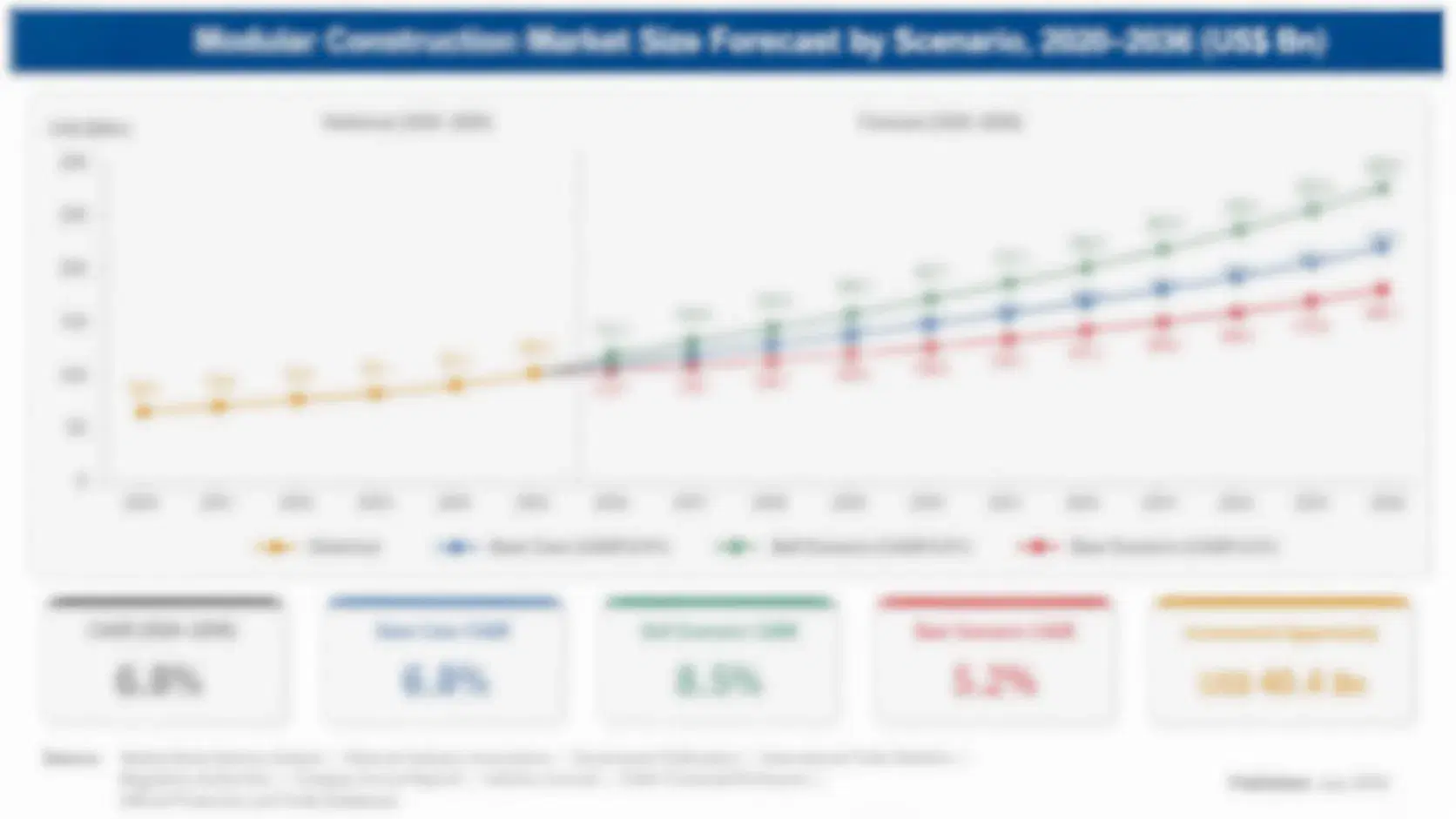
Ice Cream Packaging Growth Scenarios to 2036

ice-cream-packaging-market-size-forecast-scenario-1791447012504
Ice cream packaging demand grew steadily between 2020 and 2025, supported by pandemic-driven at-home consumption growth and sustained premium pint expansion across developed markets during this period, across most tracked converter accounts, throughout this entire forecast cycle, across major dairy markets worldwide, among most tracked manufacturer relationships today, across most tracked converter accounts, throughout this entire forecast cycle.
The base case assumes continued North American premium and novelty innovation, sustained Chinese retail freezer infrastructure expansion, and gradual recyclable paperboard substitution as brands respond to plastic reduction regulation across both developed and emerging dairy manufacturing markets. These three mechanisms together anchor steady volume growth through the forecast period despite mature-market plateauing, across most tracked converter accounts, throughout this entire forecast cycle, across major dairy markets worldwide, among most tracked manufacturer relationships today.
A bull scenario assumes accelerated premium novelty format proliferation and faster Chinese retail freezer expansion push demand above the base case meaningfully. A bear scenario assumes dairy input cost pressure and slower emerging-market refrigeration infrastructure constrain demand below the base case, across most tracked converter accounts, throughout this entire forecast cycle, across major dairy markets worldwide, among most tracked manufacturer relationships today.

Premium Novelty Formats Reshape Category Economics

Ice cream packaging demand is being reshaped by premium pint proliferation, which requires higher-finish paperboard tubs with embossing and foil detailing compared with standard bulk container formats, across most tracked converter accounts, throughout this entire forecast cycle, across major dairy markets worldwide, among most tracked manufacturer relationships today, across most tracked converter accounts, throughout this entire forecast cycle. The ice cream container market is a useful reference point here, growing from USD 4.2 billion in 2025 to USD 8.06 billion by 2036 at a 6.1% CAGR, according to MMA.
MARKET CONCENTRATION33% CR5Moderately concentrated among established paperboard and film converters globally
AVERAGE SELLING PRICE$0.14/unitVaries sharply by container size and premium finish complexity
TOP PRODUCING COUNTRY SHARE25% ChinaReflects domestic frozen dessert manufacturing scale expansion nationally
CAPACITY UTILIZATION73%Reflects steady seasonal demand without major speculative expansion
PAPERBOARD COST SHARE42%Virgin and recycled paperboard pricing drives converter margin volatility
REPLACEMENT CYCLE LENGTH9 monthsReflects typical seasonal packaging redesign and relaunch timelines
Huhtamaki and Sonoco lead the premium tub segment, using decades of dairy packaging engineering relationships to capture indulgence-driven brand demand as novelty formats proliferate across both developed and emerging markets. China's urbanizing retail freezer infrastructure is pulling volume growth ahead of mature Western markets, requiring baseline tub and wrapper procurement that domestic converters are scaling rapidly to meet, across most tracked converter accounts. MMA expects the related cold seal packaging market to be worth USD 2.72 billion by 2036.
Recyclability regulation and single-serve novelty complexity are pushing converters to invest in flexible manufacturing capability that smaller regional players struggle to match consistently across export markets, across most tracked converter accounts, throughout this entire forecast cycle, across major dairy markets worldwide, among most tracked manufacturer relationships today, across most tracked converter accounts, throughout this entire forecast cycle, across major dairy markets worldwide, among most tracked manufacturer relationships today, across most tracked converter accounts.
"Ice cream tubs used to be a commodity line. Now premium brands treat the tub as part of the product experience, and converters that cannot deliver that finish are losing shelf space outright."
Senior Analyst, Food Packaging Practice · MMA Packaging Practice · October 2026

Key Trends in Ice Cream Packaging

Premium Pint Proliferation Drives Tub Finish Upgrades

Premium ice cream brands are increasingly launching pint-size tubs with embossed paperboard, foil detailing, and matte finishes that distinguish them from standard bulk container formats on crowded freezer shelves. This shift has accelerated meaningfully as indulgence-driven consumption has grown across developed markets, pushing mainstream brands to adopt premium finish elements previously reserved for artisanal and craft producers. Converters that have invested in embossing and foil application capability are winning premium brand contracts ahead of competitors still offering standard finishes across most tracked dairy manufacturing accounts this cycle, across most tracked converter accounts. For a connected opportunity, MMA values the thermoformed tubs market at USD 4.9 billion in 2025.
Market Impact: Sustains 6% novelty wrapper volume growth
China Retail Freezer Infrastructure Expansion Drives Growth

China's continued expansion of retail freezer infrastructure across convenience stores and supermarkets is driving substantial new ice cream packaging demand, with each new retail freezer installation supporting baseline tub and wrapper procurement. Domestic dairy manufacturers have sustained this consumption growth for several consecutive years, with converters scaling production to serve both domestic brands and growing export accounts. This expansion keeps China's growth rate well ahead of mature Western markets across most tracked distribution channels this cycle, across most tracked converter accounts, throughout this entire forecast cycle, across major dairy markets worldwide.
Market Impact: Maintains 4% bulk tub volume growth

Where the Ice Cream Packaging Opportunity Lies

Single-Serve Novelty Consumption Occasions Expand Steadily

Expanding single-serve novelty consumption occasions, including on-the-go and individually wrapped formats, are sustaining substantial demand for flexible film wrappers independent of bulk tub segment growth. Manufacturers are scaling novelty production to meet convenience-driven consumer preference shifts, giving converters predictable recurring order volume tied to seasonal launch cycles. This occasion-driven demand has proven resilient across discretionary spending cycles, anchoring baseline revenue for converters serving major novelty brand accounts across most tracked markets this cycle, across most tracked converter accounts, throughout this entire forecast cycle, across major dairy markets worldwide, among most tracked manufacturer relationships today.
Market Impact: Raises converter COGS 5% during spikes

At-Home Consumption Sustains Bulk Tub Demand Steadily

Sustained at-home ice cream consumption across mature developed markets continues to support steady bulk tub packaging demand as households maintain pandemic-era consumption habits even as broader economic conditions normalize. Legacy standard tub formats remain dominant in value-tier retail channels, maintaining converter order volume even as overall at-home consumption growth remains modest across most tracked mature market accounts this cycle, across most tracked converter accounts, throughout this entire forecast cycle, across major dairy markets worldwide, among most tracked manufacturer relationships today, across most tracked converter accounts, throughout this entire forecast cycle.
Market Impact: Adds 7% redesign cost to SKUs

Ice Cream Packaging Growth Barriers

Paperboard Price Volatility Pressures Converter Margins Significantly

Virgin and recycled paperboard price volatility, rooted in pulp feedstock supply fluctuations, continues to pressure converter margins across the ice cream packaging sector, particularly for converters without long-term paperboard supply agreements. The commercial impact falls hardest on smaller regional converters that lack the purchasing scale to negotiate favorable contract terms with major paperboard producers. Some manufacturers are exploring paperboard hedging contracts and recycled-content substitution as mitigation pathways, though adoption remains limited across most tracked converter accounts so far this cycle, across most tracked converter accounts, throughout this entire forecast cycle.
Market Impact: Lifts premium tub share 7% annually

Plastic Reduction Regulation Disrupts Wrapper Specifications

Expanding plastic reduction regulation across several developed markets, rooted in packaging waste policy and extended producer responsibility mandates, is disrupting established flexible film wrapper specifications as brands reformulate toward recyclable mono-material alternatives. The commercial impact falls hardest on converters that built wrapper tooling around legacy multi-layer formats. Some converters are mitigating this through mono-material redesign programs, though neither approach fully eliminates the redesign cost burden across affected accounts this cycle, across most tracked converter accounts, throughout this entire forecast cycle, across major dairy markets worldwide, among most tracked manufacturer relationships today.
Market Impact: Adds 8% China volume growth
3 additional market trends, 4 additional growth drivers, and 3 additional restraints and challenges are covered in the full report. Contact sales@marketmindsadvisory.com to access the complete intelligence.

Ice Cream Packaging Segment Growth Rates

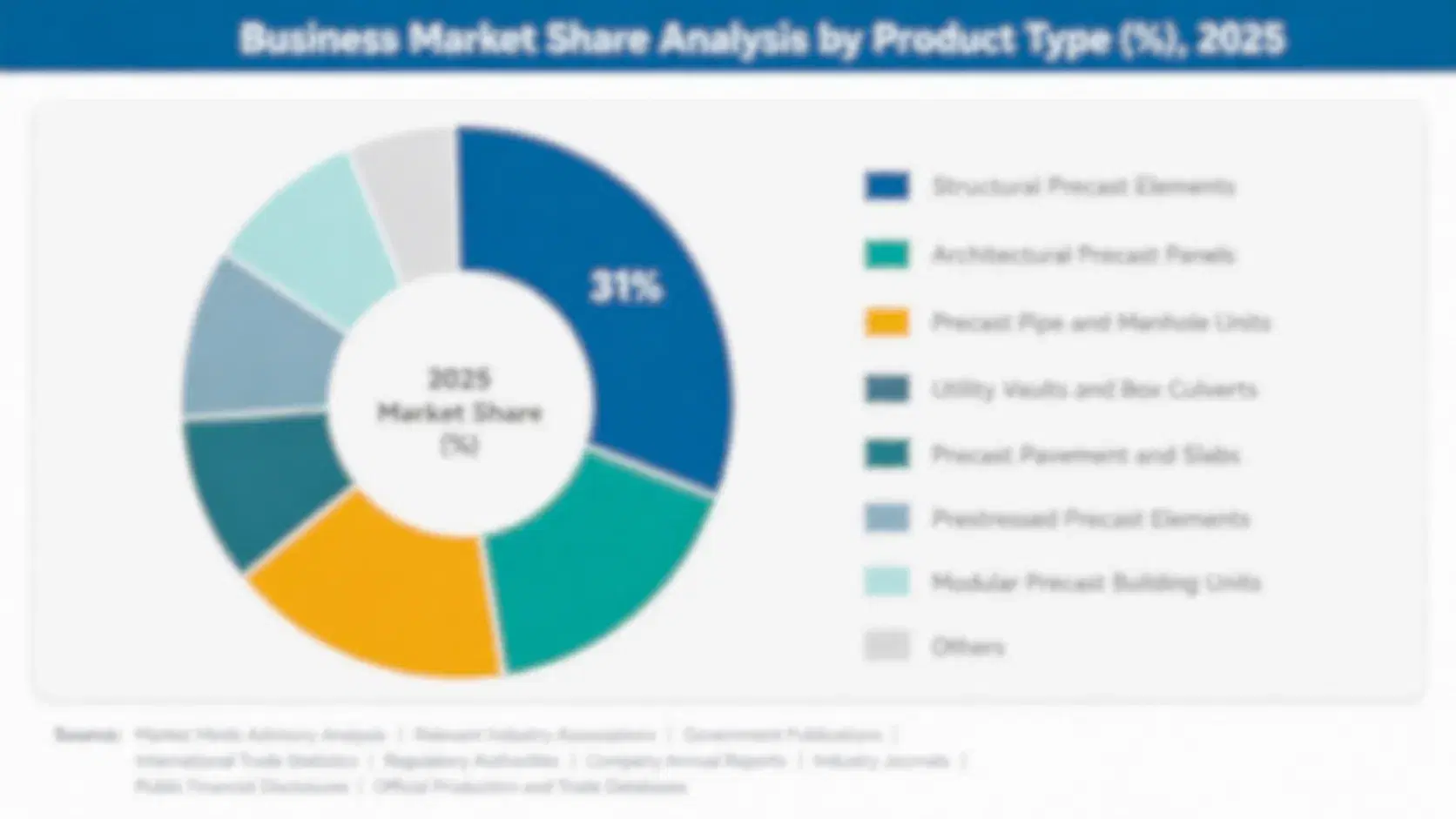
MMA segments the ice cream packaging market by container format, separating single-serve novelty wrappers from paperboard tubs, rigid cups, and bulk foodservice containers, since each format carries distinct manufacturing and procurement economics across dairy accounts worldwide, across most tracked dairy accounts, throughout this entire forecast cycle, across major converter markets worldwide, among most tracked manufacturer relationships today.
ice-cream-packaging-market-market-share-analysis-1791447012762

Single-Serve Novelty Wrappers

Single-serve novelty wrappers are the fastest-growing segment as consumers increasingly favor on-the-go and individually portioned consumption occasions over traditional bulk tub serving. Huhtamaki and Berry Global have both expanded dedicated flexible film manufacturing capacity meaningfully to serve this shift, while smaller regional converters have been slower to build comparable novelty wrapping capability. Growth concentrates most heavily among convenience-focused consumers, where portability and portion control matter most directly, compared with traditional household consumption that still relies predominantly on bulk tubs across most tracked mature accounts, across most tracked dairy accounts, throughout this entire forecast cycle, across major converter markets worldwide, among most tracked manufacturer relationships today, across this entire packaging category broadly.
CAGR 6.8%

Premium Paperboard Tubs

Premium paperboard tubs are growing rapidly as indulgence-driven brands launch pint-size formats with embossed finishes and foil detailing that distinguish them on crowded freezer shelves. Converters including Sonoco and International Paper have invested in specialized embossing and foil application tooling to serve this expanding premium demand. Growth here tracks closely with premiumization trends across major dairy brands, remaining a steady and expanding commercial category across most tracked retail accounts worldwide this cycle, across most tracked dairy accounts, throughout this entire forecast cycle, across major converter markets worldwide, among most tracked manufacturer relationships today, across this entire packaging category broadly, throughout the broader forecast window ahead, across most tracked dairy accounts.
CAGR 5.4%
Full segment breakdown across 6 segments available in the complete report.

Where Ice Cream Packaging Demand Is Growing

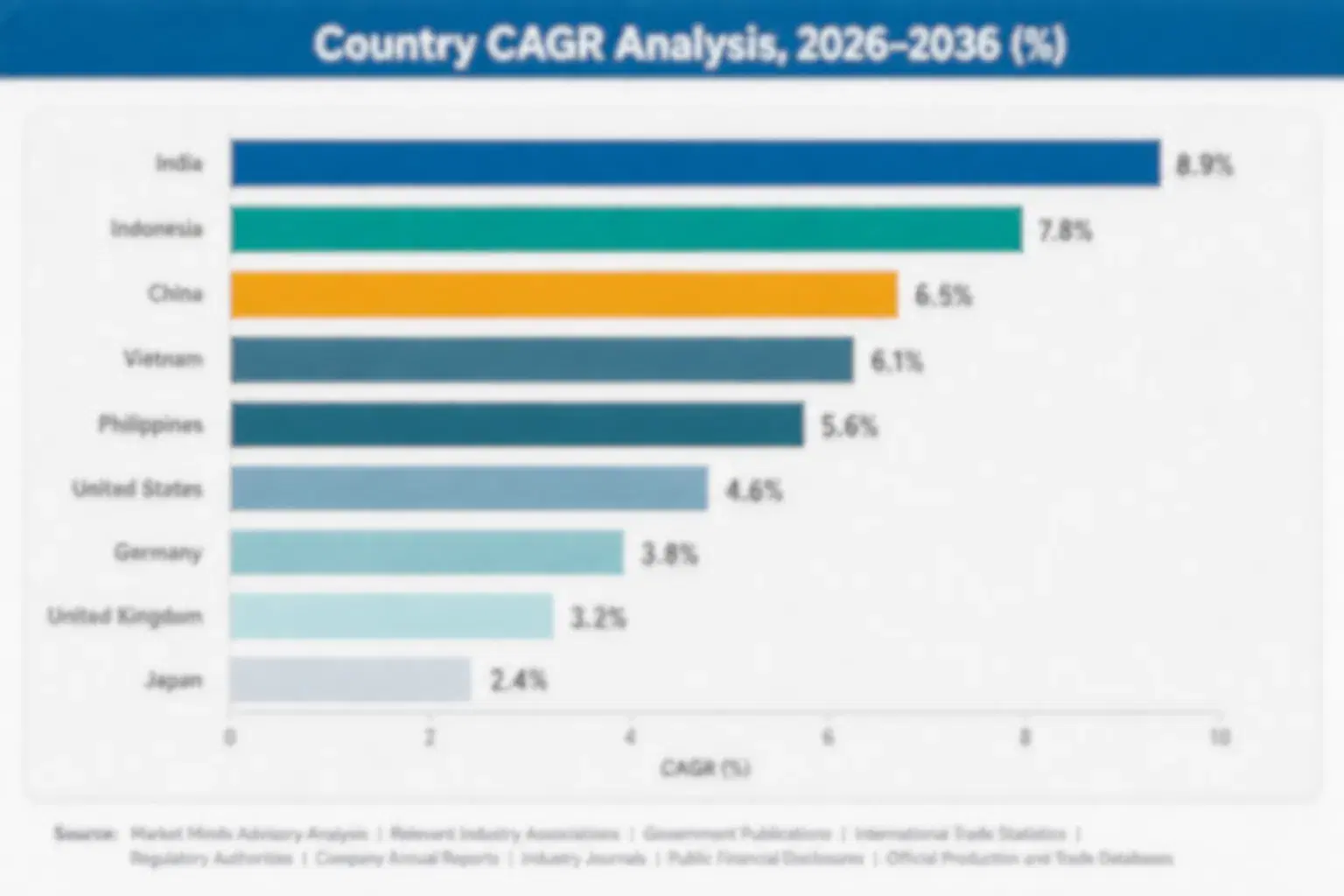
North America leads ice cream packaging demand on its premium and novelty innovation culture, while China posts the fastest national growth tied to expanding retail freezer infrastructure nationwide, across most tracked dairy accounts, throughout this entire forecast cycle, across major converter markets worldwide, among most tracked manufacturer relationships today.

North America

North America leads ice cream packaging demand on the world's highest per-capita consumption culture and deepest premium and novelty innovation leadership concentrated across the United States. Huhtamaki and Sonoco both maintain substantial domestic converting capacity serving premium brand accounts including Ben and Jerry's and Blue Bell. Indulgence-driven consumption and single-serve novelty proliferation have pushed premium finish adoption ahead of where comparable packaging sits in most other regions tracked this cycle, across most tracked dairy accounts, throughout this entire forecast cycle, across major converter markets worldwide, among most tracked manufacturer relationships today, across this entire packaging category broadly, throughout the broader forecast window ahead, across most tracked dairy accounts, throughout this entire forecast cycle.
Share: 29% | CAGR: 5.3% (2026 to 2036)

East Asia

East Asia, led by China, is expanding fastest as urbanizing retail freezer infrastructure across convenience stores and supermarkets requires baseline tub and wrapper procurement at substantial scale. Domestic dairy manufacturers have sustained consumption growth for several consecutive years, with converters scaling production to serve both domestic brands and growing export accounts. Japan and South Korea add steady demand tied to established frozen dessert culture. China's sheer scale of retail freezer expansion keeps the region's growth rate well ahead of every other tracked market this cycle, across most tracked dairy accounts, throughout this entire forecast cycle, across major converter markets worldwide, among most tracked manufacturer relationships today, across this entire packaging category broadly. The frozen food packaging market moves on similar drivers, with MMA projecting a 5.8% CAGR over 2026-2036.
Share: 24% | CAGR: 5.5% (2026 to 2036)
Regional intelligence for 5 additional markets available in the complete report: Western Europe, South Asia and Pacific, Latin America, Middle East and Africa, Eastern Europe. Contact sales@marketmindsadvisory.com.
ice-cream-packaging-market-country-cagr-analysis-1791447013054

Where Ice Cream Margin Actually Builds

Converters serving the ice cream packaging market build margin through two distinct mechanisms: premium embossed tub finishing sold at higher per-unit pricing, and single-serve novelty wrapper customization that locks in multi-year seasonal launch relationships with major dairy brands, across most tracked dairy accounts, throughout this entire forecast cycle, across major converter markets worldwide, among most tracked manufacturer relationships today.

Premium Embossed Tub Finishing Pricing Program

Converters holding embossing and foil application tooling capability command meaningfully higher per-unit pricing on premium tubs compared with standard paperboard formats sold through the same retail channels. Huhtamaki and Sonoco both maintain dedicated premium finishing lines that support premium positioning and repeat seasonal business across major dairy brand accounts. This pricing premium typically runs 15 to 25% above standard equivalents, and brands increasingly specify premium finishing for new indulgence-focused product launches each year, across most tracked dairy accounts, throughout this entire forecast cycle, across major converter markets worldwide, among most tracked manufacturer relationships today.
Market Impact: Lifts converter margin 15 to 25% on premium SKUs

Single-Serve Novelty Customization Growth Services Program

Converters offering customized single-serve novelty wrapper designs capture multi-year seasonal launch relationships that generic wrapper suppliers cannot easily replicate. Berry Global and International Paper both maintain dedicated customization design teams to capture this premium specification-locked demand directly from dairy brands. Novelty consumption occasions have grown meaningfully over the past several years, and converters able to scale customization capability ahead of this shift capture roughly 20% higher average selling prices than standard wrapper competitors, across most tracked dairy accounts, throughout this entire forecast cycle, across major converter markets worldwide, among most tracked manufacturer relationships today.
Market Impact: Captures roughly 20% higher average selling prices overall

Ice Cream Packaging Profit Pools

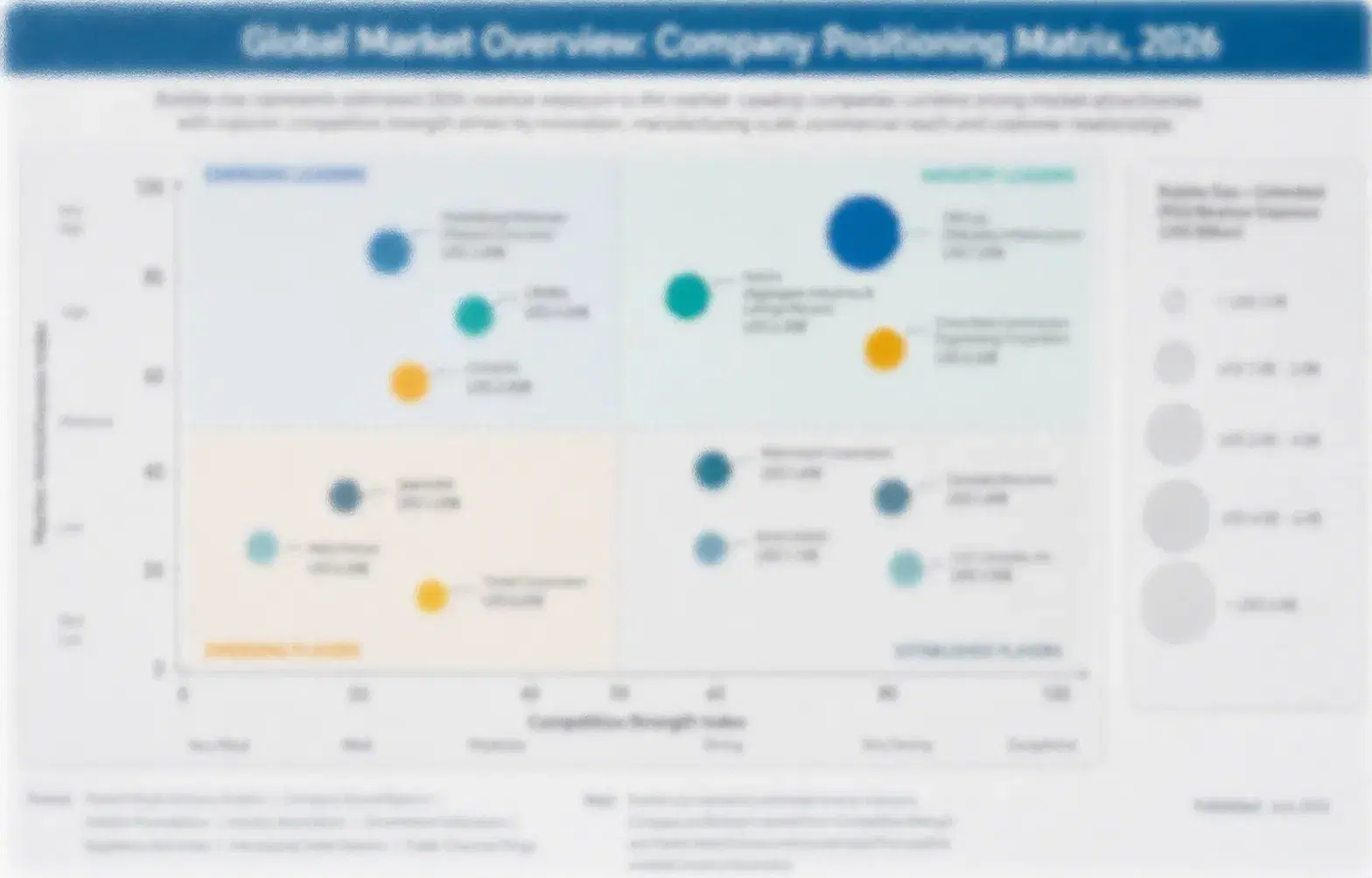
Ice cream packaging manufacturing remains moderately concentrated, with the top five converters holding a combined cr5 near 33% of global revenue. Huhtamaki and Sonoco lead on premium finishing depth and dairy brand relationships, while Greif trails as the largest diversified paperboard specialist by revenue. The gap between leader and nearest challenger remains moderate, since both compete across overlapping premium and bulk tub accounts.
Competitive activity today centers on premium embossed finishing, novelty wrapper customization, and recyclable mono-material redesign investment. Converters are investing in finishing lines to capture indulgence-driven premium demand, while Chinese domestic manufacturers compete primarily on cost for standard tub formats sold through regional dairy channels, across most tracked dairy accounts, throughout this entire forecast cycle, across major converter markets worldwide, among most tracked manufacturer relationships today.

Emerging pressure comes from Chinese domestic manufacturers expanding export capacity and from specialty finishing entrants targeting craft and artisanal ice cream accounts directly. Rankings could shift over the next several years if established paperboard leaders fail to match the customization turnaround speed that newer entrants increasingly offer to premium dairy brand accounts, across most tracked dairy accounts, throughout this entire forecast cycle, across major converter markets worldwide.
ice-cream-packaging-market-company-positioning-matrix-1791447013339

Ice Cream Packaging Supplier Positioning

HUHTAMAKI OYJ

Moat: Premium Finishing Depth

Huhtamaki holds decades of dairy packaging engineering relationships and premium embossing and foil application capability that smaller converters cannot replicate quickly. This depth supports premium positioning in indulgence-driven pint programs, giving Huhtamaki durable advantages that standard paperboard competitors cannot easily match across major global brand accounts.
HUHTAMAKI OYJ

Risk: Chinese Manufacturing Cost Pressure

Huhtamaki faces growing cost pressure from Chinese manufacturers expanding export-qualified capacity at lower price points for standard tub formats. As Chinese converters build finishing capability to match Western standards, Huhtamaki's premium positioning becomes harder to defend on standard accounts across emerging processing markets worldwide this cycle.
SONOCO PRODUCTS COMPANY

Moat: Dairy Brand Specification Lock

Sonoco's deep specification relationships with major dairy brands secure multi-year tub supply contracts that smaller converters struggle to access regardless of pricing. This positioning compounds as brands launch new seasonal programs, since they increasingly default to qualified premium suppliers for specification continuity across most tracked accounts.
SONOCO PRODUCTS COMPANY

Risk: Plastic Reduction Specification Risk

Sonoco faces specification risk tied to plastic reduction regulation timing, since reformulated wrapper designs sometimes require different barrier properties that disrupt established tooling. A faster-than-expected regulatory wave could meaningfully increase redesign costs that currently pressure Sonoco's packaging margin, across most tracked dairy accounts, throughout this entire forecast cycle.

Players Tracked

Prominent Players

Huhtamaki Oyj
Sonoco Products Company
Greif Inc.
International Paper Company
Berry Global Inc.

Other Key Players

Genpak LLC
Pactiv LLC
WestRock Company
Graphic Packaging International LLC
Reynolds Group Holdings Ltd.
Sealed Air Corporation
Amcor plc
Winpak Ltd.
ProAmpac LLC
Novolex Holdings LLC
Guangzhou Dixie Paper Products Co. Ltd.
Shanghai Zhongshun Paper Products Co. Ltd.
Zhejiang Xingda Packaging Co. Ltd.
Jiangsu Yulong Food Packaging Co. Ltd.
Shandong Lufeng Paper Products Co. Ltd.

Recent Developments

FEBRUARY 2026

Huhtamaki Expands Premium Finishing Capacity

Huhtamaki announced expanded premium embossing and foil application capacity at its North American manufacturing facility, responding to sustained indulgence-driven pint demand growth across the region. The expansion adds meaningful premium tub output capacity and positions the company to supply brands facing tightening seasonal launch schedules across major markets through the.
Signal: Signals premium finishing demand is strong enough to justify dedicated capacity investment rather than incremental production line adjustments.
SEPTEMBER 2025

Sonoco Launches Mono-Material Wrapper Platform

Sonoco launched a new mono-material flexible film wrapper platform targeting dairy brands facing tightening plastic reduction regulation across major developed markets. The launch adds a differentiated recyclability-focused format between standard multi-layer wrappers and full custom engineering, positioning the company to capture regulation-conscious brand accounts across major markets this cycle.
Signal: Signals converters are building regulatory-aligned formats rather than waiting for mandates to force wholesale wrapper redesign.

Paperboard and Film Feedstock Exposure

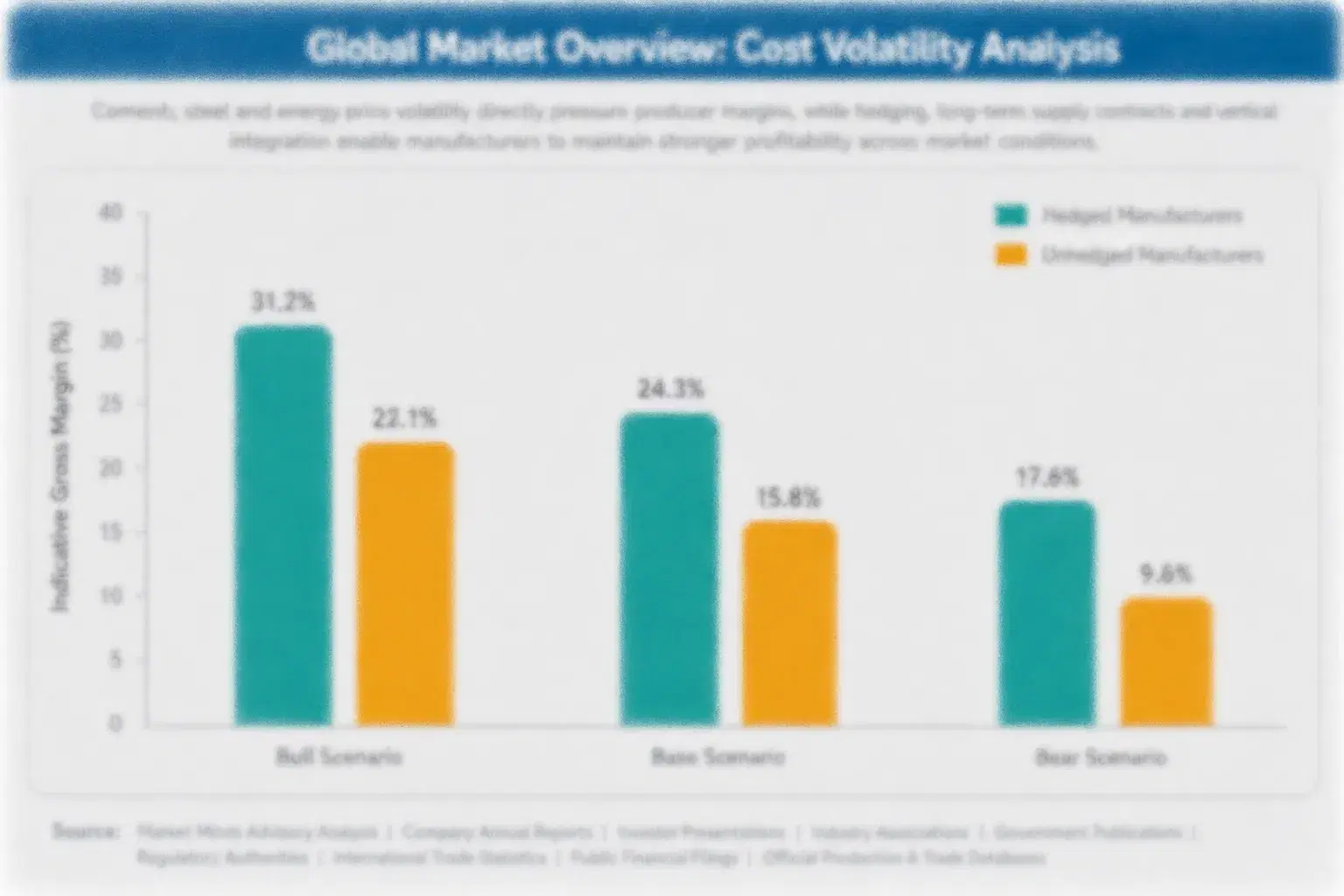
Virgin and recycled paperboard and flexible film feedstock represent the largest cost inputs for ice cream packaging converters, typically 38 to 46% of cost of goods sold, sourced primarily from pulp mills across North America, Scandinavia, and China, across most tracked converter accounts, throughout this entire forecast cycle, across major producing regions worldwide, among most tracked supply relationships today.
Global paperboard prices rose meaningfully during 2024 amid pulp mill closures and constrained Scandinavian output in several producing regions, according to annual reports from major pulp producers tracked by the industry. Converters without long-term paperboard supply contracts saw raw material costs rise faster than those with locked-in mill relationships during this period, across most tracked converter accounts, throughout this entire forecast cycle, across major producing regions worldwide, among most tracked supply relationships today.

Converters without long-term paperboard supply agreements face a lasting cost disadvantage against vertically integrated competitors that control their own pulp sourcing, particularly during price spikes. This exposure varies meaningfully by geography, since Chinese converters often source domestic paperboard at lower and more stable pricing than Western counterparts dependent on Scandinavian imports, across most tracked converter accounts, throughout this entire forecast cycle.
ice-cream-packaging-market-cost-volatility-analysis-1791447013643

Long-Term Paperboard Supply Contracts

Converters are locking in multi-year paperboard supply agreements with major mill operators to stabilize input costs ahead of seasonal demand peaks, reducing exposure to spot-market price volatility during pulp supply disruptions across key sourcing regions this cycle, across most tracked converter accounts, throughout this entire forecast cycle, across major producing regions worldwide, among most tracked supply relationships today.

Recycled Fiber Content Substitution

Converters are substituting recycled fiber content for virgin paperboard where barrier performance requirements allow, which both reduces raw material cost exposure and supports sustainability positioning for regulation-conscious dairy brand accounts across major markets, across most tracked converter accounts, throughout this entire forecast cycle, across major producing regions worldwide, among most tracked supply relationships today.

Portfolio Architecture for Margin Defence

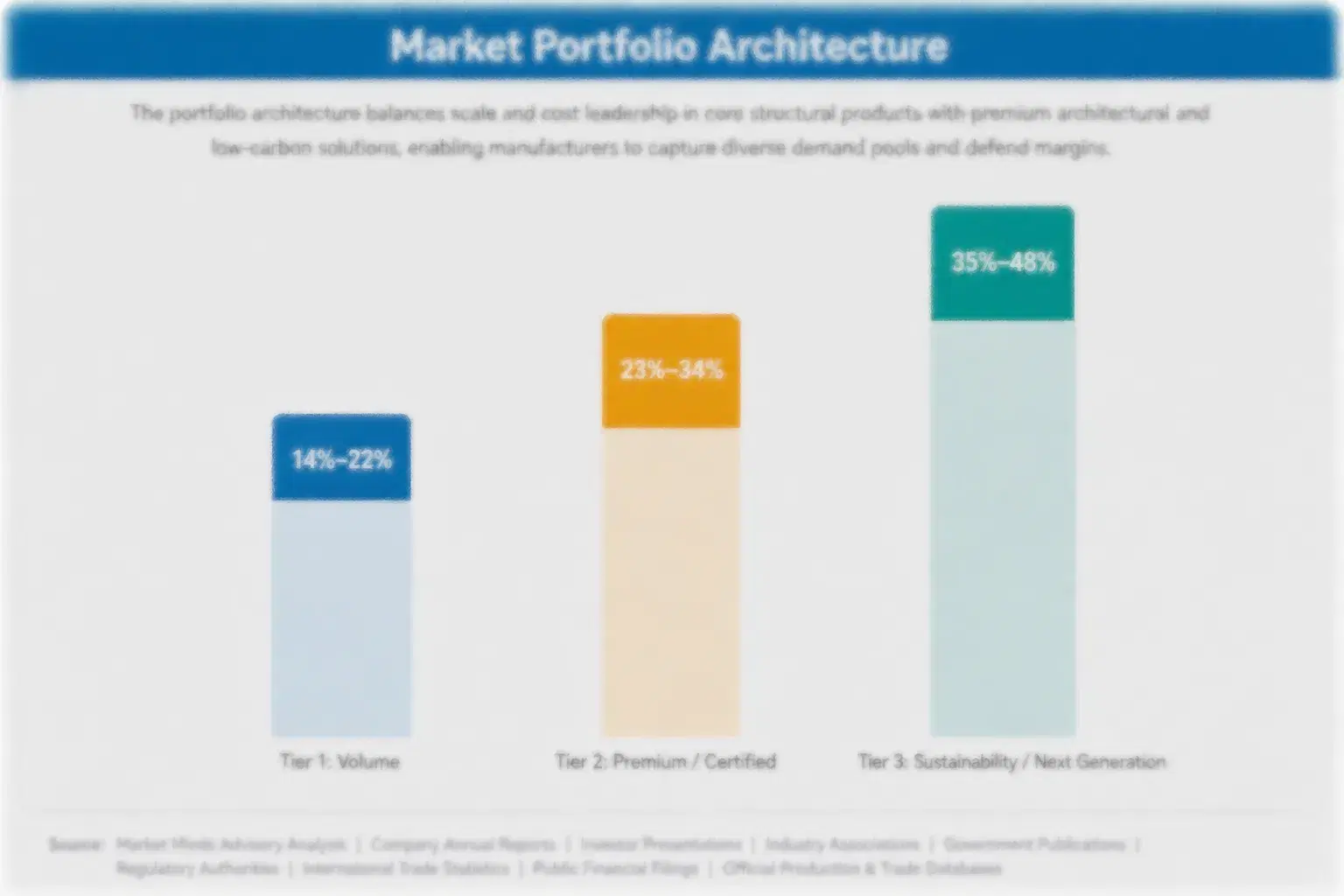
Ice cream packaging margin architecture splits across three tiers. Volume standard tubs sold through broad mass retail channels carry moderate margins, while premium embossed finishes and single-serve novelty formats command meaningfully higher margins tied to finishing complexity and brand differentiation, across most tracked dairy accounts, throughout this entire forecast cycle, across major converter markets worldwide, among most tracked manufacturer relationships today.
The volume versus premium tension defines strategic positioning for most converters: scaling standard tub output protects mass retail relationships and unit volume, while premium finishing and novelty customization protect margin but require sustained investment in embossing tooling and design capability across multiple brand accounts simultaneously, across most tracked dairy accounts, throughout this entire forecast cycle, across major converter markets worldwide, among most tracked manufacturer relationships today.

High-value margin pools concentrate in premium embossed tubs sold to indulgence-driven dairy brands, where finishing depth justifies premium pricing that standard tub channels cannot replicate at comparable volume, across most tracked dairy accounts, throughout this entire forecast cycle, across major converter markets worldwide, among most tracked manufacturer relationships today, across this entire packaging category broadly, throughout the broader forecast window ahead, across most tracked dairy accounts.

Standard paperboard tubs sold through broad mass retail channels at high volume and moderate per-unit margin, competing primarily on price against regional converters, across most tracked dairy accounts, throughout this entire forecast cycle.
Gross Margin

Premium embossed tubs sold through specialty and premium dairy brand distribution channels, carrying meaningfully higher margins tied to finishing certification depth, across most tracked dairy accounts, throughout this entire forecast cycle.
Gross Margin

Mono-material recyclable wrapper formats bundled with sustainability certification documentation commanding premium pricing from regulation-conscious dairy brand accounts, across most tracked dairy accounts, throughout this entire forecast cycle, across major converter markets worldwide.
Gross Margin
ice-cream-packaging-market-portfolio-architecture-1791447013834

High-value Sub-segments and Strategic Watch-out

Single-Serve Novelty Wrappers

High-value, high-growth segment where convenience-driven consumption commands sustained premium pricing as novelty occasions expand across developed and emerging dairy markets this cycle, across most tracked dairy accounts, throughout this entire forecast cycle, across major converter markets worldwide, among most tracked manufacturer relationships today, across this entire packaging category broadly.
Gross Margin: 26-34%

Premium Embossed Paperboard Tubs

High-value, moderate-growth segment where finishing depth supports premium pricing, though growth trails the fastest-expanding novelty segment across most tracked accounts, across most tracked dairy accounts, throughout this entire forecast cycle, across major converter markets worldwide, among most tracked manufacturer relationships today, across this entire packaging category broadly.
Gross Margin: 26-34%

Standard Bulk Paperboard Tubs

Volume core segment representing the largest unit base, sold mainly through broad mass retail channels at moderate margins and facing steady premium format adoption across comparable tiers, across most tracked dairy accounts, throughout this entire forecast cycle, across major converter markets worldwide, among most tracked manufacturer relationships today.
Gross Margin: 16-22%

Legacy Multi-Layer Film Wrappers

Strategic watch-out segment facing slow, steady decline as mono-material formats expand, reducing demand for standalone multi-layer film wrappers across most tracked developed market channels, across most tracked dairy accounts, throughout this entire forecast cycle, across major converter markets worldwide, among most tracked manufacturer relationships today.
Gross Margin: 12-18%

Seasonal Cycles and Buyer Shifts

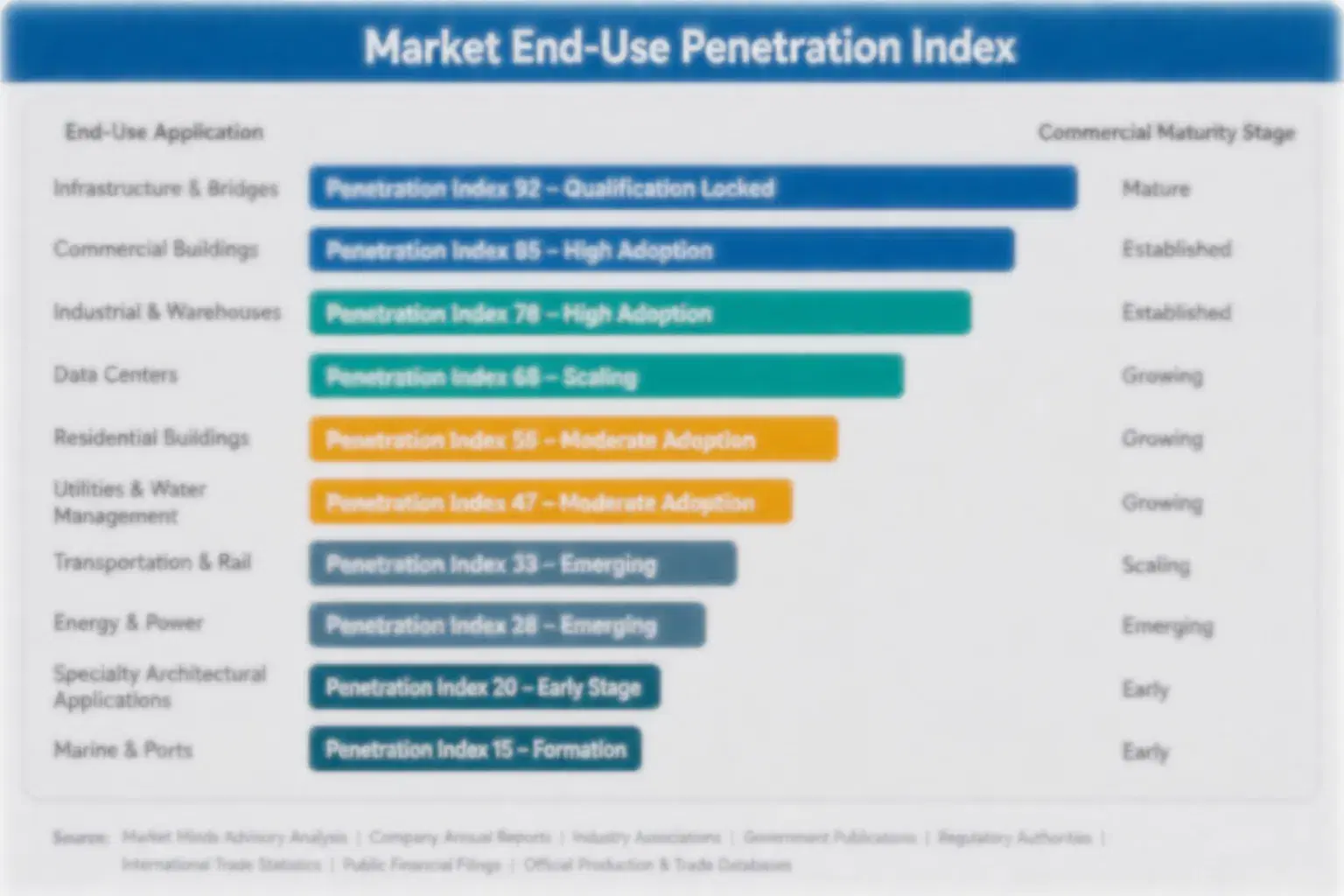
Ice cream packaging runs on an annuity economic model tied to recurring seasonal launch cycles: dairy brands refresh packaging designs and relaunch novelty formats on predictable annual schedules tied to summer peak consumption, giving converters visibility into demand timing that few food categories match this consistently across most tracked accounts, across most tracked dairy accounts, throughout this entire forecast cycle, across major converter markets worldwide.
Adoption stickiness varies by end-use vertical. Premium indulgence brands show the deepest entrenchment, since finishing qualification and brand design relationships persist across multiple seasonal cycles once established. Mainstream mass retail brands show moderate stickiness tied to annual procurement contracts, while regional and private-label brands remain more open to switching suppliers based on price and delivery reliability, across most tracked dairy accounts, throughout this entire forecast cycle.

Generational shifts are reshaping buyer profiles meaningfully. Younger dairy brand teams increasingly favor converters with established recyclability and sustainability credentials over legacy relationships built purely on price, and digital procurement platforms are shifting purchasing decisions toward converters that can demonstrate compliance data transparently and quickly, across most tracked dairy accounts, throughout this entire forecast cycle, across major converter markets worldwide, among most tracked buyer segments today.
ice-cream-packaging-market-end-use-penetration-index-1791447014022

What Matters Most Going Forward

These are among the four positions where our research anticipates prominent divergence between winners and laggards over the coming forecast period. Each is grounded in the demand model, the regulatory perimeter, and the announced capacity pipeline.
01 / PREMIUM FINISHING INVESTMENT

Embossed tubs will keep taking premium shelf space

Premium embossed paperboard tubs are growing well above the broader market rate, and converters without finishing tooling capability risk losing brand contracts as indulgence-driven consumption continues expanding. Building this capability requires meaningful tooling investment, but delaying it risks ceding ground to competitors already scaling premium production, a dynamic already visible across most tracked dairy brand accounts today. We expect premium finishing capability to remain the clearest growth lever available through the forecast period, especially as brands extend premium finishing to additional seasonal product lines.
02 / CHINA RETAIL INFRASTRUCTURE

China's freezer buildout keeps pulling volume growth

China's urbanizing retail freezer infrastructure is pulling demand growth well ahead of mature Western markets, supported by sustained convenience store and supermarket expansion nationwide. Converters that build or partner with Chinese production capacity gain cost and speed advantages serving both domestic and export dairy accounts, and this shapes sourcing strategy for converters planning capacity expansion over the decade. We expect China's share of global packaging demand to keep rising meaningfully, reinforcing China's position as the primary growth engine for converters worldwide.
03 / NOVELTY CUSTOMIZATION POSITIONING

On-the-go formats will reshape wrapper specifications

Growing single-serve novelty consumption occasions are pushing dairy brands toward customized flexible film wrappers, creating opening for converters that build design capability ahead of seasonal launch deadlines. This positioning secures brand relationships that slower-moving competitors cannot easily replicate, and determines which converters retain pricing power into the next decade overall. We expect customization capability to become a decisive competitive differentiator industry wide, particularly across brands facing the nearest seasonal launch deadlines ahead, and confirms where new design investment should be directed first overall.
04 / STANDARD TUB DEFENSE

Value-tier converters face mounting cost competition

Standard tub converters face mounting cost competition from Chinese manufacturers expanding export-qualified capacity at lower price points across value-tier accounts. This pressure intensifies as Chinese converters build finishing capability to match Western standards, eroding the advantage that legacy converters have relied on for decades, a pattern already visible across several major value-tier accounts. We expect legacy converters to defend share mainly through premium specialization rather than price competition, a shift likely to accelerate as value-tier pricing pressure persists further globally.

Engagement Snapshot From the Field

A live engagement with an industry participant carrying material or product regulatory and market exposure ahead of a defining policy shift, showing how our research translates into a defensible multi-year portfolio strategy.
MARKET MINDS ADVISORY · CLIENT ENGAGEMENT SUMMARY
Ice Cream Packaging Producer Strategic Portfolio Review and Transition Roadmap 2026·Investment Scenario on Ice Cream Packaging Exposure Evaluation 2025-26
CLIENT PROFILE
The client is a mid-size North American ice cream packaging converter supplying standard paperboard tubs to regional dairy brands, with annual revenue in the low hundreds of millions (client-reported, unverified by MMA). The company had built its business primarily on standard tub formats and faced growing pressure to offer premium embossed finishing as larger brands launched indulgence-focused pint programs.
STRATEGIC CHALLENGE
The client lacked embossing and foil application tooling capability and faced a narrowing window to build this before losing tub contracts to competitors already offering premium finishes. Leadership needed to decide whether to build internal finishing capability or license tooling technology from an established provider, and lacked clear visibility into which approach would protect margin most effectively.
MMA APPROACH
MMA analyzed the client's existing production capacity, regional dairy brand demand concentration, and competitor finishing capability gaps, benchmarking build versus license economics against four comparable converters that had already executed similar finishing transitions across the region. The engagement combined primary interviews with dairy brand procurement teams and quantitative margin modeling.
KEY FINDINGS
  1. Building internal embossing and foil application capability required twelve to sixteen months and significant capital investment before reaching full commercial production scale (client-reported, unverified by MMA).
  2. Licensing finishing technology from an established provider could deliver comparable premium output within six months at a modest per-unit royalty cost increase.
  3. Three of the client's five largest dairy accounts had already set internal premium finishing specification upgrades within the next twelve months, per account plans.
  4. Competitors that had already launched premium finished tubs captured expanded account share within one seasonal launch cycle, ahead of slower-moving rival converters.
CLIENT PROFILE
The client is a mid-size North American ice cream packaging converter supplying standard paperboard tubs to regional dairy brands, with annual revenue in the low hundreds of millions (client-reported, unverified by MMA). The company had built its business primarily on standard tub formats and faced growing pressure to offer premium embossed finishing as larger brands launched indulgence-focused pint programs.
STRATEGIC CHALLENGE
The client lacked embossing and foil application tooling capability and faced a narrowing window to build this before losing tub contracts to competitors already offering premium finishes. Leadership needed to decide whether to build internal finishing capability or license tooling technology from an established provider, and lacked clear visibility into which approach would protect margin most effectively.
MMA APPROACH
MMA analyzed the client's existing production capacity, regional dairy brand demand concentration, and competitor finishing capability gaps, benchmarking build versus license economics against four comparable converters that had already executed similar finishing transitions across the region. The engagement combined primary interviews with dairy brand procurement teams and quantitative margin modeling.
KEY FINDINGS
  1. Building internal embossing and foil application capability required twelve to sixteen months and significant capital investment before reaching full commercial production scale (client-reported, unverified by MMA).
  2. Licensing finishing technology from an established provider could deliver comparable premium output within six months at a modest per-unit royalty cost increase.
  3. Three of the client's five largest dairy accounts had already set internal premium finishing specification upgrades within the next twelve months, per account plans.
  4. Competitors that had already launched premium finished tubs captured expanded account share within one seasonal launch cycle, ahead of slower-moving rival converters.
RECOMMENDED STRATEGY
Phase 1: Phase one: license embossing and foil application technology within six months to meet near-term premium specification upgrades across the client's priority accounts. Phase 2: Phase two: pilot finished tubs with the three accounts facing the nearest seasonal launch deadlines, measuring finish quality against the client's standard benchmark. Phase 3: Phase three: evaluate building internal finishing capability once pilot volume justifies the capital investment required for sustained internal production capacity.
OUTCOME
The client secured a finishing technology license within five months and launched premium tubs ahead of two of its three target accounts' seasonal deadlines (client-reported, unverified by MMA). Pilot finish quality exceeded the client's standard benchmark meaningfully, supporting a broader finishing rollout decision across additional accounts the following fiscal year.

Frequently Asked Questions

Foundational context covering the market sizes, CAGR, scope, country, region and competition that inform every finding below. This section is provided to cover basics and most often pre-purchase conversations, answered from the MMA Primary Research Dataset.

What is the current size of the Ice Cream Packaging Market?

The global ice cream packaging market is valued at 9.8 billion dollars in 2025. This figure covers paperboard tubs, flexible film wrappers, and rigid cups for retail and foodservice frozen dessert products worldwide.

How large will the Ice Cream Packaging Market be by 2036?

MMA projects the market will reach 16.41 billion dollars by 2036. This reflects sustained North American premium innovation and China's expanding retail freezer infrastructure across global accounts.

What is the CAGR for the Ice Cream Packaging Market 2026 to 2036?

The market is forecast to grow at a compound annual growth rate of 4.8% between 2026 and 2036. Bull and bear scenarios range from 6.0% to 3.5%, reflecting premiumization pace and dairy cost uncertainty.

Which segment is growing fastest?

Single-serve novelty wrappers are the fastest-growing segment, expanding at 6.8% annually, well above the overall market rate. This growth reflects rising on-the-go consumption occasion demand overall.

Who are the major companies in the Ice Cream Packaging Market?

Leading companies include Huhtamaki Oyj, Sonoco Products Company, Greif Inc., International Paper Company, and Berry Global Inc. Together these five hold a combined market share near 33% of global revenue.

Which country is growing fastest?

China is the fastest-growing national market, expanding at 6.4% annually. This reflects its rapidly urbanizing retail freezer infrastructure and expanding domestic manufacturing scale nationwide overall.

Ice Cream Packaging Segments Covered

The full report scope spans multiple orthogonal segmentation dimensions, with cross-tabulated demand data provided for each dimension pair. Coverage extends further to regional breakdowns, trend trajectories, and the competitive detail needed to support segment-level decision-making.
  • Paperboard Tubs
  • Flexible Film Wrappers
  • Rigid Cups
  • Bulk Foodservice Containers
  • Single-Serve Novelty Packaging
  • Retail Grocery and Convenience
  • Foodservice and Quick-Service Restaurants
  • Artisanal and Craft Dairy Brands
  • Private-Label Dairy Manufacturing
  • Premium Brand Accounts
  • Mass Retail Value Accounts
  • Private-Label Manufacturing Contracts
  • Export-Qualified Supply Contracts

By Region

  • North America
  • Western Europe
  • East Asia
  • South Asia and Pacific
  • Latin America
  • Middle East and Africa
  • Eastern Europe

Scope, Methodology, and Coverage

Every figure in this report is reproducible from documented input assumptions. The scope below maps the historical period, the forecast horizon, the segmentation dimensions, and the countries covered, alongside the underlying primary and qualitative methodology.
Historical Period
2020 to 2025
Forecast Period
2026 to 2036
Base Year
2025 (USD billions; MMA Primary Research Dataset, October 2026)
Market Definition
The Ice Cream Packaging Market covers paperboard tubs, flexible film wrappers, and rigid cups used for retail and foodservice ice cream and frozen dessert products. It excludes bulk industrial dairy packaging and commercial freezer equipment, which MMA tracks separately under its dedicated packaging and equipment reports.
Quantitative Units
USD billions
Segmentation Dimensions
Regions Covered
North America, Western Europe, East Asia, South Asia and Pacific, Latin America, Middle East and Africa, Eastern Europe
Countries Covered
Key Companies Profiled
Huhtamaki Oyj, Sonoco Products Company, Greif Inc., International Paper Company, Berry Global Inc., Genpak LLC, Pactiv LLC, WestRock Company, Graphic Packaging International LLC, Reynolds Group Holdings Ltd., Sealed Air Corporation, Amcor plc, Winpak Ltd., ProAmpac LLC, Novolex Holdings LLC, Guangzhou Dixie Paper Products Co. Ltd., Shanghai Zhongshun Paper Products Co. Ltd., Zhejiang Xingda Packaging Co. Ltd., Jiangsu Yulong Food Packaging Co. Ltd., Shandong Lufeng Paper Products Co. Ltd.
Quantitative Methodology
Primary survey, n=3,800 respondents, Q4 2025, six countries; demand-side model with trade association cross-validation
Qualitative Methodology
47 expert interviews, Q4 2025; applied to validate demand model assumptions, identify emerging dynamics, and assess competitive positioning
Report Format
PDF and XLSX data workbook (Word format preview document)
Publisher
Market Minds Advisory
Report Code
MMA-2026-PAC-598
Published
October 2026
Contact
sales@marketmindsadvisory.com | www.marketmindsadvisory.com

Purchase the full Ice Cream Packaging Market Report (2026 to 2036).

This report provides a comprehensive analysis of the global ice cream packaging market across forecast scenarios, segmentation, regional dynamics, and competitive positioning through 2036. It draws on primary survey data from 3,800 respondents and 47 expert interviews conducted in Q4 2025 across six countries. The analysis covers format-level growth patterns, regional demand mechanisms, input cost exposure, and portfolio margin economics for converters and investors evaluating this market. It also includes an anonymized client engagement case study illustrating how finishing capability decisions play out in practice.
Ten-year revenue and volume forecasts by format
Seven-region demand and growth rate breakdown
Competitive benchmarking of twenty tracked companies
Input cost exposure and mitigation strategy analysis
Portfolio margin tier and watch segment mapping
Anonymized client case study with recommended strategy

Built For The People Who Decide

From boardroom strategy to bench-side execution, this report is read cover-to-cover by leaders shaping the next decade of their industry, turning demand scenarios, market dynamics and valuation benchmarks into decisions.
CXOs/ Presidents/ VPs/ Managers
M&A and Corporate Development
Strategy Teams and R&D Heads
Procurement and Product Directors
Regulatory and Compliance Leaders
Investor Relations and Equity Analysts