Market Minds Advisory
Garment Packing Machine Market

Garment Packing Machine Market Opportunities and Forecast 2026-2036

E-commerce apparel brands demanding rapid SKU changeover are pushing garment exporters toward vision-guided folding and bagging systems that conventional fixed-format machines cannot match at comparable throughput. across most garment export categories.

Lead Analyst

Bilal Shaikh

Published

November 2026

Make Smarter Decisions with Customized Research Insights

Request a free sample report and evaluate market opportunities, growth trends, and competitive dynamics relevant to your business needs.

2025 MARKET VALUE$0.9BMarket Size 2025
2036 FORECAST VALUE$1.8BBase Case , 2026 to 2036
CAGR 2026 TO 20366.5 %Bull 7.7% / Bear 5.3%
INCREMENTAL OPPORTUNITY$0.8BNet 10- year value creation
EXPANSION MULTIPLE1.88x2036 value over 2026 base
Strategic Levers
M&A Pipeline
Regional Outlook
Country Rankings
Competitive Intelligence
Segmental Deep-dive
Call-Us : 91 93563 13602

Garment Packing Machine Demand Outlook

Garment packing machine demand is shifting toward vision-guided systems as e-commerce apparel brands demand rapid SKU changeover that conventional fixed-format folding and bagging machines cannot match across most garment export facilities today. Equipment makers report this calculation now dominates purchasing conversations across most garment export facilities nationwide.
Vision-guided folding and bagging machines are growing fastest as e-commerce apparel SKU variety accelerates, while vacuum compression packing machines hold the second-fastest rate as exporters pursue reduced shipping volume across bulky garment categories. East Asia carries the largest regional share given its enormous garment manufacturing and export packing scale, while South Asia and Pacific posts the fastest regional growth as garment export capacity expands across the subcontinent.
Competitive intensity centers on a cluster of German and Italian garment finishing specialists with decades of folding engineering experience, now facing margin pressure from Chinese challengers offering comparable throughput at meaningfully lower capital cost. Changeover speed, not raw folding throughput, increasingly determines which supplier wins an exporter's multi-year equipment relationship across its expanding SKU portfolio. Rankings could shift within a few years as validation standards tighten across the broader industry landscape.
Market Definition
The garment packing machine market covers equipment that folds, bags, or compresses finished garments and apparel products for retail distribution or shipment, including automatic folding machines, poly-bagging systems, and vacuum compression packing equipment. It excludes garment manufacturing or sewing equipment upstream of packing, and excludes general-purpose flow wrap or shrink wrap equipment not specifically configured for garment folding and bagging.
Base Year Value
$0.9B in 2025 (MMA Primary Research Dataset, October 2026)
Forecast Period
2026 to 2036, eleven discrete annual values
CAGR
6.5% base case. Bull 7.7%. Bear 5.3%.
Fastest Growth Segment
Vision-Guided Folding and Bagging Machines: 10.0% CAGR
Fastest Growth Country
Vietnam: 9.0% CAGR
Fastest Growth Region
South Asia and Pacific: 8.5% CAGR
Largest Region
East Asia: 30% of 2025 global value
Market Leaders
Veit Group, Kannegiesser, Rotondi S.r.l., Jiuding Garment Machinery, and A.T.E. Enterprises lead by installed machine base. Source: MMA Analysis based on company annual reports.
Primary Survey
n=3,800 procurement and R&D decision-makers, Q4 2025, six countries
Methodology
Demand-side build-up, cross-validated against public data, 47 expert interviews

Garment Packing Machine Market Forecast to 2036

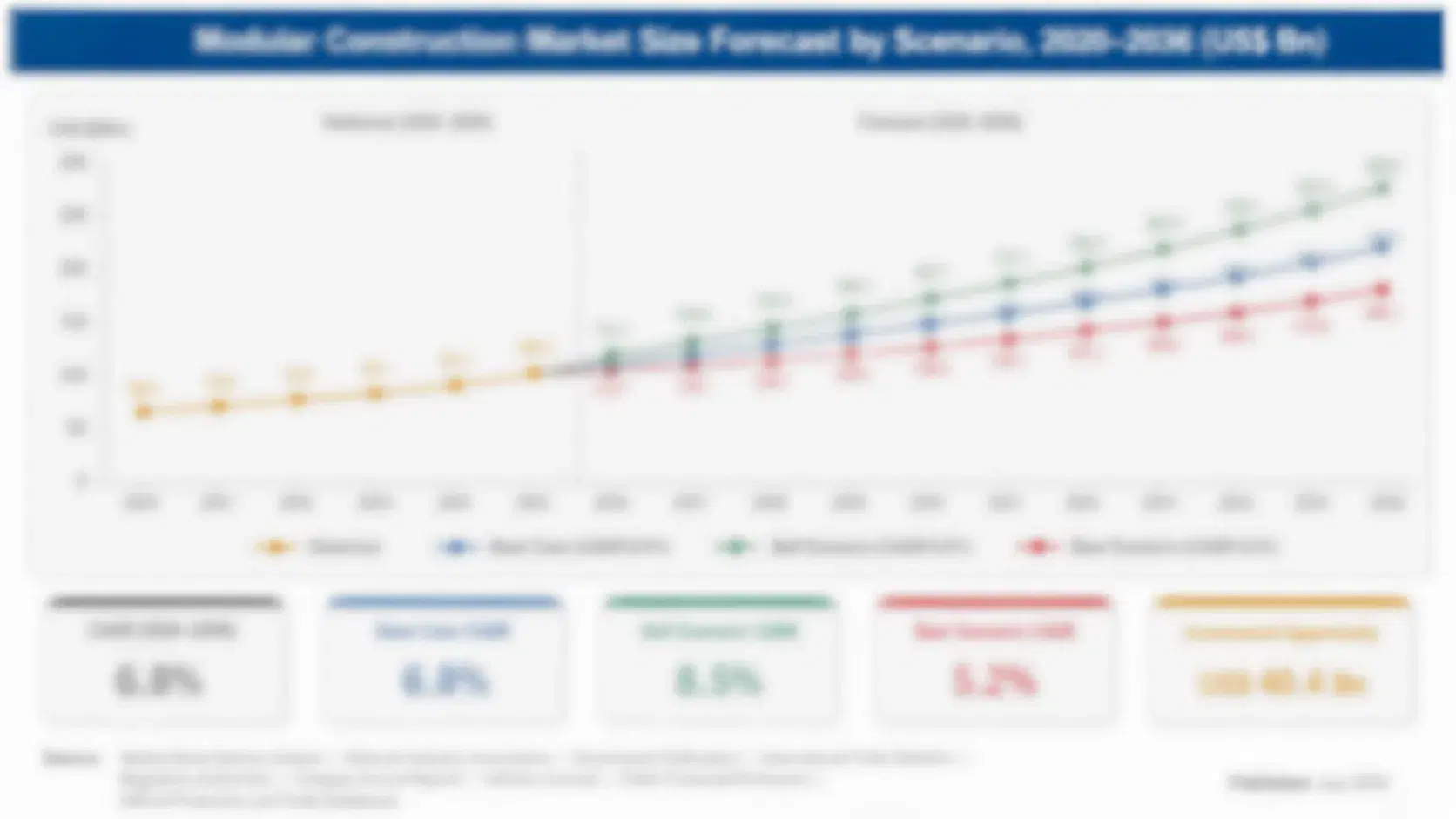
garment-packing-machine-market-size-forecast-scenario-1791487812353
Between 2020 and 2025 the market grew at an estimated 5.9% annually, a period shaped by steady garment export manufacturing growth before vision-guided changeover demand broadened meaningfully during the final two years of the historical window, pulling conversion orders forward across a wider exporter base than builders had previously served. Equipment makers report backlogs have stabilized across most regions.
The base case assumes 6.5% compound growth through 2036, driven by three reinforcing mechanisms: first, e-commerce apparel brands demanding rapid SKU changeover that conventional fixed-format machines cannot accommodate without costly manual retooling; second, exporters adopting vacuum compression packing to reduce shipping volume and dimensional weight cost across bulky garment categories; and third, garment export manufacturing capacity expansion across emerging markets lifting baseline packing equipment demand regardless of technology sophistication. Equipment makers report steady order growth across all three mechanisms.
The bull case rests on e-commerce apparel SKU proliferation accelerating faster than expected across emerging fashion categories, pulling vision-guided equipment demand forward across new exporter accounts. The bear case centers on a prolonged capital spending pause among mid-tier exporters facing margin compression, even as changeover pressure continues building toward eventual equipment replacement across regions tracked.

Changeover Speed Becomes the Deciding Criterion

Changeover speed, once a secondary engineering specification, has become the primary criterion garment exporters use to evaluate competing equipment bids, since an exporter serving several SKU accounts recovers a vision-guided machine's price premium quickly through eliminated manual retooling downtime that fixed-format equipment cannot avoid across frequent garment style transitions. Equipment makers unable to demonstrate rapid reconfiguration increasingly lose bids to rivals offering comparable throughput with meaningfully shorter changeover windows. This dynamic also shapes the garment steamer market, valued by MMA at USD 2.8 billion in 2025 and expected to reach USD 6.2 billion by 2036.
MARKET CONCENTRATION (CR5)34%Top five equipment makers hold roughly one-third overall
AVERAGE MACHINE PRICE$165,000What a mid-tier automated vision-guided folding line typically costs
TOP PRODUCING COUNTRY SHARE26%China leads global garment packing equipment manufacturing output
CAPACITY UTILIZATION69%Equipment makers run assembly operations below full nameplate capacity
TYPICAL FOLD PLACEMENT ACCURACY2-5mmStandard placement variance range across precision folding technology
AVERAGE EQUIPMENT REPLACEMENT CYCLE10-14 yearsTypical service life before a garment packing machine needs replacement
Commercially, the market increasingly rewards equipment makers who can validate consistent fold placement and bag sealing across varied garment sizes and fabric types, since an exporter running several brand accounts avoids costly equipment duplication by standardizing on a single adaptable architecture rather than maintaining separate machines per garment style. This adaptability is becoming a genuine competitive moat for established German and Italian finishing specialists facing low-cost Chinese competition across price-sensitive accounts. MMA's view of the garment interlining market offers a useful comparison, at USD 3.4 billion in 2025 rising to USD 5.3 billion by 2036, a 4.2% CAGR.
Over the next decade, expect continued conversion toward vision-guided and vacuum compression packing technology, garment export manufacturing capacity expansion across South Asia, and growing demand for flexible machines capable of serving multiple garment styles and fabric types on shared equipment platforms rather than dedicated single-purpose production assets. Builders slow to adapt risk losing share to more flexibility-focused competitors. MMA's outlook for the compression garments market points to USD 9.5 billion by 2036, a 6.8% annual growth rate.
"A garment exporter used to run a dedicated folding line for every style a brand ordered. Now one vision-guided line switches garment profiles automatically between batches, and that flexibility is reshaping which equipment makers win the next generation of apparel export accounts."
Director, Packaging Automation Practice · MMA Packaging Automation / Garment Folding Practice · October 2026

Key Trends in Garment Packing Machine

Vision-Guided Changeover Displaces Fixed-Format Folding Machines

Garment exporters serving e-commerce brands demanding rapid SKU changeover are increasingly specifying vision-guided folding and bagging systems that reconfigure garment profiles automatically from digital specifications, rather than the fixed-format mechanical machines that dominated the category when garment style counts were smaller and changeover frequency correspondingly lower in prior decades. This shift commands meaningfully higher equipment investment than conventional fixed-format lines given the vision system and software integration requirements involved. Equipment makers report vision-guided orders now outpacing fixed-format orders across nearly every major garment export account, a clear reversal from just a few years earlier. Buyers can benchmark this against the bagging machine market, which MMA values at USD 1.3 billion in 2025.
Market Impact: Drives roughly 14% of demand
Vacuum Compression Packing Reduces Shipping Volume

Exporters shipping bulky garment categories such as outerwear and bedding are increasingly specifying vacuum compression packing machines that reduce package volume substantially before shipment, rather than the conventional poly-bagging systems that dominated the category when shipping cost pressure was less acute in prior years. This capability matters most for exporters facing rising freight and dimensional weight charges on bulky garment shipments across long-distance export routes. Equipment makers are responding with modular compression retrofit kits that upgrade existing bagging machines without a full equipment replacement cycle. Several exporters report measurable shipping cost gains after adopting these compression retrofit kits.
Market Impact: Adds roughly 8% baseline volume

Garment Packing Machine Market Opportunities

E-Commerce SKU Proliferation Lifts Equipment Orders

E-commerce apparel brands pursuing frequent style rotation and limited-edition releases have made vision-guided changeover a direct competitive necessity rather than a nice-to-have differentiator for exporters increasingly unable to serve these accounts profitably with conventional fixed-format changeover economics. This proliferation trend shows no sign of reversing within the forecast period, giving vision-guided equipment makers a durable addressable market independent of broader economic cycles affecting other capital equipment categories. MMA estimates this flexibility-driven segment will continue outpacing overall market growth by a meaningful margin through the remainder of the forecast period. This trend shows no sign of slowing.
Market Impact: Adds $25,000 to $70,000 entry cost

Garment Export Manufacturing Expansion Lifts Baseline Demand

Garment export manufacturing capacity expansion across emerging textile markets is lifting baseline packing equipment demand independent of any single changeover driver, as exporters scale production capacity to serve growing export contracts across diverse garment categories requiring consistent fold quality. Each new garment export facility increasingly specifies flexible multi-style lines given the varied customer specification a modern exporter typically runs across an expanding brand portfolio spanning multiple end-use categories simultaneously. Equipment makers report this baseline volume growth continuing steadily even during periods of broader industrial capital spending caution. Equipment makers confirm this trend across nearly every regional market.
Market Impact: Adds 3-6 percent rework rate

Garment Packing Machine Challenges and Constraints

High Capital Cost Slows Smaller Exporter Adoption

Vision-guided and vacuum compression packing lines carry meaningfully higher capital cost than conventional fixed-format equipment, creating a genuine adoption barrier for smaller garment exporters facing the same SKU proliferation pressure as larger competitors but lacking comparable capital budgets to justify immediate conversion across their entire production footprint. The root cause is that vision systems and compression mechanisms cost meaningfully more to engineer and manufacture than simpler fixed-format mechanisms. Equipment makers are mitigating the barrier by introducing leasing programs and modular upgrade kits that let smaller exporters add capability incrementally over time.
Market Impact: Adds 10 points vision-guided line share

Fabric Variability Complicates Fold Placement Consistency

Exporters processing varied fabric weights and textures face a genuinely complex fold consistency challenge, since fabric stiffness and stretch characteristics vary meaningfully across garment types, sometimes requiring real-time tension adjustment to maintain consistent fold placement across a production run. The root cause is that fabric suppliers have not yet standardized stretch specifications to the degree conventional woven cottons achieved over past decades. Equipment makers are mitigating the constraint by developing adaptive tension control systems that adjust automatically as fabric quality varies. Several exporters report meaningful consistency improvement after adopting these adaptive tension control systems across their facilities.
Market Impact: Cuts shipping volume by 31%
3 additional market trends, 4 additional growth drivers, and 2 additional restraints and challenges are covered in the full report. Contact sales@marketmindsadvisory.com to access the complete intelligence.

Garment Packing Machine Segment CAGR Comparison

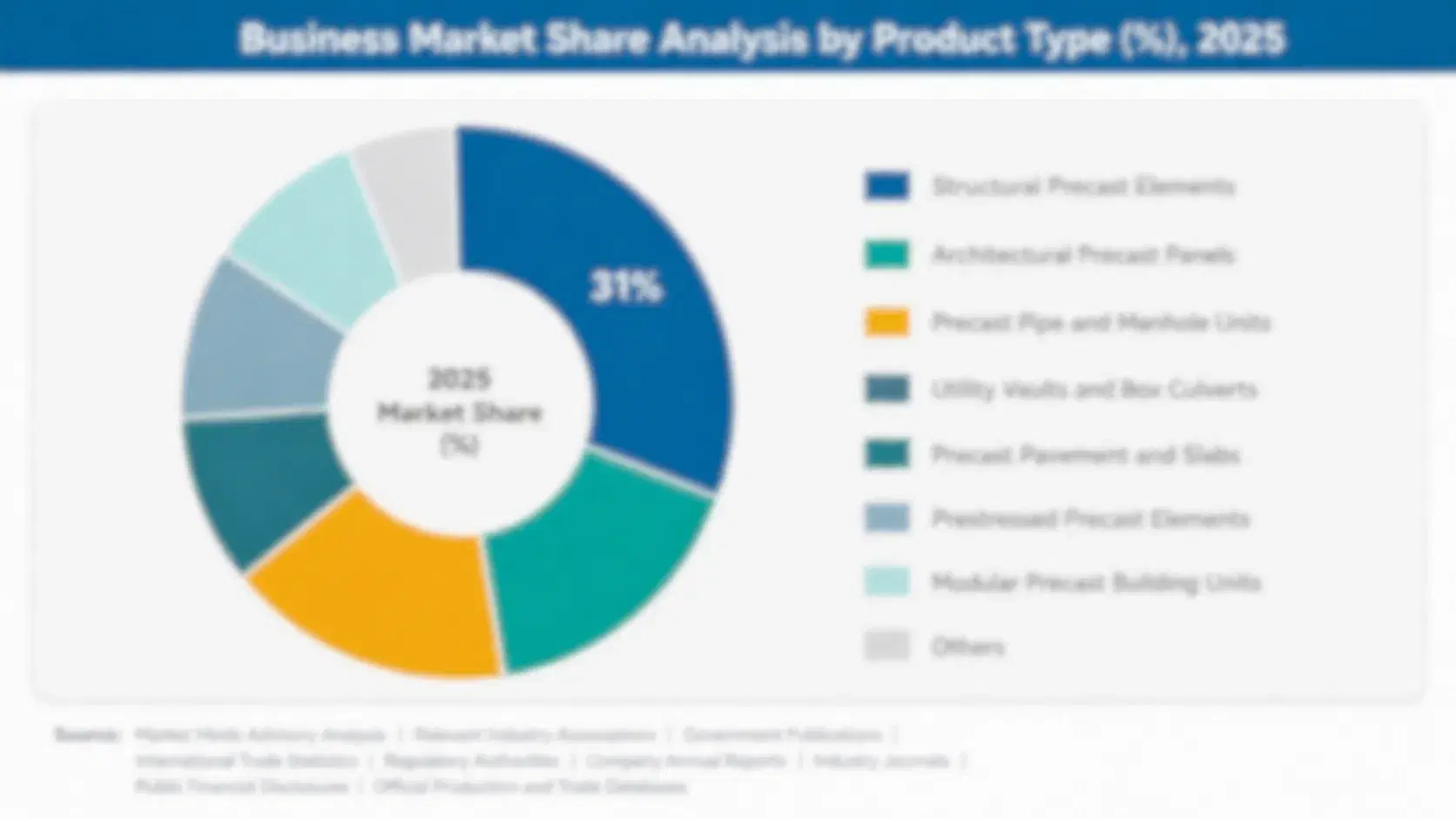
The market segments by packing mechanism rather than by end-use garment category, since automatic folding, poly-bagging, vacuum compression, hanger packing, and vision-guided mechanisms each carry distinct engineering requirements and buyer evaluation criteria regardless of whether the output serves outerwear or basics. This technology-first lens better reflects how exporters actually budget capital equipment purchases. Buyers evaluate accordingly.
garment-packing-machine-market-market-share-analysis-1791487812526

Vision-Guided Folding and Bagging Machines

Vision-guided folding and bagging machines use camera-based recognition to identify garment type and reconfigure fold and bag parameters automatically from digital profiles, representing the highest-value and most software-intensive machine category given the recognition and reconfiguration requirements exporters increasingly demand across expanding SKU catalogs. Exporters facing rapidly proliferating SKU variety are the primary buyers, typically justifying the equipment premium through eliminated manual changeover downtime that compounds into substantial commercial value across growing production volumes. Growth here outpaces every other segment because the flexibility case strengthens with every new SKU exporters add to their catalog. Equipment makers investing early in validated vision technology are capturing accounts before competitors can respond with comparable certified equipment of their own design.
CAGR 10.0%

Vacuum Compression Packing Machines

Vacuum compression packing machines remove air from poly bags around folded garments to reduce package volume substantially, achieving shipping cost savings that conventional poly-bagging systems cannot match for exporters facing rising freight charges on bulky garment categories. Exporters shipping outerwear, bedding, and other bulky categories are significant buyers, typically justifying the investment through reduced shipping cost that recovers equipment cost through freight savings across a growing export volume. Growth here reflects genuine cost-driven demand spreading across exporter types, as brands increasingly treat compression packing as a baseline requirement rather than a premium feature across their expanding product catalogs. MMA expects this cost-driven demand to continue through most of the forecast period across exporter types.
CAGR 7.5%
Full segment breakdown across 5 segments available in the complete report.

Garment Packing Machine Market by Country

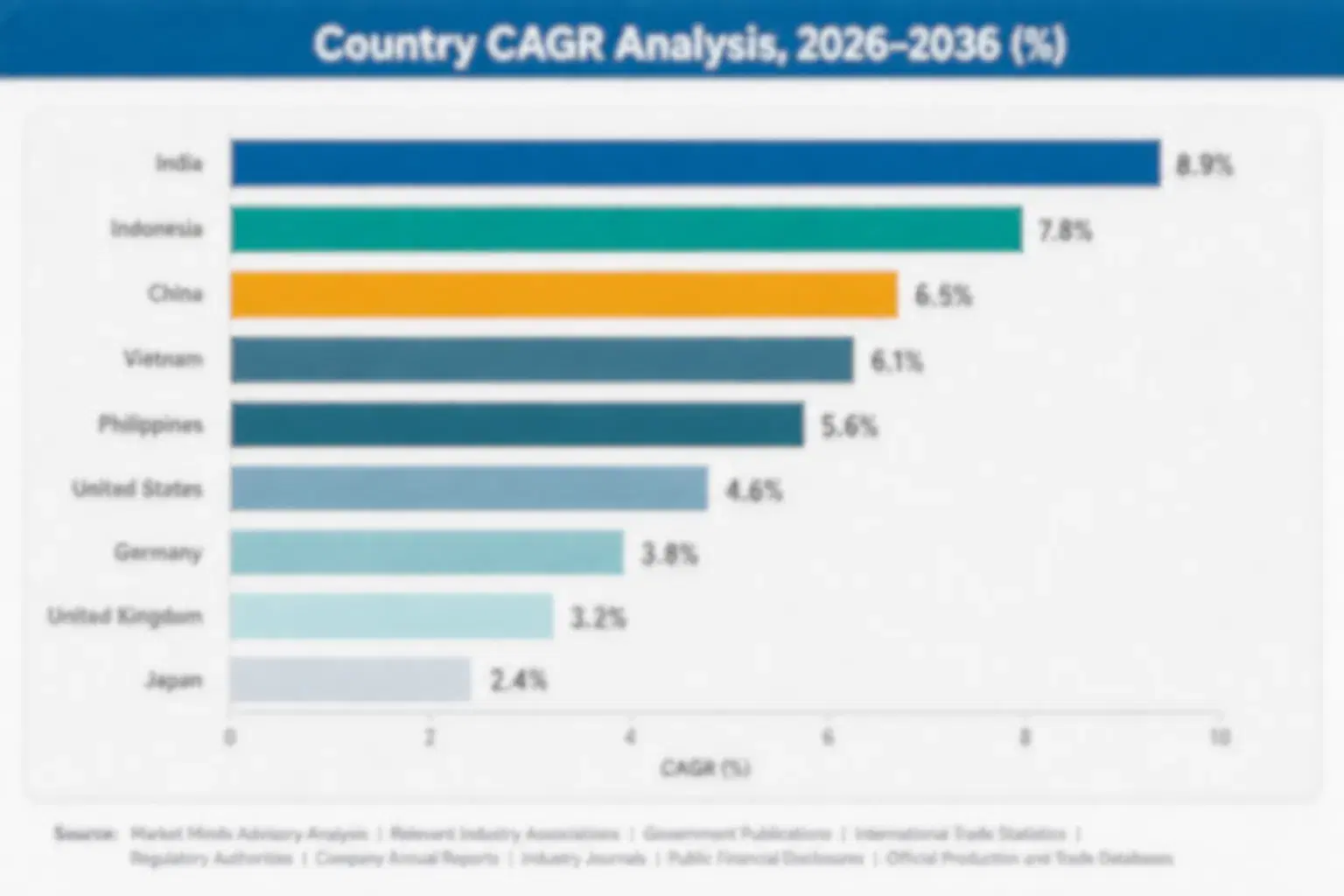
East Asia carries the largest regional share given its enormous garment manufacturing and export packing scale, while South Asia and Pacific posts the fastest regional growth. North America follows closely as the second-largest market. Western Europe remains a mature demand base anchored by established engineering depth.

North America

The United States e-commerce apparel fulfillment base, among the largest and most sophisticated in the world, drives substantial demand for vision-guided and vacuum compression equipment as major retailers pursue both SKU flexibility and shipping cost reduction across enormous annual distribution volumes. Growing demand for rapid style rotation among direct-to-consumer apparel brands contributes meaningful additional demand as these categories expand vision-guided adoption across their fulfillment networks. Canada contributes a smaller but steady volume base tied to its own apparel distribution sector, while Mexico's growing contract packing base increasingly serves North American brands through nearshored production requiring its own equipment investment decisions. Equipment makers report North American accounts increasingly specify bundled changeover validation services alongside the equipment purchase itself.
Share: 22% | CAGR: 7.3% (2026 to 2036)

Western Europe

Germany and Italy anchor Western European demand both as the leading garment finishing equipment manufacturing centers globally and as substantial apparel distribution markets in their own right, giving the region meaningful depth on both the supply and demand side of this market simultaneously. Rising vision-guided conversion demand across the region is pushing exporters toward flexible equipment faster than almost anywhere else outside East Asia. France and the UK contribute meaningful additional demand tied to their own substantial fashion retail bases and growing contract packing sectors. Equipment makers headquartered in the region continue exporting advanced vision-guided systems to exporters across North America and East Asia, reinforcing the region's engineering reputation considerably.
Share: 19% | CAGR: 5.0% (2026 to 2036)
Regional intelligence for 5 additional markets available in the complete report: East Asia, South Asia and Pacific, Latin America, Middle East and Africa, Eastern Europe. Contact sales@marketmindsadvisory.com.
garment-packing-machine-market-country-cagr-analysis-1791487812705

Capturing Share as Vision-Guided Flexibility Spreads

Conventional fixed-format equipment margin has compressed as vision-guided alternatives become the default expectation among exporters facing SKU proliferation, so the real commercial opportunity sits in vision-guided conversion capture, fold validation documentation services, and flexible multi-style platforms. Makers treating conversion and flexibility as core strategy capture disproportionate new volume early in this cycle. This window will not stay open.

Capturing Early Vision-Guided Conversion Equipment Orders

Equipment makers that win an exporter's vision-guided conversion decision early typically lock in a multi-year machine and service relationship worth meaningfully more than a comparable conventional fixed-format equipment contract, since the buyer rarely revisits folding technology choice again absent a major SKU expansion or cost event. Veit and Kannegiesser have both built dedicated conversion sales teams specifically to identify exporters facing SKU proliferation pressure, and early movers report winning conversion accounts at close rates roughly 25% higher than their broader new-account win rate. Equipment makers report this advantage compounds further once an exporter standardizes garment specifications.
Market Impact: Wins conversion accounts at a 25% higher rate

Bundling Fold Placement Validation Service Packages

Equipment makers offering fold placement and bag seal integrity validation documentation alongside equipment sales are winning exporter accounts that value this documented evidence above a marginally lower upfront equipment price from a competitor offering no comparable service. This validation service layer commands a meaningful premium over equipment sold without it, and exporters report this capability cutting their own internal brand approval timeline by roughly 28% compared with exporters building the consistency case independently. Veit and Rotondi both report this service layer now accounts for a meaningful share of their total equipment revenue.
Market Impact: Cuts brand approval timeline by roughly 28 percent

Developing Flexible Multi-Style Changeover Line Platforms

Equipment makers developing machines that handle multiple garment styles and fabric types on a single flexible platform are capturing exporters who want to serve varied brand catalogs without purchasing several separate dedicated machines for each garment style they run. This flexible platform approach commands a meaningful premium over single-style equipment, and exporters report this capability expanding their addressable brand catalog by roughly 21% compared with equipment limited to a single garment style configuration. Kannegiesser reports this flexible approach now represents its fastest-growing equipment category by order volume. Exporters report this flexibility reduces total equipment count meaningfully.
Market Impact: Expands addressable brand catalog by roughly 21 percent

Offering Financing Programs for Smaller Exporters

Equipment makers offering leasing and financing programs specifically for smaller garment exporters facing the same SKU proliferation pressure as larger competitors but lacking comparable capital budgets are capturing accounts that would otherwise delay vision-guided conversion or continue operating conventional fixed-format systems. This financing approach converts smaller exporter accounts at rates roughly 26% higher than requiring outright capital purchase, since the lease structure lets a smaller operation match equipment cost to its own revenue trajectory rather than front-loading the entire investment upfront. Equipment makers report these programs are opening accounts previously considered too price-sensitive to pursue.
Market Impact: Converts smaller exporter accounts at a 26% higher rate

Who Captures Garment Packing Machine Value

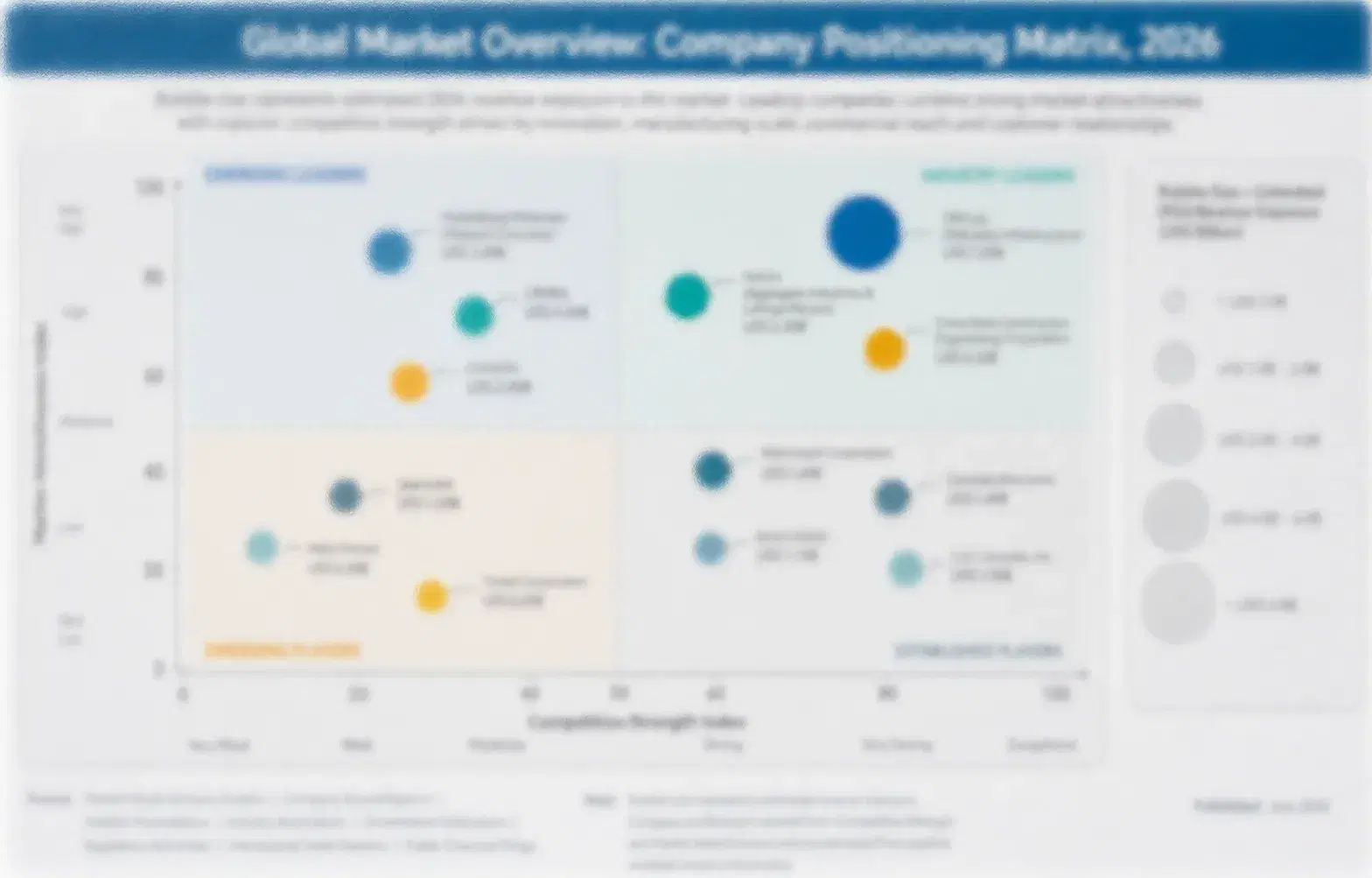
Market concentration sits at a fragmented CR5 of 34%, reflecting a builder base spanning established German and Italian garment finishing specialists and newer Chinese challengers, with Veit Group and Kannegiesser holding the broadest combined folding engineering experience and global service networks ahead of mid-tier challengers like Rotondi S.r.l. and Jiuding Garment Machinery. That gap reflects decades of accumulated vision-guidance engineering investment smaller specialists cannot replicate quickly across comparable export markets.
Current competitive activity centers on three fronts: vision-guided conversion sales racing to capture exporters facing SKU proliferation pressure, fold validation documentation service expansion responding to tightening brand consistency demands, and flexible multi-style platform development responding to exporter catalog proliferation. Equipment makers increasingly compete on documented changeover speed rather than per-machine price alone across most accounts served.

Emerging pressure comes from Chinese equipment makers offering lower-cost fixed-format systems without the vision-guidance pedigree or global service network incumbents rely on for premium margin, appealing to price-sensitive exporters across less demanding applications and emerging markets. Rankings could shift if a challenger develops comparable vision technology at lower pricing before incumbents fully capture the conversion wave they are currently pursuing across major accounts worldwide.
garment-packing-machine-market-company-positioning-matrix-1791487812885

Garment Packing Machine Competition and Risks

VEIT GROUP

Moat: Deepest Folding Engineering Expertise

Veit's decades of garment finishing and folding engineering give it a genuine credibility advantage with exporters evaluating conversion decisions, a trust advantage newer entrants without comparable validation depth struggle to match quickly, built over many years of reliable deployment experience across demanding export accounts worldwide. This track record continues reassuring risk-averse procurement teams.
VEIT GROUP

Risk: Premium Pricing Limits Smaller Accounts

Veit's premium positioning and pricing structure make it less competitive among smaller exporters evaluating lower-cost alternatives, leaving this growing segment more open to competitors willing to compete more aggressively on price across less demanding regional accounts and smaller export launches. Smaller rivals are winning some of these accounts outright.
KANNEGIESSER

Moat: Broad Multi-Style Platform Range

Kannegiesser's modular folding platform lets it serve exporters across a wide range of garment styles and fabric types, a flexibility that competitors offering only fixed, single-style systems cannot easily match for exporters running varied brand catalogs across regions. This breadth increasingly wins multi-year equipment contracts from clients consolidating suppliers.
KANNEGIESSER

Risk: Narrower Presence in Entry-Tier Segments

Kannegiesser holds a smaller presence in entry-tier fixed-format applications than competitors focused primarily on that segment, leaving more of its revenue mix concentrated in premium vision-guided applications specifically across its broader equipment portfolio. That concentration leaves it more exposed to any slowdown in premium account spending.

Players Tracked

Prominent Players

Veit Group
Kannegiesser
Rotondi S.r.l.
Jiuding Garment Machinery
A.T.E. Enterprises

Other Key Players

Shanghai Fangyuan Garment Machinery
Yuyao Hongte Garment Machinery
Guangzhou Wanhe Garment Equipment
Dongguan Bonwow Automation Equipment
Jiangsu Yuandong Garment Machinery
Zhejiang Bangli Automation
Ningbo Jiangnan Garment Machinery
Shenzhen Hanchuan Automation
Wuxi Huaguang Garment Machinery
Istanbul Tekstil Makineleri
Indutex Packaging Solutions
Prime Technologies India
Bangladesh Garment Machinery Ltd.
Nichrome India
CMC Machinery

Recent Developments

OCTOBER 2026

Veit Acquires Vision-Recognition Software Specialist

Veit completed the acquisition of a mid-size vision-recognition software specialist to embed automated garment identification directly into its machine control systems rather than sourcing it from third-party providers going forward. The deal closed for an undisclosed sum and should complete integration within months. Analysts call it a strong signal.
Signal: Signals vertical integration into vision-recognition software capability across its full platform range. going forward this cycle.
MAY 2026

Kannegiesser Forms South Asian Garment Export Joint Venture

Kannegiesser announced a joint venture with a Vietnamese garment export group to localize assembly and service support for its flexible multi-style machines across South Asian export apparel markets this cycle. The venture gives it direct regional manufacturing presence, shortening delivery lead times across the subcontinent.
Signal: Signals regional localization strategy expanding into Vietnam and neighboring export markets. as demand grows across the region.
JULY 2026

Rotondi Secures Multi-Year E-Commerce Brand Supply Agreement

Rotondi signed a multi-year supply agreement with a major North American e-commerce apparel brand to deliver a dedicated fleet of vision-guided folding lines across three distribution sites starting this year, reinforcing its premium account base considerably. Financial terms were not disclosed. Analysts call it a consolidation signal.
Signal: Signals premium account consolidation accelerating across the e-commerce apparel category this cycle. across the broader industry.

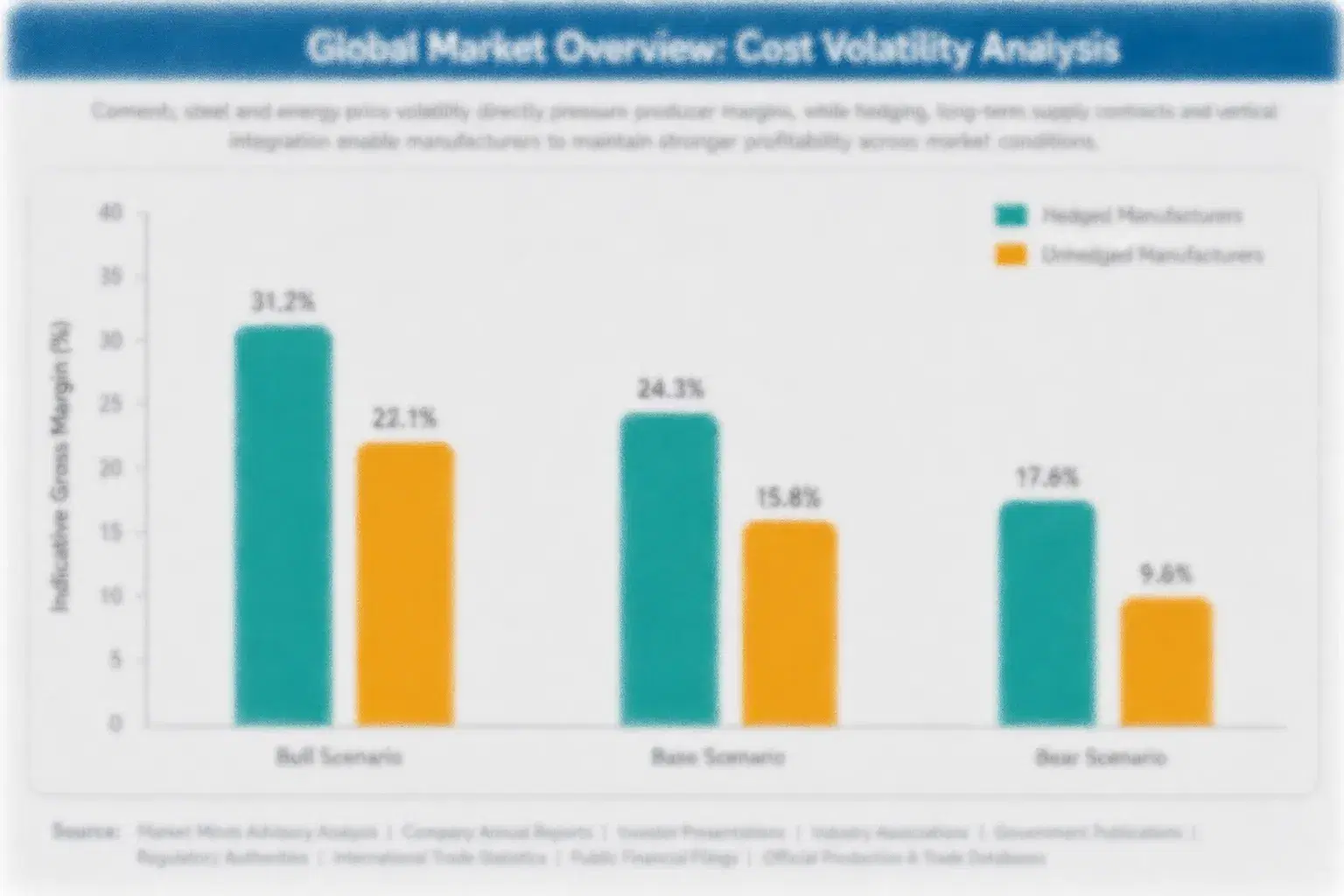
Vision Sensor and Servo Component Exposure

Vision-recognition cameras, precision servo motors, and compression chamber components together account for roughly 37% to 45% of total equipment cost of goods sold, sourced from a concentrated group of specialized optical and servo component manufacturers located across Germany, Japan, and the United States, limiting builder bargaining power on pricing across most contract negotiations. Few alternative suppliers exist at comparable quality.
The 2021 global semiconductor shortage pushed input costs and lead times for vision-recognition camera electronics and servo controllers up significantly, delaying equipment deliveries industrywide and forcing several equipment makers to redesign control systems around more readily available component alternatives during the disruption period, according to US Census Bureau manufacturing commentary and company annual report disclosures documenting the severity of the episode. Some manufacturers absorbed the cost increase through adjusted pricing.

Equipment makers concentrated in conventional fixed-format mechanisms carry more exposure to that specific component supply cycle than diversified manufacturers sourcing across fixed-format, vision, and compression component categories simultaneously, since a diversified manufacturer can shift sourcing emphasis toward whichever supplier currently offers the more favorable cost and availability position across its full product range. Smaller single-technology specialists carry this risk disproportionately relative to diversified competitors.
garment-packing-machine-market-cost-volatility-analysis-1791487813070

Multi-Supplier Vision and Servo Component Sourcing Strategies

Larger equipment makers maintain relationships with multiple vision camera and servo component suppliers across different regions, insulating production schedules from any single supplier's disruption and letting them offer exporters more reliable delivery timelines negotiated directly across equipment contracts this cycle and beyond across their service networks. This diversification strategy has become standard practice among the largest equipment manufacturers.

Component Standardization Across Platform Generations

Equipment makers are standardizing vision and servo components across multiple platform generations, reducing the number of unique parts requiring dedicated sourcing relationships and simplifying inventory management considerably across their broader manufacturing operations and global service networks. This standardization also shortens qualification timelines for new component suppliers brought into the approved vendor base across regions and facility networks.

Portfolio Architecture for Margin Defence

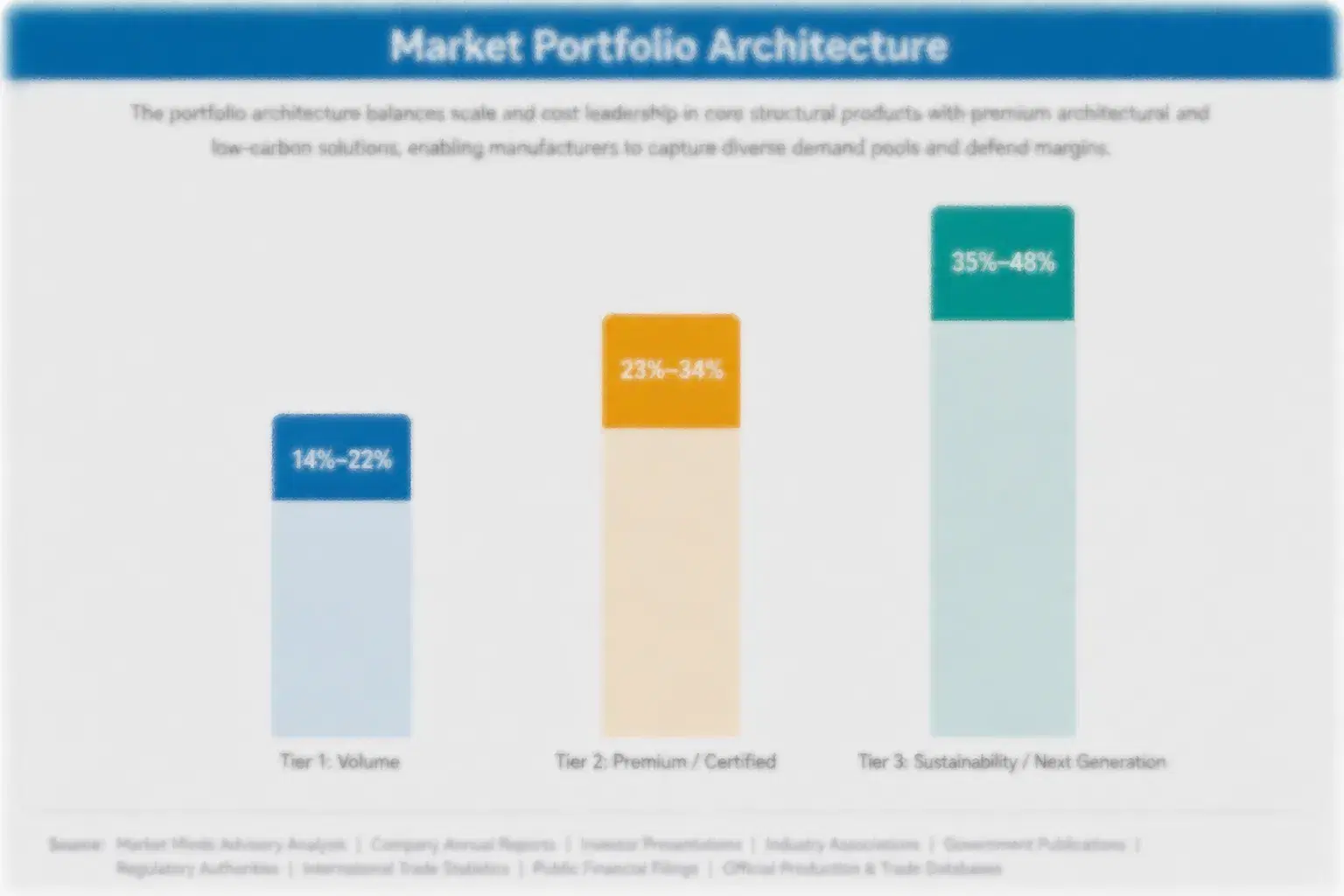
The market organizes into three tiers: a volume tier built on conventional fixed-format equipment sold on price, a premium tier built on vision-guided and vacuum compression systems that command a flexibility-driven price premium, and a next-generation tier built on fully flexible multi-style platforms still expanding beyond the largest early-adopter accounts. Gross margin in the next-generation tier runs meaningfully above the volume tier's level across comparable accounts. Few builders operate credibly across all three tiers simultaneously.
Volume tier competition remains intensely price-driven, with makers competing on reliability and upfront cost, leaving little room for margin expansion absent a shift in customer flexibility priorities. Premium tier demand is growing meaningfully faster as SKU proliferation and shipping cost pressure both push specification toward vision-guided equipment, creating real tension for makers deciding how quickly to shift capacity allocation.

High-value margin pools concentrate specifically around vision-guided and vacuum compression systems sold under bundled validation service agreements to exporters facing active SKU proliferation or cost pressure, a pool that rewards equipment makers with broad technology and service capability and penalizes fixed-format-only specialists regardless of installed base volume. Builders lacking this combination get priced out of top accounts increasingly.

Volume / Commodity-Adjacent Tier

Conventional fixed-format equipment sold largely on price and basic reliability to exporters not yet facing SKU proliferation or flexibility pressure. This tier remains the largest by installed unit volume even as its revenue share declines.
Gross Margin: 11-17%

Premium / Certified Tier

Vision-guided and vacuum compression systems commanding a flexibility-driven price premium, serving exporters under active SKU proliferation or cost pressure. This tier is expanding fastest as specification pushes upward. This tier is expanding fastest as SKU proliferation demands push specification upward considerably.
Gross Margin: 25-33%

Sustainability / Regulatory / Next-Generation Tier

Fully flexible multi-style platforms bundling validation documentation and digital traceability support for the largest premium export accounts. Adoption concentrates among the largest multinational exporters. Adoption here remains concentrated among the largest multinational exporters able to justify the investment required.
Gross Margin: 28-36%
garment-packing-machine-market-portfolio-architecture-1791487813261

High-value Sub-segments and Strategic Watch-out

Vision-Guided With Fold Validation Documentation

Combines the fastest unit growth with the strongest account retention in the category, as SKU proliferation accelerates conversion across e-commerce accounts industrywide. Pricing power here continues strengthening as demand widens across export markets. Equipment makers in this segment are increasingly able to set pricing with limited pushback.
Gross Margin: 26-34%

Flexible Multi-Style Changeover Platforms

Commands strong margin and growing account retention together as exporters increasingly value versatility across varied garment style requirements served. Equipment makers report customers rarely revert to single-style platforms once a flexible line proves reliable in production. This retention advantage grows stronger over time. This compounds over time.
Gross Margin: 23-31%

Legacy Fixed-Format Equipment

Represents meaningful unit volume today but carries the thinnest margin in the category, facing continuous downward price pressure and gradual share loss. Margin expansion depends mainly on volume scale rather than differentiation here. Equipment makers remaining concentrated here face mounting pressure to diversify. This limits upside considerably.
Gross Margin: 10-15%

Single-Technology Manufacturer Concentration

A genuine strategic watch-out as makers offering only fixed-format equipment face mounting pressure from vision-guided conversion accelerating across nearly every served category today. Builders slow to diversify risk losing accounts to better-positioned rivals quickly across export markets. MMA expects this concentration risk to intensify further across tracked markets.
Gross Margin: 11-16%

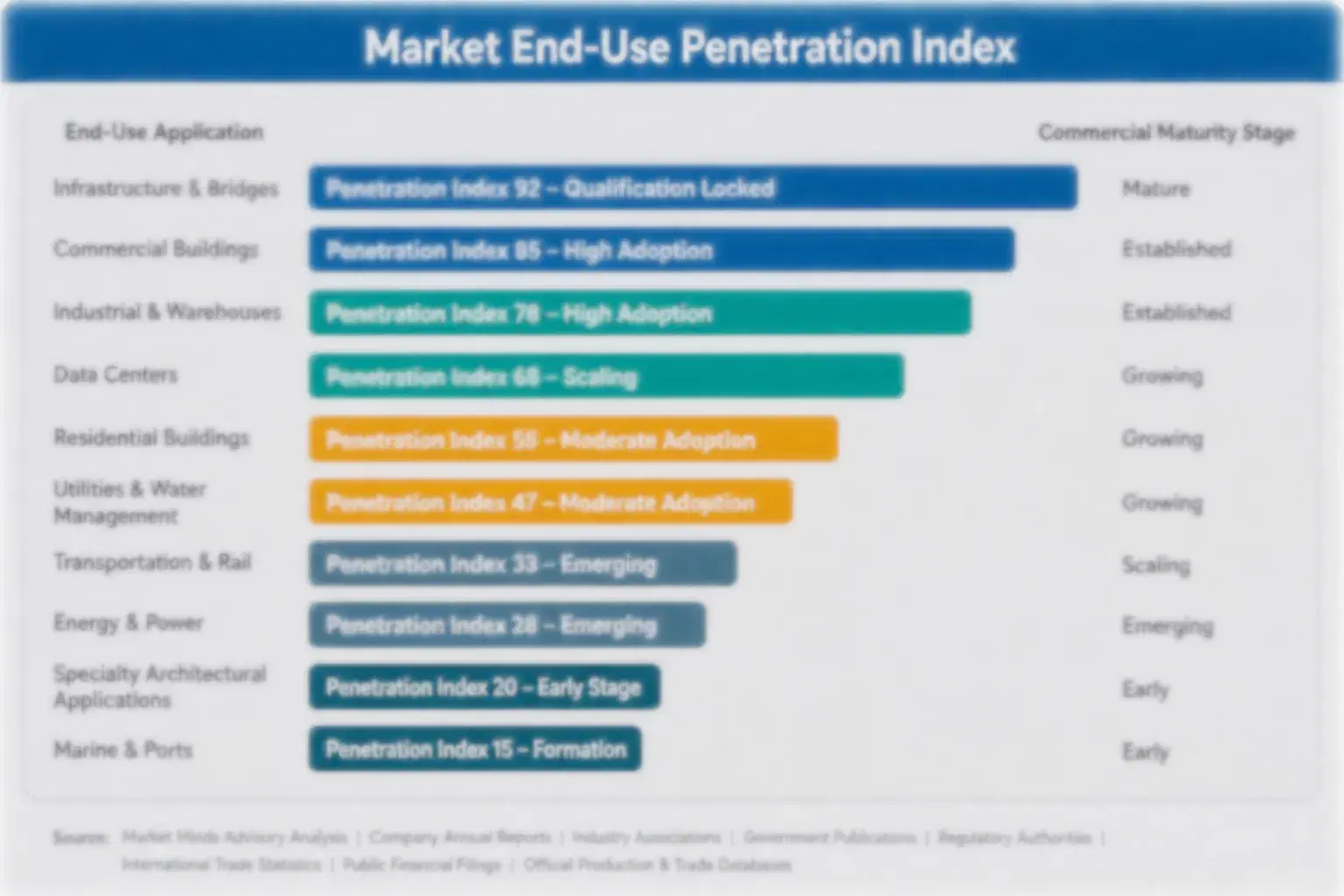
Validation Relationships Anchor Long Exporter Accounts

Once an exporter converts to a validated vision-guided or vacuum compression packing line, the resulting supplier relationship behaves like an annuity for many years afterward, since switching equipment makers requires requalifying fold placement and bag seal validation against internal brand standards, a costly process most exporters avoid absent a serious reliability failure prompting reconsideration. This dynamic gives early equipment relationships a durability that pure price competition rarely disrupts.
Adoption depth varies by exporter type: large multinational garment manufacturing companies facing acute SKU proliferation pressure adopt vision-guided equipment comprehensively across their entire production network, mid-size exporters adopt selectively for their highest-value brand lines, and smaller exporters remain price-driven and slower to convert absent direct flexibility pressure of their own driving the purchasing decision. This tiered pattern is unlikely to converge within the forecast period.

Buyer profiles are shifting as equipment purchasing decisions move from pure engineering authority toward brand and fulfillment teams who weigh SKU flexibility and documented fold consistency alongside raw equipment price, a change that rewards equipment makers able to speak credibly to both brand and production economics in the same conversation. Equipment makers slow to adapt their sales approach risk losing ground to competitors.
garment-packing-machine-market-end-use-penetration-index-1791487813443

Where MMA Sees the Opportunity

These are among the four positions where our research anticipates prominent divergence between winners and laggards over the coming forecast period. Each is grounded in the demand model, the regulatory perimeter, and the announced capacity pipeline.
01 / VISION-GUIDED CONVERSION CAPTURE

Back equipment makers capturing vision-guided conversion early

Vision-guided conversion is becoming the clearest growth opportunity in a market where SKU proliferation pressure determines which equipment maker wins an exporter's long-term relationship across its full production network. Makers with dedicated conversion sales teams are identifying and winning these accounts faster than rivals waiting for exporters to initiate the conversation themselves, even when those rivals possess comparable technical capability. We expect this advantage to compound further as SKU proliferation accelerates, with the largest remaining accounts going to makers who invested earliest in validated vision capability.
02 / FOLD VALIDATION BUNDLING

Prioritize fold placement validation services ahead of rivals

Fold placement validation services are shifting from a niche offering into an explicit purchasing requirement as exporters face tightening brand consistency demands across categories they increasingly serve across both developed and emerging markets alike. Equipment makers investing early in this service capability are capturing accounts before competitors can match the documented accuracy evidence with comparable offerings of their own design. We expect this gap to persist and widen further as consistency standards tighten across more jurisdictions in the years ahead.
03 / FLEXIBLE PLATFORM DEVELOPMENT

Expand flexible multi-style changeover platforms across accounts

Flexible multi-style changeover platforms are becoming an explicit purchasing requirement as exporters increasingly want to serve varied brand catalogs without purchasing multiple dedicated machines for each garment style they run across their portfolio, regardless of end-use category. Equipment makers investing early in this flexibility are capturing accounts before competitors can match the technical achievement with comparable equipment of their own design. We expect this technical gap to persist for several more years across most regions tracked through the remainder of the decade.
04 / SMALLER EXPORTER FINANCING

Expand financing to capture price-sensitive exporters

Financing programs targeting smaller garment exporters facing the same SKU proliferation pressure as larger competitors but lacking comparable capital budgets represent a reliable and growing opportunity as this pressure continues spreading across the broader exporter base worldwide. Equipment makers offering flexible financing are converting these accounts faster than those requiring outright capital purchase upfront, even when total financing cost runs modestly higher over the equipment's service life. We expect this underserved segment to keep expanding meaningfully as more exporters reach the conversion threshold.

Engagement Snapshot From the Field

A live engagement with an industry participant carrying material or product regulatory and market exposure ahead of a defining policy shift, showing how our research translates into a defensible multi-year portfolio strategy.
MARKET MINDS ADVISORY · CLIENT ENGAGEMENT SUMMARY
Garment Packing Machine Producer Strategic Portfolio Review and Transition Roadmap 2026·Investment Scenario on Garment Packing Machine Exposure Evaluation 2025-26
CLIENT PROFILE
The client operates a regional garment export manufacturing network across two facilities in southern Vietnam, folding and bagging a catalog of roughly twenty-eight distinct brand SKUs across dedicated fixed-format lines (client-reported, unverified by MMA). The client had observed rising manual retooling downtime over the preceding year as brand SKU variety expanded rapidly. Leadership had grown concerned about mounting downtime cost across both facilities.
STRATEGIC CHALLENGE
Leadership needed to decide whether converting to vision-guided equipment across both facilities would recover enough retooling downtime cost to justify the capital investment, or whether continuing with existing fixed-format equipment while absorbing rising downtime volume remained the more prudent near-term path forward. Board approval required a defensible financial case within a tight fiscal quarter.
MMA APPROACH
MMA conducted a retooling downtime audit across the client's two facilities benchmarked against comparable exporters already running vision-guided equipment, modeled projected savings under current and projected SKU proliferation trajectories, and built a facility-by-facility conversion sequencing plan prioritizing the highest-downtime production lines first. The team also reviewed three vendor financing structures before recommending the final approach.
KEY FINDINGS
  1. The client's existing fixed-format equipment required roughly 35 minutes per SKU changeover, meaningfully above the comparable changeover time for facilities running vision-guided equipment (client-reported, unverified by MMA).
  2. Annual downtime cost at the client's highest-volume facility alone exceeded the projected annual financing cost of vision-guided conversion across both facilities combined, strengthening the investment case considerably for leadership review.
  3. Vendor financing reduced the client's upfront capital requirement for full conversion by roughly 30%, improving the investment's near-term cash flow profile for board approval.
  4. Sequencing conversion by SKU changeover frequency rather than facility size captured the largest early cost savings well before the final facility completed its own conversion process.
RECOMMENDED STRATEGY
Phase 1: Phase 1 (Months 1 to 4): Convert the facility with the highest changeover frequency to vision-guided equipment using the vendor financing arrangement identified during diligence. Phase 2: Phase 2 (Months 5 to 9): Convert the remaining facility while renegotiating maintenance support into a single bundled multi-year agreement. Phase 3: Phase 3 (Months 10 to 12): Complete optimization and document downtime reduction outcomes for corporate capital planning and leadership review.
OUTCOME
Within twelve months the client completed conversion across both facilities, reporting changeover downtime down roughly 62% network-wide and improved brand contract retention within the first year of validated operation (client-reported, unverified by MMA). Leadership credits the phased sequencing with avoiding disruption to ongoing production commitments.

Frequently Asked Questions

Foundational context covering the market sizes, CAGR, scope, country, region and competition that inform every finding below. This section is provided to cover basics and most often pre-purchase conversations, answered from the MMA Primary Research Dataset.

What is the current size of the Garment Packing Machine Market?

The market reached an estimated $0.88 billion globally in 2025, covering equipment that folds, bags, or compresses finished garments and apparel products for retail distribution or shipment.

How large will the Garment Packing Machine Market be by 2036?

MMA projects the market will reach approximately $1.76 billion by 2036, roughly 1.88 times its 2026 base of $0.94 billion as vision-guided conversion accelerates. This reflects sustained conversion momentum across the forecast period.

What is the CAGR for the Garment Packing Machine Market 2026 to 2036?

The market is projected to grow at a 6.5% compound annual growth rate between 2026 and 2036, with a bull case of 7.7% and a bear case of 5.3%.

Which segment is growing fastest?

Vision-guided folding and bagging machines are growing fastest at a 10.0% CAGR, roughly 1.54 times the overall market rate, as e-commerce SKU proliferation broadens. This outpaces every other tracked segment by a wide margin.

Who are the major companies in the Garment Packing Machine Market?

Veit Group, Kannegiesser, Rotondi, Jiuding Garment Machinery, and ATE Enterprises lead the market, together holding an estimated 34% combined share. Competition remains active among mid-tier challengers pursuing conversion accounts aggressively.

Which country is growing fastest?

Vietnam is growing fastest at an estimated 9.0% CAGR as its garment export manufacturing capacity expands rapidly to serve international apparel brands. Domestic equipment makers are also emerging as credible regional suppliers.

Garment Packing Machine Market Segmentation

The full report scope spans multiple orthogonal segmentation dimensions, with cross-tabulated demand data provided for each dimension pair. Coverage extends further to regional breakdowns, trend trajectories, and the competitive detail needed to support segment-level decision-making.

By Packing Mechanism

  • Automatic Folding Machines
  • Poly-Bagging Machines
  • Vacuum Compression Packing Machines
  • Hanger Packing Systems
  • Vision-Guided Folding and Bagging Machines

By End-Use Garment Category

  • Apparel and Fashion Basics
  • Outerwear and Bulky Garments
  • Hanging Garments and Suits
  • Household Textiles and Bedding
  • Contract Export Packing

By Commercial Dimension

  • Integrated Line Purchase
  • Standalone Machine Purchase
  • Equipment Lease and Financing Model
  • Bundled Validation Service Agreements

By Region

  • North America
  • Western Europe
  • East Asia
  • South Asia and Pacific
  • Latin America
  • Middle East and Africa
  • Eastern Europe

Scope, Methodology, and Coverage

Every figure in this report is reproducible from documented input assumptions. The scope below maps the historical period, the forecast horizon, the segmentation dimensions, and the countries covered, alongside the underlying primary and qualitative methodology.
Historical Period
2020 to 2025
Forecast Period
2026 to 2036
Base Year
2025 (USD billions; MMA Primary Research Dataset, October 2026)
Market Definition
This report covers equipment that folds, bags, or compresses finished garments and apparel products for retail distribution or shipment, including automatic folding machines, poly-bagging systems, and vacuum compression packing equipment. It excludes garment manufacturing or sewing equipment upstream of packing, and excludes general-purpose flow wrap or shrink wrap equipment not specifically configured for garment folding and bagging.
Quantitative Units
USD billions (current prices); installed machine units; typical fold placement accuracy by millimeter
Segmentation Dimensions
By Packing Mechanism; By End-Use Garment Category; By Commercial Dimension; By Region
Regions Covered
North America, Western Europe, East Asia, South Asia and Pacific, Latin America, Middle East and Africa, Eastern Europe
Countries Covered
USA, China, Germany, Italy, France, UK, Bangladesh, India, Vietnam, Indonesia, Thailand, Australia, Canada, Mexico, Brazil, Colombia, Peru, Turkey, Egypt, Morocco, UAE, Saudi Arabia, South Africa, Poland, Romania, Czech Republic, Spain, Sweden, Netherlands, Singapore, and additional markets relevant to this sector
Key Companies Profiled
Veit Group, Kannegiesser, Rotondi S.r.l., Jiuding Garment Machinery, A.T.E. Enterprises, Shanghai Fangyuan Garment Machinery, Yuyao Hongte Garment Machinery, Guangzhou Wanhe Garment Equipment, Dongguan Bonwow Automation Equipment, Jiangsu Yuandong Garment Machinery, Zhejiang Bangli Automation, Ningbo Jiangnan Garment Machinery, Shenzhen Hanchuan Automation, Wuxi Huaguang Garment Machinery, Istanbul Tekstil Makineleri, Indutex Packaging Solutions, Prime Technologies India, Bangladesh Garment Machinery Ltd., Nichrome India, CMC Machinery
Quantitative Methodology
Primary survey, n=3,800 respondents, Q4 2025, six countries; demand-side model with trade association cross-validation
Qualitative Methodology
47 expert interviews, Q4 2025; applied to validate demand model assumptions, identify emerging dynamics, and assess competitive positioning
Report Format
PDF and XLSX data workbook (Word format preview document)
Publisher
Market Minds Advisory
Report Code
MMA-2026-PAC-298
Published
October 2026
Contact
sales@marketmindsadvisory.com | www.marketmindsadvisory.com

Purchase the full Garment Packing Machine Market Report (2026 to 2036).

This report delivers a complete market model for the garment packing machine market, including segment-level and regional forecasts through 2036 alongside the five-year historical base across apparel, outerwear, and household textile categories. It profiles twenty equipment makers, benchmarking competitive positioning on vision-guidance depth, style flexibility, and installed base. The report quantifies the SKU-proliferation-driven conversion opportunity by region and models bundled validation and financing contract economics against equipment-only sales. A dedicated chapter models validation lock-in dynamics by exporter account type, with quantified retention estimates by account tier.
Segment and regional forecasts through 2036
Twenty-maker competitive benchmarking on vision-guidance depth
SKU-proliferation-driven conversion opportunity sizing by region
Bundled validation and financing contract economics modeling
Component sourcing cost exposure and mitigation chapter
Downloadable data workbook with full regional detail

Built For The People Who Decide

From boardroom strategy to bench-side execution, this report is read cover-to-cover by leaders shaping the next decade of their industry, turning demand scenarios, market dynamics and valuation benchmarks into decisions.
CXOs/ Presidents/ VPs/ Managers
M&A and Corporate Development
Strategy Teams and R&D Heads
Procurement and Product Directors
Regulatory and Compliance Leaders
Investor Relations and Equity Analysts