Market Minds Advisory
Fruit Juice Packaging Market

Fruit Juice Packaging Market Study 2026-2036: Size, Share and Trends

Recyclable PET bottle redesign, Brazil's orange juice export production scale, and aseptic carton shelf-stable demand are reshaping how juice brands source packaging worldwide this cycle across most tracked distribution networks.

Lead Analyst

Bilal Shaikh

Published

November 2026

Make Smarter Decisions with Customized Research Insights

Request a free sample report and evaluate market opportunities, growth trends, and competitive dynamics relevant to your business needs.

2025 MARKET VALUE$15.8BMarket Size 2025
2036 FORECAST VALUE$25.9BBase Case , 2026 to 2036
CAGR 2026 TO 20364.6 %Bull 5.6% / Bear 3.6%
INCREMENTAL OPPORTUNITY$9.4BNet 10- year value creation
EXPANSION MULTIPLE1.57x2036 value over 2026 base
Strategic Levers
M&A Pipeline
Regional Outlook
Country Rankings
Competitive Intelligence
Segmental Deep-dive
Call-Us : 91 93563 13602

Fruit Juice Packaging Market Snapshot

Fruit juice packaging demand is shifting toward recyclable PET bottle formats as juice brands face tightening recycled-content mandates across most developed retail markets worldwide this cycle throughout this entire forecast cycle across major producing regions worldwide among most tracked manufacturer and converter accounts across this entire category globally.
Recyclable PET bottles are growing fastest as brands respond to packaging waste regulation, while Western Europe retains the largest share given its deep per-capita juice consumption culture and aseptic carton innovation heritage, with secondary demand concentrated across East Asia's expanding juice consumption and Latin America's orange juice export production scale throughout the broader forecast window overall across most tracked distribution networks throughout this entire forecast cycle.
Competition remains concentrated among a handful of global beverage packaging leaders, with Tetra Pak and SIG Combibloc holding the deepest aseptic carton distribution respectively, while recycled PET certification and aseptic carton mono-material redesign are reshaping converter sourcing decisions across most tracked juice brand supply channels globally across major producing regions worldwide among most tracked manufacturer and converter accounts across this entire category globally throughout the broader forecast window overall across most tracked distribution networks.
Market Definition
The Fruit Juice Packaging Market covers aseptic cartons, PET and glass bottles, flexible pouches, and metal cans used for fruit juice, juice drinks, and juice concentrate products across retail and foodservice channels. It excludes general dairy beverage and plant-based milk packaging, which MMA tracks separately under its dedicated dairy packaging reports. MMA tracks this demand in the milk packaging market, which it projects to grow at 3.4% a year through 2036.
Base Year Value
$15.8B in 2025 (MMA Primary Research Dataset, October 2026)
Forecast Period
2026 to 2036, eleven discrete annual values
CAGR
4.6% base case. Bull 5.6%. Bear 3.6%.
Fastest Growth Segment
Recyclable PET Bottles: 7.2% CAGR
Fastest Growth Country
China: 6.4% CAGR
Fastest Growth Region
South Asia and Pacific: 6.6% CAGR
Largest Region
Western Europe: 26% of 2025 global value
Market Leaders
Tetra Pak International S.A., SIG Combibloc Group AG, Amcor plc, Crown Holdings Inc., and Elopak ASA lead the category. Source: MMA Primary Research Dataset, July 2026.
Primary Survey
n=3,800 procurement and R&D decision-makers, Q4 2025, six countries
Methodology
Demand-side build-up, cross-validated against public data, 47 expert interviews

Fruit Juice Packaging Revenue Scenarios

fruit-juice-packaging-market-share-analysis-size-forecast-scenario-1791443277959
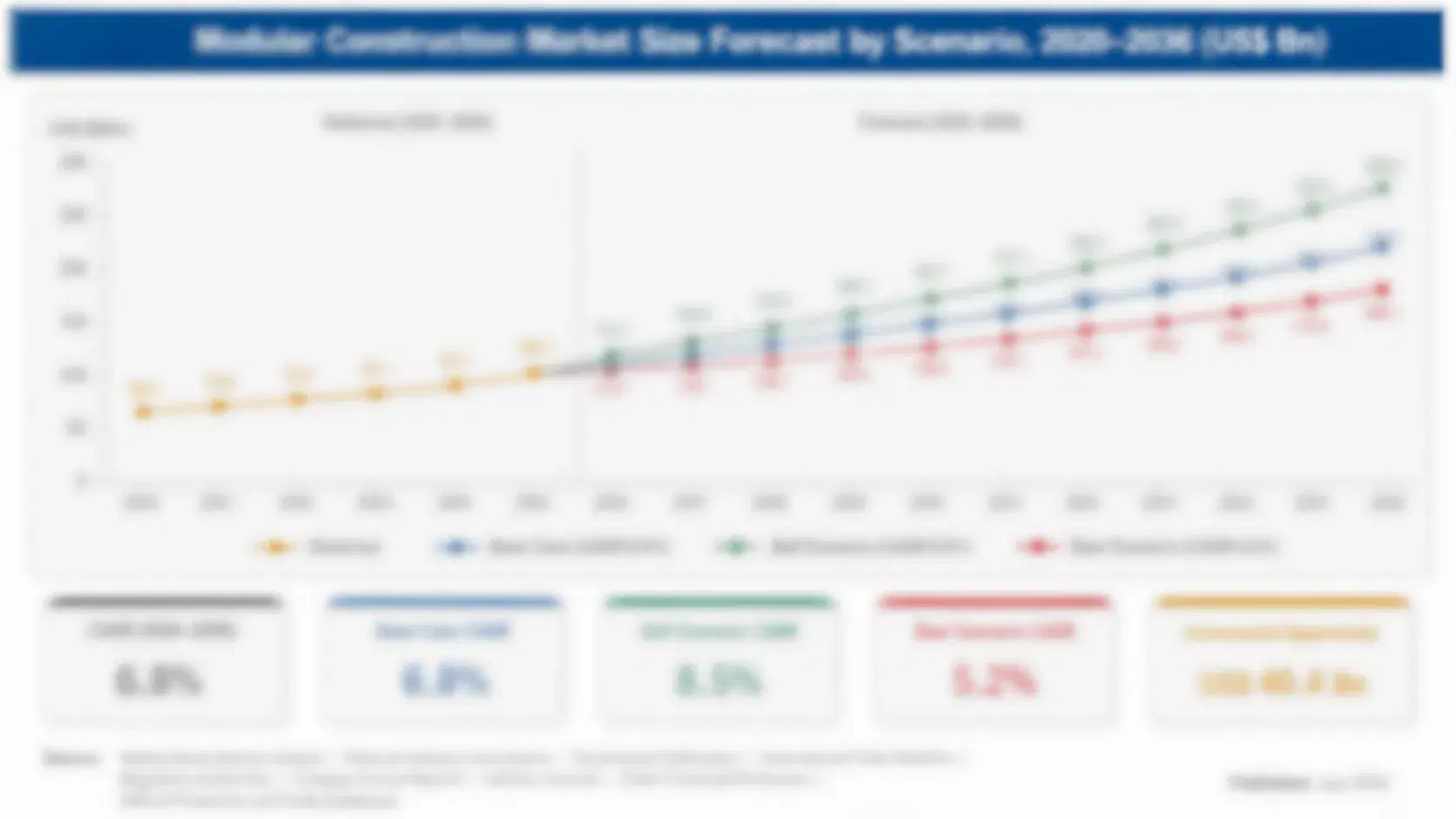
Fruit juice packaging demand grew steadily between 2020 and 2025 as global juice consumption expanded and recycled-content mandates tightened across several developed markets, with recyclable PET bottles gaining share across most tracked developed retail channels during this historical window overall throughout this entire forecast cycle across major producing regions worldwide among most tracked manufacturer and converter accounts across this entire category globally.
The base case assumes continued recycled-content PET adoption as regulation tightens, rising aseptic carton shelf-stable demand across export-oriented juice processors, and steady global juice consumption growth across developed and emerging retail channels, supporting mid-single-digit growth through the forecast window overall throughout the broader forecast window overall across most tracked distribution networks throughout this entire forecast cycle across major producing regions worldwide among most tracked manufacturer and converter accounts across this entire category globally.
A bull scenario assumes faster recycled PET adoption tied to tightening recycled-content regulation across major developed retail markets, while a bear scenario assumes aseptic carton mono-material reformulation costs stall smaller converter adoption amid resin and fiber cost pressure facing regional converters serving juice brand accounts throughout the broader forecast window overall across most tracked distribution networks throughout this entire forecast cycle.

Recycled PET Reshapes Juice Packaging Demand

Fruit juice packaging demand sits inside the broader beverage packaging category, but functions as a distinct purchasing decision since format choice directly affects shelf-stable distribution reach, recycled-content certification, and whether a container satisfies tightening recyclability mandates across major developed and export-oriented juice markets worldwide this cycle across major producing regions worldwide among most tracked manufacturer and converter accounts across this entire category globally throughout the broader forecast. A closely related view comes from the cup carriers packaging market, which MMA projects to grow at a 6.0% CAGR to USD 2.28 billion by 2036.
MARKET CONCENTRATION27% CR5reflects concentrated global beverage packaging leadership across formats
AVERAGE UNIT PRICE$0.16 per containervaries meaningfully between aseptic carton and PET bottle formats
TOP COUNTRY SHAREGermany, 13%reflects deep per-capita juice consumption and carton heritage scale
RECYCLED PET PENETRATION21% of units shippedremains the fastest growing specification tracked in this category
AVERAGE SHELF LIFE DURATION9 months per aseptic cartonreflects extended distribution reach supporting shelf-stable juice formats
INPUT COST SHARE37% of unit COGSvirgin and recycled PET resin dominate overall unit cost structure
Premium and mainstream juice processors drive the largest single volume pool, favoring aseptic cartons and recyclable PET bottles for both shelf-stable distribution and on-the-go consumption, while export-oriented juice concentrate producers increasingly favor bulk aseptic formats for extended shelf-stable international distribution across developed and emerging markets across most tracked distribution networks throughout this entire forecast cycle across major producing regions worldwide among most tracked manufacturer and converter accounts. For scale, MMA values the juice bottle market at USD 8.9 billion in 2025 and expects it to reach USD 16.6 billion by 2036.
Converters compete chiefly on recycled-content certification depth, aseptic carton mono-material redesign, and reliable high-volume supply to large juice processor accounts, with specialty recycled PET producers carving out a separate growth niche serving sustainability-focused juice brands across these expanding retail categories across this entire category globally throughout the broader forecast window overall across most tracked distribution networks throughout this entire forecast cycle across major producing regions worldwide.
"The carton built this category's shelf-stable reputation, but the bottle is where the recycled-content story is actually playing out right now. Converters ignoring recycled PET are ceding the fastest-growing part of this market."
Senior Analyst, Packaging Practice · MMA Packaging Practice · October 2026

Fruit Juice Packaging Technology Trends

Recycled PET Bottle Adoption Expands Across Brands

Juice brands are expanding recycled-content PET bottle adoption to replace virgin resin containers, following packaging waste restrictions across the European Union and several US states covering beverage packaging. This shift requires converters to requalify clarity and structural rigidity performance against brand presentation standards, a process several converters report taking six to nine months per product line. Amcor and Crown Holdings have both announced completed recycled PET conversion programs covering their core juice bottle ranges, while smaller regional converters continue testing alternative recycled resin formulations to match incumbent clarity performance without raising unit costs beyond what price-sensitive juice brands will absorb.
Market Impact: adds 6% annual juice packaging volume
Aseptic Carton Mono-Material Redesign Grows Steadily

Carton converters are reformulating aseptic structures away from multi-layer polymer-aluminum laminates toward mono-material fiber-based designs, following packaging recyclability mandates expanding across major developed export markets. This reformulation requires requalifying barrier coating performance against oxygen and light protection standards, a process several converters report completing within eight to twelve months per product line. Converters serving large juice processor accounts have expanded mono-material capacity accordingly, while suppliers lacking comparable material simplification capability risk losing share on new sustainability-focused brand contracts across most tracked distribution networks throughout this entire forecast cycle across most tracked distribution networks.
Market Impact: sustains 7% annual Brazil export volume

Fruit Juice Packaging Market Opportunities

Global Juice Consumption Keeps Expanding Steadily

Global fruit juice consumption continues expanding across developed and emerging retail markets as brands broaden premium and functional juice offerings, with recyclable PET bottles and aseptic cartons capturing a growing share of incremental retail shelf space. This expansion directly increases packaging volume demand, since each new juice product launch requires ongoing container supply across daily grocery and foodservice distribution operations. Several major juice brands have expanded premium and functional product lines at a meaningful pace over the past three years, and converters with established recycled PET capability have captured a disproportionate share of this incremental demand, reinforcing scale.
Market Impact: limits 24% of PET demand

Brazil Orange Juice Export Scale Keeps Growing

Brazil's position as the world's largest orange juice exporter continues driving substantial aseptic carton and bulk packaging demand as domestic processors scale export-oriented production to serve international juice concentrate and ready-to-drink markets. This export scale directly increases packaging volume demand, since each export shipment requires dedicated shelf-stable aseptic packaging capable of withstanding extended international transit. Several major Brazilian juice processors have expanded export production capacity meaningfully over recent years, reinforcing this purchasing pattern across the broader Latin American juice packaging category worldwide throughout this entire forecast cycle across most tracked distribution networks.
Market Impact: adds 11% certification testing cost

Fruit Juice Packaging Cost and Adoption Hurdles

Recycled PET Resin Supply Remains Constrained

Recycled PET resin supply remains constrained relative to rising brand demand for recycled-content bottles, a root cause tied to limited domestic bottle collection and reprocessing infrastructure unable to keep pace with brand sustainability commitment timelines across major developed juice markets. The commercial impact falls hardest on smaller regional converters lacking long-term recycled resin supply agreements, who must either pay premium spot market prices or fall short of brand recycled-content requirements that risk losing contracts. Several converters are pursuing direct investment in bottle collection and reprocessing infrastructure to secure dedicated recycled resin supply rather than relying entirely on third-party.
Market Impact: affects 22% of PET bottle SKUs

Aseptic Carton Certification Testing Raises Cost

Mono-material aseptic carton certification requires extensive barrier coating and recyclability validation testing investment, a root cause tied to the technical difficulty of maintaining oxygen and light barrier performance while achieving fiber recycling stream compatibility within a single material structure. This creates a commercial cost burden for converters pursuing mono-material certification, since testing failures can delay product launches well beyond initial development timelines. Some converters have begun partnering with juice processor customers directly on joint development programs to share testing costs and accelerate qualification timelines for new compatible carton structures entering commercial production.
Market Impact: covers 23% of carton packaging volume
3 additional market trends, 4 additional growth drivers, and 3 additional restraints and challenges are covered in the full report. Contact sales@marketmindsadvisory.com to access the complete intelligence.

Fruit Juice Packaging Segment Growth Rates

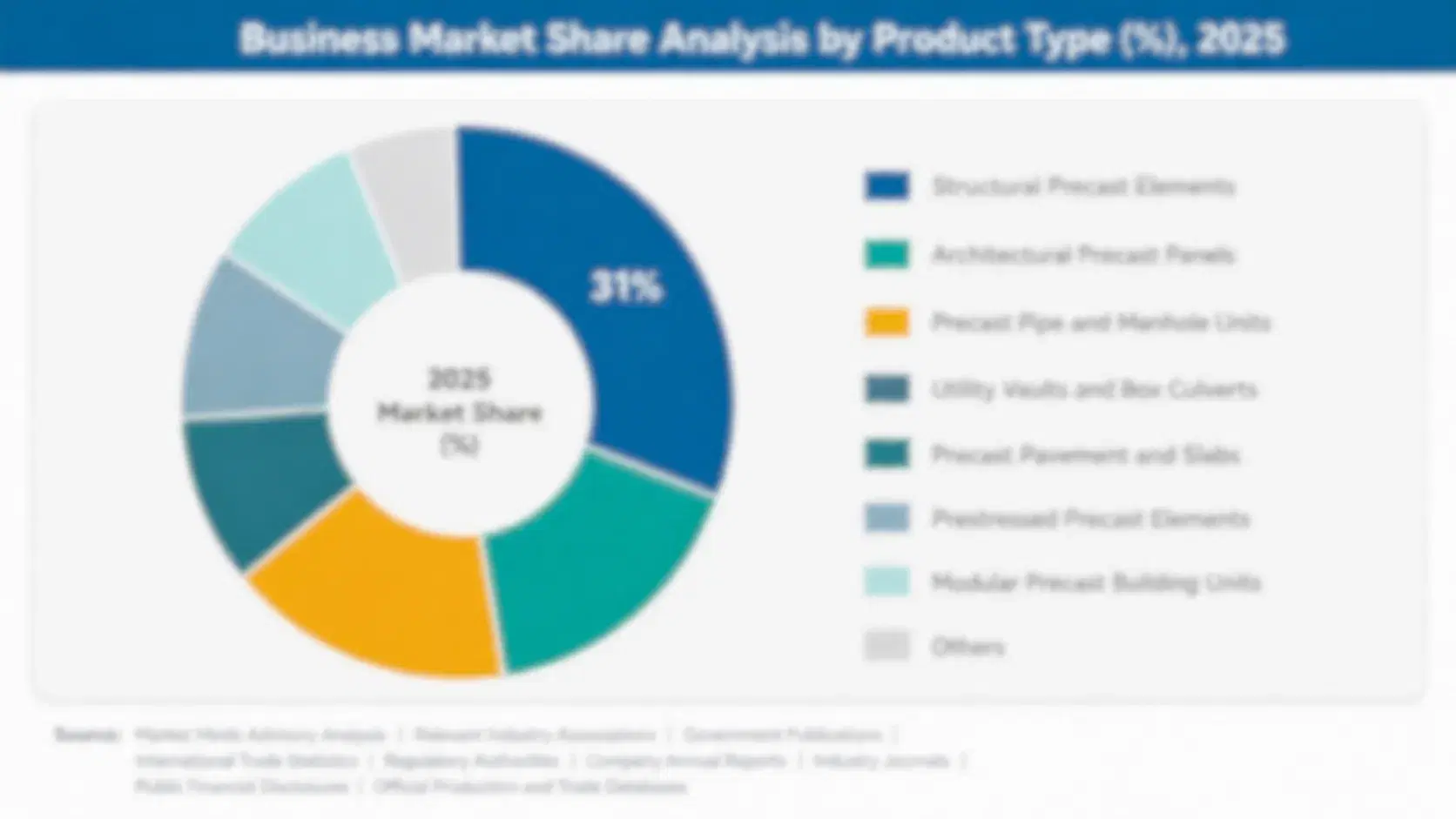
MMA segments the fruit juice packaging market by format, separating recyclable PET bottles from aseptic cartons, glass bottles, flexible pouches, and metal cans, since each format carries distinct shelf-stability and recyclability requirements across juice brand accounts across most tracked distribution networks throughout this entire forecast cycle across major producing regions worldwide among most tracked manufacturer and converter accounts.
fruit-juice-packaging-market-share-analysis-market-share-analysis-1791443278273

Recyclable PET Bottles

Recyclable PET bottles are the fastest-growing format as juice brands respond to recycled-content mandates by replacing virgin resin containers with certified recycled formulations that maintain clarity and structural performance. Converters serving major juice brands have expanded recycled resin qualification capacity meaningfully over the past several years, while virgin-resin-focused specialists are only beginning to build comparable recycled sourcing capability. Growth concentrates most heavily among sustainability-focused and premium brands, where recycled content matters more directly than in generic bulk formats still dominated by standard virgin PET across most tracked retail channels across this entire category globally throughout the broader forecast window overall across comparable markets worldwide today among most tracked brand account relationships.
CAGR 7.2%

Aseptic Cartons

Aseptic cartons remain the largest single format by value as shelf-stable distribution continues enabling ambient-temperature transport across both developed and export-oriented juice markets. Converters including Tetra Pak and SIG Combibloc have invested heavily in mono-material carton redesign to satisfy tightening recyclability mandates across the European Union and several US states. Growth here tracks closely with export-oriented juice processor demand, remaining a steady and expanding commercial category across most tracked juice packaging channels worldwide this cycle overall across most tracked distribution networks throughout this entire forecast cycle across major producing regions worldwide among most tracked manufacturer and converter accounts across this entire category globally throughout the broader forecast window overall across comparable markets worldwide today.
CAGR 5.8%
Full segment breakdown across 7 segments available in the complete report.

Fruit Juice Packaging Demand by Region

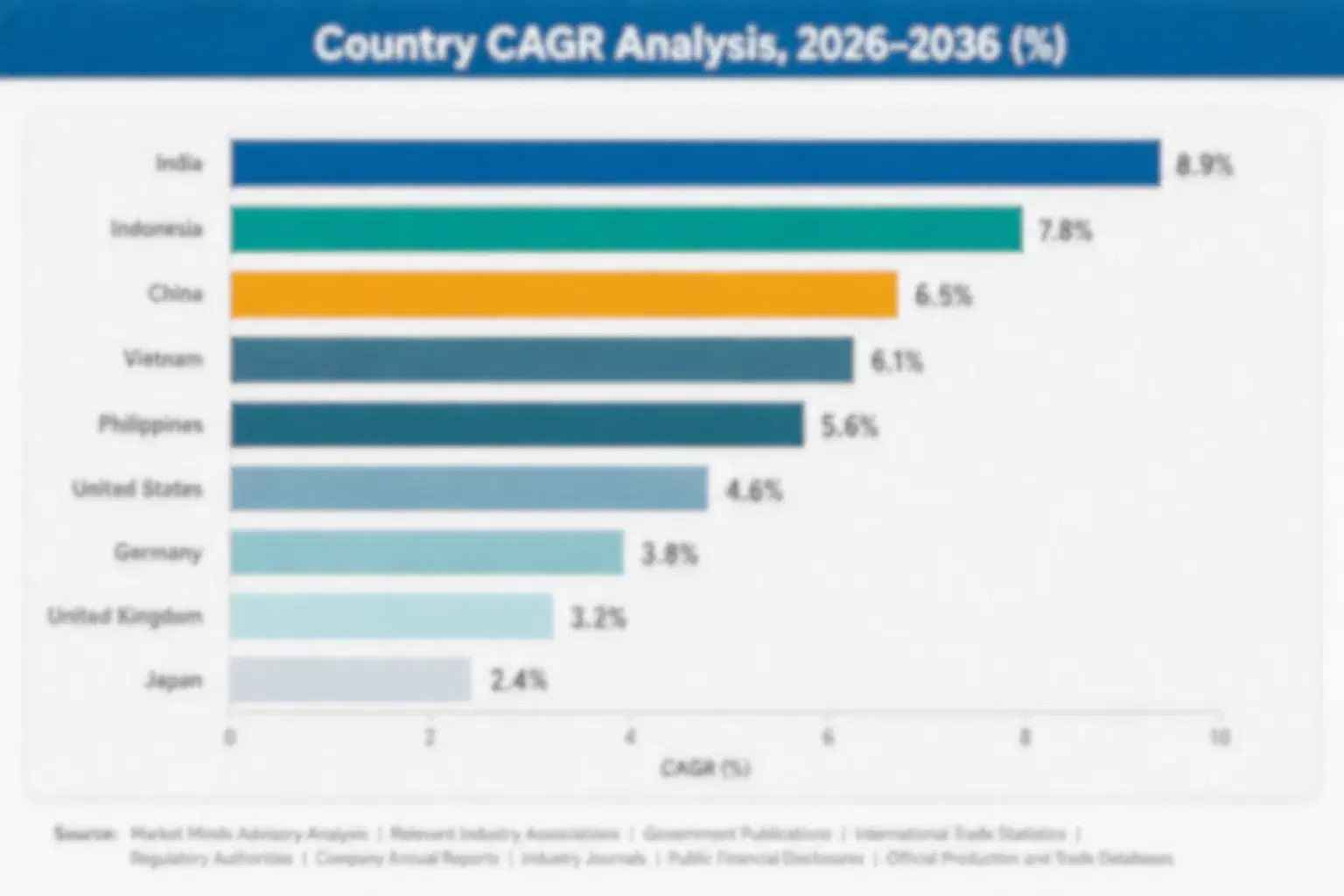
Western Europe leads fruit juice packaging demand on deep per-capita consumption culture and aseptic carton innovation heritage, while China posts the fastest national growth tied to its expanding juice consumption among most tracked brand account relationships across most tracked distribution networks throughout this entire forecast cycle.

North America

The United States and Canada sustain a significant fruit juice packaging demand pool through established grocery retail and foodservice distribution networks that consume packaging daily across thousands of retail locations. Recycled PET adoption has accelerated meaningfully over the past several years as major juice brands respond to state-level recycled-content mandates. Aseptic carton demand remains steady given the region's established shelf-stable juice retail category across this tracked regional packaging channel overall this cycle across major producing regions worldwide among most tracked manufacturer and converter accounts across this entire category globally throughout the broader forecast window overall across comparable markets worldwide today among most tracked brand account relationships across most tracked distribution networks.
Share: 24% | CAGR: 5.0% (2026 to 2036)

Western Europe

Germany, France, and the United Kingdom anchor global fruit juice packaging demand through decades of per-capita juice consumption heritage and aseptic carton innovation, hosting the headquarters of both Tetra Pak and SIG Combibloc alongside dense juice processing clusters. Mono-material carton redesign has advanced furthest here, driven by the European Union's tightening packaging recyclability mandates that are reshaping converter sourcing relationships across the region's juice supply chain. High per-capita consumption sustains steady demand across this dominant regional channel overall throughout this entire forecast cycle across major producing regions worldwide among most tracked manufacturer and converter accounts across this entire category globally throughout the broader forecast window overall across comparable markets worldwide today.
Share: 26% | CAGR: 3.2% (2026 to 2036)
Regional intelligence for 5 additional markets available in the complete report: East Asia, South Asia and Pacific, Latin America, Middle East and Africa, Eastern Europe. Contact sales@marketmindsadvisory.com.
fruit-juice-packaging-market-share-analysis-country-cagr-analysis-1791443278615

Where Converters Capture Juice Margin Growth

Fruit juice packaging converters are expanding margin through three distinct commercial levers: recycled PET certification, aseptic carton mono-material redesign, and Brazil-focused export distribution relationships that lock in multi-year processor accounts across global juice packaging channels across most tracked distribution networks throughout this entire forecast cycle across most tracked distribution networks throughout this entire forecast cycle.

Recycled PET Certification Premium Growth Pathway

Converters launching dedicated recycled-content PET bottle lines capture meaningfully higher per-unit margin than virgin resin formats, since certification lets converters price a premium over commodity containers for brands pursuing sustainability commitments. Several specialty converters have expanded recycled resin capacity by 20 to 25 percent over the past two years specifically to serve this growth segment, reporting unit margins well above their legacy virgin resin business. Virgin-resin-focused converters entering recycled certification face a real sourcing learning curve, but those who successfully transition capture a durable new revenue stream among sustainability-focused juice brand accounts.
Market Impact: adds 15-20 percent margin over virgin PET today

Aseptic Carton Mono-Material Redesign Growth Program

Converters offering certified mono-material aseptic cartons with documented recyclability capture a premium over legacy multilayer laminate formats, particularly among export-oriented juice processors pursuing regulatory compliance at scale. This requires securing barrier coating reformulation and recyclability certification, a commercial relationship that favors converters with established technical support infrastructure over smaller regional players. Several leading converters have expanded mono-material carton product lines by 20 to 30 percent over recent years, treating this as a distinct premium category separate from their legacy laminate business entirely across most tracked distribution networks throughout this entire forecast cycle.
Market Impact: captures a 16-21 percent redesign premium across accounts

Brazil Export Distribution Expansion Growth Strategy

Converters investing in dedicated Brazil market distribution and localized aseptic production capacity capture rapidly growing export processor contracts, since Brazil's dominant orange juice export scale creates a genuine first-mover advantage once distribution relationships are established. This regional investment favors early entrants, a dynamic several converters have used to defend share against new entrants lacking comparable Brazil market presence. Securing even one major Brazilian export processor account can anchor 5 to 7 years of a converter's regional revenue base across most tracked distribution networks throughout this entire forecast cycle across most tracked distribution networks.
Market Impact: locks in multi-year contracts worth 5-7 years overall

Who Captures Fruit Juice Packaging Value

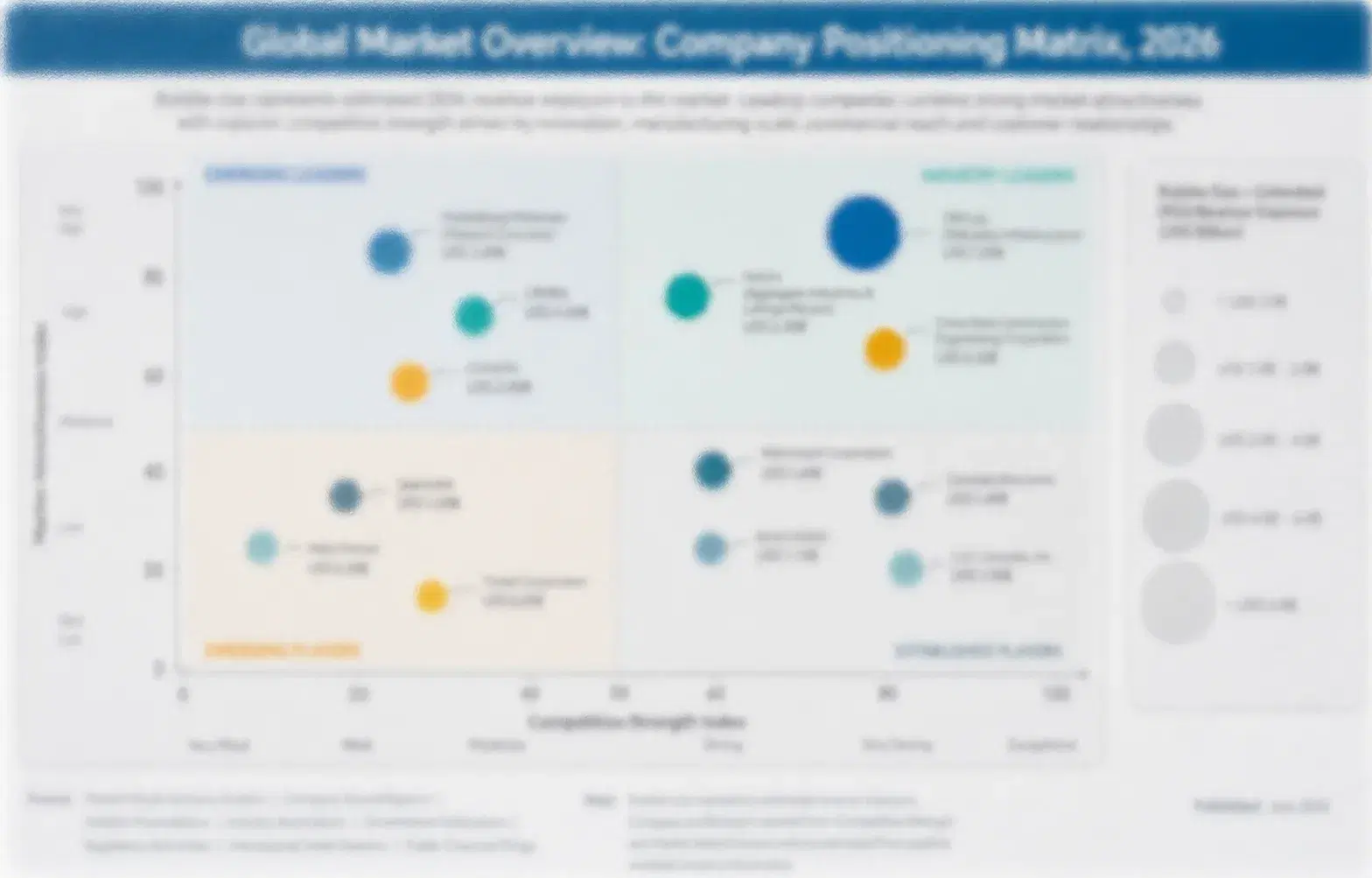
The fruit juice packaging market is moderately concentrated, with a cr5 of roughly 27 percent reflecting the scale advantages of a handful of global beverage packaging leaders evaluated on a shipped-unit-volume basis across aseptic carton, bottle, and pouch channels. Tetra Pak holds the deepest aseptic carton distribution relationships, while SIG Combibloc leads premium carton converting technology, leaving a meaningful gap between these two leaders and the fragmented mid-tier of regional converters competing below them.
Current competitive activity centers on recycled PET certification expansion serving sustainability-focused juice brands, aseptic carton mono-material redesign investment among established converters, and Brazil-focused export distribution development aimed at winning multi-year processor contracts. Several mid-tier converters are also pursuing recycled resin sourcing partnerships to differentiate their packaging offering beyond plain legacy virgin plastic formats.

Emerging pressure comes from specialty recycled PET producers expanding beyond their sustainability-focused niche into broader mainstream juice accounts, a channel traditionally served by carton and bottle converters. Regional converters in Latin America and South Asia are also scaling manufacturing capacity faster than established Western players, positioning them to compete for contracts as juice consumption continues expanding across these faster-growing markets overall.
fruit-juice-packaging-market-share-analysis-company-positioning-matrix-1791443278876

Fruit Juice Packaging Competitive Landscape

TETRA PAK INTERNATIONAL S.A.

Moat: Global aseptic carton distribution depth

Tetra Pak's decades-long relationships with multinational and regional juice processors give it a distribution reach that smaller regional converters cannot easily replicate, reinforced by aseptic filling equipment and carton manufacturing capacity built specifically to serve large processor contract requirements across global developed and export-oriented markets.
TETRA PAK INTERNATIONAL S.A.

Risk: Limited recycled PET presence

Tetra Pak's carton-focused manufacturing heritage leaves it comparatively exposed as recycled PET bottle formats gain share among sustainability-focused juice brands, since specialty bottle converters have built recycled resin sourcing capability more aggressively over recent years across these faster-growing accounts across most tracked distribution networks throughout this entire forecast cycle.
SIG COMBIBLOC GROUP AG

Moat: Premium carton converting technology scale

SIG Combibloc's decades-long premium aseptic carton converting technology and filling equipment manufacturing scale give it demonstrably more reliable barrier performance than competitors entering the category more recently, a reliability advantage that increasingly matters as processors scrutinize shelf-life documentation more closely across major developed juice markets worldwide.
SIG COMBIBLOC GROUP AG

Risk: Thin Brazil export distribution reach

SIG Combibloc's European and North American manufacturing heritage leaves it comparatively exposed in the fast-growing Brazil export orange juice category, since regional Latin American converters have built local distribution relationships more aggressively over recent years across these faster-growing accounts across most tracked distribution networks throughout this entire forecast cycle.

Players Tracked

Prominent Players

Tetra Pak International S.A.
SIG Combibloc Group AG
Amcor plc
Crown Holdings Inc.
Elopak ASA

Other Key Players

Ball Corporation
Berry Global Inc.
Greiner Packaging International GmbH
Smurfit WestRock plc
Sonoco Products Company
Graham Packaging Company
Nampak Ltd.
CKS Packaging Inc.
Plastipak Holdings Inc.
O-I Glass Inc.
Stern Pack S.p.A.
ALPLA Group
Indevco Group
Guala Pak S.p.A.
Huhtamaki Oyj

Recent Developments

FEBRUARY 2026

Tetra Pak International completed a mono-material conversion of its core juice carton range across European and North American production lines, replacing multi-layer polymer-aluminum laminate structures with recyclable fiber-based alternatives across most tracked distribution networks throughout this entire forecast cycle across major producing regions worldwide among most tracked manufacturer and converter.
Signal: Major carton converters are front-running recyclability regulation rather than waiting for compliance deadlines to force conversion across the category
SEPTEMBER 2025

SIG Combibloc Group expanded recycled-content PET bottle production capacity at its South American manufacturing facility, adding production lines specifically to serve growing export-oriented juice processor contract demand across the region across most tracked distribution networks throughout this entire forecast cycle across major producing regions worldwide.
Signal: Carton specialists are diversifying into recycled PET rather than ceding bottle format growth entirely to specialty producers

PET Resin and Pulp Drive Unit Cost

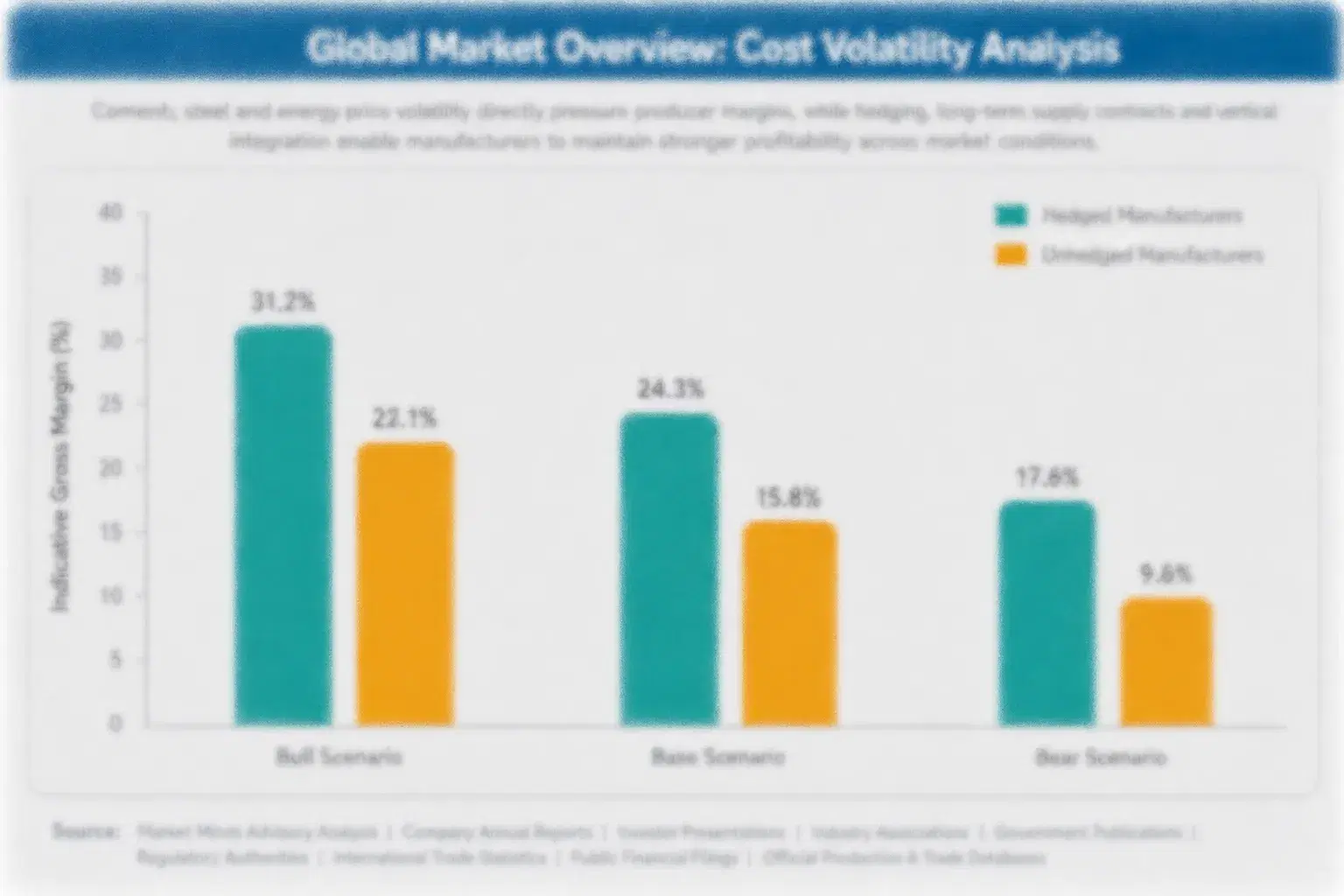
Virgin and recycled PET resin together with aseptic carton fiberboard account for roughly thirty seven percent of fruit juice packaging unit cost of goods sold, sourced primarily from petrochemical producers across Europe and Asia alongside pulp mills across Scandinavia serving aseptic carton applications worldwide across most tracked distribution networks throughout this entire forecast cycle across major producing regions worldwide.
PET resin prices rose meaningfully during 2024 amid a documented global petrochemical feedstock supply tightening cycle that the European Commission tracked across broader plastics and packaging input categories, pushing several converters to pass through modest price increases to grocery and premium juice brand accounts over multiple consecutive quarters among most tracked manufacturer and converter accounts across this entire category globally throughout the broader forecast window overall across most tracked distribution networks.

This cost exposure disadvantages smaller regional converters lacking long-term resin supply agreements relative to scale players like Amcor, who secured multi-year contracts ahead of the tightening cycle. Geographic exposure also varies, with Asian converters generally facing shorter, lower-cost resin supply chains than North American or European competitors throughout this entire forecast cycle across major producing regions worldwide among most tracked manufacturer and converter accounts.
fruit-juice-packaging-market-share-analysis-cost-volatility-analysis-1791443279193

Long-Term PET Resin Supply Agreements

Leading converters are locking in multi-year PET resin supply agreements directly with petrochemical producers, insulating unit costs from near-term spot market volatility while securing priority allocation during future tightening cycles across their primary production facilities worldwide this cycle across this entire category globally throughout the broader forecast window overall across most tracked distribution networks.

Direct Recycled Resin Investment Partnerships

Mid-tier converters are pooling resources into direct bottle collection and reprocessing infrastructure investment with regional peers, spreading recycled resin sourcing costs across multiple participants rather than each converter duplicating the infrastructure investment independently across this entire juice packaging category throughout this entire forecast cycle across major producing regions worldwide among most tracked manufacturer and converter accounts.

Portfolio Architecture for Margin Defence

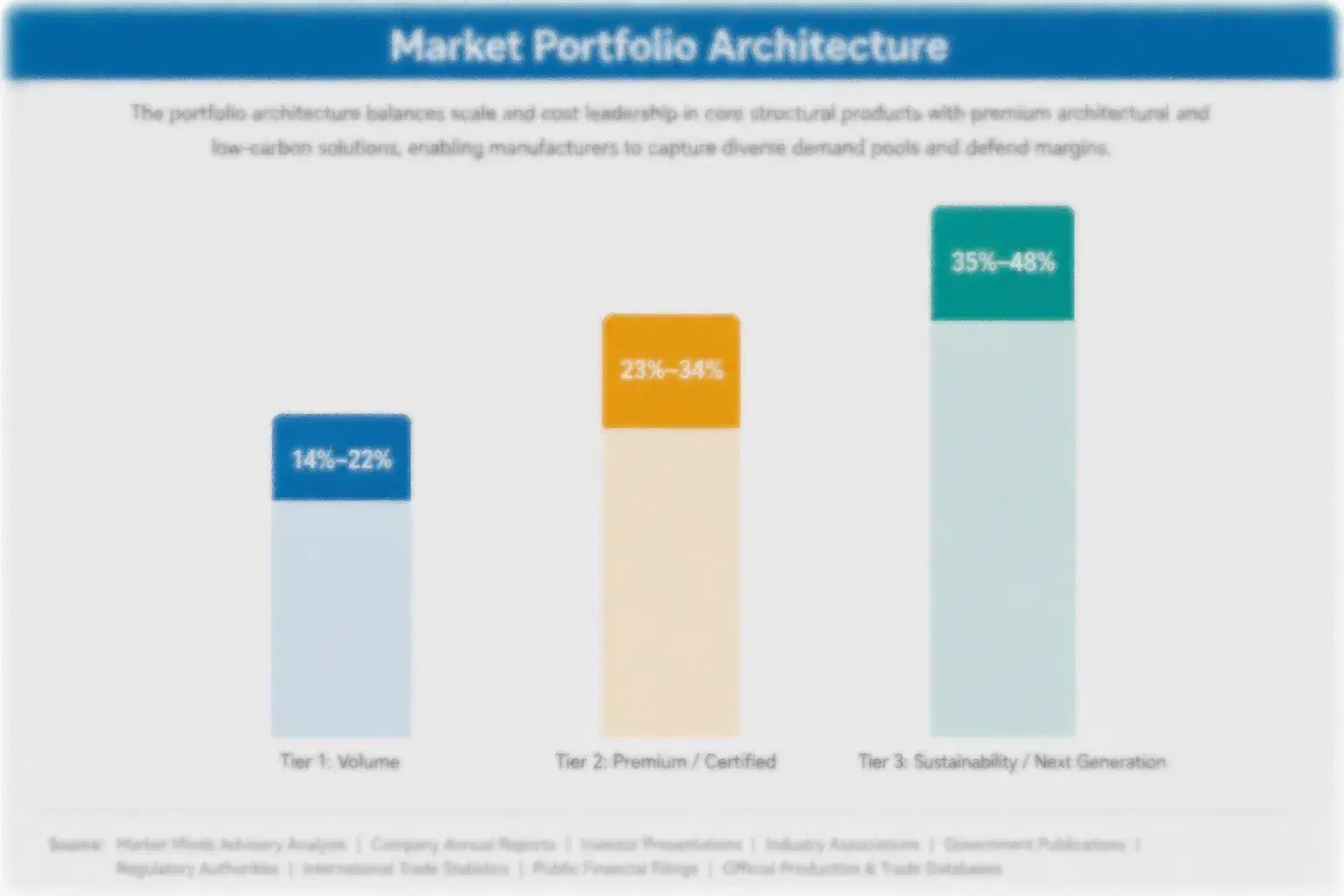
Fruit juice packaging converters organize portfolios across three tiers separated primarily by format sophistication and recycled-content certification depth, with gross margins ranging from roughly seventeen to twenty three percent on standard virgin PET bottles up to forty two to fifty percent on certified recycled-content and mono-material aseptic carton formats sold through sustainability-focused and export-oriented channels worldwide across this entire category globally.
The volume versus premium tension centers on whether converters chase mainstream grocery chain scale through competitive standard bottle pricing or pursue premium sustainability-focused and export-oriented accounts willing to pay meaningfully more for recycled-content certification and mono-material carton sophistication. High-value margin pools concentrate overwhelmingly in recycled PET and mono-material carton formats, where documented sustainability and barrier performance command premiums standard formats cannot match throughout the broader forecast window overall.

Converters increasingly structure dedicated brand account teams around this tiering, since the commercial skills needed to win large grocery volume contracts differ substantially from those needed to win premium export-oriented accounts prioritizing certification depth over unit price alone across this tracked category worldwide this cycle overall across most tracked distribution networks throughout this entire forecast cycle across major producing regions worldwide.

Standard virgin PET bottles sold primarily on unit price to large grocery chain accounts among most tracked manufacturer and converter accounts across this entire category globally throughout the broader forecast window overall.
Gross Margin

Certified recycled-content PET bottles with documented resin sourcing sold to established sustainability-focused brand accounts across most tracked distribution networks throughout this entire forecast cycle across major producing regions worldwide among most tracked manufacturer and converter accounts.
Gross Margin

Mono-material aseptic cartons bundled with recyclability certification and export-oriented shelf-stable documentation across this entire category globally throughout the broader forecast window overall across most tracked distribution networks throughout this entire forecast cycle.
Gross Margin
fruit-juice-packaging-market-share-analysis-portfolio-architecture-1791443279487

High-value Sub-segments and Strategic Watch-out

Export-Oriented Mono-Material Carton Programs

Mono-material carton programs bundled with recyclability documentation for export-oriented juice processors represent the highest value, highest growth pool as regulation expands this cycle across major producing regions worldwide among most tracked manufacturer and converter accounts across this entire category globally throughout the broader forecast window overall.

Certified Recycled PET Grocery Contracts

Certified recycled-content PET bottle contracts with established grocery brand owners carry solid margins and steady growth as recycled-content mandates tighten across major developed retail markets across most tracked distribution networks throughout this entire forecast cycle across major producing regions worldwide among most tracked manufacturer and converter accounts.

Standard Virgin PET Grocery Volume

Standard virgin PET bottle volume for grocery chain accounts remains the volume core of the category, generating steady but comparatively thin margin across most tracked accounts worldwide across this entire category globally throughout the broader forecast window overall across most tracked distribution networks throughout this entire forecast cycle.

Legacy Non-Certified Multilayer Formats

Legacy multilayer laminate cartons lacking mono-material certification face mounting regulatory displacement risk as extended producer responsibility mandates tighten across major developed grocery markets this entire forecast cycle overall across major producing regions worldwide among most tracked manufacturer and converter accounts across this entire category globally.

Processor Contracts Anchor Recurring Demand

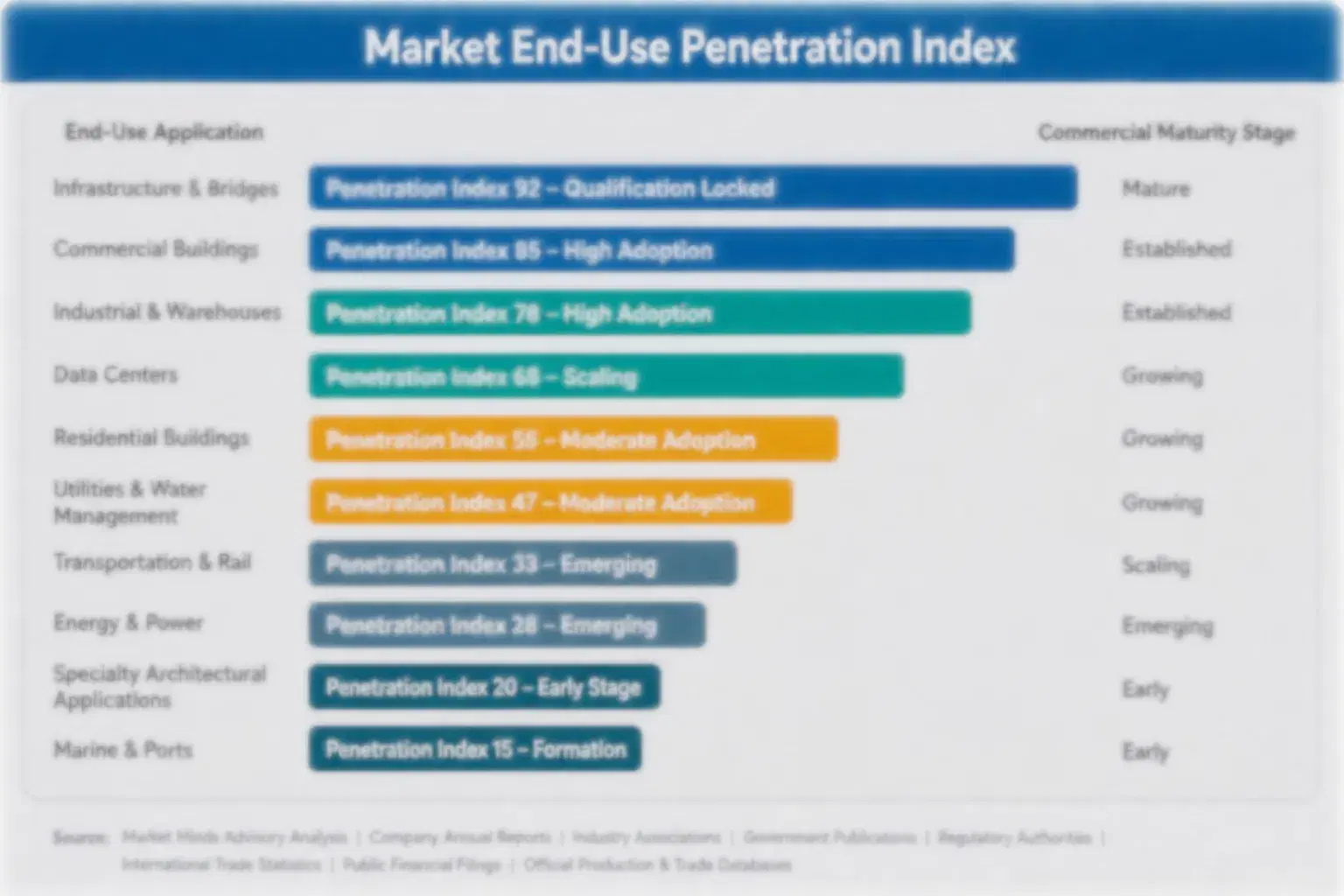
Fruit juice packaging demand carries genuine recurring characteristics within processor and brand accounts, since ongoing juice production schedules require continuous packaging supply rather than one-time purchases, and recycled-content certification relationships increasingly convert converter contracts into multi-year recurring supply agreements spanning several product cycles across most tracked brand accounts worldwide this cycle.
Adoption stickiness varies meaningfully by end-use channel. Large multinational juice processor and export-oriented accounts show the highest switching costs given established aseptic equipment and recycled-content requalification requirements, while smaller regional juice brands show comparatively lower stickiness given smaller purchase volumes and easier supplier switching. Mid-tier premium and functional juice brands fall between these two poles, balancing certification requirements against periodic competitive tender cycles that open switching opportunities for challenger converters.

A generational shift is underway as younger brand sustainability managers increasingly prioritize documented recycled-content PET credentials over the unit cost and basic shelf-stability considerations that dominated packaging purchasing decisions a decade ago across most tracked brand and converter markets globally this entire forecast cycle overall across most tracked distribution networks throughout this entire forecast cycle across major producing regions worldwide among most tracked manufacturer and converter accounts across most tracked distribution networks.
fruit-juice-packaging-market-share-analysis-end-use-penetration-index-1791443279794

Where Fruit Juice Packaging Value Concentrates

These are among the four positions where our research anticipates prominent divergence between winners and laggards over the coming forecast period. Each is grounded in the demand model, the regulatory perimeter, and the announced capacity pipeline.
01 / RECYCLED PET CERTIFICATION PRIORITY

Build recycled-content depth ahead of regulation

Certified recycled-content PET is becoming a genuine purchase criterion rather than an optional sustainability feature as extended producer responsibility regulation tightens across major developed retail markets. Converters who invest in certification depth now will capture disproportionate grocery brand account share before smaller competitors close the credibility gap. Waiting for regulatory requirements to fully formalize risks ceding this advantage to converters already securing certified recycled resin supply agreements across these expanding accounts throughout this entire forecast cycle across major producing regions worldwide.
02 / BRAZIL EXPORT MARKET PRIORITY

Build regional distribution ahead of expansion

Brazil's orange juice export scale is expanding faster than every other tracked regional market as domestic processors continue scaling production to serve international demand. Converters who invest in regional distribution depth now will capture disproportionate export processor account share before smaller competitors close the market-presence gap. Waiting for the market to fully mature risks ceding this advantage to converters already securing multi-year distribution partnerships across these expanding accounts among most tracked manufacturer and converter accounts across most tracked distribution networks.

Engagement Snapshot From the Field

A live engagement with an industry participant carrying material or product regulatory and market exposure ahead of a defining policy shift, showing how our research translates into a defensible multi-year portfolio strategy.
MARKET MINDS ADVISORY · CLIENT ENGAGEMENT SUMMARY
Fruit Juice Packaging Producer Strategic Portfolio Review and Transition Roadmap 2026·Investment Scenario on Fruit Juice Packaging Exposure Evaluation 2025-26
CLIENT PROFILE
A mid-sized Brazilian orange juice processor with roughly two hundred thirty million dollars (client-reported, unverified by MMA) in annual export revenue, distributing concentrate and ready-to-drink products across European and North American import channels, engaged MMA to reassess its aseptic carton sourcing strategy ahead of a European recyclability compliance deadline among most tracked manufacturer and converter accounts.
STRATEGIC CHALLENGE
The client's existing aseptic carton supplier relied on multi-layer polymer-aluminum laminates incompatible with European recyclability requirements, while competing Brazilian exporters had already shifted toward mono-material compatible structures, creating a widening compliance gap ahead of the client's upcoming European import certification deadline across most tracked distribution networks throughout this entire forecast cycle.
MMA APPROACH
MMA mapped the mono-material compatible aseptic carton converter landscape across European and South American supply bases, benchmarked barrier performance and compatibility documentation across five candidate suppliers, and modeled total landed cost scenarios incorporating compatible grade premiums against European import compliance requirements through 2030 across major producing regions worldwide among most tracked manufacturer and converter accounts.
KEY FINDINGS
  1. Mono-material compatible cartons commanded a documented thirteen to eighteen percent unit cost premium (client-reported, unverified by MMA) over standard multilayer formats across the evaluated supplier set.
  2. Two of five candidate suppliers already held active European recyclability certification, while the client's incumbent supplier had no certification pathway underway at the time of evaluation.
  3. Barrier performance testing showed comparable shelf-stable protection for mono-material cartons versus the client's existing multilayer format across comparable export shipment durations across most tracked distribution networks.
  4. European certified suppliers offered comparable lead times to incumbent South American suppliers once minimum order volumes exceeded a moderate threshold throughout this entire forecast cycle.
CLIENT PROFILE
A mid-sized Brazilian orange juice processor with roughly two hundred thirty million dollars (client-reported, unverified by MMA) in annual export revenue, distributing concentrate and ready-to-drink products across European and North American import channels, engaged MMA to reassess its aseptic carton sourcing strategy ahead of a European recyclability compliance deadline among most tracked manufacturer and converter accounts.
STRATEGIC CHALLENGE
The client's existing aseptic carton supplier relied on multi-layer polymer-aluminum laminates incompatible with European recyclability requirements, while competing Brazilian exporters had already shifted toward mono-material compatible structures, creating a widening compliance gap ahead of the client's upcoming European import certification deadline across most tracked distribution networks throughout this entire forecast cycle.
MMA APPROACH
MMA mapped the mono-material compatible aseptic carton converter landscape across European and South American supply bases, benchmarked barrier performance and compatibility documentation across five candidate suppliers, and modeled total landed cost scenarios incorporating compatible grade premiums against European import compliance requirements through 2030 across major producing regions worldwide among most tracked manufacturer and converter accounts.
KEY FINDINGS
  1. Mono-material compatible cartons commanded a documented thirteen to eighteen percent unit cost premium (client-reported, unverified by MMA) over standard multilayer formats across the evaluated supplier set.
  2. Two of five candidate suppliers already held active European recyclability certification, while the client's incumbent supplier had no certification pathway underway at the time of evaluation.
  3. Barrier performance testing showed comparable shelf-stable protection for mono-material cartons versus the client's existing multilayer format across comparable export shipment durations across most tracked distribution networks.
  4. European certified suppliers offered comparable lead times to incumbent South American suppliers once minimum order volumes exceeded a moderate threshold throughout this entire forecast cycle.
RECOMMENDED STRATEGY
Phase 1: Phase one: qualify two mono-material compatible carton suppliers ahead of the European compliance deadline across major producing regions worldwide among most tracked manufacturer and converter accounts. Phase 2: Phase two: migrate the core export concentrate product line to mono-material formats ahead of the next shipping cycle across most tracked distribution networks. Phase 3: Phase three: consolidate remaining multilayer volume toward the two qualified suppliers to improve negotiating leverage and consistency throughout this entire forecast cycle.
OUTCOME
The client reported (client-reported, unverified by MMA) securing mono-material compatible carton supply ahead of its European compliance deadline and clearing import certification review on its first submission, while improving its sustainability messaging position against two named competing Brazilian exporters ahead of the following export season.

Frequently Asked Questions

Foundational context covering the market sizes, CAGR, scope, country, region and competition that inform every finding below. This section is provided to cover basics and most often pre-purchase conversations, answered from the MMA Primary Research Dataset.

What is the current size of the Fruit Juice Packaging Market?

The Fruit Juice Packaging Market was valued at approximately 16.53 billion dollars in 2026. This reflects continued global juice consumption demand across major developed and export-oriented regions.

How large will the Fruit Juice Packaging Market be by 2036?

MMA projects the market will reach approximately 25.91 billion dollars by 2036. That represents roughly a 1.57x expansion over the full ten-year forecast window across this category.

What is the CAGR for the Fruit Juice Packaging Market 2026 to 2036?

The base case CAGR is 4.6 percent through the full forecast window. Bull and bear scenarios range from 3.6 to 5.6 percent depending on recycled PET adoption pace.

Which segment is growing fastest?

Recyclable PET Bottles is the fastest-growing segment, expanding at 7.2 percent CAGR. That is meaningfully faster than the category's overall 4.6 percent base case rate.

Who are the major companies in the Fruit Juice Packaging Market?

Tetra Pak, SIG Combibloc, Amcor, Crown Holdings, and Elopak lead the category across most tracked channels. Concentration remains moderate, with a cr5 near 27 percent.

Which country is growing fastest?

China is the fastest-growing country, expanding at 6.4 percent CAGR through the entire ten-year forecast window overall today. Its expanding juice consumption supports this pace.

Fruit Juice Packaging Segments Covered

The full report scope spans multiple orthogonal segmentation dimensions, with cross-tabulated demand data provided for each dimension pair. Coverage extends further to regional breakdowns, trend trajectories, and the competitive detail needed to support segment-level decision-making.
  • Aseptic Cartons
  • PET Bottles
  • Glass Bottles
  • Flexible Pouches
  • Metal Cans
  • Grocery Retail Juice
  • Premium and Functional Juice
  • Export-Oriented Concentrate
  • Foodservice and Institutional
  • Grocery Chain Accounts
  • Export-Oriented Processors
  • Premium Brand Contracts
  • Private Label Manufacturers

By Region

  • North America
  • Western Europe
  • East Asia
  • South Asia and Pacific
  • Latin America
  • Middle East and Africa
  • Eastern Europe

Scope, Methodology, and Coverage

Every figure in this report is reproducible from documented input assumptions. The scope below maps the historical period, the forecast horizon, the segmentation dimensions, and the countries covered, alongside the underlying primary and qualitative methodology.
Historical Period
2020 to 2025
Forecast Period
2026 to 2036
Base Year
2025 (USD billions; MMA Primary Research Dataset, October 2026)
Market Definition
The Fruit Juice Packaging Market covers aseptic cartons, PET and glass bottles, flexible pouches, and metal cans used for fruit juice, juice drinks, and juice concentrate products across retail and foodservice channels. It excludes general dairy beverage and plant-based milk packaging, which MMA tracks separately under its dedicated dairy packaging reports.
Quantitative Units
USD billions
Segmentation Dimensions
Regions Covered
North America, Western Europe, East Asia, South Asia and Pacific, Latin America, Middle East and Africa, Eastern Europe
Countries Covered
Key Companies Profiled
Tetra Pak International S.A., SIG Combibloc Group AG, Amcor plc, Crown Holdings Inc., Elopak ASA, Ball Corporation, Berry Global Inc., Greiner Packaging International GmbH, Smurfit WestRock plc, Sonoco Products Company, Graham Packaging Company, Nampak Ltd., CKS Packaging Inc., Plastipak Holdings Inc., O-I Glass Inc., Stern Pack S.p.A., ALPLA Group, Indevco Group, Guala Pak S.p.A., Huhtamaki Oyj
Quantitative Methodology
Primary survey, n=3,800 respondents, Q4 2025, six countries; demand-side model with trade association cross-validation
Qualitative Methodology
47 expert interviews, Q4 2025; applied to validate demand model assumptions, identify emerging dynamics, and assess competitive positioning
Report Format
PDF and XLSX data workbook (Word format preview document)
Publisher
Market Minds Advisory
Report Code
MMA-2026-PAC-589
Published
October 2026
Contact
sales@marketmindsadvisory.com | www.marketmindsadvisory.com

Purchase the full Fruit Juice Packaging Market Report (2026 to 2036).

This report provides a comprehensive assessment of the global Fruit Juice Packaging Market, covering market sizing, segmentation, regional dynamics, and competitive benchmarking through 2036. It draws on MMA's primary survey of 3,800 respondents and 47 expert interviews conducted in the fourth quarter of 2025, alongside company disclosures and government trade data. The analysis quantifies demand across five packaging formats and seven global regions, profiles twenty leading converters, and identifies the commercial mechanisms driving recycled PET adoption and aseptic carton mono-material redesign. Buyers use it to benchmark supplier strategy, anticipate regulatory shifts, and prioritize investment across the category's highest-growth formats.
Five-format MECE market breakdown across all channels
Seven-region demand and market share modeling worldwide
Twenty-company competitive benchmarking across the category
Recycled PET regulatory tracking across major markets
Aseptic carton mono-material redesign trend analysis
Anonymized client engagement case study with recommendations

Built For The People Who Decide

From boardroom strategy to bench-side execution, this report is read cover-to-cover by leaders shaping the next decade of their industry, turning demand scenarios, market dynamics and valuation benchmarks into decisions.
CXOs/ Presidents/ VPs/ Managers
M&A and Corporate Development
Strategy Teams and R&D Heads
Procurement and Product Directors
Regulatory and Compliance Leaders
Investor Relations and Equity Analysts