Market Minds Advisory
Flexographic Printing Machine Market

Flexographic Printing Machine Market Demand Analysis 2026-2036

Flexible packaging converters demanding variable data and short-run embellishment are pushing toward hybrid flexo-digital presses that conventional pure-flexo lines cannot deliver without a separate finishing step. across most label and packaging categories.

Lead Analyst

Bilal Shaikh

Published

November 2026

Make Smarter Decisions with Customized Research Insights

Request a free sample report and evaluate market opportunities, growth trends, and competitive dynamics relevant to your business needs.

2025 MARKET VALUE$4.8BMarket Size 2025
2036 FORECAST VALUE$8.5BBase Case , 2026 to 2036
CAGR 2026 TO 20365.2 %Bull 6.4% / Bear 4.0%
INCREMENTAL OPPORTUNITY$3.4BNet 10- year value creation
EXPANSION MULTIPLE1.66x2036 value over 2026 base
Strategic Levers
M&A Pipeline
Regional Outlook
Country Rankings
Competitive Intelligence
Segmental Deep-dive
Call-Us : 91 93563 13602

Flexographic Printing Machine Market Outlook

Flexographic printing machine demand is shifting toward hybrid flexo-digital presses as converters demand variable data and short-run embellishment that conventional pure-flexo lines cannot deliver without a separate finishing step across most label and packaging accounts today. Equipment makers report this calculation now dominates purchasing conversations.
Hybrid flexo-digital presses are growing fastest as converters pursue variable data and short-run customization, while narrow-web label presses hold the second-fastest rate as private-label and craft beverage labeling demand expands across retail categories. Western Europe carries the largest regional share given its dense press manufacturing base and flexible packaging converting scale, while South Asia and Pacific posts the fastest regional growth as converting capacity expands across the subcontinent.
Competitive intensity centers on a cluster of Swiss, Italian, and German press specialists with decades of flexo engineering experience, now facing margin pressure from Chinese challengers offering comparable throughput at meaningfully lower capital cost. Hybrid digital integration capability, not raw press speed, increasingly determines which supplier wins a converter's multi-year equipment relationship across its expanding label and packaging portfolio. Rankings could shift within a few years as validation standards tighten across the broader industry.
Market Definition
The flexographic printing machine market covers equipment that uses flexographic printing technology to print on flexible films, paper, labels, and corrugated substrates, including central impression presses, in-line presses, and narrow-web label presses. It excludes flexo folder gluers and other corrugated box converting equipment, which are addressed in the separate corrugated box machine market, and excludes digital or inkjet printing equipment not using flexographic plate technology.
Base Year Value
$4.8B in 2025 (MMA Primary Research Dataset, October 2026)
Forecast Period
2026 to 2036, eleven discrete annual values
CAGR
5.2% base case. Bull 6.4%. Bear 4.0%.
Fastest Growth Segment
Hybrid Flexo-Digital Presses: 9.5% CAGR
Fastest Growth Country
Turkey: 7.8% CAGR
Fastest Growth Region
South Asia and Pacific: 7.2% CAGR
Largest Region
Western Europe: 26% of 2025 global value
Market Leaders
BOBST, Windmöller & Hölscher, Comexi Group, Mark Andy Inc., and Uteco Converting lead by installed press base. Source: MMA Analysis based on company annual reports.
Primary Survey
n=3,800 procurement and R&D decision-makers, Q4 2025, six countries
Methodology
Demand-side build-up, cross-validated against public data, 47 expert interviews

Flexographic Printing Machine Market Forecast Scenarios

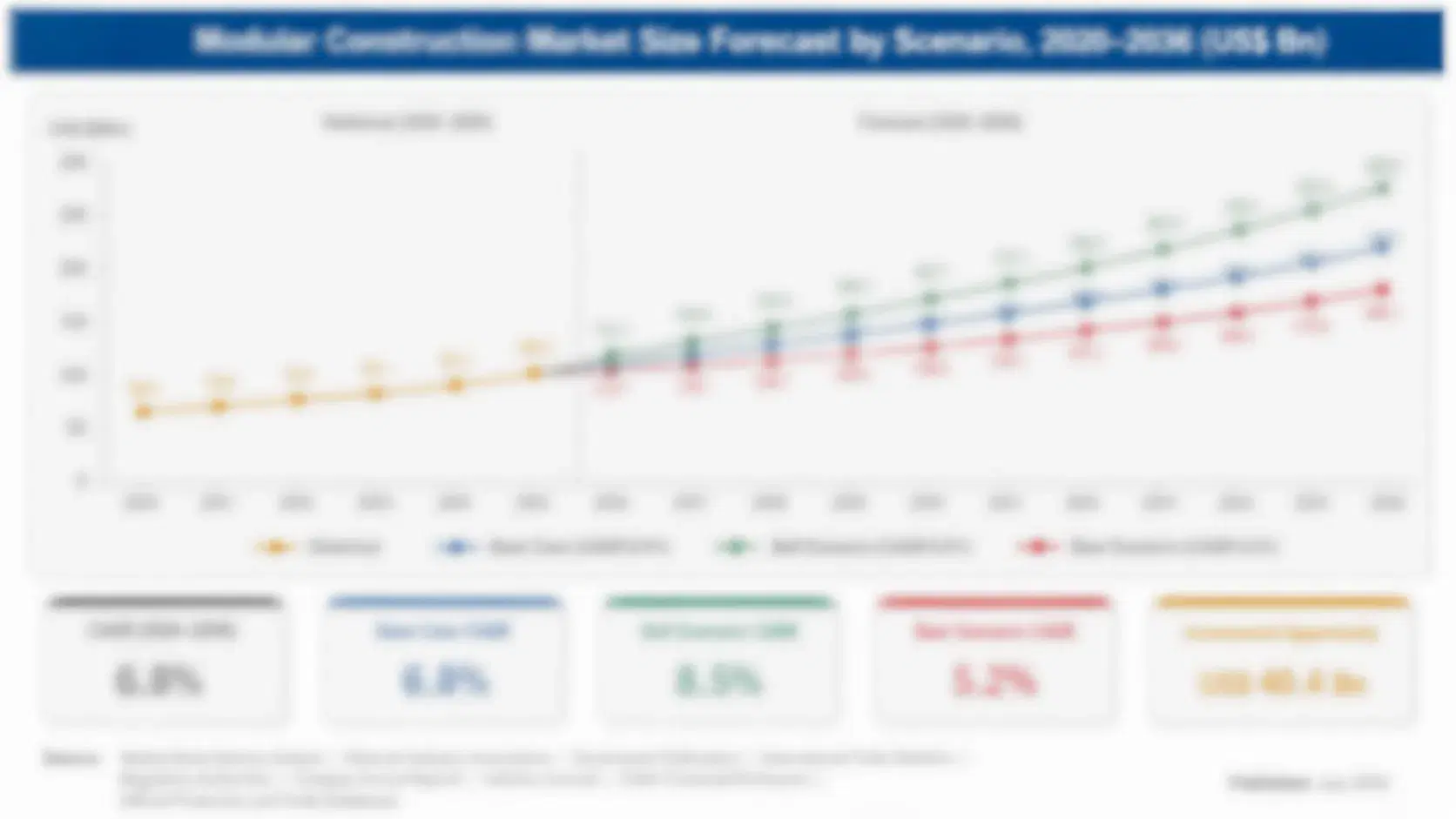
flexographic-printing-machine-market-size-forecast-scenario-1791485307903
Between 2020 and 2025 the market grew at an estimated 4.6% annually, a period shaped by steady flexible packaging volume growth before hybrid flexo-digital demand broadened meaningfully during the final two years of the historical window, pulling conversion orders forward across a wider converter base than builders had previously served. Equipment makers report backlogs have stabilized across most regions.
The base case assumes 5.2% compound growth through 2036, driven by three reinforcing mechanisms: first, converters demanding variable data and short-run embellishment that conventional pure-flexo presses cannot deliver without a dedicated digital finishing step; second, private-label and craft beverage brands adopting narrow-web label presses to serve proliferating product catalogs across retail categories; and third, flexible packaging converting capacity expansion across emerging markets lifting baseline press demand regardless of hybrid technology conversion pace. Equipment makers report steady order growth across all three mechanisms.
The bull case rests on hybrid flexo-digital adoption accelerating faster than expected across emerging packaging and label categories, pulling premium press demand forward across new converter accounts. The bear case centers on a prolonged capital spending pause among mid-tier converters facing margin compression, even as embellishment demand continues building toward eventual equipment replacement across regions tracked.

Hybrid Digital Integration Becomes the Deciding Criterion

Hybrid digital integration, once a niche add-on for premium accounts, has become the primary criterion converters use to evaluate competing press bids, since a converter facing short-run variable data demand recovers a hybrid line's price premium quickly through eliminated plate cost that conventional pure-flexo presses cannot avoid across frequent brand transitions. Equipment makers unable to demonstrate comparable digital integration increasingly lose bids to rivals offering stronger embellishment credentials.
MARKET CONCENTRATION (CR5)42%Top five equipment makers hold well over two-fifths overall
AVERAGE PRESS PRICE$2.4 millionWhat a mid-tier automated hybrid flexo-digital line typically costs
TOP PRODUCING COUNTRY SHARE23%Germany leads global flexographic press manufacturing output today
CAPACITY UTILIZATION70%Equipment makers run assembly operations below full nameplate capacity
TYPICAL PRINT REGISTRATION ACCURACY0.05-0.15mmStandard registration variance range across precision flexo technology
AVERAGE EQUIPMENT REPLACEMENT CYCLE16-22 yearsTypical service life before a flexographic press needs replacement
Commercially, the market increasingly rewards equipment makers who can validate consistent print registration across varied substrates and print runs, since a converter serving several brand accounts avoids costly line reconfiguration by standardizing on a single flexible architecture rather than maintaining separate equipment per client. This flexibility is becoming a genuine competitive moat for established Swiss, Italian, and German press specialists facing low-cost Chinese competition across price-sensitive accounts.
Over the next decade, expect continued conversion toward hybrid flexo-digital and narrow-web label press technology, flexible packaging converting capacity expansion across South Asia, and growing demand for machines capable of serving multiple substrate types and print runs on shared equipment platforms rather than dedicated single-purpose production assets. Builders slow to adapt risk losing share to more embellishment-focused competitors.
"A converter used to order a full plate set and run thousands of meters just to justify the changeover cost. Now the hybrid line adds variable data and short-run graphics without touching the plate cylinder, and that flexibility is reshaping which equipment makers win the next generation of label and packaging accounts."
Director, Packaging Automation Practice · MMA Packaging Automation / Flexographic Printing Press Equipment Practice · October 2026

Key Trends in Flexographic Printing Machine

Hybrid Flexo-Digital Integration Displaces Pure-Flexo Lines

Converters serving brands demanding variable data and short-run embellishment are increasingly specifying hybrid flexo-digital presses that combine flexo base printing with inline digital modules, rather than the pure-flexo presses that dominated the category when order runs were longer and brand proliferation less significant in prior decades. This shift commands meaningfully higher equipment investment than conventional pure-flexo lines given the digital module integration requirements involved. Equipment makers report hybrid orders now outpacing pure-flexo orders across nearly every premium label and packaging converter account, a clear reversal from just a few years earlier. The same pressures carry over to the pad printing machine market, where MMA forecasts USD 1.36 billion by 2036 at a 4.4% CAGR.
Market Impact: Drives roughly 13% of demand
Narrow-Web Label Presses Gain Share in Private-Label Growth

Converters serving private-label and craft beverage brands requiring frequent graphic rotation are increasingly specifying narrow-web label presses engineered for fast changeover, rather than the wider-web presses that dominated the category when label order volumes were larger and brand counts correspondingly smaller in prior decades. This capability matters most for converters serving retailers expanding private-label catalogs across multiple product categories simultaneously. Equipment makers are responding with modular servo-driven changeover kits that reduce setup time meaningfully compared with earlier mechanical architectures. Several converters report measurable changeover time improvement after adopting these servo-driven kits. The rotogravure printing machine market is a natural companion read, sized by MMA at USD 1.4 billion in 2025 with 5.7% annual growth ahead.
Market Impact: Adds roughly 8% baseline volume

Flexographic Printing Machine Supplier Priorities

Variable Data Demand Lifts Hybrid Press Orders

Brand owners pursuing personalized packaging and serialized labels have made hybrid flexo-digital integration a direct competitive necessity rather than a nice-to-have differentiator for converters increasingly unable to serve these accounts profitably with conventional plate-based economics. This customization trend shows no sign of reversing within the forecast period, giving hybrid equipment makers a durable addressable market independent of broader economic cycles affecting other capital equipment categories. MMA estimates this customization-driven segment will continue outpacing overall market growth by a meaningful margin through the remainder of the forecast period. This trend shows no sign of slowing. The flexographic printing plate market is already worth USD 1.3 billion in 2025, and MMA expects a 6.8% CAGR from here to 2036.
Market Impact: Adds $280,000 to $750,000 entry cost

Flexible Packaging Growth Lifts Baseline Demand

Flexible packaging volume growth across emerging consumer markets is lifting baseline press demand independent of any single embellishment driver, as converters scale capacity to handle rising packaging volumes across diverse product categories requiring consistent print quality. Each new converting facility increasingly specifies flexible multi-substrate presses given the varied customer specification a modern converter typically runs across an expanding client portfolio spanning multiple end-use categories simultaneously. Equipment makers report this baseline volume growth continuing steadily even during periods of broader industrial capital spending caution. Equipment makers confirm this trend across nearly every regional market tracked. For a connected opportunity, MMA values the nonwovens printing machine market at USD 0.5 billion in 2025.
Market Impact: Adds 3-6 percent scrap rate

Flexographic Printing Machine Cost and Adoption Hurdles

High Capital Cost Slows Smaller Converter Adoption

Hybrid flexo-digital and narrow-web servo-driven presses carry meaningfully higher capital cost than conventional pure-flexo equipment, creating a genuine adoption barrier for smaller converters facing the same customization pressure as larger competitors but lacking comparable capital budgets to justify immediate conversion across their entire production footprint. The root cause is that digital modules and servo-driven changeover mechanisms cost meaningfully more to engineer and manufacture than simpler mechanical architectures. Equipment makers are mitigating the barrier by introducing leasing programs and modular upgrade paths that let smaller converters add capability incrementally over time. Linked demand sits in the heel tampography printing machine market, projected by MMA to reach USD 1.8 billion by 2036 on a 6.2% CAGR.
Market Impact: Adds 10 points hybrid line share

Substrate Variability Complicates Print Quality Consistency

Converters processing varied film, paper, and label substrate grades face a genuinely complex print consistency challenge, since substrate surface tension and ink absorption vary meaningfully across material types, sometimes requiring real-time process adjustment to maintain consistent print registration across a production run. The root cause is that substrate suppliers have not yet standardized surface treatment specifications to the degree conventional paper grades achieved over past decades. Equipment makers are mitigating the constraint by developing adaptive ink and curing systems that adjust automatically as substrate quality varies. This trend continues across most converter facilities. MMA's view of the nanographic printing market offers a useful comparison, at USD 1.9 billion in 2025 rising to USD 6.3 billion by 2036, an 11.6% CAGR.
Market Impact: Cuts changeover time by 27%
3 additional market trends, 4 additional growth drivers, and 2 additional restraints and challenges are covered in the full report. Contact sales@marketmindsadvisory.com to access the complete intelligence.

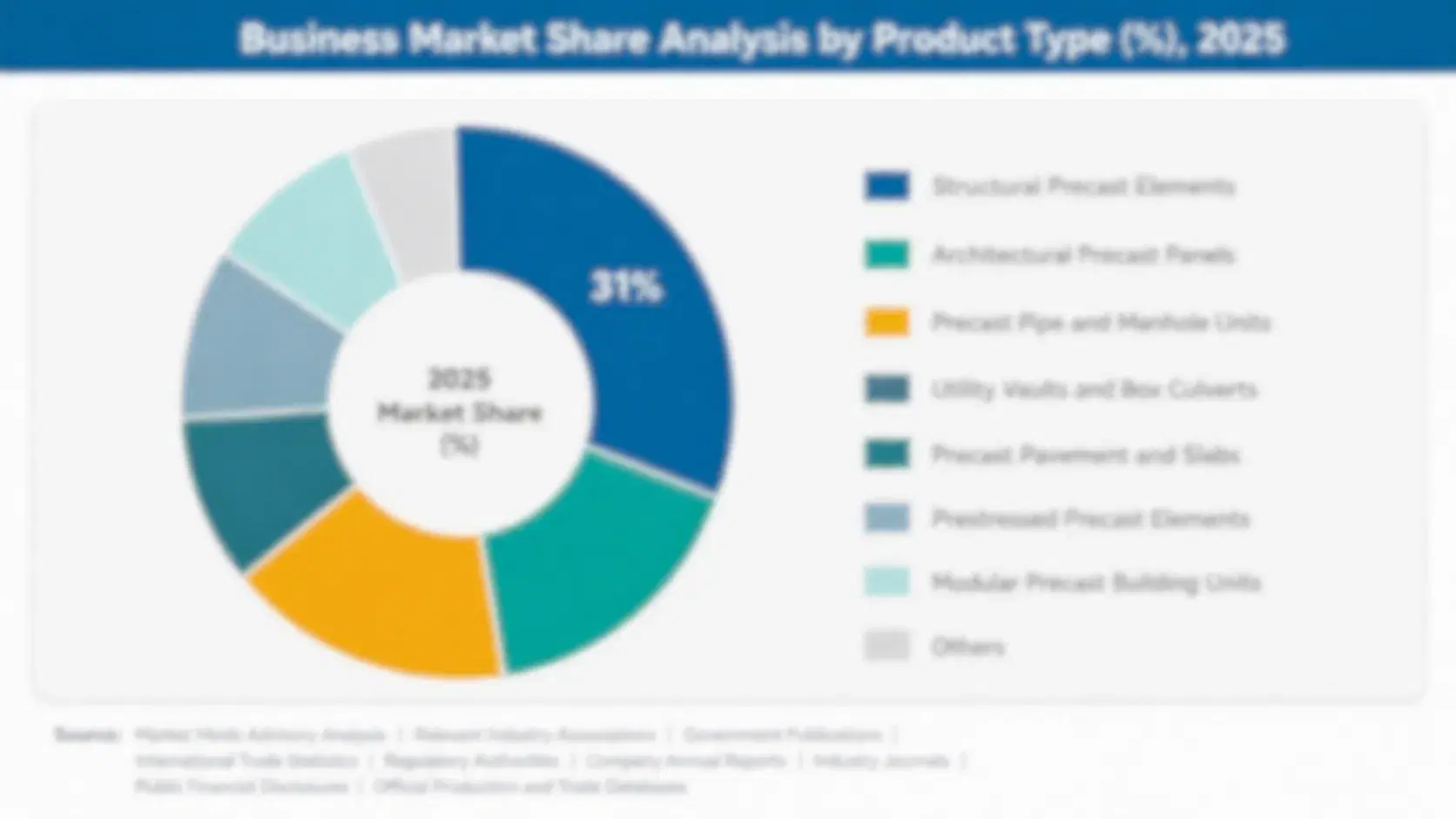
Flexographic Printing Machine Segment Growth Rates

The market segments by press configuration rather than by end-use product category, since central impression, in-line, narrow-web, stack-type, and hybrid digital mechanisms each carry distinct engineering requirements and buyer evaluation criteria regardless of whether the output serves food, beverage, or industrial packaging. This technology-first lens better reflects how converters actually budget capital equipment purchases.
flexographic-printing-machine-market-market-share-analysis-1791485308176

Hybrid Flexo-Digital Presses

Hybrid flexo-digital presses combine conventional flexo base printing stations with inline digital modules for variable data and short-run embellishment, representing the highest-value and most engineering-intensive machine category given the module integration and software requirements involved. Converters facing the most acute customization demand are the primary buyers, typically justifying the equipment premium through eliminated plate cost that compounds into substantial savings across enormous annual graphic changes. Growth here outpaces every other segment because the flexibility case strengthens with every new limited-run brand account converters pursue. Equipment makers investing early in this capability are capturing accounts before competitors can respond with comparable hybrid equipment of their own design. MMA expects this lead to compound further. MMA expects the related washable flexographic printing plate market to be worth USD 1.96 billion by 2036.
CAGR 9.5%

Narrow-Web Label Presses

Narrow-web label presses print labels on film and paper substrates at widths optimized for private-label and craft beverage applications, achieving changeover speed that wider-web presses cannot match for converters pursuing frequent graphic rotation across retail categories. Converters serving proliferating private-label programs are the primary buyers, typically justifying the equipment investment through reduced changeover cost that recovers equipment cost through operating savings across a growing client roster. Growth here reflects genuine format-driven demand spreading across converter types, as retailers increasingly expect rapid label turnaround across their expanding private-label catalogs. MMA expects this format-driven demand to continue through most of the forecast period as private-label programs proliferate across retail channels nationwide today.
CAGR 6.5%
Full segment breakdown across 5 segments available in the complete report.

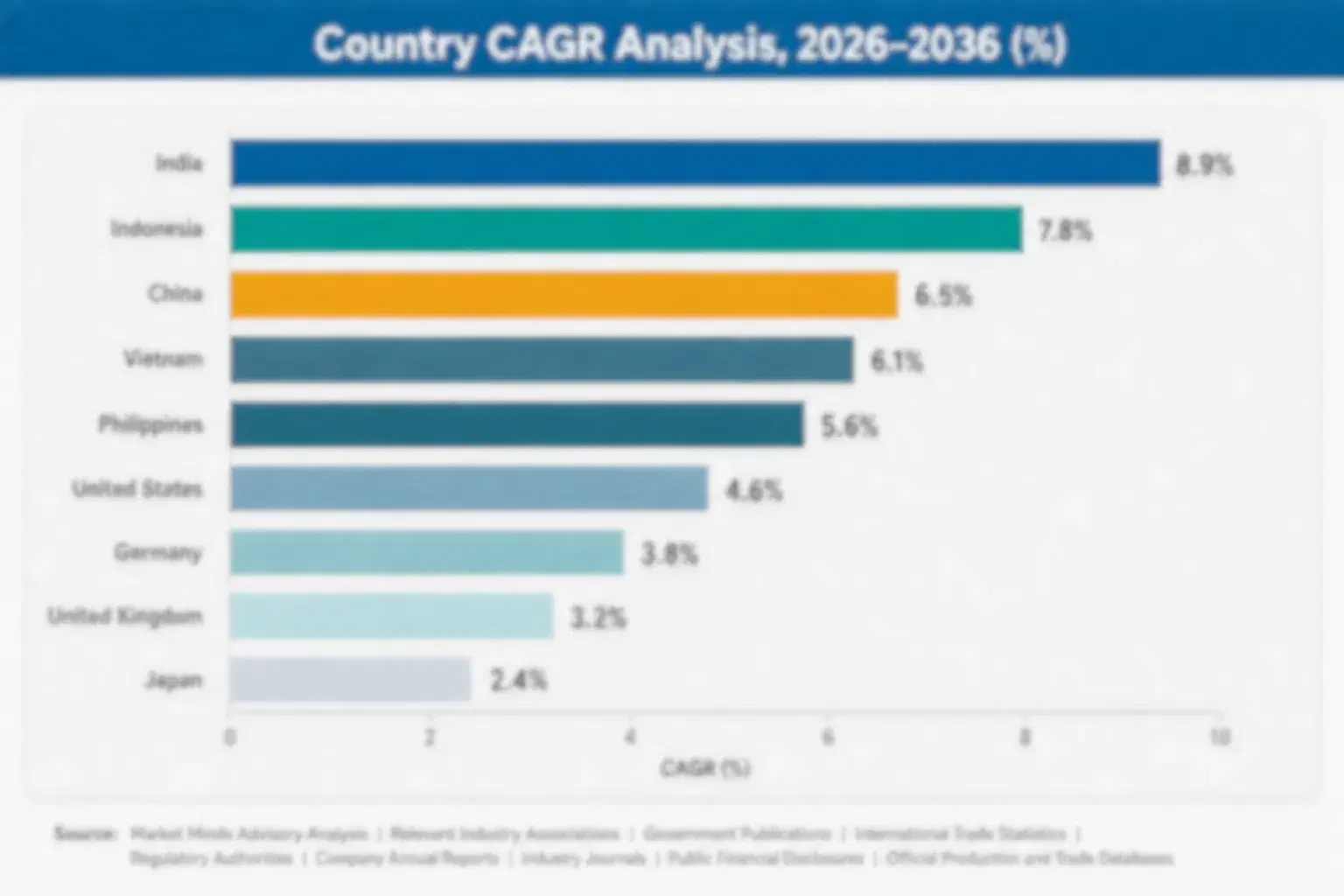
Flexographic Printing Machine Market by Country

Western Europe carries the largest regional share given its dense press manufacturing base and flexible packaging converting scale, while South Asia and Pacific posts the fastest regional growth. East Asia follows closely as the second-largest market. North America follows closely as the second-largest market overall.

North America

The United States flexible packaging and label converting base, among the largest and most sophisticated in the world, drives substantial demand for hybrid and narrow-web equipment as major converters pursue both customization flexibility and private-label catalog expansion across enormous annual production volumes. Growing demand for premium shelf differentiation among craft beverage and personal care brands contributes meaningful additional demand as these categories expand hybrid adoption across their product catalogs. Canada contributes a smaller but steady volume base tied to its own converting sector, while Mexico's growing contract packaging base increasingly serves North American brands through nearshored production requiring its own equipment investment decisions. Equipment makers report North American accounts increasingly specify bundled validation services.
Share: 23% | CAGR: 6.0% (2026 to 2036)

Western Europe

Germany and Switzerland anchor Western European demand both as the leading flexographic press manufacturing centers globally and as substantial converting markets in their own right, giving the region meaningful depth on both the supply and demand side of this market simultaneously. Rising hybrid digital conversion demand across the region is pushing converters toward flexible equipment faster than almost anywhere else outside North America. Italy and Spain contribute meaningful additional demand tied to their own substantial converting bases and established narrow-web label press manufacturing clusters serving export markets across the continent. Equipment makers headquartered in the region continue exporting advanced hybrid systems to converters across North America and East Asia, reinforcing the region's engineering reputation.
Share: 26% | CAGR: 3.7% (2026 to 2036)
Regional intelligence for 5 additional markets available in the complete report: East Asia, South Asia and Pacific, Latin America, Middle East and Africa, Eastern Europe. Contact sales@marketmindsadvisory.com.
flexographic-printing-machine-market-country-cagr-analysis-1791485308476

Capturing Share as Hybrid Digital Becomes Standard

Conventional pure-flexo equipment margin has compressed as hybrid alternatives become the default expectation across premium brand categories, so the real commercial opportunity sits in hybrid conversion capture, print registration validation services, and flexible multi-substrate platforms. Makers treating conversion and flexibility as core strategy capture disproportionate new volume early in this cycle. This window will not stay open.

Capturing Early Hybrid Conversion Equipment Orders

Equipment makers that win a converter's hybrid conversion decision early typically lock in a multi-year press and service relationship worth meaningfully more than a comparable conventional pure-flexo equipment contract, since the buyer rarely revisits printing technology choice again absent a major changeover or cost event. BOBST and Windmöller & Hölscher have both built dedicated conversion sales teams specifically to identify converters facing customization pressure, and early movers report winning conversion accounts at close rates roughly 25% higher than their broader new-account win rate. Equipment makers report this advantage compounds further once a converter standardizes specifications.
Market Impact: Wins conversion accounts at a 25% higher rate

Bundling Print Registration Validation Service Packages

Equipment makers offering print registration and color consistency validation documentation alongside equipment sales are winning converter accounts that value this documented evidence above a marginally lower upfront equipment price from a competitor offering no comparable service. This validation service layer commands a meaningful premium over equipment sold without it, and converters report this capability cutting their own internal brand approval timeline by roughly 28% compared with converters building the consistency case independently. BOBST and Comexi both report this service layer now accounts for a meaningful share of their total equipment revenue.
Market Impact: Cuts brand approval timeline by roughly 28 percent

Developing Flexible Multi-Substrate Press Line Platforms

Equipment makers developing presses that handle multiple substrate types and print runs on a single flexible platform are capturing converters who want to serve varied brand catalogs without purchasing several separate dedicated presses for each substrate type they run. This flexible platform approach commands a meaningful premium over single-substrate equipment, and converters report this capability expanding their addressable customer catalog by roughly 20% compared with equipment limited to a single substrate configuration. Mark Andy reports this flexible approach now represents its fastest-growing equipment category by order volume. Converters report this flexibility reduces total equipment count meaningfully.
Market Impact: Expands addressable customer catalog by roughly 20 percent

Offering Financing Programs for Smaller Converters

Equipment makers offering leasing and financing programs specifically for smaller converters facing the same customization pressure as larger competitors but lacking comparable capital budgets are capturing accounts that would otherwise delay hybrid conversion or continue operating conventional pure-flexo systems. This financing approach converts smaller converter accounts at rates roughly 26% higher than requiring outright capital purchase, since the lease structure lets a smaller operation match equipment cost to its own revenue trajectory rather than front-loading the entire investment upfront. Equipment makers report these programs are opening accounts previously considered too price-sensitive to pursue.
Market Impact: Converts smaller converter accounts at a 26% higher rate

Who Captures Flexographic Printing Machine Value

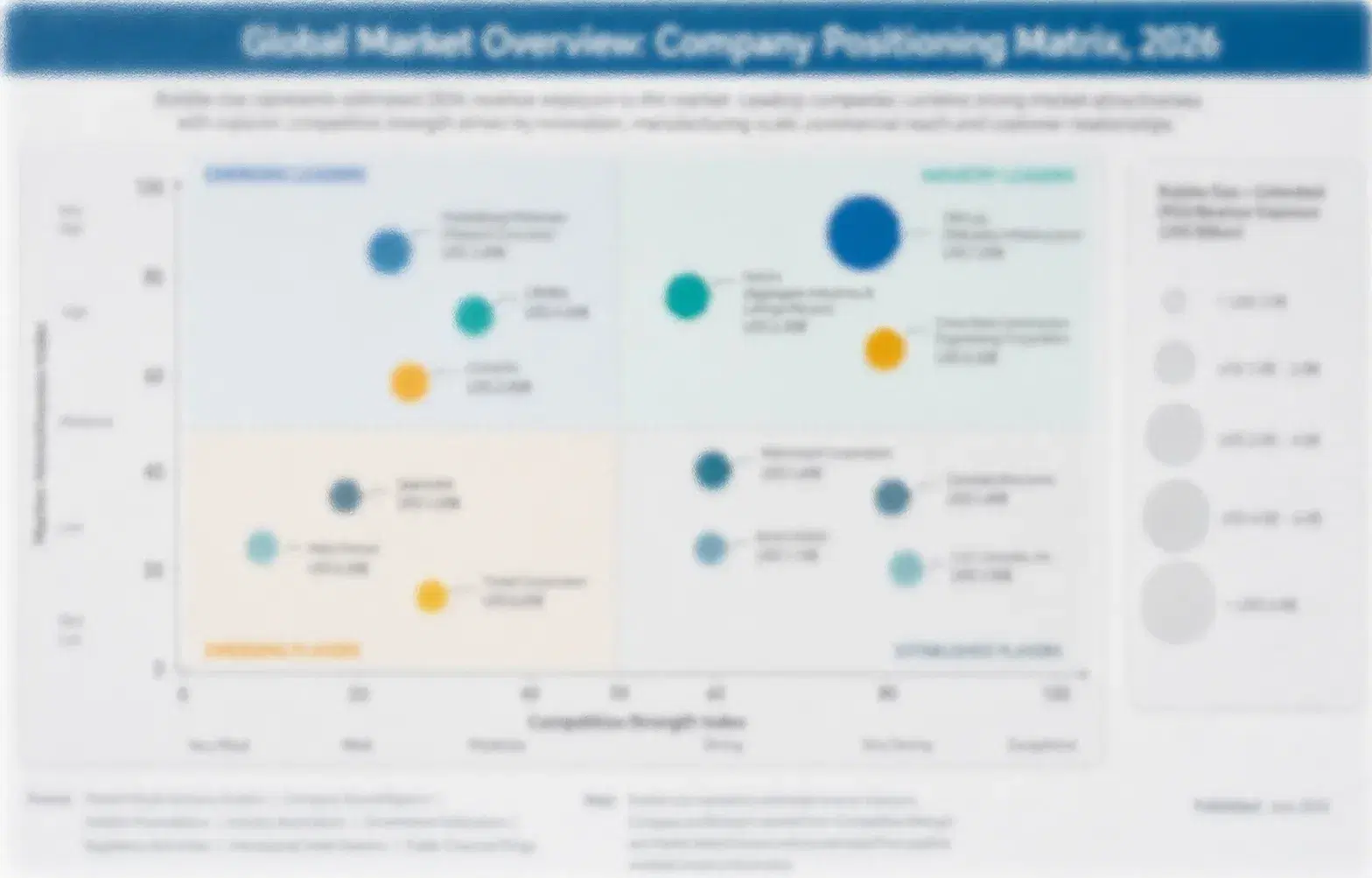
Market concentration sits at a meaningful CR5 of 42%, reflecting a builder base spanning established Swiss, Italian, and German press specialists and newer Chinese challengers, with BOBST and Windmöller & Hölscher holding the broadest combined flexo engineering experience and global service networks ahead of mid-tier challengers like Comexi Group and Mark Andy Inc. That gap reflects decades of accumulated hybrid engineering investment smaller specialists cannot replicate quickly across comparable export markets.
Current competitive activity centers on three fronts: hybrid conversion sales racing to capture converters facing customization pressure, print registration validation service expansion responding to tightening brand consistency demands, and flexible multi-substrate platform development responding to converter catalog proliferation. Equipment makers increasingly compete on total changeover speed and documented print registration rather than per-unit machine price alone across most accounts served.

Emerging pressure comes from Chinese equipment makers offering lower-cost conventional flexo systems without the hybrid digital validation pedigree or registration support capability incumbents rely on for premium margin, appealing to price-sensitive converters across less demanding applications and emerging markets. Rankings could shift if a challenger develops comparable hybrid technology at lower pricing before incumbents fully capture the conversion wave they are currently pursuing across major accounts.
flexographic-printing-machine-market-company-positioning-matrix-1791485308765

Flexographic Printing Machine Competition and Risks

BOBST

Moat: Deepest Hybrid Engineering Expertise

BOBST's decades of flexo and digital integration engineering give it a genuine credibility advantage with converters evaluating conversion decisions, a trust advantage newer entrants without comparable validation depth struggle to match quickly, built over many years of reliable deployment experience across demanding high-volume accounts worldwide. This track record continues reassuring risk-averse procurement teams.
BOBST

Risk: Premium Pricing Limits Smaller Accounts

BOBST's premium positioning and pricing structure make it less competitive among smaller converters evaluating lower-cost alternatives, leaving this growing segment more open to competitors willing to compete more aggressively on price across less demanding regional accounts and smaller converting operations. Smaller rivals are winning some of these accounts outright.
WINDMÖLLER & HÖLSCHER

Moat: Broad Multi-Substrate Platform Range

Windmöller & Hölscher's modular press platform lets it serve converters across a wide range of substrate types and print technologies, a flexibility that competitors offering only fixed, single-technology systems cannot easily match for converters running varied brand catalogs across regions. This breadth increasingly wins multi-year equipment contracts from clients consolidating suppliers.
WINDMÖLLER & HÖLSCHER

Risk: Narrower Presence in Entry-Tier Segments

Windmöller & Hölscher holds a smaller presence in entry-tier conventional flexo applications than competitors focused primarily on that segment, leaving more of its revenue mix concentrated in premium hybrid and flexible applications specifically across its broader equipment portfolio. That concentration leaves it more exposed to any slowdown in premium account spending.

Players Tracked

Prominent Players

BOBST
Windmöller & Hölscher
Comexi Group
Mark Andy Inc.
Uteco Converting

Other Key Players

Nilpeter
Gallus
Miraflex
Soma Group
Rotoflex International
Edale Ltd
Omet Srl
Zhejiang Dibao Machinery
Shanghai Jinfeng Printing Machinery
Dongguan Jinguan Packaging Machinery
Taiyo Kikai
Fischer & Krecke
PCMC
AV Flexologic
Nichrome India

Recent Developments

DECEMBER 2026

BOBST Acquires Digital Printhead Technology Specialist

BOBST completed the acquisition of a mid-size digital printhead technology specialist to embed advanced inkjet capability directly into its hybrid platforms rather than sourcing it from third-party suppliers going forward. The deal closed for an undisclosed sum and should complete integration within months. Analysts call it a strong signal.
Signal: Signals vertical integration into digital printhead technology across its full platform range going forward. this cycle.
JULY 2026

Windmöller & Hölscher Forms South Asian Distribution Joint Venture

Windmöller & Hölscher announced a joint venture with an Indian equipment distributor to localize assembly and service support for its flexible multi-substrate presses across South Asian export packaging markets this cycle. The venture gives it direct regional manufacturing presence, shortening delivery lead times across the subcontinent.
Signal: Signals regional localization strategy expanding into India and neighboring export markets as demand grows. across the region.
SEPTEMBER 2026

Comexi Secures Multi-Year Private-Label Supply Agreement

Comexi signed a multi-year supply agreement with a major European private-label retailer to deliver a dedicated fleet of narrow-web label presses across three production sites starting this year, reinforcing its premium account base considerably. Financial terms were not disclosed. Analysts call it a strong consolidation signal.
Signal: Signals premium private-label account consolidation accelerating across the retail category this cycle. across the broader industry.

Digital Printhead and Servo Component Exposure

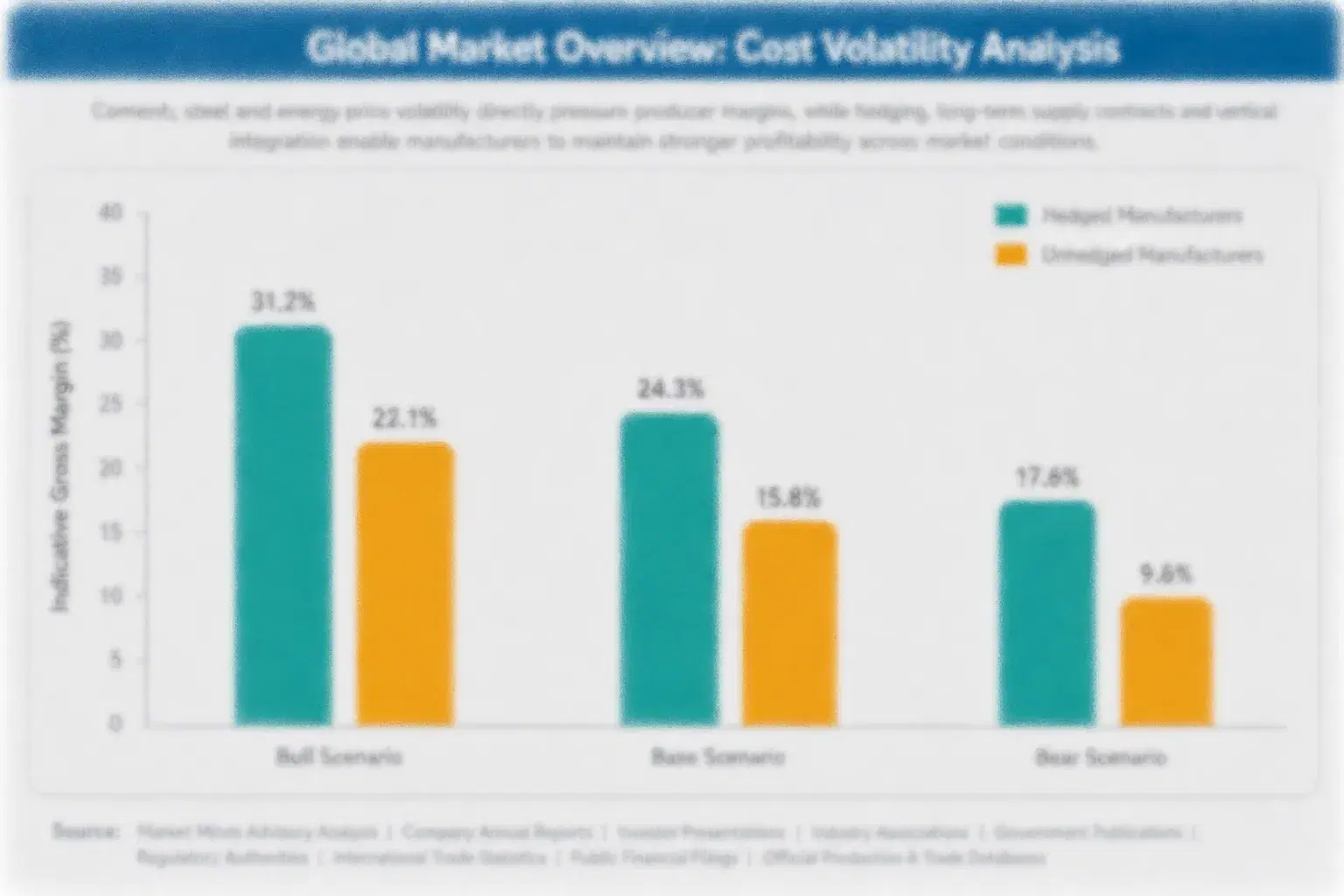
Digital printheads, precision servo motors, and anilox roll components together account for roughly 36% to 44% of total equipment cost of goods sold, sourced from a concentrated group of specialized printhead and servo component manufacturers located primarily across the United States, Germany, and Japan, limiting builder bargaining power considerably on pricing across most contract negotiations. Few alternative suppliers exist at comparable quality.
The 2021 global semiconductor shortage pushed input costs and lead times for digital printhead electronics and servo drive controllers up significantly, delaying equipment deliveries industrywide and forcing several equipment makers to redesign control systems around more readily available component alternatives during the disruption period, according to European Commission industrial materials commentary and company annual report disclosures documenting the severity of the episode. Some manufacturers absorbed the cost increase temporarily through adjusted pricing.

Equipment makers concentrated in a single printing technology carry more exposure to that technology's specific component supply cycle than diversified manufacturers selling across pure-flexo, hybrid, and narrow-web systems simultaneously, since a diversified manufacturer can shift sourcing emphasis toward whichever supplier currently offers the more favorable cost and availability position across its full product range. Smaller single-technology specialists carry this risk disproportionately relative to diversified competitors.
flexographic-printing-machine-market-cost-volatility-analysis-1791485309093

Multi-Supplier Printhead and Servo Sourcing Strategies

Larger equipment makers maintain relationships with multiple digital printhead and servo component suppliers across different regions, insulating production schedules from any single supplier's disruption and letting them offer customers more reliable delivery timelines negotiated directly across equipment contracts this cycle and beyond. This diversification strategy has become standard practice among the largest equipment manufacturers serving global accounts.

Component Standardization Across Platform Generations

Equipment makers are standardizing printhead and servo components across multiple platform generations, reducing the number of unique parts requiring dedicated sourcing relationships and simplifying inventory management considerably across their broader manufacturing operations and global service networks across regions. This standardization also shortens qualification timelines for new component suppliers brought into the approved vendor base across regions.

Portfolio Architecture for Margin Defence

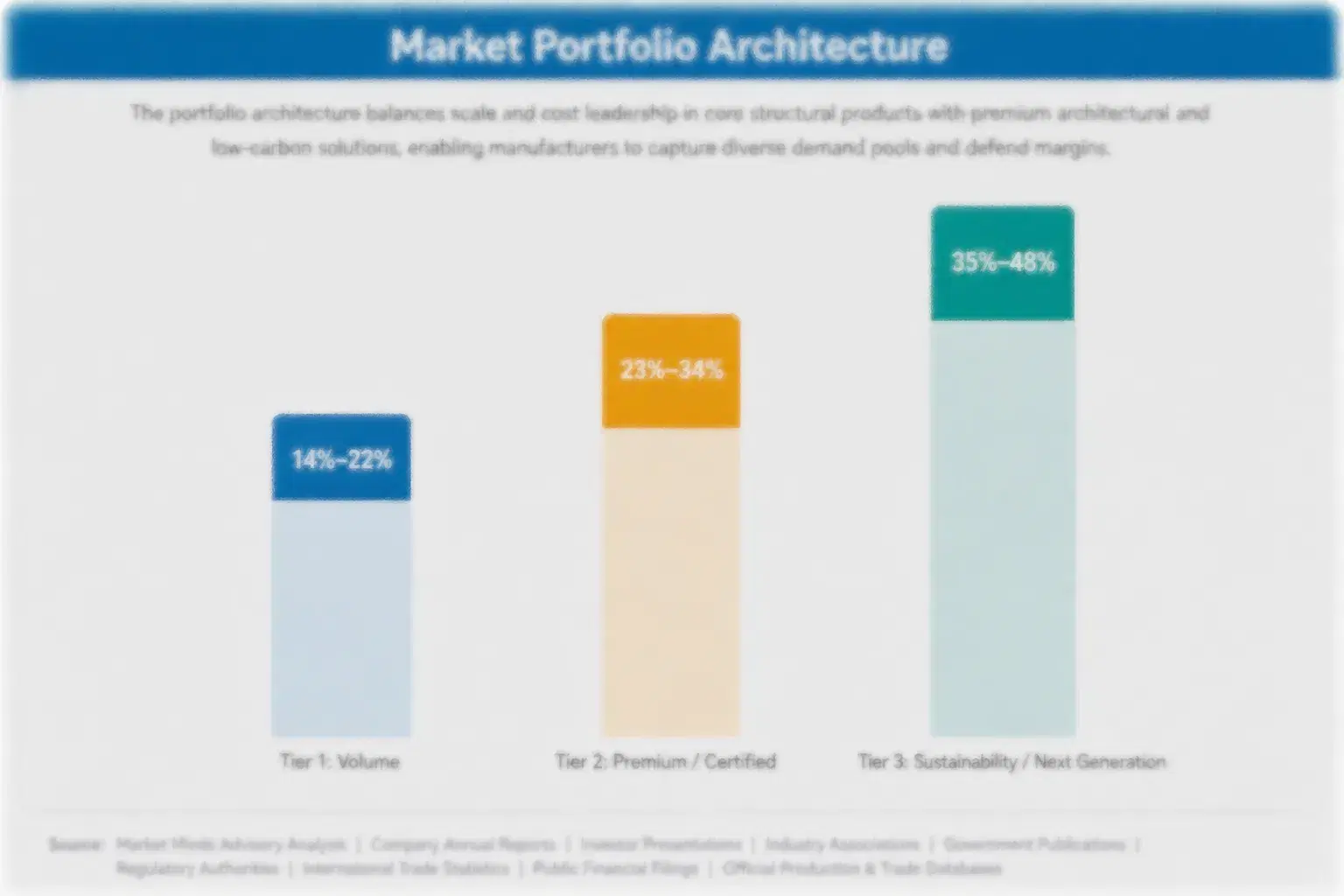
The market organizes into three tiers: a volume tier built on conventional pure-flexo equipment sold on price, a premium tier built on hybrid and narrow-web systems that command a flexibility-driven price premium, and a next-generation tier built on fully flexible multi-substrate platforms still expanding beyond the largest early-adopter accounts. Gross margin in the next-generation tier runs meaningfully above the volume tier's level across comparable accounts. Few builders operate credibly across all three tiers simultaneously.
Volume tier competition remains intensely price-driven, with makers competing on reliability and upfront cost, leaving little room for margin expansion absent a shift in customer flexibility priorities. Premium tier demand is growing meaningfully faster as customization and brand proliferation both push specification toward hybrid equipment, creating real tension for makers deciding how quickly to shift capacity allocation.

High-value margin pools concentrate specifically around hybrid and narrow-web systems sold under bundled registration validation service agreements to converters facing active customization or precision pressure, a pool that rewards equipment makers with broad technology and service capability and penalizes pure-flexo specialists regardless of installed base volume. Builders lacking this combination get priced out of top accounts increasingly.

Volume / Commodity-Adjacent Tier

Conventional pure-flexo equipment sold largely on price and basic reliability to converters not yet facing customization or flexibility pressure. This tier remains the largest by installed unit volume even as its share of revenue declines.
Gross Margin: 11-17%

Premium / Certified Tier

Hybrid and narrow-web systems commanding a flexibility-driven price premium, serving converters under active customization or precision pressure. This tier is expanding fastest as specification pushes upward considerably. This tier is expanding fastest as customization demands push specification upward considerably.
Gross Margin: 25-33%

Sustainability / Regulatory / Next-Generation Tier

Fully flexible multi-substrate platforms bundling registration validation and digital traceability documentation for the largest premium accounts. Adoption concentrates among the largest multinational converters. Adoption here remains concentrated among the largest multinational converters able to justify the investment required.
Gross Margin: 28-36%
flexographic-printing-machine-market-portfolio-architecture-1791485309449

High-value Sub-segments and Strategic Watch-out

Hybrid Conversion With Registration Validation

Combines the fastest unit growth with the strongest account retention in the category, as customization demands accelerate conversion across premium accounts industrywide. Pricing power here continues strengthening as demand widens across export markets. Equipment makers in this segment are increasingly able to set pricing with limited pushback.
Gross Margin: 26-34%

Flexible Multi-Substrate Press Platforms

Commands strong margin and growing account retention together as converters increasingly value versatility across varied substrate requirements served. Equipment makers report customers rarely revert to single-substrate platforms once a flexible line proves reliable in production. This retention advantage grows stronger over time. This compounds over time.
Gross Margin: 24-31%

Legacy Pure-Flexo Equipment

Represents meaningful unit volume today but carries the thinnest margin in the category, facing continuous downward price pressure and gradual share loss. Margin expansion depends mainly on volume scale rather than differentiation here. Equipment makers remaining concentrated here face mounting pressure to diversify. This limits upside considerably.
Gross Margin: 10-15%

Single-Technology Manufacturer Concentration

A genuine strategic watch-out as makers offering only pure-flexo equipment face mounting pressure from hybrid conversion accelerating across nearly every served category today. Builders slow to diversify risk losing accounts to better-positioned rivals quickly across export markets. MMA expects this concentration risk to intensify further across tracked markets.
Gross Margin: 11-16%

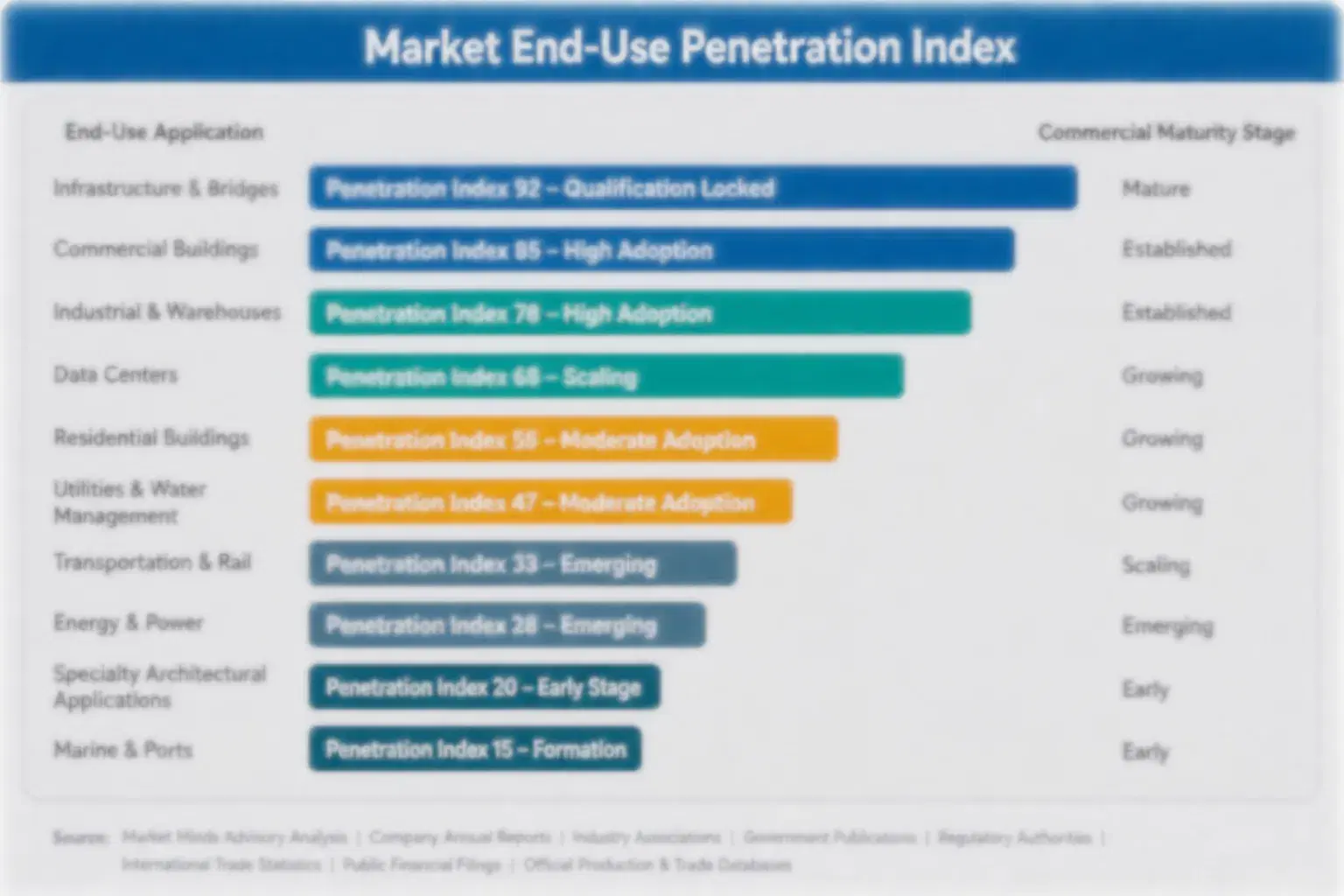
Validation Relationships Anchor Long Converter Accounts

Once a converter converts to a validated hybrid or narrow-web press, the resulting supplier relationship behaves like an annuity for many years afterward, since switching equipment makers requires requalifying print registration against internal brand standards, a costly process most converters avoid absent a serious reliability failure prompting reconsideration. This dynamic gives early equipment relationships a durability that pure price competition rarely disrupts.
Adoption depth varies by converter type: large multinational packaging companies facing acute customization pressure adopt hybrid equipment comprehensively across their entire production network, mid-size converters adopt selectively for their highest-value brand lines, and smaller converters remain price-driven and slower to convert absent direct flexibility pressure of their own driving the purchasing decision. This tiered pattern is unlikely to converge within the forecast period.

Buyer profiles are shifting as equipment purchasing decisions move from pure engineering authority toward brand and marketing teams who weigh customization flexibility and documented color consistency alongside raw equipment price, a change that rewards equipment makers able to speak credibly to both brand and production economics in the same conversation. Equipment makers slow to adapt their sales approach risk losing ground to competitors.
flexographic-printing-machine-market-end-use-penetration-index-1791485309798

Where MMA Sees the Opportunity

These are among the four positions where our research anticipates prominent divergence between winners and laggards over the coming forecast period. Each is grounded in the demand model, the regulatory perimeter, and the announced capacity pipeline.
01 / HYBRID CONVERSION CAPTURE

Back equipment makers capturing hybrid conversion early

Hybrid conversion is becoming the clearest growth opportunity in a market where customization pressure determines which equipment maker wins a converter's long-term relationship across its full production network. Makers with dedicated conversion sales teams are identifying and winning these accounts faster than rivals waiting for converters to initiate the conversation themselves, even when those rivals possess comparable technical capability. We expect this advantage to compound further as customization accelerates, with the largest remaining accounts going to makers who invested earliest in validated hybrid capability.
02 / REGISTRATION VALIDATION BUNDLING

Prioritize print registration validation services ahead of rivals

Print registration validation services are shifting from a niche offering into an explicit purchasing requirement as converters face tightening brand consistency demands across categories they increasingly serve across both developed and emerging markets alike. Equipment makers investing early in this service capability are capturing accounts before competitors can match the documented accuracy evidence with comparable offerings of their own design. We expect this gap to persist and widen further as consistency standards tighten across more jurisdictions in the years ahead.
03 / FLEXIBLE PLATFORM DEVELOPMENT

Expand flexible multi-substrate press platforms across accounts

Flexible multi-substrate press platforms are becoming an explicit purchasing requirement as converters increasingly want to serve varied brand catalogs without purchasing multiple dedicated presses for each substrate type they run across their portfolio, regardless of end-use category. Equipment makers investing early in this flexibility are capturing accounts before competitors can match the technical achievement with comparable equipment of their own design. We expect this technical gap to persist for several more years across most regions tracked through the remainder of the decade.
04 / SMALLER CONVERTER FINANCING

Expand financing to capture price-sensitive converters

Financing programs targeting smaller converters facing the same customization pressure as larger competitors but lacking comparable capital budgets represent a reliable and growing opportunity as this pressure continues spreading across the broader converting base worldwide. Equipment makers offering flexible financing are converting these accounts faster than those requiring outright capital purchase upfront, even when total financing cost runs modestly higher over the equipment's service life. We expect this underserved segment to keep expanding meaningfully as more converters reach the conversion threshold.

Engagement Snapshot From the Field

A live engagement with an industry participant carrying material or product regulatory and market exposure ahead of a defining policy shift, showing how our research translates into a defensible multi-year portfolio strategy.
MARKET MINDS ADVISORY · CLIENT ENGAGEMENT SUMMARY
Flexographic Printing Machine Producer Strategic Portfolio Review and Transition Roadmap 2026·Investment Scenario on Flexographic Printing Machine Exposure Evaluation 2025-26
CLIENT PROFILE
The client operates a regional flexible packaging converting network across two facilities in western Germany, converting a catalog of roughly twenty-two distinct brand graphics across dedicated pure-flexo lines (client-reported, unverified by MMA). The client had observed rising plate cost and changeover downtime over the preceding eighteen months as brand rotation accelerated. Leadership had grown concerned about mounting plate inventory cost across both facilities.
STRATEGIC CHALLENGE
Leadership needed to decide whether converting to hybrid equipment across both facilities would recover enough plate cost and changeover downtime to justify the capital investment, or whether continuing with existing pure-flexo equipment while absorbing rising changeover cost remained the more prudent near-term path forward. Board approval required a defensible financial case within a tight fiscal quarter.
MMA APPROACH
MMA conducted a plate cost and changeover downtime audit across the client's two facilities benchmarked against comparable converters already running hybrid equipment, modeled projected savings under current and projected brand rotation trajectories, and built a facility-by-facility conversion sequencing plan prioritizing the highest-rotation production lines first. The team also reviewed three vendor financing structures before recommending the final approach.
KEY FINDINGS
  1. The client's existing pure-flexo equipment required roughly $19,500 per plate set changeover, meaningfully above the comparable per-changeover cost for facilities running hybrid equipment (client-reported, unverified by MMA).
  2. Annual plate cost savings at the client's highest-rotation facility alone exceeded the projected annual financing cost of hybrid conversion across both facilities combined, strengthening the investment case considerably for leadership.
  3. Vendor financing reduced the client's upfront capital requirement for full conversion by roughly 34%, improving the investment's near-term cash flow profile for leadership approval.
  4. Sequencing conversion by brand rotation frequency rather than facility size captured the largest early cost savings well before the final facility completed its own conversion process.
CLIENT PROFILE
The client operates a regional flexible packaging converting network across two facilities in western Germany, converting a catalog of roughly twenty-two distinct brand graphics across dedicated pure-flexo lines (client-reported, unverified by MMA). The client had observed rising plate cost and changeover downtime over the preceding eighteen months as brand rotation accelerated. Leadership had grown concerned about mounting plate inventory cost across both facilities.
STRATEGIC CHALLENGE
Leadership needed to decide whether converting to hybrid equipment across both facilities would recover enough plate cost and changeover downtime to justify the capital investment, or whether continuing with existing pure-flexo equipment while absorbing rising changeover cost remained the more prudent near-term path forward. Board approval required a defensible financial case within a tight fiscal quarter.
MMA APPROACH
MMA conducted a plate cost and changeover downtime audit across the client's two facilities benchmarked against comparable converters already running hybrid equipment, modeled projected savings under current and projected brand rotation trajectories, and built a facility-by-facility conversion sequencing plan prioritizing the highest-rotation production lines first. The team also reviewed three vendor financing structures before recommending the final approach.
KEY FINDINGS
  1. The client's existing pure-flexo equipment required roughly $19,500 per plate set changeover, meaningfully above the comparable per-changeover cost for facilities running hybrid equipment (client-reported, unverified by MMA).
  2. Annual plate cost savings at the client's highest-rotation facility alone exceeded the projected annual financing cost of hybrid conversion across both facilities combined, strengthening the investment case considerably for leadership.
  3. Vendor financing reduced the client's upfront capital requirement for full conversion by roughly 34%, improving the investment's near-term cash flow profile for leadership approval.
  4. Sequencing conversion by brand rotation frequency rather than facility size captured the largest early cost savings well before the final facility completed its own conversion process.
RECOMMENDED STRATEGY
Phase 1: Phase 1 (Months 1 to 4): Convert the facility with the highest brand rotation frequency to hybrid equipment using the vendor financing arrangement identified during diligence. Phase 2: Phase 2 (Months 5 to 9): Convert the remaining facility while renegotiating maintenance support into a single bundled multi-year agreement. Phase 3: Phase 3 (Months 10 to 12): Complete optimization and document plate cost reduction outcomes for corporate capital planning and leadership review.
OUTCOME
Within twelve months the client completed conversion across both facilities, reporting plate cost down roughly 62% network-wide and annual savings exceeding the full financing cost within the first year of operation (client-reported, unverified by MMA). Leadership credits the phased approach with avoiding disruption to ongoing production commitments.

Frequently Asked Questions

Foundational context covering the market sizes, CAGR, scope, country, region and competition that inform every finding below. This section is provided to cover basics and most often pre-purchase conversations, answered from the MMA Primary Research Dataset.

What is the current size of the Flexographic Printing Machine Market?

The market reached an estimated $4.85 billion globally in 2025, covering equipment that uses flexographic printing technology to print on flexible films, paper, labels, and corrugated substrates.

How large will the Flexographic Printing Machine Market be by 2036?

MMA projects the market will reach approximately $8.47 billion by 2036, roughly 1.66 times its 2026 base of $5.10 billion as hybrid conversion accelerates. This reflects sustained conversion momentum across the forecast period.

What is the CAGR for the Flexographic Printing Machine Market 2026 to 2036?

The market is projected to grow at a 5.2% compound annual growth rate between 2026 and 2036, with a bull case of 6.4% and a bear case of 4.0%.

Which segment is growing fastest?

Hybrid flexo-digital presses are growing fastest at a 9.5% CAGR, roughly 1.83 times the overall market rate, as variable data demand accelerates. This outpaces every other tracked segment by a wide margin.

Who are the major companies in the Flexographic Printing Machine Market?

BOBST, Windmöller & Hölscher, Comexi Group, Mark Andy Inc., and Uteco Converting lead the market, together holding an estimated 42% combined share. Competition remains active among mid-tier challengers pursuing conversion accounts aggressively.

Which country is growing fastest?

Turkey is growing fastest at an estimated 7.8% CAGR as its flexible packaging export manufacturing base expands rapidly to serve European and Middle Eastern markets.

How the Flexographic Printing Machine Market Is Segmented

The full report scope spans multiple orthogonal segmentation dimensions, with cross-tabulated demand data provided for each dimension pair. Coverage extends further to regional breakdowns, trend trajectories, and the competitive detail needed to support segment-level decision-making.

By Press Configuration

  • Central Impression Flexo Presses
  • In-Line Flexo Presses
  • Narrow-Web Label Presses
  • Stack-Type Flexo Presses
  • Hybrid Flexo-Digital Presses

By End-Use Industry

  • Flexible Packaging
  • Labels and Private-Label Retail
  • Corrugated and Paper Packaging
  • Food and Beverage
  • Contract Converting

By Commercial Dimension

  • Integrated Press Line Purchase
  • Standalone Press Purchase
  • Equipment Lease and Financing Model
  • Bundled Validation Service Agreements

By Region

  • North America
  • Western Europe
  • East Asia
  • South Asia and Pacific
  • Latin America
  • Middle East and Africa
  • Eastern Europe

Scope, Methodology, and Coverage

Every figure in this report is reproducible from documented input assumptions. The scope below maps the historical period, the forecast horizon, the segmentation dimensions, and the countries covered, alongside the underlying primary and qualitative methodology.
Historical Period
2020 to 2025
Forecast Period
2026 to 2036
Base Year
2025 (USD billions; MMA Primary Research Dataset, October 2026)
Market Definition
This report covers equipment that uses flexographic printing technology to print on flexible films, paper, labels, and corrugated substrates, including central impression presses, in-line presses, and narrow-web label presses. It excludes flexo folder gluers and other corrugated box converting equipment, which are addressed in the separate corrugated box machine market, and excludes digital or inkjet printing equipment not using flexographic plate technology.
Quantitative Units
USD billions (current prices); installed press units; typical print registration accuracy by millimeter
Segmentation Dimensions
By Press Configuration; By End-Use Industry; By Commercial Dimension; By Region
Regions Covered
North America, Western Europe, East Asia, South Asia and Pacific, Latin America, Middle East and Africa, Eastern Europe
Countries Covered
USA, Germany, Switzerland, Italy, Spain, France, UK, China, Japan, South Korea, India, Vietnam, Indonesia, Thailand, Australia, Canada, Mexico, Brazil, Argentina, Colombia, Turkey, UAE, Saudi Arabia, South Africa, Poland, Romania, Czech Republic, Sweden, Netherlands, Singapore, and additional markets relevant to this sector
Key Companies Profiled
BOBST, Windmöller & Hölscher, Comexi Group, Mark Andy Inc., Uteco Converting, Nilpeter, Gallus, Miraflex, Soma Group, Rotoflex International, Edale Ltd, Omet Srl, Zhejiang Dibao Machinery, Shanghai Jinfeng Printing Machinery, Dongguan Jinguan Packaging Machinery, Taiyo Kikai, Fischer & Krecke, PCMC, AV Flexologic, Nichrome India
Quantitative Methodology
Primary survey, n=3,800 respondents, Q4 2025, six countries; demand-side model with trade association cross-validation
Qualitative Methodology
47 expert interviews, Q4 2025; applied to validate demand model assumptions, identify emerging dynamics, and assess competitive positioning
Report Format
PDF and XLSX data workbook (Word format preview document)
Publisher
Market Minds Advisory
Report Code
MMA-2026-PAC-356
Published
October 2026
Contact
sales@marketmindsadvisory.com | www.marketmindsadvisory.com

Purchase the full Flexographic Printing Machine Market Report (2026 to 2036).

This report delivers a complete market model for the flexographic printing machine market, including segment-level and regional forecasts through 2036 alongside the five-year historical base across flexible packaging, labels, and corrugated categories. It profiles twenty equipment makers, benchmarking competitive positioning on hybrid technology breadth, registration validation capability, and installed system base. The report quantifies the customization-driven conversion opportunity by region and models bundled validation and financing contract economics against equipment-only sales. A dedicated chapter models validation lock-in dynamics by converter account type, with quantified retention estimates by account tier.
Segment and regional forecasts through 2036
Twenty-maker competitive benchmarking on validation depth
Customization-driven conversion opportunity sizing by region
Bundled validation and financing contract economics modeling
Component sourcing cost exposure and mitigation chapter
Downloadable data workbook with full regional detail

Built For The People Who Decide

From boardroom strategy to bench-side execution, this report is read cover-to-cover by leaders shaping the next decade of their industry, turning demand scenarios, market dynamics and valuation benchmarks into decisions.
CXOs/ Presidents/ VPs/ Managers
M&A and Corporate Development
Strategy Teams and R&D Heads
Procurement and Product Directors
Regulatory and Compliance Leaders
Investor Relations and Equity Analysts