Market Minds Advisory
Flexible Plastic Pouch Market

Flexible Plastic Pouch Market Trends, Share and Forecast for 2026-2036

Brand owners are racing to swap rigid containers for lighter pouches as recycled-content mandates tighten, even as mono-material barrier films still lag glass and metal on recyclability credentials across major packaging waste directives worldwide.

Lead Analyst

Bilal Shaikh

Published

November 2026

Make Smarter Decisions with Customized Research Insights

Request a free sample report and evaluate market opportunities, growth trends, and competitive dynamics relevant to your business needs.

2025 MARKET VALUE$35.0BMarket Size 2025
2036 FORECAST VALUE$72.2BBase Case , 2026 to 2036
CAGR 2026 TO 20366.8 %Bull 8.0% / Bear 5.5%
INCREMENTAL OPPORTUNITY$34.8BNet 10- year value creation
EXPANSION MULTIPLE1.93x2036 value over 2026 base
Strategic Levers
M&A Pipeline
Regional Outlook
Country Rankings
Competitive Intelligence
Segmental Deep-dive
Call-Us : 91 93563 13602

Flexible Plastic Pouch Market Snapshot

Converters are shifting capital toward recyclable mono-material structures as European and North American extended producer responsibility fees penalize multi-layer laminates, forcing brand owners to requalify packaging lines years ahead of prior replacement cycles while barrier performance still trails incumbent multi-material film.
Spouted pouches are pulling ahead of every other format as beverage, baby food, and liquid personal care brands switch from rigid bottles to resealable flexible formats that cut material weight by more than half and lower freight cube meaningfully. China's converter base now supplies both domestic fast-moving consumer goods demand and a growing export channel into Southeast Asia, concentrating capacity investment decisions inside a handful of provinces rather than spreading them across the wider region. The moving supplies market is already worth USD 8.5 billion in 2025, and MMA expects a 6.0% CAGR from here to 2036.
Five converters hold most of the premium barrier capacity, yet dozens of regional players compete hard on price for simpler formats, keeping the market more fragmented than its revenue concentration suggests. Extended producer responsibility fee schedules in the European Union and several US states are rewarding recyclable mono-material laminates over legacy multi-layer films, pushing research budgets toward barrier coatings that can match incumbent oxygen and moisture performance without sacrificing recyclability certification.
Market Definition
The flexible plastic pouch market covers pre-formed and form-fill-seal flexible packaging made from single or multi-layer plastic films, including stand-up, flat, spouted, side-gusseted, retort, and vacuum barrier formats sold to food, beverage, personal care, home care, and pharmaceutical brand owners. It excludes rigid plastic containers, paperboard cartons, metal cans, and flexible packaging made predominantly from paper or aluminum foil without a plastic film base.
Base Year Value
$35.0B in 2025 (MMA Primary Research Dataset, October 2026)
Forecast Period
2026 to 2036, eleven discrete annual values
CAGR
6.8% base case. Bull 8.0%. Bear 5.5%.
Fastest Growth Segment
Spouted Pouches: 8.6% CAGR
Fastest Growth Country
Vietnam: 9.4% CAGR
Fastest Growth Region
South Asia and Pacific: 8.8% CAGR
Largest Region
East Asia: 33% of 2025 global value
Market Leaders
Amcor, Sealed Air, Berry Global, Sonoco, and Huhtamaki lead the market. Source: MMA Analysis based on company annual reports and investor filings.
Primary Survey
n=3,800 procurement and R&D decision-makers, Q4 2025, six countries
Methodology
Demand-side build-up, cross-validated against public data, 47 expert interviews

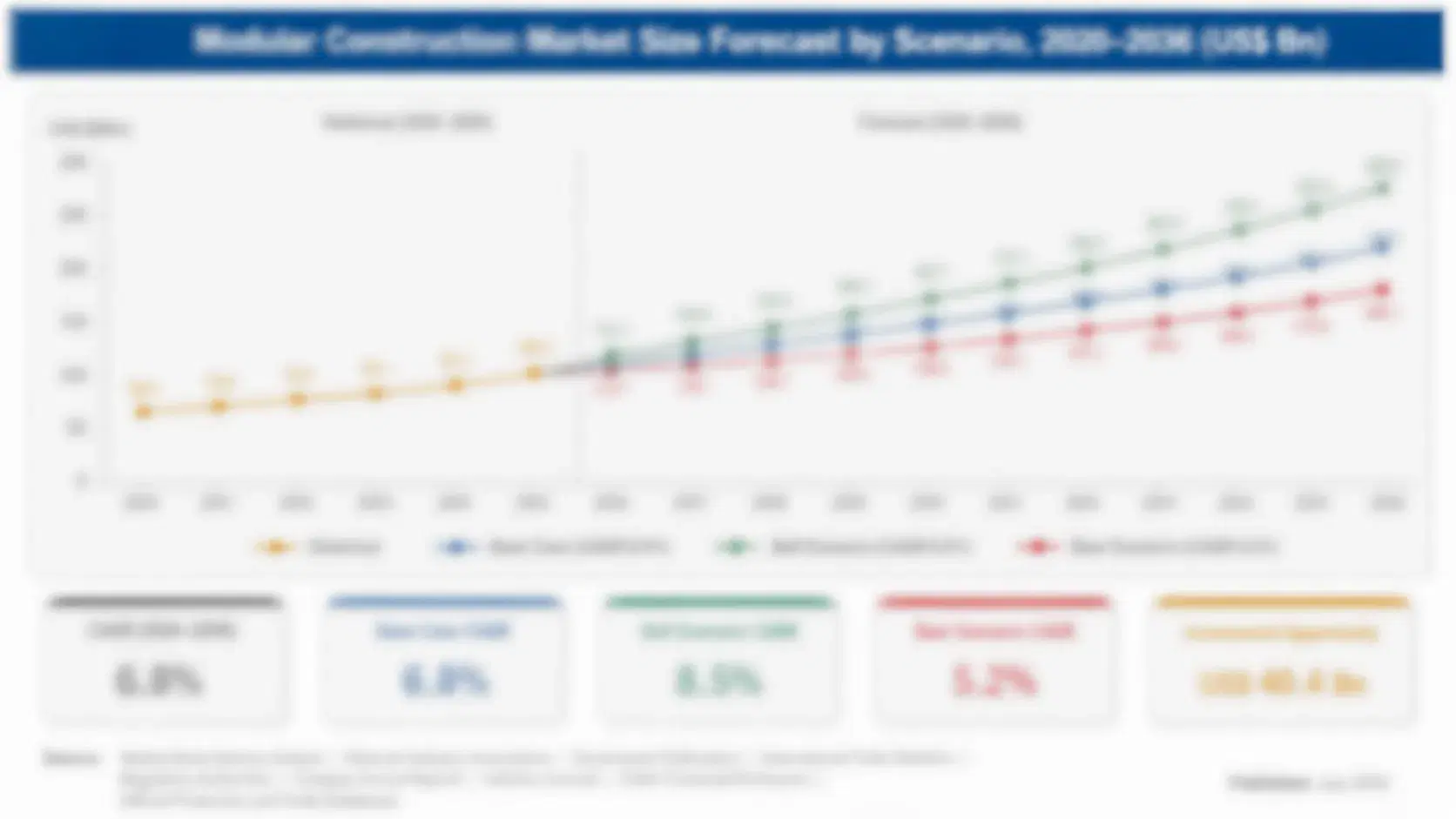
Flexible Plastic Pouch Revenue Scenarios

flexible-plastic-pouch-market-size-forecast-scenario-1791409979575
Demand accelerated between 2020 and 2025 as e-commerce shipping, pandemic-era home consumption, and early sustainability mandates pulled brand owners toward flexible formats faster than converters could requalify barrier films. Capacity additions concentrated in China and Vietnam, while European volumes grew more slowly under early extended producer responsibility pressure. The market grew at a historical compound annual growth rate of 5.8%, below forecast pace.
The base case assumes continued rigid-to-flexible conversion, steady investment in recyclable mono-material films, and rising refill pouch adoption across personal and home care. Three mechanisms drive this: lightweighting that cuts freight and material cost, redesign toward mono-material structures ahead of tightening extended producer responsibility fees, and e-commerce-optimized formats that survive parcel handling better than rigid plastic. These mechanisms sustain demand even where broader consumer volume growth is flat across mature economies, not just in emerging ones.
The bull case centers on faster EU Packaging and Packaging Waste Regulation enforcement pushing brand owners to pay premiums for certified recyclable mono-material pouches sooner than planned, lifting volume and prices together. The bear case is a prolonged resin cost spike similar to 2022, when polyethylene feedstock volatility compressed converter margins and slowed capital spending on new barrier film lines.

Demand Thesis Behind the Pouch Conversion Wave

Flexible pouches are absorbing volume that used to belong to rigid bottles, jars, and cartons across food, beverage, personal care, and home care categories. The shift rests on three converging forces: material cost savings from lightweighting, logistics savings from a smaller shipping cube, and brand owner pressure to hit packaging recyclability targets years ahead of original roadmaps. None of these forces is new alone, but together they are compressing packaging requalification timelines across the industry. This dynamic also shapes the fiber-based frozen food packaging market, valued by MMA at USD 4.2 billion in 2025 and expected to reach USD 7.97 billion by 2036.
MARKET CONCENTRATION (CR5)38%Top five converters hold roughly two fifths of capacity
AVERAGE SELLING PRICE$0.085/unitBlended global average price per standard pouch sold
TOP PRODUCING COUNTRY SHARE41%China alone supplies roughly two fifths of converting capacity
CAPACITY UTILIZATION82%Converters run plants near four fifths of rated capacity
RESIN SHARE OF COGS58%Polyethylene and polypropylene resin dominate converter input cost
TRADE INTENSITY24%Roughly a quarter of converted volume crosses an international border
Commercially, the market behaves less like a single category and more like a federation of format-specific sub-markets with different cost structures, different barrier requirements, and different customer bases. Spouted and stand-up formats serve branded retail shelves and command premium pricing tied to shelf appeal and resealability. Flat and pillow formats serve lower-margin bulk and industrial repackaging roles where price per unit, not shelf presence, drives the purchasing decision for converters and brand owners alike.
Over the next decade, the forces reshaping the category are regulatory rather than purely commercial. Extended producer responsibility fee schedules, recycled content mandates, and retailer packaging scorecards are pushing converters toward mono-material film structures faster than barrier chemistry has matured, creating tension between compliance and performance.
"The real constraint isn't demand, it's film chemistry. Everyone wants a recyclable pouch that performs like a sheet of aluminum foil, and nobody has fully delivered that yet."
Director, Packaging and Materials Practice · MMA Packaging and Materials Practice · October 2026

Key Trends in Flexible Plastic Pouch

Recycled-Content Mandates Accelerate Mono-Material Film Adoption

The European Union's Packaging and Packaging Waste Regulation sets binding recyclability design requirements taking effect in stages from 2030, and several US states including California and New Jersey have passed extended producer responsibility laws that charge higher fees on multi-layer plastic packaging. Brand owners selling into these markets are requalifying stand-up and spouted pouch lines around mono-material polyethylene and polypropylene structures years ahead of the compliance deadlines, since packaging redesign and shelf testing cycles routinely run 18 to 24 months. Converters with mono-material barrier film capacity already qualified are winning volume away from slower competitors. Much of this also feeds into the flexible plastic drinking pouch market, which MMA expects to grow at 8.0% a year through 2036.
Market Impact: Cuts packaging weight 60 to 70%
E-Commerce Parcel Shipping Reshapes Format Selection

Direct-to-consumer shipping now accounts for a meaningfully larger share of personal care and food packaging volume than it did five years ago, and parcel carriers charge dimensional weight fees that penalize rigid bottles and jars far more than flexible pouches. Brand owners selling snacks, supplements, and liquid personal care products through online channels are redesigning primary packaging around stand-up and spouted pouch formats that survive parcel sorting equipment without denting or leaking, while also cutting shipped cube by roughly a third compared with the rigid formats they replace, lowering last-mile delivery cost per unit meaningfully. A closely related view comes from the South Korea plastic healthcare packaging market, which MMA projects to grow at a 5.4% CAGR to USD 2.5 billion by 2036.
Market Impact: Lifts shelf turns roughly 15%

Flexible Plastic Pouch Growth Opportunities

Lightweighting Economics Favor Flexible Over Rigid

Converting a standard 16-ounce liquid container from a rigid bottle to a stand-up pouch typically cuts material weight by 60 to 70%, which lowers both resin purchasing cost and outbound freight cost per unit shipped. For brand owners operating on thin consumer packaged goods margins, these savings compound across billions of units annually and directly offset a meaningful share of the capital cost of requalifying filling lines. Procurement teams are increasingly building lightweighting targets directly into annual packaging sourcing contracts, formalizing what used to be an opportunistic cost-reduction exercise into a recurring budget line.
Market Impact: Collection covers under 20% of volume

Refill and Resealable Formats Expand Household Penetration

Resealable zipper and spout technology has improved enough that pouches now credibly compete with rigid containers for household staples that get used repeatedly rather than consumed in one sitting, including laundry detergent, pet food, and snack categories. Retailers report that resealable pouches sell at comparable velocity to rigid formats while taking up meaningfully less shelf depth, which matters directly to retail category managers under constant pressure to improve sales per linear shelf foot. Brand owners are responding by expanding resealable pouch formats across product lines that previously stayed in rigid packaging by default.
Market Impact: Delays conversion 2 to 3 years

Flexible Plastic Pouch Cost and Adoption Hurdles

Recyclability Claims Outpace Actual Collection Infrastructure

Mono-material pouches marketed as recyclable often cannot actually be recycled in practice, because curbside collection systems in most countries are not configured to sort flexible film separately from rigid containers, and the material still frequently ends up in landfill or incineration streams. The root cause is infrastructure investment lagging film chemistry improvements by years, not a lack of recyclable material science. Brand owners face rising reputational and regulatory risk from greenwashing accusations tied to this gap. Participants are mitigating the risk by funding drop-off collection programs and joint investment in chemical recycling capacity.
Market Impact: Adds 6 to 8 share points

Barrier Performance Gap Limits Premium Category Conversion

Mono-material recyclable films still fall short of multi-layer laminates on oxygen and moisture barrier performance, which matters directly for shelf-stable retort food, pharmaceutical, and extended-shelf-life categories where product spoilage carries real cost and safety consequences. The underlying cause is a genuine materials science tradeoff between recyclability and barrier performance that coating technology has not fully resolved. Brand owners in these categories are delaying mono-material conversion until shelf-life testing clears regulatory thresholds. Several converters are mitigating the gap by developing high-barrier coatings and metallized mono-material structures that aim to close the performance difference without abandoning recyclability.
Market Impact: Cuts shipping cube nearly 30%
3 additional market trends, 3 additional growth drivers, and 3 additional restraints and challenges are covered in the full report. Contact sales@marketmindsadvisory.com to access the complete intelligence.

Fastest-Growing Flexible Plastic Pouch Segments

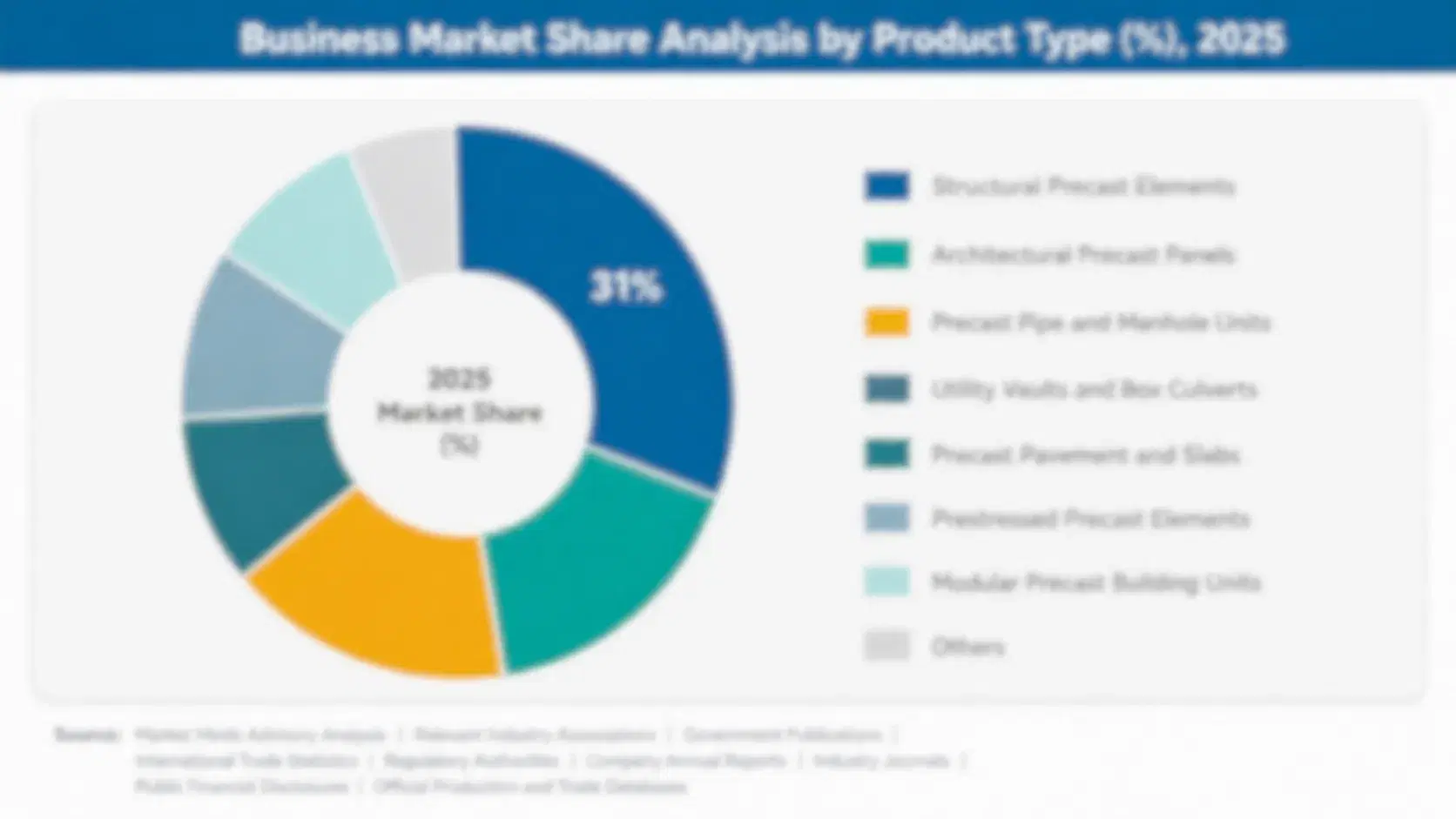
Format, not material or end-use, is the clearest way to segment this market, since converting capacity, filling line compatibility, and barrier requirements all vary primarily by pouch format rather than by the product inside it. Six formats cover global volume comprehensively: stand-up, spouted, flat and pillow, side-gusseted, retort, and vacuum barrier pouches, each commanding distinct price points.
flexible-plastic-pouch-market-market-share-analysis-1791409979748

Spouted Pouches

Spouted pouches are the fastest-growing format because beverage, baby food, and liquid personal care brands are converting from rigid bottles at an accelerating rate, drawn by resealability, portion control, and lighter shipping weight. Converters have invested heavily in spout-welding equipment and high-speed filling line compatibility over the past three years, narrowing what used to be a meaningful cost disadvantage against rigid containers. Premium positioning in categories like kids' nutrition and sports hydration supports pricing well above the format average, and several beverage brands have announced multi-year conversion commitments that lock in converter capacity years in advance. Barrier performance for shelf-stable liquid products remains the main constraint limiting broader conversion into dairy and juice categories.
CAGR 8.6%

Stand-Up Pouches

Stand-up pouches are the second-fastest format, benefiting from near-universal brand owner familiarity and compatibility with existing form-fill-seal equipment across snack, pet food, coffee, and household categories. Retailers favor the format because it stands upright on shelf without secondary packaging, improving both shelf presentation and space efficiency compared with flat pouches. Resealable zipper variants have expanded the format into multi-use household categories that previously defaulted to rigid containers, including laundry detergent and pet food, categories where repeat-use convenience matters directly to purchase frequency. Capacity additions are concentrated among large converters serving multinational brand owners, while regional converters compete mainly on price for private-label and smaller brand customers across developing markets. Equipment compatibility with legacy fill lines keeps switching cost low. MMA's view of the treaty-aligned low-additive flexible plastic packaging market offers a useful comparison, at USD 3.1 billion in 2025 rising to USD 9.34 billion by 2036, a 10.4% CAGR.
CAGR 8.2%
Full segment breakdown across 6 segments available in the complete report.

Flexible Plastic Pouch Demand by Region

East Asia leads on converting capacity and domestic consumption scale, anchored by China's fast-moving consumer goods base and export-oriented manufacturing. North America and Western Europe follow on premium barrier formats and regulatory-driven redesign spend, while South Asia and Pacific posts the fastest regional growth off a smaller base.

North America

North America's flexible pouch demand is anchored by large multinational food, beverage, and personal care brand owners that converted early from rigid formats to cut freight and material cost across high-volume categories like snacks, pet food, and liquid detergent. US converters including Berry Global and Sonoco operate extensive stand-up and spouted pouch capacity serving both branded retail and private-label customers across grocery and club channels. California's extended producer responsibility law and similar state-level packaging rules are accelerating mono-material film requalification ahead of federal action, pushing brand owners to lock in recyclable packaging commitments on compressed timelines. Mexico contributes meaningful converting capacity serving both domestic retail and cross-border supply into the United States, particularly for lower-cost flat and pillow formats.
Share: 24% | CAGR: 6.9% (2026 to 2036)

Western Europe

Western Europe's growth trails the global pace because the region already converted much of its rigid packaging to flexible formats over the past decade, leaving less volume still available to switch. Germany and France anchor regional demand through large food and home care brand owners, while the European Union's Packaging and Packaging Waste Regulation is now the dominant force shaping converter investment, pushing capital toward mono-material recyclable structures well ahead of the 2030 compliance milestones. Constantia Flexibles and Mondi operate significant regional capacity serving both domestic brand owners and export customers across the broader European Economic Area. Southern European converters compete mainly on cost for private-label and food service packaging volume.
Share: 19% | CAGR: 5.3% (2026 to 2036)
Regional intelligence for 5 additional markets available in the complete report: East Asia, South Asia and Pacific, Latin America, Middle East and Africa, Eastern Europe. Contact sales@marketmindsadvisory.com.
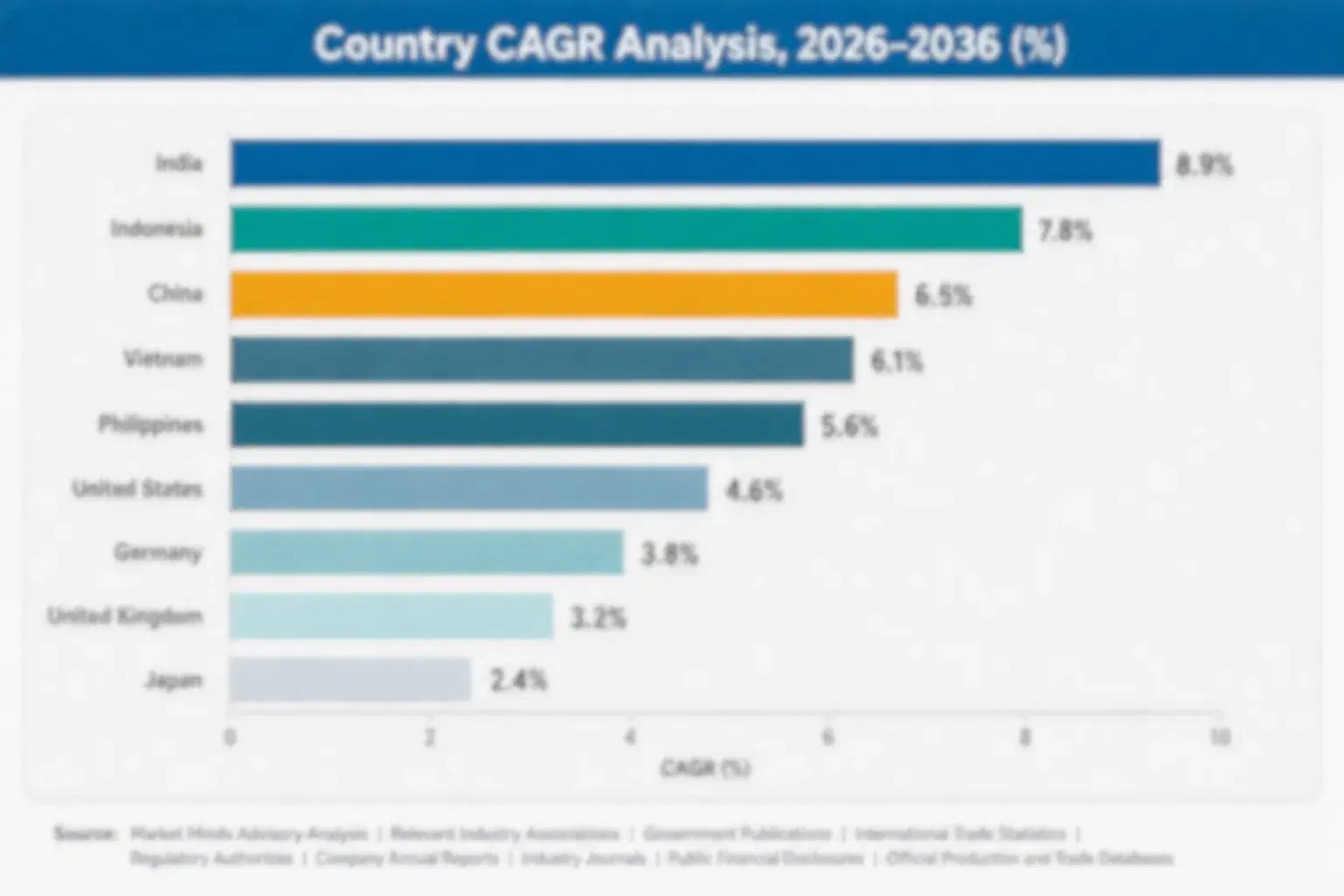
flexible-plastic-pouch-market-country-cagr-analysis-1791409979926

Where Pouch Converters Can Still Expand Margin

Converters sitting on commodity flat and pillow pouch volume face thin margins by design, so the clearest paths to margin expansion run through format mix, barrier technology licensing, and services brand owners will pay for directly rather than treat as a commodity line item. Four approaches stand out as genuinely available to most mid-sized converters within a normal planning cycle.

Shifting Format Mix Toward Spouted and Stand-Up

Converters that shift output mix away from flat and pillow formats toward spouted and stand-up pouches can capture materially higher per-unit pricing, since brand owners pay a premium for resealability and shelf standout rather than treating the pouch as a plain bag. A mid-sized converter moving 20% of flat pouch volume into stand-up format over a two-to-three-year transition can lift blended average selling price meaningfully without adding comparable new customer volume. The capital cost sits mainly in filling line tooling and spout-welding equipment, with payback periods short enough to clear most investment hurdles at current price spreads.
Market Impact: Lifts blended ASP by roughly 8 to 12% overall

Licensing Mono-Material Barrier Film Technology to Peers

Converters that develop proprietary mono-material high-barrier film formulations can license that technology to smaller competitors rather than compete solely on converting capacity, generating a royalty stream typically worth 3 to 5% of licensee net sales, far higher margin than standard film sales carry. This path suits converters with genuine materials science capability but limited converting capacity relative to global demand, letting them monetize innovation without the capital intensity of building new plants. Early movers on recyclable barrier technology are already seeing licensing inquiries from converters facing tighter compliance deadlines than their own development timelines allow.
Market Impact: Adds roughly 3 to 5 points of margin

Offering Packaging Redesign Consulting to Brand Owners

Brand owners facing extended producer responsibility compliance deadlines often lack the internal packaging engineering depth to redesign primary packaging around mono-material structures on their own timeline, creating demand for converters willing to offer paid redesign and shelf-testing consulting bundled with the film supply contract. Converters that build this capability can charge directly for design and testing work that used to be given away free to win volume, while locking in the resulting supply contract once the design is finalized. Several converters report redesign consulting projects now carry fees in the range of $50,000 to $200,000 per engagement.
Market Impact: Adds roughly $50,000 to $200,000 per consulting project

Expanding Refill Pouch Formats for Household Categories

Household and personal care brand owners increasingly want refill pouch formats that let consumers reuse a rigid dispenser rather than discard a full container, since refill formats use roughly 70% less plastic per fill than an equivalent new rigid bottle and support sustainability claims that resonate with retailers. Converters that build dedicated refill filling and spout-fitting capacity ahead of competitors are winning multi-year supply agreements from large brand owners expanding refill programs across their portfolios. This category remains small relative to total pouch volume but is growing from a low base well above the format average.
Market Impact: Uses roughly 70% less plastic per household refill unit

Flexible Plastic Pouch Pricing and Margins

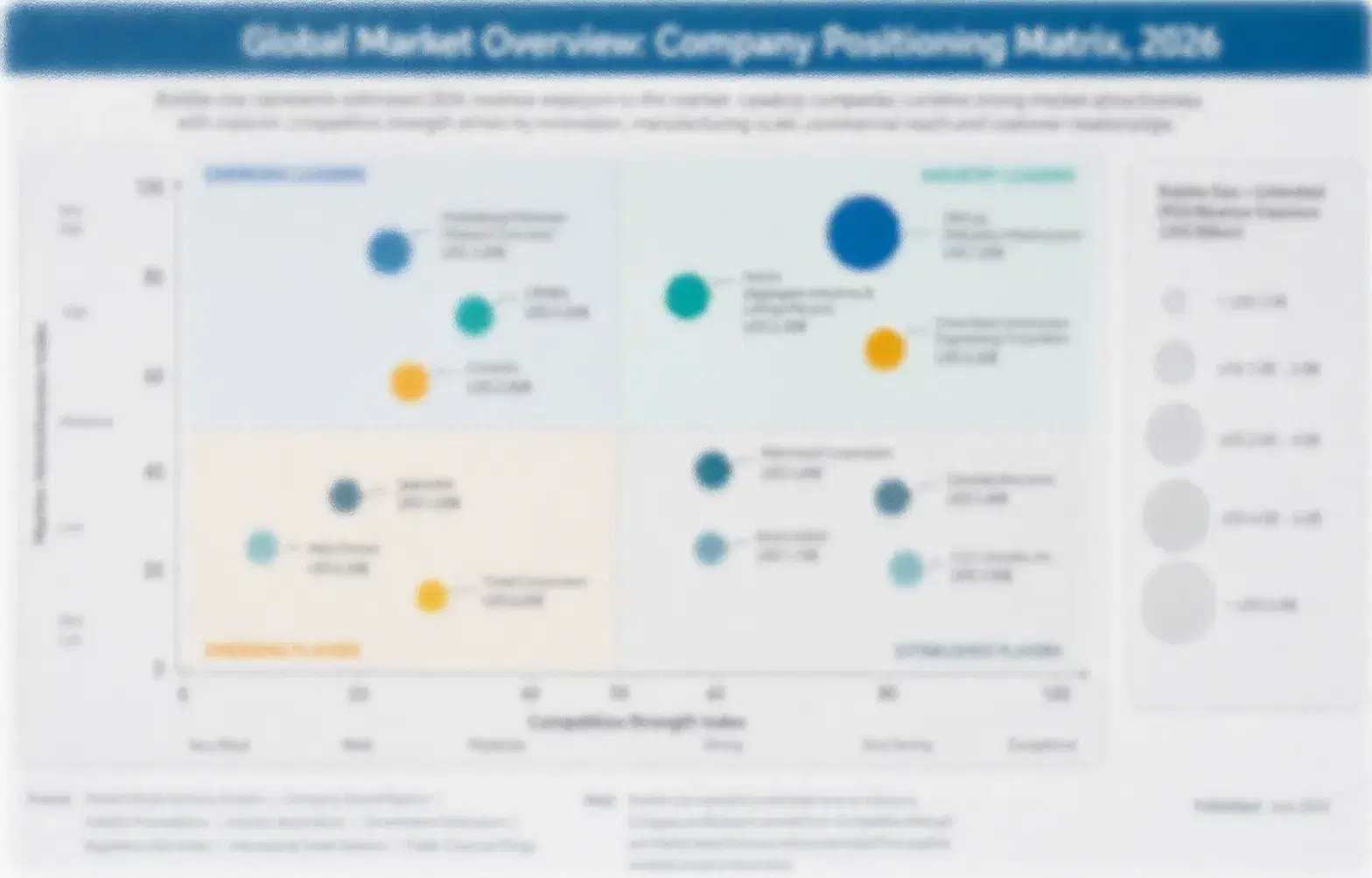
Five converters hold 38% of global production capacity, leaving a long tail of regional and private-label-focused competitors to split the remainder. Amcor and Berry Global sit well ahead of the next tier on scale and barrier film technology, while mid-sized converters compete mainly on price and regional proximity. Mid-sized challengers are closing the technical gap faster than the revenue concentration figures suggest.
Competition plays out across three dimensions: recyclable mono-material film qualification speed, geographic proximity to brand owner manufacturing footprints as supply chains diversify away from China-only sourcing, and filling line technical support that helps brand owners requalify packaging faster than in-house engineering could manage alone. Converters that deliver on all three win multi-year supply agreements, while price-only competitors stay confined to commodity volume.

Emerging pressure is coming from mid-sized regional converters in Vietnam and India investing in barrier film technology fast enough to challenge established players on quality while undercutting them on price, aided by lower labor and energy cost. Chemical recycling technology providers are also becoming competitive factors, since converters securing early access to certified recycled resin can qualify claims faster than rivals waiting on supply, shifting bargaining power toward whoever locks in recycled feedstock first.
flexible-plastic-pouch-market-company-positioning-matrix-1791409980118

How Flexible Plastic Pouch Suppliers Compete

AMCOR PLC

Moat: Global Scale and Film IP

Amcor's global converting footprint and decades of proprietary barrier film formulation work let it qualify recyclable mono-material structures for multinational brand owners faster than smaller competitors, while its scale secures resin procurement pricing that regional converters cannot match, reinforcing a cost and speed advantage that compounds with every new brand owner redesign cycle.
AMCOR PLC

Risk: Integration Risk From Berry Deal

Amcor's pending combination with Berry Global carries meaningful integration execution risk across overlapping plastics converting operations, since merging two large manufacturing footprints, ERP systems, and customer contract books rarely proceeds without disruption, and any slippage could hand competitors an opening to win contested brand owner accounts during the transition.
BERRY GLOBAL GROUP INC

Moat: North American Manufacturing Density

Berry Global operates one of the densest converting networks in North America, letting it serve large retail and private-label customers with shorter lead times and lower freight cost than competitors shipping from fewer, larger plants, an advantage that matters disproportionately in a category where freight is a meaningful share of delivered price.
BERRY GLOBAL GROUP INC

Risk: High Leverage Limits Flexibility

Berry Global carries a heavier debt load than most peers following years of acquisition-driven growth, which constrains the capital it can deploy toward new mono-material film technology relative to less-leveraged competitors just as the industry's compliance-driven investment cycle is accelerating across every major region. Rating agencies are watching this trend closely.

Players Tracked

Prominent Players

Amcor plc
Sealed Air Corporation
Berry Global Group Inc
Sonoco Products Company
Huhtamaki Oyj

Other Key Players

Constantia Flexibles Group GmbH
Mondi Group
ProAmpac LLC
Winpak Ltd
Glenroy Inc
TC Transcontinental
Coveris Holdings S.A.
Wipak Group
Uflex Ltd
Cosmo Films Ltd
American Packaging Corporation
Printpack Inc
ePac Flexible Packaging LLC
Novolex Holdings
Goglio S.p.A.

Recent Developments

APRIL 2025

Berry Global Opens Recyclable Pouch Line in Thailand

Berry Global opened a new high-barrier flexible pouch production line in Thailand dedicated to recyclable mono-material structures, adding capacity to serve regional personal care and food brand owners shifting production away from China-only sourcing while meeting tightening packaging recyclability requirements across export destinations. The line also adds metallized barrier capability.
Signal: Signals converters are relocating recyclable capacity toward Southeast Asia well ahead of fully confirmed brand sourcing shifts.
SEPTEMBER 2024

Huhtamaki Acquires Vietnamese Flexible Packaging Converter

Huhtamaki acquired a mid-sized flexible packaging converter in Vietnam, strengthening its South Asia and Pacific manufacturing footprint and securing additional barrier film capacity to serve branded food and beverage customers expanding production across the region. The deal also brings a trained workforce and existing customer contracts.
Signal: Signals acquisition remains the fastest route into fast-growing Southeast Asian converting capacity for multinational brand owners.
JANUARY 2025

Amcor and Constantia Form Recyclable Film Joint Venture

Amcor and Constantia Flexibles formed a joint venture to co-develop recyclable high-barrier retort film technology for shelf-stable food pouches, pooling research investment across two manufacturing sites to close the barrier performance gap facing mono-material film structures. Both companies expect commercial qualification within roughly two years.
Signal: Signals even scale leaders are pooling R&D risk and cost on recyclable barrier film development jointly.

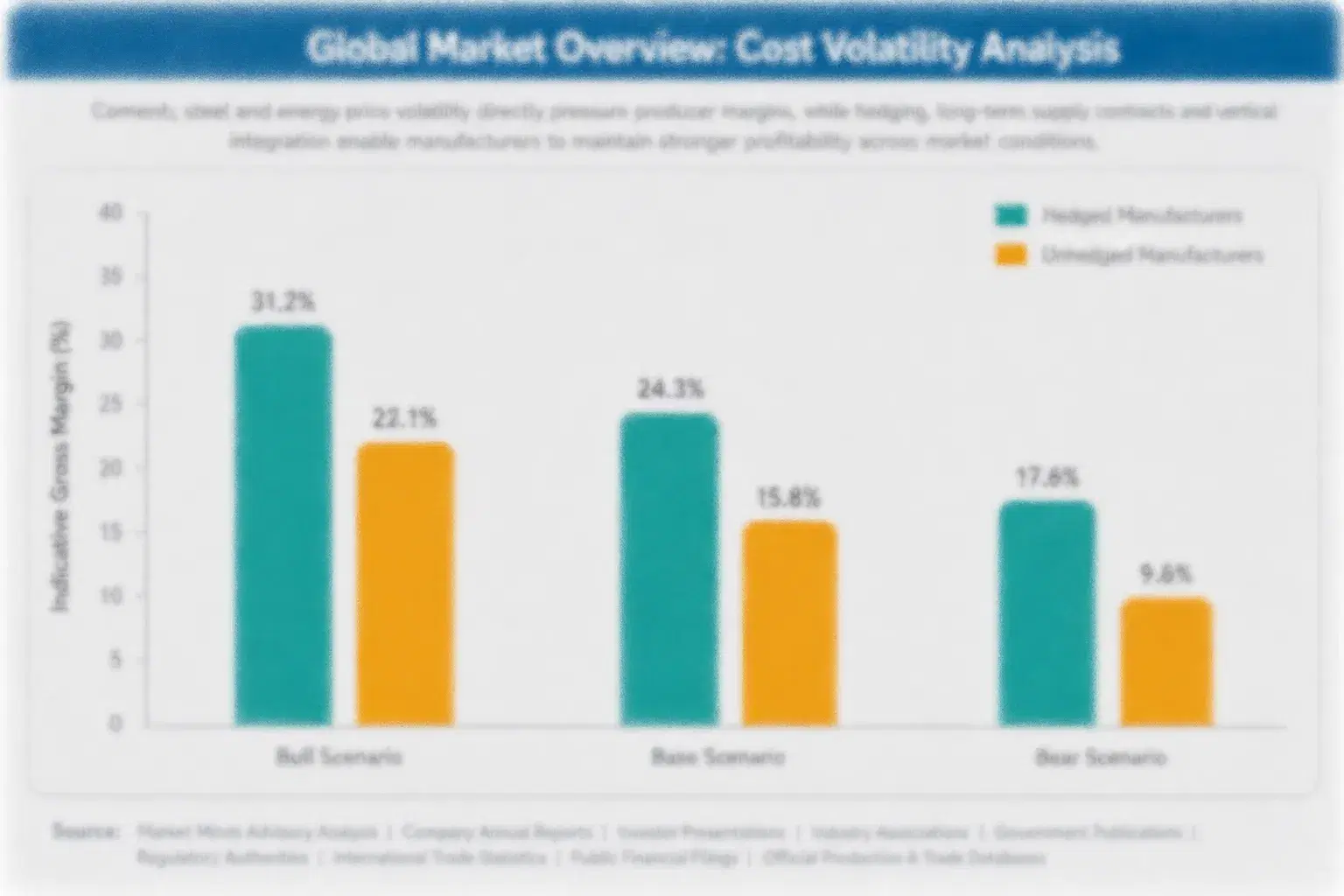
Resin Price Swings Drive Margin Risk

Polyethylene and polypropylene resin together account for roughly 55 to 60% of converter cost of goods sold, with the remainder split across barrier coatings, printing inks, and labor. Both resins trace back to natural gas and naphtha feedstock, so converter input costs are exposed indirectly to crude oil and natural gas price movements well upstream of the packaging industry, regardless of converter size or geography.
Polyethylene prices spiked sharply during 2022 as natural gas feedstock costs surged following supply disruptions in Europe, compressing converter margins according to IEA energy market reporting from that period. Converters without long-term resin supply contracts absorbed the cost increase directly, while those with hedged positions or multi-year agreements passed through smaller price increases to brand owners, highlighting how differently exposed converters can be to the same feedstock shock.

Smaller regional converters carry greater exposure to resin price swings than scale leaders, since they lack the purchasing volume to negotiate long-term fixed-price contracts and often buy on shorter-term spot terms instead. This disadvantage compounds during volatility spikes, pushing some smaller converters toward consolidation or exit, while scale leaders with hedged procurement positions gain volume from customers whose smaller suppliers raised prices faster.
flexible-plastic-pouch-market-cost-volatility-analysis-1791409980304

Long-Term Resin Supply Contracts With Price Caps

Converters increasingly negotiate multi-year resin supply agreements that cap price increases within a defined band in exchange for committed purchase volume, trading some spot-market flexibility for budget predictability that helps with customer pricing commitments. This approach works best for converters with stable, forecastable volume and sufficient scale to interest resin producers in a dedicated supply arrangement.

Recycled Resin Blending to Reduce Virgin Exposure

Blending certified recycled polyethylene into film formulations reduces reliance on virgin resin pricing while simultaneously supporting brand owner recycled-content commitments, creating a dual commercial and compliance benefit. Supply of certified recycled resin remains constrained relative to demand, so converters securing early access through dedicated recycling partnerships gain a meaningful procurement advantage over slower-moving competitors.

Index-Linked Customer Pricing Pass-Through Clauses

Converters are building resin price index clauses directly into brand owner supply contracts, allowing cost pass-through within agreed bands rather than absorbing the full impact of feedstock volatility or renegotiating pricing from scratch after every spike. This shifts some commodity price risk back toward brand owners, who are generally better positioned to absorb it across broader portfolios.

Portfolio Architecture for Margin Defence

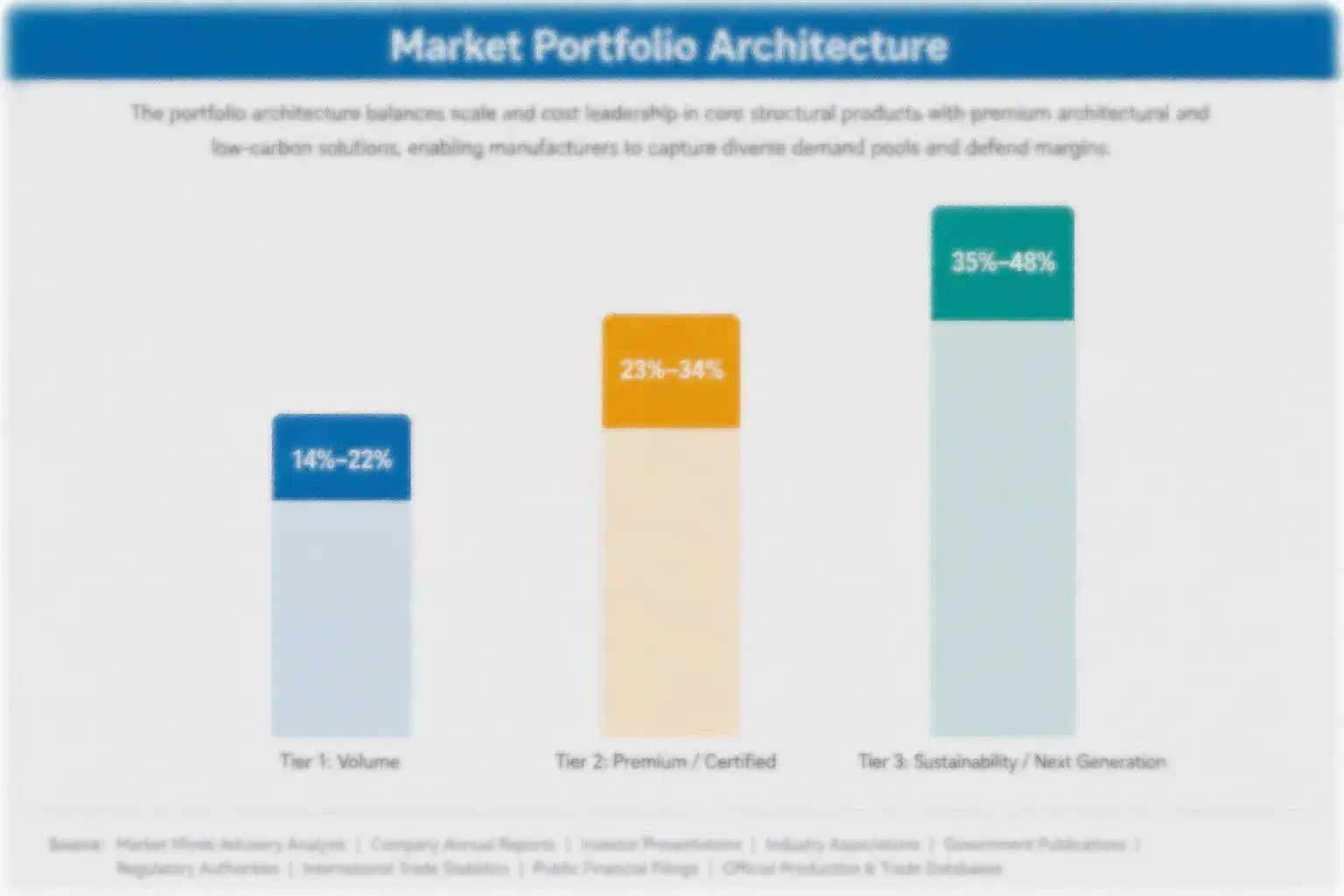
Converters generally run a three-tier portfolio spanning commodity flat and pillow formats, certified premium formats carrying recyclability or barrier credentials, and next-generation sustainability-driven structures still scaling toward full commercial volume. Gross margin varies substantially across these tiers, with commodity formats competing almost entirely on price and premium formats commanding meaningfully better economics tied to brand owner willingness to pay for compliance and shelf performance.
The tension between volume and premium tiers shapes converter capital allocation decisions directly, since commodity capacity generates steady cash flow but limited margin expansion room, while premium capacity requires upfront investment in barrier film technology and filling line qualification before it generates comparable returns. Converters without a clear tier strategy risk getting squeezed from both directions, undercut on price in commodity formats and outpaced on technology in premium ones.

High-value margin pools are concentrating in spouted and stand-up formats carrying recyclability certification, categories where brand owners are willing to pay meaningfully above commodity pricing for compliance and shelf differentiation together. Converters positioned early in these categories are capturing a disproportionate share of total industry margin growth relative to their volume share currently.

Volume / Commodity-Adjacent Tier

Flat and pillow pouches sold mainly on price to private-label and bulk repackaging customers, with minimal barrier or recyclability differentiation and intense regional competition. Converters in this tier compete almost entirely on manufacturing cost and delivery speed rather than technical differentiation.
Gross Margin: 8-14%

Premium / Certified Tier

Stand-up and spouted formats carrying resealability, shelf standout, and increasingly recyclability certification, sold to branded customers willing to pay for performance. These formats anchor the category's margin growth as brand owners prioritize shelf differentiation over pure price.
Gross Margin: 18-26%

Sustainability / Regulatory / Next-Generation Tier

Mono-material high-barrier structures and chemical-recycling-compatible films still scaling toward full commercial volume, commanding premium pricing tied to compliance value. Converters investing early in this tier are positioning for disproportionate margin capture once regulatory deadlines force broader industry adoption.
Gross Margin: 22-32%
flexible-plastic-pouch-market-portfolio-architecture-1791409980495

High-value Sub-segments and Strategic Watch-out

Spouted Pouches

Spouted pouches combine the fastest unit growth in the category with premium pricing tied to resealability and portion control, making this the single segment converters are prioritizing most heavily for new filling line and spout-welding capital investment over the next several years. Capital spending here is outpacing every other segment.
Gross Margin: 24-30%

Mono-Material Barrier Film

Mono-material recyclable barrier film commands pricing well above standard laminate film despite growing only moderately today, since brand owner compliance deadlines are still years out, but converters expect demand to accelerate sharply as 2030 regulatory milestones approach across major markets. Demand is expected to inflect sharply as 2030 deadlines near.
Gross Margin: 20-28%

Stand-Up Pouches

Stand-up pouches remain the volume backbone of the category, generating steady, dependable revenue across snack, pet food, and coffee applications even as growth moderates relative to newer formats, anchoring converter capacity utilization and cash flow across economic cycles. This segment remains the most predictable source of converter cash flow.
Gross Margin: 16-22%

Commodity Flat Pouches

Flat and pillow pouches face the most direct margin pressure from regional converter price competition and offer the least room for differentiation, making this segment the clearest candidate for capacity rationalization if margin compression continues across coming budget cycles. Converters should monitor this segment closely for signs of accelerating decline.
Gross Margin: 8-13%

Why Pouch Demand Keeps Compounding

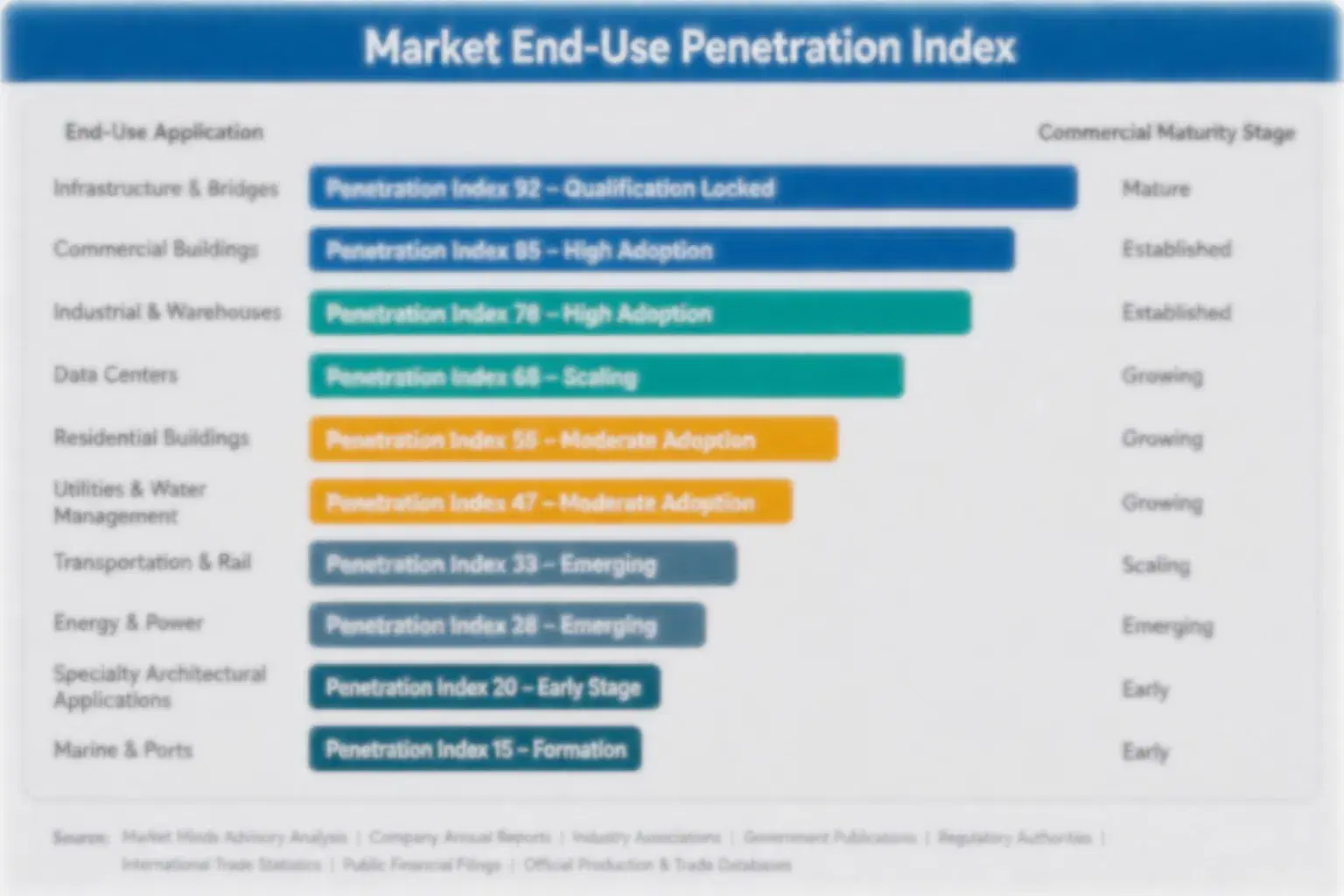
Flexible pouch supply contracts function more like annuities than one-time equipment sales, since brand owners that requalify a filling line around a specific pouch format rarely switch suppliers afterward without a compelling cost or compliance reason, given the engineering and shelf-testing cost of changing format again. This locks in multi-year revenue visibility for converters that win the initial qualification, turning a single successful bid into a dependable, recurring order stream.
Adoption depth varies meaningfully by end-use vertical. Snack and pet food categories converted to flexible formats years ago and show little remaining switching activity, representing mature, highly sticky demand. Liquid personal care and beverage categories are mid-conversion, with meaningful volume still sitting in rigid formats and being contested. Pharmaceutical and nutraceutical categories remain the least converted, held back by stricter barrier and tamper-evidence requirements that slow qualification timelines.

Packaging procurement decision-makers are increasingly younger brand managers who treat sustainability credentials as a baseline requirement rather than a differentiator, shifting purchasing conversations toward recyclability and recycled content earlier in the supplier selection process than previous buyer generations did. This generational shift is compressing the time converters have to qualify compliant alternatives before losing consideration entirely.
flexible-plastic-pouch-market-end-use-penetration-index-1791409980682

What Converters Should Prioritize Next

These are among the four positions where our research anticipates prominent divergence between winners and laggards over the coming forecast period. Each is grounded in the demand model, the regulatory perimeter, and the announced capacity pipeline.
01 / FORMAT MIX STRATEGY

Prioritize spouted and stand-up capacity over commodity formats

Converters allocating new capital toward spouted and stand-up pouch lines are capturing meaningfully better pricing than those adding commodity flat pouch capacity, and that gap is widening rather than narrowing as brand owners pay more for resealability and shelf standout. Commodity capacity still generates useful cash flow, but it offers little room for margin expansion as regional competitors continue adding capacity at similar cost structures. Converters that delay this shift risk ceding the fastest-growing, highest-margin volume to competitors who moved earlier.
02 / REGULATORY COMPLIANCE READINESS

Qualify mono-material barrier film well ahead of 2030 deadlines

Brand owners facing European Union packaging recyclability deadlines are already shortlisting converters based on mono-material barrier film qualification status, not waiting until regulations formally take effect to make sourcing decisions, often before public comment periods even close. Converters without qualified recyclable structures risk exclusion from proposal shortlists years before the compliance deadline arrives, since brand owner redesign cycles routinely run 18 to 24 months from specification to shelf. Early qualification is becoming a precondition for retaining key accounts, not simply a competitive advantage.
03 / GEOGRAPHIC CAPACITY DIVERSIFICATION

Build capacity outside China to match brand owner sourcing shifts

Brand owners diversifying manufacturing away from China-only sourcing are actively seeking converters with qualified capacity in Vietnam, India, and Mexico, creating a meaningful opportunity for converters willing to invest ahead of confirmed demand in these markets. Converters that wait for orders before building capacity in these geographies risk losing the business entirely to competitors who invested earlier and can offer shorter lead times. This dynamic is reshaping where global converting investment flows over the next several years, not just the next single budget cycle.
04 / RESIN PROCUREMENT STRATEGY

Lock in long-term resin contracts before the next volatility cycle

Resin price volatility hit converters without long-term supply agreements hardest during the 2022 feedstock spike, and nothing about global natural gas and naphtha market structure suggests that kind of shock cannot recur within the forecast period covered by this report. Converters that negotiate multi-year, price-capped resin agreements now are trading some short-term flexibility for meaningfully better protection against the next volatility cycle, whenever it arrives. Procurement teams that treat this as discretionary rather than urgent are taking on avoidable margin risk.

Engagement Snapshot From the Field

A live engagement with an industry participant carrying material or product regulatory and market exposure ahead of a defining policy shift, showing how our research translates into a defensible multi-year portfolio strategy.
MARKET MINDS ADVISORY · CLIENT ENGAGEMENT SUMMARY
Flexible Plastic Pouch Producer Strategic Portfolio Review and Transition Roadmap 2026·Investment Scenario on Flexible Plastic Pouch Exposure Evaluation 2025-26
CLIENT PROFILE
The client is a mid-sized European branded food company with annual revenue in the $400 million range (client-reported, unverified by MMA), selling shelf-stable snack and sauce products across Western European grocery retail. The company had used multi-layer laminate stand-up pouches for over a decade and faced mounting pressure from extended producer responsibility fee schedules that penalized its existing packaging format relative to mono-material alternatives being adopted by competitors.
STRATEGIC CHALLENGE
The client needed to requalify its primary snack and sauce pouch packaging around a recyclable mono-material structure within 18 months to avoid escalating compliance fees, but lacked internal packaging engineering depth to evaluate competing film technologies or manage the shelf-life testing required before committing to a new structure across its full product range.
MMA APPROACH
MMA's team benchmarked five converter-proposed mono-material film structures against the client's existing barrier performance requirements, modeled total landed cost including compliance fee exposure under current and proposed regulation, and facilitated a structured shelf-life testing program across three candidate structures before recommending a final converter partner and format. The engagement also included a procurement risk review covering supplier qualification timelines and contractual switching cost.
KEY FINDINGS
  1. Two of five proposed mono-material structures failed shelf-life testing for the client's higher-fat sauce products within 12 weeks, eliminating otherwise price-competitive options early in the evaluation.
  2. Switching to the recommended structure was projected to cut the client's extended producer responsibility fee exposure by roughly 35% once fully implemented across its packaging portfolio.
  3. The client's existing converter lacked qualified mono-material capacity, requiring a supplier change that added switching cost beyond the packaging redesign itself, including filling line requalification time.
  4. Shelf-testing timelines ran longer than the client's original 18-month compliance target, requiring a phased rollout that prioritized the highest-fee-exposure product lines first.
CLIENT PROFILE
The client is a mid-sized European branded food company with annual revenue in the $400 million range (client-reported, unverified by MMA), selling shelf-stable snack and sauce products across Western European grocery retail. The company had used multi-layer laminate stand-up pouches for over a decade and faced mounting pressure from extended producer responsibility fee schedules that penalized its existing packaging format relative to mono-material alternatives being adopted by competitors.
STRATEGIC CHALLENGE
The client needed to requalify its primary snack and sauce pouch packaging around a recyclable mono-material structure within 18 months to avoid escalating compliance fees, but lacked internal packaging engineering depth to evaluate competing film technologies or manage the shelf-life testing required before committing to a new structure across its full product range.
MMA APPROACH
MMA's team benchmarked five converter-proposed mono-material film structures against the client's existing barrier performance requirements, modeled total landed cost including compliance fee exposure under current and proposed regulation, and facilitated a structured shelf-life testing program across three candidate structures before recommending a final converter partner and format. The engagement also included a procurement risk review covering supplier qualification timelines and contractual switching cost.
KEY FINDINGS
  1. Two of five proposed mono-material structures failed shelf-life testing for the client's higher-fat sauce products within 12 weeks, eliminating otherwise price-competitive options early in the evaluation.
  2. Switching to the recommended structure was projected to cut the client's extended producer responsibility fee exposure by roughly 35% once fully implemented across its packaging portfolio.
  3. The client's existing converter lacked qualified mono-material capacity, requiring a supplier change that added switching cost beyond the packaging redesign itself, including filling line requalification time.
  4. Shelf-testing timelines ran longer than the client's original 18-month compliance target, requiring a phased rollout that prioritized the highest-fee-exposure product lines first.
RECOMMENDED STRATEGY
Phase 1: Phase 1 (Months 1-4): Benchmark candidate mono-material film structures against barrier requirements and model compliance fee exposure under current and proposed extended producer responsibility schedules. Phase 2: Phase 2 (Months 5-10): Run structured shelf-life testing across finalist structures for the client's highest-fat and highest-fee-exposure product lines before committing to a single supplier. Phase 3: Phase 3 (Months 11-18): Execute phased filling line requalification and converter transition, prioritizing products carrying the greatest compliance fee exposure first.
OUTCOME
The client selected a mono-material structure projected to cut compliance fee exposure by roughly 35% (client-reported, unverified by MMA) once fully rolled out, though the phased transition extended two months beyond the original 18-month target due to shelf-life testing delays on higher-fat product lines requiring additional formulation adjustment.

Frequently Asked Questions

Foundational context covering the market sizes, CAGR, scope, country, region and competition that inform every finding below. This section is provided to cover basics and most often pre-purchase conversations, answered from the MMA Primary Research Dataset.

What is the current size of the Flexible Plastic Pouch Market?

The global flexible plastic pouch market reached $35.0 billion in base year 2025. Growth is being driven primarily by conversion from rigid packaging formats across food, beverage, and personal care categories.

How large will the Flexible Plastic Pouch Market be by 2036?

MMA projects the market will reach approximately $72.2 billion by 2036. This reflects sustained conversion from rigid formats alongside steady underlying consumer volume growth across both developed and emerging markets alike.

What is the CAGR for the Flexible Plastic Pouch Market 2026 to 2036?

The market is forecast to grow at a compound annual growth rate of 6.8% between 2026 and 2036. That pace reflects continued rigid-to-flexible conversion and compliance-driven redesign activity.

Which segment is growing fastest?

Spouted pouches are the fastest-growing segment, expanding at roughly 1.26 times the overall market CAGR. Beverage, baby food, and liquid personal care brand owners are driving this conversion from rigid bottles.

Who are the major companies in the Flexible Plastic Pouch Market?

Amcor, Sealed Air, Berry Global, Sonoco, and Huhtamaki lead the global market. Together they hold an estimated 38% of global converting capacity on a capacity basis.

Which country is growing fastest?

Vietnam is the fastest-growing country market, expanding at roughly 9.4% annually. Global brand owners diversifying manufacturing away from China-only sourcing are driving new capacity investment there.

Flexible Plastic Pouch Market Breakdown

The full report scope spans multiple orthogonal segmentation dimensions, with cross-tabulated demand data provided for each dimension pair. Coverage extends further to regional breakdowns, trend trajectories, and the competitive detail needed to support segment-level decision-making.

By Format

  • Stand-Up Pouches
  • Spouted Pouches
  • Flat and Pillow Pouches
  • Side-Gusseted Pouches
  • Retort Pouches
  • Vacuum Barrier Pouches

By End-Use Industry

  • Food
  • Beverage
  • Personal Care and Cosmetics
  • Home and Fabric Care
  • Pharmaceutical and Nutraceutical

By Commercial Dimension

  • Branded Retail
  • Private Label
  • Food Service and Institutional
  • Direct-to-Consumer E-Commerce

By Region

  • North America
  • Western Europe
  • East Asia
  • South Asia and Pacific
  • Latin America
  • Middle East and Africa
  • Eastern Europe

Scope, Methodology, and Coverage

Every figure in this report is reproducible from documented input assumptions. The scope below maps the historical period, the forecast horizon, the segmentation dimensions, and the countries covered, alongside the underlying primary and qualitative methodology.
Historical Period
2020 to 2025
Forecast Period
2026 to 2036
Base Year
2025 (USD billions; MMA Primary Research Dataset, October 2026)
Market Definition
The flexible plastic pouch market covers pre-formed and form-fill-seal flexible packaging made from single or multi-layer plastic films, including stand-up, flat, spouted, side-gusseted, retort, and vacuum barrier formats sold to food, beverage, personal care, home care, and pharmaceutical brand owners. It excludes rigid plastic containers, paperboard cartons, metal cans, and flexible packaging made predominantly from paper or aluminum foil without a plastic film base.
Quantitative Units
USD billions (current prices); million metric tons of converted film volume where applicable
Segmentation Dimensions
By Format; By End-Use Industry; By Commercial Dimension; By Region
Regions Covered
North America, Western Europe, East Asia, South Asia and Pacific, Latin America, Middle East and Africa, Eastern Europe
Countries Covered
USA, China, Germany, France, UK, Japan, South Korea, India, Australia, Canada, Brazil, Mexico, Indonesia, Vietnam, Thailand, Malaysia, UAE, Saudi Arabia, South Africa, Nigeria, Turkey, Poland, Netherlands, Italy, Spain, Sweden, Switzerland, Argentina, Colombia, Singapore, and additional markets relevant to this sector
Key Companies Profiled
Amcor plc, Sealed Air Corporation, Berry Global Group Inc, Sonoco Products Company, Huhtamaki Oyj, Constantia Flexibles Group GmbH, Mondi Group, ProAmpac LLC, Winpak Ltd, Glenroy Inc, TC Transcontinental, Coveris Holdings S.A., Wipak Group, Uflex Ltd, Cosmo Films Ltd, American Packaging Corporation, Printpack Inc, ePac Flexible Packaging LLC, Novolex Holdings, Goglio S.p.A.
Quantitative Methodology
Primary survey, n=3,800 respondents, Q4 2025, six countries; demand-side model with trade association cross-validation
Qualitative Methodology
47 expert interviews, Q4 2025; applied to validate demand model assumptions, identify emerging dynamics, and assess competitive positioning
Report Format
PDF and XLSX data workbook (Word format preview document)
Publisher
Market Minds Advisory
Report Code
MMA-2026-PAC-201
Published
October 2026
Contact
sales@marketmindsadvisory.com | www.marketmindsadvisory.com

Purchase the full Flexible Plastic Pouch Market Report (2026 to 2036).

The full report provides detailed market sizing and ten-year forecasts across all six pouch format segments and all seven world regions, supported by converter-level capacity benchmarking and primary interview findings. It includes in-depth competitive profiles of the top five converters alongside second-tier player coverage, resin cost exposure analysis, and regulatory tracking across major extended producer responsibility jurisdictions. Format-specific margin and pricing data is broken out separately from headline market figures to support both strategic planning and tactical sourcing decisions. Buyers receive the full data set in editable format alongside the formatted report document itself.
Ten-year market sizing across six pouch formats
Converter capacity benchmarking on a consistent basis
Regulatory tracking across major compliance jurisdictions worldwide
Resin cost exposure and mitigation pathway analysis
Editable data tables alongside the formatted report
Primary interview findings from 47 industry experts

Built For The People Who Decide

From boardroom strategy to bench-side execution, this report is read cover-to-cover by leaders shaping the next decade of their industry, turning demand scenarios, market dynamics and valuation benchmarks into decisions.
CXOs/ Presidents/ VPs/ Managers
M&A and Corporate Development
Strategy Teams and R&D Heads
Procurement and Product Directors
Regulatory and Compliance Leaders
Investor Relations and Equity Analysts