Fiber Cement Market
Fiber Cement Market Outlook from 2026 to 2033
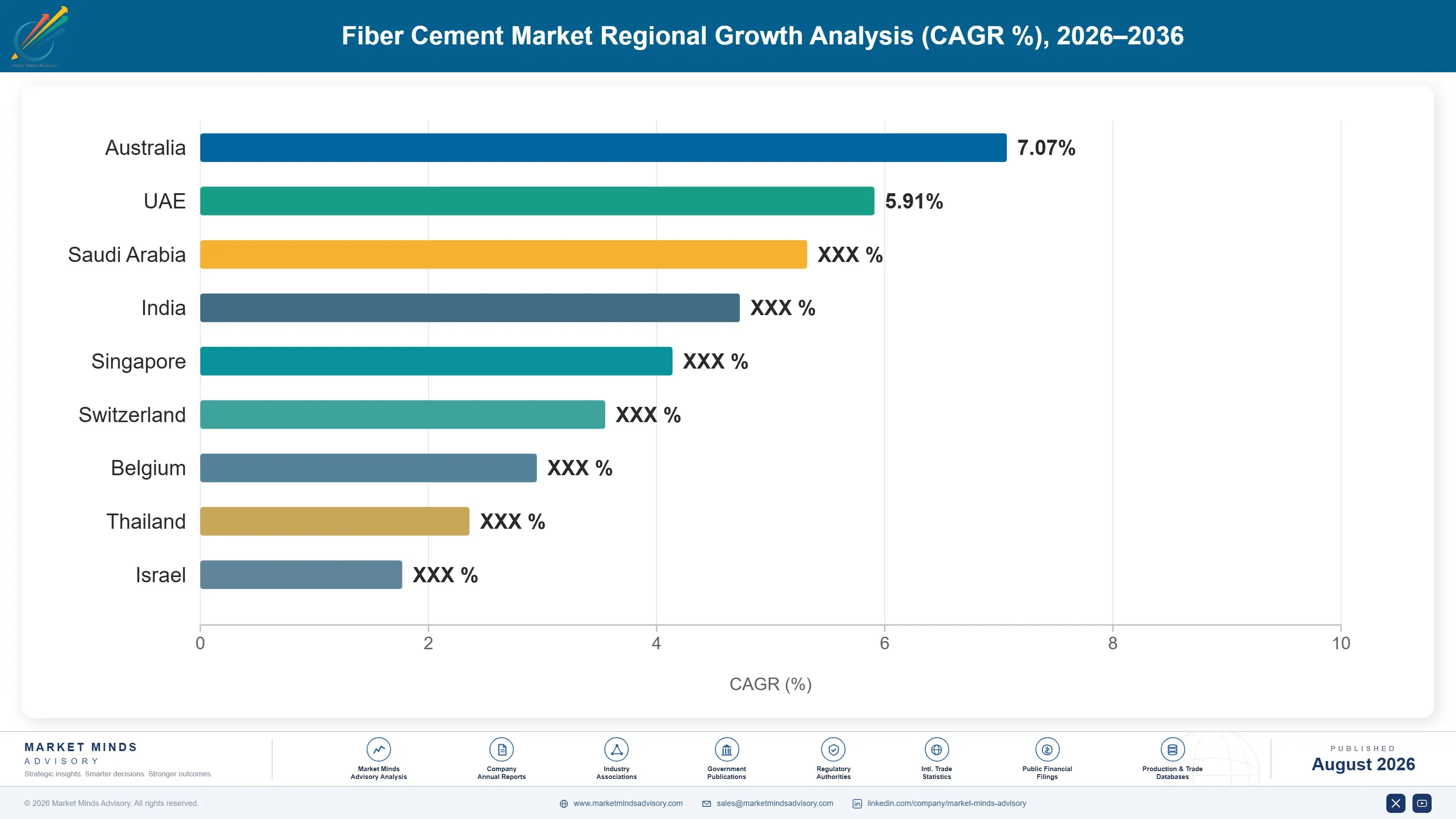
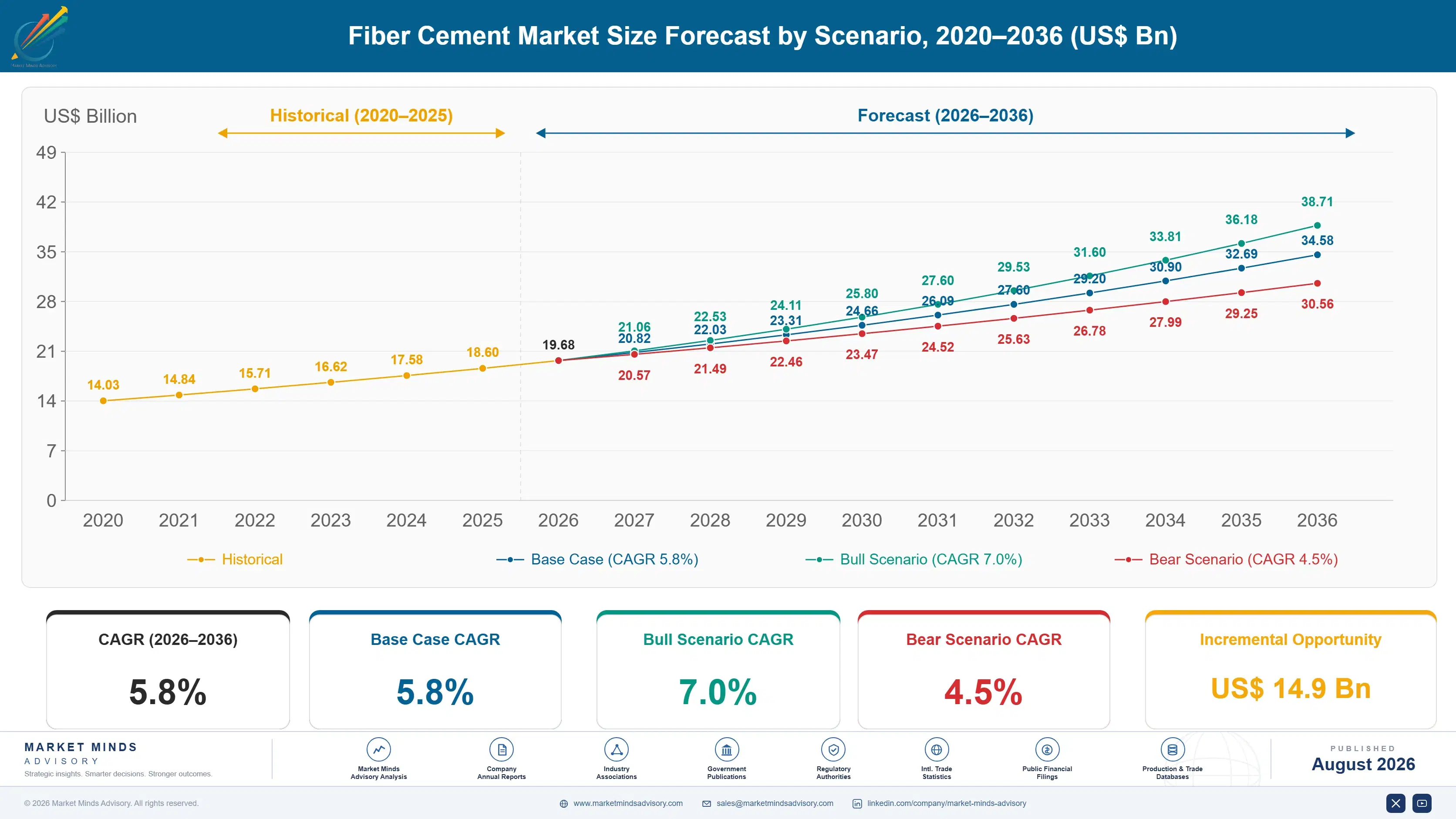
The fiber cement market is poised for robust expansion, driven by the increasing demand for durable and sustainable construction materials across residential, commercial, and industrial sectors. In 2026, the global fiber cement market is projected to be valued at USD 17.8 billion, with a forecasted compound annual growth rate (CAGR) of 5.9% through 2033. This growth trajectory is underpinned by the rising adoption of fiber cement products due to their superior fire resistance, longevity, and minimal maintenance requirements compared to traditional building materials.
By 2033, the fiber cement market is expected to reach USD 26.8 billion, reflecting the sector’s resilience amid evolving construction trends and regulatory standards emphasizing sustainability. The market’s expansion is further supported by technological advancements in manufacturing processes, which enhance product performance and design versatility. As urbanization accelerates globally, especially in emerging economies, fiber cement solutions are increasingly recognized as a preferred choice for modern infrastructure development.

Fiber Cement Market Scenario & Strategic Insights
The fiber cement market is characterized by a dynamic interplay of innovation, regulatory compliance, and shifting consumer preferences. Manufacturers are investing in research and development to introduce advanced fiber cement products that cater to diverse architectural requirements and environmental standards. The integration of cellulose fibers, silica, and Portland cement has enabled the production of lightweight yet robust panels, boards, and siding materials, which are gaining traction in both new construction and renovation projects.
Strategically, market participants are focusing on expanding their geographic footprint, particularly in Asia-Pacific and Latin America, where rapid urbanization and infrastructure investments are fueling demand. Additionally, the market is witnessing consolidation through mergers and acquisitions, as companies seek to strengthen their product portfolios and distribution networks. The emphasis on green building certifications and energy-efficient construction is also shaping product innovation, with fiber cement solutions increasingly tailored to meet stringent environmental criteria.
The competitive landscape is further influenced by cost optimization strategies and digitalization of supply chains, enabling manufacturers to enhance operational efficiency and customer engagement. As the market evolves, stakeholders are expected to prioritize sustainability, product differentiation, and strategic partnerships to capture emerging opportunities and mitigate potential risks.
| Attribute | 2026 (USD Billion) | 2033 (USD Billion) | CAGR (2026 – 2033) |
| Market Size | 17.8 | 26.8 | 5.9% |
Fiber Cement Market Trends
- Rising Adoption of Sustainable and Eco-Friendly Materials
The construction industry’s shift towards sustainability is significantly influencing the fiber cement market. Fiber cement products are increasingly preferred due to their low environmental impact, recyclability, and compliance with green building standards such as LEED and BREEAM. Manufacturers are innovating to reduce the carbon footprint of their products by incorporating recycled fibers and optimizing energy consumption during production. This trend is expected to intensify as governments and regulatory bodies worldwide enforce stricter environmental regulations, prompting builders and developers to choose fiber cement over less sustainable alternatives.
- Technological Advancements in Manufacturing Processes
The fiber cement market is witnessing notable technological progress, particularly in the areas of automation, material composition, and surface finishing. Advanced manufacturing techniques have enabled the production of fiber cement boards and panels with enhanced strength, flexibility, and aesthetic appeal. Digital printing technologies are also being adopted to offer a wider range of textures and colors, catering to diverse architectural styles. These innovations not only improve product quality but also reduce production costs and lead times, making fiber cement solutions more accessible to a broader customer base.
- Growing Demand in Emerging Markets
Rapid urbanization and infrastructure development in emerging economies, especially in Asia-Pacific and Latin America, are driving substantial demand for fiber cement products. Governments in these regions are investing heavily in affordable housing, commercial complexes, and public infrastructure, creating lucrative opportunities for market players. The versatility and cost-effectiveness of fiber cement make it an ideal choice for large-scale construction projects. Additionally, increasing awareness of the benefits of fiber cement, such as fire resistance and durability, is accelerating its adoption in these high-growth markets.
Segment & Category Analysis for Fiber Cement Market
By Product Type
- Siding
- Roofing Cladding Molding & Trimming Backer Boards Wall Partition
- Others
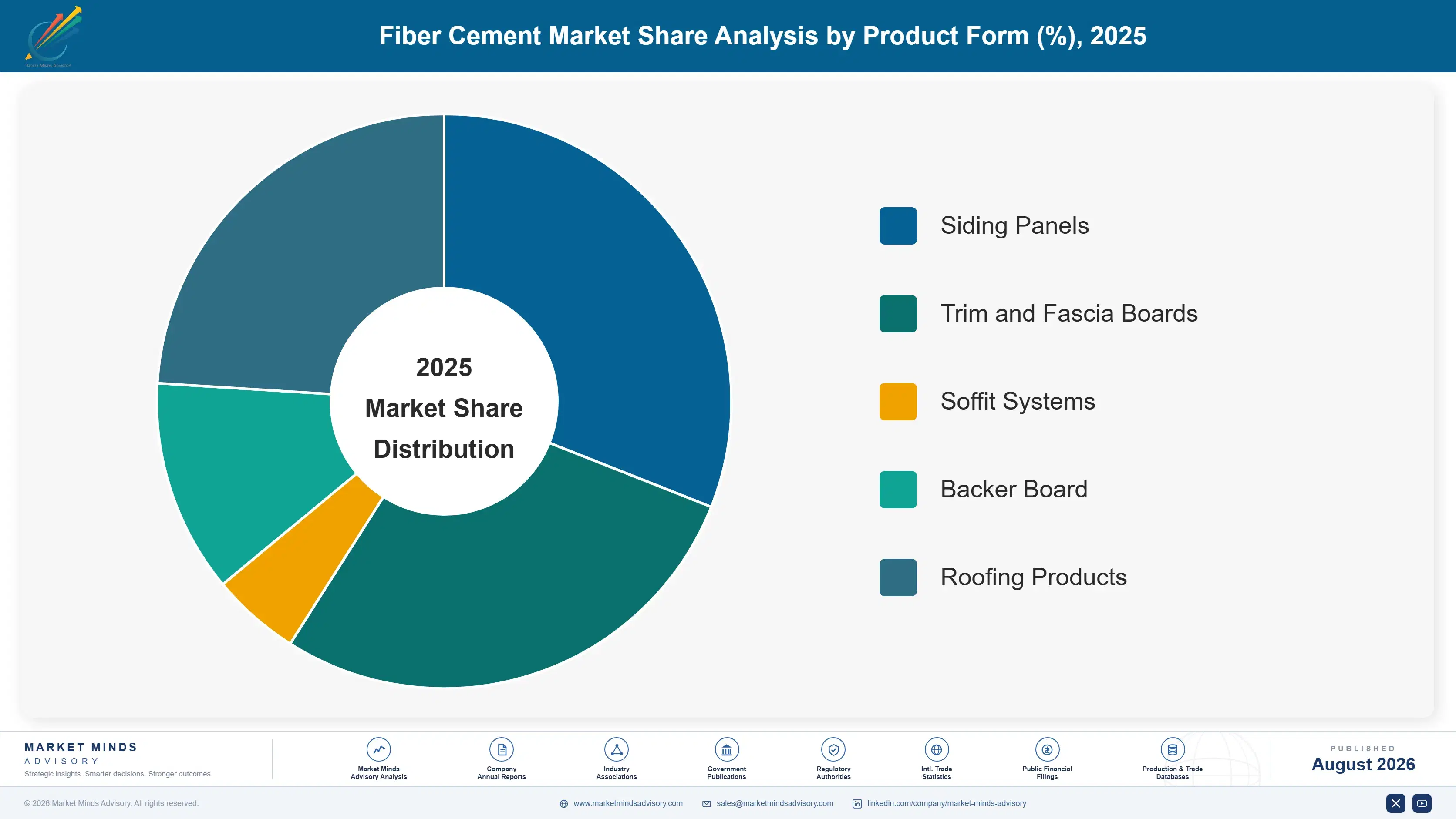
The product type segment is a critical determinant of market dynamics, with siding accounting for the largest share due to its widespread use in residential and commercial buildings. Roofing and cladding are also gaining traction, driven by the need for weather-resistant and aesthetically pleasing exteriors. Backer boards and wall partitions are increasingly utilized in interior applications, offering enhanced moisture resistance and structural integrity. The diversity of fiber cement products enables manufacturers to cater to a broad spectrum of construction needs, supporting market growth across multiple end-use sectors.

By Raw Material
- Portland Cement
- Silica Cellulosic Fiber
- Others
Raw material selection plays a pivotal role in determining the performance and sustainability of fiber cement products. Portland cement remains the primary binder, providing strength and durability, while silica enhances fire resistance and dimensional stability. Cellulosic fibers, derived from wood pulp or recycled paper, impart flexibility and reduce the overall weight of the products. The use of alternative and recycled materials is gaining momentum as manufacturers seek to minimize environmental impact and comply with evolving regulatory standards.
By Application
- Residential
- Commercial Industrial
- Institutional
Fiber cement’s versatility is reflected in its wide range of applications. In the residential sector, it is extensively used for siding, roofing, and interior partitions, offering homeowners long-lasting and low-maintenance solutions. The commercial segment leverages fiber cement for cladding and façade systems, enhancing building aesthetics and energy efficiency. Industrial and institutional applications are also on the rise, driven by the need for robust materials that can withstand harsh operating environments and comply with safety regulations.
By End-User
- New Construction
- Renovation & Remodeling
The end-user segment highlights the dual role of fiber cement in both new construction and renovation projects. New construction activities, particularly in emerging markets, are propelling demand for fiber cement products due to their cost-effectiveness and ease of installation. Renovation and remodeling projects in developed regions are also contributing to market growth, as property owners seek to upgrade existing structures with durable and aesthetically appealing materials.
By Distribution Channel
- Direct Sales
- Distributors & Dealers
- Online Retail
Distribution channels are evolving to meet the changing preferences of buyers. Direct sales remain prominent among large contractors and developers, while distributors and dealers cater to small and medium-sized enterprises. The rise of online retail platforms is facilitating easier access to fiber cement products, enabling manufacturers to reach a wider customer base and streamline order fulfillment processes.

Growth Drivers and Opportunities in Fiber Cement Market
- Increasing Urbanization and Infrastructure Development
The global trend towards urbanization is a significant growth driver for the fiber cement market. As cities expand and populations migrate to urban centers, the demand for new residential, commercial, and public infrastructure is surging. Fiber cement products are well-suited to meet the needs of modern construction, offering durability, fire resistance, and design flexibility. Governments and private developers are increasingly incorporating fiber cement solutions into large-scale projects, creating substantial opportunities for market participants to expand their offerings and capture new business.
- Rising Focus on Fire Safety and Building Regulations
Stringent building codes and fire safety regulations are compelling builders and architects to adopt materials that enhance occupant safety and structural integrity. Fiber cement’s inherent fire-resistant properties make it an attractive choice for compliance with these regulations. As awareness of fire hazards grows, particularly in regions prone to wildfires and urban fires, the adoption of fiber cement products is expected to accelerate. This regulatory environment presents a significant opportunity for manufacturers to develop and market products that address evolving safety standards.
Emerging Opportunities for Fiber Cement Market
- Expansion into Green Building and Sustainable Construction
The growing emphasis on green building practices presents a lucrative opportunity for the fiber cement market. As developers and property owners seek materials that contribute to energy efficiency and environmental sustainability, fiber cement’s recyclability and low maintenance requirements position it as a preferred choice. Manufacturers can capitalize on this trend by developing eco-friendly product lines and obtaining certifications that validate their sustainability credentials, thereby attracting environmentally conscious customers.
- Technological Integration and Product Customization
Advances in digital technology and manufacturing automation are enabling greater customization of fiber cement products. The ability to offer tailored solutions in terms of size, color, texture, and performance characteristics is becoming a key differentiator in the market. Companies that invest in digital design tools and flexible production systems can better meet the specific needs of architects, builders, and end-users, opening new avenues for growth and market penetration.
Growth Restrain Factors and Challenges in Fiber Cement Market
- High Initial Costs and Installation Complexity
Despite its long-term benefits, the adoption of fiber cement products can be hindered by relatively high upfront costs and installation complexity. The manufacturing process involves specialized equipment and skilled labor, which can increase project costs compared to traditional materials. For small-scale builders and homeowners, these factors may act as deterrents, especially in price-sensitive markets. Additionally, improper installation can compromise product performance, leading to potential warranty claims and reputational risks for manufacturers.
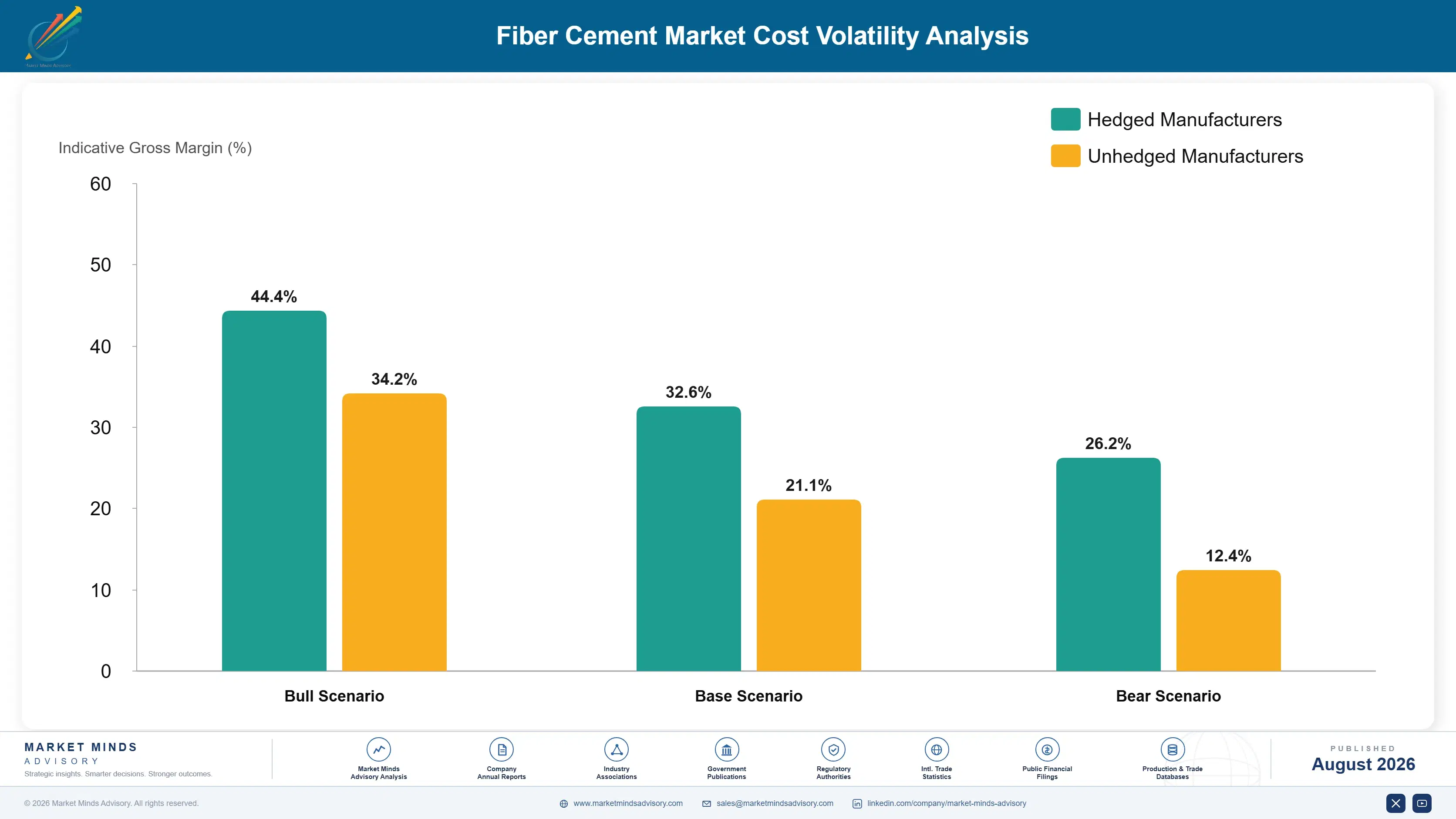
The challenge of cost competitiveness is further exacerbated by fluctuations in raw material prices, particularly for cement and cellulose fibers. Market participants must continuously seek ways to optimize production processes and supply chains to maintain profitability while delivering value to customers. Education and training initiatives aimed at installers and contractors can help mitigate installation challenges and enhance market acceptance.
- Environmental and Health Concerns Related to Silica Dust
The cutting and handling of fiber cement products can generate silica dust, which poses health risks to workers if proper safety measures are not implemented. Regulatory agencies in several countries have introduced stringent guidelines to limit occupational exposure to silica dust, necessitating investments in dust control technologies and personal protective equipment. Compliance with these regulations can increase operational costs for manufacturers and contractors.
Addressing these health and environmental concerns requires ongoing research into alternative materials and safer manufacturing practices. Companies that proactively adopt best practices and invest in worker safety are better positioned to navigate regulatory challenges and maintain their social license to operate. However, failure to address these issues can result in legal liabilities and reputational damage, impacting long-term market growth.
Fiber Cement Market Regional Analysis
| Region | Market Share (2025) | Key Market Highlight |
| Asia-Pacific | 38% | Rapid urbanization and infrastructure investments drive dominant market share. |
| North America | 27% | Strong demand for renovation and fire-resistant materials in residential sector. |
| Europe | 20% | Emphasis on sustainability and stringent building codes support steady growth. |
| South America | 9% | Infrastructure modernization and affordable housing projects fuel market expansion. |
| Middle East & Africa | 6% | Gradual adoption in commercial and institutional construction segments. |
Asia-Pacific
Asia-Pacific leads the global fiber cement market, accounting for the largest share due to rapid urbanization, population growth, and significant investments in infrastructure development. Countries such as China, India, and Southeast Asian nations are witnessing a surge in residential and commercial construction activities, creating robust demand for fiber cement products. Government initiatives aimed at affordable housing and sustainable urban planning further bolster market growth in the region.
North America
North America holds a substantial share of the fiber cement market, driven by the high rate of renovation and remodeling projects, particularly in the United States and Canada. The region’s focus on fire safety, energy efficiency, and compliance with stringent building codes has accelerated the adoption of fiber cement siding, roofing, and cladding solutions. The presence of leading manufacturers and a well-established distribution network also contribute to market stability and growth.
Europe
Europe’s fiber cement market is characterized by a strong emphasis on sustainability and adherence to rigorous environmental standards. The region’s construction industry is increasingly adopting fiber cement products to meet green building certifications and reduce lifecycle costs. Western European countries, including Germany, France, and the UK, are at the forefront of this trend, while Eastern Europe presents emerging opportunities for market expansion.
South America
South America is experiencing steady growth in the fiber cement market, supported by infrastructure modernization and government-led affordable housing initiatives. Brazil, Argentina, and Chile are key contributors to regional demand, with fiber cement products gaining popularity for their durability and resistance to harsh weather conditions. Market growth is further facilitated by increasing awareness of the benefits of fiber cement among builders and developers.
Middle East & Africa
The Middle East & Africa region is gradually adopting fiber cement solutions, particularly in commercial and institutional construction projects. Urbanization, population growth, and investments in tourism infrastructure are driving demand, although market penetration remains lower compared to other regions. The focus on fire safety and sustainable building practices is expected to create new opportunities for fiber cement manufacturers in the coming years.

Competition Landscape in Fiber Cement Market
The fiber cement market is highly competitive, with a mix of global and regional players vying for market share through product innovation, strategic partnerships, and geographic expansion. Leading companies are investing in research and development to enhance product performance, sustainability, and design flexibility. The market is also witnessing consolidation through mergers and acquisitions, as players seek to strengthen their portfolios and distribution networks. Competitive differentiation is increasingly based on technological capabilities, environmental credentials, and customer service excellence.
Major Players in Fiber Cement Market
- James Hardie Industries PLC
- Etex Group NV
- Cembrit Holding A/S
- Nichiha Corporation
- CSR Limited
- Toray Industries, Inc.
- Everest Industries Limited
- Elementia SAB de CV
- Plycem Corporation
- Swisspearl Group AG
- Soben International Ltd.
- Hume Cemboard Industries Sdn. Bhd.
- SCG Building Materials Co., Ltd.
- American Fiber Cement Corporation
- Allura USA
- Ramco Industries Limited
- Visaka Industries Limited
- Mahaphant Fibre Cement Public Co., Ltd.
- Saint-Gobain S.A.
- Siam Cement Group (SCG)
Recent Developments in Fiber Cement Market
- In March 2023, James Hardie Industries PLC launched a new range of eco-friendly fiber cement siding products with enhanced durability and reduced carbon footprint.
- In January 2023, Etex Group NV completed the acquisition of a major regional player in Southeast Asia to expand its market presence in the Asia-Pacific region.
- In September 2022, Nichiha Corporation introduced advanced digital printing technology for fiber cement panels, offering greater design customization.
- In June 2022, CSR Limited announced the expansion of its manufacturing facility in Australia to meet growing domestic and export demand.
- In April 2022, Everest Industries Limited partnered with a leading construction technology firm to develop innovative installation solutions for fiber cement boards.
- In December 2021, Swisspearl Group AG received a green building certification for its new line of sustainable fiber cement products.
FAQ for Fiber Cement Market
- What is the projected size of the fiber cement market by 2033?
By 2033, the global fiber cement market is expected to reach approximately USD 26.8 billion, driven by increasing demand for sustainable and durable construction materials across various sectors.
- What are the key growth drivers for the fiber cement market?
Major growth drivers include rapid urbanization, infrastructure development, rising focus on fire safety, and stringent building regulations that favor the use of fiber cement products for their durability and environmental benefits.
- Which region holds the largest share in the fiber cement market?
Asia-Pacific holds the largest market share, accounting for around 38% in 2025, due to significant investments in infrastructure, urbanization, and government-led housing initiatives.
- What are the main challenges facing the fiber cement market?
Key challenges include high initial costs and installation complexity, as well as health and environmental concerns related to silica dust generated during product handling and installation.
- Who are the leading players in the fiber cement market?
Prominent players include James Hardie Industries PLC, Etex Group NV, Cembrit Holding A/S, Nichiha Corporation, CSR Limited, and several others who are actively investing in product innovation and market expansion strategies.
Take action now! Contact us today to access the full report and propel your business forward. Speak to our advisory team to learn more about established and emerging players in this dynamic market.