
Market Minds Advisory
Extensible Kraft Paper Pallet Wrap Market

Extensible Kraft Paper Pallet Wrap Market Revenue Forecast 2026-2036

Kraft paper pallet wrap now stretches and clings nearly as well as plastic film, which is why shippers facing single-use plastic bans have a load-securing material that satisfies both operations and sustainability teams.

Lead Analyst

Bilal Shaikh

Published

November 2026

Make Smarter Decisions with Customized Research Insights

Request a free sample report and evaluate market opportunities, growth trends, and competitive dynamics relevant to your business needs.

2025 MARKET VALUE$0.7BMarket Size 2025
2036 FORECAST VALUE$1.9BBase Case , 2026 to 2036
CAGR 2026 TO 20369.6 %Bull 11.0% / Bear 8.2%
INCREMENTAL OPPORTUNITY$1.1BNet 10- year value creation
EXPANSION MULTIPLE2.51x2036 value over 2026 base
Strategic Levers
M&A Pipeline
Regional Outlook
Country Rankings
Competitive Intelligence
Segmental Deep-dive
Call-Us : 91 93563 13602

Extensible Kraft Paper Pallet Wrap Market Snapshot

Extensible kraft paper pallet wrap exists because material science finally closed the performance gap with plastic stretch film, turning a sustainability preference into a genuine operational substitute rather than a compromise buyers had to accept. This shift turns a compliance cost into genuine operational parity for the first time.
High-stretch reinforced kraft wrap dominates premium volume and is growing fastest, since food, retail, and export shippers facing single-use plastic restrictions increasingly specify formulations that match plastic film load retention. Western Europe anchors the largest regional market, reflecting the region's aggressive single-use plastic regulation and extended producer responsibility frameworks already in force across multiple countries. This regulatory intensity directly explains the region's outsized share of global volume.
A moderate group of specialty paper converters control roughly four tenths of global capacity, reflecting genuine barriers around stretch-formulation coating technology that standard kraft paper mills cannot replicate quickly. Compostability certification is reshaping competitive positioning fastest, as corporate sustainability buyers increasingly demand verified end-of-life credentials rather than accepting generic recyclability claims. Bio-based coating alternatives are also emerging as a competitive differentiator, letting converters bypass petroleum-based chemistry entirely overall now today specifically.
Market Definition
The extensible kraft paper pallet wrap market covers stretchable kraft paper-based consumables engineered to secure palletized loads for transport and storage, serving as a recyclable and compostable alternative to plastic stretch film. It excludes plastic stretch film and shrink wrap, which are covered under a separate market scope, and excludes strapping and banding materials entirely. Seen at market level, the plastic shrink wrap market rises from USD 13.6 billion in 2025 to USD 21.6 billion by 2036 in MMA's base case.
Base Year Value
$0.7B in 2025 (MMA Primary Research Dataset, October 2026)
Forecast Period
2026 to 2036, eleven discrete annual values
CAGR
9.6% base case. Bull 11.0%. Bear 8.2%.
Fastest Growth Segment
High-Stretch Reinforced Kraft Wrap: 12.4% CAGR
Fastest Growth Country
India: 12.8% CAGR
Fastest Growth Region
South Asia and Pacific: 11.5% CAGR
Largest Region
Western Europe: 34% of 2025 global value
Market Leaders
Mondi Group, Smurfit Kappa, Billerud AB, Sappi Limited, and Nordic Paper lead the market. Source: MMA Analysis based on company annual reports and investor filings.
Primary Survey
n=3,800 procurement and R&D decision-makers, Q4 2025, six countries
Methodology
Demand-side build-up, cross-validated against public data, 47 expert interviews

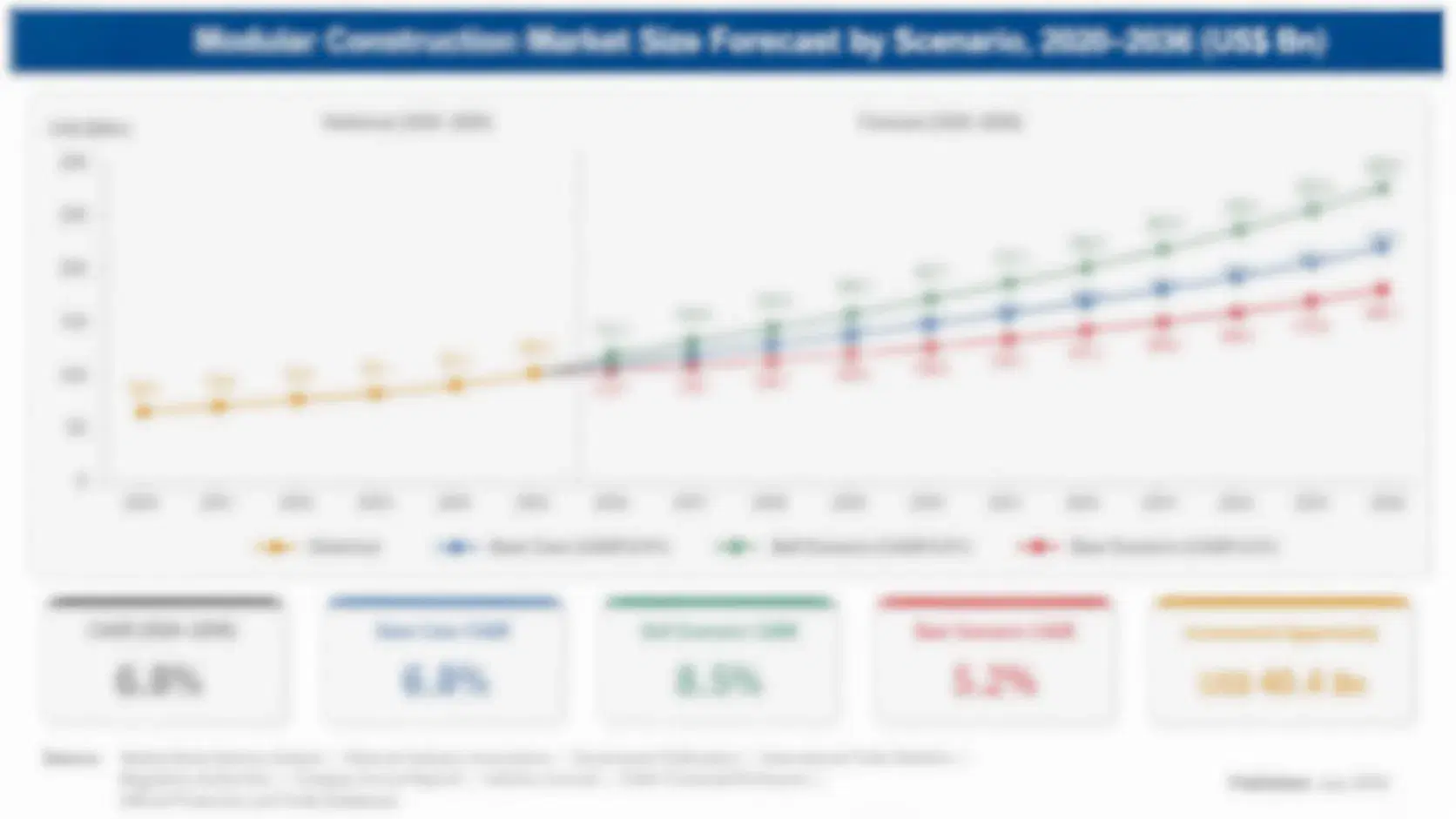
Extensible Kraft Paper Pallet Wrap Growth Scenarios to 2036

extensible-kraft-paper-pallet-wrap-market-size-forecast-scenario-1791431095766
Extensible kraft paper pallet wrap demand grew steadily between 2020 and 2025 as single-use plastic regulation tightened across multiple regions and stretch-formulation coating technology closed the performance gap with conventional plastic film. The market grew at a historical growth rate of 7.8%, a pace set to climb further as high-stretch reinforced formulations and compostability certification both broaden commercial scope beyond early sustainability-only adoption.
The base case assumes continued single-use plastic regulation tightening sustaining core substitution demand, food and retail shippers adopting high-stretch formulations for genuine performance parity with plastic film, and compostability certification adoption improving corporate sustainability reporting credibility. Shippers substitute kraft wrap wherever regulation or sustainability scorecards favor it, converters invest in stretch-formulation coating to close performance gaps, and certification bodies expand verified compostability standards. Together these mechanisms sustain above-historical growth across a specialized paper converting base.
The bull case centers on faster-than-expected single-use plastic regulation spreading into new jurisdictions, pulling substitution demand well beyond current industry assumptions across multiple regions simultaneously. The bear case is pulp price softening that narrows kraft wrap's current cost disadvantage against plastic film, slowing the pace of voluntary substitution outside regulated markets. Either scenario would reshape converter capital allocation within a few years.

Why Paper Finally Matched Plastic's Performance

Extensible kraft paper pallet wrap occupies a specific performance threshold that took years of coating chemistry development to reach, since load-securing wrap must stretch, cling, and maintain tension across a loaded pallet in ways untreated kraft paper simply cannot deliver on its own. This performance threshold explains why early kraft wrap generations struggled commercially despite genuine sustainability appeal among buyers. This ties directly to the pallet wraps market, which MMA forecasts will reach USD 11.2 billion by 2036 at a 4.6% CAGR.
MARKET CONCENTRATION (CR5)41%Top five converters hold roughly four tenths of global revenue
AVERAGE SELLING PRICE$2.40/kgBlended global average price per kilogram of kraft pallet wrap
TOP PRODUCING COUNTRY SHARE22%Sweden supplies over a fifth of global kraft wrap volume
CAPACITY UTILIZATION71%Coating and stretch-formulation lines run near three quarters capacity
KRAFT PULP INPUT SHARE54%Raw kraft pulp input dominates converter cost base
PLASTIC FILM PRICE PREMIUM35 to 50%Typical cost premium kraft wrap carries over conventional plastic film
Commercially, the market splits between large-scale regulated-market substitution serving shippers in jurisdictions with single-use plastic restrictions, and voluntary sustainability-driven adoption serving shippers without regulatory pressure who choose kraft wrap for corporate scorecards. Converters serving only voluntary accounts compete largely on price premium management rather than regulatory compliance depth. This bifurcation increasingly shapes how converters organize sales and compliance teams differently across their operations.
Over the next decade, the forces reshaping the category center on compostability certification becoming a standard specification request as corporate sustainability audits increasingly treat end-of-life verification as a reportable metric, and on high-stretch reinforced formulations closing the remaining performance gap that still limits adoption in the most demanding heavy-load applications. Converters that move early on both fronts are positioned to capture outsized margin growth as the broader category gradually catches up.
"For years kraft wrap was the thing sustainability teams wanted and operations teams quietly resisted. That tension mostly disappeared once the coating chemistry actually caught up."
Director, Packaging and Materials Practice · MMA Packaging Practice · October 2026

Extensible Kraft Paper Pallet Wrap Market Trends

Shippers Increasingly Demand Verified Compostability Certification

Major food and retail shippers increasingly require verified compostability certification on kraft pallet wrap specifications, since corporate sustainability audits increasingly treat end-of-life material claims as a reportable compliance metric that generic recyclability claims cannot satisfy. This shift is creating durable demand for converters with established certification testing relationships and documentation systems that smaller competitors have not built. Converters with verified compostable credentials are capturing disproportionate share of this compliance-driven, premium-focused demand across major accounts. Several major food retailers have begun publishing supplier scorecards tracking certified compostable wrap share, turning what was once a marketing claim into a procurement requirement. MMA's outlook for the paper pallets market points to USD 2.45 billion by 2036, a 9.0% annual growth rate.
Market Impact: Sustains over 48% of unit volume
High-Stretch Formulations Close the Performance Gap

Converters increasingly develop high-stretch reinforced kraft formulations that match plastic film load retention performance, since heavy-load and export shippers previously excluded from substitution now find genuine performance parity available at a narrowing cost premium. This shift is creating meaningful new demand beyond the category's traditional light-load base, giving converters a genuine growth avenue tied to coating innovation rather than pure regulatory compliance. Converters with established high-stretch formulation capability are capturing disproportionate share of this expanding, performance-driven demand. Several major export shippers have announced expanded high-stretch sourcing programs tied specifically to published substitution targets. Readers tracking this shift may also follow the Japan pallet wrap market, which MMA sizes at USD 420 million in 2025, growing at 4.3% a year.
Market Impact: Adds 6-9% of voluntary-driven volume

Extensible Kraft Paper Pallet Wrap Market Opportunities

Single-Use Plastic Regulation Sustains Substitution Demand

Tightening single-use plastic regulation across multiple jurisdictions sustains durable substitution demand for kraft pallet wrap, since shippers operating in regulated markets face direct compliance requirements that conventional plastic film cannot satisfy regardless of its lower cost. Shippers favor this approach because sustainability and compliance teams have refined sourcing strategies specifically around substituting kraft wrap wherever regulation applies. Converters with established regulated-market relationships benefit from durable, multi-year contracts tied to proven compliance and consistent certification standards. This durability has held steady across multiple economic cycles without meaningful disruption. This durability affects every account alike.
Market Impact: Swings margins by 8-12 points yearly

Corporate Sustainability Scorecards Sustain Voluntary Adoption

Corporate sustainability reporting requirements increasingly favor kraft wrap over plastic film even outside regulated markets, since procurement scorecards now routinely count packaging material substitution toward measurable circular economy targets that plastic film cannot satisfy on disposal metrics. This driver gives converters a growth mechanism tied to corporate sustainability commitments rather than regulatory compliance alone. Converters with established sustainability reporting partnerships are capturing disproportionate share of this steadily expanding demand. Industry estimates suggest most incremental voluntary volume today traces back to corporate scorecard requirements rather than consumer-facing marketing campaigns. This pattern persists across cycles.
Market Impact: Limits voluntary adoption 7-11% of shippers

What Holds Back Extensible Kraft Paper Pallet Wrap Growth

Pulp Price Volatility Compresses Converter Margins

Converters face persistent exposure to kraft pulp price volatility, since cost swings driven by global pulp and paper markets can shift manufacturing economics faster than converters can adjust pricing on existing substitution contracts. The root cause is that pulp pricing tracks global paper commodity markets largely disconnected from plastic substitution demand cycles, creating a cost base converters cannot control through their own operational decisions. Converters are mitigating this by negotiating index-linked pricing contracts and by diversifying pulp sourcing across multiple mills. This exposure affects both premium and commodity converters alike, regardless of balance sheet size.
Market Impact: Lifts certified wrap price 14-19%

Cost Premium Limits Adoption Outside Regulated Markets

Kraft pallet wrap commands a meaningful cost premium over conventional plastic film, limiting voluntary adoption among shippers without regulatory pressure or strong sustainability reporting commitments driving procurement decisions. The underlying cause is that stretch-formulation coating technology carries higher material and processing cost than untreated plastic resin extrusion, a gap that narrows but has not closed entirely even as formulation technology improves. Converters are mitigating this by developing tiered product lines that let price-sensitive shippers access partial substitution without the full premium commitment. This pressure shows no sign of easing within the forecast period.
Market Impact: Adds 9-13 points of heavy-load share
4 additional market trends, 3 additional growth drivers, and 3 additional restraints and challenges are covered in the full report. Contact sales@marketmindsadvisory.com to access the complete intelligence.

Fastest-Growing Extensible Kraft Paper Pallet Wrap Segments

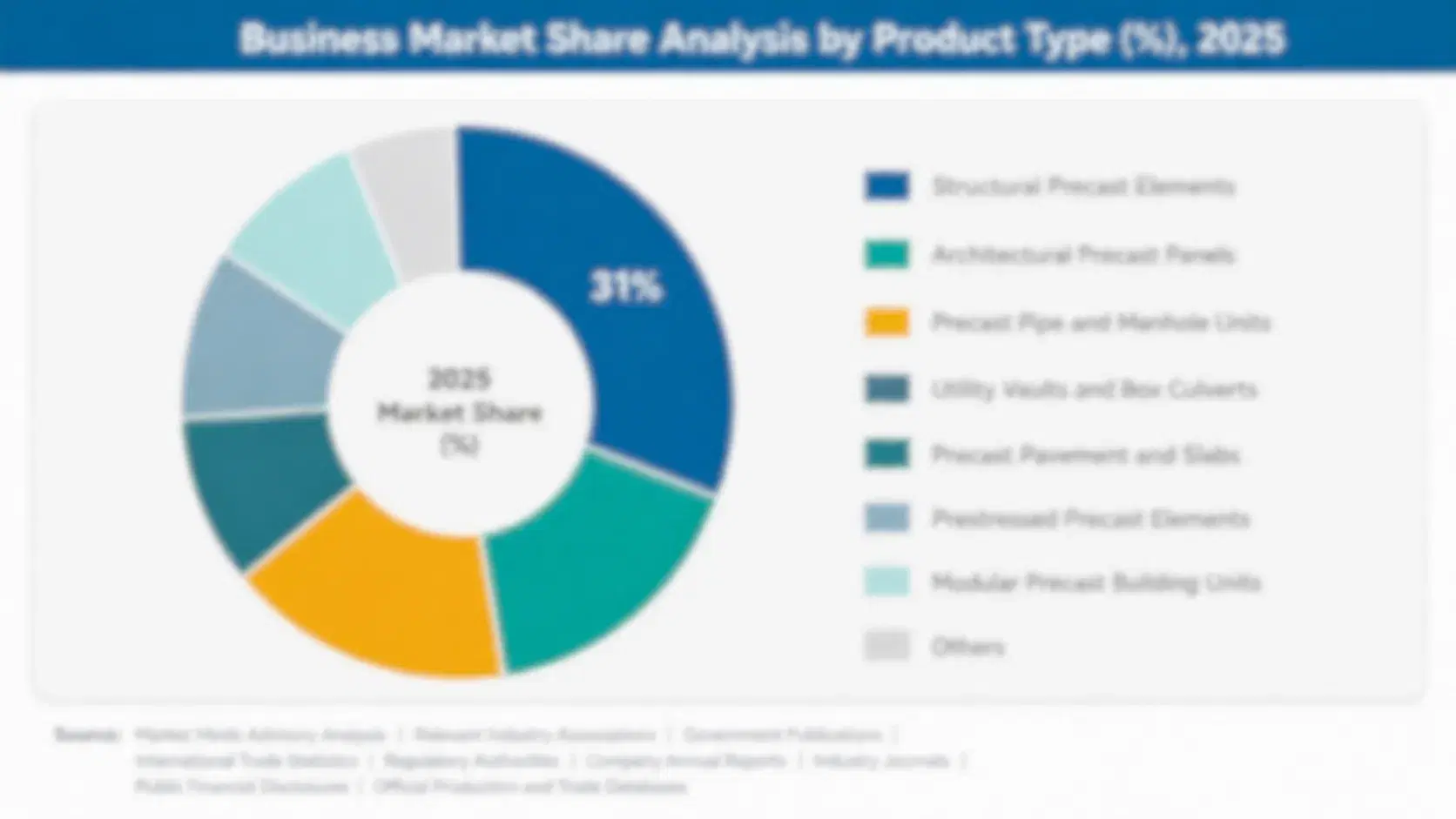
Stretch performance and certification depth, not basis weight alone, is the clearest segmentation lens here, since converting economics and growth rate vary primarily by formulation capability within the category. Six categories cover global volume, from standard light-load wrap through fast-growing high-stretch and certified designs this report covers in detail. This lens applies broadly across the category.
extensible-kraft-paper-pallet-wrap-market-market-share-analysis-1791431095940

High-Stretch Reinforced Kraft Wrap

High-stretch reinforced kraft wrap is the fastest-growing category because heavy-load and export shippers increasingly specify formulations that match plastic film load retention performance at a narrowing cost premium. Converters with established high-stretch formulation capability are capturing disproportionate share of this expanding demand as substitution broadens into previously excluded heavy-load applications worldwide. This category commands meaningfully higher average selling price than standard kraft wrap, reflecting the reinforcement fiber and coating chemistry involved in production. Several major export shippers have announced expanded high-stretch specification programs tied specifically to plastic substitution targets. Capacity additions are concentrated among converters already serving established heavy-load relationships expanding their product lines further each year overall. overall today.
CAGR 12.4%

Certified Compostable Kraft Wrap

Certified compostable kraft wrap is the second-fastest category, growing as major food and retail shippers increasingly require verified end-of-life certification naming the specific composting standard each wrap batch satisfies. Converters with established certification testing relationships and documentation systems are capturing disproportionate share of this compliance-focused demand as corporate audits increasingly treat provenance as a reportable metric. This category commands meaningfully higher average selling price than uncertified kraft wrap, reflecting the testing and certification maintenance involved in production. Several major food retailers have announced expanded certification requirement programs tied specifically to audit compliance. Pricing for certified wrap has held firm even as overall volume continues expanding across major distribution markets specifically overall today.
CAGR 10.8%
Full segment breakdown across 6 segments available in the complete report.

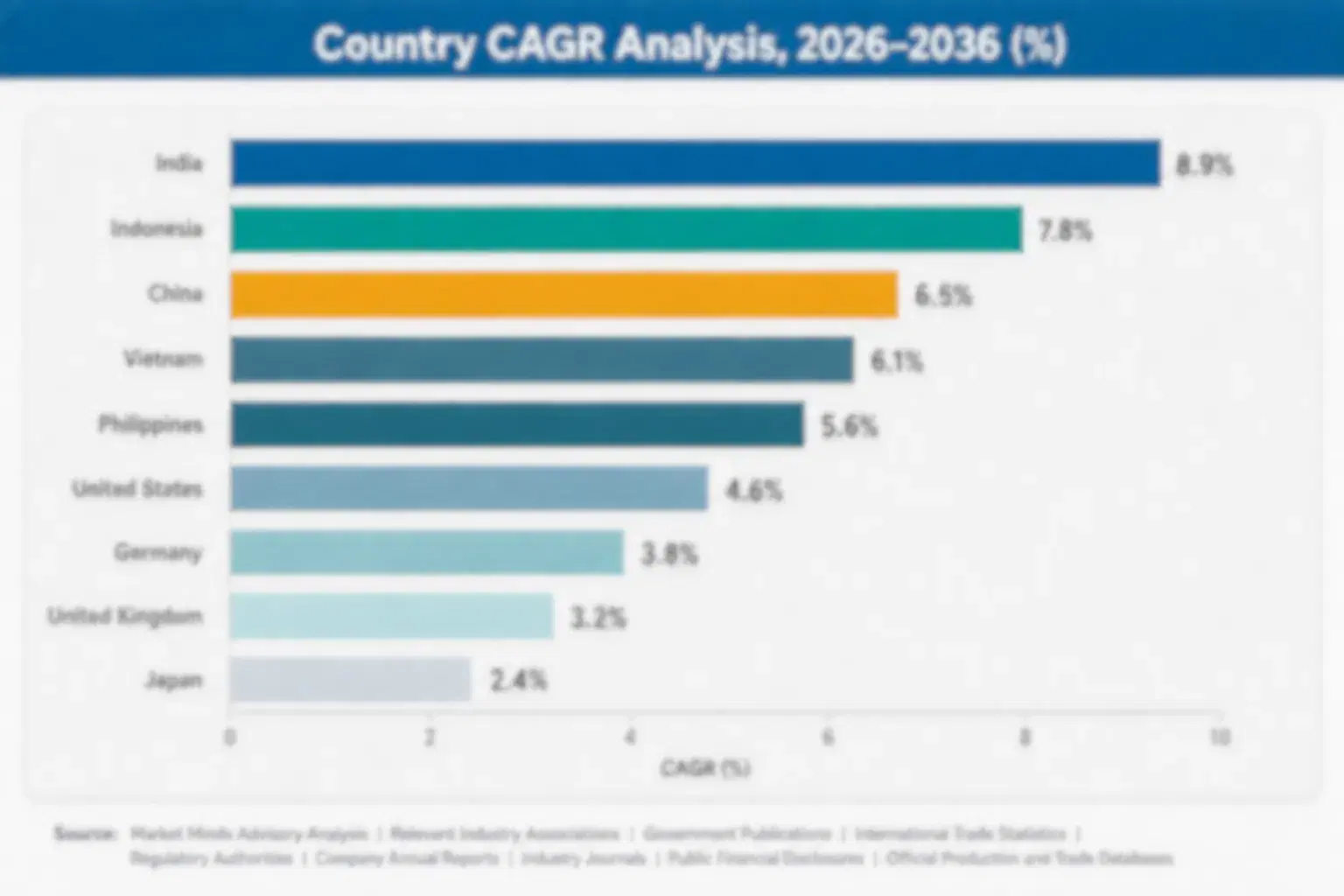
Extensible Kraft Paper Pallet Wrap Market by Country

Western Europe anchors the largest regional market, reflecting aggressive single-use plastic regulation and extended producer responsibility frameworks. North America and East Asia follow on growing voluntary adoption and manufacturing scale respectively. South Asia and Pacific follows closely on India's rapidly expanding export sustainability adoption overall.

North America

North America's kraft pallet wrap demand centers on growing voluntary corporate sustainability adoption alongside emerging state-level single-use plastic restrictions that sustain steady substitution demand across major retail and food distribution accounts. US converters including Sappi Limited operate coating and stretch-formulation lines positioned near major packaging distribution hubs across the country. Canada contributes meaningful demand tied to its own federal single-use plastic restrictions already in force. Mexico contributes modest but growing demand tied to its expanding export-oriented manufacturing base and tightening environmental packaging standards, a trend expected to continue strengthening through the decade. This modernization trend is expected to continue strengthening through the decade as supply chains reconfigure further overall now.
Share: 23% | CAGR: 10.1% (2026 to 2036)

Western Europe

Western Europe anchors the largest regional kraft wrap market by a wide margin, driven almost entirely by the European Union's aggressive single-use plastic directive and extended producer responsibility frameworks that directly mandate substitution across packaging categories. Scandinavian converters including Billerud AB and Nordic Paper supply both domestic shippers and export markets across the continent, reflecting the region's deep kraft paper manufacturing heritage. Germany's substantial retail and logistics sector sustains significant demand tied to its own strict packaging waste regulation. France and the Netherlands contribute meaningful demand given their roles as major European logistics hubs facing comparable regulatory pressure. This regulatory intensity is expected to continue tightening further across the bloc overall.
Share: 34% | CAGR: 7.8% (2026 to 2036)
Regional intelligence for 5 additional markets available in the complete report: East Asia, South Asia and Pacific, Latin America, Middle East and Africa, Eastern Europe. Contact sales@marketmindsadvisory.com.
extensible-kraft-paper-pallet-wrap-market-country-cagr-analysis-1791431096118

Where Compostability Certification Becomes Margin

Converters competing only on standard uncertified kraft wrap face intensifying price pressure, so the clearest paths to margin expansion run through compostability certification, high-stretch formulation, and tiered product lines that customers will pay for directly. Four approaches stand out as genuinely available to most mid-sized converters operating today. Each approach rewards patient, sustained investment over time.

Building Verified Compostability Certification Programs Further

Converters that build verified compostability certification programs can win premium shipper contracts that uncertified competitors cannot access, since this category increasingly requires documented end-of-life credentials most basic converters never developed. This path requires meaningful investment in testing and certification maintenance but opens a growing, higher-margin volume pool largely closed to generalist competitors. Converters with existing certification can typically win premium contracts faster, capturing roughly 14 to 19% premium pricing once established across major accounts. This advantage compounds further as more shippers tighten sustainability sourcing standards across their networks overall today.
Market Impact: Commands roughly a 14 to 19 percent premium

Developing High-Stretch Reinforced Formulation Capability Further

Converters that develop high-stretch reinforced formulation capability can capture heavy-load and export shipper contracts that standard kraft wrap competitors cannot serve efficiently at comparable performance. This approach requires investment in reinforcement fiber sourcing and coating chemistry suited to higher load retention, but rewards early movers with durable, recurring heavy-load relationships as substitution continues broadening. Converters with established high-stretch capability report revenue growing considerably above the category average, often 11 to 16% faster annually. This advantage compounds further as more heavy-load shippers tighten performance requirements across their export networks overall today.
Market Impact: Grows high-stretch volume 11 to 16 percent yearly

Developing Tiered Product Lines for Price-Sensitive Shippers

Converters that develop tiered product lines spanning basic and premium formulations can capture price-sensitive shipper volume that pure premium positioning cannot access, since smaller shippers without regulatory pressure often want partial substitution rather than full premium commitment. This approach suits converters with flexible manufacturing capability that smaller specialists typically lack the production breadth to replicate. Converters with established tiered product lines report revenue growing considerably above the category average, often 9 to 14% faster annually. This flexibility compounds further as more price-sensitive shippers seek partial substitution options across their networks.
Market Impact: Grows tiered-line volume 9 to 14 percent yearly

Securing Long-Term Regulated-Market Supply Chain Agreements

Converters that secure long-term supply agreements with major shippers operating in regulated markets can generate dependable, predictable order volume that smooths the volatility typical of spot-market purchasing, since regulated-market relationships typically run multiple years tied to the shipper's own compliance planning cycles once established. This approach suits converters with strong delivery reliability track records that major shipper procurement processes specifically require in return. Converters with established regulated-market contracts report order stability considerably higher, often 12 to 17% more predictable, than peers relying entirely on voluntary spot demand. This stability also makes long-term capacity planning considerably easier.
Market Impact: Adds roughly 12 to 17 percent more stability

Who Captures Extensible Kraft Paper Pallet Wrap Value

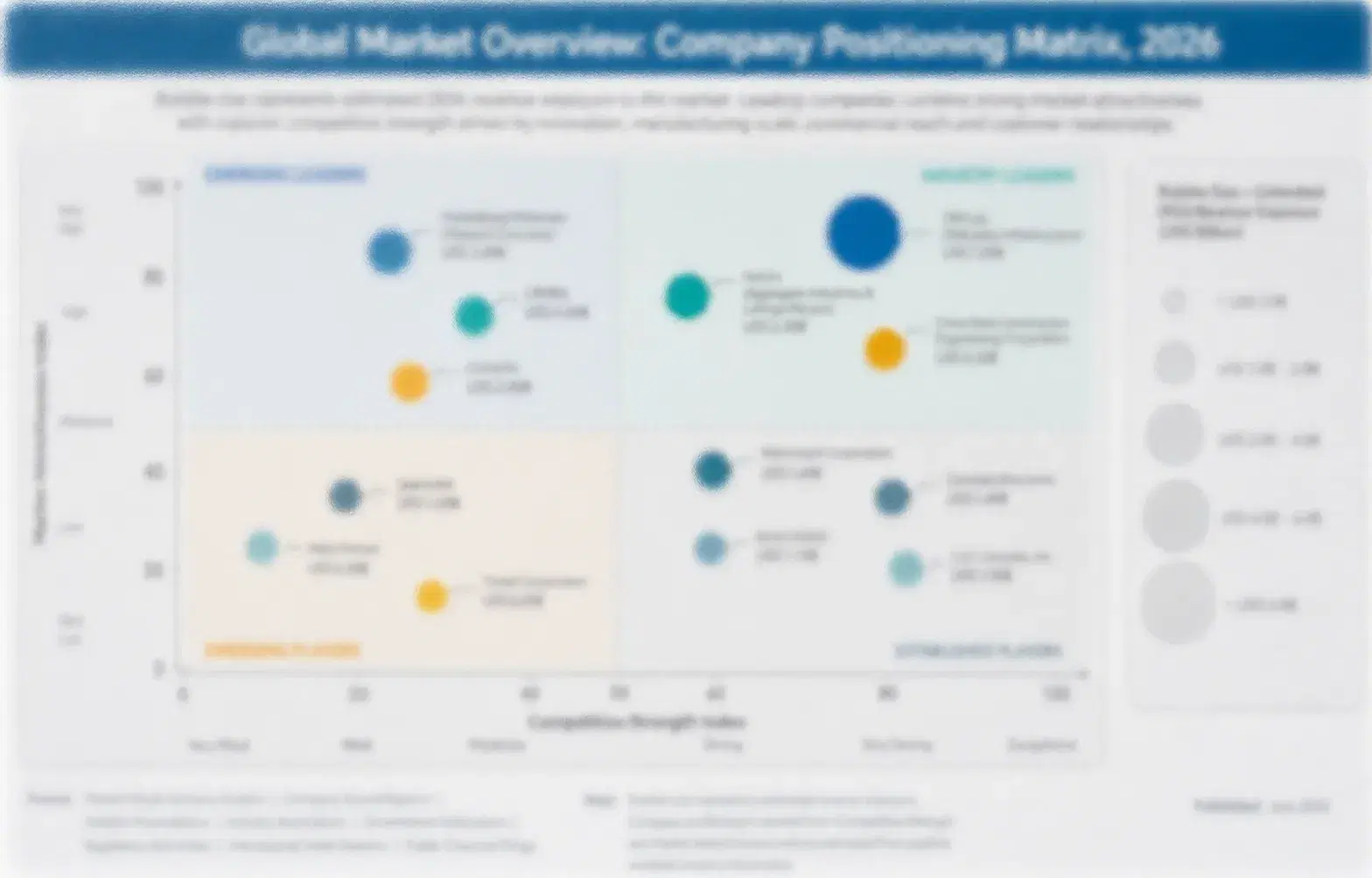
Five converters hold roughly four tenths of global revenue, reflecting genuine capital barriers around stretch-formulation coating technology that smaller regional paper mills struggle to replicate consistently across large contracted volumes. Mondi Group and Smurfit Kappa sit ahead of the next tier on European regulatory relationship depth and converting scale respectively, while regional converters compete for smaller voluntary and specialty accounts.
Competition plays out across three dimensions: compostability certification depth that commands premium pricing from compliance-focused shippers, high-stretch formulation capability that captures heavy-load demand, and tiered product breadth that opens price-sensitive voluntary volume. Converters that can credibly deliver on all three are winning the fastest-growing, highest-margin volume, while those competing purely on standard kraft wrap price face continuous margin pressure from regional entrants.

Emerging pressure is coming from Asian converters adding standard kraft wrap capacity fast enough to challenge established European producers on price within their own fastest-growing home markets, aided by lower pulp and labor cost. Bio-based coating alternatives are also becoming unexpected competitive factors, since plant-derived stretch additives can bypass traditional petroleum-based coating chemistry entirely across the industry. Smaller converters lacking certification depth are increasingly vulnerable to being squeezed out of premium accounts soon.
extensible-kraft-paper-pallet-wrap-market-company-positioning-matrix-1791431096298

Extensible Kraft Paper Pallet Wrap Supplier Positioning

MONDI GROUP

Moat: Deepest European Regulatory Relationships

Mondi Group holds the deepest relationships with major European shippers navigating single-use plastic regulation of any converter in the category, built over years of compliance partnership investment that smaller competitors cannot replicate quickly regardless of their basic converting capability. This track record gives it preferential access to major shipper procurement decisions before competitors even bid.
MONDI GROUP

Risk: Limited High-Stretch Formulation Depth

Mondi Group's standard kraft-focused production leaves it less specialized in high-stretch reinforced formulation than competitors who invested earlier in coating chemistry innovation, potentially limiting its appeal to the fastest-growing heavy-load segment specifically. Closing this gap would require years of coating chemistry investment that cannot simply be purchased through acquisition alone.
SMURFIT KAPPA

Moat: Broadest Global Converting Scale

Smurfit Kappa operates the broadest kraft wrap converting network of any producer in the category, giving it unmatched scale to serve large multinational shipper contracts consistently that smaller regional converters cannot replicate quickly. That scale advantage lets it absorb large, multi-year supply contracts that smaller competitors simply lack the capacity to fulfill reliably.
SMURFIT KAPPA

Risk: Scale Focus Limits Certification Depth

Smurfit Kappa's scale-focused converting model leaves it less specialized in compostability certification depth than competitors who invested earlier in testing infrastructure, potentially limiting its appeal to the fastest-growing compliance-driven segment specifically. Closing this gap would require sustained investment in testing infrastructure that scale-focused leaders have not historically prioritized.

Players Tracked

Prominent Players

Mondi Group
Smurfit Kappa
Billerud AB
Sappi Limited
Nordic Paper

Other Key Players

Mondi Štětí
Stora Enso
Metsä Group
Holmen AB
Sofidel Group
Fedrigoni Group
WestRock
International Paper
Smartepak
EcoEnclose
RanpakHoldings
Signode Industrial Group
Grupo Portucel Soporcel
Mayr-Melnhof Karton
Delfort Group

Recent Developments

FEBRUARY 2025

Mondi Group Expands Stretch-Formulation Capacity

Mondi Group expanded its primary converting facility to add high-stretch reinforced formulation capacity, responding to sustained growth in heavy-load shipper contract volume while also investing in testing infrastructure to support compostability certification for premium accounts. The expansion is expected to reach full capacity within the year.
Signal: Signals established converters are scaling formulation capacity ahead of confirmed demand growth. betting on continued shipper adoption.
SEPTEMBER 2024

Smurfit Kappa Acquires Regional Converter

Smurfit Kappa acquired a regional kraft wrap converting operator, strengthening its production capacity coverage in response to growing shipper demand for bundled certified supply contracts across previously underserved accounts. This expanded converting capacity is expected to improve delivery reliability meaningfully for regional shipper accounts overall.
Signal: Signals acquisition remains the fastest route into expanded converting capacity coverage for converters lacking it internally.
JUNE 2025

Billerud AB Forms Compostability Testing Venture

Billerud AB formed a joint venture with a specialized materials testing laboratory to co-develop accelerated compostability certification capability for major food and retail accounts, pooling engineering expertise across both organizations rather than developing the capability independently in-house. The partnership is expected to launch its first testing protocol within the year.
Signal: Signals established converters are partnering directly with specialized testing firms rather than building capability alone. soon.

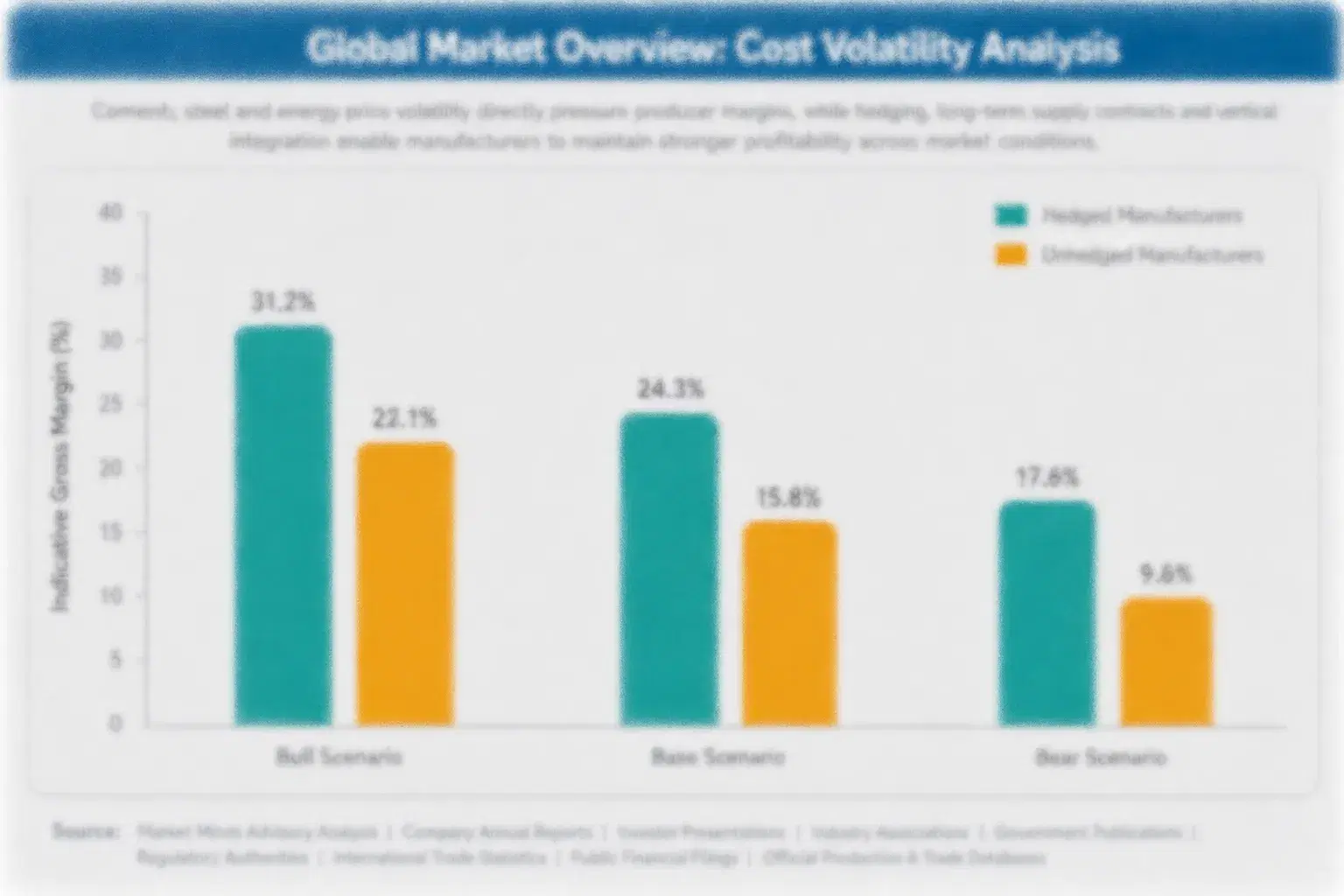
Kraft Pulp Dominates Converting Cost

Kraft pulp and stretch-formulation coating chemicals together account for roughly 52 to 60% of converter cost of goods sold, with certified and high-stretch formats carrying a higher coating cost share than standard kraft wrap given the reinforcement chemistry involved. Kraft pulp pricing traces back to global forestry and paper commodity markets, exposing converter input costs to supply swings largely disconnected from plastic substitution demand cycles.
Kraft pulp prices rose meaningfully during 2021 and 2022 as post-pandemic packaging demand surged faster than pulp mill capacity could expand, compressing converter margins across the industry according to European Commission forestry and paper market reporting from that period covering pulp production trends. Converters without index-linked pulp supply contracts absorbed much of the cost increase directly, while converters with secured pulp pricing relationships protected margin considerably better through the same window.

Smaller regional converters typically carry greater exposure to kraft pulp price swings than scale leaders, since they lack the purchasing volume to negotiate index-linked supply contracts and often buy on shorter-term spot pulp markets instead. This disadvantage compounds during supply constraints, pushing smaller converters toward consolidation, while scale leaders with secured pulp positions gain volume from affected competitors.
extensible-kraft-paper-pallet-wrap-market-cost-volatility-analysis-1791431096484

Index-Linked Kraft Pulp Supply Contracts

Converters increasingly negotiate index-linked supply contracts with major pulp mills that tie pricing to published forestry and paper commodity benchmarks, trading short-term spot market flexibility for the cost predictability that multi-year shipper contracts require in return. This approach requires upfront commitment but has proven effective at protecting participating converters from the sharpest pulp price swings.

Diversifying Pulp Sourcing Across Mills

Converters are qualifying kraft pulp sources across multiple forestry and paper mills rather than relying on a single supplier, reducing exposure to the kind of single-source supply constraint that amplified recent price volatility for concentrated buyers. This diversification takes time to establish fully but meaningfully reduces dependence on any single mill's output overall. overall.

Investing in Coating Yield Efficiency

Converters are investing in coating and stretch-formulation technology that improves material yield per unit produced, reducing effective pulp cost per kilogram without requiring additional raw pulp volume that forestry market constraints would otherwise limit. Early adopters report meaningful efficiency gains worth pursuing despite the upfront equipment investment required. This gain has proven valuable across multiple facilities.

Portfolio Architecture for Margin Defence

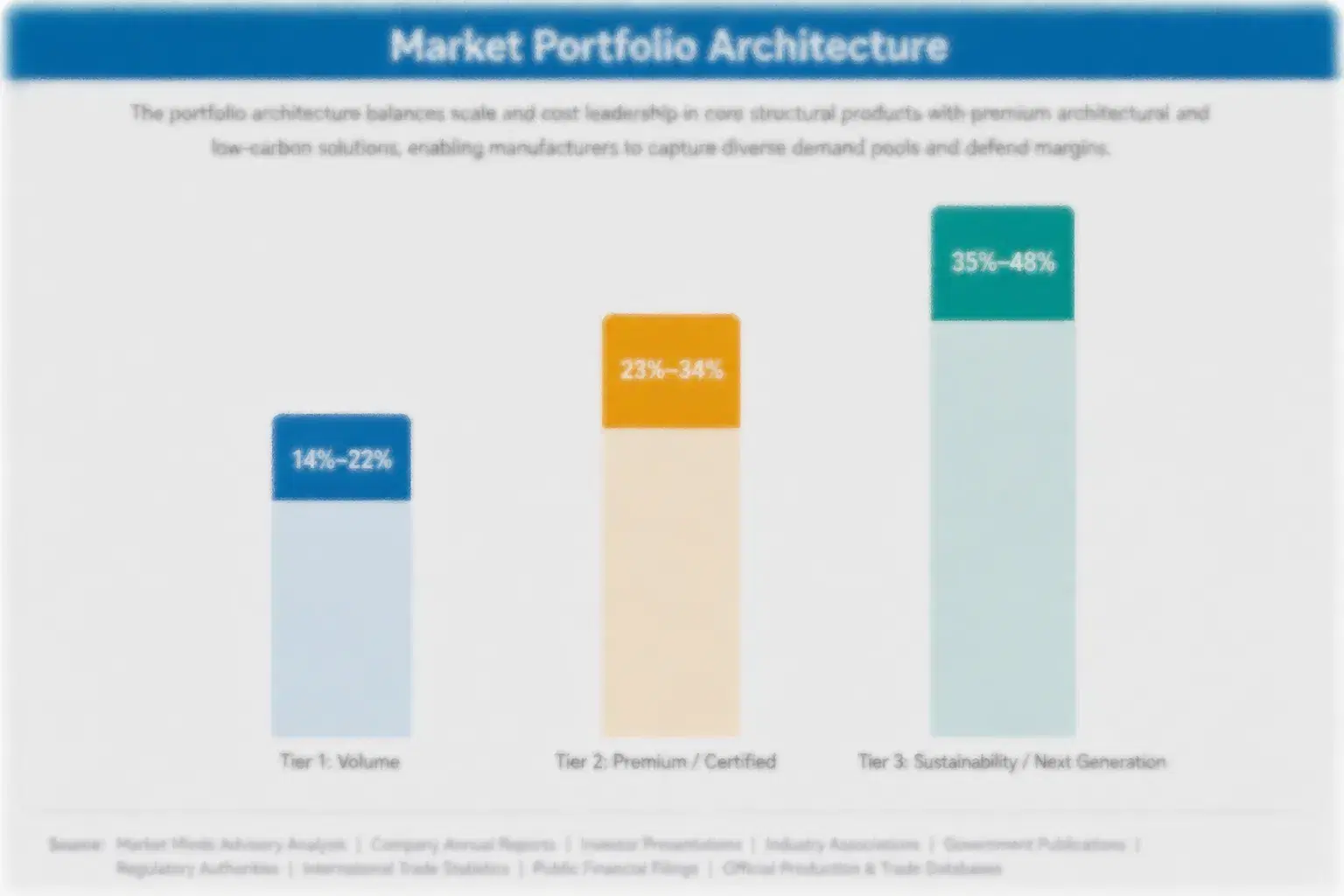
Converters generally run a three-tier portfolio spanning standard uncertified kraft wrap sold mainly on price and regulatory compliance, high-stretch and certified compostable formats commanding better economics tied to formulation and certification depth, and next-generation bio-based coating models still scaling toward broader commercial adoption. Gross margin varies substantially across these tiers, with standard kraft wrap competing hardest on price.
The tension between standard compliance volume and premium certified and high-stretch tiers shapes converter capital allocation directly, since standard capacity generates steady order flow but minimal margin expansion room, while formulation and certification capability requires upfront investment before generating comparable returns. Converters without a clear tier strategy risk losing standard share to regional entrants while lacking the formulation depth to win premium contracts.

High-value margin pools are concentrating in high-stretch and certified compostable kraft wrap, categories where shippers are willing to pay meaningfully above standard pricing for performance and verified sustainability credentials. Converters positioned early in these categories are capturing a disproportionate share of total industry margin growth relative to their volume share today, a gap likely to widen as certification requirements spread further. This concentration is likely to deepen further as certification spreads across more accounts worldwide.

Volume / Commodity-Adjacent Tier

Standard uncertified kraft wrap sold mainly on price and regulatory compliance to shippers in mandated jurisdictions. This tier generates the bulk of unit volume but offers the thinnest margins in the portfolio.
Gross Margin: 13-19%

Premium / Certified Tier

High-stretch and certified compostable kraft wrap carrying verified end-of-life credentials, sold to shippers willing to pay for performance. This tier draws most new investment today. This tier draws most new investment today.
Gross Margin: 23-31%

Sustainability / Regulatory / Next-Generation Tier

Bio-based coating models still scaling toward broader commercial adoption, commanding premium pricing tied to environmental performance value. Early movers are building positions others will struggle to replicate. Early movers are establishing positions others will struggle to replicate.
Gross Margin: 21-29%
extensible-kraft-paper-pallet-wrap-market-portfolio-architecture-1791431096673

High-value Sub-segments and Strategic Watch-out

High-Stretch Reinforced Kraft Wrap

High-stretch wrap combines the fastest unit growth in the category with premium pricing tied to performance depth, making this the segment converters are prioritizing most heavily for new formulation investment over the next several years. Buyers show limited price sensitivity when performance is proven. overall.
Gross Margin: 25-33%

Certified Compostable Kraft Wrap

Certified wrap commands strong pricing tied to compliance audit demand, representing the category's clearest path to margin growth beyond standard uncertified volume today. Converters with established certification relationships are positioned to capture disproportionate share of this expanding value. This dynamic favors early movers decisively across the industry.
Gross Margin: 23-31%

Standard Light-Load Kraft Wrap

Standard light-load kraft wrap remains the format's largest volume base, generating steady revenue even as growth moderates relative to higher-margin high-stretch and certified tiers across mature regulated markets. This pattern is expected to persist through the forecast period. This pattern is expected to persist through the period.
Gross Margin: 11-17%

Tiered Blended Kraft-Plastic Wrap

Tiered blended kraft-plastic wrap faces the most direct competition from pure kraft formats in applications without a genuine partial-substitution requirement, making this segment a candidate for continued modest share going forward as well. Converters are gradually reallocating capacity away from this format toward higher-margin alternatives.
Gross Margin: 17-25%

Why Regulation Outlasts Voluntary Adoption

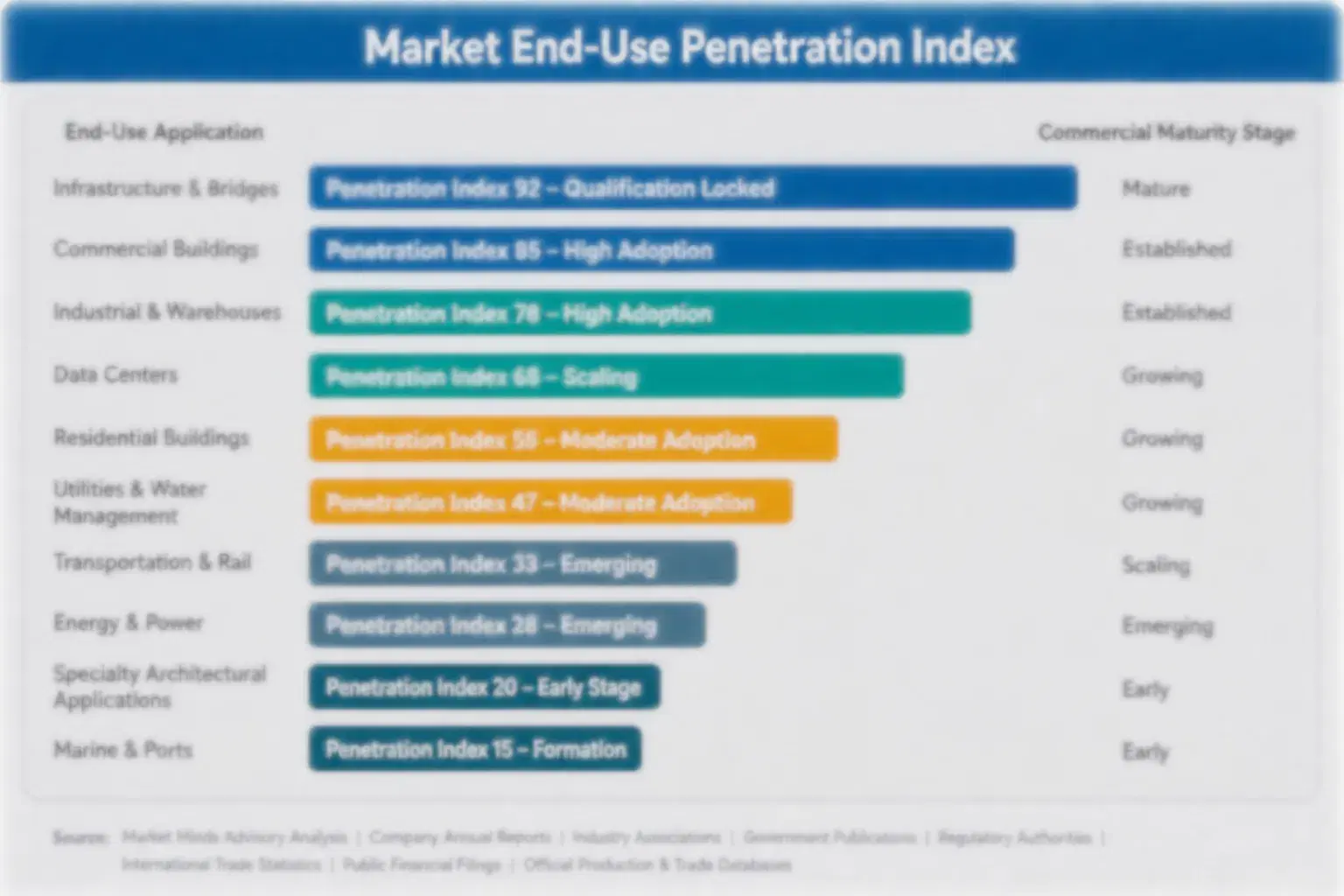
Major regulated-market shipper relationships function like genuine annuities tied to compliance cycles, since large shippers rarely switch converters mid-compliance-program given the operational disruption that switching certified material standards would create across active sustainability audits. Voluntary and smaller shipper relationships behave more like competitive brokerage transactions, since smaller buyers can and do shift suppliers more readily based on price and availability once comparable quality is established.
Adoption depth varies sharply by end-use vertical. Regulated-market substitution is fully mature with minimal remaining conversion opportunity, representing stable, compliance-driven demand. Voluntary corporate sustainability adoption remains mid-stage, tracking scorecard requirements that show no sign of plateauing across most industries. High-stretch heavy-load adoption is earliest in its curve, with substantial existing heavy-load volume still using plastic film that performance parity will gradually convert.

Buyer procurement increasingly separates established regulated-market sourcing, handled through long-term converter relationships focused on compliance, from high-stretch and certification-focused sourcing, which emphasizes performance and verified credentials instead. This split is becoming more pronounced as procurement teams specialize by regulatory exposure rather than treating all kraft wrap sourcing as a single undifferentiated decision. This separation is expected to deepen further as audit requirements spread across more shipper accounts.
extensible-kraft-paper-pallet-wrap-market-end-use-penetration-index-1791431096856

What Converters Should Prioritize

These are among the four positions where our research anticipates prominent divergence between winners and laggards over the coming forecast period. Each is grounded in the demand model, the regulatory perimeter, and the announced capacity pipeline.
01 / COMPOSTABILITY CERTIFICATION DEPTH

Build certification testing ahead of audit mandates

Converters investing in verified compostability certification now are capturing meaningfully better pricing than those still relying on generic recyclability claims alone, and that gap is widening as corporate sustainability audits increasingly treat end-of-life verification as a sourcing requirement each year. Standard uncertified capacity still generates useful cash flow, but it offers little room for margin expansion given the category's compliance-driven, mature core. Converters that delay this certification investment risk ceding the fastest-growing, highest-margin volume to competitors who moved earlier and built the testing infrastructure first.
02 / HIGH-STRETCH FORMULATION DEVELOPMENT

Build stretch formulation ahead of heavy-load demand

Heavy-load and export shippers are already favoring converters with established high-stretch formulation capability, not waiting for the category to mature before committing to suppliers with proven performance parity. Converters without this capability risk exclusion from an expanding share of heavy-load contracts entirely, since procurement teams increasingly screen for load retention alongside sustainability credentials. This dynamic is reshaping where formulation investment flows across the industry's fastest-growing segment, rewarding converters that committed resources before heavy-load demand fully materialized across multiple export accounts.
03 / TIERED PRODUCT LINE EXPANSION

Build tiered offerings before price-sensitive share erodes

Price-sensitive shippers without regulatory pressure are already favoring converters with flexible tiered product lines, not waiting for the category to mature before committing to suppliers offering partial substitution options. Converters without this capability risk exclusion from a meaningful share of voluntary demand entirely, since smaller buyers strongly prefer suppliers offering flexible commitment levels. Early positioning is becoming a precondition for winning this business at meaningful scale across the voluntary segment, particularly as buyers increasingly compare options before committing to any single supplier.
04 / PULP PROCUREMENT STRATEGY

Secure index-linked contracts before the next spike

Kraft pulp price volatility hit converters without index-linked supply contracts hardest during the 2021 and 2022 demand surge. Nothing about current forestry and paper consumption trends suggests that kind of pressure cannot recur within the forecast period covered by this report, and the risk tends to widen further whenever packaging demand outpaces pulp mill supply. Converters that secure index-linked contracts now are trading some short-term flexibility for meaningfully better protection against the next price spike facing the industry going forward.

Engagement Snapshot From the Field

A live engagement with an industry participant carrying material or product regulatory and market exposure ahead of a defining policy shift, showing how our research translates into a defensible multi-year portfolio strategy.
MARKET MINDS ADVISORY · CLIENT ENGAGEMENT SUMMARY
Extensible Kraft Paper Pallet Wrap Producer Strategic Portfolio Review and Transition Roadmap 2026·Investment Scenario on Extensible Kraft Paper Pallet Wrap Exposure Evaluation 2025-26
CLIENT PROFILE
The client is a mid-sized European food retail chain based in Germany with annual revenue in the €1.8 billion range (client-reported, unverified by MMA), operating distribution centers across multiple European Union countries subject to single-use plastic regulation. The retailer had grown primarily through regional expansion and was now facing an approaching regulatory compliance deadline across its full network.
STRATEGIC CHALLENGE
The client needed to transition its entire pallet wrap volume from plastic film to compliant kraft alternatives ahead of the regulatory deadline, without a clear internal framework for evaluating converter certification credibility and realistic transition timelines. Internal procurement teams had limited experience distinguishing genuine certification depth from marketing claims. Internal teams lacked clear benchmarks for distinguishing genuine certification depth from marketing claims.
MMA APPROACH
MMA's team benchmarked converter certification and formulation capability across five candidate suppliers, modeled realistic transition timelines based on comparable European retailer precedent, and facilitated supplier negotiation sessions that clarified volume commitment and compliance verification terms available to the client. The team also developed a standardized scoring framework the client could reuse for future supplier evaluations.
KEY FINDINGS
  1. Only two of five candidate converters had certification testing documentation sufficient to meet the client's full regulatory compliance requirements. The other three lacked verifiable testing documentation entirely.
  2. Transitioning the client's full distribution volume required an eight-month phased timeline longer than the client's original compliance target had anticipated. This delay required adjusting the client's compliance planning calendar.
  3. One converter offered a volume commitment structure that would secure priority capacity ahead of the regulatory deadline specifically. protecting the client against potential compliance deadline risk.
  4. The client's existing plastic film suppliers proved willing to support a transitional bridge arrangement once the kraft transition plan was clearly established.
RECOMMENDED STRATEGY
Phase 1: Phase 1 (Months 1-3): Benchmark converter certification capability across five candidate suppliers and verify testing documentation. and score each against compliance criteria Phase 2: Phase 2 (Months 4-6): Transition distribution centers in phases starting with the earliest compliance deadlines first. covering both documentation and volume terms Phase 3: Phase 3 (Months 7-8): Complete transition across the full network while monitoring compliance documentation closely. while tracking compliance documentation regularly throughout
OUTCOME
The client completed its full transition ahead of the regulatory deadline and reported successful compliance verification in line with projections (client-reported, unverified by MMA), while also establishing a standing certified supply relationship for future packaging decisions. The client has since formalized a standard certified sourcing policy for all future packaging programs.

Frequently Asked Questions

Foundational context covering the market sizes, CAGR, scope, country, region and competition that inform every finding below. This section is provided to cover basics and most often pre-purchase conversations, answered from the MMA Primary Research Dataset.

What is the current size of the Extensible Kraft Paper Pallet Wrap Market?

The global extensible kraft paper pallet wrap market reached $0.68 billion in base year 2025. Growth is driven primarily by single-use plastic regulation and compostability certification adoption.

How large will the Extensible Kraft Paper Pallet Wrap Market be by 2036?

MMA projects the market will reach approximately $1.88 billion by 2036, roughly 2.5 times the 2026 figure. This reflects sustained high-stretch and certified wrap demand growth worldwide.

What is the CAGR for the Extensible Kraft Paper Pallet Wrap Market 2026 to 2036?

The market is forecast to grow at a compound annual growth rate of 9.6% between 2026 and 2036. That pace reflects continued plastic substitution regulation worldwide.

Which segment is growing fastest?

High-stretch reinforced kraft wrap is the fastest-growing segment, expanding at roughly 1.29 times the overall market CAGR. Heavy-load export substitution is driving this growth across premium export-oriented shipping lines.

Who are the major companies in the Extensible Kraft Paper Pallet Wrap Market?

Mondi Group, Smurfit Kappa, Billerud AB, Sappi Limited, and Nordic Paper lead the global market. Together they hold an estimated 41% of global revenue, reflecting genuine capital barriers to entry.

Which country is growing fastest?

India is the fastest-growing country market, expanding at roughly 12.8% annually. Its rapidly expanding export manufacturing sector is driving this sustained growth across both domestic and export manufacturing volume.

Extensible Kraft Paper Pallet Wrap Segments Covered

The full report scope spans multiple orthogonal segmentation dimensions, with cross-tabulated demand data provided for each dimension pair. Coverage extends further to regional breakdowns, trend trajectories, and the competitive detail needed to support segment-level decision-making.

By Formulation and Certification

  • Standard Light-Load Kraft Wrap
  • High-Stretch Reinforced Kraft Wrap
  • Certified Compostable Kraft Wrap
  • Tiered Blended Kraft-Plastic Wrap
  • Anti-Static Kraft Wrap
  • Export-Grade Heavy-Duty Kraft Wrap

By End-Use Industry

  • Food and Beverage Distribution
  • Retail and E-Commerce Logistics
  • Industrial and Export Manufacturing
  • Pharmaceutical and Healthcare

By Commercial Dimension

  • Direct Shipper Supply
  • Distributor and Reseller Supply
  • Regulated-Market Compliance Supply

By Region

  • North America
  • Western Europe
  • East Asia
  • South Asia and Pacific
  • Latin America
  • Middle East and Africa
  • Eastern Europe

Scope, Methodology, and Coverage

Every figure in this report is reproducible from documented input assumptions. The scope below maps the historical period, the forecast horizon, the segmentation dimensions, and the countries covered, alongside the underlying primary and qualitative methodology.
Historical Period
2020 to 2025
Forecast Period
2026 to 2036
Base Year
2025 (USD billions; MMA Primary Research Dataset, October 2026)
Market Definition
The extensible kraft paper pallet wrap market covers stretchable kraft paper-based consumables engineered to secure palletized loads for transport and storage, serving as a recyclable and compostable alternative to plastic stretch film. It excludes plastic stretch film and shrink wrap, which are covered under a separate market scope, and excludes strapping and banding materials entirely.
Quantitative Units
USD billions (current prices); million kilograms of converted volume where applicable
Segmentation Dimensions
By Formulation and Certification; By End-Use Industry; By Commercial Dimension; By Region
Regions Covered
North America, Western Europe, East Asia, South Asia and Pacific, Latin America, Middle East and Africa, Eastern Europe
Countries Covered
USA, Canada, Mexico, Germany, Sweden, France, Netherlands, China, Japan, South Korea, India, Vietnam, Indonesia, Australia, Brazil, Chile, Argentina, South Africa, Poland, Czech Republic, Hungary, and additional markets relevant to this sector
Key Companies Profiled
Mondi Group, Smurfit Kappa, Billerud AB, Sappi Limited, Nordic Paper, Mondi Štětí, Stora Enso, Metsä Group, Holmen AB, Sofidel Group, Fedrigoni Group, WestRock, International Paper, Smartepak, EcoEnclose, RanpakHoldings, Signode Industrial Group, Grupo Portucel Soporcel, Mayr-Melnhof Karton, Delfort Group
Quantitative Methodology
Primary survey, n=3,800 respondents, Q4 2025, six countries; demand-side model with trade association cross-validation
Qualitative Methodology
47 expert interviews, Q4 2025; applied to validate demand model assumptions, identify emerging dynamics, and assess competitive positioning
Report Format
PDF and XLSX data workbook (Word format preview document)
Publisher
Market Minds Advisory
Report Code
MMA-2026-PAC-240
Published
October 2026
Contact
sales@marketmindsadvisory.com | www.marketmindsadvisory.com

Purchase the full Extensible Kraft Paper Pallet Wrap Market Report (2026 to 2036).

The full report provides detailed market sizing and ten-year forecasts across all six formulation segments and all seven world regions, supported by converter-level capability and certification benchmarking and primary interview findings. It includes in-depth competitive profiles of the top five converters alongside second-tier player coverage, kraft pulp cost exposure analysis, and high-stretch and certification adoption tracking across major regulated markets. Segment-specific margin and pricing data is broken out separately from headline market figures to support both strategic planning and tactical sourcing decisions. Buyers receive the full data set in editable format alongside the formatted report document itself.
Ten-year market sizing across six formulation segments
Converter capability benchmarking across major markets
High-stretch and certification adoption tracking worldwide
Kraft pulp cost exposure and mitigation analysis
Editable data tables alongside the formatted report
Primary interview findings from 47 industry experts

Built For The People Who Decide

From boardroom strategy to bench-side execution, this report is read cover-to-cover by leaders shaping the next decade of their industry, turning demand scenarios, market dynamics and valuation benchmarks into decisions.
CXOs/ Presidents/ VPs/ Managers
M&A and Corporate Development
Strategy Teams and R&D Heads
Procurement and Product Directors
Regulatory and Compliance Leaders
Investor Relations and Equity Analysts