
Market Minds Advisory
Eco-Friendly Inks Market Share Analysis

Eco-Friendly Inks Market Size, Growth Drivers and Forecast 2026-2036

Packaging converters are replacing solvent-based inks with water-based and energy-curable formulations as food-contact migration limits and VOC emissions rules make legacy ink chemistry a direct compliance liability nationwide and abroad.

Lead Analyst

Bilal Shaikh

Published

November 2026

Make Smarter Decisions with Customized Research Insights

Request a free sample report and evaluate market opportunities, growth trends, and competitive dynamics relevant to your business needs.

2025 MARKET VALUE$3.2BMarket Size 2025
2036 FORECAST VALUE$6.7BBase Case , 2026 to 2036
CAGR 2026 TO 20366.9 %Bull 8.1% / Bear 5.6%
INCREMENTAL OPPORTUNITY$3.2BNet 10- year value creation
EXPANSION MULTIPLE1.95x2036 value over 2026 base
Strategic Levers
M&A Pipeline
Regional Outlook
Country Rankings
Competitive Intelligence
Segmental Deep-dive
Call-Us : 91 93563 13602

Eco-Friendly Inks Market Overview

Eco-friendly inks are moving from a brand-sustainability talking point into a mandatory formulation requirement, as food-contact migration limits and VOC emissions rules make solvent-based ink chemistry a direct regulatory liability for converters across most major printing markets today across most packaging categories and formats.
Three forces are converging: food-contact migration regulations that increasingly restrict mineral-oil and solvent-based ink components on packaging printing across most major jurisdictions, converters standardizing water-based and energy-curable ink specification across entire print portfolios rather than flagship product lines only, and ink formulators closing the performance gap that long confined eco-friendly chemistry to simple, low-speed print applications only across most markets. Energy-curable electron-beam inks are the fastest-growing of five tracked technology formats in this category today.
Competitively, diversified global ink conglomerates with decades of pigment and resin formulation scale are defending position against specialty water-based and energy-curable formulators expanding from niche label printing into mainstream packaging contracts nationwide and across several major export markets served regularly each year. Regulatory momentum across major printing markets, combined with continued curing-technology innovation, keeps pulling ink specification toward eco-friendly chemistry faster than voluntary preference alone would allow.
Market Definition
The eco-friendly inks market covers water-based, soy-based, UV-curable low-VOC, and energy-curable electron-beam printing ink formulations used across packaging, label, and commercial print applications. It excludes conventional solvent-based inks, inkjet cartridge formulations for office printers, and textile dyes tracked separately by MMA. This ties directly to the ink-cartridge market, which MMA forecasts will reach USD 22.8 billion by 2036 at a 4.0% CAGR.
Base Year Value
$3.2B in 2025 (MMA Primary Research Dataset, October 2026)
Forecast Period
2026 to 2036, eleven discrete annual values
CAGR
6.9% base case. Bull 8.1%. Bear 5.6%.
Fastest Growth Segment
Energy-Curable Electron-Beam Inks: 9.5% CAGR
Fastest Growth Country
China: 9.0% CAGR
Fastest Growth Region
South Asia and Pacific: 8.9% CAGR
Largest Region
East Asia: 27% of 2025 global value
Market Leaders
Sun Chemical Corporation, Flint Group, Siegwerk Druckfarben AG & Co. KGaA, Toyo Ink SC Holdings Co., Ltd., DIC Corporation. Source: MMA Analysis based on company annual reports.
Primary Survey
n=3,800 procurement and R&D decision-makers, Q4 2025, six countries
Methodology
Demand-side build-up, cross-validated against public data, 47 expert interviews

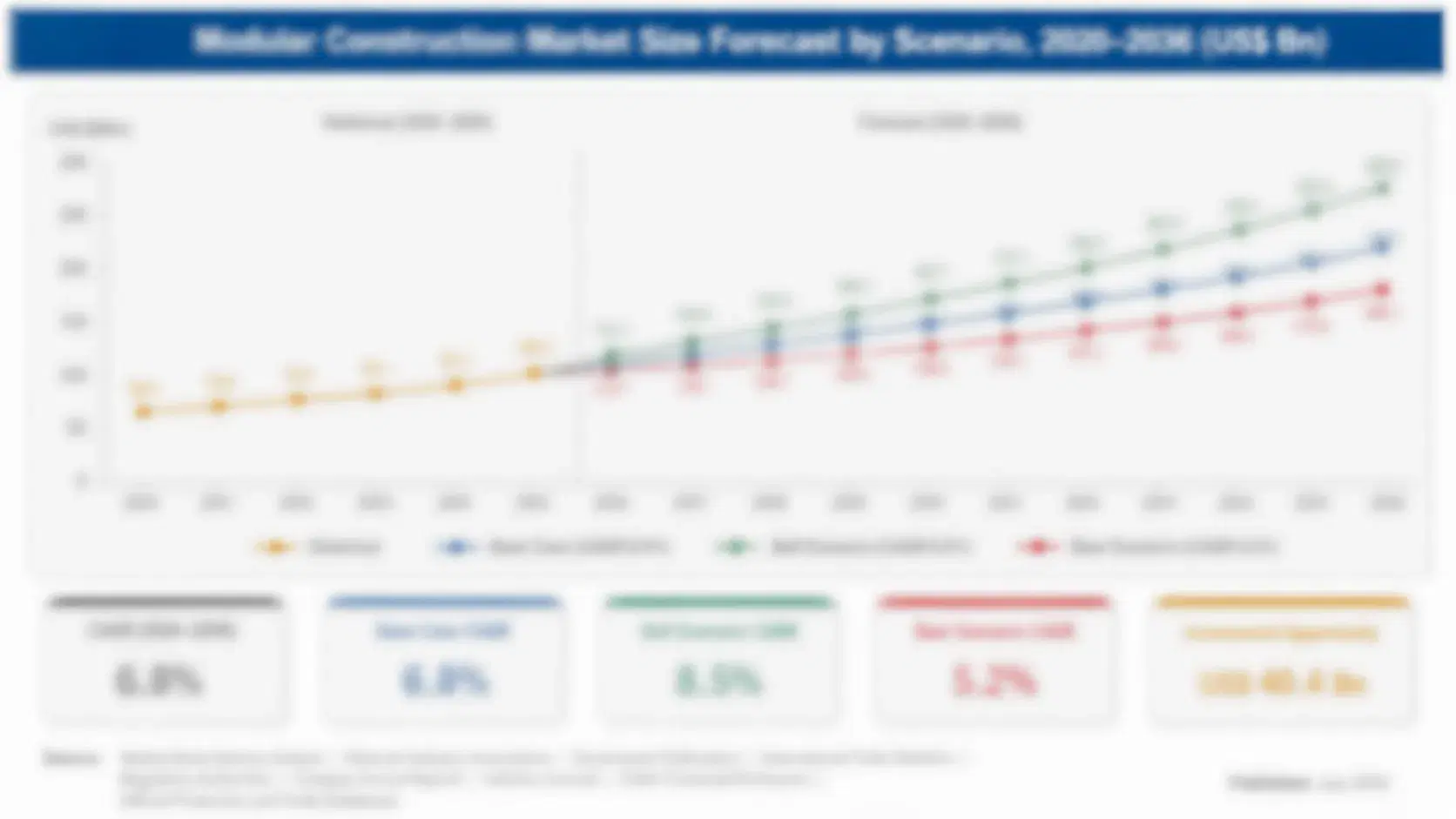
Eco-Friendly Inks Market Forecast Scenarios

eco-friendly-inks-market-share-analysis-size-forecast-scenario-1791588283905
Between 2020 and 2025, eco-friendly inks grew steadily as early adopter converters converted flagship flexible packaging lines to water-based and UV-curable formulations, while most commercial print categories elsewhere continued relying on conventional solvent-based ink given unresolved cost and performance gaps across most printing categories tracked worldwide throughout this entire five-year period of gradual, uneven transition.
The base case assumes three mechanisms hold through 2036: food-contact migration regulations keep extending into additional packaging categories and jurisdictions, converters keep consolidating eco-friendly ink specification across entire print portfolios rather than individual product lines, and formulators keep closing the remaining performance gap with conventional solvent-based ink. Together these push eco-friendly inks from a compliance checkbox into a default printing specification within the forecast window ahead across most major printing markets.
The bull case assumes a major global packaging converter mandates eco-friendly ink specification across its entire print portfolio within eighteen months, pulling conversion volume sharply higher across peer converters simultaneously. The bear case assumes conventional solvent-based ink recovery and abatement technology improves faster than expected, giving converters a lower-cost compliance path that competes directly with eco-friendly ink conversion on landed cost.

Why Legacy Ink Chemistry Became a Compliance Risk

Eco-friendly inks sit at the intersection of three converging forces: food-contact migration regulations that increasingly restrict mineral-oil and solvent-based ink components, converters standardizing water-based and energy-curable specification across entire print portfolios instead of flagship lines only, and formulators closing the performance gap that long confined eco-friendly chemistry to simple, low-speed print applications. Formulators that once supplied only conventional solvent-based ink are now qualifying water-based and energy-curable platforms nationwide. Adjacent demand is captured in the deinkable inks market, which MMA expects to grow from USD 1.9 billion in 2025 to USD 4.24 billion by 2036.
TOP PRODUCING COUNTRY SHARE22%China anchors the largest share of qualified eco-friendly ink output
MARKET CONCENTRATION (CR5)42%Leading five producers hold just over two-fifths of total share
AVERAGE SELLING PRICE PREMIUM19% above solvent-based inksEco-friendly inks price above conventional solvent-based ink equivalents
CAPACITY UTILIZATION81%Qualified water-based and energy-curable production lines run near full capacity
RESIN AND PIGMENT SHARE53% of totalBio-based resin and pigment inputs dominate formulation cost structures
MIGRATION COMPLIANCE TESTING CYCLE4 to 8 monthsTypical duration of required food-contact migration qualification testing
Commercially, this remains a highly concentrated market, since credible eco-friendly ink formulation depends on a relatively small number of producers with both pigment chemistry depth and curing-technology engineering capability simultaneously. Diversified global ink conglomerates compete for enterprise converter contracts spanning multiple printing technologies, while specialty water-based and energy-curable formulators supply adjacent chemistries those diversified conglomerates increasingly license or acquire. Average selling prices for eco-friendly inks sit above conventional solvent-based equivalents, though curing-technology innovation is narrowing that cost gap steadily.
Over the next decade, expect eco-friendly inks to extend well beyond their flexible-packaging pilot heritage into a mainstream printing specification across most consumer packaging categories. Regulatory momentum across major printing markets, alongside continued curing-technology innovation, will likely accelerate this shift faster than voluntary brand preference alone would drive it.
"Solvent-based ink used to be the invisible part of the packaging supply chain nobody questioned, and now it is the line item a food-safety auditor asks about first."
Director, Sustainable Packaging and Bioplastic Films Practice · MMA Sustainable Packaging & Bioplastic Films Practice · October 2026

Eco-Friendly Inks Market Trends

Converters Standardize Water-Based Ink Across Print Portfolios

Major packaging converters have begun standardizing on water-based or energy-curable ink specification across their entire print portfolio rather than converting flagship lines alone, since portfolio-wide standardization simplifies both regulatory documentation and press changeover logistics across dozens of printing jobs simultaneously. This is pulling ink formulators that previously supplied only isolated pilot programmes into direct multi-technology platform development, since converter contracts increasingly specify one ink chemistry across varied flexible, folding carton, and label applications. Converters that completed this standardization are citing simplified migration compliance directly in their disclosures, pushing peer converters toward similar commitments nationwide.
Market Impact: Covers print volume worth $780M
Curing-Technology Innovation Closes the Speed Gap

Energy-curable electron-beam and UV ink systems have reached press speeds roughly comparable to conventional solvent-based ink for most high-volume flexible packaging runs, closing a speed gap that previously confined eco-friendly chemistry to low-speed, short-run print applications only. This is accelerating converter conversion decisions for high-volume categories that previously required solvent-based ink specifically to maintain production throughput targets and shift schedules. Formulators who closed this speed gap earliest are capturing the bulk of new enterprise converter contracts as parity spreads across additional printing categories nationwide, with press operators reporting fewer changeover delays each quarter.
Market Impact: Covers 22,000+ brand packaging contracts tracked

Where the Eco-Friendly Inks Opportunity Lies

Food-Contact Migration Rules Extend Across Packaging Categories

Several major printing markets have extended food-contact migration restrictions specifically to mineral-oil and solvent-based ink components previously unregulated on packaging printing, pulling conversion volume forward well ahead of the pace voluntary converter sustainability commitments alone would have driven across the broader eco-friendly ink category. This is forcing converters serving these markets to qualify water-based and energy-curable formulations across dozens of packaging categories simultaneously rather than one category at a time, compressing a transition that otherwise would have unfolded over many additional years industry-wide. Converters who completed qualification earliest are capturing favorable supplier pricing as additional jurisdictions extend similar restrictions.
Market Impact: Trails solvent-based drying speed by 11%

Brand Owners Reach Portfolio-Wide Ink Compliance Targets

Major consumer brand owners have extended corporate sustainability commitments that previously targeted only flagship packaging lines into specific, measurable ink compliance targets for their entire print portfolio, pulling conversion volume forward well ahead of the pace regulation alone would have achieved across most major packaging markets tracked. This is forcing ink formulators serving these brands to qualify eco-friendly platforms across their full printing range rather than piloting a handful of flagship lines. Formulators who completed qualification earliest are capturing the bulk of new multi-year supply agreements as additional brands extend similar commitments broadly.
Market Impact: Costs 19% more than solvent-based inks

Eco-Friendly Inks Challenges and Constraints

Drying Performance Still Trails for High-Speed Gravure Runs

Water-based inks, even with continued formulation innovation, still show reduced drying performance relative to conventional solvent-based ink for the most demanding high-speed gravure printing runs, particularly extended-run flexible packaging jobs where any drying shortfall directly slows production throughput and raises per-unit cost. The underlying cause is chemistry: water-based formulations fundamentally dry slower than solvent-based equivalents, and no single additive package fully closes this gap for every demanding press configuration. Formulators are mitigating this with advanced drying-accelerant additives and hybrid curing systems that extend performance closer to solvent-equivalent levels for most press configurations.
Market Impact: Covers 38,000+ packaging print jobs tracked

Formulation Costs Still Limit Value-Tier Converter Adoption

Eco-friendly ink formulation costs remain meaningfully above conventional solvent-based ink costs across most technology formats, since bio-based resin and specialized pigment inputs cost more than commodity solvent-based formulation at current production scale levels industry-wide. The underlying cause is scale: eco-friendly ink production volumes remain a smaller share of total global ink output, so formulators have not yet achieved the full economies of scale that make conventional solvent-based ink so inexpensive to produce today. This limits eco-friendly adoption to premium converters rather than value-tier print shops competing primarily on price. Formulators are mitigating this by scaling capacity steadily toward comparable parity.
Market Impact: Matches solvent-based press speed at 92%
3 additional market trends, 3 additional growth drivers, and 2 additional restraints and challenges are covered in the full report. Contact sales@marketmindsadvisory.com to access the complete intelligence.

Eco-Friendly Inks Segment Growth Rates

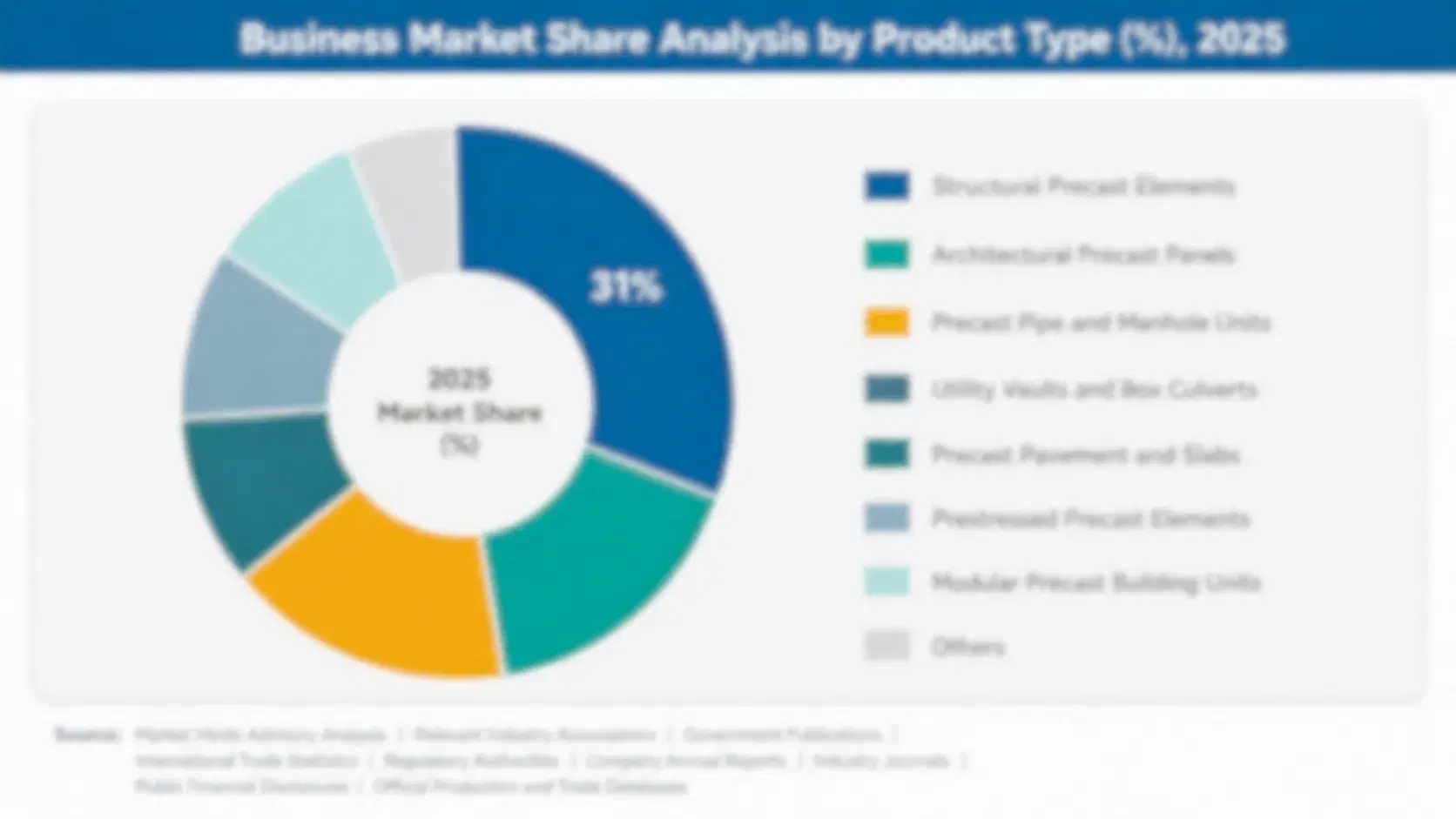
MMA segments the eco-friendly inks market by ink technology format rather than by end-use substrate, since the same underlying formulation platform increasingly serves multiple printing applications once a formulator qualifies the curing chemistry and secures converter approval across jobs nationwide and well abroad. Five technology formats are tracked in total across this entire category.
eco-friendly-inks-market-share-analysis-market-share-analysis-1791588284078

Energy-Curable Electron-Beam Inks

Energy-curable electron-beam inks cure through high-energy electron bombardment rather than heat or chemical solvents, enabling instant curing at high press speeds without the drying-time penalty that constrains water-based alternatives on the most demanding production lines. Demand concentrates among high-volume flexible packaging converters seeking solvent-equivalent press speed that meets both food-contact migration requirements and production throughput targets simultaneously across most printing categories tracked. Growth runs well ahead of every other tracked technology format as electron-beam curing equipment reaches commercial viability across most major converting networks tracked closely. Formulators with proven electron-beam compatibility are capturing the bulk of new enterprise converter contracts nationwide and abroad as adoption accelerates steadily each year across most markets studied today.
CAGR 9.5%

UV-Curable Low-VOC Inks

UV-curable low-VOC inks cure through ultraviolet light exposure rather than solvent evaporation, delivering near-instant curing with substantially reduced volatile organic compound emissions compared to conventional solvent-based formulations across most printing applications tracked closely. Demand concentrates among label and folding-carton converters seeking certified low-VOC formats that meet both workplace air-quality regulations and consumer-facing sustainability disclosures simultaneously across most packaging categories tracked. Growth trails energy-curable electron-beam inks only moderately, reflecting both strong converter interest in UV curing infrastructure already installed and continued formulation innovation that is lowering per-unit costs steadily across most participating formulators nationwide. Formulators with proven UV-curable qualification are winning the largest multi-year converter agreements as adoption accelerates nationwide each year.
CAGR 8.5%
Full segment breakdown across 5 segments available in the complete report.

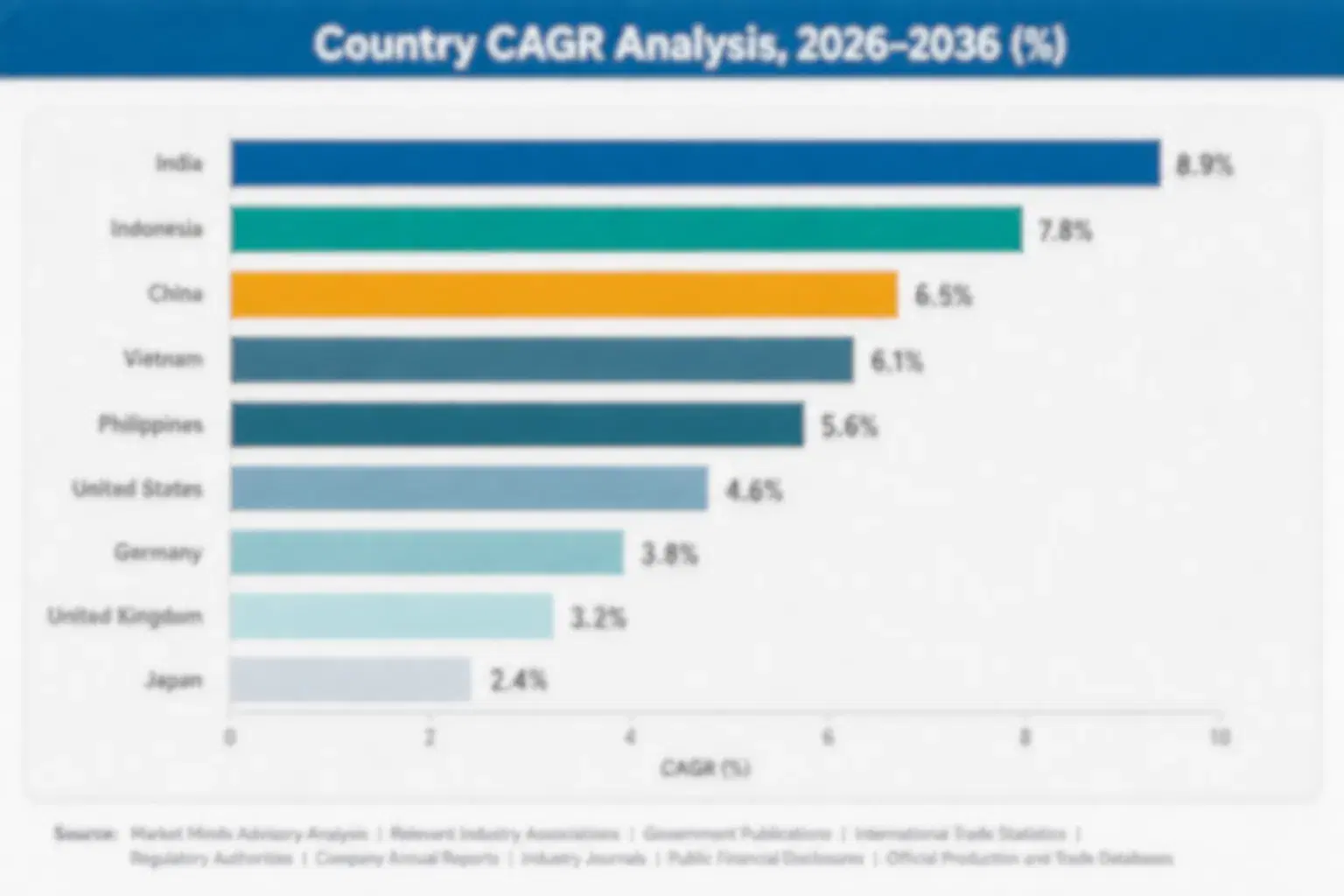
Eco-Friendly Inks Regional Outlook

East Asia leads this market on combined flexible packaging printing volume and ink manufacturing scale today, with North America and Western Europe following closely behind on regulatory-driven conversion each and every passing calendar year. South Asia and Pacific is growing fastest among all tracked regions studied.

North America

The United States drives the large majority of North American demand, reflecting both the largest flexible packaging converting market globally and an expanding patchwork of state-level VOC emissions rules that increasingly extend specifically to printing ink formulations nationwide and across most packaging categories. Major US converters are standardizing eco-friendly ink specifications directly in supplier contracts, pulling formulator qualification forward faster than voluntary preference alone would have achieved across most printing categories tracked. Canada's contribution is smaller but growing through its own federal environmental regulations, generally following specifications closely aligned with US requirements given integrated cross-border packaging supply chains. Formulators with proven migration-compliance capability are winning the bulk of new contracts across this market today.
Share: 24% | CAGR: 7.7% (2026 to 2036)

Western Europe

Regulation defines Western Europe's position in this market more directly than pure printing volume growth does elsewhere. The European Union's food-contact migration framework and REACH chemical restrictions increasingly favor water-based and energy-curable ink formulations across member states, giving the region a comprehensive compliance framework pushing converters toward eco-friendly specification ahead of a staged compliance timeline. Germany hosts one of the largest concentrations of ink formulation and converting capacity serving this compliance wave, given its dense packaging manufacturing base, while France and Italy add further converter demand through strict labeling rules. Growth here trails East Asia and South Asia and Pacific because much of the initial compliance-driven conversion wave has already passed through the region's largest converters.
Share: 22% | CAGR: 5.6% (2026 to 2036)
Regional intelligence for 5 additional markets available in the complete report: East Asia, South Asia and Pacific, Latin America, Middle East and Africa, Eastern Europe. Contact sales@marketmindsadvisory.com.
eco-friendly-inks-market-share-analysis-country-cagr-analysis-1791588284256

Where Formulators Can Capture Premium Margin

Eco-friendly ink formulators compete on curing-technology breadth and converter co-development relationships more than on unit price alone, which opens several distinct routes to margin above the category average today. The clearest paths run through curing-technology licensing, portfolio-wide qualification programmes, converter co-development, and resin supply integration, each commanding a premium customers pay to simplify sourcing.

License Proprietary Curing Technology Platforms Early

Formulators that license proprietary curing technology directly to competing ink producers capture royalty revenue across a much broader customer base than a single exclusive manufacturing arrangement would allow at comparable research investment and capital outlay each year without exception whatsoever across the category. This licensing-based positioning typically generates margin roughly 24% above direct manufacturing alone, reflecting the capital efficiency of licensing proven curing technology rather than building formulation capacity for each individual converter relationship separately. Licensors with proven platforms are winning the largest multi-converter licensing agreements as this approach keeps spreading.
Market Impact: Generates licensing margin 24% above direct output today

Build Dedicated Portfolio Qualification Programmes Early

Formulators that build dedicated qualification programmes for portfolio-wide eco-friendly ink transitions capture multi-year supply agreements covering dozens of printing categories simultaneously, rather than competing for individual job listings one at a time against fragmented regional suppliers across the market each cycle and every season without fail or exception whatsoever. This programme-based positioning typically prices at a premium of roughly 16% over equivalent volume sold through fragmented channels, reflecting the value converters place on a single formulator managing consistent qualification and compliance documentation across their full print portfolio nationwide each year.
Market Impact: Prices programmes 16% above fragmented channel sales today

Co-Develop Ink Formulations With Converters Early

Formulators that co-develop eco-friendly ink specifications directly with packaging converters capture contracts seeking press-speed performance and compliance combinations that neither party can deliver alone at comparable cost or performance today across most demanding printing categories and markets worldwide. This co-development approach typically prices at roughly 20% above standard eco-friendly ink sold independently, reflecting the joint formulation investment and testing coordination required between two previously separate supplier relationships across the industry. Formulators and converters who formalized this co-development earliest are winning the largest multi-year contracts as demand keeps spreading nationwide each year.
Market Impact: Prices co-developed formats 20% above standard output today

Integrate Backward Into Bio-Based Resin Supply

Larger ink formulators that integrate backward into bio-based resin and pigment production, rather than purchasing feedstock from third-party chemical suppliers, capture margin across both the feedstock and formulation stages while insulating themselves from commodity price volatility that pure formulators must pass through to customers directly each cycle without exception across the category. This vertically integrated positioning typically prices finished ink at a premium of roughly 13% over equivalent volume made from purchased feedstock, reflecting the supply security and margin capture integrated formulators achieve across their full value chain nationwide today and going forward.
Market Impact: Prices integrated output 13% above purchased-feedstock ink today

Eco-Friendly Inks Value Chain and Margins

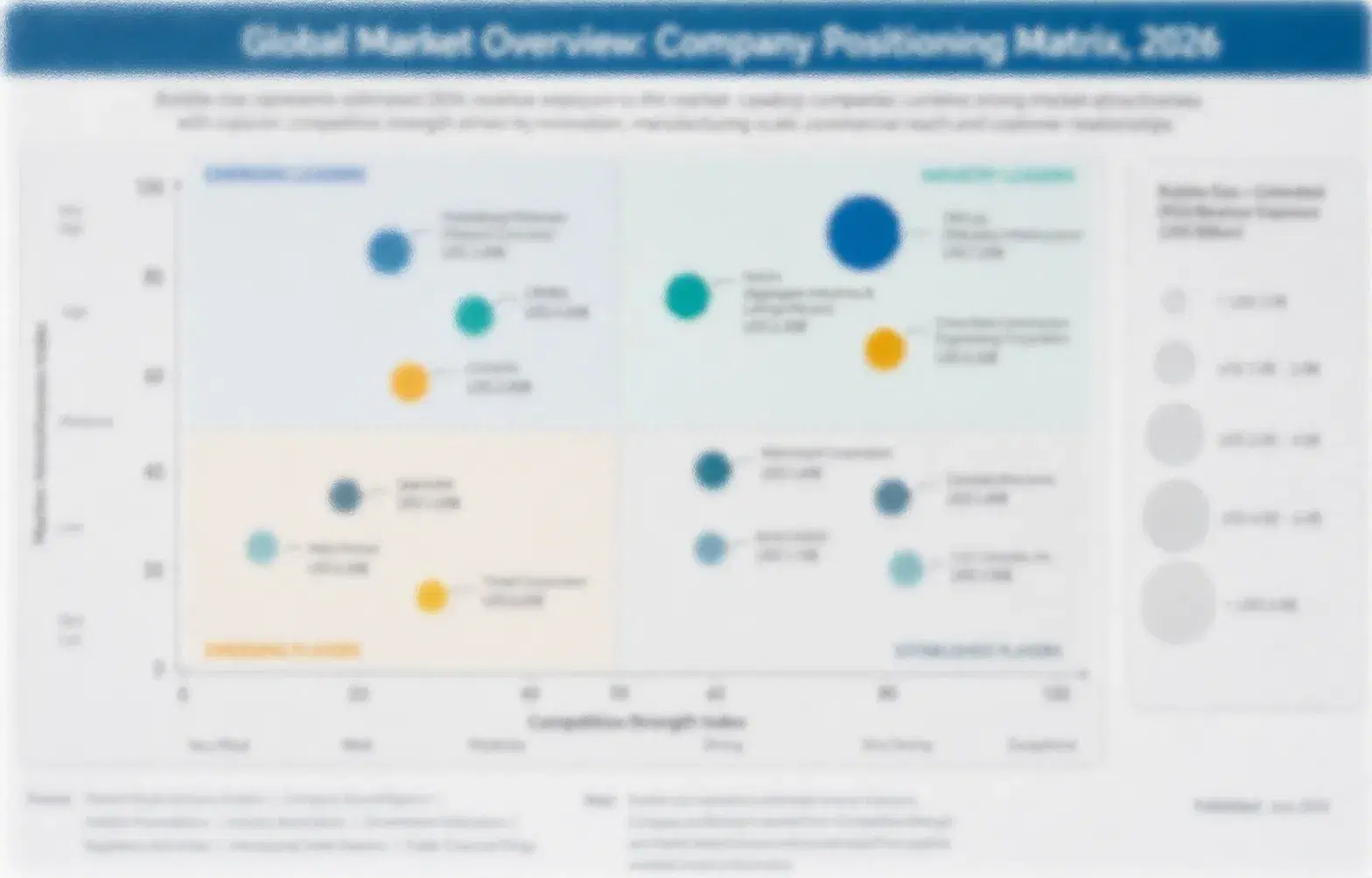
The competitive set spans diversified global ink conglomerates and specialty water-based and energy-curable formulators. CR5 sits at 42%, with Sun Chemical Corporation and Siegwerk Druckfarben AG & Co. KGaA holding leading positions as the dominant diversified platform and the pioneering packaging-focused specialist respectively, while a long tail of regional formulators compete for remaining volume. The gap between the leaders and the next tier is widening as curing-technology capability matters more.
Current competitive activity centers on three fronts: curing-technology licensing that lets formulators extend eco-friendly ink performance without in-house equipment development, portfolio-wide qualification programmes that lock in multi-year converter relationships, and backward integration into bio-based resin production that insulates formulators from commodity volatility. Several mid-size formulators have also begun offering dedicated converter co-development as a differentiator today.

Emerging pressure comes from specialty water-based and energy-curable formulators expanding into mainstream packaging contracts from adjacent niche label-printing applications, competing against diversified conglomerates that built pigment-chemistry scale from legacy solvent-based manufacturing. Expect consolidation over the next several years as these two previously separate competitive groups converge further, rather than either side building the core curing-technology competency from scratch on a timeline neither can afford given how quickly migration regulations continue reshaping the economics.
eco-friendly-inks-market-share-analysis-company-positioning-matrix-1791588284435

Eco-Friendly Inks Competitive Moats

SUN CHEMICAL CORPORATION

Moat: Diversified Global Ink Platform Scale

Sun Chemical operates one of the largest diversified global ink manufacturing platforms, giving it cross-technology pigment chemistry depth and converting scale that smaller specialty water-based and energy-curable formulators competing on curing technology alone cannot easily replicate without comparable multi-decade manufacturing infrastructure and accumulated converter relationships worldwide.
SUN CHEMICAL CORPORATION

Risk: Exposure to Parent Strategy Shifts

Sun Chemical operates as a subsidiary of a larger diversified Japanese chemical conglomerate, exposing the business directly to parent-company capital allocation decisions and strategic priority shifts in a way that independently operated specialty formulators do not depend on as narrowly across their own standalone operations.
SIEGWERK DRUCKFARBEN AG & CO. KGAA

Moat: Pioneering Packaging-Focused Eco-Ink Portfolio

Siegwerk's many decades of dedicated packaging-focused ink formulation give it migration-compliance documentation depth and converter trust that diversified competitors entering this category from broader commercial-print backgrounds simply cannot replicate without comparable multi-year qualification track records across major regulatory jurisdictions worldwide and well beyond those markets.
SIEGWERK DRUCKFARBEN AG & CO. KGAA

Risk: Dependence on EU Regulatory Timing

Siegwerk's eco-friendly ink revenue concentrates heavily in European packaging markets, exposing the business directly to EU regulatory timeline delays and political shifts in migration-compliance enforcement schedules that diversified global competitors serving multiple regulatory regimes simultaneously do not depend on as narrowly across their broader operations.

Players Tracked

Prominent Players

Sun Chemical Corporation
Flint Group
Siegwerk Druckfarben AG & Co. KGaA
Toyo Ink SC Holdings Co., Ltd.
DIC Corporation

Other Key Players

Hubergroup Deutschland GmbH
INX International Ink Co.
T&K TOKA Co., Ltd.
Sakata INX Corporation
Wikoff Color Corporation
Zeller+Gmelin GmbH & Co. KG
Altana AG
Fujifilm Imaging Colorants Ltd.
Nazdar SourceOne
KAO Collins Inc.
Epple Druckfarben AG
Color Resolutions International LLC
Superior Printing Ink Co. Inc.
Ink Systems Inc.
Environmental Inks and Coatings LLC

Recent Developments

FEBRUARY 2025

Sun Chemical Expands Energy-Curable Ink Production Capacity

Sun Chemical Corporation announced an expansion of its energy-curable electron-beam ink production capacity, extending its manufacturing footprint to serve growing converter demand across multiple packaging categories and export markets worldwide today and going forward. The expansion followed several multi-year supply agreements signed with major converters recently.
Signal: Signals that eco-friendly ink formulators are scaling toward mainstream packaging print volume broadly across the industry.
JUNE 2025

Siegwerk Signs Multi-Year Converter Qualification Agreement

Siegwerk Druckfarben AG & Co. KGaA signed a multi-year eco-friendly ink supply agreement with a major European packaging converter, securing committed volume ahead of expected demand growth as ink conversion accelerates nationwide across multiple packaging categories and formats. The agreement includes joint formulation development provisions for migration compliance.
Signal: Signals that specialized formulators are prioritizing long-term converter relationships over spot-market sales broadly across the industry.
OCTOBER 2025

Major Brand Owner Mandates Eco-Friendly Ink Across Portfolio

A major global consumer brand announced a mandate requiring eco-friendly ink specification across its entire packaging print portfolio within a fixed multi-year timeline, extending sustainability requirements that previously applied only to select categories nationwide. Multiple formulators are competing for qualification across the expanded mandate today.
Signal: Signals that brand mandates are extending from select categories into full portfolio coverage broadly across the industry.

Bio-Based Resin and Pigment Drive Ink Margin

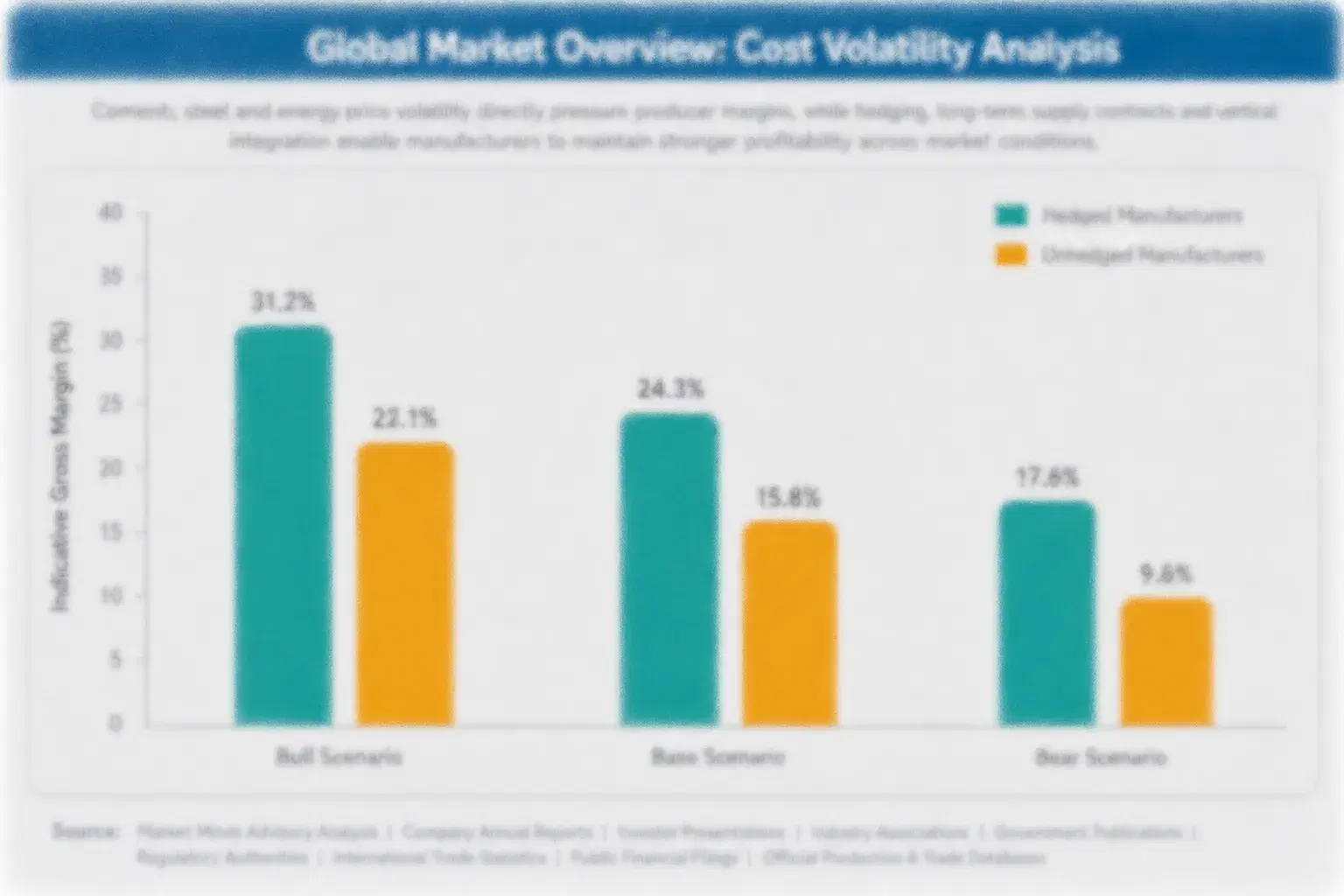
Bio-based resin and specialized pigment inputs account for roughly 53% of converted ink cost, with feedstock sourced from chemical processors across Germany, Japan, and the United States, where production capacity continues expanding steadily year after year across most major producing regions globally, supported by continued investment in dedicated resin processing and formulation infrastructure built specifically to serve this growing category.
Bio-based resin prices rose sharply in 2022 as global supply chain disruption and energy cost spikes compressed chemical processor output simultaneously, a volatility event the European Chemicals Agency tracked through its chemical market monitoring, compressing margins across ink formulators without long-term resin supply contracts in place at the time and forcing several smaller operators to renegotiate converter pricing mid-contract across multiple regions simultaneously and in several cases permanently.

Smaller regional formulators without direct resin relationships face a meaningful cost disadvantage, since they typically source bio-based resin through distributors at a markup that larger vertically integrated competitors avoid entirely. This gap is most pronounced for formulators serving value-tier printing categories, where thinner margins leave less room to absorb distributor markups than premium converter accounts can tolerate comfortably.
eco-friendly-inks-market-share-analysis-cost-volatility-analysis-1791588284622

Secure Multi-Year Resin Supply Contracts Early

Larger formulators increasingly negotiate multi-year bio-based resin supply agreements directly with chemical processors, capturing predictable pricing well ahead of market volatility that spot-market buyers must absorb without any comparable contractual protection in place, insulating margins from short-term swings that smaller rivals cannot avoid without similar long-term agreements secured well in advance across the category.

Diversify Resin Sourcing Across Multiple Regions

Several formulators are qualifying bio-based resin supply from multiple geographic regions simultaneously, specifically to avoid single-region exposure to weather, trade policy, or processor disruption affecting any one sourcing area at a time during each and every peak demand period each year across the category, while maintaining consistent quality standards across every qualified sourcing region nationwide.

Integrate Backward Into Resin Production Directly

Larger ink formulators are integrating backward into bio-based resin production directly, capturing margin across both production stages while insulating themselves from feedstock cost volatility that pure formulators must pass through to customers directly each cycle across their network, reinforcing supply security during periods of constrained global resin output across most major producing regions nationwide.

Portfolio Architecture for Margin Defence

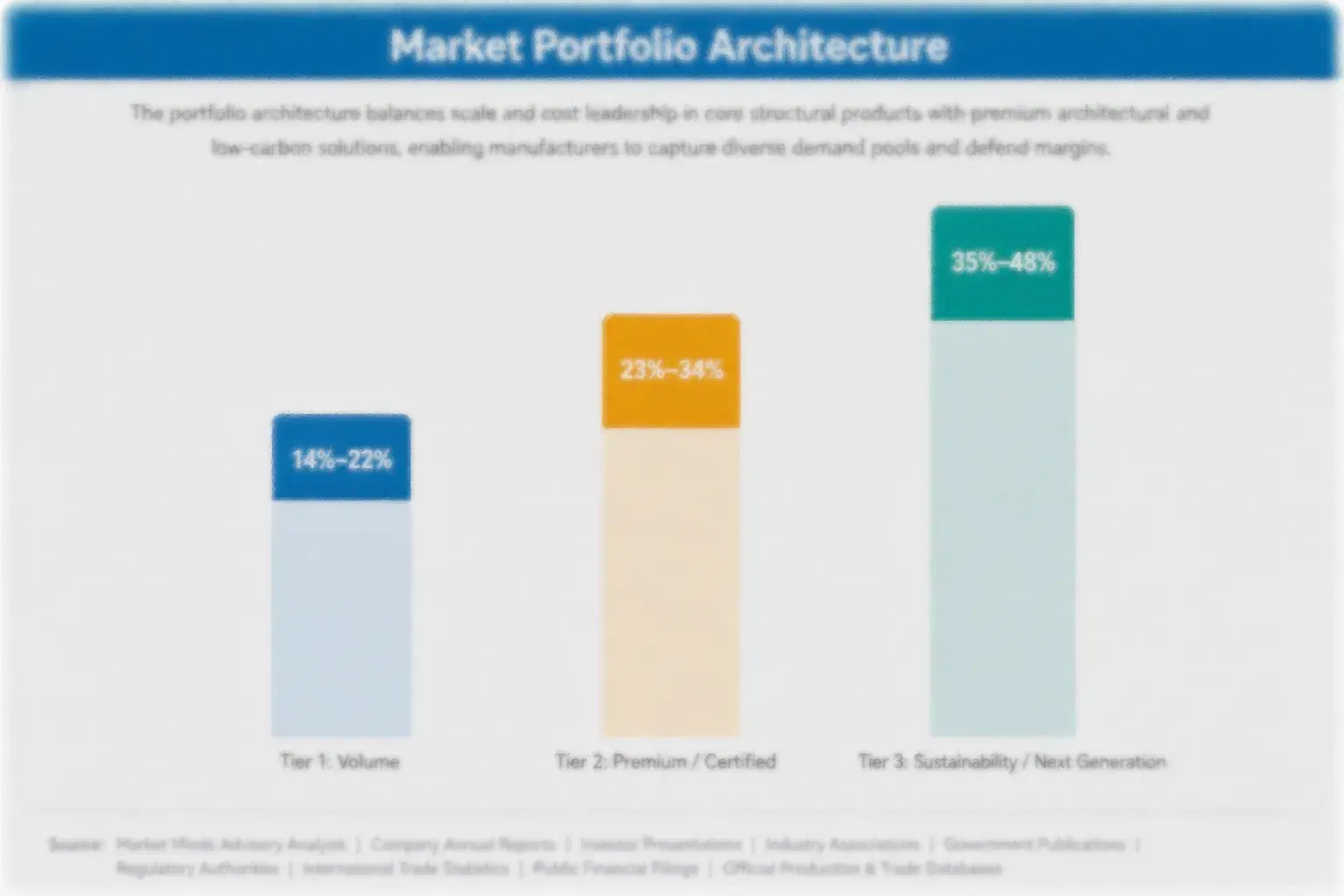
Eco-friendly inks split into three commercial tiers with sharply different margin profiles. Volume commodity-adjacent formats, standard water-based flexographic and gravure inks sold largely on price, carry gross margins typical of mature ink manufacturing. Premium certified formats, covering energy-curable and co-developed structures, command gross margins meaningfully above that. Sustainability and next-generation formats, including vertically integrated resin-to-ink production, sit at the top of the margin range as converters pay for press-speed performance and supply security.
The tension running through this architecture is capacity allocation. Formulators that invested early in curing-technology licensing and converter co-development can redirect production toward premium portfolio-wide accounts paying meaningfully higher margin, while generalist formulators remain confined to the lower-margin commodity tier competing primarily on price. Several mid-size formulators are deliberately shrinking their standard water-based commodity book to free capacity for premium energy-curable and co-developed work as those categories scale faster than commodity volume.

High-value margin pools concentrate in curing-technology licensing and vertically integrated resin-to-ink production, both growing faster than the category average. Formulators positioned in both pools simultaneously, rather than just one, are capturing the largest share of new premium contract wins as converters consolidate toward fewer, more capable supply partners overall.

Volume / Commodity-Adjacent Tier

Standard water-based flexographic and gravure inks sold primarily on price with minimal differentiation, serving mainstream printing accounts where buyers compete mainly on unit cost and supply reliability above most other considerations entirely.
Gross Margin

Premium / Certified Tier

Energy-curable and co-developed ink structures serving converters seeking solvent-equivalent press-speed performance with migration-compliance documentation, where curing technology determines the winning supplier more than price alone across most demanding categories tracked today.
Gross Margin

Sustainability / Regulatory / Next-Generation Tier

Vertically integrated resin-to-ink production combining bio-based feedstock sourcing, formulation, and curing technology under one supplier, commanding the highest margins in the category as converters increasingly prefer one accountable supply chain over fragmented sourcing nationwide.
Gross Margin
eco-friendly-inks-market-share-analysis-portfolio-architecture-1791588284811

High-value Sub-segments and Strategic Watch-out

Curing-Technology Licensing and Transfer Agreements

Curing-technology licensing that lets formulators extend eco-friendly ink performance without any in-house equipment development is both the highest-margin and fastest-growing segment tracked today, as converters seek genuine solvent-equivalent performance across their most demanding global printing and flexible packaging categories tracked very closely nationwide and abroad.

Packaging Converter Co-Development Programmes

Eco-friendly ink co-developed between formulators and packaging converters carries strong margin from joint formulation investment, but volume growth trails curing-technology licensing because co-development cycles require longer testing and qualification timelines between two separate parties involved in each new agreement signed nationwide and abroad each year.

Standard Water-Based Flexographic Commodity Formats

The largest unit-volume segment by far, serving mainstream printing accounts on thin, price-competitive margins, remains the revenue base most formulators still depend on even as they reinvest proceeds into higher-margin energy-curable and co-development categories each year across most formats, regions, and global markets tracked closely.

Formulators Without Curing-Technology Licensing Capability

Formulators still offering only standard water-based ink without any curing-technology licensing capability face a slow-motion competitive squeeze as converters increasingly favor suppliers who can match solvent-equivalent performance across their full printing range nationwide, over time and across most markets tracked closely each passing calendar year.

Why Converter Contracts Outlast Pricing Cycles

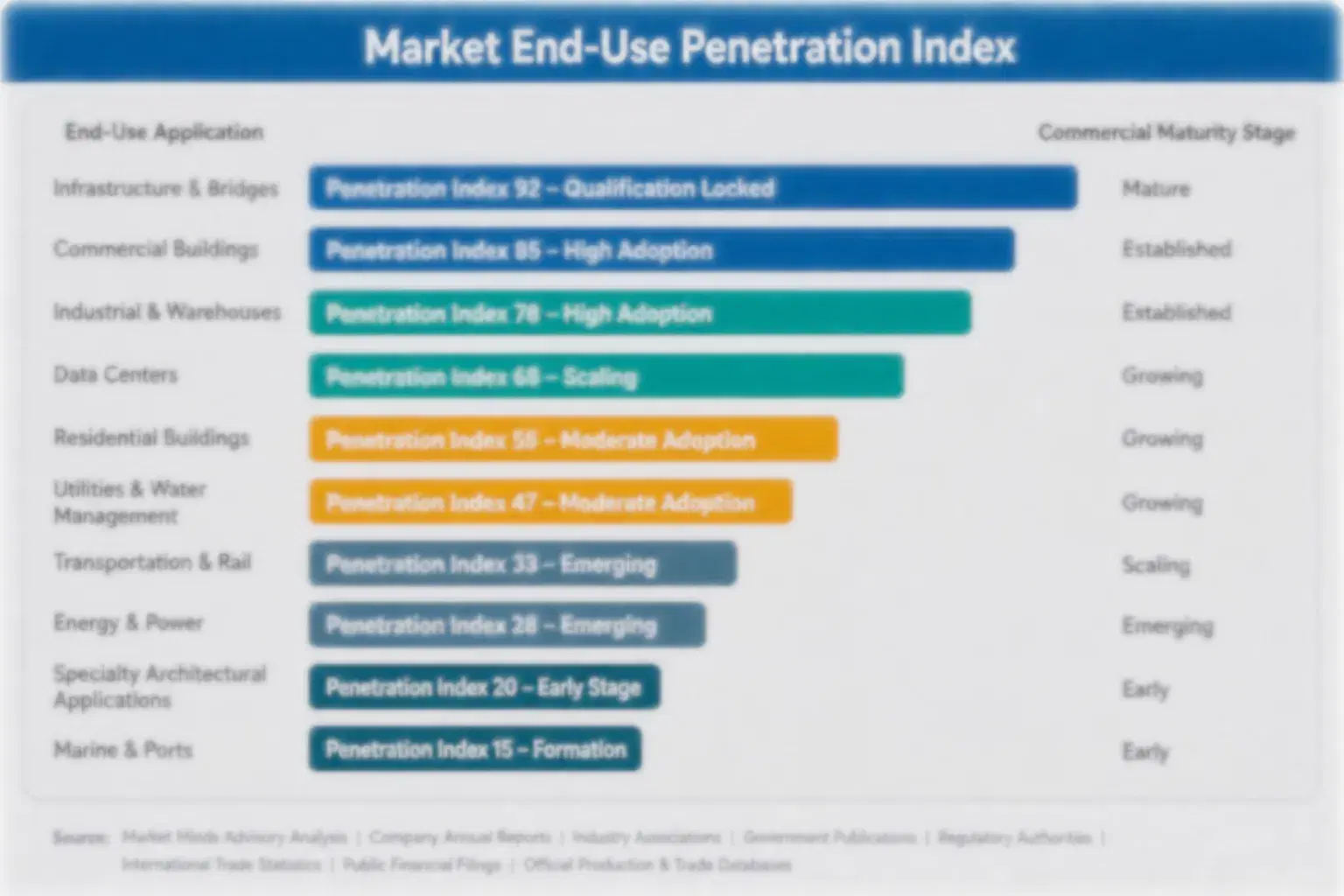
Once a formulator wins a converter portfolio-wide qualification agreement or a curing-technology licensing relationship, the arrangement behaves like an annuity rather than a one-time sale. Switching formulators mid-contract carries requalification risk across migration-compliance certification and press-calibration documentation that converters rarely accept once a specification is running smoothly, so the incumbent formulator captures recurring volume across the agreement's full term.
Depth of adoption varies sharply by printing category. High-volume food-contact packaging converters lock in the deepest formulator relationships because a migration-compliance failure carries direct regulatory and recall consequences that are hard to requalify quickly, while short-run commercial print buyers see more frequent price-driven switching on commodity formats where tolerances are looser. Retail private-label programmes sit in between, with strong mandate coverage but tighter cost discipline than premium converter accounts.

Buyer profiles are shifting as ink material decisions move earlier into packaging development rather than being finalized after press selection. A decade ago, ink chemistry choice was a routine procurement line item decided late in the printing process; today, eco-friendly versus solvent-based decisions increasingly factor into brand compliance positioning set well ahead of launch, giving formulators with proven curing capability a seat earlier than commodity suppliers traditionally occupied.
eco-friendly-inks-market-share-analysis-end-use-penetration-index-1791588284994

Where to Place Bets Now

These are among the four positions where our research anticipates prominent divergence between winners and laggards over the coming forecast period. Each is grounded in the demand model, the regulatory perimeter, and the announced capacity pipeline.
01 / CURING TECHNOLOGY PRIORITY

License curing technology before rivals close gap

Converters increasingly want eco-friendly ink that matches conventional solvent-based press speed without losing migration-compliance credentials, and formulators without curing-technology licensing access cannot bid on these performance-sensitive contracts at all today across most major categories and markets worldwide. Technology developers who have already licensed this capability widely are generating margin twenty-four percent above direct manufacturing alone, capturing value that unlicensed competitors cannot access. This advantage should widen as more formulators pursue licensed curing platforms nationwide over the coming years ahead of slower-moving rivals.
02 / PORTFOLIO QUALIFICATION PUSH

Build dedicated qualification programmes before mandates expand

Converters are consolidating eco-friendly ink volume toward fewer qualified formulators, and suppliers without a dedicated qualification programme are losing access to entire print portfolios at once rather than competing category by category across fragmented regional accounts today across most major markets worldwide. The pricing premium for programme-based positioning is wide enough that leading formulators have already priced it sixteen percent above fragmented-channel sales nationwide. Formulators who wait risk losing these accounts permanently as mandates continue expanding across more converters nationwide each year.
03 / CONVERTER CO-DEVELOPMENT PUSH

Formalize converter partnerships before competitors do

Converters increasingly want eco-friendly ink combining press-speed performance with migration-compliance documentation, and formulators without a formalized co-development relationship cannot deliver this combination credibly at scale today across most demanding printing categories and markets worldwide and well beyond every region tracked closely each year without fail. Formulators who have already formalized co-development are pricing output twenty percent above standard alternatives, capturing margin that unpartnered competitors cannot access at all. This advantage should widen as more converters pursue combined-performance specifications across categories nationwide.
04 / BACKWARD RESIN INTEGRATION

Integrate backward into bio-based resin before margins compress

Formulators that integrate backward into bio-based resin and pigment production capture margin across both production stages while insulating themselves from commodity volatility that pure formulators must pass through to customers directly each cycle without exception across the entire category worldwide today and beyond. Integrated formulators are already pricing finished ink thirteen percent above equivalent purchased-feedstock output, capturing margin that non-integrated competitors cannot access. Waiting too long to integrate risks ceding this cost advantage to faster-moving rivals permanently across every region served worldwide.

Engagement Snapshot From the Field

A live engagement with an industry participant carrying material or product regulatory and market exposure ahead of a defining policy shift, showing how our research translates into a defensible multi-year portfolio strategy.
MARKET MINDS ADVISORY · CLIENT ENGAGEMENT SUMMARY
Eco-Friendly Inks Share Analysis Producer Strategic Portfolio Review and Transition Roadmap 2026·Investment Scenario on Eco-Friendly Inks Share Analysis Exposure Evaluation 2025-26
CLIENT PROFILE
The client is a global packaging converter with annual revenue of approximately $8.4 billion (client-reported, unverified by MMA), operating multiple production lines reliant on conventional solvent-based ink across its flexible packaging and label printing portfolio. The client faced rising regulatory pressure across several key markets and sought an independent assessment of converting its ink supply to eco-friendly alternatives nationwide.
STRATEGIC CHALLENGE
The converter needed to determine which printing lines could convert to eco-friendly ink without compromising production throughput, and whether the transition could be phased gradually across its global press network without disrupting existing supplier relationships already established over many years of continuous operation and prior contract and audit history nationwide.
MMA APPROACH
MMA conducted a structured line-by-line assessment benchmarking press-speed performance, cost premium, and formulator qualification timelines across both eco-friendly and conventional solvent-based alternatives, modeling the regulatory compliance impact of continued solvent-based ink against the full cost of a phased eco-friendly conversion across the converter's entire global press network and supplier base.
KEY FINDINGS
  1. Roughly 53% of the client's printing line portfolio could convert to eco-friendly ink without any measurable production throughput compromise across its major lines studied closely.
  2. Regulatory restrictions made continued solvent-based ink use untenable within two years across three of the client's largest operating markets studied during the review.
  3. Energy-curable ink formats outperformed standard water-based formats on both press-speed and migration-compliance metrics for most high-volume printing lines assessed closely during the review.
  4. The client's original conversion cost estimate overstated the curing-technology premium by roughly 11%, a gap the assessment corrected before supplier contracts were finalized.
RECOMMENDED STRATEGY
Phase 1: Phase 1 (Months 1 to 4): Convert the highest-volume, lowest-throughput-risk printing lines to eco-friendly ink first across the converter's largest markets. Phase 2: Phase 2 (Months 5 to 10): Expand conversion to high-speed gravure lines using energy-curable formats across the full press network. Phase 3: Phase 3 (Month 11 onward): Finalize multi-year supply agreements covering the full converted portfolio globally across every regional market served.
OUTCOME
The converter completed roughly 53% of its planned line conversion within the first year and avoided a material increase in regulatory compliance exposure across its three largest markets. The converter reported no measurable change in production throughput complaints following the conversion (client-reported, unverified by MMA).

Frequently Asked Questions

Foundational context covering the market sizes, CAGR, scope, country, region and competition that inform every finding below. This section is provided to cover basics and most often pre-purchase conversations, answered from the MMA Primary Research Dataset.

What is the current size of the Eco-Friendly Inks Market?

The global market was valued at approximately $3.2 billion in 2025. This reflects water-based, soy-based, UV-curable, and energy-curable printing ink formulations used across packaging and commercial print applications worldwide.

How large will the Eco-Friendly Inks Market be by 2036?

MMA projects the market will reach approximately $6.67 billion by 2036, roughly double its 2025 starting base. Growth is driven by food-contact migration rules and converter portfolio-wide ink conversion.

What is the CAGR for the Eco-Friendly Inks Market 2026 to 2036?

The market is projected to grow at a compound annual growth rate of 6.9% between 2026 and 2036. Bull and bear scenarios range from roughly 5.6% to 8.1%.

Which segment is growing fastest?

Energy-curable electron-beam inks are the fastest-growing segment, expanding at approximately 9.5% annually, well above the category average. This reflects rapid conversion as electron-beam curing equipment reaches commercial viability.

Who are the major companies in the Eco-Friendly Inks Market?

Leading companies include Sun Chemical, Flint Group, Siegwerk, Toyo Ink, and DIC Corporation. These five companies hold the leading qualified positions in the category today across most markets.

Which country is growing fastest?

China is the fastest-growing major country, expanding at approximately 9.0% annually as its flexible packaging converting industry scales eco-friendly ink adoption rapidly. Local formulation capacity is also expanding alongside demand.

Eco-Friendly Inks Market Segmentation

The full report scope spans multiple orthogonal segmentation dimensions, with cross-tabulated demand data provided for each dimension pair. Coverage extends further to regional breakdowns, trend trajectories, and the competitive detail needed to support segment-level decision-making.

By Ink Technology Format

  • Water-Based Flexographic and Gravure Inks
  • Soy-Based and Vegetable-Oil Offset Inks
  • UV-Curable Low-VOC Inks
  • Energy-Curable Electron-Beam Inks
  • Bio-Based Pigment and Colorant Systems

By End-Use Substrate

  • Flexible Packaging Film
  • Folding Carton and Corrugated
  • Labels and Pressure-Sensitive Media
  • Commercial and Publication Printing

By Commercial Dimension

  • Converter Direct Supply
  • Licensed Technology Supply
  • Distributor and Wholesale Supply
  • Private-Label Supply

By Region

  • North America
  • Western Europe
  • East Asia
  • South Asia and Pacific
  • Latin America
  • Middle East and Africa
  • Eastern Europe

Scope, Methodology, and Coverage

Every figure in this report is reproducible from documented input assumptions. The scope below maps the historical period, the forecast horizon, the segmentation dimensions, and the countries covered, alongside the underlying primary and qualitative methodology.
Historical Period
2020 to 2025
Forecast Period
2026 to 2036
Base Year
2025 (USD billions; MMA Primary Research Dataset, October 2026)
Market Definition
The eco-friendly inks market covers water-based, soy-based, UV-curable low-VOC, and energy-curable electron-beam printing ink formulations used across packaging, label, and commercial print applications. It excludes conventional solvent-based inks, inkjet cartridge formulations for office printers, and textile dyes tracked separately by MMA.
Quantitative Units
USD billions (current prices); unit volumes in million liters where cited
Segmentation Dimensions
By Ink Technology Format; By End-Use Substrate; By Commercial Dimension; By Region
Regions Covered
North America, Western Europe, East Asia, South Asia and Pacific, Latin America, Middle East and Africa, Eastern Europe
Countries Covered
China, Japan, South Korea, USA, Canada, Germany, France, Italy, UK, Netherlands, India, Australia, Indonesia, Brazil, Mexico, Argentina, UAE, Saudi Arabia, South Africa, Nigeria, Poland, Hungary, Czech Republic, Spain, Sweden, Switzerland, Colombia, Singapore, Vietnam, and additional markets relevant to this sector
Key Companies Profiled
Sun Chemical Corporation, Flint Group, Siegwerk Druckfarben AG & Co. KGaA, Toyo Ink SC Holdings Co., Ltd., DIC Corporation, Hubergroup Deutschland GmbH, INX International Ink Co., T&K TOKA Co., Ltd., Sakata INX Corporation, Wikoff Color Corporation, Zeller+Gmelin GmbH & Co. KG, Altana AG, Fujifilm Imaging Colorants Ltd., Nazdar SourceOne, KAO Collins Inc., Epple Druckfarben AG, Color Resolutions International LLC, Superior Printing Ink Co. Inc., Ink Systems Inc., Environmental Inks and Coatings LLC
Quantitative Methodology
Primary survey, n=3,800 respondents, Q4 2025, six countries; demand-side model with trade association cross-validation
Qualitative Methodology
47 expert interviews, Q4 2025; applied to validate demand model assumptions, identify emerging dynamics, and assess competitive positioning
Report Format
PDF and XLSX data workbook (Word format preview document)
Publisher
Market Minds Advisory
Report Code
MMA-2026-CHM-101
Published
October 2026
Contact
sales@marketmindsadvisory.com | www.marketmindsadvisory.com

Purchase the full Eco-Friendly Inks Market Share Analysis Report (2026 to 2036).

The full report delivers a complete market model spanning 2020 to 2036, with segment-level and regional revenue breakdowns across all seven tracked geographies. It includes detailed profiles of twenty companies spanning diversified global ink conglomerates and specialty water-based and energy-curable formulators, competitive benchmarking on a revenue basis, and an independent assessment of moat durability and risk exposure for the two leading companies. Buyers receive the complete regional dataset beyond the two regions shown, along with extended commentary on resin cost exposure. A dedicated appendix covers curing-technology benchmarking and converter co-development case examples. Custom segment cuts and data extensions are available on request.
Twenty-company competitive benchmarking on a consistent basis
Full seven-region revenue and CAGR dataset
Segment-level margin and growth analysis across five formats
Resin cost exposure and mitigation strategy appendix
Curing-technology licensing and co-development case data
Custom segment and company-specific data extensions available

Built For The People Who Decide

From boardroom strategy to bench-side execution, this report is read cover-to-cover by leaders shaping the next decade of their industry, turning demand scenarios, market dynamics and valuation benchmarks into decisions.
CXOs/ Presidents/ VPs/ Managers
M&A and Corporate Development
Strategy Teams and R&D Heads
Procurement and Product Directors
Regulatory and Compliance Leaders
Investor Relations and Equity Analysts