

Market Minds Advisory
Communion Wafers Market

Communion Wafers Market: Communion Wafers Market. Catholic Growth in Africa and Asia, Low-Gluten Rules, and Prepackaged Formats Reshape Altar Bread Supply.

Communion wafers are a fixed-recipe sacramental product, but shifting congregations, low-gluten rules, prepackaged formats, and shrinking convent bakeries now decide who supplies parishes, dioceses, and Protestant churches as Catholic growth moves to Africa and Asia.

Lead Analyst

Published

September 2026

Make Smarter Decisions with Customized Research Insights

Request a free sample report and evaluate market opportunities, growth trends, and competitive dynamics relevant to your business needs.

2025 MARKET VALUE$0.5BMarket Size 2025
2036 FORECAST VALUE$0.8BBase Case , 2026 to 2036
CAGR 2026 TO 20363.8 %Bull 5.1% / Bear 2.5%
INCREMENTAL OPPORTUNITY$0.2BNet 10- year value creation
EXPANSION MULTIPLE1.45x2036 value over 2026 base
Strategic Levers
M&A Pipeline
Regional Outlook
Country Rankings
Competitive Intelligence
Segmental Deep-dive
Call-Us : 91 93563 13602

Executive Snapshot and Market Trajectory.

Few bakery products have a recipe fixed by law. Canon law requires Catholic hosts to be pure unleavened wheat and water, so innovation happens around the wafer: how it is packed, how much gluten it holds, how it is sold, and who bakes it as convent bakeries shrink.
Prepackaged cup-and-wafer sets grow fastest, because hygiene concerns, volunteer shortages, and large Protestant congregations favour single-serve communion kits, while standard wheat hosts anchor volume across parishes. Latin America holds the largest share, since Brazil, Mexico, Colombia, and Argentina have the biggest Catholic population, with North America following on price per host and packaged formats. Nigeria leads country growth. Africa and Asia add volume as membership grows.
The industry is fragmented among convents, monasteries, and a few commercial bakers. Cavanagh Company, Benedictine Sisters of Perpetual Adoration, Conception Abbey, Cokesbury, and regional religious suppliers serve most institutional buyers. Regulation matters through Vatican rules on host composition, food allergen labelling, and diocesan approval, and buyers reward consistent size, clean taste, low breakage, and dependable delivery before major feasts. Supply stays tight. Traceability is now expected. Retail buyers ask for proof before listing.
Market Definition
Communion wafers comprise thin, unleavened, baked wheat and water discs, and related wafer products, made for Christian communion services, including standard people's hosts, priest's and large hosts, low-gluten hosts, and prepackaged cup-and-wafer sets, sold to parishes, dioceses, religious suppliers, and churches through institutional and retail channels. The scope excludes leavened prosphora and communion bread baked in parishes, communion wine and juice sold alone, and decorative wafer paper.
Base Year Value
$0.5B in 2025 (MMA Primary Research Dataset, September 2026)
Forecast Period
2026 to 2036, eleven discrete annual values
CAGR
3.8% base case. Bull 5.1%. Bear 2.5%.
Fastest Growth Segment
Prepackaged Cup-and-Wafer Sets: 6.4% CAGR
Fastest Growth Country
Nigeria: 5.6% CAGR
Fastest Growth Region
South Asia and Pacific: 5.8% CAGR
Largest Region
Latin America: 32% of 2025 global value
Market Leaders
Cavanagh Company, Benedictine Sisters of Perpetual Adoration, Conception Abbey, Cokesbury, Lifeway Christian Resources. Source: MMA Analysis, company annual reports.
Primary Survey
n=3,800 procurement and R&D decision-makers, Q4 2025, six countries
Methodology
Demand-side build-up, cross-validated against public data, 47 expert interviews

Communion Wafers Market Forecast Scenarios

communion-wafers-market-size-forecast-scenario-1789783734289
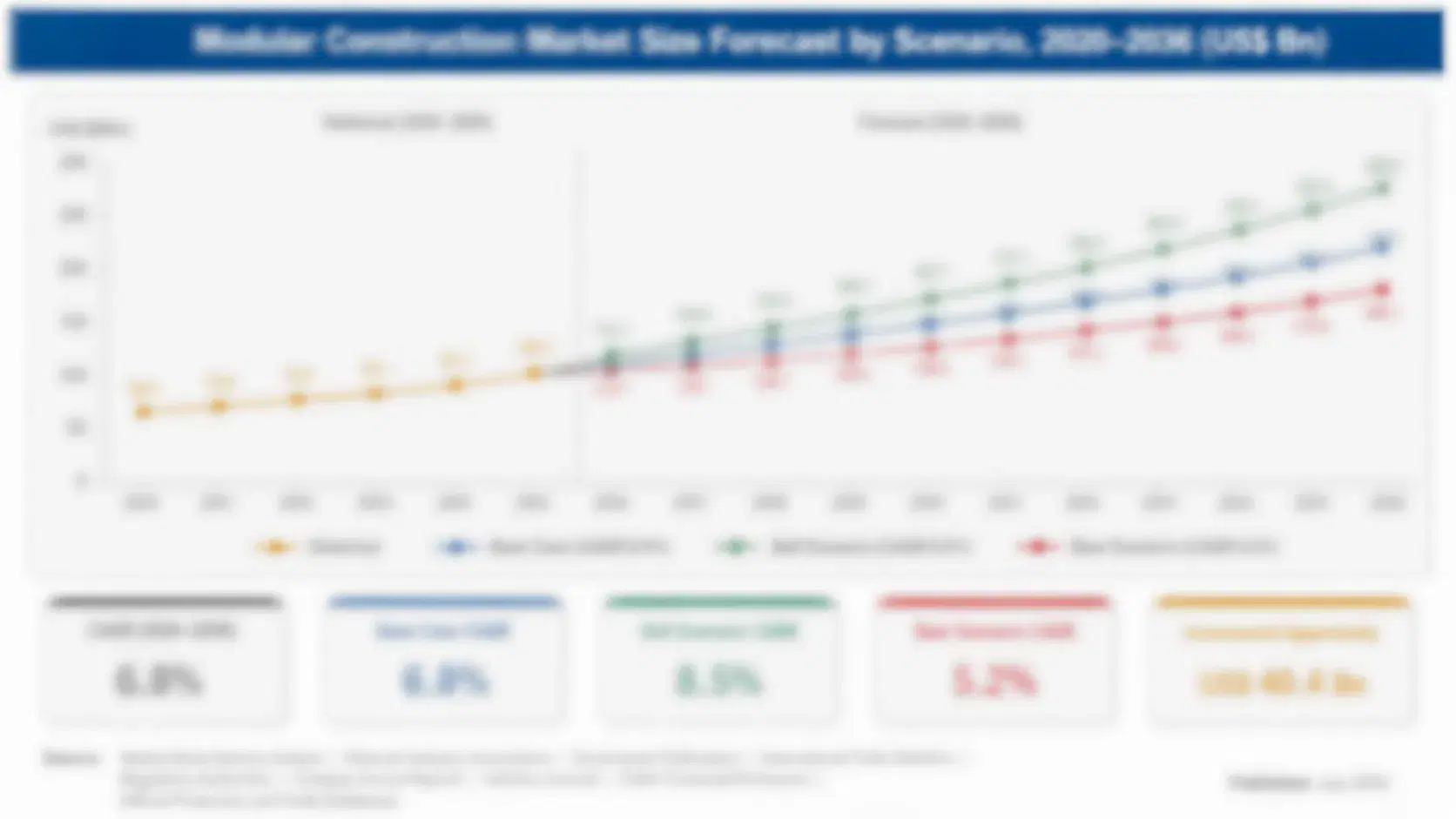
From 2020 to 2025, communion wafer demand was reshaped by pandemic closures, which cut volumes in 2020, followed by a recovery as services resumed. Prepackaged single-serve kits gained trial in Protestant churches, low-gluten hosts saw steadier demand, and Catholic membership in Africa and Asia continued to grow. Growth averaged 3.6% a year, though attendance declines in Europe and North America held back mature markets.
The base case assumes 3.8% annual growth through 2036, built on three named mechanisms: Catholic population growth in sub-Saharan Africa and the Philippines that lifts host volume, prepackaged cup-and-wafer sets that meet hygiene and convenience needs in Protestant and Catholic communities, and low-gluten and specialty hosts that serve celiac worshippers within church rules. Commercial baking capacity replaces shrinking convent production and supports steady supply. Commercial bakers also add capacity across regions.
The bull case, at 5.1%, needs faster Catholic growth in Africa and stronger uptake of prepackaged formats. The bear case, at 2.5%, reflects continued attendance declines in Europe, parish closures, and weaker Protestant participation. Either path leaves the sacramental need intact, though mix and pricing would shift. Analysts watch attendance trends and African parish growth most closely, since each moves demand directly.

Church Rules and Institutional Trust Decide Communion Wafer Winners

Communion wafers are made from wheat flour and water, mixed into a thin batter, baked between heated plates for under a minute, humidified to keep them flexible, and cut into discs. Automated wafer machines bake sheets, cut hosts, and count them for packing. Bakers control plate temperature, batter viscosity, and humidity, since thin sheets curl or crack easily, and breakage rates drive cost.
MARKET CONCENTRATION24% CR5Leading five suppliers hold a small combined share
HOST DIAMETER35 mmTypical diameter of a standard people's host wafer
WHOLESALE PRICE PER HOST$0.02Typical wholesale price of one standard host wafer in bulk
INSTITUTIONAL BUYER SHARE88%Portion of demand from parishes, dioceses, and religious suppliers
LOW-GLUTEN CONTENT0.01%Typical gluten share in approved low-gluten hosts by weight
SHELF LIFE24 monthsTypical stable period for sealed hosts in dry storage
Buyers use wafers in several ways. Catholic parishes order people's hosts and larger priest's hosts through diocesan or religious suppliers, Protestant churches buy prepackaged cup-and-wafer sets or bulk wafers for communion services, hospitals and chaplaincies use small quantities, and online retailers serve individual households. Pricing follows volume, with bulk orders at fractions of a cent per host, and demand peaks before Christmas and Easter.
Suppliers sit at several levels. Religious communities such as the Benedictine Sisters of Perpetual Adoration and Conception Abbey bake and sell hosts as part of their livelihood, commercial bakers such as Cavanagh serve dioceses and retailers at scale, and church supply distributors such as Cokesbury sell prepackaged sets. Customers judge them on doctrinal compliance, consistency, and reliable delivery before feasts.
"Communion wafers are the rare food where the customer cannot ask for a new ingredient. Every gain in this market comes from packaging, logistics, and trust, and the suppliers who are trusted by dioceses will keep their place even as attendance shifts continents."
Practice Lead, Religious Products Practice · MMA Religious Bakery Products Practice · September 2026

Market Trends

Prepackaged Cup-and-Wafer Sets Meet Hygiene and Volunteer Shortage Needs

Protestant churches and some Catholic communities buy sealed single-serve kits that combine a small wafer with juice, cutting preparation labour and contamination risk, and demand rose after pandemic restrictions made shared trays less acceptable. Suppliers such as Cokesbury and others sell kits at 15 to 40 cents each, compared with about two cents for a bulk host. A church serving 300 people weekly may use 15,000 kits a year. Kits carry higher margins of 35% to 50%, but juice, sealing, and shelf life management add complexity, and environmental concerns about plastic cups push demand for compostable packaging.
Market Impact: African Catholics reached 270 million

Low-Gluten Hosts Serve Celiac Worshippers Within Vatican Rules

The Vatican's Congregation for the Doctrine of the Faith stated in 2017 that hosts must contain enough gluten to bake bread and that completely gluten-free hosts are invalid, so approved low-gluten hosts with about 0.01% gluten by weight, made from specially processed wheat starch, serve celiac worshippers. Benedictine Sisters of Perpetual Adoration and several commercial bakers sell them at three to five times the price of standard hosts. Approval by bishops is required, and testing costs $5,000 to $15,000 per batch series. Demand is steady because celiac prevalence is around 1% of the population, and priests keep small stocks.
Market Impact: feast peaks run 2-4 times normal

Market Opportunities and Growth Drivers

Catholic Population Growth in Africa and Asia Lifts Host Volume

The Catholic population in Africa grew from about 130 million in 2000 to more than 270 million in 2023, according to Vatican statistical yearbooks, and the Philippines, India, and Vietnam also have large and growing Catholic communities. Membership growth means more parishes and more weekly Masses, and each Mass uses hundreds of hosts. Local baking capacity is limited, so parishes import wafers from Europe and North America or rely on regional convents. Commercial suppliers with export and low-cost baking capacity find growing demand, though payment and logistics risks are higher than in mature markets.
Market Impact: US Mass attendance is 20-25%

Attendance Recovery and Special Services Support Steady Weekly Demand

Mass attendance recovered after 2021 in many regions, and feasts such as Christmas, Easter, and first communion seasons generate demand peaks of two to four times normal weekly volume. Parishes with large first communion classes order thousands of hosts in spring. Special services such as World Youth Day and papal visits create one-off orders of hundreds of thousands of hosts. Recovery is uneven, with Europe and North America still below pre-pandemic levels, but growth in Latin America, Africa, and Asia offsets declines, which supports stable global volume and gradual expansion of value.
Market Impact: 1 approved recipe: wheat, water

Market Restraints and Challenges

Falling Church Attendance in Europe and North America Cuts Volume

Regular Mass attendance in Western Europe and North America has fallen for decades, and parish closures and mergers reduce the number of buyers, according to Pew Research Center and national church statistics. The root cause is secularisation and ageing congregations. In the United States, weekly Mass attendance is around 20% to 25% of Catholics, and many dioceses have consolidated parishes. Suppliers respond with export sales, packaged kits, and diversified church supplies, though price increases are limited because parishes operate on tight budgets, and volume decline of 1% to 3% a year in mature regions weighs on total growth.
Market Impact: kits sell at 15-40 cents each

Rigid Doctrinal Rules and Small Scale Limit Innovation and Margins

Vatican rules fix host ingredients as wheat flour and water, and bishops approve low-gluten products, so suppliers cannot change recipes to improve cost or shelf life, according to Code of Canon Law and Congregation for the Doctrine of the Faith guidance. The root cause is theological rules that define validity. Suppliers also face small orders, price-sensitive parishes, and seasonal peaks that strain capacity. Mitigation includes automation, export sales, and premium formats such as large hosts and kits, though margins stay thin, and convent labour is ageing, with fewer sisters available to bake, which pushes production toward commercial bakers.
Market Impact: approved low-gluten hosts hold 0.01% gluten
3 additional market trends, 2 additional growth drivers, and 3 additional restraints and challenges are covered in the full report. Contact sales@marketmindsadvisory.com to access the complete intelligence.

Segment CAGR and Growth Architecture

Communion wafers are segmented by product type, because doctrinal status, gluten content, packaging, price, and buyer group differ more between standard wheat hosts, priest's and large hosts, low-gluten hosts, prepackaged cup-and-wafer sets, whole-wheat and specialty communion breads, and gluten-free alternatives than they do by diameter. Prepackaged kits and low-gluten hosts attract most investment as churches seek hygiene and inclusion.
communion-wafers-market-market-share-analysis-1789783734588

Prepackaged Cup-and-Wafer Sets

Prepackaged cup-and-wafer sets are the fastest-growing segment, combining a small wafer and a sealed cup of juice or wine in one disposable pack for single-serve communion. Protestant churches, hospitals, and outdoor services use them for hygiene, speed, and volunteer savings, and prices run 15 to 40 cents per kit against about two cents for a bulk host. Growth depends on church preferences, environmental concerns about plastic, and shelf life management for juice, and suppliers with sealing lines, compostable packaging, and church distribution networks win large congregations that order for months at a time and reorder through catalogues and online platforms. Catalogue ordering and online platforms let congregations reorder kits in cases, which simplifies purchasing for volunteers.
CAGR 6.4%

Low-Gluten Hosts

Low-gluten hosts are the second-fastest segment, made from specially processed wheat starch with about 0.01% gluten so they remain valid wheat bread under Catholic rules while serving celiac worshippers. Benedictine Sisters of Perpetual Adoration and a few commercial bakers supply them, and prices run three to five times standard hosts. Bishops must approve products, and batches need gluten testing. Growth depends on celiac awareness, priest and parish familiarity, and diocesan guidance, and suppliers with reliable testing, small-batch flexibility, and clear approval documentation build trust with parishes that keep small stocks for occasional requests across seasons. Parishes with celiac members order starter packs of 50 to 100 hosts, and dioceses circulate lists of approved suppliers.
CAGR 5.1%
Full segment breakdown across 6 segments available in the complete report.

Regional Architecture and Country Demand Map

Communion wafer value follows Catholic population, church supply networks, and packaged format adoption. Latin America leads through Brazil, Mexico, Colombia, and Argentina, North America follows through high price per host and kits, Western Europe holds a large but shrinking base, and Nigeria is the fastest-growing country.

North America

North America holds 22% share, with the United States and Canada buying hosts through dioceses, religious suppliers, and church supply catalogues, and premium pricing for low-gluten hosts and prepackaged kits lifts value per host. Cavanagh Company, Benedictine Sisters of Perpetual Adoration, Conception Abbey, and Cokesbury lead. Parish closures and falling attendance restrain returns, though kit adoption and low-gluten demand keep growth near the global rate. Latin America and North America hold the top two positions because one has the most communicants and the other the highest price per host. Online church suppliers serve small congregations. Protestant denominations buy prepackaged sets for large Sunday services, and hospital chaplaincies order small quantities of kits through church supply distributors.
Share: 22% | CAGR: 3.7% (2026 to 2036)

Western Europe

Western Europe holds 18% share, with Italy, Spain, France, Germany, Ireland, and Portugal buying hosts mainly from monasteries, convents, and regional suppliers, and many parishes source from religious communities with centuries of baking tradition. Attendance declines, parish mergers, and ageing convent bakers hold growth below the global rate, though Italian and Polish pilgrimage sites and papal events create seasonal peaks. Irish and German suppliers export to Africa, and packaged kits gain trial in Protestant churches in Germany and the Nordics, supported by church supply distributors that serve dioceses across national borders. Lourdes, Fatima, and Rome shrines order in large volumes for peak seasons, and Irish and Italian convents supply parishes that still prefer handmade wafers.
Share: 18% | CAGR: 2.5% (2026 to 2036)
Regional intelligence for 5 additional markets available in the complete report: East Asia, South Asia and Pacific, Latin America, Middle East and Africa, Eastern Europe. Contact sales@marketmindsadvisory.com.
communion-wafers-market-country-cagr-analysis-1789783734896

Four Margin Routes for Communion Wafer Suppliers

Margin in communion wafers comes from breakage control, format mix, and institutional trust, not from recipe change. Suppliers that automate baking, sell prepackaged kits and low-gluten hosts at premiums, win diocesan contracts, and export to growing Catholic regions earn more per thousand hosts than those competing on bulk price against convent bakeries. Execution matters.

Automating Wafer Baking, Cutting, and Counting to Cut Breakage

Automated wafer machines bake, cut, and count 20,000 to 60,000 hosts an hour and cut breakage from 8% to 3%, saving 3 to 5 points of cost for a bakery producing 500 million hosts a year. A line costs $1.5 million to $5 million and pays back in four to six years at 70% utilisation. Convent labour is ageing, so automation also secures supply. Diocesan buyers value dependable delivery before Christmas and Easter, and a supplier with spare capacity can absorb peaks that smaller convents cannot handle. Reliable supply builds trust.
Market Impact: automation cuts breakage from 8% to 3% of output

Selling Prepackaged Cup-and-Wafer Kits at Premium Prices

Kits sell at 15 to 40 cents each against about two cents for a bulk host, and gross margins of 35% to 50% lift blended margin by 4 to 8 points when kits reach 15% of volume. Sealing lines and juice handling cost $2 million to $6 million. Protestant congregations of 300 members use 15,000 kits a year, and catalogue and online ordering give steady reorders. Compostable packaging responds to environmental concerns and supports premium pricing, and church distributors give reach that small bakeries cannot build alone. Catalogue reorders arrive monthly.
Market Impact: kits lift blended margin by 4 to 8 points

Building Diocesan and Export Contracts in Africa and Latin America

Dioceses and religious supply houses in Africa and Latin America buy hosts by the million, and annual supply agreements of one to three years give volume of 20 to 200 million hosts a year per customer. Export prices run 10% to 30% above domestic bulk prices when packed in humidity-resistant packaging, and payment terms backed by letters of credit reduce risk. Local convents cannot always meet demand, so suppliers with export experience win contracts. Trust from bishops matters, and once a diocese standardises on a supplier, it rarely changes. Trust drives renewals.
Market Impact: export prices run 10 to 30% above domestic bulk

Offering Certified Low-Gluten Hosts With Documented Approval and Testing

Low-gluten hosts sell at three to five times the price of standard hosts, and a supplier selling 20 million a year can add $0.6 million to $1.5 million of high-margin revenue. Batch testing costs $5,000 to $15,000 per series and bishops' approval must be documented. Parishes hold small stocks for occasional requests, and celiac worshippers form loyal buyers. Suppliers that publish gluten data and approval letters build trust with priests, and the small market size limits competition from large bakers that would find compliance costly. Priests also recommend trusted suppliers to neighbouring parishes.
Market Impact: low-gluten hosts add $0.6-1.5 million per 20 million

Who Controls the Margin Pool

The communion wafer industry is highly fragmented among convents, monasteries, and a few commercial bakers, with the top five suppliers holding about 24% of global revenue, the basis used throughout this section. Cavanagh Company, Benedictine Sisters of Perpetual Adoration, Conception Abbey, Cokesbury, and Lifeway Christian Resources lead through institutional relationships, catalogues, and distribution, while regional convents and diocesan bakeries hold local share through trust and proximity to parishes.
Competition centers on three dimensions: doctrinal trust, measured by episcopal approval and reputation with dioceses; supply reliability, including capacity for seasonal peaks and breakage control; and format range across standard hosts, low-gluten hosts, and prepackaged kits. Leaders sign annual diocesan supply agreements and invest in automation, while smaller suppliers compete on community identity, handmade positioning, and low-cost local supply.

Emerging pressure comes from commercial bakers in Africa and Asia scaling local production, from church supply chains adding private-label kits, and from declining convent labour that forces closures. Rankings shift where suppliers win diocesan contracts, secure export capacity, or lose bakers to retirement. Acquisitions of small religious bakeries by commercial suppliers will reorder positions faster than organic growth, particularly as ageing sisters seek stable buyers for equipment and customer lists.
communion-wafers-market-company-positioning-matrix-1789783735152

Competitive Moat and Risk Dimensions

CAVANAGH COMPANY

Moat: Scale and Diocesan Relationships

Cavanagh Company, based in Rhode Island, is one of the largest commercial altar bread bakers in the United States, supplying parishes, dioceses, and church supply houses with hosts and related products. Its automated baking capacity, long relationships with dioceses and religious suppliers, and reputation for dependable delivery before major feasts give it scale advantages over smaller convent bakeries.
CAVANAGH COMPANY

Risk: Attendance Decline and Price Limits

Cavanagh depends on North American parishes, where attendance and parish numbers are falling. Parishes have limited budgets, so price increases are hard, and convents and diocesan bakeries can win local accounts through trust and lower prices. Rising wheat and packaging costs also squeeze margins when catalogue prices are set annually.
BENEDICTINE SISTERS OF PERPETUAL ADORATION

Moat: Community Trust and Low-Gluten Expertise

The Benedictine Sisters of Perpetual Adoration in Clyde, Missouri, have baked altar breads for parishes across the United States and beyond, and they are known for low-gluten hosts approved for use by Catholic dioceses. Their standing as a religious community, decades of trust, and expertise in gluten testing give them credibility with priests and bishops.
BENEDICTINE SISTERS OF PERPETUAL ADORATION

Risk: Ageing Labour and Limited Scale

The sisters face ageing membership and fewer new vocations, which limit labour and capacity. Their scale is small compared with commercial bakers, and rising costs of equipment, testing, and shipping challenge margins. Shipping costs and insurance also rise as parish orders shift to smaller and more frequent shipments.

Players Tracked

Prominent Players

Cavanagh Company
Benedictine Sisters of Perpetual Adoration
Conception Abbey
Cokesbury
Lifeway Christian Resources

Other Key Players

Haas Food Equipment
Concordia Publishing House
Ardent Mills
Cargill
Archer Daniels Midland
Allied Mills
Amcor
Sealed Air
Sonoco Products
Berry Global
Huhtamaki
Christianbook
Novolex
Pactiv Evergreen
Graphic Packaging

Recent Developments

FEBRUARY 2026

Cavanagh Company Adds Automated Wafer Baking Capacity for Diocesan Customers

Cavanagh Company added automated wafer baking and counting capacity at its Rhode Island plant to serve diocesan customers and church supply houses ahead of peak seasons. It is organic. It cuts breakage, shortens lead times before Easter and Christmas, and reduces dependence on manual counting and sorting.
Signal: Shows leading bakers now investing in automated capacity to serve seasonal peaks and diocesan customers worldwide.
OCTOBER 2025

Cokesbury Launches Compostable Prepackaged Communion Sets for Congregations

Cokesbury launched compostable prepackaged communion sets with a wafer and juice in plant-based cups, aimed at congregations that want hygiene and lower plastic use. The launch is a product introduction. It tests demand for premium kits at higher prices, and responds to environmental concerns from members and church councils.
Signal: Confirms church suppliers now compete on compostable prepackaged sets that meet hygiene and sustainability demands in many congregations.
JUNE 2025

Benedictine Sisters of Perpetual Adoration Sign Supply Agreements for African Dioceses

The Benedictine Sisters of Perpetual Adoration signed supply agreements with religious goods distributors serving dioceses in East and West Africa, covering low-gluten and standard hosts in humidity-resistant packaging. They are supply contracts. They widen export reach, support the community's income, and respond to growing Catholic congregations in the region.
Signal: Shows religious bakers now build African supply channels to serve fast-growing Catholic parishes across East and West Africa.

What Drives Communion Wafer Costs

Wheat flour accounts for roughly 30% of cost of goods, mainly milled from wheat sourced in North America, Europe, and Australia, while labour adds about 30% and packaging about 20% because hosts are fragile and need moisture barriers. Energy for baking and humidification adds about 10%, and freight and testing make up the rest, so labour, flour, and packaging together determine margin for wafer bakers.
Wheat and gas prices spiked in 2022, according to the United States Department of Agriculture and the International Energy Agency, as Black Sea exports were disrupted and European gas prices surged, raising flour and baking energy costs by 20% to 35%. Suppliers absorbed part of the increase because parishes resist repricing, and some raised prices by 8% to 12% at annual catalogue updates. Small convent bakers struggled with equipment repairs.

The disadvantage falls on small bakers without scale or contracts. Commercial bakers with flour contracts and automated lines absorb shocks, while convents buy retail flour, use older machines, and depend on ageing labour. Exposure varies by geography: European bakers face energy costs, African importers face currency and logistics costs, and kits and low-gluten hosts pass costs through more easily than standard hosts sold to parishes.
communion-wafers-market-cost-volatility-analysis-1789783735337

Contracting Flour With Regional Millers and Sharing Purchasing

Bakers sign annual flour agreements with regional millers, and religious communities pool purchasing through diocesan and church supply networks, mixing fixed and index-linked prices to spread risk. Diversifying wheat sources reduces exposure to a single shortage. Forward buying lets bakers plan production before peak seasons and quote dioceses with confidence. Terms usually run one year.

Investing in Efficient Ovens and Automated Wafer Lines

Bakers install efficient wafer machines, heat recovery, and automated counting to cut energy, labour, and breakage per thousand hosts. Modern lines reduce breakage from 8% to 3% and energy use by 15% to 20%, though they need capital and technical training. Commercial bakers invest first, and convents can outsource baking to them when older equipment fails.

Passing Costs Through Annual Catalogue Pricing and Premium Formats

Suppliers update prices at annual catalogue cycles and shift mix toward kits, large hosts, and low-gluten hosts that carry higher margins. Diocesan customers accept modest increases when supply is reliable and doctrine-compliant. Premium formats use annual pricing, since parishes value stable quality and delivery before feasts, and small price rises are easier to justify with added service.

Portfolio Architecture for Margin Defence

Margins run from thin returns on standard hosts sold in bulk to strong profits on prepackaged kits, low-gluten hosts, and large hosts sold with documentation and service, with gross margin roughly doubling between the volume tier and the top tier. Doctrinal trust, breakage control, and packaging create pricing power, and parishes pay more for a supplier that is approved and always delivers before feasts.
Volume and premium pull in different directions. Standard hosts sell in large lots to price-sensitive parishes and dioceses at thin margins and face wheat and energy swings, while kits and low-gluten hosts sell in smaller lots at higher margins but need packaging lines, testing, and approvals. Suppliers must decide how much capital to commit to premium formats and how quickly to move, since congregations change habits slowly.

High-value pools concentrate in prepackaged cup-and-wafer kits for Protestant and hygiene-conscious congregations, low-gluten hosts for celiac worshippers, and export contracts for fast-growing African and Asian dioceses. These segments benefit from recurring orders, documented approval, and limited competition from convent bakeries. Suppliers that combine automation, trust, and distribution hold advantages that rivals cannot copy quickly.

Volume / Commodity-Adjacent Tier

Standard people's hosts sold in bulk to parishes and dioceses at low unit prices, with thin margins, wheat and energy cost exposure, and constant price pressure from convent bakeries and regional suppliers, where buyers switch when prices move by a few cents per hundred.
Gross Margin: 18%-28%

Premium / Certified Tier

Priest's hosts and large hosts with episcopal approval, batch documentation, and consistent size, sold under annual agreements to dioceses and church supply houses that require documented compliance, reliable delivery before feasts, and stable supply across the church year.
Gross Margin: 28%-40%

Sustainability / Regulatory / Next-Generation Tier

Low-gluten hosts and compostable prepackaged cup-and-wafer kits with gluten testing, sealed packaging, and clear approval documentation, sold through catalogues and online channels to congregations seeking inclusion, hygiene, and lower plastic use in every service.
Gross Margin: 35%-52%
communion-wafers-market-portfolio-architecture-1789783735527

High-value Sub-segments and Strategic Watch-out

Prepackaged Cup-and-Wafer Sets

Prepackaged cup-and-wafer sets combine the fastest growth with strong pricing, since churches pay 15 to 40 cents per kit for hygiene and convenience. Sealing lines and distribution networks limit competition, and suppliers with compostable packaging win large congregations. Volume follows as volunteer shortages persist. Prices hold.
Gross Margin: 35%-52%

Low-Gluten Hosts

Low-gluten hosts offer high value with solid growth, because celiac worshippers and priests seek approved hosts at three to five times standard prices. Testing and episcopal approval limit scale, though suppliers with documented gluten data defend margin. Parishes keep small stocks, so demand remains steady across seasons.
Gross Margin: 32%-50%

Standard Wheat Hosts

Standard wheat hosts form the volume core, sold to parishes and dioceses who need dependable supply at low prices. Margins are thin and exposed to wheat and energy swings, but steady demand supports scale, and bakers with automated lines and diocesan relationships hold cost advantages in the segment.
Gross Margin: 18%-30%

Priest's and Large Hosts

Priest's and large hosts are a strategic watch-out, valued for concelebration and special services but limited by small volumes, breakage, and manual finishing. Liturgical changes could expand or restrict demand, so suppliers should track diocesan guidance and seasonal orders before committing capital to dedicated cutting equipment.
Gross Margin: 28%-46%

Why Parishes Stay With Their Supplier

Communion wafer demand behaves like an annuity once a parish or diocese adopts a supplier. Masses are held every week, hosts are consumed daily, and each parish reorders on the same cycle. Suppliers that hold a diocesan relationship for years earn steady volume, and renewals follow trust and catalogue pricing rather than open tenders, because a change of supplier risks doctrinal doubt, breakage, and delivery failure before a major feast.
Stickiness varies by vertical. Dioceses and religious supply houses that standardise on one supplier are deepest, since approval and trust are built over decades. Parishes are next, because priests and sacristans reorder from familiar sources. Protestant churches are moderate, tied to catalogues, while online buyers and small chapels are shallower, moving between suppliers on price, and volunteers rotate suppliers when a cheaper lot appears.

Buyer profiles are shifting. Older sacristans ordered from convents they knew personally, while younger church administrators order online, compare prices and packaging, and expect prepackaged options. They read reviews and share supplier recommendations across parishes, and switch quickly if delivery slips, so suppliers that publish approvals, offer kits and low-gluten hosts, and deliver reliably keep loyalty across generations and win larger shares of church budgets.
communion-wafers-market-end-use-penetration-index-1789783735710

MMA Verdict on Communion Wafer Strategy

These are among the four positions where our research anticipates prominent divergence between winners and laggards over the coming forecast period. Each is grounded in the demand model, the regulatory perimeter, and the announced capacity pipeline.
01 / AUTOMATION INVESTMENT STRATEGY

Automate Wafer Baking and Counting Before Convent Labour Shortages Disrupt Supply

Automated lines cut breakage from 8% to 3% and cost $1.5 million to $5 million, with payback in four to six years. Convent labour is ageing. MMA recommends installing one automated line and offering contract baking to two convents within 24 months, because dioceses need dependable delivery before feasts, and suppliers with spare capacity absorb the volume of retiring bakers, which builds relationships that competitors cannot easily displace once orders are established, and automation also lets suppliers meet peaks without overtime.
02 / PREPACKAGED KIT STRATEGY

Launch Compostable Prepackaged Kits Before Church Supply Chains Standardise on Rivals

Prepackaged kits sell at 15 to 40 cents each, grow at 6.4% a year, about 1.68 times the market rate, and earn 35% to 50% gross margin. Sealing lines cost $2 million to $6 million. MMA advises launching two compostable kit formats and signing two church supply distributors within 18 months, because congregations reorder from familiar catalogues and rarely switch once volunteers learn the product, and early suppliers with sustainability credentials hold shelf space and listings, while late entrants must prove both packaging and doctrine-compliant wafer quality.
03 / EXPORT GROWTH STRATEGY

Build Diocesan Export Contracts in Africa and Asia Before Local Bakers Scale

African Catholics have doubled to over 270 million, and export prices run 10% to 30% above domestic bulk. Humidity-resistant packaging adds 8% to 12% to cost. MMA recommends signing supply agreements with three dioceses or religious distributors within 24 months and offering letters of credit, because bishops standardise on trusted suppliers and rarely change, and early exporters hold accounts that later entrants struggle to win as local baking capacity grows, especially once dioceses grow used to reliable shipping and payment schedules.
04 / LOW-GLUTEN APPROVAL STRATEGY

Certify Low-Gluten Hosts With Published Testing Data and Episcopal Approval Letters

Low-gluten hosts sell at three to five times standard hosts, and testing costs $5,000 to $15,000 per batch series. Celiac prevalence is about 1%. MMA advises publishing gluten data and approval letters and offering parish starter packs within 18 months, because priests keep small stocks and choose suppliers they trust for safety, and a documented supplier becomes the default recommendation among neighbouring parishes and dioceses over time, which lowers the sales effort needed for each additional parish order in the region.

Engagement Snapshot From the Field

A live engagement with an industry participant carrying material or product regulatory and market exposure ahead of a defining policy shift, showing how our research translates into a defensible multi-year portfolio strategy.
MARKET MINDS ADVISORY · CLIENT ENGAGEMENT SUMMARY
Communion Wafers Producer Strategic Portfolio Review and Transition Roadmap 2026·Investment Scenario on Communion Wafers Exposure Evaluation 2025-26
CLIENT PROFILE
The client is a mid-sized North American religious goods supplier with one wafer bakery and a catalogue business, generating roughly $28 million in annual revenue (client-reported, unverified by MMA), selling hosts, vestments, and church supplies to parishes and dioceses. Host baking gross margin sat near 24% (client-reported, unverified by MMA), and prepackaged kits were bought from third parties.
STRATEGIC CHALLENGE
Parish closures had cut host volume by about 3% a year, breakage averaged 8% of output, two Protestant denominations asked for prepackaged kits, African dioceses sent inquiries the client could not serve, and the bakery depended on a few ageing employees. Leadership needed a plan that protected margin, added kits and export, and secured production without a large capital programme.
MMA APPROACH
MMA interviewed 35 parish administrators, diocesan buyers, and church supply distributors, analysed bakery cost and breakage data, benchmarked four suppliers on price and formats, and modeled economics for automation, kits, and export under high, base, and low attendance scenarios. Analysts also visited the bakery. Findings were validated with client managers and two distributors.
KEY FINDINGS
  1. Automated counting and packing would cut breakage from 8% to 4% and save about $0.9 million a year (client-reported, unverified by MMA).
  2. Own-brand compostable kits could reach 14% of revenue within three years at margins 12 points above hosts, based on interviews with four church distributors.
  3. Export to three African dioceses would add sales worth 7% of revenue at prices 15% above domestic bulk, based on diocesan discussions and letters of intent.
  4. Low-gluten hosts with published test data could add $0.7 million of revenue, according to priest surveys across 40 parishes in three large dioceses.
CLIENT PROFILE
The client is a mid-sized North American religious goods supplier with one wafer bakery and a catalogue business, generating roughly $28 million in annual revenue (client-reported, unverified by MMA), selling hosts, vestments, and church supplies to parishes and dioceses. Host baking gross margin sat near 24% (client-reported, unverified by MMA), and prepackaged kits were bought from third parties.
STRATEGIC CHALLENGE
Parish closures had cut host volume by about 3% a year, breakage averaged 8% of output, two Protestant denominations asked for prepackaged kits, African dioceses sent inquiries the client could not serve, and the bakery depended on a few ageing employees. Leadership needed a plan that protected margin, added kits and export, and secured production without a large capital programme.
MMA APPROACH
MMA interviewed 35 parish administrators, diocesan buyers, and church supply distributors, analysed bakery cost and breakage data, benchmarked four suppliers on price and formats, and modeled economics for automation, kits, and export under high, base, and low attendance scenarios. Analysts also visited the bakery. Findings were validated with client managers and two distributors.
KEY FINDINGS
  1. Automated counting and packing would cut breakage from 8% to 4% and save about $0.9 million a year (client-reported, unverified by MMA).
  2. Own-brand compostable kits could reach 14% of revenue within three years at margins 12 points above hosts, based on interviews with four church distributors.
  3. Export to three African dioceses would add sales worth 7% of revenue at prices 15% above domestic bulk, based on diocesan discussions and letters of intent.
  4. Low-gluten hosts with published test data could add $0.7 million of revenue, according to priest surveys across 40 parishes in three large dioceses.
RECOMMENDED STRATEGY
Phase 1: Phase 1 (Months 1-6): Install automated counting, contract flour with a regional miller, and begin gluten testing for low-gluten hosts. Phase 2: Phase 2 (Months 7-18): Launch two compostable kit formats, sign two church supply distributors, and ship first export orders to Africa. Phase 3: Phase 3 (Months 19-30): Extend kits to hospitals and chaplaincies, review pricing at each catalogue cycle, and evaluate a second baking line.
OUTCOME
Within 30 months, kits, low-gluten, and export products reached about 26% of revenue, and host baking gross margin rose from 24% to about 31% (client-reported, unverified by MMA). Breakage fell to 4%, two distributors signed annual agreements, and the board approved a second baking line for the following year.

Frequently Asked Questions

Foundational context covering the market sizes, CAGR, scope, country, region and competition that inform every finding below. This section is provided to cover basics and most often pre-purchase conversations, answered from the MMA Primary Research Dataset.

What is the current size of the Communion Wafers Market?

The global communion wafers market was valued at $0.5 billion in 2025. This covers standard, large, low-gluten, and prepackaged communion wafers sold to parishes, dioceses, and churches.

How large will the Communion Wafers Market be by 2036?

MMA projects the market will reach approximately $0.8 billion by 2036. This represents cumulative growth of roughly $0.2 billion over the full ten-year forecast window.

What is the CAGR for the Communion Wafers Market 2026 to 2036?

The market is forecast to grow at a 3.8% compound annual rate between 2026 and 2036. The bull case reaches 5.1% while the bear case falls to 2.5%.

Which segment is growing fastest?

Prepackaged Cup-and-Wafer Sets is the fastest-growing segment at 6.4% CAGR, roughly 1.68 times the overall market rate. Low-Gluten Hosts follows as the second-fastest segment at 5.1% CAGR each year.

Who are the major companies in the Communion Wafers Market?

Leading suppliers include Cavanagh Company, Benedictine Sisters of Perpetual Adoration, Conception Abbey, Cokesbury, and Lifeway Christian Resources. These five suppliers together hold an estimated 24% of total global market revenue, based on MMA analysis of company disclosures.

Which country is growing fastest?

Nigeria is the fastest-growing major market, expanding at approximately 5.6% CAGR each year. Catholic population growth, new parish construction, and rising priest numbers are driving this above-market growth across the country.

Report Segmentation Architecture

The full report scope spans multiple orthogonal segmentation dimensions, with cross-tabulated demand data provided for each dimension pair. Coverage extends further to regional breakdowns, trend trajectories, and the competitive detail needed to support segment-level decision-making.

By Primary Market Dimension

  • Prepackaged Cup-and-Wafer Sets
  • Low-Gluten Hosts
  • Standard Wheat Hosts
  • Priest's and Large Hosts
  • Whole-Wheat and Specialty Communion Breads
  • Gluten-Free Alternatives

By End-Use Industry

  • Catholic Parishes
  • Protestant Churches
  • Hospitals and Chaplaincies
  • Schools and Religious Institutions
  • Individual and Home Use

By Commercial Dimension

  • Diocesan and Religious Supply Contracts
  • Church Supply Distribution
  • Catalogue and Online Sales
  • Export and Mission Supply

By Region

  • North America
  • Western Europe
  • East Asia
  • South Asia and Pacific
  • Latin America
  • Middle East and Africa
  • Eastern Europe

Scope, Methodology, and Coverage

Every figure in this report is reproducible from documented input assumptions. The scope below maps the historical period, the forecast horizon, the segmentation dimensions, and the countries covered, alongside the underlying primary and qualitative methodology.
Historical Period
2020 to 2025
Forecast Period
2026 to 2036
Base Year
2025 (USD billions; MMA Primary Research Dataset, September 2026)
Market Definition
Communion wafers comprise thin, unleavened, baked wheat and water discs, and related wafer products, made for Christian communion services, including standard people's hosts, priest's and large hosts, low-gluten hosts, and prepackaged cup-and-wafer sets, sold to parishes, dioceses, religious suppliers, and churches through institutional and retail channels. The scope excludes leavened prosphora and communion bread baked in parishes, communion wine and juice sold alone, and decorative wafer paper.
Quantitative Units
USD billions (current prices); billion hosts for volume references
Segmentation Dimensions
By Product Type; By End-Use Industry; By Commercial Dimension; By Region
Regions Covered
North America, Western Europe, East Asia, South Asia and Pacific, Latin America, Middle East and Africa, Eastern Europe
Countries Covered
USA, Canada, Mexico, Brazil, Argentina, Colombia, Italy, Spain, France, Germany, Ireland, Poland, Nigeria, Uganda, Kenya, Democratic Republic of the Congo, Philippines, India, Vietnam, South Korea, Australia, and additional markets relevant to this sector
Key Companies Profiled
Cavanagh Company, Benedictine Sisters of Perpetual Adoration, Conception Abbey, Cokesbury, Lifeway Christian Resources, Haas Food Equipment, Concordia Publishing House, Ardent Mills, Cargill, Archer Daniels Midland, Allied Mills, Amcor, Sealed Air, Sonoco Products, Berry Global, Huhtamaki, Christianbook, Novolex, Pactiv Evergreen, Graphic Packaging
Quantitative Methodology
Primary survey, n=3,800 respondents, Q4 2025, six countries; demand-side model with trade association cross-validation
Qualitative Methodology
47 expert interviews, Q4 2025; applied to validate demand model assumptions, identify emerging dynamics, and assess competitive positioning
Report Format
PDF and XLSX data workbook (Word format preview document)
Publisher
Market Minds Advisory
Report Code
MMA-2026-AGR-357
Published
September 2026
Contact
sales@marketmindsadvisory.com | www.marketmindsadvisory.com

Purchase the full Communion Wafers Market Report (2026 to 2036).

The full report delivers a detailed assessment of global communion wafer demand, product types, and competitive positioning through 2036. It includes segment forecasts by wafer type, country-level data for all seven world regions, and profiles of the twenty organisations most relevant to communion wafer supply. Analysts also receive input cost modeling and portfolio margin benchmarking built from MMA's primary research dataset. A scenario planning module lets subscribers stress-test bull and bear assumptions against attendance, Catholic growth, and packaging adoption. Quarterly updates keep the whole dataset current throughout the subscription year for every subscriber.
Ten-year segment and regional demand forecasts
Wheat, labour, and packaging cost tracking
Competitive benchmarking of top twenty suppliers
Church attendance and membership trend database
Regional demand mechanism comparative analysis included
Quarterly primary survey data update access

Built For The People Who Decide

From boardroom strategy to bench-side execution, this report is read cover-to-cover by leaders shaping the next decade of their industry, turning demand scenarios, market dynamics and valuation benchmarks into decisions.
CXOs/ Presidents/ VPs/ Managers
M&A and Corporate Development
Strategy Teams and R&D Heads
Procurement and Product Directors
Regulatory and Compliance Leaders
Investor Relations and Equity Analysts