Market Minds Advisory
Biopolymer Films Market

Biopolymer Films Market Analysis 2026-2036: Growth, Share and Outlook

Marine biodegradability requirements and drop-in bio-based resin adoption are splitting biopolymer film demand between compostable and conventional-performance material pathways broadly overall industry wide currently most regional markets served consistently this year nationwide across.

Lead Analyst

Bilal Shaikh

Published

November 2026

Make Smarter Decisions with Customized Research Insights

Request a free sample report and evaluate market opportunities, growth trends, and competitive dynamics relevant to your business needs.

2025 MARKET VALUE$5.8BMarket Size 2025
2036 FORECAST VALUE$17.4BBase Case , 2026 to 2036
CAGR 2026 TO 203610.5 %Bull 11.9% / Bear 9.1%
INCREMENTAL OPPORTUNITY$11.0BNet 10- year value creation
EXPANSION MULTIPLE2.71x2036 value over 2026 base
Strategic Levers
M&A Pipeline
Regional Outlook
Country Rankings
Competitive Intelligence
Segmental Deep-dive
Call-Us : 91 93563 13602

Biopolymer Films Market Outlook

PHA film adoption is pulling biopolymer specification toward marine-biodegradable grades faster than compostable PLA conversion moved on its own a decade earlier across every major account tracked in this analysis today broadly overall industry wide currently most regional markets served consistently this year nationwide across every.
Bio-PE and bio-PET films form the second fastest growing category as brand owners pursue drop-in bio-based resin without compostability tradeoffs, concentrated in markets with established sugarcane feedstock supply, while PLA films remain the largest single polymer type across nearly every region this report covers major account tracked in this analysis today broadly overall industry wide currently most regional markets served consistently this year nationwide across every.
A moderately concentrated field of five producers holds just under half of global capacity, built on decades of fermentation and polymer processing experience, while tightening compostability certification requirements keep reshaping which producers actually win new brand owner specifications across developed markets major account tracked in this analysis today broadly overall industry wide currently most regional markets served consistently this year nationwide across every major account tracked in this analysis today broadly overall industry.
Market Definition
The biopolymer films market covers films manufactured from bio-based or biodegradable polymers, including PLA, PBAT, starch-based blends, PHA, and bio-based polyolefins, used in packaging, agricultural mulch, and consumer goods applications. It excludes films made entirely from conventional petroleum-based polymers and single-material categories covered in dedicated reports such as alginate-based films. This ties directly to the alginate films market, which MMA forecasts will reach USD 1.95 billion by 2036 at an 11.0% CAGR.
Base Year Value
$5.8B in 2025 (MMA Primary Research Dataset, October 2026)
Forecast Period
2026 to 2036, eleven discrete annual values
CAGR
10.5% base case. Bull 11.9%. Bear 9.1%.
Fastest Growth Segment
PHA (Polyhydroxyalkanoates) Films: 17.0% CAGR
Fastest Growth Country
Thailand: 14.5% CAGR
Fastest Growth Region
South Asia and Pacific: 12.5% CAGR
Largest Region
East Asia: 26% of 2025 global value
Market Leaders
NatureWorks, Novamont, Total Corbion PLA, BASF, Futerro. Source: MMA Analysis based on company annual reports.
Primary Survey
n=3,800 procurement and R&D decision-makers, Q4 2025, six countries
Methodology
Demand-side build-up, cross-validated against public data, 47 expert interviews

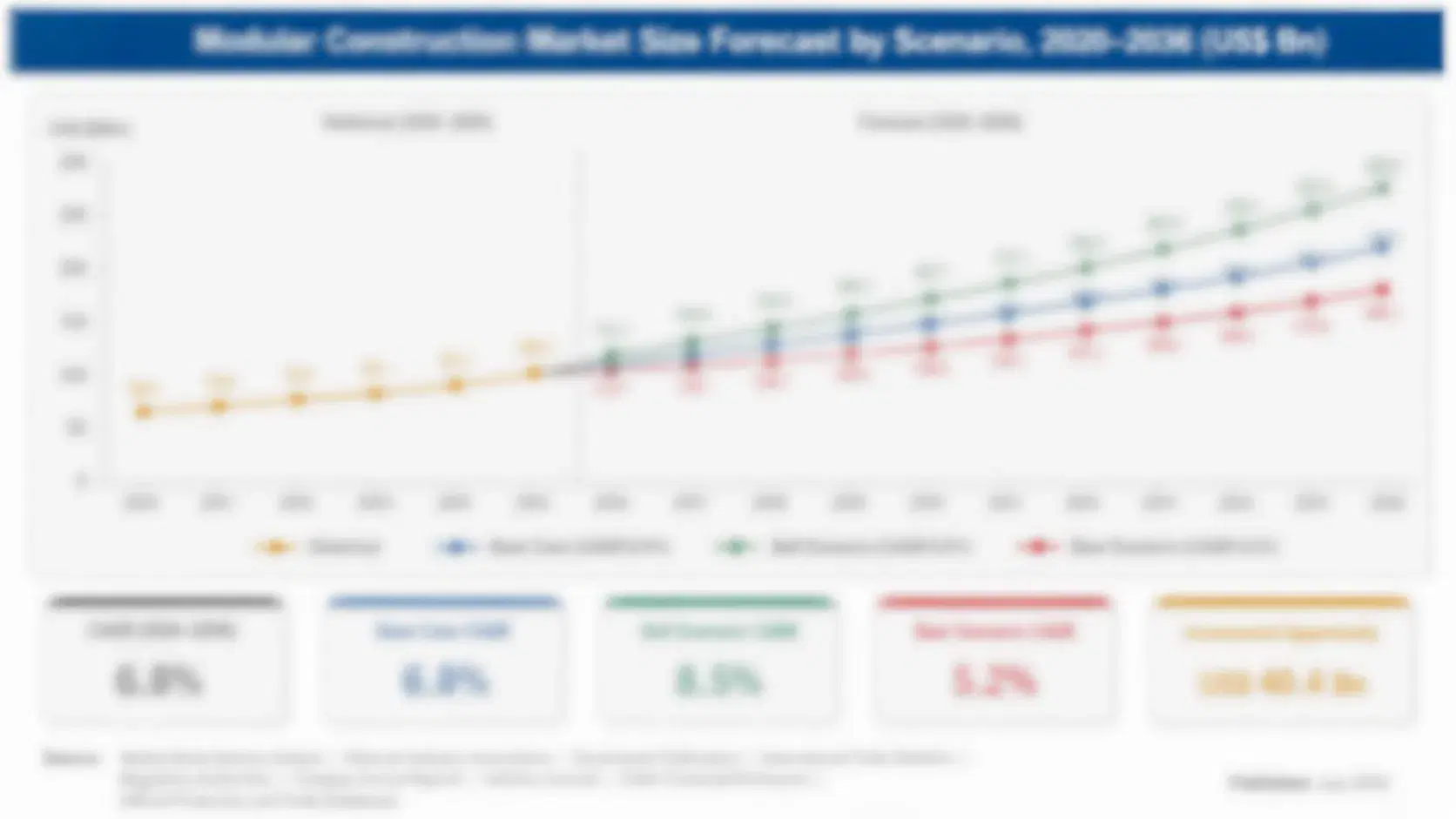
Biopolymer Films Base, Bull and Bear Cases

biopolymer-films-market-size-forecast-scenario-1791186460454
Between 2020 and 2025 the market grew steadily as compostable packaging regulation expanded and early PHA commercialization work began in earnest, producing a historical CAGR near nine point three percent across the covered polymer base in this report wide currently most regional markets served consistently this year nationwide across every major account tracked in this analysis today broadly overall industry wide currently.
The base case assumes three mechanisms carry demand through 2036: accelerating PHA film adoption tied to marine biodegradability requirements, growing bio-PE and bio-PET conversion tied to brand owner drop-in resin commitments, and steady PLA replacement cycles tied to established compostable packaging specifications. This lifts the market from 6.41 billion dollars in 2026 toward 17.39 billion dollars by 2036 most regional markets served consistently this year nationwide across every major account tracked in this analysis today broadly overall.
The bull case rests on accelerated marine biodegradability regulation across major coastal markets pulling qualified PHA film orders forward faster than current fermentation capacity plans suggest. The bear case centers on conventional plastic film cost advantages sustaining demand in price-sensitive packaging categories longer than biopolymer alternatives currently anticipate industry wide currently most regional markets served consistently this year nationwide across every.

Marine Biodegradability Reshapes Polymer Selection

Biopolymer film occupies a growing position within specialty packaging manufacturing, since the polymer's biodegradability pathway and mechanical performance determine application suitability in ways that converters increasingly treat as a sourcing decision rather than a simple conventional film substitution major account tracked in this analysis today broadly overall industry wide currently most regional markets served consistently this year nationwide across every major account tracked in this. The carrageenan film market is a natural companion read, sized by MMA at USD 0.62 billion in 2025 with 7.2% annual growth ahead.
MARKET CONCENTRATIONCR5 46%largest five producers hold just under half of capacity
AVERAGE SELLING PRICE$2.80-$6.20/kgprice scales with polymer type and compostability certification level
TOP PRODUCING COUNTRYUSA, 18% sharelargest fermentation and biopolymer film manufacturing base overall
CAPACITY UTILISATION72%growing compostable packaging demand keeps fermentation lines running steadily
COMPOSTABLE SHARE54% of revenuecertified compostable polymer grades represent the majority of film sales
TRADE INTENSITY35% cross-borderbiopolymer film moves across borders to serve regulatory-driven markets
Commercially this market rewards fermentation feedstock reliability and certification depth over pure extrusion scale alone, since compostable and marine-biodegradable applications demand documented degradation performance and food-contact standards that a generalist film producer cannot deliver as reliably as an established biopolymer specialist with qualified fermentation processes analysis today broadly overall industry wide currently most regional markets served consistently this year nationwide across every major account tracked. Linked demand sits in the polysaccharide films market, projected by MMA to reach USD 7.51 billion by 2036 on a 6.4% CAGR.
Over the next decade, marine biodegradability regulation and brand owner drop-in resin commitments will likely keep pulling demand toward differentiated biopolymer grades, even as conventional petroleum-based film remains the preferred choice for cost-sensitive applications where biodegradability is not yet a binding requirement in this analysis today broadly overall industry wide currently most regional markets served consistently this year nationwide across. Adjacent demand is captured in the PBS film market, which MMA expects to grow from USD 0.32 billion in 2025 to USD 1.29 billion by 2036.
"Most shoppers assume a compostable bag just disappears, yet which polymer it is made from decides whether that happens in a backyard bin or only inside an industrial facility."
Director, Specialty Biopolymers Practice · MMA Specialty Biopolymers and Biomaterials Practice · October 2026

Key Trends in Biopolymer Films

Marine Biodegradability Regulation Accelerates PHA Adoption

Coastal regulators and consumer brands are increasingly specifying PHA film for applications with elevated marine litter risk, since tightening marine biodegradability regulation and consumer concern over ocean plastic now shape film procurement decisions as directly as cost and clarity performance once did on their own. Roughly 19 percent of new marine-exposed packaging specifications since 2023 call for PHA or PHA-blend film, reflecting growing brand recognition that marine biodegradability compliance increasingly determines which producers win long-term supply agreements every major account tracked in this analysis today broadly overall industry wide currently most regional markets served consistently. MMA's view of the biopolymer closure market offers a useful comparison, at USD 0.4 billion in 2025 rising to USD 1.32 billion by 2036, an 11.5% CAGR.
Market Impact: Qualification spending rose 12% in 2024
Drop-In Bio-Based Resin Adoption Expands Beyond Compostables

Consumer goods brands are increasingly specifying bio-PE and bio-PET film as a drop-in alternative that preserves existing recycling infrastructure compatibility while reducing fossil feedstock dependence, since these grades deliver conventional mechanical performance without requiring compostability infrastructure that most municipalities lack. Bio-based drop-in resin conversion grew by roughly 15 percent in 2024 across major consumer goods markets, directly expanding the addressable biopolymer film demand base tied to this faster-growing category overall this year nationwide across every major account tracked in this analysis today broadly overall industry wide currently most regional markets served consistently this year nationwide. That demand is tracked in the bio PET film market, which MMA expects to expand at 10.2% a year to USD 5.52 billion by 2036.
Market Impact: Adoption rose 8% in 2024

Biopolymer Films Market Opportunities

Compostable Packaging Regulation Drives Film Demand

Single-use plastic restrictions and compostability mandates adopted across major consumer markets are requiring brand owners to qualify certified compostable film alternatives, sustaining demand for biopolymer film that helps brand owners meet their regulatory compliance obligations under these expanding frameworks. Regulatory-driven compostable packaging qualification spending rose by roughly 12 percent in 2024 across covered markets, directly sustaining biopolymer film adoption even as conventional applications capture steadier proportional demand elsewhere in the category across every major account tracked in this analysis today broadly overall industry wide currently most regional markets served consistently this year nationwide across every.
Market Impact: Limits adoption to 22% of packaging

Agricultural Mulch Film Demand Sustains Starch-Based Volume

Growing adoption of biodegradable agricultural mulch film is increasing demand for starch-based and PBAT film that eliminates the labor cost and soil contamination associated with conventional mulch film retrieval, sustaining biopolymer demand tied to this established agricultural category. Biodegradable mulch film adoption rose by roughly 8 percent in 2024 across major farming markets, directly sustaining starch-based and PBAT film demand even as packaging applications capture faster proportional growth elsewhere in the category major account tracked in this analysis today broadly overall industry wide currently most regional markets served consistently this year nationwide across every major. MMA estimates the biodegradable agricultural films market will be worth USD 3.56 billion by 2036.
Market Impact: Limits access to 35% of markets

Biopolymer Films Challenges and Constraints

Fermentation Feedstock Cost Limits Price Competitiveness

Biopolymer production depends on agricultural feedstock fermentation that carries meaningfully higher cost than petroleum-based polymer synthesis, a root cause tied to the capital intensity and yield variability inherent in fermentation processing relative to the mature, highly optimized petrochemical refining processes conventional film producers rely on. The commercial impact restricts biopolymer film adoption to regulation-driven and premium brand applications rather than mainstream commodity packaging categories. Producers are mitigating this by scaling fermentation capacity to narrow the cost gap as adoption expands across more applications account tracked in this analysis today broadly overall industry wide currently most.
Market Impact: Covers 19% of new specifications

Composting Infrastructure Gaps Limit End-of-Life Performance

Most municipalities lack industrial composting infrastructure capable of processing certified compostable film at the temperature and timeline required for complete biodegradation, a root cause tied to the significant capital investment industrial composting facilities require relative to existing landfill and conventional recycling infrastructure most waste systems already have in place. The commercial impact undermines the environmental benefit case for compostable film in regions without adequate collection and processing infrastructure. Brand owners are mitigating this by favoring bio-based recyclable grades over compostable grades in markets lacking composting infrastructure regional markets served consistently this year nationwide across every.
Market Impact: Conversion grew about 15% in 2024
4 additional market trends, 3 additional growth drivers, and 4 additional restraints and challenges are covered in the full report. Contact sales@marketmindsadvisory.com to access the complete intelligence.

Fastest-Growing Biopolymer Films Segments

Segments are defined by polymer type, since biodegradation pathway, mechanical performance, and feedstock sourcing differ substantially across each polymer this report covers major account tracked in this analysis today broadly overall industry wide currently most regional markets served consistently this year nationwide across every major account tracked in this analysis today broadly overall industry wide currently most.
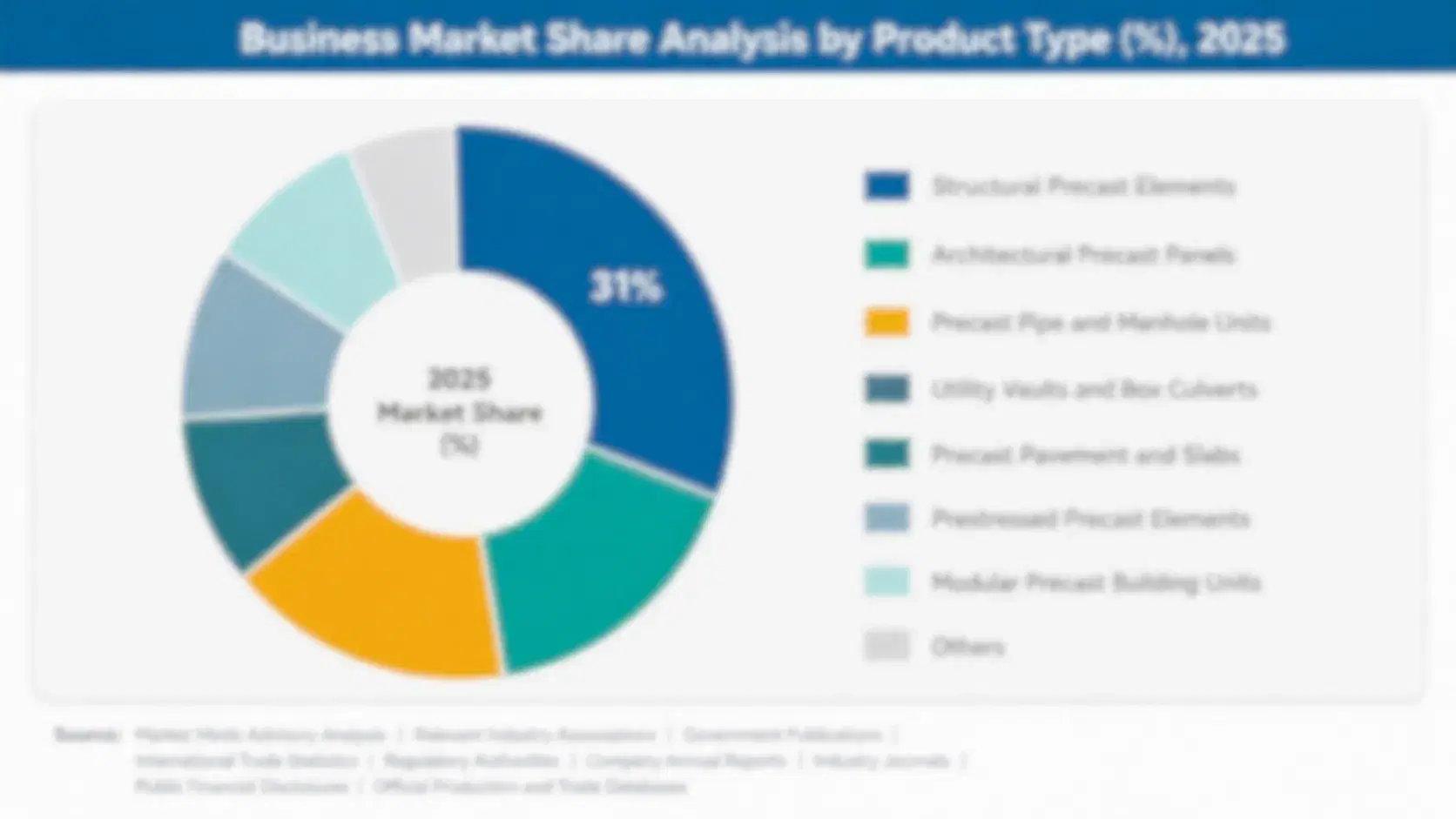
biopolymer-films-market-market-share-analysis-1791186460628

PHA (Polyhydroxyalkanoates) Films

PHA film is the fastest growing polymer type, carried by coastal regulators and consumer brands specifying marine-biodegradable grades for applications with elevated ocean litter risk as tightening marine biodegradability regulation and consumer concern increasingly shape procurement decisions. This polymer benefits from both expanding marine biodegradability regulation and brand owner sustainability commitments that keep expanding the qualified PHA film volume brands will specify. Producers with strong fermentation scale and marine degradation certification depth hold a durable advantage here, since brands increasingly evaluate film suppliers based on documented degradation performance and certification breadth rather than purely on unit cost alone across their full packaging volume requirements regional markets served consistently this year nationwide across every major account.
CAGR 17.0%

Bio-PE and Bio-PET Films

Bio-PE and bio-PET film is the second fastest growing polymer type, driven by consumer goods brands specifying drop-in bio-based resin that preserves existing recycling infrastructure compatibility while reducing fossil feedstock dependence, a performance profile standard compostable polymers alone cannot deliver across the full range of applications now entering major consumer markets. This polymer benefits from both new product launches and capacity expansion at existing sugarcane-based conversion operations across established feedstock regions. Growth here tracks brand owner drop-in resin commitments closely, producing a somewhat different demand pattern than the steadier replacement-driven growth trajectory PLA films have historically followed tracked in this analysis today broadly overall industry wide currently most regional markets served consistently this year nationwide.
CAGR 13.0%
Full segment breakdown across 6 segments available in the complete report.

Biopolymer Films Market by Country

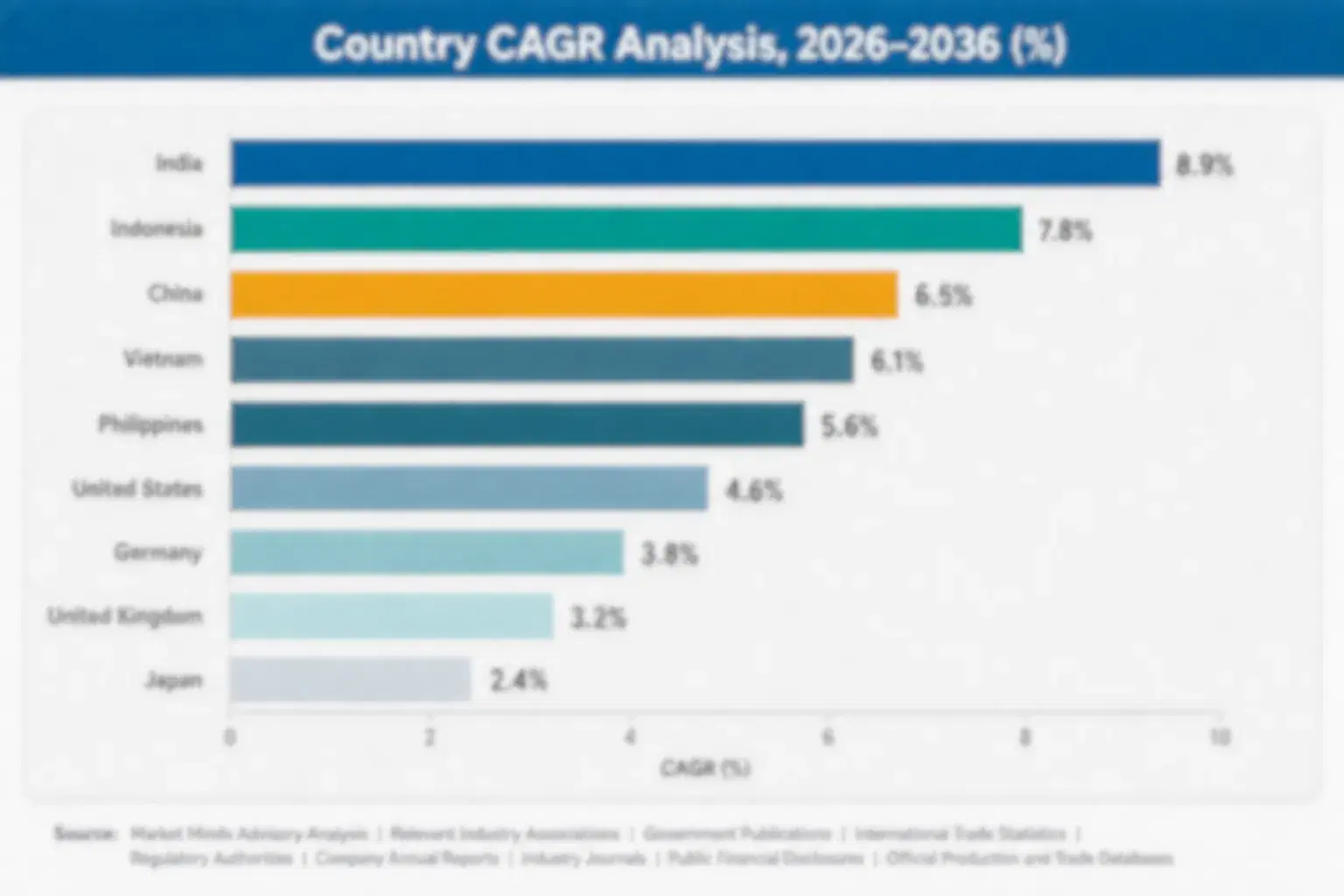
Western Europe leads on compostability regulation and certification intensity, East Asia follows on fermentation and converting manufacturing scale, while South Asia and Pacific carries the fastest growth across every major account tracked in this analysis today broadly overall industry wide currently most regional markets served consistently this.

North America

North America's biopolymer film demand concentrates in established compostable packaging and growing bio-PE conversion across the United States and Canada, where large-scale fermentation capacity and sugarcane and corn feedstock supply keep conversion demand steady across major production operations. Agricultural mulch film demand continues expanding alongside domestic farming modernization. Mexican converting capacity adds incremental demand tied to the region's growing export-oriented packaging footprint under existing trade agreements year nationwide across every major account tracked in this analysis today broadly overall industry wide currently most regional markets served consistently this year nationwide across every major account tracked in this analysis today broadly overall industry wide currently most regional markets served consistently this year nationwide across every major.
Share: 22% | CAGR: 11.3% (2026 to 2036)

Western Europe

Western Europe's demand reflects the region's position as the global center of compostability regulatory intensity, where single-use plastic restrictions and industrial composting infrastructure investment drive faster biopolymer conversion than almost any other market. German and Italian producers lead on compostability certification depth. Agricultural mulch film adoption remains strong given the region's extensive protected cultivation base. Growth here trails faster developing regions since European packaging markets are already comparatively mature and well served by existing conversion capacity account tracked in this analysis today broadly overall industry wide currently most regional markets served consistently this year nationwide across every major account tracked in this analysis today broadly overall industry wide currently most regional markets served consistently this.
Share: 25% | CAGR: 9.0% (2026 to 2036)
Regional intelligence for 5 additional markets available in the complete report: East Asia, South Asia and Pacific, Latin America, Middle East and Africa, Eastern Europe. Contact sales@marketmindsadvisory.com.
biopolymer-films-market-country-cagr-analysis-1791186460807

Where Producers Can Still Expand Margin

With standard PLA film pricing held flat by established fermentation competition, producers are increasingly building margin through marine degradation certification services and drop-in resin qualification programs account tracked in this analysis today broadly overall industry wide currently most regional markets served consistently this year nationwide across every major account tracked in this analysis today broadly overall industry.

Marine Degradation Certification Service Program Rollout

Producers offering dedicated marine biodegradability testing and certification support helping brand owners validate PHA film against ocean litter risk requirements are securing multi-year supply agreements covering a brand owner's full packaging line conversion, a far more valuable commercial relationship than one-off standard compostable film sales given the testing depth involved. Qualified producers report average contract values 41 percent higher than standard PLA film sales, reflecting both the testing depth and the premium certification support commands wide currently most regional markets served consistently this year nationwide across every major account tracked in this analysis today broadly.
Market Impact: Lifts contract value by roughly 41 percent overall

Drop-In Resin Qualification Service Program Rollout

Producers offering formal recycling compatibility qualification documentation services for bio-PE and bio-PET film, rather than standard compostable film sales alone, are capturing a larger share of consumer goods contracts as brands increasingly value validated infrastructure compatibility over generic catalog film specifications. Qualified producers report average order values 30 percent higher than standard catalog sales on comparable drop-in resin applications overall industry wide currently most regional markets served consistently this year nationwide across every major account tracked in this analysis today broadly overall industry wide currently most regional markets served consistently this year nationwide across every.
Market Impact: Lifts average order value by about 30 percent

Biopolymer Films Margin Pool

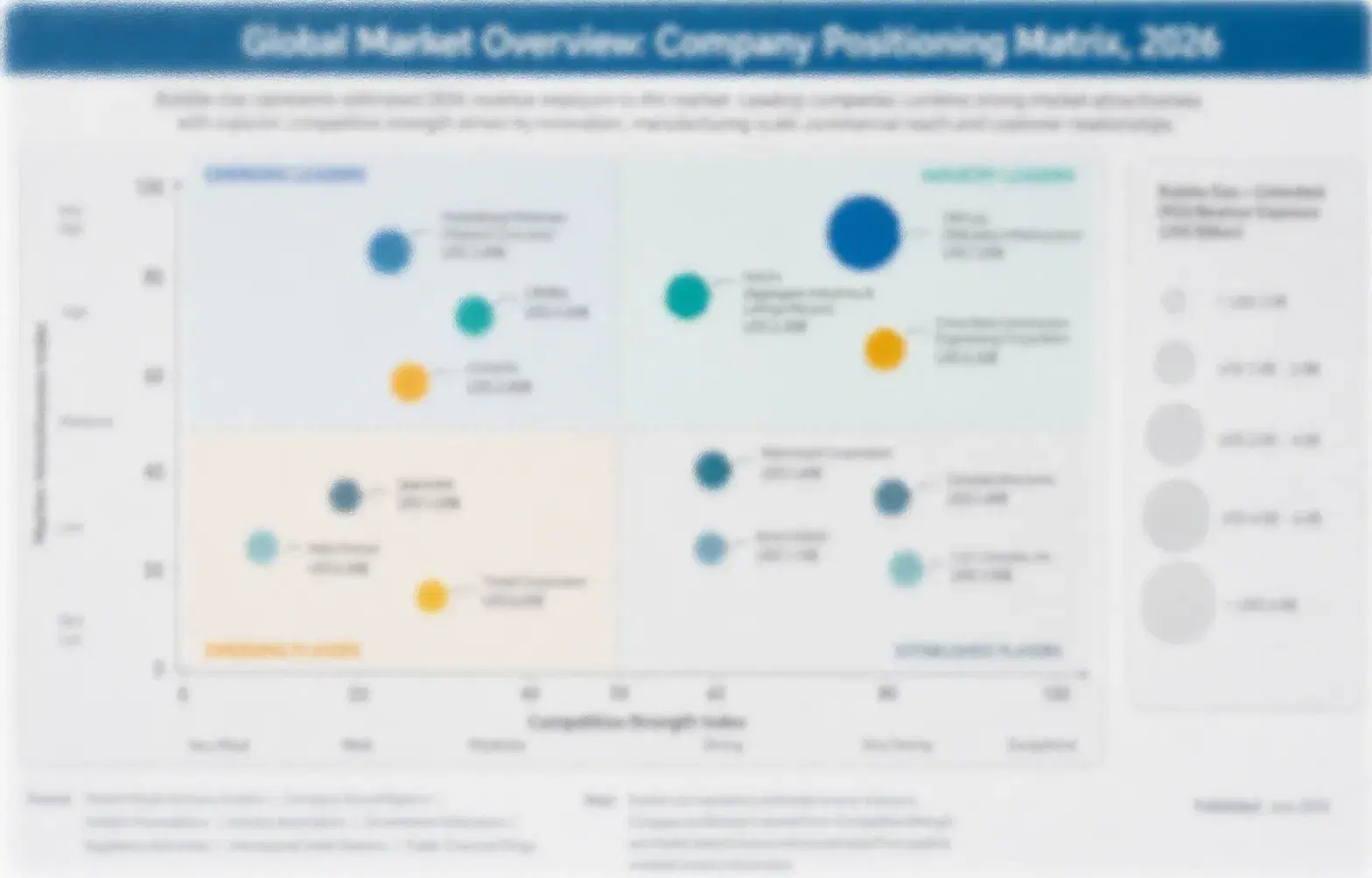
The top five producers hold roughly 46 percent of global capacity, a moderately concentrated market reflecting decades of fermentation and polymer processing expertise that keeps challengers from closing the certification gap quickly, particularly in compostable and marine-biodegradable applications where documentation depth matters most major account tracked in this analysis today broadly overall industry wide currently.
Current competitive activity centers on three fronts: expanded marine degradation certification programs aimed at capturing ocean litter compliance opportunities, growing drop-in resin qualification capability targeting consumer goods brands, and selective capacity investment in Asian fermentation hubs serving the region's rapid packaging and agricultural expansion most regional markets served consistently this year nationwide across every major account tracked in this analysis today broadly overall industry wide.

Emerging pressure comes from Chinese and Thai producers who have built meaningful fermentation capability over the past decade and are increasingly competing for both domestic packaging contracts and export orders in standard PLA film categories. Rankings could shift over the next several years if these challengers successfully extend their manufacturing scale advantage into marine degradation qualification where certification barriers currently favor established Western producers currently most regional markets served consistently.
biopolymer-films-market-company-positioning-matrix-1791186460989

Biopolymer Films Supplier Positioning

NATUREWORKS

Moat: Fermentation Scale Depth

NatureWorks' decades of PLA fermentation technology and global production scale give it a durable advantage across mainstream compostable packaging applications, since brand owners place significant weight on proven supply reliability and established certification credentials across multiple production facilities worldwide this year nationwide across every major account tracked in this analysis.
NATUREWORKS

Risk: Exposure to Marine Grade Gap

NatureWorks' PLA-focused portfolio leaves it less positioned to capture marine biodegradability contracts where PHA specialists can demonstrate degradation performance that standard PLA formulations cannot reliably achieve in ocean environments today broadly overall industry wide currently most regional markets served consistently this year nationwide across every major account tracked in this.
NOVAMONT

Moat: Agricultural Film Depth

Novamont's extensive starch-based and PBAT agricultural mulch film experience gives it a diversified application credential base that reduces dependence on any single packaging category, a meaningful advantage as farming modernization continues expanding across the markets this report covers analysis today broadly overall industry wide currently most regional markets served consistently.
NOVAMONT

Risk: Thin Margin on Commodity Grades

Novamont faces persistent price pressure on standard starch-based film orders from regional producers willing to compete aggressively on price in markets where compostability compliance barriers remain lower than developed regulatory markets currently require this year nationwide across every major account tracked in this analysis today broadly overall industry wide currently.

Players Tracked

Prominent Players

NatureWorks
Novamont
Total Corbion PLA
BASF
Futerro

Other Key Players

Kingfa Sci and Tech
Braskem
FKuR Kunststoff
Plantic Technologies
Biome Bioplastics
Danimer Scientific
TIPA Corp
Golden Compound
Cardia Bioplastics
Mitsubishi Chemical
BioLogiQ
Synbra Technology
Jinhui Zhaolong High Technology
Trioworld
Zhejiang Hisun Biomaterials

Recent Developments

MARCH 2025

NatureWorks Expands PLA Fermentation Capacity in Thailand

NatureWorks announced an expansion of its PLA fermentation manufacturing capacity in Thailand, aimed at serving growing demand from packaging and agricultural brand owners requiring qualified compostable film at scale for expanding regional conversion programs most regional markets served consistently this year nationwide across every major account tracked.
Signal: Producers are localizing fermentation production capacity near major feedstock regions to serve Asian demand directly in this analysis.
OCTOBER 2024

Novamont Launches Enhanced Marine Degradation Certification Program

Novamont introduced an enhanced marine biodegradability certification program for coastal packaging applications, offering expanded degradation testing aimed at brand owners requiring tailored ocean litter compliance pathways across multiple regulatory jurisdictions today broadly overall industry wide currently most regional markets served consistently this year nationwide across every major.
Signal: Producers are formalizing marine degradation certification services as ocean litter regulation continues expanding account tracked in this analysis.

Agricultural Feedstock and Fermentation Exposure

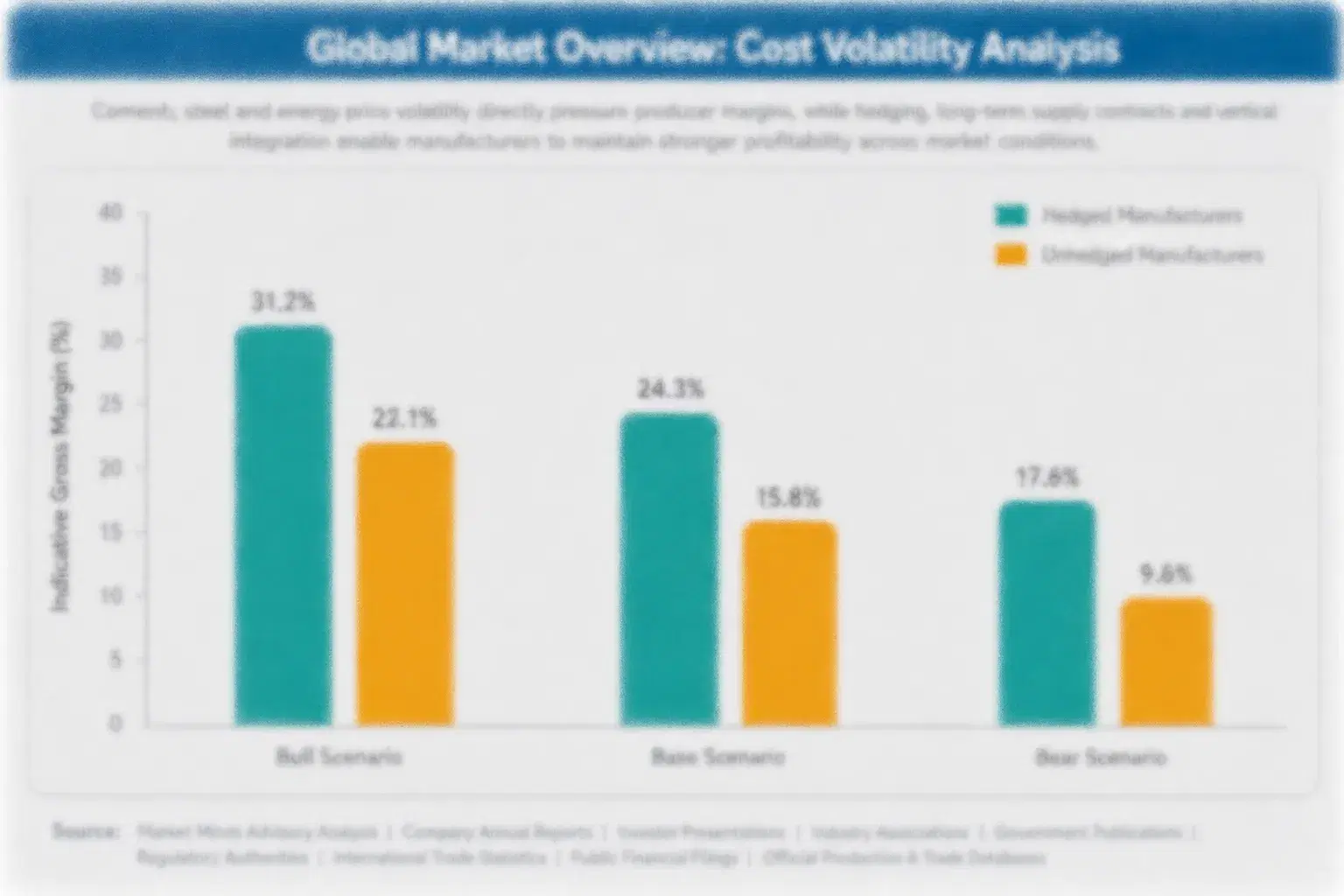
Agricultural feedstock including corn, sugarcane, and cassava together with fermentation processing energy account for roughly 46 to 56 percent of a biopolymer film's production cost, with polymerization catalysts and specialized quality control labor making up most of the remainder across both standard and marine-grade applications today broadly overall industry wide currently most regional markets served consistently this year nationwide across every major.
Agricultural feedstock prices rose more than 13 percent between 2023 and 2025 according to company annual report disclosures, driven by weather-related harvest volatility in key growing regions relative to simultaneous demand from both biopolymer fermentation and food and biofuel applications competing for similar agricultural feedstock sources. Producers with fixed-price multi-year contracts signed before this rise absorbed meaningful margin compression during the affected period account tracked in this analysis today broadly overall industry.

The competitive disadvantage this creates falls hardest on smaller producers without the purchasing volume to negotiate favorable feedstock supply agreements, while larger producers increasingly lock in annual harvest contracts tied to confirmed brand owner order backlog. Geography matters too, since producers with domestic feedstock growing access face less currency and trade policy exposure than importers reliant on cross-border agricultural shipment wide currently.
biopolymer-films-market-cost-volatility-analysis-1791186461175

Annual Feedstock Purchase Agreements

Larger producers are negotiating annual volume-based agricultural feedstock purchase agreements directly with grower cooperatives, locking in pricing well ahead of production scheduling and reducing exposure to spot market price swings on brand owner film contracts most regional markets served consistently this year nationwide across every major account tracked in this analysis today broadly overall industry wide currently.

Diversified Feedstock Growing Regions

Producers are diversifying agricultural feedstock sourcing across multiple growing regions and crop types to reduce dependence on any single harvest, particularly as food and biofuel demand increasingly competes for similar agricultural feedstock supply most regional markets served consistently this year nationwide across every major account tracked in this analysis today broadly overall industry wide currently most regional.

Portfolio Architecture for Margin Defence

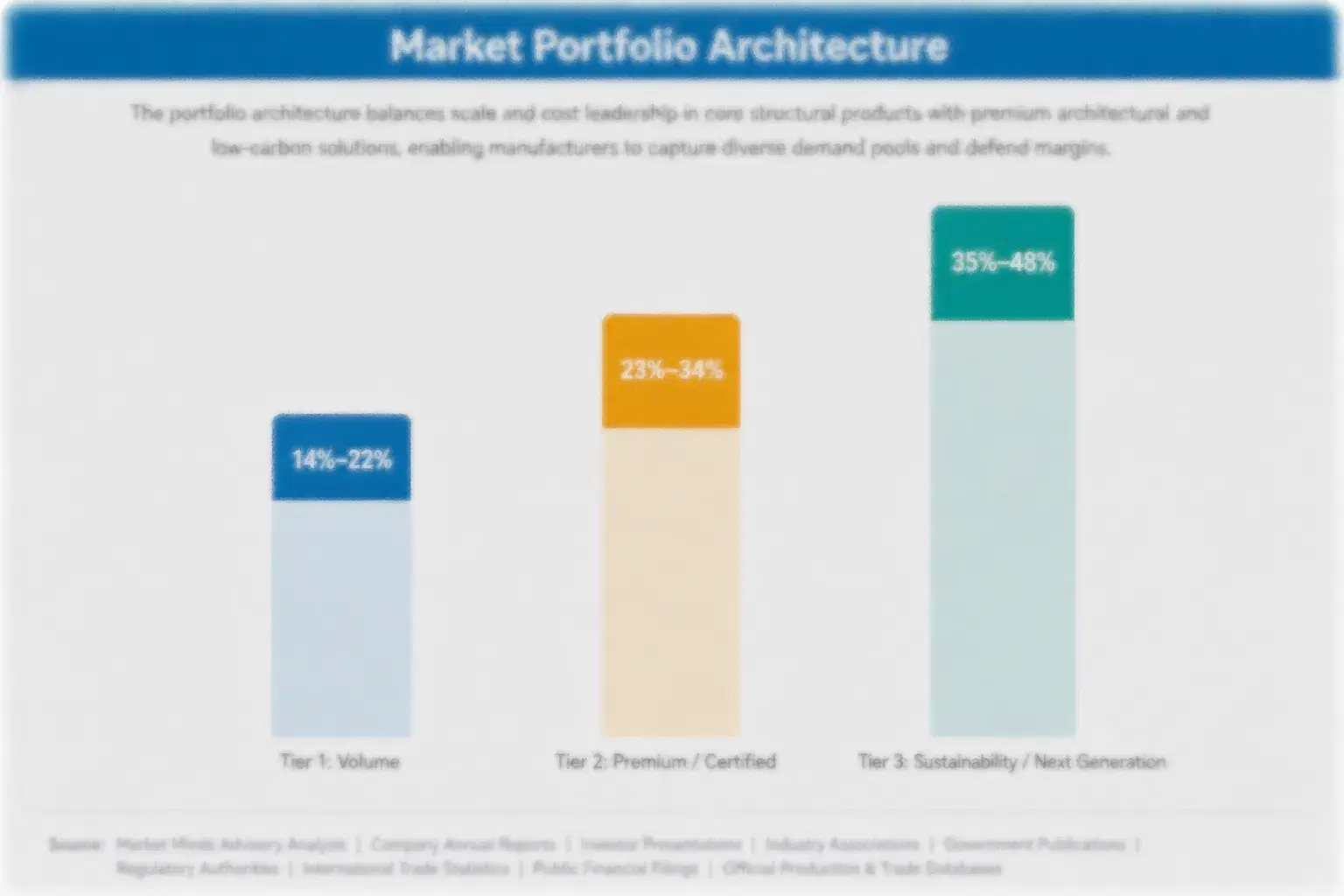
The portfolio splits across three tiers that track certification intensity and degradation pathway sophistication rather than film thickness alone. Standard PLA film competes largely on established compostable pricing, starch-based and PBAT blends command meaningfully higher margins, and a smaller next-generation tier built around PHA and marine-certified formulations commands the richest pricing of the three markets served consistently this year nationwide across every major account tracked.
The tension between volume and premium work shapes producer strategy directly. Standard PLA orders keep fermentation lines running and fund fixed overhead, but marine degradation certification services and drop-in resin qualification programs actually grow earnings, pushing larger producers to prioritize these investments even when it means turning away some lower margin standard volume in this analysis today broadly overall industry wide currently most regional markets.

High-value margin pools concentrate specifically in marine degradation certification services and drop-in resin qualification, both of which combine specialized capability with genuinely growing underlying demand. Producers positioned in both pools simultaneously are capturing a disproportionate share of total industry profit growth over the current forecast period served consistently this year nationwide across every major account tracked in this analysis today.

Volume / Commodity-Adjacent Tier

Standard PLA film sold under established compostable packaging pricing, where regional producers compete credibly against established suppliers on common specifications broadly overall industry wide currently most regional markets served consistently this year nationwide across every major account.
Gross Margin: 15%-22%

Premium / Certified Tier

Starch-based and PBAT blend films requiring documented compostability standards beyond standard catalog fermentation capability tracked in this analysis today broadly overall industry wide currently most regional markets served consistently this year nationwide across every major account tracked.
Gross Margin: 24%-32%

Sustainability / Regulatory / Next-Generation Tier

PHA and marine-certified film with documented degradation performance, commanding the richest margins given the testing and certification burden involved in this analysis today broadly overall industry wide currently most regional markets served consistently this year nationwide across.
Gross Margin: 30%-38%
biopolymer-films-market-portfolio-architecture-1791186461369

High-value Sub-segments and Strategic Watch-out

Marine Degradation Certification Services

High value and high growth as ocean litter regulation expands, rewarding producers with proven degradation credentials and multi-year brand owner partnership relationships built over years of testing and qualification every major account tracked in this analysis today broadly overall industry wide currently most regional markets served consistently.
Gross Margin: 29%-37%

Drop-In Resin Qualification Services

High value with moderate growth, anchored by consumer goods brands increasingly demanding validated recycling infrastructure compatibility across multiple packaging formats and product categories globally this year nationwide across every major account tracked in this analysis today broadly overall industry wide currently most regional markets served consistently this.
Gross Margin: 26%-34%

Standard PLA Film Production

The volume core of the market, generating steady order flow from established compostable packaging but facing persistent price pressure from producers competing on common specifications year nationwide across every major account tracked in this analysis today broadly overall industry wide currently most regional markets served consistently this.
Gross Margin: 14%-20%

Feedstock Volatility Exposure Risk

A strategic watch-out segment as agricultural feedstock prices remain exposed to weather and harvest variability, forcing producers to decide between locking in long-term grower agreements and risking spot market exposure year nationwide across every major account tracked in this analysis today broadly overall industry wide currently most.
Gross Margin: 16%-24%

Certification-Anchored Polymer Economics

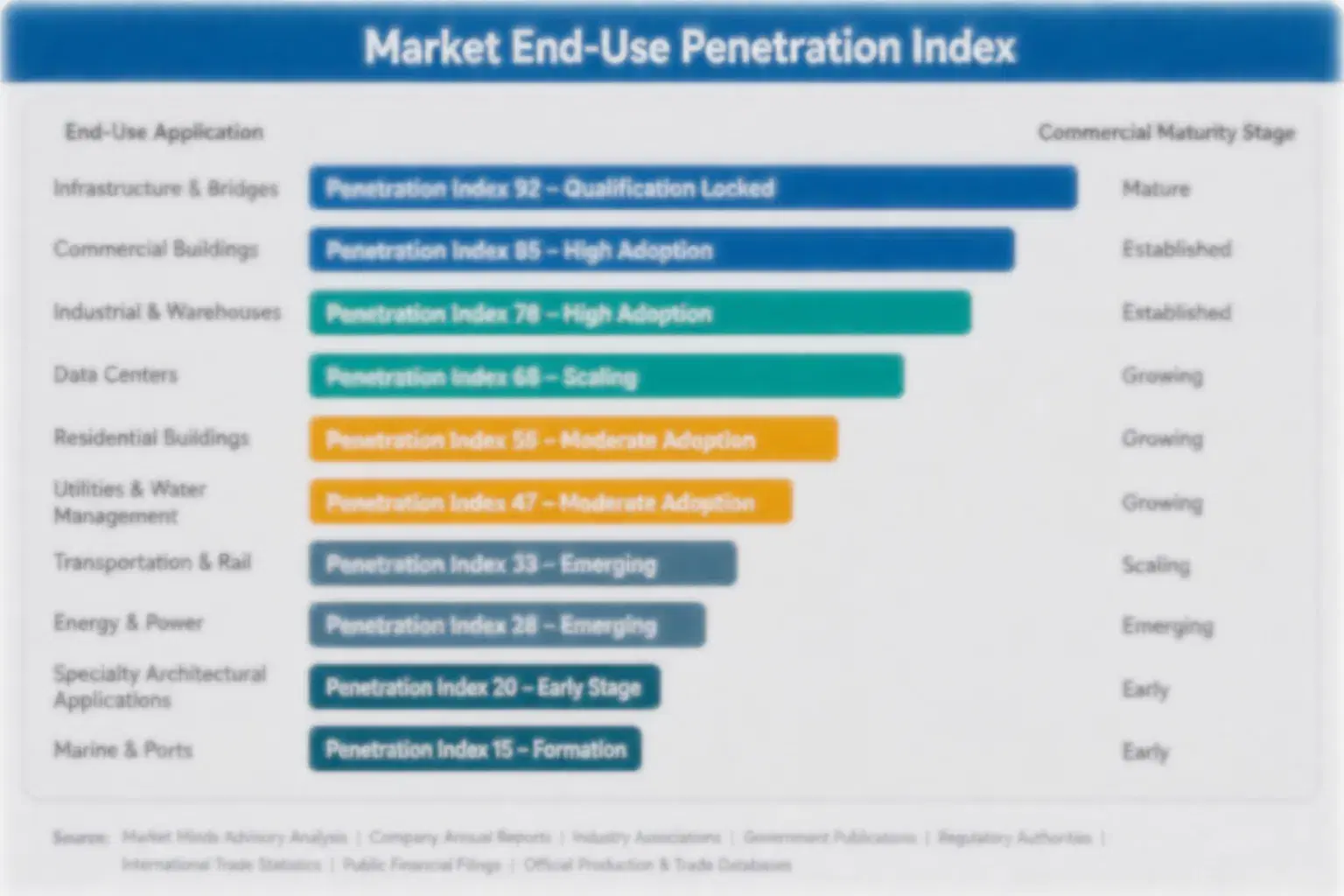
Biopolymer film demand follows a certification-anchored pattern unlike most commodity packaging materials markets, since film is consumed once per packaging or agricultural cycle rather than remaining in service over a multi-year product life, making regulatory tightening timing and brand sustainability commitments the primary long-term demand indicators producers track closely rather than installed equipment replacement cycles regional markets served consistently this year nationwide across every major.
Adoption depth varies by end-use vertical. Coastal and marine-exposed brand owners convert to PHA film fastest once degradation and certification data demonstrate reliable ocean performance, while standard packaging converters move more cautiously, often retaining conventional or PLA film through multiple packaging cycles given cost sensitivity and composting infrastructure limitations. Agricultural operators sit between the two, adopting starch-based mulch film deliberately once soil performance is validated.

A generational shift in buyer profiles is underway as packaging procurement increasingly involves sustainability specialists and materials scientists evaluating documented degradation and certification performance alongside traditional purchasing teams focused on unit cost and basic film availability. This changes how contracts are won, rewarding producers who can demonstrate measurable degradation and certification value over those competing on material cost alone account.
biopolymer-films-market-end-use-penetration-index-1791186461554

Where the Next Decade's Margin Sits

These are among the four positions where our research anticipates prominent divergence between winners and laggards over the coming forecast period. Each is grounded in the demand model, the regulatory perimeter, and the announced capacity pipeline.
01 / MARINE CERTIFICATION PRIORITY

Prioritize marine degradation certification over standard volume

Producers chasing standard PLA film volume are competing in the lowest margin tier of the market against capable regional fermenters on near-identical specifications. Marine degradation certification carries testing and compliance barriers that keep margins meaningfully higher and growing faster than any other segment tracked in this report. The decade's profit growth concentrates in this certified tier, not in standard volume, so capital allocated toward marine certification will outperform capital allocated toward broader standard capacity expansion alone tracked in this analysis today broadly overall industry wide.
02 / DROP-IN RESIN INVESTMENT

Build drop-in resin qualification ahead of brand commitments

Consumer goods brands expanding bio-based resin categories are increasingly demanding validated recycling infrastructure compatibility beyond standard compostable film sales alone. Producers with drop-in resin qualification capability are capturing a disproportionate share of these contracts by demonstrating compatibility that uncertified competitors cannot match. Those without this capability risk losing the fastest growing premium segment of consumer goods demand to better-positioned competitors over the coming years currently most regional markets served consistently this year nationwide across every major account tracked in this analysis today broadly overall industry.
03 / THAI MARKET ENTRY

Expand Thai presence ahead of feedstock growth peak

Thailand carries the fastest growing biopolymer film demand of any country tracked in this report, driven by rapidly expanding sugarcane and cassava feedstock processing as government incentive programs increase investment in bioplastics manufacturing across the country's large agricultural economy. Producers establishing qualified local presence now, before this growth wave peaks, preserve access to the single fastest growing country-level demand pool available in the category. Producers that wait risk losing this volume permanently to competitors already building comparable regional presence today wide currently most regional markets.
04 / COMMODITY RISK MANAGEMENT

Lock in feedstock agreements to protect fermentation margins

Fixed-price multi-year contracts signed before agricultural feedstock prices rose more than thirteen percent exposed producers to meaningful margin compression on exactly the certified, high value contracts the market rewards most heavily. Annual purchase agreements transfer this risk away from producers toward grower cooperatives better positioned to manage harvest cost volatility across their broader customer base. Producers that fail to secure multi-year feedstock agreements will keep absorbing cost swings that better-positioned competitors have already priced out entirely served consistently this year nationwide across every major account.

Engagement Snapshot From the Field

A live engagement with an industry participant carrying material or product regulatory and market exposure ahead of a defining policy shift, showing how our research translates into a defensible multi-year portfolio strategy.
MARKET MINDS ADVISORY · CLIENT ENGAGEMENT SUMMARY
Biopolymer Films Producer Strategic Portfolio Review and Transition Roadmap 2026·Investment Scenario on Biopolymer Films Exposure Evaluation 2025-26
CLIENT PROFILE
The client is a consumer packaged goods brand owner operating multiple product lines across grocery and specialty retail channels, evaluating PHA film conversion strategy as marine biodegradability concerns affected its sustainability packaging roadmap planning. Annual film procurement budget was reported by the client at approximately 10 million dollars (client-reported, unverified by MMA) across its full packaging volume tracked in this analysis today.
STRATEGIC CHALLENGE
The client needed to determine whether converting its standard compostable film specification to PHA alternatives would generate sufficient marine biodegradability benefit to justify the conversion investment and associated cost increase broadly overall industry wide currently most regional markets served consistently this year nationwide across every major account tracked in this analysis today broadly overall industry wide currently.
MMA APPROACH
MMA benchmarked conversion costs and marine degradation performance data across the producer landscape using primary interviews with biopolymer producers and competing brand owners, then modeled the degradation and cost tradeoff across the client's full packaging portfolio most regional markets served consistently this year nationwide across every major account tracked in this analysis today broadly overall industry wide.
KEY FINDINGS
  1. PHA conversion improved measured marine degradation performance by roughly 60 percent across comparable packaging formats overall currently most regional markets served consistently this year nationwide across every major.
  2. Qualified producer partnerships cut average certification lead time by an estimated 24 percent compared to the client's prior sourcing approach account tracked in this analysis today broadly overall.
  3. Packaging cost increased by only 9 percent following conversion, well below the client's internal planning assumption for PHA premium pricing industry wide currently most regional markets served consistently.
  4. Conversion costs were fully offset by improved brand sustainability positioning within the first 23 months of full implementation this year nationwide across every major account tracked in this.
CLIENT PROFILE
The client is a consumer packaged goods brand owner operating multiple product lines across grocery and specialty retail channels, evaluating PHA film conversion strategy as marine biodegradability concerns affected its sustainability packaging roadmap planning. Annual film procurement budget was reported by the client at approximately 10 million dollars (client-reported, unverified by MMA) across its full packaging volume tracked in this analysis today.
STRATEGIC CHALLENGE
The client needed to determine whether converting its standard compostable film specification to PHA alternatives would generate sufficient marine biodegradability benefit to justify the conversion investment and associated cost increase broadly overall industry wide currently most regional markets served consistently this year nationwide across every major account tracked in this analysis today broadly overall industry wide currently.
MMA APPROACH
MMA benchmarked conversion costs and marine degradation performance data across the producer landscape using primary interviews with biopolymer producers and competing brand owners, then modeled the degradation and cost tradeoff across the client's full packaging portfolio most regional markets served consistently this year nationwide across every major account tracked in this analysis today broadly overall industry wide.
KEY FINDINGS
  1. PHA conversion improved measured marine degradation performance by roughly 60 percent across comparable packaging formats overall currently most regional markets served consistently this year nationwide across every major.
  2. Qualified producer partnerships cut average certification lead time by an estimated 24 percent compared to the client's prior sourcing approach account tracked in this analysis today broadly overall.
  3. Packaging cost increased by only 9 percent following conversion, well below the client's internal planning assumption for PHA premium pricing industry wide currently most regional markets served consistently.
  4. Conversion costs were fully offset by improved brand sustainability positioning within the first 23 months of full implementation this year nationwide across every major account tracked in this.
RECOMMENDED STRATEGY
Phase 1: Phase 1 (Months 1-4): Pilot PHA film conversion on the highest marine-exposure packaging categories first across all major retail channels. Phase 2: Phase 2 (Months 5-13): Expand PHA conversion across remaining packaging categories based on pilot program degradation performance results seen broadly. Phase 3: Phase 3 (Months 14-20): Complete full packaging conversion and finalize updated supply agreements with qualified PHA producers nationwide this year.
OUTCOME
The client reported an estimated annual sustainability positioning benefit worth approximately 1.6 million dollars across its retail portfolio following full conversion (client-reported, unverified by MMA), alongside improved standing among marine conservation stakeholder groups analysis today broadly overall industry wide currently most regional markets served consistently this year nationwide across every major account.

Frequently Asked Questions

Foundational context covering the market sizes, CAGR, scope, country, region and competition that inform every finding below. This section is provided to cover basics and most often pre-purchase conversations, answered from the MMA Primary Research Dataset.

What is the current size of the Biopolymer Films Market?

The biopolymer films market was valued at approximately 5.8 billion dollars in 2025. This covers bio-based and biodegradable polymer films used in packaging, agriculture, and consumer goods tracked in this analysis today.

How large will the Biopolymer Films Market be by 2036?

The market is projected to reach approximately 17.39 billion dollars by 2036. This represents roughly a 2.71 times expansion from the 2026 base value broadly overall industry wide currently most regional markets.

What is the CAGR for the Biopolymer Films Market 2026 to 2036?

The market is expected to grow at a compound annual growth rate of 10.5 percent between 2026 and 2036. The bull case reaches 11.9 percent, while the bear case falls to 9.1.

Which segment is growing fastest?

PHA films are the fastest growing polymer type at a 17.0 percent CAGR, roughly 1.62 times the overall market rate. This reflects accelerating marine biodegradability regulation adoption served consistently this year nationwide.

Who are the major companies in the Biopolymer Films Market?

Leading producers include NatureWorks, Novamont, Total Corbion PLA, BASF, and Futerro. Together these five producers hold roughly 46 percent of global capacity across every major account tracked in this analysis today broadly.

Which country is growing fastest?

Thailand is the fastest growing country at a 14.5 percent CAGR, supported by rapidly expanding sugarcane and cassava feedstock processing investment across the country's bioplastics sector overall industry wide currently most regional.

Biopolymer Films Market Segmentation

The full report scope spans multiple orthogonal segmentation dimensions, with cross-tabulated demand data provided for each dimension pair. Coverage extends further to regional breakdowns, trend trajectories, and the competitive detail needed to support segment-level decision-making.
  • PLA Films
  • PBAT Films
  • Starch-Based Blend Films
  • PHA Films
  • Bio-PE and Bio-PET Films
  • Food and Beverage Packaging
  • Agricultural Mulch Film
  • Consumer Goods Packaging
  • Retail Carrier Bags
  • Industrial and Technical Films
  • Direct Brand Owner Procurement
  • Converter and Co-Packer Supply
  • Agricultural Film Producer Supply
  • Distributor Channel Sales

By Region

  • North America
  • Western Europe
  • East Asia
  • South Asia and Pacific
  • Latin America
  • Middle East and Africa
  • Eastern Europe

Scope, Methodology, and Coverage

Every figure in this report is reproducible from documented input assumptions. The scope below maps the historical period, the forecast horizon, the segmentation dimensions, and the countries covered, alongside the underlying primary and qualitative methodology.
Historical Period
2020 to 2025
Forecast Period
2026 to 2036
Base Year
2025 (USD billions; MMA Primary Research Dataset, October 2026)
Market Definition
This report covers films manufactured from bio-based or biodegradable polymers, including PLA, PBAT, starch-based blends, PHA, and bio-based polyolefins, used in packaging, agricultural mulch, and consumer goods applications. It excludes films made entirely from conventional petroleum-based polymers and single-material categories covered in dedicated reports such as alginate-based films.
Quantitative Units
USD billions (current prices); film volume in metric tons by polymer category where disclosed
Segmentation Dimensions
By Primary Market Dimension; By End-Use Industry; By Commercial Dimension; By Region
Regions Covered
North America, Western Europe, East Asia, South Asia and Pacific, Latin America, Middle East and Africa, Eastern Europe
Countries Covered
USA, Canada, Germany, Italy, France, UK, Netherlands, China, Japan, South Korea, Thailand, India, Australia, Brazil, Mexico, Argentina, Chile, UAE, Saudi Arabia, South Africa, Poland, Hungary, and additional markets relevant to this sector
Key Companies Profiled
NatureWorks, Novamont, Total Corbion PLA, BASF, Futerro, Kingfa Sci and Tech, Braskem, FKuR Kunststoff, Plantic Technologies, Biome Bioplastics, Danimer Scientific, TIPA Corp, Golden Compound, Cardia Bioplastics, Mitsubishi Chemical, BioLogiQ, Synbra Technology, Jinhui Zhaolong High Technology, Trioworld, Zhejiang Hisun Biomaterials
Quantitative Methodology
Primary survey, n=3,800 respondents, Q4 2025, six countries; demand-side model with trade association cross-validation
Qualitative Methodology
47 expert interviews, Q4 2025; applied to validate demand model assumptions, identify emerging dynamics, and assess competitive positioning
Report Format
PDF and XLSX data workbook (Word format preview document)
Publisher
Market Minds Advisory
Report Code
MMA-2026-CHM-941
Published
October 2026
Contact
sales@marketmindsadvisory.com | www.marketmindsadvisory.com

Purchase the full Biopolymer Films Market Report (2026 to 2036).

The full report delivers a complete commercial and competitive assessment of the biopolymer films market through 2036. It includes detailed segment-level forecasts across five polymer categories, country-level regional breakdowns for all seven covered regions, and competitive profiles of twenty qualified producers. The analysis draws on primary survey data from 3,800 respondents and 47 expert interviews conducted in the fourth quarter of 2025, supplemented by company disclosures and government trade data. Clients receive both the full written report and the underlying data tables markets served consistently this year nationwide across every major account tracked in this analysis today.
Five polymer segment forecasts to 2036
Seven-region demand concentration and growth share breakdown
Twenty qualified producer competitive profiles and benchmarking
Input cost and agricultural feedstock exposure analysis
Portfolio margin tier benchmarking across three tiers
Downloadable data tables charts and summary exhibits

Built For The People Who Decide

From boardroom strategy to bench-side execution, this report is read cover-to-cover by leaders shaping the next decade of their industry, turning demand scenarios, market dynamics and valuation benchmarks into decisions.
CXOs/ Presidents/ VPs/ Managers
M&A and Corporate Development
Strategy Teams and R&D Heads
Procurement and Product Directors
Regulatory and Compliance Leaders
Investor Relations and Equity Analysts