Market Minds Advisory
Biological Indicator Vial Market

Biological Indicator Vial Market Insights 2026-2036: Demand and Share

Sterile processing departments keep shifting sterilization validation specification toward hydrogen peroxide vapor and radiation biological indicators as isolator and single-use device sterilization mandates squeeze legacy steam autoclave stock across most producing regions worldwide this cycle.

Lead Analyst

Bilal Shaikh

Published

November 2026

Make Smarter Decisions with Customized Research Insights

Request a free sample report and evaluate market opportunities, growth trends, and competitive dynamics relevant to your business needs.

2025 MARKET VALUE$0.5BMarket Size 2025
2036 FORECAST VALUE$1.0BBase Case , 2026 to 2036
CAGR 2026 TO 20366.2 %Bull 7.5% / Bear 4.9%
INCREMENTAL OPPORTUNITY$0.4BNet 10- year value creation
EXPANSION MULTIPLE1.82x2036 value over 2026 base
Strategic Levers
M&A Pipeline
Regional Outlook
Country Rankings
Competitive Intelligence
Segmental Deep-dive
Call-Us : 91 93563 13602

Biological Indicator Vial Market at a Glance

This biological indicator vial report spans five sterilization modality families, from steam autoclave and ethylene oxide through dry heat, hydrogen peroxide vapor, and radiation compatible designs, with hydrogen peroxide vapor formats now the clear fastest growing configuration worldwide overall this cycle, reshaping sterilization validation standards worldwide.
Hydrogen peroxide vapor biological indicator vials are outgrowing every other configuration as sterile processing departments increasingly value the documented isolator and VHP cycle validation reliability this format delivers beyond conventional steam autoclave vials that long defined this device category. North America carries the largest regional share given the United States' established sterilization validation compliance base led by Mesa Laboratories and STERIS across most tracked healthcare and industrial corridors worldwide this entire cycle overall today.
Five manufacturers hold roughly fifty-two percent of tracked shipment volume in a genuinely concentrated field, shaped largely by Mesa Laboratories' broad multi-modality indicator portfolio reach and STERIS's extensive sterilization validation engineering heritage built across decades of dedicated specialist operation worldwide. Regional manufacturers continue winning smaller boutique accounts in several producing countries, even as vapor formats grow fastest among facilities running isolator compliance mandates across tracked accounts.
Market Definition
This report covers the biological indicator vial market globally, covering steam autoclave biological indicator vials, ethylene oxide biological indicator vials, dry heat biological indicator vials, hydrogen peroxide vapor biological indicator vials, and radiation biological indicator vials used to validate sterilization cycle efficacy across healthcare, pharmaceutical, and industrial facilities. It excludes chemical indicators, physical sterilization monitoring instruments, and the sterilization equipment itself, which MMA tracks separately under adjacent equipment categories.
Base Year Value
$0.5B in 2025 (MMA Primary Research Dataset, October 2026)
Forecast Period
2026 to 2036, eleven discrete annual values
CAGR
6.2% base case. Bull 7.5%. Bear 4.9%.
Fastest Growth Segment
Hydrogen Peroxide Vapor Biological Indicator Vials: 10.2% CAGR
Fastest Growth Country
China: 7.6% CAGR
Fastest Growth Region
South Asia and Pacific: 8.3% CAGR
Largest Region
North America: 28% of 2025 global value
Market Leaders
Mesa Laboratories Inc., STERIS plc, 3M Company, Getinge AB, and Propper Manufacturing Co., Inc. lead the market by shipment volume. Source: MMA Analysis based on company annual reports.
Primary Survey
n=3,800 procurement and R&D decision-makers, Q4 2025, six countries
Methodology
Demand-side build-up, cross-validated against public data, 47 expert interviews

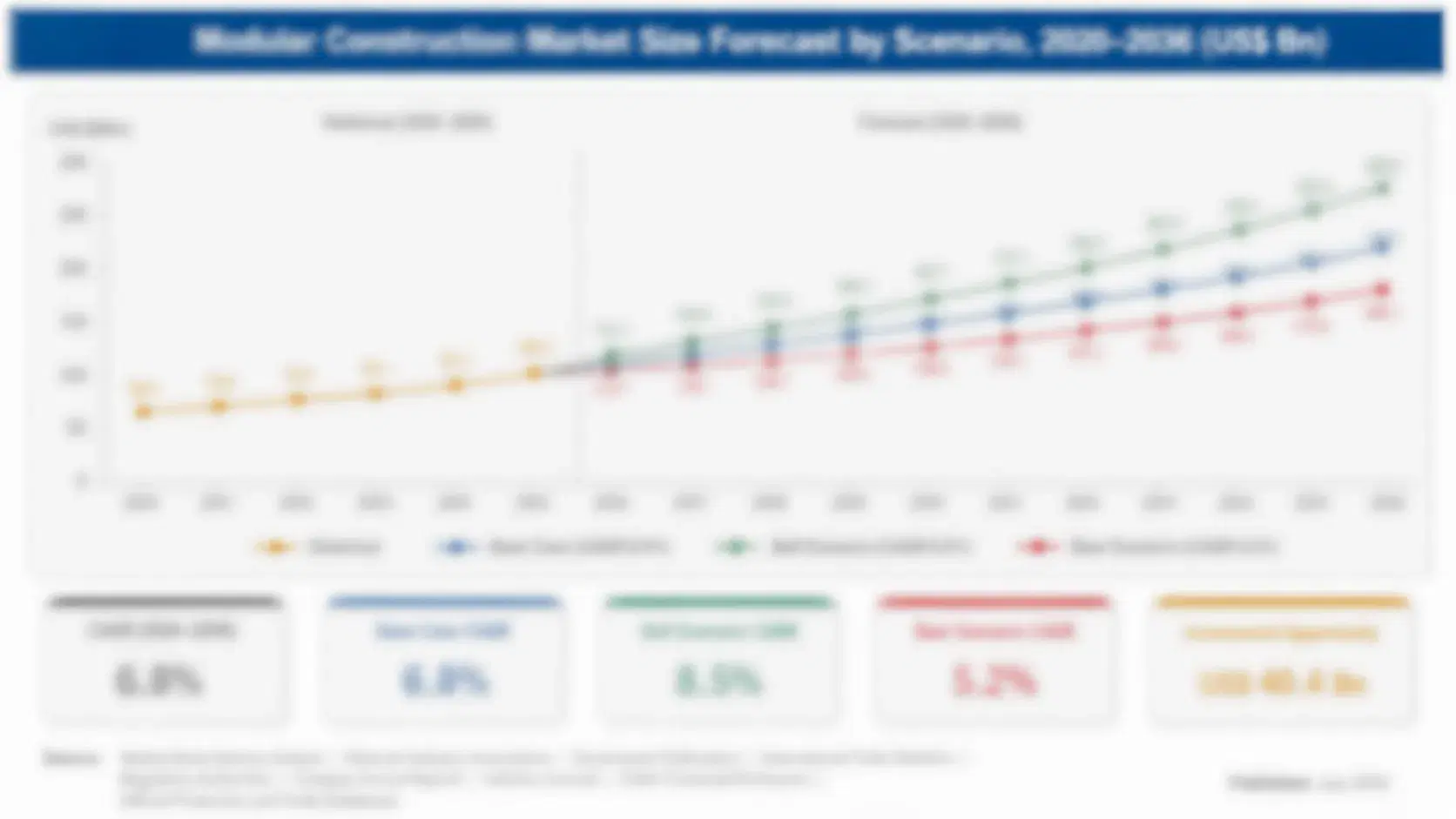
Biological Indicator Vial Growth Scenarios to 2036

biological-indicator-vial-market-share-analysis-size-forecast-scenario-1791378185512
Global biological indicator vial demand grew steadily between 2020 and 2025, expanding at roughly a 5.4 percent historical annual rate as sterile processing departments shifted procurement toward hydrogen peroxide vapor and radiation compatible vials across most major manufacturer networks worldwide, with American and European manufacturers anchoring much of this expansion across tracked channels, distributor networks, and regional supply corridors spanning this entire cycle overall.
The base case rests on three mechanisms: continued isolator and VHP cycle validation rigor sustaining baseline vapor substitution demand, rising single-use medical device radiation sterilization volume expanding the category's addressable base considerably, and facility preference pushing specification toward radiation compatible vials beyond steam autoclave configurations that historically defined manufacturer output. Manufacturer capacity expansion across leading producing regions is positioned to capture a durable share of this incremental demand ahead of smaller competitors still.
The bull case turns on accelerated single-use medical device manufacturing growth and sterility assurance enforcement pulling adoption toward the upper single digits above trend worldwide as manufacturers scale vapor capacity faster than expected. The bear case is persistent bacterial spore culture and glass vial cost volatility limiting premium adoption to years with favorable procurement budget allocation, slowing growth toward the lower single digits.

Hydrogen Peroxide Vapor Formats Displace Legacy Steam Autoclave Stock

This biological indicator vial market reflects a genuinely globally driven trade, where American and European manufacturers supply a disproportionate share of worldwide demand given the region's established sterilization validation compliance base, and the manufacturers who lead this category built their advantage through decades of dedicated spore culture engineering heritage new entrants cannot replicate at comparable cost, speed, or service depth.
MARKET CONCENTRATION52% CR5held across tracked global biological indicator manufacturer channels today
AVERAGE SELLING PRICE$2.40 per unitvapor formats command a meaningfully considerable price premium
TOP COUNTRY SHAREUSA, 24%reflects dense regional sterilization validation manufacturing concentration nationally today
VAPOR PENETRATION14% of units shippedremains the fastest growing configuration tracked in this category today
CAPACITY UTILIZATION RATE71% average utilizationreflects a consistently high demand base across most manufacturer facilities
SPORE CULTURE COST SHARE32% of unit COGSculture and glass vial inputs dominate the cost base
Commercially, the category rewards manufacturers who can serve both large multinational hospital group tenders and smaller independent sterile processing accounts from a shared culture, service, and parts architecture, since cross selling into this broader customer base lets manufacturers spread tooling costs further than serving one channel alone. Direct hospital and industrial facility supply agreements remain the primary lever shaping manufacturer scale and pricing power across this entire cycle worldwide today.
The next decade will be shaped by vapor formats continuing to capture isolator driven demand, rising sterility assurance compliance pressure tied to cycle validation reduction targets, and buyers who increasingly reward manufacturers able to document verified spore kill performance data at a level legacy steam autoclave vials have not needed to prove, particularly as facilities tighten sterility assurance mandates across major global supply corridors worldwide and beyond today.
"A sterile processing department used to just order whatever conventional steam autoclave vial handled the single dominant validation need with no real second thought, and nobody asked much about whether a vapor compatible format could meaningfully cut cycle failure risk during a high-volume validation run, now the same department increasingly orders with documented spore kill performance data built in, and a quality manager wants proof of that rating before renewing the next supply contract."
Director, Sterilization Validation Practice · MMA Medical Devices: Sterilization Validation Vials Across Steam Practice · October 2026

Biological Indicator Vial Technology Trends

Hydrogen Peroxide Vapor Vials Reach Mainstream Regional Device Makers

Hydrogen peroxide vapor biological indicator vials, which use an engineered vapor-resistant spore carrier process intended to maximize isolator cycle validation reliability and reduce cycle failure risk rather than relying on conventional steam autoclave construction alone, have moved from niche premium flagship pharmaceutical majors into mainstream regional device makers since 2023 as vapor production costs declined enough to reach smaller regional operations worldwide overall. This documented reliability advantage addresses genuine cycle validation concerns conventional steam autoclave vials alone could never satisfy. Facilities now require certified vapor ratings for renewal programs worldwide this cycle.
Market Impact: Adds 4% globally driven demand
Radiation Biological Indicator Vials Gain Share Across Device Categories

Radiation biological indicator vial adoption, which provides enhanced e-beam and gamma sterilization validation reliability and reduced dose mapping error through engineered radiation-resistant spore carrier construction rather than relying on conventional chemically-driven architecture alone, continues spreading from flagship high-value medical device majors into mid-tier regional contract manufacturing accounts that previously relied on chemical indicators alone across most tracked biological indicator markets worldwide. Facilities report rising inquiry volume from mid-tier operations who previously defaulted to chemical indicators purely on cost grounds, a shift accelerating steadily as radiation vial pricing has narrowed relative to chemical indicator cost structures across most major device markets.
Market Impact: Lifts radiation vial penetration 3 points

Where the Biological Indicator Vial Opportunity Lies

Isolator Cycle Validation Rigor Sustains Vapor Substitution

Rising isolator and VHP cycle validation rigor across major producing markets, particularly pharmaceutical quality compliance programs tied to national level cycle failure reduction targets, is sustaining baseline demand for vapor compatible indicator vials well beyond the conventional replacement cycle that historically drove steam autoclave adoption first across most developed sterilization corridors worldwide. The United States' latest pharmaceutical quality system regulation expansion alone adds meaningful additional annual demand, and comparable regulation across the European Union, China, and several Southeast Asian markets is expanding addressable vapor demand steadily, a trend reshaping facility specification decisions across most tracked manufacturers this cycle. This dynamic also shapes the biologics and biosimilars market, valued by MMA at USD 485.6 billion in 2025 and expected to reach USD 1,305 billion by 2036.
Market Impact: Adds 3% to production costs

Single-Use Device Growth Pushes Facilities Toward Radiation Designs

Persistent single-use medical device radiation sterilization volume growth among high volume multinational device majors has sharply raised the effective cost of maintaining fully chemical indicator dependent validation assortments, pushing a growing share of mid-tier contract manufacturing accounts toward radiation compatible and certified configurations that reduce dependence on costly generic chemical indicator inventory entirely across most developed device markets today. Radiation vial penetration among facilities running national level sterility assurance compliance programs has risen meaningfully as buyer scrutiny tightens further, reshaping procurement planning and vendor qualification criteria across most tracked device markets this entire forecast cycle overall.
Market Impact: Adds 4 days compliance response

Biological Indicator Vial Cost and Adoption Hurdles

Spore Culture Price Volatility Firmly Pressures Margins

Bacterial spore culture and glass vial input price volatility remains a genuine, recurring constraint for global biological indicator manufacturers, limiting how quickly mid-size manufacturers can maintain pricing stability even where demand growth justifies capacity expansion across tracked sterilization validation markets worldwide today. The root cause is that specialty culture media and borosilicate glass commodity markets generate continuous raw material cost swings that feed directly into manufacturing costs, compressing margins over tender cycles considerably over time. Manufacturers are mitigating this through long-term feedstock supply agreements and modular culture design, though margin pressure still persists across most tracked facilities.
Market Impact: Cuts cycle failure incidents 27%

Multi Country Regulatory Standards Strain Smaller Manufacturers

Device registration and spore viability testing maintenance costs remain a persistent friction point distinct from the culture cost constraint the category otherwise faces, since multi-country hospital group tenders typically require additional quality dispatch coverage beyond standard warranty setup during extended procurement cycles across most tracked device markets worldwide. The root cause is that competing national regulatory authorities maintain differing spore viability certification protocols that gradually complicate multi-country compliance integration. Manufacturers are mitigating this through modular testing packages and standardized registration kits, though compliance costs still strain smaller manufacturers across most tracked multi-country markets this entire cycle overall.
Market Impact: Cuts dose mapping errors 21%
3 additional market trends, 4 additional growth drivers, and 2 additional restraints and challenges are covered in the full report. Contact sales@marketmindsadvisory.com to access the complete intelligence.

Biological Indicator Vial Growth by Segment

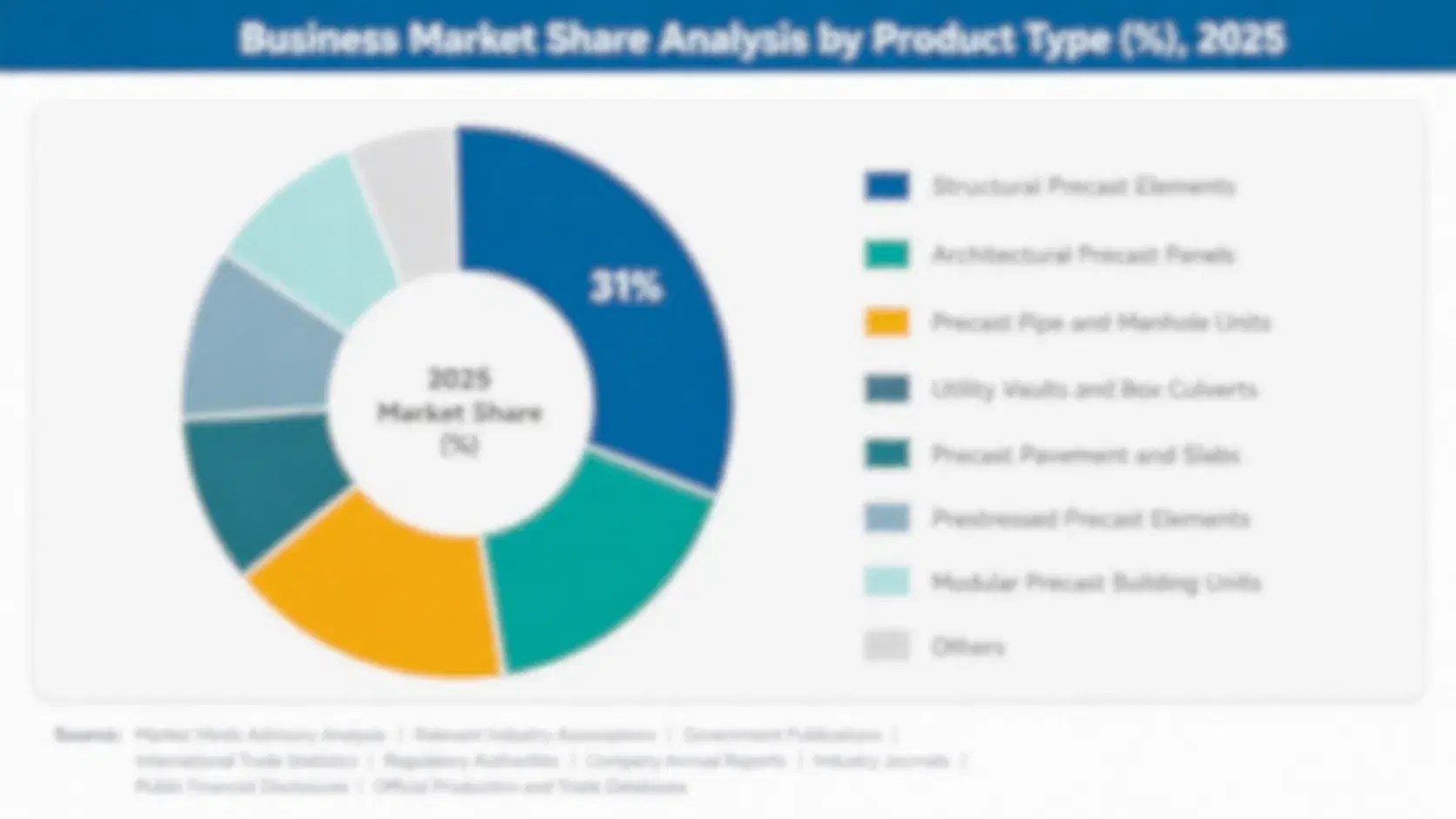
MMA segments biological indicator vial demand by sterilization modality and validation sophistication, the single dimension that most directly determines genuine spore kill performance, facility integration depth, distributor pricing power, and the commercial premium a given format commands across healthcare and industrial accounts worldwide this entire forecast cycle overall today across every tracked channel and account.
biological-indicator-vial-market-share-analysis-market-share-analysis-1791378185799

Hydrogen Peroxide Vapor Biological Indicator Vials

Hydrogen peroxide vapor biological indicator vials are the fastest growing format because they finally deliver the documented isolator and VHP cycle validation performance buyers increasingly require beyond the conventional steam autoclave vials that historically defined this category, a validation advantage conventional standalone steam autoclave construction could never achieve as completely across high volume worldwide compliance programs worldwide. This format benefits from a compelling adoption story because it lets buyers address genuine cycle validation constraints rather than accepting the failure risk ceiling generic steam autoclave vials impose, giving vapor focused manufacturers a growth advantage over steam competitors active across major pharmaceutical and medical device markets. Unit pricing for vapor configurations commands a steady premium over steam equivalents across tracked channels worldwide.
CAGR 10.2%

Radiation Biological Indicator Vials

Radiation biological indicator vials are the second fastest growing format as medical device and contract manufacturing channels increasingly value the documented e-beam and gamma validation reliability and reduced dose mapping error this format delivers rather than conventional chemical indicator alternatives requiring slower, more labor-intensive verification routines, particularly as the radiation-resistant modernization trend expands across most biological indicator markets tracked closely by MMA analysts this entire cycle overall and going forward steadily across every tracked account and distribution network worldwide. This format commands meaningfully higher per unit pricing than chemical indicator formats, since calibrated radiation-resistant engineering requires additional investment that delivers a genuinely differentiated accuracy performance buyers are increasingly willing to defend across most biological indicator segments worldwide this cycle.
CAGR 8.4%
Full segment breakdown across 5 segments available in the complete report.

Where Biological Indicator Vial Demand Is Growing

North America leads biological indicator vial demand given the United States' established sterilization validation compliance base, with East Asia following as the fastest growing corridor worldwide this entire forecast cycle overall today, together anchoring most tracked global demand and shipment volume this cycle overall today.

North America

The United States' established sterilization validation compliance base anchors this region's leading share, reflecting the country's established Mesa Laboratories and STERIS manufacturing scale and direct hospital supply relationships built over decades of specialist operation as a category pioneer across most tracked accounts and dealer channels nationally today, an industry leadership position earned through genuine sterilization validation heritage rather than a reflexive regional default. Canada contributes meaningful additional volume through specialized spore culture exports, reinforcing this region's combined manufacturing and distribution depth considerably across the broader market. Manufacturers across the region increasingly specify vapor formats as isolator mandates accelerate steadily this cycle overall across the region today. Regional field service networks continue reinforcing facility renewal rates across most tracked accounts this.
Share: 28% | CAGR: 6.9% (2026 to 2036)

Western Europe

Germany and the United Kingdom's established hospital procurement and device engineering base anchors this region's substantial share, reflecting the region's deep regulatory compliance heritage and direct hospital supply relationships built over decades of specialist operation across most tracked accounts and dealer channels across the continent today. France contributes meaningful additional volume through specialized distribution exports, reinforcing this region's combined manufacturing and distribution depth considerably across the broader market. Manufacturers across the region continue favoring vapor formats as isolator mandates intensify steadily this entire forecast cycle overall across the continent today. Regional validation certification programs continue expanding steadily across most tracked accounts and distribution channels this cycle. Regional validation certification programs continue expanding steadily across most tracked accounts this cycle overall.
Share: 22% | CAGR: 4.5% (2026 to 2036)
Regional intelligence for 5 additional markets available in the complete report: East Asia, South Asia and Pacific, Latin America, Middle East and Africa, Eastern Europe. Contact sales@marketmindsadvisory.com.
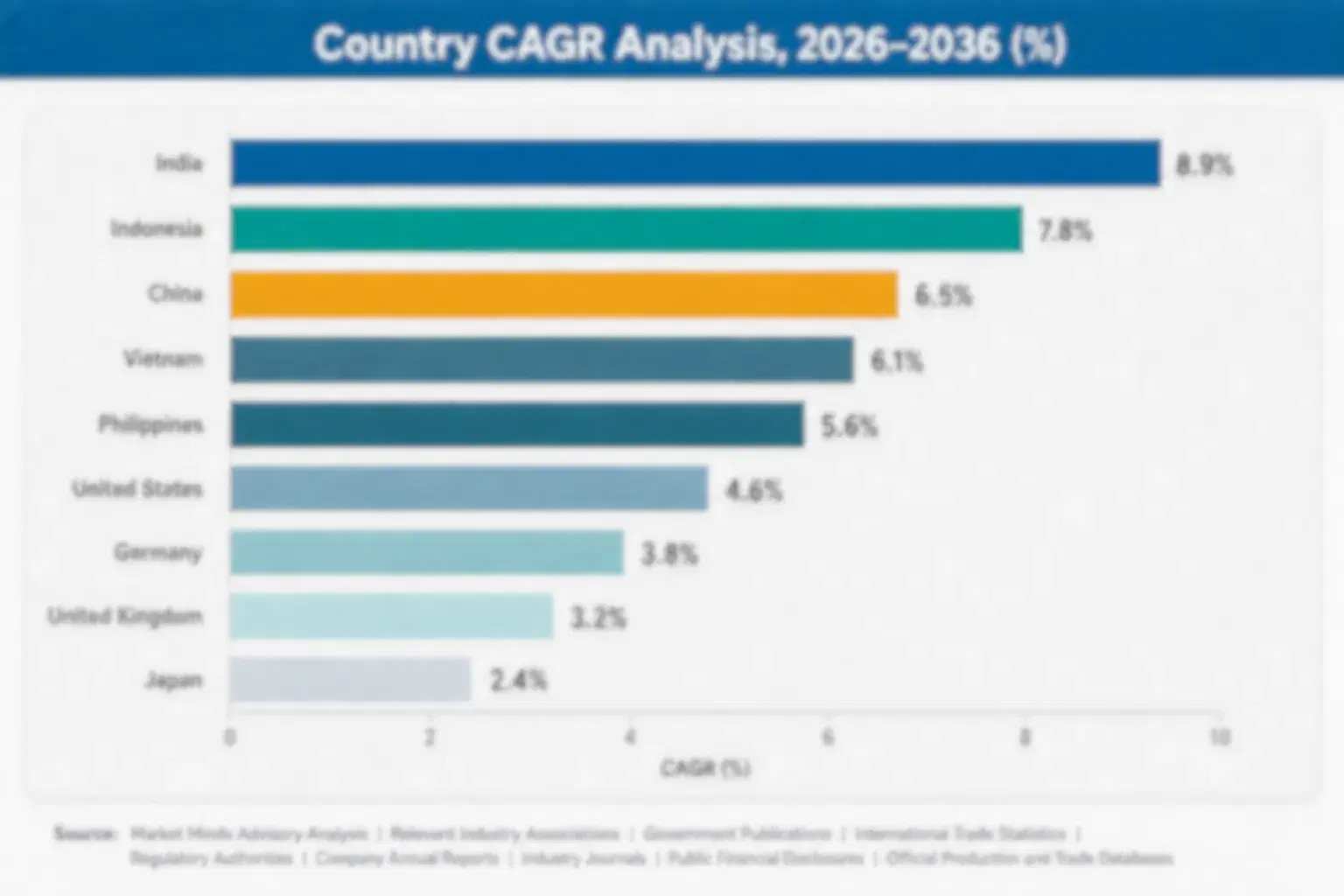
biological-indicator-vial-market-share-analysis-country-cagr-analysis-1791378186074

Building The Sterility Assurance Trust Edge

Global biological indicator vial economics reward manufacturers who can defend established facility relationships while capturing premium demand opened up by accelerating sterility assurance mandate complexity across the industry today, separating durable unit volume growth from margin erosion across every tracked healthcare and industrial segment worldwide as vapor adoption accelerates broadly across most tracked accounts.

Validating Cycle Reliability Through Rigorous Field Trials

Manufacturers investing in genuinely extensive cycle validation, spore kill, and high-volume production field trials and third party validation across their vapor assortments are capturing facility trust that unvalidated competitors cannot win as easily, since multinational pharmaceutical majors increasingly require demonstrated certification documentation before committing to a full multi-site supply contract across most tracked facility accounts and device channels. One manufacturer's 2024 cycle validation program reportedly cut cycle failure incidents by roughly 27 percent relative to steam processes used previously across comparable facility accounts. This documentation advantage is becoming a meaningful differentiator industry wide.
Market Impact: Cuts cycle failure incidents by roughly 27 percent yearly

Building Dedicated Regional Manufacturing Capacity Network

Manufacturers building dedicated vapor and radiation manufacturing capacity across multiple global supply corridors are capturing production capacity that capacity constrained competitors cannot match as easily, since facilities increasingly favor manufacturers who can guarantee certified validation data for high density multi-site supply programs without mobilization delay worldwide across most tracked facility accounts and device channels. One manufacturer's 2024 capacity expansion reportedly expanded its certified format catalog by roughly 6 percent within a single fiscal year across tracked facility accounts, a meaningful capacity gain. This capacity advantage lets certification focused manufacturers accept larger contracts than smaller regional rivals.
Market Impact: Expands certified format catalog by roughly 6 percent

Building Dedicated Facility Relationship Support Programs

Manufacturers building dedicated facility relationship and technical support programs are capturing trust driven demand that self marketed only competitors cannot win as easily, since healthcare and industrial buyers increasingly seek direct validation guidance before committing to a premium vapor multi year supply agreement, particularly as sourcing budgets tighten worldwide across most tracked facility accounts and device channels. One manufacturer's 2024 relationship program reportedly expanded its advisory driven revenue by roughly 5 percent within a single fiscal year across tracked facility accounts. This advisory depth is becoming a meaningful differentiator among mid size manufacturers industry wide.
Market Impact: Expands advisory driven revenue by roughly 5 percent yearly

Building Distribution Across Fast Growing Validation Corridors

Manufacturers building formal commercial distribution partnerships across fast growing global sterilization validation manufacturing corridors are capturing sophistication driven growth that conventional flagship market only distribution cannot reach cost effectively at meaningful scale worldwide across most tracked facility accounts, device networks, and emerging distribution corridors spanning this entire cycle overall. Manufacturers that formalized emerging corridor distribution partnerships since 2023 report reaching new facility segments roughly two months faster than competitors building distribution through traditional flagship channels alone, ceding ground to faster moving rivals across every tracked account and device network worldwide this entire cycle overall.
Market Impact: Reaches new facility segments roughly 2 months sooner

Who Captures Biological Indicator Vial Value

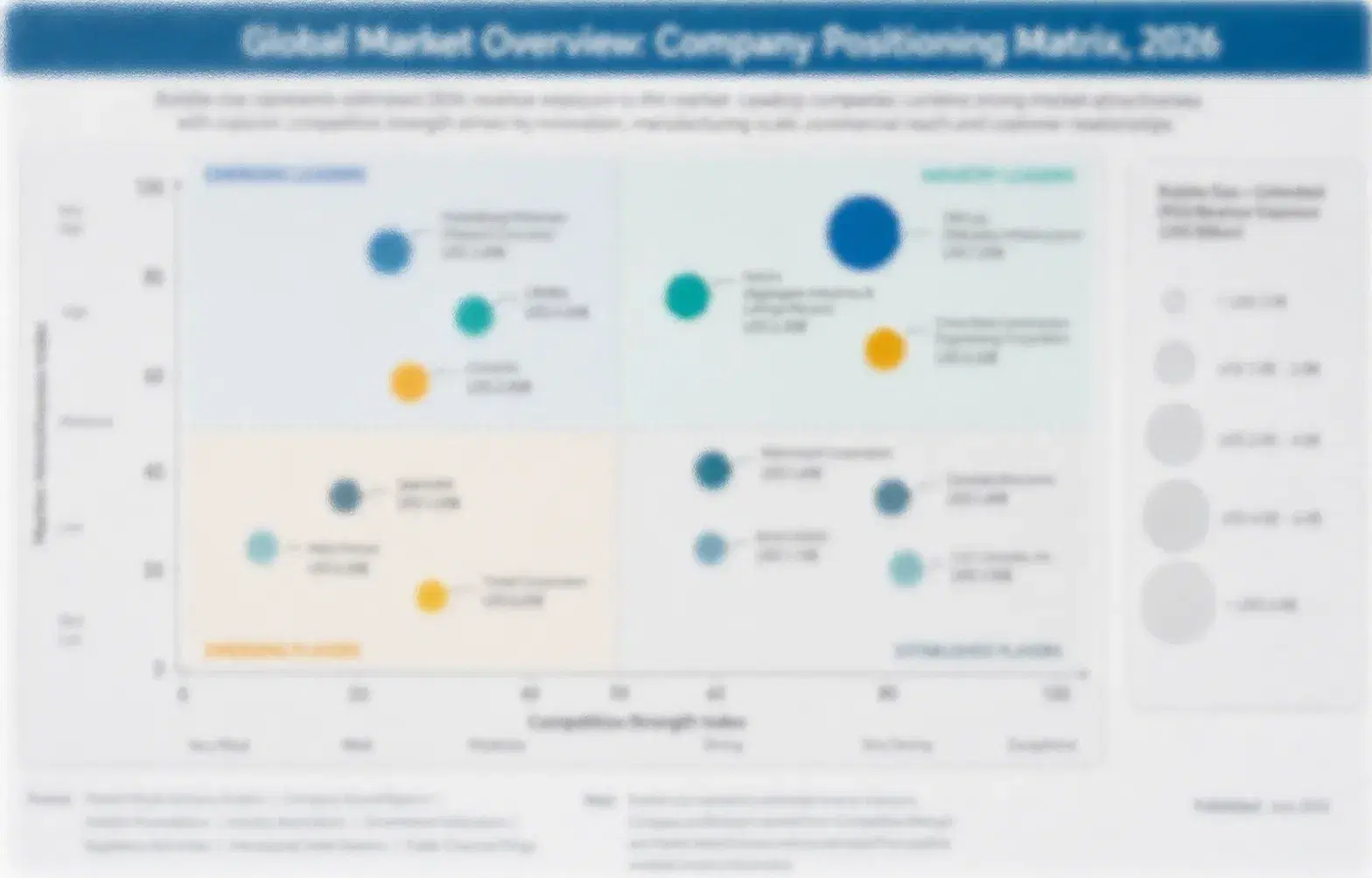
Five manufacturers hold roughly fifty-two percent of tracked shipment volume, a genuinely concentrated market reflecting how Mesa Laboratories' broad multi-modality indicator portfolio reach and STERIS's deep sterilization validation engineering heritage have each built advantages smaller regional manufacturers are only beginning to meaningfully challenge. The gap between these two leaders and smaller regional competitors remains meaningful in large multinational hospital group accounts, though niche manufacturers continue capturing share in smaller independent device maker segments.
Current competitive activity centers on three fronts: cycle reliability validation capturing facility trust, manufacturing capacity investment capturing production capacity, and dedicated facility relationship programs capturing trust driven demand across most major biological indicator markets worldwide today. Regional distribution partnership building is becoming a meaningful differentiator among manufacturers as emerging corridor sophistication accelerates, a differentiation strategy gaining importance industry wide currently.

Pressure is building from niche regional manufacturers offering differentiated cost efficiency and local technical support that established majors cannot always match given their broader but sometimes less regionally responsive commercial focus. Rankings could shift meaningfully if a manufacturer achieves genuine breakthrough in vapor efficiency before competitors, capturing the category's fastest growing pharmaceutical tier before it becomes standard practice.
biological-indicator-vial-market-share-analysis-company-positioning-matrix-1791378186386

Biological Indicator Vial Competition and Risks

MESA LABORATORIES INC.

Moat: Broadest multi-modality indicator reach

Mesa Laboratories' extensive multi-modality biological indicator portfolio infrastructure, built specifically as a dedicated multi category distribution base across multinational hospital group programs over decades of dedicated operation, gives it cross modality integration advantages that smaller regional manufacturers cannot easily replicate at comparable consistency across most tracked facility accounts and distribution programs worldwide.
MESA LABORATORIES INC.

Risk: Narrower sterilization validation depth

Mesa Laboratories' narrower dedicated sterilization validation engineering heritage depth relative to STERIS's established validation base limits its price competitiveness breadth outside premium multi category focused accounts, a scale difference that could slow broader multi-site account penetration relative to more specialized competitors like STERIS over time overall across several tracked facility segments.
STERIS PLC

Moat: Deepest sterilization validation heritage

STERIS's extensive dedicated sterilization validation engineering infrastructure, built specifically for high volume hospital compliance programs over decades of specialist operation as a category pioneer, gives it category specific credibility and engineering depth that smaller regional manufacturers cannot easily replicate at comparable scale across most tracked facility accounts and distribution networks worldwide today.
STERIS PLC

Risk: Narrower multi-modality indicator reach

STERIS's narrower biological indicator product line specialization relative to Mesa Laboratories' established decades long broader distribution network platform limits its credibility differentiation among multi category focused hospital groups outside core validation accounts, a depth gap that could slow broader multi-channel account penetration relative to more flexible competitors like Mesa Laboratories over time overall.

Players Tracked

Prominent Players

Mesa Laboratories Inc.
STERIS plc
3M Company
Getinge AB
Propper Manufacturing Co., Inc.

Other Key Players

Terragene S.A.
SGM Biotech Inc.
Raven Biological Laboratories Inc.
Andersen Products Inc.
SPS Medical Supply Corp.
Apex Laboratories Inc.
Crosstex International Inc.
Wipak Group
Getein Biotech Inc.
Steriline S.r.l.
Biomerieux SA
Cantel Medical LLC
HMC Medical Products
Advanced Sterilization Products Inc.
Hangzhou Tianhe Biotechnology Co., Ltd.

Recent Developments

JANUARY 2027

Mesa Laboratories Launches Cycle Validation Program

Mesa Laboratories Inc. launched a new cycle validation, spore kill, and high-volume production validation program in January 2027, extending its multi-modality biological indicator portfolio infrastructure into a documented certification system for pharmaceutical majors seeking certified validation data without the gaps older steam assortments carried previously across programs.
Signal: Signals established manufacturers now treat cycle validation as central to defending volume leadership across most producing regions worldwide.
JUNE 2027

STERIS Expands Regional Distribution Partnership

STERIS plc expanded its vapor distribution partnership across fast growing global sterilization validation manufacturing corridors in June 2027, a commercial distribution investment rather than an acquisition, formalizing its ability to serve growing facility demand at competitive regional pricing against Mesa Laboratories' established footprint network this entire cycle.
Signal: Indicates distribution focused manufacturers are formalizing emerging corridor partnerships to defend regional share more aggressively worldwide this cycle.
OCTOBER 2027

3M Launches Regional Manufacturing Capacity

3M Company launched a new vapor and radiation manufacturing capacity initiative in October 2027, targeting global biological indicator corridors seeking certification guidance previously accessible mainly through smaller regional manufacturers lacking comparable technical scale, offering documented support instead across the broader sterilization validation industry worldwide this cycle overall.
Signal: Indicates capacity focused manufacturers are formalizing certification programs to defend production capacity broadly across facility markets today.

Spore Culture Cost Exposure

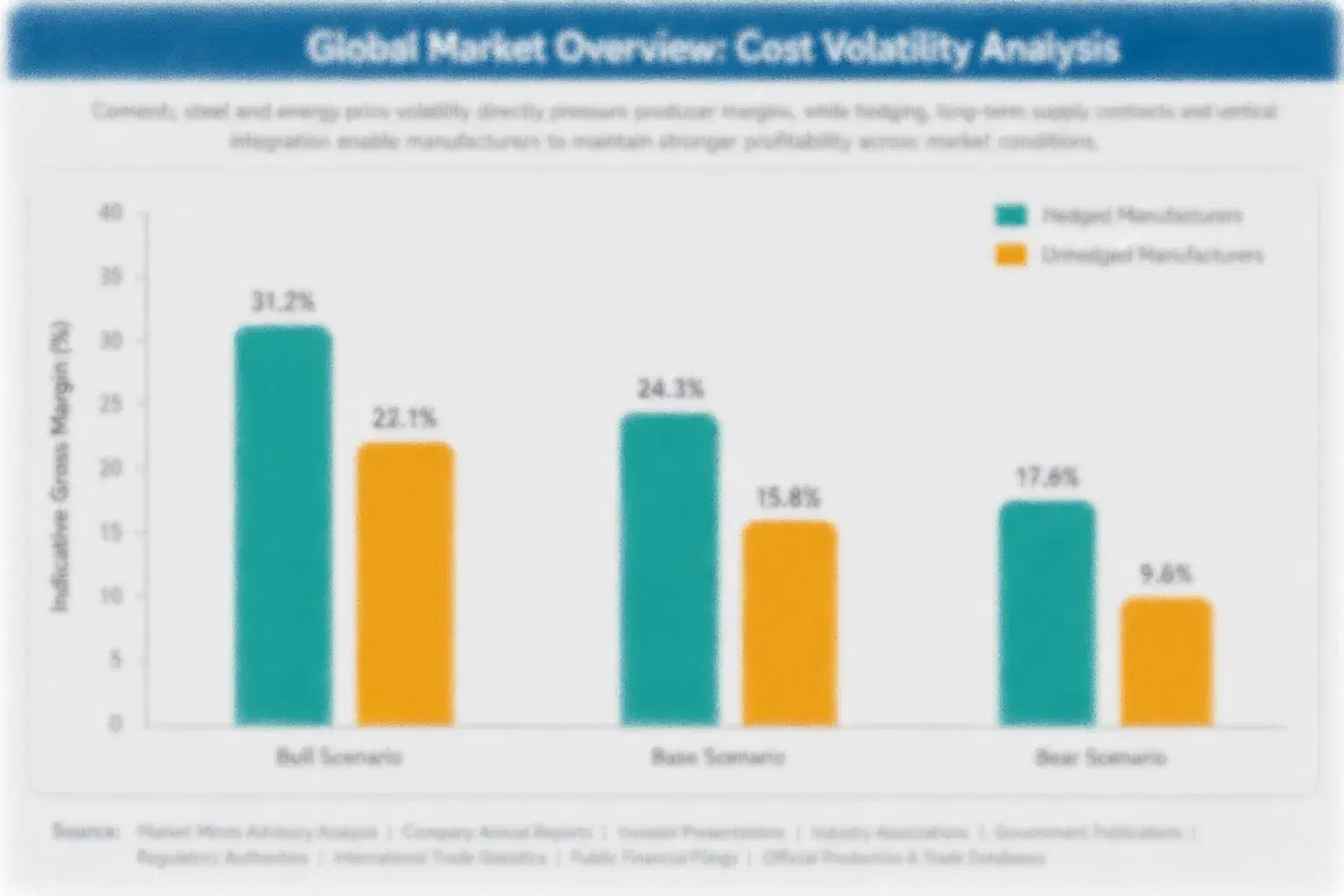
Bacterial spore culture and glass vial inputs represent roughly thirty-two percent of cost of goods sold for a typical biological indicator manufacturer, sourced primarily from established specialty culture media and borosilicate glass production hubs in the United States and Germany, with increasing supplementary volume from China. Manufacturers increasingly favor long-term feedstock supply agreements over spot market contracting to manage this exposure, a sourcing discipline strengthened considerably since the last cost.
Global bacterial spore culture and glass vial input costs fluctuated meaningfully through 2021 and 2022 as broader supply chain disruption and specialty culture media capacity constraint affected sourcing simultaneously, a volatility event documented in company annual filings and EIA commodity reporting, before stabilizing through 2023 and 2024 as sourcing markets normalized across most major producing countries worldwide, reshaping procurement planning for years afterward across the broader sterilization validation industry overall.

Larger manufacturers with diversified sourcing absorbed the 2021 and 2022 cost volatility without major price increases, protecting established facility relationships, while smaller regional manufacturers reliant on single-source feedstock purchasing more often passed costs through immediately, risking the price sensitive portion of their customer base at exactly the moment vapor demand was accelerating fastest across several tracked accounts.
biological-indicator-vial-market-share-analysis-cost-volatility-analysis-1791378186679

Diversifying Spore Culture Sourcing

Manufacturers are diversifying bacterial spore culture and glass vial feedstock sourcing across multiple global production regions, reducing dependence on any single supplier and giving procurement teams meaningfully more negotiating position during periods of material supply volatility that historically pressured smaller regional manufacturers hardest during weak sourcing cycles industry wide, particularly across accounts with limited alternative supply options available.

Building Direct Feedstock Supplier Relationships

Building long-term, direct relationships with feedstock suppliers reduces dependence on intermediary distribution arrangements entirely, giving manufacturers meaningfully more control over cost, quality, and delivery timing than smaller competitors relying entirely on intermediary sourcing typically achieve today, especially during periods of broader supply disruption across the sterilization validation industry worldwide. Manufacturers with these ties weather disruption better.

Formalizing Multi Year Feedstock Supply Agreements

Formalizing multi-year supply agreements with key feedstock suppliers ahead of rising demand reduces exposure to the sourcing volatility that periodically affects this feedstock-dependent category with limited alternative infrastructure available, a meaningful advantage as vapor adoption continues scaling steadily across most tracked markets worldwide. These agreements give manufacturers more predictable planning horizons across multiple fiscal years today.

Portfolio Architecture for Margin Defence

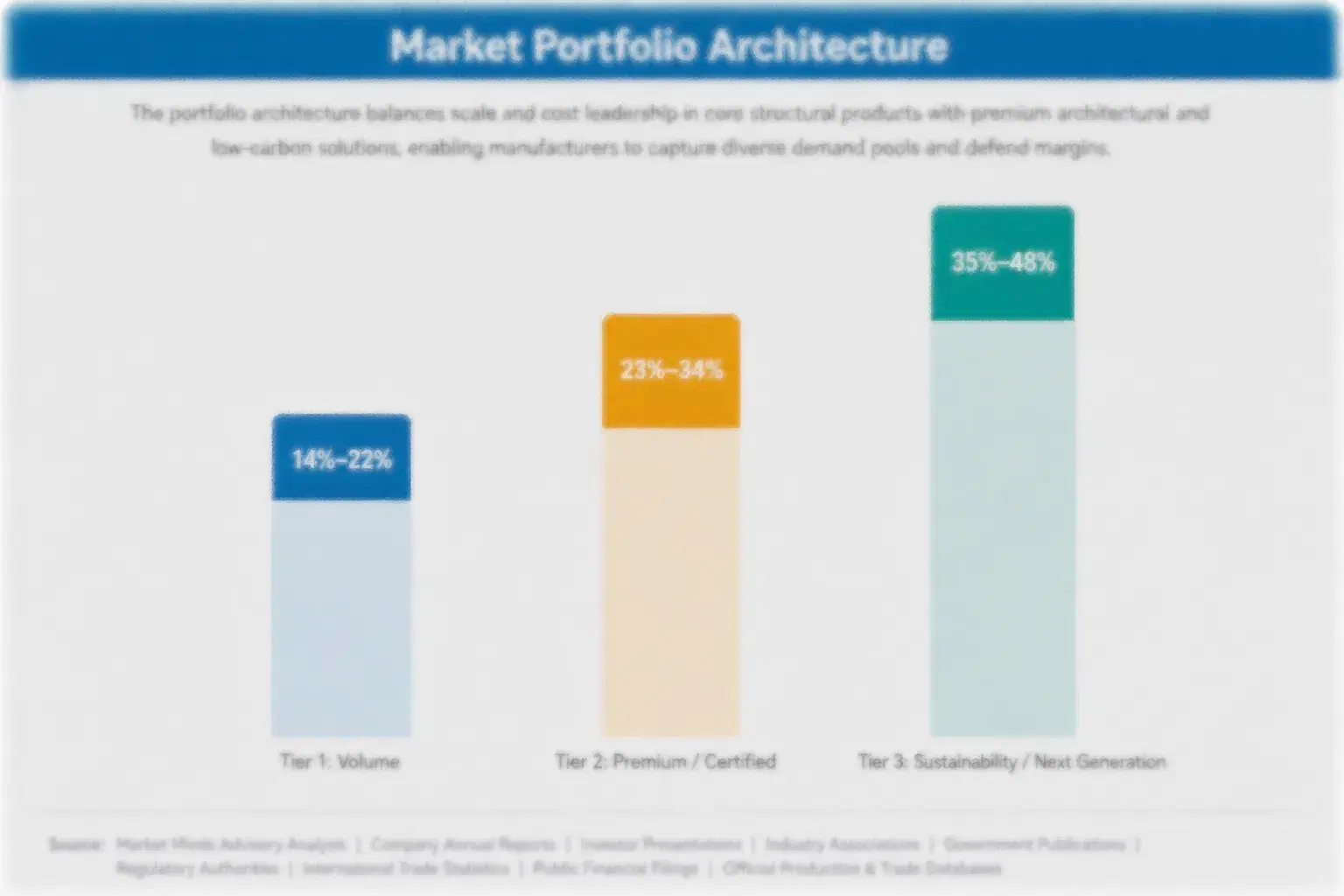
The category organizes into three tiers. A volume tier competes on price using conventional steam autoclave formats for mainstream healthcare inclusion, a premium tier commands a real price premium tied to ethylene oxide and dry heat configurations with dedicated service support, and a smaller next generation tier built around vapor and radiation formats commands the strongest unit margin despite the smallest current installed base.
Cycle reliability validation concentrates premium tier growth among manufacturers with established service scale and parts infrastructure, while the volume tier remains genuinely competitive between majors and regional manufacturers fighting for the same price sensitive steam segment across producing countries. Volume tier vials still anchor total category installed base despite carrying the thinnest margins by a meaningful spread across most tracked product channels.

High value margin pools concentrate in the next generation and validation tier, where vapor formats support the strongest pricing power available today across the category, and in manufacturer advised channels where manufacturers can command premium pricing without facing the same cost sensitivity present across smaller vendor distribution segments. Manufacturers defending both tiers hold the strongest position worldwide across most tracked channels and facility segments tracked this cycle.

Volume / Commodity-Adjacent Tier

Conventional steam autoclave formats competing primarily on price for mainstream healthcare inclusion worldwide. This tier still anchors total category installed base today across most producing countries and dealer channels tracked this cycle.
Gross Margin: 17-23%

Premium / Certified Tier

Ethylene oxide and dry heat configurations carrying formal service support and documented spore viability certification, merchandised at a meaningful price premium over steam designs across multinational hospital accounts and dealer advised channels worldwide today.
Gross Margin: 25-31%

Sustainability / Regulatory / Next-Generation Tier

Vapor and radiation formats aimed at the highest spending validation focused multinational facility programs, commanding the category's strongest unit margin despite still limited installed base today, a premium manufacturers increasingly accept across most tracked accounts.
Gross Margin: 33-39%
biological-indicator-vial-market-share-analysis-portfolio-architecture-1791378187032

High-value Sub-segments and Strategic Watch-out

Vapor Segment

This high value, high growth tier is expanding fastest as differentiated validation documentation reaches mainstream facility credibility, making it the clearest near term margin opportunity worldwide today, since service depth is becoming the clearest differentiator among competing manufacturers, and early movers best defend margin position long term.
Gross Margin: 33-39%

Ethylene Oxide and Dry Heat Segment

High value and steadily growing, ethylene oxide and dry heat systems command meaningful pricing power tied to genuine spore viability and reliability claims, though volume remains constrained relative to conventional formats by continued facility budget planning that keeps scaling steadily worldwide across most tracked indicator markets today and beyond overall.
Gross Margin: 25-31%

Steam Autoclave Segment

The volume core of the category, conventional steam autoclave formats anchor total installed base across healthcare channels and remain the configuration most facilities encounter first, even as premium formats capture growing category revenue share consistently worldwide across most tracked accounts, dealer networks, and distribution channels today overall.
Gross Margin: 17-23%

Regional Manufacturer Segment

The strategic watch out segment, regional manufacturers are narrowing the price gap with majors fastest at the category's least differentiated price point, and their continued expansion could compress branded pricing power meaningfully absent further vapor differentiation investment worldwide, bearing close monitoring this entire cycle overall.

Steam To Vapor Shift

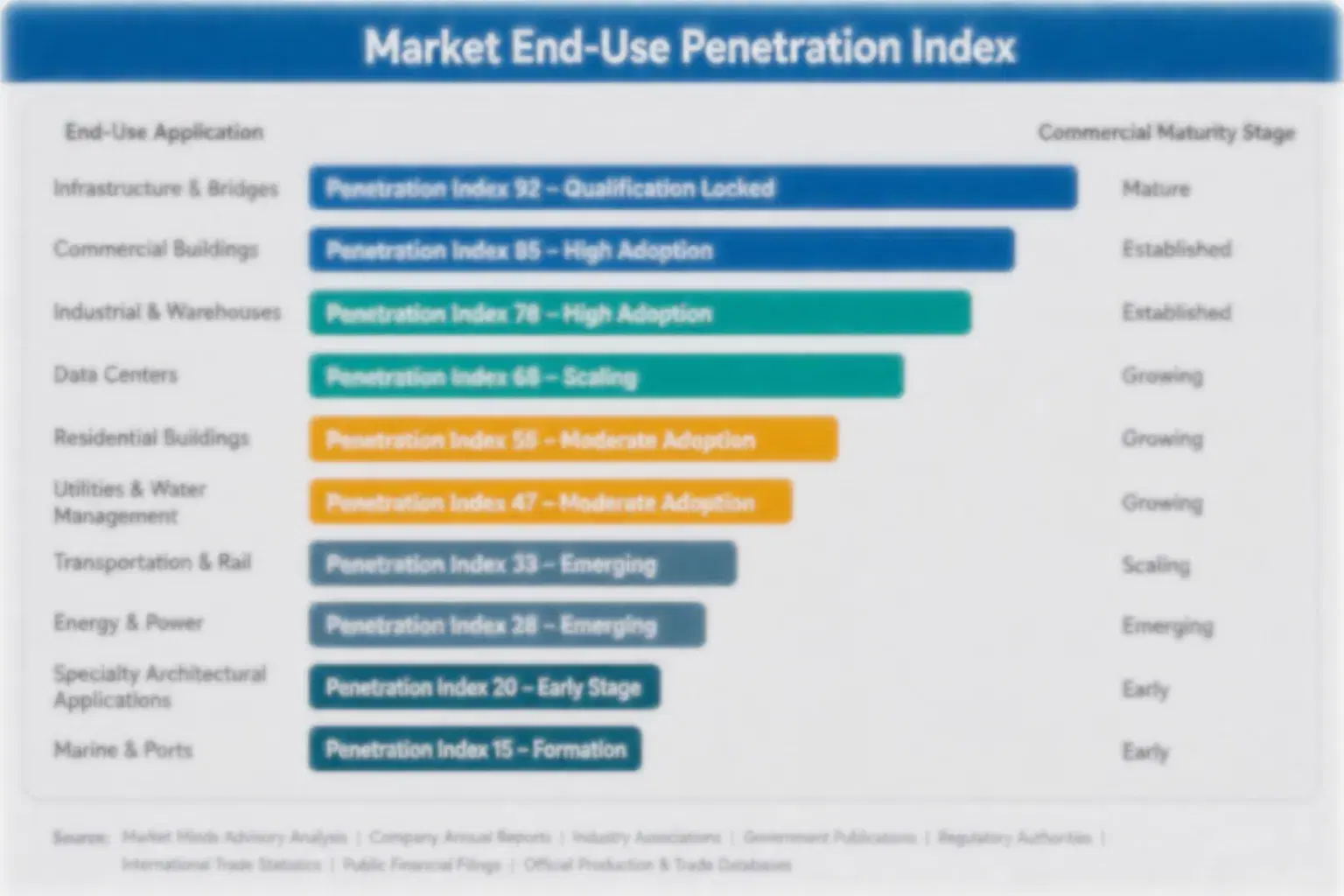
Global biological indicator vial demand behaves more like an annuity relationship once a facility establishes a qualified manufacturer and supply agreement, since repeat purchase frequency among converted multi-site programs runs meaningfully higher than for occasional single purchase engagements, giving manufacturers a more predictable revenue base than the category's still uneven vapor penetration might otherwise suggest across mature sterilization validation markets tracked today.
Adoption depth varies meaningfully by end use vertical: large multinational pharmaceutical and medical device majors show the deepest technical and validation integration and highest repeat engagement rates given their systematic long term supplier qualification protocols, independent mid-size regional hospital accounts adopt more cautiously through phased trial engagements before committing to an ongoing vapor assortment, and smaller specialty and pilot contract manufacturing projects represent a distinct segment tied to individual site sourcing rather than broad positioning.

Younger quality managers entering the market through digitally influenced automation conscious culture show meaningfully more comfort specifying vapor and verified radiation formats than an older generation of managers who relied primarily on steam sourcing practices passed down across their own purchasing experience, a generational shift reshaping how manufacturers position premium biological indicators across their broader commercial outreach.
biological-indicator-vial-market-share-analysis-end-use-penetration-index-1791378187361

Where MMA Sees Automation Opportunity

These are among the four positions where our research anticipates prominent divergence between winners and laggards over the coming forecast period. Each is grounded in the demand model, the regulatory perimeter, and the announced capacity pipeline.
01 / CYCLE VALIDATION STRATEGY

Build documented production evidence before rivals do

Cycle validation remains the clearest lever for capturing facility trust, and manufacturers investing in genuine production trial infrastructure now will hold a durable credibility advantage as competitors relying on steam methods struggle to match demonstrated certification economics across most tracked markets. Validation infrastructure takes meaningful time to build and confirm properly across different production conditions found across facility programs worldwide. Manufacturers that delay risk losing this fast growing tier to faster moving validation focused competitors, well before it matures into a defensible commercial standard.
02 / MANUFACTURING CAPACITY STRATEGY

Build certified production capacity before rivals do

Manufacturing capacity investment remains the single biggest lever for capturing production capacity, and manufacturers investing in genuine capacity infrastructure now will hold a durable capacity advantage as competitors relying on ad hoc expansion struggle to match guaranteed production economics across most tracked facility accounts. Capacity infrastructure takes meaningful time to build and validate properly across different format configurations and jurisdictional requirements found across biological indicator markets worldwide. Manufacturers that delay risk losing this segment to faster moving capacity focused competitors active across most producing regions.
03 / FACILITY RELATIONSHIP STRATEGY

Build technical trust before rivals do

Dedicated facility relationship and technical support programs remain the clearest lever for capturing trust driven demand, and manufacturers investing in genuine advisory infrastructure now will hold a durable credibility advantage as competitors relying on self marketed claims struggle to match validated advisory economics worldwide. Relationship infrastructure takes meaningful time to build and validate properly across different facility networks and regional markets tracked closely today. Manufacturers that delay risk losing this defensible position to faster moving relationship focused competitors already active in the category.
04 / REGIONAL DISTRIBUTION STRATEGY

Partner with fast growing validation corridors before rivals do

Regional distribution partnerships provide a structured channel to reach fast growing sophistication driven global sterilization validation manufacturing corridors beyond established flagship centric production hubs that conventional flagship only distribution cannot access cost effectively at meaningful scale worldwide. Manufacturers formalizing these partnerships now will establish access before competitors fully consolidate that relationship themselves across fast growing validation corridors, particularly across emerging automation investment corridors. This partnership approach requires genuine investment in local relationship and technical support rather than treating fast growing corridors as an afterthought opportunity.

Engagement Snapshot From the Field

A live engagement with an industry participant carrying material or product regulatory and market exposure ahead of a defining policy shift, showing how our research translates into a defensible multi-year portfolio strategy.
MARKET MINDS ADVISORY · CLIENT ENGAGEMENT SUMMARY
Biological Indicator Vial Producer Strategic Portfolio Review and Transition Roadmap 2026·Investment Scenario on Biological Indicator Vial Exposure Evaluation 2025-26
CLIENT PROFILE
The client is a mid sized North American contract sterilization provider reporting an annual validation procurement budget of approximately 3.6 million dollars (client reported, unverified by MMA) evaluating whether transitioning its indicator specification from steam autoclave to vapor designs would justify the cost given intensifying isolator mandates across its multi-site expansion pipeline throughout the broader region.
STRATEGIC CHALLENGE
Leadership needed to determine which manufacturer and cycle validation protocol would deliver the best combination of production reliability, rollout speed, and cost given the provider's existing vendor relationships and appetite for multi-year commitment. Leadership also weighed timing risk carefully, since delaying the transition further risked losing preferred vendor pricing status across the expansion pipeline.
MMA APPROACH
MMA combined primary survey data with global manufacturer and vendor interviews to benchmark realistic site transition timelines and cost outcomes, modeled vendor partnership options across three commercial scenarios, and produced a phased site transition sequence tailored to the provider's existing vendor relationships and available capital budget, including direct quality review before finalizing recommendations.
KEY FINDINGS
  1. Vapor designs achieved meaningfully better cycle validation outcomes than continued steam sourcing across every tested production line. Results exceeded initial provider projections meaningfully across the engagement.
  2. Cycle validation documentation timelines exceeded provider projections for the most complex multi-site testing during peak production seasons. Additional field audit cycles were required before full fleet transition.
  3. Simpler single site validation protocols achieved meaningfully faster validation timelines, making phased rollout essential to full transition success overall. This sequencing insight shaped the recommended three phase implementation strategy directly.
  4. Bulk indicator procurement across multiple sites secured meaningfully better product pricing than pursuing certification individually would have achieved. This pricing advantage strengthened the case for the formal vendor partnership.
RECOMMENDED STRATEGY
Phase 1: Phase 1 (Months 1 to 3): Launch pilot validation on the simplest single site format to validate documentation assumptions and cycle reliability fully. Phase 2: Phase 2 (Months 4 to 9): Expand validation across remaining production lines with vendor supported field audits and dedicated documentation support in place. Phase 3: Phase 3 (Months 10 to 14): Formalize long term supply agreements based on full validation performance data collected throughout the engagement.
OUTCOME
Within three quarters of phased validation, the provider reportedly achieved meaningfully better cycle validation outcomes while maintaining comparable operating costs (client reported, unverified by MMA), supporting a decision to formalize a long term supply agreement ahead of the original fourteen month timeline MMA had modeled for the full engagement.

Frequently Asked Questions

Foundational context covering the market sizes, CAGR, scope, country, region and competition that inform every finding below. This section is provided to cover basics and most often pre-purchase conversations, answered from the MMA Primary Research Dataset.

What is the current size of the Biological Indicator Vial Market?

The global market reached approximately 0.5 billion dollars in 2025, driven primarily by isolator cycle validation rigor and growing adoption of vapor designs over legacy steam autoclave vials.

How large will the Biological Indicator Vial Market be by 2036?

MMA projects the global market will reach roughly 0.97 billion dollars by 2036, supported by continued facility adoption and expanding radiation compatible investment across most producing countries.

What is the CAGR for the Biological Indicator Vial Market 2026 to 2036?

The global market is projected to grow at a 6.2 percent compound annual rate between 2026 and 2036. This reflects the category's shift from steam stock toward documented vapor and radiation compatible designs.

Which segment is growing fastest?

Hydrogen peroxide vapor biological indicator vials are growing fastest, at roughly a 10.2 percent CAGR, as buyers increasingly value this format's genuinely compelling isolator cycle validation over steam alternatives.

Who are the major companies in the Biological Indicator Vial Market?

Mesa Laboratories, STERIS, 3M, Getinge, and Propper Manufacturing lead the global vendor segment, together holding roughly fifty-two percent of tracked shipment volume for this report.

Which country is growing fastest?

China leads global growth, driven by recurring medical device manufacturing capacity expansion and rising vapor sophistication across most major producing provinces tracked closely this entire cycle overall.

Biological Indicator Vial Market Segmentation

The full report scope spans multiple orthogonal segmentation dimensions, with cross-tabulated demand data provided for each dimension pair. Coverage extends further to regional breakdowns, trend trajectories, and the competitive detail needed to support segment-level decision-making.

By Sterilization Modality Compatibility

  • Steam Autoclave Biological Indicator Vials
  • Ethylene Oxide Biological Indicator Vials
  • Dry Heat Biological Indicator Vials
  • Hydrogen Peroxide Vapor Biological Indicator Vials
  • Radiation Biological Indicator Vials

By End-Use Industry

  • Acute-Care Hospitals
  • Pharmaceutical Manufacturing
  • Medical Device Manufacturing
  • Contract Sterilization Services

By Commercial Dimension

  • Direct Hospital Group Supply Channel
  • Direct Industrial Facility Supply Channel
  • Distributor and Wholesale Channel
  • Contract Laboratory Channel

By Region

  • North America
  • Western Europe
  • East Asia
  • South Asia and Pacific
  • Latin America
  • Middle East and Africa
  • Eastern Europe

Scope, Methodology, and Coverage

Every figure in this report is reproducible from documented input assumptions. The scope below maps the historical period, the forecast horizon, the segmentation dimensions, and the countries covered, alongside the underlying primary and qualitative methodology.
Historical Period
2020 to 2025
Forecast Period
2026 to 2036
Base Year
2025 (USD billions; MMA Primary Research Dataset, October 2026)
Market Definition
This report covers the biological indicator vial market globally, covering steam autoclave biological indicator vials, ethylene oxide biological indicator vials, dry heat biological indicator vials, hydrogen peroxide vapor biological indicator vials, and radiation biological indicator vials used to validate sterilization cycle efficacy across healthcare, pharmaceutical, and industrial facilities. It excludes chemical indicators, physical sterilization monitoring instruments, and the sterilization equipment itself, which MMA tracks separately under adjacent equipment categories.
Quantitative Units
USD billions (current prices); unit shipment volume where disclosed
Segmentation Dimensions
By Sterilization Modality Compatibility; By End-Use Industry; By Commercial Dimension; By Region
Regions Covered
North America, Western Europe, East Asia, South Asia and Pacific, Latin America, Middle East and Africa, Eastern Europe
Countries Covered
USA, Canada, Germany, France, United Kingdom, China, Japan, South Korea, India, Australia, Brazil, Mexico, United Arab Emirates, South Africa, Poland, Czech Republic, and additional producing and consuming markets
Key Companies Profiled
Mesa Laboratories Inc., STERIS plc, 3M Company, Getinge AB, Propper Manufacturing Co., Inc., Terragene S.A., SGM Biotech Inc., Raven Biological Laboratories Inc., Andersen Products Inc., SPS Medical Supply Corp., Apex Laboratories Inc., Crosstex International Inc., Wipak Group, Getein Biotech Inc., Steriline S.r.l., Biomerieux SA, Cantel Medical LLC, HMC Medical Products, Advanced Sterilization Products Inc., Hangzhou Tianhe Biotechnology Co., Ltd.
Quantitative Methodology
Primary survey, n=3,800 respondents, Q4 2025, six countries; demand-side model with trade association cross-validation
Qualitative Methodology
47 expert interviews, Q4 2025; applied to validate demand model assumptions, identify emerging dynamics, and assess competitive positioning
Report Format
PDF and XLSX data workbook (Word format preview document)
Publisher
Market Minds Advisory
Report Code
MMA-2026-MED-415
Published
October 2026
Contact
sales@marketmindsadvisory.com | www.marketmindsadvisory.com

Purchase the full Biological Indicator Vial Market Report (2026 to 2036).

The full report delivers a complete quantitative and qualitative assessment of global biological indicator vial demand with expanded commercial analysis depth across every major sterilization modality segment. It includes ten year forecasts by modality, country cluster, and end use industry through 2036, with dedicated coverage distinguishing legacy steam demand from premium vapor and radiation compatible demand. It profiles twenty companies with detailed moat and risk analysis for the two category leaders. The report includes primary survey data from 3,800 respondents across six countries and 47 expert interviews conducted in Q4 2025, plus dedicated input cost modeling.
Ten year market forecasts by modality and country cluster
Competitive profiles of twenty global and specialty manufacturers
Primary survey data from 3,800 respondents across six countries
Spore culture cost modeling and sourcing analysis depth
Revenue lever analysis across four commercial growth strategies
Regional demand architecture covering all seven global regions

Built For The People Who Decide

From boardroom strategy to bench-side execution, this report is read cover-to-cover by leaders shaping the next decade of their industry, turning demand scenarios, market dynamics and valuation benchmarks into decisions.
CXOs/ Presidents/ VPs/ Managers
M&A and Corporate Development
Strategy Teams and R&D Heads
Procurement and Product Directors
Regulatory and Compliance Leaders
Investor Relations and Equity Analysts