Market Minds Advisory
Bespoke Packaging Market

Bespoke Packaging Market Trends, Share and Forecast for 2026-2036

Western Europe's luxury packaging heritage keeps anchoring global bespoke packaging demand as e-commerce personalization and brand differentiation push custom formats past standardized templates across this entire forecast cycle across most tracked distribution networks.

Lead Analyst

Bilal Shaikh

Published

November 2026

Make Smarter Decisions with Customized Research Insights

Request a free sample report and evaluate market opportunities, growth trends, and competitive dynamics relevant to your business needs.

2025 MARKET VALUE$8.5BMarket Size 2025
2036 FORECAST VALUE$18.3BBase Case , 2026 to 2036
CAGR 2026 TO 20367.2 %Bull 8.5% / Bear 5.9%
INCREMENTAL OPPORTUNITY$9.2BNet 10- year value creation
EXPANSION MULTIPLE2.00x2036 value over 2026 base
Strategic Levers
M&A Pipeline
Regional Outlook
Country Rankings
Competitive Intelligence
Segmental Deep-dive
Call-Us : 91 93563 13602

Bespoke Packaging Demand Outlook

This bespoke packaging report spans five end-use categories, from luxury goods and cosmetics through e-commerce, food and beverage, electronics, and corporate gifting, with e-commerce personalized packaging now the fastest growing category as brands differentiate unboxing experiences at unprecedented scale across most tracked distribution networks.
Luxury goods and cosmetics brands remain the category's largest buyer segment, commissioning intricate structural and finishing work that commands meaningfully higher per unit converter margins than standardized formats, while e-commerce personalized packaging is growing fastest as direct-to-consumer brands invest in branded unboxing experiences at scale. Western Europe leads tracked demand given the region's deep luxury packaging heritage, with East Asia close behind on e-commerce manufacturing scale and rapidly expanding domestic personalization demand this.
Five converters hold roughly eighteen percent of tracked shipment volume in a genuinely fragmented field, since bespoke work rewards regional converters with deep structural design and short-run finishing capability over pure scale producers optimized for standardized templates alone. Brand owners increasingly reward converters who can turn around complex custom orders quickly without sacrificing finishing quality across this entire tracked category worldwide this cycle across most tracked distribution networks throughout.
Market Definition
This report covers the global bespoke packaging market, covering custom-designed and made-to-order packaging formats produced to brand-specific dimensions, materials, and finishing specifications across luxury, e-commerce, food and beverage, electronics, and promotional applications. It excludes standardized off-the-shelf packaging templates and generic shipping cartons, which MMA tracks separately under its broader packaging coverage.
Base Year Value
$8.5B in 2025 (MMA Primary Research Dataset, October 2026)
Forecast Period
2026 to 2036, eleven discrete annual values
CAGR
7.2% base case. Bull 8.5%. Bear 5.9%.
Fastest Growth Segment
E-Commerce Personalized Packaging: 9.8% CAGR
Fastest Growth Country
India: 9.6% CAGR
Fastest Growth Region
South Asia and Pacific: 9.2% CAGR
Largest Region
Western Europe: 26% of 2025 global value
Market Leaders
Smurfit WestRock plc, International Paper Company, DS Smith Plc, Mondi Group, and Stora Enso Oyj lead the market by shipment volume. Source: MMA Analysis based on company annual reports.
Primary Survey
n=3,800 procurement and R&D decision-makers, Q4 2025, six countries
Methodology
Demand-side build-up, cross-validated against public data, 47 expert interviews

Bespoke Packaging Market Forecast Scenarios

bespoke-packaging-market-size-forecast-scenario-1791421508274
Global bespoke packaging demand grew steadily between 2020 and 2025, expanding at roughly a 6.3 percent historical annual rate as luxury and cosmetics brands maintained premium structural packaging investment even through broader retail volatility, anchored firmly by France and China as the category's leading design and manufacturing hubs across this entire tracked period overall across most tracked distribution networks.
The base case rests on three mechanisms: continued luxury and cosmetics brand investment in differentiated structural packaging, rapid e-commerce personalization adoption among direct-to-consumer brands competing on unboxing experience, and growing corporate gifting demand for branded custom formats beyond traditional retail packaging. Converter capacity expansion across leading design hubs is positioned to capture a durable share of this incremental demand ahead of smaller competitors still building digital printing infrastructure across most tracked distribution networks.
The bull case turns on accelerated e-commerce personalization adoption across additional retail categories pulling growth toward the upper single digits above trend globally as converters scale short-run digital printing capacity faster than expected. The bear case is persistent specialty paperboard and finishing material cost volatility limiting adoption to years with favorable brand marketing budgets, slowing growth toward the lower single digits.

Personalization Demand Reshapes Converter Economics

This bespoke packaging market reflects a genuinely design driven trade, where Western European and East Asian converters supply a disproportionate share of worldwide demand given decades of dedicated structural design and short-run finishing heritage new industrial entrants cannot easily replicate at comparable turnaround speed or finishing quality. For a connected opportunity, MMA values the bespoke dispenser market at USD 0.6 billion in 2025.
MARKET CONCENTRATION18% CR5held across tracked global bespoke packaging converter channels today
AVERAGE ORDER VALUE$14,200 per ordercustom structural orders command a meaningfully higher per order premium
TOP COUNTRY SHAREChina, 15%reflects dense regional e-commerce converter manufacturing scale concentration
SHORT-RUN ORDER PENETRATION34% of orders shippedremains the fastest growing order format tracked in this category
AVERAGE TURNAROUND TIME11 days per orderreflects a consistently tight production cycle across most converter facilities
SPECIALTY MATERIAL COST SHARE29% of unit COGSspecialty paperboard and finishing inputs dominate the overall cost base
Commercially, the category rewards converters who can serve both large luxury brand accounts and smaller direct-to-consumer e-commerce brands from a shared structural design, digital printing, and finishing architecture, since cross selling into this broader customer base lets converters spread tooling and design investment across more volume. Digital printing capability and rapid prototyping turnaround remain the primary levers shaping which converters can win premium accounts.
The next decade will be shaped by continuing e-commerce personalization adoption, rising brand expectations around sustainable yet visually distinctive structural design, and buyers who increasingly reward converters able to turn complex custom orders around within days rather than the weeks legacy converters have historically required across major design hubs worldwide across most tracked distribution networks throughout this entire forecast cycle across major producing regions worldwide among most tracked converter accounts across most tracked distribution networks throughout this entire forecast cycle across major producing regions worldwide.
"A brand used to just order whatever standard box template handled shipping with no real second thought, now the same brand increasingly commissions a fully custom structural design before launch, and a brand manager wants a working prototype within days rather than weeks before approving the final production run."
Director, Brand Packaging Practice · MMA Custom and Made-to-Order Packaging Solutions: Luxury Practice · October 2026

Key Trends in Bespoke Packaging

Digital Printing Enables Mainstream Short-Run Customization

Digital printing technology, which enables economical short-run and even single-unit customization rather than relying on traditional offset printing's large minimum order quantities alone, has moved from niche luxury converters into mainstream mid-market e-commerce brands since 2023 as digital press costs declined enough to reach smaller direct-to-consumer accounts broadly. This documented customization advantage addresses genuine brand differentiation needs offset printing alone could never satisfy economically at small order volumes. Converters now report rising short-run order inquiry volume. Adoption keeps climbing across most tracked converter networks nationwide across most tracked distribution networks. MMA expects the luxury packaging market to grow at a 7.2% CAGR over the 2026-2036 forecast period.
Market Impact: Adds 3% brand investment driven demand
Sustainable Structural Design Becomes Brand Procurement Standard

Recyclable and mono-material structural design, which provides documented sustainability credentials and reduced regulatory compliance risk through engineered material substitution rather than relying on traditional multi-material laminate construction alone, continues spreading from flagship luxury accounts into mid-tier consumer goods brands that previously relied on multi-material formats purely on cost and performance grounds across most tracked bespoke packaging markets worldwide. Brand owners report rising inquiry volume from mid-tier accounts previously defaulting to legacy multi-material construction, a shift accelerating as mono-material converter pricing has narrowed relative to legacy cost structures across major design hubs this cycle.
Market Impact: Lifts personalized packaging adoption 4 points

Bespoke Packaging Market Opportunities

Luxury Brand Investment Sustains Structural Design Demand

Expanding luxury and premium cosmetics brand marketing budgets, particularly flagship product launch and limited-edition packaging programs tied to seasonal retail calendars, are sustaining baseline demand for bespoke structural design well beyond the replacement cycle that historically drove standard packaging adoption across most developed luxury retail corridors worldwide. France's latest luxury packaging investment expansion alone adds meaningful additional annual demand, and comparable programs across Italy, South Korea, and Japan are expanding addressable bespoke packaging demand steadily, a trend reshaping brand procurement decisions across most tracked luxury accounts this cycle across most tracked distribution networks.
Market Impact: Adds 4% to production quote costs

Direct-to-Consumer Brands Push Personalized Unboxing Investment

Rising direct-to-consumer e-commerce brand competition has sharply increased willingness to invest in differentiated unboxing experiences rather than relying on generic shipping cartons offered by low-cost standardized converters, pushing a growing share of mid-tier e-commerce brands toward custom branded packaging purchases across most developed consumer markets today. Personalized packaging adoption among direct-to-consumer brands competing on customer retention has risen meaningfully as social media unboxing content expands, reshaping converter sales and account management strategies across most tracked e-commerce packaging networks this entire forecast cycle across most tracked distribution networks throughout this entire forecast cycle. This ties directly to the custom packaging market, which MMA forecasts will reach USD 91.5 billion by 2036 at a 7.2% CAGR.
Market Impact: Adds 2 weeks average quote cycle

Bespoke Packaging Growth Barriers

Specialty Material Cost Volatility Pressures Converter Margins

Specialty paperboard and finishing material price volatility remains a genuine, recurring constraint for bespoke packaging converters, limiting how quickly mid-size converters can guarantee stable quote pricing even where brand demand justifies capacity expansion across tracked design hubs worldwide today. The root cause is that global specialty paperboard and foil finishing commodity markets generate continuous raw material cost swings that feed directly into converter quote pricing, compressing margins over production cycles considerably over time. Converters are mitigating this through long-term material supply agreements and standardized finishing substrate options, though margin pressure still persists across most tracked facilities.
Market Impact: Lifts short-run order penetration 7 points

Short-Run Minimum Order Economics Strain Smaller Brands

Minimum order quantity and tooling setup cost friction remains a persistent barrier distinct from the material cost constraint the category otherwise faces, since smaller emerging brands often cannot justify custom structural tooling investment without guaranteed sales volume across most tracked bespoke packaging markets worldwide. The root cause is that custom die-cutting and structural tooling requires upfront capital investment that scales poorly below certain order thresholds. Converters are mitigating this through shared tooling libraries and modular structural templates, though minimum order economics still strain smaller emerging brands across most tracked markets this entire cycle overall.
Market Impact: Cuts multi-material complaint rates 8%
3 additional market trends, 4 additional growth drivers, and 2 additional restraints and challenges are covered in the full report. Contact sales@marketmindsadvisory.com to access the complete intelligence.

Bespoke Packaging Segment Growth Rates

MMA segments bespoke packaging demand by end-use category and structural complexity, the single dimension that most directly determines genuine design investment, converter turnaround requirements, brand pricing power, and the commercial premium a given category commands across this market worldwide this entire forecast cycle across most tracked distribution networks throughout this entire forecast cycle across major producing regions worldwide.
bespoke-packaging-market-market-share-analysis-1791421508539

E-Commerce Personalized Packaging

E-commerce personalized packaging is the fastest growing category because it finally delivers the documented unboxing differentiation and customer retention performance direct-to-consumer brands increasingly require beyond the generic shipping cartons that historically defined this category, a brand experience advantage standardized formats could never achieve as completely across major developed e-commerce markets globally. This category benefits from a compelling adoption story because it lets brands address genuine customer retention and social media visibility goals rather than accepting the differentiation ceiling generic cartons impose, giving personalization-focused converters a growth advantage over standardized competitors active across major digital printing and fulfillment channels. Unit pricing for personalized formats commands a steady premium over generic cartons across tracked converter channels globally today. Seen at market level, the personalized packaging market rises from USD 9.8 billion in 2025 to USD 26.9 billion by 2036 in MMA's base case.
CAGR 9.8%

Corporate Gifting and Promotional Packaging

Corporate gifting and promotional packaging is the second fastest growing category as enterprise marketing and human resources budgets increasingly value the documented brand impression this category delivers rather than conventional generic promotional packaging requiring no comparable structural distinctiveness, particularly as corporate gifting program budgets expand across most developed markets tracked closely by MMA analysts this entire cycle and going forward across every tracked distribution network. This category commands meaningfully higher per unit margins than standard retail formats, since custom branding and premium finishing require additional investment that delivers a genuinely differentiated impression buyers increasingly defend across most corporate accounts worldwide this cycle across most tracked distribution networks throughout this entire forecast cycle. MMA's outlook for the promotional packaging market points to USD 23.0 billion by 2036, a 6.5% annual growth rate.
CAGR 8.6%
Full segment breakdown across 5 segments available in the complete report.

Bespoke Packaging Market by Country

Western Europe leads tracked global demand given the region's deep luxury packaging heritage, with East Asia close behind on e-commerce manufacturing scale, while the remaining five regions each contribute smaller but steadily growing shares worldwide this cycle across most tracked distribution networks throughout this entire forecast cycle.

North America

North America ranks close behind the category leaders in tracked global demand, reflecting the region's expanding e-commerce personalization culture alongside a well established luxury retail and corporate gifting network that drives consistent custom packaging investment across major brand accounts. The United States drives the overwhelming majority of regional volume, anchored by direct-to-consumer e-commerce brands and luxury retail chains that standardize bespoke packaging specification across thousands of product launches annually. Canada contributes a smaller but steadily growing share tied to comparable e-commerce channel expansion. Converters serving this region increasingly compete on digital printing turnaround speed rather than price alone, given the scale of brand launch calendars involved across this entire forecast cycle.
Share: 24% | CAGR: 6.5% (2026 to 2036)

Western Europe

Western Europe leads tracked global demand, reflecting the region's deep luxury packaging design heritage and dense concentration of flagship cosmetics, fragrance, and fashion houses commissioning structurally distinctive packaging programs. France and Italy anchor regional volume through generations of dedicated luxury packaging converter expertise, while Germany and the United Kingdom contribute meaningful additional demand tied to premium food and beverage packaging programs. This leadership position reflects genuine design heritage and brand concentration rather than a reflexive regional default, and converters continue investing in finishing capability to serve this demanding luxury buyer base across the entire forecast cycle ahead across most tracked distribution networks throughout this entire forecast cycle across major producing regions worldwide.
Share: 26% | CAGR: 5.6% (2026 to 2036)
Regional intelligence for 5 additional markets available in the complete report: East Asia, South Asia and Pacific, Latin America, Middle East and Africa, Eastern Europe. Contact sales@marketmindsadvisory.com.
bespoke-packaging-market-country-cagr-analysis-1791421508835

Digital Printing Strengthens Converter Margin Economics

Beyond base converter sales, MMA identifies three commercial levers converters are using to capture incremental revenue as digital printing capability, design services, and sustainable material certification increasingly separate premium converters from commodity packaging suppliers across this tracked category worldwide across most tracked distribution networks throughout this entire forecast cycle across major producing regions worldwide among most tracked converter.

Digital Printing Short-Run Premium Capture Strategy

Converters offering economical short-run digital printing alongside traditional offset capacity are capturing meaningfully higher per order revenue than those limited to offset minimums alone, since direct-to-consumer brands increasingly need small-batch customization to support frequent product launches. Smurfit WestRock and DS Smith have both expanded dedicated digital printing lines over the past 2 years, with short-run orders commanding price premiums of roughly 25 percent over comparable offset equivalents. This digital layer now contributes a growing share of incremental margin across tracked converter accounts worldwide across most tracked distribution networks throughout this entire forecast cycle.
Market Impact: Captures roughly 25 percent short-run digital printing premium gain

In-House Structural Design Service Bundling Strategy

Bundling in-house structural design and prototyping services alongside production capacity lets converters command a durable price premium over pure manufacturing-only competitors, particularly among luxury and cosmetics brands seeking integrated design-to-production partnerships. Leading converters report design-bundled contracts carrying price premiums of roughly 30 percent over comparable production-only equivalents, a gap that has held steady as bundled service volume scales across most tracked luxury accounts. This premium reflects genuine integrated value brands increasingly recognize across most tracked distribution networks throughout this entire forecast cycle across major producing regions worldwide among most tracked converter accounts.
Market Impact: Captures roughly 30 percent bundled design service premium

Certified Sustainable Material Upgrade Pathway Strategy

Converters structuring certified recyclable and mono-material upgrade pathways for existing brand accounts are capturing meaningful incremental revenue from installed brand relationships rather than relying solely on new account acquisition for growth. International Paper and Mondi have both introduced certified mono-material product lines that retrofit existing brand specifications, with adoption among installed accounts reaching close to 20 percent within 2 years of launch. This sustainability upgrade revenue increasingly supplements new account sales across tracked converter portfolios across most tracked distribution networks throughout this entire forecast cycle across major producing regions worldwide among most tracked converter accounts.
Market Impact: Captures roughly 20 percent sustainable upgrade adoption rate gain

Bespoke Packaging Margin Pool

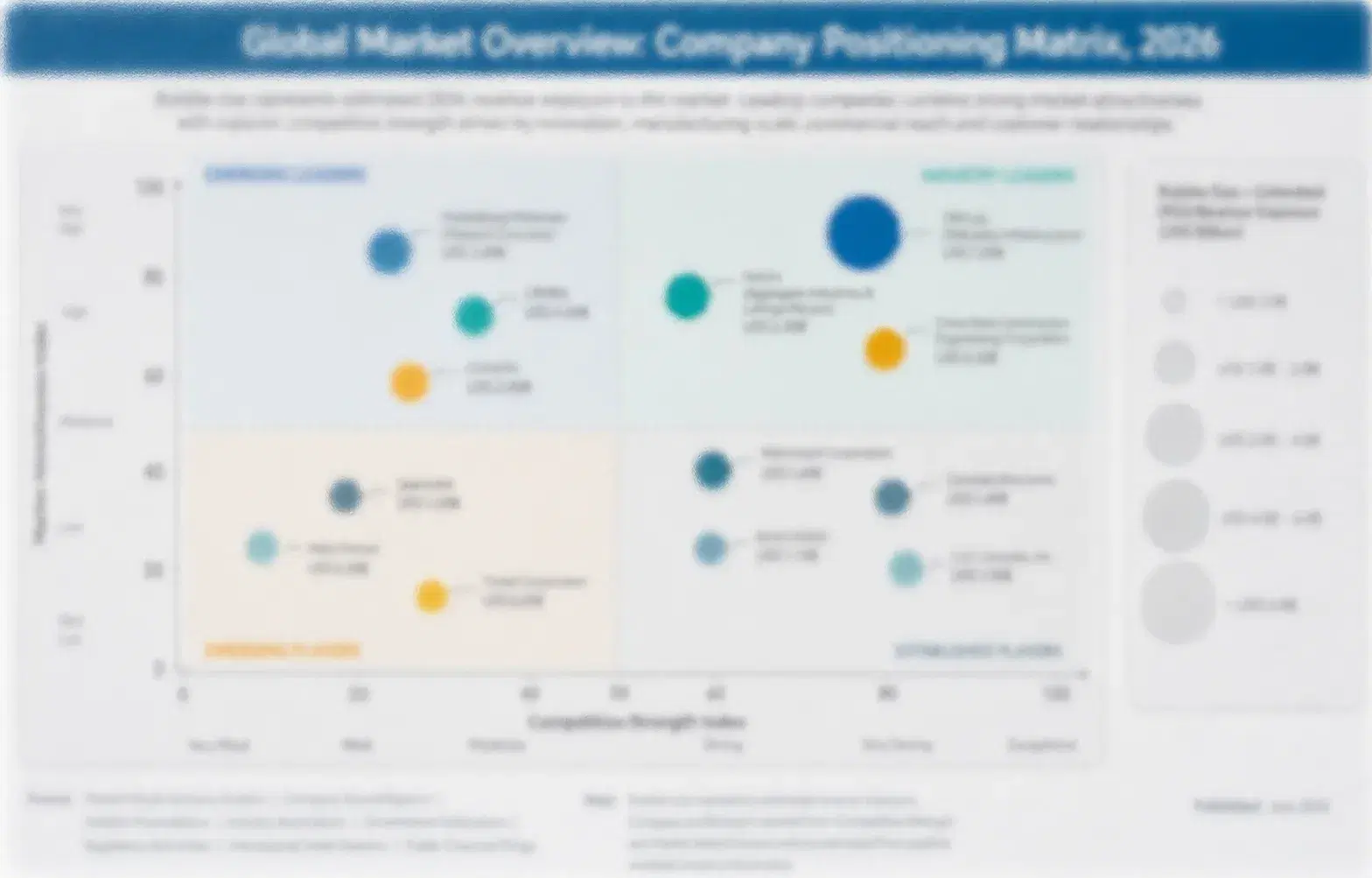
The bespoke packaging market sits at a genuinely fragmented eighteen percent five firm concentration, reflecting a field where Smurfit WestRock and International Paper hold a modest lead over the next tier of challengers through broad structural design capability and integrated converter network reach respectively, while hundreds of smaller regional converters compete for independent luxury and e-commerce brand accounts the majors serve less intensively.
Competitive activity today centers on digital printing capacity expansion, integrated design service bundling, and sustainable material certification, evaluated here on a shipment volume basis consistent across all twenty tracked participants. Converters are racing to expand short-run digital printing capability while building in-house design teams that brand owners increasingly treat as a genuine selection criterion rather than an optional service layer.

Looking ahead, expect ranking pressure from converters who scale digital printing fastest and build integrated design capability most successfully, particularly Asian converters expanding beyond pure manufacturing into design-led service models. Smaller regional players focused purely on standardized offset production risk losing share to challengers who move decisively on digital and design infrastructure across this entire tracked category worldwide this forecast cycle this entire cycle.
bespoke-packaging-market-company-positioning-matrix-1791421509101

How Bespoke Packaging Suppliers Compete

SMURFIT WESTROCK PLC

Moat: Integrated global converter network

Smurfit WestRock's position rests on an unusually broad global converter network that lets it serve multinational luxury and consumer goods brands with consistent structural design and finishing quality across regions, a scale advantage smaller regional specialists cannot easily replicate without comparable infrastructure investment across tracked design hubs.
SMURFIT WESTROCK PLC

Risk: Scale dilutes design focus

Breadth across hundreds of standardized packaging product lines means bespoke structural design work receives proportionally less dedicated creative attention than boutique specialist converters devote, creating an opening for design-focused competitors to out innovate within this specific premium category across most tracked distribution networks throughout this entire forecast cycle.
INTERNATIONAL PAPER COMPANY

Moat: Specialty paperboard supply integration

International Paper's vertically integrated specialty paperboard production gives it demonstrably more stable input cost and material availability than converters dependent on third-party paperboard suppliers, a supply chain advantage that increasingly matters as specialty material volatility affects smaller competitors more acutely across most tracked distribution networks throughout this entire forecast cycle.
INTERNATIONAL PAPER COMPANY

Risk: Limited luxury design heritage

International Paper's industrial manufacturing heritage leaves it relatively exposed in flagship luxury accounts, since decades of dedicated European luxury packaging design culture give boutique French and Italian converters a credibility advantage harder to replicate quickly across most tracked distribution networks throughout this entire forecast cycle across major producing regions worldwide.

Players Tracked

Prominent Players

Smurfit WestRock plc
International Paper Company
DS Smith Plc
Mondi Group
Stora Enso Oyj

Other Key Players

Packaging Corporation of America
Graphic Packaging Holding Company
Sonoco Products Company
Huhtamaki Oyj
Amcor plc
Sealed Air Corporation
Cascades Inc.
Oji Holdings Corporation
Nine Dragons Paper Holdings Limited
Lee and Man Paper Manufacturing Limited
Tetra Pak International S.A.
Berry Global Inc.
Billerud AB
Rengo Co. Ltd.
WestRock Packaging Systems LLC

Recent Developments

APRIL 2026

DS Smith Plc announced an expanded digital printing capacity investment across its European converter network, responding to rising direct-to-consumer brand demand for short-run personalized packaging ahead of peak seasonal retail launch calendars across most tracked distribution networks throughout this entire forecast cycle across major producing regions worldwide.
Signal: Digital printing scale is becoming a genuine competitive differentiator beyond traditional structural design alone across most tracked distribution networks
NOVEMBER 2025

Mondi Group completed an acquisition of a specialty structural design studio serving luxury cosmetics brands, aiming to strengthen its integrated design-to-production service offering across its European and Asian converter facilities across most tracked distribution networks throughout this entire forecast cycle across major producing regions worldwide among most tracked converter.
Signal: Major converters are acquiring design capability directly rather than building internal teams from scratch across most tracked distribution networks

Specialty Materials Dominate Unit Cost

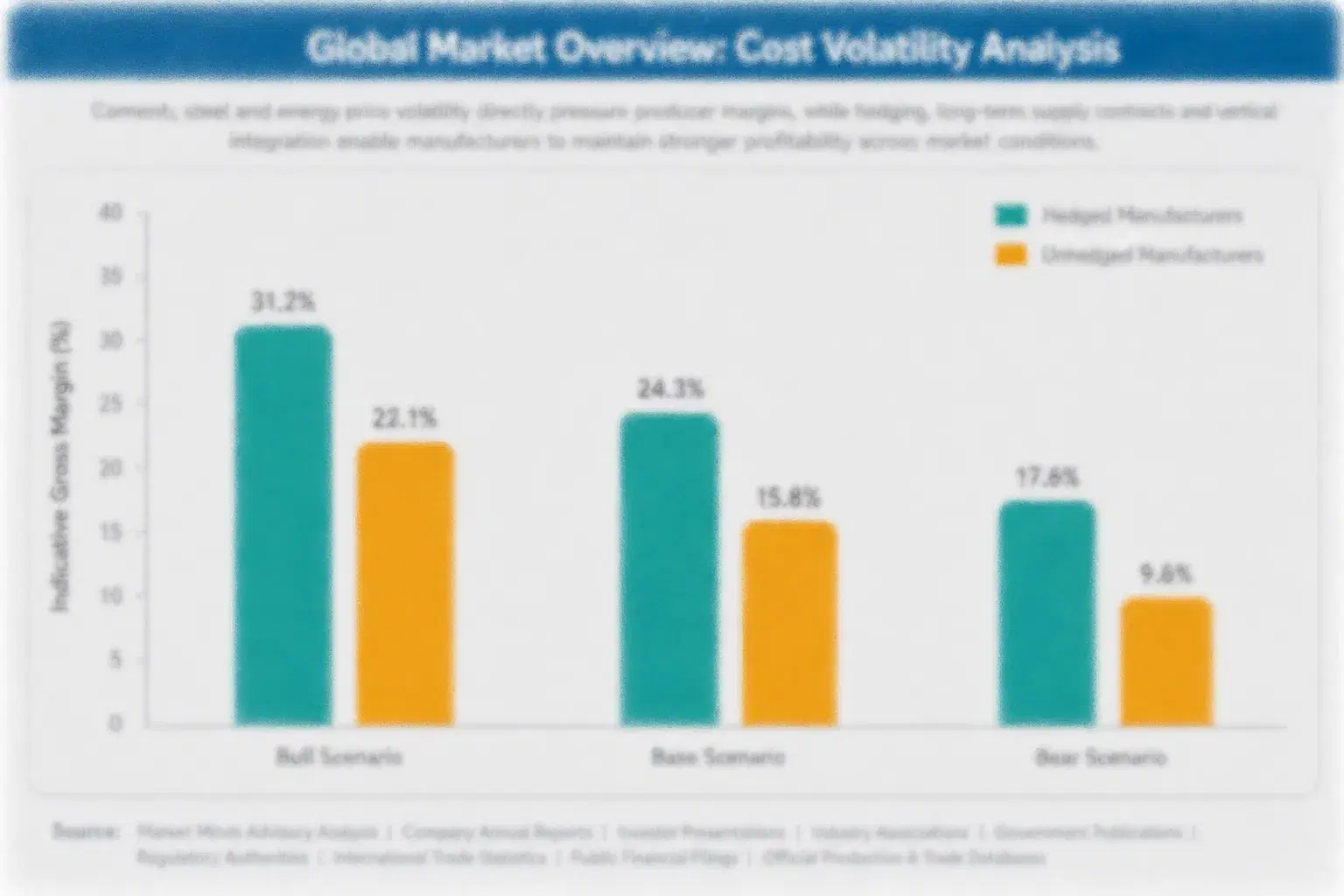
Specialty paperboard and premium finishing materials together account for roughly twenty nine percent of bespoke packaging unit cost of goods sold, sourced primarily from pulp and paperboard producers across North America, Scandinavia, and East Asia, with foil stamping and embossing finishing inputs contributing a further meaningful share sourced from specialized finishing suppliers across similar producing regions worldwide.
Specialty paperboard prices rose noticeably during 2024 amid documented pulp market tightness tracked by the Food and Agriculture Organization as part of broader global forestry and pulp supply chain monitoring, pushing several mid-tier converters to temporarily extend quote lead times by several weeks across affected production facilities serving premium brand accounts across most tracked distribution networks throughout this entire forecast cycle across major producing regions worldwide among most tracked converter accounts across most tracked distribution networks throughout this entire forecast.

This cost exposure disadvantages smaller regional converters lacking long-term paperboard supply agreements relative to scale players like International Paper and Mondi, who secured multi-year fiber contracts ahead of the price spike. Geographic exposure also varies meaningfully, with Scandinavian and North American converters facing comparatively shorter fiber supply chains than Asian competitors sourcing imported specialty paperboard.
bespoke-packaging-market-cost-volatility-analysis-1791421509452

Long-Term Fiber Supply Agreements

Leading converters are locking in multi-year specialty paperboard supply agreements directly with pulp and paper producers, insulating unit costs from near-term pulp market volatility while securing priority allocation during future tightness cycles across major producing regions worldwide across most tracked distribution networks throughout this entire forecast cycle across major producing regions worldwide among most tracked converter accounts.

Standardized Finishing Material Qualification

Converters are qualifying standardized finishing material specifications compatible with multiple approved suppliers, reducing dependence on any single specialty finishing source and improving negotiating leverage during periods of raw material cost pressure across tracked facilities across most tracked distribution networks throughout this entire forecast cycle across major producing regions worldwide among most tracked converter accounts across most tracked distribution.

Portfolio Architecture for Margin Defence

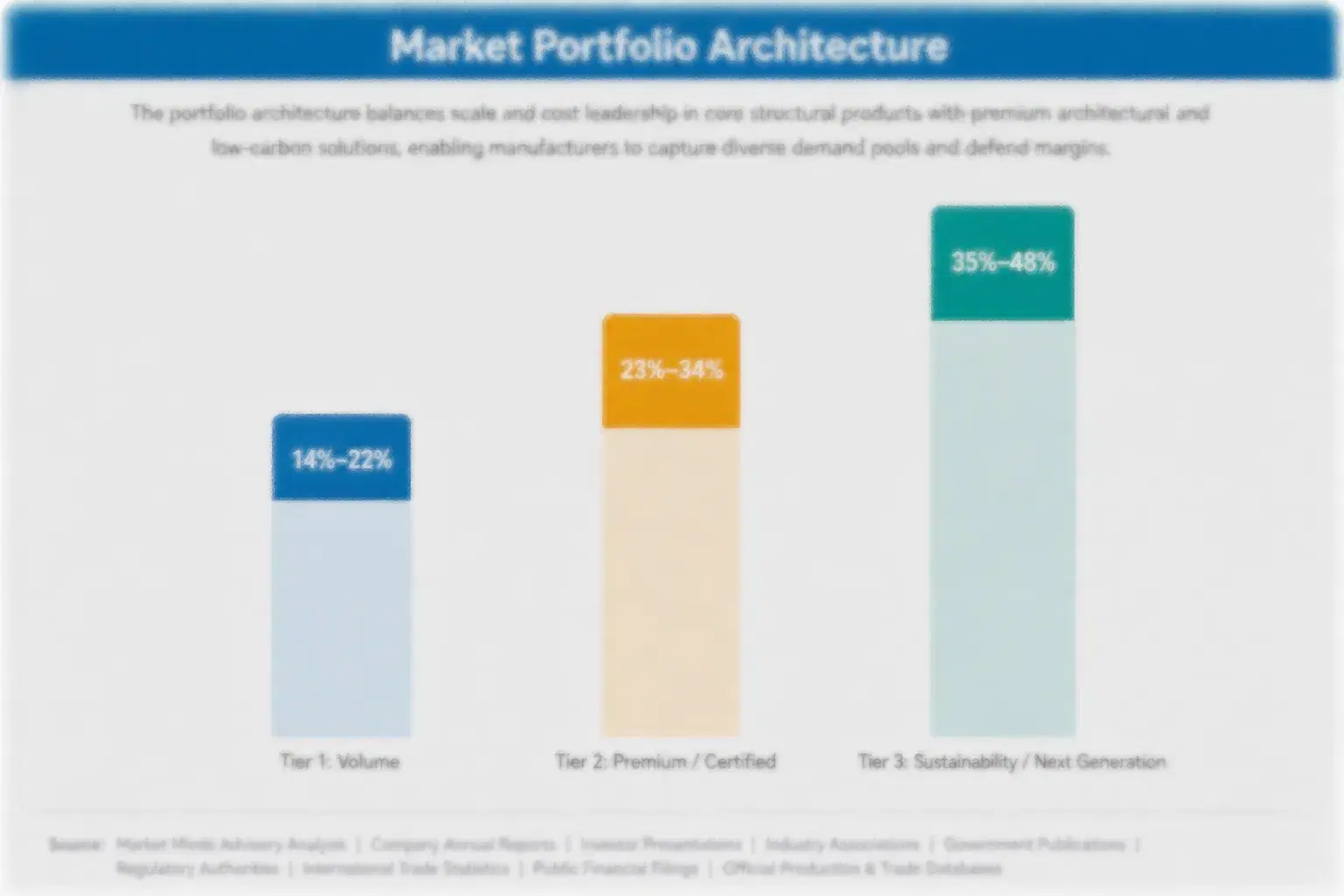
Bespoke packaging converters organize their portfolios across three tiers separated primarily by structural design complexity and finishing investment, with gross margins ranging from roughly twenty to twenty eight percent on volume commodity-adjacent standardized short-run work up to forty eight to fifty eight percent on certified premium luxury and fully integrated design-to-production configurations.
The volume versus premium tension centers on whether converters chase e-commerce brand scale through competitive short-run digital pricing or pursue luxury and cosmetics accounts willing to pay meaningfully more for structural design distinctiveness and finishing quality. High-value margin pools concentrate overwhelmingly in luxury structural design and integrated design service configurations, where creative capability and finishing quality command premiums standardized competitors cannot match.

Converters increasingly structure dedicated account teams around this tiering, since the commercial skills needed to win large e-commerce brand volume contracts differ substantially from those needed to win luxury accounts prioritizing structural creativity and finishing quality over unit price alone across this entire tracked category worldwide this cycle across most tracked distribution networks throughout this entire forecast cycle across major producing regions worldwide among most tracked converter accounts across most tracked distribution networks throughout this entire forecast cycle.

Standardized short-run digital and offset formats sold primarily on unit price to e-commerce and mid-tier retail brand accounts across most tracked distribution networks throughout this entire forecast cycle across major producing regions worldwide among most tracked converter accounts.
Gross Margin

Structurally distinctive formats with premium finishing sold to established consumer goods and corporate gifting accounts across most tracked distribution networks throughout this entire forecast cycle across major producing regions worldwide among most tracked converter accounts.
Gross Margin

Fully integrated luxury design-to-production configurations bundled with certified sustainable material documentation across most tracked distribution networks throughout this entire forecast cycle across major producing regions worldwide among most tracked converter accounts across most tracked distribution networks.
Gross Margin
bespoke-packaging-market-portfolio-architecture-1791421509783

High-value Sub-segments and Strategic Watch-out

Integrated Luxury Design Partnerships

Fully integrated structural design and production partnerships with flagship luxury and cosmetics brands represent the highest value, highest growth pool as brand differentiation investment expands across major developed luxury markets this cycle across most tracked distribution networks throughout this entire forecast cycle across major producing regions worldwide.

Certified Sustainable Mid-Tier Accounts

Certified sustainable material upgrade contracts with established mid-tier consumer goods accounts carry strong margins and steady growth as regulatory and brand expectations tighten, though expansion pace trails luxury partnerships across tracked markets across most tracked distribution networks throughout this entire forecast cycle across major producing regions worldwide.

Standard E-Commerce Short-Run Orders

Standard short-run digital printing orders for smaller e-commerce accounts remain the volume core of the category, generating steady but comparatively thin margin across most tracked accounts worldwide across most tracked distribution networks throughout this entire forecast cycle across major producing regions worldwide among most tracked converter accounts.

Legacy Standardized Offset Converters

Legacy converters limited to standardized offset production without digital or design capability face mounting displacement risk as buyer customization expectations rise across major design hubs this entire forecast cycle across most tracked distribution networks throughout this entire forecast cycle across major producing regions worldwide among most tracked converter accounts.

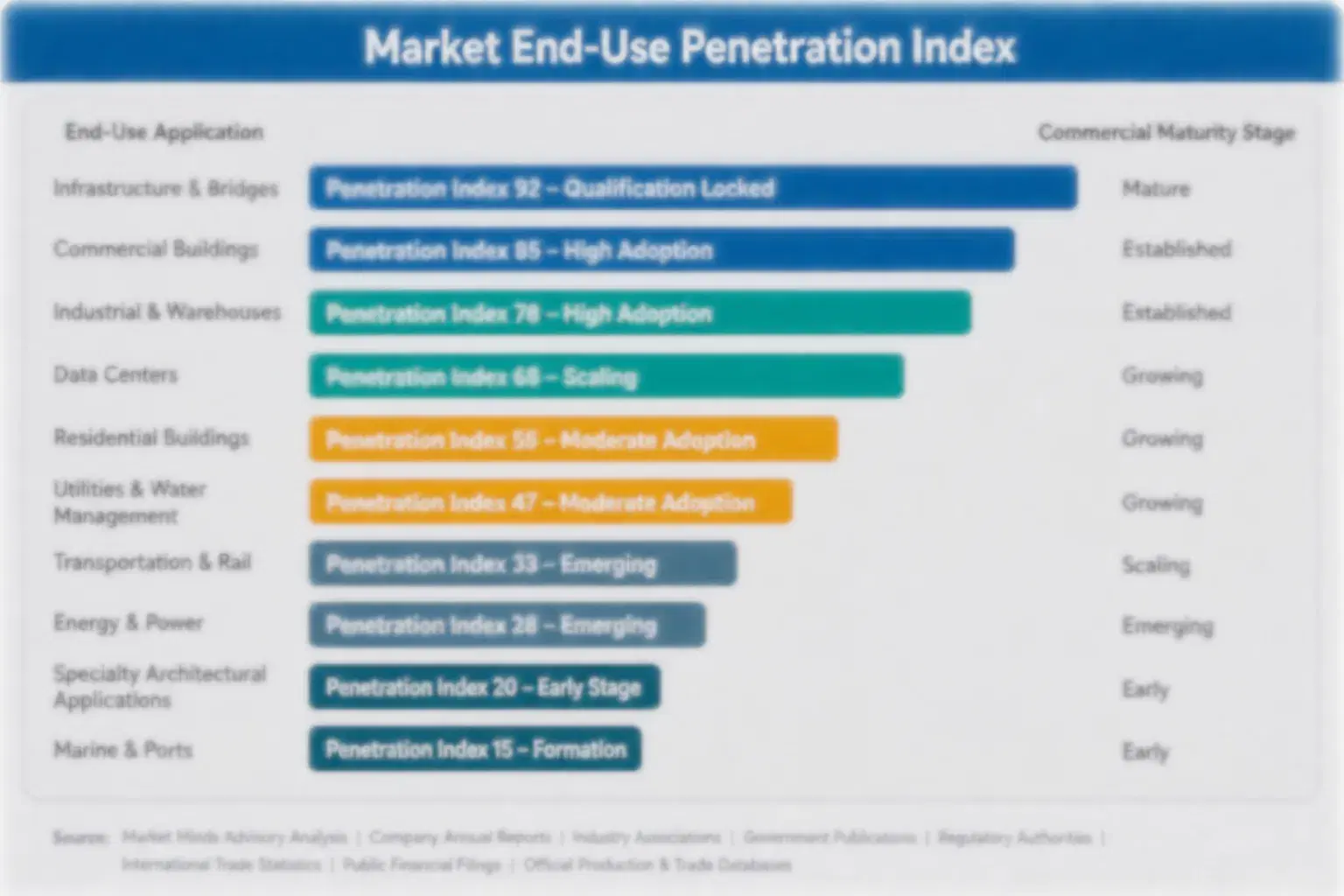
Brand Launch Cycles Anchor Demand

Bespoke packaging demand carries genuine recurring characteristics within brand accounts, since ongoing product launch calendars require continuous structural design and production availability rather than one-time packaging purchases, and design retainer relationships increasingly convert converter accounts into recurring multi-year engagements spanning several product cycles across most tracked luxury and consumer goods accounts worldwide this cycle.
Adoption stickiness varies meaningfully by end-use vertical. Luxury and cosmetics brand accounts show the highest switching costs given established structural design relationships and brand-specific tooling investment, while smaller e-commerce accounts show comparatively lower stickiness given simpler specifications and easier converter switching. Corporate gifting accounts fall between these two poles, balancing seasonal program timing against periodic competitive bid cycles that open switching opportunities.

A generational shift is underway as younger brand marketing managers increasingly prioritize documented sustainability credentials and social media unboxing impact over the unit cost and basic functionality considerations that dominated packaging purchasing decisions a decade ago across most tracked brand and converter markets globally this entire forecast cycle across most tracked distribution networks throughout this entire forecast cycle across major producing regions worldwide among most tracked converter accounts across most tracked distribution networks throughout this entire forecast cycle.
bespoke-packaging-market-end-use-penetration-index-1791421510073

Where Bespoke Packaging Value Concentrates

These are among the four positions where our research anticipates prominent divergence between winners and laggards over the coming forecast period. Each is grounded in the demand model, the regulatory perimeter, and the announced capacity pipeline.
01 / DIGITAL PRINTING INVESTMENT

Scale short-run capacity ahead of demand consolidation

Digital printing capability is becoming a genuine selection criterion rather than an optional production option as direct-to-consumer brands increasingly require small-batch customization to support frequent product launches across major design hubs. Converters who scale certified short-run digital capacity now will capture disproportionate brand account share before smaller competitors close the gap. Waiting for demand to fully materialize risks ceding this advantage to Asian converters already investing directly in dedicated digital production lines across most tracked distribution networks throughout this entire forecast cycle.
02 / DESIGN SERVICE INTEGRATION

Build integrated design capability around production

Integrated structural design and prototyping services command meaningfully higher margins than production-only converter relationships, reflecting genuine brand willingness to pay for design-to-production partnership convenience. Converters who build internal design capability now will capture disproportionate share of luxury and premium accounts before competitors catch up. Relying solely on production-only service risks ceding this higher-margin opportunity to design-focused competitors already building creative teams across most tracked distribution networks throughout this entire forecast cycle across major producing regions worldwide among most tracked converter accounts across most tracked distribution networks.

Engagement Snapshot From the Field

A live engagement with an industry participant carrying material or product regulatory and market exposure ahead of a defining policy shift, showing how our research translates into a defensible multi-year portfolio strategy.
MARKET MINDS ADVISORY · CLIENT ENGAGEMENT SUMMARY
Bespoke Packaging Producer Strategic Portfolio Review and Transition Roadmap 2026·Investment Scenario on Bespoke Packaging Exposure Evaluation 2025-26
CLIENT PROFILE
A direct-to-consumer cosmetics brand selling across North America and Western Europe sought to redesign its entire product packaging line to improve unboxing experience and social media visibility ahead of a major product relaunch, serving several hundred thousand annual customers through its e-commerce fulfillment operation across most tracked distribution networks throughout this entire forecast cycle across major producing regions worldwide.
STRATEGIC CHALLENGE
The brand's existing standardized packaging offered no meaningful differentiation from competitor offerings, while budget constraints and tight relaunch timelines complicated converter selection and structural design decisions within a compressed four-month development window across most tracked distribution networks throughout this entire forecast cycle across major producing regions worldwide among most tracked converter accounts.
MMA APPROACH
MMA benchmarked the brand's order volume and design requirements against comparable direct-to-consumer cosmetics brands, modeling a phased converter qualification pathway that prioritized digital printing specialists with integrated design capability over pure production-only competitors across most tracked distribution networks throughout this entire forecast cycle across major producing regions worldwide among most tracked converter accounts.
KEY FINDINGS
  1. Custom structural packaging cost approximately thirty five percent more per unit than standardized alternatives but drove measurably higher social media engagement rates (client-reported, unverified by MMA).
  2. Two qualified converters offered integrated design and short-run digital printing capability meeting the brand's compressed relaunch timeline (client-reported, unverified by MMA) across most tracked distribution networks.
  3. Bundled design and production contracts reduced total development cost by an estimated twenty percent compared to separate design and manufacturing engagements (client-reported, unverified by MMA).
  4. Phased rollout allowed the brand to launch its highest-priority product lines on schedule while remaining packaging lines completed over the following quarter (client-reported, unverified by MMA).
CLIENT PROFILE
A direct-to-consumer cosmetics brand selling across North America and Western Europe sought to redesign its entire product packaging line to improve unboxing experience and social media visibility ahead of a major product relaunch, serving several hundred thousand annual customers through its e-commerce fulfillment operation across most tracked distribution networks throughout this entire forecast cycle across major producing regions worldwide.
STRATEGIC CHALLENGE
The brand's existing standardized packaging offered no meaningful differentiation from competitor offerings, while budget constraints and tight relaunch timelines complicated converter selection and structural design decisions within a compressed four-month development window across most tracked distribution networks throughout this entire forecast cycle across major producing regions worldwide among most tracked converter accounts.
MMA APPROACH
MMA benchmarked the brand's order volume and design requirements against comparable direct-to-consumer cosmetics brands, modeling a phased converter qualification pathway that prioritized digital printing specialists with integrated design capability over pure production-only competitors across most tracked distribution networks throughout this entire forecast cycle across major producing regions worldwide among most tracked converter accounts.
KEY FINDINGS
  1. Custom structural packaging cost approximately thirty five percent more per unit than standardized alternatives but drove measurably higher social media engagement rates (client-reported, unverified by MMA).
  2. Two qualified converters offered integrated design and short-run digital printing capability meeting the brand's compressed relaunch timeline (client-reported, unverified by MMA) across most tracked distribution networks.
  3. Bundled design and production contracts reduced total development cost by an estimated twenty percent compared to separate design and manufacturing engagements (client-reported, unverified by MMA).
  4. Phased rollout allowed the brand to launch its highest-priority product lines on schedule while remaining packaging lines completed over the following quarter (client-reported, unverified by MMA).
RECOMMENDED STRATEGY
Phase 1: Phase one: finalize structural design and qualify two digital printing converters within the first six weeks of the engagement across most tracked distribution networks. Phase 2: Phase two: launch redesigned packaging for the brand's three highest-volume product lines within the following eight weeks across most tracked distribution networks. Phase 3: Phase three: complete remaining product line conversions within the final quarter, standardizing finishing specifications brandwide across most tracked distribution networks throughout this entire forecast cycle.
OUTCOME
The phased redesign approach let the brand launch its highest-priority product lines on schedule with measurably improved social media engagement, ultimately completing the full packaging conversion roughly one month ahead of the original relaunch timeline at a development cost below initial separate-vendor estimates (client-reported, unverified by MMA).

Frequently Asked Questions

Foundational context covering the market sizes, CAGR, scope, country, region and competition that inform every finding below. This section is provided to cover basics and most often pre-purchase conversations, answered from the MMA Primary Research Dataset.

What is the current size of the Bespoke Packaging Market?

The global bespoke packaging market reached approximately 9.11 billion dollars in 2026. This reflects sustained luxury brand investment alongside accelerating e-commerce personalization adoption across most tracked distribution networks.

How large will the Bespoke Packaging Market be by 2036?

MMA projects the market reaching approximately 18.26 billion dollars by 2036. Growth is driven primarily by e-commerce personalization and expanding corporate gifting programs across most tracked distribution networks.

What is the CAGR for the Bespoke Packaging Market 2026 to 2036?

The market is projected to grow at a 7.2 percent compound annual rate through 2036. This reflects sustained luxury demand alongside expanding digital printing adoption.

Which segment is growing fastest?

E-commerce personalized packaging is growing fastest, at a 9.8 percent CAGR. This reflects rising direct-to-consumer brand investment in differentiated unboxing experiences across most tracked distribution networks throughout this entire forecast cycle.

Who are the major companies in the Bespoke Packaging Market?

Smurfit WestRock, International Paper, DS Smith, Mondi, and Stora Enso lead the market. Together they hold roughly eighteen percent of tracked global shipment volume across most tracked distribution networks.

Which country is growing fastest?

India is growing fastest among tracked countries, at a 9.6 percent CAGR. This reflects its expanding e-commerce and cosmetics manufacturing base across most tracked distribution networks throughout this entire forecast cycle.

Bespoke Packaging Market Breakdown

The full report scope spans multiple orthogonal segmentation dimensions, with cross-tabulated demand data provided for each dimension pair. Coverage extends further to regional breakdowns, trend trajectories, and the competitive detail needed to support segment-level decision-making.

By Product Type

  • Rigid Structural Packaging
  • Folding Carton Packaging
  • Flexible Custom Packaging
  • Specialty Finishing and Inserts

By End-Use Industry

  • Luxury Goods and Cosmetics
  • E-Commerce and Retail
  • Food and Beverage
  • Electronics and Consumer Goods

By Commercial Dimension

  • Direct Brand Contracts
  • Design and Prototyping Services
  • Short-Run Digital Orders
  • Corporate Gifting Programs

By Region

  • North America
  • Western Europe
  • East Asia
  • South Asia and Pacific
  • Latin America
  • Middle East and Africa
  • Eastern Europe

Scope, Methodology, and Coverage

Every figure in this report is reproducible from documented input assumptions. The scope below maps the historical period, the forecast horizon, the segmentation dimensions, and the countries covered, alongside the underlying primary and qualitative methodology.
Historical Period
2020 to 2025
Forecast Period
2026 to 2036
Base Year
2025 (USD billions; MMA Primary Research Dataset, October 2026)
Market Definition
This report covers the global bespoke packaging market, defined as custom-designed and made-to-order packaging formats produced to brand-specific dimensions, materials, and finishing specifications across luxury, e-commerce, food and beverage, electronics, and promotional applications. It excludes standardized off-the-shelf packaging templates.
Quantitative Units
USD billions
Segmentation Dimensions
Regions Covered
North America, Western Europe, East Asia, South Asia and Pacific, Latin America, Middle East and Africa, Eastern Europe
Countries Covered
Key Companies Profiled
Smurfit WestRock plc, International Paper Company, DS Smith Plc, Mondi Group, Stora Enso Oyj, Packaging Corporation of America, Graphic Packaging Holding Company, Sonoco Products Company, Huhtamaki Oyj, Amcor plc, Sealed Air Corporation, Cascades Inc., Oji Holdings Corporation, Nine Dragons Paper Holdings Limited, Lee and Man Paper Manufacturing Limited, Tetra Pak International S.A., Berry Global Inc., Billerud AB, Rengo Co. Ltd., WestRock Packaging Systems LLC
Quantitative Methodology
Primary survey, n=3,800 respondents, Q4 2025, six countries; demand-side model with trade association cross-validation
Qualitative Methodology
47 expert interviews, Q4 2025; applied to validate demand model assumptions, identify emerging dynamics, and assess competitive positioning
Report Format
PDF and XLSX data workbook (Word format preview document)
Publisher
Market Minds Advisory
Report Code
MMA-2026-PAC-540
Published
October 2026
Contact
sales@marketmindsadvisory.com | www.marketmindsadvisory.com

Purchase the full Bespoke Packaging Market Report (2026 to 2036).

This full report provides comprehensive coverage of the global bespoke packaging market across all tracked categories, regions, and competitive dynamics through 2036. It includes detailed category-level forecasts spanning five end-use segments, alongside regional demand architecture across all seven MMA tracked regions. Competitive benchmarking covers twenty major converters evaluated on a consistent shipment volume basis. Input cost analysis traces specialty paperboard exposure and supply origin across major producing regions. Subscribers receive quarterly updates reflecting the latest design and digital printing developments across this entire tracked category worldwide.
Ten-year category-level forecasts across five segments
Seven-region demand architecture with justified variance notes
Twenty-company competitive benchmarking on shipment volume basis
Specialty paperboard and finishing cost exposure analysis
Quarterly digital printing and design update tracking
Anonymized client case study library with findings

Built For The People Who Decide

From boardroom strategy to bench-side execution, this report is read cover-to-cover by leaders shaping the next decade of their industry, turning demand scenarios, market dynamics and valuation benchmarks into decisions.
CXOs/ Presidents/ VPs/ Managers
M&A and Corporate Development
Strategy Teams and R&D Heads
Procurement and Product Directors
Regulatory and Compliance Leaders
Investor Relations and Equity Analysts