Market Minds Advisory
Bagasse Bowls Market

Bagasse Bowls Market Report 2026-2036: Size, Segments and Leaders

Bagasse bowls are spreading from noodle shops into poke, salad, and grain-bowl formats across fast-casual chains, as sugarcane-fiber molding proves it can hold broth and liquids without the wax or plastic lining paper bowls need.

Lead Analyst

Bilal Shaikh

Published

November 2026

Make Smarter Decisions with Customized Research Insights

Request a free sample report and evaluate market opportunities, growth trends, and competitive dynamics relevant to your business needs.

2025 MARKET VALUE$0.3BMarket Size 2025
2036 FORECAST VALUE$0.7BBase Case , 2026 to 2036
CAGR 2026 TO 20367.0 %Bull 8.1% / Bear 5.8%
INCREMENTAL OPPORTUNITY$0.3BNet 10- year value creation
EXPANSION MULTIPLE1.97x2036 value over 2026 base
Strategic Levers
M&A Pipeline
Regional Outlook
Country Rankings
Competitive Intelligence
Segmental Deep-dive
Call-Us : 91 93563 13602

Bagasse Bowls Market at a Glance

Bagasse bowls are moving beyond their original noodle-shop and soup-counter stronghold into fast-casual salad and grain-bowl formats, as molded sugarcane fiber proves it can hold hot broth and oily dressings without the plastic or wax lining conventional paper bowls still need to stay leak-proof more consistently today. MMA projects the sugarcane fiber bowls market to grow at a 10.2% CAGR through 2036, reaching USD 1.8 billion.
Commercial pressure comes from three directions: Western fast-casual chains standardizing compostable bowl formats for poke and grain-bowl menus, East Asian noodle and soup vendors replacing legacy foam and lined-paper bowls under tightening plastic restrictions, and food-delivery platforms specifying leak-resistant packaging that survives longer transit times than dine-in service ever required. Salad and poke bowls are the fastest-growing of six tracked formats, concentrated in Western chains building sustainability into core menu presentation.
Competitively, diversified molded-fiber manufacturers with deep foodservice-distributor relationships compete against smaller regional converters specializing in leak-resistant coating formulations. Regulatory tailwinds keep building on two fronts: expanding single-use plastic and foam restrictions across East Asian and Western markets alike, and fast-casual chains increasingly treating compostable packaging as a visible brand signal rather than a back-of-house cost line item few customers ever notice directly rather than a back-of-house cost.
Market Definition
The bagasse bowls market covers molded-fiber bowls manufactured from sugarcane bagasse feedstock for noodle, soup, rice, salad, and dessert foodservice applications. It excludes bagasse plates, clamshell containers, and cutlery, and excludes conventional plastic, foam, or lined-paper bowls not made from bagasse fiber.
Base Year Value
$0.3B in 2025 (MMA Primary Research Dataset, October 2026)
Forecast Period
2026 to 2036, eleven discrete annual values
CAGR
7.0% base case. Bull 8.1%. Bear 5.8%.
Fastest Growth Segment
Salad and Poke Bowls: 10.2% CAGR
Fastest Growth Country
Philippines: 8.9% CAGR
Fastest Growth Region
South Asia and Pacific: 9.3% CAGR
Largest Region
East Asia: 30% of 2025 global value
Market Leaders
Huhtamaki Oyj, Eco-Products Inc., BioPak Pty Ltd, World Centric, Vegware Ltd. Source: MMA Analysis based on company annual reports. The eco bowls market moves on similar drivers, with MMA projecting a 7.1% CAGR over 2026-2036.
Primary Survey
n=3,800 procurement and R&D decision-makers, Q4 2025, six countries
Methodology
Demand-side build-up, cross-validated against public data, 47 expert interviews

Bagasse Bowls Market Forecast to 2036

bagasse-bowls-market-share-analysis-size-forecast-scenario-1791557171713
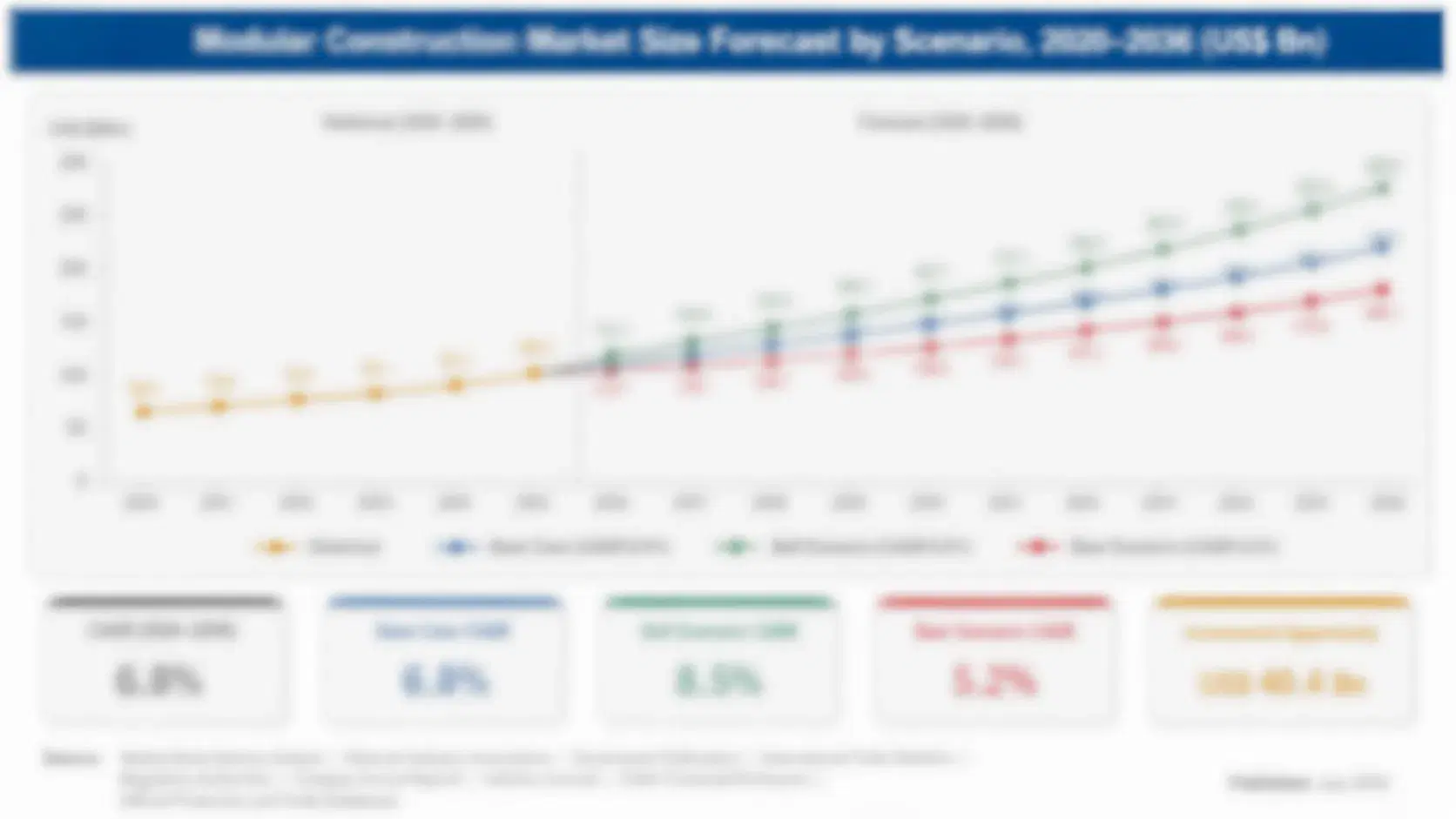
Between 2020 and 2025, bagasse bowl demand grew steadily as East Asian noodle and soup vendors adopted molded-fiber formats ahead of plastic and foam restrictions, while Western fast-casual chains tested compostable bowls mainly in pilot markets before committing to broader menu-wide rollout decisions, a gradual build that set the stage for the faster adoption curve now underway across both regions.
The base case assumes three mechanisms hold through 2036: East Asian plastic and foam restrictions keep tightening across noodle and soup vendor categories, Western fast-casual chains keep standardizing compostable bowls across their full store networks as poke and grain-bowl menus expand, and leak-resistant coating technology keeps improving enough to satisfy hot-liquid and oily-dressing applications reliably. Together these push bagasse bowls into a default fast-casual format across most major markets nationwide.
The bull case assumes a major Western fast-casual chain standardizes bagasse bowls across its entire national footprint within two years, pulling category volume sharply higher almost overnight. The bear case assumes leak-resistant coating costs stay high enough that chains continue favoring cheaper lined-paper alternatives outside markets where regulation forces the switch directly, a split that would leave considerable category growth concentrated in regulated markets only.

Why a Noodle-Shop Staple Is Going Mainstream

Bagasse bowls sit downstream of three converging forces: East Asian plastic and foam restrictions pushing noodle and soup vendors toward molded-fiber alternatives, Western fast-casual chains standardizing compostable formats as poke and grain-bowl menus scale nationally, and leak-resistant coating technology finally reaching a performance level that satisfies hot-liquid service reliably. Converters that once supplied basic lined-paper bowls are now qualifying bagasse-specific molding and coating lines, a step that requires leak-testing capability legacy paper-bowl operations never needed. MMA sizes the molded fiber bowl market at USD 2.8 billion in 2025, with growth of 7.8% a year expected through 2036.
TOP PRODUCING COUNTRY SHARE26%Thailand anchors the largest share of qualified production
MARKET CONCENTRATION (CR5)30%Leading five manufacturers hold well under half share
AVERAGE SELLING PRICE$0.09 per bowlBagasse bowls price consistently above paper alternatives now
CAPACITY UTILIZATION70%Molding lines run below mature packaging industry levels
FEEDSTOCK SHARE OF COGS36%Bagasse pulp and coating materials dominate conversion cost
TRADE INTENSITY57% cross-borderMost finished bowls cross borders before final sale
Commercially, this remains a fragmented, application-specific market rather than a scale-dominated one. A handful of diversified molded-fiber manufacturers compete for large fast-casual chain accounts, while smaller regional converters serve independent noodle shops and soup vendors within their own national plastic-restriction timelines. Average selling prices sit consistently above lined-paper equivalents, and leak-resistance performance, not unit price alone, increasingly determines which converters win chain-wide contracts.
Over the next decade, expect bagasse bowls to move from a noodle-shop and soup-vendor specialty into a broader fast-casual default, as Western chains standardize compostable formats across full networks and East Asian restrictions tighten further. Regulatory convergence between Asian plastic-restriction timelines and Western compostability standards will likely pull more bowl-service categories into bagasse specification than early noodle-shop adoption alone ever could. A closely related view comes from the sink bowls market, which MMA projects to grow at a 6.2% CAGR to USD 2.71 billion by 2036.
"The real breakthrough wasn't sugarcane fiber itself, it was getting a coating that holds ramen broth for twenty minutes without turning soggy. That single problem held this category back for years."
Director, Sustainable Packaging and Foodservice Practice · MMA Sustainable Packaging & Foodservice Disposables Practice · October 2026

Bagasse Bowls Adoption Trends

Fast-Casual Chains Standardize Compostable Bowl Formats

Several large Western fast-casual chains serving poke, grain, and salad bowls have begun standardizing bagasse bowl specifications across their full store networks, treating compostable packaging as a visible brand signal customers notice directly rather than a back-of-house procurement decision invisible to diners. This standardization is pulling converter selection toward suppliers who can guarantee consistent leak-resistance performance across thousands of locations simultaneously, since a packaging failure at scale would damage the chain's sustainability positioning publicly. Chains that completed standardization now cite it directly in sustainability reporting, reinforcing further expansion ahead of broader menu-wide rollout decisions across additional cities.
Market Impact: Lifts menu-category volume by 18%
East Asian Plastic and Foam Restrictions Keep Tightening

Several East Asian markets have expanded restrictions on polystyrene foam and single-use plastic bowls over the past few years, pushing noodle, soup, and rice-bowl vendors toward molded-fiber alternatives that were previously treated as a premium option rather than a default choice. This is pulling substantial incremental bowl volume into the bagasse category given the sheer scale of noodle and soup vendor density across major East Asian cities, far exceeding the volume added by any single Western fast-casual chain's standardization decision. Converters with established coating capability in these markets are capturing most of this conversion work.
Market Impact: Cuts leak-failure rates by roughly 40%

Where the Bagasse Bowls Opportunity Lies

Poke and Grain Bowl Menu Growth Lifts Demand

Poke, grain, and salad bowl menu categories have expanded rapidly across Western fast-casual restaurant chains over the past several years, and each new location opening or menu expansion adds incremental demand for a leak-resistant, compostable bowl format that aligns with these chains' broader sustainability positioning. Bagasse bowls have captured a growing share of this expanding category specifically because oily dressings and wet toppings common in poke and grain bowls require leak resistance that basic uncoated paper bowls cannot reliably provide. Chains expanding into new markets increasingly specify bagasse bowls from initial store opening.
Market Impact: Adds roughly 25% cost over lined-paper

Leak-Resistant Coating Technology Keeps Improving Fast

Coating technology for bagasse bowls has improved meaningfully over the past several years, closing much of the performance gap that previously limited bagasse to drier applications while leaving hot broth and oily dressing service to plastic or foam alternatives. This improvement is broadening the addressable market beyond noodle shops that already tolerated earlier-generation coating limitations, into fast-casual chains with stricter performance requirements around extended hold times during delivery transit. Converters who can demonstrate coating performance matching plastic alternatives are winning accounts that previously defaulted to conventional packaging purely on performance grounds rather than any cost or sustainability consideration.
Market Impact: Trails plastic by 15%

What Holds Back Bagasse Bowls Growth

Coating Cost Premium Limits Independent Vendor Adoption

Bagasse bowls with leak-resistant coating carry a meaningful cost premium over basic uncoated bagasse or conventional lined-paper bowls, a gap independent noodle shops and soup vendors operating on thin margins find harder to absorb than large chains able to spread cost across greater purchasing volume. The root cause is the coating process itself, which adds a distinct production step and material cost beyond basic molding that plastic-lined alternatives achieve more cheaply through established high-volume lining processes. This keeps premium adoption concentrated among large chains. Converters mitigate this with tiered coating-performance options for smaller vendors.
Market Impact: Adds bowls across 2,000+ store locations

Hot Liquid Performance Still Trails Plastic Alternatives

Bagasse bowls, even with improved coating, still trail plastic and foam alternatives on extended hot-liquid hold time, particularly for broth-based soups held longer than typical dine-in service before consumption. The underlying cause is fiber structure: bagasse pulp fundamentally absorbs and transfers heat differently than plastic, and no coating fully eliminates this physical difference for the most demanding extended-hold applications. This limits bagasse adoption in delivery-heavy soup categories where extended transit time matters most. Converters are mitigating this with double-wall molded designs that improve insulation performance without requiring a fundamentally different base material.
Market Impact: Adds bans across 3 markets
3 additional market trends, 4 additional growth drivers, and 2 additional restraints and challenges are covered in the full report. Contact sales@marketmindsadvisory.com to access the complete intelligence.

Bagasse Bowls Segment CAGR Comparison

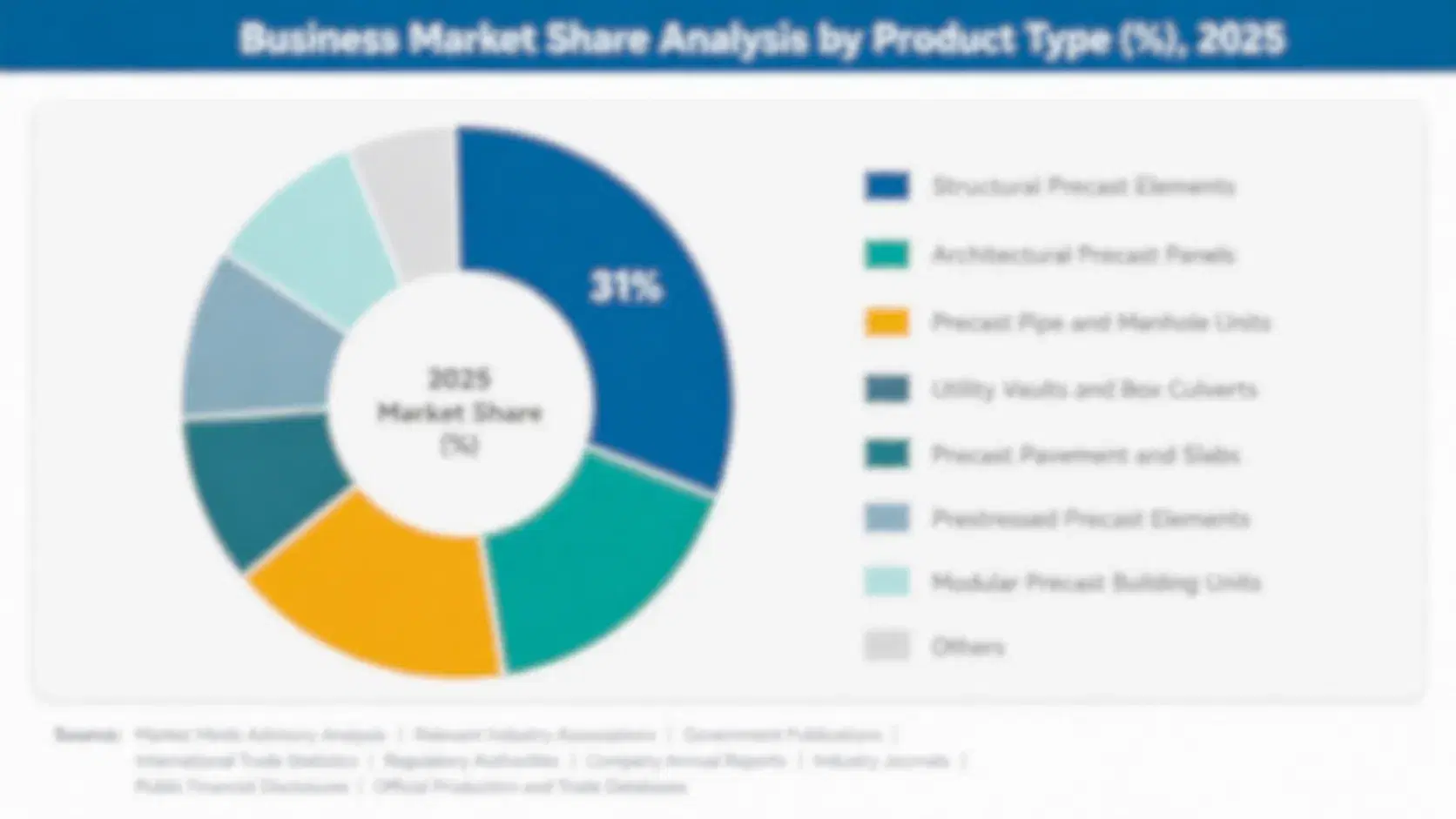
MMA segments the bagasse bowls market by application format rather than by distribution channel, since the same molding and coating technology produces noodle, rice, salad, and dessert bowls once a converter commits to bagasse-grade processing. Six formats are tracked; salad and poke bowls and compartmentalized meal bowls are growing fastest as Western fast-casual standardization scales.
bagasse-bowls-market-share-analysis-market-share-analysis-1791557172072

Salad and Poke Bowls

Salad and poke bowls require leak-resistant coating capable of handling oily dressings and wet toppings without compromising structural integrity during transport, a performance bar that pushed coating technology development faster than drier applications would have demanded on their own. Demand concentrates among Western fast-casual chains standardizing compostable formats across full store networks as poke and grain-bowl menus expand rapidly. Growth runs well ahead of every other tracked format as fast-casual menu expansion and sustainability-branding pressure both intensify simultaneously, a rare combination pulling adoption from commercial and marketing directions at once. Converters who can guarantee consistent leak-resistance performance across thousands of chain locations are winning the largest multi-year supply agreements as standardization accelerates across the category.
CAGR 10.2%

Compartmentalized Meal Bowls

Compartmentalized meal bowls, featuring molded dividers separating proteins, grains, and toppings within a single bowl, serve fast-casual and delivery orders where keeping components separate until consumption preserves texture and presentation better than a single undivided bowl would allow. Demand concentrates among chains serving build-your-own bowl concepts where customers select multiple distinct components that benefit from separation during transport. Growth trails salad and poke bowls only slightly and remains well above the category average as build-your-own bowl concepts continue expanding across both dine-in and delivery channels. Converters with stronger mold-design capability are winning contracts from chains seeking differentiated bowl formats beyond basic single-cavity designs Several chains are now requesting proprietary divider patterns as a point of menu differentiation.
CAGR 9.0%
Full segment breakdown across 6 segments available in the complete report.

Bagasse Bowls Market by Country

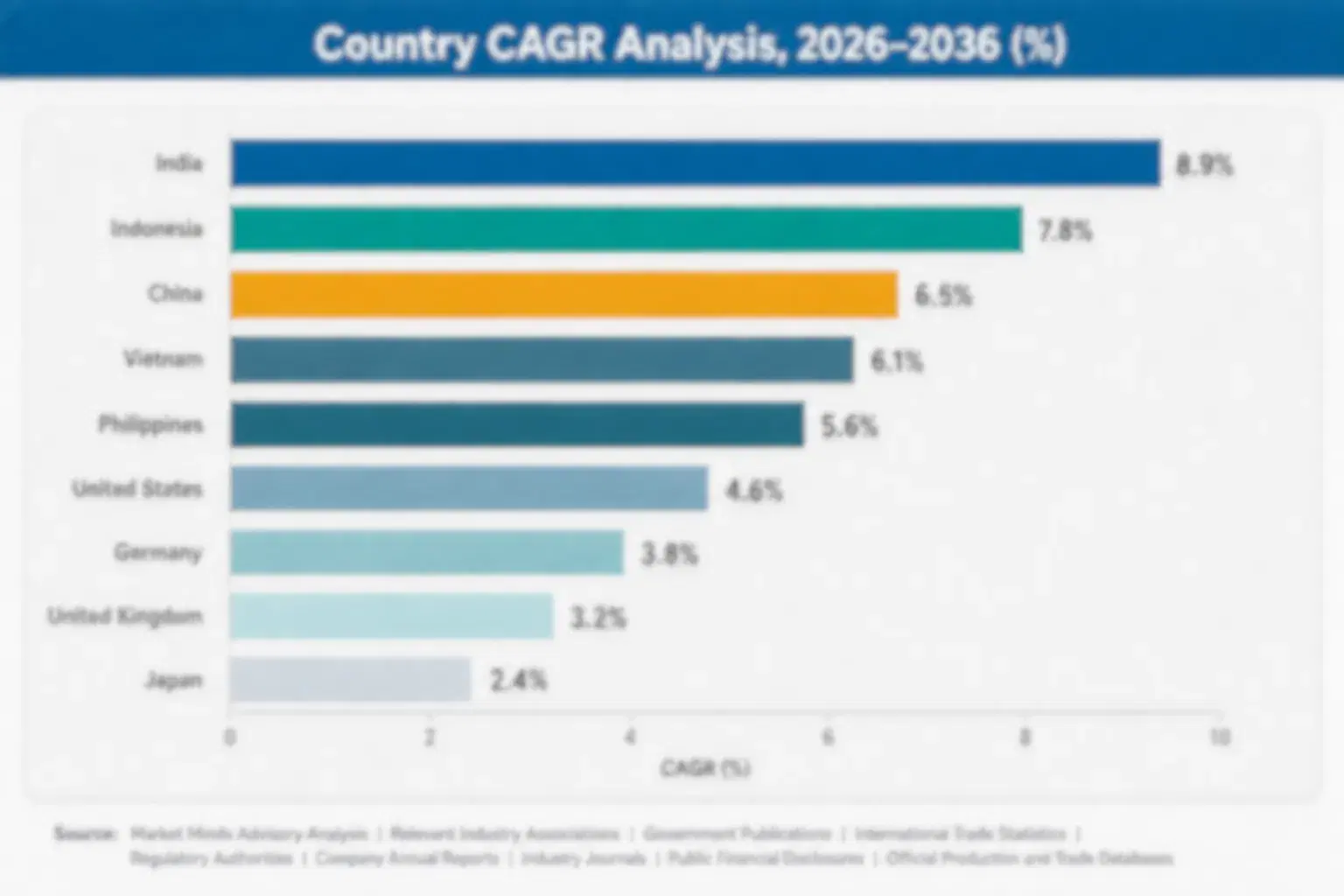
Demand concentrates where noodle and soup culture and fast-casual bowl menus both scale. East Asia leads on noodle and soup bowl volume tied to plastic restrictions, North America follows closely on fast-casual poke and grain-bowl standardization, and South Asia and Pacific is expanding fastest as regional plastic restrictions broaden. A closely related view comes from the South Korea bagasse tableware market, which MMA projects to grow at an 11.5% CAGR to USD 2.8 billion by 2036.

North America

The United States drives the large majority of North American demand, reflecting rapid poke, grain, and salad bowl menu expansion across major fast-casual chains alongside an expanding patchwork of state and municipal foam and plastic restrictions. Chains headquartered in the US increasingly specify bagasse bowls as a default across new store openings rather than retrofitting packaging decisions after locations are already operating, pulling steady demand from converters with proven leak-resistance performance. Canada's contribution is smaller but growing through its own provincial plastic and foam restrictions, generally following packaging specifications similar to the US given closely integrated fast-casual restaurant supply chains. Vendors with proven chain-wide standardization track records are winning the bulk of new contracts across this market specifically.
Share: 24% | CAGR: 7.8% (2026 to 2036)

Western Europe

Regulation, more than pure fast-casual menu growth, defines Western Europe's position in this market. The European Union's single-use plastics directive has pushed compostable bowl adoption across member states on a shared compliance timeline, giving the region meaningful influence on packaging specifications even as its fast-casual poke and grain-bowl culture remains smaller than in North America. Germany and France host the largest concentration of foodservice distribution infrastructure managing this transition, while the United Kingdom's separate post-Brexit plastics framework adds a further specification layer. Growth here trails East Asia and North America because unit volumes are smaller and fast-casual bowl-menu culture is less developed than noodle and soup traditions driving East Asian demand.
Share: 19% | CAGR: 5.6% (2026 to 2036)
Regional intelligence for 5 additional markets available in the complete report: East Asia, South Asia and Pacific, Latin America, Middle East and Africa, Eastern Europe. Contact sales@marketmindsadvisory.com.
bagasse-bowls-market-share-analysis-country-cagr-analysis-1791557172369

Where Converters Can Capture Premium Margin

Converters compete on leak-resistance performance and chain-standardization relationships more than on unit price alone, which opens several routes to margin above the category average. The clearest paths run through chain-wide standardization contracts, advanced coating technology, custom mold design, and double-wall insulated formats, each commanding a premium customers will pay to simplify procurement across their full store networks.

Secure Chain-Wide Bowl Standardization Deals Now

Converters that negotiate standardization agreements directly with fast-casual chains, rather than selling to individual locations, capture volume across the chain's entire store network from a single contract, reducing sales cost per unit sold dramatically relative to fragmented location-by-location selling. This chain-level positioning typically prices at a premium of roughly 10 to 15% over equivalent volume sold through fragmented channels, reflecting the value chains place on a single reliable supplier managing consistent leak-resistance quality across thousands of locations simultaneously. Converters who secured these contracts early are now the default supplier as chains expand into new markets and menu categories.
Market Impact: Prices contracts 10 to 15% higher than fragmented

Build Advanced Coating Capability Rapidly Now

Converters that invest in advanced coating technology capable of handling oily dressings and extended hot-liquid hold times capture accounts that basic-coating competitors cannot serve reliably, since chains with demanding performance requirements will not accept bowls that fail leak testing regardless of price. This advanced-coating capability commands pricing roughly 20 to 25% above basic-coating product, reflecting both the technology investment and the premium chains pay for verified performance consistency. Converters who completed this coating development earliest are capturing the bulk of new fast-casual chain contracts as standardization expands further Several converters have expanded this capability into additional product lines recently.
Market Impact: Prices advanced coating 20 to 25% higher now

Offer Custom Mold Design for Compartmentalized Formats

Converters that offer custom mold design for compartmentalized and brand-specific bowl shapes, rather than only standard round bowls, capture chains seeking differentiated packaging that reinforces their own build-your-own bowl concept rather than generic commodity shapes. This custom-design service prices at a meaningful premium over standard catalog products, with tooling and design fees of roughly $35,000 to $55,000 per mold representing a separate, high-margin revenue line on top of ongoing unit sales once a mold enters production. Converters who built in-house design capability early are winning brand-specific contracts competitors offering only standard shapes cannot bid on.
Market Impact: Adds $35,000 to $55,000 per custom bowl mold

Develop Double-Wall Insulated Bowl Formats Now

Converters that develop double-wall molded bowls, providing improved insulation performance for extended-hold hot-liquid applications without requiring a fundamentally different base material, capture delivery-heavy soup and broth accounts that single-wall bowls cannot reliably serve over longer transit times. This insulated format commands a premium of roughly 18% over standard single-wall bowls, reflecting the added material and molding-complexity cost involved. Converters who developed this format earliest are winning delivery-focused accounts competitors offering only standard single-wall bowls cannot match on performance Several converters have since expanded this format into additional bowl sizes and categories as demand grows.
Market Impact: Commands roughly an 18% insulation premium right now

Bagasse Bowls Value Chain and Margins

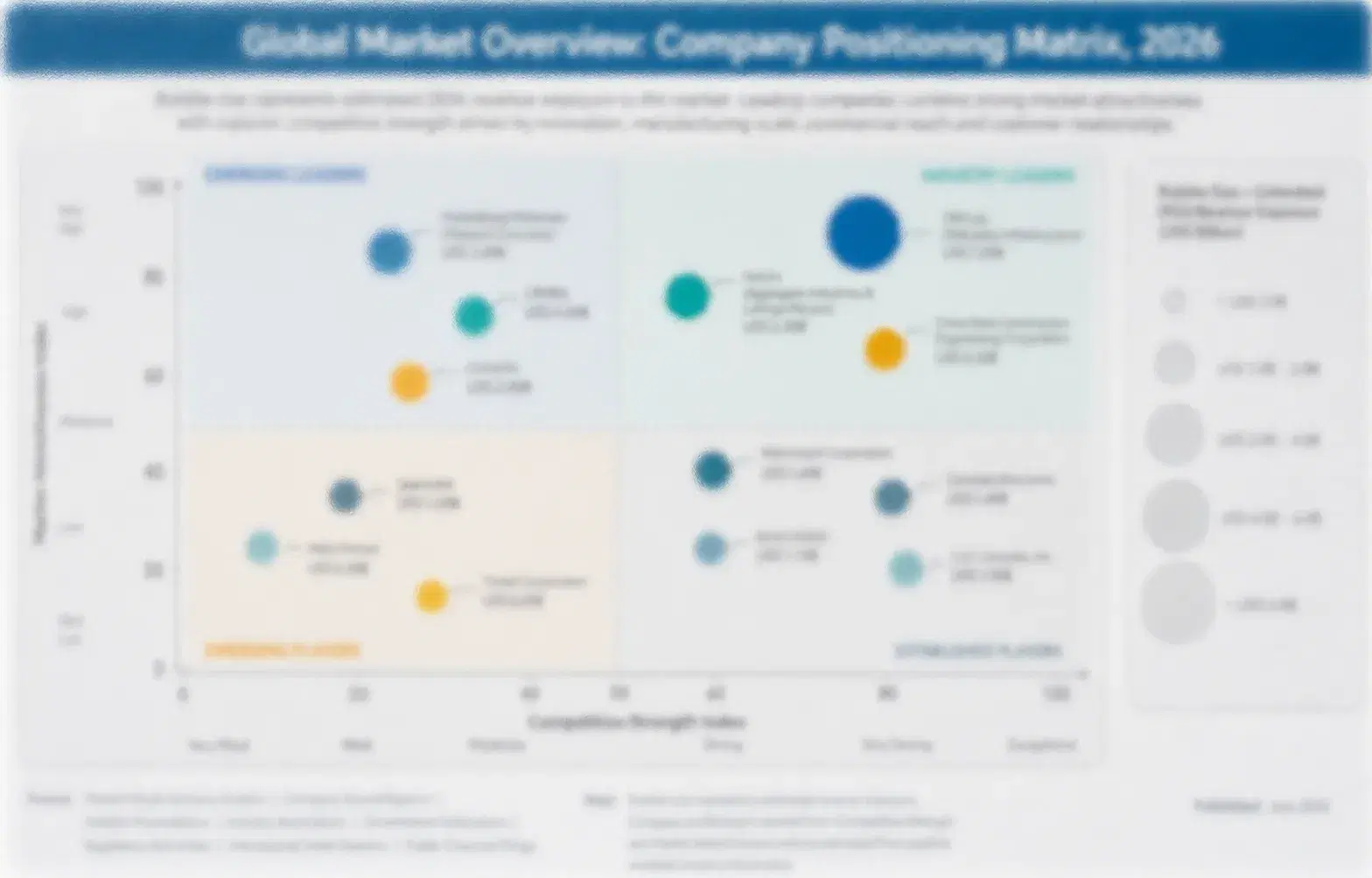
The competitive set is fragmented relative to many packaging categories. CR5 sits at 30%, with Huhtamaki and Eco-Products holding the leading positions among diversified molded-fiber manufacturers, while a long tail of regional converters compete for remaining independent-vendor and smaller-chain volume. The gap between the leaders and the next tier is widening as chain-standardization relationships become as important as basic molding capacity.
Current competitive activity centers on three fronts: chain-wide standardization contracts that convert converters into default infrastructure for fast-casual networks, advanced coating technology development that opens demanding hot-liquid and oily-dressing applications, and custom mold design for compartmentalized and brand-specific formats. Several mid-size converters have also begun offering double-wall insulated formats as a standalone product line, treating extended hold-time performance as a competitive differentiator rather than a niche accommodation.

Emerging pressure comes from regional converters specializing in coating-formulation technology, competing against diversified global manufacturers adding advanced coating capability from the other direction. Expect consolidation over the next several years as these approaches converge, with global manufacturers acquiring coating-technology specialists or regional converters acquiring chain-distribution relationships, rather than either side building the other's core competency from scratch on a timeline neither can afford given how quickly fast-casual standardization is expanding.
bagasse-bowls-market-share-analysis-company-positioning-matrix-1791557172624

Bagasse Bowls Competitive Landscape

HUHTAMAKI OYJ

Moat: Global Molded Fiber Scale

Huhtamaki's global molded-fiber manufacturing footprint, built across multiple product categories beyond bowls alone, lets it supply standardized bagasse bowls at scale to fast-casual chains across multiple regions from shared manufacturing and distribution infrastructure smaller regional converters cannot match on lead time or cost This scale advantage is difficult for smaller regional converters to replicate quickly.
HUHTAMAKI OYJ

Risk: Thin Margins on Commodity Bowls

A substantial share of Huhtamaki's bagasse bowl volume remains priced close to commodity levels within broader foodservice-packaging contracts, leaving limited room to lift pricing even as coating and feedstock costs rise, since large foodservice buyers expect continued price discipline as part of standard procurement, a gap it is working to narrow through newer premium product lines.
ECO-PRODUCTS INC.

Moat: Strong US Foodservice Distribution

Eco-Products maintains deep distribution relationships across US foodservice distributors and fast-casual chains built over years of sustainability-focused account development, giving it default-vendor consideration that newer entrants without comparable distributor relationships must work harder to earn account by account This distributor network took years to build and is not easily replicated by newer entrants.
ECO-PRODUCTS INC.

Risk: Narrow Geographic Revenue Base

Eco-Products' revenue concentrates heavily within the US market relative to more geographically diversified competitors, leaving it more exposed than diversified manufacturers if US fast-casual chain spending slows or standardization decisions shift toward a different converter unexpectedly, a dependency the company is addressing through international expansion efforts.

Players Tracked

Prominent Players

Huhtamaki Oyj
Eco-Products Inc.
BioPak Pty Ltd
World Centric
Vegware Ltd

Other Key Players

Pactiv Evergreen Inc.
Sabert Corporation
Fabri-Kal Corp
Genpak LLC
Detpak Pty Ltd
Thantawan Industry Public Company Limited
Biopac India Corporation Ltd
Greenpack Industries
Repurpose
Eco-gear Co. Ltd
Bio Green Pack
Footprint International LLC
UFP Technologies Inc.
Solia USA
GreenGood USA

Recent Developments

JANUARY 2025

Eco-Products Launches Double-Wall Insulated Bowl Line

Eco-Products introduced a double-wall molded bowl format designed for extended-hold soup and broth delivery applications, addressing a performance gap that had previously limited bagasse adoption in delivery-heavy categories. The launch followed feedback from large fast-casual accounts evaluating delivery-focused packaging upgrades, positioning the facility to serve additional delivery-focused chain accounts.
Signal: Signals that insulation performance, not just coating, is becoming a differentiator in delivery-focused accounts across the broader converter base currently.
OCTOBER 2024

Huhtamaki Secures Multi-Year Fast-Casual Chain Agreement

Huhtamaki signed a multi-year supply agreement with a major North American fast-casual chain, becoming the standardized bagasse bowl supplier across the chain's full store network. The agreement followed a competitive qualification process evaluating multiple converters on leak-resistance performance and cost, covering several hundred restaurant locations nationwide.
Signal: Signals that chain-wide contracts are consolidating volume toward fewer, larger qualified suppliers as chains standardize their supplier base further.
MAY 2025

Japan Tightens Foodservice Foam Restrictions Further

Japan expanded restrictions on polystyrene foam bowls in foodservice applications, creating new demand for bagasse and other molded-fiber alternatives across a large base of independent noodle and soup vendors. Several converters are competing for qualification across the newly affected vendor base, creating a meaningful conversion opportunity for qualified suppliers.
Signal: Signals that East Asian restriction tightening is beginning to reach the long tail of independent vendors, not just chains.

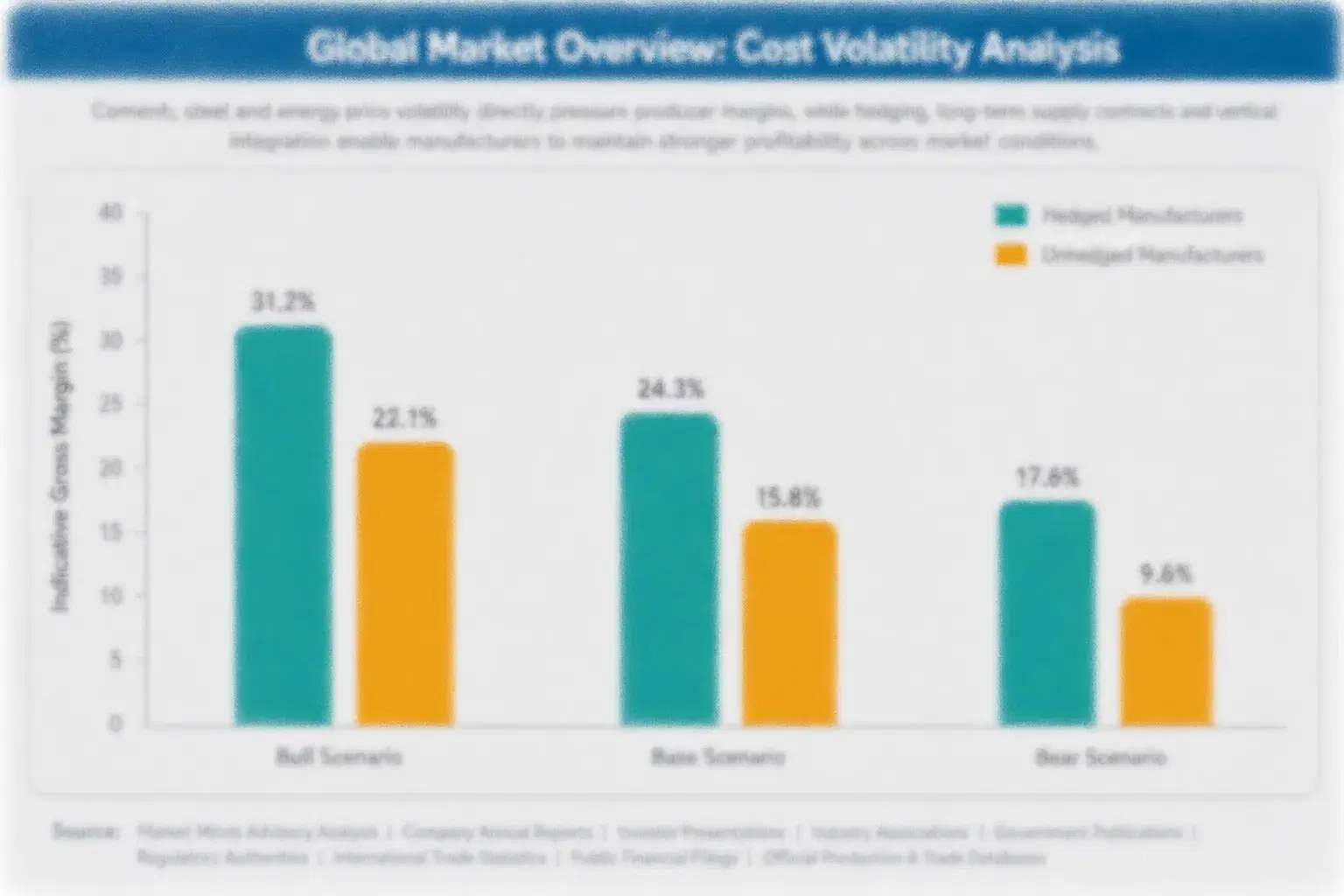
Feedstock and Coating Costs Drive Margin

Bagasse pulp and leak-resistant coating materials together account for roughly 36% of converted bowl cost, with bagasse feedstock sourced predominantly from sugar mills in Thailand, India, and Indonesia and coating materials sourced from specialty chemical suppliers serving the broader food-packaging industry. Energy and molding costs remain a secondary but meaningful input, meaning feedstock and coating sourcing is the dominant cost variable converters actively manage.
Coating material costs have risen moderately over the past several years as demand for advanced, higher-performance formulations increased faster than basic coating demand, a shift reflected in rising input costs several large converters have disclosed in recent investor communications and annual reports. Converters who locked in multi-year coating-supplier agreements early captured more predictable cost structures than converters still negotiating spot purchases for increasingly sought-after advanced formulations.

Smaller regional converters without direct mill or coating-supplier relationships face a meaningful cost disadvantage, since they typically source through intermediaries at a markup larger converters avoid through direct supply agreements. This gap is most pronounced during harvest-season feedstock constraints, when smaller converters competing for limited available bagasse face sharper price spikes than larger converters with secured multi-year contracts can avoid.
bagasse-bowls-market-share-analysis-cost-volatility-analysis-1791557172986

Lock in Multi-Year Coating Supplier Agreements

Larger converters increasingly negotiate multi-year coating-material supply agreements directly with chemical suppliers rather than relying on spot purchasing, capturing predictable pricing and guaranteed access to advanced formulations ahead of rising demand. This has preserved margin for converters who committed to these terms before advanced coating demand accelerated further industry-wide Several converters have already renegotiated agreements on these improved terms.

Diversify Feedstock Sourcing Across Harvest Regions

Several converters are sourcing bagasse from mills across multiple countries and harvest regions, specifically to avoid single-region exposure to any future harvest disruption or local pricing pressure affecting feedstock availability. This diversification has already reduced exposure for converters who completed it before recent regional supply disruptions affected competitors This has already proven valuable following one recent regional supply disruption.

Standardize Coating Formulations Across Bowl Sizes

Converters are standardizing coating formulations across multiple bowl sizes and formats where performance requirements allow, reducing the number of distinct formulations they must qualify and stock, which lowers both inventory carrying cost and the testing burden tied to maintaining several parallel specifications across their product range This standardization effort is paying off fastest for converters running multiple large facilities.

Portfolio Architecture for Margin Defence

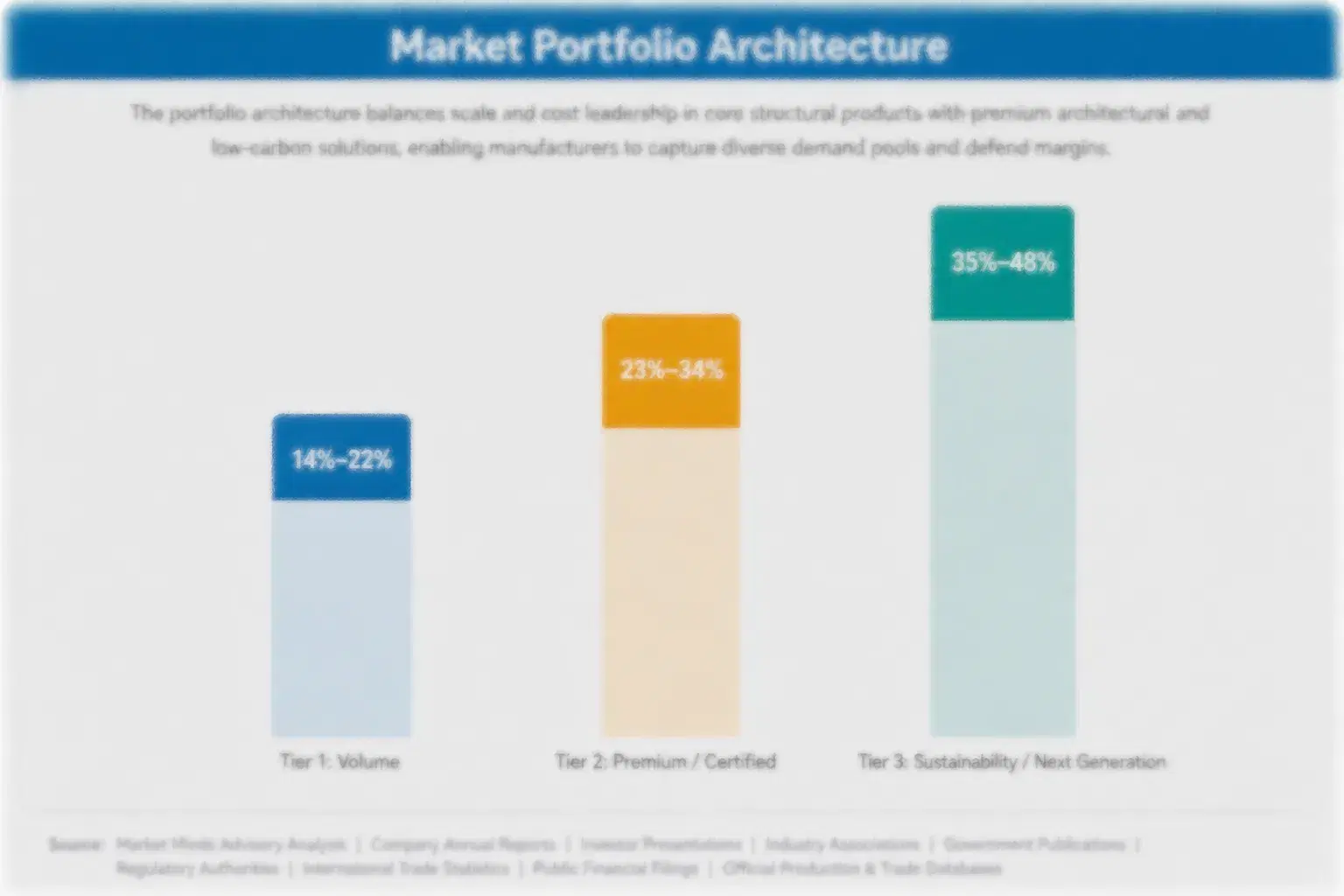
Bagasse bowls split into three commercial tiers with sharply different margin profiles. Volume commodity-adjacent bowls, standard basic-coating formats sold largely on price, carry gross margins typical of mature molded-fiber packaging. Premium certified formats, covering advanced-coating and chain-standardized bowls, command gross margins meaningfully above that. Sustainability and next-generation formats, including double-wall insulated and custom-molded designs, sit at the top of the margin range as customers pay for performance and differentiation rather than commodity shapes.
The tension running through this architecture is capacity allocation. Converters that invested early in advanced-coating and chain-standardization capability can redirect production toward premium accounts paying meaningfully higher margin, while generalist converters remain confined to the lower-margin commodity tier competing primarily on price. Several mid-size converters are deliberately shrinking their basic-coating commodity book to free capacity for premium chain and insulated-format work as Western fast-casual demand scales faster than independent-vendor commodity volume.

High-value margin pools concentrate in chain-standardized advanced-coating bowls and in double-wall insulated formats, both growing faster than the category average. Converters positioned in both pools simultaneously, rather than just one, are capturing the largest share of new premium contract wins as buyers consolidate toward fewer, more capable supply partners overall.

Volume / Commodity-Adjacent Tier

Standard basic-coating bowls sold primarily on price with minimal differentiation, serving independent noodle shops and soup vendors where buyers compete mainly on unit cost and supply reliability rather than added features.
Gross Margin: 15-19%

Premium / Certified Tier

Advanced-coating bowls serving fast-casual chain standardization contracts, where leak-resistance performance and supply reliability, not price, determine which converters win and retain the account across most chain-wide renewal cycles each year.
Gross Margin: 27-33%

Sustainability / Regulatory / Next-Generation Tier

Double-wall insulated and custom-molded compartmentalized formats commanding the highest margins in the category as chains pay for differentiated performance and design rather than standard commodity shapes alone across their branded and delivery-focused product lines.
Gross Margin: 33-39%
bagasse-bowls-market-share-analysis-portfolio-architecture-1791557173489

High-value Sub-segments and Strategic Watch-out

Chain-Standardized Advanced-Coating Bowls

Advanced-coating bowls tied directly to fast-casual chain standardization contracts are both the highest-margin and fastest-growing segment tracked, as menu expansion and sustainability-branding pressure intensify simultaneously, pulling adoption from commercial and marketing directions at once across major chains industry-wide this cycle across most chains currently evaluating formats.
Gross Margin: 29-35%

Double-Wall Insulated Delivery Bowls

Double-wall insulated bowls for extended-hold delivery applications carry strong margin from engineering overhead, but unit-volume growth is moderate relative to advanced-coating chain bowls because insulated-format adoption depends on delivery-heavy soup and broth categories specifically rather than the broader bowl market at this relatively early stage of broader category adoption.
Gross Margin: 26-32%

Standard Basic-Coating Noodle and Soup Bowls

The largest unit-volume segment by far, serving independent noodle and soup vendors on thin, price-competitive margins, remains the revenue base most converters depend on even as they reinvest proceeds into higher-margin chain and insulated categories as independent vendors continue facing new restrictions each year even as reinvestment accelerates elsewhere.
Gross Margin: 15-19%

Converters Without Advanced Coating Capability

Converters still offering only basic-coating formats face a slow-motion competitive squeeze as fast-casual chains increasingly favor suppliers who can guarantee demanding leak-resistance performance without lengthy qualification delays as more chains require proof of performance before committing to contracts as more chains require proof of performance before signing contracts.
Gross Margin: 17-23%

Why Chain Contracts Outlast Menu Cycles

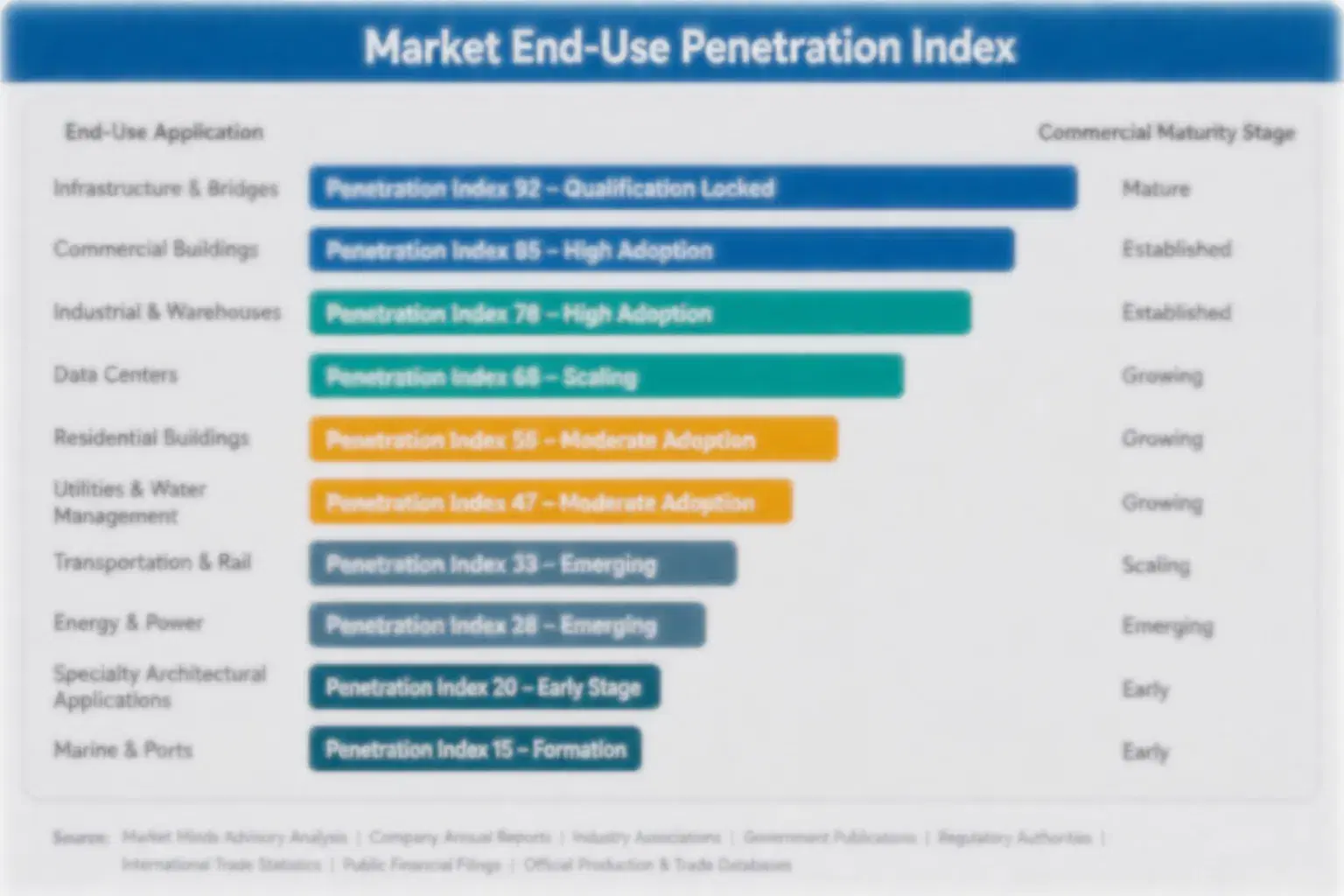
Once a converter wins a chain-standardization contract, the relationship behaves like an annuity rather than a one-time sale. Switching suppliers mid-contract carries leak-resistance and brand-consistency risk chains rarely accept once a programme is running smoothly across thousands of locations, so the incumbent converter captures recurring volume across the contract's full term without needing to rebid the business.
Depth of adoption varies sharply by customer type. Large fast-casual chains lock in the deepest converter relationships because consistent performance across huge order volumes is hard to requalify quickly, while independent noodle shops and soup vendors outside chain standardization see more frequent price-driven switching on commodity bowl products where loyalty is weaker. Mid-size regional chains sit in between, with growing sustainability interest but tighter budget constraints than major chains.

Buyer profiles are shifting as packaging decisions move earlier into menu and brand planning. A decade ago, bowl packaging was a routine procurement line item; today, bowl-format choices increasingly factor into menu design and brand sustainability positioning decided well ahead of location opening, giving converters with advanced-coating and custom-design capability a seat earlier than commodity suppliers traditionally occupied in these conversations.
bagasse-bowls-market-share-analysis-end-use-penetration-index-1791557174002

Where to Place Bets Now

These are among the four positions where our research anticipates prominent divergence between winners and laggards over the coming forecast period. Each is grounded in the demand model, the regulatory perimeter, and the announced capacity pipeline.
01 / CHAIN CONTRACT PRIORITY

Secure fast-casual chain contracts before rivals lock them in

Fast-casual chains are consolidating bowl volume toward fewer qualified suppliers, and converters without a chain-level contract are losing access to entire store networks at once rather than competing location by location. The pricing premium for chain-level positioning is wide enough that leading converters have priced it ten to fifteen percent above fragmented-channel sales. Waiting until chains finish consolidating their supplier base risks ceding this position permanently to converters who already hold chain trust, a trust advantage proving difficult for later entrants to close quickly.
02 / COATING TECHNOLOGY INVESTMENT

Build advanced coating capability before demand outpaces supply

Fast-casual menu expansion keeps pulling bagasse bowls into more demanding oily-dressing and extended hot-liquid applications, and converters without advanced coating capability cannot bid on these accounts at all regardless of price competitiveness. Converters who have already built this capability are pricing it twenty to twenty-five percent above basic-coating product, capturing margin that less-capable competitors cannot access. This advantage should widen as more chains standardize demanding bowl formats over the coming several years, and that advantage should widen further as more chains standardize demanding bowl formats over the next several years.
03 / INSULATED FORMAT DEVELOPMENT

Develop double-wall insulated bowls for delivery-heavy accounts

Delivery-heavy soup and broth categories need extended hold-time performance that standard single-wall bowls cannot reliably provide, and converters without an insulated format cannot bid on these accounts at all. Converters who developed this format early are commanding an eighteen percent premium over standard bowls while competitors catch up on engineering. This advantage should persist as delivery-platform order volume continues climbing across most major markets, a dynamic that should strengthen further as delivery-platform order volume keeps climbing across most major markets steadily.
04 / CUSTOM DESIGN CAPABILITY

Build custom mold design for compartmentalized bowl formats

Chains increasingly want compartmentalized and brand-specific bowl shapes that reinforce their own build-your-own concept rather than generic round bowls, and converters without in-house mold design capability cannot bid on these higher-margin branded contracts at all. Converters who built this capability early are capturing tooling fees as a separate high-margin revenue line on top of ongoing unit sales once a custom mold enters production. This advantage should persist as more chains seek menu-specific differentiation, a gap that should widen further as more chains seek differentiation beyond standard catalog shapes.

Engagement Snapshot From the Field

A live engagement with an industry participant carrying material or product regulatory and market exposure ahead of a defining policy shift, showing how our research translates into a defensible multi-year portfolio strategy.
MARKET MINDS ADVISORY · CLIENT ENGAGEMENT SUMMARY
Bagasse Bowls Producer Strategic Portfolio Review and Transition Roadmap 2026·Investment Scenario on Bagasse Bowls Exposure Evaluation 2025-26
CLIENT PROFILE
The client is a regional North American fast-casual chain specializing in build-your-own grain and poke bowls, operating across several hundred locations with annual revenue of approximately $410 million (client-reported, unverified by MMA). The chain had sourced bowl packaging independently location by location and sought an independent assessment of whether standardizing on bagasse bowls chain-wide could support its sustainability positioning without materially raising per-location packaging costs.
STRATEGIC CHALLENGE
The chain needed to determine whether a standardized bagasse bowl specification could satisfy the leak-resistance demands of its oiliest dressing options across all locations simultaneously, and whether the resulting cost increase could be absorbed without raising menu prices in a competitive fast-casual segment, a tradeoff common to chain-wide packaging standardization decisions of this scale.
MMA APPROACH
MMA conducted a structured supplier assessment benchmarking coating performance, leak-resistance testing results, and volume pricing across four qualified converters, modeling the margin impact of standardization against the chain's existing fragmented packaging spend to identify a cost-neutral path forward, giving the chain's leadership a clear basis for its rollout decision across its existing regional footprint.
KEY FINDINGS
  1. Only two of the four converters assessed passed leak-resistance testing for the chain's oiliest dressing options without modification to the existing coating formulation.
  2. Chain-wide standardization reduced the effective per-unit packaging cost by roughly 16% relative to the chain's existing fragmented, location-by-location purchasing approach across the full footprint.
  3. Standardized volume pricing allowed the chain to absorb the bagasse cost premium without raising menu prices across its existing footprint without raising menu prices.
  4. The chain's original cost assumptions understated the advanced-coating premium by roughly 12%, a gap the assessment surfaced before the supplier contract was finalized.
CLIENT PROFILE
The client is a regional North American fast-casual chain specializing in build-your-own grain and poke bowls, operating across several hundred locations with annual revenue of approximately $410 million (client-reported, unverified by MMA). The chain had sourced bowl packaging independently location by location and sought an independent assessment of whether standardizing on bagasse bowls chain-wide could support its sustainability positioning without materially raising per-location packaging costs.
STRATEGIC CHALLENGE
The chain needed to determine whether a standardized bagasse bowl specification could satisfy the leak-resistance demands of its oiliest dressing options across all locations simultaneously, and whether the resulting cost increase could be absorbed without raising menu prices in a competitive fast-casual segment, a tradeoff common to chain-wide packaging standardization decisions of this scale.
MMA APPROACH
MMA conducted a structured supplier assessment benchmarking coating performance, leak-resistance testing results, and volume pricing across four qualified converters, modeling the margin impact of standardization against the chain's existing fragmented packaging spend to identify a cost-neutral path forward, giving the chain's leadership a clear basis for its rollout decision across its existing regional footprint.
KEY FINDINGS
  1. Only two of the four converters assessed passed leak-resistance testing for the chain's oiliest dressing options without modification to the existing coating formulation.
  2. Chain-wide standardization reduced the effective per-unit packaging cost by roughly 16% relative to the chain's existing fragmented, location-by-location purchasing approach across the full footprint.
  3. Standardized volume pricing allowed the chain to absorb the bagasse cost premium without raising menu prices across its existing footprint without raising menu prices.
  4. The chain's original cost assumptions understated the advanced-coating premium by roughly 12%, a gap the assessment surfaced before the supplier contract was finalized.
RECOMMENDED STRATEGY
Phase 1: Phase 1 (Months 1 to 2): Pilot standardized bagasse bowls at a representative sample of locations covering the chain's full regional footprint. Phase 2: Phase 2 (Months 3 to 6): Expand to the remaining locations based on validated leak-resistance performance and cost data from the pilot. Phase 3: Phase 3 (Month 7 onward): Finalize a multi-year chain-wide supply contract once full rollout is validated across all regions across every covered region.
OUTCOME
The chain completed chain-wide standardization within the planned seven-month window, and the new bagasse bowl specification passed leak-resistance performance across its full dressing menu without requiring price increases. The chain reported positive customer feedback on its sustainability positioning following the rollout (client-reported, unverified by MMA).

Frequently Asked Questions

Foundational context covering the market sizes, CAGR, scope, country, region and competition that inform every finding below. This section is provided to cover basics and most often pre-purchase conversations, answered from the MMA Primary Research Dataset.

What is the current size of the Bagasse Bowls Market?

The global bagasse bowls market was valued at approximately $0.31 billion in 2025. This reflects molded-fiber bowls sold for noodle, soup, rice, salad, and dessert foodservice applications worldwide.

How large will the Bagasse Bowls Market be by 2036?

MMA projects the market will reach approximately $0.65 billion by 2036, more than double its 2025 starting base. Growth is driven by fast-casual chain standardization and expanding plastic and foam restrictions.

What is the CAGR for the Bagasse Bowls Market 2026 to 2036?

The market is projected to grow at a compound annual growth rate of 7.0% between 2026 and 2036. Bull and bear scenarios range from roughly 5.8% to 8.1%.

Which segment is growing fastest?

Salad and poke bowls are the fastest-growing segment, expanding at approximately 10.2% annually, well above the category average. This reflects Western fast-casual chain standardization pulling these formats into mainstream specification.

Who are the major companies in the Bagasse Bowls Market?

Leading companies include Huhtamaki, Eco-Products, BioPak, World Centric, and Vegware. These five manufacturers hold the leading qualified positions in the category, spanning both chain and independent-vendor channels.

Which country is growing fastest?

The Philippines is the fastest-growing major country, expanding at approximately 8.9% annually as food-delivery bowl adoption and plastic restrictions both scale. Local converting capacity is also expanding alongside demand.

Bagasse Bowls Segmentation by Type and Use

The full report scope spans multiple orthogonal segmentation dimensions, with cross-tabulated demand data provided for each dimension pair. Coverage extends further to regional breakdowns, trend trajectories, and the competitive detail needed to support segment-level decision-making.

By Application Format

  • Noodle and Soup Bowls
  • Rice and Grain Bowls
  • Salad and Poke Bowls
  • Dessert and Snack Bowls
  • Compartmentalized Meal Bowls
  • Industrial and Bulk Catering Bowls

By End-Use Channel

  • Fast-Casual and Chain Restaurants
  • Independent Noodle and Soup Vendors
  • Food Delivery Platforms
  • Institutional and Catering Foodservice
  • Retail Foodservice Packaging

By Commercial Dimension

  • Chain-Level Standardization Supply
  • Independent Vendor Direct Supply
  • Distributor and Wholesale Supply
  • Custom-Molded Brand Supply

By Region

  • North America
  • Western Europe
  • East Asia
  • South Asia and Pacific
  • Latin America
  • Middle East and Africa
  • Eastern Europe

Scope, Methodology, and Coverage

Every figure in this report is reproducible from documented input assumptions. The scope below maps the historical period, the forecast horizon, the segmentation dimensions, and the countries covered, alongside the underlying primary and qualitative methodology.
Historical Period
2020 to 2025
Forecast Period
2026 to 2036
Base Year
2025 (USD billions; MMA Primary Research Dataset, October 2026)
Market Definition
The bagasse bowls market covers molded-fiber bowls manufactured from sugarcane bagasse feedstock for noodle, soup, rice, salad, and dessert foodservice applications. It excludes bagasse plates, clamshell containers, and cutlery, and excludes conventional plastic, foam, or lined-paper bowls not made from bagasse fiber.
Quantitative Units
USD billions (current prices); unit volumes in billion bowls where cited
Segmentation Dimensions
By Application Format; By End-Use Channel; By Commercial Dimension; By Region
Regions Covered
North America, Western Europe, East Asia, South Asia and Pacific, Latin America, Middle East and Africa, Eastern Europe
Countries Covered
USA, China, Germany, France, UK, Japan, South Korea, India, Australia, Canada, Brazil, Mexico, Indonesia, Vietnam, Thailand, Malaysia, UAE, Saudi Arabia, South Africa, Nigeria, Turkey, Poland, Netherlands, Italy, Spain, Sweden, Switzerland, Argentina, Colombia, Singapore, and additional markets relevant to this sector
Key Companies Profiled
Huhtamaki Oyj, Eco-Products Inc., BioPak Pty Ltd, World Centric, Vegware Ltd, Pactiv Evergreen Inc., Sabert Corporation, Fabri-Kal Corp, Genpak LLC, Detpak Pty Ltd, Thantawan Industry Public Company Limited, Biopac India Corporation Ltd, Greenpack Industries, Repurpose, Eco-gear Co. Ltd, Bio Green Pack, Footprint International LLC, UFP Technologies Inc., Solia USA, GreenGood USA
Quantitative Methodology
Primary survey, n=3,800 respondents, Q4 2025, six countries; demand-side model with trade association cross-validation
Qualitative Methodology
47 expert interviews, Q4 2025; applied to validate demand model assumptions, identify emerging dynamics, and assess competitive positioning
Report Format
PDF and XLSX data workbook (Word format preview document)
Publisher
Market Minds Advisory
Report Code
MMA-2026-PAC-107
Published
October 2026
Contact
sales@marketmindsadvisory.com | www.marketmindsadvisory.com

Purchase the full Bagasse Bowls Market Report (2026 to 2036).

The full report delivers a complete market model spanning 2020 to 2036, with segment-level and regional revenue breakdowns across all seven tracked geographies. It includes detailed profiles of twenty companies, competitive benchmarking on a revenue basis, and an independent assessment of moat durability and risk exposure for the two leading manufacturers. Buyers receive the complete regional dataset beyond the two regions shown in this summary, along with extended commentary on feedstock and coating cost exposure and mitigation strategies. A dedicated appendix covers leak-resistance testing benchmarks, chain-standardization case examples, and coating-technology comparisons across the competitive set. Custom segment cuts and company-specific data extensions are available on request.
Twenty-company competitive benchmarking on a consistent basis
Full seven-region revenue and CAGR dataset
Segment-level margin and growth analysis across six formats
Feedstock and coating cost exposure and mitigation appendix
Leak-resistance testing and chain benchmarking dataset
Custom segment and company-specific data extensions available

Built For The People Who Decide

From boardroom strategy to bench-side execution, this report is read cover-to-cover by leaders shaping the next decade of their industry, turning demand scenarios, market dynamics and valuation benchmarks into decisions.
CXOs/ Presidents/ VPs/ Managers
M&A and Corporate Development
Strategy Teams and R&D Heads
Procurement and Product Directors
Regulatory and Compliance Leaders
Investor Relations and Equity Analysts