Antibiotic Resistant Infections Treatment Market
Antibiotic Resistant Infections Treatment Market Outlook from 2026 to 2033
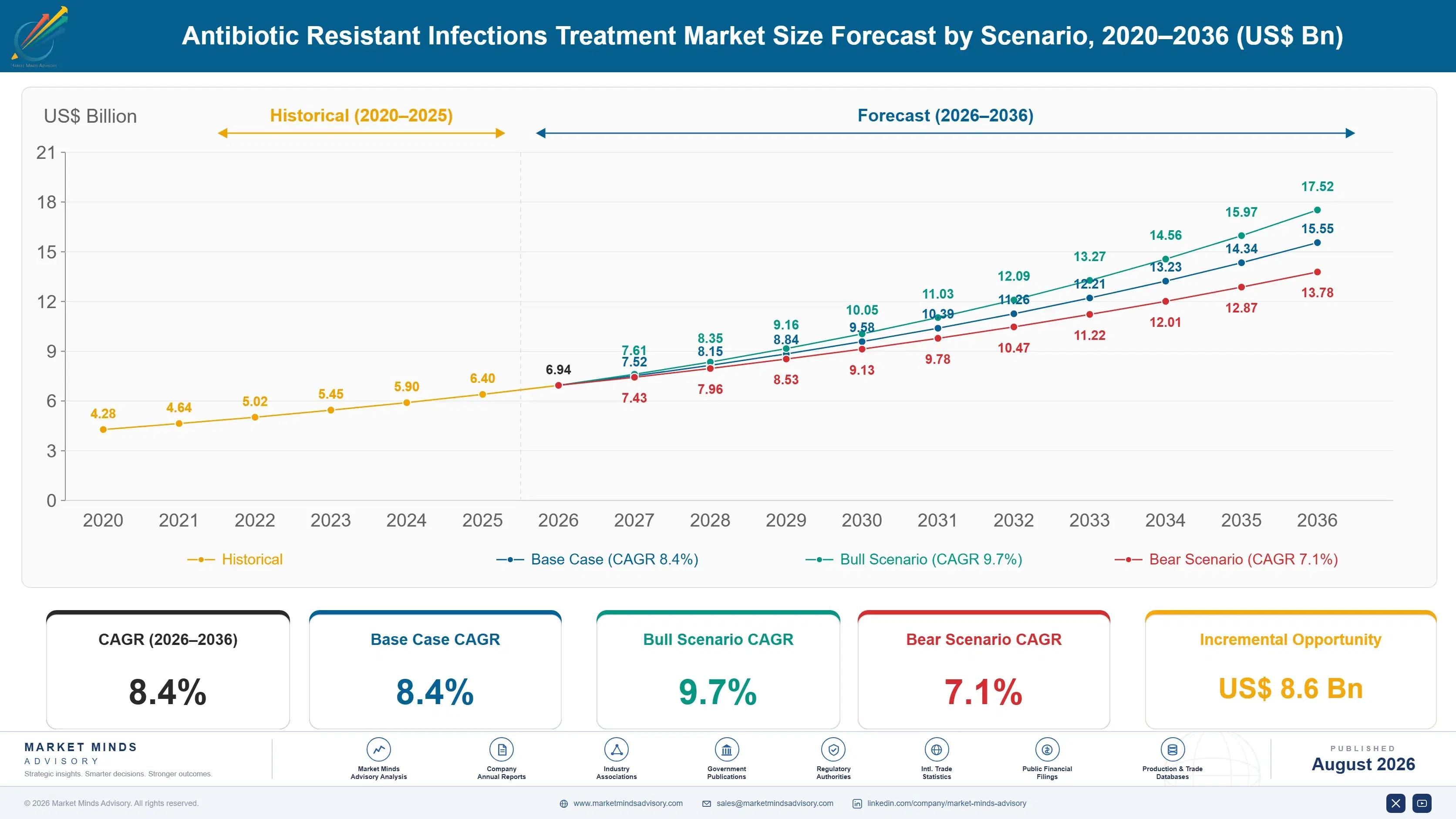
The antibiotic resistant infections treatment market is witnessing significant transformation as the global healthcare sector confronts the mounting threat of antimicrobial resistance (AMR). The market, valued at USD 14.2 billion in 2026, is projected to reach USD 22.9 billion by 2033, expanding at a CAGR of 7.0% during the forecast period. This growth is driven by the increasing prevalence of multidrug-resistant pathogens, rising awareness among healthcare professionals, and the urgent need for novel therapeutic interventions. The market encompasses a wide array of products, including next-generation antibiotics, combination therapies, and adjunctive treatments, all aimed at addressing the clinical and economic burden posed by resistant infections.
The landscape is further shaped by robust investments in research and development, strategic collaborations between pharmaceutical companies, and supportive regulatory frameworks that expedite the approval of innovative therapies. Governments and international organizations are actively promoting stewardship programs and funding initiatives to combat AMR, thereby fostering a conducive environment for market expansion. The antibiotic resistant infections treatment market is poised for sustained growth, underpinned by technological advancements and a strong pipeline of new drug candidates.

Antibiotic Resistant Infections Treatment Market Scenario & Strategic Insights
The antibiotic resistant infections treatment market is characterized by a dynamic interplay of scientific innovation, regulatory evolution, and shifting epidemiological patterns. The increasing incidence of hospital-acquired infections and the spread of resistant pathogens in community settings have heightened the demand for effective treatment options. Pharmaceutical companies are intensifying their focus on the development of novel antibiotics, alternative therapies such as bacteriophage treatments, and adjunctive agents that enhance the efficacy of existing drugs. Strategic partnerships, mergers, and acquisitions are prevalent as firms seek to expand their portfolios and leverage complementary expertise.
Regulatory agencies, including the U.S. FDA and the European Medicines Agency, have introduced expedited pathways and incentives to stimulate antibiotic development. These measures are crucial in addressing the market’s historical challenges, such as high R&D costs and uncertain returns on investment. The market is also witnessing increased adoption of rapid diagnostic tools, which facilitate targeted therapy and reduce the misuse of antibiotics. Collectively, these trends are shaping a market that is both responsive to immediate clinical needs and oriented toward long-term sustainability.
| Attribute | 2026 (USD Billion) | 2033 (USD Billion) | CAGR (2026 – 2033) |
| Market Size | 14.2 | 22.9 | 7.0% |
Antibiotic Resistant Infections Treatment Market Trends
- Rising Adoption of Combination Therapies
The antibiotic resistant infections treatment market is experiencing a notable shift toward combination therapies, which involve the use of multiple drugs to enhance efficacy and reduce the likelihood of resistance development. This approach is particularly effective against pathogens that have developed resistance to single-agent antibiotics. Pharmaceutical companies are investing in clinical trials to evaluate the safety and effectiveness of various drug combinations, including the pairing of traditional antibiotics with novel agents or adjunctive therapies. The trend is supported by growing clinical evidence and regulatory encouragement, making combination therapies a cornerstone of future treatment protocols.
- Expansion of Rapid Diagnostic Technologies
Rapid diagnostic technologies are gaining traction in the antibiotic resistant infections treatment market, enabling healthcare providers to quickly identify resistant pathogens and tailor treatment regimens accordingly. These technologies, which include molecular assays and point-of-care tests, significantly reduce the time required for diagnosis compared to conventional culture-based methods. The adoption of rapid diagnostics not only improves patient outcomes but also supports antimicrobial stewardship by minimizing unnecessary antibiotic use. As a result, diagnostic innovation is becoming an integral part of the market’s evolution.
- Increased Investment in Non-Traditional Therapies
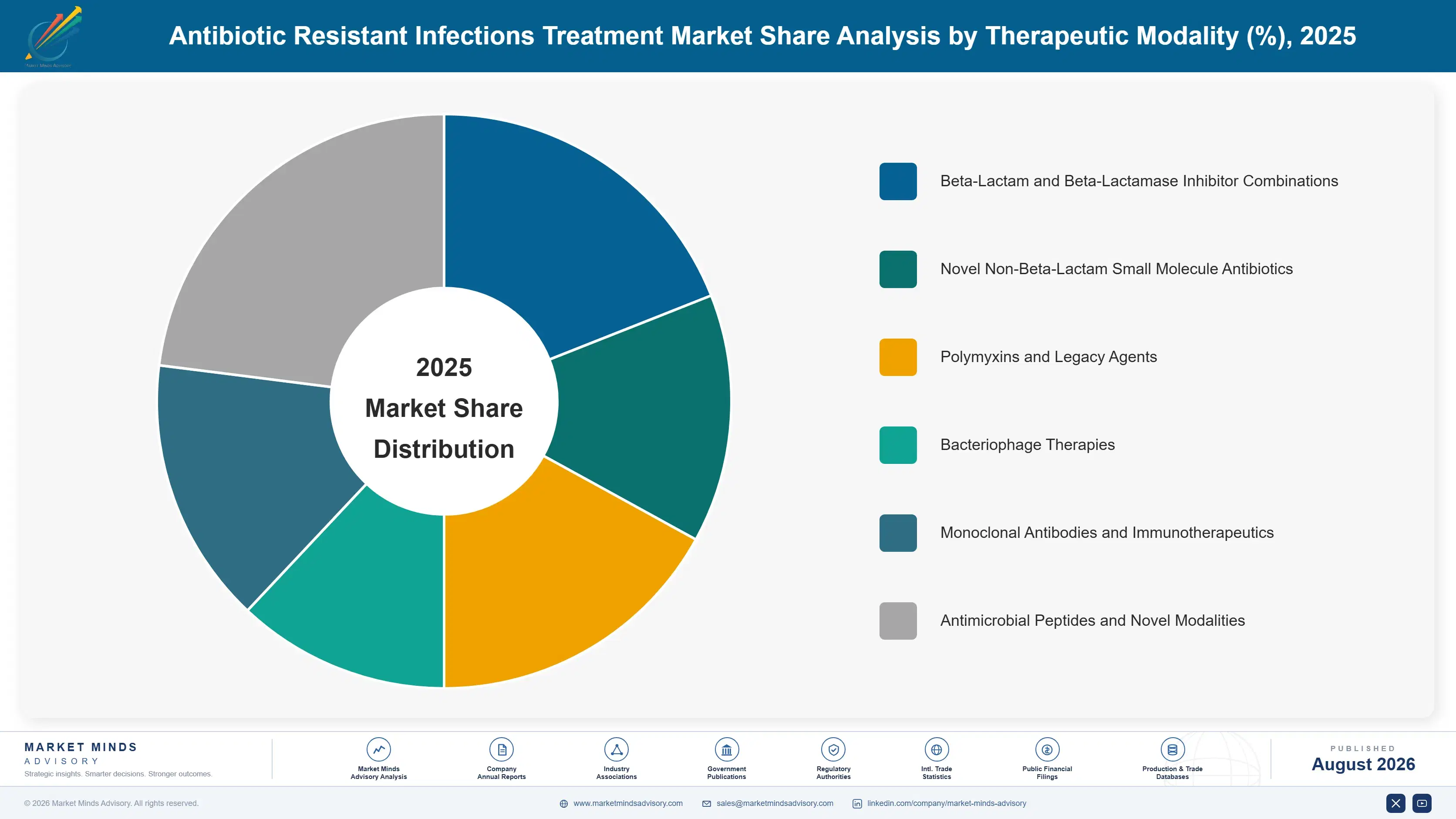
The market is witnessing increased investment in non-traditional therapies, such as bacteriophage therapy, antimicrobial peptides, and immunotherapies. These approaches offer alternative mechanisms of action that can circumvent existing resistance pathways. Bacteriophage therapy, in particular, has garnered attention for its ability to target specific bacterial strains without disrupting the broader microbiome. The growing pipeline of non-traditional therapies reflects a broader industry recognition that novel solutions are essential to address the complex challenge of antibiotic resistance.
Segment & Category Analysis for Antibiotic Resistant Infections Treatment Market
By Drug Class
- Beta-lactams
- Tetracyclines
- Glycopeptides
- Oxazolidinones
- Lipopeptides
- Others
The drug class segment is pivotal in the antibiotic resistant infections treatment market, with beta-lactams and glycopeptides remaining the most widely used classes due to their broad-spectrum activity. However, resistance to these agents is rising, prompting increased utilization of newer classes such as oxazolidinones and lipopeptides. Pharmaceutical innovation is focused on modifying existing molecules and developing entirely new classes to overcome resistance mechanisms. The diversity of drug classes ensures that clinicians have multiple options for managing resistant infections, although stewardship and judicious use remain critical.

By Infection Type
- Bloodstream Infections
- Respiratory Tract Infections
- Urinary Tract Infections
- Skin and Soft Tissue Infections
- Gastrointestinal Infections
- Others
Infection type segmentation highlights the varied clinical presentations of antibiotic resistant infections. Bloodstream and respiratory tract infections are associated with high morbidity and mortality, driving significant demand for effective treatments. Urinary tract and skin infections, while often less severe, contribute substantially to the overall disease burden. The market’s growth is closely linked to the prevalence of these infections in both hospital and community settings, necessitating a broad spectrum of therapeutic options.
By Pathogen
- Methicillin-resistant Staphylococcus aureus (MRSA)
- Vancomycin-resistant Enterococci (VRE)
- Carbapenem-resistant Enterobacteriaceae (CRE)
- Multidrug-resistant Pseudomonas aeruginosa
- Extended-spectrum beta-lactamase (ESBL) producers
- Others
The pathogen segment underscores the complexity of antibiotic resistance, with MRSA and CRE representing some of the most challenging organisms to treat. Each pathogen requires tailored therapeutic strategies, and the emergence of new resistance mechanisms necessitates ongoing surveillance and drug development. The market’s ability to address a wide range of pathogens is a key determinant of its long-term success.
By End User
- Hospitals
- Clinics Ambulatory Surgical Centers Home Healthcare
- Research Institutes
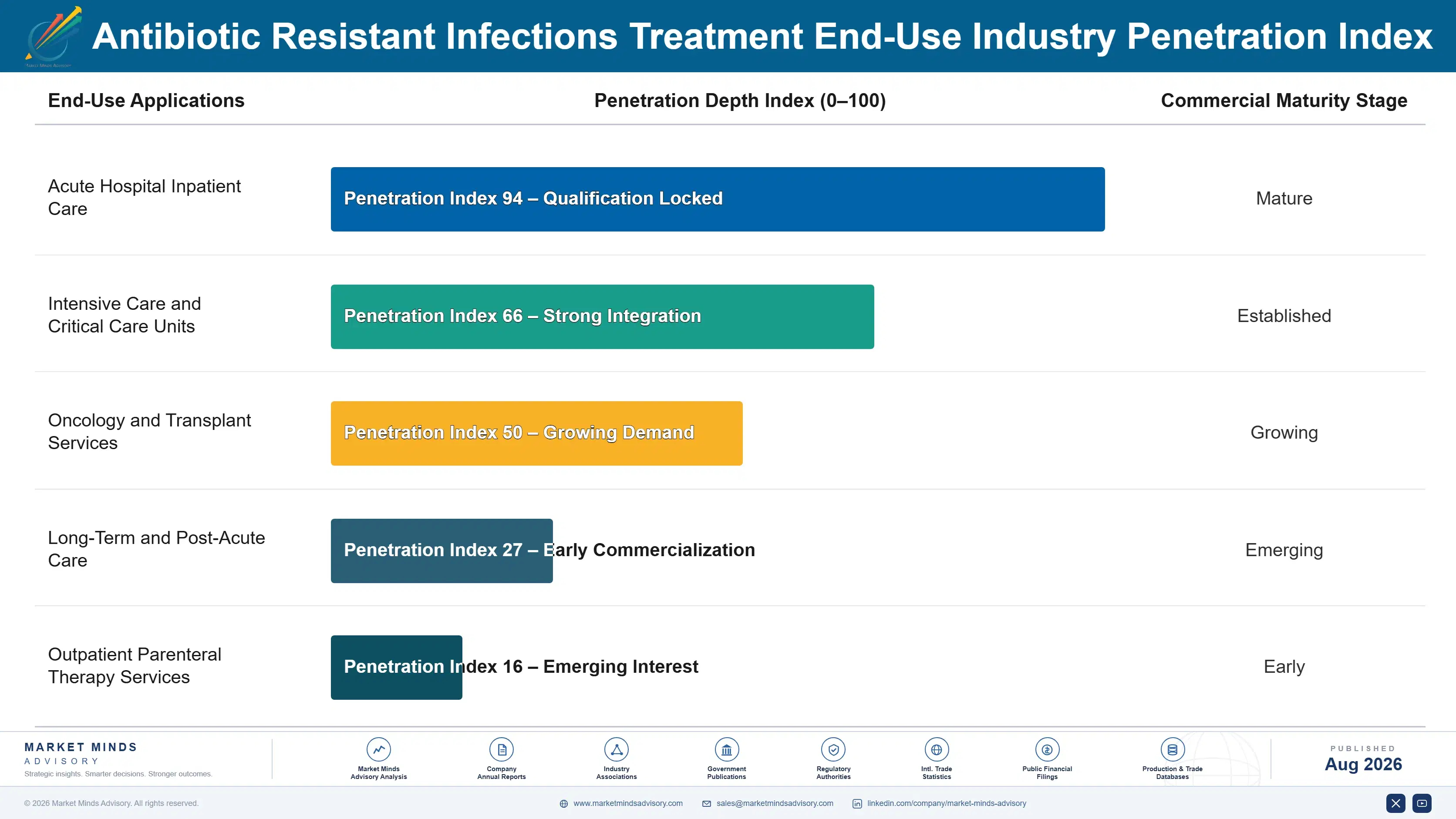
End user segmentation reflects the diverse settings in which antibiotic resistant infections are managed. Hospitals account for the largest share due to the high incidence of severe infections and the availability of advanced treatment options. However, the role of clinics, ambulatory centers, and home healthcare is expanding as outpatient management becomes more feasible with the advent of oral and long-acting therapies. Research institutes play a crucial role in advancing the scientific understanding of resistance and developing new interventions.
By Distribution Channel
- Hospital Pharmacies
- Retail Pharmacies Online Pharmacies
- Others
Distribution channel analysis reveals the importance of efficient supply chains in ensuring timely access to critical therapies. Hospital pharmacies dominate the market, given the acute nature of many resistant infections. Retail and online pharmacies are gaining prominence, particularly for outpatient treatments and chronic infection management. The evolution of distribution channels is closely tied to changes in healthcare delivery models and patient preferences.

Growth Drivers and Opportunities in Antibiotic Resistant Infections Treatment Market
- Rising Global Prevalence of Multidrug-Resistant Infections
The increasing incidence of multidrug-resistant infections worldwide is a primary growth driver for the antibiotic resistant infections treatment market. Factors such as overuse and misuse of antibiotics, inadequate infection control practices, and the spread of resistant pathogens in both healthcare and community settings have contributed to the escalation of AMR. This trend has heightened the urgency for effective treatment options, prompting governments, healthcare providers, and pharmaceutical companies to prioritize the development and deployment of novel therapies. The growing disease burden ensures sustained demand for innovative solutions.
- Government Initiatives and Funding Support
Government initiatives and funding support are creating significant opportunities for market expansion. National and international agencies are investing in research, surveillance, and public awareness campaigns to combat AMR. Incentives such as grants, tax credits, and expedited regulatory pathways are encouraging pharmaceutical companies to invest in antibiotic development. These supportive measures are essential in overcoming the economic and scientific challenges associated with bringing new therapies to market, thereby fostering a robust pipeline of treatment options.
Emerging Opportunities for Antibiotic Resistant Infections Treatment Market
- Development of Precision Medicine Approaches
Precision medicine is emerging as a promising opportunity in the antibiotic resistant infections treatment market. By leveraging genomic and molecular diagnostic tools, healthcare providers can identify specific resistance mechanisms and tailor therapies to individual patients. This approach enhances treatment efficacy, reduces the risk of adverse events, and supports antimicrobial stewardship. The integration of precision medicine into clinical practice is expected to drive innovation and improve patient outcomes.
- Expansion into Emerging Markets
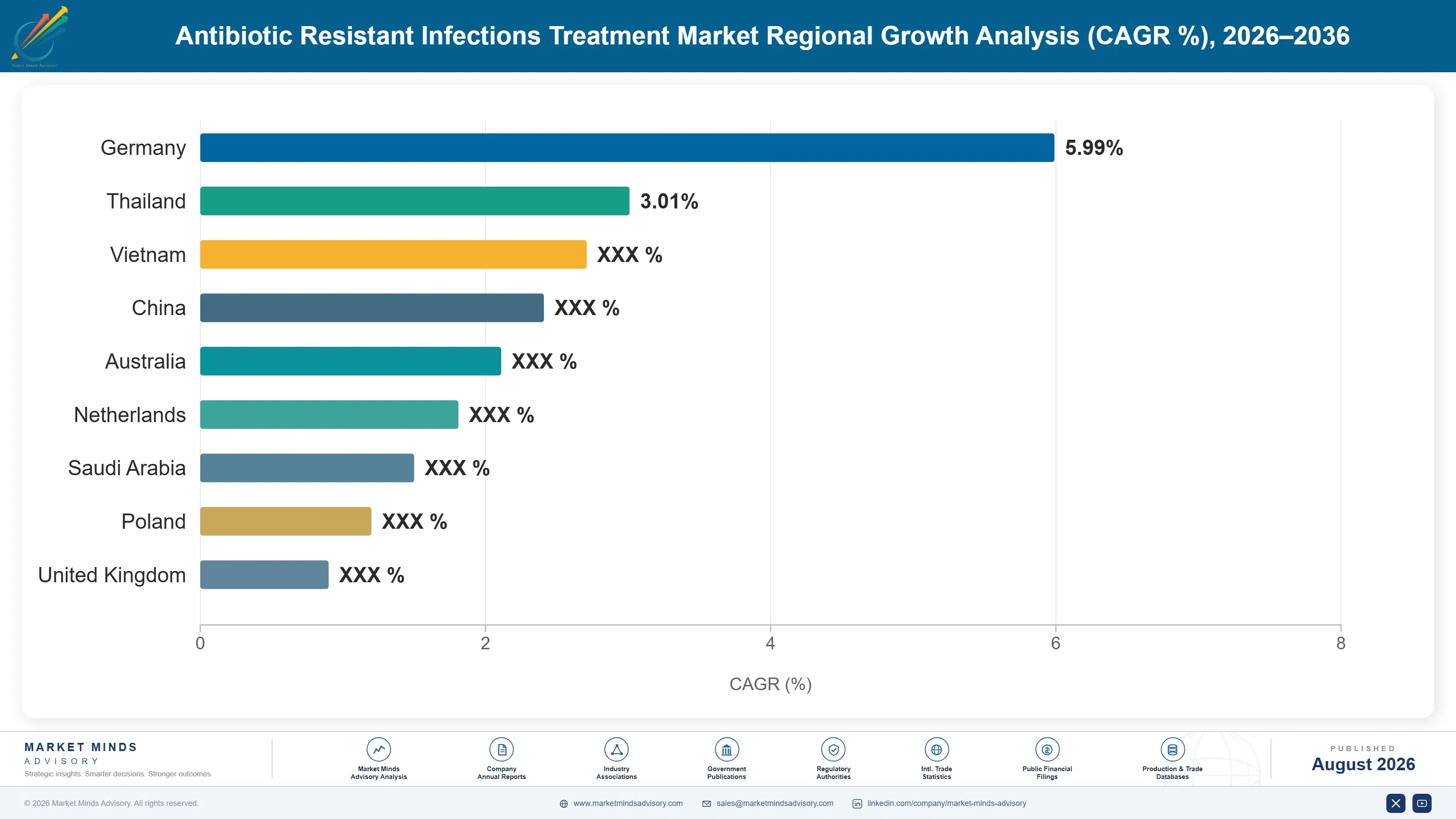
The expansion of the antibiotic resistant infections treatment market into emerging economies presents significant growth potential. Rising healthcare expenditures, improving infrastructure, and increasing awareness of AMR are driving demand for advanced therapies in regions such as Asia-Pacific, Latin America, and the Middle East. Pharmaceutical companies are increasingly targeting these markets through strategic partnerships, local manufacturing, and tailored product offerings, thereby broadening their global footprint.
Growth Restrain factors and Challenges in Antibiotic Resistant Infections Treatment Market
- High Cost and Limited Return on Investment for New Antibiotics
The development of new antibiotics is associated with substantial costs and lengthy timelines, often exceeding a decade from discovery to market approval. Despite the urgent need for novel therapies, the commercial returns on investment are frequently limited due to stewardship efforts that restrict the use of new drugs to preserve their efficacy. This economic reality has led to a decline in antibiotic R&D activity among major pharmaceutical companies, with many opting to focus on more lucrative therapeutic areas. Addressing this challenge requires innovative business models, public-private partnerships, and policy interventions to ensure a sustainable pipeline of new antibiotics.
In addition to economic barriers, regulatory complexities and the need for large-scale clinical trials further hinder the development of new treatments. The unpredictable nature of resistance patterns and the requirement for robust post-marketing surveillance add to the overall burden. These challenges underscore the importance of coordinated action among stakeholders to create an environment conducive to antibiotic innovation.
- Emergence of Pan-Resistant Pathogens and Limited Treatment Options
The emergence of pan-resistant pathogens—organisms resistant to all available antibiotics—poses a formidable challenge to the antibiotic resistant infections treatment market. These infections are associated with high mortality rates and limited therapeutic options, placing immense pressure on healthcare systems. The lack of effective treatments necessitates the use of last-resort drugs, which may have significant toxicity and limited efficacy.
The spread of pan-resistant organisms is exacerbated by global travel, inadequate infection control, and the slow pace of new drug development. Addressing this challenge requires a multifaceted approach, including enhanced surveillance, rapid diagnostics, and the development of alternative therapies. The market must adapt to the evolving threat landscape by prioritizing research into novel mechanisms of action and supporting the responsible use of existing antibiotics.
Antibiotic Resistant Infections Treatment Market Regional Analysis
| Region | Market Share (2025) | Key Market Highlight |
| Asia-Pacific | 32% | Rapid urbanization, rising healthcare investment, and high AMR prevalence |
| North America | 28% | Strong R&D ecosystem, supportive regulatory policies, and advanced healthcare systems |
| Europe | 22% | Robust stewardship programs, government funding, and high awareness |
| South America | 10% | Growing healthcare infrastructure and increasing AMR awareness |
| Middle East & Africa | 8% | Emerging investment in healthcare and rising incidence of resistant infections |
Asia-Pacific
Asia-Pacific leads the antibiotic resistant infections treatment market, accounting for the largest share due to its high population density, rapid urbanization, and significant burden of AMR. Countries such as China, India, and Japan are investing heavily in healthcare infrastructure and R&D, driving demand for advanced therapies. The region’s diverse pathogen landscape and increasing government initiatives further support market growth.
North America
North America holds a substantial share of the market, underpinned by a strong R&D ecosystem, advanced healthcare infrastructure, and supportive regulatory frameworks. The U.S. and Canada are at the forefront of antibiotic development, with numerous ongoing clinical trials and public-private partnerships. High awareness among healthcare professionals and robust stewardship programs contribute to the region’s leadership in combating AMR.
Europe
Europe is characterized by comprehensive antimicrobial stewardship programs, significant government funding, and high levels of awareness regarding antibiotic resistance. The region benefits from coordinated efforts among EU member states to monitor and control the spread of resistant pathogens. Ongoing investments in research and innovation are expected to sustain Europe’s position as a key market for antibiotic resistant infections treatment.
South America
South America is emerging as a growth market, driven by improving healthcare infrastructure and increasing awareness of AMR. Countries such as Brazil and Argentina are investing in public health initiatives and expanding access to advanced therapies. While challenges remain, including limited resources and variable regulatory environments, the region offers significant long-term potential.
Middle East & Africa
The Middle East & Africa region is witnessing rising incidence of antibiotic resistant infections, prompting increased investment in healthcare infrastructure and capacity building. Efforts to improve surveillance, diagnostics, and access to effective treatments are underway, supported by international organizations and local governments. The region’s market share is expected to grow as these initiatives gain traction.

Competition Landscape in Antibiotic Resistant Infections Treatment Market
The antibiotic resistant infections treatment market is highly competitive, with a mix of established pharmaceutical companies, biotechnology firms, and emerging players. The competitive landscape is shaped by ongoing R&D efforts, strategic collaborations, and the pursuit of regulatory approvals for novel therapies. Companies are investing in both traditional antibiotics and innovative approaches such as bacteriophage therapy and immunomodulators. The market is also witnessing increased activity in mergers and acquisitions as firms seek to expand their portfolios and enhance their competitive positioning. Intellectual property protection, pricing strategies, and market access are critical factors influencing competition.
Major Players in Antibiotic Resistant Infections Treatment Market
- Pfizer Inc.
- Merck & Co., Inc.
- GlaxoSmithKline plc
- Novartis AG
- AstraZeneca plc
- Johnson & Johnson
- Roche Holding AG
- Sanofi S.A.
- Bayer AG
- Eli Lilly and Company
- Shionogi & Co., Ltd.
- Astellas Pharma Inc.
- Teva Pharmaceutical Industries Ltd.
- Melinta Therapeutics, Inc.
- Paratek Pharmaceuticals, Inc.
- Entasis Therapeutics Holdings Inc.
- Nabriva Therapeutics plc
- Spero Therapeutics, Inc.
- Basilea Pharmaceutica Ltd.
- Venatorx Pharmaceuticals, Inc.
Recent Developments in Antibiotic Resistant Infections Treatment Market
- In February 2024, Pfizer received FDA approval for a novel combination antibiotic targeting multidrug-resistant Gram-negative infections.
- In December 2023, Merck & Co. announced a strategic partnership with a leading diagnostics company to develop rapid AMR detection tools.
- In October 2023, Shionogi & Co. launched a new oral antibiotic for the treatment of resistant urinary tract infections in Japan.
- In August 2023, GlaxoSmithKline expanded its antibiotic R&D pipeline through the acquisition of a biotechnology firm specializing in bacteriophage therapies.
- In June 2023, Spero Therapeutics secured funding from the U.S. government to advance its late-stage antibiotic candidate for hospital-acquired infections.
- In April 2023, Roche Holding AG initiated a multicenter clinical trial for an innovative antimicrobial peptide therapy targeting MRSA.
FAQ for Antibiotic Resistant Infections Treatment Market
- What is the projected market size of the antibiotic resistant infections treatment market by 2033?
The antibiotic resistant infections treatment market is expected to reach USD 22.9 billion by 2033, growing at a CAGR of 7.0% from its 2026 value of USD 14.2 billion.
- What are the key factors driving growth in the antibiotic resistant infections treatment market?
Growth is primarily driven by the rising prevalence of multidrug-resistant infections, increased government initiatives, advancements in diagnostic technologies, and robust investment in R&D for novel therapies.
- Which regions are expected to dominate the antibiotic resistant infections treatment market during the forecast period?
Asia-Pacific is anticipated to lead the market, followed by North America and Europe, due to high AMR prevalence, strong healthcare infrastructure, and significant investments in research and development.
- What are the major challenges facing the antibiotic resistant infections treatment market?
Key challenges include high development costs, limited return on investment for new antibiotics, regulatory complexities, and the emergence of pan-resistant pathogens with few effective treatment options.
- Who are the leading players in the antibiotic resistant infections treatment market?
Major players include Pfizer Inc., Merck & Co., GlaxoSmithKline, Novartis, AstraZeneca, Johnson & Johnson, Roche, Sanofi, Bayer, Eli Lilly, Shionogi, Astellas, Teva, Melinta, Paratek, Entasis, Nabriva, Spero, Basilea, and Venatorx Pharmaceuticals.
Contact us today to access the full report and propel your business forward with detailed insights into the antibiotic-resistant infections treatment market.