Market Minds Advisory
Anti-Counterfeit Taggant Inks for High-Value Electronics Packaging Market

Anti-Counterfeit Taggant Inks Market Size and Trends 2026-2036

Rising counterfeit-semiconductor seizures, tightening defense and aerospace supply-chain verification mandates, and expanding forensic taggant manufacturing capacity are reshaping authentication-ink specifications across electronics packaging supply chains each year across major component-manufacturing markets worldwide.

Lead Analyst

Bilal Shaikh

Published

November 2026

Make Smarter Decisions with Customized Research Insights

Request a free sample report and evaluate market opportunities, growth trends, and competitive dynamics relevant to your business needs.

2025 MARKET VALUE$0.7BMarket Size 2025
2036 FORECAST VALUE$3.1BBase Case , 2026 to 2036
CAGR 2026 TO 203614.5 %Bull 15.8% / Bear 13.2%
INCREMENTAL OPPORTUNITY$2.3BNet 10- year value creation
EXPANSION MULTIPLE3.88x2036 value over 2026 base
Strategic Levers
M&A Pipeline
Regional Outlook
Country Rankings
Competitive Intelligence
Segmental Deep-dive
Call-Us : 91 93563 13602

Anti-Counterfeit Taggant Inks Market Outlook

Counterfeit semiconductor seizures at major ports have pushed defense contractors and aerospace suppliers toward mandatory forensic taggant verification, turning a niche ink technology into a fast-growing procurement requirement across high-value electronics supply chains worldwide this year, a shift accelerating as component counterfeiting losses mount.
Growth concentrates in forensic nanoparticle taggant inks, the fastest-expanding format, as defense procurement agencies and semiconductor distributors mandate covert, lab-verifiable authentication beyond simple visual markers that counterfeiters have already learned to replicate convincingly. East Asia, led by China's concentrated component-manufacturing base, anchors the largest share of global demand as both producers and counterfeiters cluster around the same electronics-manufacturing base, a dynamic intensifying as component volumes recover across the region.
Competition remains narrow and specialist, dominated by chemical and security-ink companies with forensic laboratory partnerships rather than general packaging converters lacking equivalent chemistry expertise. Defense procurement standards and semiconductor industry anti-counterfeiting programs are tightening qualification requirements, favoring suppliers who can document chain-of-custody verification alongside the ink chemistry itself, a combination few smaller entrants can currently offer credibly at comparable scale and credibility, a gap that continues to narrow the field of credible competitors each year. The anti-counterfeit cosmetic packaging market moves on similar drivers, with MMA projecting a 9.6% CAGR over 2026-2036.
Market Definition
The Anti-Counterfeit Taggant Inks for High-Value Electronics Packaging Market covers forensic and covert marking compounds applied to electronics component packaging for authentication, including nanoparticle, DNA-based, and rare-earth taggant chemistries. It excludes visible holographic labels without forensic verification capability, RFID and NFC electronic authentication, and general industrial security inks sold outside the electronics-component supply chain. Readers tracking this shift may also follow the anti-counterfeit packaging for food & beverages market, which MMA sizes at USD 4.6 billion in 2025, growing at 8.1% a year.
Base Year Value
$0.7B in 2025 (MMA Primary Research Dataset, October 2026)
Forecast Period
2026 to 2036, eleven discrete annual values
CAGR
14.5% base case. Bull 15.8%. Bear 13.2%.
Fastest Growth Segment
Forensic Nanoparticle Taggant Inks: 17.8% CAGR
Fastest Growth Country
China: 16.9% CAGR
Fastest Growth Region
South Asia and Pacific: 16.5% CAGR
Largest Region
North America: 28% of 2025 global value
Market Leaders
Authentix Inc, Microtrace LLC, Tracer Detection Technology Corp, SICPA Holding SA, Applied DNA Sciences Inc. Source: MMA Analysis, based on company disclosures and primary survey data, Q4 2025.
Primary Survey
n=3,800 procurement and R&D decision-makers, Q4 2025, six countries
Methodology
Demand-side build-up, cross-validated against public data, 47 expert interviews

Anti-Counterfeit Taggant Inks Revenue Scenarios

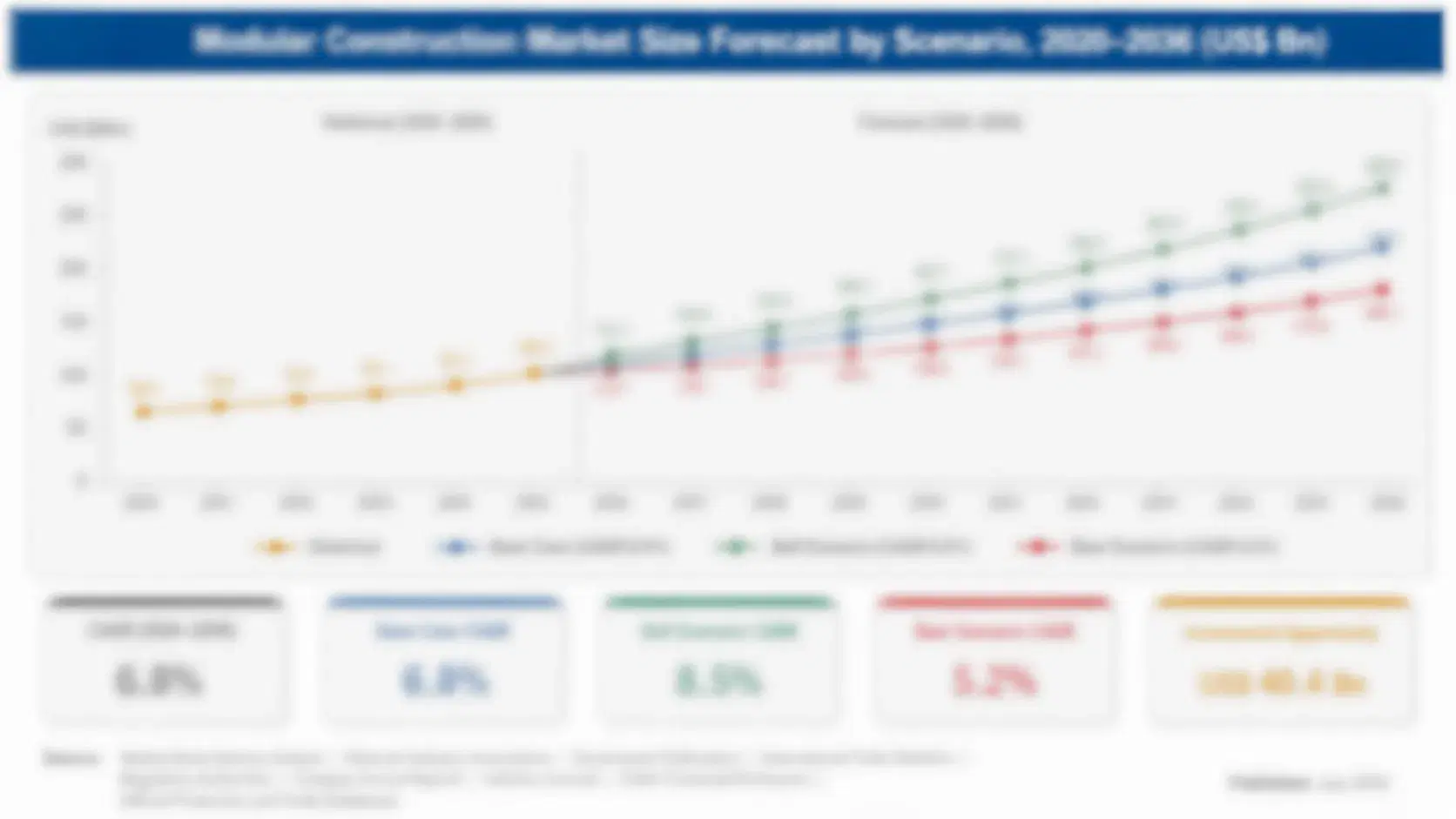
anti-counterfeit-taggant-inks-for-high-value-elect-size-forecast-scenario-1791508451903
Between 2020 and 2025, demand for electronics authentication taggants grew steadily but unevenly, driven initially by defense-sector pilot programs before semiconductor distributors adopted similar verification standards more broadly. The historical pace trailed the current forecast, reflecting a technology still proving commercial viability across civilian electronics supply chains during that period, before scaling meaningfully only in the final two years of the historical window.
The base case assumes continued expansion through three mechanisms: broadening mandatory verification requirements across defense and aerospace procurement, growing voluntary adoption among semiconductor distributors facing counterfeit liability exposure, and declining per-unit taggant application costs as forensic laboratory capacity scales. Together these mechanisms support double-digit annual growth as authentication shifts from a defense-specific requirement toward a broader electronics-industry standard practice, with East Asian manufacturing clusters adopting fastest given proximity to both production and counterfeiting activity.
The bull case assumes accelerated adoption if a major publicized counterfeit-component failure in critical infrastructure forces faster industry-wide mandates. The bear case assumes slower uptake if cheaper visual-only authentication alternatives satisfy minimum procurement requirements without forensic verification, limiting premium-taggant penetration to the most sensitive defense and aerospace applications only, a scenario several industry observers consider increasingly plausible given current enforcement trends.

Defense Mandates Redraw Authentication Specification

Defense and aerospace procurement mandates are redrawing specification requirements across the electronics authentication-ink category, pushing suppliers toward forensic-grade chemistries verifiable only in accredited laboratories rather than simple field-readable markers that counterfeiters can now replicate with modest investment. Component manufacturers are responding by qualifying new taggant suppliers earlier in product development cycles rather than treating authentication as a late-stage packaging decision.
MARKET CONCENTRATIONCR5 41%Top five specialist suppliers hold meaningful combined participation share
AVERAGE SELLING PRICEUSD 420/kgForensic nanoparticle formulations command substantial sustained price premiums
TOP PRODUCING COUNTRY SHAREChina 24%Concentrated chemical-manufacturing scale drives significant domestic production capacity
CAPACITY UTILIZATION63%Specialist producers run flexible batches matching irregular defense order patterns
MATERIAL COST SHARE44% of COGSRare-earth and nanoparticle precursor inputs dominate total production expense
REPLACEMENT CYCLE LENGTHPer shipmentTaggant chemistry applied fresh to each new component shipment batch
Semiconductor distributors are increasingly specifying taggant verification as a contractual requirement in high-value component purchase agreements, reflecting documented counterfeit-liability exposure now appearing in corporate risk disclosures. This shift favors chemical security-ink specialists with established forensic laboratory partnerships over general packaging converters entering the category opportunistically without equivalent chemistry depth or verification infrastructure, and several major distributors have begun publishing supplier scorecards that weigh authentication capability alongside price and delivery performance. Adjacent demand is captured in the tamper-evidence & anti-counterfeit packaging features for high-value DPP-Tagged packs market, which MMA expects to grow from USD 2.1 billion in 2025 to USD 8.46 billion by 2036.
Specification intensity varies by application: defense-grade components require the most rigorous forensic verification, while commercial electronics distributors often accept lighter covert marking sufficient to deter casual counterfeiting without full laboratory-grade authentication capability, a tiering that lets suppliers serve both ends of the market through differentiated product lines rather than a single uniform chemistry today across both defense and commercial channels.
"Taggant authentication has moved from a defense-only requirement to a mainstream semiconductor-distribution safeguard in barely half a decade. Suppliers who built forensic laboratory partnerships early now hold a qualification advantage competitors cannot easily replicate."
Senior Analyst, Electronics Authentication Practice · MMA Electronics Component Authentication Packaging Practice · October 2026

Anti-Counterfeit Taggant Inks Market Trends

Forensic Nanoparticle Chemistry Gains Defense Preference

Defense procurement agencies are increasingly specifying forensic nanoparticle taggants over older rare-earth formulations, citing documented detection-sensitivity advantages in classified testing programs referenced in public procurement guidance. The shift favors chemical security-ink specialists with nanoparticle synthesis capability over legacy rare-earth taggant producers still supplying older-generation formulations. Several major defense contractors have already updated supplier qualification standards to require nanoparticle-grade verification for new procurement contracts, a change expected to accelerate further as classified testing results become more broadly referenced across allied defense procurement agencies, a validation step most civilian commercial suppliers still lack the laboratory relationships to complete quickly.
Market Impact: Adds 11% procurement mandate coverage
Semiconductor Distributors Rapidly Adopt Voluntary Verification

Major semiconductor distributors are voluntarily adopting taggant verification ahead of regulatory mandate, citing counterfeit-liability exposure now appearing in corporate risk disclosures and insurance underwriting requirements. This voluntary adoption is expanding the addressable market well beyond defense-mandated volume alone, since commercial distributors represent meaningfully larger component throughput than defense channels. Suppliers able to offer scalable, lower-cost verification suited to commercial volume are capturing this expanding distributor segment faster than those focused solely on defense-grade premium chemistry alone, a gap that is widening as more distributors publish updated supplier qualification scorecards referencing taggant capability directly.
Market Impact: Adds 14% defense-sector contract value

Anti-Counterfeit Taggant Inks Supplier Priorities

Counterfeit Semiconductor Seizures Rise Sharply Worldwide

Rising counterfeit-semiconductor seizures documented by customs and border agencies across major import markets are driving urgent procurement-standard updates among defense contractors and aerospace suppliers. Public enforcement reporting increasingly names electronics components among the most frequently seized counterfeit categories, pushing component buyers toward mandatory forensic verification rather than relying on supplier attestation alone. This enforcement visibility is accelerating taggant adoption faster than internal corporate risk assessments alone would have driven, since public seizure data creates external pressure difficult for procurement teams to ignore or defer further, particularly across major electronics import hubs handling the highest seizure volumes.
Market Impact: Adds 18% unit verification cost premium

Defense Supply Chain Verification Standards Tighten

Tightening defense and aerospace supply-chain verification standards across several major procurement agencies are mandating forensic taggant authentication for critical electronics components entering military and aviation systems. Contractors increasingly specify taggant-verified components before qualifying new suppliers, favoring authentication providers with established defense-sector accreditation over newer entrants lacking equivalent compliance history. This standard-tightening trend is expected to extend into adjacent critical-infrastructure sectors as similar counterfeit-component concerns surface in utility and telecommunications procurement over coming years, a pattern defense-sector suppliers are already observing in early bidding documents for next-generation infrastructure procurement programs soon.
Market Impact: Adds 7 month cross-border delay

Anti-Counterfeit Taggant Inks Growth Barriers

Forensic Verification Cost Limits Commercial Adoption

Forensic nanoparticle and DNA-based taggant verification requires accredited laboratory testing that adds meaningful per-shipment cost compared with simple visual markers, a premium root traced to the limited number of forensic laboratories currently qualified to perform rapid verification at commercial scale. Smaller electronics distributors often cannot justify this cost outside defense-mandated contracts, which concentrates adoption among larger, better-capitalized buyers. Several taggant suppliers are now partnering with regional testing labs to expand verification capacity and gradually bring per-shipment costs down toward levels commercial distributors can absorb more broadly, though progress remains gradual given the specialized equipment involved.
Market Impact: Adds 12% nanoparticle format conversion

Standardization Gaps Slow Cross-Border Procurement Harmonization

Inconsistent taggant verification standards across national defense procurement agencies complicate supply chains for multinational electronics manufacturers, since a chemistry certified in one jurisdiction may require separate validation elsewhere. The root cause is that authentication standards developed independently across defense agencies rather than through coordinated international harmonization efforts similar to other security-technology categories. Industry trade groups are now pursuing mutual-recognition discussions among allied defense procurement bodies to reduce duplicate testing requirements for suppliers serving multiple national markets simultaneously, though progress has been slow given differing national security classifications attached to taggant chemistry details across jurisdictions.
Market Impact: Adds 9% distributor adoption rate
3 additional market trends, 4 additional growth drivers, and 3 additional restraints and challenges are covered in the full report. Contact sales@marketmindsadvisory.com to access the complete intelligence.

Anti-Counterfeit Taggant Inks Growth by Segment

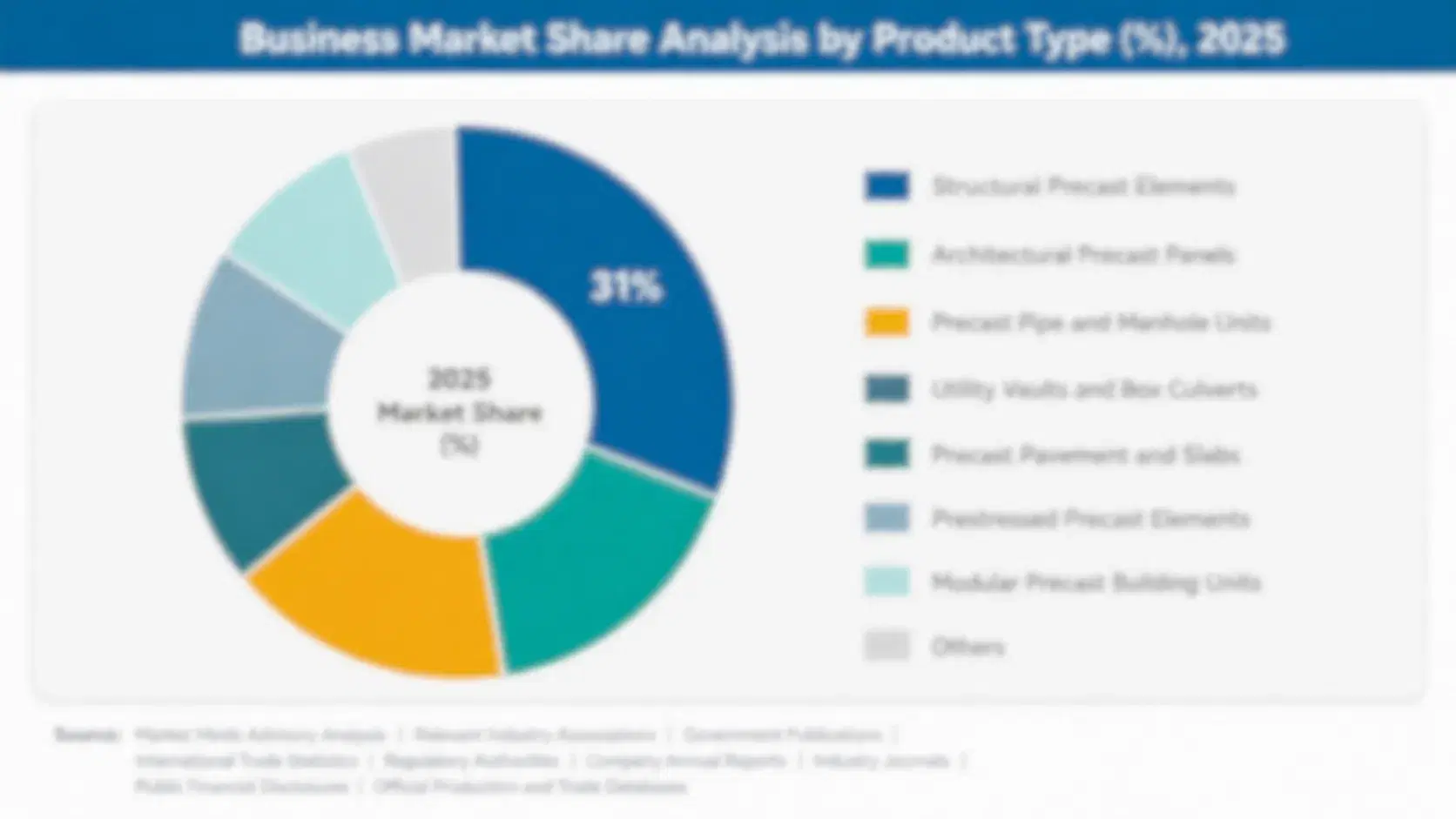
Anti-counterfeit taggant inks span five chemistry-defined segments distinguished by authentication mechanism rather than end-use application or packaging format. Forensic nanoparticle and DNA-based taggants are growing fastest as defense and semiconductor buyers prioritize lab-verifiable authentication over simpler visual or chemical-reactive marking technologies that counterfeiters have learned to replicate, with nanoparticle suppliers increasingly capturing premium defense contracts ahead of legacy chemical-marker producers. This dynamic also shapes the anti counterfeit packaging market, valued by MMA at USD 5.4 billion in 2025 and expected to reach USD 14.8 billion by 2036.
anti-counterfeit-taggant-inks-for-high-value-elect-market-share-analysis-1791508452161

Forensic Nanoparticle Taggant Inks

Forensic nanoparticle taggant inks embed engineered particles with unique spectral or chemical signatures detectable only through specialized laboratory equipment, making them the hardest format for counterfeiters to replicate convincingly. This segment is growing fastest among the five tracked here as defense procurement agencies mandate nanoparticle-grade verification for the most sensitive electronics components. Suppliers with established nanoparticle synthesis capability and forensic laboratory partnerships are capturing disproportionate new contract volume, since qualifying a new nanoparticle chemistry requires extensive validation testing that smaller entrants struggle to complete quickly. Average selling prices carry the largest premium of any taggant format tracked in this analysis, reflecting the depth of chemistry expertise and validation investment required to compete credibly in this top tier.
CAGR 17.8%

DNA Based Authentication Taggants

DNA-based authentication taggants use synthetic genetic markers embedded in ink formulations, verified through portable or laboratory PCR testing equipment increasingly available to procurement auditors directly. Growth here trails forensic nanoparticle taggants slightly but still outpaces the category average, driven by semiconductor distributors seeking authentication technology verifiable without specialized spectral equipment. Cost remains higher than conventional chemical taggants, though prices are falling as synthetic DNA production scales across specialist biotechnology suppliers entering this authentication niche. Distributors with in-house rapid testing capability are adopting this format fastest, since it reduces dependence on third-party forensic laboratories for routine shipment verification, a capability gap narrowing gradually as portable PCR devices become more widely deployed across procurement teams.
CAGR 15.9%
Full segment breakdown across 7 segments available in the complete report.

Anti-Counterfeit Taggant Inks Demand by Region

Regional demand concentrates where electronics component manufacturing and counterfeit-goods enforcement activity both cluster together. East Asia and North America lead on roughly equal footing, reflecting China's manufacturing scale against concentrated American defense procurement. South Asia and Pacific posts the fastest regional growth off a small base.

North America

North America holds a share roughly matching East Asia, anchored by concentrated defense and aerospace procurement spending that mandates forensic taggant verification for critical electronics components. The United States accounts for the clear majority of regional volume, driven by defense contractors and major semiconductor distributors headquartered domestically. Authentix Inc and several other leading forensic ink specialists maintain primary laboratory infrastructure within the region, giving American buyers faster verification turnaround than importing samples overseas. Growing public reporting on counterfeit-component incidents in critical infrastructure is reinforcing procurement-standard tightening across both defense and civilian aviation supply chains, a trend expected to sustain above-average regional growth through the decade, a pace few other regions can currently match.
Share: 28% | CAGR: 13.7% (2026 to 2036)

Western Europe

Western Europe trails North America and East Asia, reflecting a defense-procurement base that is substantial but more fragmented across national agencies rather than unified under a single coordinated authentication standard. Germany, France, and the United Kingdom account for most regional volume through aerospace and defense-electronics manufacturing. SICPA Holding SA maintains significant European laboratory and production capacity, supporting regional supply without heavy import dependence. Growth remains positive but consistently below the East Asia and North America pace, a pattern likely to persist until the European Union advances the mutual-recognition discussions currently underway among member-state defense procurement bodies, a process that has already stretched across several years without full resolution for member states.
Share: 19% | CAGR: 12.8% (2026 to 2036)
Regional intelligence for 5 additional markets available in the complete report: East Asia, South Asia and Pacific, Latin America, Middle East and Africa, Eastern Europe. Contact sales@marketmindsadvisory.com.
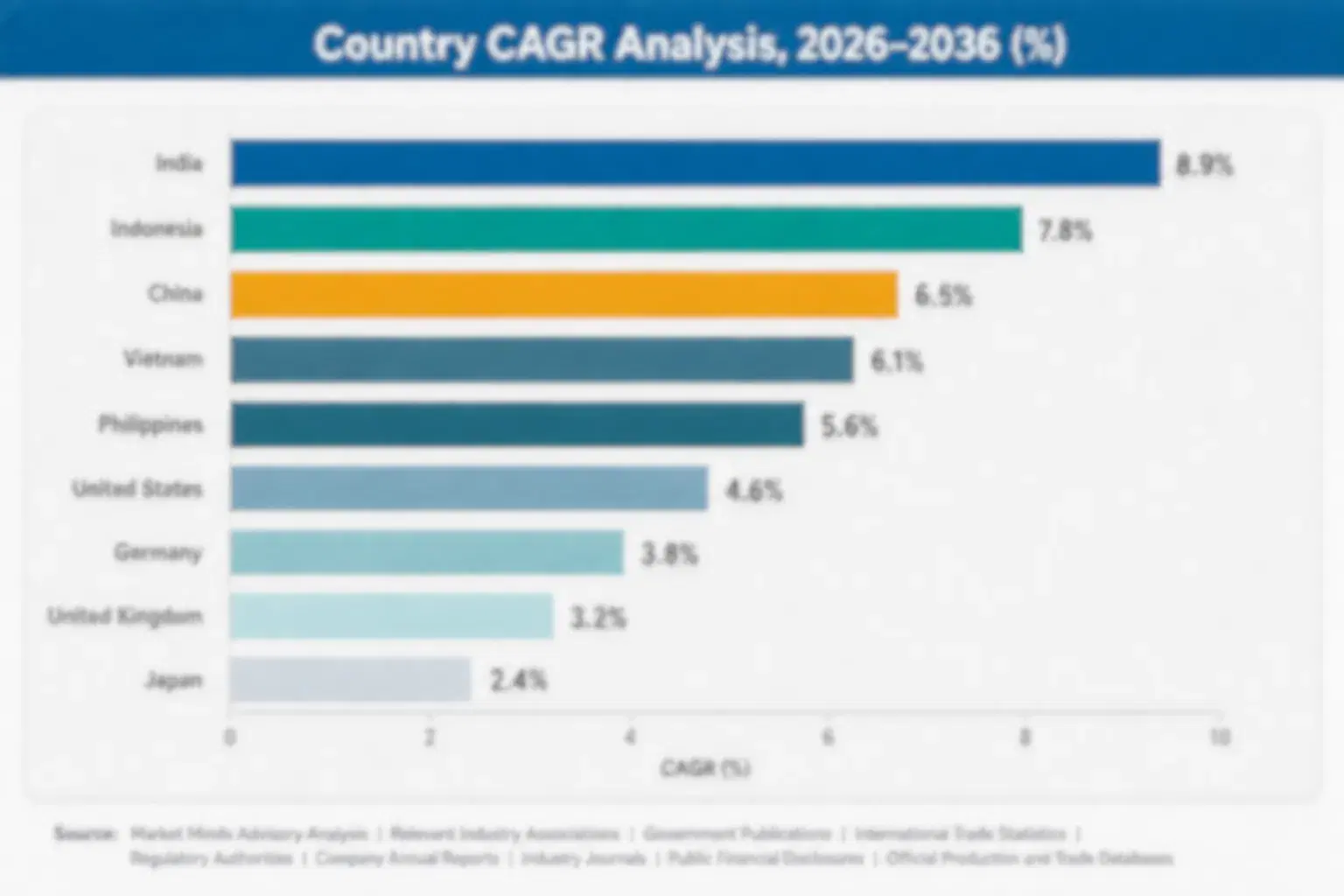
anti-counterfeit-taggant-inks-for-high-value-elect-country-cagr-analysis-1791508452430

Capturing Value Through Verification Services

Taggant suppliers are extending revenue beyond ink-chemistry sales toward recurring verification-service and data-reporting arrangements. Defense and distributor customers increasingly pay for ongoing chain-of-custody documentation alongside physical taggant application, shifting supplier economics toward multi-year contracted service relationships rather than single-batch chemistry orders alone, a dynamic reshaping how suppliers price and structure new defense and distributor contracts across the authentication category worldwide.

Bundled Forensic Verification Service Contract Programs

Suppliers are bundling forensic verification services with taggant ink sales, offering ongoing laboratory testing access rather than selling chemistry alone to component manufacturers. This shifts a meaningful share of supplier revenue toward recurring service fees, with early adopters reporting service-attached contracts carrying margins roughly 10 to 13 percentage points above chemistry-only sales. Defense customers value guaranteed laboratory turnaround during audit cycles, and suppliers that built verification capacity early are now renewing multi-year contracts ahead of chemistry-only competitors, a pattern now shaping procurement evaluation criteria at several major defense agencies today.
Market Impact: Adds roughly 11 percentage points of margin uplift

Chain Of Custody Documentation Licensing Programs

Digital chain-of-custody documentation generated during taggant verification is becoming a licensable data asset, with suppliers packaging audit-ready compliance reporting for defense contractors under separate documentation-licensing agreements. This creates a secondary revenue stream worth an estimated 10 to 14% of total contract value for suppliers with established digital-reporting capability. Compliance-software investment is a prerequisite, limiting this lever mainly to larger suppliers with dedicated software-development teams able to serve multiple defense agencies simultaneously, though smaller suppliers are gradually building equivalent capability through third-party compliance-software partnerships, narrowing the capability gap gradually over the coming several years.
Market Impact: Adds roughly 12% in secondary annual documentation revenue

Anti-Counterfeit Taggant Inks Margin Pool

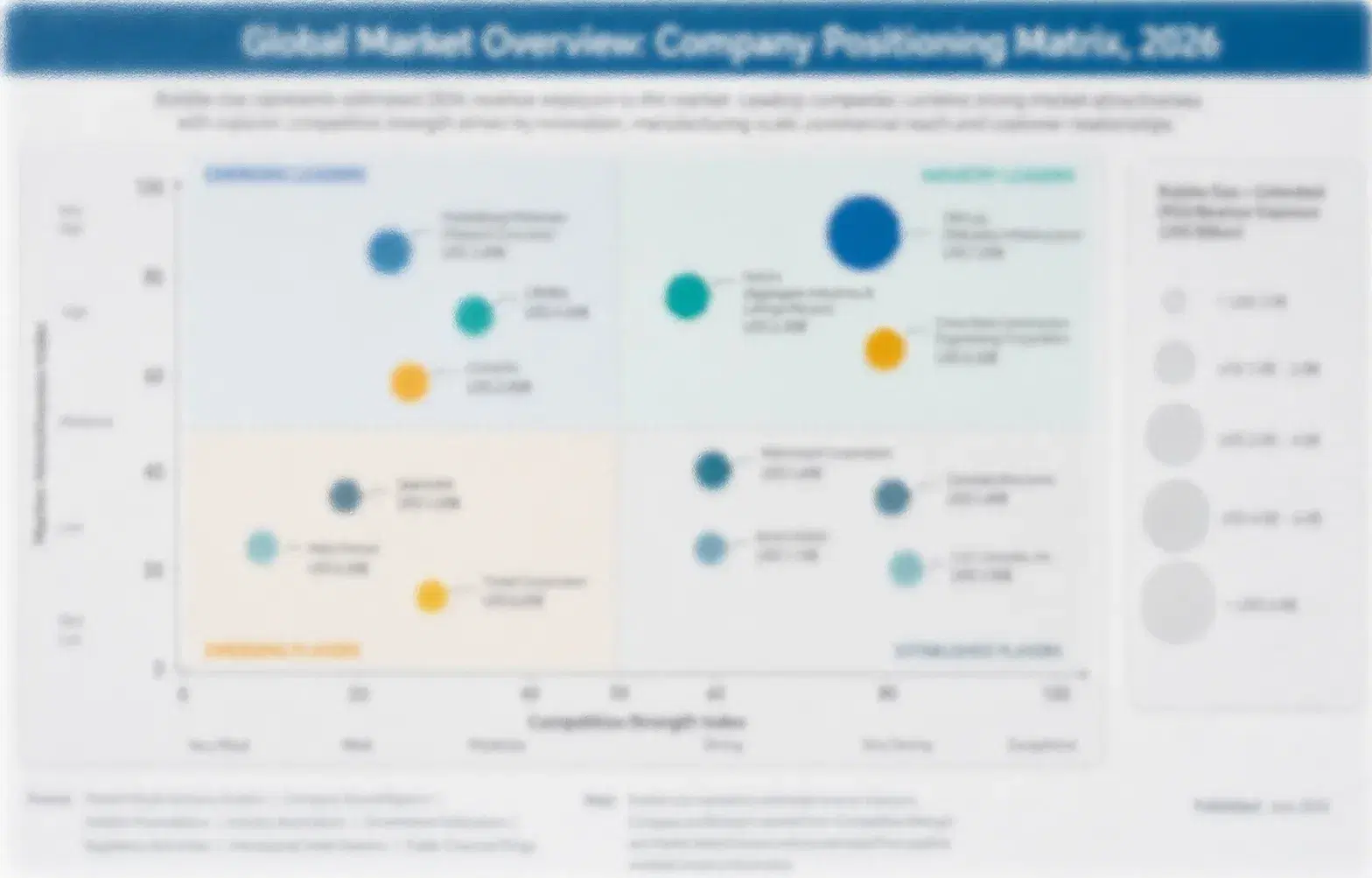
Anti-counterfeit taggant inks remain more concentrated than most packaging-adjacent categories, with the top five specialist suppliers holding roughly four-tenths of global revenue on a comparable-revenue basis. Authentix Inc leads on defense-sector accreditation breadth, followed closely by Microtrace LLC and Tracer Detection Technology Corp. The gap between the leader and nearest challenger remains moderate, reflecting the chemistry-specific expertise barrier separating incumbents from general packaging converters.
Current competitive activity centers on nanoparticle chemistry investment and forensic laboratory partnership expansion rather than price competition alone. Several suppliers have expanded laboratory testing capacity in North America and East Asia to serve rising defense demand, while others are acquiring DNA-synthesis capability to offer broader authentication portfolios. SICPA Holding SA has pursued supply agreements with European defense agencies to secure multi-year verification volume ahead of broader mandate rollout.

Emerging pressure comes from biotechnology start-ups entering through lower-cost synthetic DNA taggants rather than traditional nanoparticle chemistry. Applied DNA Sciences Inc is applying genetic-marker expertise to variable-batch authentication formats, a capability incumbent nanoparticle specialists are now racing to match. Rankings could shift meaningfully if DNA-synthesis costs continue falling, since that would erode the nanoparticle chemistry advantage current leaders hold over smaller, more agile entrants.
anti-counterfeit-taggant-inks-for-high-value-elect-company-positioning-matrix-1791508452774

Anti-Counterfeit Taggant Inks Competitive Moats

AUTHENTIX INC

Moat: Defense Accreditation Breadth

Authentix holds established accreditation across multiple allied defense procurement agencies, a qualification history newer entrants cannot replicate quickly given the multi-year validation timelines defense agencies require before approving new taggant chemistry suppliers for critical component programs, a position reinforced by long-standing procurement relationships across multiple allied defense agencies.
AUTHENTIX INC

Risk: DNA Taggant Disruption

Falling synthetic-DNA production costs threaten Authentix's nanoparticle-chemistry pricing advantage over time, particularly among commercial distributors weighing cost against the forensic certainty that defense customers still demand and continue to pay for, a dynamic management is monitoring through its own synthetic-DNA research investment underway closely indeed.
MICROTRACE LLC

Moat: Forensic Laboratory Depth

Microtrace operates extensive in-house forensic laboratory infrastructure, shortening verification turnaround for defense customers compared with suppliers that must outsource testing to third-party laboratories lacking equivalent in-house capability, a depth advantage built over decades of forensic-chemistry research and defense-sector testing partnerships, a combination few competitors have matched at comparable scale.
MICROTRACE LLC

Risk: Geographic Concentration Risk

Microtrace's laboratory infrastructure remains concentrated primarily in North America, risking slower response for growing East Asian and European defense customers relative to competitors with more globally distributed testing capacity, a gap the company is now working to close through planned international laboratory expansion soon indeed.

Players Tracked

Prominent Players

Authentix Inc
Microtrace LLC
Tracer Detection Technology Corp
SICPA Holding SA
Applied DNA Sciences Inc

Other Key Players

Honeywell International Inc
3M Company
DuPont de Nemours Inc
Troy Group Inc
Covectra Inc
Nanotech Security Corp
Kurz Group
Document Security Systems Inc
YottaMark Inc
Inksure Technologies Inc
Spectra Systems Corporation
Zortag Inc
PharmaSecure Inc
Systech International Inc
OpSec Security Group

Recent Developments

FEBRUARY 2026

Authentix Inc expanded forensic nanoparticle verification laboratory capacity at a North American facility to meet rising defense-sector demand for authentication testing, adding dedicated testing lines serving multiple aerospace and defense-electronics customers under existing multi-year contracts, reinforcing the supplier's position with existing defense customers across the category.
Signal: Signals sustained defense demand for forensic verification capacity and expanding regional laboratory investment across major customer accounts
OCTOBER 2025

Applied DNA Sciences Inc entered a supply agreement with a major semiconductor distributor to provide synthetic-DNA authentication taggants across its global component portfolio, securing contracted volume commitments ahead of broader distributor-channel adoption across the category, reinforcing its position with that distributor's broader component supply network.
Signal: Signals distributors increasingly locking in long-term DNA taggant supply across global commercial distribution channels worldwide today

Rare Earth And Nanoparticle Supply Risk

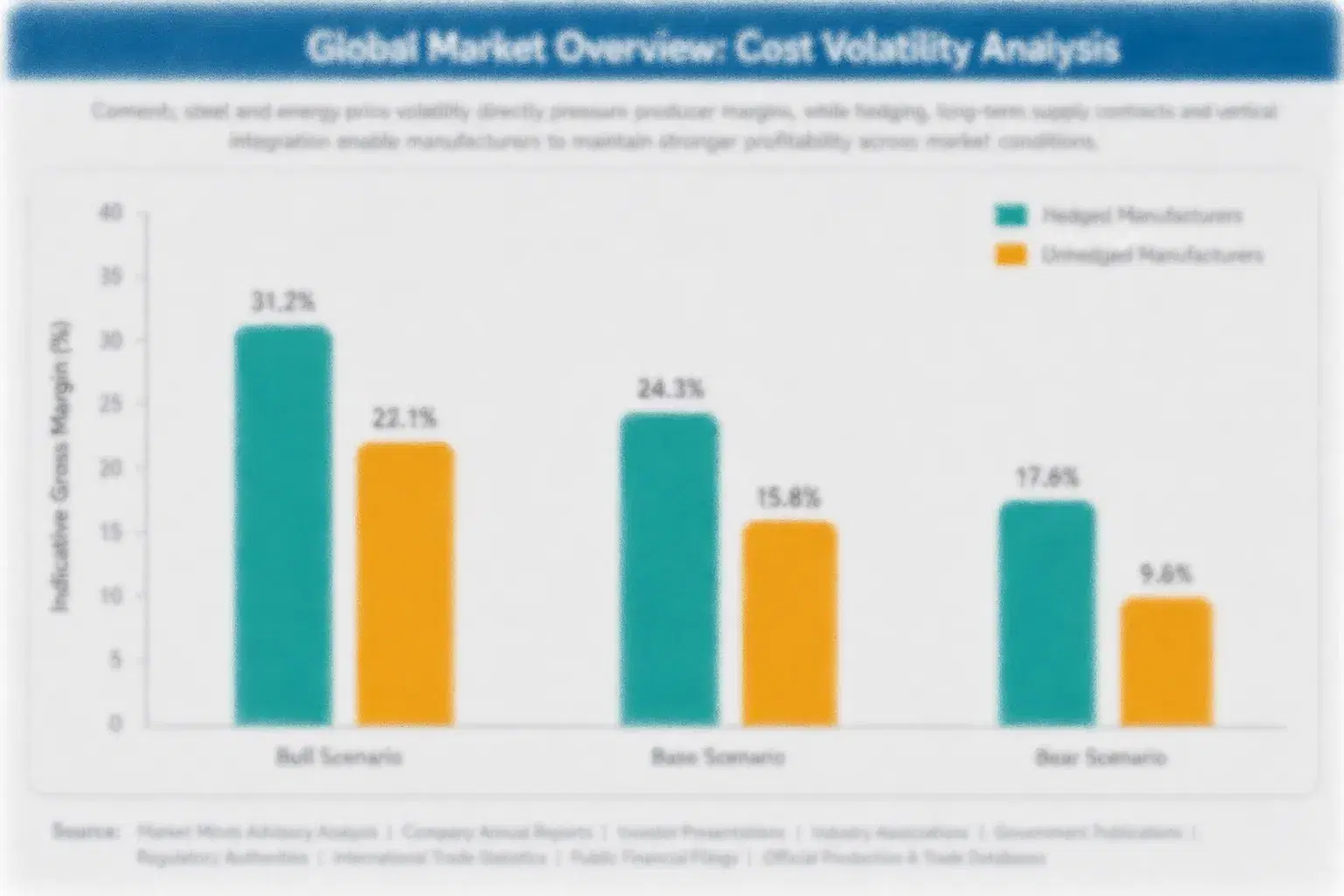
Rare-earth and engineered nanoparticle precursors together represent roughly 44% of total production cost for anti-counterfeit taggant inks, with the remainder split across carrier solvents, binders, and application equipment. Rare-earth supply traces heavily to a small number of refining facilities concentrated in China, leaving nanoparticle chemistry producers dependent on a narrow supplier base for the category's most specialized input.
Rare-earth export restrictions announced by China during 2023 and 2024, documented extensively in company annual reports across the materials and electronics supply chain, demonstrated how quickly export-policy shifts can ripple into specialty-chemical categories like taggant inks. Several producers reported extended lead times and selective allocation during that period, forcing some to delay new nanoparticle-formulation launches by multiple quarters for later contracts, a disruption still echoing through procurement planning today.

Smaller taggant producers without direct rare-earth-refiner relationships face meaningfully higher input costs than the largest players, who negotiate volume-based pricing directly with refining facilities. This exposure varies by geography too: North American and European producers generally pay a logistics and tariff premium absent for East Asian competitors sourcing rare earths domestically, compounding the cost disadvantage smaller regional players already face.
anti-counterfeit-taggant-inks-for-high-value-elect-cost-volatility-analysis-1791508453080

Dual Sourcing Across Multiple Refining Regions

Leading producers are qualifying second and third rare-earth refining sources across different regions to reduce single-source exposure, a strategy several have already formalized into standing procurement policy across their major synthesis facilities to limit allocation-shortage exposure, a strategy expected to expand further as more refining capacity comes online outside China over the next several years.

DNA Taggant Substitution For Lower Tiers

Suppliers are substituting synthetic-DNA taggant technology for rare-earth nanoparticle formulations in lower-cost product tiers, cutting dependence on constrained rare-earth supply while still delivering credible forensic authentication for less-sensitive commercial electronics customers today, a tradeoff most mid-market distributors accept given the meaningful cost savings relative to premium nanoparticle formats, particularly for everyday distributor accounts where premium forensic features add little incremental.

Portfolio Architecture for Margin Defence

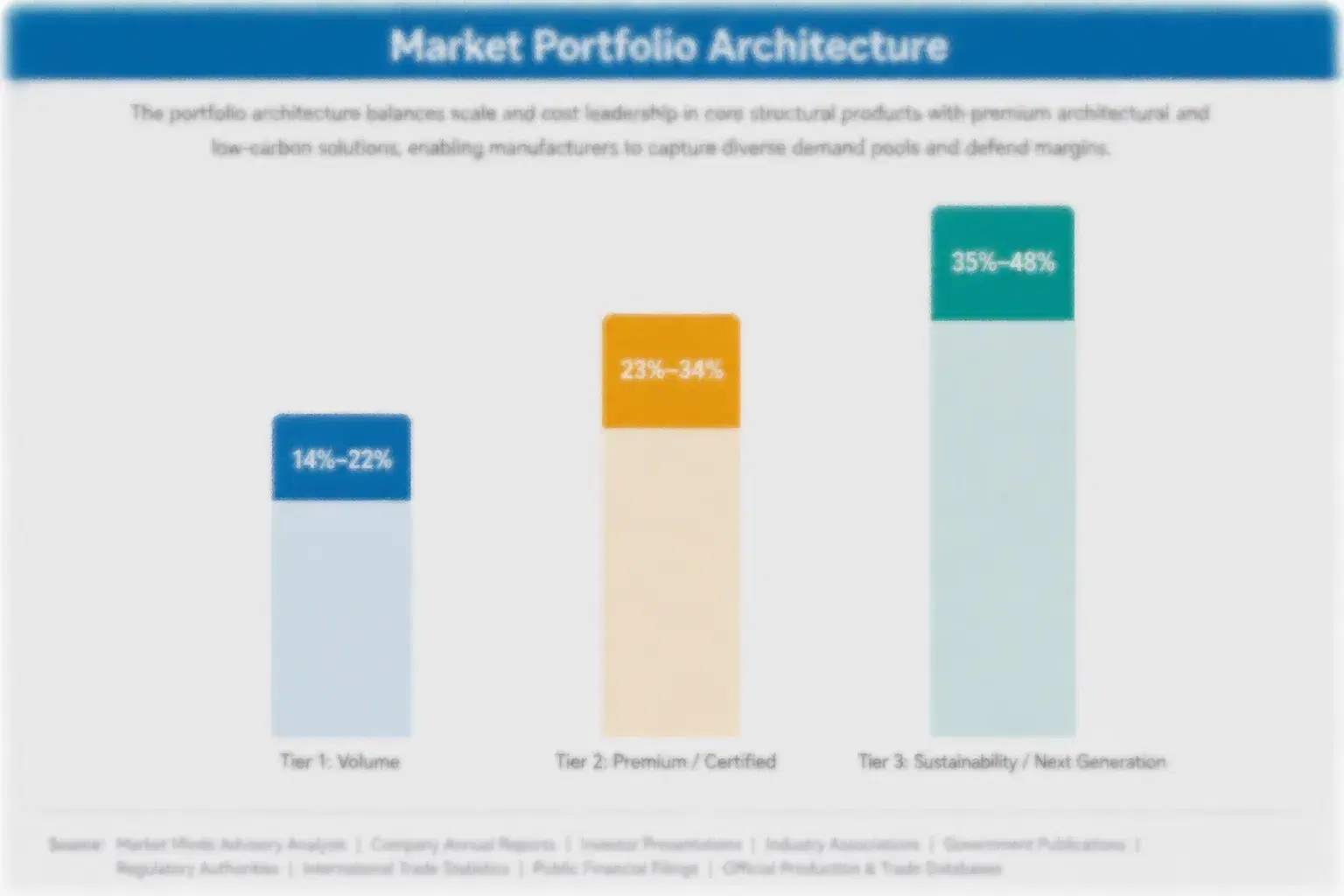
Taggant ink margin economics split sharply between volume-oriented chemical-reactive markers and premium forensic nanoparticle tiers. Basic chemical-reactive taggants compete largely on application efficiency and carry margins closer to standard security-ink printing. Premium nanoparticle and DNA formats command meaningfully higher margins, reflecting chemistry complexity and forensic laboratory partnerships that volume-tier suppliers rarely offer at comparable depth, a gap that is widening rather than narrowing as premium customers invest further in forensic-grade authentication.
The volume-versus-premium tension is intensifying as synthetic-DNA technology narrows the cost gap between tiers, pressuring nanoparticle suppliers to differentiate through laboratory-partnership breadth rather than chemistry alone. High-value margin pools concentrate among suppliers serving defense and aerospace customers, where buyers pay premiums for forensic certainty rather than basic deterrence alone, a dynamic favoring suppliers with established relationships across those higher-margin defense and aerospace accounts.

Regulatory-driven serialization requirements in pharmaceuticals and critical infrastructure represent the clearest next-generation margin pool, since compliance obligations create captive demand independent of counterfeit-incident cycles. Suppliers positioning early for these regulated categories are securing multi-year contracts ahead of broader regulatory rollout, locking in premium pricing before competitive entry intensifies further, a positioning advantage likely to compound as more jurisdictions finalize serialization mandates over the coming several years.

Chemical-reactive and basic visual taggants competing on application efficiency and scale, serving mid-market distributors prioritizing cost over forensic-grade verification nationwide, representing the largest shipment volume across the category despite its comparatively thin per-unit margin structure.
Gross Margin

Nanoparticle and DNA-based formats bundled with forensic verification services, serving defense, aerospace, and premium semiconductor customers paying for certainty today, representing the fastest-growing margin pool as more buyers shift budget toward forensic-grade verification capability.
Gross Margin

Pharmaceutical and critical-infrastructure serialization formats driven by regulatory compliance mandates, commanding premium pricing through captive, non-discretionary demand each cycle, with margins expected to remain elevated as compliance deadlines approach across several major jurisdictions.
Gross Margin
anti-counterfeit-taggant-inks-for-high-value-elect-portfolio-architecture-1791508453372

High-value Sub-segments and Strategic Watch-out

Nanoparticle Defense Authentication

Highest value and fastest growth, driven by defense-procurement mandates and classified testing programs that favor chemistry suppliers with proven forensic laboratory partnerships, where counterfeit exposure carries direct national-security cost for government procurement agencies today, a trend expected to continue as enforcement reporting remains publicly visible.

Pharmaceutical Serialization Taggants

High value with moderate growth, anchored by regulatory serialization mandates that create durable, non-discretionary demand independent of enforcement cycles, though implementation timelines vary by jurisdiction and compliance deadline across regulated pharmaceutical markets, giving suppliers multi-year visibility rare elsewhere in the category across multiple regulated jurisdictions worldwide.

Standard Distributor Chemical Markers

Volume core of the category, competing on application efficiency and basic deterrence functionality for mainstream distributors that prioritize cost over forensic-grade verification or laboratory-based authentication features in everyday shipments, a position unlikely to shift materially over the near term given cost sensitivity across every major distribution channel today.

Critical Infrastructure Component Tags

Strategic watch-out segment where counterfeit infrastructure-component losses are prompting early authentication piloting, though adoption remains slower than defense given longer utility procurement cycles and more conservative component-qualification processes industry-wide, though adoption should accelerate once pilot results prove out across utility programs at a handful of pilot sites.

From Incident Response To Standing Program

Taggant authentication is shifting from reactive incident response toward standing multi-year verification programs, where defense agencies and distributors commit ongoing laboratory-testing contracts alongside physical ink orders. This recurring-revenue structure gives suppliers more predictable cash flow than traditional security-ink contracts, which historically renewed only after a specific counterfeit incident prompted new scrutiny.
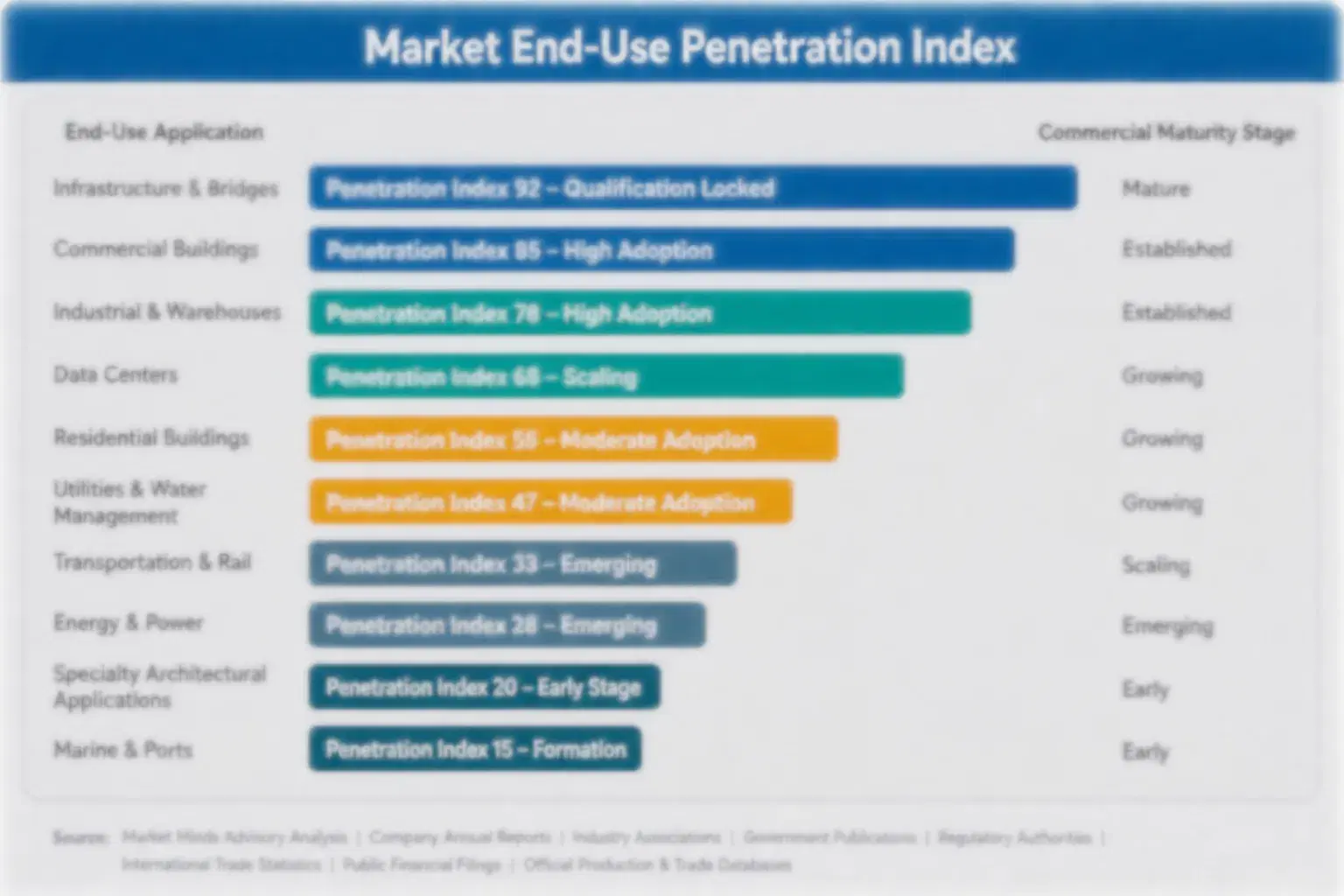
Adoption depth and stickiness vary sharply by end-use vertical. Defense and aerospace buyers show the deepest commitment, embedding taggant verification into core procurement standards rather than treating it as an incident-driven response, since counterfeit exposure carries direct national-security consequences. Commercial semiconductor distributors engage more selectively, often limiting verification to highest-value shipments. Pharmaceutical and infrastructure categories are earlier in adoption but show potential for the deepest eventual stickiness once serialization mandates lock in requirements permanently.

A generational shift in buyer profiles is reinforcing this trajectory. Procurement teams increasingly include dedicated supply-chain-security roles that specify taggant verification as standard practice rather than requesting it only after a publicized counterfeit incident, a change from procurement patterns dominant a decade ago. Younger compliance officers, trained on documented enforcement data rather than anecdotal risk, are driving faster adoption timelines than their predecessors across multiple procurement categories.
anti-counterfeit-taggant-inks-for-high-value-elect-end-use-penetration-index-1791508453700

Where Taggant Authentication Value Concentrates

These are among the four positions where our research anticipates prominent divergence between winners and laggards over the coming forecast period. Each is grounded in the demand model, the regulatory perimeter, and the announced capacity pipeline.
01 / NANOPARTICLE CHEMISTRY INVESTMENT

Back Forensic Nanoparticle Over Legacy Rare Earth

Suppliers investing in nanoparticle synthesis and forensic laboratory partnerships are capturing disproportionate share of the fastest-growing authentication segment, as defense agencies consolidate around proven chemistry partners rather than piloting multiple vendors simultaneously. This rewards producers with established validation histories over newer entrants lacking equivalent classified-testing track records with allied defense procurement agencies. Legacy rare-earth taggant producers face mounting share pressure as nanoparticle formulations become the defense-sector standard across multiple allied procurement programs, a lead likely to compound as more allied agencies align testing requirements.
02 / REGIONAL MANUFACTURING POSITIONING

Match Supply Footprint To East Asian Demand Density

China's dual role as both the largest electronics-manufacturing base and the geography most frequently named in counterfeit-component enforcement reporting gives East Asia unusually dense authentication demand that newer markets cannot replicate quickly. Suppliers without established regional laboratory and synthesis capacity face a widening cost and lead-time gap against domestic competitors sourcing chemistry locally. Early movers expanding regional capacity now will secure preferred-supplier status before competitive entry intensifies further across the region's export-manufacturing base, a window unlikely to stay open much longer.
03 / SERVICE REVENUE DIVERSIFICATION

Bundle Verification Services With Chemistry Sales

Recurring verification-service and documentation-licensing revenue carries materially higher margins than chemistry sales alone, and defense customers increasingly expect bundled laboratory access alongside physical taggant ink. Suppliers lacking service capability risk losing contracts to competitors offering integrated verification, even where their underlying chemistry remains broadly comparable on technical merit. Building laboratory and documentation capability now is cheaper than catching up later, once defense procurement fully standardizes around bundled service expectations, a shift already visible in recent defense request-for-proposal language already now.
04 / REGULATORY CATEGORY POSITIONING

Position Early For Pharmaceutical Serialization Demand

Regulatory-driven serialization in pharmaceuticals and critical infrastructure represents the clearest non-discretionary demand pool in the category, independent of the counterfeit-incident cycles that drive defense adoption elsewhere. Suppliers establishing compliance credentials and manufacturing qualifications now will secure multi-year contracts before broader regulatory rollout attracts additional competitive entry across these regulated end markets worldwide. Waiting until mandates finalize risks ceding early-mover positioning to competitors already locking in qualified manufacturing relationships with regulators today, a lead historically hard to reverse once established today.

Engagement Snapshot From the Field

A live engagement with an industry participant carrying material or product regulatory and market exposure ahead of a defining policy shift, showing how our research translates into a defensible multi-year portfolio strategy.
MARKET MINDS ADVISORY · CLIENT ENGAGEMENT SUMMARY
Anti-Counterfeit Taggant Inks for High-Value Electronics Packaging Producer Strategic Portfolio Review and Transition Roadmap 2026·Investment Scenario on Anti-Counterfeit Taggant Inks for High-Value Electronics Packaging Exposure Evaluation 2025-26
CLIENT PROFILE
A mid-size defense electronics contractor supplying component assemblies to multiple prime aerospace customers approached MMA seeking guidance on which taggant chemistry to standardize across its supplier qualification program. The client had faced rising customer audit scrutiny following several industry-wide counterfeit-component incidents and wanted data-driven guidance before locking in a single chemistry across its full supplier base, and the client's leadership wanted an independent view before the next audit cycle.
STRATEGIC CHALLENGE
The client faced a choice between forensic nanoparticle and synthetic-DNA taggant chemistry, with internal engineering and procurement teams divided on whether the added per-unit verification cost would translate into measurable audit-pass-rate improvement sufficient to justify standardizing across its full supplier base within the planned twelve-month qualification window given limited internal precedent to draw on.
MMA APPROACH
MMA conducted competitive benchmarking across defense contractors already running each chemistry type, combined with primary interviews among forensic laboratories and chemistry suppliers. The analysis quantified audit-pass-rate and verification-turnaround differentials between nanoparticle and DNA formats across comparable defense supplier-qualification programs over the prior two years, supplemented by direct conversations with accredited forensic testing laboratories serving comparable defense accounts.
KEY FINDINGS
  1. Nanoparticle-authenticated components showed measurably higher audit-pass rates than DNA-only comparables across the benchmarked contractor set over the eighteen-month observation period (client-reported, unverified by MMA).
  2. Verification turnaround for DNA-based taggants exceeded nanoparticle formats meaningfully, since fewer accredited laboratories currently offer rapid DNA testing capability (client-reported, unverified by MMA).
  3. Per-unit cost premium for nanoparticle chemistry narrowed meaningfully when the client negotiated volume pricing directly with a qualified refining partner (client-reported, unverified by MMA).
  4. Phased qualification starting with highest-risk component families produced faster payback than a simultaneous full-line conversion would have given lower upfront capital commitment required (client-reported, unverified by MMA).
CLIENT PROFILE
A mid-size defense electronics contractor supplying component assemblies to multiple prime aerospace customers approached MMA seeking guidance on which taggant chemistry to standardize across its supplier qualification program. The client had faced rising customer audit scrutiny following several industry-wide counterfeit-component incidents and wanted data-driven guidance before locking in a single chemistry across its full supplier base, and the client's leadership wanted an independent view before the next audit cycle.
STRATEGIC CHALLENGE
The client faced a choice between forensic nanoparticle and synthetic-DNA taggant chemistry, with internal engineering and procurement teams divided on whether the added per-unit verification cost would translate into measurable audit-pass-rate improvement sufficient to justify standardizing across its full supplier base within the planned twelve-month qualification window given limited internal precedent to draw on.
MMA APPROACH
MMA conducted competitive benchmarking across defense contractors already running each chemistry type, combined with primary interviews among forensic laboratories and chemistry suppliers. The analysis quantified audit-pass-rate and verification-turnaround differentials between nanoparticle and DNA formats across comparable defense supplier-qualification programs over the prior two years, supplemented by direct conversations with accredited forensic testing laboratories serving comparable defense accounts.
KEY FINDINGS
  1. Nanoparticle-authenticated components showed measurably higher audit-pass rates than DNA-only comparables across the benchmarked contractor set over the eighteen-month observation period (client-reported, unverified by MMA).
  2. Verification turnaround for DNA-based taggants exceeded nanoparticle formats meaningfully, since fewer accredited laboratories currently offer rapid DNA testing capability (client-reported, unverified by MMA).
  3. Per-unit cost premium for nanoparticle chemistry narrowed meaningfully when the client negotiated volume pricing directly with a qualified refining partner (client-reported, unverified by MMA).
  4. Phased qualification starting with highest-risk component families produced faster payback than a simultaneous full-line conversion would have given lower upfront capital commitment required (client-reported, unverified by MMA).
RECOMMENDED STRATEGY
Phase 1: Phase one: qualify nanoparticle taggants across the three highest-risk component families within six months, establishing refiner relationships and laboratory testing agreements. Phase 2: Phase two: extend nanoparticle qualification across the remaining supplier base over twelve months, while piloting DNA taggants for lower-sensitivity component lines. Phase 3: Phase three: evaluate dual-sourcing opportunities across refining partners and renegotiate verification-service terms at higher committed testing volume levels as qualification volume continues to scale across the supplier base.
OUTCOME
The client adopted the phased approach, qualifying highest-risk component families first and reporting improved audit-pass-rate metrics within the first two quarters of rollout (client-reported, unverified by MMA). The contractor has since expanded nanoparticle qualification across its full supplier base and is evaluating DNA taggants for select lower-sensitivity component lines.

Frequently Asked Questions

Foundational context covering the market sizes, CAGR, scope, country, region and competition that inform every finding below. This section is provided to cover basics and most often pre-purchase conversations, answered from the MMA Primary Research Dataset.

What is the current size of the Anti-Counterfeit Taggant Inks for High-Value Electronics Packaging Market?

The market reached an estimated USD 0.80 billion in 2026, covering forensic nanoparticle, DNA-based, and rare-earth taggant chemistries for electronics authentication. Growth is concentrated in defense, aerospace, and semiconductor-distribution procurement.

How large will the Anti-Counterfeit Taggant Inks for High-Value Electronics Packaging Market be by 2036?

MMA projects the market will reach approximately USD 3.10 billion by 2036, roughly 3.88 times its 2026 value. This reflects sustained defense-sector mandate expansion and growing voluntary distributor adoption.

What is the CAGR for the Anti-Counterfeit Taggant Inks for High-Value Electronics Packaging Market 2026 to 2036?

The market is forecast to grow at a 14.5% compound annual rate through 2036, with bull and bear scenarios ranging from 13.2% to 15.8% depending on enforcement-publicity and standardization developments.

Which segment is growing fastest?

Forensic Nanoparticle Taggant Inks are growing fastest at a 17.8% CAGR, roughly 1.23 times the overall market rate, driven by defense-sector mandates for lab-verifiable authentication.

Who are the major companies in the Anti-Counterfeit Taggant Inks for High-Value Electronics Packaging Market?

Leading suppliers include Authentix Inc, Microtrace LLC, Tracer Detection Technology Corp, SICPA Holding SA, and Applied DNA Sciences Inc, together holding roughly four-tenths of global revenue.

Which country is growing fastest?

China is growing fastest at a 16.9% CAGR, driven by its concentrated electronics-manufacturing base combined with proximity to documented counterfeit-component enforcement activity, a pattern reinforced by growing domestic chemistry-production investment.

Anti-Counterfeit Taggant Inks Segments Covered

The full report scope spans multiple orthogonal segmentation dimensions, with cross-tabulated demand data provided for each dimension pair. Coverage extends further to regional breakdowns, trend trajectories, and the competitive detail needed to support segment-level decision-making.
  • Forensic Nanoparticle Taggant Inks
  • DNA Based Authentication Taggants
  • Rare Earth Chemical Taggants
  • Covert UV Reactive Taggants
  • Microtext And Micro Taggants
  • Defense and Aerospace Electronics
  • Semiconductor Distribution
  • Consumer Electronics
  • Telecommunications Equipment
  • Industrial Electronics
  • Defense Procurement Programs
  • Commercial Distribution Channels
  • Forensic Verification Services
  • Regulatory Compliance Programs

By Region

  • North America
  • Western Europe
  • East Asia
  • South Asia and Pacific
  • Latin America
  • Middle East and Africa
  • Eastern Europe

Scope, Methodology, and Coverage

Every figure in this report is reproducible from documented input assumptions. The scope below maps the historical period, the forecast horizon, the segmentation dimensions, and the countries covered, alongside the underlying primary and qualitative methodology.
Historical Period
2020 to 2025
Forecast Period
2026 to 2036
Base Year
2025 (USD billions; MMA Primary Research Dataset, October 2026)
Market Definition
The Anti-Counterfeit Taggant Inks for High-Value Electronics Packaging Market covers forensic and covert marking compounds applied to electronics component packaging for authentication, including nanoparticle, DNA-based, and rare-earth taggant chemistries. It excludes visible holographic labels without forensic verification capability, RFID and NFC electronic authentication, and general industrial security inks sold outside the electronics-component supply chain.
Quantitative Units
USD billions
Segmentation Dimensions
Regions Covered
North America, Western Europe, East Asia, South Asia and Pacific, Latin America, Middle East and Africa, Eastern Europe
Countries Covered
Key Companies Profiled
Authentix Inc, Microtrace LLC, Tracer Detection Technology Corp, SICPA Holding SA, Applied DNA Sciences Inc, Honeywell International Inc, 3M Company, DuPont de Nemours Inc, Troy Group Inc, Covectra Inc, Nanotech Security Corp, Kurz Group, Document Security Systems Inc, YottaMark Inc, Inksure Technologies Inc, Spectra Systems Corporation, Zortag Inc, PharmaSecure Inc, Systech International Inc, OpSec Security Group
Quantitative Methodology
Primary survey, n=3,800 respondents, Q4 2025, six countries; demand-side model with trade association cross-validation
Qualitative Methodology
47 expert interviews, Q4 2025; applied to validate demand model assumptions, identify emerging dynamics, and assess competitive positioning
Report Format
PDF and XLSX data workbook (Word format preview document)
Publisher
Market Minds Advisory
Report Code
MMA-2026-PAC-705
Published
October 2026
Contact
sales@marketmindsadvisory.com | www.marketmindsadvisory.com

Purchase the full Anti-Counterfeit Taggant Inks for High-Value Electronics Packaging Market Report (2026 to 2036).

This report provides a comprehensive assessment of the Anti-Counterfeit Taggant Inks for High-Value Electronics Packaging Market through 2036. It covers forensic nanoparticle, DNA-based, and rare-earth chemistries across defense, aerospace, and semiconductor-distribution end-use categories. The analysis details regional demand patterns, competitive positioning among specialist chemical and security-ink suppliers, and input-cost exposure tied to rare-earth supply concentration. It draws on primary survey data, expert interviews, and company disclosures to quantify segment-level growth and margin architecture across the forecast period Strategic recommendations highlight where suppliers should prioritize chemistry investment, regional manufacturing capacity, and service-revenue diversification over the coming decade.
Ten-year revenue and unit volume forecasts
Seven-region demand share and CAGR breakdown
Twenty-company competitive benchmarking and positioning profile
Segment-level CAGR and margin tier analysis
Input-cost exposure mapping and mitigation pathways
Anonymized client case study with full strategy roadmap

Built For The People Who Decide

From boardroom strategy to bench-side execution, this report is read cover-to-cover by leaders shaping the next decade of their industry, turning demand scenarios, market dynamics and valuation benchmarks into decisions.
CXOs/ Presidents/ VPs/ Managers
M&A and Corporate Development
Strategy Teams and R&D Heads
Procurement and Product Directors
Regulatory and Compliance Leaders
Investor Relations and Equity Analysts