Market Minds Advisory
AI Powered Packaging Inspection Machine Market

AI Powered Packaging Inspection Machine Market 2026-2036

Food and pharmaceutical brands facing tightening traceability mandates are pushing facilities toward deep-learning inspection systems that older rule-based machine vision cannot match on defect variability or label verification accuracy. across most lines.

Lead Analyst

Bilal Shaikh

Published

November 2026

Make Smarter Decisions with Customized Research Insights

Request a free sample report and evaluate market opportunities, growth trends, and competitive dynamics relevant to your business needs.

2025 MARKET VALUE$1.2BMarket Size 2025
2036 FORECAST VALUE$4.0BBase Case , 2026 to 2036
CAGR 2026 TO 203611.8 %Bull 13.1% / Bear 10.5%
INCREMENTAL OPPORTUNITY$2.7BNet 10- year value creation
EXPANSION MULTIPLE3.05x2036 value over 2026 base
Strategic Levers
M&A Pipeline
Regional Outlook
Country Rankings
Competitive Intelligence
Segmental Deep-dive
Call-Us : 91 93563 13602

AI Powered Packaging Inspection Machine Market Snapshot

AI-powered packaging inspection demand is accelerating as food and pharmaceutical brands facing tightening traceability mandates convert from rule-based machine vision toward deep-learning systems that handle defect variability rule-based cameras cannot reliably classify. That shift is reshaping purchasing criteria across most manufacturing categories tracked this cycle.
Deep-learning defect detection systems are growing fastest as manufacturers demand adaptive classification that rule-based systems cannot match, while edge-AI real-time inspection systems hold the second-fastest rate among facilities operators seeking low-latency processing without cloud connectivity dependence. North America carries the largest share given its enormous consumer packaged goods manufacturing base and deep bench of AI software talent, while South Asia and Pacific posts the fastest regional growth as food and pharmaceutical processing capacity expands.
Competition splits between established European and American vision specialists with decades of inspection engineering experience and newer AI-native entrants competing aggressively on model accuracy for data-intensive applications. Model retraining documentation increasingly shapes purchasing decisions industrywide, since regulated buyers increasingly refuse equipment that cannot document how detection models were validated and retrained across production changes. Buyers increasingly request documented model evidence first. across most regulated accounts tracked this cycle.
Market Definition
The AI-powered packaging inspection machine market covers machine vision inspection systems that use AI and deep learning algorithms for automated defect detection, label and print verification, fill-level checking, and code and date verification integrated into packaging production lines. It excludes rule-based machine vision inspection systems without deep learning capability, manual visual inspection stations, and metal detection or X-ray foreign object detection equipment.
Base Year Value
$1.2B in 2025 (MMA Primary Research Dataset, October 2026)
Forecast Period
2026 to 2036, eleven discrete annual values
CAGR
11.8% base case. Bull 13.1%. Bear 10.5%.
Fastest Growth Segment
Deep-Learning Defect Detection Systems: 14.6% CAGR
Fastest Growth Country
India: 13.9% CAGR
Fastest Growth Region
South Asia and Pacific: 13.8% CAGR
Largest Region
North America: 28% of 2025 global value
Market Leaders
Cognex Corporation, Omron Corporation, Keyence Corporation, ISRA VISION, and Mettler-Toledo lead by installed system base. Source: MMA Analysis based on company annual reports.
Primary Survey
n=3,800 procurement and R&D decision-makers, Q4 2025, six countries
Methodology
Demand-side build-up, cross-validated against public data, 47 expert interviews

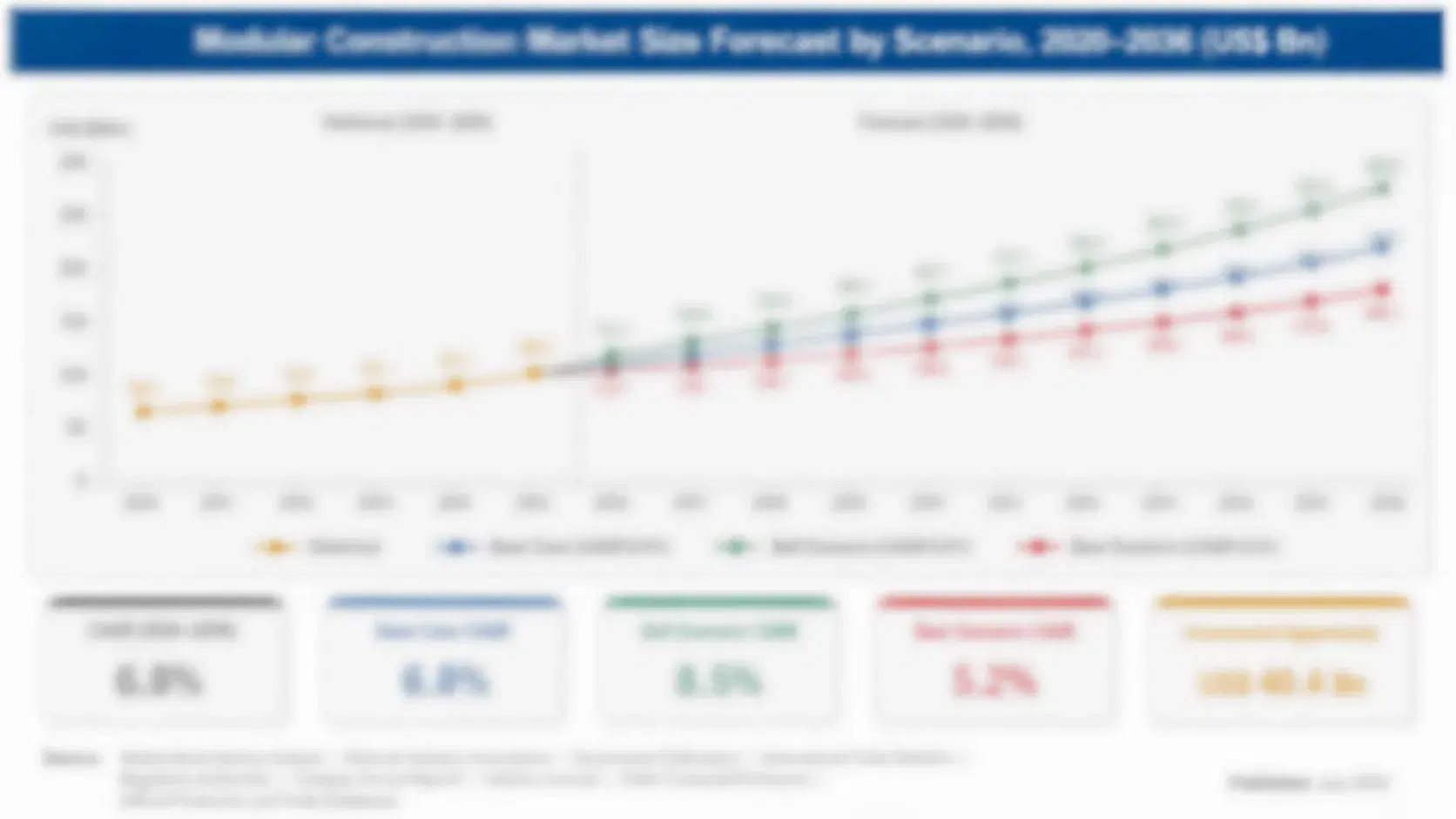
AI Powered Packaging Inspection Machine Growth Scenarios to 2036

ai-powered-packaging-inspection-machine-market-size-forecast-scenario-1791477125129
Between 2020 and 2025 the market grew at an estimated 10.6% annually, tracking rapid deep-learning adoption across food and pharmaceutical inspection, with edge-AI processing accelerating meaningfully only in the final two years as low-latency requirements intensified across most major production facilities. Early conversion activity concentrated almost entirely among the largest manufacturers facing the most acute traceability pressure across their portfolios.
The base case assumes 11.8% compound growth through 2036, driven by three reinforcing mechanisms: first, food and pharmaceutical brands adopting deep-learning inspection to meet tightening traceability and defect documentation mandates; second, facilities pursuing edge-AI processing that eliminates cloud connectivity dependence for real-time inspection decisions; and third, food and pharmaceutical processing capacity expansion across South Asia that lifts baseline demand regardless of inspection technology. These three mechanisms combine to produce a steadier, more durable growth trajectory than the historical period.
The bull case rests on additional regulatory bodies mandating documented AI inspection validation across food and pharmaceutical categories faster than currently expected. The bear case centers on continued model validation complexity that slows facilities' internal approval processes, delaying equipment replacement purchases even as baseline inspection demand remains durable across most markets tracked. Both outcomes hinge on regulatory enforcement pace.

Deep-Learning Adoption Reshapes Inspection Equipment Economics

Model retraining capability has moved from an engineering afterthought into a primary purchasing criterion, as food and pharmaceutical manufacturers converting from rule-based vision increasingly calculate that deep-learning systems pay for themselves through adaptive classification accuracy that rule-based cameras cannot deliver consistently across varied defect types. This shift now shapes nearly every new equipment specification above the entry tier across the industry.
MARKET CONCENTRATION (CR5)34%Top five equipment makers hold just over a third
AVERAGE SYSTEM PRICE$245,000Mid-tier automated deep-learning inspection line typically costs this much
TOP PRODUCING COUNTRY SHARE23%Japan leads global AI vision inspection equipment manufacturing output
CAPACITY UTILIZATION64%Equipment makers run assembly operations below full nameplate capacity
TYPICAL DEFECT DETECTION ACCURACY99.3-99.8%Standard classification accuracy range across deep-learning inspection technology
AVERAGE EQUIPMENT REPLACEMENT CYCLE7-10 yearsTypical service life before an inspection line needs replacement
Commercially, the market rewards equipment makers who can demonstrate documented model validation across production changes, since regulated manufacturers recover deep-learning equipment's price premium quickly through compliance documentation that rule-based systems cannot provide. Equipment makers lacking comparable validation credentials increasingly find themselves relegated to simpler, less differentiated accounts across the industry. Equipment makers without comparable validation track records increasingly find themselves relegated to smaller, less cost-sensitive accounts.
Over the next decade, expect continued conversion from rule-based toward deep-learning and edge-AI inspection technology as traceability mandates intensify, food and pharmaceutical processing capacity expands across South Asia, and demand grows for flexible systems handling varied defect types on shared equipment platforms across most manufacturing regions tracked. Builders investing early in flexibility capture accounts before rivals respond with comparable equipment.
"Facilities used to train a rule-based camera on a handful of known defects and call it done. Now the model has to keep learning as new defect types show up, and regulators want proof it was retrained correctly every time."
Director, Packaging Automation Practice · MMA Packaging Automation / AI Vision Inspection Equipment Practice · October 2026

Key Trends in AI Powered Packaging Inspection Machine

Deep-Learning Systems Displacing Rule-Based Vision Cameras

Deep-learning inspection systems classify defects using trained neural network models rather than fixed rule-based thresholds, achieving meaningfully higher classification accuracy across varied and previously unseen defect types that rule-based systems cannot reliably detect without manual reprogramming. Manufacturers report deep-learning conversion cutting false rejection rates substantially compared with legacy rule-based vision running the same production lines previously. Equipment makers report deep-learning orders now outpacing rule-based orders across nearly every regulated account they currently serve, a clear reversal from just a few years earlier. This conversion wave is spreading into cosmetics and electronics categories facing similar quality pressure. A closely related view comes from the packaging inspection systems market, which MMA projects to grow at a 7.5% CAGR to USD 6.2 billion by 2036.
Market Impact: Drives roughly 17% of demand
Edge-AI Processing Expands Real-Time Inspection Access

Equipment makers are increasingly engineering edge-AI inspection systems that process defect classification directly on-device, rather than the cloud-dependent processing that previously dominated the category given simpler initial deployment in prior years. This edge processing matters increasingly as facilities pursue real-time inspection decisions without latency or connectivity dependence that cloud processing introduces during peak production periods. Equipment makers are responding with compact edge-AI modules that reduce deployment cost meaningfully for converters already running comparable inspection lines. Facilities expanding real-time inspection access increasingly demand this approach as a baseline requirement across their networks. MMA expects the related inspection and weighing machine market to be worth USD 5.4 billion by 2036.
Market Impact: Adds roughly 10% baseline volume

AI Powered Packaging Inspection Machine Supplier Priorities

Traceability Mandates Accelerate Deep-Learning Adoption Rapidly

Food and pharmaceutical traceability regulation across the European Union, the United States, and a growing number of other jurisdictions increasingly expects documented defect detection and model validation evidence at critical control points, making deep-learning inspection a compliance necessity rather than an optional upgrade for manufacturers serving regulated retail and export markets. This regulatory trend shows no sign of reversing within the forecast period, giving deep-learning equipment makers a durable addressable market independent of broader economic cycles affecting other capital equipment categories. This durability keeps the opportunity intact across broader economic cycles affecting other categories.
Market Impact: Adds $55,000 to $110,000 entry cost

E-Commerce Quality Assurance Expands Inspection Demand

E-commerce fulfillment operators increasingly specify automated inspection integrated directly into packaging lines to catch defects before shipment, since a defective product reaching a customer carries reputational and return cost that outweighs the inspection equipment investment many times over. Each new fulfillment facility increasingly specifies deep-learning inspection equipment from the outset, and these facilities increasingly favor edge-AI platforms given the distributed, multi-site operations a modern logistics operator typically runs across an expanding network. Equipment makers increasingly court these launches through trade shows and dedicated quality-focused sales teams across regions. This specification shift continues spreading across most major regional networks tracked.
Market Impact: Extends approval timelines by 14 weeks

AI Powered Packaging Inspection Machine Market Restraints

High Capital Cost Slows Smaller Manufacturer Adoption

Deep-learning and edge-AI inspection systems carry meaningfully higher capital cost than conventional rule-based vision systems, creating a genuine adoption barrier for smaller manufacturers facing the same traceability pressure as larger competitors but lacking comparable capital budgets to justify immediate conversion across their entire production footprint. The root cause is that neural network training infrastructure and specialized processing hardware cost meaningfully more to deploy than simpler rule-based camera mechanisms. Equipment makers are mitigating the barrier by introducing leasing programs and modular upgrade paths that let smaller manufacturers add capability incrementally over time.
Market Impact: Adds 9 points deep-learning share

Model Validation Complicates Regulatory Approval Timelines

Certain regulated accounts complicate manufacturers' efforts to achieve both rapid deep-learning deployment and documented regulatory approval simultaneously, particularly across pharmaceutical facilities where model validation requires extensive testing against known defect libraries before production use. The root cause is that regulators scrutinize AI-driven decision systems more closely than fixed rule-based thresholds, since model behavior can shift as retraining incorporates new data over time. Equipment makers are mitigating the constraint by developing standardized validation documentation templates specifically engineered for regulatory submission requirements. Manufacturers running complex regulated catalogs face this barrier constraint most acutely across their portfolios.
Market Impact: Cuts inspection latency by 34%
3 additional market trends, 4 additional growth drivers, and 2 additional restraints and challenges are covered in the full report. Contact sales@marketmindsadvisory.com to access the complete intelligence.

AI Powered Packaging Inspection Machine Segment CAGR Comparison

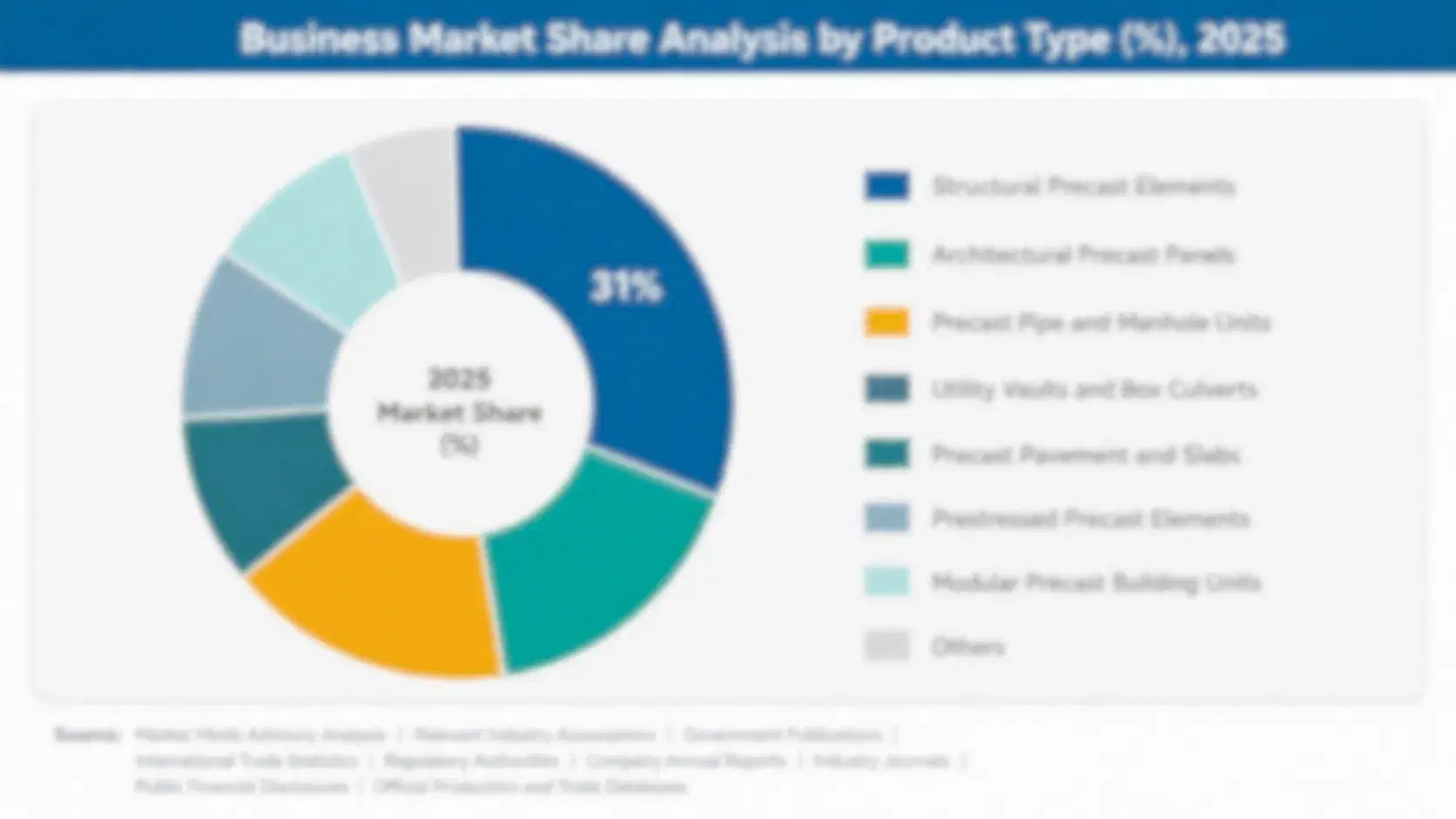
The market segments by inspection capability and processing technology rather than by end-use product category, since detection method and processing location drive both equipment pricing and buyer evaluation criteria more directly than whether a given line serves food or pharmaceutical accounts specifically across markets. Five segments span the market, each carrying distinct validation requirements.
ai-powered-packaging-inspection-machine-market-market-share-analysis-1791477125303

Deep-Learning Defect Detection Systems

Deep-learning defect detection systems classify product defects using trained neural network models, achieving adaptive accuracy across varied and previously unseen defect types that rule-based systems cannot match without manual reprogramming. Food and pharmaceutical manufacturers facing the most acute defect variability are the primary buyers, typically justifying the premium price through reduced false rejection rates that compound into substantial savings across enormous annual production volumes. Growth here outpaces every other segment because the adaptive accuracy case strengthens with every new defect type manufacturers encounter. Converters investing early in this capability are capturing accounts before competitors can respond with comparable deep-learning equipment of their own design. Manufacturers running the most complex defect catalogs are investing earliest.
CAGR 14.6%

Edge-AI Real-Time Inspection Systems

Edge-AI real-time inspection systems process defect classification directly on-device without cloud connectivity dependence, achieving lower latency and more reliable uptime than cloud-dependent processing that cannot match comparable real-time response during connectivity disruptions. Facilities pursuing real-time inspection decisions without latency penalty are the primary buyers, typically justifying the equipment investment through reduced downstream rework cost that recovers equipment cost across continuous production. Growth here reflects both genuine latency-driven demand and conversion from older cloud-dependent systems as facilities pursue the reliability edge-AI technology delivers reliably at scale across high-volume accounts. Builders serving this segment increasingly bundle extended service coverage given latency's role in production continuity across accounts served. across most facility types served.
CAGR 13.8%
Full segment breakdown across 5 segments available in the complete report.

AI Powered Packaging Inspection Machine Demand by Region

North America carries the largest share given its enormous consumer packaged goods manufacturing base and deep bench of AI software talent, while South Asia and Pacific posts the fastest regional growth as processing capacity expands. East Asia follows closely behind. Latin America and Eastern Europe trail on both measures.

North America

The United States consumer packaged goods manufacturing base, among the largest and most sophisticated in the world, drives substantial demand for deep-learning and edge-AI inspection equipment as major manufacturers pursue both traceability compliance and defect reduction across enormous annual production volumes. Growing retailer pressure around documented quality assurance contributes meaningful additional demand as brands expand deep-learning adoption across their product catalogs. Canada contributes a smaller but steady volume base tied to its own food manufacturing sector, while Mexico's growing manufacturing base increasingly serves North American brands through nearshored production requiring its own equipment investment decisions. Equipment financing options have expanded as smaller manufacturers seek compliance without upfront commitment. Equipment service coverage continues expanding across most major metropolitan markets.
Share: 28% | CAGR: 12.6% (2026 to 2036)

Western Europe

Germany and the Netherlands anchor Western European demand both as leading vision equipment manufacturing centers and as the world's most advanced food safety regulatory environment, giving the region meaningful depth on both the supply and compliance-driven demand side of this market simultaneously. European Union traceability directives are pushing manufacturers toward documented deep-learning conversion faster than almost anywhere else globally. The UK and France contribute meaningful additional demand tied to their own substantial pharmaceutical and food manufacturing bases. Spain and Italy contribute additional volume tied to their own substantial food and pharmaceutical export operations. The Nordics and Spain contribute additional volume tied to their own substantial pharmaceutical export operations and modern quality standards across the region.
Share: 20% | CAGR: 10.3% (2026 to 2036)
Regional intelligence for 5 additional markets available in the complete report: East Asia, South Asia and Pacific, Latin America, Middle East and Africa, Eastern Europe. Contact sales@marketmindsadvisory.com.
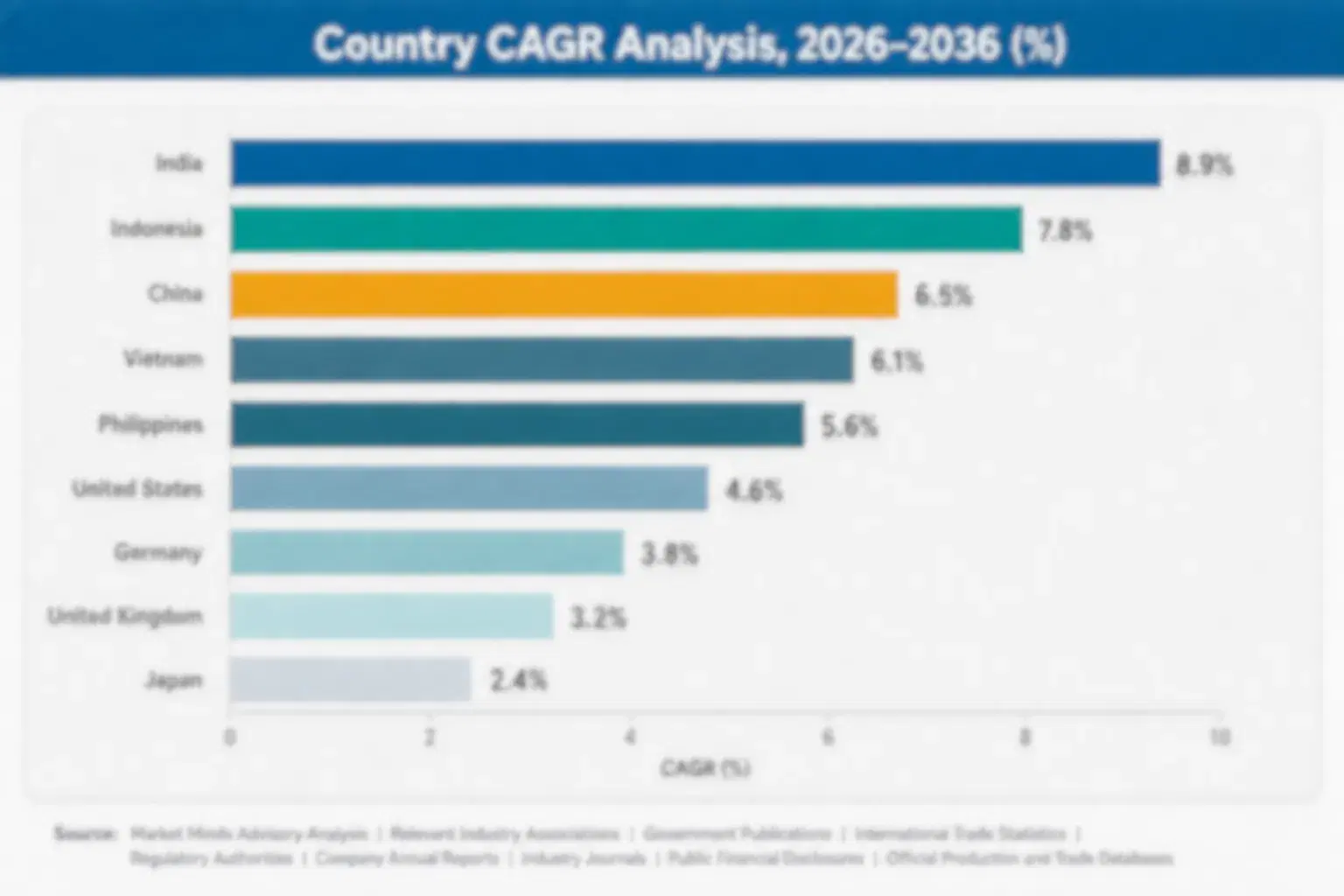
ai-powered-packaging-inspection-machine-market-country-cagr-analysis-1791477125481

Capturing Share as Deep Learning Becomes Standard

Conventional rule-based vision margin has compressed as deep-learning alternatives become the default expectation under tightening traceability regulation, so the real commercial opportunity sits in deep-learning conversion capture, model validation services, and flexible edge-AI platforms. Makers treating conversion and validation as core strategy capture disproportionate new volume early in this cycle. Timing matters most to early movers.

Capturing Early Deep-Learning Conversion Sales Accounts

Equipment makers that win a manufacturer's deep-learning conversion decision early typically lock in a multi-year equipment and model validation service relationship worth meaningfully more than a comparable rule-based equipment contract, since the buyer rarely revisits inspection technology choice again absent a major compliance or cost event. Cognex Corporation and Omron Corporation have both built dedicated conversion sales teams specifically to identify manufacturers facing traceability pressure, and early movers report winning conversion accounts at close rates roughly 28% higher than their broader new-account win rate. Makers moving early capture accounts faster than rivals relying on legacy equipment.
Market Impact: Wins conversion accounts at a 28% higher rate

Bundling Model Validation Documentation Service Packages

Equipment makers offering model validation documentation and regulatory compliance support alongside equipment sales are winning regulated accounts that value this documented evidence above a marginally lower upfront equipment price from a competitor offering no comparable service. This validation service layer commands a meaningful premium over equipment sold without it, and manufacturers report this capability cutting their own internal regulatory approval timeline by roughly 32% compared with manufacturers building the compliance case independently. This gap continues widening as buyers consolidate vendor relationships further. Manufacturers increasingly treat this validation as a prerequisite for signing rather than a negotiable add-on priced separately.
Market Impact: Cuts regulatory approval timeline by roughly 32 percent

Developing Flexible Multi-Defect Edge-AI Platforms Now

Equipment makers developing inspection platforms that handle multiple defect types and processing modes on a single flexible line are capturing manufacturers who want to serve varied product catalogs without purchasing several separate dedicated systems for each defect category they monitor. This flexible platform approach commands a meaningful premium over single-defect equipment, and manufacturers report this capability expanding their addressable product catalog by roughly 23% compared with equipment limited to a single defect classification configuration. This gap is expected to widen further across most premium accounts tracked. Growing manufacturers increasingly favor this flexible approach over single-defect commitments.
Market Impact: Expands addressable product catalog by 23 percent overall

Offering Financing Programs for Smaller Manufacturers

Equipment makers offering leasing and financing programs specifically for smaller manufacturers facing the same traceability pressure as larger competitors but lacking comparable capital budgets are capturing accounts that would otherwise delay deep-learning conversion or continue absorbing avoidable false rejection cost under existing rule-based systems. This financing approach converts smaller manufacturer accounts at meaningfully higher rates than requiring outright capital purchase, since the lease structure lets a smaller operation match equipment cost to its own revenue trajectory rather than front-loading the entire investment. This financing structure converts roughly 31% more smaller manufacturer accounts than outright purchase requirements alone would capture.
Market Impact: Converts smaller manufacturer accounts roughly 31% faster overall

AI Powered Packaging Inspection Machine Pricing and Margins

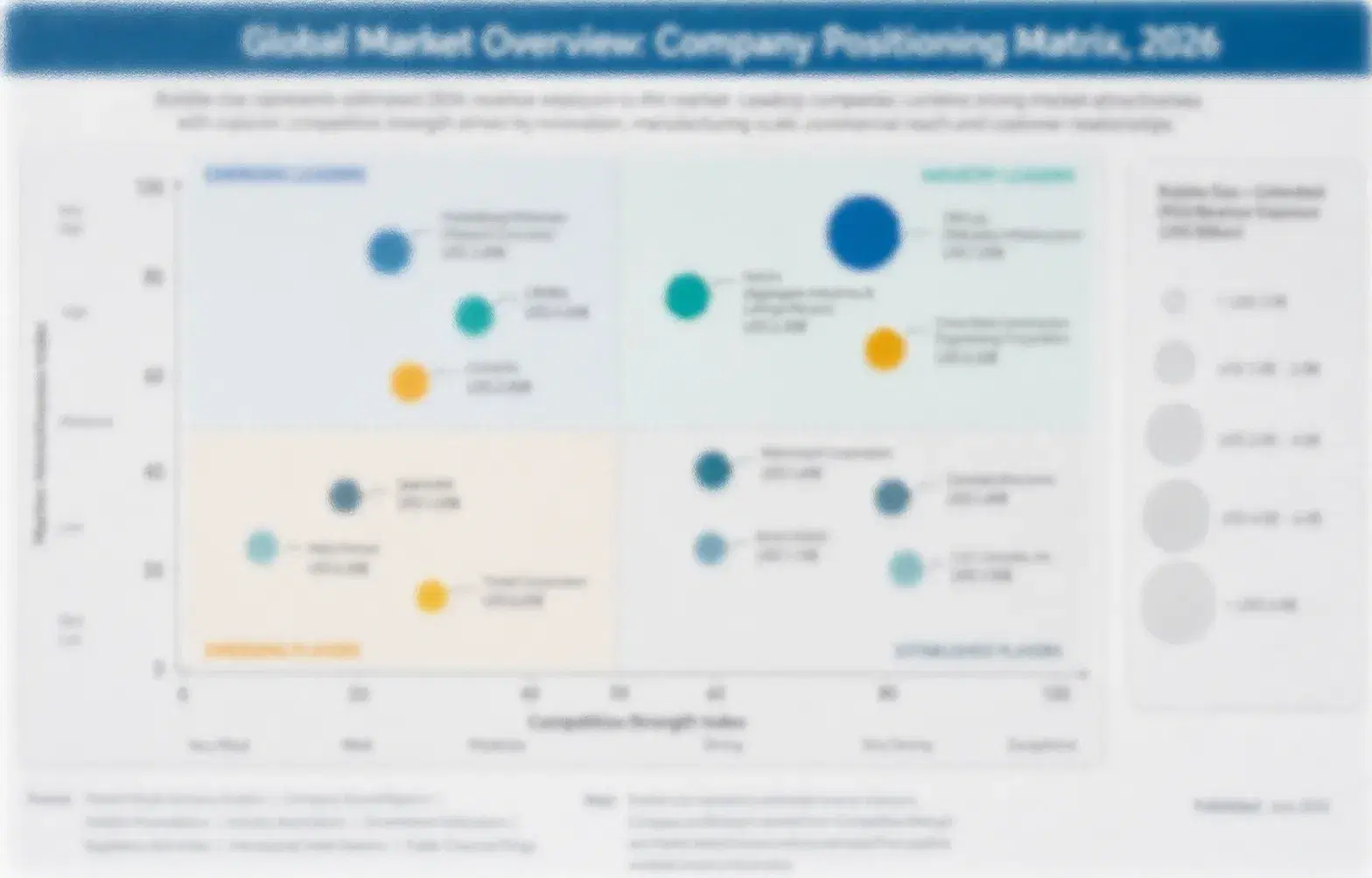
Market concentration sits at a modest CR5 of 34%, reflecting a fragmented builder base spanning established vision specialists and newer AI-native entrants, with Cognex Corporation and Omron Corporation holding the broadest combined inspection engineering experience and product portfolios ahead of mid-tier challengers like Keyence Corporation and ISRA VISION. That gap reflects decades of accumulated vision engineering investment smaller specialists cannot replicate quickly across the industry.
Current competitive activity centers on three fronts: deep-learning conversion sales racing to capture manufacturers facing traceability pressure, model validation service expansion responding to tightening regulatory documentation standards, and flexible multi-defect edge-AI platform development responding to defect category proliferation across catalogs. Equipment makers increasingly compete on total validation support and documented model accuracy rather than per-unit machine price alone across most accounts served.

Emerging pressure comes from Chinese and Indian equipment makers offering lower-cost rule-based systems without the deep-learning validation pedigree or compliance support capability incumbents rely on for premium margin, appealing to price-sensitive manufacturers across less regulated applications and emerging markets. Rankings could shift if a challenger develops comparable deep-learning technology at lower pricing before incumbents fully capture the conversion wave they are currently pursuing across major accounts.
ai-powered-packaging-inspection-machine-market-company-positioning-matrix-1791477125660

AI Powered Packaging Inspection Machine Competitive Landscape

COGNEX CORPORATION

Moat: Deepest Deep-Learning Model Validation Depth

Cognex Corporation's decades of vision engineering give it a genuine credibility advantage with manufacturers evaluating deep-learning conversion decisions, a trust advantage newer entrants without comparable validation depth struggle to match quickly, built over many years of reliable deployment experience across demanding regulated accounts worldwide. across the industry worldwide.
COGNEX CORPORATION

Risk: Premium Pricing Limits Smaller Accounts

Cognex Corporation's premium positioning and pricing structure make it less competitive among smaller manufacturers evaluating lower-cost alternatives, leaving this growing segment more open to competitors willing to compete more aggressively on price across less demanding regional accounts and smaller product launches. This pricing gap could cost it meaningful growth opportunity as more buyers face similar budget pressure.
OMRON CORPORATION

Moat: Broad Multi-Defect Platform Range

Omron Corporation's modular inspection platform lets it serve manufacturers across a wide range of defect types and processing modes, a flexibility that competitors offering only fixed, single-defect systems cannot easily match for manufacturers running varied product catalogs across regions. a capability newer, more narrowly focused competitors have not yet developed to the same depth.
OMRON CORPORATION

Risk: Narrower Presence in Entry-Tier Segments

Omron Corporation holds a smaller presence in entry-tier rule-based applications than competitors focused primarily on that segment, leaving more of its revenue mix concentrated in premium deep-learning and edge-AI applications specifically across its broader equipment portfolio and installed base. International expansion into premium segments remains a priority to reduce this concentration risk over time.

Players Tracked

Prominent Players

Cognex Corporation
Omron Corporation
Keyence Corporation
ISRA VISION
Mettler-Toledo

Other Key Players

Sick AG
Teledyne DALSA
Basler AG
National Instruments
Zebra Technologies
Datalogic
Honeywell Intelligrated
Instrumentation Laboratory
Shanghai NJP Machinery
Guangzhou Hongzhan Machinery
Nichrome India
Autopac Inc.
WeighPack Systems
Bausch Advanced Technology
ProMach

Recent Developments

FEBRUARY 2026

Cognex Corporation Acquires Edge-AI Processing Specialist

Cognex Corporation completed the acquisition of a mid-size edge-AI processing technology specialist to embed advanced on-device inference directly into its inspection platforms rather than relying on cloud processing partnerships going forward across its full product line. The combined capability reaches customers within two quarters. across its full product line.
Signal: Signals vertical integration into edge-AI processing technology across the inspection equipment industry broadly this cycle overall
SEPTEMBER 2025

Omron Corporation Forms South Asian Distribution Joint Venture

Omron Corporation announced a joint venture with an Indian equipment distributor to localize assembly and service support for its deep-learning inspection platforms across South Asian food and pharmaceutical export markets this cycle. Service response times are expected to improve markedly for regional food accounts. across served regions.
Signal: Signals regional localization strategy expanding into South Asian markets considerably across export-oriented accounts this cycle overall
MARCH 2026

Keyence Corporation Secures Multi-Year Food Brand Supply Agreement

Keyence Corporation signed a multi-year supply agreement with a major North American food manufacturer to deliver a dedicated fleet of deep-learning inspection lines across four production sites starting this year, reinforcing its premium account base considerably. The agreement includes ongoing maintenance support across all four production sites.
Signal: Signals premium account consolidation accelerating across the industry across large manufacturing accounts broadly this cycle overall

Processing Hardware and Sensor Component Exposure

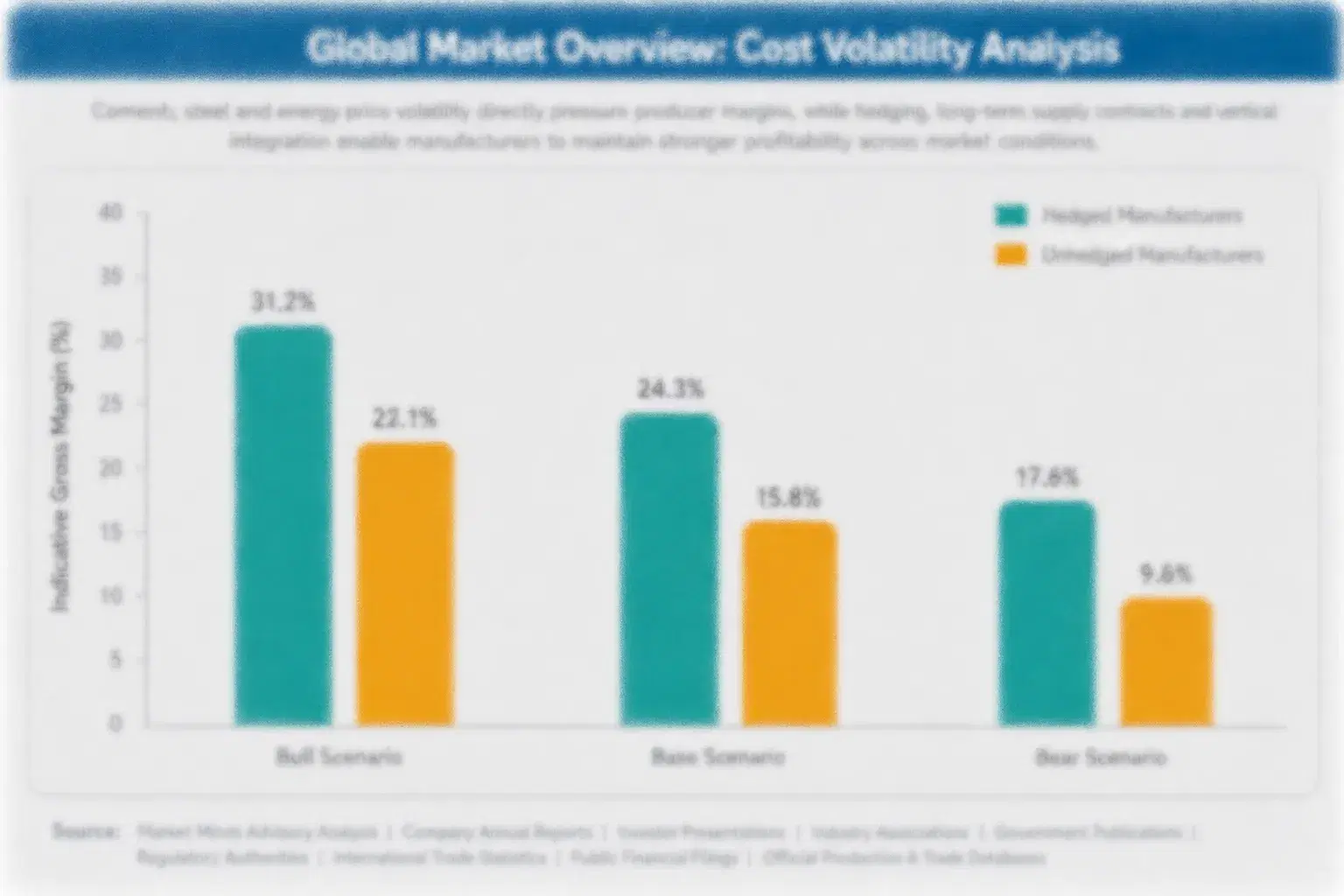
Specialized GPU processing chips, high-resolution camera sensors, and edge-AI processing modules together account for roughly 38% to 46% of total equipment cost of goods sold, sourced from a concentrated group of specialized processing and sensor component manufacturers located primarily across Japan, the United States, and Germany, limiting builder bargaining power considerably on pricing. Precision gearing and calibration sensors add further cost concentration among specialized global suppliers.
The 2021 and 2022 global semiconductor shortage pushed input costs and lead times for GPU processing chips and camera sensor electronics up significantly, delaying equipment deliveries industrywide and forcing several equipment makers to redesign control systems around more readily available component alternatives during the disruption period, according to IEA supply chain commentary and company annual report disclosures documenting the severity. Makers with diversified sourcing relationships navigated this disruption with considerably less delay than single-supplier competitors.

Equipment makers concentrated in a single processing architecture carry more exposure to that architecture's specific component supply cycle than diversified manufacturers selling across cloud-based, edge-AI, and hybrid systems simultaneously, since a diversified manufacturer can shift sourcing emphasis toward whichever supplier currently offers the more favorable cost and availability position across its full product range. This advantage widens with scale.
ai-powered-packaging-inspection-machine-market-cost-volatility-analysis-1791477125845

Multi-Supplier GPU and Sensor Sourcing Strategies

Larger equipment makers maintain relationships with multiple GPU processing and camera sensor component suppliers across different regions, insulating production schedules from any single supplier's disruption and letting them offer customers more reliable delivery timelines negotiated directly across equipment contracts this cycle. Food and pharmaceutical accounts particularly value these shortened delivery timelines. across most served regions.

Component Standardization Across Platform Generations

Equipment makers are standardizing GPU and sensor components across multiple platform generations, reducing the number of unique parts requiring dedicated sourcing relationships and simplifying inventory management considerably across their broader manufacturing operations and service networks. Engineering teams report meaningful reductions in design cycle time. Engineering teams report meaningful reductions in design cycle time across the portfolio and service network.

Portfolio Architecture for Margin Defence

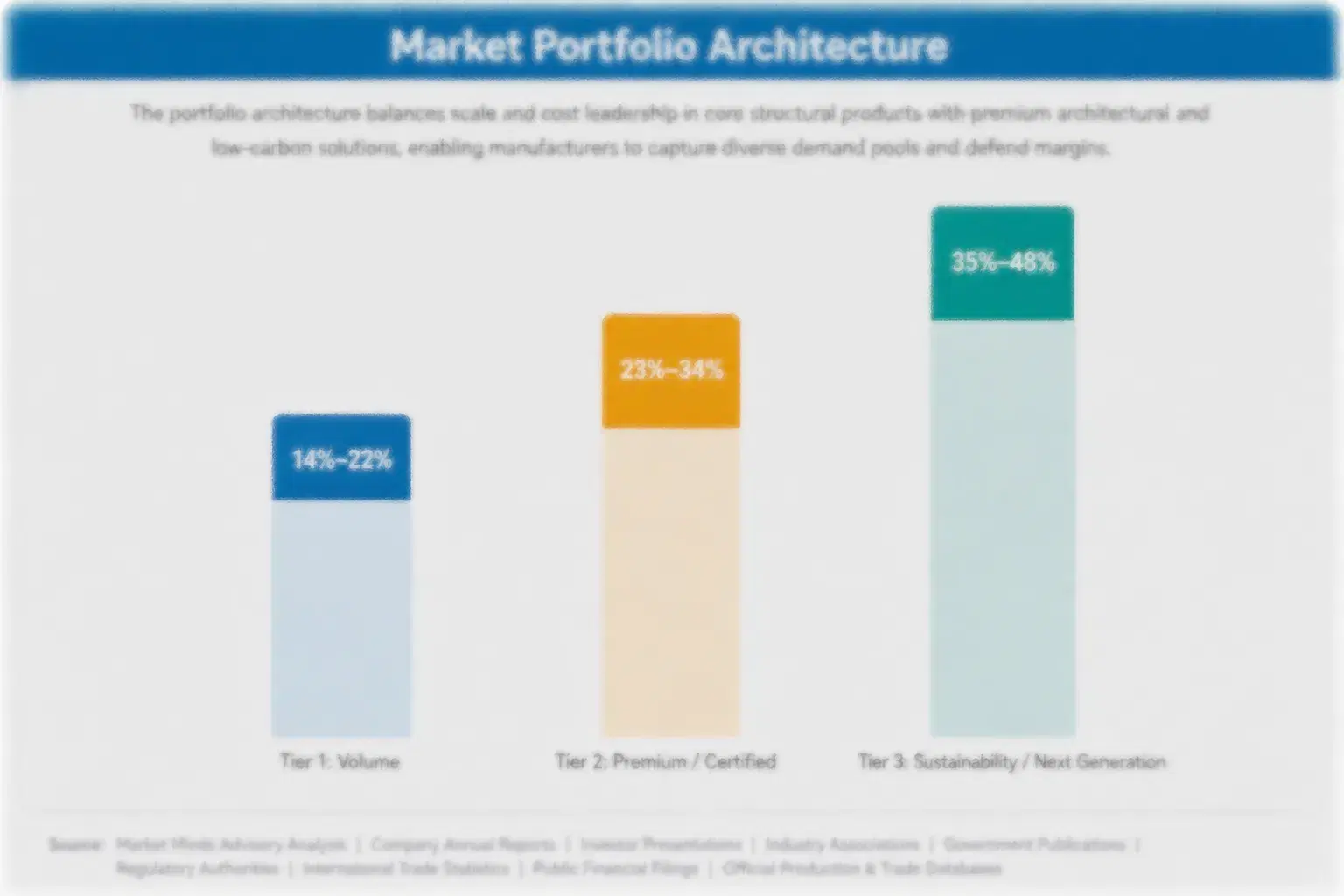
The market organizes into three tiers: a volume tier built on conventional rule-based vision equipment sold on price, a premium tier built on deep-learning and edge-AI systems that command a validation-driven price premium, and a next-generation tier built on fully flexible multi-defect platforms still expanding beyond the largest regulated accounts. Gross margin in the next-generation tier runs meaningfully above the volume tier's level across comparable accounts.
Volume tier competition remains intensely price-driven, with makers competing on reliability and upfront cost, leaving little room for margin expansion absent a shift in customer validation priorities. Premium tier demand is growing meaningfully faster as traceability and defect variability both push specification toward deep-learning equipment, creating real tension for makers deciding how quickly to shift capacity allocation. Asian challengers compete almost entirely on price within the volume tier today.

High-value margin pools concentrate specifically around deep-learning and edge-AI systems sold under bundled validation service agreements to manufacturers facing active regulatory or quality pressure, a pool that rewards equipment makers with broad technology and service capability and penalizes rule-based-only specialists regardless of installed base volume. Builders lacking software or validation depth find themselves excluded from higher-margin accounts.

Volume / Commodity-Adjacent Tier

Conventional rule-based vision equipment sold largely on price and basic reliability to manufacturers not yet facing traceability or validation pressure. though even this tier faces mounting pressure as validation demands spread across more manufacturer segments over time.
Gross Margin: 12-18%

Premium / Certified Tier

Deep-learning and edge-AI systems commanding a validation-driven price premium, serving manufacturers under active regulatory or quality pressure. a tier capturing a growing share of total industry revenue as conversion accelerates each year.
Gross Margin: 26-33%

Sustainability / Regulatory / Next-Generation Tier

Fully flexible multi-defect platforms bundling model validation and digital traceability documentation for the strictest regulatory accounts. with volumes still modest today but expected to scale meaningfully as more manufacturers pursue full flexibility.
Gross Margin: 29-37%
ai-powered-packaging-inspection-machine-market-portfolio-architecture-1791477126036

High-value Sub-segments and Strategic Watch-out

Deep-Learning Conversion With Model Validation

Combines the fastest unit growth with the strongest account retention in the category, as traceability mandates accelerate conversion across food and pharmaceutical accounts industrywide. Pricing power here continues strengthening as regulatory scope widens. Equipment makers with strong validation libraries are best positioned to capture this expanding high-value pool.
Gross Margin: 28-35%

Flexible Multi-Defect Edge-AI Platforms

Commands strong margin and growing account retention together as manufacturers increasingly value versatility across varied defect category requirements served. Account retention stays strong once flexibility is embedded. Builders offering bundled service contracts are capturing most of this growing recurring-revenue opportunity across accounts. across accounts served.
Gross Margin: 25-32%

Legacy Rule-Based Vision Equipment

Represents meaningful unit volume today but carries the thinnest margin in the category, facing continuous downward price pressure and gradual share loss. Margin expansion depends mainly on volume scale here. Asian challengers compete aggressively on price within this segment across nearly every served market tracked today.
Gross Margin: 11-17%

Single-Technology Manufacturer Concentration

A genuine strategic watch-out as makers offering only rule-based equipment face mounting pressure from deep-learning conversion accelerating across nearly every served category today. Builders slow to diversify risk losing accounts. Builders still selling only rule-based equipment risk exclusion from shortlists as conversion spreads further. across more categories.
Gross Margin: 12-18%

Validation Relationships Anchor Long Manufacturer Accounts

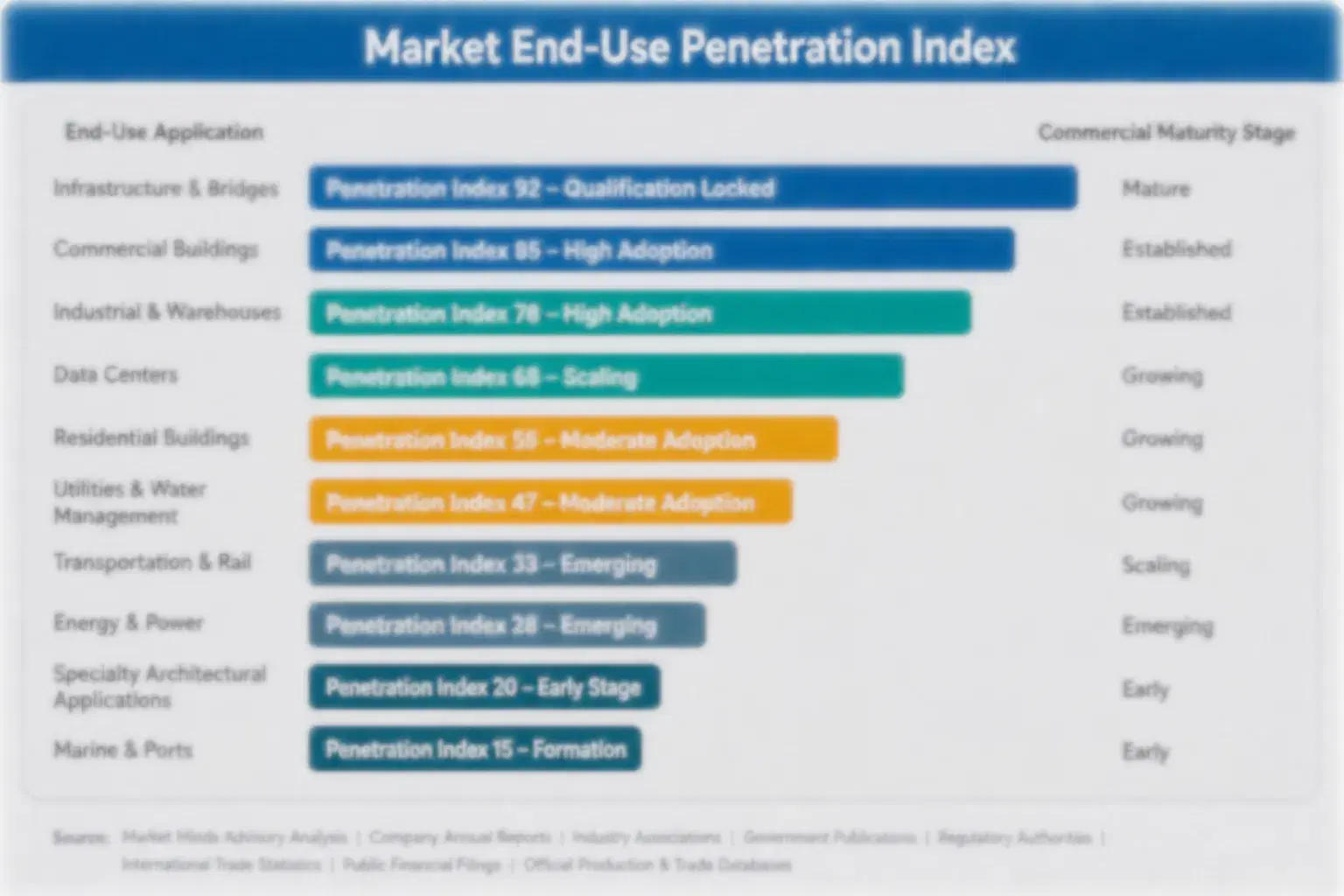
Once a manufacturer converts to deep-learning or edge-AI inspection equipment validated against a specific defect library, the resulting supplier relationship behaves like an annuity for many years afterward, since switching equipment makers requires requalifying model accuracy against internal and regulatory standards, a costly process most manufacturers avoid absent a serious reliability failure prompting reconsideration. That annuity quality is why equipment makers invest heavily in winning the initial validation relationship.
Adoption depth varies by manufacturer type: large food and pharmaceutical companies facing acute traceability pressure adopt deep-learning equipment comprehensively across their entire production network, mid-size manufacturers adopt selectively for their highest-value product lines, and smaller manufacturers remain price-driven and slower to convert absent direct compliance pressure of their own driving the purchasing decision. Makers misjudging manufacturer type often over-invest in marketing smaller accounts never requested.

Buyer profiles are shifting as equipment purchasing decisions move from pure engineering authority toward quality assurance and IT teams who weigh model validation and data governance alongside raw equipment price, a change that rewards equipment makers able to speak credibly to both compliance and production economics in the same sales conversation. rewarding makers who translate model data into terms IT teams readily understand.
ai-powered-packaging-inspection-machine-market-end-use-penetration-index-1791477126220

Where MMA Sees the Opportunity

These are among the four positions where our research anticipates prominent divergence between winners and laggards over the coming forecast period. Each is grounded in the demand model, the regulatory perimeter, and the announced capacity pipeline.
01 / DEEP-LEARNING CONVERSION CAPTURE

Back equipment makers capturing deep-learning conversion early

Deep-learning conversion is becoming the clearest growth opportunity in a market where traceability pressure determines which equipment maker wins a manufacturer's long-term relationship across its full production network. Makers with dedicated conversion sales teams are identifying and winning these accounts faster than rivals waiting for manufacturers to initiate the conversation themselves. We expect this advantage to compound further as mandates tighten, with the largest remaining accounts going to makers who invested earliest in validated deep-learning capability, with the largest remaining accounts going to makers who moved first.
02 / MODEL VALIDATION BUNDLING

Prioritize model validation services ahead of rivals

Model validation services are shifting from a niche offering into an explicit purchasing requirement as manufacturers face tightening regulatory documentation standards across food and pharmaceutical categories they increasingly serve. Equipment makers investing early in this service capability are capturing accounts before competitors can match the documented compliance evidence with comparable offerings of their own design. We expect this gap to persist and widen further as documentation standards tighten across more jurisdictions., rewarding early movers with sustained pricing power across nearly every account they win.
03 / EDGE-AI PLATFORM DEVELOPMENT

Expand flexible multi-defect edge-AI platforms across accounts

Flexible multi-defect edge-AI platforms are becoming an explicit purchasing requirement as manufacturers increasingly want to serve varied product catalogs without purchasing multiple dedicated systems for each defect category they monitor across their portfolio. Equipment makers investing early in this flexibility are capturing accounts before competitors can match the technical achievement with comparable equipment of their own design. We expect this technical gap to persist for several more years across most regions tracked., becoming the clear baseline expectation among large manufacturing accounts industrywide.
04 / SMALLER MANUFACTURER FINANCING

Expand financing to capture price-sensitive manufacturers

Financing programs targeting smaller manufacturers facing the same traceability pressure as larger competitors but lacking comparable capital budgets represent a reliable and growing opportunity as this pressure continues spreading across the broader manufacturing base worldwide. Equipment makers offering flexible financing are converting these accounts faster than those requiring outright capital purchase upfront. We expect this underserved segment to keep expanding meaningfully as more manufacturers reach the threshold where conversion becomes economically justified over time, with more manufacturers reaching this threshold sooner than expected.

Engagement Snapshot From the Field

A live engagement with an industry participant carrying material or product regulatory and market exposure ahead of a defining policy shift, showing how our research translates into a defensible multi-year portfolio strategy.
MARKET MINDS ADVISORY · CLIENT ENGAGEMENT SUMMARY
AI Powered Packaging Inspection Machine Producer Strategic Portfolio Review and Transition Roadmap 2026·Investment Scenario on AI Powered Packaging Inspection Machine Exposure Evaluation 2025-26
CLIENT PROFILE
The client operates a regional food manufacturing network across three facilities in the midwestern United States, inspecting a catalog of roughly ten distinct packaged food formulations across dedicated rule-based vision lines (client-reported, unverified by MMA). The client had observed rising false rejection rates over the preceding eighteen months without reassessing its inspection equipment. The client had not previously benchmarked rejection rates against comparable regional manufacturers.
STRATEGIC CHALLENGE
Leadership needed to decide whether converting to deep-learning inspection across all three facilities would recover enough false rejection cost to justify the capital investment, or whether continuing with existing rule-based equipment while absorbing rising rejection rates remained the more prudent near-term path forward for the business. Leadership needed clarity before the next annual capital planning cycle began.
MMA APPROACH
MMA conducted a false rejection rate and defect classification audit across the client's three facilities benchmarked against comparable manufacturers already running deep-learning equipment, modeled projected savings under current and projected traceability compliance trajectories, and built a facility-by-facility conversion sequencing plan prioritizing the highest-rejection product lines first. MMA also interviewed the client's quality team to confirm rejection trends under current production schedules.
KEY FINDINGS
  1. The client's existing rule-based equipment carried an average false rejection rate roughly triple the rate typical of comparable deep-learning equipment across the same production volume (client-reported, unverified by MMA).
  2. Annual rejection cost at the client's highest-volume facility alone exceeded the projected annual financing cost of deep-learning conversion across all three facilities combined, strengthening the investment case considerably for leadership.
  3. Vendor financing reduced the client's upfront capital requirement for full conversion by roughly 37%, improving the investment's near-term cash flow profile for approval.
  4. Sequencing conversion by rejection rate severity rather than facility size captured the largest early cost savings well before the final facility completed its own conversion process.
RECOMMENDED STRATEGY
Phase 1: Phase 1 (Months 1 to 3): Convert the facility with the highest false rejection rate to deep-learning equipment using the vendor financing arrangement identified during diligence. Phase 2: Phase 2 (Months 4 to 8): Convert the remaining two facilities while renegotiating maintenance support into a single bundled multi-year agreement across all sites. Phase 3: Phase 3 (Months 9 to 11): Complete optimization and document rejection reduction outcomes for corporate capital planning and leadership review.
OUTCOME
Within eleven months the client completed conversion across all three facilities, reporting blended false rejection rate down roughly 62% network-wide and annual savings exceeding the full financing cost within the first year of operation (client-reported, unverified by MMA). Leadership credits the phased approach with avoiding disruption to ongoing production commitments.

Frequently Asked Questions

Foundational context covering the market sizes, CAGR, scope, country, region and competition that inform every finding below. This section is provided to cover basics and most often pre-purchase conversations, answered from the MMA Primary Research Dataset.

What is the current size of the AI Powered Packaging Inspection Machine Market?

The market reached an estimated $1.18 billion globally in 2025, covering AI and deep-learning vision inspection systems for defect detection, label verification, and fill-level checking.

How large will the AI Powered Packaging Inspection Machine Market be by 2036?

MMA projects the market will reach approximately $4.02 billion by 2036, roughly 3.05 times its 2026 base of $1.32 billion as deep-learning conversion accelerates across industries.

What is the CAGR for the AI Powered Packaging Inspection Machine Market 2026 to 2036?

The market is projected to grow at an 11.8% compound annual growth rate between 2026 and 2036, with a bull case of 13.1% and a bear case of 10.5%.

Which segment is growing fastest?

Deep-learning defect detection systems are growing fastest at a 14.6% CAGR, roughly 1.24 times the overall market rate, as manufacturers pursue adaptive classification accuracy. across most accounts tracked.

Who are the major companies in the AI Powered Packaging Inspection Machine Market?

Cognex Corporation, Omron Corporation, Keyence Corporation, ISRA VISION, and Mettler-Toledo lead the market, together holding an estimated 34% combined share of installed base across all served regions.

Which country is growing fastest?

India is growing fastest at an estimated 13.9% CAGR as its food, pharmaceutical, and electronics manufacturing capacity expands rapidly across the subcontinent. across most markets tracked this cycle.

AI Powered Packaging Inspection Machine Segments Covered

The full report scope spans multiple orthogonal segmentation dimensions, with cross-tabulated demand data provided for each dimension pair. Coverage extends further to regional breakdowns, trend trajectories, and the competitive detail needed to support segment-level decision-making.

By Inspection Capability and Processing Technology

  • Deep-Learning Defect Detection Systems
  • AI Label and Print Verification Systems
  • AI Fill-Level and Weight Inspection Systems
  • AI Code and Date Verification Systems
  • Edge-AI Real-Time Inspection Systems

By End-Use Industry

  • Food and Beverage
  • Pharmaceuticals
  • Personal Care and Cosmetics
  • E-Commerce and Logistics
  • Contract Manufacturing

By Commercial Dimension

  • Equipment Capital Purchase
  • Equipment Lease and Financing Model
  • Bundled Validation Service Agreements
  • Direct Manufacturer Sales

By Region

  • North America
  • Western Europe
  • East Asia
  • South Asia and Pacific
  • Latin America
  • Middle East and Africa
  • Eastern Europe

Scope, Methodology, and Coverage

Every figure in this report is reproducible from documented input assumptions. The scope below maps the historical period, the forecast horizon, the segmentation dimensions, and the countries covered, alongside the underlying primary and qualitative methodology.
Historical Period
2020 to 2025
Forecast Period
2026 to 2036
Base Year
2025 (USD billions; MMA Primary Research Dataset, October 2026)
Market Definition
This report covers machine vision inspection systems that use AI and deep learning algorithms for automated defect detection, label and print verification, fill-level checking, and code and date verification integrated into packaging production lines. It excludes rule-based machine vision inspection systems without deep learning capability, manual visual inspection stations, and metal detection or X-ray foreign object detection equipment.
Quantitative Units
USD billions (current prices); installed system units; typical defect detection accuracy by percentage
Segmentation Dimensions
By Inspection Capability and Processing Technology; By End-Use Industry; By Commercial Dimension; By Region
Regions Covered
North America, Western Europe, East Asia, South Asia and Pacific, Latin America, Middle East and Africa, Eastern Europe
Countries Covered
USA, China, Germany, France, UK, Japan, South Korea, India, Australia, Canada, Brazil, Mexico, Indonesia, Vietnam, Thailand, Malaysia, UAE, Saudi Arabia, South Africa, Nigeria, Turkey, Poland, Netherlands, Italy, Spain, Sweden, Switzerland, Argentina, Colombia, Singapore, and additional markets relevant to this sector
Key Companies Profiled
Cognex Corporation, Omron Corporation, Keyence Corporation, ISRA VISION, Mettler-Toledo, Sick AG, Teledyne DALSA, Basler AG, National Instruments, Zebra Technologies, Datalogic, Honeywell Intelligrated, Instrumentation Laboratory, Shanghai NJP Machinery, Guangzhou Hongzhan Machinery, Nichrome India, Autopac Inc., WeighPack Systems, Bausch Advanced Technology, ProMach
Quantitative Methodology
Primary survey, n=3,800 respondents, Q4 2025, six countries; demand-side model with trade association cross-validation
Qualitative Methodology
47 expert interviews, Q4 2025; applied to validate demand model assumptions, identify emerging dynamics, and assess competitive positioning
Report Format
PDF and XLSX data workbook (Word format preview document)
Publisher
Market Minds Advisory
Report Code
MMA-2026-PAC-205
Published
October 2026
Contact
sales@marketmindsadvisory.com | www.marketmindsadvisory.com

Purchase the full AI Powered Packaging Inspection Machine Market Report (2026 to 2036).

This report delivers a complete market model for the AI-powered packaging inspection machine market, including segment-level and regional forecasts through 2036 alongside the five-year historical base across food, pharmaceutical, and e-commerce applications. It profiles twenty equipment makers, benchmarking competitive positioning on deep-learning technology breadth, validation capability, and installed system base. The report quantifies the traceability-driven conversion opportunity by region and models bundled model validation and financing contract economics against equipment-only sales. A dedicated chapter models validation lock-in dynamics by manufacturer account type. It also quantifies compliance fee exposure by jurisdiction and account type.
Segment and regional forecasts through 2036
Twenty-maker competitive benchmarking on validation depth
Traceability-driven conversion opportunity sizing by region
Bundled model validation and financing economics modeling
Component sourcing cost exposure and mitigation chapter
Downloadable data workbook with full regional detail

Built For The People Who Decide

From boardroom strategy to bench-side execution, this report is read cover-to-cover by leaders shaping the next decade of their industry, turning demand scenarios, market dynamics and valuation benchmarks into decisions.
CXOs/ Presidents/ VPs/ Managers
M&A and Corporate Development
Strategy Teams and R&D Heads
Procurement and Product Directors
Regulatory and Compliance Leaders
Investor Relations and Equity Analysts