
Market Minds Advisory
Zero-Waste Refill Packaging Market

Zero-Waste Refill Packaging Market: Zero-Waste Refill Packaging Market. Material Reduction Depth Meets Retailer Sustainability Scorecards

A consumer-goods brand betting on concentrate refill formats over conventional packaging is really wagering material-reduction depth will outweigh the formulation cost involved this cycle. That pattern shows few signs of slowing down across most major.

Lead Analyst

Published

October 2026

Make Smarter Decisions with Customized Research Insights

Request a free sample report and evaluate market opportunities, growth trends, and competitive dynamics relevant to your business needs.

2025 MARKET VALUE$2.1BMarket Size 2025
2036 FORECAST VALUE$7.9BBase Case , 2026 to 2036
CAGR 2026 TO 203612.6 %Bull 13.9% / Bear 11.3%
INCREMENTAL OPPORTUNITY$5.5BNet 10- year value creation
EXPANSION MULTIPLE3.28x2036 value over 2026 base
Strategic Levers
M&A Pipeline
Regional Outlook
Country Rankings
Competitive Intelligence
Segmental Deep-dive
Call-Us : 91 93563 13602

Executive Snapshot and Market Trajectory.

Zero-waste refill packaging demand is accelerating sharply as consumer-goods brands launch concentrate pouches and refill cartridges across personal-care and household categories to meet plastic-reduction expectations, a shift gaining pace across most major developed markets this year. That pattern shows few signs of slowing down across most major accounts today.
Growth concentrates where material-reduction depth and brand-loyalty mechanics intersect with retailer shelf-space economics: concentrate pouch formats sold through expanding personal-care brand programs, refill cartridge systems sold through specialty household-cleaning channels, and bulk dispensing containers sold through broad grocery and direct-to-consumer networks across Western Europe and increasingly North America as both regions race toward the same plastic-reduction targets. That pattern shows few signs of slowing down across most major accounts today. Specialists report accelerating order volume.
Competitive intensity centers on material-reduction depth and refill-compatibility consistency rather than price alone, since brands increasingly treat verified plastic-reduction performance as a binding purchasing requirement rather than a secondary consideration given mounting retailer sustainability scorecards and consumer scrutiny attached to packaging claims across most developed consumer markets broadly. That pattern shows few signs of slowing down across most major accounts today.
Market Definition
The zero-waste refill packaging market covers concentrate pouches, refill cartridges, bulk dispensing containers, and other refill-format packaging materials engineered to let consumers replenish household, personal-care, and food products without discarding the primary container. It is a materials-and-format-focused market, distinct from the equipment layer covered under the Retail-Based Liquid Packaging Refill Kiosks Market and from the PCR-material-specific drill-down covered under the Refill-System-Compatible PCR Packaging Market, and excludes the broader systems-and-infrastructure framing covered under the Refillable, Low-Waste and Modular Packaging Market.
Base Year Value
$2.1B in 2025 (MMA Primary Research Dataset, October 2026)
Forecast Period
2026 to 2036, eleven discrete annual values
CAGR
12.6% base case. Bull 13.9%. Bear 11.3%.
Fastest Growth Segment
Refill Cartridge Systems: 14.8% CAGR
Fastest Growth Country
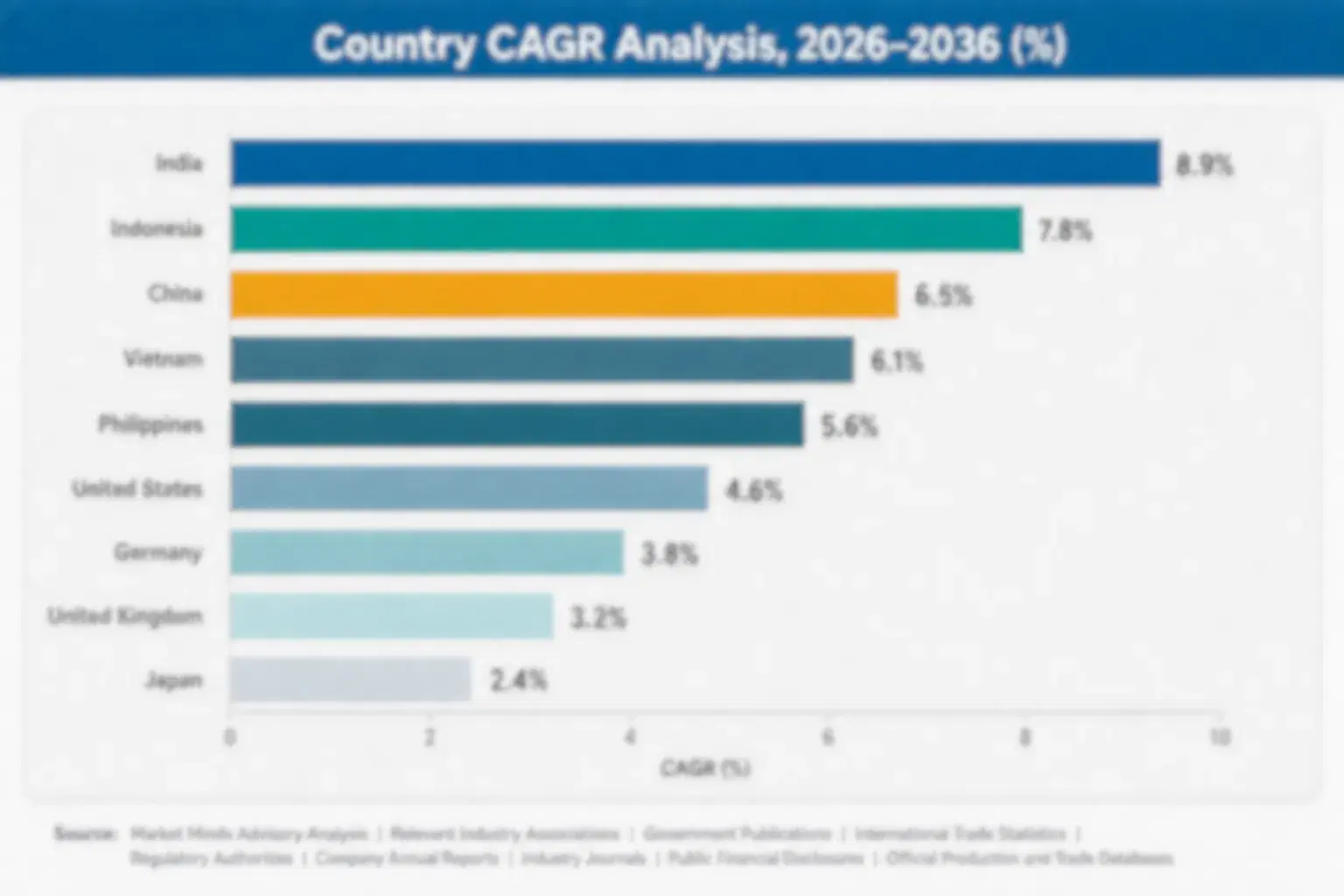
France: 14.1% CAGR
Fastest Growth Region
South Asia and Pacific: 14.6% CAGR
Largest Region
Western Europe: 26% of 2025 global value
Market Leaders
Berlin Packaging LLC, ALPLA Group, Amcor plc, Henkel AG and Co. KGaA, and Unilever PLC lead the market. Source: MMA Analysis based on company annual reports and investor filings.
Primary Survey
n=3,800 procurement and R&D decision-makers, Q4 2025, six countries
Methodology
Demand-side build-up, cross-validated against public data, 47 expert interviews

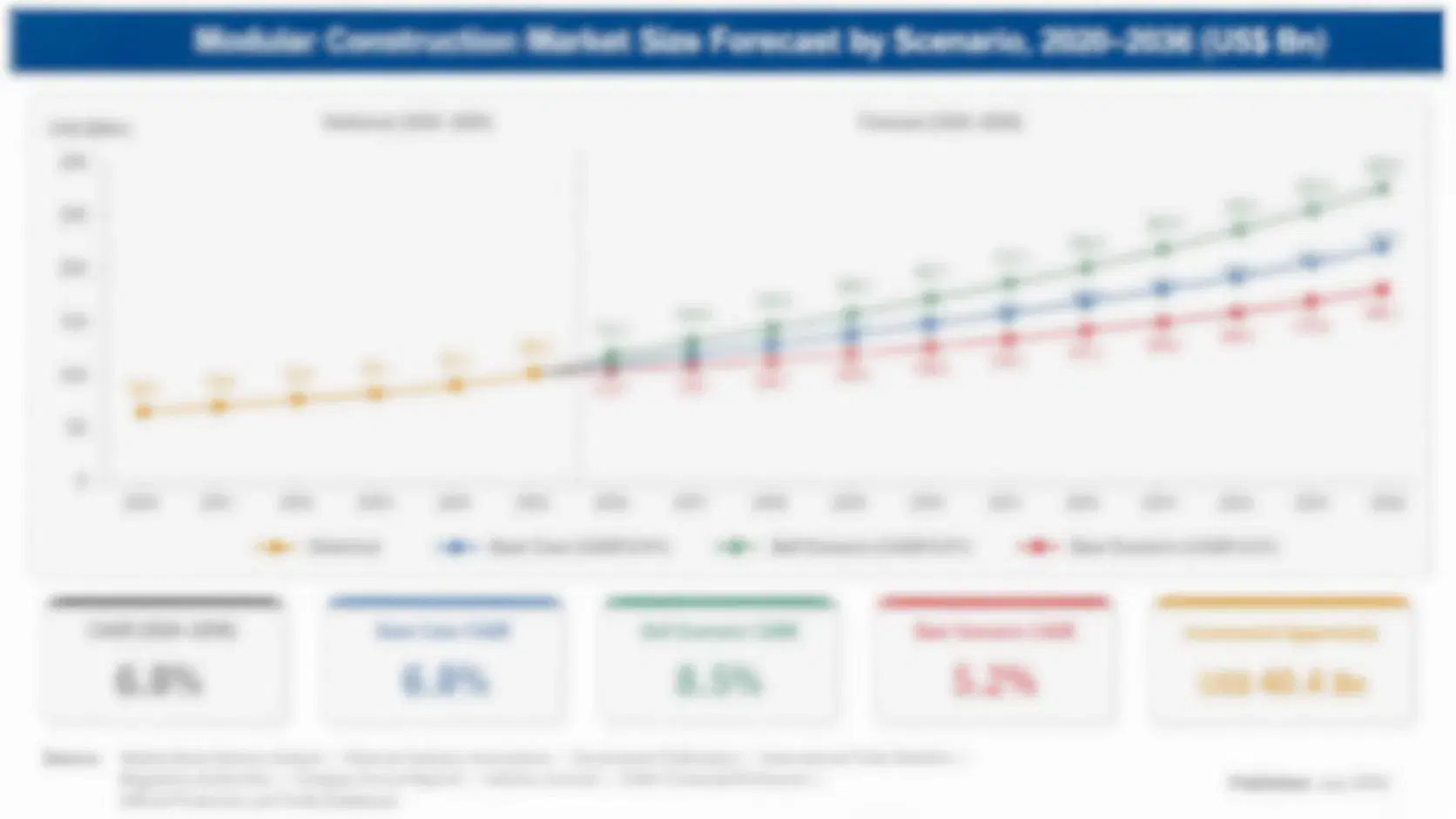
Zero-Waste Refill Packaging Market Forecast Scenarios

zero-waste-refill-packaging-market-size-forecast-scenario-1791696238937
Between 2020 and 2025, zero-waste refill packaging adoption grew steadily as early-mover personal-care brands piloted basic concentrate pouch formats across a handful of flagship product lines in developed European and North American markets, with refill cartridge systems emerging as a distinct growth driver in the final two years. That pattern shows few signs of slowing down across most major accounts today.
The base case assumes accelerating concentrate-pouch and cartridge deployment as brands expand pilot lines into full category-wide rollouts across every major developed consumer-goods category, continued material-reduction technology investment tied to retailer sustainability-scorecard requirements, and continued consumer-adoption growth as refill behavior normalizes across repeat buyers. Brand capital commitments across the United States, United Kingdom, and France support this trajectory through at least 2036. That pattern shows few signs of slowing down across most major accounts today.
A bull scenario assumes accelerated plastic-reduction regulation and retailer scorecard pressure push refill-packaging investment well ahead of current projections across most major developed consumer markets this decade specifically. A bear scenario assumes persistent consumer-convenience resistance and slow habit change limit brand capital commitment meaningfully below current expectations across the broader category overall. That pattern shows few signs of slowing down across most major accounts.

When Material Reduction Depth Decides The Scorecard

Zero-waste refill packaging combines concentrate, cartridge, and bulk-dispensing material formats engineered to let consumers replenish household, personal-care, and food products without discarding the primary container across grocery and direct-to-consumer retail formats. Brands compete on material-reduction depth and refill-compatibility consistency, since retailers increasingly treat verified plastic-reduction performance as a binding purchasing requirement given mounting sustainability scorecards. That pattern shows few signs of slowing down across most major accounts today.
MARKET CONCENTRATION (CR5)27%Top five manufacturers hold just over a quarter of revenue
AVERAGE SELLING PRICE$3.40 per unitBlended average price across pouch and cartridge formats
TOP PRODUCING COUNTRY SHARE18%France hosts a leading share of global refill manufacturing
CAPACITY UTILIZATION76%Installed flexible-film and cartridge lines run near capacity
FEEDSTOCK COST SHARE29%Flexible-film resin inputs dominate total manufacturer cost structure
TRADE INTENSITY24%Share of refill volume moving across international trade lanes
Average selling prices for refill formats scale with material-reduction sophistication and concentrate potency, with multi-use cartridge and bulk-dispensing systems commanding a meaningful premium over basic single-use concentrate pouches sold through conventional grocery programs. Installed brand-portfolio share remains concentrated among manufacturers who have invested in concentrate-formulation research, since basic dilution-only formulas rarely achieve the material-reduction levels retailers now require for sustainability-scorecard-critical categories.
Feedstock exposure centers on flexible-film and specialty-barrier resin inputs, sourced through a mix of petrochemical and recycled-content supply networks across multiple continents. Trade intensity is relatively high, as manufacturers export refill-format packaging across developed consumer markets wherever local converting infrastructure has not kept pace with brand-driven demand for plastic-reduction formats, a pattern favoring manufacturers with established multi-region sourcing footprints. That pattern shows few signs of slowing down across most major accounts.
"A brand betting its entire sustainability strategy on a single refill-format manufacturer is really betting that material-reduction performance holds across every reformulation cycle, and that single bet is exactly why reduction depth now separates the manufacturers winning multi-year retailer contracts."
Director, Consumer Packaging Sustainability Practice · MMA Packaging Practice · October 2026

Market Trends

Refill Cartridge Systems Scale Up Rapidly

Household-cleaning brands racing to expand plastic-reduction commitments increasingly specify refill cartridge systems previously limited to a handful of flagship product lines, applying documented material-reduction engineering across an expanding list of mid-size brands as retailer scorecard expectations increasingly make verified plastic-reduction performance a measurable procurement attribute rather than a manageable formulation detail. This shift is creating substantial new demand beyond the category's traditional pouch base, giving cartridge-capable manufacturers a genuine growth avenue tied to specification-driven adoption rather than pure basic-grade volume growth. Manufacturers with established brand relationships are capturing disproportionate share of this expanding demand worldwide.
Market Impact: Sustains 25% of category volume
Concentrate Pouches Gain Personal Care Rollout

Continued retailer sustainability-scorecard pressure lifts concentrate pouch demand sharply, since every major personal-care brand crossing competitive developed markets increasingly explores low-material refill formats regardless of broader cartridge-category trends occurring elsewhere. Buyers depend on reliable material-reduction performance and dilution consistency specifically because formulation failures directly threaten brand-reputation and consumer-trust claims at scale across chains. Manufacturers with established brand relationships benefit from durable, multi-year rollout contracts tied to proven performance across major accounts worldwide broadly today. That pattern shows few signs of slowing down across most major accounts today. Specialists report accelerating order volume tied directly to this expanding demand worldwide.
Market Impact: Adds 3-5% of conversion-driven volume

Market Opportunities and Growth Drivers

Retailer Scorecard Pressure Sustains Core Demand

Continued retailer sustainability-scorecard pressure sustains predictable baseline demand, since every brand account crossing competitive developed markets requires functioning refill-format packaging regardless of broader cartridge-category trends occurring elsewhere in the market. Buyers depend on reliable material-reduction performance specifically because formulation failures directly threaten consumer-trust and liability claims at scale. Manufacturers with established brand relationships benefit from durable, multi-year supply contracts tied to proven performance across major accounts worldwide. This durability has held steady across multiple business cycles without meaningful disruption so far. That pattern shows few signs of slowing down across most major accounts today.
Market Impact: Limits 3-5% of near-term conversion

Single Use To Refill Conversion Sustains Growth

Continued single-use-to-refill conversion sustains durable growth that operates somewhat independently of pure pouch-category trends, since new compliance-focused brand cohorts generate fresh cartridge-grade demand regardless of existing pouch-category maturity. This driver gives manufacturers serving conversion-focused accounts a distinct growth mechanism tied to format-switching rather than mainstream-segment volume alone. Manufacturers with established brand relationships are capturing disproportionate share of this steadily expanding demand across major accounts worldwide. Few predict this momentum slowing soon worldwide. That pattern shows few signs of slowing down across most major accounts today. Specialists report accelerating order volume tied directly to this expanding demand worldwide.
Market Impact: Adds 2-4% of testing cost

Market Restraints and Challenges

Consumer Convenience Resistance Still Limits Adoption

Manufacturers face persistent exposure to a meaningful adoption constraint from consumer-convenience resistance to refill formats, since refill-packaging economics by design cannot easily overcome habitual single-use purchasing once a shopper's existing routine crosses a certain point relative to established in-store product placement. The underlying cause is that convenience-switching economics trade off against the near-term shelf-space allocation that retailers typically grant across their category-planning cycle. Manufacturers are mitigating this by developing simplified one-step refill mechanisms engineered specifically for convenience-sensitive shoppers. That pattern shows few signs of slowing down across most major accounts today.
Market Impact: Adds 4-6 points cartridge system volume

Formulation Consistency Gap Still Limits Trust

Manufacturers face persistent exposure to a meaningful trust constraint from concentrate-formulation variance across batches, since material-reduction economics by design cannot easily guarantee uniform dilution performance once a brand's formula-stability profile crosses a certain point relative to standard legacy-ready-to-use assumptions. The underlying cause is that consistency-guarantee economics trade off against the rapid reformulation demands that manufacturers typically pursue across their annual product-refresh schedules. Manufacturers are mitigating this by developing standardized dilution-testing protocols adaptable across varying formula conditions already anticipated. That pattern shows few signs of slowing down across most major accounts today.
Market Impact: Lifts concentrate pouch demand 3-5%
3 additional market trends, 4 additional growth drivers, and 2 additional restraints and challenges are covered in the full report. Contact sales@marketmindsadvisory.com to access the complete intelligence.

Segment CAGR and Growth Architecture

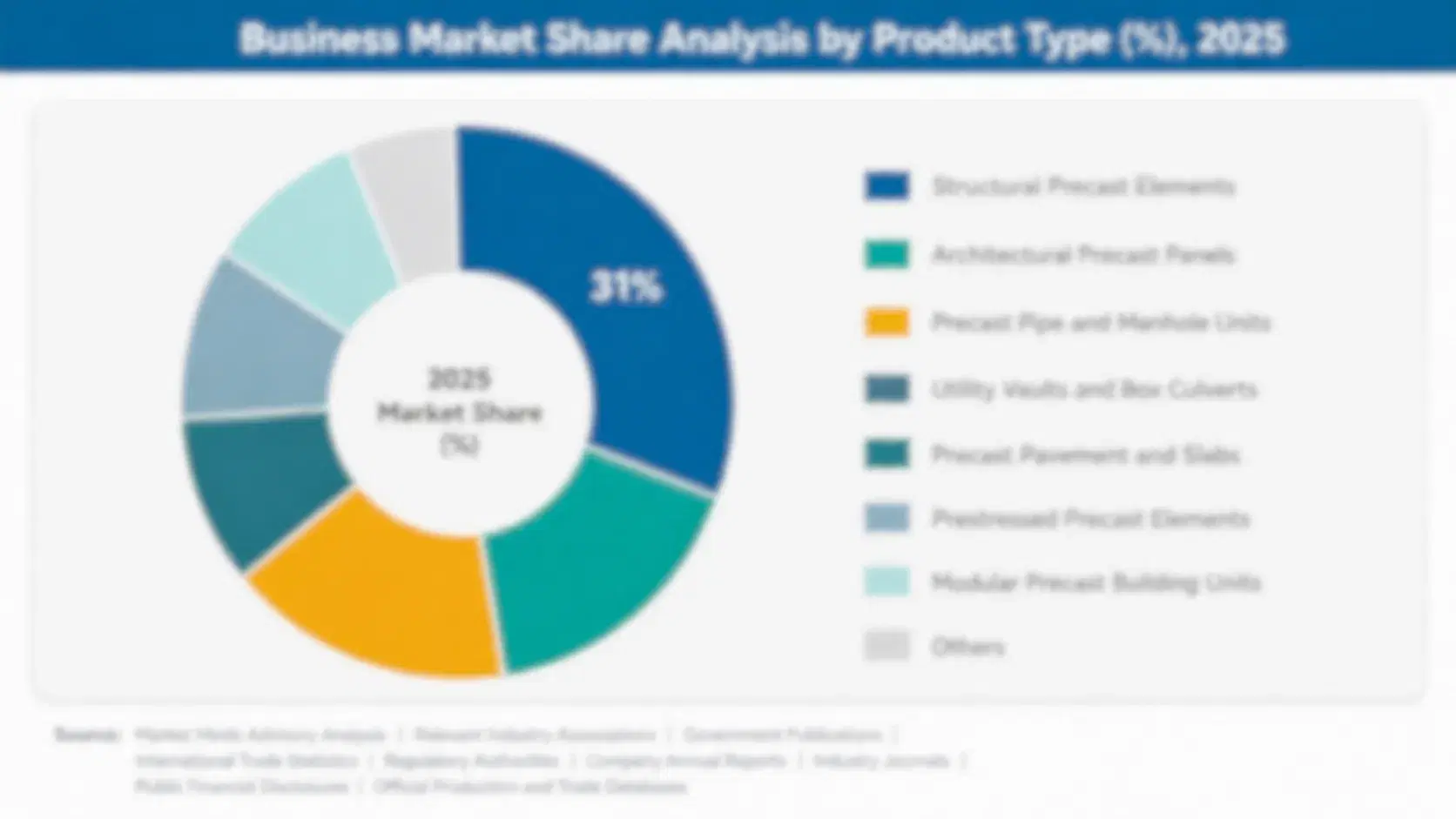
Format-type dimension, not product-category classification, is the clearest segmentation lens here, since material-reduction and dilution requirements vary primarily by the refill mechanism each manufacturer deploys. That pattern shows few signs of slowing down across most major accounts today. Specialists report accelerating order volume tied directly to this expanding demand worldwide. This durability looks unlikely to weaken soon across most major.
zero-waste-refill-packaging-market-market-share-analysis-1791696239109

Refill Cartridge Systems

Refill cartridge systems are the fastest-growing segment because manufacturers increasingly respond to household-cleaning brands previously served only through single-use spray bottles to meet rising retailer sustainability-scorecard requirements across competitive developed consumer markets. Manufacturers with established brand relationships are capturing disproportionate share of this specification-driven demand as more brands expand existing cartridge programs. This segment commands meaningfully higher unit price growth than other categories, reflecting the sheer material-engineering complexity of cartridge systems involved. Several major household-cleaning brands have already announced expanded cartridge conversion targets across developed markets. That pattern shows few signs of slowing down across most major accounts today. Specialists report accelerating order volume tied directly to this expanding demand worldwide.
CAGR 14.8%

Concentrate Pouch Formats

Concentrate pouch formats are the second-fastest segment, growing as retailer sustainability-scorecard enforcement continues across major developed markets and personal-care brands increasingly require documented material-reduction performance across competitive retail networks. Manufacturers with established brand relationships are capturing disproportionate share of this specification-driven demand as more brands expand existing pouch infrastructure. This segment commands a durable average selling price relative to standard ready-to-use grades, reflecting the specialty concentrate-formulation complexity involved. Pricing for this segment has held firm even as overall category volume keeps expanding steadily worldwide. That pattern shows few signs of slowing down across most major accounts today. Specialists report accelerating order volume tied directly to this expanding demand worldwide. This durability looks unlikely to weaken soon across most major markets.
CAGR 13.9%
Full segment breakdown across 6 segments available in the complete report.

Regional Architecture and Country Demand Map

Western Europe leads regional demand, reflecting the region's deepest plastic-reduction regulation and brand-adoption base. North America follows closely behind. That pattern shows few signs of slowing down across most major accounts today. Specialists report accelerating order volume tied directly to this expanding demand worldwide. This durability looks unlikely to weaken.

North America

North America's zero-waste refill packaging market reflects the region's rapidly expanding personal-care and household-cleaning brand pipelines, led by the United States' extensive consumer-goods manufacturing infrastructure. US manufacturers including major flexible-packaging specialists invest heavily in material-reduction differentiation to serve both retailer-scorecard goals and consumer-demand requirements nationally. Canada's established consumer-goods sector contributes meaningful demand tied to its own steady adoption pipeline. Mexico anchors a smaller, growing segment focused on urban-retail refill demand. That pattern shows few signs of slowing down across most major accounts today. Specialists report accelerating order volume tied directly to this expanding demand worldwide. This durability looks unlikely to weaken soon across most major markets currently. Few predict this momentum slowing meaningfully across major accounts broadly this cycle.
Share: 25% | CAGR: 13.1% (2026 to 2036)

Western Europe

Western Europe leads regional demand, reflecting the region's strict plastic-reduction regulation, led by France, Germany, and the United Kingdom's established personal-care and household-goods brand hubs. French and German manufacturers including major consumer-goods brands operate extensive refill-format product lines positioned near urban consumer clusters across the region. The UK's established retail sector contributes meaningful demand tied to its own expanding adoption pipeline. Spain and Italy contribute meaningful incremental demand tied to growing urban-retail sectors. That pattern shows few signs of slowing down across most major accounts today. Specialists report accelerating order volume tied directly to this expanding demand worldwide. This durability looks unlikely to weaken soon across most major markets currently.
Share: 26% | CAGR: 11.1% (2026 to 2036)
Regional intelligence for 5 additional markets available in the complete report: East Asia, South Asia and Pacific, Latin America, Middle East and Africa, Eastern Europe. Contact sales@marketmindsadvisory.com.
zero-waste-refill-packaging-market-country-cagr-analysis-1791696239287

Where Material Reduction Depth Becomes Margin

Manufacturers competing only on basic single-use pouch production face intensifying margin pressure, so the clearest paths to growth run through material-reduction engineering depth, brand relationship depth, and refill-compatibility research reach that buyers will pay for directly. That pattern shows few signs of slowing down across most major accounts today. Specialists report accelerating order volume tied directly to this expanding demand.

Developing Even Deeper Material Reduction Capability

Manufacturers that develop dedicated deeper material-reduction capability can win cartridge-conversion contracts that basic single-use-pouch-only competitors cannot access, since this category increasingly requires documented concentrate-stability reliability most generalist manufacturers never built internally across personal-care, household-cleaning, and South Asian platforms. This path requires meaningful investment in formulation engineering and dilution research capability, but opens a growing, higher-margin volume pool largely closed to generalist competitors across the industry. Manufacturers with existing engineering capability typically win contracts faster, capturing roughly 3 to 6% premium pricing once established with major brand accounts. That pattern shows few signs of slowing down across most major accounts today.
Market Impact: Commands roughly a 3 to 6 percent premium

Securing Even Deeper Brand Partnerships Directly

Manufacturers that secure deeper brand partnerships can win cartridge-format contracts that less-specialized competitors cannot access, since this category increasingly rewards demonstrated formulation-performance history most generalist manufacturers never achieved. This approach requires investment in dedicated formulation engineering and integration research, but rewards early movers with durable, recurring brand relationships as cartridge volumes continue expanding further. Manufacturers with established brand capability report revenue growing considerably above the category average, often 2 to 5% faster annually across accounts. That pattern shows few signs of slowing down across most major accounts today. Specialists report accelerating order volume tied directly to this expanding demand worldwide.
Market Impact: Grows brand-aligned volume roughly 2 to 5 percent

Further Extending Refill Compatibility Research Depth

Manufacturers that extend refill-compatibility research can capture direct-to-consumer channel contracts that standard-single-use-only competitors cannot serve as efficiently, since major grocery platforms increasingly require documented application-specific compatibility alongside basic concentrate formulation rather than accepting standard pouch grades alone. This approach requires sustained investment in compatibility-testing infrastructure, but rewards early movers with durable, recurring relationships as direct-to-consumer demand continues increasing. Manufacturers with established research programs report revenue growing considerably above the category average, often 2 to 5% faster annually. That pattern shows few signs of slowing down across most major accounts today.
Market Impact: Grows application-qualified volume roughly 2 to 5 percent

Securing Long Term Resin Supply Agreements

Manufacturers that secure long-term flexible-film resin supply agreements with major petrochemical suppliers can generate dependable, predictable margin stability that smooths the volatility typical of spot-market purchasing, since these agreements typically run multiple years tied to the manufacturer's own production-planning cycle once established firmly. This approach suits manufacturers with strong volume-commitment track records that major petrochemical suppliers specifically require in return for price protection. Manufacturers with established supply agreements report margin stability considerably higher, often 2 to 4% more predictable. That pattern shows few signs of slowing down across most major accounts today.
Market Impact: Adds roughly 2 to 4 percent more stability

Who Controls the Margin Pool

A fragmented group of five manufacturers hold roughly 27% of global revenue, with material-reduction depth and brand relationship range now separating credible refill-packaging manufacturers from basic commodity pouch suppliers. Berlin Packaging LLC and ALPLA Group sit ahead of the next tier on brand-portfolio scale and concentrate-formulation range respectively, a durable pattern across recent category cycles. That pattern shows few signs of slowing down across most major accounts today.
Competition plays out across three dimensions: material-reduction capability that commands premium pricing from compliance-conscious brand buyers, brand relationship depth that captures long-term supply contracts, and refill-compatibility research that opens direct-to-consumer channel contracts. Manufacturers that can credibly deliver on all three are winning the fastest-growing, highest-margin volume, while those still competing on conventional single-use pouch supply alone face continuous pressure from better-equipped entrants across most developed markets. That pattern shows few signs of slowing down.

Emerging pressure is coming from regional direct-to-consumer startups entering concentrate-pouch and cartridge production directly rather than licensing from established manufacturers, aided by their own formulation expertise and brand-customer positioning. Large grocery and consumer-goods retailers themselves are also becoming unexpected competitive factors, since in-house formulation expertise can translate directly into vertically integrated refill sourcing that bypasses contract manufacturers entirely.
zero-waste-refill-packaging-market-company-positioning-matrix-1791696239465

Competitive Moat and Risk Dimensions

BERLIN PACKAGING LLC

Moat: Deepest Brand Portfolio Scale

Berlin Packaging LLC holds the deepest brand-portfolio scale of any refill-packaging manufacturer in the category, giving it unmatched market access to serve major consumer-goods contracts consistently across multiple product categories that smaller competitors cannot replicate quickly. This scale has taken years to build. That pattern shows few signs of slowing down across most major accounts today.
BERLIN PACKAGING LLC

Risk: Slower Cartridge Format Responsiveness

Berlin Packaging's pouch-focused operating model leaves it somewhat slower to respond to cartridge-format requests than smaller, more flexible rivals with narrower product scope, potentially pressuring margin during periods of rapid specification change across its broad product portfolio. That pattern shows few signs of slowing down across most major accounts today.
ALPLA GROUP

Moat: Deepest Concentrate Formulation Range

ALPLA Group holds the deepest concentrate-formulation range of any manufacturer in the category, built over years of proven material-reduction reliability that smaller competitors cannot replicate quickly regardless of their basic single-use production capability. Few rivals can match this depth quickly. That pattern shows few signs of slowing down across most major accounts today.
ALPLA GROUP

Risk: Limited Low Cost Format Depth

ALPLA's premium-focused production leaves it less specialized in low-cost conventional-format engineering than competitors who invested earlier in dedicated cost-focused infrastructure, potentially limiting its appeal to the budget-conscious segment specifically across those regional accounts. That pattern shows few signs of slowing down across most major accounts today.

Players Tracked

Prominent Players

Berlin Packaging LLC
ALPLA Group
Amcor plc
Henkel AG and Co. KGaA
Unilever PLC

Other Key Players

TerraCycle US LLC
Algramo
By Humankind Inc.
Cleancult Inc.
Fillaree Inc.
Plaine Products LLC
Replenish LLC
EarthHero Inc.
Nohbo Inc.
GOJO Industries Inc.
Essity AB
Mondi Group
Stora Enso Oyj
International Paper Company
Sonoco Products Company

Recent Developments

FEBRUARY 2025

Berlin Packaging Expands Cartridge Manufacturing Capacity

Berlin Packaging LLC expanded its primary production facility to add high-speed cartridge-forming and concentrate-filling capacity, responding to sustained growth in specification-driven household-cleaning and personal-care demand while also investing in automated dilution-testing infrastructure for brand accounts worldwide. That pattern shows few signs of slowing down across most major accounts today.
Signal: Signals established manufacturers are scaling specification-driven production capacity well ahead of confirmed brand demand right now.
SEPTEMBER 2024

ALPLA Acquires Concentrate Formulation Technology Developer

ALPLA Group acquired a specialty concentrate-formulation technology developer, strengthening its material-reduction capability in response to growing brand demand for bundled sustainability contracts across previously underserved mid-scale personal-care accounts worldwide. That pattern shows few signs of slowing down across most major accounts today. Specialists report accelerating order volume tied directly to.
Signal: Signals acquisition remains the fastest route into expanded capability for manufacturers lacking it internally right now.
JUNE 2025

Amcor Forms Refill Compatibility Research Venture

Amcor plc formed a joint venture with a specialty polymer-research institute to co-develop next-generation concentrate-pouch and cartridge packaging systems for major personal-care and household-cleaning accounts, pooling formulation-engineering expertise across both organizations rather than developing the capability alone. That pattern shows few signs of slowing down across most major accounts today.
Signal: Signals established manufacturers are partnering directly with polymer specialists instead of building capability alone. That pattern shows few signs of.

Flexible Film Resin Dominates Material Cost

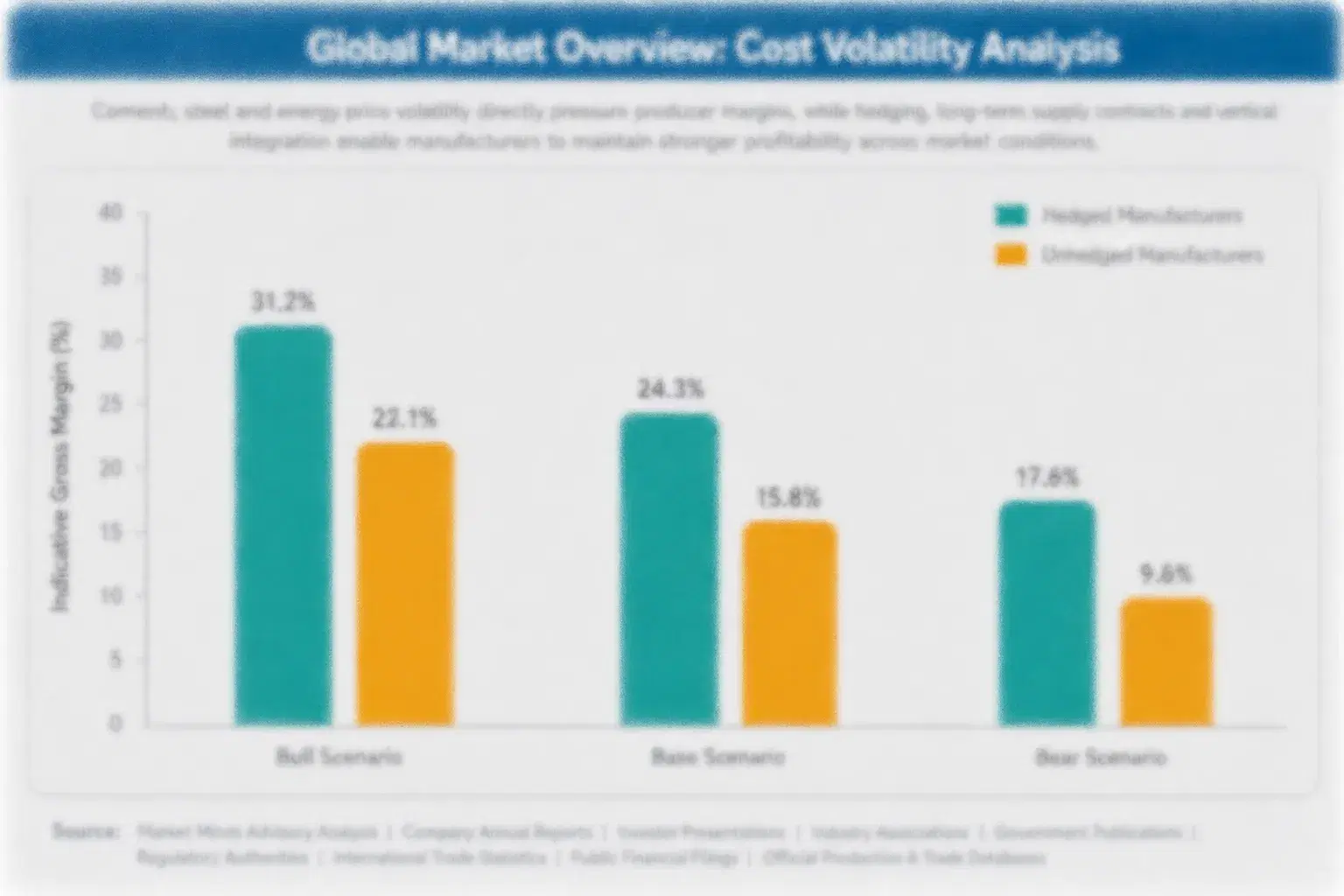
Flexible-film and specialty-barrier resin inputs account for roughly 24 to 34% of manufacturer cost of goods sold, with cartridge-based and bulk-dispensing constructions carrying a higher material cost share than standard concentrate-pouch chemistries given the specialty barrier-film and concentrate-stabilization work involved. Input pricing traces back to global petrochemical and specialty-resin benchmark markets, exposing manufacturer input costs to broader commodity cycles.
Flexible-film resin prices rose sharply during 2021 and 2022 as post-pandemic consumer-goods demand surged faster than global petrochemical supply chains could expand amid persistent feedstock-shortage pressure, a disruption documented across EIA and supplier annual report commentary at the time and affecting refill-packaging capital spending across the flexible-packaging manufacturing industry. Spot prices have since eased somewhat but remain above pre-pandemic baselines across most major markets today.

Smaller regional manufacturers typically carry greater exposure to resin-price swings than scale leaders, since they lack the purchasing volume to negotiate long-term petrochemical supply contracts and often buy input resin on shorter-term spot markets instead. This disadvantage compounds during supply constraints, pushing smaller manufacturers toward consolidation, while scale leaders with secured positions gain volume from affected competitors broadly across the sector.
zero-waste-refill-packaging-market-cost-volatility-analysis-1791696239651

Long-Term Resin Supply Contracts

Manufacturers increasingly negotiate long-term supply contracts with major petrochemical suppliers, securing committed pricing in exchange for the volume predictability that multi-year brand contracts require. Several large manufacturers have already adopted this structure broadly across their contracts. That pattern shows few signs of slowing down across most major accounts today. Specialists report accelerating order volume tied directly to this expanding demand.

Diversifying Resin Sourcing Across Suppliers

Manufacturers are qualifying flexible-film resin sources across multiple petrochemical suppliers rather than relying on a single supplier, reducing exposure to the kind of single-source supply constraint that amplified recent price volatility for concentrated buyers. That pattern shows few signs of slowing down across most major accounts today. Specialists report accelerating order volume tied directly to this expanding demand worldwide.

Investing In Concentrate Formulation Efficiency

Manufacturers are investing in precision concentrate-formulation research that improves material yield per unit produced, reducing effective material cost per unit without requiring additional raw input volume that commodity market constraints would otherwise limit. Early adopters report meaningful efficiency gains worth pursuing. That pattern shows few signs of slowing down across most major accounts today.

Portfolio Architecture for Margin Defence

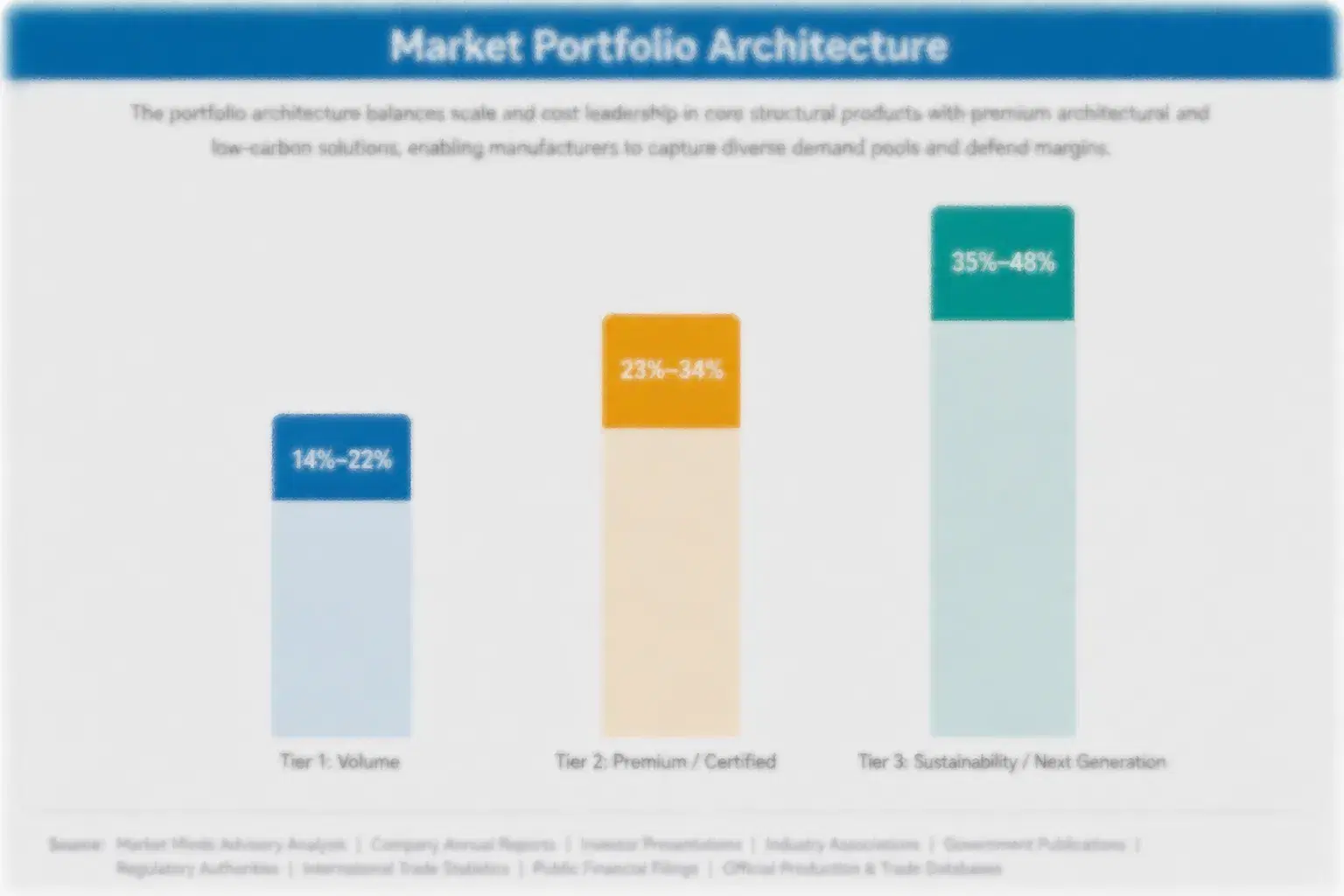
Manufacturers generally run a three-tier portfolio spanning standard-grade single-use concentrate pouches sold mainly on price to mass-market grocery accounts, cartridge-based and bulk-dispensing constructions commanding better economics tied to material-reduction depth and refill-compatibility consistency, and next-generation branded zero-waste formats still scaling toward broader commercial adoption. Gross margin varies substantially across these tiers. That pattern shows few signs of slowing down across most major accounts today.
The tension between mainstream concentrate-pouch volume and premium cartridge and bulk-dispensing tiers shapes manufacturer capital allocation directly, since standard-grade production generates important baseline volume but minimal margin, while material-reduction capability requires upfront investment before generating comparable returns. Manufacturers without a clear tier strategy risk remaining stuck in commodity pricing while lacking the reduction depth to win premium personal-care accounts. That pattern shows few signs of slowing down across most major.

High-value margin pools are concentrating in cartridge-based and bulk-dispensing tiers, categories where buyers are willing to pay meaningfully above mainstream pricing for guaranteed material reduction and documented refill-compatibility credentials. Manufacturers positioned early in these categories are capturing a disproportionate share of total industry margin growth relative to their volume share today, a gap likely to widen as retailer sustainability scorecards spread further across developed markets.

Volume / Commodity-Adjacent Tier

Standard-grade single-use concentrate pouches sold mainly on price to mass-market grocery accounts. This tier generates important baseline volume but offers the thinnest margins in the portfolio overall today. That pattern shows few signs of slowing down across most major accounts today.
Gross Margin: 15-21%

Premium / Certified Tier

Cartridge-based and bulk-dispensing constructions carrying verified material reduction and documented refill-compatibility credentials, sold to buyers willing to pay for guaranteed performance. This tier draws the bulk of new capital investment across the industry.
Gross Margin: 23-30%

Sustainability / Regulatory / Next-Generation Tier

Next-generation branded zero-waste formats with integrated material-reduction engineering still scaling toward broader commercial adoption, commanding premium pricing tied to compliance value. Few competitors have matched this positioning so far broadly today.
Gross Margin
zero-waste-refill-packaging-market-portfolio-architecture-1791696239841

High-value Sub-segments and Strategic Watch-out

Refill Cartridge Systems

Refill cartridge systems combine the fastest unit growth in the category with premium pricing tied to household-cleaning demand, making this the segment manufacturers are prioritizing most heavily for new capacity investment over the next several years. That pattern shows few signs of slowing down across most major accounts today.

Concentrate Pouch Formats

Concentrate pouch formats command strong pricing tied to retailer sustainability-scorecard enforcement, representing the category's clearest path to margin growth beyond mainstream ready-to-use volume today. Manufacturers with established brand relationships are positioned to capture disproportionate share. That pattern shows few signs of slowing down across most major accounts today.

Bulk Dispensing Containers

Bulk dispensing containers remain the format's largest volume base, generating steady revenue even as growth moderates relative to higher-margin cartridge and pouch tiers across mature developed markets worldwide. This pattern is expected to persist. That pattern shows few signs of slowing down across most major accounts today.

Refill Compatibility Testing Services

Refill compatibility testing services face narrower margin expansion limited to specific niche channels and smaller regional manufacturers specifically, making this a steady but lower-growth segment within the broader category overall. Few manufacturers view this as a priority. That pattern shows few signs of slowing down across most major accounts today.

Why Brand Contracts Outlast Formulation Cost

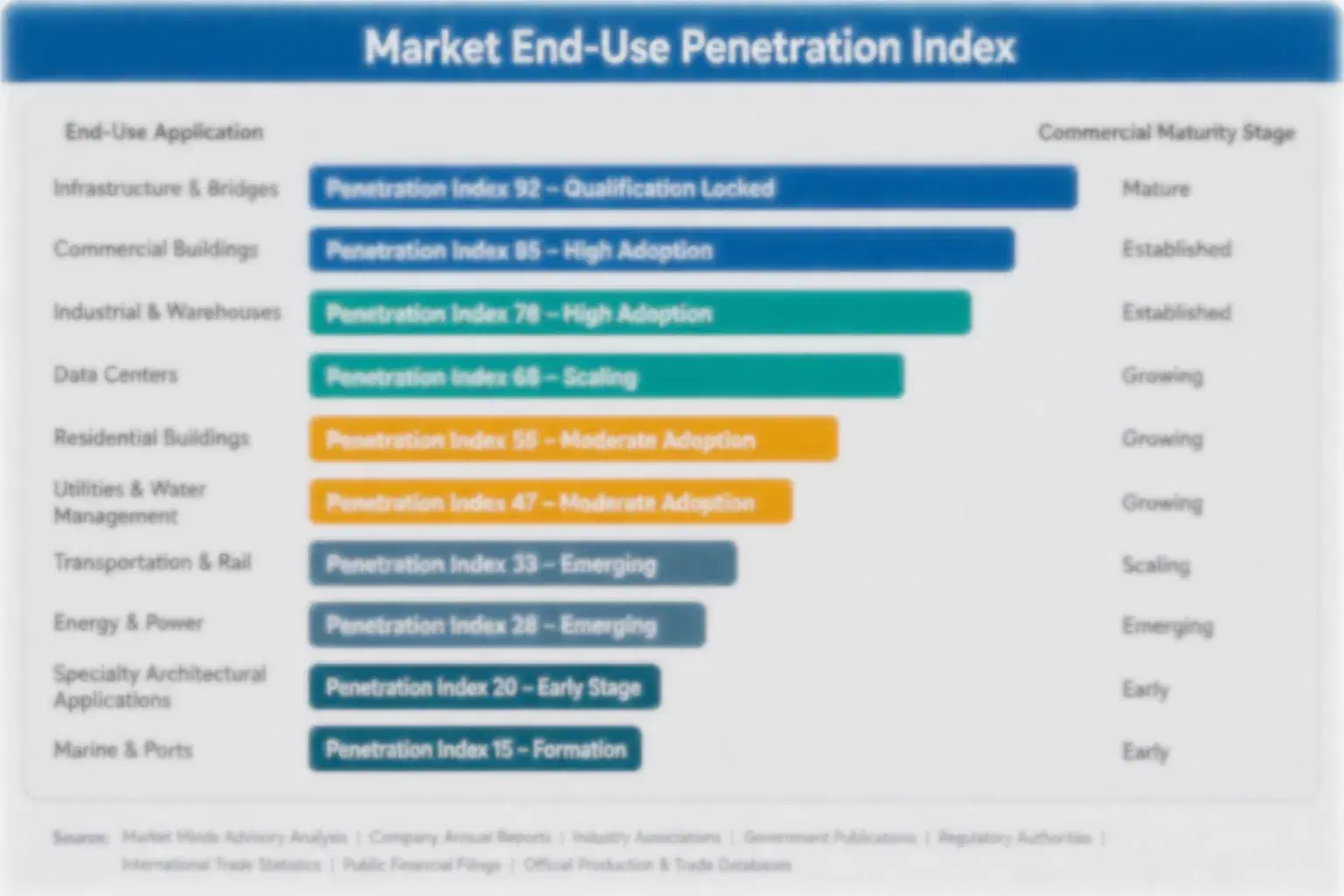
Zero-waste refill packaging purchasing behaves more like an annuity than a true one-time formulation decision, since brands typically reorder the same qualified concentrate or cartridge configuration repeatedly across every product-line refresh once a compliant material-reduction formula has been validated and approved internally, giving manufacturers repeat-purchase opportunities that depend heavily on sustained material-reduction depth and refill-compatibility consistency rather than individual customer-specific loyalty alone across most reformulation cycles occurring regionally across brands.
Adoption depth varies sharply by end-use vertical: personal-care brands embed stringent material-reduction and concentrate-potency specifications deep into formulation routines that take considerable time to shift, while household-cleaning manufacturers increasingly specify cartridge-based grades once compliance economics justify the added formulation cost, treating refill adoption as a sustainability-scorecard-driven rather than purely cosmetic packaging decision tied to end-use category. That pattern shows few signs of slowing down across most major accounts today.

Buyer profiles are shifting generationally as younger brand-sustainability managers, comfortable specifying material-reduction requirements directly through manufacturer technical-data portals and digital compliance-tracking systems, increasingly favor cartridge-based and bulk-dispensing refill formats from initial product launch rather than defaulting to legacy single-use designs, accelerating adoption among brands with no prior refill-packaging experience whatsoever. That pattern shows few signs of slowing down across most major.
zero-waste-refill-packaging-market-end-use-penetration-index-1791696240034

What Manufacturers Should Prioritize

These are among the four positions where our research anticipates prominent divergence between winners and laggards over the coming forecast period. Each is grounded in the demand model, the regulatory perimeter, and the announced capacity pipeline.
01 / MATERIAL REDUCTION ENGINEERING DEPTH

Build material reduction depth ahead of demand

Manufacturers investing in deeper material-reduction capability now are capturing meaningfully better pricing and credibility than those still limited to basic single-use pouches, and that gap is widening as brands increasingly treat verifiable plastic-reduction performance as a sourcing requirement each year across major specification-driven accounts. Mainstream single-use-pouch work still generates useful baseline volume, but it offers little room for margin expansion given the category's concentrated, commodity-exposed core. Manufacturers that delay this engineering investment risk ceding the fastest-growing, highest-margin volume to competitors who moved earlier.
02 / BRAND RELATIONSHIP DEPTH

Secure brand depth ahead of conversion expansion

Buyers are already expanding cartridge and bulk-dispensing adoption faster than the broader market, not waiting for formulation capability to fully mature before generating fresh conversion-driven demand across brand accounts worldwide. Manufacturers without this brand depth risk exclusion from an expanding share of conversion contracts entirely, since buyers increasingly screen for proven material-reduction credibility alongside price before awarding supply agreements. Early movers are capturing meaningfully disproportionate category-driven value as a direct result, a gap likely to widen across the next several reporting cycles ahead.
03 / REFILL COMPATIBILITY RESEARCH DEPTH

Build compatibility research depth ahead of demand

Major direct-to-consumer platforms are already favoring manufacturers with established refill-compatibility research capability, not waiting for demand to fully mature before committing to vendors offering documented application-specific compatibility alongside basic concentrate formulation directly. Manufacturers without this capability risk exclusion from the category's most reliable recurring revenue entirely, since major grocery platforms strongly prefer vendors offering bundled research and support service. Early positioning is becoming a precondition for winning this business at meaningful scale going forward, a pattern already visible today, a pattern already reshaping vendor scorecards broadly today.
04 / RESIN PROCUREMENT STRATEGY

Secure long-term resin contracts before the next spike

Flexible-film resin price volatility hit manufacturers without diversified supply arrangements hardest during the 2021 and 2022 demand surge across the industry. Nothing about current input consumption trends suggests that kind of pressure cannot recur within the forecast period covered by this report, and the risk tends to widen further whenever refill demand outpaces global petrochemical supply capacity. Manufacturers that secure long-term contracts now are trading some short-term flexibility for meaningfully better protection, especially those lacking diversified sourcing relationships already established today broadly.

Engagement Snapshot From the Field

A live engagement with an industry participant carrying material or product regulatory and market exposure ahead of a defining policy shift, showing how our research translates into a defensible multi-year portfolio strategy.
MARKET MINDS ADVISORY · CLIENT ENGAGEMENT SUMMARY
Zero-Waste Refill Packaging Producer Strategic Portfolio Review and Transition Roadmap 2026·Investment Scenario on Zero-Waste Refill Packaging Exposure Evaluation 2025-26
CLIENT PROFILE
The client is a multinational personal-care brand headquartered in Western Europe with annual packaging procurement spend in the $27 million range (client-reported, unverified by MMA), sourcing refill-format packaging across more than six qualified manufacturers worldwide. The client had grown primarily through regional product-line expansion and was now facing pressure to standardize its plastic-reduction sourcing specifications across all product categories.
STRATEGIC CHALLENGE
The client needed to qualify a cartridge-based refill manufacturer ahead of an approaching retailer sustainability-scorecard deadline, without a clear internal framework for evaluating manufacturer material-reduction credibility across its fragmented supplier base. Internal procurement teams had limited experience distinguishing genuine formulation-engineering depth from marketing claims. That pattern shows few signs of slowing down across most major accounts today.
MMA APPROACH
MMA's team benchmarked material-reduction and dilution-testing capability across six candidate manufacturers, modeled realistic qualification timelines based on comparable consumer-packaging-industry precedent, and facilitated supplier negotiation sessions that clarified delivery commitment and compliance documentation terms available to the client's broader rollout program. That pattern shows few signs of slowing down across most major accounts today.
KEY FINDINGS
  1. Only three of six candidate manufacturers had material reduction depth sufficient to meet the client's sustainability requirements globally. That pattern shows few signs of slowing down across most major accounts today.
  2. Qualifying the client's cartridge-based manufacturer required a six-month phased timeline shorter than the client's original planning assumption had anticipated internally. That pattern shows few signs of slowing down across most major accounts today.
  3. One manufacturer offered a regional capacity commitment structure that would secure priority delivery ahead of the scorecard deadline specifically. That pattern shows few signs of slowing down across most major accounts today.
  4. The client's existing baseline single-use suppliers proved willing to support a transitional bridge arrangement once the conversion plan was finalized formally. That pattern shows few signs of slowing down across most major accounts today.
CLIENT PROFILE
The client is a multinational personal-care brand headquartered in Western Europe with annual packaging procurement spend in the $27 million range (client-reported, unverified by MMA), sourcing refill-format packaging across more than six qualified manufacturers worldwide. The client had grown primarily through regional product-line expansion and was now facing pressure to standardize its plastic-reduction sourcing specifications across all product categories.
STRATEGIC CHALLENGE
The client needed to qualify a cartridge-based refill manufacturer ahead of an approaching retailer sustainability-scorecard deadline, without a clear internal framework for evaluating manufacturer material-reduction credibility across its fragmented supplier base. Internal procurement teams had limited experience distinguishing genuine formulation-engineering depth from marketing claims. That pattern shows few signs of slowing down across most major accounts today.
MMA APPROACH
MMA's team benchmarked material-reduction and dilution-testing capability across six candidate manufacturers, modeled realistic qualification timelines based on comparable consumer-packaging-industry precedent, and facilitated supplier negotiation sessions that clarified delivery commitment and compliance documentation terms available to the client's broader rollout program. That pattern shows few signs of slowing down across most major accounts today.
KEY FINDINGS
  1. Only three of six candidate manufacturers had material reduction depth sufficient to meet the client's sustainability requirements globally. That pattern shows few signs of slowing down across most major accounts today.
  2. Qualifying the client's cartridge-based manufacturer required a six-month phased timeline shorter than the client's original planning assumption had anticipated internally. That pattern shows few signs of slowing down across most major accounts today.
  3. One manufacturer offered a regional capacity commitment structure that would secure priority delivery ahead of the scorecard deadline specifically. That pattern shows few signs of slowing down across most major accounts today.
  4. The client's existing baseline single-use suppliers proved willing to support a transitional bridge arrangement once the conversion plan was finalized formally. That pattern shows few signs of slowing down across most major accounts today.
RECOMMENDED STRATEGY
Phase 1: Phase 1 (Months 1-2): Benchmark manufacturer material reduction depth across six candidate manufacturers and verify documentation. That pattern shows few signs of slowing down across most major accounts today. Phase 2: Phase 2 (Months 3-4): Qualify cartridge specifications starting with the highest-volume product lines first while monitoring dilution performance. That pattern shows few signs of slowing down across most major accounts. Phase 3: Phase 3 (Months 5-6): Complete qualification across the full manufacturer network while confirming sustainability readiness formally globally. That pattern shows few signs of slowing down across most major accounts today.
OUTCOME
The client completed its cartridge-based qualification ahead of the scorecard deadline and reported successful sustainability performance in line with projections (client-reported, unverified by MMA), while also establishing a standing supply relationship for future procurement decisions. That pattern shows few signs of slowing down across most major accounts today.

Frequently Asked Questions

Foundational context covering the market sizes, CAGR, scope, country, region and competition that inform every finding below. This section is provided to cover basics and most often pre-purchase conversations, answered from the MMA Primary Research Dataset.

What is the current size of the Zero-Waste Refill Packaging Market?

The global zero-waste refill packaging market reached $2.15 billion in base year 2025, driven primarily by brand plastic-reduction investment across developed consumer channels worldwide. That pattern shows few signs of slowing down across most major accounts today.

How large will the Zero-Waste Refill Packaging Market be by 2036?

MMA projects the market will reach approximately $7.93 billion by 2036, roughly 3.28 times the 2026 figure, reflecting sustained consumer-adoption demand across major global markets.

What is the CAGR for the Zero-Waste Refill Packaging Market 2026 to 2036?

The market is forecast to grow at a compound annual growth rate of 12.6% between 2026 and 2036, reflecting the category's accelerating consumer-driven expansion worldwide.

Which segment is growing fastest?

Refill cartridge systems are the fastest-growing segment, expanding at roughly 1.17 times the overall market CAGR, driven by household-cleaning plastic-reduction demand across most major markets today.

Who are the major companies in the Zero-Waste Refill Packaging Market?

Berlin Packaging, ALPLA, Amcor, Henkel, and Unilever lead the global market, together holding roughly 27% of global revenue across all regions. That pattern shows few signs of slowing down across most major accounts today.

Which country is growing fastest?

France is the fastest-growing country market, expanding at roughly 14.1% annually, outpacing most other national markets, supported by its established personal-care brand base. That pattern shows few signs of slowing down across most major accounts today.

Report Segmentation Architecture

The full report scope spans multiple orthogonal segmentation dimensions, with cross-tabulated demand data provided for each dimension pair. Coverage extends further to regional breakdowns, trend trajectories, and the competitive detail needed to support segment-level decision-making.

By Primary Market Dimension

  • Concentrate Pouch Formats
  • Refill Cartridge Systems
  • Bulk Dispensing Containers
  • Refill-Compatible Closures and Seals
  • Refill Compatibility Testing Services
  • Concentrate Formulation Services

By End-Use Industry

  • Personal Care and Beauty Products
  • Household Cleaning Products
  • Food and Beverage Concentrates

By Commercial Dimension

  • Direct Brand Supply Agreements
  • Retail Distribution Channels
  • Direct-to-Consumer Subscription Models

By Region

  • North America
  • Western Europe
  • East Asia
  • South Asia and Pacific
  • Latin America
  • Middle East and Africa
  • Eastern Europe

Scope, Methodology, and Coverage

Every figure in this report is reproducible from documented input assumptions. The scope below maps the historical period, the forecast horizon, the segmentation dimensions, and the countries covered, alongside the underlying primary and qualitative methodology.
Historical Period
2020 to 2025
Forecast Period
2026 to 2036
Base Year
2025 (USD billions; MMA Primary Research Dataset, October 2026)
Market Definition
The zero-waste refill packaging market covers concentrate pouches, refill cartridges, bulk dispensing containers, and other refill-format packaging materials engineered to let consumers replenish household, personal-care, and food products without discarding the primary container. It is a materials-and-format-focused market, distinct from the equipment layer covered under the Retail-Based Liquid Packaging Refill Kiosks Market and from the PCR-material-specific drill-down covered under the Refill-System-Compatible PCR Packaging Market, and excludes the broader systems-and-infrastructure framing covered under the Refillable, Low-Waste and Modular Packaging Market.
Quantitative Units
USD billions (current prices); million units of refill volume where applicable
Segmentation Dimensions
By Primary Market Dimension; By End-Use Industry; By Commercial Dimension; By Region
Regions Covered
North America, Western Europe, East Asia, South Asia and Pacific, Latin America, Middle East and Africa, Eastern Europe
Countries Covered
United States, Canada, Mexico, France, Germany, United Kingdom, Spain, Italy, China, Japan, South Korea, India, Australia, Singapore, Brazil, Chile, Argentina, United Arab Emirates, South Africa, Poland, and additional markets relevant to this sector
Key Companies Profiled
Berlin Packaging LLC, ALPLA Group, Amcor plc, Henkel AG and Co. KGaA, Unilever PLC, TerraCycle US LLC, Algramo, By Humankind Inc., Cleancult Inc., Fillaree Inc., Plaine Products LLC, Replenish LLC, EarthHero Inc., Nohbo Inc., GOJO Industries Inc., Essity AB, Mondi Group, Stora Enso Oyj, International Paper Company, Sonoco Products Company
Quantitative Methodology
Primary survey, n=3,800 respondents, Q4 2025, six countries; demand-side model with trade association cross-validation
Qualitative Methodology
47 expert interviews, Q4 2025; applied to validate demand model assumptions, identify emerging dynamics, and assess competitive positioning
Report Format
PDF and XLSX data workbook (Word format preview document)
Publisher
Market Minds Advisory
Report Code
MMA-2026-PAC-898
Published
October 2026
Contact
sales@marketmindsadvisory.com | www.marketmindsadvisory.com

Purchase the full Zero-Waste Refill Packaging Market Report (2026 to 2036).

The full report provides detailed market sizing and ten-year forecasts across all six format-type segments and all seven world regions, supported by manufacturer-level material-reduction benchmarking and primary interview findings. It includes in-depth competitive profiles of the top five refill-packaging manufacturers alongside second-tier player coverage. Feedstock cost exposure analysis and scorecard-driven adoption tracking are covered across major developed markets. Segment-specific margin and pricing data is broken out separately from headline market figures to support both strategic planning and tactical sourcing decisions. That pattern shows few signs of slowing down across most major accounts today.
Ten-year market sizing across six format type segments
Manufacturer capability benchmarking across major developed markets
Retailer sustainability scorecard and adoption driven tracking
Feedstock cost exposure and mitigation analysis
Editable data tables alongside the formatted report
Primary interview findings from 47 industry experts

Built For The People Who Decide

From boardroom strategy to bench-side execution, this report is read cover-to-cover by leaders shaping the next decade of their industry, turning demand scenarios, market dynamics and valuation benchmarks into decisions.
CXOs/ Presidents/ VPs/ Managers
M&A and Corporate Development
Strategy Teams and R&D Heads
Procurement and Product Directors
Regulatory and Compliance Leaders
Investor Relations and Equity Analysts