Market Minds Advisory
Wound Filler Market

Wound Filler Market: Wound Filler Market: Paid By The Change, Not The Piece

Reimbursement caps dressing changes at roughly 15 a month rather than capping unit price, which quietly turns days between changes into the only commercial argument that ever actually wins here at all.

Lead Analyst

Published

August 2026

Make Smarter Decisions with Customized Research Insights

Request a free sample report and evaluate market opportunities, growth trends, and competitive dynamics relevant to your business needs.

2025 MARKET VALUE$1.6BMarket Size 2025
2036 FORECAST VALUE$3.4BBase Case , 2026 to 2036
CAGR 2026 TO 20367.0 %Bull 8.2% / Bear 5.8%
INCREMENTAL OPPORTUNITY$1.7BNet 10- year value creation
EXPANSION MULTIPLE1.97x2036 value over 2026 base
Strategic Levers
M&A Pipeline
Regional Outlook
Country Rankings
Competitive Intelligence
Segmental Deep-dive
Call-Us : 91 93563 13602

Executive Snapshot and Market Trajectory.

This category exists to prevent something nobody can see. A cavity wound closing at the surface over dead space beneath produces abscess and recurrence, so the whole product range addresses a failure that only becomes visible only once it has already happened to somebody.
North America takes 30% of value on reimbursement structure and wound burden together, with Western Europe at 24% carrying unusual weight because specialist tissue viability nursing developed there first. Collagen and matrix fillers grow at 10.5%, half again the market rate of 7.0%, into wounds that have already failed to progress on everything simpler and cheaper. Gauze still carries volume and almost none of the value that is left in this category at all.
Concentration reaches 51%. The commercial logic sits in two numbers that most suppliers still price against the wrong one: reimbursement caps changes at around 15 a month, and roughly 82% of product selection is made by a nurse rather than by a physician or a purchasing department. Suppliers still quoting cost per piece lose formulary arguments they never quite work out how they came to lose it at all.
Market Definition
The market covers products placed into wound cavities to fill dead space, manage exudate and support healing, spanning alginate and gelling fibre fillers, foam cavity fillers, gauze and textile packing strips, antimicrobial impregnated fillers, collagen and extracellular matrix fillers, and negative pressure filler consumables. Flat wound dressings applied to surface wounds, negative pressure pumps and canisters, surgical closure products, debridement instruments and agents, and compression therapy systems are excluded from scope.
Base Year Value
$1.6B in 2025 (MMA Primary Research Dataset, August 2026)
Forecast Period
2026 to 2036, eleven discrete annual values
CAGR
7.0% base case. Bull 8.2%. Bear 5.8%.
Fastest Growth Segment
Collagen and Extracellular Matrix Fillers: 10.5% CAGR
Fastest Growth Country
India: 9.0% CAGR
Fastest Growth Region
South Asia and Pacific: 9.2% CAGR
Largest Region
North America: 30% of 2025 global value
Market Leaders
Smith+Nephew, Molnlycke Health Care, Convatec, Coloplast, Solventum. Source: MMA Analysis based on disclosed advanced wound care product revenue, company annual reports 2025.
Primary Survey
n=3,800 procurement and R&D decision-makers, Q4 2025, six countries
Methodology
Demand-side build-up, cross-validated against public data, 47 expert interviews

Wound Filler Market Forecast Scenarios

wound-filler-market-size-forecast-scenario-1787716006814
Growth from 2020 to 2025 ran at 5.8% and it was almost entirely a mix shift rather than a volume story. Gauze packing kept losing share to gelling fibre and foam because the newer formats hold longer between changes, which matters under reimbursement that counts changes rather than pieces. Cavity wound numbers grew slowly with diabetes prevalence and ageing, doing nothing dramatic across the period.
The 7.0% base case rests on three mechanisms. Collagen and matrix fillers keep taking the stalled wounds that everything simpler has already failed on, at pricing nothing else in the category approaches. Antimicrobial formats keep growing as bioburden management moves from reactive to routine in cavity wounds. And Asian wound care capability keeps building as diabetes prevalence rises faster there than anywhere and specialist services follow it. None of the three needs new chemistry.
The bull case at 8.2% assumes reimbursement begins recognising healing outcomes rather than counting changes, which would reward products that close wounds instead of products that last. The bear case at 5.8% is community and home care procurement consolidating onto lowest unit price, which favours gauze and undoes two decades of clinical argument about what dead space management actually requires.

Filling Space Nobody Sees

A cavity wound presents an unusual clinical problem. If the surface closes while dead space remains underneath, the result is abscess and a wound that reopens weeks later. Filling that space is the entire purpose of this category, and the failure it prevents is invisible until it has already occurred. That makes the clinical argument hard to demonstrate to anybody who has not seen the failure happen.
FIVE-FIRM CONCENTRATION51%Share of category revenue held by largest wound suppliers
DAYS BETWEEN CHANGES3.4 daysInterval a modern filler holds before requiring replacement
MONTHLY CHANGE CAP15Changes reimbursed per wound within a calendar month
NURSE-LED SELECTION SHARE82%Product choices made by nursing staff rather than physicians
CAVITY WOUND SHARE27%Chronic wounds presenting with dead space requiring packing
RADIOPAQUE PRODUCT SHARE44%Packing products carrying a thread visible under imaging
The commercial logic runs through reimbursement rather than through clinical merit. Surgical dressing benefits cap changes at around 15 per wound monthly rather than capping what each change costs, so a filler holding 3.4 days beats one holding two even at higher unit price. Suppliers who price and sell against cost per week win those arguments. Suppliers still quoting cost per piece lose them and rarely understand why.
Then there is the buyer, who is not who most device companies expect. Roughly 82% of product selection is made by tissue viability and community nurses rather than by physicians or purchasing departments, and the person applying it is frequently not the person who chose it. Retained gauze remains a documented safety event, which is why around 44% of packing products carry a radiopaque thread.
"Everyone benchmarks unit price against the gauze. The nurse is thinking about whether she has to come back on Thursday, and the payer is counting visits. Neither of them is looking at the price on the box."
Director, Advanced Wound Care Practice · MMA Advanced Wound Care Practice · August 2026

Market Trends

Matrix Fillers Take The Wounds Everything Else Failed

Collagen and extracellular matrix products grow at 10.5% by treating cavity wounds that have already stalled on alginate, foam and antimicrobial packing, which is a referral position rather than a first-line one. Pricing sits far above anything else in the category and clinicians reach for it after weeks of no progress. Evidence quality varies considerably between products and sources, and payers increasingly require documented failure of simpler options before authorising any of it. Clinician preference here forms personally and shifts very slowly indeed once it has properly formed at all.
Market Impact: Reaches 82% of selection decisions
Wear Time Becomes The Whole Commercial Argument

Reimbursement caps changes at roughly 15 a month rather than capping unit price, so a filler holding 3.4 days between changes displaces one holding two even at a considerably higher price per piece. That arithmetic has driven gelling fibre and foam formats past gauze steadily for two decades. Suppliers who present cost per week rather than cost per unit win formulary arguments consistently, and a surprising number still present neither. Presenting neither number, which a great many still do, guarantees the argument goes to whoever did present one at all.
Market Impact: Grows India fastest at 9.0%

Market Opportunities and Growth Drivers

Nurses Choose And Nobody Sells To Them Properly

Roughly 82% of wound filler selection is made by tissue viability and community nurses rather than by physicians or procurement, which makes them the decisive audience and one that most medical device commercial models were never built to reach. They value handling, conformability, removal in one piece and how the product behaves at three in the morning. Suppliers who fund nurse education and practical training reach that decision in a way advertising never has. They are also the audience that notices immediately when a product does not perform as promised.
Market Impact: Prevents 0 visible clinical events

Asian Diabetes Prevalence Builds Cavity Wound Burden

Diabetic foot ulceration is rising faster across Asian populations than anywhere, and a substantial share of those wounds present with cavity and undermining that requires packing rather than a flat dressing. India grows fastest of any country at 9.0% as podiatry and wound services establish beyond tertiary hospitals. Product availability is improving faster than clinical training, which produces the familiar pattern of good materials used without the technique to place them properly. A cavity that is packed badly heals no faster than one packed with nothing whatsoever inside it either.
Market Impact: Compares 1 number on invoices

Market Restraints and Challenges

The Failure This Prevents Is Never Visible

A wound that closes over dead space breaks down weeks later, by which point nobody attributes it to how the cavity was packed at the time. Root cause is that prevention leaves no observable evidence when it works. Commercial impact is a clinical argument that cannot be demonstrated to a purchasing committee comparing prices. Mitigation runs through recurrence and reopening data collected at service level, which very few suppliers have ever funded anybody to gather properly. Prevention that works properly leaves nothing at all anybody can point at afterwards either.
Market Impact: Grows matrix fillers at 10.5%

Community Procurement Consolidates Onto Unit Price

Home and community wound care is increasingly bought through group contracts negotiated by people who never see a wound, and those contracts compare cost per piece because that is the number on the invoice. Root cause is a procurement structure separated entirely from clinical outcome. Commercial impact is gauze regaining ground it lost on clinical grounds. Mitigation involves presenting cost per healed wound and cost per week, which requires data most suppliers do not hold. Two decades of clinical argument can be undone by a contract nobody clinical ever saw.
Market Impact: Holds 3.4 days between changes
3 additional market trends, 2 additional growth drivers, and 4 additional restraints and challenges are covered in the full report. Contact sales@marketmindsadvisory.com to access the complete intelligence.

Segment CAGR and Growth Architecture

Segmentation follows filler material and format: what is physically placed into the cavity and how it manages exudate and dead space. Six categories cover the market without overlap. Wound aetiology, care setting and payment route are treated as separate commercial dimensions throughout this report rather than as segmentation logic in their own right entirely.
wound-filler-market-market-share-analysis-1787716007069

Collagen and Extracellular Matrix Fillers

Collagen ropes, particulate matrices and processed tissue products grow at 10.5%, half again the market rate of 7.0%, and occupy a referral position rather than a first-line one, reaching cavity wounds that have already stalled on alginate, foam and antimicrobial packing for weeks. Pricing sits far above anything else in the category and payers increasingly require documented failure of simpler options first. Evidence quality varies considerably by product and tissue source, which makes clinician preference unusually personal and unusually difficult for a competitor to shift once formed. Tissue source, processing method and cross-linking all differ between products in ways that clinicians weigh personally and that no comparative trial has ever settled between them.
CAGR 10.5%

Antimicrobial Impregnated Fillers

Silver, iodine and polyhexanide impregnated ropes and ribbons grow at 8.4% as bioburden management in cavity wounds moves from reactive treatment toward routine prophylaxis, particularly in wounds that have been open for weeks. Antimicrobial stewardship pressure pushes in the opposite direction, and several health systems now restrict duration rather than restricting use, which shapes purchasing into short defined courses. Silver pricing feeds directly into cost in a way no other filler format experiences, and suppliers rarely hedge it at all. Nurses report that an antimicrobial packing removed in fragments defeats the purpose entirely, so handling here matters exactly as much as the active agent itself does anywhere else. Removal matters.
CAGR 8.4%
Full segment breakdown across 6 segments available in the complete report.

Regional Architecture and Country Demand Map

Geography follows reimbursement structure and specialist nursing capacity rather than wound prevalence alone. North America leads on payment and pricing, and Western Europe carries unusual weight through tissue viability nursing. Wound prevalence on its own explains remarkably little about where the category value actually sits.

North America

Surgical dressing benefit structures cap changes per wound per month rather than capping unit cost, which is the clearest example anywhere of payment shaping product selection toward longer wear time. Home health agencies carry a large share of chronic wound care and buy through group contracts negotiated centrally. Collagen and matrix products reach higher penetration here than in any other region, supported by pricing that reflects a referral position after simpler options have documented failure. Nurse-led selection is well established and well understood by suppliers. Retained packing incidents drove radiopaque thread adoption further here than in most regions, and litigation exposure rather than clinical guidance did most of the driving.
Share: 30% | CAGR: 6.2% (2026 to 2036)

Western Europe

Specialist tissue viability nursing developed here before anywhere else and remains the strongest clinical infrastructure in the category, which is why the region carries more value than its population or wound burden alone would suggest. National formularies and prescribing lists concentrate decisions and reward evidence submitted properly. European manufacturers hold the deepest positions, having built the category over decades. Community nursing carries most chronic wound care, and product handling in a patient's home matters more than any laboratory specification. Antimicrobial stewardship guidance is stricter here than anywhere, restricting impregnated filler use to defined periods with documented review rather than permitting any open-ended prophylaxis in chronic wounds at all here. Duration decides.
Share: 24% | CAGR: 5.4% (2026 to 2036)
Regional intelligence for 5 additional markets available in the complete report: East Asia, South Asia and Pacific, Latin America, Middle East and Africa, Eastern Europe. Contact sales@marketmindsadvisory.com.
wound-filler-market-country-cagr-analysis-1787716007394

Selling Days, Not Individual Dressings

Reimbursement caps changes near 15 a month, modern fillers hold about 3.4 days, roughly 82% of selection is nurse-led and the failure being prevented is invisible. Four levers work on wear time economics, nurse education, outcome evidence and antimicrobial positioning rather than on unit price, which almost nobody in this category can ever win on.

Quote Cost Per Week, Never Per Piece

Reimbursement caps changes at around 15 a month rather than capping unit cost, so a filler holding 3.4 days beats one holding two even at double the price per piece. Suppliers presenting cost per week win formulary arguments that suppliers presenting cost per unit lose without understanding why. The arithmetic is simple, verifiable and almost never presented, which makes it the cheapest commercial advantage available to anybody willing to build the comparison properly. Award panels confirm they would consider such a comparison whenever anybody actually bothers to submit one to them.
Market Impact: Compares against a 15 change monthly reimbursement cap

Educate The Nurse Who Actually Decides

Roughly 82% of selection is made by tissue viability and community nurses who value handling, conformability, one-piece removal and behaviour in a patient's home at an awkward hour. Most medical device commercial models were built to reach physicians and reach this audience poorly or not at all. Practical training, application technique support and honest guidance on when a product is wrong all build preference that no advertising budget replicates anywhere. A nurse who has removed a filler in fragments remembers which product it was for years afterwards without prompting at all.
Market Impact: Influences the 82% of selection decisions nurses make

Fund Recurrence Data Nobody Currently Collects

A wound closing over retained dead space breaks down weeks later and nobody attributes it to the packing decision, which leaves the category's central clinical argument permanently undemonstrable. Service-level recurrence and reopening data would change that, and almost no supplier has ever funded anybody to gather it. It costs a multi-year study with an uncertain result and it is the only evidence that would survive a procurement committee comparing unit prices. A 3 year audit across 2 services would cost less than a single lost group contract does over its term.
Market Impact: Documents outcomes across 2 or more wound services

Position Antimicrobials As Defined Short Courses

Antimicrobial stewardship pressure is restricting duration rather than banning use, so a fourteen day defined course with documented review sits comfortably where open-ended prophylaxis does not. Suppliers packaging and pricing around that pattern align with how health systems now actually authorise these products. Silver pricing feeds directly into cost here in a way no other format experiences, and hedging it is something remarkably few suppliers in this category bother to do. Silver has moved by more than 30% across recent years and almost nobody in this category hedged any of it.
Market Impact: Fits a 14 day defined and reviewed course

Who Controls the Margin Pool

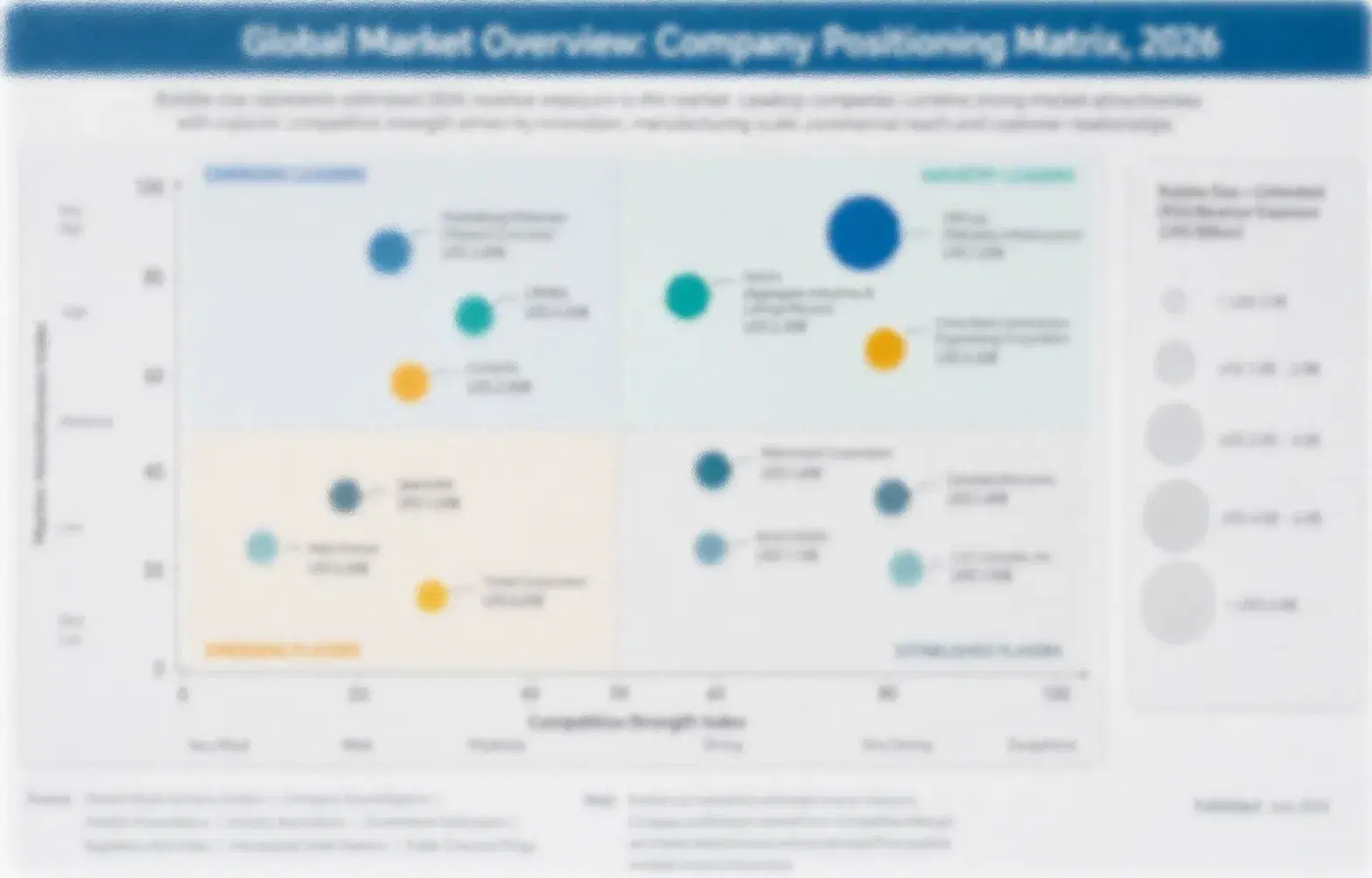
Measured on disclosed advanced wound care product revenue, the five largest suppliers hold a CR5 of 51%, which reflects a category where formulary listings, nurse relationships and clinical evidence matter far more than manufacturing scale ever has. Smith+Nephew, Molnlycke, Convatec and Coloplast built the modern category across decades of European and British clinical practice, while Solventum carries substantial negative pressure and advanced dressing positions inherited from a much larger parent. Almost nobody in the group competes on manufacturing cost.
Three contests define activity. Gelling fibre and foam fillers compete on wear time and handling through nurse preference and formulary listing. Antimicrobial formats compete on stewardship-compatible positioning rather than on efficacy claims. And matrix products compete on evidence in wounds that everything else has already failed to heal. Gauze competes on the invoice line and nothing else at all.

Pressure builds from domestic Asian manufacturers in alginate and gauze, and from community procurement consolidating onto unit price. Rankings shift toward whoever can demonstrate cost per healed wound rather than cost per dressing, which almost nobody currently can. Nurse relationships defend specification and no longer defend volume once procurement centralises.
wound-filler-market-company-positioning-matrix-1787716007655

Competitive Moat and Risk Dimensions

MOLNLYCKE HEALTH CARE

Moat: Nurse Relationships And Clinical Education

The group built its position through decades of clinical education and direct relationships with tissue viability nurses, which is the audience making roughly 82% of selection decisions. That relationship is slow to build and slow to lose. A competitor with a better product still needs a nurse to try it, and nurses try what people they trust suggest.
MOLNLYCKE HEALTH CARE

Risk: Procurement Bypasses Clinical Preference

Community and home care buying has moved toward group contracts negotiated by people who never see a wound and compare cost per piece on an invoice. Nurse preference matters considerably less when the contract has already decided what arrives in the bag. Relationship depth defends specification without defending volume once procurement centralises.
CONVATEC

Moat: Gelling Fibre Technology Position

Convatec holds a long-established position in gelling fibre technology, where the material forms a cohesive gel that lifts out in one piece, which is exactly what reimbursement counting changes rewards. Manufacturing that fibre consistently is genuinely difficult. Nurses who have removed a filler in one piece rather than in fragments do not readily go back to anything that does not.
CONVATEC

Risk: Alginate Input Harvest Exposure

Gelling fibre and alginate formats depend on brown seaweed harvests and a small number of alginate producers, and harvest volumes vary with weather and marine regulation in ways no procurement team influences. Input availability rather than manufacturing capacity has constrained supply before. Synthetic-fibre competitors carry none of that particular exposure at all.

Players Tracked

Prominent Players

Smith+Nephew
Molnlycke Health Care
Convatec
Coloplast
Solventum

Other Key Players

Paul Hartmann
Urgo Medical
B Braun
Medline Industries
Cardinal Health
Integra LifeSciences
Organogenesis
MiMedx
DermaRite Industries
Advanced Medical Solutions
Winner Medical
Lohmann & Rauscher
Nitto Denko
Zhende Medical
Gentell

Recent Developments

FEBRUARY 2025

Community procurement group consolidates wound filler contracts on price

A community health procurement group consolidated its wound filler contracts across member services using cost per piece as the primary award criterion. This was a purchasing decision rather than any clinical review, and several longer-wearing formats lost listings to lower priced gauze and basic alginate products.
Signal: Procurement structures separated from clinical outcome reward unit price over anything at all measured in days.
JUNE 2025

Health system restricts antimicrobial filler use to defined review periods

A national health system introduced antimicrobial stewardship guidance restricting impregnated wound fillers to defined treatment periods with documented clinical review before continuation. This was a stewardship policy rather than any safety action against products, and it applied across silver, iodine and polyhexanide impregnated formats alike.
Signal: Stewardship restricts treatment duration rather than use, which rewards products packaged as clearly defined short courses.
OCTOBER 2025

Wound service publishes recurrence data linking packing to reopening

A hospital wound service published outcome data linking cavity packing practice to wound reopening rates over the following months, an independent clinical audit rather than any manufacturer-sponsored study. Recurrence attributable to inadequate dead space management had never previously been quantified at any service level anywhere before.
Signal: Recurrence data finally makes visible the exact failure that this whole category exists in order to prevent.

Seaweed, Silver And Foam

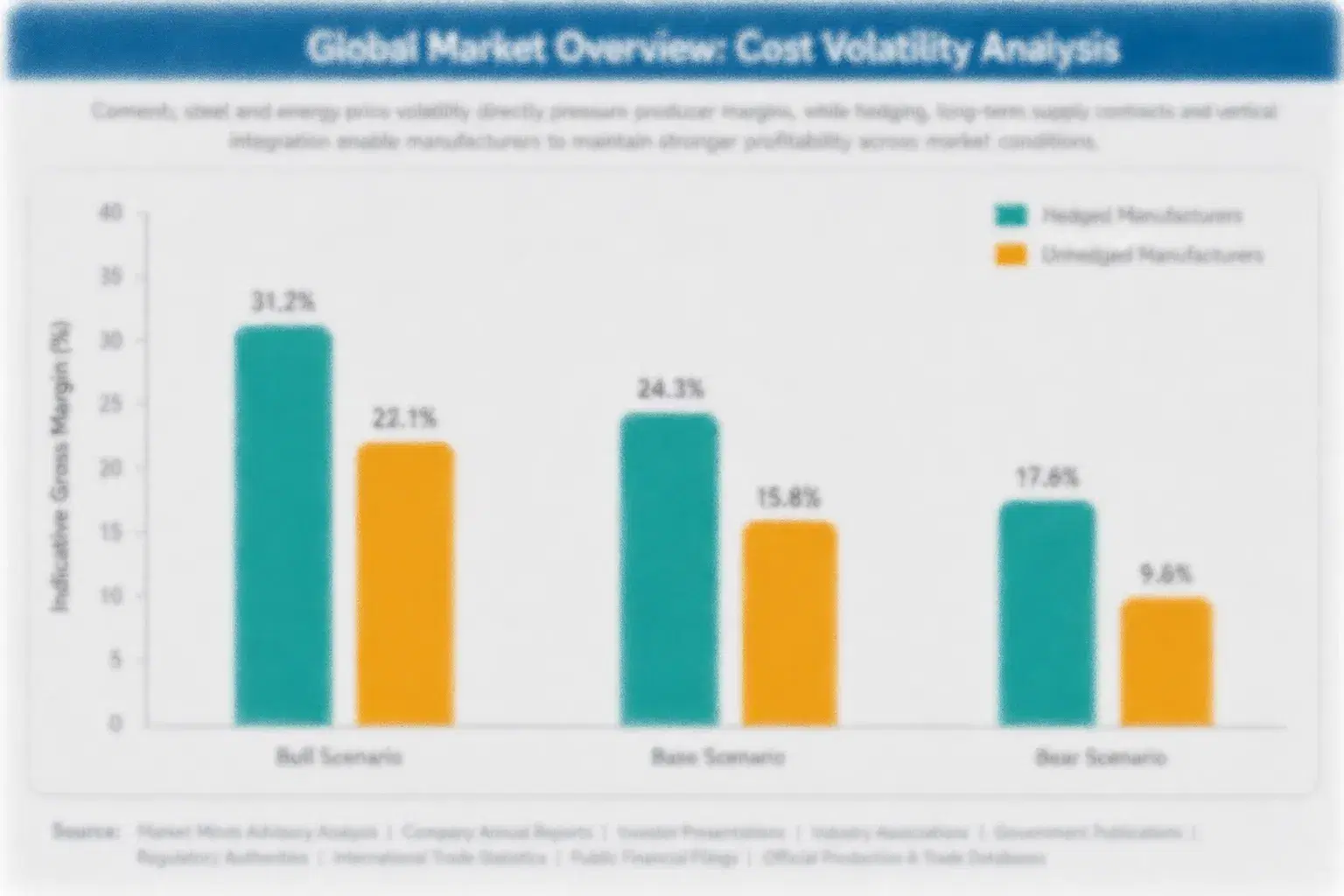
Inputs differ sharply by format and one of them is genuinely agricultural. Alginate derived from harvested brown seaweed, carboxymethylcellulose fibre, polyurethane foam, viscose and cotton for gauze, collagen from bovine and porcine sources, and silver or iodine antimicrobials together account for 34 to 43% of finished product cost. Sterilisation and packaging add further. Alginate production sits with a small number of processors dependent on harvests nobody controls.
Two things moved. Brown seaweed harvest volumes vary with weather and marine management decisions, and Statistics Norway harvest data records the variability across recent seasons in one of the principal producing regions. Separately, silver pricing rose substantially through 2024 and 2025, which United States Geological Survey commodity data records, feeding directly into antimicrobial filler cost in a way no other filler format experiences at all.

Exposure divides by portfolio composition rather than by scale. Suppliers weighted to alginate and gelling fibre carry harvest exposure they cannot hedge conventionally and cannot substitute around without reformulating a cleared product. Antimicrobial-weighted portfolios carry silver price exposure that is hedgeable and almost never hedged. Synthetic foam and polyurethane formats carry ordinary petrochemical exposure, which is volatile but at least behaves in ways procurement teams already understand well.
wound-filler-market-cost-volatility-analysis-1787716007984

Contract alginate supply across multiple harvest regions

Brown seaweed harvests vary with weather and marine management decisions in each producing region, and alginate processing sits with very few companies supplying medical grade material. Contracting across regions costs commitment and qualification work for each new source. It removes a dependency that has constrained supply before and that no reformulation can address once a product is already cleared.

Hedge silver exposure in antimicrobial filler lines

Silver pricing feeds directly into antimicrobial filler cost in a way no other format experiences, and it rose substantially while suppliers absorbed it into margin. Hedging costs treasury capability most wound care businesses never built. It converts an uncontrollable input line into a planned one, which matters once antimicrobial formats carry a meaningful share of the portfolio.

Qualify synthetic fibre alternatives before harvest failure

Carboxymethylcellulose and other synthetic gelling fibres perform comparably in many indications and carry none of the harvest exposure that alginate does anywhere. Qualifying them costs clinical and regulatory work against products already cleared and already preferred by nurses. It provides a route that exists before it is needed, rather than a reformulation attempted under a supply failure nobody saw coming.

Portfolio Architecture for Margin Defence

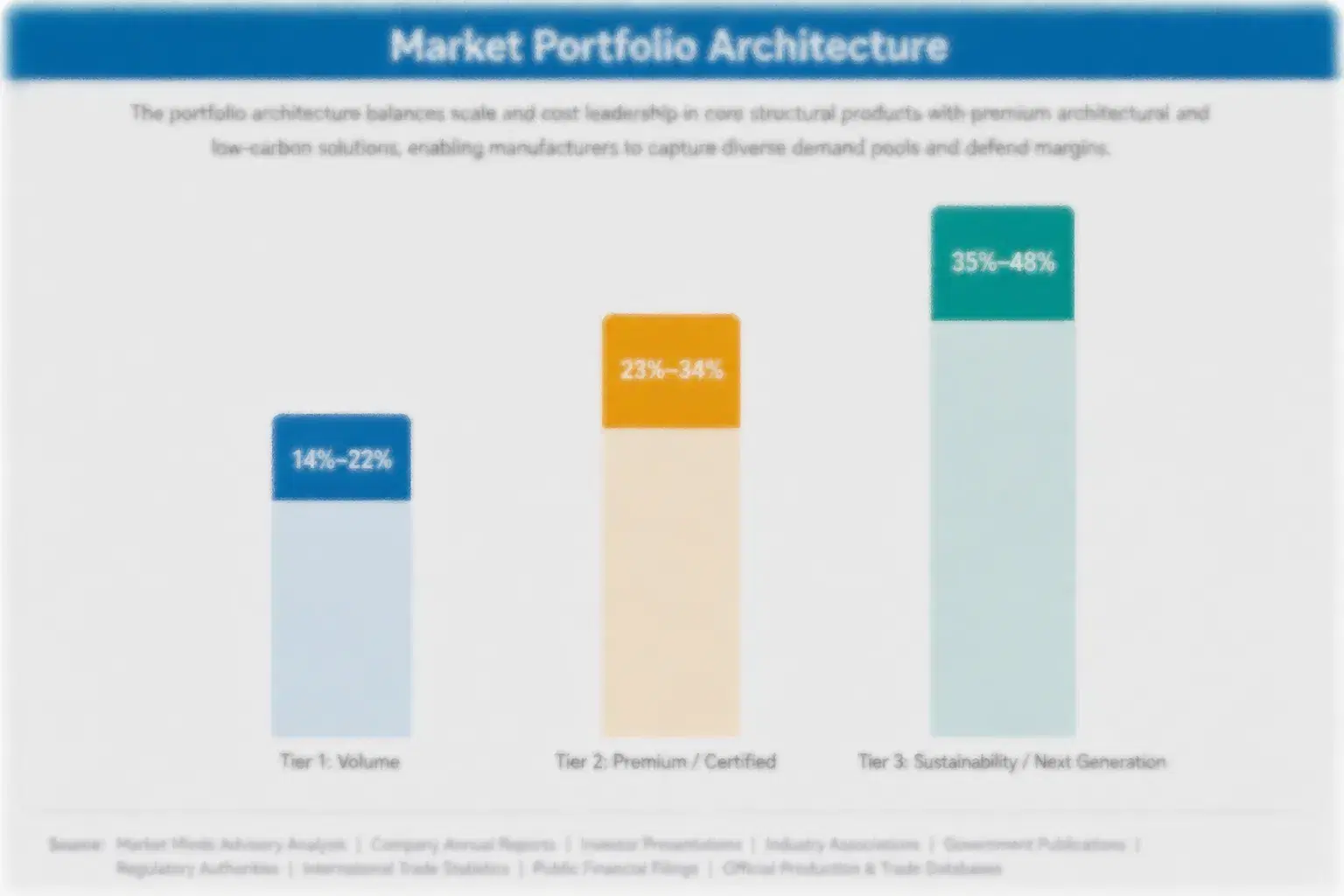
Margin follows how difficult a product is to substitute rather than how sophisticated it is. Gauze packing strips earn almost nothing and exist because reimbursement covers them. Basic alginate earns modestly against domestic Asian competition. Foam cavity fillers earn moderately on handling preference. Negative pressure consumables earn well through device lock-in. Antimicrobial formats earn well where stewardship permits them. Collagen and matrix fillers earn best of anything, on a referral position after everything simpler has failed.
The tension is that the volume sits in formats reimbursement treats as interchangeable. Gauze and basic alginate carry most units and almost no margin, while matrix products carry excellent margin across a fraction of wounds and only after documented failure of simpler options. A supplier weighted to volume competes against manufacturers with materially lower cost bases; one weighted to matrix accepts a small addressable base gated by payer authorisation.

High-value pools sit in three places. Collagen and matrix fillers, defended by clinician preference that forms personally and shifts slowly. Negative pressure filler consumables, where the pump determines the consumable and the account closes once placed. And gelling fibre technology, where one-piece removal earns nurse preference that survives a considerable price difference.

Volume / Commodity-Adjacent

Gauze packing strips and basic alginate ropes supplied into community contracts on cost per piece. The 10-point range separates manufacturers with domestic fibre and alginate supply from those buying medical grade material on international markets.
Gross Margin: 20-30%

Premium / Certified

Gelling fibre, foam cavity fillers and negative pressure consumables sold through formulary listings and device platforms. The 14-point spread reflects how differently open formulary competition and device-locked consumable supply behave across the same clinical setting.
Gross Margin: 46-60%

Sustainability / Regulatory / Next-Generation

Antimicrobial impregnated formats and collagen or extracellular matrix fillers used after simpler options have documented failure. The 22-point range is wide because stewardship-restricted antimicrobials and payer-authorised matrix products face entirely different pricing conditions.
Gross Margin: 58-80%
wound-filler-market-portfolio-architecture-1787716008307

High-value Sub-segments and Strategic Watch-out

Collagen And Matrix Fillers

Highest margin and fastest growth at 10.5%, reaching cavity wounds that have already stalled for weeks on everything simpler and considerably cheaper. The risk is that payers increasingly require documented failure of alternatives first, which caps the addressable population by authorisation. Authorisation is the real gate.
Gross Margin: 70-80%

Negative Pressure Filler Consumables

Strong economics locked to a pump placement decision made once, after which the consumable follows for the working life of that device. The risk is that placement is a one-time contest and a competitor's pump installed instead closes the account entirely. Placement decides everything afterwards.
Gross Margin: 58-68%

Gelling Fibre Volume

The clinical core, holding around 3.4 days between changes and earning nurse preference through removal in one piece rather than in fragments. Suppliers hold it because it anchors formulary position for everything else they list alongside it. Losing it costs more than the margin does.
Gross Margin: 46-56%

Community Price Consolidation

The strategic watch-out. Group contracts negotiated by people who never see a wound compare cost per piece, which is returning ground to gauze. The risk is two decades of clinical argument being undone by a procurement structure nobody in the category influences. Nobody in wound care controls it.
Gross Margin: 20-28%

Wounds That Take Months

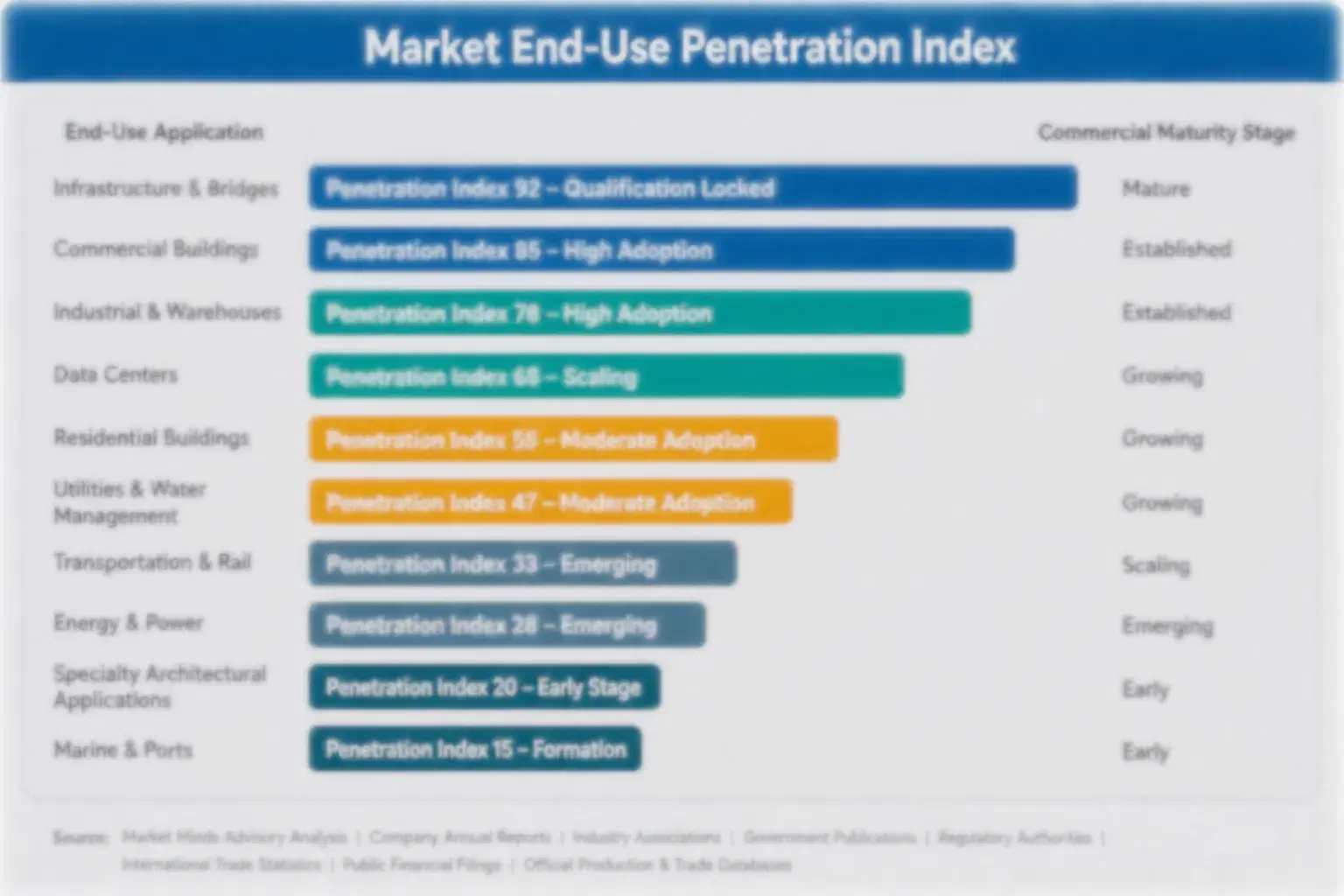
A chronic cavity wound is managed for months rather than days, which makes each patient a sustained consumption stream rather than an episode. A wound packed every 3.4 days across four months consumes roughly thirty five fillers, and the product chosen first is usually the one used throughout. That makes the initial selection disproportionately valuable and the nurse who made it the most important person in the pathway.
Stickiness therefore runs through clinical habit and formulary listing together. A nurse who removed a filler in one piece and found it conformed to an awkward cavity keeps using it, and formulary listing keeps it available. Hospital settings are stickier than community ones, since formularies change slowly. Community and home care is least sticky of all, because a procurement contract can substitute the product without consulting anybody who applies it.

The decision has moved partly away from the person applying the product. Tissue viability nurses once specified what their service stocked and procurement bought it. Group contracting now increasingly determines what arrives, with clinical input consulted rather than decisive. That buyer compares cost per piece, has never seen a cavity wound, and responds to weekly cost and healing time rather than handling.
wound-filler-market-end-use-penetration-index-1787716008574

Days Between Changes

These are among the four positions where our research anticipates prominent divergence between winners and laggards over the coming forecast period. Each is grounded in the demand model, the regulatory perimeter, and the announced capacity pipeline.
01 / WEAR TIME ECONOMICS

The invoice is the wrong number entirely

Reimbursement caps dressing changes at around 15 per wound per month rather than capping what each individual change actually costs, which means a filler holding 3.4 days between changes beats one holding only two even at double the unit price. Suppliers presenting cost per week win formulary arguments that competitors presenting cost per piece lose without ever quite working out why they lost. That arithmetic is simple, entirely verifiable and almost never actually presented to anybody who might act on it.
02 / NURSE CHANNEL BUILDING

Eighty-two percent of decisions happen at the bedside

Roughly 82% of all wound filler selection is made by tissue viability and community nurses who value handling, conformability, removal in one piece and how a product actually behaves in a patient's home at an awkward hour. Most medical device commercial models were built to reach physicians and reach this audience badly or not at all. Practical training and honest guidance about when a product is the wrong choice build preference that no advertising budget has ever managed to replicate.
03 / OUTCOME EVIDENCE GENERATION

Prove the failure you quietly prevent

A wound closing over retained dead space then breaks down weeks afterwards and nobody attributes that to how the cavity was packed at the time, which leaves this whole category's central clinical argument permanently impossible to demonstrate to anybody. Service-level recurrence and reopening data would change that entirely, and almost no supplier anywhere has ever funded anybody at all to go and collect it. It costs a multi-year study and it is the only evidence a procurement committee would respect.
04 / STEWARDSHIP COMPATIBLE POSITIONING

Sell a course, not a continuing prophylaxis

Antimicrobial stewardship pressure across most health systems now restricts treatment duration rather than banning use outright, so a fourteen day defined course carrying documented clinical review sits comfortably where open-ended prophylaxis increasingly no longer does. Suppliers packaging and then pricing around that pattern align themselves with how these products are now actually being authorised in practice. Silver pricing also feeds straight into product cost here, and remarkably few suppliers anywhere in the category hedge any of it at all today.

Engagement Snapshot From the Field

A live engagement with an industry participant carrying material or product regulatory and market exposure ahead of a defining policy shift, showing how our research translates into a defensible multi-year portfolio strategy.
MARKET MINDS ADVISORY · CLIENT ENGAGEMENT SUMMARY
Wound Filler Producer Strategic Portfolio Review and Transition Roadmap 2026·Investment Scenario on Wound Filler Exposure Evaluation 2025-26
CLIENT PROFILE
An advanced wound care manufacturer supplying alginate and foam cavity fillers across European and Asian markets, with reported wound filler revenue of 128 million dollars (client-reported, unverified by MMA). Roughly 64% came from alginate formats. The company held no matrix product, no antimicrobial range and no alginate supply contract beyond twelve months anywhere in the business.
STRATEGIC CHALLENGE
Two community procurement groups had moved listings to lower priced competitors and a poor seaweed harvest had tightened alginate supply mid-year. Management was preparing a price reduction to recover the lost listings. That would have competed on the one dimension where domestic Asian manufacturers held a materially lower cost base, while leaving the supply exposure entirely unaddressed.
MMA APPROACH
MMA analysed listing wins and losses against the award criteria actually used, alongside alginate supply coverage by region, a reconciliation the company had never performed. Twenty-one expert interviews with tissue viability nurses, community service managers, procurement leads and formulary pharmacists established how decisions were genuinely being made. The analysis treated wear time evidence and input security rather than pricing as the routes available.
KEY FINDINGS
  1. Neither lost tender had received any cost per week comparison from the company, and both award panels confirmed they would have considered one had it been submitted.
  2. Tissue viability nurses in both regions preferred the client's foam handling strongly, and their preference had carried no weight in the consolidated procurement decisions.
  3. Alginate supply was contracted from a single harvest region, and a poor season had already forced allocation across the client's own customers that year.
  4. No competitor in either market was presenting healing time or recurrence evidence, which left the position genuinely open to whichever supplier moved first.
CLIENT PROFILE
An advanced wound care manufacturer supplying alginate and foam cavity fillers across European and Asian markets, with reported wound filler revenue of 128 million dollars (client-reported, unverified by MMA). Roughly 64% came from alginate formats. The company held no matrix product, no antimicrobial range and no alginate supply contract beyond twelve months anywhere in the business.
STRATEGIC CHALLENGE
Two community procurement groups had moved listings to lower priced competitors and a poor seaweed harvest had tightened alginate supply mid-year. Management was preparing a price reduction to recover the lost listings. That would have competed on the one dimension where domestic Asian manufacturers held a materially lower cost base, while leaving the supply exposure entirely unaddressed.
MMA APPROACH
MMA analysed listing wins and losses against the award criteria actually used, alongside alginate supply coverage by region, a reconciliation the company had never performed. Twenty-one expert interviews with tissue viability nurses, community service managers, procurement leads and formulary pharmacists established how decisions were genuinely being made. The analysis treated wear time evidence and input security rather than pricing as the routes available.
KEY FINDINGS
  1. Neither lost tender had received any cost per week comparison from the company, and both award panels confirmed they would have considered one had it been submitted.
  2. Tissue viability nurses in both regions preferred the client's foam handling strongly, and their preference had carried no weight in the consolidated procurement decisions.
  3. Alginate supply was contracted from a single harvest region, and a poor season had already forced allocation across the client's own customers that year.
  4. No competitor in either market was presenting healing time or recurrence evidence, which left the position genuinely open to whichever supplier moved first.
RECOMMENDED STRATEGY
Phase 1: Phase one: build and submit cost per week comparisons for every tender, since award panels confirmed they would consider them. Phase 2: Phase two: contract alginate supply across a second harvest region and qualify a synthetic gelling fibre alternative in parallel with that work. Phase 3: Phase three: fund a service-level recurrence audit, entering the evidence position no competitor in either market currently occupies at all today.
OUTCOME
Cost per week submissions recovered one of the two lost listings within two quarters and won a third the company had not previously held. Alginate supply was contracted across a second region before the following harvest (client-reported, unverified by MMA). A recurrence audit began at two hospital services. The planned price reduction was cancelled.

Frequently Asked Questions

Foundational context covering the market sizes, CAGR, scope, country, region and competition that inform every finding below. This section is provided to cover basics and most often pre-purchase conversations, answered from the MMA Primary Research Dataset.

What is the current size of the Wound Filler Market?

The market was worth 1.6 billion dollars in 2025, covering alginate, foam, gauze, antimicrobial, matrix and negative pressure filler formats. It reaches 1.71 billion dollars in 2026.

How large will the Wound Filler Market be by 2036?

MMA forecasts 3.37 billion dollars by 2036, an increase of 1.66 billion dollars over the 2026 base. That represents an expansion multiple of 1.97 times across the forecast period.

What is the CAGR for the Wound Filler Market 2026 to 2036?

The base case compounds at 7.0% annually. The bull case reaches 8.2% if reimbursement begins recognising healing outcomes, while the bear case sits at 5.8% on community procurement consolidating onto unit price.

Which segment is growing fastest?

Collagen and extracellular matrix fillers, at 10.5%, half again the market rate of 7.0%. They treat cavity wounds that have already stalled on everything simpler and cheaper.

Who are the major companies in the Wound Filler Market?

Smith and Nephew, Molnlycke Health Care, Convatec, Coloplast and Solventum lead on disclosed advanced wound care product revenue. Urgo Medical, Paul Hartmann and Medline hold notable positions.

Which country is growing fastest?

India at 9.0%, as diabetic foot services and podiatry establish beyond tertiary hospitals into cities that previously offered nothing. Clinical training there lags product availability noticeably.

Report Segmentation Architecture

The full report scope spans multiple orthogonal segmentation dimensions, with cross-tabulated demand data provided for each dimension pair. Coverage extends further to regional breakdowns, trend trajectories, and the competitive detail needed to support segment-level decision-making.

By Filler Material

  • Alginate and Gelling Fibre Fillers
  • Foam Cavity Fillers
  • Gauze and Textile Packing Strips
  • Antimicrobial Impregnated Fillers
  • Collagen and Extracellular Matrix Fillers
  • Negative Pressure Filler Consumables

By End-Use Industry

  • Acute Hospital Wound Care
  • Community and District Nursing
  • Long-Term Care Facilities
  • Diabetic Foot and Podiatry Services
  • Home Health Agencies
  • Specialist Wound Clinics

By Commercial Dimension

  • Hospital Formulary Listing
  • Community Group Contract Supply
  • Reimbursed Prescription Dispensing
  • Device-Linked Consumable Supply
  • Distributor and Wholesale Channels
  • Direct Institutional Tender

By Region

  • North America
  • Western Europe
  • East Asia
  • South Asia and Pacific
  • Latin America
  • Middle East and Africa
  • Eastern Europe

Scope, Methodology, and Coverage

Every figure in this report is reproducible from documented input assumptions. The scope below maps the historical period, the forecast horizon, the segmentation dimensions, and the countries covered, alongside the underlying primary and qualitative methodology.
Historical Period
2020 to 2025
Forecast Period
2026 to 2036
Base Year
2025 (USD billions; MMA Primary Research Dataset, August 2026)
Market Definition
Scope covers products designed to be placed into wound cavities, sinuses and undermined areas to fill dead space, absorb or manage exudate and support healing, spanning alginate and gelling fibre fillers in rope or ribbon form, foam cavity fillers, gauze and textile packing strips including radiopaque variants, antimicrobial impregnated fillers using silver, iodine or polyhexanide, collagen and extracellular matrix fillers, and filler consumables supplied for use with negative pressure wound therapy. Flat wound dressings applied to surface wounds, negative pressure pumps, canisters and tubing, surgical closure and suture products, debridement instruments, enzymatic and larval debridement agents, compression therapy systems, and skin substitutes applied as grafts are excluded from the market size and all derived figures.
Quantitative Units
USD billions (current prices); fillers consumed; cost per week of therapy; dressing changes per wound; wear time in days
Segmentation Dimensions
By Filler Material; By End-Use Industry; By Commercial Dimension; By Region
Regions Covered
North America, Western Europe, East Asia, South Asia and Pacific, Latin America, Middle East and Africa, Eastern Europe
Countries Covered
USA, Germany, UK, China, Japan, France, India, Canada, Italy, Brazil, Australia, Spain, South Korea, Saudi Arabia, Poland
Key Companies Profiled
Smith+Nephew, Molnlycke Health Care, Convatec, Coloplast, Solventum, Paul Hartmann, Urgo Medical, B Braun, Medline Industries, Cardinal Health, Integra LifeSciences, Organogenesis, MiMedx, DermaRite Industries, Advanced Medical Solutions, Winner Medical, Lohmann & Rauscher, Nitto Denko, Zhende Medical, Gentell
Quantitative Methodology
Primary survey, n=3,800 respondents, Q4 2025, six countries; demand-side model with trade association cross-validation
Qualitative Methodology
47 expert interviews, Q4 2025; applied to validate demand model assumptions, identify emerging dynamics, and assess competitive positioning
Report Format
PDF and XLSX data workbook (Word format preview document)
Publisher
Market Minds Advisory
Report Code
MMA-2026-MED-152
Published
August 2026
Contact
sales@marketmindsadvisory.com | www.marketmindsadvisory.com

Purchase the full Wound Filler Market Report (2026 to 2036).

The full report runs to 155 pages and covers all six filler material segments, seven regions and 20 profiled suppliers in detail. It includes the complete segment CAGR set, regional reimbursement and specialist nursing capacity comparison, and cost per week analysis modelled across wear times and change caps. Company profiles carry evaluation on disclosed advanced wound care product revenue, with moat and risk assessment for the top five suppliers. The competitive section extends to 12 tracked procurement, stewardship and clinical evidence developments across 2024 and 2025. Primary research inputs include a quantitative survey of 3,800 respondents and 47 expert interviews conducted in Q4 2025.
Six filler material segments with individual CAGR forecasts
Seven regional markets with reimbursement and nursing capacity comparison
Twenty supplier profiles on consistent revenue evaluation basis
Twelve tracked procurement and stewardship developments with commercial interpretation
Cost per week modelled across wear times and caps
Alginate harvest exposure assessed against synthetic fibre alternatives

Built For The People Who Decide

From boardroom strategy to bench-side execution, this report is read cover-to-cover by leaders shaping the next decade of their industry, turning demand scenarios, market dynamics and valuation benchmarks into decisions.
CXOs/ Presidents/ VPs/ Managers
M&A and Corporate Development
Strategy Teams and R&D Heads
Procurement and Product Directors
Regulatory and Compliance Leaders
Investor Relations and Equity Analysts