Market Minds Advisory
Women’s Wellness CBD Gummies Market

Women’s Wellness CBD Gummies Market: Women’s Wellness CBD Gummies Market. Menopause Demand, Regulatory Limbo and Trust as the Margin Driver

Women's wellness CBD gummies sell into menopause, cycle comfort and stress on brand trust, but regulatory limbo, thin clinical evidence and pregnancy warnings keep growth dependent on tested products, retail access and careful claims.

Lead Analyst

Published

September 2026

Make Smarter Decisions with Customized Research Insights

Request a free sample report and evaluate market opportunities, growth trends, and competitive dynamics relevant to your business needs.

2025 MARKET VALUE$0.9BMarket Size 2025
2036 FORECAST VALUE$3.3BBase Case , 2026 to 2036
CAGR 2026 TO 203612.5 %Bull 13.8% / Bear 11.2%
INCREMENTAL OPPORTUNITY$2.3BNet 10- year value creation
EXPANSION MULTIPLE3.25x2036 value over 2026 base
Strategic Levers
M&A Pipeline
Regional Outlook
Country Rankings
Competitive Intelligence
Segmental Deep-dive
Call-Us : 91 93563 13602

Executive Snapshot and Market Trajectory.

Women's wellness CBD gummies are a brand-led category where buyers want comfort through menopause, cycles and stress without prescription drugs. Clinical evidence is thin, so trust rests on third-party testing, clean labels and clear pregnancy warnings, and retailers watch regulation closely. Demand is steady. Buyers are loyal once satisfied.
Menopause and Perimenopause Support Gummies grow fastest as women in their late 40s and 50s look for sleep, mood and comfort products, while general stress and mood gummies still carry the largest volume. North America holds the largest share because American brands sell most products through online and specialty retail, with Western Europe second on British and German demand. Regulatory risk shapes retailer access.
Competition is fragmented, with a few established hemp brands, women-led wellness labels and pharmacy private labels competing on testing transparency, formula credibility and brand voice. US federal food law, EU novel food rules, state hemp limits and payment restrictions shape entry, and retailers audit certificates of analysis, THC levels and pregnancy warnings before they list any new product. Marketing reach and subscription retention decide who keeps customers once the first order arrives.
Market Definition
The market covers global sales of gummies containing cannabidiol from hemp and marketed to women for menopause and perimenopause comfort, menstrual cycle comfort, stress and mood balance, sleep and general wellness, valued at brand level and sold through online, pharmacy, health retail, dispensary and direct channels. The scope excludes intoxicating THC edibles, prescription cannabinoid medicines and hormone therapies, topical CBD, and CBD oils, capsules and drinks.
Base Year Value
$0.9B in 2025 (MMA Primary Research Dataset, September 2026)
Forecast Period
2026 to 2036, eleven discrete annual values
CAGR
12.5% base case. Bull 13.8%. Bear 11.2%.
Fastest Growth Segment
Menopause and Perimenopause Support Gummies: 17.5% CAGR
Fastest Growth Country
Australia: 14.8% CAGR
Fastest Growth Region
South Asia and Pacific: 14.5% CAGR
Largest Region
North America: 52% of 2025 global value
Market Leaders
Charlotte's Web, cbdMD, Green Roads, Medterra, CV Sciences. Source: MMA Analysis, company annual reports.
Primary Survey
n=3,800 procurement and R&D decision-makers, Q4 2025, six countries
Methodology
Demand-side build-up, cross-validated against public data, 47 expert interviews

Women’s Wellness CBD Gummies Market Forecast Scenarios

womens-wellness-cbd-gummies-market-size-forecast-scenario-1789961748159
Between 2020 and 2025 the market grew at about 11.5% a year, helped by pandemic stress, open discussion of menopause and cycle health on social media and the launch of women-focused brands. Growth slowed in 2023 as retailers cut shelf space, hemp prices fell and enforcement letters unsettled brands. Tested, transparent products gained share. Subscription plans lifted repeat sales.
The base case rests on three commercial mechanisms. First, women in perimenopause and menopause, a group of more than one billion worldwide by 2030, seek non-prescription comfort products and talk about them openly. Second, brands add magnesium, ashwagandha, ginger and other botanicals to CBD and publish third-party test results to build trust. Third, pharmacy and specialty retail acceptance grows as regulation clarifies. Producers plan formulas, testing and retailer files around these drivers, and buyers reward transparent labels.
The bull case reaches 13.8% if the United States clarifies a lawful supplement pathway for CBD and clinical trials show comfort benefits in menopause. The bear case falls to 11.2% if enforcement widens, retailers pull products and pregnancy safety concerns lead to stricter warnings. Both cases assume stable hemp supply and no new tariffs. Neither assumes new medical claims.

Trust Signals, Legal Clarity and Claims Set Women's CBD Gummy Returns

Women's wellness CBD gummies sit where several life stages meet. Period discomfort, perimenopause, menopause and everyday stress all produce demand for products that feel gentle, look like a treat and avoid prescriptions. CBD arrives as the headline ingredient, but brands add magnesium, ashwagandha, ginger or melatonin, and buyers judge products on ingredient lists, tests and how brands speak about women's health.
MARKET CONCENTRATION20% CR5Top five brands hold a small share of sales
TYPICAL DOSE10-25 mgCommon CBD dose per gummy in women's wellness products
ONLINE SALES SHARE48%Portion of sales made through websites and marketplaces
SUBSCRIPTION SHARE30%Portion of online orders placed on recurring plans
THIRD-PARTY TESTED85%Portion of leading brands publishing batch certificates of analysis
AVERAGE REPEAT CYCLE45 daysTypical time between reorders among loyal subscribing customers
Value pools sit in three places. Menopause and perimenopause products carry the highest prices and fastest growth, since buyers seek sleep, mood and comfort support over months. Period and cycle comfort products sell in monthly rhythms with strong subscription retention. Stress, mood and sleep gummies take the widest audience, and pharmacies and specialty stores add credibility, though online sales still dominate for most brands.
Supply is simple, but access is not. Hemp extract and isolate come from farms and extractors in the United States and Europe, and contract manufacturers make most gummies. The hard part is retail and payments, since banks, marketplaces and advertising platforms restrict CBD, and pharmacies list only tested products with clear warnings. Pregnancy and breastfeeding warnings appear on every responsible label.
"Women's wellness CBD gummies are sold on trust in a category that has earned very little of it. The brands that last will be the ones that print the test result, the warning and the honest limit of the evidence on the pack. Menopause is the demand story, but transparency is the margin story."
Senior Analyst, Women's Health and Cannabinoid Wellness Practice · MMA Women’s Wellness CBD Gummies Practice · September 2026

Market Trends

Menopause and Perimenopause Support Becomes the Leading Growth Positioning

Menopause has moved from a taboo to a marketing theme, and brands now launch gummies for sleep, mood, comfort and stress in women aged 45 to 60, often adding magnesium, ashwagandha and botanical extracts to CBD. Menopause and Perimenopause Support Gummies grow about 17.5% a year, and gross margins run 55% to 72%. The trend needs clear claims that avoid treating symptoms, dose transparency, testing and pharmacist support, and it rewards brands that partner with menopause clinicians, publish ingredient rationales and avoid overpromising on hot flashes, where clinical evidence for CBD remains limited.
Market Impact: 1 billion women postmenopausal by 2030

Period Comfort Gummies Build Subscription Retention Around Monthly Cycles

Painful periods affect a large share of menstruating women, and brands sell CBD gummies with magnesium, ginger and turmeric for comfort in the days around a cycle. Period and Cycle Comfort Gummies grow about 15.0% a year, and gross margins run 50% to 68%. The trend needs tested products, honest wording on comfort rather than treatment, and warnings about pregnancy and drug interactions, and it favours brands that offer cycle-timed subscriptions, ship discreetly and give buyers dosing guides for pre-period and period days. Repeat purchase is strong because the need returns every month.
Market Impact: online channels take 48% of sales

Market Opportunities and Growth Drivers

Open Conversation About Menopause Expands the Addressable Buyer Base

More than 1 billion women worldwide will be menopausal or postmenopausal by 2030 according to the World Health Organization, and celebrities, podcasts and workplace programmes have made symptoms a mainstream topic. Many women want alternatives or additions to hormone therapy, and surveys show that sleep, mood and hot flashes top the list of concerns. The driver sustains a large, engaged buyer base and rewards brands with clear dosing, third-party tests and clinician voices that reassure cautious buyers, while pharmacies and retailers create dedicated menopause aisles that lift visibility and baskets. Online communities amplify recommendations.
Market Impact: enforcement can cut sales 20-40%

Stress and Sleep Disruption Drive Women Toward Calming Gummies

Surveys by health bodies show that women report higher rates of anxiety, insomnia and burnout than men, and many balance work, childcare and elder care. Gummies fit routines because they need no water, taste pleasant and look like a wellness treat rather than a medicine. The driver sustains demand for stress, mood and sleep formats across age groups and rewards brands that pair CBD with L-theanine, magnesium or ashwagandha, publish tests and set clear expectations, while retailers reward products that avoid disease claims and show serving sizes clearly on the pack. Younger women also buy.
Market Impact: larger trials cost $2-6 million each

Market Restraints and Challenges

Regulatory Uncertainty and Enforcement Risk Limit Retail Access and Advertising

The US FDA has said CBD cannot be sold as a food or supplement under current rules, the EU treats CBD as an unauthorised novel food, and lawmakers have moved to restrict intoxicating hemp products that could catch legitimate brands. The root cause is a gap between hemp law and food law. Brands respond with compliance files, testing and trade groups, though uncertainty keeps large pharmacies cautious and can cut sales by 20% to 40% in enforcement cases. Payment providers and advertising platforms add restrictions that small brands struggle to manage. Legal costs fall hardest on small brands.
Market Impact: menopause gummies grow 17.5% yearly

Thin Evidence and Pregnancy Warnings Limit Clinician Support and Claims

Trials of CBD for hot flashes, period pain and mood in women are few, small and mixed, and health agencies such as the UK Food Standards Agency advise pregnant and breastfeeding women to avoid CBD. The root cause is limited funding and regulatory barriers to research. Brands must add warnings, avoid disease claims and accept that gynaecologists rarely recommend products, and each larger trial can cost $2 million to $6 million. Brands respond by funding small studies, publishing safety data and building advisory boards, though these steps raise cost and slow launches for smaller companies.
Market Impact: period gummies grow 15.0% yearly
3 additional market trends, 2 additional growth drivers, and 4 additional restraints and challenges are covered in the full report. Contact sales@marketmindsadvisory.com to access the complete intelligence.

Segment CAGR and Growth Architecture

The global women's wellness CBD gummies market is segmented by product positioning, which shows where life stage, formula credibility and retailer trust create pricing power. Five segments cover menopause and perimenopause support, period and cycle comfort, stress and mood balance, sleep and evening calm, and general women's wellness. Menopause and period comfort products grow fastest.
womens-wellness-cbd-gummies-market-market-share-analysis-1789961748416

Menopause and Perimenopause Support Gummies

Menopause and Perimenopause Support Gummies is the fastest-growing segment at 17.5% a year, about 1.40 times the overall market rate, from a small base. Women in their late 40s to 60s buy for sleep, mood and comfort, and brands charge gross margins of 55% to 72% for formulas that combine CBD with magnesium, ashwagandha and botanicals. Claims must avoid treating symptoms, and clinical evidence for hot flash relief is limited, so trust rests on tests, clear dosing and honest wording. Brands that work with menopause clinicians, publish ingredient rationales and offer starter packs win repeat orders, while retailers add dedicated menopause sections. Competitors copy formats quickly, so brand voice and testing transparency protect price.
CAGR 17.5%

Period and Cycle Comfort Gummies

Period and Cycle Comfort Gummies grows at 15.0% a year, about 1.20 times the overall market rate, because buyers use products in monthly rhythms and brands accept gross margins of 50% to 68% for formulas with CBD, magnesium, ginger and turmeric. Cycle-timed subscriptions, discreet packaging and dosing guides for days before and during a period lift retention. Evidence is limited, so brands avoid treatment claims and stress comfort, and pregnancy warnings are essential. Younger women aged 20 to 40 form the core buyer group, and social media reviews drive discovery. Retailers such as pharmacies list a few tested brands, and new entrants face high customer acquisition costs. Discreet delivery matters to buyers.
CAGR 15.0%
Full segment breakdown across 5 segments available in the complete report.

Regional Architecture and Country Demand Map

North America leads at 52% because American brands sell most women's wellness CBD gummies through online, specialty and pharmacy channels, with Western Europe at 24% on British and German demand. South Asia and Pacific grows fastest. East Asia stays small on strict cannabis and hemp rules.

North America

North America holds 52% share, above its band, which justifies the out-of-band share: the United States has the world's largest hemp-derived CBD gummy market, American women-led brands such as Saint Jane Beauty and Equilibria sell through online, specialty and pharmacy channels, and legal hemp cultivation under the 2018 Farm Bill supplies extract at scale. Growth runs at the global rate of 12.5%. State rules differ, FDA has not authorised CBD in supplements, and payment restrictions affect brands. Retail acceptance is growing in specialty and wellness stores. Canada adds regulated cannabis retail. Menopause and period comfort products grow fastest, and subscriptions drive repeat orders across the region. Older buyers value pharmacist advice.
Share: 52% | CAGR: 12.5% (2026 to 2036)

Western Europe

Western Europe holds 24% share, inside its band, with growth of 10.7%, below the global rate. The United Kingdom leads through a large, regulated market for tested CBD products with a 10 mg daily advisory limit and a novel food validation list, while Germany, France and the Netherlands add pharmacy, drugstore and online sales. Because North America and Western Europe take the top two slots, the commercial reason is that both regions combine high spending on women's health, established hemp supply and mature retail, which East Asia and Latin America lack. Novel food rules, pregnancy warnings and strict advertising limits restrain growth, and menopause wellness is a fast-growing theme in British retail.
Share: 24% | CAGR: 10.7% (2026 to 2036)
Regional intelligence for 5 additional markets available in the complete report: East Asia, South Asia and Pacific, Latin America, Middle East and Africa, Eastern Europe. Contact sales@marketmindsadvisory.com.
womens-wellness-cbd-gummies-market-country-cagr-analysis-1789961748677

Four Margin Routes for Women's CBD Gummy Brands

Margin in women's wellness CBD gummies comes from tested formulas, menopause positioning, subscription retention and pharmacy access rather than discount promotions. The routes below apply to brands, contract makers and retailers, and each can start inside one planning cycle, with clear measures in gross margin points, retention rate and customer acquisition cost. Payback typically runs 12 to 24 months.

Building Menopause Support Ranges With Clinician Advisers and Honest Claims

Menopause and perimenopause products earn gross margins of 55% to 72% against 45% to 58% for general wellness gummies, so brands that build ranges with clinician advisers, publish ingredient rationales and keep claims honest lift blended margin by four to six points when 20% of sales move into the range. Programmes cost $0.8 million to $3 million. Brands should launch one sleep and mood formula first, add starter packs for new buyers and use pharmacist and gynaecologist voices without implying treatment, since regulators and retailers punish disease claims and buyers reward honesty. Payback arrives within 18 months.
Market Impact: menopause ranges lift blended gross margin by 4-6 points

Growing Cycle-Timed Subscriptions and Retention Programmes for Period Comfort Buyers

Period comfort buyers reorder every month, so brands that offer cycle-timed subscriptions, discreet packaging, dosing guides and flexible skip options lift retention by 10 to 18 points and cut customer acquisition cost per retained customer by 20% to 30%. Programmes cost $0.5 million to $2 million. Brands should test timing reminders and starter bundles with 500 to 1,000 subscribers first, share results with customer service teams and avoid discount-led sales that attract one-time buyers. Lifetime value rises fastest among women who buy for both period and stress support, and email and text reminders keep churn low.
Market Impact: cycle-timed subscriptions lift customer retention by 10-18 points

Winning Pharmacy Listings Through Testing and Compliance Files

Large pharmacies and specialty retailers list only brands with third-party testing, THC below detection, clear pregnancy warnings and recall plans, so brands that invest in batch certificates, quality systems and compliance files win listings worth 15% to 25% of sales and reduce enforcement risk. Programmes cost $0.7 million to $2.5 million. Brands should begin with the two retailers that already stock hemp products, provide staff training and shelf materials and monitor state and country rules, since retailers prefer suppliers that make compliance easy and rarely replace them after qualification. Listings also improve trust among cautious buyers.
Market Impact: tested compliance files win pharmacy listings worth 15-25% of sales

Funding Small Clinical and Safety Studies for Women's Comfort Claims

Evidence is thin, so brands that fund pilot studies of 60 to 120 women on sleep, mood or comfort outcomes, add safety monitoring and publish results build trust and support price premiums of 10% to 20%. Studies cost $0.4 million to $1.5 million each. Brands should register protocols publicly, use independent clinicians, share results with retailers and regulators and avoid overstating benefit, because weak trials can cause damage. Results also help win clinician support among gynaecologists and menopause specialists who currently rarely recommend products, and they give sales teams credible documents. Renewals follow each study.
Market Impact: independent pilot studies support price premiums of 10-20%

Who Controls the Margin Pool

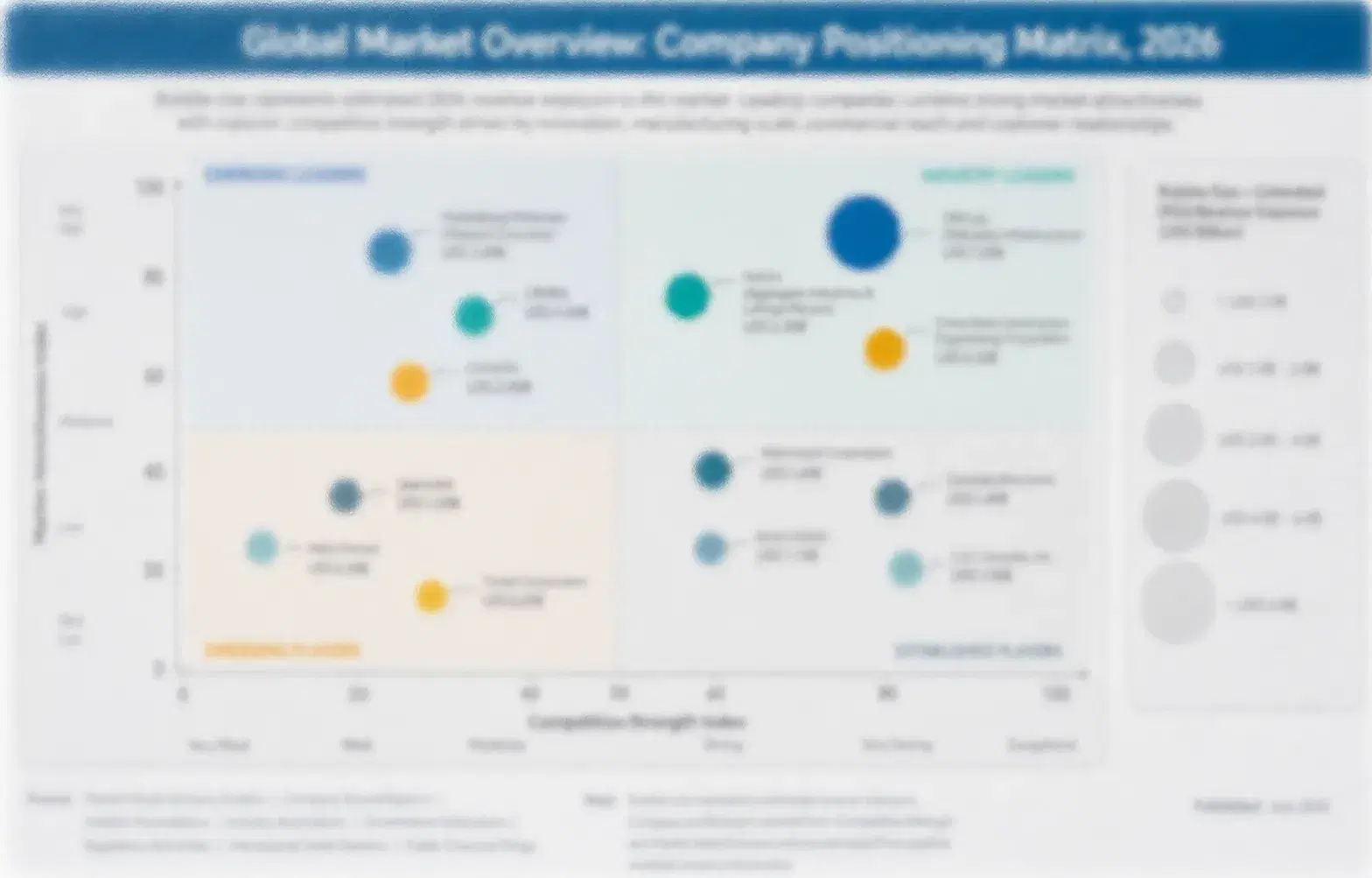
The global market is fragmented, with a CR5 of 20%, because low entry barriers, contract manufacturing and online sales let many brands compete. This assessment measures participants on estimated women's wellness CBD gummy sales value at brand level, held constant across all players. Charlotte's Web and cbdMD lead through brand recognition and distribution, while Green Roads, Medterra and CV Sciences follow, and the gap between the leader and the fifth player is modest.
Competition runs on four dimensions today: testing transparency, formula credibility, brand voice and retail access. Established hemp brands win on scale and distribution, women-led labels win on voice and community, and pharmacy private labels win on price and trust. Buyers compare certificates of analysis, warnings and ingredient lists, and subscription retention decides which brands earn profit once acquisition costs are paid.

Emerging pressure comes from large consumer health and menopause brands entering with hemp-free or low-cannabinoid gummies, from pharmacy private labels, and from regulators that could tighten hemp rules. Rankings shift where a brand wins pharmacy listings, publishes clinical data or survives enforcement, and consolidation of smaller brands continues as costs rise. Acquisition costs keep rising.
womens-wellness-cbd-gummies-market-company-positioning-matrix-1789961749011

Competitive Moat and Risk Dimensions

CHARLOTTE'S WEB

Moat: Brand Recognition and Quality Records

Charlotte's Web, the Colorado hemp company, grows its own hemp and sells CBD gummies, oils and capsules through online, retail and pharmacy channels. Its brand recognition, vertical control of farming and extraction, and published testing give it an advantage with cautious buyers, and its position supports listings at large retailers and a loyal subscriber base among wellness shoppers.
CHARLOTTE'S WEB

Risk: Broad Positioning Versus Niches

Charlotte's Web sells broad wellness products, so women-focused labels can appear more relevant for menopause and period comfort. It carries higher cost from vertical operations, and regulatory uncertainty has hurt sales and margins in recent years. Retail competition and price promotions also limit growth in gummies.
CBDMD

Moat: Retail Reach and Marketing Scale

cbdMD, a North Carolina brand, sells CBD gummies and other products online and through retailers and pharmacies, backed by large marketing spend and a wide product range. Its retail reach, recognised name and quality claims give it an advantage in reaching new buyers, and its position supports promotions, bundles and subscription programmes that help it compete on convenience.
CBDMD

Risk: Cost Pressure and Regulatory Exposure

cbdMD depends on online advertising and marketplaces that restrict CBD, so marketing cost and payment access can change quickly. Its broad range dilutes women-specific positioning, and enforcement or regulation could hit sales sharply. Price promotions by competitors also compress margins. Retail partners can also drop underperforming lines.

Players Tracked

Prominent Players

Charlotte's Web
cbdMD
Green Roads
Medterra
CV Sciences

Other Key Players

Saint Jane Beauty
Equilibria
Prima Wellness
Vertly
Mary's Nutritionals
Fab CBD
Exhale Wellness
Penguin CBD
Lazarus Naturals
NuLeaf Naturals
Verma Farms
Elixinol
Endoca
Cibdol
Canopy Growth

Recent Developments

JANUARY 2026

Charlotte's Web Launches Menopause Sleep and Mood CBD Gummy With Published Batch Test Results

Charlotte's Web launched a menopause sleep and mood CBD gummy with published batch test results, according to company communications. It is a product launch, not an acquisition, and it tests menopause positioning. The formula pairs CBD with magnesium and ashwagandha and carries pregnancy warnings. Sales terms were not disclosed.
Signal: Confirms leaders are targeting menopause with transparent testing because buyers want proof of quality and safety before purchase.
FEBRUARY 2026

cbdMD Introduces Cycle-Timed Subscription Programme for Period Comfort CBD Gummies

cbdMD introduced a cycle-timed subscription programme for period comfort CBD gummies, according to company communications. It is a commercial programme, not an acquisition, and it tests retention among women buyers. The programme offers timed shipments, dosing guides and discreet packaging. Financial terms were not disclosed.
Signal: Shows brands are competing on retention design because monthly need lets subscriptions raise lifetime value after costly acquisition.
MARCH 2026

Green Roads Signs Pharmacy Distribution Agreement for Tested Women's Wellness CBD Gummies in the United States

Green Roads signed a pharmacy distribution agreement for tested women's wellness CBD gummies in the United States, according to company communications. It is a distribution agreement, not an acquisition, and it tests pharmacy appetite for CBD gummies. The agreement covers batch certificates and staff training. Commercial terms were not disclosed.
Signal: Indicates pharmacies will stock CBD gummies from brands that provide certificates and training, because compliance support reduces retailer risk.

What Drives CBD Gummy Costs

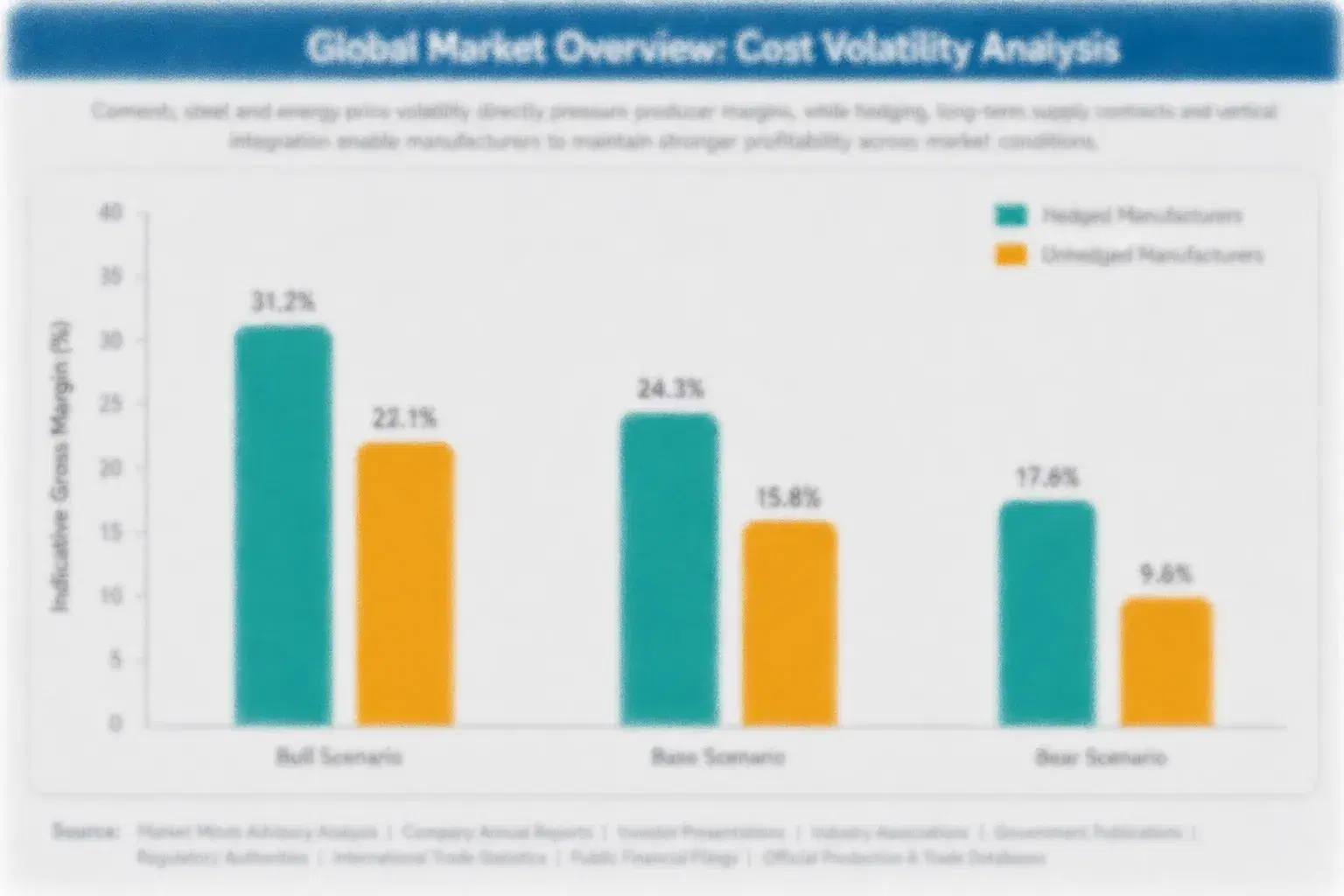
Hemp extract and CBD account for roughly 22% of product cost, gummy base ingredients such as pectin, sweeteners and flavours about 14%, functional botanicals and minerals such as magnesium and ashwagandha about 12%, testing, packaging and labelling about 14%, and manufacturing, marketing, payment fees and distribution about 38%. Hemp comes mainly from the United States, Europe and Colombia, and pectin and sugar from Europe and Latin America.
The clearest recent shock came from sweetener and pectin prices. The FAO Food Price Index recorded sugar prices at multi-year highs in 2023, and MMA Estimate from expert interviews indicates that pectin costs rose 15% to 30% after citrus peel supply tightened. Gummy makers absorbed most of the increase, some reformulated with lower-sugar bases, and brands with fixed retail prices saw gross margin fall by two to four points before pricing caught up.

The disadvantage falls on small brands without contract terms, testing budgets or channel diversity, because they cannot pass through cost swings or meet retailer rules. Large brands negotiate extract, base and packaging terms. Exposure also varies by geography: American brands face state rules and banking limits, while European brands face novel food and advertising rules.
womens-wellness-cbd-gummies-market-cost-volatility-analysis-1789961749302

Multi-Year Extract and Base Ingredient Contracts

Brands sign multi-year contracts for hemp extract, pectin and sweeteners and hold two to three months of key inputs. These agreements cut exposure to input spikes of 15% to 30%. The main challenge is volume commitment when sales slow, so larger brands lead, while smaller brands buy through contract manufacturers and accept less price control and slower response.

Formula Redesign and Alternative Base Systems

Brands redesign formulas with alternative pectin sources, lower-sugar bases and dose optimisation to cut base ingredient cost by 8% to 15%. The main challenge is texture, taste and stability, so brands run panels and shelf-life tests before scaling, while smaller brands rely on contract manufacturers that offer tested base systems and technical support for launches.

Batch Testing Partnerships and Shared Compliance Services

Brands sign volume agreements with accredited laboratories and share compliance staff or consultants through trade groups. These steps cut testing and compliance cost per batch by 10% to 20% and shorten retailer approvals. The main challenge is method consistency between laboratories, so brands use reference materials and audit partners, while smaller brands pool testing volumes to reach better prices.

Portfolio Architecture for Margin Defence

Margins run from moderate returns on general wellness CBD gummies sold in volume through marketplaces and discount promotions to strong returns on menopause and cycle products sold with clear formulas, testing and subscriptions. Three tiers separate volume products, premium certified lines and next-generation solutions, and each tier draws on different brand voice, retailer relationships and compliance files in a fragmented market with limited price transparency.
The tension between volume and premium is sharp. General wellness gummies fill promotions and marketplace listings at lower prices but face constant competition and account risk, while menopause and cycle products earn higher margins on smaller volumes and depend on trust, testing and retention. Brands that run only volume struggle when acquisition costs rise, while premium-only brands lose reach. Mix management decides which risk dominates each year.

High-value pools concentrate in menopause and perimenopause support gummies sold through subscriptions and clinician channels and in period comfort products with strong retention. They gather where buyers pay for trust, testing and honest claims, not for the CBD label itself. Stress and sleep gummies add a wider pool, and strong brands hold all three.

Volume / Commodity-Adjacent

General women's wellness gummies and marketplace bundles sold in volume with discount promotions to price-conscious buyers. Buyers focus on price per gummy, repeat rates are modest, and retailer access is limited to online channels.
Gross Margin: 45%-58%

Premium / Certified

Stress, mood and sleep gummies with certified testing, clear warnings and consistent potency, sold through online, specialty and pharmacy channels. Buyers value transparent labels, subscriptions and customer service, and retailers list a small number of trusted brands.
Gross Margin: 52%-66%

Sustainability / Regulatory / Next-Generation

Menopause and perimenopause support and period comfort gummies with clinician advisers, pilot studies, tested formulas and subscription programmes, sold to engaged buyers and specialty retailers. Retention is strong, and success depends on honest claims, safety documentation and brand trust.
Gross Margin: 55%-72%
womens-wellness-cbd-gummies-market-portfolio-architecture-1789961749657

High-value Sub-segments and Strategic Watch-out

Menopause and Perimenopause Support Gummies

Menopause and perimenopause support gummies combine the fastest growth with strong pricing, since women in their late 40s to 60s buy for sleep, mood and comfort and pay gross margins of 55% to 72%. Clinician advice, honest claims and tested formulas limit competition, and brands with rationales win repeat orders.
Gross Margin: 55%-72%

Period and Cycle Comfort Gummies

Period and cycle comfort gummies deliver firm growth and retention, since buyers use products every month and accept gross margins of 50% to 68% for tested formulas. Cycle-timed subscriptions, discreet packaging and pregnancy warnings form the entry barrier, and customer service decides which brands stay in the routine.
Gross Margin: 50%-68%

Stress and Mood Balance Gummies

Stress and mood balance gummies are the volume core for the widest audience of women. Value grows about 12.0% a year, and hemp extract cost, subscription retention and customer acquisition cost decide profit. Brands anchor sales on online communities and email programmes, and customers usually renew subscriptions monthly.
Gross Margin: 48%-60%

General Women's Wellness Gummies

General women's wellness gummies are the strategic watch-out, since growth of about 8.0% a year trails the leaders, positioning is vague and price competition on marketplaces is intense. Brands should manage these lines selectively and steer investment toward menopause and period comfort products with clear buyers.
Gross Margin: 40%-52%

Why Women Keep Reordering Wellness Gummies

Women's wellness gummies behave like a short annuity attached to life-stage routines, subscriptions and trusted brand relationships. Once a buyer finds a product that fits a cycle or sleep routine and feels safe, reorders follow every month, and switching means new trust tests, price comparison and lost momentum. Buyers use recent reviews and test results to decide renewals, so brands with clear records earn steadier volume. Trust, once earned, is slow to lose.
Adoption stickiness differs by end-use vertical. Period comfort buyers are the deepest, since need returns monthly and products fit routines. Menopause buyers are moderately sticky, moving between brands when a formula disappoints or a clinician suggests another approach. Stress and general wellness buyers are more fluid, responding to promotions and new formats, though tested, well-reviewed products hold customers for a year or more.

Buyer profiles are shifting between generations. Older women chose products on doctor advice and pharmacist trust, while younger women ask for ingredient transparency, discreet delivery, community reviews and brand values. Retailers and regulators add a third group that sets claims and safety expectations. Brands that publish tests and honest limits win newer buyers.
womens-wellness-cbd-gummies-market-end-use-penetration-index-1789961749929

MMA Verdict on Women's CBD Strategy

These are among the four positions where our research anticipates prominent divergence between winners and laggards over the coming forecast period. Each is grounded in the demand model, the regulatory perimeter, and the announced capacity pipeline.
01 / MENOPAUSE POSITIONING STRATEGY

Build Menopause Support Ranges With Clinicians Before Crowded Positioning Erodes Pricing

Menopause and Perimenopause Support Gummies grows at 17.5% a year, about 1.40 times the overall market rate, and gross margins of 55% to 72% beat 45% to 58% for general gummies. Brands should invest $0.8 million to $3 million in clinician advisers, tested formulas and honest claims, and move 20% of sales into the range to lift blended margin by four to six points. Those that delay will lose the category to better documented brands over the next two years, while early movers hold repeat orders, pricing and trust.
02 / RETENTION PROGRAMME STRATEGY

Fund Cycle-Timed Subscriptions Before Acquisition Costs Consume Period Comfort Margins

Period and Cycle Comfort Gummies grows at 15.0% a year, about 1.20 times the overall market rate, and buyers reorder every month, so retention decides profit once acquisition costs are paid. Brands should invest $0.5 million to $2 million in timing reminders, discreet packaging and dosing guides, and lift retention by 10 to 18 points. Those that rely on discounts will lose margin over the next two years, while prepared brands hold lifetime value, customer trust and lower acquisition cost per retained customer across every quarter.
03 / RETAIL COMPLIANCE STRATEGY

Win Pharmacy Listings Before Retailers Consolidate Around a Few Compliant Suppliers

Large pharmacies list only brands with third-party testing, THC below detection and clear pregnancy warnings, and enforcement can cut sales by 20% to 40%. Brands should invest $0.7 million to $2.5 million in batch certificates, quality systems and staff training, begin with two retailers that already stock hemp products and win listings worth 15% to 25% of sales. Those that delay will lose shelf access to compliant rivals over the next two years, while prepared brands hold reach, credibility and lower enforcement risk across every retailer review cycle.
04 / CLINICAL EVIDENCE STRATEGY

Fund Small Independent Studies Before Clinicians and Regulators Dismiss Unproven Comfort Claims

Evidence for CBD in menopause and period comfort is thin, pregnancy warnings limit some buyers, and brands without studies lose clinician support and pricing to better documented rivals. Brands should invest $0.4 million to $1.5 million per pilot study of 60 to 120 women, register protocols publicly, use independent clinicians and support price premiums of 10% to 20%. Those that delay will lose credibility and margin over the next two years, while prepared brands hold clinician trust, retailer confidence and customer loyalty across every buying cycle.

Engagement Snapshot From the Field

A live engagement with an industry participant carrying material or product regulatory and market exposure ahead of a defining policy shift, showing how our research translates into a defensible multi-year portfolio strategy.
MARKET MINDS ADVISORY · CLIENT ENGAGEMENT SUMMARY
Women’s Wellness CBD Gummies Producer Strategic Portfolio Review and Transition Roadmap 2026·Investment Scenario on Women’s Wellness CBD Gummies Exposure Evaluation 2025-26
CLIENT PROFILE
The client is a mid-sized American women's wellness brand with annual sales near $22 million (client-reported, unverified by MMA), selling CBD gummies for stress and sleep through its website, marketplaces and a few specialty retailers. About 70% of sales came from discount-led first orders, subscriber retention was weak, and buyers had asked for menopause and period comfort formulas. Management wanted a plan to raise margin and reduce dependence on marketplaces.
STRATEGIC CHALLENGE
Gross margin sat near 46% (client-reported, unverified by MMA), acquisition cost had risen 35% in two years, and marketplace account risk threatened a large share of revenue. Management had to decide whether to launch menopause products, build subscription retention or seek pharmacy listings, with limited capital and no clinical data. Key retail partners wanted compliance files within nine months.
MMA APPROACH
MMA analysed sales, cohort and cost data across 20 products, interviewed 15 clinicians, pharmacists and retail buyers, and ran a buyer survey on symptoms, trust and price across three regions. It modelled margin by product and scenario, compared menopause, retention and retail options by payback and execution risk, and tested each against enforcement and cost scenarios.
KEY FINDINGS
  1. A menopause range with two formulas and clinician advisers would cost about $1.6 million and lift gross margin on converted sales from about 46% to about 62% (client-reported, unverified by MMA).
  2. Cycle-timed subscriptions would cost about $0.7 million and lift retention by about 14 points while cutting acquisition cost per retained customer by about 25% (client-reported, unverified by MMA).
  3. Compliance files, batch certificates and staff training would cost about $1 million and open pharmacy listings worth about 18% of sales (client-reported, unverified by MMA).
  4. A pilot study of 80 women would cost about $0.9 million and support price premiums near 12% and clinician support (client-reported, unverified by MMA).
CLIENT PROFILE
The client is a mid-sized American women's wellness brand with annual sales near $22 million (client-reported, unverified by MMA), selling CBD gummies for stress and sleep through its website, marketplaces and a few specialty retailers. About 70% of sales came from discount-led first orders, subscriber retention was weak, and buyers had asked for menopause and period comfort formulas. Management wanted a plan to raise margin and reduce dependence on marketplaces.
STRATEGIC CHALLENGE
Gross margin sat near 46% (client-reported, unverified by MMA), acquisition cost had risen 35% in two years, and marketplace account risk threatened a large share of revenue. Management had to decide whether to launch menopause products, build subscription retention or seek pharmacy listings, with limited capital and no clinical data. Key retail partners wanted compliance files within nine months.
MMA APPROACH
MMA analysed sales, cohort and cost data across 20 products, interviewed 15 clinicians, pharmacists and retail buyers, and ran a buyer survey on symptoms, trust and price across three regions. It modelled margin by product and scenario, compared menopause, retention and retail options by payback and execution risk, and tested each against enforcement and cost scenarios.
KEY FINDINGS
  1. A menopause range with two formulas and clinician advisers would cost about $1.6 million and lift gross margin on converted sales from about 46% to about 62% (client-reported, unverified by MMA).
  2. Cycle-timed subscriptions would cost about $0.7 million and lift retention by about 14 points while cutting acquisition cost per retained customer by about 25% (client-reported, unverified by MMA).
  3. Compliance files, batch certificates and staff training would cost about $1 million and open pharmacy listings worth about 18% of sales (client-reported, unverified by MMA).
  4. A pilot study of 80 women would cost about $0.9 million and support price premiums near 12% and clinician support (client-reported, unverified by MMA).
RECOMMENDED STRATEGY
Phase 1: Phase 1 (Months 1-9): Launch the menopause formulas, build compliance files and start cycle-timed subscription pilots with existing customers and open retailer talks. Phase 2: Phase 2 (Months 10-24): Win pharmacy listings, run the pilot study and scale subscriptions across period comfort and menopause products with clinician partners. Phase 3: Phase 3 (Months 25-42): Publish study results, expand retail partners and review marketplace dependence yearly as enforcement and cost data develop.
OUTCOME
Within 42 months, menopause and period products reached 38% of sales, blended gross margin rose from about 46% to about 58%, and pharmacy listings covered about 16% of revenue (client-reported, unverified by MMA). Subscriber retention rose by about 14 points, marketplace share of revenue fell by about half, and study results supported clinician outreach in three states.

Frequently Asked Questions

Foundational context covering the market sizes, CAGR, scope, country, region and competition that inform every finding below. This section is provided to cover basics and most often pre-purchase conversations, answered from the MMA Primary Research Dataset.

What is the current size of the Women’s Wellness CBD Gummies Market?

The global women's wellness CBD gummies market was valued at $0.90 billion in 2025 on a brand-level sales basis. Growth reflects open discussion of menopause and cycle health, offset by regulatory uncertainty and thin clinical evidence.

How large will the Women’s Wellness CBD Gummies Market be by 2036?

The market is projected to reach $3.29 billion by 2036, up from $1.01 billion in 2026. The increase of $2.27 billion reflects menopause products, subscription retention and pharmacy access.

What is the CAGR for the Women’s Wellness CBD Gummies Market 2026 to 2036?

The market is forecast to grow at a 12.5% CAGR from 2026 to 2036. The bull case reaches 13.8% and the bear case 11.2%, depending on legal clarity, enforcement and clinical evidence.

Which segment is growing fastest?

Menopause and Perimenopause Support Gummies is the fastest-growing segment at 17.5% CAGR, roughly 1.40 times the overall market rate. Period and Cycle Comfort Gummies follows at 15.0% CAGR each year.

Who are the major companies in the Women’s Wellness CBD Gummies Market?

Major companies include Charlotte's Web, cbdMD, Green Roads, Medterra and CV Sciences. Saint Jane Beauty, Equilibria, Prima Wellness, Vertly and Mary's Nutritionals also compete in women-focused CBD wellness.

Which country is growing fastest?

Australia is growing fastest at about 14.8% CAGR, because regulated pharmacy access and clinician-led channels support gummy sales to women seeking sleep and stress support. New Zealand and Thailand follow cautiously.

Report Segmentation Architecture

The full report scope spans multiple orthogonal segmentation dimensions, with cross-tabulated demand data provided for each dimension pair. Coverage extends further to regional breakdowns, trend trajectories, and the competitive detail needed to support segment-level decision-making.

By Primary Market Dimension

  • Menopause and Perimenopause Support Gummies
  • Period and Cycle Comfort Gummies
  • Stress and Mood Balance Gummies
  • Sleep and Evening Calm Gummies
  • General Women's Wellness Gummies

By End-Use Industry

  • Menopause and Perimenopause Comfort
  • Period and Cycle Comfort
  • Stress and Mood Balance
  • Sleep Support
  • General Wellness

By Commercial Dimension

  • Online and Subscription Sales
  • Marketplaces
  • Pharmacies and Drugstores
  • Health and Specialty Retail
  • Licensed Dispensaries and Clinics

By Region

  • North America
  • Western Europe
  • East Asia
  • South Asia and Pacific
  • Latin America
  • Middle East and Africa
  • Eastern Europe

Scope, Methodology, and Coverage

Every figure in this report is reproducible from documented input assumptions. The scope below maps the historical period, the forecast horizon, the segmentation dimensions, and the countries covered, alongside the underlying primary and qualitative methodology.
Historical Period
2020 to 2025
Forecast Period
2026 to 2036
Base Year
2025 (USD billions; MMA Primary Research Dataset, September 2026)
Market Definition
The market covers global sales of gummies containing cannabidiol from hemp and marketed to women for menopause and perimenopause comfort, menstrual cycle comfort, stress and mood balance, sleep and general wellness, valued at brand level and sold through online, pharmacy, health retail, dispensary and direct channels. The scope excludes intoxicating THC edibles, prescription cannabinoid medicines and hormone therapies, topical CBD, and CBD oils, capsules and drinks.
Quantitative Units
USD billions (brand-level sales); units of gummies for volume references
Segmentation Dimensions
By Product Positioning; By End-Use Industry; By Commercial Dimension; By Region
Regions Covered
North America, Western Europe, East Asia, South Asia and Pacific, Latin America, Middle East and Africa, Eastern Europe
Countries Covered
United States, Canada, United Kingdom, Germany, France, Netherlands, Australia, New Zealand, Japan, Thailand, India, Brazil, Colombia, Mexico, Chile, South Africa, Poland, Czechia, and additional markets relevant to this sector
Key Companies Profiled
Charlotte's Web, cbdMD, Green Roads, Medterra, CV Sciences, Saint Jane Beauty, Equilibria, Prima Wellness, Vertly, Mary's Nutritionals, Fab CBD, Exhale Wellness, Penguin CBD, Lazarus Naturals, NuLeaf Naturals, Verma Farms, Elixinol, Endoca, Cibdol, Canopy Growth
Quantitative Methodology
Primary survey, n=3,800 respondents, Q4 2025, six countries; demand-side model with trade association cross-validation
Qualitative Methodology
47 expert interviews, Q4 2025; applied to validate demand model assumptions, identify emerging dynamics, and assess competitive positioning
Report Format
PDF and XLSX data workbook (Word format preview document)
Publisher
Market Minds Advisory
Report Code
MMA-2026-HLT-173
Published
September 2026
Contact
sales@marketmindsadvisory.com | www.marketmindsadvisory.com

Purchase the full Women’s Wellness CBD Gummies Market Report (2026 to 2036).

The full report delivers a detailed assessment of the women's wellness CBD gummies market through 2036, covering product positioning, end-use and regional forecasts, competitive benchmarking of leading brands, and input cost analysis. It combines MMA primary research, including a six-country survey of 3,800 respondents and 47 expert interviews, with public statistical and company data. Analysts also model enforcement scenarios, clinical evidence timelines and retailer listing paths. Clients receive positioning margin ranges, channel maps and a case study on growth strategy. Brand programme and retailer frameworks are also included for planning.
Ten-year product positioning demand forecasts by region
Hemp extract, pectin, and sweetener cost tracking
Competitive benchmarking of leading CBD gummy brands
Hemp, novel food, and supplement rule tracker
Regional market comparative analysis and forecasts included
Quarterly primary survey data update access

Built For The People Who Decide

From boardroom strategy to bench-side execution, this report is read cover-to-cover by leaders shaping the next decade of their industry, turning demand scenarios, market dynamics and valuation benchmarks into decisions.
CXOs/ Presidents/ VPs/ Managers
M&A and Corporate Development
Strategy Teams and R&D Heads
Procurement and Product Directors
Regulatory and Compliance Leaders
Investor Relations and Equity Analysts