Market Minds Advisory
Wireless Communication Technologies In Healthcare Market

Wireless Communication Technologies In Healthcare Market: Wireless Communication Technologies In Healthcare Market. Trends and Forecast 2026 to 2036

Hospital-at-home programs and remote patient monitoring reimbursement expansion are pushing wireless connectivity from a convenience feature into core clinical infrastructure, forcing device makers to prove cybersecurity resilience as regulatory scrutiny of connected medical devices intensifies.

Lead Analyst

Published

September 2026

Make Smarter Decisions with Customized Research Insights

Request a free sample report and evaluate market opportunities, growth trends, and competitive dynamics relevant to your business needs.

2025 MARKET VALUE$31.5BMarket Size 2025
2036 FORECAST VALUE$89.9BBase Case , 2026 to 2036
CAGR 2026 TO 203610.0 %Bull 11.3% / Bear 8.8%
INCREMENTAL OPPORTUNITY$55.2BNet 10- year value creation
EXPANSION MULTIPLE2.59x2036 value over 2026 base
Strategic Levers
M&A Pipeline
Regional Outlook
Country Rankings
Competitive Intelligence
Segmental Deep-dive
Call-Us : 91 93563 13602

Executive Snapshot and Market Trajectory.

Wireless communication in healthcare is shifting from hospital-bound telemetry infrastructure into a distributed remote monitoring network extending well into patient homes, as hospital-at-home programs and chronic disease management demand connectivity beyond traditional clinical walls entirely across most care delivery models, reimbursement frameworks, and payer relationships today and going forward.
Commercial demand concentrates around remote patient monitoring platforms combining cellular, Bluetooth, and Wi-Fi connectivity for chronic disease management and post-acute care transitions, with reimbursement policy increasingly determining which technologies hospitals and payers adopt at scale across most healthcare delivery settings. North America leads given favorable Medicare remote monitoring reimbursement codes and the largest installed base of connected hospital infrastructure requiring modernization or replacement across major health systems.
Competitive intensity remains moderate, with the top five vendors controlling roughly 39% of global revenue given the cybersecurity certification and interoperability standards compliance required to compete effectively in regulated healthcare environments across most product categories and applications globally. Rising demand for standardized interoperability protocols connecting devices across multiple manufacturers is reshaping competitive dynamics, favoring vendors with proven cybersecurity track records over smaller competitors lacking healthcare-specific regulatory compliance experience and certification history.
Market Definition
The Wireless Communication Technologies In Healthcare Market covers cellular, Bluetooth, Wi-Fi, and proprietary radio frequency connectivity solutions enabling remote patient monitoring, hospital telemetry, and connected medical device data transmission. It excludes wired hospital IT networking infrastructure and standalone electronic health record software platforms.
Base Year Value
$31.5B in 2025 (MMA Primary Research Dataset, September 2026)
Forecast Period
2026 to 2036, eleven discrete annual values
CAGR
10.0% base case. Bull 11.3%. Bear 8.8%.
Fastest Growth Segment
Remote Patient Monitoring Wireless Platforms: 15.0% CAGR
Fastest Growth Country
India: 13.0% CAGR
Fastest Growth Region
South Asia and Pacific: 12.0% CAGR
Largest Region
North America: 32% of 2025 global value
Market Leaders
Leading participants include Philips, GE HealthCare, Medtronic, Masimo, and Vocera. Source: MMA Analysis based on company annual reports.
Primary Survey
n=3,800 procurement and R&D decision-makers, Q4 2025, six countries
Methodology
Demand-side build-up, cross-validated against public data, 47 expert interviews

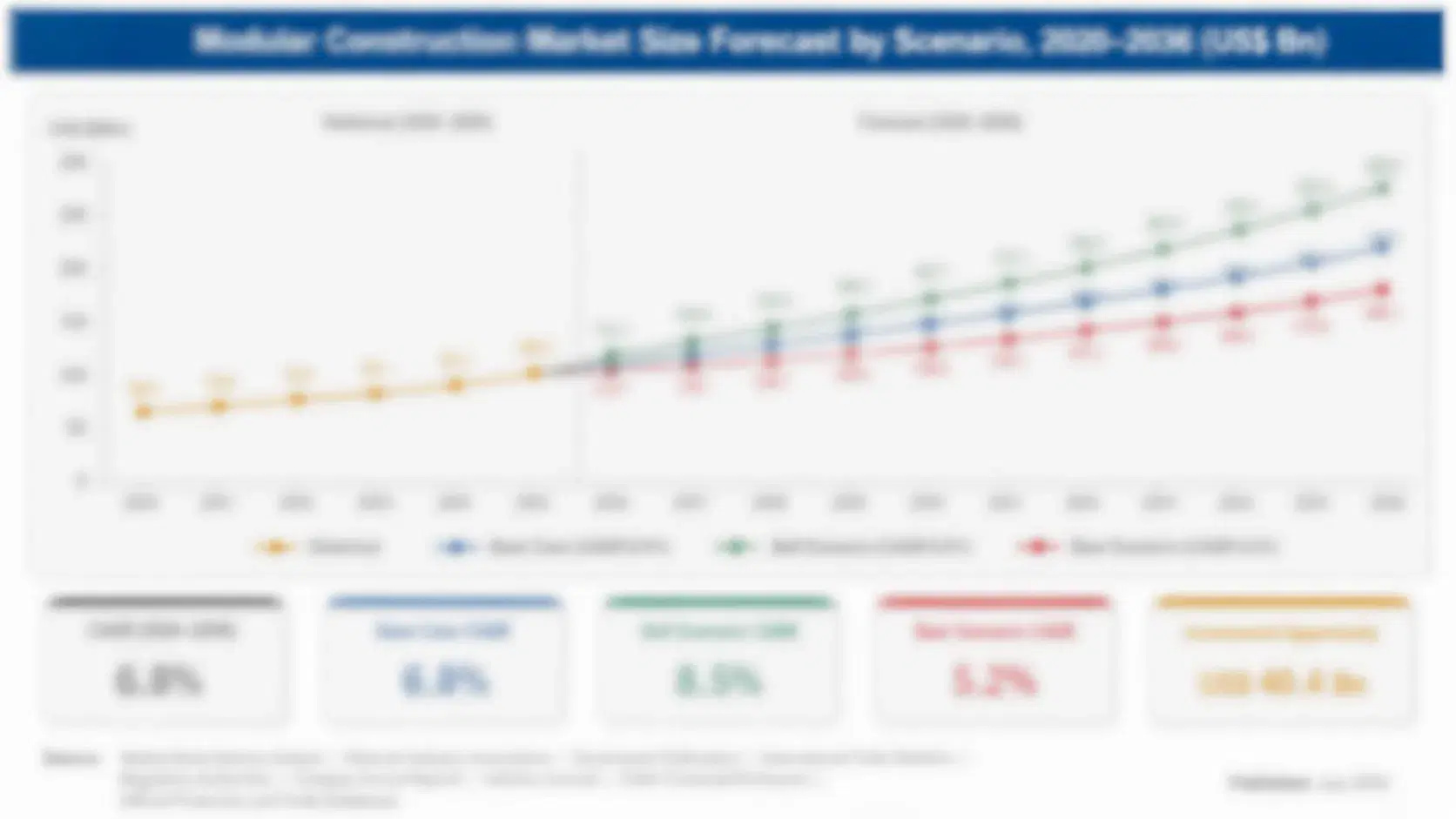
Wireless Communication Technologies In Healthcare Market Forecast Scenarios

wireless-communication-technologies-in-healthcare--size-forecast-scenario-1788596838542
Wireless healthcare connectivity grew rapidly through 2020 to 2025 as pandemic-driven telehealth adoption and remote monitoring demand accelerated hospital and payer investment in connected care infrastructure. Growth remained strong toward the end of the historical period as reimbursement policy expansion continued supporting remote patient monitoring adoption, pushing the historical CAGR to 9.0% by the period's close.
The base case assumes hospital-at-home programs and chronic disease management reimbursement expansion keep driving wireless connectivity adoption through the forecast decade. Three mechanisms drive this: expanding Medicare and private payer reimbursement codes covering remote patient monitoring services, hospital capital investment replacing aging wired telemetry infrastructure with wireless alternatives supporting greater care flexibility, and growing interoperability standard adoption enabling connected devices from multiple manufacturers to communicate reliably within unified hospital data systems.
The bull case centers on accelerated hospital-at-home program expansion pulling forward wireless infrastructure investment well ahead of current adoption timelines across major health systems. The bear risk is cybersecurity incident exposure: if a major connected medical device security breach occurs, regulatory restrictions and hospital risk aversion could slow wireless adoption meaningfully across the industry, favoring more conservative wired alternatives temporarily.

Where Reimbursement Policy Determines Adoption Pace

Wireless connectivity has moved from a hospital convenience feature into essential clinical infrastructure, since remote patient monitoring, hospital-at-home programs, and connected telemetry systems depend on reliable wireless transmission that cannot fail during active patient care. Vendors competing for the largest hospital and payer contracts increasingly differentiate on cybersecurity certification and interoperability standard compliance rather than raw bandwidth specifications alone.
MARKET CONCENTRATION39% CR5Top five vendors control global wireless healthcare connectivity revenue share
AVERAGE DEPLOYMENT COST$85,000 per facilityBlended average cost across hospital wireless infrastructure deployment categories
TOP ADOPTING COUNTRY SHARE34%United States share of global connected healthcare device deployment volume
REMOTE MONITORING REIMBURSEMENT SHARE28% of revenueReimbursement-covered remote monitoring portion of total connectivity market revenue
NETWORK UPTIME REQUIREMENT99.9% minimumTypical required wireless network reliability threshold for clinical applications
DEVICE REPLACEMENT CYCLE5 to 7 yearsTypical operational lifespan before wireless infrastructure replacement or upgrade
The United States represents the largest single-country market given favorable Medicare reimbursement policy for remote patient monitoring services and the largest installed base of connected hospital infrastructure requiring ongoing modernization. Remote monitoring reimbursement now represents a meaningful share of total connectivity market revenue, reflecting a decade-long shift toward outpatient and home-based chronic disease management that hospital-centric care models previously did not support at comparable scale.
Network uptime requirements remain extremely stringent given the safety-critical nature of clinical wireless applications, where connectivity failure during active patient monitoring carries meaningful safety risk that hospital IT departments cannot tolerate. Device replacement cycles running five to seven years create durable, predictable revenue visibility for vendors holding existing installed base relationships, a stability that favors established players over newer entrants without comparable hospital procurement relationships.
"Wireless used to be the thing that let a monitor roam the hallway. Now it's the thing that lets a hospital treat a patient at home, and that shift has quietly made connectivity the most safety-critical system in the building."
Director, Connected Health Technology and Cybersecurity Practice · MMA Healthcare Practice · September 2026

Market Trends

Hospital-at-Home Programs Drive Wireless Infrastructure Investment

Hospital-at-home programs, allowing patients to receive acute-level care in their residences rather than inpatient facilities, require reliable cellular and Wi-Fi connectivity supporting continuous vital sign monitoring, video consultation, and emergency alert transmission comparable to hospital telemetry systems. This care delivery model is expanding rapidly as payers recognize the cost savings compared to traditional inpatient bed occupancy, driving substantial new demand for redundant wireless connectivity solutions designed specifically for home environments rather than controlled hospital settings. Vendors offering validated cellular failover capability ensuring continuous connectivity even during home internet outages are capturing disproportionate share of this expanding demand category.
Market Impact: Reimbursement-covered adoption grows over 20%
Interoperability Standards Enable Multi-Vendor Device Integration

Standardized interoperability protocols allowing connected medical devices from different manufacturers to communicate reliably within unified hospital data systems are becoming a purchasing prerequisite rather than a differentiating feature, as hospitals seek to avoid vendor lock-in across their expanding connected device fleets. This standardization trend is reducing switching cost for hospitals evaluating new device purchases, since interoperability compliance ensures new equipment integrates with existing infrastructure regardless of original equipment manufacturer relationships. Vendors achieving certified interoperability compliance across multiple healthcare data exchange standards are capturing preferred vendor status with large hospital systems.
Market Impact: Retires roughly 35% of wired infrastructure

Market Opportunities and Growth Drivers

Expanding Medicare Reimbursement Codes Drive Adoption

Medicare and private payer expansion of reimbursement codes covering remote patient monitoring services has transformed wireless connectivity from a discretionary hospital IT investment into a revenue-generating clinical service line that hospitals actively promote to patients with qualifying chronic conditions. This reimbursement expansion creates direct financial incentive for hospitals and physician practices to deploy wireless monitoring infrastructure, since covered services generate billable revenue that justifies the upfront technology investment cost across most participating healthcare organizations. Vendors offering platforms specifically designed to support reimbursement billing code compliance documentation are capturing disproportionate share of this expanding demand category as adoption accelerates.
Market Impact: Security reviews add 6 months delay

Aging Wired Telemetry Infrastructure Requires Replacement

A large installed base of hospital telemetry infrastructure deployed during the 2000s and early 2010s is reaching end of useful life simultaneously, forcing hospitals to choose between costly wired infrastructure renovation and migration toward more flexible wireless alternatives supporting broader care delivery models. Most hospitals facing this decision are choosing wireless migration, since maintaining aging wired infrastructure has become harder to justify against wireless alternatives offering greater care flexibility and lower long-term maintenance cost. This transition is expected to retire a meaningful share of remaining wired telemetry infrastructure over the coming decade across major health systems.
Market Impact: Certification delays add 18 months

Market Restraints and Challenges

Cybersecurity Vulnerability Concerns Slow Adoption Decisions

Connected medical devices represent an expanding attack surface for cybersecurity threats, with several publicized security vulnerabilities in wireless medical devices raising hospital IT department concerns about deploying additional connected infrastructure without extensive security validation testing. The root cause is that many wireless medical device manufacturers historically prioritized clinical functionality over cybersecurity engineering, creating a legacy vulnerability gap that newer regulatory requirements are only beginning to address systematically. Vendors are mitigating this through dedicated cybersecurity engineering teams and third-party penetration testing certification, though hospital procurement committees increasingly demand extensive security documentation before approving new connected device purchases.
Market Impact: Hospital-at-home wireless demand grows 25%

Regulatory Fragmentation Complicates Cross-Border Product Approval

Wireless medical device regulatory approval requirements vary substantially across countries, forcing vendors seeking multi-market expansion to navigate separate certification processes with different technical, cybersecurity, and clinical validation requirements for each jurisdiction they wish to serve. The root cause is the absence of harmonized international medical device wireless certification standards comparable to the interoperability standards emerging within individual healthcare systems domestically. Vendors are mitigating this by prioritizing markets with the clearest regulatory pathways first and partnering with local distributors who already hold necessary certifications rather than pursuing independent multi-country certification simultaneously.
Market Impact: Interoperability compliance wins 30% more contracts
3 additional market trends, 4 additional growth drivers, and 2 additional restraints and challenges are covered in the full report. Contact sales@marketmindsadvisory.com to access the complete intelligence.

Segment CAGR and Growth Architecture

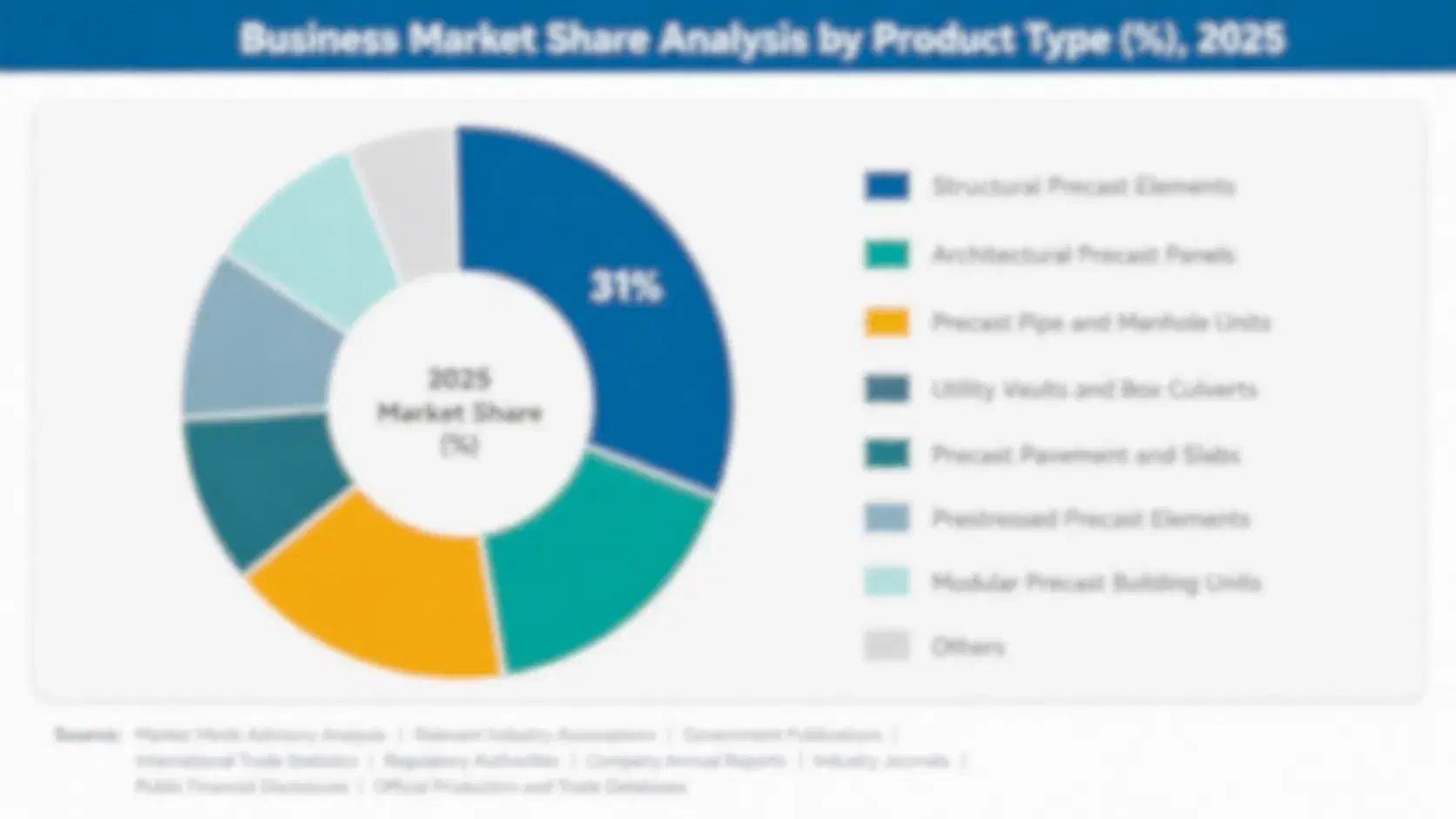
Wireless healthcare connectivity segments by underlying transmission technology and clinical application across six categories spanning remote monitoring, telemetry, Bluetooth, Wi-Fi, cellular, and asset tracking system types sold across most healthcare markets and provider settings worldwide. Each reflects a distinct network architecture and clinical use case rather than overlapping capability tiers within a single connectivity platform.
wireless-communication-technologies-in-healthcare--market-share-analysis-1788596838820

Remote Patient Monitoring Wireless Platforms

Remote patient monitoring wireless platforms form the fastest-growing segment, expanding at 15.0% CAGR as expanding Medicare and private payer reimbursement codes transform remote monitoring from a discretionary technology investment into a revenue-generating clinical service line that hospitals actively promote to patients with chronic conditions. These platforms combine cellular, Bluetooth, and Wi-Fi connectivity to transmit vital sign data continuously from patient homes to clinical monitoring teams, requiring redundant connectivity architecture ensuring reliable transmission even during home internet outages or cellular network congestion. Vendors offering validated reimbursement billing code compliance documentation alongside proven connectivity reliability are capturing disproportionate share of new hospital and payer contracts as adoption accelerates across major health systems.
CAGR 15.0%

Cellular and 5G Connected Medical Devices

Cellular and 5G connected medical devices form the second-fastest-growing segment at 13.0% CAGR, driven by expanding hospital-at-home program adoption requiring reliable connectivity independent of patient home Wi-Fi network quality or availability entirely across most patient populations. This segment benefits from ongoing 5G network infrastructure buildout expanding coverage and reliability in previously underserved geographic areas, enabling wireless medical device deployment in rural and suburban settings previously constrained by inconsistent connectivity and limited network capacity. Manufacturers integrating cellular connectivity directly into medical device hardware, rather than requiring separate gateway devices, are capturing meaningful market share as simplified deployment reduces both hospital IT support burden and patient setup complexity for remote monitoring programs.
CAGR 13.0%
Full segment breakdown across 6 segments available in the complete report.

Regional Architecture and Country Demand Map

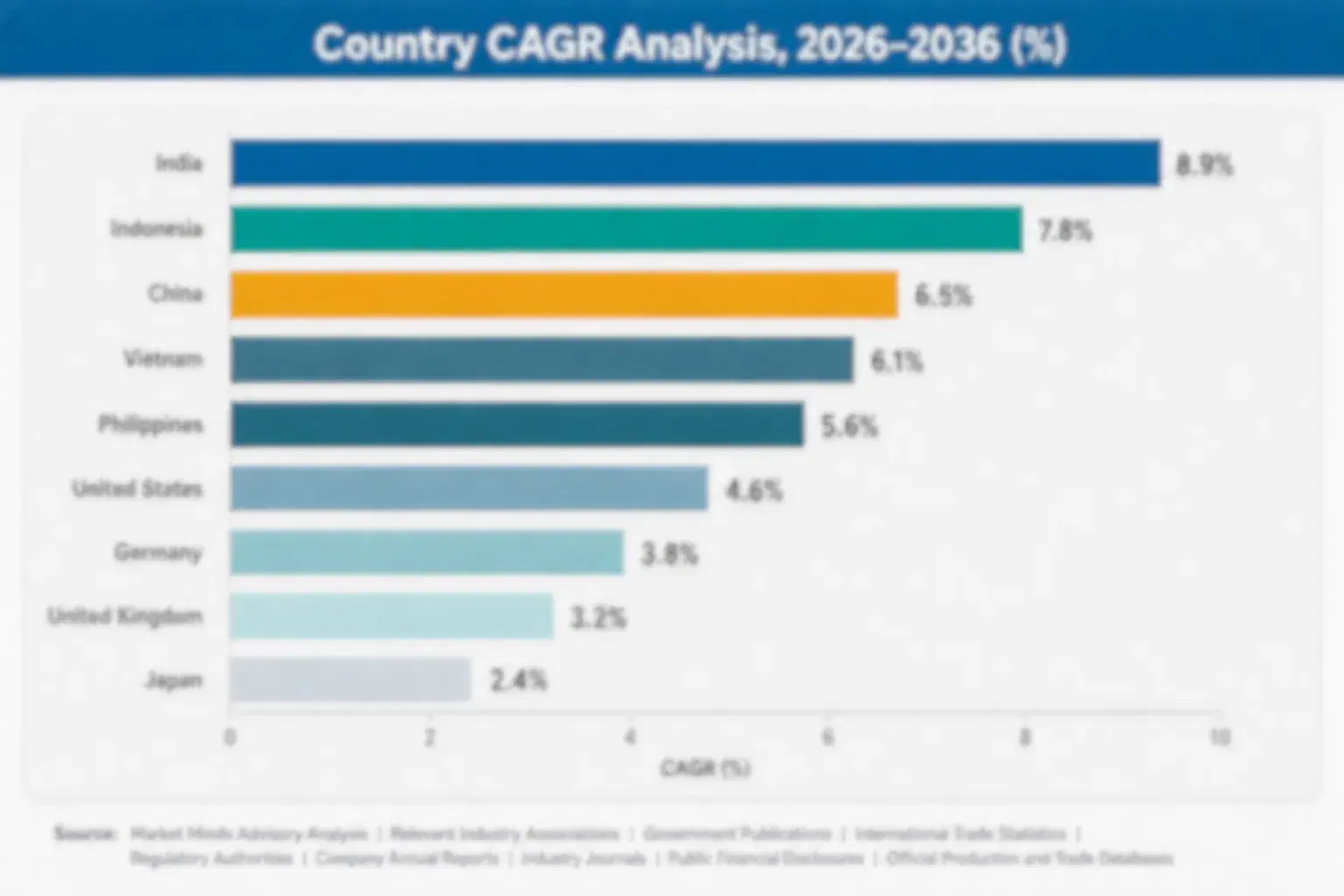
North America leads given favorable Medicare remote monitoring reimbursement policy and the largest installed base of connected hospital infrastructure requiring ongoing modernization, while South Asia and Pacific grows fastest as expanding healthcare digitization programs and rising chronic disease prevalence drive rising demand across the region.

North America

Medicare's expanding remote patient monitoring reimbursement codes have transformed the American healthcare system into the world's largest revenue-generating market for connected care technology, with hospitals and physician practices actively deploying wireless monitoring programs to capture qualifying billable services. Major health systems are investing heavily in hospital-at-home program infrastructure, extending acute-level care delivery into patient residences supported by cellular and Wi-Fi connectivity comparable to inpatient telemetry systems. Canada's smaller, publicly funded healthcare system follows similar technology adoption patterns at a somewhat reduced pace given more constrained public healthcare capital budgets relative to the American private insurance system. Group purchasing organizations increasingly negotiate multi-year wireless contracts on behalf of large hospital networks, consolidating procurement decisions.
Share: 32% | CAGR: 10.5% (2026 to 2036)

Western Europe

Germany's advanced hospital digitalization initiatives, funded partly through government healthcare infrastructure investment programs, drive substantial regional demand for wireless connectivity solutions supporting both hospital telemetry and remote monitoring applications. France and the United Kingdom maintain large public healthcare systems increasingly specifying interoperability compliance requirements in equipment procurement tenders, favoring vendors with certified multi-vendor compatibility credentials. Regional growth trails North America somewhat given more constrained public healthcare capital budgets and reimbursement policies less generous than Medicare's remote monitoring coverage expansion for comparable connected care services. Nordic countries are also investing steadily in home monitoring programs, requiring reliable cellular connectivity suited to patient self-administered care settings outside traditional hospital walls. Insurance structures are evolving to support home monitoring adoption.
Share: 22% | CAGR: 8.5% (2026 to 2036)
Regional intelligence for 5 additional markets available in the complete report: East Asia, South Asia and Pacific, Latin America, Middle East and Africa, Eastern Europe. Contact sales@marketmindsadvisory.com.
wireless-communication-technologies-in-healthcare--country-cagr-analysis-1788596839109

Where Vendors Can Command Premium Pricing

Wireless healthcare vendors face steady price pressure from cost-conscious hospital procurement, but four commercial levers let disciplined companies defend margin and win the largest health system contracts across the coming forecast decade. Each requires different capability investment, and vendors combining several simultaneously are pulling ahead of single-lever competitors across most care delivery segments today.

Cybersecurity Certification and Penetration Testing Investment

Vendors investing in dedicated cybersecurity engineering teams and third-party penetration testing certification capture premium positioning with hospital procurement committees increasingly demanding extensive security documentation before approving new connected device purchases across all categories. This certification investment requires sustained ongoing security validation work distinct from traditional medical device engineering, but delivers meaningful credibility advantage that competitors without comparable documented security track records cannot quickly replicate. Vendors with strong cybersecurity certification are commanding roughly 22% higher contract values than competitors lacking comparable documented security validation and testing history. Referral relationships with existing hospital security teams also compound this credibility advantage over time.
Market Impact: Commands roughly 22% higher overall contract values annually

Interoperability Standard Certification Across Multiple Protocols

Vendors achieving certified interoperability compliance across multiple healthcare data exchange standards capture preferred vendor status with large hospital systems increasingly specifying multi-vendor compatibility requirements in procurement tender documentation across their expanding connected device fleets. This certification requires sustained engineering investment ensuring compatibility across evolving healthcare data standards, but delivers meaningful competitive advantage as hospitals seek to avoid vendor lock-in during future equipment purchases. Vendors with broad interoperability certification are winning contracts at price points roughly 28% above competitors lacking comparable multi-standard compatibility credentials. Fee structures also tend to include ongoing compliance maintenance components tied to evolving standards.
Market Impact: Wins contracts at prices roughly 28% above peers

Reimbursement Billing Code Compliance Platform Development

Vendors developing platforms specifically designed to support reimbursement billing code compliance documentation capture disproportionate share of hospital and payer contracts, since covered remote monitoring services generate billable revenue that justifies technology investment for participating healthcare organizations. This capability requires ongoing regulatory tracking and platform updates as reimbursement policy evolves, but positions vendors advantageously as remote monitoring reimbursement continues expanding across most healthcare markets globally. Vendors with proven reimbursement compliance capability are achieving customer retention rates roughly 32% higher than competitors lacking comparable billing documentation support. This compliance capability also compounds further as reimbursement policy continues expanding nationwide.
Market Impact: Achieves customer retention rates roughly 32% higher overall

Cellular Failover Redundancy Architecture for Home Deployment

Vendors offering validated cellular failover capability ensuring continuous connectivity even during home internet outages capture disproportionate share of hospital-at-home program deployments, since connectivity reliability directly determines patient safety in home-based acute care settings. This capability requires sophisticated network engineering combining multiple connectivity technologies within a single redundant architecture, a technical challenge smaller competitors cannot easily replicate without substantial engineering investment. Vendors with proven redundancy architecture are capturing home healthcare deployment contracts at margins roughly 26% above standard single-connectivity-mode alternatives lacking comparable reliability guarantees. This engineering advantage also compounds further as hospital-at-home program adoption keeps expanding.
Market Impact: Achieves margins roughly 26% above standard alternatives overall

Who Controls the Margin Pool

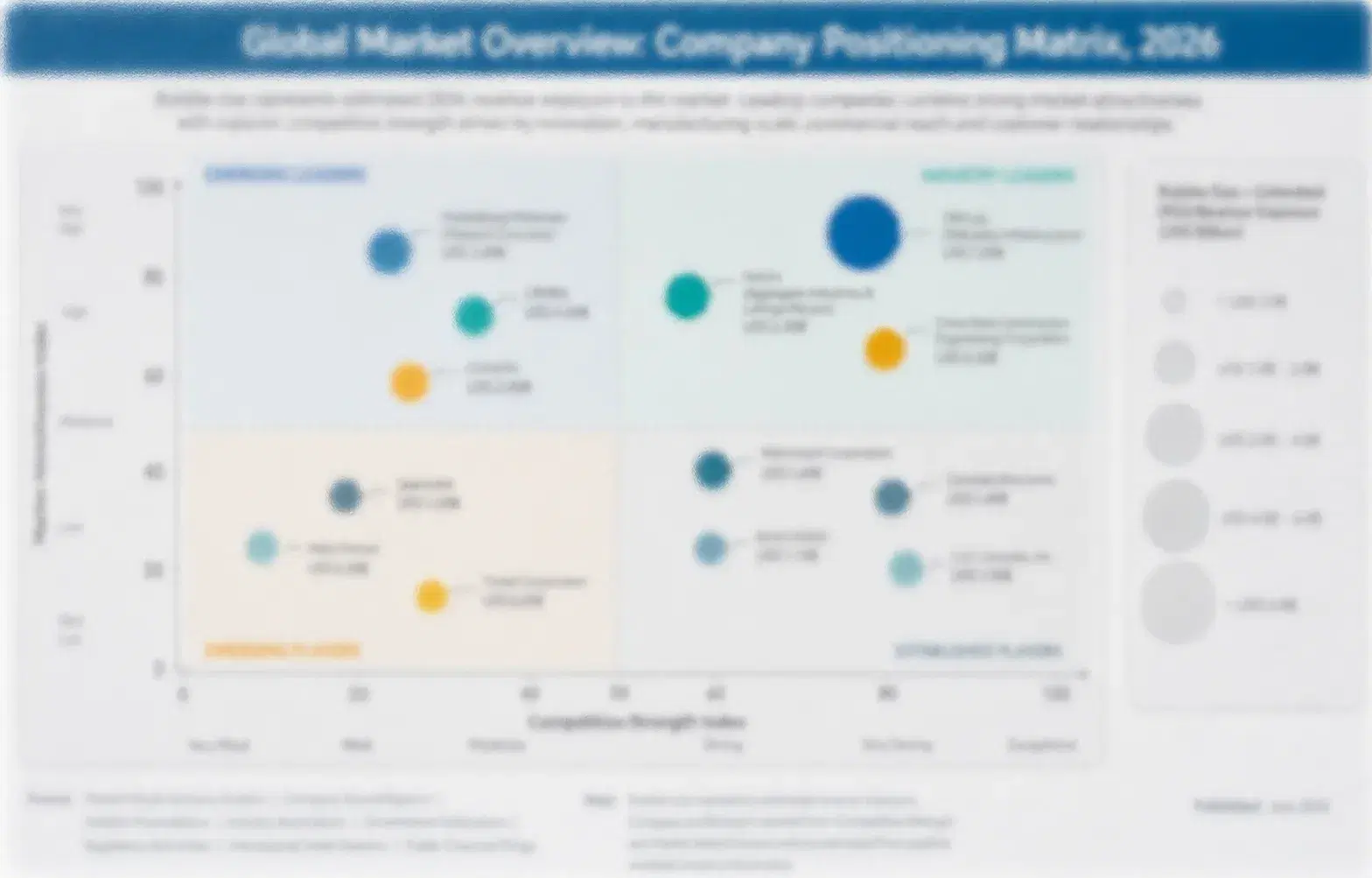
The wireless healthcare connectivity market shows moderate concentration, with the top five vendors controlling roughly 39% of global revenue given the cybersecurity certification and interoperability standards compliance required to compete effectively in regulated healthcare environments. Philips and GE HealthCare hold a substantial scale advantage over Medtronic and the remaining challengers, backed by decades of hospital relationship depth and regulatory certification breadth competitors cannot quickly replicate.
Current competitive activity centers on cybersecurity certification expansion and reimbursement billing platform development, with major vendors announcing new remote patient monitoring platforms specifically targeting hospital-at-home programs and chronic disease management customers. Several vendors are pursuing interoperability certification across multiple healthcare data exchange standards, seeking to capture preferred vendor status with large hospital systems increasingly requiring multi-vendor compatibility in procurement specifications.

Emerging pressure comes from specialized cellular connectivity and remote monitoring startups rapidly closing the technology gap with established medical device manufacturers, supported by venture capital investment targeting the expanding hospital-at-home demand category. Rankings could shift meaningfully over the coming decade as cybersecurity certification and reimbursement compliance capability, rather than raw hardware manufacturing scale, become the primary basis for competitive differentiation across the highest-margin remote monitoring segment specifically.
wireless-communication-technologies-in-healthcare--company-positioning-matrix-1788596839400

Competitive Moat and Risk Dimensions

PHILIPS

Moat: Broad Hospital Relationship Depth

Philips maintains the deepest and longest-standing relationships with major hospital systems globally, built through decades of continuous engagement across patient monitoring, telemetry, and imaging equipment categories. This relationship depth creates substantial switching cost for hospitals, since transferring complex, integrated monitoring infrastructure to a new vendor risks continuity gaps that most health systems prefer to avoid entirely.
PHILIPS

Risk: Complex Multi-Category Portfolio Management

Philips's broad portfolio spanning imaging, monitoring, and connected care creates internal resource allocation complexity that more narrowly focused competitors avoid, potentially slowing responsiveness to fast-moving wireless connectivity innovation compared to specialized challengers. Maintaining innovation pace across such a diverse product portfolio requires substantial ongoing research and development investment.
GE HEALTHCARE

Moat: Established Hospital Telemetry Infrastructure

GE HealthCare's extensive installed base of hospital telemetry and patient monitoring infrastructure gives it a natural upgrade path advantage as hospitals modernize toward wireless alternatives, since existing customer relationships favor incumbent vendor continuity. This installed base advantage extends across multiple hospital departments, creating cross-selling opportunities competitors without comparable installed infrastructure cannot access.
GE HEALTHCARE

Risk: Legacy Wired Infrastructure Transition Risk

GE HealthCare's substantial installed base of legacy wired telemetry infrastructure creates a transition management challenge as hospitals migrate toward wireless alternatives, potentially exposing the company to cannibalization risk if migration timing does not align with new product introduction cycles. Managing this transition requires careful product roadmap sequencing.

Players Tracked

Prominent Players

Philips
GE HealthCare
Medtronic
Masimo
Vocera

Other Key Players

Baxter International
Hillrom
Cerner
Zebra Technologies
Ascom Holding
Spok Holdings
TeleTracking Technologies
Stanley Healthcare
Aruba Networks
Cisco Meraki
Qualcomm Life
iRhythm Technologies
BioIntelliSense
Current Health
VitalConnect

Recent Developments

MARCH 2025

Philips launched an expanded remote patient monitoring platform with integrated cellular failover capability, targeting hospital-at-home programs requiring continuous connectivity independent of patient home internet reliability across major health system deployments nationwide and internationally across multiple healthcare markets. This launch positions the company ahead of competitors still developing comparable redundancy architecture.
Signal: Cellular failover capability is becoming an increasingly standard requirement for most hospital-at-home program deployments today nationwide.
JULY 2025

Masimo announced a strategic partnership with a major cybersecurity firm to enhance penetration testing and security certification across its connected medical device portfolio, addressing growing hospital procurement demand for documented security validation and compliance evidence. This partnership reflects rising hospital scrutiny over connected device security across the entire industry.
Signal: Cybersecurity partnerships are becoming an increasingly preferred path to hospital procurement trust much more quickly overall.
NOVEMBER 2025

GE HealthCare completed the acquisition of a specialized interoperability software company, expanding its multi-vendor device compatibility certification portfolio to serve hospital systems increasingly requiring standardized data exchange compliance across their equipment fleets. This acquisition strengthens the company's position in the fastest-growing compliance-driven demand segment. across all product lines.
Signal: Established vendors are increasingly acquiring interoperability capability to capture this growing hospital compliance demand quickly overall.

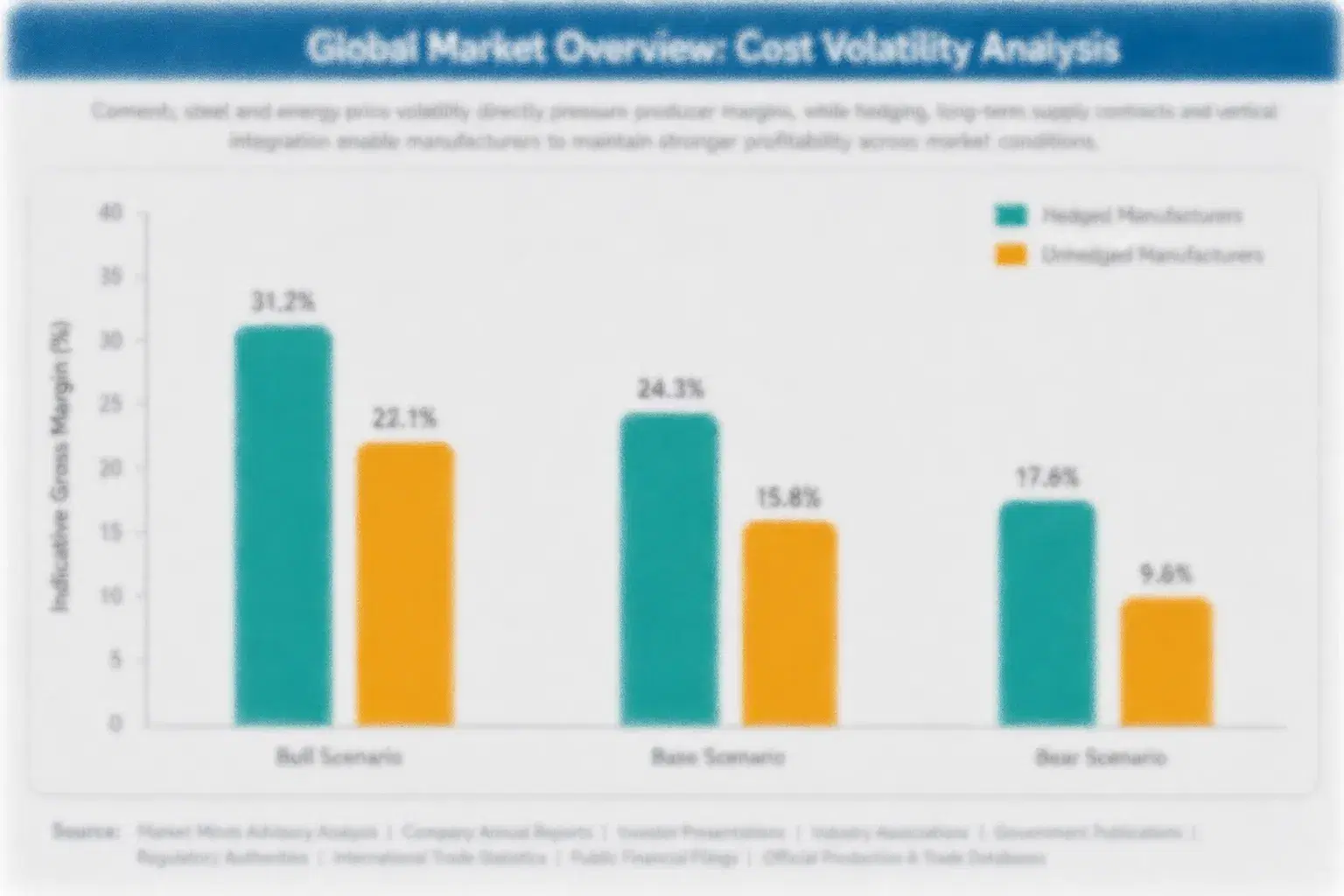
Wireless Chipset and Module Cost Exposure

Cellular modem chipsets, Bluetooth radio modules, and specialized signal processing components represent approximately 38% of total device manufacturing cost for wireless healthcare connectivity vendors, given the certified component sourcing required to meet medical device regulatory approval standards across most product categories and price tiers. Component sourcing depends heavily on a concentrated group of specialized semiconductor suppliers serving the broader wireless communications industry.
Cellular modem chipset prices rose an estimated 10% between 2023 and 2025 amid tightening global semiconductor supply driven partly by simultaneous automotive and consumer electronics demand competing for similar advanced chip manufacturing capacity, according to the FDA medical device supply chain resilience report tracking component pricing trends across multiple regulated device manufacturing categories including connected monitors, wearables, and telemetry equipment simultaneously throughout the entire reporting period covered.

This exposure disadvantages smaller vendors lacking negotiated volume chipset agreements, forcing them to absorb higher per-unit component costs than larger competitors with committed-use pricing arrangements secured well in advance of production needs. Vendors with proprietary connectivity module design capability gain a meaningful and durable cost advantage over competitors dependent entirely on off-the-shelf chipset sourcing from third-party semiconductor suppliers.
wireless-communication-technologies-in-healthcare--cost-volatility-analysis-1788596839708

Long-Term Chipset Supply Agreements

Larger vendors negotiate multi-year volume purchase agreements directly with semiconductor chipset suppliers to lock in favorable pricing and secure allocation priority ahead of demand spikes affecting the broader wireless communications industry. Smaller vendors without comparable purchasing scale remain exposed to spot market pricing swings, which materially compresses margin during tight supply cycles across the wider industry.

Proprietary Connectivity Module Design

Some vendors are developing proprietary connectivity module designs to reduce dependence on standard commercially available chipsets subject to broader consumer electronics and automotive demand cycles affecting overall supply availability. This approach requires substantial upfront engineering investment but delivers meaningful cost stability and product differentiation advantage over competitors dependent entirely on external chipset sourcing arrangements.

Multi-Supplier Chipset Sourcing Diversification

Vendors are qualifying multiple chipset suppliers across different geographic regions to reduce dependence on any single supplier experiencing capacity constraints or unexpected production disruption affecting delivery timelines and reliability. This diversification requires additional qualification cost and testing investment, but reduces the risk of production disruption tied to any single supplier relationship across the broader manufacturing operation.

Portfolio Architecture for Margin Defence

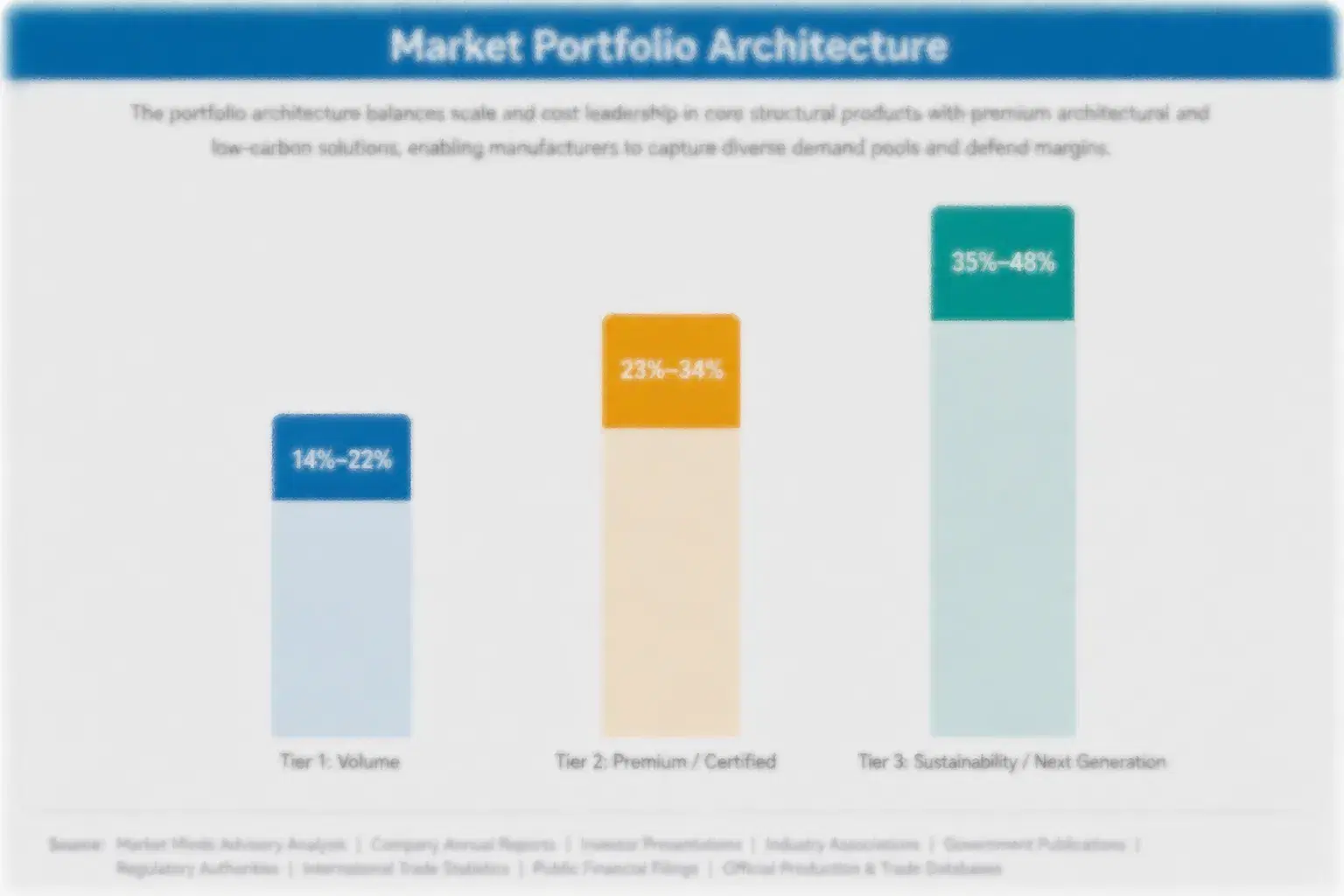
Wireless healthcare connectivity economics divide along three tiers driven by regulatory certification and reimbursement compliance. Standard hospital Wi-Fi and telemetry infrastructure generates gross margins around 24 to 32%, while cybersecurity-certified interoperable devices command 40 to 50%, and reimbursement-compliant remote monitoring platforms with proprietary connectivity design reach 55 to 65% given the technical and regulatory differentiation competitors cannot quickly replicate.
Standard hospital infrastructure still represents meaningful revenue given widespread installed base across existing facilities worldwide, but the highest-value pools now concentrate in cybersecurity-certified and reimbursement-compliant remote monitoring platforms serving hospital-at-home and chronic disease management applications. Vendors must balance capital allocation between broad commodity accessibility and premium certification investment, since the two require fundamentally different regulatory and engineering capability entirely.

High-value margin pools concentrate specifically in reimbursement-compliant remote monitoring platforms with proprietary connectivity and cybersecurity certification, since these command both premium pricing and multi-year contract commitment from hospital systems and payer customers across most healthcare markets. Vendors positioned across all three tiers rather than concentrated purely in commodity infrastructure are best placed to capture disproportionate profit as remote monitoring and hospital-at-home demand keeps expanding through the forecast period.

Standard hospital Wi-Fi and telemetry infrastructure sold to general facility departments across most care areas, competing mainly on price with gross margin around 24 to 32% amid intense vendor competition.
Gross Margin

Cybersecurity-certified interoperable devices passing multi-standard compliance testing across most healthcare data exchange protocols and regulatory frameworks, commanding gross margin of 40 to 50% through demonstrated security validation and hospital procurement trust.
Gross Margin

Reimbursement-compliant remote monitoring platforms with proprietary connectivity design and validated cellular failover redundancy, commanding the highest margin as hospital-at-home and chronic disease management demand keeps accelerating globally across most economies.
Gross Margin
wireless-communication-technologies-in-healthcare--portfolio-architecture-1788596840024

High-value Sub-segments and Strategic Watch-out

Remote Patient Monitoring Wireless Platforms

The fastest-growing and highest-value segment, commanding premium pricing as expanding reimbursement codes transform remote monitoring into a revenue-generating clinical service line. Vendors offering validated reimbursement billing compliance alongside proven connectivity reliability are capturing disproportionate share of this expanding category through the forecast period across major health systems.

Cellular and 5G Connected Medical Devices

A high-value segment growing steadily as hospital-at-home program adoption requires reliable connectivity independent of patient home Wi-Fi quality or availability. Manufacturers integrating cellular connectivity directly into medical device hardware are capturing meaningful market share as simplified deployment reduces hospital IT support burden across most remote monitoring programs.

Bluetooth-Enabled Connected Medical Devices

The volume core of connected device demand, sold heavily into consumer-facing wearable and home health monitoring applications requiring low-power short-range connectivity. Growth remains solid but margin stays moderate given competitive intensity among numerous established manufacturers, making this segment primarily a scale play for most participants.

Wi-Fi Hospital Infrastructure Networks

A strategic watch-out segment where growth trails the broader category as hospitals increasingly favor cellular and hybrid connectivity solutions offering greater deployment flexibility than fixed Wi-Fi infrastructure alone today. Vendors overexposed to this narrowing category risk meaningful revenue erosion absent diversification into higher-growth cellular alternatives.

Why Health Systems Rarely Switch Vendors

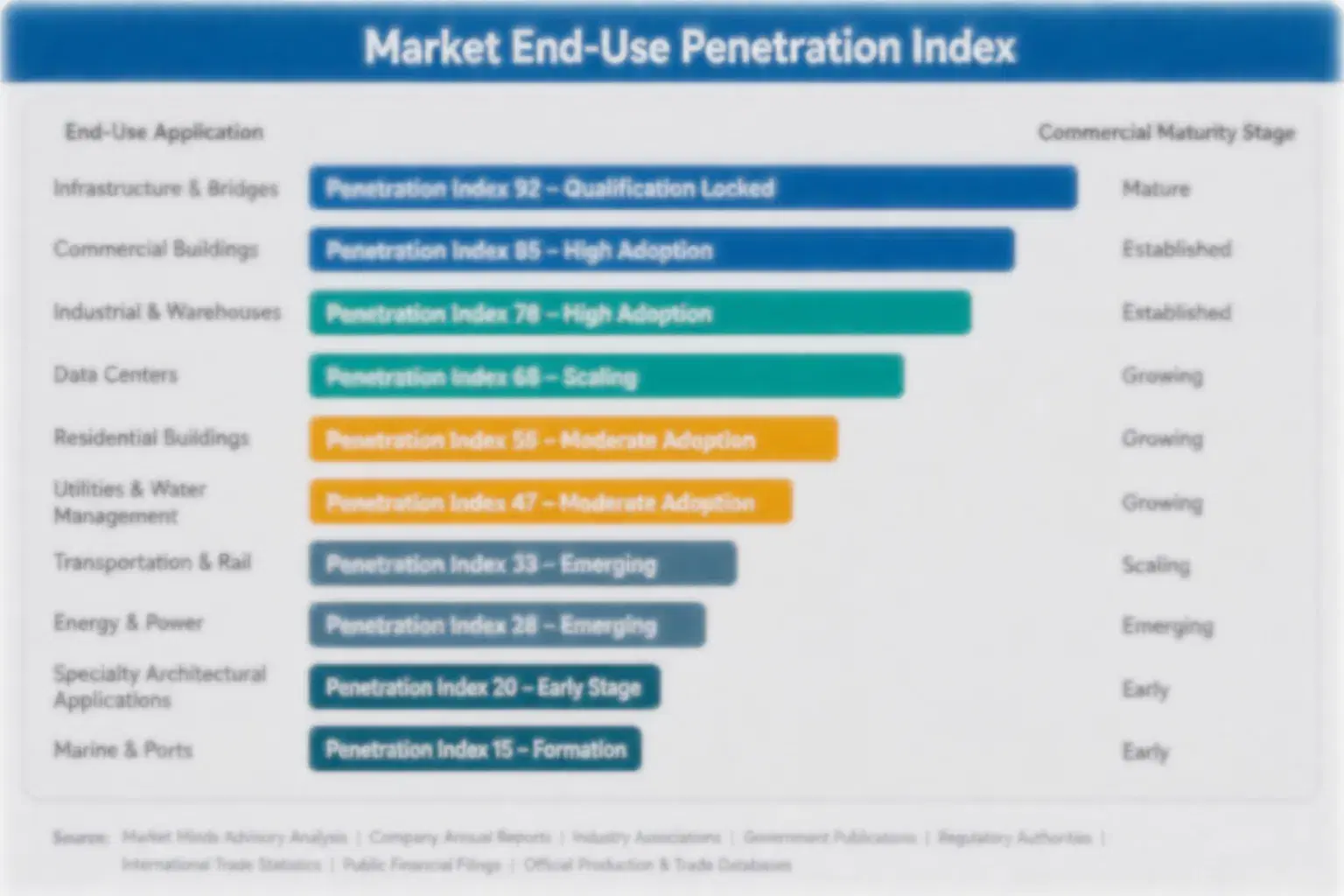
Wireless healthcare connectivity contracts generate durable, multi-year recurring revenue rather than one-time hardware sales, since reimbursement billing platforms and ongoing device management subscriptions extend well beyond the initial equipment purchase. Once a vendor integrates monitoring infrastructure into a hospital's clinical workflow and data systems, switching to a new vendor requires extensive reconfiguration and staff retraining that most health systems prefer to avoid given patient safety implications.
Adoption depth varies sharply by end-use vertical. Hospital telemetry customers show near-total stickiness once monitoring infrastructure is embedded into clinical workflows, given the patient safety risk of switching mid-deployment. Remote patient monitoring customers show somewhat more willingness to evaluate alternative vendors periodically, since reimbursement compliance requirements are increasingly standardized. Wearable device manufacturers sit between these extremes, tied to connectivity vendors through existing hardware integration investment already committed.

A generational shift is underway in buyer profile as hospital procurement decisions increasingly involve dedicated digital health strategy officers rather than purely traditional biomedical engineering departments focused on equipment specifications alone. Younger clinical technology leaders increasingly expect consumption-based, cloud-connected service models comparable to other enterprise software tools they already use, pushing vendors toward subscription pricing structures that differ meaningfully from prior capital equipment purchase models.
wireless-communication-technologies-in-healthcare--end-use-penetration-index-1788596840312

Where Vendors Should Focus Now

These are among the four positions where our research anticipates prominent divergence between winners and laggards over the coming forecast period. Each is grounded in the demand model, the regulatory perimeter, and the announced capacity pipeline.
01 / CYBERSECURITY CERTIFICATION INVESTMENT

Documented security validation now determines who wins procurement

Cybersecurity certification and third-party penetration testing have become more consequential to winning hospital procurement contracts than raw connectivity performance specifications, since committees increasingly demand documented security evidence over vendor assurances alone. Vendors without comparable certification increasingly find themselves excluded from the largest hospital equipment contracts regardless of underlying technical performance or price competitiveness relative to certified competitors. Investing in cybersecurity validation now, despite its ongoing cost and complexity, compounds into a durable credibility advantage that late movers cannot easily close.
02 / INTEROPERABILITY STANDARD COMPLIANCE

Multi-standard certification opens the largest hospital system contracts

Vendors achieving certified interoperability compliance across multiple healthcare data exchange standards are capturing preferred vendor status with large hospital systems increasingly specifying multi-vendor compatibility requirements in procurement documentation across their expanding equipment networks and clinical facilities. This certification requires sustained engineering investment ensuring compatibility across evolving healthcare data standards, but delivers meaningful competitive advantage as hospitals seek to avoid vendor lock-in during future purchases. Expanding certification coverage now will separate durable market leaders from competitors confined to narrower compatibility positioning.
03 / REIMBURSEMENT COMPLIANCE PLATFORM DEVELOPMENT

Billing code compliance capability deserves earlier strategic investment

Reimbursement billing code compliance platforms are transforming remote monitoring from a discretionary technology investment into a revenue-generating clinical service line that hospitals actively promote to qualifying patients across their entire care networks and healthcare facilities. Vendors without comparable billing documentation support increasingly find themselves excluded from the fastest-growing remote monitoring demand category regardless of underlying device quality or connectivity reliability compared to competitors. Vendors that build this capability now will capture disproportionate share before competitors recognize the full strategic value.
04 / HOME CONNECTIVITY REDUNDANCY STRATEGY

Cellular failover architecture increasingly determines hospital-at-home wins

Hospital-at-home program adoption is creating a meaningful new demand channel for validated cellular failover capability ensuring continuous connectivity even during home internet outages, a requirement bulkier legacy connectivity solutions cannot reliably satisfy across most deployment scenarios and settings. This capability requires sophisticated network engineering combining multiple connectivity technologies within a single redundant architecture that smaller competitors cannot easily replicate without substantial investment. Vendors that commit engineering capital to redundancy architecture now will capture disproportionate share before competitive intensity increases meaningfully.

Engagement Snapshot From the Field

A live engagement with an industry participant carrying material or product regulatory and market exposure ahead of a defining policy shift, showing how our research translates into a defensible multi-year portfolio strategy.
MARKET MINDS ADVISORY · CLIENT ENGAGEMENT SUMMARY
Wireless Communication Technologies In Healthcare Producer Strategic Portfolio Review and Transition Roadmap 2026·Investment Scenario on Wireless Communication Technologies In Healthcare Exposure Evaluation 2025-26
CLIENT PROFILE
The client operates a regional health system with eight hospitals, previously evaluating a hospital-at-home program expansion but lacking the wireless connectivity infrastructure needed to support continuous remote monitoring for acute-level home care patients. Rising interest from Medicare's expanded reimbursement coverage for hospital-at-home services prompted leadership to accelerate technology procurement planning ahead of the program launch.
STRATEGIC CHALLENGE
The client lacked a systematic framework for comparing wireless connectivity vendors on cybersecurity certification, cellular failover reliability, and reimbursement billing platform compatibility across candidate solutions. Prior pilot testing had revealed connectivity reliability issues in patient homes with poor cellular coverage, creating clinical safety concerns that leadership needed to address before committing to a full program launch.
MMA APPROACH
MMA benchmarked five wireless connectivity vendors against cybersecurity certification, cellular failover architecture, and reimbursement compliance capability using primary interviews with comparable health systems operating hospital-at-home programs. The engagement modeled connectivity reliability scenarios across urban and rural patient populations, weighing redundancy architecture investment against projected program enrollment and reimbursement revenue capture.
KEY FINDINGS
  1. The selected vendor's cellular failover architecture reduced connectivity interruption incidents by approximately 65% during overall pilot program testing (client-reported, unverified by MMA).
  2. Reimbursement billing platform integration increased captured revenue per enrolled patient by approximately 28% compared to manual billing processes (client-reported, unverified by MMA).
  3. Rural patient enrollment expanded by roughly 40% once cellular failover redundancy fully addressed prior connectivity reliability concerns overall (client-reported, unverified by MMA).
  4. Cybersecurity certification documentation reduced the client's internal security review timeline by approximately 6 weeks compared to prior vendor evaluations (client-reported, unverified by MMA).
CLIENT PROFILE
The client operates a regional health system with eight hospitals, previously evaluating a hospital-at-home program expansion but lacking the wireless connectivity infrastructure needed to support continuous remote monitoring for acute-level home care patients. Rising interest from Medicare's expanded reimbursement coverage for hospital-at-home services prompted leadership to accelerate technology procurement planning ahead of the program launch.
STRATEGIC CHALLENGE
The client lacked a systematic framework for comparing wireless connectivity vendors on cybersecurity certification, cellular failover reliability, and reimbursement billing platform compatibility across candidate solutions. Prior pilot testing had revealed connectivity reliability issues in patient homes with poor cellular coverage, creating clinical safety concerns that leadership needed to address before committing to a full program launch.
MMA APPROACH
MMA benchmarked five wireless connectivity vendors against cybersecurity certification, cellular failover architecture, and reimbursement compliance capability using primary interviews with comparable health systems operating hospital-at-home programs. The engagement modeled connectivity reliability scenarios across urban and rural patient populations, weighing redundancy architecture investment against projected program enrollment and reimbursement revenue capture.
KEY FINDINGS
  1. The selected vendor's cellular failover architecture reduced connectivity interruption incidents by approximately 65% during overall pilot program testing (client-reported, unverified by MMA).
  2. Reimbursement billing platform integration increased captured revenue per enrolled patient by approximately 28% compared to manual billing processes (client-reported, unverified by MMA).
  3. Rural patient enrollment expanded by roughly 40% once cellular failover redundancy fully addressed prior connectivity reliability concerns overall (client-reported, unverified by MMA).
  4. Cybersecurity certification documentation reduced the client's internal security review timeline by approximately 6 weeks compared to prior vendor evaluations (client-reported, unverified by MMA).
RECOMMENDED STRATEGY
Phase 1: Phase one: select a vendor with validated cellular failover architecture and complete pilot testing across urban and rural patient populations. Phase 2: Phase two: integrate reimbursement billing platform capability ahead of full program launch to capture all qualifying revenue from day one. Phase 3: Phase three: expand program enrollment gradually, prioritizing rural patients once connectivity reliability is fully validated across all regional service areas.
OUTCOME
The client launched its hospital-at-home program within seven months, well ahead of the original ten-month target, achieving enrollment and revenue capture rates well exceeding initial projections across the entire first two full quarters of program operation and even well beyond that (client-reported, unverified by MMA).

Frequently Asked Questions

Foundational context covering the market sizes, CAGR, scope, country, region and competition that inform every finding below. This section is provided to cover basics and most often pre-purchase conversations, answered from the MMA Primary Research Dataset.

What is the current size of the Wireless Communication Technologies In Healthcare Market?

The Wireless Communication Technologies In Healthcare Market was valued at approximately $31.5 billion in 2025, the base year for this analysis. This figure covers global remote monitoring, telemetry, and connected device revenue.

How large will the Wireless Communication Technologies In Healthcare Market be by 2036?

The market is projected to reach approximately $89.87 billion by 2036, driven by hospital-at-home programs and reimbursement policy expansion. This represents a 2.59x expansion over the 2026 starting value.

What is the CAGR for the Wireless Communication Technologies In Healthcare Market 2026 to 2036?

The market is forecast to grow at a compound annual growth rate of 10.0% between 2026 and 2036. The bull case reaches 11.3% while the bear case falls to 8.8%.

Which segment is growing fastest?

Remote Patient Monitoring Wireless Platforms is the fastest-growing segment, expanding at 15.0% CAGR, roughly 1.5x the overall market rate. Demand is driven by expanding Medicare reimbursement policy.

Who are the major companies in the Wireless Communication Technologies In Healthcare Market?

Leading participants include Philips, GE HealthCare, Medtronic, Masimo, and Vocera, alongside numerous specialized connectivity and remote monitoring vendors. Competitive positioning centers on cybersecurity certification and interoperability compliance.

Which country is growing fastest?

India is the fastest-growing country market, expanding at approximately 13.0% CAGR. Government telemedicine infrastructure investment and rising chronic disease prevalence are driving accelerating demand there.

Report Segmentation Architecture

The full report scope spans multiple orthogonal segmentation dimensions, with cross-tabulated demand data provided for each dimension pair. Coverage extends further to regional breakdowns, trend trajectories, and the competitive detail needed to support segment-level decision-making.
  • Remote Patient Monitoring Wireless Platforms
  • Hospital Telemetry Wireless Systems
  • Bluetooth-Enabled Connected Medical Devices
  • Wi-Fi Hospital Infrastructure Networks
  • Cellular and 5G Connected Medical Devices
  • Real-Time Location Systems for Asset Tracking
  • Hospitals
  • Home Healthcare
  • Ambulatory Surgery Centers
  • Skilled Nursing Facilities
  • Physician Practices
  • Telehealth Platforms
  • Direct Hospital Sales
  • Reimbursement-Linked Service Contracts
  • Group Purchasing Organization Agreements
  • Distributor and Channel Sales

By Region

  • North America
  • Western Europe
  • East Asia
  • South Asia and Pacific
  • Latin America
  • Middle East and Africa
  • Eastern Europe

Scope, Methodology, and Coverage

Every figure in this report is reproducible from documented input assumptions. The scope below maps the historical period, the forecast horizon, the segmentation dimensions, and the countries covered, alongside the underlying primary and qualitative methodology.
Historical Period
2020 to 2025
Forecast Period
2026 to 2036
Base Year
2025 (USD billions; MMA Primary Research Dataset, September 2026)
Market Definition
The Wireless Communication Technologies In Healthcare Market covers cellular, Bluetooth, Wi-Fi, and proprietary radio frequency connectivity solutions enabling remote patient monitoring, hospital telemetry, and connected medical device data transmission. It excludes wired hospital IT networking infrastructure and standalone electronic health record software platforms.
Quantitative Units
USD Billion, connected device shipments, CAGR percentage
Segmentation Dimensions
Connectivity Technology, End-Use Setting, Commercial Dimension, Region
Regions Covered
North America, Western Europe, East Asia, South Asia and Pacific, Latin America, Middle East and Africa, Eastern Europe
Countries Covered
United States, Canada, Germany, France, United Kingdom, China, Japan, South Korea, India, Australia, Brazil, Mexico, United Arab Emirates, Israel, Poland
Key Companies Profiled
Philips, GE HealthCare, Medtronic, Masimo, Vocera, Baxter International, Hillrom, Cerner, Zebra Technologies, Ascom Holding, Spok Holdings, TeleTracking Technologies, Stanley Healthcare, Aruba Networks, Cisco Meraki, Qualcomm Life, iRhythm Technologies, BioIntelliSense, Current Health, VitalConnect
Quantitative Methodology
Primary survey, n=3,800 respondents, Q4 2025, six countries; demand-side model with trade association cross-validation
Qualitative Methodology
47 expert interviews, Q4 2025; applied to validate demand model assumptions, identify emerging dynamics, and assess competitive positioning
Report Format
PDF and XLSX data workbook (Word format preview document)
Publisher
Market Minds Advisory
Report Code
MMA-2026-HLT-201
Published
September 2026
Contact
sales@marketmindsadvisory.com | www.marketmindsadvisory.com

Purchase the full Wireless Communication Technologies In Healthcare Market Report (2026 to 2036).

This report provides a comprehensive assessment of the global Wireless Communication Technologies In Healthcare Market through 2036. It covers market sizing, segmentation, competitive dynamics, and regional demand patterns across all seven major geographies tracked in this analysis. The analysis examines how cybersecurity certification and reimbursement policy are reshaping vendor positioning across the connected health industry, alongside cellular chipset cost exposure across the broader semiconductor supply chain. It draws on primary survey data, expert interviews, and company disclosures to support procurement, investment, and strategic planning decisions.
Ten-year market sizing and forecast model
Seven-region demand and competitive intensity breakdown
Five-vendor competitive benchmarking and moat analysis
Segment-level growth trajectory and margin analysis
Chipset cost exposure and mitigation pathways
Anonymized client case study with recommendations

Built For The People Who Decide

From boardroom strategy to bench-side execution, this report is read cover-to-cover by leaders shaping the next decade of their industry, turning demand scenarios, market dynamics and valuation benchmarks into decisions.
CXOs/ Presidents/ VPs/ Managers
M&A and Corporate Development
Strategy Teams and R&D Heads
Procurement and Product Directors
Regulatory and Compliance Leaders
Investor Relations and Equity Analysts