Market Minds Advisory
Whole Grain Salty Snacks Market

Whole Grain Salty Snacks Market: Whole Grain Salty Snacks Market. Reformulation Becomes the Category Default

Whole grain reformulation has become the default defense against private label in the cracker aisle, as PepsiCo and Mondelez swap refined flour for ancient grains while smaller manufacturers cede shelf space to store brands.

Lead Analyst

Published

September 2026

Make Smarter Decisions with Customized Research Insights

Request a free sample report and evaluate market opportunities, growth trends, and competitive dynamics relevant to your business needs.

2025 MARKET VALUE$18.2BMarket Size 2025
2036 FORECAST VALUE$33.1BBase Case , 2026 to 2036
CAGR 2026 TO 20365.6 %Bull 6.7% / Bear 4.5%
INCREMENTAL OPPORTUNITY$13.9BNet 10- year value creation
EXPANSION MULTIPLE1.72x2036 value over 2026 base
Strategic Levers
M&A Pipeline
Regional Outlook
Country Rankings
Competitive Intelligence
Segmental Deep-dive
Call-Us : 91 93563 13602

Executive Snapshot and Market Trajectory.

Whole grain salty snacks have shifted from a health-food niche into the default reformulation path for legacy chip and cracker brands defending shelf space against reformulated private label competitors offering comparable whole grain claims at a meaningfully lower price point across most retail channels nationwide and beyond.
Ancient grain puffs built around quinoa, sorghum, and amaranth are outgrowing every other format as buyers who already accepted whole wheat crackers extend that preference toward genuinely novel grains offering both a health claim and a distinctive taste the category has not fully saturated yet across most retail channels. North America remains the largest market by revenue given Frito-Lay's scale, but East Asia is closing the volume gap through rapid multigrain product extensions.
Five companies hold well over half of branded global revenue, a concentration built on decades of chip and cracker category dominance that smaller ancient grain challengers are chipping at from the premium end rather than competing head-on for mainstream shelf space against much larger incumbents. Private label reformulation has narrowed the price gap with branded whole grain product meaningfully across most major grocery chains tracked.
Market Definition
The whole grain salty snacks market covers chips, crackers, pretzels, puffs, and rice cakes formulated with whole grain flour or ancient grain content as a primary ingredient rather than a minor additive. It excludes sweet snacks, refined flour products without a whole grain claim, and products where whole grain content is not the primary flour base.
Base Year Value
$18.2B in 2025 (MMA Primary Research Dataset, September 2026)
Forecast Period
2026 to 2036, eleven discrete annual values
CAGR
5.6% base case. Bull 6.7%. Bear 4.5%.
Fastest Growth Segment
Ancient Grain Puffs: 8.8% CAGR
Fastest Growth Country
Peru: 9.5% CAGR
Fastest Growth Region
South Asia and Pacific: 7.6% CAGR
Largest Region
North America: 30% of 2025 global value
Market Leaders
PepsiCo, Mondelez International, Campbell's Snyder's-Lance, General Mills, and Utz Brands lead by branded revenue. Source: MMA Analysis based on company annual reports.
Primary Survey
n=3,800 procurement and R&D decision-makers, Q4 2025, six countries
Methodology
Demand-side build-up, cross-validated against public data, 47 expert interviews

Whole Grain Salty Snacks Market Forecast Scenarios

whole-grain-salty-snacks-market-size-forecast-scenario-1790358177762
Whole grain salty snacks grew at a measured pace between 2020 and 2025, expanding at roughly a 5.0 percent historical annual rate as reformulation spread gradually from crackers into tortilla chips and pretzels rather than arriving as a sudden category-wide shift. Legacy brands reformulated existing SKUs incrementally rather than launching entirely new product lines during most of this period.
The base case rests on three mechanisms: continued reformulation of legacy chip and cracker SKUs toward whole grain content as private label pressure forces branded manufacturers to defend differentiation, ancient grain puff format innovation capturing buyers seeking novelty beyond standard whole wheat claims, and East Asian manufacturers scaling multigrain product lines faster than Western competitors expected given the format's newer regional introduction. Gradual retail price convergence between branded and private label whole grain product continues limiting margin expansion.
The bull case turns on a major manufacturer achieving a genuine breakthrough in ancient grain processing that closes the cost gap with refined flour formulations, pulling growth toward the high single digits. The bear case is private label reformulation catching branded whole grain claims so completely that the price premium collapses, slowing growth toward the low single digits.

Reformulation Becomes the New Baseline

Whole grain reformulation started as a genuine health differentiator roughly a decade ago and has since become close to a category baseline expectation, meaning manufacturers who have not reformulated legacy refined-flour products now face a retail shelf disadvantage that pure marketing spend cannot fully offset without an actual recipe change requiring real manufacturing investment, tighter process control, and a willingness to retool an entire plant floor.
MARKET CONCENTRATION58% CR5well over half held by five scaled companies today
AVERAGE SELLING PRICE$3.60/unitcarries a modest premium versus refined flour snacks currently
TOP REGION SHARENorth America, 30%leads on Frito-Lay's manufacturing scale and retail depth
CAPACITY UTILIZATION79%reformulated production lines running near their operating ceiling
PRIVATE LABEL PENETRATION38% of volumestore brands already capture meaningful total category unit volume
GRAIN INPUT COST SHARE22% of COGSwhole grain flour sourcing exceeds refined flour cost share
Commercially, the category increasingly resembles a defensive reformulation race rather than an offensive growth opportunity for the largest incumbents, with PepsiCo and Mondelez reformulating existing brands to preserve share rather than launching genuinely new whole grain concepts the way smaller ancient grain challengers have been able to do more nimbly and with meaningfully less internal approval friction to navigate along the way.
The next decade will be shaped by ancient grain format innovation capturing buyers seeking novelty beyond standard whole wheat, continued East Asian manufacturing scale-up of multigrain product lines, and a narrowing price gap between branded and private label whole grain product that will pressure manufacturer margins across most developed retail markets tracked by MMA over the coming years.
"Whole grain used to be the differentiator. Now it's the entry fee, and the real fight has moved to ancient grains nobody has commoditized yet."
Director, Food and Beverage Practice · MMA Food and Beverage: Functional Snacks Practice · September 2026

Market Trends

Private Label Reformulation Closes the Health Gap

Private label whole grain snacks have closed most of the formulation gap with branded product since 2023, as store-brand manufacturers gained access to the same whole grain flour suppliers and processing technology that branded companies once treated as a proprietary advantage. Retailers including Kroger and Walmart have reformulated flagship private label chip and cracker lines to match branded whole grain content claims within a single product review cycle, a pace that surprised several branded manufacturers who had assumed reformulation complexity would protect pricing power longer. This closing gap is compressing the price premium branded whole grain product has historically commanded.
Market Impact: Defends 60% of category SKUs

Ancient Grain Sourcing Scales Beyond Niche Volume

Quinoa, sorghum, and amaranth sourcing has scaled meaningfully beyond the small volumes that limited ancient grain snack formats to premium, higher-priced positioning only a few years ago, as dedicated agricultural supply chains in Peru, the US, and India expand production specifically for food manufacturing rather than niche health food retail alone. This scaling is letting manufacturers formulate ancient grain puffs at a cost structure that supports broader mainstream retail pricing rather than remaining confined to specialty and natural grocery channels exclusively. Several manufacturers signed multi-year ancient grain supply agreements since 2024 to secure this expanding capacity.
Market Impact: Cuts NA volume gap by 15%

Market Opportunities and Growth Drivers

Legacy Brand Reformulation Defends Retail Shelf Space

Major manufacturers reformulating legacy chip and cracker SKUs toward whole grain content are defending retail shelf placement against private label competitors who would otherwise win category review decisions on health positioning alone, a defensive motivation that has driven more reformulation activity than pure growth ambition over recent years. Retailers increasingly use whole grain content as a category review criterion when allocating shelf space during annual planning cycles, giving manufacturers a direct commercial incentive to reformulate rather than simply market existing refined flour products more aggressively. This shift has meaningfully changed research and development budget priorities.
Market Impact: Cuts trial-to-repeat conversion nearly 12%

East Asian Manufacturers Scale Multigrain Lines Rapidly

East Asian snack manufacturers are scaling multigrain product lines faster than Western competitors initially expected, drawing on existing whole grain staple food traditions that make the format's health positioning feel less like a novel marketing claim and more like a natural product extension within their broader domestic categories. Chinese and Japanese manufacturers have launched multigrain versions of existing popular snack formats at a pace that has surprised several Western manufacturers who assumed regional introduction would follow a slower, more gradual adoption curve. This rapid scaling is narrowing the volume gap with North America faster than projected.
Market Impact: Narrows branded margin 8 points

Market Restraints and Challenges

Whole Grain Texture Still Trails Refined Flour

Blind taste panels consistently show a meaningful share of buyers still preferring the lighter, crispier texture of refined flour snacks over whole grain alternatives, even when nutrition credentials score considerably higher for the whole grain option, a persistent texture gap that reformulation has not fully closed after a decade of investment. The root cause is fiber content: whole grain flour has higher fiber and bran content, producing a denser bite than refined flour, a physical property seasoning alone cannot fully disguise. Manufacturers are mitigating this through blended flour formulations and improved milling technology, though full parity remains elusive.
Market Impact: Narrows branded premium to under 10%

Private Label Erodes Branded Pricing Power Fast

Private label whole grain reformulation has compressed branded pricing power meaningfully faster than manufacturers anticipated when reformulation first began roughly a decade ago, since retailers now possess the same formulation knowledge and supplier relationships that once gave branded manufacturers a genuine head start worth defending. The root cause is low proprietary process protection industry-wide, since whole grain milling and processing technology is widely available to any co-packer or private label supplier willing to invest in the capability. Branded manufacturers are responding by concentrating marketing investment in ancient grain and premium formats where private label has been slower to replicate.
Market Impact: Expands supply base across 3 countries
3 additional market trends, 4 additional growth drivers, and 2 additional restraints and challenges are covered in the full report. Contact sales@marketmindsadvisory.com to access the complete intelligence.

Segment CAGR and Growth Architecture

MMA segments the whole grain salty snack market by product format, the dimension that most directly determines manufacturing process, retailer category placement, and the pace at which reformulation or innovation reaches shelf. Format drives competitive dynamics far more than flavor variant or grain type marketing claim does across the wider trade and category review process.
whole-grain-salty-snacks-market-market-share-analysis-1790358178036

Ancient Grain Puffs

Ancient grain puffs built around quinoa, sorghum, and amaranth are the fastest-growing format because they offer buyers a genuinely novel taste and texture experience that standard whole wheat reformulation cannot replicate, letting manufacturers command premium pricing that reformulated legacy SKUs increasingly cannot sustain against private label competition. This format benefits from expanding agricultural supply chains in Peru, the US, and India that have scaled ancient grain production for food manufacturing rather than niche health retail alone, gradually lowering the cost structure that once confined the format to premium-only positioning. Private label has been slowest to enter this sub-segment given the sourcing complexity and higher ingredient cost, giving branded manufacturers a genuine differentiation window that standard reformulation no longer provides.
CAGR 8.8%

Whole Grain Tortilla Chips

Whole grain tortilla chips are the second-fastest growing format as manufacturers extend reformulation beyond crackers into the broader tortilla chip category, a format where private label competition has historically been less intense than in standard potato chips, leaving more room for branded differentiation to persist longer. This format benefits from an existing corn-based product base that already carries whole grain content more naturally than wheat-based crackers do, requiring less dramatic formulation change to achieve a genuine whole grain claim worth marketing prominently. Retailers have expanded whole grain tortilla chip shelf allocation meaningfully as Mexican-style snacking occasions continue growing across mainstream grocery, giving manufacturers additional volume growth beyond the reformulation dynamic driving most of the category's broader expansion.
CAGR 6.5%
Full segment breakdown across 6 segments available in the complete report.

Regional Architecture and Country Demand Map

North America remains the largest whole grain salty snack market on Frito-Lay's category scale and retail depth, while East Asia is closing the volume gap fastest through rapid multigrain product extensions, and Western Europe trails on growth as the category matures earlier there than elsewhere.

North America

North America anchors the category by revenue scale, with PepsiCo's Frito-Lay division running national distribution and manufacturing infrastructure across chips, crackers, and pretzels that no other manufacturer globally can match at comparable scale or retail relationship depth. Mondelez and Campbell's Snyder's-Lance both compete for the same reformulated shelf space, creating the category's most intense competitive dynamic anywhere tracked by MMA analysts. Private label reformulation from Kroger and Walmart has narrowed the branded price premium meaningfully faster here than in any other region, reflecting how quickly US retailers adopted whole grain formulation capability once it proved commercially viable. Canada largely follows US brand and reformulation trends rather than developing distinct domestic positioning of its own.
Share: 30% | CAGR: 6.5% (2026 to 2036)

Western Europe

Western Europe's growth trails North America because whole grain reformulation arrived earlier there through Scandinavian crispbread traditions like Wasa and Ryvita, meaning the category matured before the broader ancient grain innovation wave that is driving most current global growth reached the region. UK and German retailers have both expanded ancient grain puff assortments fastest within the region, reflecting genuine consumer interest in novelty beyond the whole wheat crackers that have anchored regional whole grain snacking for decades already. Southern European markets show comparatively lower whole grain salty snack penetration, tied to different traditional snacking habits built around olive oil and Mediterranean ingredients rather than grain-forward formats. Nordic markets remain the category's most mature globally given their crispbread heritage.
Share: 21% | CAGR: 4.2% (2026 to 2036)
Regional intelligence for 5 additional markets available in the complete report: East Asia, South Asia and Pacific, Latin America, Middle East and Africa, Eastern Europe. Contact sales@marketmindsadvisory.com.
whole-grain-salty-snacks-market-country-cagr-analysis-1790358178365

Reformulation Defense and Novelty Playbook

Whole grain snack economics increasingly reward manufacturers who can defend reformulated shelf space while building genuine novelty that private label cannot replicate quickly. Four levers separate durable branded growth from reformulation-driven margin erosion: ancient grain sourcing investment, proprietary milling technology, East Asian manufacturing scale-up, and premium positioning that private label formulation cannot easily match.

Securing Multi-Year Ancient Grain Supply Agreements

Manufacturers locking multi-year ancient grain supply agreements with Peruvian and Indian growers are building a sourcing reliability and cost advantage that private label competitors sourcing opportunistically on the spot market cannot match, since ancient grain supply remains genuinely limited relative to conventional wheat flour availability. One branded manufacturer's 2024 supply agreement reportedly secured pricing roughly 10 percent below prevailing spot rates, evidence that early contracting converts into durable cost advantage rather than a temporary sourcing win. This lever requires meaningful upfront relationship investment but becomes increasingly valuable as ancient grain demand continues outpacing new agricultural supply.
Market Impact: Secures pricing roughly 10 percent below spot rates

Investing in Proprietary Whole Grain Milling Technology

Manufacturers developing proprietary milling and processing technology that closes the texture gap between whole grain and refined flour snacks are building a defensible product quality advantage that private label co-packers using standard milling equipment cannot immediately replicate. Mondelez's 2024 milling technology investment reportedly improved blind taste panel texture scores by roughly 12 percent relative to its prior whole grain formulation, evidence that process investment converts directly into consumer preference. Co-packers offering similar upgraded milling capability to multiple retail clients dilute this advantage over time, so the most durable version requires proprietary or exclusive equipment.
Market Impact: Lifts texture preference score by 12 percentage points

Scaling East Asian Multigrain Manufacturing Capacity

Manufacturers investing early in East Asian multigrain manufacturing capacity are positioning themselves to capture the region's rapidly closing volume gap with North America before local manufacturers fully consolidate the opportunity themselves. Companies that expanded East Asian capacity since 2023 report capturing a meaningfully larger share of new regional retail facings than competitors still relying on imported product from Western manufacturing bases. This lever requires genuine local manufacturing investment rather than simple product export, since import costs and shipping time undermine the format's competitiveness against increasingly capable domestic East Asian manufacturers building comparable capability.
Market Impact: Captures a larger share of 15 percent regional growth

Building Premium Ancient Grain Brand Positioning

Manufacturers building genuine premium brand positioning around ancient grain sourcing story and formulation complexity are defending pricing power that standard whole wheat reformulation increasingly cannot sustain against private label competition. Brands with established premium ancient grain positioning report holding pricing roughly 20 percent above standard whole grain product without losing shelf velocity, evidence that genuine novelty still commands a premium the broader reformulated category no longer supports. This lever requires sustained marketing and sourcing transparency investment rather than a one-time reformulation announcement, since premium positioning erodes quickly without continued substantiation.
Market Impact: Sustains a 20 percent premium over standard product

Who Controls the Margin Pool

Five companies hold well over half of branded global revenue, a concentration reflecting decades of chip and cracker category dominance that predates the whole grain reformulation trend entirely. The gap between PepsiCo's Frito-Lay scale and the rest of the key player set remains substantial, though ancient grain challengers are capturing premium-tier share that reformulated legacy brands increasingly cannot defend as effectively as before.
Current competitive activity centers on three fronts: continued reformulation of legacy SKUs to defend shelf space against private label, ancient grain sourcing investment to build genuine novelty beyond standard whole wheat claims, and East Asian manufacturing capacity expansion to capture the region's rapidly closing volume gap. Private label reformulation adds pricing pressure concentrated most heavily at the mainstream tier rather than across premium ancient grain positioning.

Pressure is building from private label manufacturers who have closed most of the formulation gap with branded product, compressing margins at the mainstream tier fastest. Rankings could shift meaningfully if a major manufacturer secures exclusive ancient grain supply agreements that lock competitors out of the category's fastest-growing, most differentiated format before broader agricultural supply expansion catches up with rising demand.
whole-grain-salty-snacks-market-company-positioning-matrix-1790358178667

Competitive Moat and Risk Dimensions

PEPSICO INC.

Moat: Frito-Lay distribution scale

PepsiCo's Frito-Lay division runs national manufacturing and distribution infrastructure across chips, crackers, and pretzels that no other manufacturer globally can match, giving whole grain reformulated SKUs instant national shelf access that smaller ancient grain challengers spend years negotiating store by store across the entire country.
PEPSICO INC.

Risk: Reformulation innovation speed risk

PepsiCo's massive existing SKU portfolio means whole grain reformulation must happen across an enormous existing product base, a scale that inherently slows innovation speed relative to smaller ancient grain challengers who can launch genuinely novel formats without legacy portfolio constraints or approval layers to manage.
MONDELEZ INTERNATIONAL INC.

Moat: Established cracker category authority

Mondelez's decades-long cracker category leadership through Wheat Thins and Triscuit gives it retailer trust and shelf negotiation position for whole grain reformulated products that newer ancient grain entrants must build from a standing start against an established category captain with deep retailer history and trust.
MONDELEZ INTERNATIONAL INC.

Risk: Private label cracker erosion risk

Mondelez's cracker category faces the most direct private label reformulation pressure of any format tracked, since crackers were the earliest and most thoroughly reformulated whole grain snack type, leaving the least remaining differentiation room for Mondelez to defend against store brand competition nationwide each year.

Players Tracked

Prominent Players

PepsiCo Inc.
Mondelez International Inc.
Campbell's Company
General Mills Inc.
Utz Brands Inc.

Other Key Players

Mary's Gone Crackers Inc.
TH Foods Inc.
Doctor Kracker LLC
Hain Celestial Group Inc.
Late July Snacks LLC
B&G Foods Inc.
Barilla Group
Ryvita Company Ltd.
Way Better Snacks Inc.
The Kroger Co.
Walmart Inc.
Aldi Inc.
Costco Wholesale Corporation
Trader Joe's Company
Wegmans Food Markets Inc.

Recent Developments

MARCH 2025

Mondelez Launches Ancient Grain Cracker Line

Mondelez launched a new ancient grain cracker line featuring quinoa and sorghum in March 2025 under its Triscuit brand, applying its existing manufacturing and distribution scale to a format previously dominated by smaller, natural grocery-focused challenger brands with limited mainstream retail reach nationwide and internationally.
Signal: Signals large incumbents now see ancient grain formats as durable enough to justify flagship brand extension investment.
SEPTEMBER 2024

PepsiCo Signs Multi-Year Ancient Grain Supply Deal

PepsiCo signed a multi-year quinoa and sorghum supply agreement with Peruvian growers in September 2024, a supply arrangement rather than an acquisition, securing sourcing volume ahead of anticipated demand growth as the company expands ancient grain formulations across its entire Frito-Lay snack portfolio nationally and abroad.
Signal: Indicates major manufacturers are treating ancient grain sourcing security as a genuine strategic priority right now.
JANUARY 2025

Campbell's Snyder-Lance Expands Multigrain Pretzel Capacity

Campbell's Snyder's-Lance completed an organic capacity expansion in January 2025, adding dedicated multigrain pretzel production lines to meet growing retail demand for whole grain pretzel formats that had previously relied on shared production capacity with the company's conventional pretzel manufacturing lines across several regional facilities.
Signal: Shows manufacturers are investing in dedicated capacity rather than treating whole grain as a shared-line afterthought.

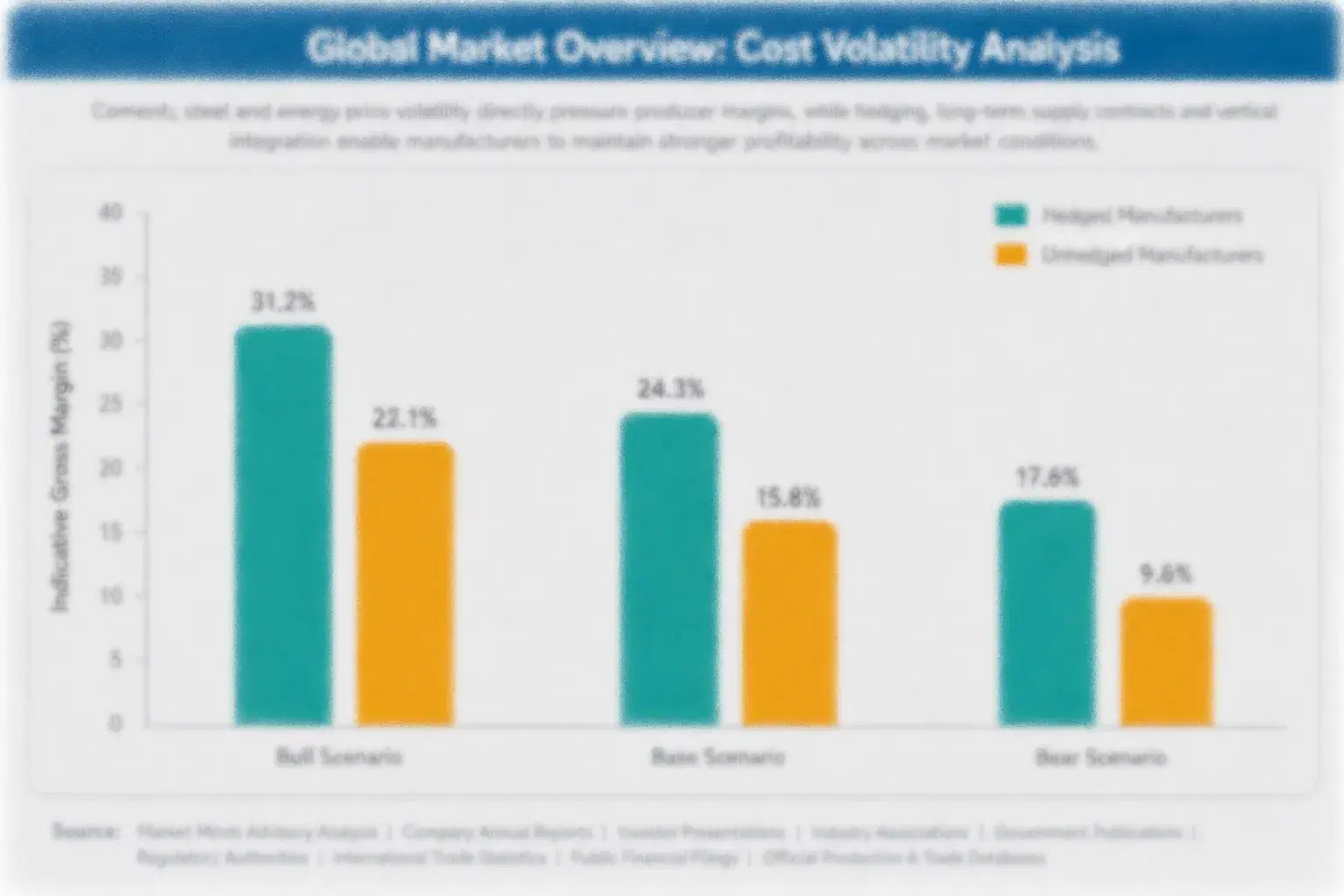
Whole Grain Flour Sets the Cost Base

Whole grain flour, whether wheat, corn, or ancient grain, represents roughly twenty-two percent of cost of goods sold for a typical whole grain snack SKU, modestly higher than the flour cost share carried by refined flour formulations given the additional processing whole grain milling requires. Ancient grain inputs carry a meaningfully higher cost share than conventional wheat or corn flour given limited agricultural supply relative to demand.
Wheat flour prices rose sharply through 2022 as global grain markets tightened following the disruption to Black Sea export volume, a volatility event documented in USDA grain market reporting, before easing through 2023 and 2024 as alternative supply sources scaled and global harvest conditions normalized. That price spike forced several smaller manufacturers to temporarily reformulate toward corn-based whole grain alternatives to manage rising wheat costs.

Larger branded manufacturers with forward-purchase grain contracts absorbed the 2022 wheat price spike without major shelf price increases, protecting market share during the disruption, while smaller regional manufacturers more often passed costs through immediately, risking the price-sensitive portion of their buyer base at exactly the moment private label competition was intensifying fastest across most channels.
whole-grain-salty-snacks-market-cost-volatility-analysis-1790358178985

Forward Contracting Wheat and Ancient Grain Supply

Manufacturers are locking multi-quarter pricing agreements directly with grain suppliers and ancient grain growers, reducing spot-market exposure and giving procurement teams cost visibility roughly two to three quarters ahead rather than negotiating shipment by shipment against volatile global commodity pricing each purchasing cycle throughout most of the calendar year overall and well beyond that.

Diversifying Across Wheat, Corn, and Ancient Grains

Formulating snacks that can flex between wheat, corn, and ancient grain inputs depending on relative pricing spreads risk across multiple, only partially correlated grain commodity markets, reducing the impact of any single grain source's price spike on total formulation cost relative to a single-grain-dependent recipe used by smaller manufacturers lacking this built-in flexibility entirely.

Building Domestic Ancient Grain Supply Relationships

Shifting ancient grain sourcing toward expanding domestic and near-shore agricultural capacity reduces exposure to international shipping cost swings and geopolitical supply disruption that add unpredictable landed cost to formulations reliant primarily on imported ancient grain from more distant agricultural regions facing their own seasonal disruptions, export restrictions, and quite severe weather-driven supply chain events.

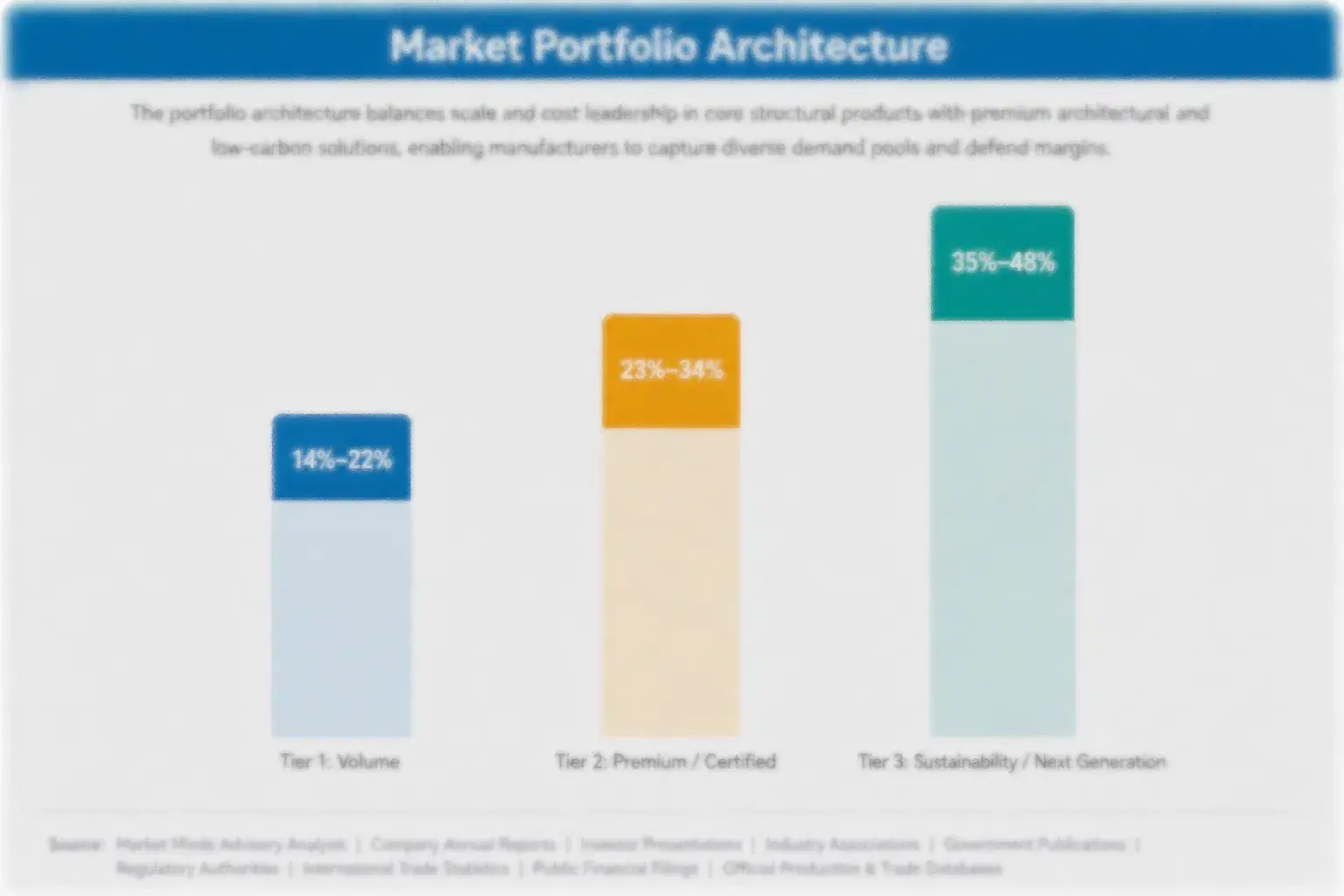
Portfolio Architecture for Margin Defence

The category organizes into three commercial tiers. A volume and commodity-adjacent tier competes on price against reformulated private label, a premium and certified tier commands a real shelf premium tied to whole grain content certification, and a smaller sustainability and next-generation tier built around ancient grain and traceable sourcing claims commands the strongest per-unit margin despite representing the smallest current volume base across the category overall today and going forward.
Private label reformulation has compressed the volume tier's margin fastest, pushing branded suppliers to defend share through premium and ancient grain tier investment rather than competing head-on at the lowest price point available in the aisle, though volume-tier products still anchor total category unit sales despite carrying the category's thinnest margins by a meaningful and steadily widening spread each year.

High-value margin pools concentrate in the sustainability and next-generation tier, where ancient grain sourcing and traceability claims support the strongest pricing power available today across the category, and in East Asian manufacturing expansion channels where brands can capture rapidly growing volume without facing the same private label competitive pressure present across mature Western retail markets nationwide.

Volume / Commodity-Adjacent Tier

Standard reformulated whole wheat crackers and chips competing primarily on price against private label, distributed broadly across mainstream grocery with minimal certification or ancient grain claims attached to the packaging.
Gross Margin: 16-22%

Premium / Certified Tier

Certified whole grain formulations carrying formal content verification, merchandised at a meaningful price premium over reformulated private label product within the same mainstream retail aisle and broader category set nationwide.
Gross Margin: 29-37%

Sustainability / Regulatory / Next-Generation Tier

Ancient grain and traceable single-origin sourcing formulations aimed at the most engaged, highest-spending buyer segment, commanding the category's strongest per-unit margin despite still-limited volume relative to standard reformulated products currently.
Gross Margin: 39-47%
whole-grain-salty-snacks-market-portfolio-architecture-1790358179286

High-value Sub-segments and Strategic Watch-out

Ancient Grain Puff Format

This high-value, high-growth format is expanding fastest as ancient grain supply chains scale and private label struggles to replicate the sourcing complexity, and retailers are widening shelf space for it faster than for any other whole grain format, making it the clearest near-term margin opportunity.
Gross Margin: 36-44%

East Asian Multigrain Product Lines

High-value but moderate-growth today, East Asian multigrain lines command meaningful volume growth as regional manufacturers scale capacity, though margin per unit remains lower than ancient grain formats given the format's positioning closer to mainstream pricing than genuine premium differentiation across most retail channels tracked currently.
Gross Margin: 26-33%

Standard Reformulated Whole Wheat Snacks

The volume core of the category, standard reformulated whole wheat crackers and chips anchor total unit sales across mainstream grocery and remain the primary format most buyers encounter first, even as private label reformulation compresses branded margin on this tier meaningfully with each passing year.
Gross Margin: 16-22%

Private Label Reformulated Value Tier

The strategic watch-out segment, private label whole grain snacks are narrowing the price gap with branded value-tier product fastest at the category's least differentiated price point, and their continued expansion could compress branded pricing power meaningfully absent further ancient grain differentiation investment nationwide going forward.
Gross Margin: 18-24%

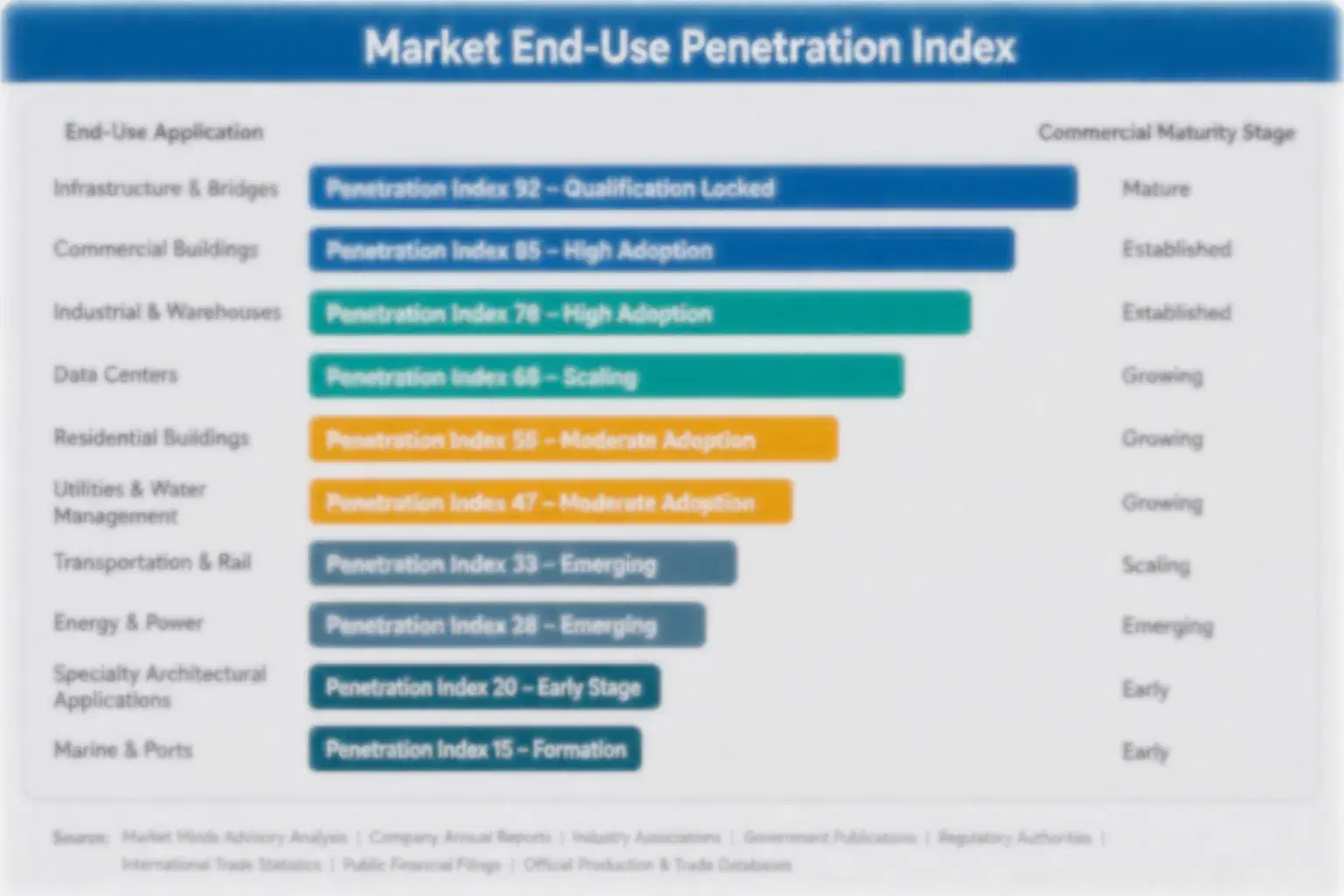
From Aisle Staple to Daily Habit

Whole grain salty snacks behave more like an annuity product once reformulated SKUs become a buyer's default pantry choice, since repeat purchase frequency for habituated buyers runs meaningfully higher than for occasional category trial, giving manufacturers a more predictable revenue base than the category's reformulation-driven growth pattern might otherwise suggest at first glance across most retail channels and formats tracked by MMA.
Adoption depth varies by end-use vertical: health-conscious household buyers show the deepest habit formation and highest repeat rates of any group tracked, office and workplace snacking buyers adopt whole grain formats as one rotation option among several rather than a dedicated habit, and ancient grain trial buyers represent a newer, more experimental segment still building repeat purchase patterns distinct from mainstream reformulated product loyalty.

Younger buyers entering the category through ancient grain novelty and social media food content show meaningfully different flavor and format preferences than an older generation of buyers who adopted whole wheat reformulation primarily for health reasons rather than taste novelty, a generational shift reshaping how brands position flavor, packaging, and marketing channels away from pure health messaging toward genuine taste discovery.
whole-grain-salty-snacks-market-end-use-penetration-index-1790358179619

Where MMA Sees the Real Opportunity

These are among the four positions where our research anticipates prominent divergence between winners and laggards over the coming forecast period. Each is grounded in the demand model, the regulatory perimeter, and the announced capacity pipeline.
01 / ANCIENT GRAIN SOURCING PRIORITY

Lock ancient grain supply agreements before rivals do

Ancient grain supply remains genuinely limited relative to rising manufacturer demand, and manufacturers securing multi-year sourcing agreements now will hold a durable cost and availability advantage as competing manufacturers compete for the same limited agricultural capacity across Peru, the US, and India over the coming years. Early movers can lock favorable terms before broader agricultural supply expansion catches up with demand growth across the category. Manufacturers that delay risk losing access to the most reliable ancient grain sourcing relationships entirely.
02 / TEXTURE INVESTMENT STRATEGY

Invest in proprietary milling technology before parity closes

Whole grain texture still trails refined flour meaningfully, and manufacturers investing in proprietary milling technology now will hold a durable taste and texture advantage as private label competitors using standard equipment struggle to close the remaining gap quickly and at comparable cost. This capability requires genuine process investment rather than simple recipe adjustment, creating a real barrier smaller competitors must budget for carefully. Manufacturers that wait risk losing trial buyers to private label alternatives permanently before repeat purchase ever happens.
03 / EAST ASIAN EXPANSION TIMING

Build local manufacturing capacity in East Asia now

East Asian manufacturers are scaling multigrain capacity faster than most Western competitors initially expected, and brands building local manufacturing capacity now will establish cost and distribution positions before regional competitors fully consolidate the opportunity themselves across the wider region and its many diverse markets. Import-based competition cannot match the cost structure or speed to shelf that local manufacturing provides in this rapidly scaling region. Manufacturers still relying on imported product risk ceding this fast-growing market to faster-moving local competitors already active there today.
04 / PRIVATE LABEL DIFFERENTIATION STRATEGY

Defend premium positioning through genuine ancient grain novelty

Private label has closed most of the standard whole grain formulation gap, and manufacturers must defend premium positioning through genuine ancient grain novelty and sourcing transparency that store brands cannot easily replicate given the sourcing complexity and cost involved across most channels. Standard whole wheat reformulation alone no longer commands the price premium it once did across most mainstream retail channels tracked by MMA. Manufacturers still relying primarily on standard reformulation risk losing pricing power entirely as private label parity continues to spread.

Engagement Snapshot From the Field

A live engagement with an industry participant carrying material or product regulatory and market exposure ahead of a defining policy shift, showing how our research translates into a defensible multi-year portfolio strategy.
MARKET MINDS ADVISORY · CLIENT ENGAGEMENT SUMMARY
Whole Grain Salty Snacks Producer Strategic Portfolio Review and Transition Roadmap 2026·Investment Scenario on Whole Grain Salty Snacks Exposure Evaluation 2025-26
CLIENT PROFILE
The client is a regional US cracker and chip manufacturer with an established whole wheat product range, reporting roughly 95 million dollars in annual revenue (client-reported, unverified by MMA) concentrated in regional grocery and club channel listings facing intensifying private label competition. The company approached MMA to assess whether entering ancient grain formats represented a durable defense against continued private label share erosion.
STRATEGIC CHALLENGE
Leadership needed to determine whether ancient grain sourcing complexity justified the capital investment required, and how to position a new premium line against both national incumbents already investing in ancient grain and continued private label reformulation pressure on its existing standard whole wheat product range across the wider region and beyond.
MMA APPROACH
MMA combined primary survey data with retailer buyer interviews to size realistic ancient grain demand at the regional level, modeled sourcing cost exposure across three supplier scenarios, and benchmarked comparable manufacturer launches to produce a phased entry sequence tailored to the client's existing regional distribution footprint and retailer relationships nationwide.
KEY FINDINGS
  1. Regional retailers offered faster listing decisions for ancient grain SKUs than national chains, providing a lower-risk proof point ahead of broader distribution expansion.
  2. Blended ancient grain formulations tested better on repeat purchase intent than single-grain recipes in the client's own regional consumer panel testing process.
  3. Multi-year supply contracting with a single Peruvian grower cooperative secured meaningfully better pricing than the client's initial spot-market sourcing approach used entirely at first.
  4. Premium ancient grain positioning sustained pricing power that the client's standard whole wheat line could no longer defend against private label competition.
CLIENT PROFILE
The client is a regional US cracker and chip manufacturer with an established whole wheat product range, reporting roughly 95 million dollars in annual revenue (client-reported, unverified by MMA) concentrated in regional grocery and club channel listings facing intensifying private label competition. The company approached MMA to assess whether entering ancient grain formats represented a durable defense against continued private label share erosion.
STRATEGIC CHALLENGE
Leadership needed to determine whether ancient grain sourcing complexity justified the capital investment required, and how to position a new premium line against both national incumbents already investing in ancient grain and continued private label reformulation pressure on its existing standard whole wheat product range across the wider region and beyond.
MMA APPROACH
MMA combined primary survey data with retailer buyer interviews to size realistic ancient grain demand at the regional level, modeled sourcing cost exposure across three supplier scenarios, and benchmarked comparable manufacturer launches to produce a phased entry sequence tailored to the client's existing regional distribution footprint and retailer relationships nationwide.
KEY FINDINGS
  1. Regional retailers offered faster listing decisions for ancient grain SKUs than national chains, providing a lower-risk proof point ahead of broader distribution expansion.
  2. Blended ancient grain formulations tested better on repeat purchase intent than single-grain recipes in the client's own regional consumer panel testing process.
  3. Multi-year supply contracting with a single Peruvian grower cooperative secured meaningfully better pricing than the client's initial spot-market sourcing approach used entirely at first.
  4. Premium ancient grain positioning sustained pricing power that the client's standard whole wheat line could no longer defend against private label competition.
RECOMMENDED STRATEGY
Phase 1: Phase 1 (Months 1 to 4): Launch a blended ancient grain cracker format through two regional grocery chains to validate demand and pricing. Phase 2: Phase 2 (Months 5 to 10): Expand distribution to a third regional chain and formalize a multi-year ancient grain supply agreement. Phase 3: Phase 3 (Months 11 to 16): Pursue national distribution conversations only once regional sell-through data fully supports the capital case.
OUTCOME
Within two quarters of regional launch, the client's ancient grain SKU reportedly reached sell-through rates roughly twenty-four percent above the retailer's new snack category average (client-reported, unverified by MMA), supporting a decision to formalize multi-year ancient grain sourcing ahead of the original eighteen-month timeline MMA had modeled.

Frequently Asked Questions

Foundational context covering the market sizes, CAGR, scope, country, region and competition that inform every finding below. This section is provided to cover basics and most often pre-purchase conversations, answered from the MMA Primary Research Dataset.

What is the current size of the Whole Grain Salty Snacks Market?

The global whole grain salty snacks market reached approximately 18.2 billion dollars in 2025. Growth has been driven by legacy brand reformulation and rapid ancient grain format innovation across major manufacturers.

How large will the Whole Grain Salty Snacks Market be by 2036?

MMA projects the market will reach roughly 33.1 billion dollars by 2036. Growth is supported by ancient grain supply chain scaling and continued East Asian multigrain manufacturing expansion.

What is the CAGR for the Whole Grain Salty Snacks Market 2026 to 2036?

The market is projected to grow at a 5.6 percent compound annual rate between 2026 and 2036. This reflects the category's largely mature, reformulation-driven growth pattern rather than explosive expansion.

Which segment is growing fastest?

Ancient grain puffs are growing fastest, at roughly an 8.8 percent CAGR. This format offers genuine novelty beyond standard whole wheat reformulation that private label has been slowest to replicate.

Who are the major companies in the Whole Grain Salty Snacks Market?

PepsiCo, Mondelez, Campbell's Snyder's-Lance, General Mills, and Utz Brands lead the branded segment. Private label reformulation from major grocery chains is narrowing the branded price premium quickly.

Which country is growing fastest?

Peru is the fastest-growing country market, driven by its position as a major ancient grain producer supplying expanding global manufacturer demand. Domestic formulation and export activity are both scaling rapidly.

Report Segmentation Architecture

The full report scope spans multiple orthogonal segmentation dimensions, with cross-tabulated demand data provided for each dimension pair. Coverage extends further to regional breakdowns, trend trajectories, and the competitive detail needed to support segment-level decision-making.

By Product Format

  • Whole Wheat Crackers
  • Whole Grain Tortilla Chips
  • Multigrain Pretzels
  • Whole Grain Popcorn
  • Ancient Grain Puffs
  • Whole Grain Rice Cakes and Crisps

By End-Use Industry

  • Retail Grocery
  • Club and Warehouse
  • Convenience and Travel Retail
  • Foodservice and Institutional
  • E-Commerce

By Commercial Dimension

  • Branded
  • Private Label
  • Direct-to-Consumer
  • Export and Ingredient Supply

By Region

  • North America
  • Western Europe
  • East Asia
  • South Asia and Pacific
  • Latin America
  • Middle East and Africa
  • Eastern Europe

Scope, Methodology, and Coverage

Every figure in this report is reproducible from documented input assumptions. The scope below maps the historical period, the forecast horizon, the segmentation dimensions, and the countries covered, alongside the underlying primary and qualitative methodology.
Historical Period
2020 to 2025
Forecast Period
2026 to 2036
Base Year
2025 (USD billions; MMA Primary Research Dataset, September 2026)
Market Definition
The whole grain salty snacks market covers chips, crackers, pretzels, puffs, and rice cakes formulated with whole grain flour or ancient grain content as a primary ingredient rather than a minor additive. It excludes sweet snacks, refined flour products without a whole grain claim, and products where whole grain content is not the primary flour base.
Quantitative Units
USD billions (current prices); metric tons for volume where disclosed
Segmentation Dimensions
By Product Format; By End-Use Industry; By Commercial Dimension; By Region
Regions Covered
North America, Western Europe, East Asia, South Asia and Pacific, Latin America, Middle East and Africa, Eastern Europe
Countries Covered
USA, China, Germany, France, UK, Japan, South Korea, India, Australia, Canada, Brazil, Mexico, Peru, Indonesia, Vietnam, Thailand, Malaysia, UAE, Saudi Arabia, South Africa, Nigeria, Turkey, Poland, Netherlands, Italy, Spain, Sweden, Switzerland, Argentina, Singapore, and additional markets relevant to this sector
Key Companies Profiled
PepsiCo Inc., Mondelez International Inc., Campbell's Company, General Mills Inc., Utz Brands Inc., Mary's Gone Crackers Inc., TH Foods Inc., Doctor Kracker LLC, Hain Celestial Group Inc., Late July Snacks LLC, B&G Foods Inc., Barilla Group, Ryvita Company Ltd., Way Better Snacks Inc., The Kroger Co., Walmart Inc., Aldi Inc., Costco Wholesale Corporation, Trader Joe's Company, Wegmans Food Markets Inc.
Quantitative Methodology
Primary survey, n=3,800 respondents, Q4 2025, six countries; demand-side model with trade association cross-validation
Qualitative Methodology
47 expert interviews, Q4 2025; applied to validate demand model assumptions, identify emerging dynamics, and assess competitive positioning
Report Format
PDF and XLSX data workbook (Word format preview document)
Publisher
Market Minds Advisory
Report Code
MMA-2026-AGR-205
Published
September 2026
Contact
sales@marketmindsadvisory.com | www.marketmindsadvisory.com

Purchase the full Whole Grain Salty Snacks Market Report (2026 to 2036).

The full report delivers a complete quantitative and qualitative assessment of the global whole grain salty snacks market, including ten-year forecasts by product format, region, and commercial channel through 2036. It profiles twenty companies across the branded and private-label competitive set, with detailed moat and risk analysis for the two category leaders. The report includes primary survey data from 3,800 respondents across six countries and 47 expert interviews conducted in the fourth quarter of 2025, alongside grain input cost modeling and channel-specific revenue lever analysis. Buyers receive segmentation data, regional demand architecture, and a strategic verdict section designed to support entry and portfolio decisions.
Ten-year market forecasts by format and region
Competitive profiles of twenty branded and private-label companies
Primary survey data from 3,800 respondents across six countries
Grain input cost modeling and mitigation strategy analysis
Revenue lever analysis across four commercial growth strategies
Regional demand architecture covering all seven global regions

Built For The People Who Decide

From boardroom strategy to bench-side execution, this report is read cover-to-cover by leaders shaping the next decade of their industry, turning demand scenarios, market dynamics and valuation benchmarks into decisions.
CXOs/ Presidents/ VPs/ Managers
M&A and Corporate Development
Strategy Teams and R&D Heads
Procurement and Product Directors
Regulatory and Compliance Leaders
Investor Relations and Equity Analysts