Market Minds Advisory
Wet Wipes Market

Wet Wipes Market: Wet Wipes Market: A Plastic Textile That Is Mostly Water

Roughly 62% of wipes are still made from synthetic fibre, they are around 84% water by weight, and legislators have started writing rules about what happens after somebody uses one.

Lead Analyst

Published

August 2026

Make Smarter Decisions with Customized Research Insights

Request a free sample report and evaluate market opportunities, growth trends, and competitive dynamics relevant to your business needs.

2025 MARKET VALUE$22.0BMarket Size 2025
2036 FORECAST VALUE$41.8BBase Case , 2026 to 2036
CAGR 2026 TO 20366.0 %Bull 7.2% / Bear 4.8%
INCREMENTAL OPPORTUNITY$18.5BNet 10- year value creation
EXPANSION MULTIPLE1.79x2036 value over 2026 base
Strategic Levers
M&A Pipeline
Regional Outlook
Country Rankings
Competitive Intelligence
Segmental Deep-dive
Call-Us : 91 93563 13602

Executive Snapshot and Market Trajectory.

Two facts govern this whole category. A wipe is roughly 84% water by weight, which makes freight cost per unit of value dreadful, and around 62% are synthetic fibre, which makes each one a small plastic sheet that legislators have now noticed.
North America takes 29% of value on the highest per-capita consumption anywhere, with East Asia at 27% behind it on population and on the nonwoven manufacturing capacity that supplies much of the world. Healthcare and medical wipes grow at 9.0%, half again the market rate of 6.0%, as infection control practices adopted during the pandemic settled into permanent hospital protocol. Baby wipes remain the volume core and grow at roughly half that pace overall.
Concentration is only 34% because private label holds roughly 41% of retail volume, and it holds it because substrate and lotion are almost entirely undifferentiated. Utilities spend around 2.4 billion dollars a year clearing what gets flushed, which is the number driving every disposal rule now being written. Substrate and lotion are reproducible by anybody with capital, which leaves brands defending a premium rather than the volume beneath it.
Market Definition
The market covers pre-moistened disposable wipes supplied in consumer, institutional and healthcare formats, spanning baby wipes, surface disinfecting and cleaning wipes, personal care and cosmetic wipes, industrial and institutional wipes, healthcare and medical wipes, and pet care and speciality wipes. Dry nonwoven roll goods sold as substrate, dry wiping cloths and paper towel, sanitising gels and liquid cleaning chemicals, adult incontinence pads and diapers, and reusable textile cloths are excluded from scope.
Base Year Value
$22.0B in 2025 (MMA Primary Research Dataset, August 2026)
Forecast Period
2026 to 2036, eleven discrete annual values
CAGR
6.0% base case. Bull 7.2%. Bear 4.8%.
Fastest Growth Segment
Healthcare and Medical Wipes: 9.0% CAGR
Fastest Growth Country
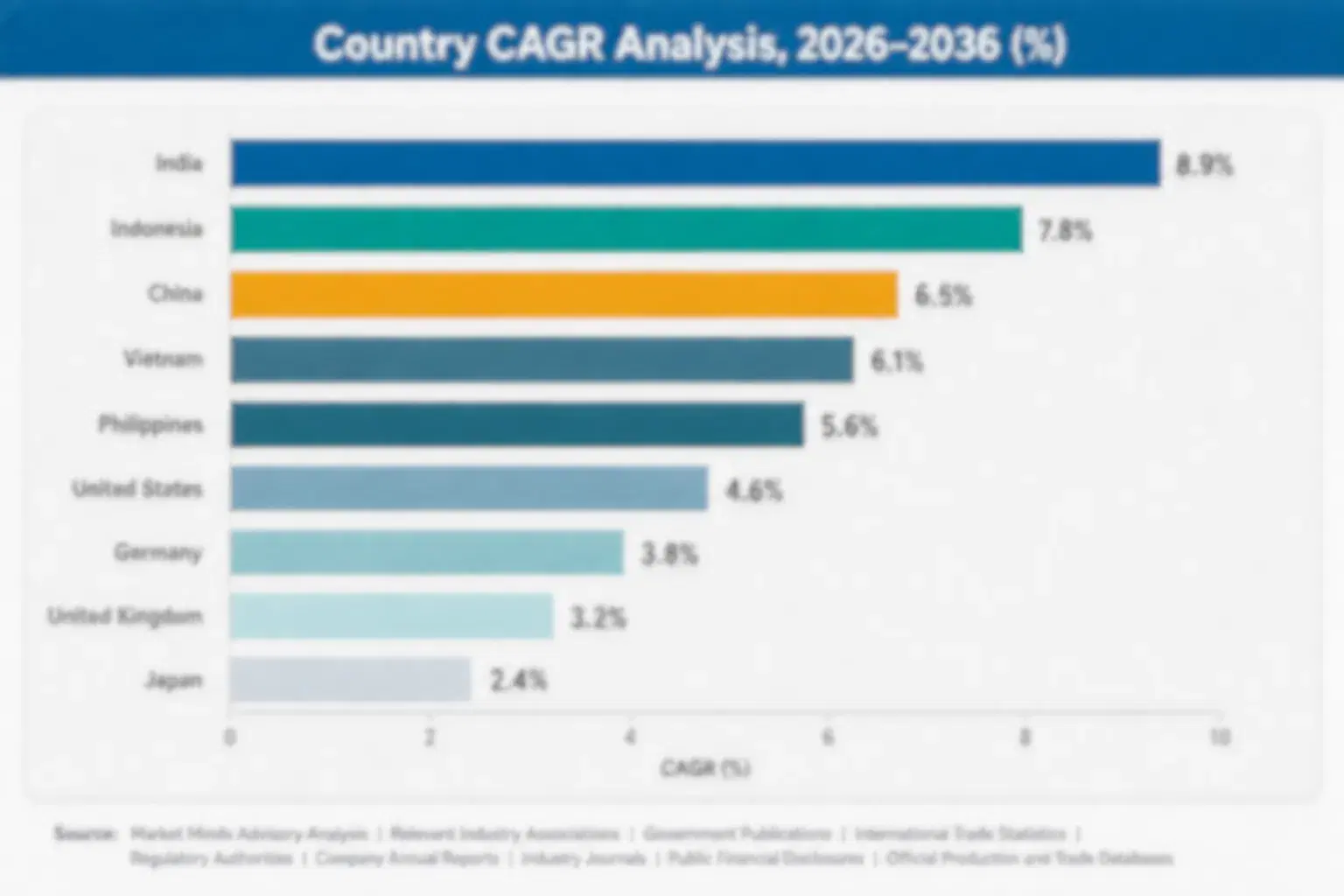
India: 8.0% CAGR
Fastest Growth Region
South Asia and Pacific: 8.2% CAGR
Largest Region
North America: 29% of 2025 global value
Market Leaders
Procter & Gamble, Kimberly-Clark, Unicharm, Nice-Pak Products, Essity. Source: MMA Analysis based on disclosed wet wipe product and converting revenue, company annual reports 2025.
Primary Survey
n=3,800 procurement and R&D decision-makers, Q4 2025, six countries
Methodology
Demand-side build-up, cross-validated against public data, 47 expert interviews

Wet Wipes Market Forecast Scenarios

wet-wipes-market-size-forecast-scenario-1787712311944
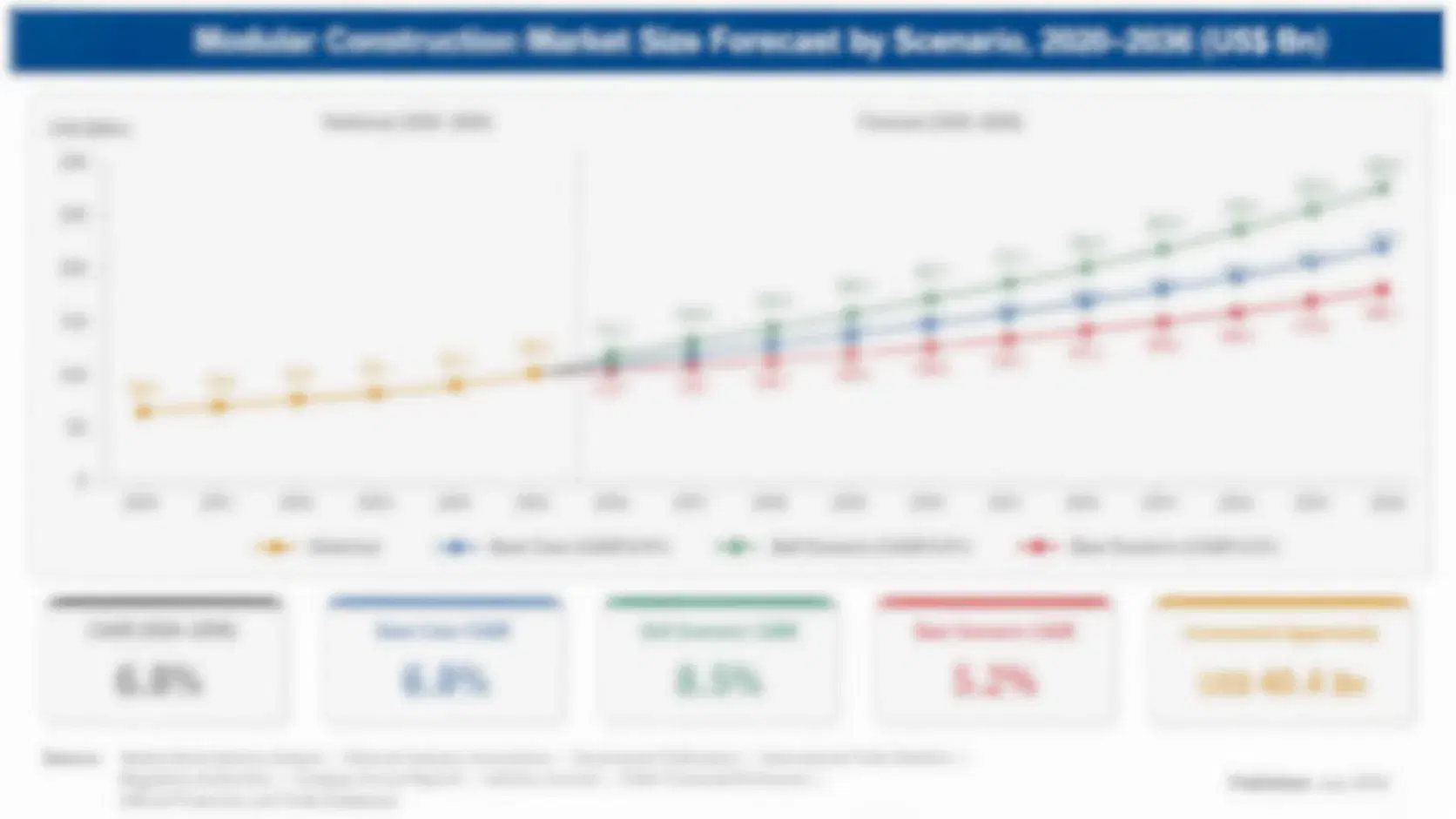
Growth from 2020 to 2025 ran at 5.0% and the shape of it was violent. Disinfecting wipe demand in 2020 consumed global spunlace capacity entirely, converters ran flat out, and substrate producers committed to new lines. Demand then fell back hard through 2022 and 2023, leaving overcapacity that pushed pricing down across every format. Baby wipes, the volume core, grew slowly throughout and was almost unaffected by any of it.
The 6.0% base case rests on three mechanisms. Healthcare and institutional wipe demand keeps growing as infection control protocols adopted during the pandemic remain in hospital standard operating procedures. Asian per-capita consumption keeps rising from levels far below Western norms. And plastic-free substrate conversion keeps lifting average selling prices, since cellulosic fibre costs meaningfully more than polypropylene and that cost passes through. None of the three depends on new chemistry.
The bull case at 7.2% assumes plastic-containing wipe restrictions extend to more markets, since mandated substrate conversion raises category value even where unit volume stays flat. The bear case at 4.8% is private label share climbing further from 41%, because a product where substrate and lotion are undifferentiated gives a brand little to defend when a retailer presses.

Water, Plastic And Sewers

Start with what is actually in the pack. A wipe is around 84% water and lotion by weight, with a thin nonwoven sheet carrying it, which means shipping finished wipes any distance is mostly paying freight on water. Converting therefore sits near the market, roughly within 800 kilometres of where the product sells, and the industry is regional by physics rather than preference. That single constraint shapes plant location, ownership and pricing everywhere.
FIVE-FIRM CONCENTRATION34%Share of category revenue held by the largest suppliers
WATER CONTENT SHARE84%Share of a finished wipe that is liquid
PLASTIC SUBSTRATE SHARE62%Wipes made from synthetic rather than cellulosic fibre
PRIVATE LABEL SHARE41%Retail volume sold under retailer rather than manufacturer brands
SEWER CLEARANCE COST$2.4bnYearly utility spending removing blockages from sewer networks
ECONOMIC SHIPPING RADIUS800 kmDistance beyond which shipping finished product stops paying
The sheet is the problem nobody wanted to discuss. Around 62% of wipes are made from polypropylene or polyester spunlace, which is to say each one is a small plastic textile. Flushed wipes do not disperse, they bind with fat and block sewers, and utilities spend roughly 2.4 billion dollars a year on the consequences. Legislators reached the obvious conclusion, and labelling rules and content restrictions followed.
Meanwhile the brands have very little to hold onto. Substrate comes from a handful of producers who supply everybody, lotion chemistry is understood, and equipment is available to anyone. Private label consequently holds around 41% of retail volume and keeps climbing. What differentiation exists sits in fragrance, pack format and dispensing, none of which a retailer finds hard to reproduce.
"You are shipping water in a plastic sheet and calling it a hygiene product. That worked beautifully for thirty years, and then somebody costed out what the sewers were spending to undo it."
Director, Nonwovens and Hygiene Practice · MMA Nonwovens and Consumer Converted Products Practice · August 2026

Market Trends

Disposal Rules Force Substrate Conversion Away From Plastic

Labelling requirements, plastic content restrictions and producer responsibility schemes have moved from proposal to law across several markets, driven by the roughly 2.4 billion dollars utilities spend annually clearing sewer blockages. Conversion to viscose, lyocell and cotton substrates costs meaningfully more per square metre than polypropylene and needs different mill lines. That cost passes through to shelf price, which lifts category value even where unit volume does not move at all. Mill allocation has become the scarce resource, and it is being committed to whoever happened to move on it first.
Market Impact: Costs utilities $2.4bn annually
Healthcare Protocols Adopted In Crisis Became Permanent

Surface disinfection routines introduced across hospitals during the pandemic did not get withdrawn afterwards, and sporicidal and high-level disinfectant wipes are now written into standard operating procedures rather than used episodically. Growth at 9.0% follows that institutionalisation. Procurement runs through hospital contracts on efficacy claims, contact times and material compatibility rather than on price alone, which is a considerably better commercial environment than retail shelves offer anybody. Registration of a disinfectant claim takes years and real expense, which is a barrier consumer converters routinely discover only after committing to enter.
Market Impact: Grows India fastest at 8.0%

Market Opportunities and Growth Drivers

Sewer Clearance Costs Now Drive Actual Legislation

Utilities spend roughly 2.4 billion dollars a year removing wipes and congealed fat from sewer networks, and that figure is what finally moved the issue from a public awareness campaign into statute. Labelling mandates, plastic content bans and producer responsibility obligations have all followed in different markets. Manufacturers who treated it as a communications problem rather than a product one have been overtaken by rules they spent years arguing were unnecessary. Arguing that consumers should simply learn to behave differently was never going to survive a number quite like that.
Market Impact: Holds 41% of retail volume

Asian Per-Capita Consumption Rises From A Low Base

Per-capita wipe consumption across most Asian markets sits far below Western levels, and India grows fastest of any country at 8.0% as urban households adopt baby and personal care formats that were uncommon a decade ago. Because converting must sit near the market, that growth builds regional plants rather than export volume. Domestic converters capture most of it, which is why unit growth and international brand revenue diverge here considerably. Pack sizes are smaller and price points far below Western levels, which changes the economics of every plant built to serve them.
Market Impact: Limits shipping beyond 800 km

Market Restraints and Challenges

Private Label Takes What Brands Cannot Defend

Private label holds roughly 41% of retail volume and climbs steadily, because substrate comes from producers who supply everybody, lotion chemistry is well understood and converting equipment is available to anybody with capital. Root cause is an absence of anything genuinely proprietary in the product. Commercial impact is persistent pricing pressure on branded ranges. Mitigation runs through pack format, dispensing systems and substrate claims, all of which retailers reproduce within a year or two. A retailer who owns the shelf and the competing product holds every card there is here.
Market Impact: Converts 62% of plastic substrate

Shipping Water Makes The Business Stubbornly Regional

A wipe is around 84% water by weight, so freight cost per unit of value is poor enough that finished product rarely travels beyond roughly 800 kilometres economically. Root cause is simple physics that no packaging change addresses. Commercial impact is that scale advantages stop at the regional level and global manufacturing consolidation never delivers what it does in other categories. Mitigation involves regional converting networks, which most large players have now built. Growth markets therefore require plants rather than export programmes, which is capital nobody enjoys committing early at all.
Market Impact: Grows healthcare wipes at 9.0%
3 additional market trends, 2 additional growth drivers, and 4 additional restraints and challenges are covered in the full report. Contact sales@marketmindsadvisory.com to access the complete intelligence.

Segment CAGR and Growth Architecture

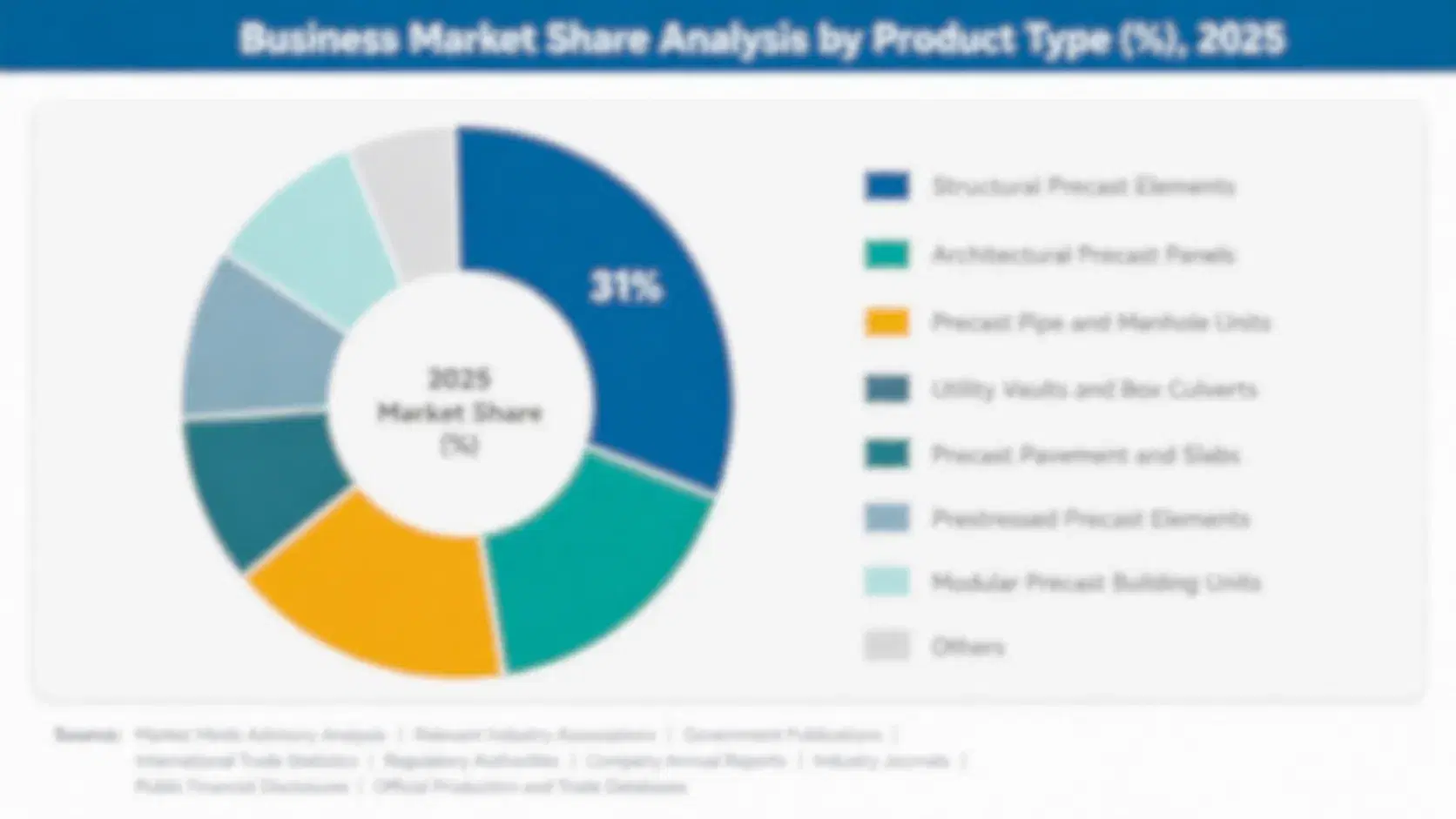
Segmentation follows application: what the wipe is formulated and marketed to clean, treat or protect. Six categories cover the market without overlap. Substrate composition, disposal claim and distribution channel are treated as separate commercial dimensions throughout this report rather than as segmentation logic in their own right, since each cuts across all six applications.
wet-wipes-market-market-share-analysis-1787712312260

Healthcare and Medical Wipes

Sporicidal, high-level disinfectant and patient care wipes grow at 9.0%, half again the market rate of 6.0%, because infection control routines introduced during the pandemic were written into hospital standard operating procedures and never withdrawn afterwards. Procurement runs on efficacy claims, validated contact times and material compatibility with the surfaces and devices involved, which makes the buying decision technical rather than price-led. Regulatory registration of disinfectant claims creates a genuine barrier that consumer wipe manufacturers consistently underestimate before attempting to enter. Institutional contracts are frequently multi-year and fixed, which protects volume against price competition and simultaneously delays recovery of any substrate cost increase arriving part way through that term. Nobody renegotiates midway.
CAGR 9.0%

Pet Care and Speciality Wipes

Grooming, paw, ear and dental wipes for companion animals grow at 7.8% on the same spending patterns that lifted every other pet care category, with owners applying human personal care expectations to animals. Margins are considerably better than baby wipes because the buyer compares against grooming costs rather than against a nappy aisle price. Private label penetration is lower here than anywhere else in the category, though retailers have begun addressing that in exactly the way they addressed baby formats a decade ago. Substrate and lotion here are the same as everywhere else, so the pricing rests entirely on where the buyer happens to set their own mental comparison point.
CAGR 7.8%
Full segment breakdown across 6 segments available in the complete report.

Regional Architecture and Country Demand Map

Geography follows per-capita consumption and regional converting capacity rather than population alone, since shipping water is uneconomic. North America leads on consumption per person, East Asia on volume and substrate manufacture. Population size on its own predicts very little about where this value actually sits.

North America

Per-capita consumption is the highest anywhere across baby, surface and personal care formats, and disinfecting wipes in particular reached a household penetration that no other region matched even before the pandemic. Several states have legislated Do Not Flush labelling on non-flushable products, which was the first regulatory response anywhere to the sewer clearance problem. Private label share is high and rising through grocery and club channels. Converting capacity is extensive and regional, since finished product cannot travel far economically. Healthcare and institutional formats are well developed and purchased on registered claims through hospital group contracts, which insulates that part of the market entirely from the private label pressure crushing retail margins.
Share: 29% | CAGR: 5.2% (2026 to 2036)

Western Europe

Single-use plastic rules require marking on wipes containing plastic and extend producer responsibility to manufacturers, which has pushed substrate conversion further here than in any other region. Britain has moved toward banning plastic-containing wet wipes outright. Cellulosic substrate capacity across European mills has expanded in response, and shelf pricing reflects the higher fibre cost. Private label penetration through discount grocery is the highest in the world, which leaves branded ranges defending a narrow premium. Healthcare and institutional formats are mature and purchased on registered efficacy claims, which gives suppliers there a channel entirely insulated from the discount grocery pressure reshaping every single consumer format across the region right now instead.
Share: 21% | CAGR: 4.4% (2026 to 2036)
Regional intelligence for 5 additional markets available in the complete report: East Asia, South Asia and Pacific, Latin America, Middle East and Africa, Eastern Europe. Contact sales@marketmindsadvisory.com.
wet-wipes-market-country-cagr-analysis-1787712312633

Beyond Substrate And Lotion Chemistry

A wipe is roughly 84% water, around 62% of substrate is still plastic, private label holds 41% of retail volume, and utilities spend 2.4 billion dollars a year on blockages. Four levers work on substrate transition, technical channels, regional converting and format defensibility rather than price, which nothing at all in this product can defend.

Move Substrate Before Legislation Forces It

Plastic content restrictions and producer responsibility schemes are spreading market by market, and cellulosic substrate costs meaningfully more per square metre while needing different mill lines that take time to secure. Converting early means capacity is contracted before everybody else needs it and the higher fibre cost passes through as a claim rather than as a compliance expense. Manufacturers who argued the rules were unnecessary are now converting under deadline at whatever price mills quote. Cellulosic fibre runs roughly 30% above synthetic per square metre, and that gap narrows only when mill capacity catches up.
Market Impact: Converts the 62% of volume still using plastic

Build Position In Technical And Healthcare Channels

Hospital and institutional buyers purchase on efficacy claims, validated contact times and material compatibility rather than on shelf price, which is a fundamentally better commercial environment than a retail aisle where private label holds 41%. Disinfectant claim registration creates a genuine regulatory barrier that consumer converters consistently underestimate. Healthcare wipes grow at 9.0% and carry margins the baby aisle has not seen in twenty years, which is where any serious portfolio work should be directed. Nothing in a retail aisle offers a barrier of that kind to anybody at all.
Market Impact: Grows the healthcare wipe segment at 9.0% annually

Site Converting Inside The Freight Radius

Finished product is around 84% water and rarely travels beyond roughly 800 kilometres economically, so converting capacity must sit near consumption and a plant in the wrong place cannot be fixed by efficiency. Regional networks beat central scale in this category, which is the opposite of most consumer manufacturing. Growth markets therefore require local plants rather than export programmes, and anybody planning otherwise is planning to pay freight on water. Freight on water is the one cost in this whole category that engineering never manages to recover from at all.
Market Impact: Builds capacity within the 800 km freight radius

Defend Through Format Rather Than Formulation

Substrate and lotion are reproducible by anybody, which is exactly why private label reached 41% of retail volume and keeps climbing steadily upward. Dispensing systems, resealable formats, single-use sachets and pack architecture hold separation for longer because they carry tooling and capital rather than a recipe. It buys time rather than permanence, and continuous format renewal is therefore a standing cost line rather than any one-off project. Tooling and capital take a retailer eighteen months to match, where a lotion formula takes them a matter of weeks instead of that.
Market Impact: Defends against the 41% private label volume share

Who Controls the Margin Pool

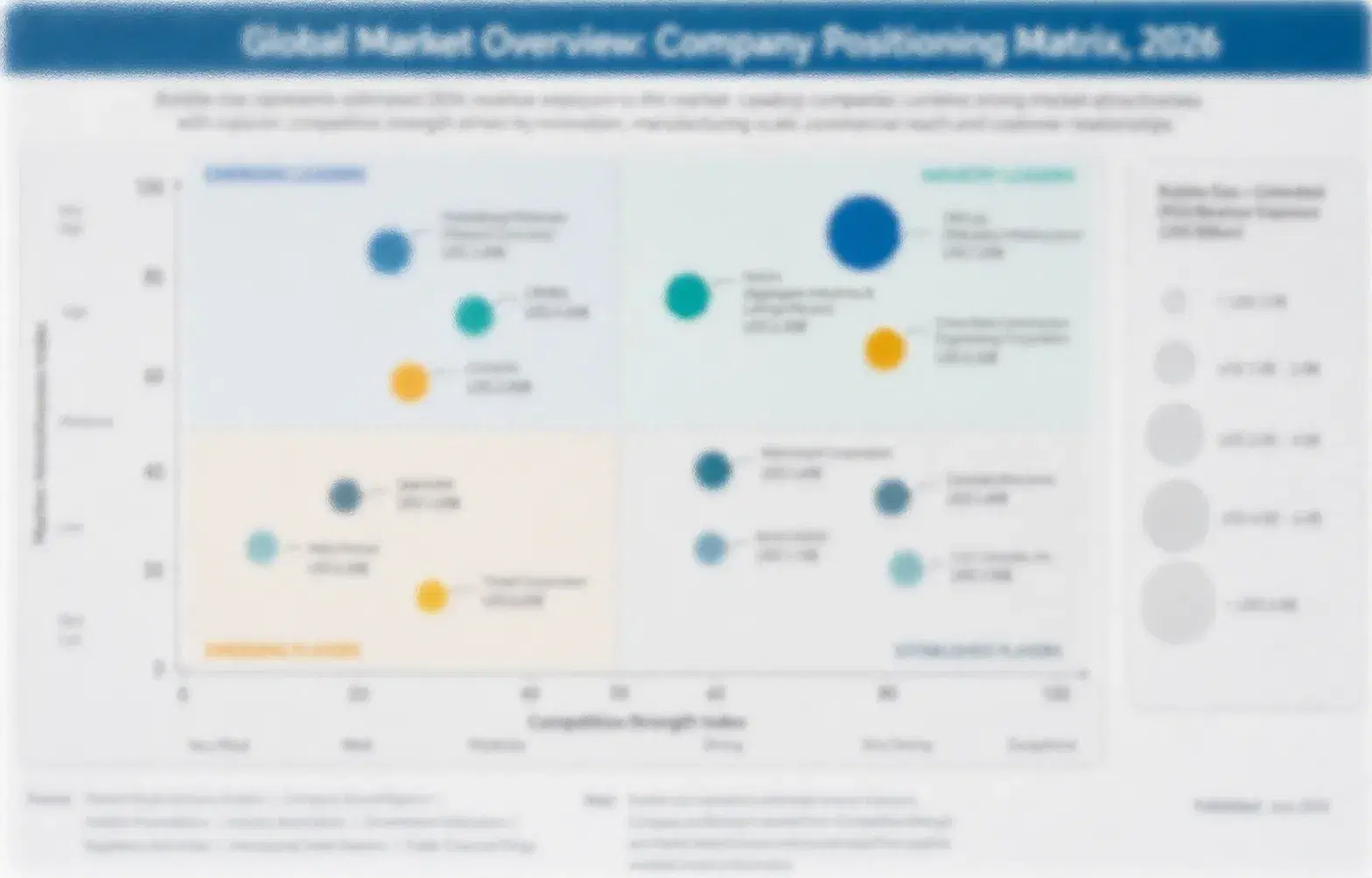
Measured on disclosed wet wipe product and converting revenue, the five largest suppliers hold a CR5 of just 34%, which is low even for a consumer category and reflects how little in the product is proprietary to anybody. Procter & Gamble and Kimberly-Clark hold the strongest baby and personal care brand positions, Unicharm leads across Asian markets, Nice-Pak supplies substantial branded and private label converting volume, and Essity carries institutional and healthcare depth. None of them holds anything the others could not reproduce.
Three contests define activity. Retail formats compete on brand and pack against private label that reproduces everything else. Healthcare and institutional wipes compete on registered efficacy claims and contact times. And substrate producers compete on cellulosic capacity that disposal rules have suddenly made scarce. Regional converters compete on freight distance to the shelf.

Pressure builds from private label at 41% and climbing, and from substrate cost increases that plastic restrictions impose on everybody at once. Rankings shift toward whoever secured cellulosic mill capacity early and whoever holds registered healthcare claims. Brand equity defends a premium here and has never defended the volume underneath it.
wet-wipes-market-company-positioning-matrix-1787712312918

Competitive Moat and Risk Dimensions

PROCTER & GAMBLE

Moat: Brand Equity And Regional Converting

The group combines the strongest baby wipe brand equity in the category with converting capacity sited across regional markets, which matters when finished product cannot travel far economically. Brand preference in baby formats is unusually durable because parents change products reluctantly. A private label competitor matching substrate and lotion still faces a shopper reaching for a name they already trust.
PROCTER & GAMBLE

Risk: Private Label Reproduces Everything Else

Substrate comes from producers who supply every converter, lotion chemistry is well understood and equipment is available to anybody with capital, so private label at 41% of retail volume reproduces the product and competes on price alone. Brand equity defends a premium rather than the volume beneath it. Retailers control shelf position and increasingly use it deliberately.
ESSITY

Moat: Institutional And Healthcare Channel Depth

Essity holds established institutional and healthcare positions where purchasing runs on registered efficacy claims, validated contact times and material compatibility rather than shelf price, which insulates it from the private label pressure crushing retail margins. Disinfectant claim registration takes years and real expense. A consumer converter attempting to enter finds the regulatory barrier considerably higher than it looks from outside.
ESSITY

Risk: Substrate Cost Passes Through Slowly

Institutional contracts are frequently multi-year and fixed, which means cellulosic substrate cost increases imposed by disposal regulation cannot be passed through as quickly as they arrive. The channel that protects against price competition also delays price recovery. Mills allocating scarce cellulosic capacity are under no obligation to prioritise contracted volumes.

Players Tracked

Prominent Players

Procter & Gamble
Kimberly-Clark
Unicharm
Nice-Pak Products
Essity

Other Key Players

Reckitt Benckiser
The Clorox Company
Beiersdorf
Edgewell Personal Care
Rockline Industries
Diamond Wipes International
Albaad Massuot Yitzhak
Suominen
Glatfelter
Jacob Holm
Hengan International
Ontex
Vinda International
Kao Corporation
Johnson & Johnson

Recent Developments

MARCH 2025

National ban on plastic-containing wet wipes enters implementation

A national ban on the supply of wet wipes containing plastic entered its implementation phase, a legislative measure rather than any commercial development. Manufacturers supplying that market had to secure cellulosic substrate capacity within a fixed timetable, competing for mill allocation against every other converter facing the same deadline.
Signal: Mandated substrate conversion turns cellulosic mill capacity into the scarce resource across a whole national market.
JULY 2025

Retailer expands private label wipe range across store formats

A grocery retailer expanded its private label wipe range across baby, surface and personal care formats with reformulated substrate, a category management decision rather than any acquisition or supply transaction of note. Branded suppliers lost facings in several store formats as a direct result of the change.
Signal: Retailers reproduce wipe products readily, because nothing at all in the formulation is genuinely proprietary to anybody.
NOVEMBER 2025

Substrate producer commissions additional cellulosic spunlace capacity

A nonwoven producer commissioned additional cellulosic spunlace capacity after a multi-year construction and qualification programme, an organic expansion rather than any acquisition or joint venture arrangement. Disposal regulation across several markets had created demand for plastic-free substrate that existing mill capacity could not begin to satisfy.
Signal: Substrate capacity rather than converting capacity has now become the constraint in every regulated market everywhere.

Fibre, Lotion And Freight

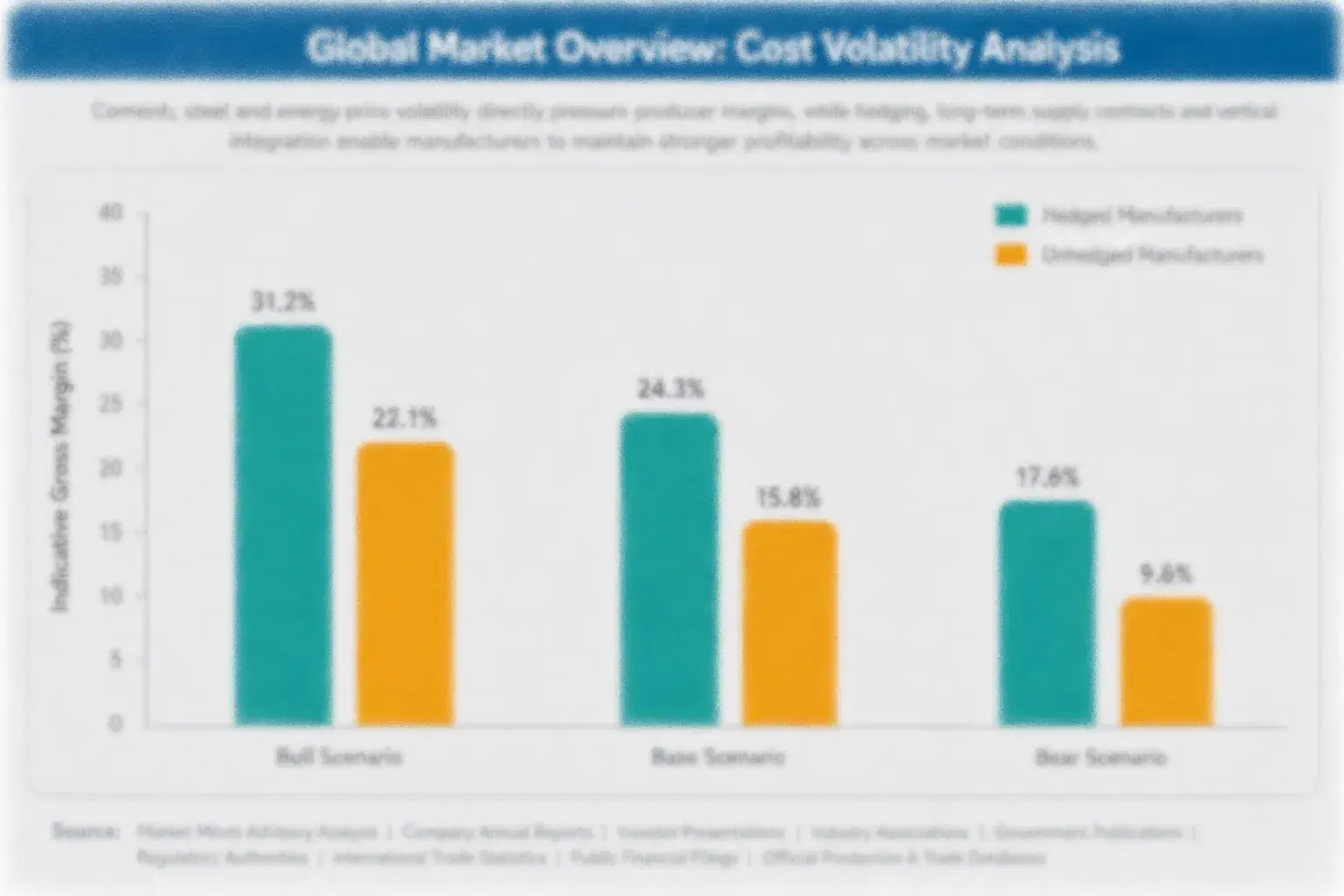
The cost picture is unusual because so much of the product weight is nearly free. Nonwoven substrate whether polypropylene, polyester, viscose or lyocell, lotion chemistry including preservatives and surfactants, packaging film and closures, and converting energy together account for 46 to 58% of finished cost. Water itself costs almost nothing and then dominates the freight bill entirely. Substrate is the largest line, and cellulosic fibre runs materially above synthetic.
Two things moved. Polypropylene and viscose pricing swung sharply through 2021 and 2022 with petrochemical and pulp markets, which EIA feedstock price data records across the period. Separately, the 2020 disinfecting wipe surge consumed global spunlace capacity, prompted new mill investment, and then collapsed into overcapacity that pushed substrate pricing down through 2023. European Commission preservative restrictions forced lotion reformulation right across the same window.

Exposure divides by substrate position and by plant location. Converters with contracted cellulosic supply are protected as disposal rules bite; spot buyers face allocation against a deadline they cannot move. Converters with plants outside the roughly 800 kilometre radius of their markets carry costs no efficiency programme recovers. Private label converters carry the thinnest margins and the least ability to pass any of it through.
wet-wipes-market-cost-volatility-analysis-1787712313213

Contract cellulosic substrate ahead of regulatory deadlines

Plastic content restrictions arrive on fixed timetables, and every converter in an affected market competes for the same limited cellulosic mill allocation at the same moment. Contracting early costs commitment at prices that may look high before the deadline arrives. It secures supply when competitors are bidding against one another for whatever capacity remains uncommitted anywhere.

Site converting plants inside the freight radius

Finished product is around 84% water and stops travelling economically beyond roughly 800 kilometres, so a plant in the wrong location carries a cost penalty that no operational programme ever recovers. Building regional capacity costs capital in each market served. It is the only structure that works in a category where shipping the product means shipping mostly water.

Reformulate lotion ahead of preservative restrictions

Regulatory restrictions on preservative chemistry have repeatedly forced reformulation across the category, and doing it under deadline means accepting whatever alternative is available rather than the best one. Reformulating early costs stability testing and consumer validation work. It preserves formulation choice and avoids the compressed timetables that have produced skin sensitivity complaints elsewhere in the past.

Portfolio Architecture for Margin Defence

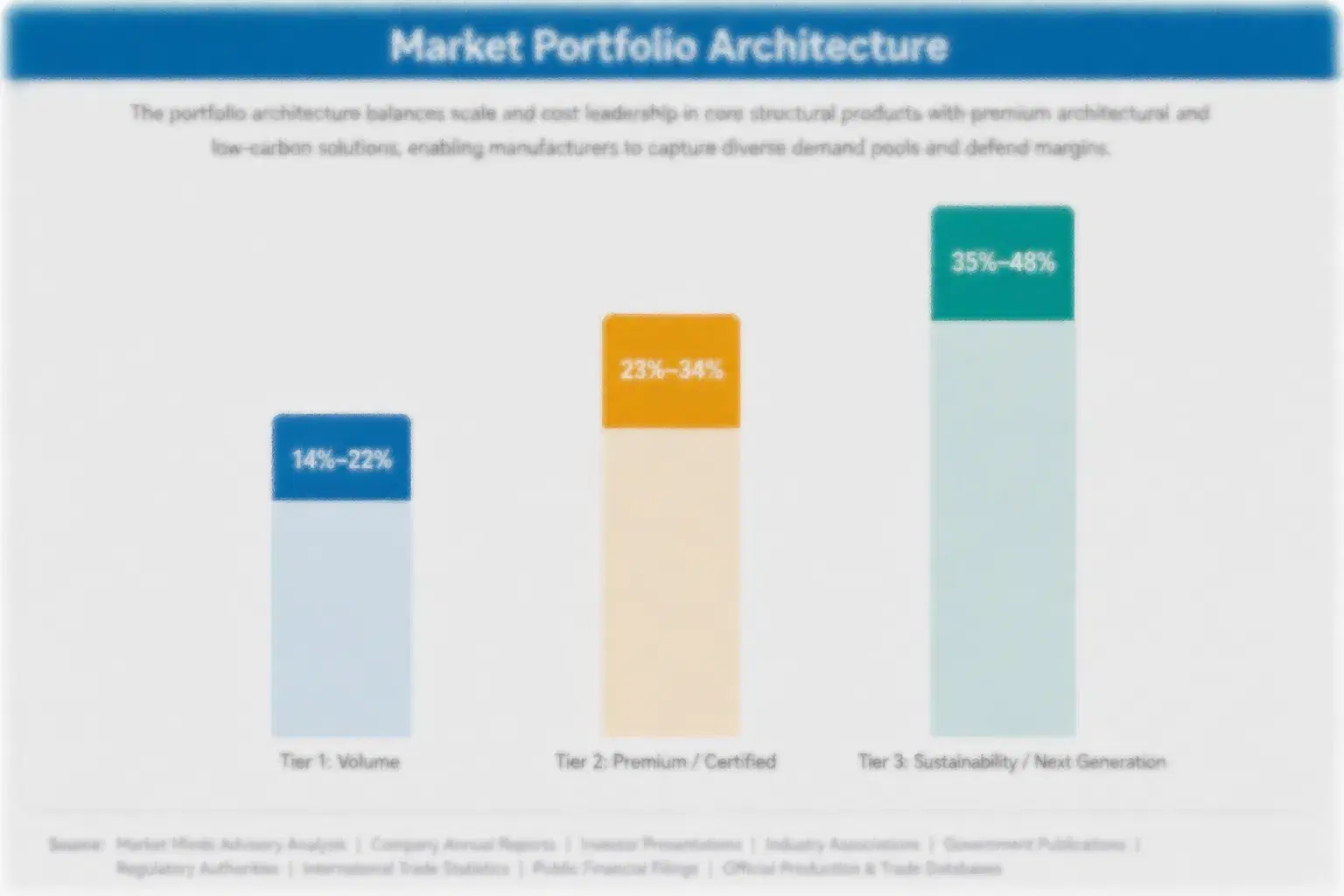
Margin follows regulatory barrier and channel rather than product sophistication, since nothing here is sophisticated. Private label baby wipes earn very thinly by design. Branded baby wipes earn modestly on shelf recognition alone. Surface and cleaning formats earn moderately where a disinfectant claim exists. Personal care and cosmetic wipes earn well on positioning. Pet and speciality formats earn better. Registered healthcare and sporicidal wipes earn best, because the claim itself is the barrier.
The tension is that the volume sits where the margin does not. Baby wipes carry the largest unit volume in the category and face private label at 41% and rising, while healthcare and speciality formats carry much better economics across a fraction of the volume. A converter weighted to baby formats competes on cost against retailers who own the shelf; one weighted to healthcare accepts a smaller base and a registration burden.

High-value pools sit in three places. Registered healthcare and sporicidal claims, where the regulatory barrier is the moat. Contracted cellulosic substrate capacity, which disposal regulation has made genuinely scarce. And pet and speciality formats, where private label has not yet arrived in force and the buyer compares against grooming costs rather than a nappy aisle.

Volume / Commodity-Adjacent

Private label baby and surface wipes converted to retailer specification on cost per pack alone. The 10-point range separates converters with contracted substrate and efficient regional plants from those buying fibre spot and shipping further than they should.
Gross Margin: 14-24%

Premium / Certified

Branded baby, personal care, cosmetic and pet formats sold on recognition, pack format and positioning. The 14-point spread reflects how differently a contested baby aisle and a growing pet category sustain branded pricing against retailer pressure.
Gross Margin: 32-46%

Sustainability / Regulatory / Next-Generation

Registered healthcare and sporicidal wipes alongside certified plastic-free consumer ranges carrying verified disposal claims. The 18-point range is wide because disinfectant registration economics and cellulosic consumer premiums follow entirely different competitive logic from one another.
Gross Margin: 44-62%
wet-wipes-market-portfolio-architecture-1787712313610

High-value Sub-segments and Strategic Watch-out

Registered Healthcare And Sporicidal Wipes

Highest margin and fastest growth at 9.0%, protected by disinfectant claim registration that takes years and genuine expense to obtain. The risk is that institutional contracts are long and fixed, which delays recovery of any substrate cost increase that arrives mid-term. Contract timing matters enormously here.
Gross Margin: 52-62%

Contracted Cellulosic Substrate Access

Disposal regulation has turned plastic-free fibre into a scarce input that converters must secure ahead of fixed compliance deadlines. The risk is that new mill capacity eventually arrives and the scarcity premium disappears exactly as it did after the pandemic surge. Scarcity premiums rarely last long.
Gross Margin: 40-52%

Branded Baby Wipe Volume

The volume core, carrying the largest unit count in the category and anchoring shelf presence for everything else a supplier sells. Converters hold it because losing the baby aisle removes the scale that keeps regional plants running efficiently. Nobody exits the baby aisle voluntarily at all.
Gross Margin: 30-40%

Private Label Share Advance

The strategic watch-out. Private label already holds around 41% of retail volume and keeps climbing, because nothing in substrate or lotion resists reproduction. The risk is a branded position defending a premium while the volume underneath it steadily migrates. There is very little anybody can do.
Gross Margin: 14-22%

Bought Weekly, Chosen Once

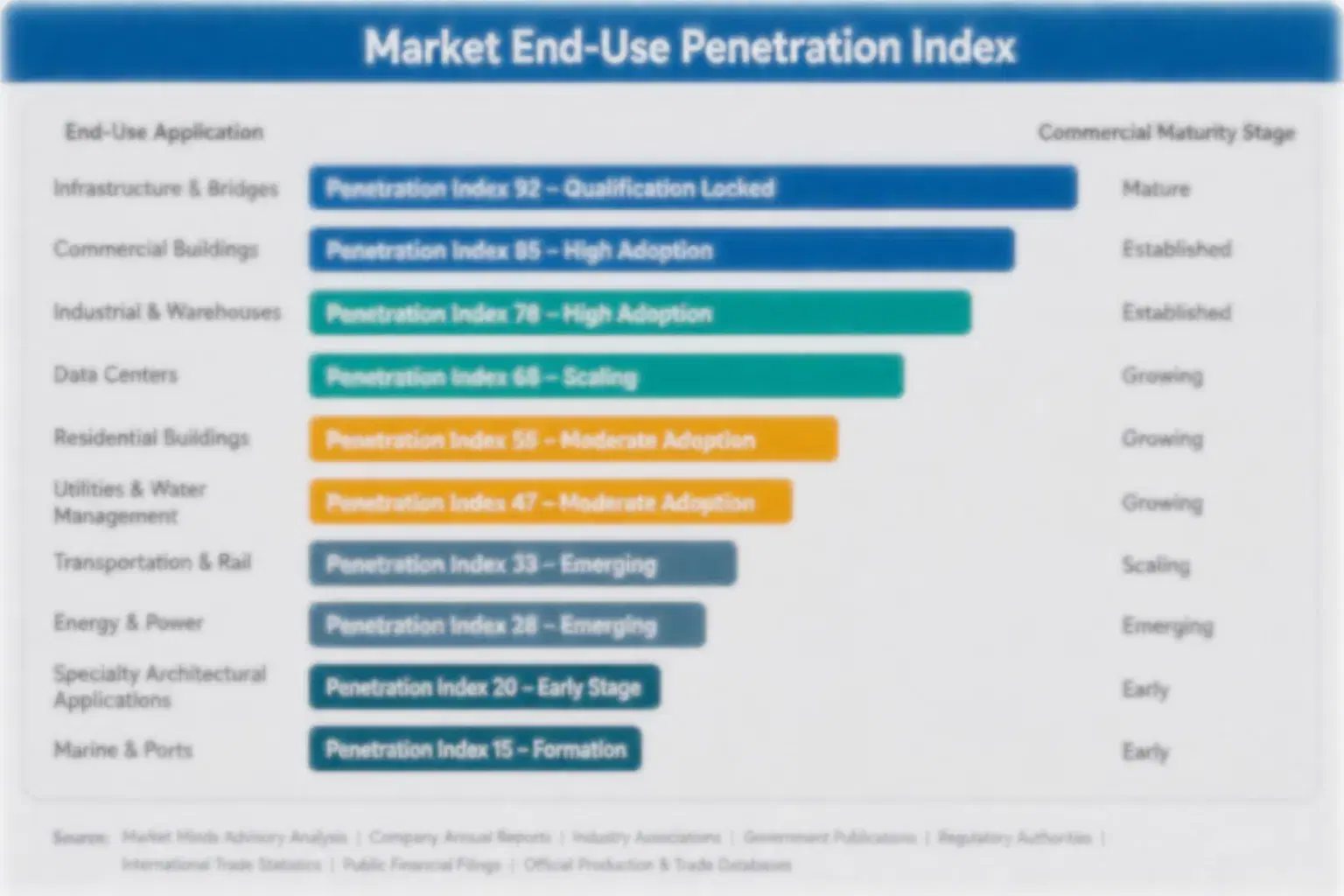
Consumption is genuinely habitual and the purchase is barely considered. A household with a small child buys wipes every week for several years, adds a surface format at some point and never revisits either decision unless something goes wrong. That produces the repeat rate a consumables business wants, and it also means the brand choice was made once and defended by the pack looking familiar.
Stickiness varies sharply by application and by who is being wiped. Baby formats are the stickiest in consumer channels, since parents who found something that does not irritate their child change reluctantly. Surface and cleaning formats are barely sticky at all and switch on promotion. Healthcare and institutional buyers are the stickiest of anybody, because a validated disinfectant on an approved compatibility list is not casually substituted.

The purchaser has moved decisively toward the retailer. Households once chose from a shelf a manufacturer had negotiated onto, and brand marketing shaped the choice. Retail category management now decides range, facings and private label positioning, and a branded supplier increasingly sells to a buyer who also owns the competing product. That buyer weighs category margin rather than brand preference, which changes every conversation entirely.
wet-wipes-market-end-use-penetration-index-1787712313935

Fibre, Claims And Distance

These are among the four positions where our research anticipates prominent divergence between winners and laggards over the coming forecast period. Each is grounded in the demand model, the regulatory perimeter, and the announced capacity pipeline.
01 / SUBSTRATE TRANSITION TIMING

Convert before the deadline sets the price

Plastic content restrictions and producer responsibility schemes are spreading market by market on fixed timetables, and cellulosic substrate costs meaningfully more per square metre while requiring different mill lines that take real time to secure. Converting early means capacity is contracted before every competitor needs it, and the fibre premium then passes through as a marketing claim rather than as a compliance cost. Those who spent years arguing the rules were unnecessary now convert under deadline at whatever price mills quote.
02 / TECHNICAL CHANNEL BUILDING

Registered claims are the only real barrier

Hospital and institutional buyers purchase on registered efficacy claims, validated contact times and material compatibility rather than on shelf price, which is a fundamentally better commercial environment than a retail aisle where private label already holds 41% of all volume. Disinfectant claim registration takes years and genuine expense, which consumer converters attempting to enter it consistently underestimate. Healthcare wipes grow at 9.0% and carry margins that the baby aisle has not seen in the better part of two decades now.
03 / FREIGHT RADIUS DISCIPLINE

You are shipping water, so stay close

Finished product is around 84% water by weight and very rarely travels beyond roughly 800 kilometres economically at all, which means converting capacity has to sit near consumption, and a plant in the wrong place cannot be fixed by any efficiency programme afterwards at all. Regional networks beat central scale in this category, which is the exact opposite of most consumer manufacturing economics. Growth markets therefore need local converting plants rather than export programmes built somewhere else entirely at home.
04 / FORMAT DEFENCE REALISM

Nothing in the recipe protects anything at all

Substrate comes from producers who supply every converter, lotion chemistry is well understood and converting equipment is available to anybody at all holding enough capital, which is precisely why private label reached 41% of all retail volume and keeps on climbing. Dispensing systems, resealable packs and pack architecture hold separation longer because they carry tooling rather than a recipe. That buys a period of time rather than any permanence, which makes continuous format renewal a standing cost line rather than a project.

Engagement Snapshot From the Field

A live engagement with an industry participant carrying material or product regulatory and market exposure ahead of a defining policy shift, showing how our research translates into a defensible multi-year portfolio strategy.
MARKET MINDS ADVISORY · CLIENT ENGAGEMENT SUMMARY
Wet Wipes Producer Strategic Portfolio Review and Transition Roadmap 2026·Investment Scenario on Wet Wipes Exposure Evaluation 2025-26
CLIENT PROFILE
A wet wipe converter and brand owner operating plants across European and North American markets, with reported category revenue of 470 million dollars (client-reported, unverified by MMA). Roughly 66% came from branded and private label baby wipes. Cellulosic substrate supply was contracted for only a small share of volume, and no registered healthcare claim existed anywhere in the range.
STRATEGIC CHALLENGE
Private label had taken further share in three markets while a plastic-containing wipe ban approached implementation in a fourth. Management was preparing a promotional programme and a branded price reduction. Neither addressed a substrate deadline the company could not meet with existing supply, nor the absence of any channel where price was not the deciding factor.
MMA APPROACH
MMA analysed volume and margin by format, channel and plant against substrate contract coverage and regulatory timetables, a mapping the company had never built. Twenty-two expert interviews with retail category buyers, hospital procurement managers, substrate mill commercial leads and regulators established where capacity and margin actually sat. The analysis treated substrate access and channel absence rather than promotional spend as the real problems.
KEY FINDINGS
  1. Cellulosic substrate contract coverage fell far short of what the approaching ban would require, and mill allocation was already being committed to competitors who had moved earlier.
  2. Two plants sat outside economic freight distance of the markets they served, carrying a cost penalty that no operational improvement programme had ever been able to recover.
  3. Hospital procurement managers described registered disinfectant wipes as purchased on claims and compatibility, with price a secondary consideration sitting well behind both of those.
  4. Branded baby wipe premiums had compressed to a point where promotional support was funding retailer margin rather than defending any measurable consumer preference.
CLIENT PROFILE
A wet wipe converter and brand owner operating plants across European and North American markets, with reported category revenue of 470 million dollars (client-reported, unverified by MMA). Roughly 66% came from branded and private label baby wipes. Cellulosic substrate supply was contracted for only a small share of volume, and no registered healthcare claim existed anywhere in the range.
STRATEGIC CHALLENGE
Private label had taken further share in three markets while a plastic-containing wipe ban approached implementation in a fourth. Management was preparing a promotional programme and a branded price reduction. Neither addressed a substrate deadline the company could not meet with existing supply, nor the absence of any channel where price was not the deciding factor.
MMA APPROACH
MMA analysed volume and margin by format, channel and plant against substrate contract coverage and regulatory timetables, a mapping the company had never built. Twenty-two expert interviews with retail category buyers, hospital procurement managers, substrate mill commercial leads and regulators established where capacity and margin actually sat. The analysis treated substrate access and channel absence rather than promotional spend as the real problems.
KEY FINDINGS
  1. Cellulosic substrate contract coverage fell far short of what the approaching ban would require, and mill allocation was already being committed to competitors who had moved earlier.
  2. Two plants sat outside economic freight distance of the markets they served, carrying a cost penalty that no operational improvement programme had ever been able to recover.
  3. Hospital procurement managers described registered disinfectant wipes as purchased on claims and compatibility, with price a secondary consideration sitting well behind both of those.
  4. Branded baby wipe premiums had compressed to a point where promotional support was funding retailer margin rather than defending any measurable consumer preference.
RECOMMENDED STRATEGY
Phase 1: Phase one: contract cellulosic substrate immediately for the regulated market, accepting current pricing rather than competing for residual mill allocation later. Phase 2: Phase two: acquire or license a registered healthcare disinfectant range, entering the only channel where price is not the deciding factor. Phase 3: Phase three: consolidate the two badly sited plants into regional capacity within economic freight distance of the markets they actually serve.
OUTCOME
Substrate was contracted ahead of the ban and the company met the deadline while two competitors requested transition extensions. A healthcare range licensing agreement was concluded within the period (client-reported, unverified by MMA). Plant consolidation began and removed freight cost absorbed for years. Branded baby promotion was reduced and share fell slightly, which management had accepted in advance.

Frequently Asked Questions

Foundational context covering the market sizes, CAGR, scope, country, region and competition that inform every finding below. This section is provided to cover basics and most often pre-purchase conversations, answered from the MMA Primary Research Dataset.

What is the current size of the Wet Wipes Market?

The market was worth 22.0 billion dollars in 2025, covering baby, surface, personal care, industrial, healthcare and pet formats. It reaches 23.3 billion dollars in 2026.

How large will the Wet Wipes Market be by 2036?

MMA forecasts 41.8 billion dollars by 2036, an increase of 18.5 billion dollars over the 2026 base. That represents an expansion multiple of 1.79 times across the forecast period.

What is the CAGR for the Wet Wipes Market 2026 to 2036?

The base case compounds at 6.0% annually. The bull case reaches 7.2% if plastic restrictions extend to further markets, while the bear case sits at 4.8% on private label share climbing beyond current levels.

Which segment is growing fastest?

Healthcare and medical wipes, at 9.0%, half again the market rate of 6.0%. Infection control routines adopted during the pandemic were written into hospital procedures and never withdrawn.

Who are the major companies in the Wet Wipes Market?

Procter and Gamble, Kimberly-Clark, Unicharm, Nice-Pak Products and Essity lead on disclosed wet wipe product and converting revenue. Suominen and Glatfelter supply substrate at scale.

Which country is growing fastest?

India at 8.0%, as urban households adopt baby and personal care formats uncommon a decade ago. Domestic converters capture most of it because finished product cannot travel far.

Report Segmentation Architecture

The full report scope spans multiple orthogonal segmentation dimensions, with cross-tabulated demand data provided for each dimension pair. Coverage extends further to regional breakdowns, trend trajectories, and the competitive detail needed to support segment-level decision-making.

By Application

  • Baby Wipes
  • Surface Disinfecting and Cleaning Wipes
  • Personal Care and Cosmetic Wipes
  • Industrial and Institutional Wipes
  • Healthcare and Medical Wipes
  • Pet Care and Speciality Wipes

By End-Use Industry

  • Household and Consumer
  • Hospitals and Clinical Care
  • Food Service and Hospitality
  • Manufacturing and Industrial Cleaning
  • Childcare and Education Settings
  • Veterinary and Pet Care

By Commercial Dimension

  • Branded Retail Supply
  • Retailer Private Label Converting
  • Institutional Contract Supply
  • Hospital Tender Procurement
  • Online and Subscription Channels
  • Distributor and Wholesale Supply

By Region

  • North America
  • Western Europe
  • East Asia
  • South Asia and Pacific
  • Latin America
  • Middle East and Africa
  • Eastern Europe

Scope, Methodology, and Coverage

Every figure in this report is reproducible from documented input assumptions. The scope below maps the historical period, the forecast horizon, the segmentation dimensions, and the countries covered, alongside the underlying primary and qualitative methodology.
Historical Period
2020 to 2025
Forecast Period
2026 to 2036
Base Year
2025 (USD billions; MMA Primary Research Dataset, August 2026)
Market Definition
Scope covers pre-moistened disposable wipes manufactured by impregnating a nonwoven substrate with a lotion, cleaning or disinfecting formulation, supplied across consumer retail, institutional, industrial and healthcare channels, spanning baby wipes, surface disinfecting and cleaning wipes, personal care and cosmetic wipes, industrial and institutional wipes, healthcare and medical wipes, and pet care and speciality wipes. Dry nonwoven roll goods sold as substrate to converters, dry wiping cloths, tissue and paper towel, sanitising gels, sprays and liquid cleaning chemicals, adult incontinence pads, diapers and feminine hygiene products, and reusable textile cleaning cloths are excluded from the market size and all derived figures.
Quantitative Units
USD billions (current prices); packs and units shipped; cost per pack; substrate square metres consumed; converting plant capacity
Segmentation Dimensions
By Application; By End-Use Industry; By Commercial Dimension; By Region
Regions Covered
North America, Western Europe, East Asia, South Asia and Pacific, Latin America, Middle East and Africa, Eastern Europe
Countries Covered
USA, China, Germany, Japan, UK, India, France, Brazil, Italy, Canada, South Korea, Spain, Mexico, Poland, Australia
Key Companies Profiled
Procter & Gamble, Kimberly-Clark, Unicharm, Nice-Pak Products, Essity, Reckitt Benckiser, The Clorox Company, Beiersdorf, Edgewell Personal Care, Rockline Industries, Diamond Wipes International, Albaad Massuot Yitzhak, Suominen, Glatfelter, Jacob Holm, Hengan International, Ontex, Vinda International, Kao Corporation, Johnson & Johnson
Quantitative Methodology
Primary survey, n=3,800 respondents, Q4 2025, six countries; demand-side model with trade association cross-validation
Qualitative Methodology
47 expert interviews, Q4 2025; applied to validate demand model assumptions, identify emerging dynamics, and assess competitive positioning
Report Format
PDF and XLSX data workbook (Word format preview document)
Publisher
Market Minds Advisory
Report Code
MMA-2026-CHM-122
Published
August 2026
Contact
sales@marketmindsadvisory.com | www.marketmindsadvisory.com

Purchase the full Wet Wipes Market Report (2026 to 2036).

The full report runs to 165 pages and covers all six application segments, seven regions and 20 profiled companies in detail. It includes the complete segment CAGR set, regional consumption and converting capacity comparison, and substrate transition analysis mapping cellulosic mill capacity against regulatory deadlines by market. Company profiles carry evaluation on disclosed wet wipe product and converting revenue, with moat and risk assessment for the top five suppliers. The competitive section extends to 14 tracked regulatory, retail and capacity developments across 2024 and 2025. Primary research inputs include a quantitative survey of 3,800 respondents and 47 expert interviews conducted in Q4 2025.
Six application segments with individual CAGR forecasts
Seven regional markets with consumption and converting capacity comparison
Twenty company profiles on consistent revenue evaluation basis
Fourteen tracked regulatory and retail developments with commercial interpretation
Substrate transition mapped against regulatory deadlines by market
Freight radius economics modelled across regional converting networks

Built For The People Who Decide

From boardroom strategy to bench-side execution, this report is read cover-to-cover by leaders shaping the next decade of their industry, turning demand scenarios, market dynamics and valuation benchmarks into decisions.
CXOs/ Presidents/ VPs/ Managers
M&A and Corporate Development
Strategy Teams and R&D Heads
Procurement and Product Directors
Regulatory and Compliance Leaders
Investor Relations and Equity Analysts