Market Minds Advisory
Weight Management Dog Food Market

Weight Management Dog Food Market: Weight Management Dog Food Market. Calorie-Controlled, High-Protein, L-Carnitine-Fortified and Prescription Weight Loss Formulas for Dogs

More than half of dogs in developed markets now carry excess weight, so documented calorie control and satiety data decide which formulas earn the vet referral once obesity becomes a diagnosed health risk.

Lead Analyst

Published

September 2026

Make Smarter Decisions with Customized Research Insights

Request a free sample report and evaluate market opportunities, growth trends, and competitive dynamics relevant to your business needs.

2025 MARKET VALUE$1.1BMarket Size 2025
2036 FORECAST VALUE$2.3BBase Case , 2026 to 2036
CAGR 2026 TO 20367.0 %Bull 8.3% / Bear 5.7%
INCREMENTAL OPPORTUNITY$1.1BNet 10- year value creation
EXPANSION MULTIPLE1.97x2036 value over 2026 base
Strategic Levers
M&A Pipeline
Regional Outlook
Country Rankings
Competitive Intelligence
Segmental Deep-dive
Call-Us : 91 93563 13602

Executive Snapshot and Market Trajectory.

Weight management dog food covers prescription veterinary diets, OTC calorie-controlled dry and wet formulas, L-carnitine and metabolic support formulas, and weight management treats formulated to control calorie intake and support lean mass. Canine obesity now shortens lifespan and raises veterinary cost more reliably than almost any other preventable condition.
L-Carnitine and Metabolic Support Formulas grow fastest as metabolic science gains veterinary endorsement, while OTC calorie-controlled dry formulas carry the largest volumes across mainstream retail. North America leads because the highest documented canine obesity rates concentrate demand, with Western Europe a strong second. Gross margins run 28% to 52%, and protein sourcing and satiety formulation cost shape returns. Distributors track repeat formulation volume closely each season.
Five groups hold about 38% of value, led by Hill's Pet Nutrition, Royal Canin and Purina, so major pet food groups dominate a category built on clinical credibility. Veterinary diet claim substantiation rules and pet food safety law govern positioning, and owners check clinical evidence, satiety data and veterinary endorsement before committing to a weight management formula. Technical documentation increasingly decides which brand keeps the recurring purchase. Trust builds slowly across every renewal here.
Market Definition
The market covers global manufacturer revenue from dog food formulated specifically to manage weight through calorie control and satiety support, defined as prescription veterinary diets, OTC calorie-controlled dry and wet formulas, L-carnitine and metabolic support formulas, and weight management treats and toppers. It excludes general maintenance dog food without weight positioning, veterinary pharmaceutical treatments, and exercise or monitoring products sold separately.
Base Year Value
$1.1B in 2025 (MMA Primary Research Dataset, September 2026)
Forecast Period
2026 to 2036, eleven discrete annual values
CAGR
7.0% base case. Bull 8.3%. Bear 5.7%.
Fastest Growth Segment
L-Carnitine and Metabolic Support Formulas: 9.8% CAGR
Fastest Growth Country
China: 8.6% CAGR
Fastest Growth Region
South Asia and Pacific: 9.0% CAGR
Largest Region
North America: 31% of 2025 global value
Market Leaders
Hill's Pet Nutrition, Royal Canin, Purina, Blue Buffalo, Wellness Pet Company. Source: MMA Analysis, company annual reports.
Primary Survey
n=3,800 procurement and R&D decision-makers, Q4 2025, six countries
Methodology
Demand-side build-up, cross-validated against public data, 47 expert interviews

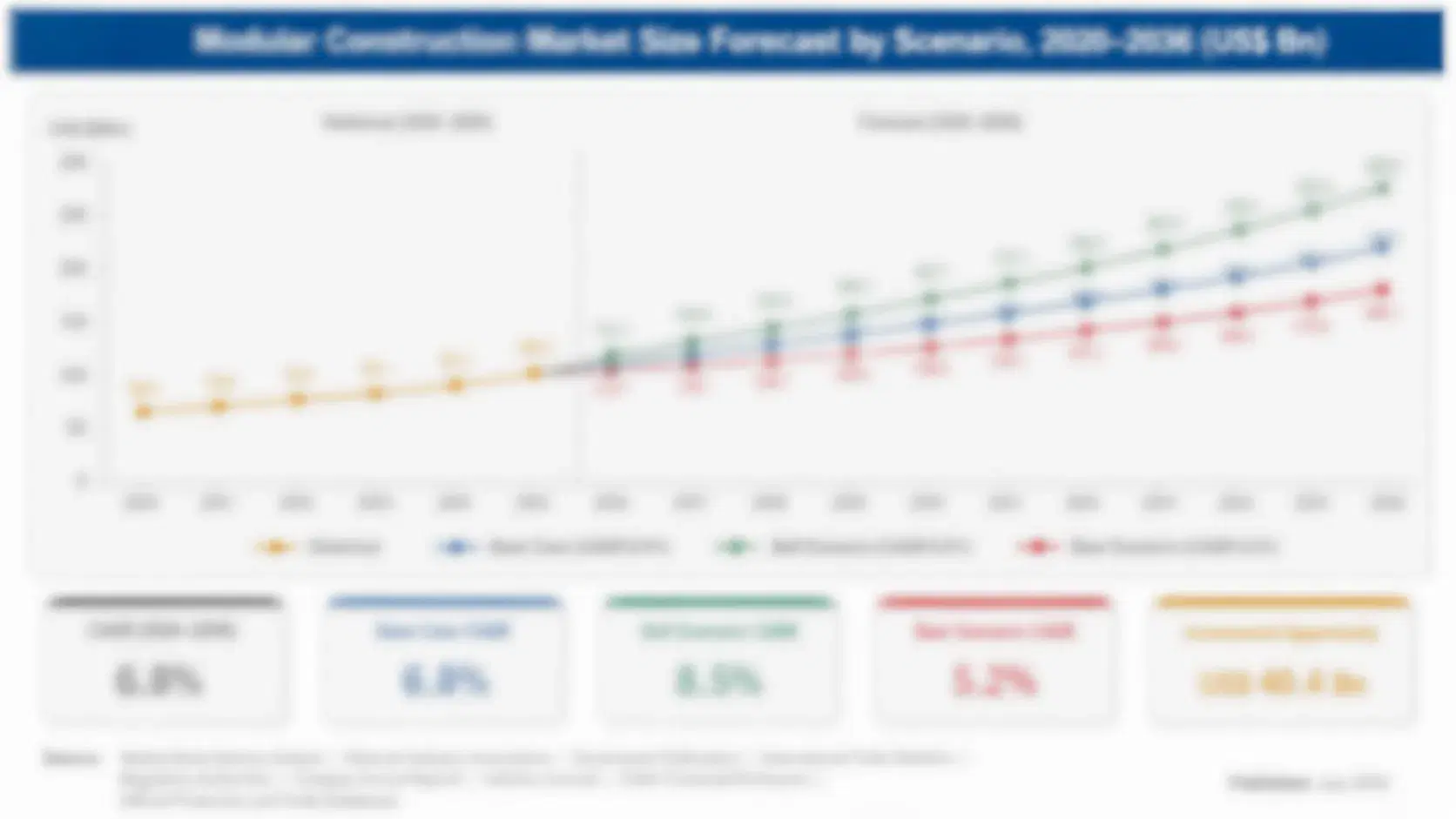
Weight Management Dog Food Market Forecast Scenarios

weight-management-dog-food-market-size-forecast-scenario-1790054914680
From 2020 to 2025 weight management dog food revenue grew at about 5.5% a year. Pandemic dog adoption and reduced activity lifted obesity rates in 2020 and 2021, veterinary weight clinic referrals expanded through 2021 and 2022, and L-carnitine metabolic formulas then broadened commercial use through 2023 and 2024 as clinical evidence strengthened. OTC dry formulas held the largest volumes throughout.
The base case of 7.0% rests on three named mechanisms. Rising veterinary and owner awareness of obesity-linked disease risk, reinforced by pet insurance claims data, keeps pushing preventive and management purchases earlier in a dog's life. Growing L-carnitine and metabolic science evidence keeps expanding formula credibility beyond simple calorie restriction alone. Retail expansion of OTC weight formulas keeps widening access beyond the veterinary clinic channel. Each mechanism is visible in retail sales data and veterinary referral trends.
The bull case reaches 8.3% if obesity awareness campaigns broaden further and metabolic science adoption keeps expanding. The bear case falls to 5.7% if pet food volumes slow and owners trade down to general maintenance formulas. Both cases assume stable veterinary diet claim rules and no major recall. Retail shelf space trends remain the key swing factor to watch.

Clinical Evidence, Satiety Data and Veterinary Endorsement Set Returns

Manufacturers formulate high-fibre, high-protein, calorie-reduced recipes, validate weight loss outcomes through clinical feeding trials, and balance satiety against palatability before commercial launch. Clinical evidence and veterinary endorsement decide acceptance, and each formula must pass efficacy validation, since a weight loss claim without clinical backing invites regulatory and veterinary challenge. Retailers expect complete clinical documentation before committing to broader shelf space.
MARKET CONCENTRATION38% CR5Top five participants hold more than one third of value
OTC DRY FORMULA SHARE44%Portion of revenue from OTC calorie-controlled dry formula products
US HOUSEHOLD SHARE29%Portion of global dog-owning households based in United States
FORMULATION COST SHARE32% of COGSProtein sourcing and satiety-formulation ingredient cost within manufacturing cost
CLINICAL TRIAL COST SHARE11% of COGSWeight loss efficacy and palatability testing cost within manufacturing cost
TYPICAL CALORIE REDUCTION20-40%Typical calorie density reduction across leading weight management formulas
Value concentrates in five places. L-carnitine and metabolic support formulas grow fastest. OTC calorie-controlled dry formulas carry the largest volumes, prescription veterinary diets serve diagnosed obesity management, OTC wet formulas serve high-protein positioning, and weight management treats serve supplementary calorie-conscious snacking. Each product form serves a distinct role inside the weight management programme, and none substitutes cleanly for another.
Supply combines major pet food groups with clinical veterinary credibility. Hill's Pet Nutrition and Royal Canin run dedicated veterinary diet research programmes at scale, Purina supplies across prescription and OTC channels, and Blue Buffalo and Wellness Pet Company supply premium OTC weight lines. Veterinary and retail listings take months to win and require documented clinical trial data. Winning a new listing typically requires a full trial cycle of validated clinical data before volume scales meaningfully.
"A weight management formula sells discipline an owner cannot always maintain on their own. The brands that keep the bowl are the ones whose satiety science actually holds a dog's interest at a reduced calorie count, because a formula a dog refuses to eat delivers zero weight benefit regardless of the label."
Senior Analyst, Pet Nutrition and Canine Health Practice · MMA Weight Management Dog Food Practice · September 2026

Market Trends

L-Carnitine Metabolic Science Gains Veterinary Endorsement

Veterinary nutritionists increasingly endorse L-carnitine and metabolic support formulations for their role in fat metabolism support beyond simple calorie restriction alone, and this endorsement is expanding formula credibility across both prescription and premium OTC tiers, with brands such as Hill's Pet Nutrition and Royal Canin scaling metabolic formula production to meet demand. L-Carnitine and Metabolic Support Formulas grow about 9.8% a year, and gross margins run 32% to 52%. The trend needs clinical trial data and rewards brands with credible formulation science. Buyers judge brands on clinical evidence, palatability and veterinary endorsement.
Market Impact: weight management vet visits rise 6-9%
Weight Management Treats Expand Supplementary Calorie-Conscious Purchasing

Owners increasingly add calorie-controlled treats and toppers alongside primary feeding to maintain training reward routines without undermining a weight management programme, treating the category as an essential complement rather than a substitute for the core diet. Weight Management Treats and Toppers grow about 8.4% a year, and gross margins run 28% to 42%. The trend needs palatability engineering at low calorie density, and it rewards brands with strong flavour acceptance data. Brands with formulation depth and vet channel reach hold the strongest positions. Early movers set the standard that later entrants must match.
Market Impact: multi-dog households grow 4-7% yearly

Market Opportunities and Growth Drivers

Rising Veterinary Awareness of Obesity-Linked Disease Risk

Veterinary and pet insurance communications continue raising owner awareness of obesity-linked conditions including joint disease, diabetes and reduced lifespan, and this awareness pushes preventive and management purchases earlier in a dog's life before serious complications appear. The American Veterinary Medical Association reports sustained growth in canine weight management veterinary visits. The driver rewards brands with clear risk-education messaging, and it supports steady category growth, though awareness still varies significantly by owner demographic and veterinary access. Early movers set the standard that later entrants must match. Retailers reward brands that respond quickly to reformulation requests.
Market Impact: formulation costs take 32% of cost

Multi-Dog Household Growth Sustains Maintenance Formula Demand

Growing multi-dog household ownership continues expanding demand for maintenance-level weight formulas that manage risk across an entire household rather than a single diagnosed dog, since owners increasingly standardise feeding across all dogs for convenience. The driver rewards brands with household-wide positioning and value pack formats, and it supports continued maintenance formula adoption, though single-dog households still drive most prescription-tier purchases. Retailers reward brands that respond quickly to reformulation requests. Progress should be reviewed every quarter against agreed weight loss targets. Smaller brands carry the heaviest exposure and have the least room to adjust.
Market Impact: palatability failures cost 100% of trust

Market Restraints and Challenges

Protein Sourcing Costs and Satiety Formulation Complexity Squeeze Margins

Protein sourcing and satiety-formulation ingredient cost makes up about 32% of manufacturing cost, and validating a weight loss claim through feeding trials requires research investment well beyond standard maintenance food development, according to industry cost data, while high-quality protein sourcing at reduced calorie density costs more than standard formulation procurement. The root cause is the clinical rigor a weight loss claim requires combined with premium protein sourcing needs. Brands can pass through only part of the increase, so margins fall two to four points. Brands respond with formulation standardisation and ingredient contracts.
Market Impact: metabolic formulas grow 9.8% yearly

Palatability Trade-Offs Risk Undermining Weight Loss Formulation Goals

Calorie-reduced, high-fibre recipes can compromise palatability relative to standard formulas, and a dog that begs for more food or refuses a reduced-calorie diet undermines the entire weight management programme regardless of formulation accuracy, according to veterinary feeding trial data. The root cause is the inherent tension between calorie restriction and the satiety cues dogs respond to most strongly. A palatability failure can cost a brand the entire weight management relationship with a household. Brands respond with flavour engineering and gradual transition protocols. Smaller brands carry the heaviest exposure and have the least room to adjust.
Market Impact: weight treats grow 8.4% yearly
3 additional market trends, 2 additional growth drivers, and 4 additional restraints and challenges are covered in the full report. Contact sales@marketmindsadvisory.com to access the complete intelligence.

Segment CAGR and Growth Architecture

The weight management dog food market is segmented by product form and clinical positioning, which shows where formulation cost, margins and distribution differ. Five segments cover prescription diets, OTC dry formulas, OTC wet formulas, L-carnitine formulas, and weight management treats. L-carnitine formulas grow fastest, while OTC dry formulas carry the largest volumes. OTC wet formulas round out mainstream coverage.
weight-management-dog-food-market-market-share-analysis-1790054914964

L-Carnitine and Metabolic Support Formulas

L-Carnitine and Metabolic Support Formulas is the fastest-growing segment at 9.8% a year, about 1.40 times the overall market rate. Owners buy formulas fortified with L-carnitine and metabolic support compounds backed by veterinary nutritionist endorsement of fat metabolism benefits beyond simple calorie restriction, and prices run 25% to 65% above standard OTC dry formulas given formulation cost and clinical validation. Gross margins of 32% to 52% reward brands with credible clinical trial data and formulation science. Growth depends on veterinary endorsement momentum, clinical evidence and retail reach, while clinical validation cost still limits how fast smaller brands can enter. Early movers set the standard that later entrants must match. Retailers reward brands that respond quickly to reformulation requests.
CAGR 9.8%

Weight Management Treats and Toppers

Weight Management Treats and Toppers grows at 8.4% a year, about 1.20 times the overall market rate, because owners increasingly adopt low-calorie supplementary products to maintain training reward routines without undermining a weight management programme. Brands use palatability engineering and portion-controlled packaging to differentiate. Gross margins of 28% to 42% support brands with formulation science and retail reach. Growth depends on convenience positioning, flavour acceptance and price, and brands with reliable palatability data hold the strongest positions. Retailers reward brands that respond quickly to reformulation requests. Progress should be reviewed every quarter against agreed weight loss targets. Smaller brands carry the heaviest exposure and have the least room to adjust.
CAGR 8.4%
Full segment breakdown across 5 segments available in the complete report.

Regional Architecture and Country Demand Map

North America leads at 31% because the highest documented canine obesity rates concentrate demand, while Western Europe holds 23% through similar veterinary channel strength. East Asia holds 18%. South Asia and Pacific holds 10%. Latin America holds 8%. Middle East and Africa holds 5%. Eastern Europe holds 5%.

North America

North America holds 31% share, inside its band, and growth of 7.3%, close to the global rate. The United States reports among the highest documented canine obesity rates alongside deep veterinary weight clinic infrastructure, and Hill's Pet Nutrition and Purina both maintain significant domestic clinical research and distribution presence. Buyers demand documented clinical trial data. Retailers also review safety records and audit results before every annual listing renewal. Volumes stay steady, and brands compete mainly on sourcing proof, documentation and delivery reliability. Distributors handle most shipments and set order sizes. Currency moves and freight rates change landed cost each quarter. Brands offering multi-year terms win repeat volume. Buyers also compare delivery reliability before renewing supply terms.
Share: 31% | CAGR: 7.3% (2026 to 2036)

Western Europe

Western Europe holds 23% share, inside its band, and growth of 5.5%, below the global rate. Because North America and Western Europe take the top two slots, the commercial reason is veterinary channel depth: Germany, France and the United Kingdom run strong veterinary diet distribution alongside high dog ownership, and Royal Canin maintains particularly deep regional clinical presence. Retailers also review safety records and audit results before every annual listing renewal. Volumes stay steady, and brands compete mainly on sourcing proof, documentation and delivery reliability. Distributors handle most shipments and set order sizes. Currency moves and freight rates change landed cost each quarter. Brands offering multi-year terms win repeat volume.
Share: 23% | CAGR: 5.5% (2026 to 2036)
Regional intelligence for 5 additional markets available in the complete report: East Asia, South Asia and Pacific, Latin America, Middle East and Africa, Eastern Europe. Contact sales@marketmindsadvisory.com.
weight-management-dog-food-market-country-cagr-analysis-1790054915254

Four Margin Routes for Weight Management Brands

Margin in weight management dog food comes from clinical credibility, OTC channel expansion, treat line extension and formulation cost control rather than volume alone. The routes below apply to major pet food groups and premium challengers, and each can start inside one planning cycle, with measures in gross margin points and cost per unit.

Building Clinical Trial Evidence for Veterinary Channel Credibility

Veterinarians and owners want proof of weight loss efficacy, so brands that build clinical trial evidence win contracts worth 9% to 16% of revenue at gross margins of 32% to 52%. Programmes cost $2 million to $8 million. Brands should fund feeding trials, publish peer-reviewed results and secure veterinary endorsement, since unproven weight loss claims lose the veterinary channel entirely to credentialed rivals. Management should assign one owner to each programme from the start. Early results also help persuade sceptical buyers. Costs are recovered faster in larger plants. Payback runs about three years.
Market Impact: clinical evidence wins contracts worth 9-16% of revenue

Expanding OTC Weight Formula Distribution Across Retail Channels

Owners want accessible weight management options, so brands that expand OTC formula distribution win sales worth 8% to 14% of revenue at gross margins of 28% to 44%. Programmes cost $1 million to $6 million. Brands should secure retail shelf space, invest in awareness marketing and validate formulation credibility, since weak retail presence limits reach regardless of formulation quality. Early results also help persuade sceptical buyers. Costs are recovered faster in larger plants. Payback runs about three years. Management should assign one owner to each programme from the start. Early adopters also build lasting retailer trust.
Market Impact: OTC distribution wins sales worth 8-14% of revenue

Launching Weight Management Treat Lines as Category Entry Points

Owners want low-commitment entry products, so brands that launch weight management treat lines win contracts worth 7% to 12% of revenue at premiums of 10% to 25% per unit. Programmes cost $0.5 million to $4 million. Brands should invest in palatability engineering, secure retail placement and cross-promote with core diets, since treats without strong flavour acceptance fail regardless of formulation intent. Costs are recovered faster in larger plants. Payback runs about three years. Management should assign one owner to each programme from the start. Early results also help persuade sceptical buyers.
Market Impact: treat lines win contracts worth 7-12% of revenue

Standardising Formulation Platforms to Control Ingredient Cost

Formulation cost makes up about 32% of cost, so brands that standardise formulation platforms across product lines cut cost and complexity by 10% to 18% and protect margins worth 4% to 8% of profit. Programmes cost $0.5 million to $3 million. Brands should consolidate ingredient specifications, qualify shared suppliers and monitor protein markets closely, since fragmented platforms raise formulation and cost risk substantially. Payback runs about three years. Management should assign one owner to each programme from the start. Early results also help persuade sceptical buyers. Costs are recovered faster in larger plants.
Market Impact: standardised platforms cut total cost by 10-18% yearly

Who Controls the Margin Pool

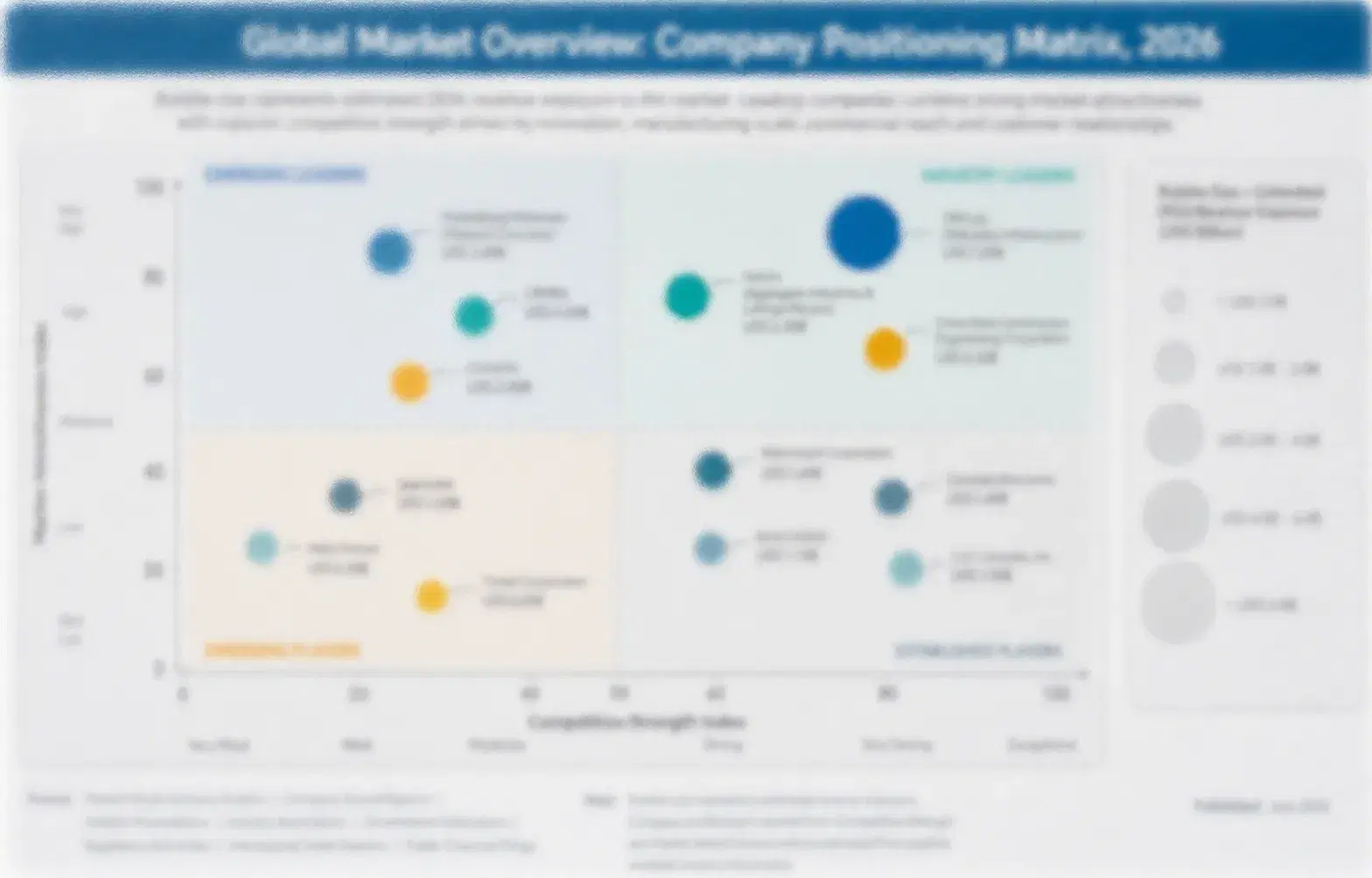
The weight management dog food market is concentrated, with a CR5 of 38%, because clinical credibility requirements favour established veterinary diet groups over new entrants across five distinct product forms and channels. This assessment measures participants on estimated weight management dog food revenue, held constant across all players. Hill's Pet Nutrition and Royal Canin lead through clinical research depth and veterinary channel relationships, Purina, Blue Buffalo and Wellness Pet Company follow, and the gap to the sixth player is significant.
Competition runs on four dimensions today: clinical trial evidence and peer-reviewed validation, veterinary channel relationships and endorsement, OTC retail distribution reach, and palatability engineering at reduced calorie density. Established veterinary diet groups win on clinical credibility and channel depth, premium OTC challengers win on retail reach and marketing, and treat specialists win on flavour innovation. Buyers compare clinical data.

Emerging pressure comes from OTC weight formulas widening the addressable market beyond the veterinary channel, from L-carnitine metabolic science strengthening formula credibility, and from formulation costs that favour brands with scaled platforms. Rankings shift where a brand publishes stronger clinical data, expands OTC retail reach faster or builds deeper veterinary endorsement, and consolidation continues as small brands face rising costs.
weight-management-dog-food-market-company-positioning-matrix-1790054915551

Competitive Moat and Risk Dimensions

HILL'S PET NUTRITION

Moat: Clinical Research and Veterinary Trust

Hill's Pet Nutrition built its brand around decades of published clinical research and deep veterinary channel trust, giving it credibility advantages that OTC challengers cannot replicate quickly. Its clinical research depth, veterinary relationships and formulation science give it strong access to prescription-tier households, and its research base supports continued category leadership.
HILL'S PET NUTRITION

Risk: Premium Pricing and OTC Erosion

Hill's Pet Nutrition's premium prescription pricing creates exposure as credible OTC weight management alternatives expand retail reach and capture price-sensitive owners before a veterinary diagnosis occurs. Formulation costs squeeze margins, OTC challengers compete on price and retail access, and channel shifts can move demand quickly. Investors expect steady returns and disciplined capital use.
ROYAL CANIN

Moat: Breed and Condition Specificity

Royal Canin built deep formulation expertise around highly specific condition and breed-tailored weight management formulas, giving it credibility with veterinarians managing complex canine obesity cases. Its formulation specificity, veterinary relationships and clinical research give it strong access to specialist referral cases, and its focus supports continued clinical leadership in complex cases.
ROYAL CANIN

Risk: Narrow Positioning and Price Sensitivity

Royal Canin's highly specific, premium-priced positioning limits appeal among owners seeking simpler, lower-cost maintenance weight options readily available at retail. Formulation costs squeeze margins, broader brands compete on accessibility, and retail shifts can move demand quickly. Investors expect steady returns and careful capital use. Rivals watch every move.

Players Tracked

Prominent Players

Hill's Pet Nutrition
Royal Canin
Purina
Blue Buffalo
Wellness Pet Company

Other Key Players

Iams
Eukanuba
Nutro
Merrick Pet Care
Solid Gold Pet
Nulo
Instinct Pet Food
Diamond Pet Foods
Taste of the Wild
American Journey
Victor Pet Food
Fromm Family Foods
Canidae
Natural Balance
Eagle Pack

Recent Developments

JANUARY 2026

Major Pet Food Group Launches Expanded OTC Weight Management Formula Line

A major pet food group launched an expanded OTC weight management formula line targeting owners seeking accessible calorie control, according to company communications. It is a product launch, not an acquisition, and it tests OTC demand at retail. The line covers wet and dry formats. Sales terms were not disclosed.
Signal: Confirms brands are widening OTC weight access because retail demand for accessible formulas keeps expanding. Buyers watch this closely.
FEBRUARY 2026

Veterinary Diet Brand Publishes Clinical Trial Results on L-Carnitine Metabolic Support

A veterinary diet brand published clinical trial results demonstrating L-carnitine metabolic support efficacy across a multi-site feeding study, according to peer-reviewed publication. It is a clinical research publication, not a commercial deal, and it tests formulation credibility. The study covers multiple dog populations. Publication details were disclosed openly.
Signal: Shows veterinary diet brands are investing in published evidence because clinical credibility increasingly determines competitive positioning. Buyers watch this closely.
MARCH 2026

Specialty Retailer Expands Weight Care Shelf Space Across Store Network

A specialty pet retailer expanded weight care shelf space across its store network to accommodate growing OTC formula demand, according to company communications. It is a retail expansion, not an acquisition, and it tests category demand. The expansion covers several regions. Financial terms were not disclosed.
Signal: Indicates retailers are betting on weight care category growth because OTC formula sales keep outpacing general maintenance.

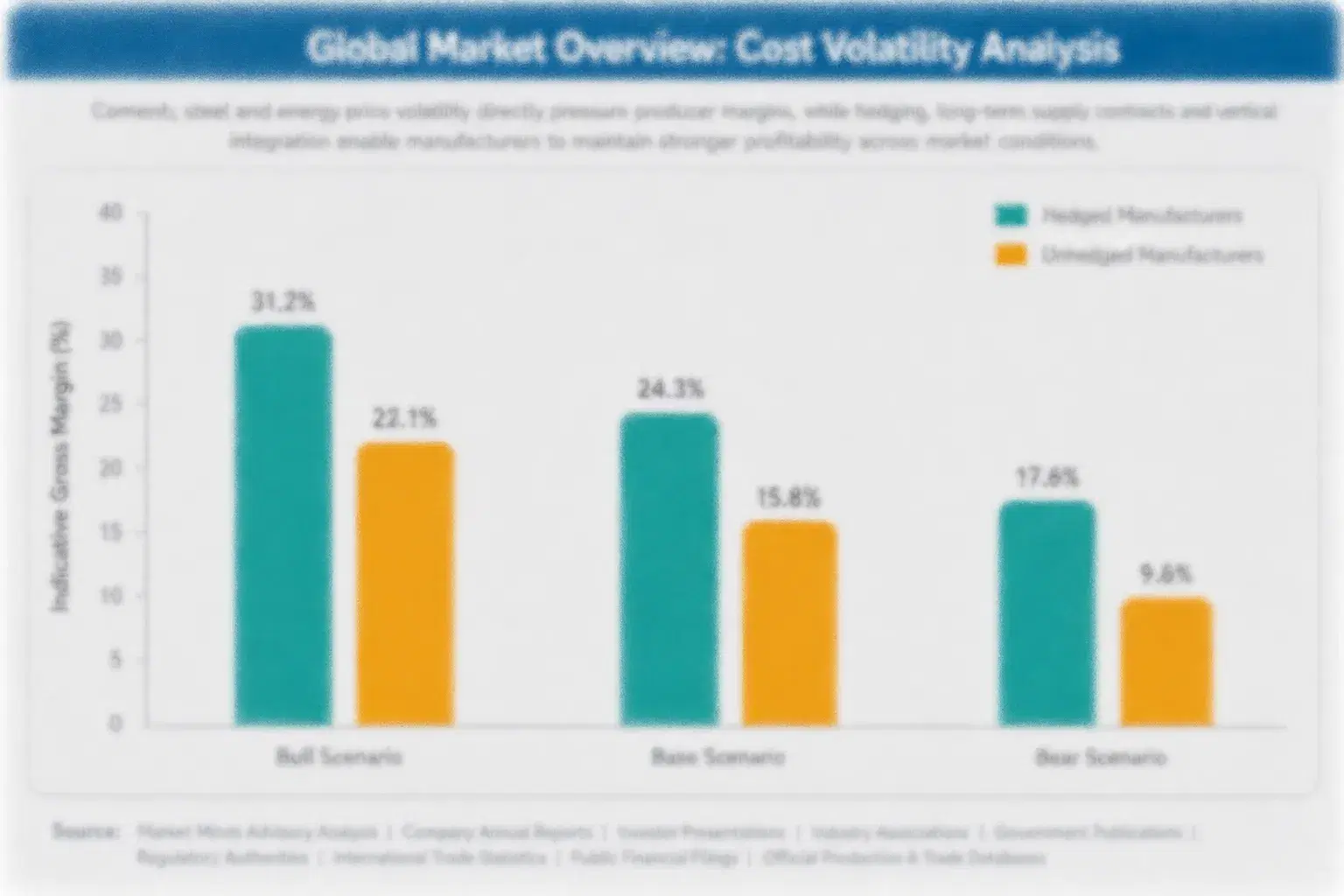
Formulation, Clinical Trial and Protein Cost Exposure

Protein sourcing and satiety-formulation ingredient cost account for roughly 32% of manufacturing cost, palatability and clinical trial validation about 11%, processing and packaging about 19%, labour and overheads about 16%, and marketing and veterinary education about 12%, with the remainder split across quality assurance. Premium protein ingredients come mainly from the United States and Brazil,.
The clearest recent shock came in 2022 and 2023. USDA data show protein and specialty ingredient prices rising sharply, and IEA data show energy costs spiking, which lifted processing costs together. Brands absorbed part of the increase, raised pack prices gradually and cut promotional activity, which compressed margins through the period. Some relief came in 2024 and 2025 as ingredient prices eased somewhat. Distributors also tightened credit terms briefly.

The disadvantage falls on smaller brands without clinical trial budgets, formulation scale or veterinary channel relationships, because they pay more per unit and cannot spread fixed clinical validation cost. Exposure varies by player type: major veterinary diet groups hold clinical scale and channel depth, OTC challengers depend on retail relationships without clinical infrastructure, and treat specialists depend on narrower formulation scope. Clinical credibility decides who captures premium pricing.
weight-management-dog-food-market-cost-volatility-analysis-1790054915901

Multi-Year Ingredient Contracts With Sourcing Diversification

Brands sign multi-year protein ingredient contracts and diversify sourcing across regions to cut cost swings of 10% to 20% per year. The main challenge is maintaining formulation consistency across sources, so brands test alternatives early. Procurement teams monitor prices monthly against budgets, and managers review terms yearly. Reviews happen on a fixed schedule. Teams document results for future audits.

Shared Clinical Trial Infrastructure Across Product Lines

Brands share clinical trial infrastructure across multiple weight management formula lines to cut validation cost per product by 12% to 22%. The main challenge is coordinating trial timing across diverse formulation types, so brands plan trial calendars carefully. Clinical teams verify results and report findings regularly. Teams document results for future audits. Costs are tracked against budget monthly.

Pack Format Standardisation and Processing Efficiency

Brands standardise pack formats and processing lines across wet and dry formulas to lower unit cost by 8% to 15%. The main challenge is maintaining palatability across standardised processing, so brands test formulations carefully. Quality teams verify consistency each production run. Costs are tracked against budget monthly. Brands are re-evaluated on a fixed cycle. Reviews happen on a fixed schedule.

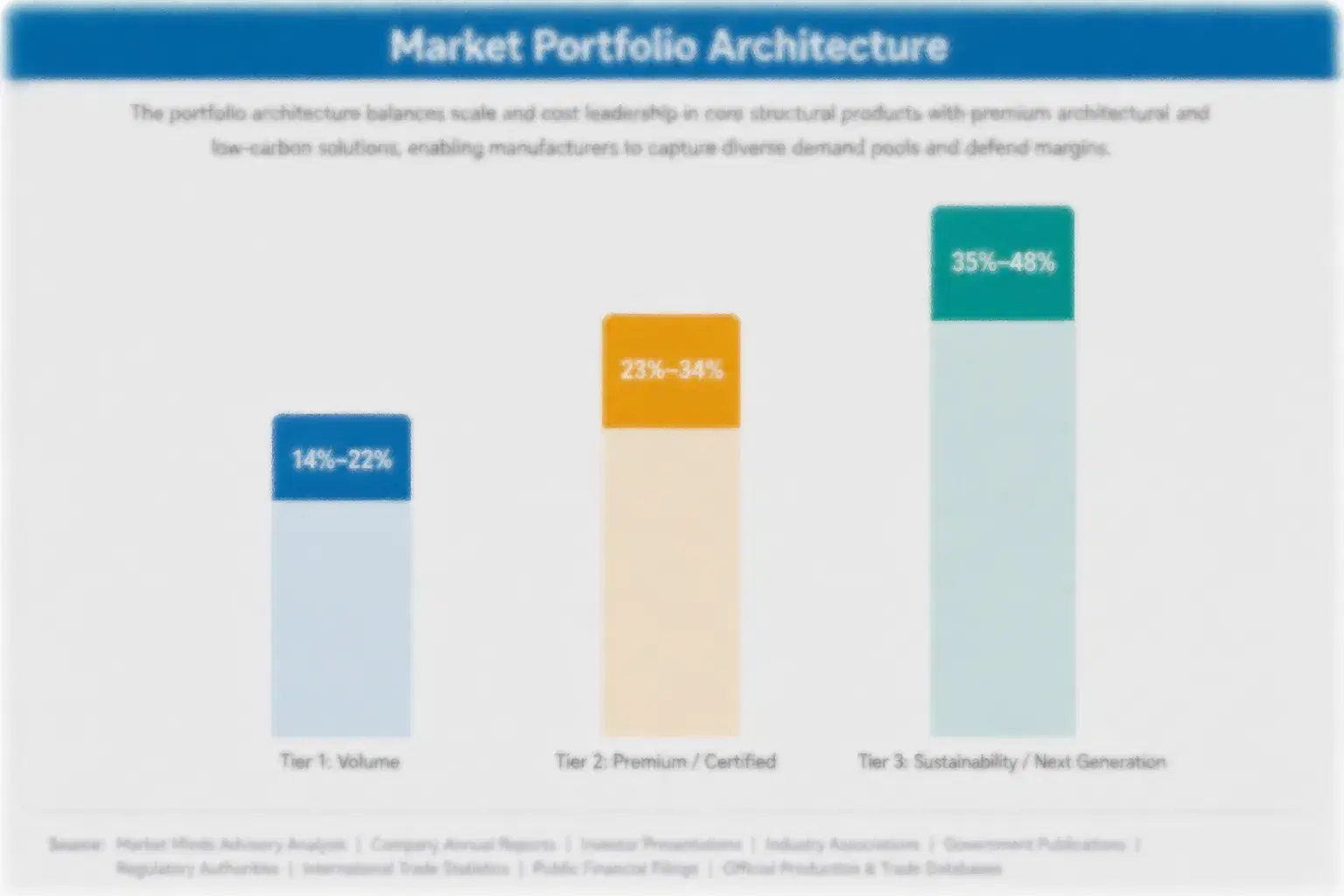
Portfolio Architecture for Margin Defence

Margins run from moderate returns on standard OTC dry formulas to strong returns on prescription diets sold with clinical validation and veterinary endorsement. Three tiers separate volume products, premium certified products and next-generation solutions, and each draws on different clinical research capability, veterinary channel reach and formulation depth in a concentrated market. Margin gaps between tiers run to 24 points.
The tension between volume and premium is sharp. Standard OTC dry formulas fill retail shelf space at moderate prices and face protein cost swings, while prescription diets and L-carnitine formulas earn higher margins on smaller volumes and depend on clinical proof, veterinary endorsement and satiety validation. Brands that run only standard volume suffer when protein costs rise, while premium-only brands struggle to fund broad retail distribution.

High-value pools concentrate in prescription diets and in L-carnitine and metabolic support formulas sold through veterinary and premium retail channels to owners managing diagnosed or high-risk dogs. They gather where owners pay for verified weight loss efficacy and clinical credibility, not for volume alone. Weight management treats add a smaller entry-point pool, and strong brands hold more than one, though each needs different clinical and formulation skills.

Volume / Commodity-Adjacent

Standard OTC dry calorie-controlled formulas sold on price per unit through grocery and mass retail. Buyers focus on cost and availability, listings follow annual reviews, and differentiation is limited by shared formulation approaches across brands.
Gross Margin: 28%-38%

Premium / Certified

OTC premium wet formulas and weight treats with documented palatability and formulation science sold through specialty retail and online channels. Buyers value proof of efficacy and consistent supply, and listings run for one or more years with regular reviews.
Gross Margin: 30%-42%

Sustainability / Regulatory / Next-Generation

Prescription veterinary diets and L-carnitine metabolic formulas sold through veterinary clinics to owners managing diagnosed or high-risk dogs requiring clinical-grade weight management. Sales depend on published clinical evidence and veterinary endorsement, and brands must show reliable formulation consistency and clean safety records.
Gross Margin: 34%-52%
weight-management-dog-food-market-portfolio-architecture-1790054916232

High-value Sub-segments and Strategic Watch-out

L-Carnitine and Metabolic Support Formulas

L-carnitine and metabolic support formulas combine the fastest growth with the strongest pricing, since owners accept gross margins of 32% to 52% for documented metabolic science with veterinary endorsement. Clinical trial depth and formulation credibility form the entry barrier, and brands with credible data lead.
Gross Margin: 32%-52%

Weight Management Treats and Toppers

Weight management treats deliver solid growth with premium pricing, since owners support gross margins of 28% to 42% for convenient, palatable, calorie-controlled products. Palatability engineering and retail reach limit competition, though treats alone cannot replace full dietary management. Reviews occur each season. Retailers renew listings each year.
Gross Margin: 28%-42%

OTC Calorie-Controlled Dry Formulas

OTC calorie-controlled dry formulas are the volume core, with value growing about 4.9% a year. Clinical trial cost, retail relationships and channel loyalty decide profit, and established pet food groups hold most sales. Retailers renew listings yearly at prices linked to competing bids. Retailers renew listings each year.
Gross Margin: 28%-38%

Prescription Veterinary Diets

Prescription veterinary diets are the strategic watch-out among slower-growing tiers, since growth of about 4.2% a year trails the leaders, OTC substitution increasingly compresses veterinary channel volume and generic manufacturer entry adds persistent margin risk. Brands should manage ranges selectively and steer investment toward L-carnitine and treat lines.

Why Owners Keep Buying Weight Formulas

Weight management dog food demand behaves like an annuity attached to every feeding routine, reinforced by the format's role as ongoing management rather than a one-time diet fix. Once an owner sees a veterinary-confirmed weight improvement, purchases repeat every feeding cycle, and switching means risking regained weight the owner has already worked to reduce. Veterinarians set recommendations around proven results, and prescription relationships lock in volume.
Adoption stickiness differs by owner vertical. Owners of dogs with diagnosed obesity-linked conditions are the deepest, since the purchase is grounded in active health management backed by veterinary instruction. Multi-dog household owners managing preventive weight risk are moderately sticky, driven by convenience and household-wide standardisation. Casual owners buying OTC preventively are more fluid, switching formats and brands readily, though a genuinely effective formula holds repeat purchase for extended periods.

Buyer profiles are shifting between generations. Older owners relied on veterinary recommendation alone and simple brand loyalty, while younger owners research clinical evidence proactively, compare ingredient sourcing and shop OTC options online before a veterinary visit. Veterinarians and pet insurers add a third group that shapes purchasing expectations. Brands with clear data win newer owners.
weight-management-dog-food-market-end-use-penetration-index-1790054916521

MMA Verdict: Weight Management Strategy

These are among the four positions where our research anticipates prominent divergence between winners and laggards over the coming forecast period. Each is grounded in the demand model, the regulatory perimeter, and the announced capacity pipeline.
01 / CLINICAL EVIDENCE STRATEGY

Build Clinical Trial Evidence Before Rivals Lock In Veterinary Channel Trust

Veterinarians and owners want proof of weight loss efficacy, and brands that build clinical trial evidence win contracts worth 9% to 16% of revenue at gross margins of 32% to 52%. Brands should invest $2 million to $8 million, fund thorough feeding trials and publish peer-reviewed results broadly. Those that delay will lose veterinary channel access and referral volume over the next two years, while early movers hold clearly higher prices and durably stronger margins across every renewal and annual review.
02 / OTC EXPANSION STRATEGY

Expand OTC Distribution Before Owners Settle on Established Retail Alternatives

Owners want accessible weight management options, and brands that expand OTC formula distribution win sales worth 8% to 14% of revenue at gross margins of 28% to 44%. Brands should invest $1 million to $6 million, secure retail shelf space and invest steadily in awareness marketing. Those that delay will lose shelf space and owner trust over the next two years, while early movers hold much stronger retail ties, brand credibility and durably better margins across every renewal cycle and season.
03 / TREAT LINE EXTENSION STRATEGY

Launch Weight Treat Lines Before Rivals Own the Low-Commitment Entry Point

Owners want low-commitment entry products, and brands that launch weight management treat lines win contracts worth 7% to 12% of revenue at premiums of 10% to 25% per unit. Brands should invest $0.5 million to $4 million, invest in palatability engineering and secure retail placement broadly. Those that delay will lose entry-point sales and cross-sell opportunity over the next two years, while early movers hold clearly stronger cross-sell positioning and durable pricing power across every retailer review, season and renewal cycle.
04 / FORMULATION COST STRATEGY

Standardise Formulation Platforms Before Protein Costs Erode Achievable Margins

Formulation cost makes up about 32% of cost, and brands that standardise formulation platforms across product lines cut cost and complexity by 10% to 18% and protect margins worth 4% to 8% of profit. Brands should invest $0.5 million to $3 million, consolidate ingredient specifications and qualify shared suppliers. Those that delay will pay rising input bills and lose pricing power over the next two years, while early movers hold lower costs and steadier, more predictable margins across every budget cycle.

Engagement Snapshot From the Field

A live engagement with an industry participant carrying material or product regulatory and market exposure ahead of a defining policy shift, showing how our research translates into a defensible multi-year portfolio strategy.
MARKET MINDS ADVISORY · CLIENT ENGAGEMENT SUMMARY
Weight Management Dog Food Producer Strategic Portfolio Review and Transition Roadmap 2026·Investment Scenario on Weight Management Dog Food Exposure Evaluation 2025-26
CLIENT PROFILE
The client is a mid-size North American premium dog food brand with annual revenue near $135 million (client-reported, unverified by MMA), selling maintenance and specialty formulas through specialty retail and online channels, facing pressure to enter the weight management category as retailers requested expanded functional offerings. The brand has supplied specialty retailers across the region for more than a decade.
STRATEGIC CHALLENGE
Retail buyers requested a credible weight management line within a 12-month window to fill expanding shelf space (client-reported, unverified by MMA), the brand lacked clinical trial infrastructure and veterinary channel relationships, and management had to decide between building internal clinical capability or partnering with a contract research organisation. The board wanted a clear recommendation before the following retail buying season.
MMA APPROACH
MMA analysed clinical development options and partnership trade-offs across three scenarios, interviewed 13 veterinarians, retailers and contract research organisations, and modelled cost and timeline trade-offs between internal development and partnership across two formulation types. It compared options against the retail launch timeline and cost targets. Findings were validated against comparable category expansion cases from adjacent pet food segments.
KEY FINDINGS
  1. Partnering with a contract research organisation would reach clinical validation faster than building internal capability within the retail deadline (client-reported, unverified by MMA).
  2. Two specialty retailers confirmed shelf commitment pending completed clinical trial documentation (client-reported, unverified by MMA). This finding shaped the retail launch sequencing plan.
  3. Focusing initial launch on OTC dry formulas would reach market faster than pursuing full prescription-tier positioning immediately (client-reported, unverified by MMA). This finding informed the formulation priority set for phase one.
  4. Veterinarians reviewing early trial data expressed willingness to recommend the formula once published (client-reported, unverified by MMA). This finding supported the publication-first strategy built into the plan.
CLIENT PROFILE
The client is a mid-size North American premium dog food brand with annual revenue near $135 million (client-reported, unverified by MMA), selling maintenance and specialty formulas through specialty retail and online channels, facing pressure to enter the weight management category as retailers requested expanded functional offerings. The brand has supplied specialty retailers across the region for more than a decade.
STRATEGIC CHALLENGE
Retail buyers requested a credible weight management line within a 12-month window to fill expanding shelf space (client-reported, unverified by MMA), the brand lacked clinical trial infrastructure and veterinary channel relationships, and management had to decide between building internal clinical capability or partnering with a contract research organisation. The board wanted a clear recommendation before the following retail buying season.
MMA APPROACH
MMA analysed clinical development options and partnership trade-offs across three scenarios, interviewed 13 veterinarians, retailers and contract research organisations, and modelled cost and timeline trade-offs between internal development and partnership across two formulation types. It compared options against the retail launch timeline and cost targets. Findings were validated against comparable category expansion cases from adjacent pet food segments.
KEY FINDINGS
  1. Partnering with a contract research organisation would reach clinical validation faster than building internal capability within the retail deadline (client-reported, unverified by MMA).
  2. Two specialty retailers confirmed shelf commitment pending completed clinical trial documentation (client-reported, unverified by MMA). This finding shaped the retail launch sequencing plan.
  3. Focusing initial launch on OTC dry formulas would reach market faster than pursuing full prescription-tier positioning immediately (client-reported, unverified by MMA). This finding informed the formulation priority set for phase one.
  4. Veterinarians reviewing early trial data expressed willingness to recommend the formula once published (client-reported, unverified by MMA). This finding supported the publication-first strategy built into the plan.
RECOMMENDED STRATEGY
Phase 1: Phase 1 (Months 1-5): Partner with a contract research organisation and complete OTC dry formula clinical trials. Initial testing covered palatability and formulation validation. Phase 2: Phase 2 (Months 6-9): Launch the formula with the two committed specialty retailers and gather early sales data. Feedback shaped marketing before wider distribution expansion. Phase 3: Phase 3 (Months 10-12): Expand distribution nationally and pursue veterinary channel endorsement for the line. Results were reviewed monthly against sales and endorsement targets.
OUTCOME
Within 12 months, the brand launched successfully in both retail partners and secured early veterinary interest in the formula (client-reported, unverified by MMA). Management credited the clinical partnership with compressing time to market for a credible category entry. Retailer relationships strengthened as documented clinical results reassured buyers across the category.

Frequently Asked Questions

Foundational context covering the market sizes, CAGR, scope, country, region and competition that inform every finding below. This section is provided to cover basics and most often pre-purchase conversations, answered from the MMA Primary Research Dataset.

What is the current size of the Weight Management Dog Food Market?

The global weight management dog food market was valued at $1.1 billion in 2025 on a manufacturer revenue basis. Growth comes from rising obesity awareness, OTC formula expansion and L-carnitine metabolic science, and faces clinical trial and formulation cost constraints.

How large will the Weight Management Dog Food Market be by 2036?

The market is projected to reach $2.31 billion by 2036, up from $1.18 billion in 2026. The increase of $1.14 billion reflects OTC expansion, treat lines and Asian demand.

What is the CAGR for the Weight Management Dog Food Market 2026 to 2036?

The market is forecast to grow at a 7.0% CAGR from 2026 to 2036. The bull case reaches 8.3% and the bear case 5.7%, depending on awareness campaigns, metabolic science adoption and pet food volumes.

Which segment is growing fastest?

L-Carnitine and Metabolic Support Formulas is the fastest-growing segment at 9.8% CAGR, roughly 1.40 times the overall market rate. Weight Management Treats and Toppers follows at 8.4% CAGR.

Who are the major companies in the Weight Management Dog Food Market?

Major companies include Hill's Pet Nutrition, Royal Canin, Purina, Blue Buffalo and Wellness Pet Company. Iams, Eukanuba, Nutro, Merrick Pet Care and Solid Gold Pet also hold meaningful positions.

Which country is growing fastest?

China is growing fastest at about 8.6% CAGR, because rapidly expanding dog ownership and rising veterinary diet awareness expand together. India and Brazil follow through similar growth.

Report Segmentation Architecture

The full report scope spans multiple orthogonal segmentation dimensions, with cross-tabulated demand data provided for each dimension pair. Coverage extends further to regional breakdowns, trend trajectories, and the competitive detail needed to support segment-level decision-making.

By Primary Market Dimension

  • Prescription Veterinary Diets
  • OTC Calorie-Controlled Dry Formulas
  • OTC High-Protein Low-Fat Wet Formulas
  • L-Carnitine and Metabolic Support Formulas
  • Weight Management Treats and Toppers

By End-Use Industry

  • Diagnosed Obesity Condition Households
  • Multi-Dog Preventive Maintenance Households
  • Casual Preventive Purchase Households
  • Veterinary Clinic Referral Channel

By Commercial Dimension

  • Veterinary Clinic Sales
  • Specialty Pet Retail
  • Grocery and Mass Retail
  • Online and Subscription Channels

By Region

  • North America
  • Western Europe
  • East Asia
  • South Asia and Pacific
  • Latin America
  • Middle East and Africa
  • Eastern Europe

Scope, Methodology, and Coverage

Every figure in this report is reproducible from documented input assumptions. The scope below maps the historical period, the forecast horizon, the segmentation dimensions, and the countries covered, alongside the underlying primary and qualitative methodology.
Historical Period
2020 to 2025
Forecast Period
2026 to 2036
Base Year
2025 (USD billions; MMA Primary Research Dataset, September 2026)
Market Definition
The market covers global manufacturer revenue from dog food formulated specifically to manage weight through calorie control and satiety support, defined as prescription veterinary diets, OTC calorie-controlled dry and wet formulas, L-carnitine and metabolic support formulas, and weight management treats and toppers. It excludes general maintenance dog food without weight positioning, veterinary pharmaceutical treatments, and exercise or monitoring products sold separately.
Quantitative Units
USD millions (manufacturer revenue); million kilograms for volume references
Segmentation Dimensions
By Product Form and Channel; By Owner Type; By Commercial Dimension; By Region
Regions Covered
North America, Western Europe, East Asia, South Asia and Pacific, Latin America, Middle East and Africa, Eastern Europe
Countries Covered
United States, Canada, Mexico, Brazil, Argentina, United Kingdom, Germany, France, Italy, Netherlands, China, Japan, South Korea, India, Australia, Saudi Arabia, United Arab Emirates, South Africa, Poland, Czechia, and additional markets relevant to this sector
Key Companies Profiled
Hill's Pet Nutrition, Royal Canin, Purina, Blue Buffalo, Wellness Pet Company, Iams, Eukanuba, Nutro, Merrick Pet Care, Solid Gold Pet, Nulo, Instinct Pet Food, Diamond Pet Foods, Taste of the Wild, American Journey, Victor Pet Food, Fromm Family Foods, Canidae, Natural Balance, Eagle Pack
Quantitative Methodology
Primary survey, n=3,800 respondents, Q4 2025, six countries; demand-side model with trade association cross-validation
Qualitative Methodology
47 expert interviews, Q4 2025; applied to validate demand model assumptions, identify emerging dynamics, and assess competitive positioning
Report Format
PDF and XLSX data workbook (Word format preview document)
Publisher
Market Minds Advisory
Report Code
MMA-2026-AGR-385
Published
September 2026
Contact
sales@marketmindsadvisory.com | www.marketmindsadvisory.com

Purchase the full Weight Management Dog Food Market Report (2026 to 2036).

The full report delivers a detailed assessment of the global weight management dog food market through 2036, covering product form, channel and regional forecasts, competitive benchmarking of leading veterinary diet groups and premium challengers, and input cost analysis. It combines MMA primary research, including a six-country survey of 3,800 respondents and 47 expert interviews, with public statistical and company data. Analysts also model formulation, clinical trial and processing cost scenarios. Clients receive segment margin ranges, clinical evidence trackers and a case study on category expansion strategy.
Ten-year product form and channel demand forecasts
Formulation, clinical trial and processing cost tracking
Competitive benchmarking of leading weight management dog food brands
Veterinary diet claim substantiation and safety tracker
Regional comparative analysis and forecasts included
Quarterly primary survey data update access

Built For The People Who Decide

From boardroom strategy to bench-side execution, this report is read cover-to-cover by leaders shaping the next decade of their industry, turning demand scenarios, market dynamics and valuation benchmarks into decisions.
CXOs/ Presidents/ VPs/ Managers
M&A and Corporate Development
Strategy Teams and R&D Heads
Procurement and Product Directors
Regulatory and Compliance Leaders
Investor Relations and Equity Analysts