Market Minds Advisory
Wearable Device Packaging Market

Wearable Device Packaging Market Size, Share & Trends 2026-2036

Wearable device packaging now sits at the intersection of ultra-thin electronics protection, skin-contact biocompatibility, and sensor integration, as device makers push thinner enclosures, longer battery cycles, and embedded authentication into formats once judged purely protective.

Lead Analyst

Bilal Shaikh

Published

November 2026

Make Smarter Decisions with Customized Research Insights

Request a free sample report and evaluate market opportunities, growth trends, and competitive dynamics relevant to your business needs.

2025 MARKET VALUE$3.4BMarket Size 2025
2036 FORECAST VALUE$9.5BBase Case , 2026 to 2036
CAGR 2026 TO 20369.8 %Bull 11.0% / Bear 8.5%
INCREMENTAL OPPORTUNITY$5.8BNet 10- year value creation
EXPANSION MULTIPLE2.55x2036 value over 2026 base
Strategic Levers
M&A Pipeline
Regional Outlook
Country Rankings
Competitive Intelligence
Segmental Deep-dive
Call-Us : 91 93563 13602

Wearable Device Packaging Demand Outlook

Wearable device packaging has shifted from generic protective cartons to purpose-engineered formats that double as anti-static shielding, tamper evidence, and, in some premium lines, embedded NFC pairing, as brands increasingly treat the unboxing moment as the first data touchpoint with the end consumer and warranty record.
Commercial pressure comes from three directions at once: contract manufacturers in China, Vietnam, and South Korea demanding thinner, lower-cost protective trays to hit landed-cost targets; brand owners demanding sensor-integrated packaging that can carry NFC-based authentication and counterfeit protection; and retailers demanding packaging that survives e-commerce reverse logistics intact. Sensor-integrated smart packaging is growing fastest of the six tracked segments, concentrated overwhelmingly in East Asian assembly hubs where final device packaging decisions are made.
Competitively, the field splits between diversified protective-packaging majors defending OEM qualification slots and specialty converters chasing the sensor-tag niche before it scales. Regulatory pressure is building on two fronts: extended producer responsibility rules in the European Union pushing mono-material redesign, and counterfeit medical-wearable incidents pushing authentication mandates in several Asian markets. Expect consolidation among smaller converters unable to fund the cleanroom-grade assembly lines embedded electronics now require.
Market Definition
The wearable device packaging market covers protective, sensor-integrated, and compliance-driven packaging formats sold to wearable device brands and their contract manufacturers. It excludes the wearable devices themselves, retail store fixtures, and generic secondary shipping cartons not engineered for device-specific protection or sensor integration.
Base Year Value
$3.4B in 2025 (MMA Primary Research Dataset, October 2026)
Forecast Period
2026 to 2036, eleven discrete annual values
CAGR
9.8% base case. Bull 11.0%. Bear 8.5%.
Fastest Growth Segment
Sensor-Integrated Smart Packaging: 14.2% CAGR
Fastest Growth Country
China: 12.4% CAGR
Fastest Growth Region
South Asia and Pacific: 12.0% CAGR
Largest Region
East Asia: 29% of 2025 global value
Market Leaders
Sonoco Products Company, Amcor plc, Sealed Air Corporation, 3M Company, CCL Industries Inc. Source: MMA Analysis based on company annual reports.
Primary Survey
n=3,800 procurement and R&D decision-makers, Q4 2025, six countries
Methodology
Demand-side build-up, cross-validated against public data, 47 expert interviews

Wearable Device Packaging Growth Scenarios to 2036

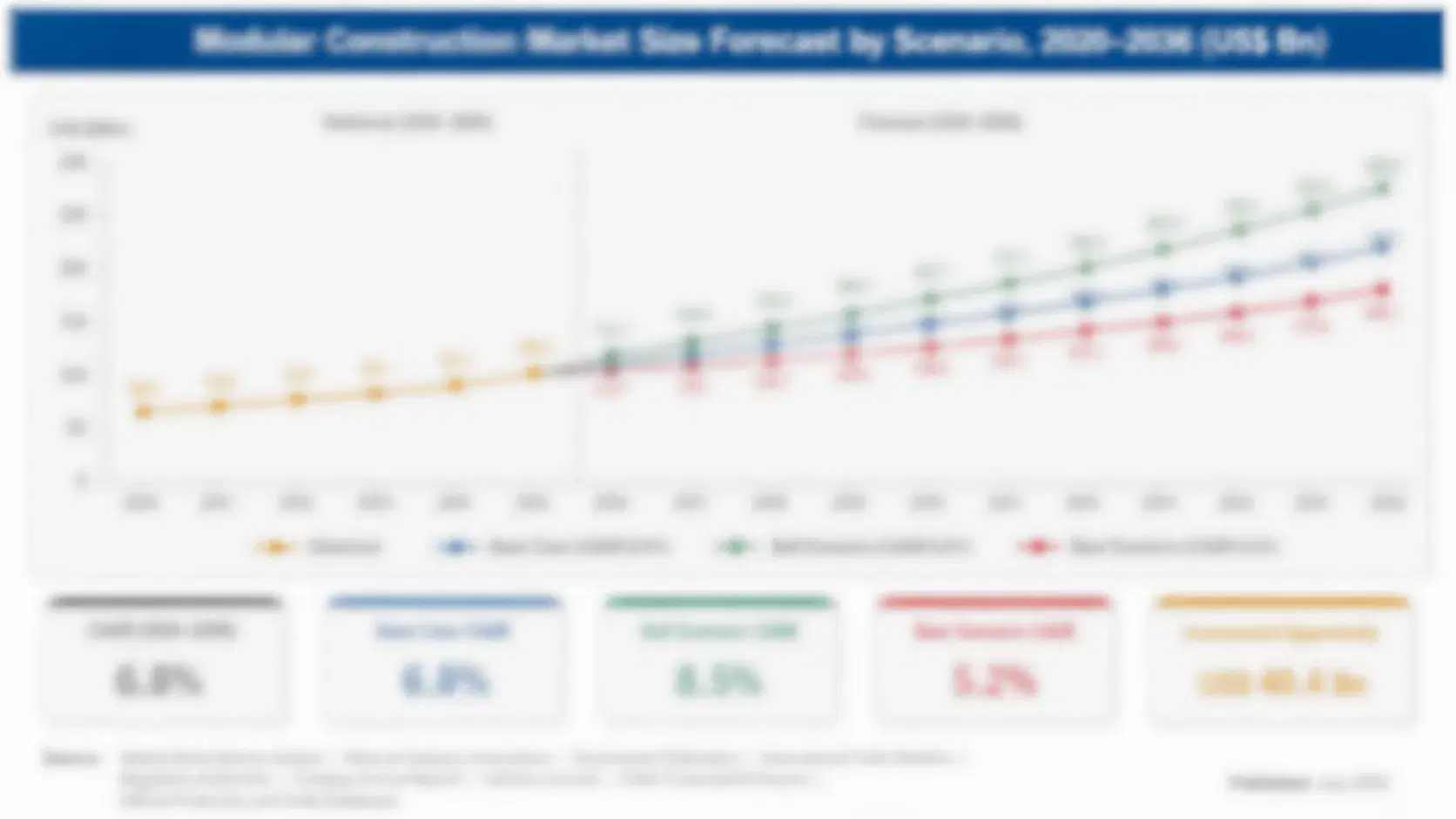
wearable-device-packaging-market-size-forecast-scenario-1791557195160
Between 2020 and 2025, wearable packaging grew steadily rather than explosively, tracking device-shipment growth closely as converters adapted existing protective formats rather than redesigning from scratch. Volume growth outpaced value growth for most of the period, since sensor-integration features remained confined to flagship devices and did not yet drive broad specification change across mid-tier product lines.
The base case assumes three commercial mechanisms hold: wearable device shipments keep growing at a double-digit clip through 2030, counterfeit-protection mandates in Asian import markets spread authentication tagging into mainstream specifications, and European Union recyclability deadlines force mono-material redesign across most major brands. Together these push packaging value growth above unit-volume growth for the first time in the category's history, as premium formats take share from generic protective packaging across nearly every device tier.
The bull case assumes embedded-authentication tagging becomes mandatory across all premium device tiers within three years, pulling average packaging value per unit sharply higher industry-wide. The bear case centers on a slowdown in wearable device replacement cycles that stretches qualification windows and delays the sensor-integration upgrade cycle converters are currently investing capital against, leaving premium capacity underutilized for longer than planned.

Demand Thesis Behind a Packaging Category Being Re-Engineered

Wearable device packaging sits downstream of three converging forces: shrinking device form factors that demand sub-millimeter-tolerance trays, brand owners treating packaging as a counterfeit-protection and warranty-registration surface, and e-commerce logistics that subject every shipment to drop-test conditions retail shelving never faced. Converters that once supplied generic consumer-electronics cartons are re-engineering tooling lines to hold sensor tags, moisture indicators, and anti-static coatings inside the same footprint, often on compressed six-month qualification cycles set by OEM product launches. MMA expects the related stencil lithography market to be worth USD 4.9 billion by 2036.
TOP PRODUCING COUNTRY SHARE38%China anchors the bulk of global contract assembly volume
MARKET CONCENTRATION (CR5)42%Top five converters hold under half the market
AVERAGE SELLING PRICE$0.38 per unitProtective tray pricing varies sharply by device tier
CAPACITY UTILIZATION81%Specialty converters run near full qualified capacity currently
FEEDSTOCK SHARE OF COGS46%Resin and film inputs dominate total conversion cost
TRADE INTENSITY63% cross-borderMost finished packaging crosses borders before final assembly
Commercially, this is a specialty-converter market, not a commodity one. Five large diversified packaging groups compete for OEM qualification slots alongside a longer tail of regional converters who win on turnaround speed and tooling flexibility rather than price. Average selling prices vary nearly fourfold between a basic foam insert and a sensor-integrated tray, and qualification costs, not raw material costs, are what keep new entrants out of premium accounts.
Over the next decade, expect packaging specifications to be written earlier in device design cycles rather than after, as embedded electronics make the package part of the product's authentication chain. Regulatory pressure on recyclability will force a slow retreat from multi-material laminates toward mono-material structures engineered to retain the same barrier and ESD performance. The chip scale package LED market is a natural companion read, sized by MMA at USD 3.6 billion in 2025 with 9.8% annual growth ahead.
"The packages winning qualification today aren't the cheapest ones; they're the ones that already pass the counterfeit and warranty questions the brand's legal team will ask in eighteen months. That's a different design brief than foam-in-a-box ever was."
Director, Electronics and Connected Devices Packaging Practice · MMA Technology & Industrial Packaging Practice · October 2026

Key Trends in Wearable Device Packaging

NFC and RFID Tagging Moves Into Primary Packaging

Near-field communication and RFID tags are migrating from product labels into the packaging substrate itself, letting brands pair a device to its companion app the moment a consumer opens the box. Flagship-style pairing experiences have pushed competitors across fitness trackers and hearables to adopt similar embedded-tag packaging, and several contract manufacturers in Vietnam and South Korea have added tag-insertion stations to existing assembly lines since 2024. The shift adds a new qualification layer: tags must survive the same drop, vibration, and humidity testing as the device, and failure rates above 0.5% trigger line stoppages that ripple into launch schedules.
Market Impact: Adds 600M packaged units yearly
Skin-Contact Biocompatible Materials Enter Packaging Specs

Regulatory scrutiny of skin-contact wearables, particularly continuous glucose monitors and medical-grade fitness patches, is pulling biocompatibility requirements upstream into the packaging itself, not just the device. Packaging that directly contacts an adhesive patch or electrode array before application must now pass the same ISO 10993 cytotoxicity screening the device undergoes, a requirement that barely existed in consumer packaging five years ago. Converters without biocompatibility-testing relationships are losing bids for medical-adjacent wearable lines even when their pricing is competitive, because brand quality teams will not accept packaging that has not cleared the same regulatory file as the device itself.
Market Impact: Cuts warranty fraud claims by 18%

Wearable Device Packaging Market Opportunities

Wearable Shipment Growth Lifts Packaging Volume

Global wearable device shipments are projected by industry trade associations to exceed 600 million units annually by 2027, and every incremental unit requires a qualified protective package before it reaches a retail shelf or direct-to-consumer mailer. Fitness trackers and hearables account for the largest unit volumes, but smartwatches and medical-grade patches carry the highest packaging value per unit because of added sensor-protection and tamper-evidence requirements. Contract manufacturers in China, Vietnam, and India have added packaging lines specifically to keep pace, and several have signed multi-year capacity agreements with converters rather than sourcing spot volume as they did before 2023.
Market Impact: Raises scrap-driven cost by 3 points

Counterfeit Protection Mandates Push Tag Adoption

Counterfeit wearables and accessories cost legitimate brands several hundred million dollars annually in warranty fraud and gray-market returns, and several major brands have responded by mandating embedded authentication features in packaging rather than relying on the device alone. South Korea's customs authority has tightened import screening for wearable accessories since 2024, pushing importers toward packaging carrying a verifiable digital signature. This is pulling NFC and QR-linked authentication into mainstream packaging specifications well outside the premium segment, and converters certifying tamper-evidence are winning multi-year contracts that previously went to the lowest bidder.
Market Impact: Extends entry timelines by 9 months

What Holds Back Wearable Device Packaging Growth

Embedded Electronics Raise Packaging Scrap Rates

Adding sensor tags, moisture indicators, or NFC antennas inside a protective tray raises first-pass scrap rates, because the insertion step introduces a new failure mode on top of existing forming and trimming defects. The root cause is tooling: most injection and thermoforming lines were engineered for passive protective structures, not for placing and bonding an active component mid-cycle. Scrap above 3% erodes margin quickly in a category where unit prices already sit below a dollar. Leading converters are piloting vision-inspection stations immediately after tag placement to catch defects before the part moves downstream.
Market Impact: Adds tag stations across 60% lines

Qualification Cycles Delay New Converter Entry

OEM qualification for wearable packaging routinely takes six to nine months and includes drop, vibration, humidity, and in some cases biocompatibility testing, a bar high enough to keep most new entrants out regardless of price. The underlying cause is liability: a packaging failure becomes the OEM's warranty cost, not the converter's, so brands qualify conservatively and rarely swap suppliers mid-cycle. This locks volume with incumbents for a device generation's full life, typically eighteen to thirty-six months. Some brands now pre-approve a second converter on the same tooling specification to shorten re-qualification if a primary supplier has a capacity problem. Readers tracking this shift may also follow the mobile cases and covers market, which MMA sizes at USD 28.5 billion in 2025, growing at 6.8% a year.
Market Impact: Shifts 15% of qualified bids
3 additional market trends, 4 additional growth drivers, and 2 additional restraints and challenges are covered in the full report. Contact sales@marketmindsadvisory.com to access the complete intelligence.

Wearable Device Packaging Segment Growth Rates

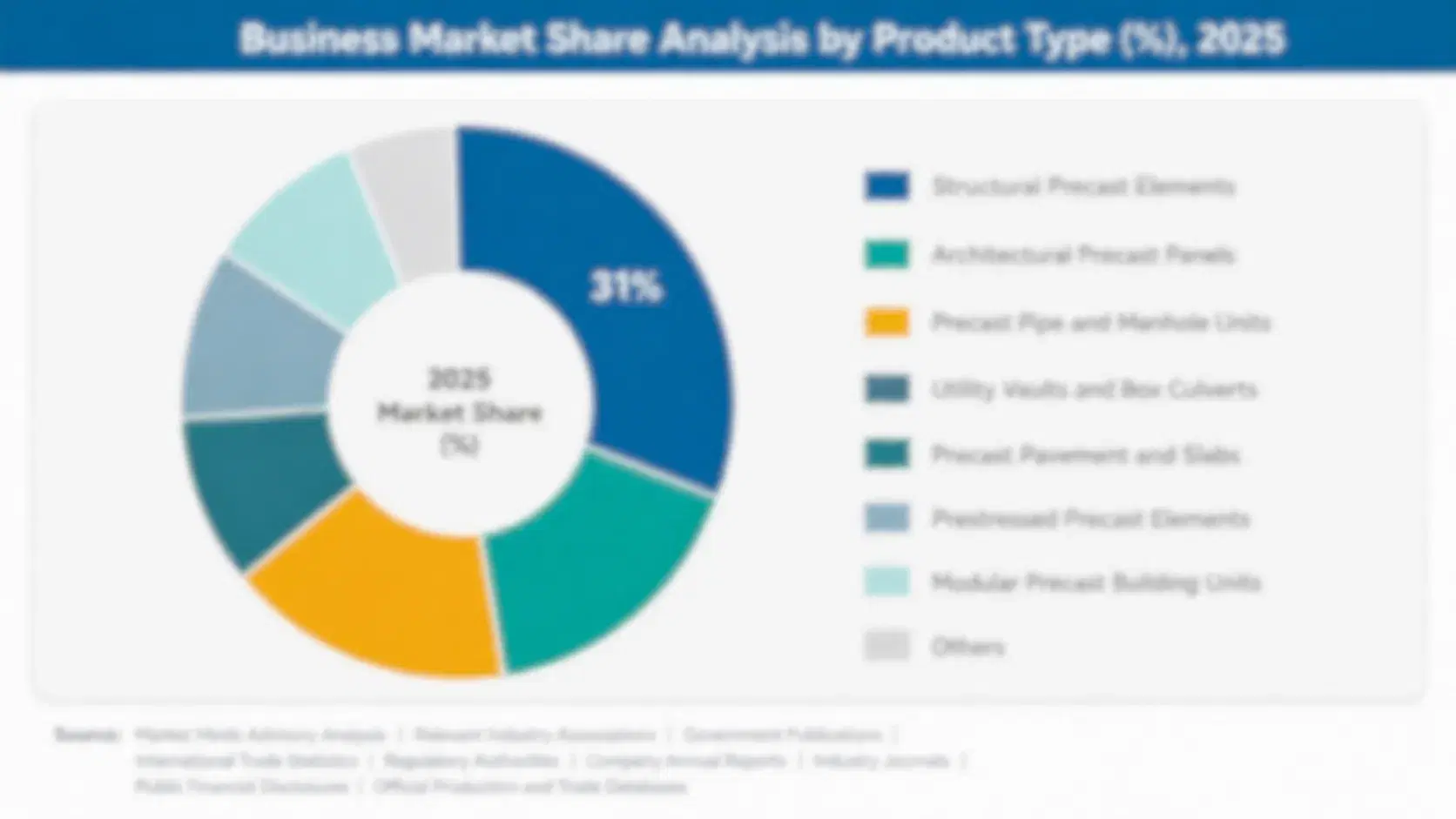
MMA segments the wearable device packaging market by packaging format and material construction rather than by device type, because the same tray, pouch, or carton design serves smartwatches, hearables, and medical-grade patches once sensor and protection requirements match. Six formats are tracked; sensor-integrated smart packaging and sustainable mono-material packaging are growing fastest as brands pursue authentication and recyclability targets together.
wearable-device-packaging-market-market-share-analysis-1791557195449

Sensor-Integrated Smart Packaging

Sensor-integrated smart packaging embeds NFC tags, moisture indicators, or temperature loggers directly into the protective structure, turning the package into an active part of the product rather than a passive shell. Demand concentrates in premium smartwatches, continuous health-monitoring patches, and hearables where brands want pairing, authentication, or cold-chain verification to start the moment a box is opened rather than after setup. Growth runs well ahead of the category average because the technology is migrating down from flagship devices into mid-tier fitness trackers, and because counterfeit-protection mandates in several Asian import markets are pulling authentication tags into mainstream specifications. Converters need cleanroom-adjacent assembly capability and tag-sourcing relationships most generic protective-packaging suppliers lack, keeping margins well above the category average. The same pull shows up in the smart tag packaging market, where MMA projects a 10.9% CAGR through 2036.
CAGR 14.2%

Sustainable Mono-Material Packaging

Sustainable mono-material packaging replaces the mixed-polymer laminates and foam-plastic combinations common in legacy wearable packaging with single-polymer structures engineered to retain barrier and anti-static performance while meeting European Union extended producer responsibility recyclability thresholds. Brands selling into the European Union and increasingly California are redesigning packaging lines ahead of regulatory deadlines rather than after enforcement begins, because retooling an entire SKU family takes twelve to eighteen months. The segment is growing faster than the category average as device makers standardize on mono-material formats to simplify compliance reporting and recycling-stream sorting. Converters that have already requalified mono-material tooling are winning multi-region contracts from brands that want one packaging specification rather than separate regional variants.
CAGR 12.6%
Full segment breakdown across 6 segments available in the complete report.

Wearable Device Packaging Regional and Country Demand

Demand concentrates where wearable devices are assembled and consumed. East Asia leads on assembly-linked packaging volume, North America and Western Europe follow on premium device consumption and regulatory-driven redesign, and South Asia and Pacific is expanding fastest as assembly capacity diversifies beyond China into Vietnam and India.

North America

North America's demand runs on consumption and compliance rather than assembly. Consumer electronics brands headquartered in the United States set the packaging specification even when the physical tray is formed overseas, and warranty, authentication, and e-commerce-return requirements are typically written first for the North American market before being adapted elsewhere. Direct-to-consumer shipping volume is unusually high here relative to retail shelf volume, which keeps drop-test and reverse-logistics packaging standards strict. Canada's contribution is modest but growing through cross-border fulfillment centers serving both markets. Medical-grade wearables, including continuous glucose monitors sold through pharmacy channels, add a biocompatibility-testing requirement on packaging that is more developed here than in most other regions, reinforcing premium-tier packaging specification work concentrated in this market.
Share: 26% | CAGR: 10.5% (2026 to 2036)

Western Europe

Regulation, more than consumption growth, defines Western Europe's position in this market. The European Union's extended producer responsibility framework and packaging waste directives are forcing mono-material redesign on a compliance deadline, which gives the region outsized influence on global packaging specifications even as its device-unit growth lags East Asia and North America. Germany and France host the largest concentration of brand-side packaging engineering teams managing this transition, while the United Kingdom's device-return and warranty-registration requirements add a further authentication layer. Growth here trails the global average because unit volumes are smaller and recyclability retrofits consume engineering capacity that would otherwise go toward new sensor-integration projects, but the region's regulatory output effectively sets the design brief other regions eventually adopt.
Share: 21% | CAGR: 8.3% (2026 to 2036)
Regional intelligence for 5 additional markets available in the complete report: East Asia, South Asia and Pacific, Latin America, Middle East and Africa, Eastern Europe. Contact sales@marketmindsadvisory.com.
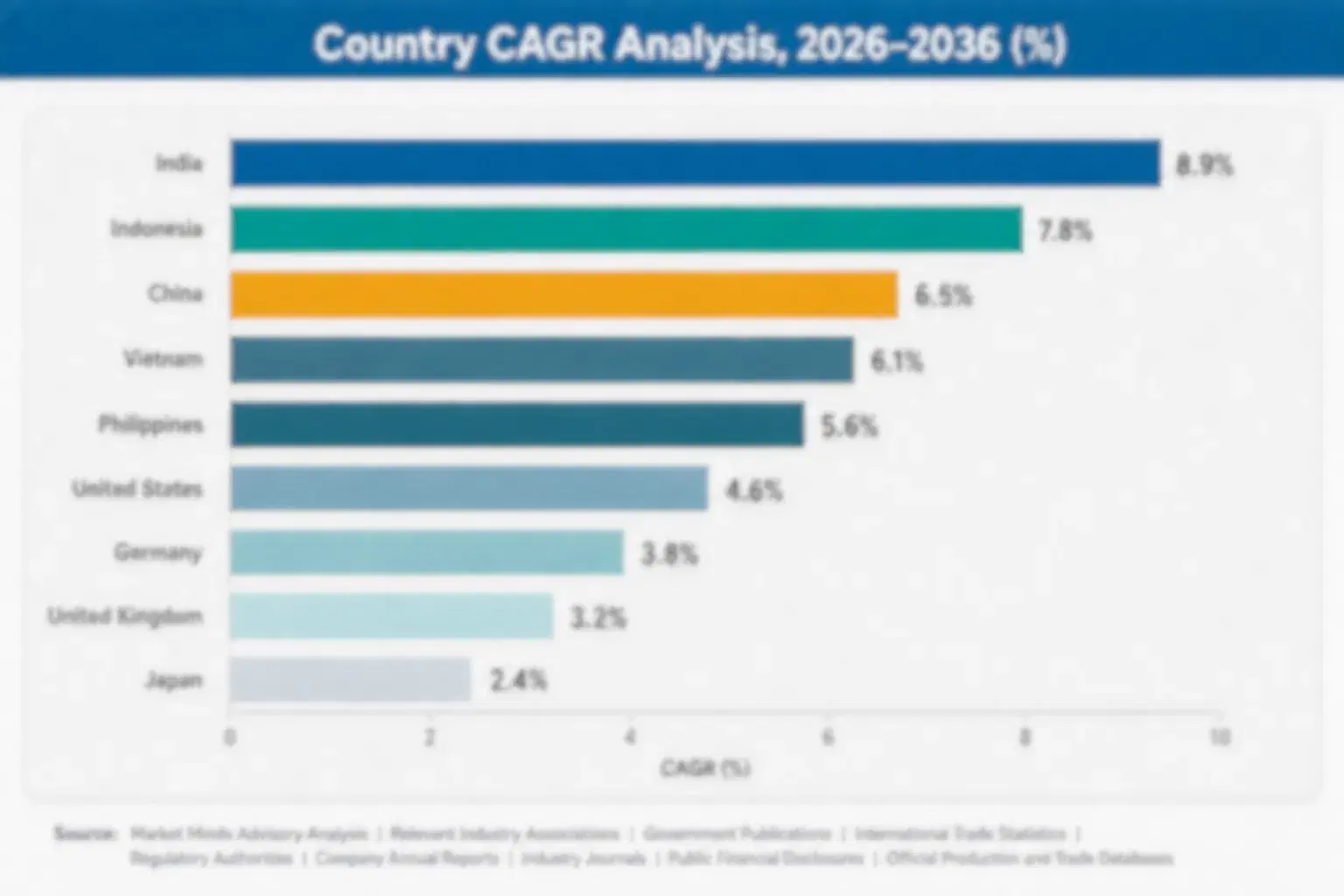
wearable-device-packaging-market-country-cagr-analysis-1791557195752

Where Converters Can Capture Premium Margin

Converters compete on qualification speed and tooling flexibility more than on unit price, which opens several routes to margin above the category average. The clearest paths run through embedded-electronics capability, biocompatibility certification, mono-material redesign services, and authentication-tag integration, each of which commands a premium brand owners will pay rather than risk a packaging-driven recall.

Offer In-House Tag Insertion and Testing

Converters that bring NFC and RFID tag insertion in-house, rather than subcontracting it, capture the margin on a step brands increasingly treat as mandatory. Tag-insertion capability typically adds 8 to 12 percentage points of gross margin over a passive protective tray because it requires cleanroom-adjacent handling, vision inspection, and a testing relationship most generic converters lack. Brands pay this premium because a failed tag after shipment is a warranty and authentication problem they cannot easily fix downstream. Early movers in Vietnam and South Korea have already converted several large accounts from spot-buy protective packaging to multi-year tag-insertion contracts.
Market Impact: Lifts gross margin by 8 to 12 points

Build Biocompatibility Certification Into Standard Offering

Medical-adjacent wearables, including continuous glucose monitors and clinical-grade patches, require packaging that has cleared ISO 10993 biocompatibility screening before it ever touches skin-contact components. Converters that maintain an in-house testing relationship and certification file win these accounts outright, because brand quality teams will not qualify a second supplier without an equivalent file, and requalification can take four to six months. This segment represents a small share of total wearable packaging volume but carries pricing roughly double the category average, and it is growing faster than the category as medical-grade wearables proliferate beyond dedicated medical device brands into consumer fitness lines.
Market Impact: Commands roughly 2x category average unit pricing today

Monetize Mono-Material Redesign as a Service

Brands facing European Union extended producer responsibility deadlines need to requalify packaging tooling against recyclability thresholds, and many lack the internal engineering capacity to do it on their own compliance timeline. Converters that package this as a defined redesign service, rather than a one-off favor bundled into existing contracts, can charge a project fee on top of ongoing conversion volume. Early engagements have priced this service at roughly 150,000 to 400,000 dollars per SKU family depending on complexity, a meaningful incremental revenue stream layered onto existing supply relationships rather than new unit volume alone.
Market Impact: Adds $150,000 to $400,000 per SKU redesign project

Pre-Qualify Dual Converters for Capacity Security

Brands increasingly pre-qualify a second converter on identical tooling specifications so a single capacity disruption cannot stall a product launch, and this dual-qualification trend is itself a revenue opportunity for the converter that moves first to offer standardized, easily transferable tooling documentation. Converters who package their qualification data in a form a brand's second-source partner can adopt quickly are winning preferred-partner status on new product lines before volume even exists, locking in future allocation. This approach has shifted an estimated 10 to 15% of new qualification wins toward converters who treat documentation as a sales tool rather than paperwork.
Market Impact: Shifts 10 to 15% of new qualification wins

Who Captures Wearable Device Packaging Value

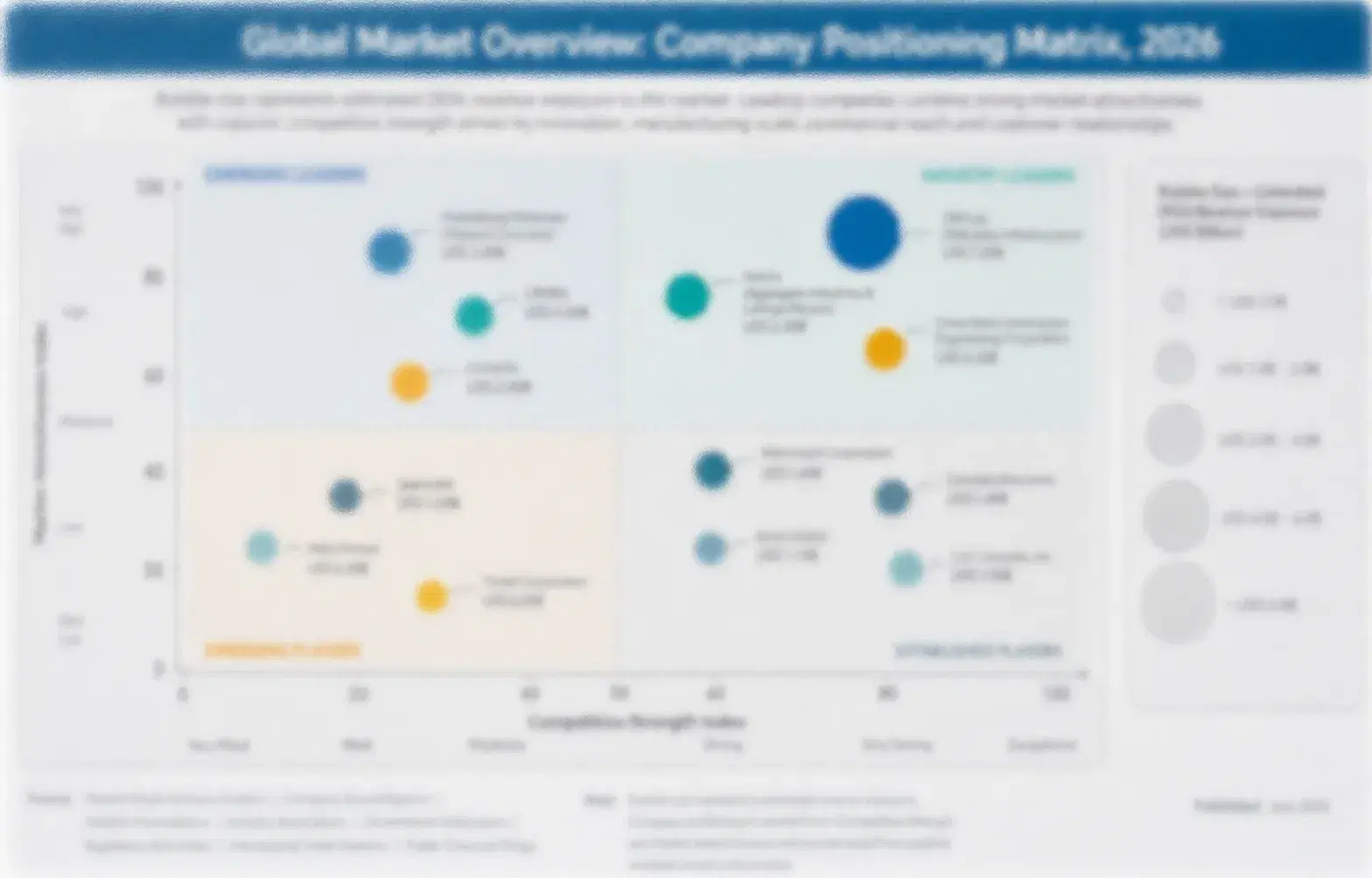
The competitive set is moderately fragmented. CR5 sits at 42%, with Sonoco Products and Amcor holding the largest qualified-account positions among diversified converters, while a long tail of regional specialists compete on turnaround speed rather than scale. The gap between the top five and the next tier is widening as embedded-electronics capability becomes a qualification requirement smaller converters struggle to fund.
Current competitive activity centers on three fronts: capacity investment in tag-insertion and vision-inspection lines, biocompatibility-certification partnerships that let converters bid on medical-adjacent accounts, and regional footprint expansion into Vietnam and India to sit closer to diversifying device assembly. Several mid-size converters have also begun offering mono-material redesign as a standalone service ahead of European Union compliance deadlines, a bet that compliance work converts into longer-term conversion volume once brands requalify their packaging.

Emerging pressure comes from specialty tag integrators winning premium accounts away from generalist converters that cannot match cleanroom-adjacent handling on short notice. Expect rankings among the next tier to shift over the next three years, as specialists either get acquired by diversified majors seeking tag-insertion capability outright, or scale independently on exclusive contracts a generalist converter would once have won by default.
wearable-device-packaging-market-company-positioning-matrix-1791557196060

How Wearable Device Packaging Suppliers Compete

SONOCO PRODUCTS COMPANY

Moat: Qualified OEM Design Lock-In

Sonoco's long-standing qualification relationships with major fitness-tracker and hearable OEMs give it default-supplier status across multiple device generations, since brands rarely re-bid mid-cycle given the warranty risk a supplier switch introduces. Its tag-insertion capacity build-out in Vietnam further entrenches this position with contract manufacturers diversifying assembly.
SONOCO PRODUCTS COMPANY

Risk: Raw Material Cost Exposure

Sonoco's margin is sensitive to resin and film feedstock swings, as its 2022 annual report noted explicitly. Smaller converters without index-linked contracts face this risk more acutely, but even Sonoco's scale did not fully insulate it from the 2022 natural-gas-driven feedstock spike that compressed segment margin for roughly two quarters that year.
AMCOR PLC

Moat: Global Flexible Film Scale

Amcor's global flexible-film manufacturing footprint lets it qualify once and supply multiple regional assembly sites from standardized tooling, an advantage smaller regional converters cannot match at comparable cost. Its recent acquisition of a specialty tag-integration converter adds embedded-electronics capability directly onto this existing scale base, accelerating its move into premium accounts.
AMCOR PLC

Risk: Multi-Material Recyclability Pressure

A meaningful share of Amcor's flexible-film portfolio still relies on multi-material laminate structures facing European Union recyclability pressure, requiring costly mono-material requalification across many SKU families before compliance deadlines, a transition competitors who started mono-material redesign earlier are further along in completing across comparable product lines.

Players Tracked

Prominent Players

Sonoco Products Company
Amcor plc
Sealed Air Corporation
3M Company
CCL Industries Inc.

Other Key Players

WestRock Company
Mondi plc
Berry Global Group Inc.
DS Smith plc
Huhtamaki Oyj
Avery Dennison Corporation
Smurfit Kappa Group
Multi-Color Corporation
Tekni-Plex Inc.
Pregis LLC
ProAmpac LLC
Sonoco ThermoSafe
Schott AG
Gerresheimer AG
Stora Enso Oyj

Recent Developments

MARCH 2025

Sonoco Expands Tag-Insertion Capacity in Vietnam

Sonoco Products Company commissioned a new tag-insertion and vision-inspection line at its Vietnam facility, adding embedded-NFC packaging capacity to serve contract manufacturers diversifying wearable assembly away from China. The investment followed two years of qualification work with a major fitness-tracker brand ahead of a planned 2025 product launch.
Signal: Signals that converters are now following device assembly diversification into Vietnam ahead of confirmed brand order volume.
SEPTEMBER 2024

Amcor Acquires Specialty Tag-Integration Converter

Amcor plc acquired a privately held specialty converter focused on embedded-tag packaging for consumer electronics, adding cleanroom-adjacent assembly capability it previously lacked in-house. The acquisition brought an existing biocompatibility-testing relationship and several qualified medical-adjacent wearable accounts into Amcor's portfolio, accelerating its move into sensor-integrated packaging overall.
Signal: Signals that diversified majors are racing to buy embedded-electronics capability rather than building it organically themselves.
JUNE 2025

South Korea Tightens Counterfeit Accessory Import Screening

South Korea's customs authority tightened import screening requirements for wearable accessories, requiring verifiable authentication features on packaging for goods entering the country. Converters supplying South Korean brands and contract manufacturers accelerated adoption of NFC-based authentication tagging in direct response to the new requirement, with compliance deadlines expected to tighten further.
Signal: Signals that regulatory authentication requirements are spreading from accessories into primary device packaging specifications broadly now.

Resin and Film Pricing Set Margin Risk

Resin-based films and foams account for roughly 46% of converted packaging cost, with polyethylene and polypropylene resin sourced predominantly from refiners in the United States Gulf Coast, South Korea, and Saudi Arabia. Specialty barrier films and NFC antenna substrates add a smaller but faster-growing cost line, sourced mainly from Japanese and South Korean film producers given the tight tolerance embedded packaging now requires.
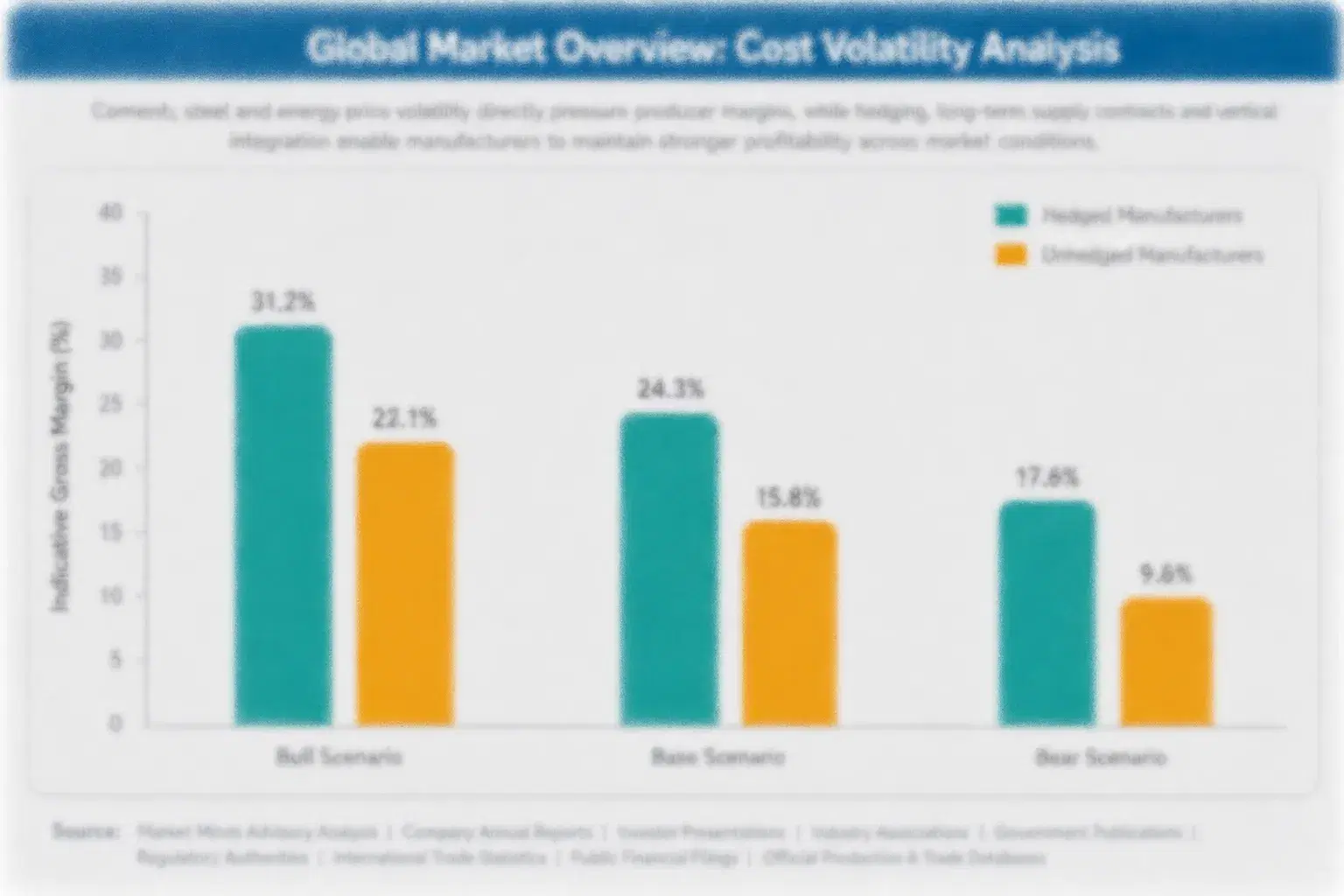
Resin pricing moved sharply in 2022 when natural gas feedstock costs spiked after the disruption to European gas supply, a shift the US Energy Information Administration tracked through a near-doubling of US ethylene-feedstock natural gas prices within a single year. Converters without hedged resin contracts saw costs rise faster than they could pass through to customers on annual agreements, compressing margins for roughly two quarters.

Smaller regional converters carry disproportionate exposure because they lack the purchasing volume to negotiate index-linked resin contracts that larger diversified packaging groups secure as standard practice. This leaves them repricing on a lag relative to spot resin markets, which erodes margin precisely during the volatility windows when diversified competitors are protected. Converters in regions without local resin production face an added currency-translation layer on top of the underlying commodity swing.
wearable-device-packaging-market-cost-volatility-analysis-1791557196583

Index-Linked Resin Contracts Tied to Published Benchmarks

Larger converters increasingly tie resin purchase pricing to published benchmark indices rather than negotiating fixed annual prices, passing volatility through to customers on a predictable formula instead of absorbing it themselves. This reduces the margin compression smaller converters experience during spikes, though it requires a contract structure brand customers must also be willing to accept upfront.

Qualify Secondary Resin Suppliers Across Regions

Converters are qualifying resin from a second regional supplier, often in a different country entirely, specifically to avoid single-source exposure to any one feedstock disruption. This adds qualification cost upfront but has shortened recovery time after regional supply shocks for converters who completed the work before the 2022 disruption rather than scrambling after it hit.

Shift Specification Toward Lower-Cost Resin Grades

Some converters are working with brand engineering teams to requalify packaging specifications against lower-cost resin grades that still meet barrier and ESD performance thresholds, trading a longer qualification cycle for a durably lower material cost base going forward across the full accessory and replacement packaging product line the brand currently ships to customers worldwide each year.

Portfolio Architecture for Margin Defence

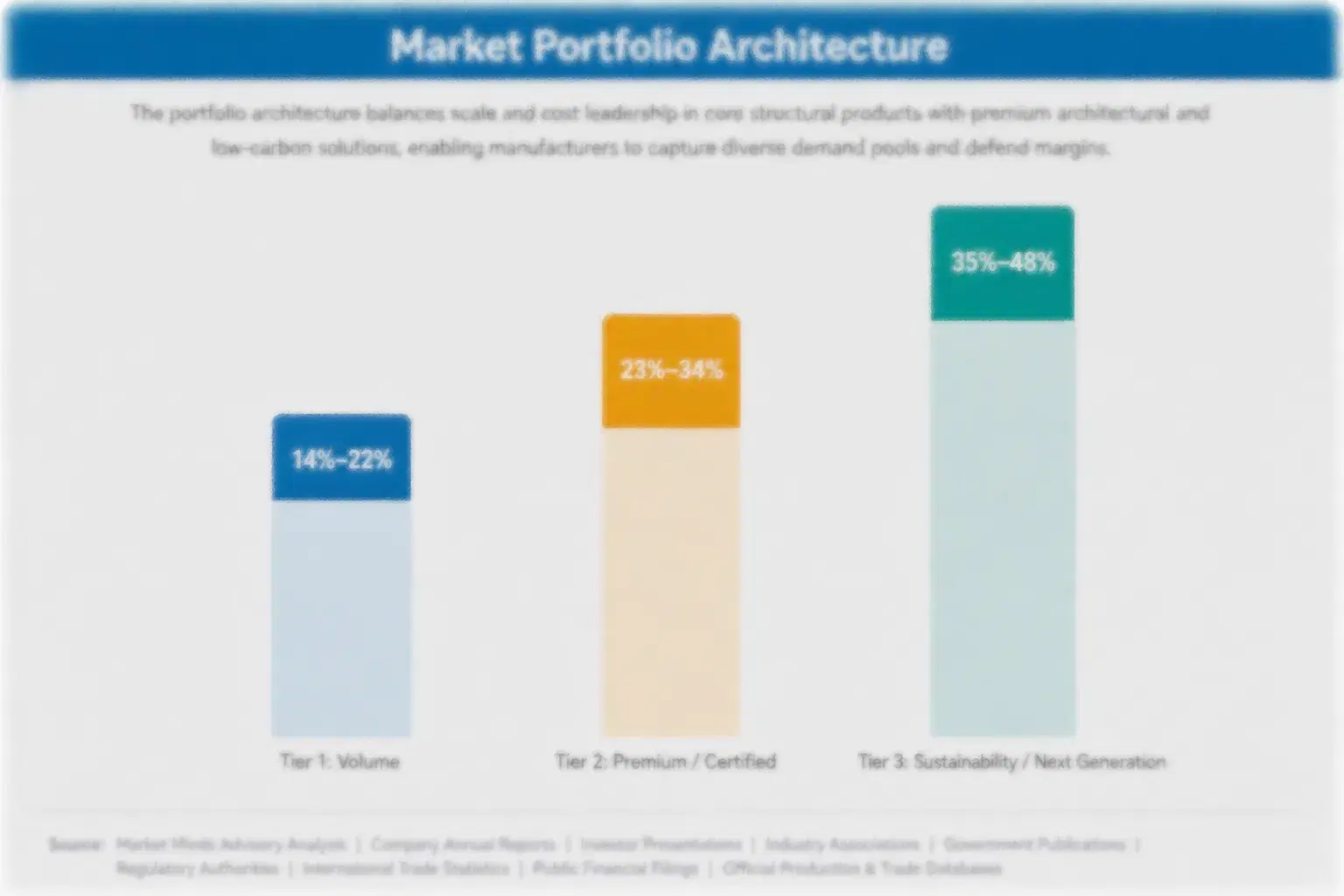
Wearable device packaging splits into three commercial tiers with sharply different margin profiles. Volume commodity-adjacent packaging, generic foam and clamshell formats sold largely on price, carries gross margins in the high teens. Premium certified packaging, covering biocompatibility-tested and sensor-integrated formats, commands gross margins roughly double that. Sustainability and next-generation packaging sits between the two today but is repricing upward as regulatory deadlines approach across most major brands. The next generation packaging market is a useful reference point here, growing from USD 48.0 billion in 2025 to USD 131.5 billion by 2036 at a 9.6% CAGR, according to MMA.
The tension running through this architecture is capacity allocation. Converters that invested early in tag-insertion and biocompatibility-testing capability can redirect volume toward premium accounts paying double the margin, while generalist converters remain stuck competing on price in the volume tier with little room to reinvest. Several mid-size players are deliberately shrinking their volume-tier book to free capacity for premium qualification work, accepting near-term revenue decline for margin improvement.

High-value margin pools concentrate in medical-adjacent certified packaging and in embedded-authentication formats for premium hearables and smartwatches, both growing faster than the category average. Converters positioned in both pools simultaneously, rather than just one, are capturing the largest share of new premium qualification wins industry-wide this cycle across most major accounts.

Volume / Commodity-Adjacent Tier

Generic foam inserts, clamshells, and basic cartons sold primarily on price with minimal differentiation, serving mid-tier fitness trackers and accessory packaging where brands compete mainly on landed unit cost rather than performance features.
Gross Margin: 16-19%

Premium / Certified Tier

Biocompatibility-tested and sensor-integrated formats serving medical-adjacent wearables and premium hearables, where qualification cost and testing relationships, not price, determine which converters win and retain the account over successive device generations.
Gross Margin: 32-37%

Sustainability / Regulatory / Next-Generation Tier

Mono-material and recyclability-engineered packaging built to meet European Union extended producer responsibility thresholds, currently repricing upward as more brands requalify ahead of compliance deadlines across multiple device lines and regions.
Gross Margin: 24-29%
wearable-device-packaging-market-portfolio-architecture-1791557197063

High-value Sub-segments and Strategic Watch-out

Sensor-Integrated Authentication Packaging

Embedded NFC and RFID authentication packaging for premium hearables and smartwatches is both the highest-margin and fastest-growing segment tracked, as counterfeit-protection mandates and warranty-registration use cases pull it into a mainstream specification across mid-tier device lines within two to three years industry-wide across most qualified accounts currently.
Gross Margin: 33-38%

Biocompatibility-Certified Medical Patch Packaging

Packaging for continuous glucose monitors and clinical-grade fitness patches carries premium margin from testing and certification overhead, but unit-volume growth is moderate relative to consumer wearables because medical-adjacent device categories expand more slowly than mainstream fitness and hearable lines each year relative to the broader wearable category overall.
Gross Margin: 30-35%

Generic Protective Foam and Clamshell Formats

The largest unit-volume segment by far, serving mainstream fitness trackers and accessory packaging on thin, price-competitive margins, remains the revenue base most converters depend on even as they reinvest proceeds into higher-margin premium qualification capability across newer product lines even as reinvestment accelerates elsewhere steadily.
Gross Margin: 15-19%

Multi-Material Laminate Structures

Legacy multi-material laminate packaging faces a slow-motion regulatory squeeze from European Union recyclability rules, and converters that have not begun requalifying toward mono-material alternatives risk losing compliance-driven volume to competitors who moved earlier and already hold requalified tooling in place on tooling investments competitors made earlier.
Gross Margin: 18-22%

Why Packaging Specs Outlive Product Cycles

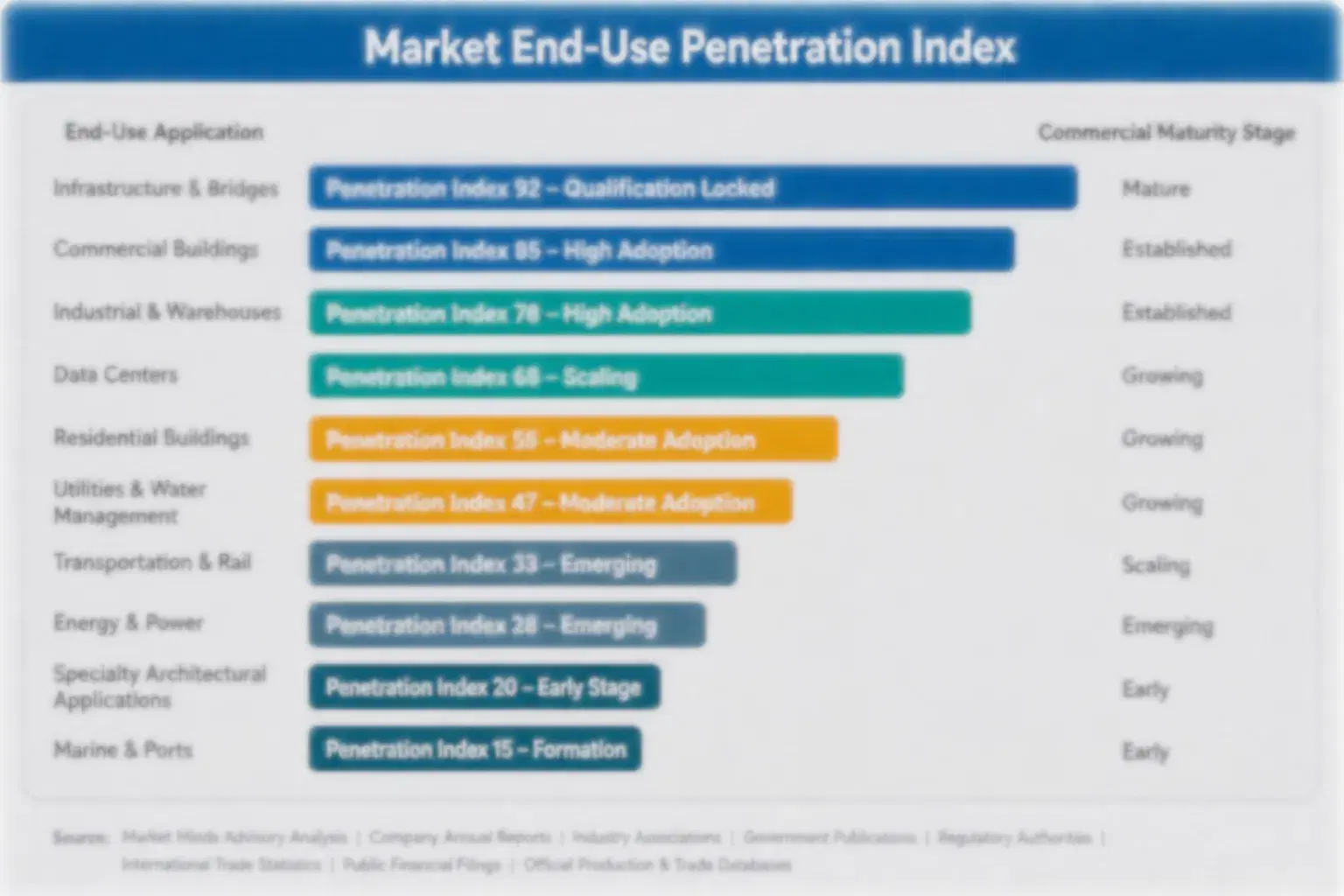
Once a converter wins qualification on a device generation, the relationship behaves like an annuity rather than a one-time sale. Re-qualifying a new supplier mid-generation carries enough warranty and schedule risk that brands rarely do it, so the incumbent converter captures recurring volume across every production run of that device line, typically eighteen to thirty-six months, without needing to rebid the business at all even as device specifications evolve only modestly year to year.
Depth of adoption varies sharply by end-use vertical. Medical-adjacent wearables lock in the deepest relationships because biocompatibility requalification is expensive and slow, while mainstream fitness trackers see shorter device generations and more frequent resourcing as brands chase cost reduction. Hearables sit in between, with sensor-integration requirements creating switching friction that pure protective-packaging categories do not carry.

Buyer profiles are shifting generationally as packaging engineering moves earlier into device development. A decade ago, packaging was specified after industrial design was finished; today, packaging engineers increasingly sit inside the product development team from the earliest device-generation planning, giving converters with embedded-electronics capability a seat brands did not previously offer them particularly once packaging engineers hold formal sign-off authority.
wearable-device-packaging-market-end-use-penetration-index-1791557197616

Where to Place Bets Now

These are among the four positions where our research anticipates prominent divergence between winners and laggards over the coming forecast period. Each is grounded in the demand model, the regulatory perimeter, and the announced capacity pipeline.
01 / CAPABILITY INVESTMENT PRIORITY

Fund tag-insertion capability before competitors close the gap

Embedded-tag insertion is becoming a qualification requirement rather than a differentiator, and converters without the capability are already losing premium bids outright. The margin gap between passive protective packaging and tag-integrated formats is wide enough that early movers in Vietnam and South Korea have converted entire accounts from spot-buy arrangements to multi-year contracts on this basis alone. Waiting two more product generations risks ceding the premium tier permanently to converters who moved first and already hold the testing relationships brands now require.
02 / MEDICAL CERTIFICATION BUILD-OUT

Build a biocompatibility testing relationship this cycle

Medical-adjacent wearable categories are expanding beyond dedicated medical device brands into mainstream consumer fitness lines, and packaging that has not cleared ISO 10993 biocompatibility screening cannot bid on these accounts at all. Building this certification capability in-house, rather than outsourcing it account by account, cuts the four-to-six-month requalification delay that currently blocks converters from responding quickly to new business opportunities. Converters that complete this build-out ahead of the broader market will capture a disproportionate share of medical-adjacent accounts opening over the next two years.
03 / REGULATORY COMPLIANCE TIMING

Requalify mono-material tooling ahead of EU deadlines

European Union extended producer responsibility deadlines are forcing mono-material redesign across the industry, and converters who requalify tooling earliest will own the compliance-driven volume shift rather than scrambling to catch brand demand after enforcement begins. Retooling a SKU family takes twelve to eighteen months, which means converters starting now are positioned ahead of brands' own compliance deadlines rather than behind them. Converters who wait risk losing accounts outright to competitors who can already demonstrate compliance readiness across every major market where they currently compete.
04 / GEOGRAPHIC CAPACITY ALLOCATION

Add capacity in Vietnam and India before rivals do

Assembly diversification away from China into Vietnam and India is creating new packaging-capacity demand in both countries well before the local qualified converter base has caught up with current brand demand. Converters who establish qualified capacity in these markets ahead of brand demand will capture default-supplier status on new assembly lines, mirroring what incumbents already enjoy in China today. This is a limited window: once local capacity catches up with demand, the first-mover pricing advantage disappears for good and cannot be recovered by anyone.

Engagement Snapshot From the Field

A live engagement with an industry participant carrying material or product regulatory and market exposure ahead of a defining policy shift, showing how our research translates into a defensible multi-year portfolio strategy.
MARKET MINDS ADVISORY · CLIENT ENGAGEMENT SUMMARY
Wearable Device Packaging Producer Strategic Portfolio Review and Transition Roadmap 2026·Investment Scenario on Wearable Device Packaging Exposure Evaluation 2025-26
CLIENT PROFILE
The client is a mid-size consumer electronics brand with an established fitness-tracker and hearable product line sold primarily through North American and European retail and direct-to-consumer channels. The company reported approximately $340 million in wearable-category revenue for its most recent fiscal year (client-reported, unverified by MMA), with packaging-related costs representing a growing share of unit cost as it added sensor-integration and authentication features ahead of a major refresh.
STRATEGIC CHALLENGE
The client's existing protective packaging supplier could not support embedded-NFC tag insertion at the volumes required for an upcoming smartwatch launch, and qualification lead times for a new converter risked delaying the launch by one full quarter. The client needed a converter meeting both the technical qualification bar and an aggressive six-month timeline without compromising drop-test performance already locked into the specification.
MMA APPROACH
MMA conducted a structured capability assessment of five qualified converters against the client's technical specification, benchmarking tag-insertion defect rates, biocompatibility-testing relationships, and regional capacity against the client's target markets. The engagement included a cost-structure comparison across converters and a recommended dual-qualification structure to protect the launch timeline against single-supplier capacity risk.
KEY FINDINGS
  1. Only two of the five converters assessed could support tag-insertion at the required volume without adding a new capital line, narrowing the realistic shortlist considerably.
  2. Qualification lead times varied from four to seven months across converters, a gap large enough to determine launch timing on its own.
  3. Dual-qualification on identical tooling specifications reduced the client's capacity risk meaningfully without materially increasing total packaging cost across the broader product line.
  4. The client's prior packaging cost assumptions understated the tag-insertion premium by roughly 20%, a gap the assessment surfaced before contracts were finally signed.
CLIENT PROFILE
The client is a mid-size consumer electronics brand with an established fitness-tracker and hearable product line sold primarily through North American and European retail and direct-to-consumer channels. The company reported approximately $340 million in wearable-category revenue for its most recent fiscal year (client-reported, unverified by MMA), with packaging-related costs representing a growing share of unit cost as it added sensor-integration and authentication features ahead of a major refresh.
STRATEGIC CHALLENGE
The client's existing protective packaging supplier could not support embedded-NFC tag insertion at the volumes required for an upcoming smartwatch launch, and qualification lead times for a new converter risked delaying the launch by one full quarter. The client needed a converter meeting both the technical qualification bar and an aggressive six-month timeline without compromising drop-test performance already locked into the specification.
MMA APPROACH
MMA conducted a structured capability assessment of five qualified converters against the client's technical specification, benchmarking tag-insertion defect rates, biocompatibility-testing relationships, and regional capacity against the client's target markets. The engagement included a cost-structure comparison across converters and a recommended dual-qualification structure to protect the launch timeline against single-supplier capacity risk.
KEY FINDINGS
  1. Only two of the five converters assessed could support tag-insertion at the required volume without adding a new capital line, narrowing the realistic shortlist considerably.
  2. Qualification lead times varied from four to seven months across converters, a gap large enough to determine launch timing on its own.
  3. Dual-qualification on identical tooling specifications reduced the client's capacity risk meaningfully without materially increasing total packaging cost across the broader product line.
  4. The client's prior packaging cost assumptions understated the tag-insertion premium by roughly 20%, a gap the assessment surfaced before contracts were finally signed.
RECOMMENDED STRATEGY
Phase 1: Phase 1 (Months 1 to 2): Shortlist and technically qualify two converters in parallel on identical tooling specifications to de-risk the launch timeline. Phase 2: Phase 2 (Months 3 to 5): Run production trial volumes through both qualified converters, validating defect rates and cost before committing full launch volume. Phase 3: Phase 3 (Months 6 onward): Allocate primary volume to the stronger-performing converter while retaining the second as a qualified backup for capacity events.
OUTCOME
The client launched its smartwatch on schedule with dual-qualified tag-insertion capacity in place, avoiding the one-quarter delay the original single-supplier plan risked. Packaging-related unit cost came in within 4% of the revised budget MMA's assessment produced, and the client reported no tag-related field failures across its first two shipment waves following launch (client-reported, unverified by MMA).

Frequently Asked Questions

Foundational context covering the market sizes, CAGR, scope, country, region and competition that inform every finding below. This section is provided to cover basics and most often pre-purchase conversations, answered from the MMA Primary Research Dataset.

What is the current size of the Wearable Device Packaging Market?

The global wearable device packaging market was valued at approximately $3.4 billion in 2025. This figure reflects protective, sensor-integrated, and compliance-driven packaging formats sold to device brands and contract manufacturers worldwide.

How large will the Wearable Device Packaging Market be by 2036?

MMA projects the market will reach approximately $9.5 billion by 2036. Growth is driven by rising wearable device shipment volumes and the spread of embedded-electronics packaging formats.

What is the CAGR for the Wearable Device Packaging Market 2026 to 2036?

The market is projected to grow at a compound annual growth rate of 9.8% between 2026 and 2036. Bull and bear scenarios range from roughly 8.5% to 11.0%.

Which segment is growing fastest?

Sensor-integrated smart packaging is the fastest-growing segment, expanding at approximately 14.2% annually, well above the category average. This reflects embedded NFC and RFID authentication features migrating into mainstream device lines.

Who are the major companies in the Wearable Device Packaging Market?

Leading companies include Sonoco Products Company, Amcor plc, Sealed Air Corporation, 3M Company, and CCL Industries Inc. These five converters hold the largest qualified-account positions among diversified packaging groups.

Which country is growing fastest?

China is the fastest-growing major country in absolute packaging demand terms, expanding at approximately 12.4% annually. Vietnam and India are close behind as assembly capacity diversifies beyond existing hubs.

How the Wearable Device Packaging Market Is Segmented

The full report scope spans multiple orthogonal segmentation dimensions, with cross-tabulated demand data provided for each dimension pair. Coverage extends further to regional breakdowns, trend trajectories, and the competitive detail needed to support segment-level decision-making.

By Packaging Format and Material Construction

  • Flexible Barrier Films and Pouches
  • Rigid Blister and Clamshell Packaging
  • Sensor-Integrated Smart Packaging
  • Protective Foam and Molded Inserts
  • Anti-Static and ESD-Shielding Packaging
  • Sustainable Mono-Material Packaging

By End-Use Device Category

  • Smartwatches
  • Fitness Trackers and Bands
  • Hearables
  • Medical-Grade Patches and Monitors
  • Other Connected Accessories

By Commercial Dimension

  • OEM Direct Supply
  • Contract Manufacturer Supply
  • Retail and E-Commerce Repackaging
  • Aftermarket and Replacement Packaging

By Region

  • North America
  • Western Europe
  • East Asia
  • South Asia and Pacific
  • Latin America
  • Middle East and Africa
  • Eastern Europe

Scope, Methodology, and Coverage

Every figure in this report is reproducible from documented input assumptions. The scope below maps the historical period, the forecast horizon, the segmentation dimensions, and the countries covered, alongside the underlying primary and qualitative methodology.
Historical Period
2020 to 2025
Forecast Period
2026 to 2036
Base Year
2025 (USD billions; MMA Primary Research Dataset, October 2026)
Market Definition
The wearable device packaging market covers protective, sensor-integrated, and compliance-driven packaging formats sold to wearable device brands and their contract manufacturers, including flexible films, rigid trays, foam inserts, and embedded-electronics packaging. It excludes the wearable devices themselves, retail store fixtures, and generic secondary shipping cartons not engineered for device-specific protection or sensor integration.
Quantitative Units
USD billions (current prices); unit volumes in million packaged units where cited
Segmentation Dimensions
By Packaging Format and Material Construction; By End-Use Device Category; By Commercial Dimension; By Region
Regions Covered
North America, Western Europe, East Asia, South Asia and Pacific, Latin America, Middle East and Africa, Eastern Europe
Countries Covered
USA, China, Germany, France, UK, Japan, South Korea, India, Australia, Canada, Brazil, Mexico, Indonesia, Vietnam, Thailand, Malaysia, UAE, Saudi Arabia, South Africa, Nigeria, Turkey, Poland, Netherlands, Italy, Spain, Sweden, Switzerland, Argentina, Colombia, Singapore, and additional markets relevant to this sector
Key Companies Profiled
Sonoco Products Company, Amcor plc, Sealed Air Corporation, 3M Company, CCL Industries Inc., WestRock Company, Mondi plc, Berry Global Group Inc., DS Smith plc, Huhtamaki Oyj, Avery Dennison Corporation, Smurfit Kappa Group, Multi-Color Corporation, Tekni-Plex Inc., Pregis LLC, ProAmpac LLC, Sonoco ThermoSafe, Schott AG, Gerresheimer AG, Stora Enso Oyj
Quantitative Methodology
Primary survey, n=3,800 respondents, Q4 2025, six countries; demand-side model with trade association cross-validation
Qualitative Methodology
47 expert interviews, Q4 2025; applied to validate demand model assumptions, identify emerging dynamics, and assess competitive positioning
Report Format
PDF and XLSX data workbook (Word format preview document)
Publisher
Market Minds Advisory
Report Code
MMA-2026-PAC-101
Published
October 2026
Contact
sales@marketmindsadvisory.com | www.marketmindsadvisory.com

Purchase the full Wearable Device Packaging Market Report (2026 to 2036).

The full report delivers a complete market model spanning 2020 to 2036, with segment-level and regional revenue breakdowns across all seven tracked geographies. It includes detailed profiles of twenty companies, competitive benchmarking on a revenue basis, and an independent assessment of moat durability and risk exposure for the two leading converters. Buyers receive the complete regional dataset beyond the two regions shown in this summary, along with extended commentary on input-cost exposure and mitigation strategies. A dedicated appendix covers qualification timelines, biocompatibility certification pathways, and tag-insertion capability benchmarking across the competitive set. Custom segment cuts and company-specific data extensions are available on request.
Twenty-company competitive benchmarking on a consistent basis
Full seven-region revenue and CAGR dataset
Segment-level margin and growth analysis across six formats
Input-cost exposure and mitigation strategy appendix
Qualification timeline and biocompatibility certification benchmarking
Custom segment and company-specific data extensions available

Built For The People Who Decide

From boardroom strategy to bench-side execution, this report is read cover-to-cover by leaders shaping the next decade of their industry, turning demand scenarios, market dynamics and valuation benchmarks into decisions.
CXOs/ Presidents/ VPs/ Managers
M&A and Corporate Development
Strategy Teams and R&D Heads
Procurement and Product Directors
Regulatory and Compliance Leaders
Investor Relations and Equity Analysts